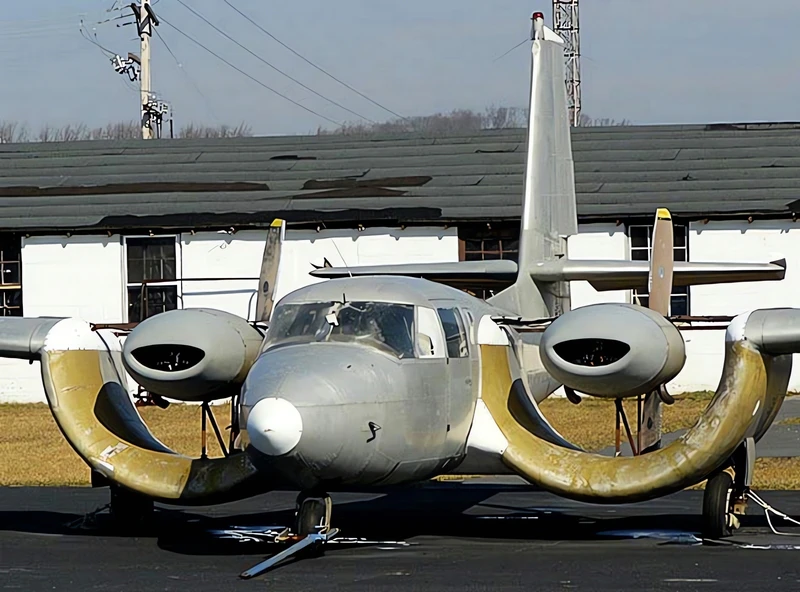
Custer CCW-5 | |
|---|---|
| Paese | Usa |
| Ruolo | Trasporto leggero a 5 posti |
| Primo volo | Il 13 luglio 1953 |
| Costruito | 2 |
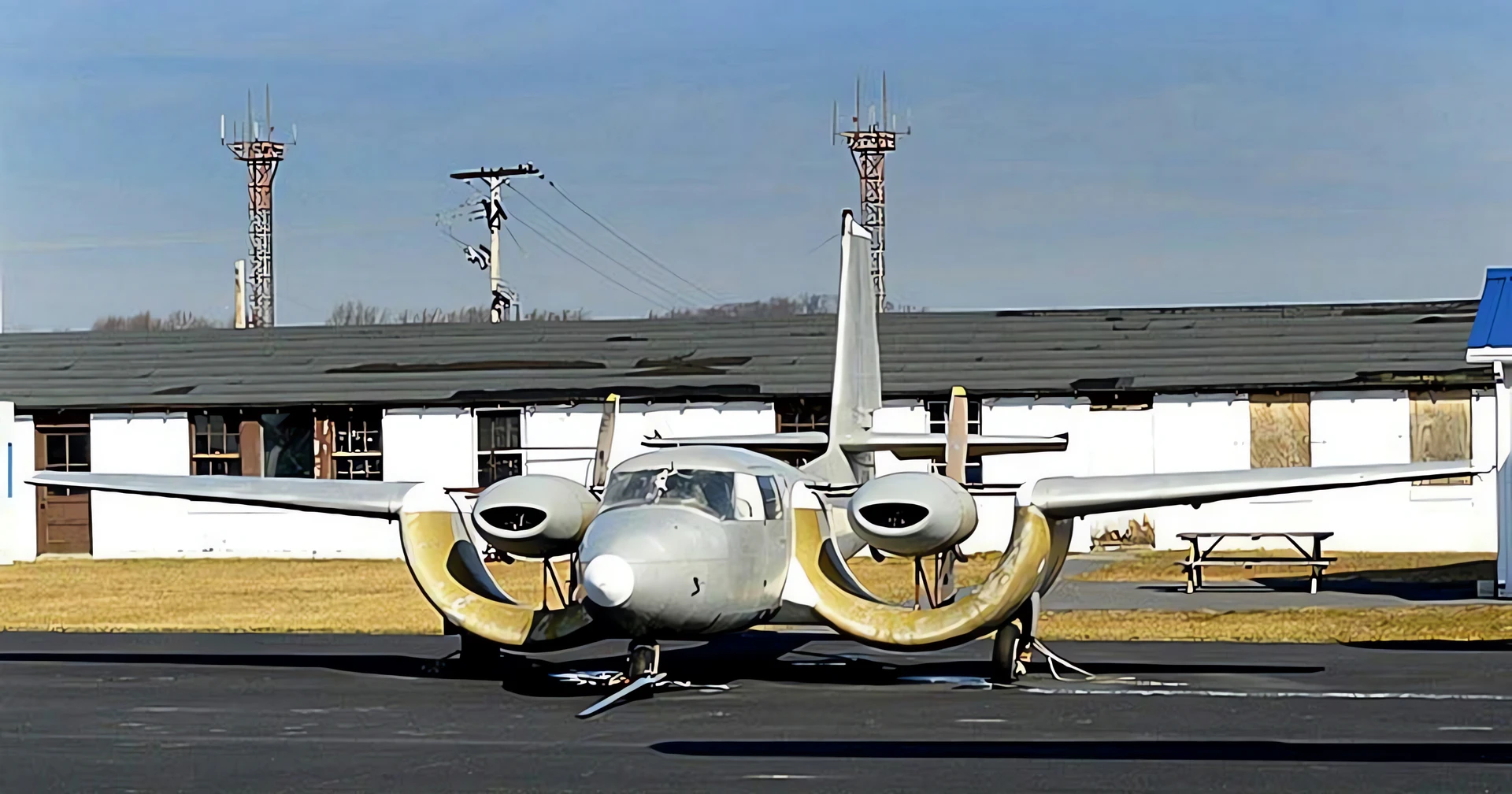
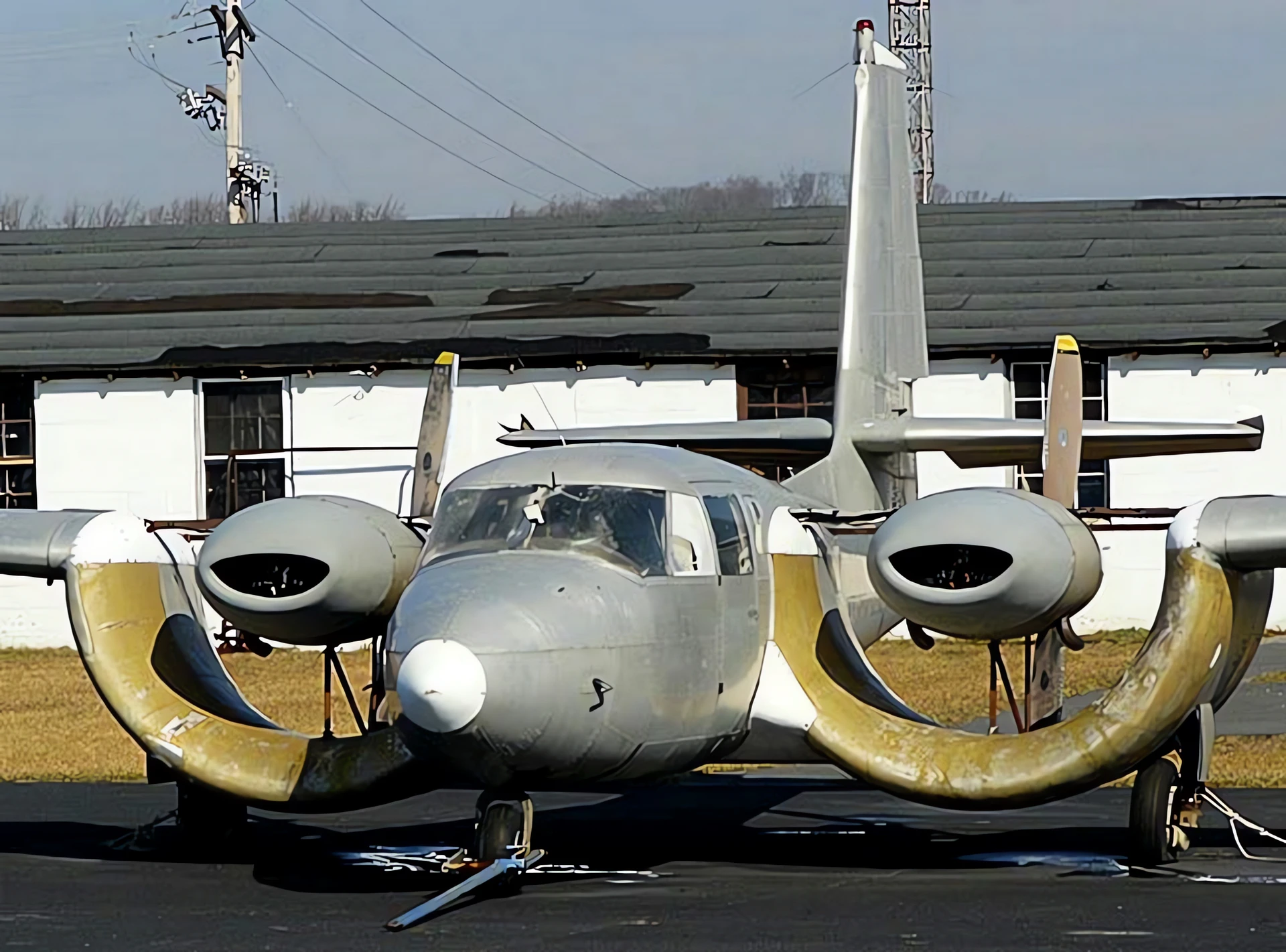
Le Custer CCW-5 was a twin-engined, 5-seat aircraft of pusher configuration, which used a channel wing claimed to enable low speed flight and short take-offs. Two CCW-5s flew, eleven years apart, but the type never entered production. The aircraft was the third and last of a series of Custer Channel Wing designs.
fonte: Custer CCW-5 su Wikipedia
| Custer Channel Wing CCW-5 STOL Walk Around | |
|---|---|
| Photographer | Bill Maloney |
| Localisation | Unknow |
| Photos | 19 |
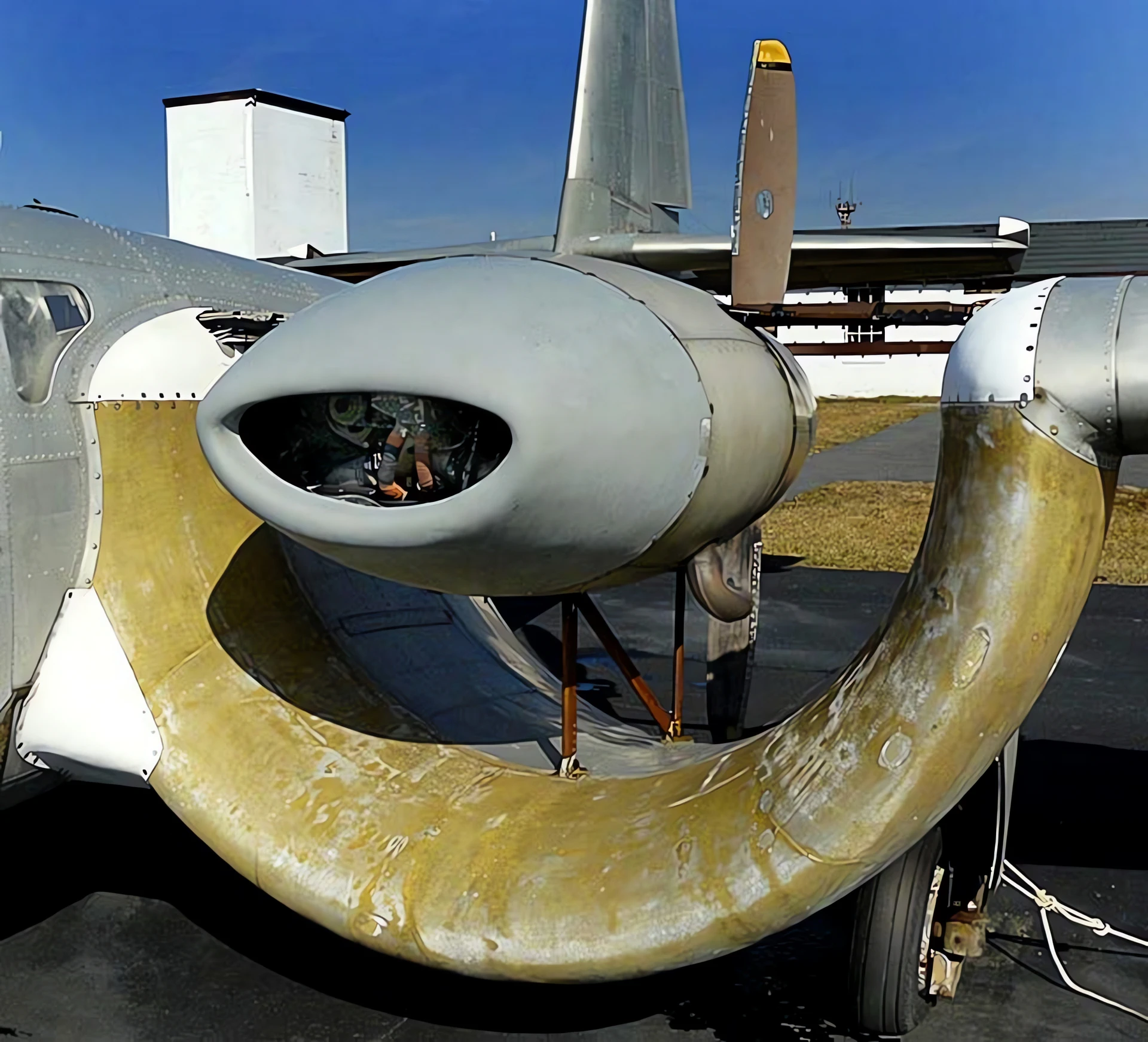
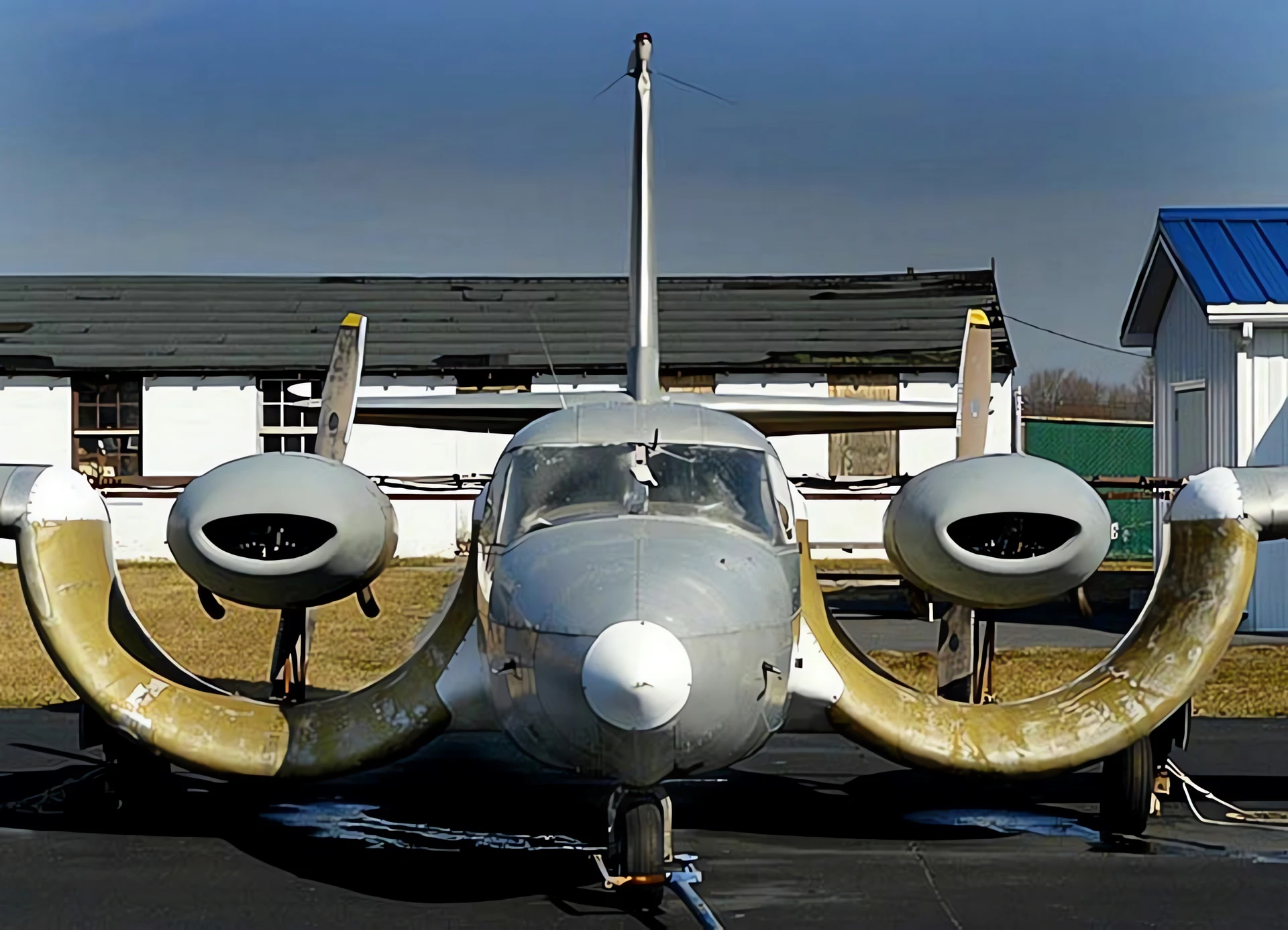
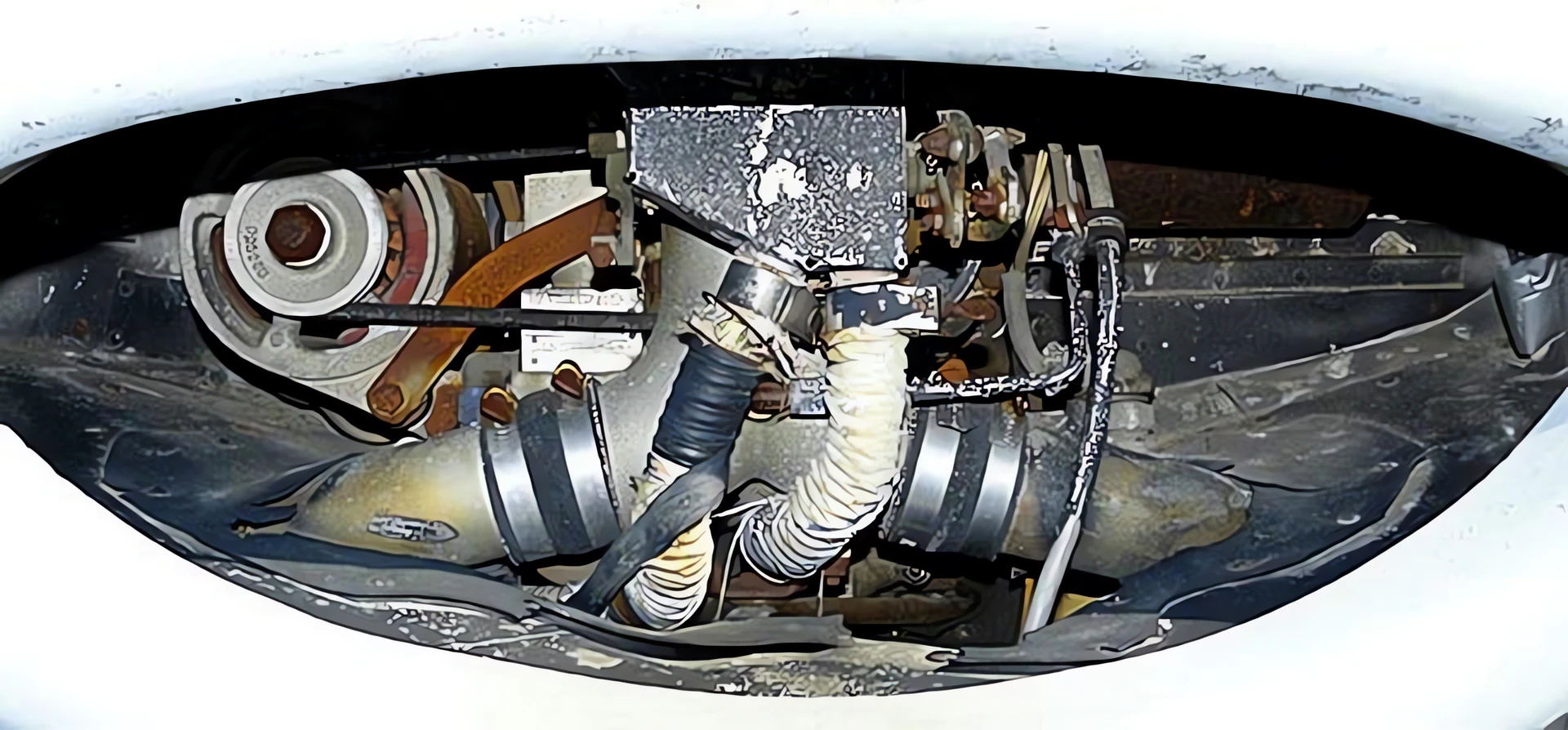
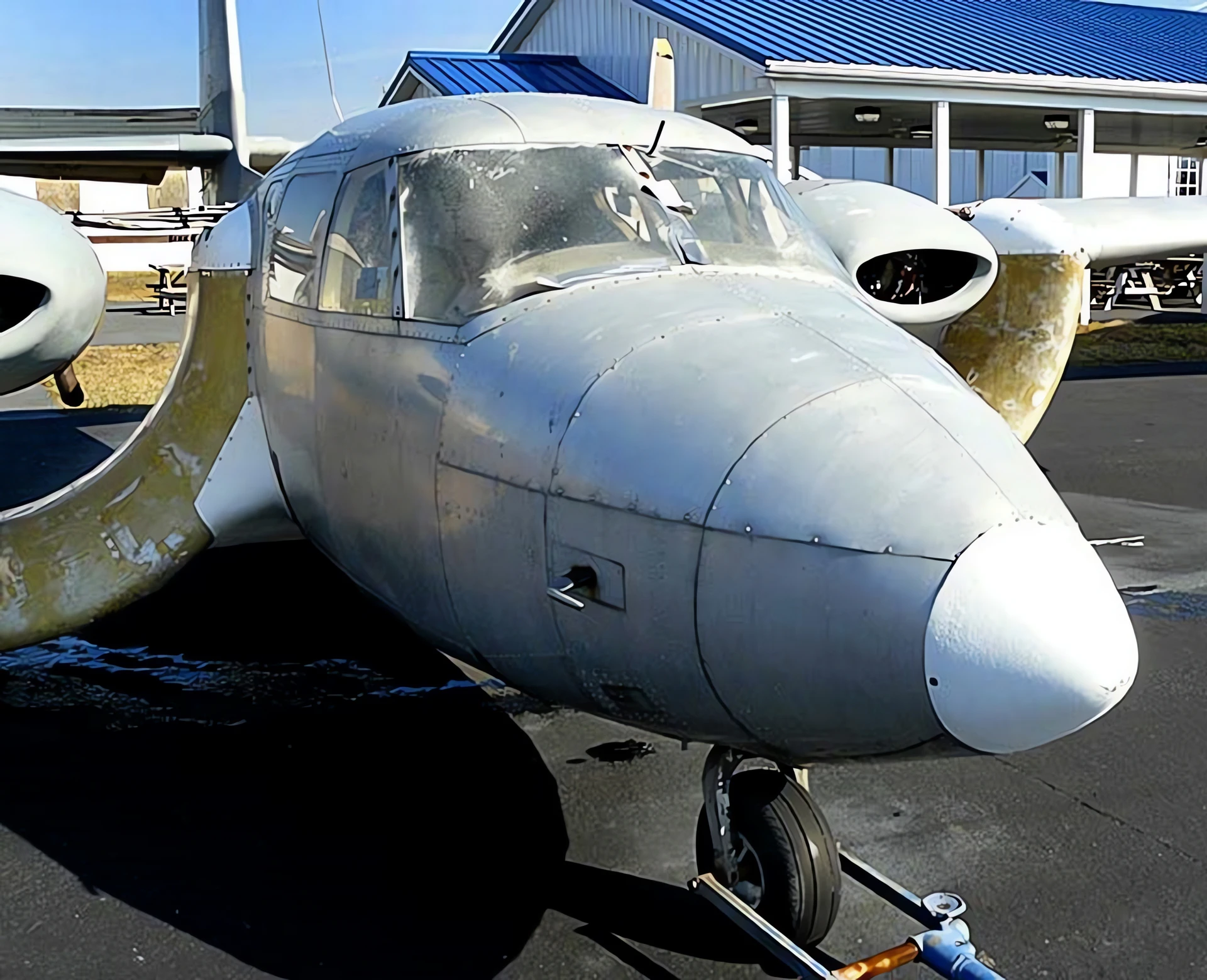
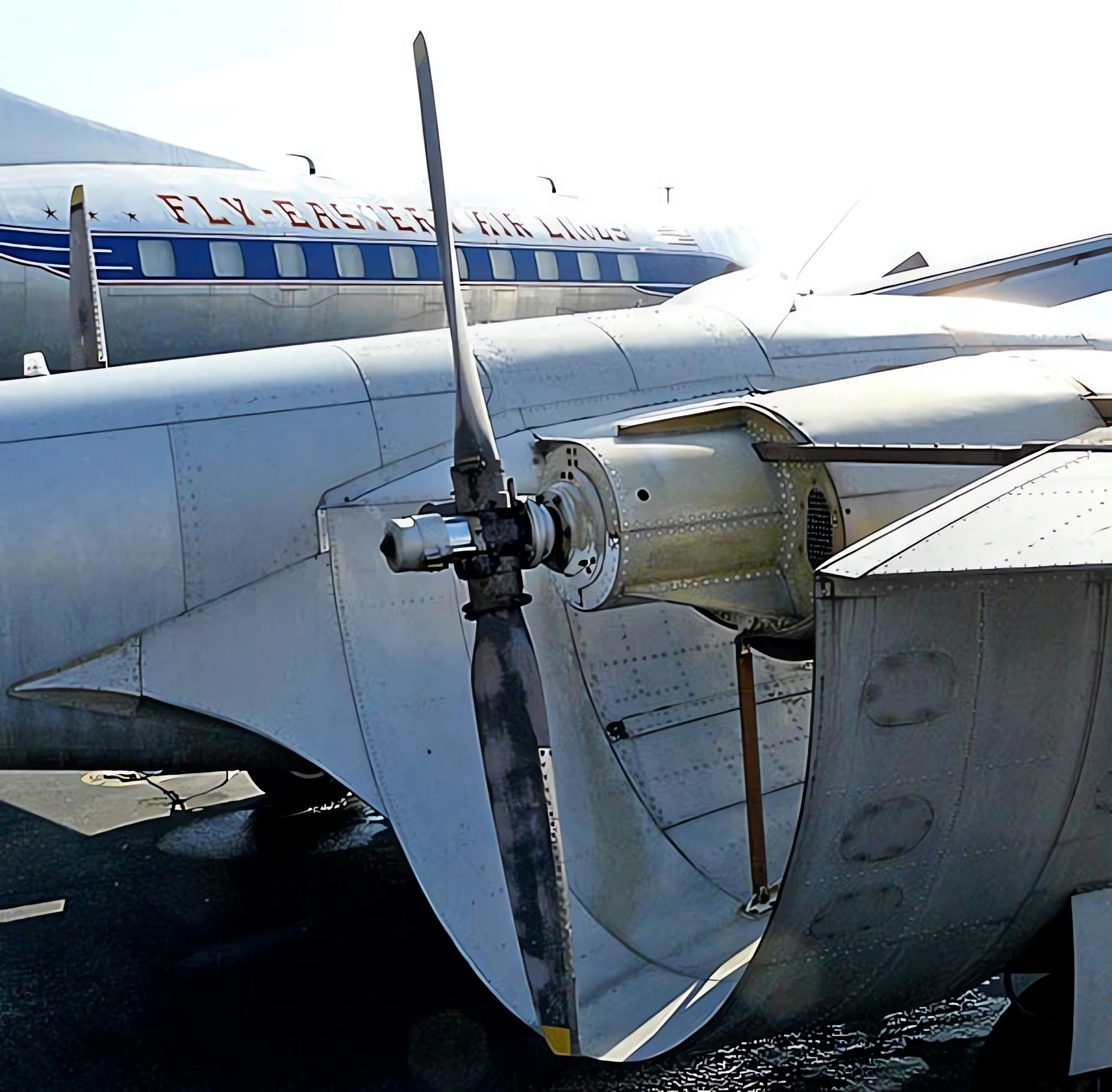
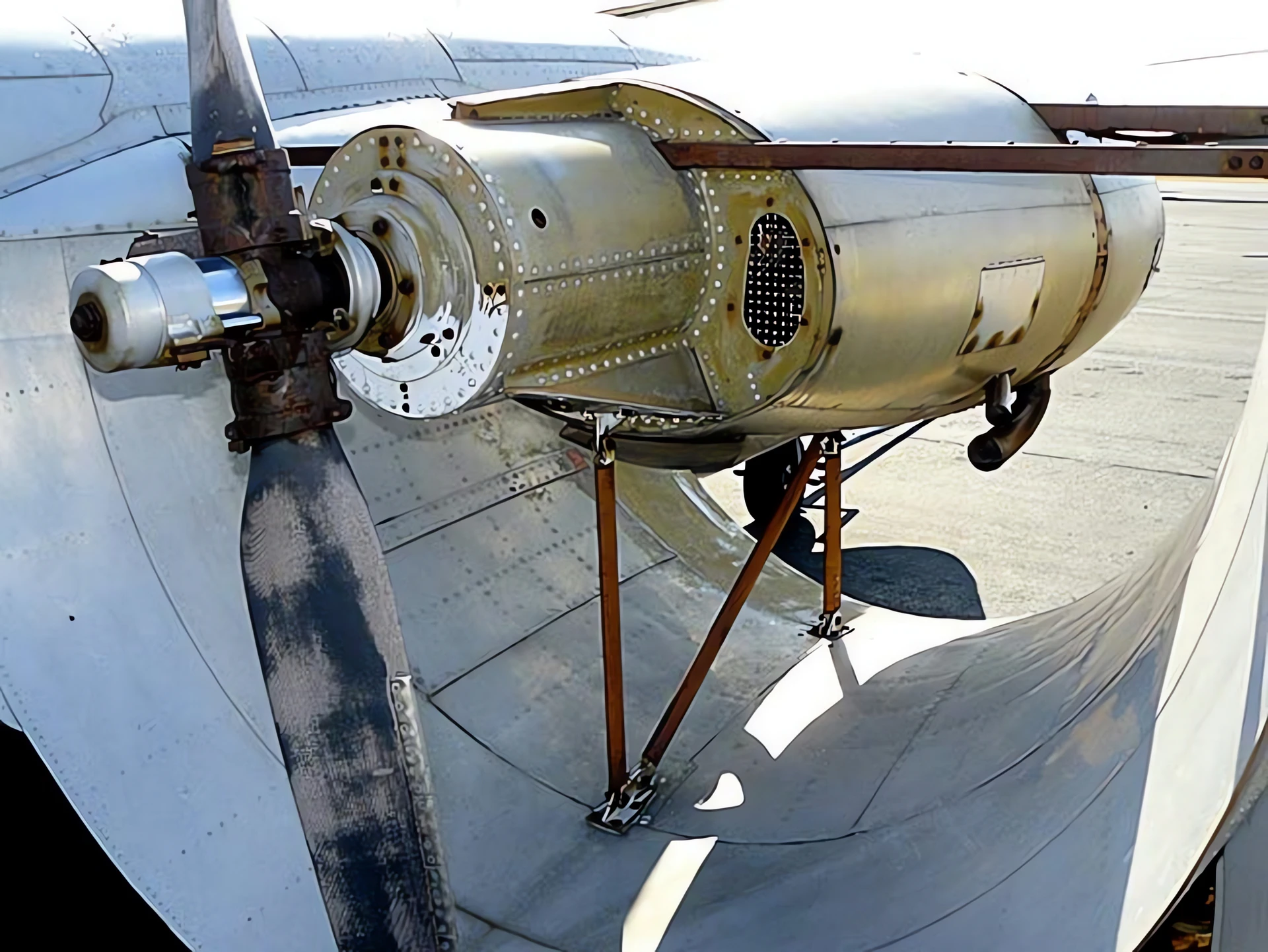

Vedi anche:


General Characteristics and Role
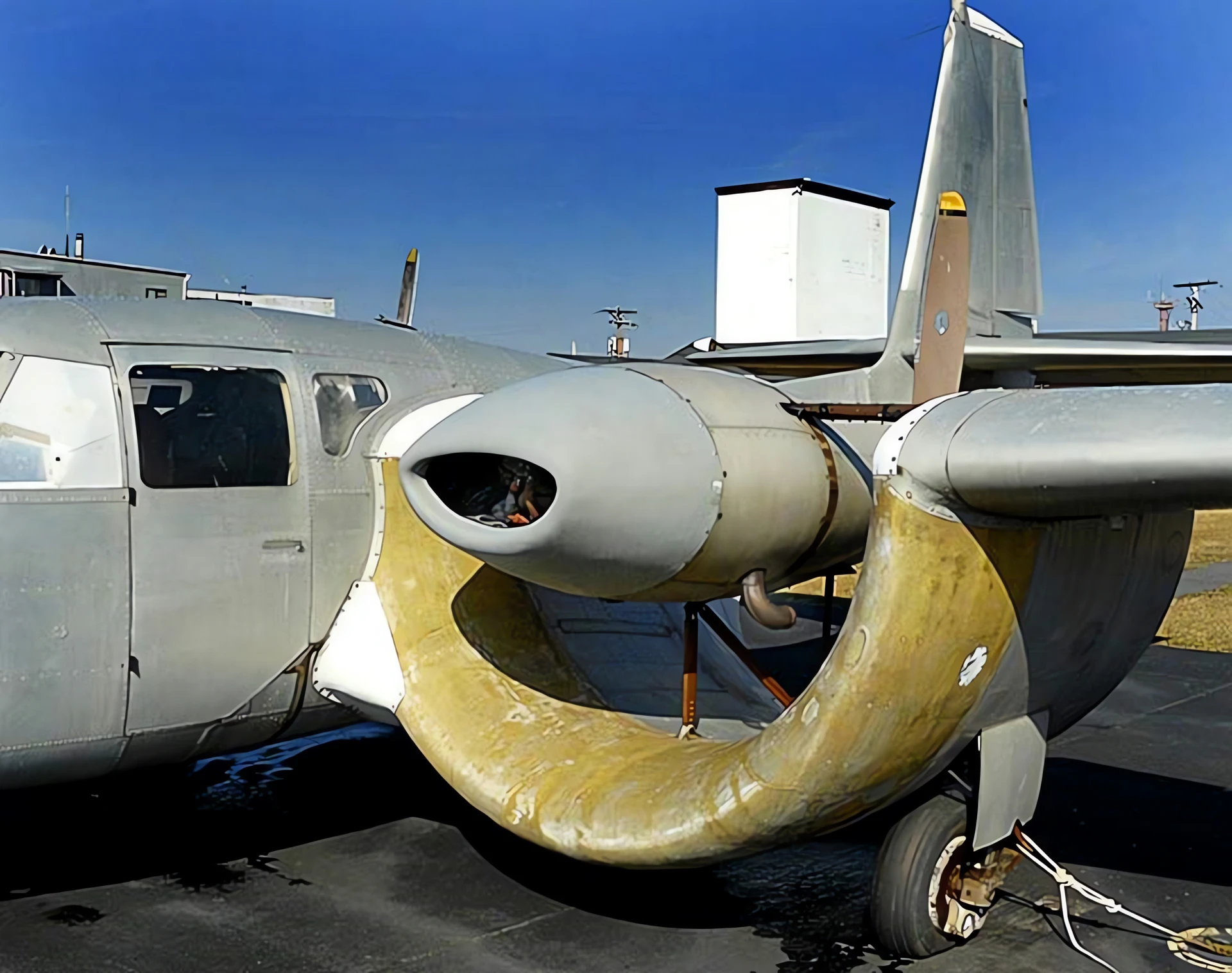
The Custer Channel Wing CCW-5 was an experimental American short takeoff and landing (STOL) aircraft designed to demonstrate the unique Channel Wing concept developed by Willard Custer. This unique design features a pair of semi-circular or U-shaped channels mounted on the leading edge of the wing, with the engine propellers positioned at the rear of these channels. The propellers draw air over the channels, creating a massive increase in lift even at low airspeeds, allowing the aircraft to achieve exceptionally short takeoff and landing distances. The CCW-5 was the largest and final variant built, intended for potential commercial or military use as a utility transport. The design showed significant promise in achieving STOL performance but ultimately did not enter mass production due to complexity and certification challenges.
| Property | Typical Value (CCW-5) |
|---|---|
| Ruolo | Experimental STOL Aircraft, Utility Transport Prototype |
| National Origin | Stati Uniti |
| Produttore | Custer Channel Wing Corporation |
| First Flight | 1964 (CCW-5) |
| Equipaggio | 2 (Pilot, Co-pilot) |
| Capacità | 3 passengers (or cargo) |
| Lunghezza | 8.43 m (27 ft 8 in) |
| Wingspan (Conventional) | 12.42 m (40 ft 9 in) |
| Altezza | 2.69 m (8 ft 10 in) |
| Empty Weight (Approx.) | 1,814 kg (4,000 lb) |
| Max Takeoff Weight (Approx.) | 2,722 kg (6,000 lb) |
Powerplant and Performance
- Engine: 2 x Lycoming O-540-A series six-cylinder, air-cooled piston engines.
- Power Output (Per Engine): 194 kW (260 hp).
- Maximum Speed: 320 km/h (200 mph; 170 kn).
- Cruise Speed: 290 km/h (180 mph; 160 kn).
- Takeoff Distance (STOL Claim): Less than 60 meters (200 ft).
- Channel Wing Concept: The channels essentially use propeller thrust to create a low-pressure area over the top of the wing segment, increasing the effective camber and generating lift far in excess of conventional wings at the same airspeed.
Design Origin and Legacy
- Origin: The CCW-5 was a conversion of a standard Grumman Cougar twin-engine aircraft, replacing the conventional wing and engine nacelles with the Channel Wing system.
- Custer’s Patent: The Channel Wing principle was patented by Willard Custer in 1951, theorizing that the forced airflow through the semi-circular channels would create “super-circulation” and exceptional lift.
- Military Interest: The US military showed brief interest in the CCW design for its potential use in forward-area resupply due to the STOL capability, but no major contracts materialized.
- Status: The CCW-5 and its predecessors remain significant examples of unconventional aerodynamic experiments aimed at achieving practical vertical/short takeoff and landing (V/STOL) flight.
Visualizzazioni : 1663
Puoi anche vedere:
 Stinson L-5 Sentinel – Foto e Video
 Piper L-4 Grasshopper – Foto e Video
 Lockheed U-2 – Foto e Video
 P-51D Mustang vol2 - Cammina
 Fortezza Volante B-17G - Walkaround
 Messerschmitt Bf 109G-2 - Passeggiata
 General Motors FM-2 Wildcat - WalkAround
 Junkers Ju-52 Tante Ju - Passeggiata
 Messerschmitt Me-109E - Cammina
 Supermarine Spitfire Mk.XVI - Cammina