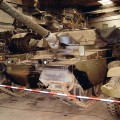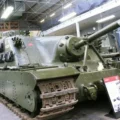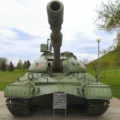
Capo Mk11 | |
|---|---|
| Paese | Regno unito |
| digitare | Carro pesante |
| Descrizione | Album de 74 foto walk-around du char Capo Mk11 |
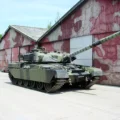
Le FV-4204 Capoè un carro pesante britannico. È stato sviluppato dalla Royal Ordnance Factory alla fine degli anni cinquanta per prendere il controllo del serbatoio Centurion. Questo carro rimase attivo nelle forze britanniche dal 1966 al 1995. Furono costruite anche varianti di attrezzature di ingegneria militare. Variazioni : Chieftain AVRE : base du Chieftain avec matériel de génie, grue, excavatrice Chieftain ARV : véhicule de dépannage, maintenance Chieftain AVLB : base du Chieftain embarquant un pont pour le franchissement des cours d’eau Son armement était composé d’un canon de 120 mm, de deux mitrailleuses de 7,62 mm (une coaxiale et une de tourelle) ainsi que d’une mitrailleuse de 12,7mm pour le chef de bord. Près de 900 Chieftain furent construits pour l’armée britannique ainsi de plusieurs contingents destinés à l’exportation pour différents pays (Iran,Omna,Irak,Koweït,Jordanie).
fonte: FV4204 Capo su Wikipedia
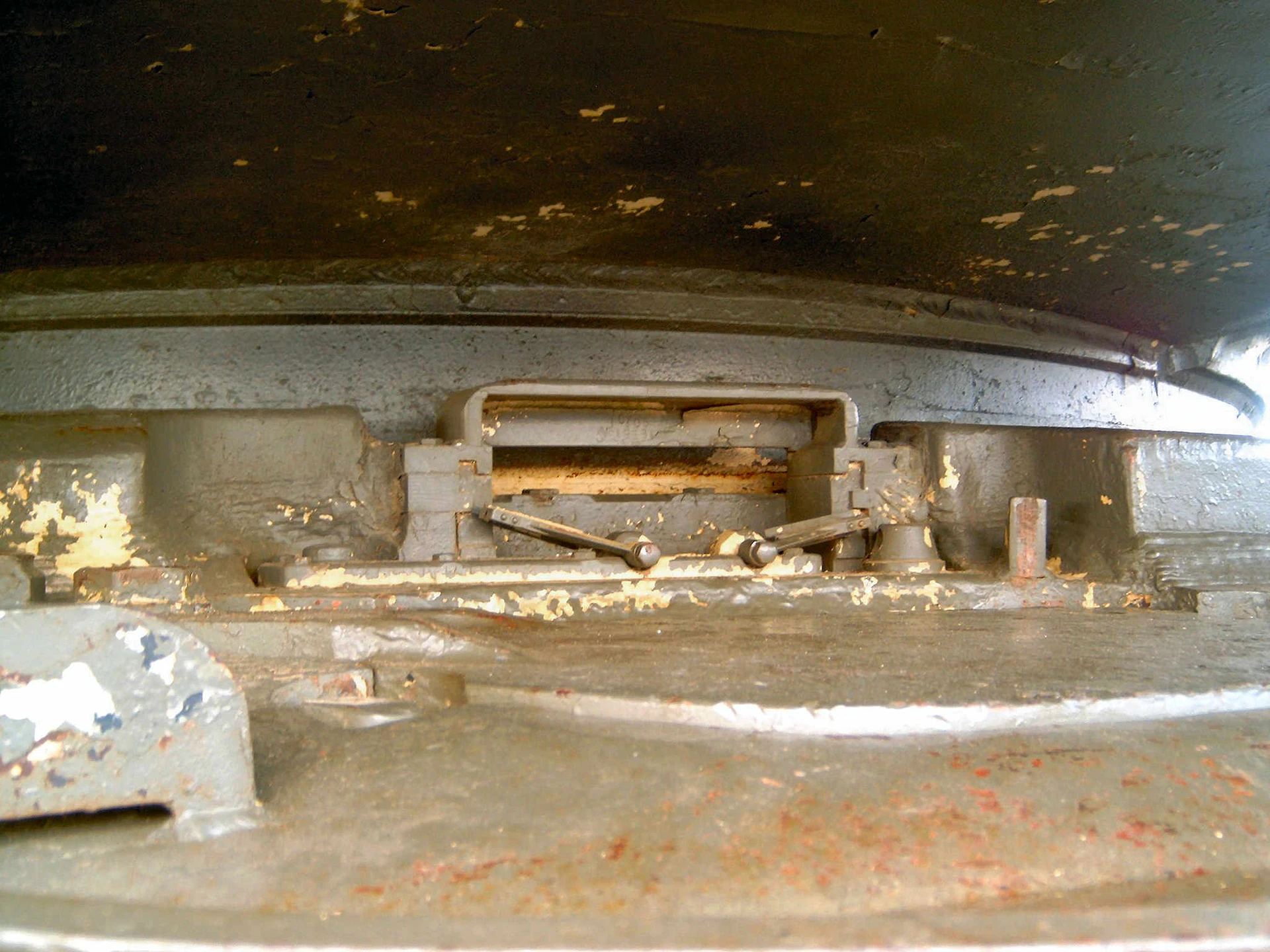
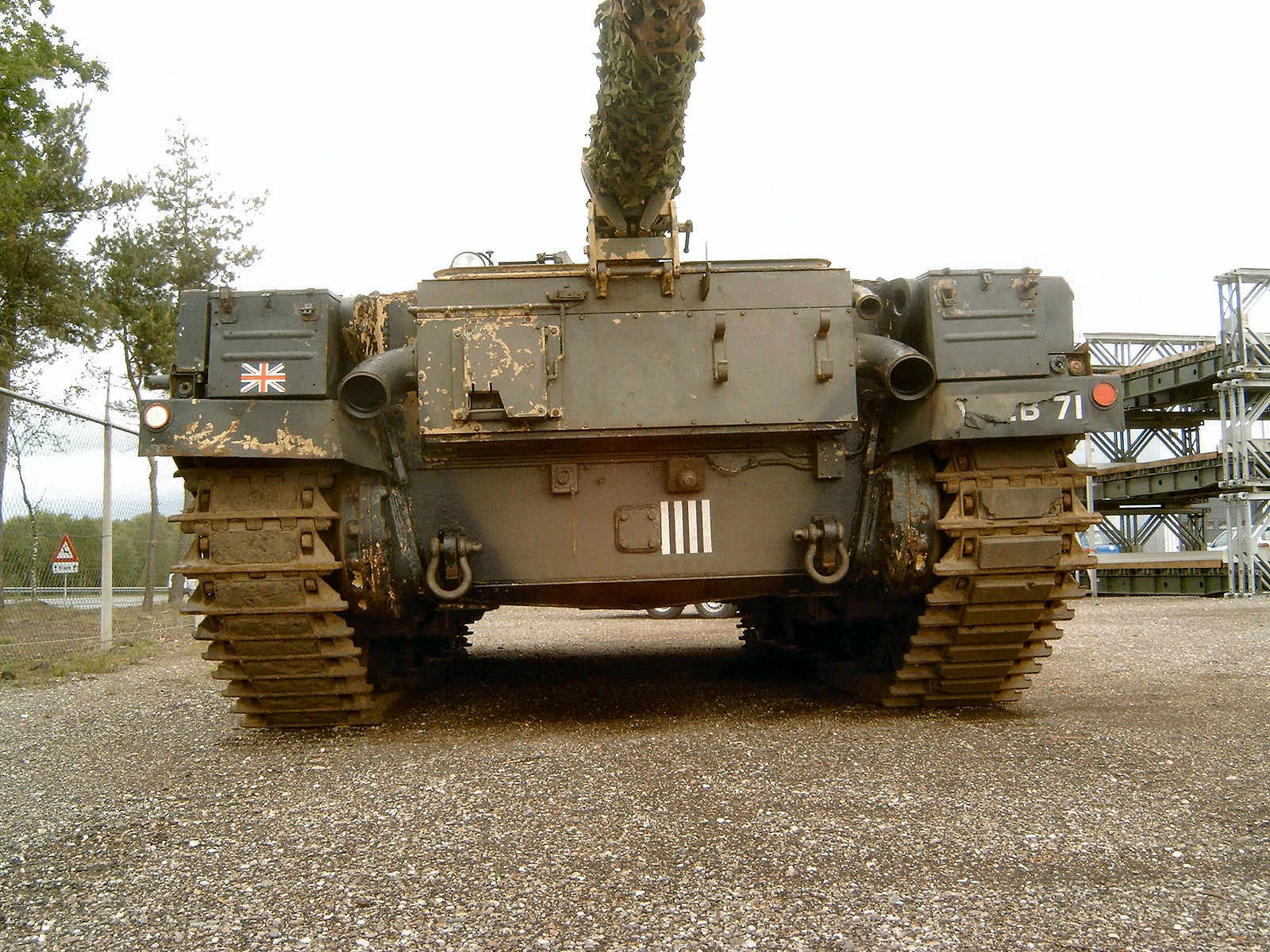
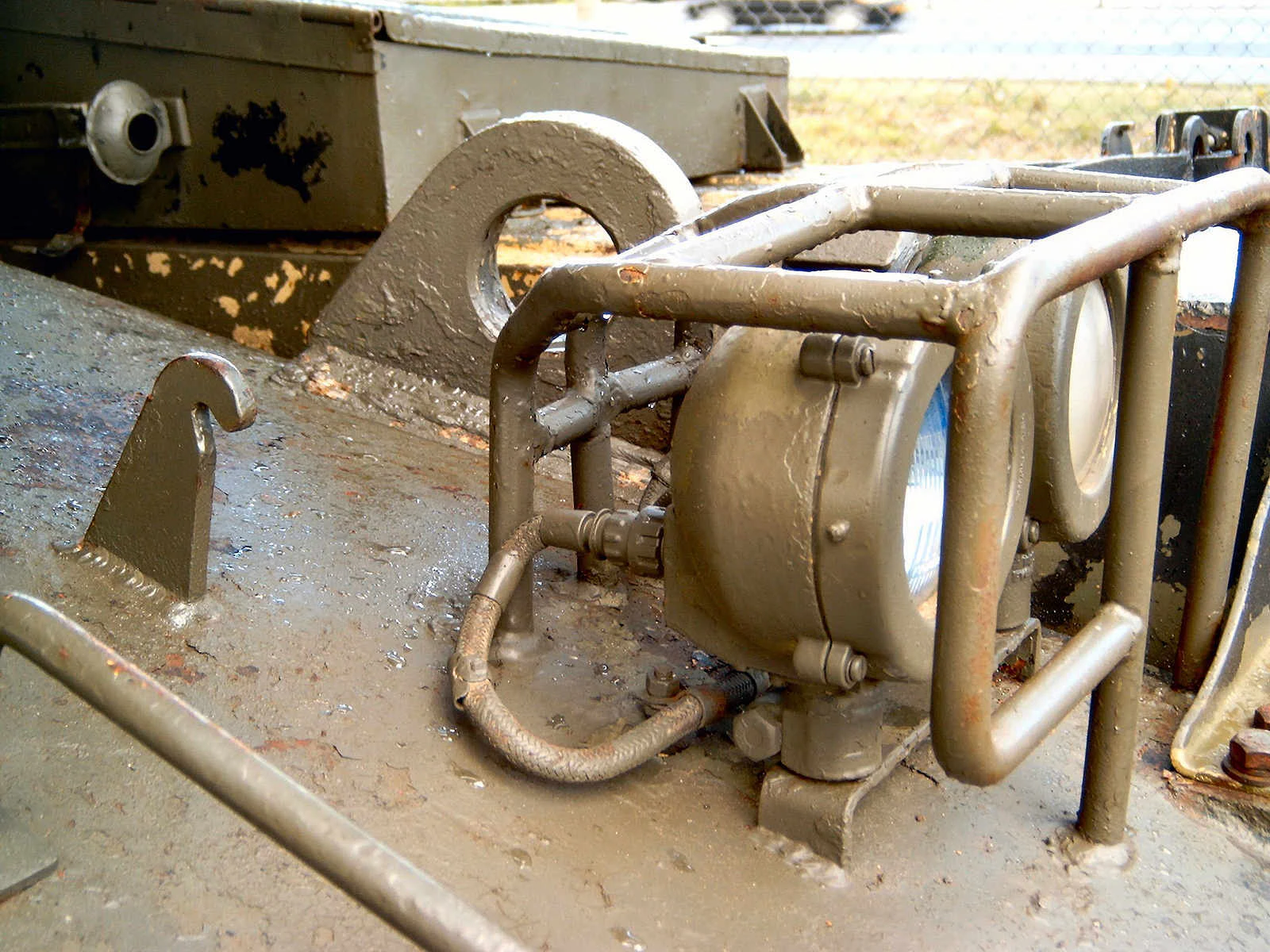
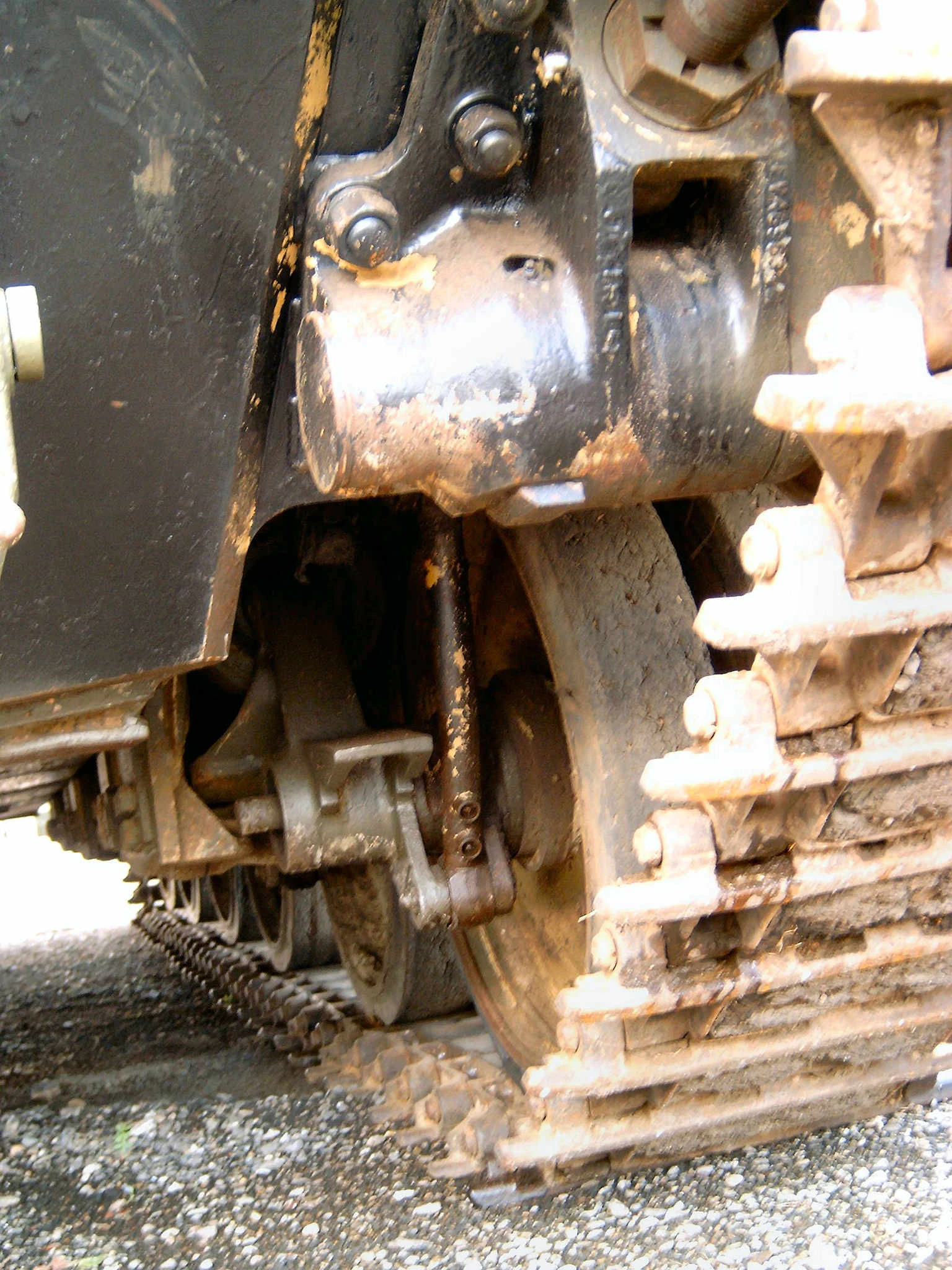
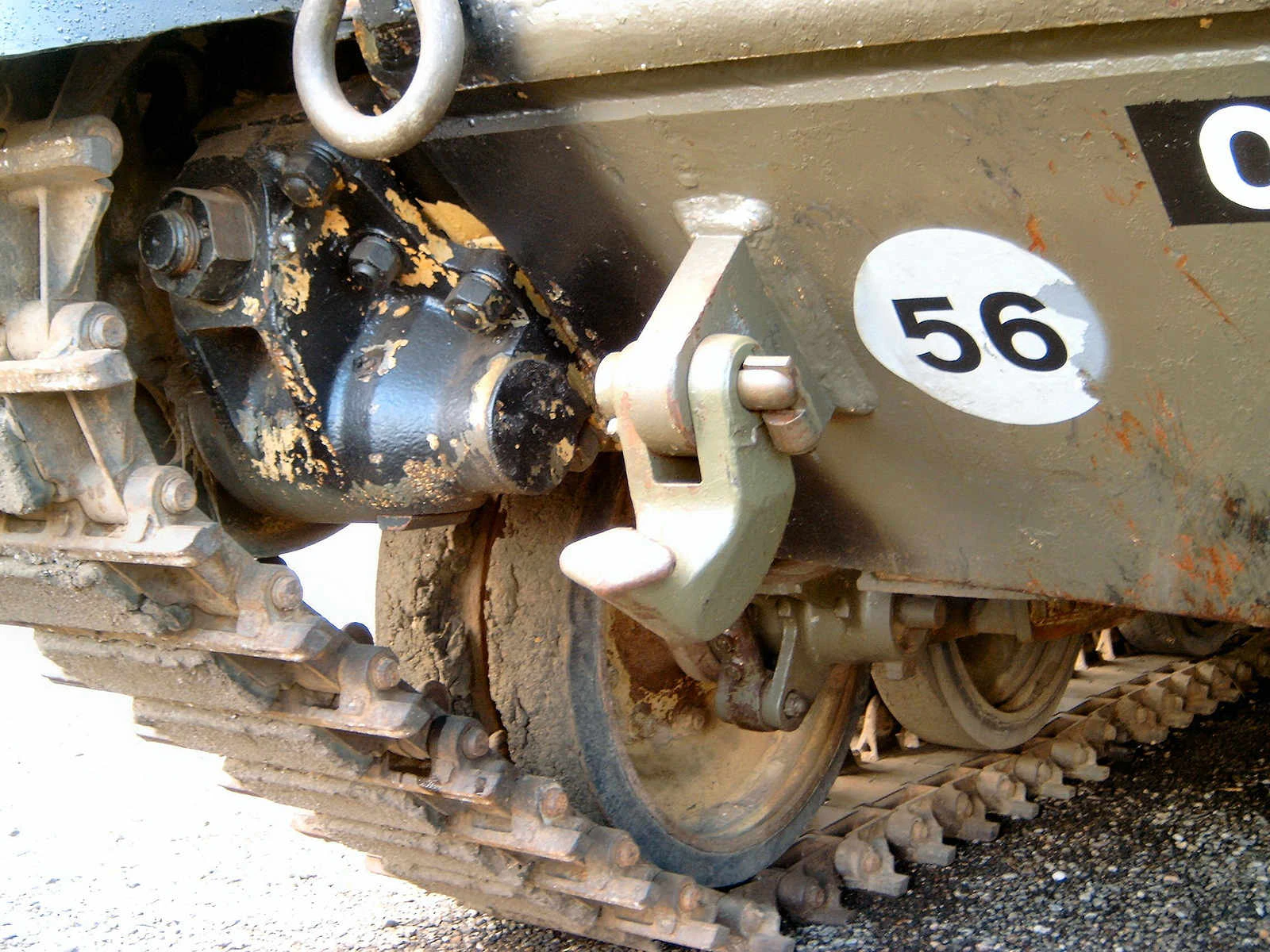
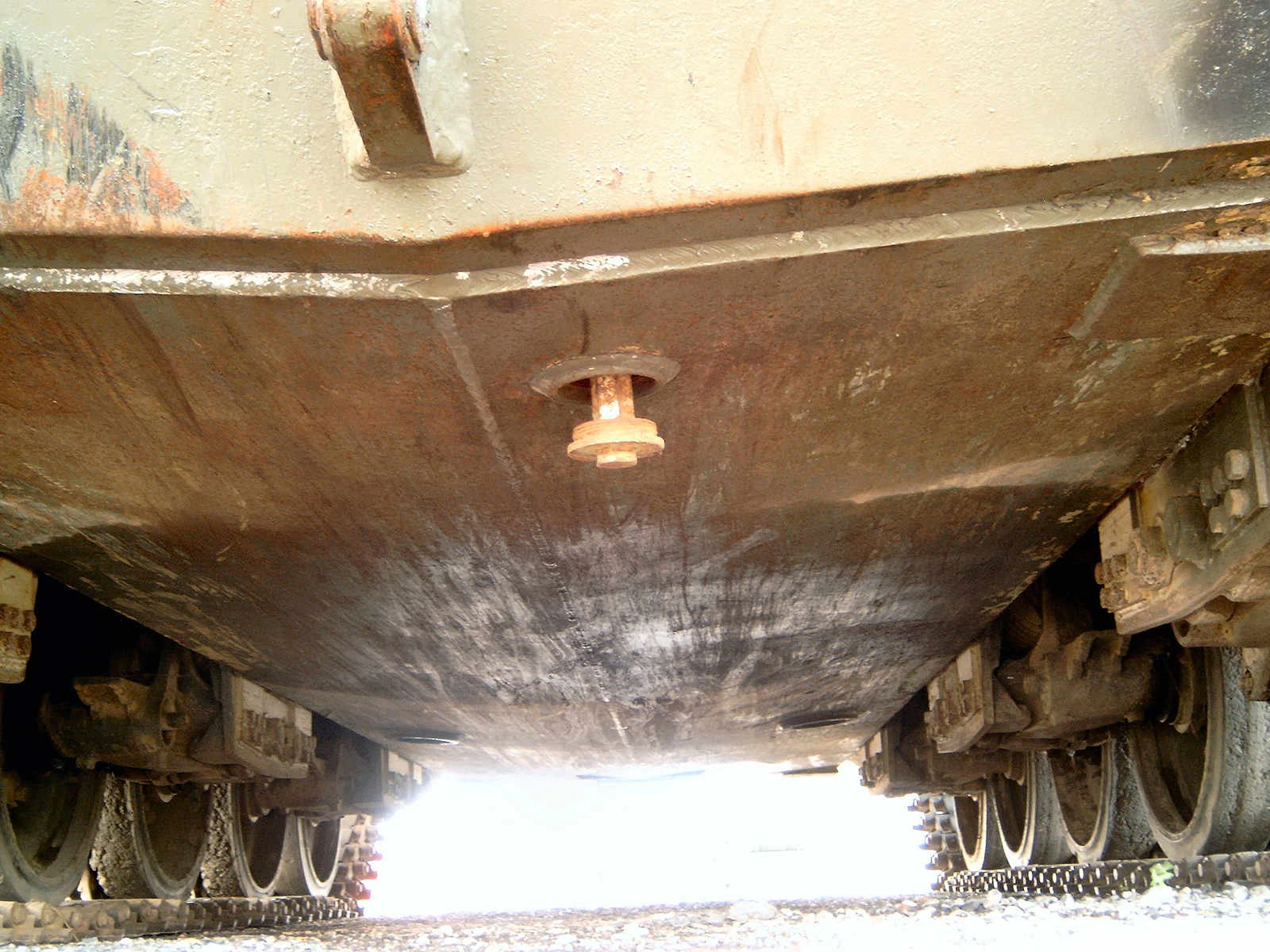
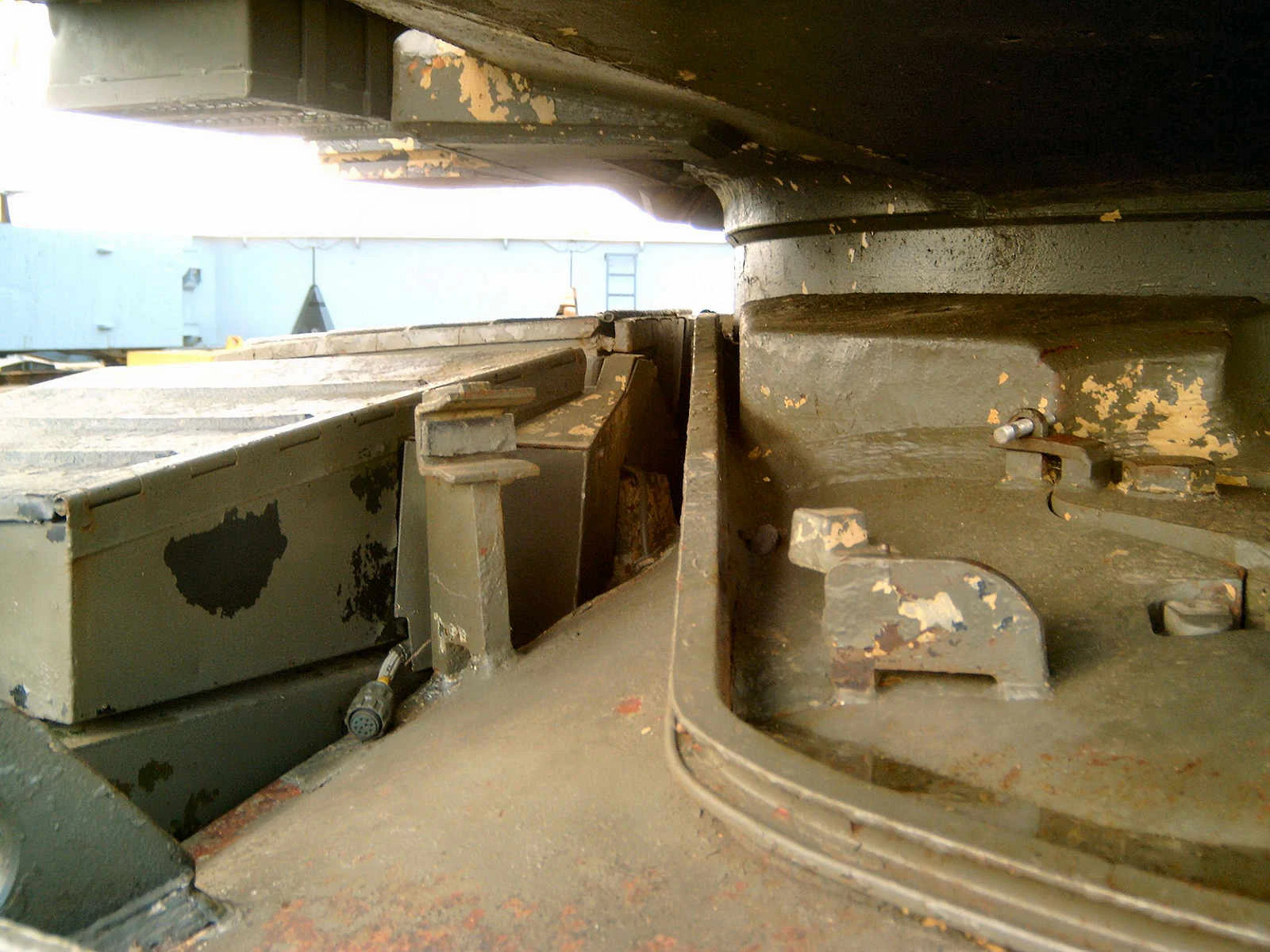
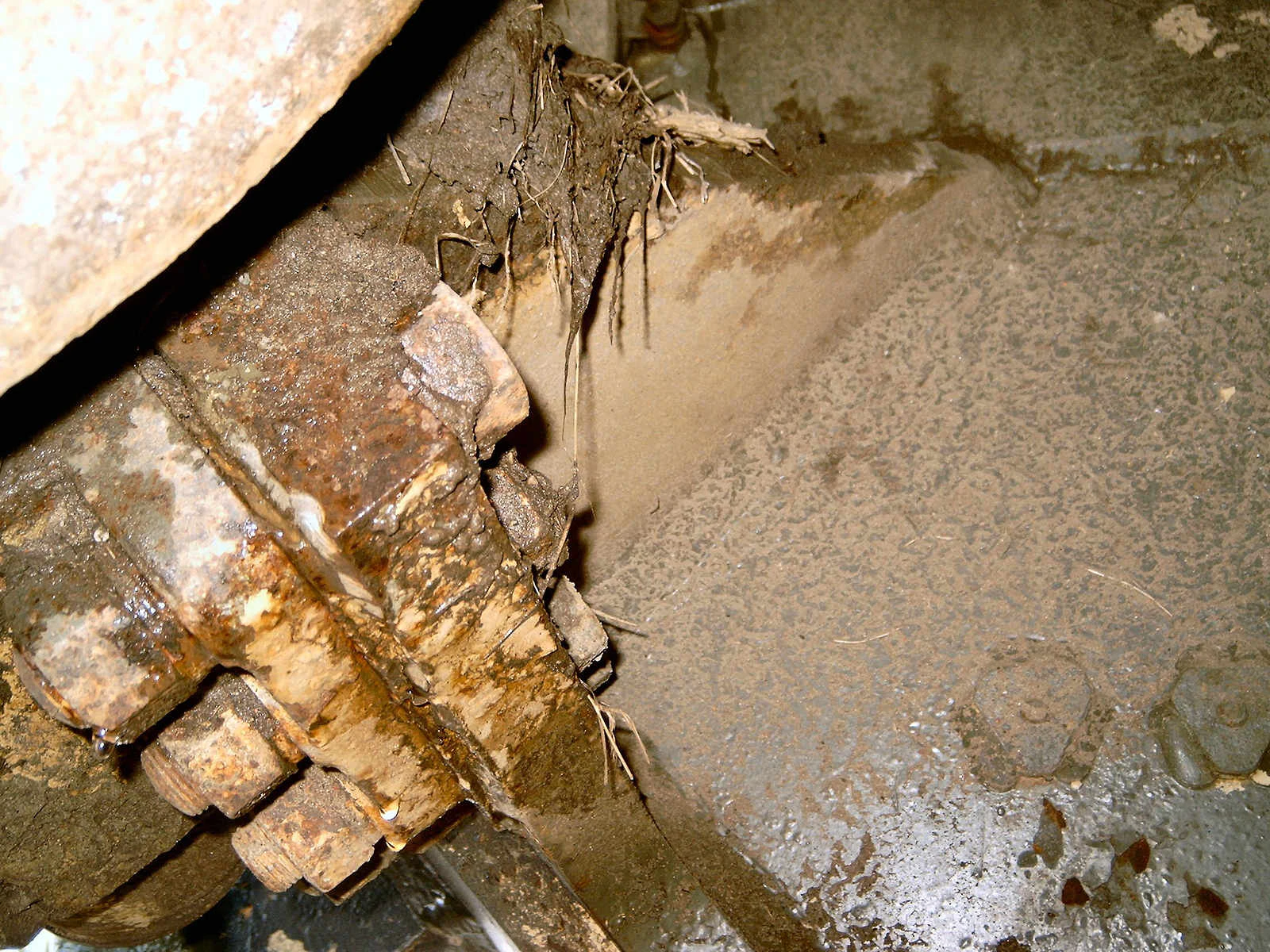
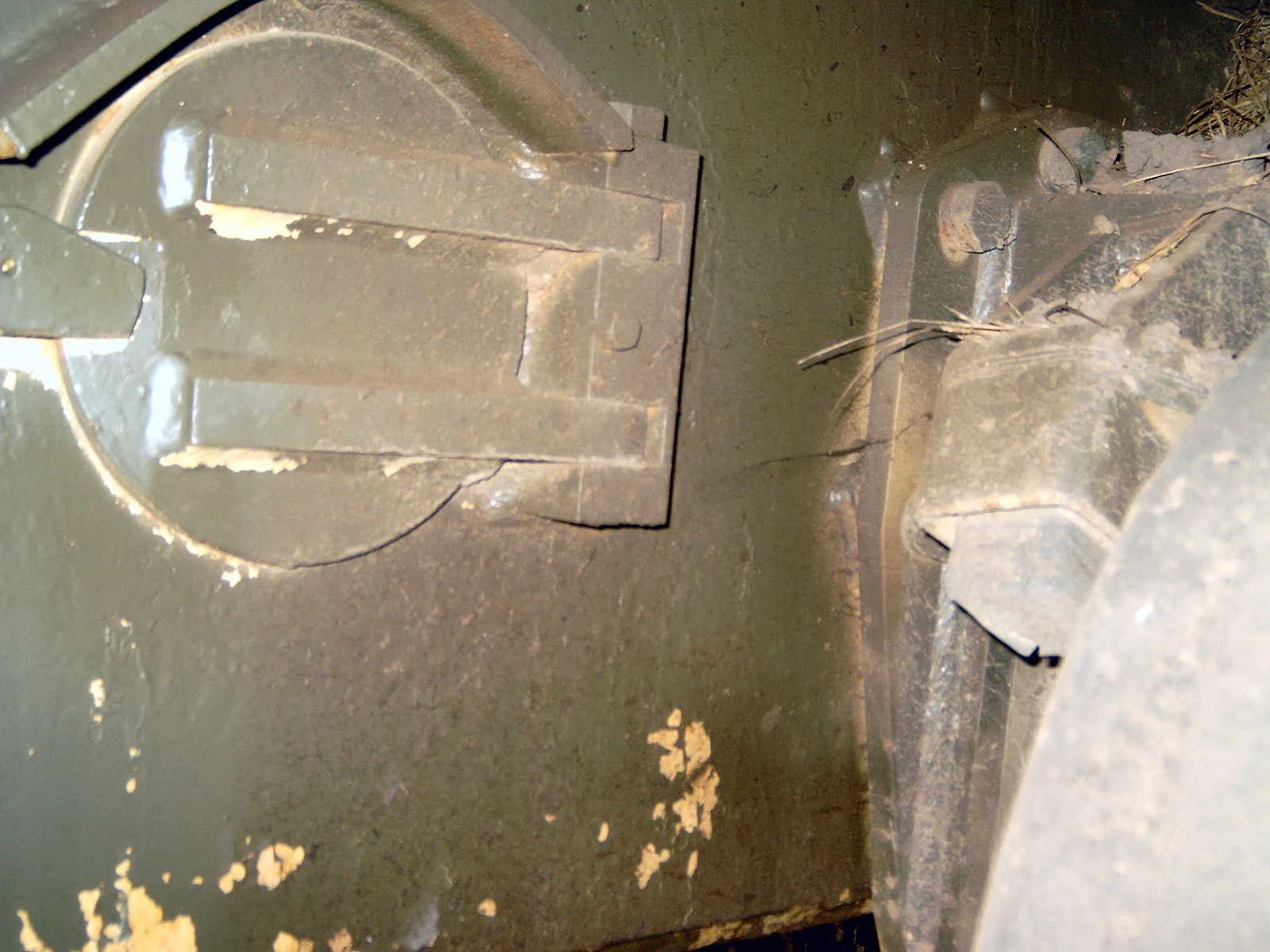

| Chieftain Mk11 Walk Around | |
|---|---|
| Fotografo | Vladimir Yakubov |
| Localizzazione | Collezione Jacques Littlefield |
| Foto | 105 |
Vedi anche:


The Iron Fortress of the Cold War Twilight
Le Chieftain Mk 11 represents the ultimate, heavily upgraded evolution of Great Britain’s premier Cold War Main Battle Tank. Introduced in the late 1980s, the Mk 11 was the final operational variant of a vehicle designed around a singular, uncompromising British doctrine: maximum protection and devastating firepower over raw speed. Tasked with holding the line against massed Soviet armor groups on the North German Plain, the Mk 11 kept this aging heavyweight deadly by retrofitting it with revolutionary Stillbrew composite armor blocks and advanced thermal night-vision optics, ensuring it remained a formidable guardian until its retirement in the 1990s.
| Attribute | Technical Specification (Chieftain Mk 11 Baseline) |
|---|---|
| Ruolo | Main Battle Tank (MBT) |
| Equipaggio | 4 (Commander, Gunner, Loader/Radio Operator, Driver) |
| Motore | 1 × Leyland L60 19-liter, 6-cylinder, 12-piston opposed-piston multi-fuel diesel (750 hp) |
| Velocità massima | 48 km/h (30 mph) on road; 30 km/h (19 mph) cross-country |
| Peso | 56 metric tons (Fully combat-loaded with Stillbrew armor packs) |
| Dimensions | Length (with gun forward): 10.8 m | Width: 3.5 m | Height: 2.9 m |
| Primary Armament | 1 × 120mm L11A5 rifled tank gun (Manual loading with separate charge and projectile) |
| Armor Enhancement | Cast steel hull/turret upgraded with Stillbrew passive composite armor modules |
| Optics/Fire Control | TOGS (Thermal Observation and Gunnery System) and IFCS (Improved Fire Control System) |
Design Engineering: Stillbrew Armor and Separated Ammunition
- Stillbrew Passive Armor: The defining visual and structural signature of the Mk 11 was the addition of Stillbrew armor. Developed by Colonel Still and John Brewer, these prominent, blocky appliques were bolted onto the front of the turret and around the driver’s hatch. It combined high-density rubber layers sandwiched between steel plates to drastically degrade the penetration power of Soviet HEAT missiles and kinetic sabots.
- The L11A5 Rifled Powerhouse: While contemporary Western tanks migrated to smoothbore guns, the Chieftain stubbornly retained its 120mm rifled barrel. This allowed it to fire the devastating HESH (High-Explosive Squash Head) round, which flattened against enemy armor before detonating, creating lethal spalling (shrapnel) inside the target tank without needing to punch through the shell directly.
- Three-Part Ammunition Safety: To maximize ammunition storage safety and eliminate catastrophic tank explosions, the Chieftain used separate-loading ammunition. The projectile, a combustible bag propellant charge, and an external tube primer were stored separately. The propellant charges were contained in specialized “wet stowage” bins filled with a water-glycol mixture under the turret ring to prevent fires.
- The Troublesome L60 Multi-Fuel Engine: Driven by a strict NATO mandate to run on any available fuel (diesel, petrol, aviation fuel), the Chieftain was fitted with the highly complex Leyland L60 opposed-piston engine. This powerplant was notoriously unreliable, plagued by chronic head gasket failures, coolants leaks, and a terrible power-to-weight ratio that left the heavy tank chronically underpowered.
Operational History: BAOR Vigilance and the Desert Dust
- The Shield of the BAOR: The Mk 11 was primarily operated by the British Army of the Rhine (BAOR) stationed in West Germany. Strategically dug into hidden hull-down defensive positions, Chieftain crews spent decades training to transform valleys into kill zones, intending to use their superior long-range accuracy to devastate Soviet tank waves from kilometers away.
- The TOGS Revolution: The implementation of the massive Thermal Observation and Gunnery System (TOGS)—housed in a large armored box on the left side of the turret—finally brought the Chieftain into the age of night fighting. It allowed the gunner to effortlessly spot enemy engine heat signatures through dense smoke, morning fog, or pitch darkness, completely rendering traditional searchlights obsolete.
- Iran-Iraq War Combat: While the British Army never fired the Chieftain in anger, exported early variants saw heavy, brutal combat with the Iranian Army during the Iran-Iraq War (1980–1988). Though hampered by mechanical failures due to poor maintenance and desert sand, its thick front armor and heavy 120mm shells regularly outclassed Iraqi T-55 and T-62 tanks in long-range engagements.
- The Transition to Challenger: By the early 1990s, the Chieftain air/land platform had run its course. Its heavy hull and underpowered engine could no longer keep pace with modern fast-maneuver warfare, paving the way for its direct successor, the Challenger 1, which inherited the Chieftain’s lethal 120mm rifled gun architecture but integrated it with highly mobile Chobham armor.
Views : 6997