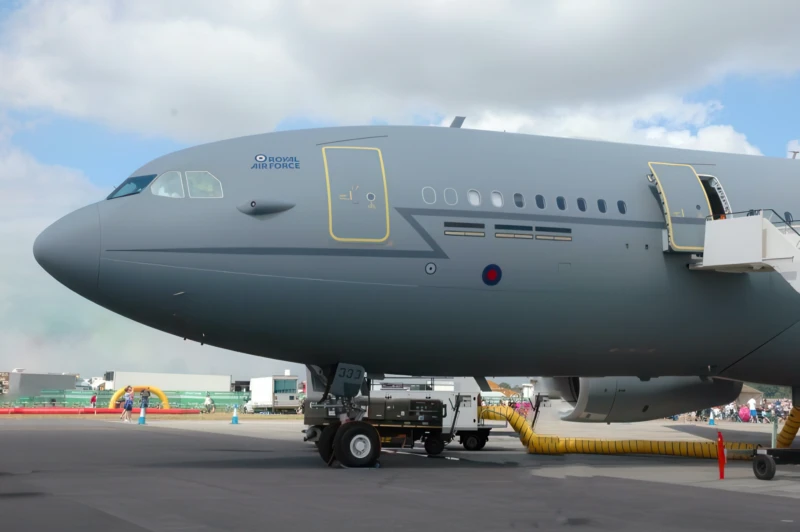
Airbus Military A330 Multi Role Tanker Transport | |
|---|---|
| Paese | France – Multi |
| Ruolo | Multi-role tanker/transport |
| Primo volo | 15 June 2007 |
| Numero costruito | 66 |
Le Airbus A330 Multi Role Tanker Transport (MRTT) is a European aerial refueling and military transport aircraft based on the civilian Airbus A330.
fonte: Airbus Military A330 Multi Role Tanker Transport on Wiki
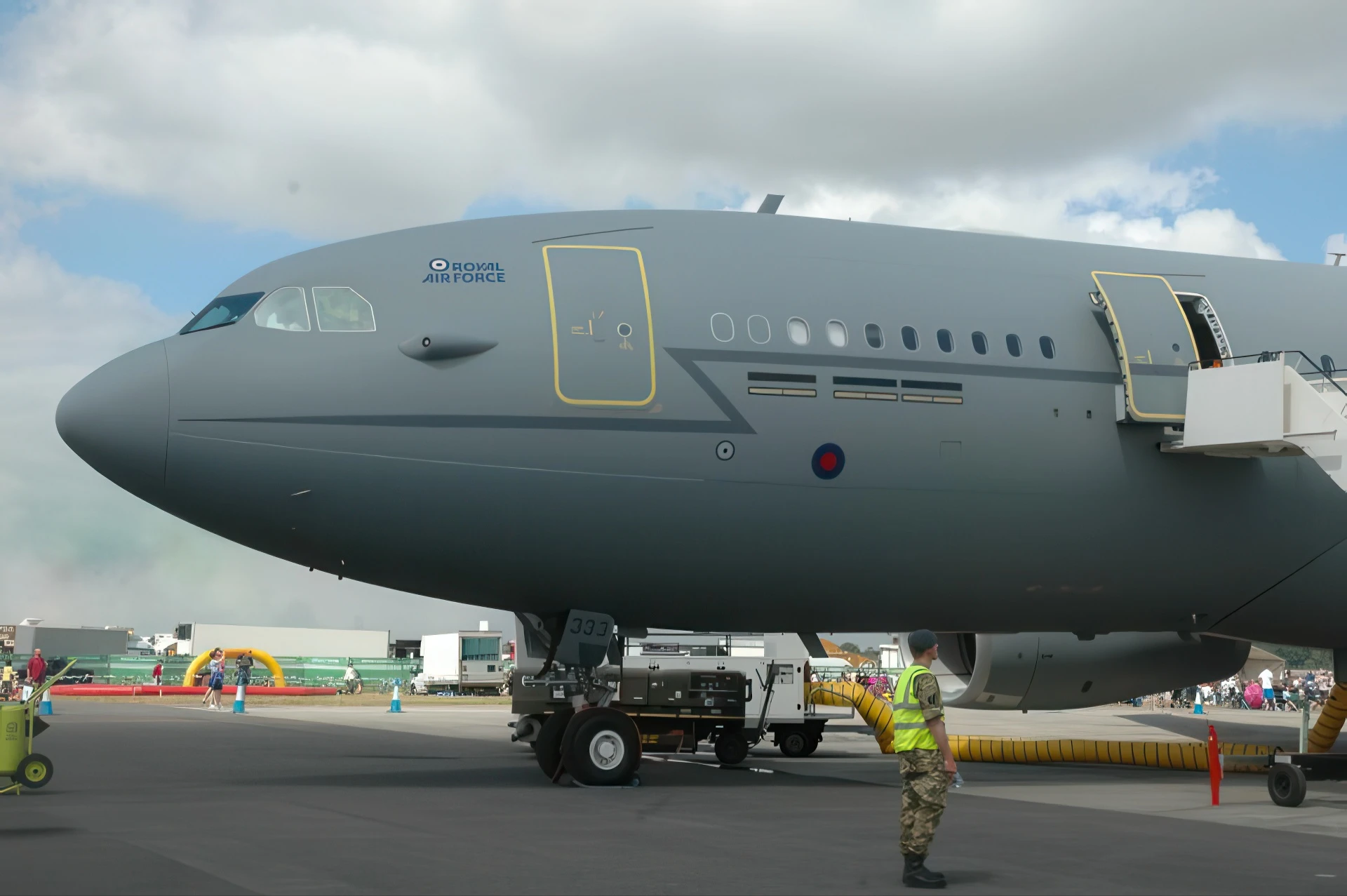
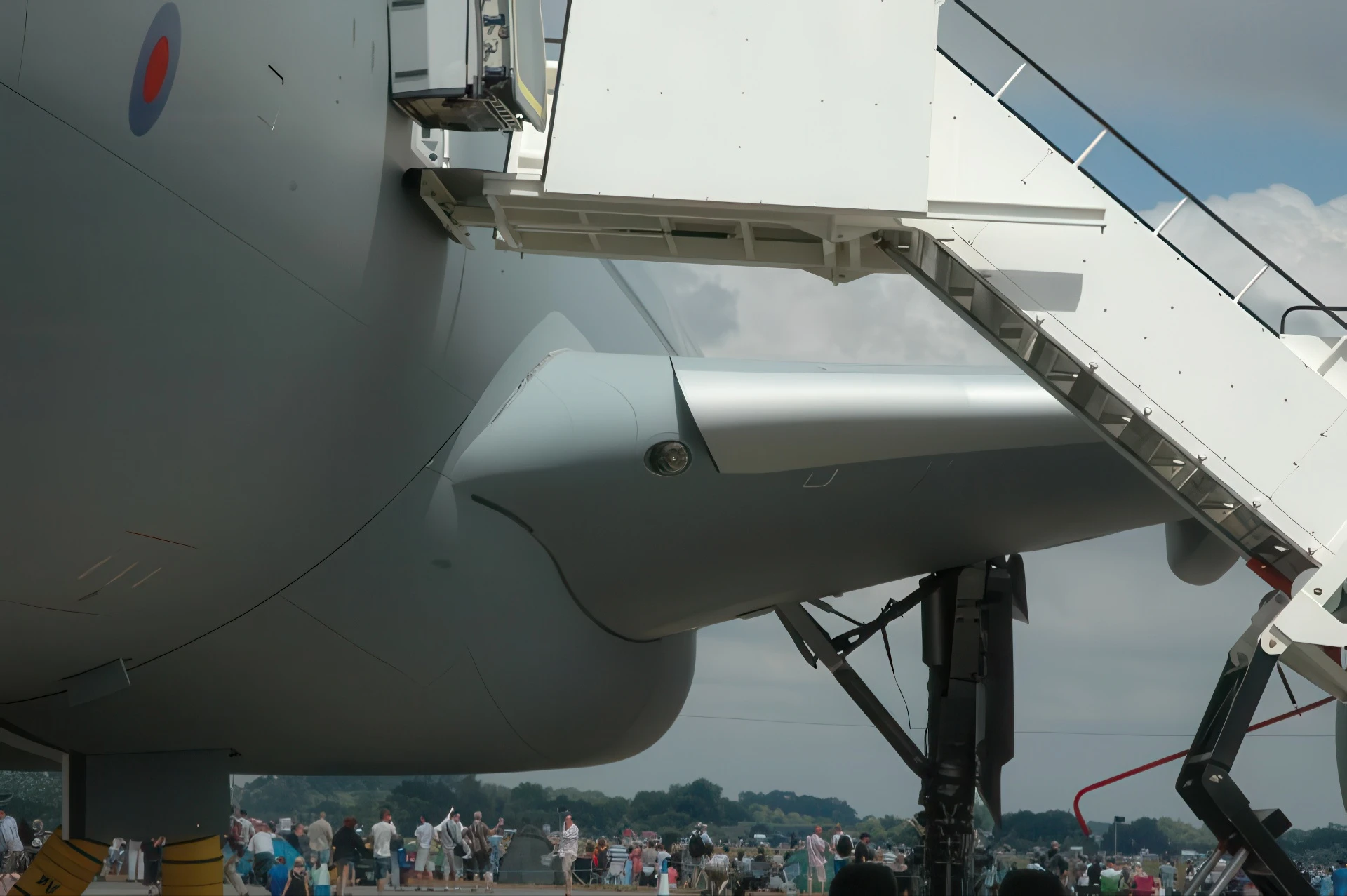
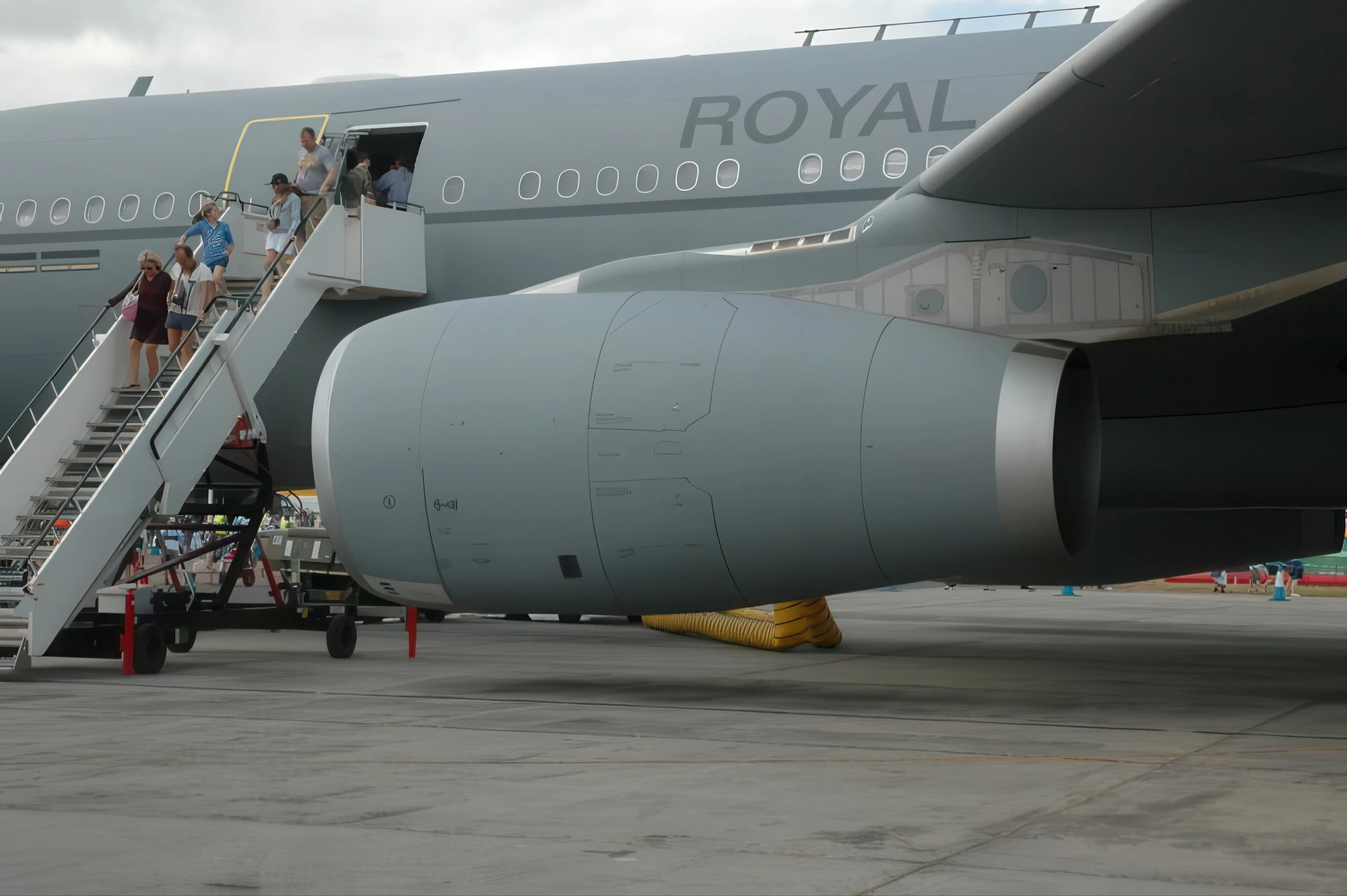
| Airbus Military A330 Multi Role Tanker Transport Walk Around | |
|---|---|
| Fotografo | Inconsapevole |
| Localizzazione | Inconsapevole |
| Foto | 26 |
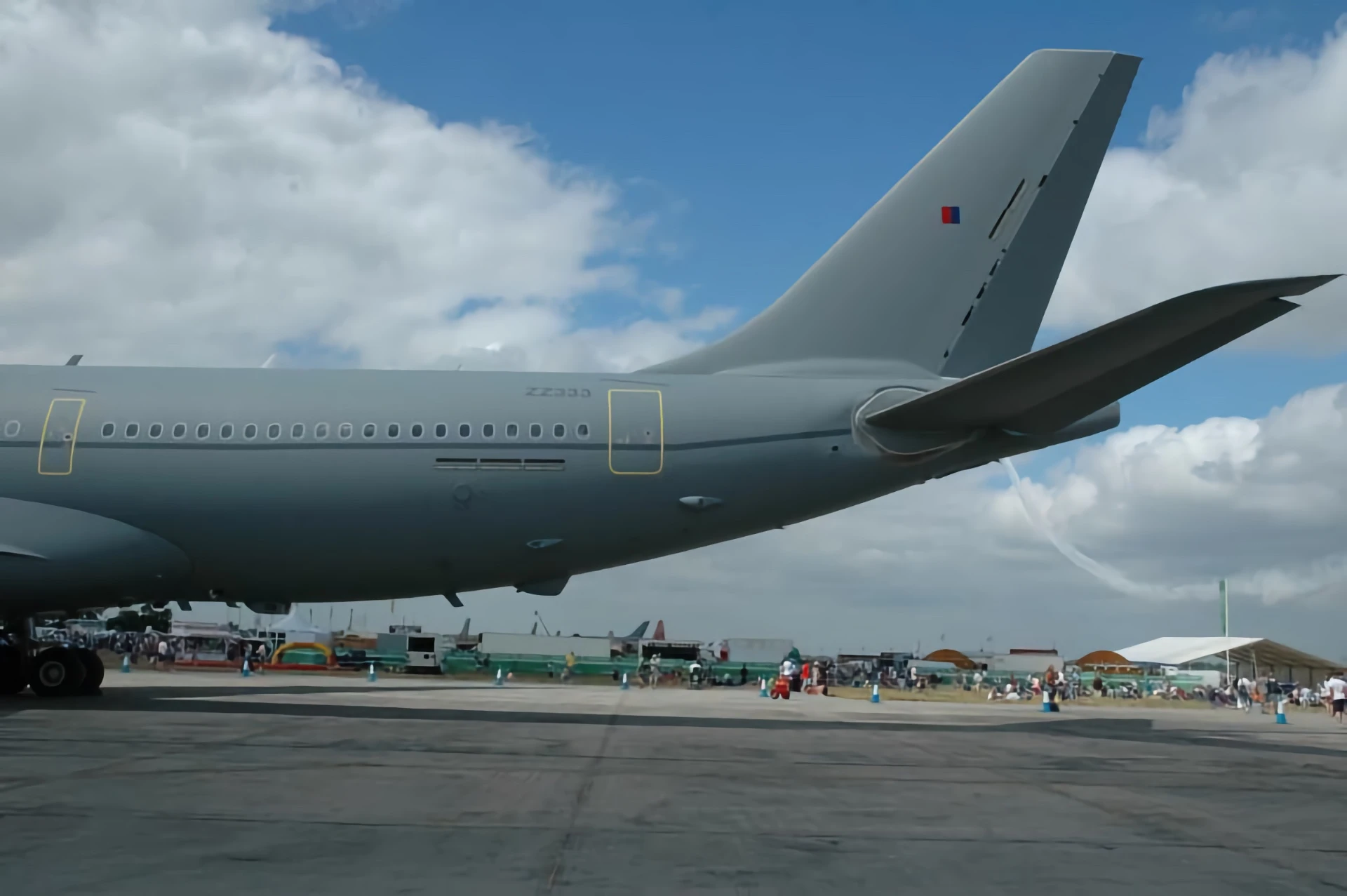
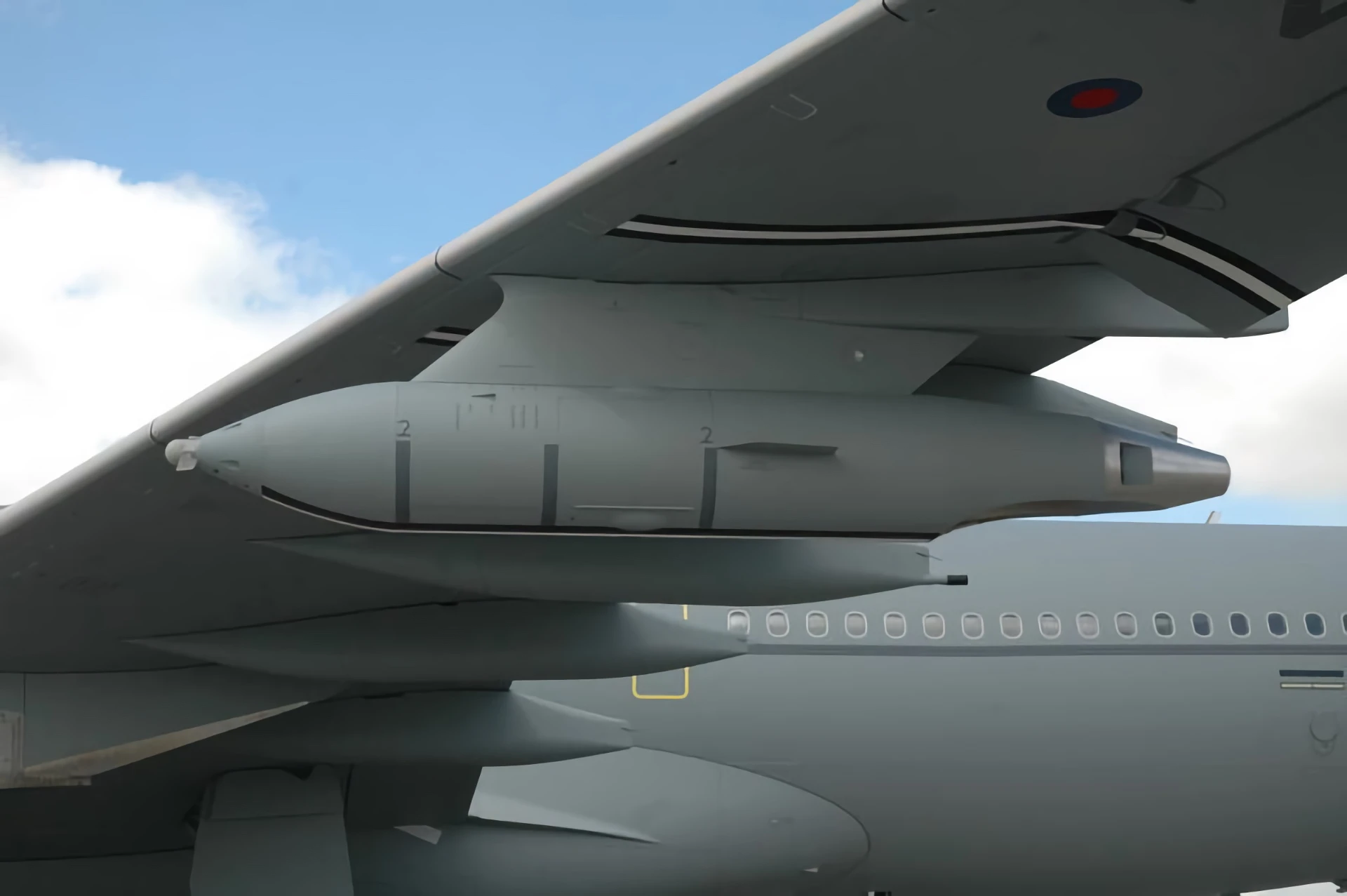
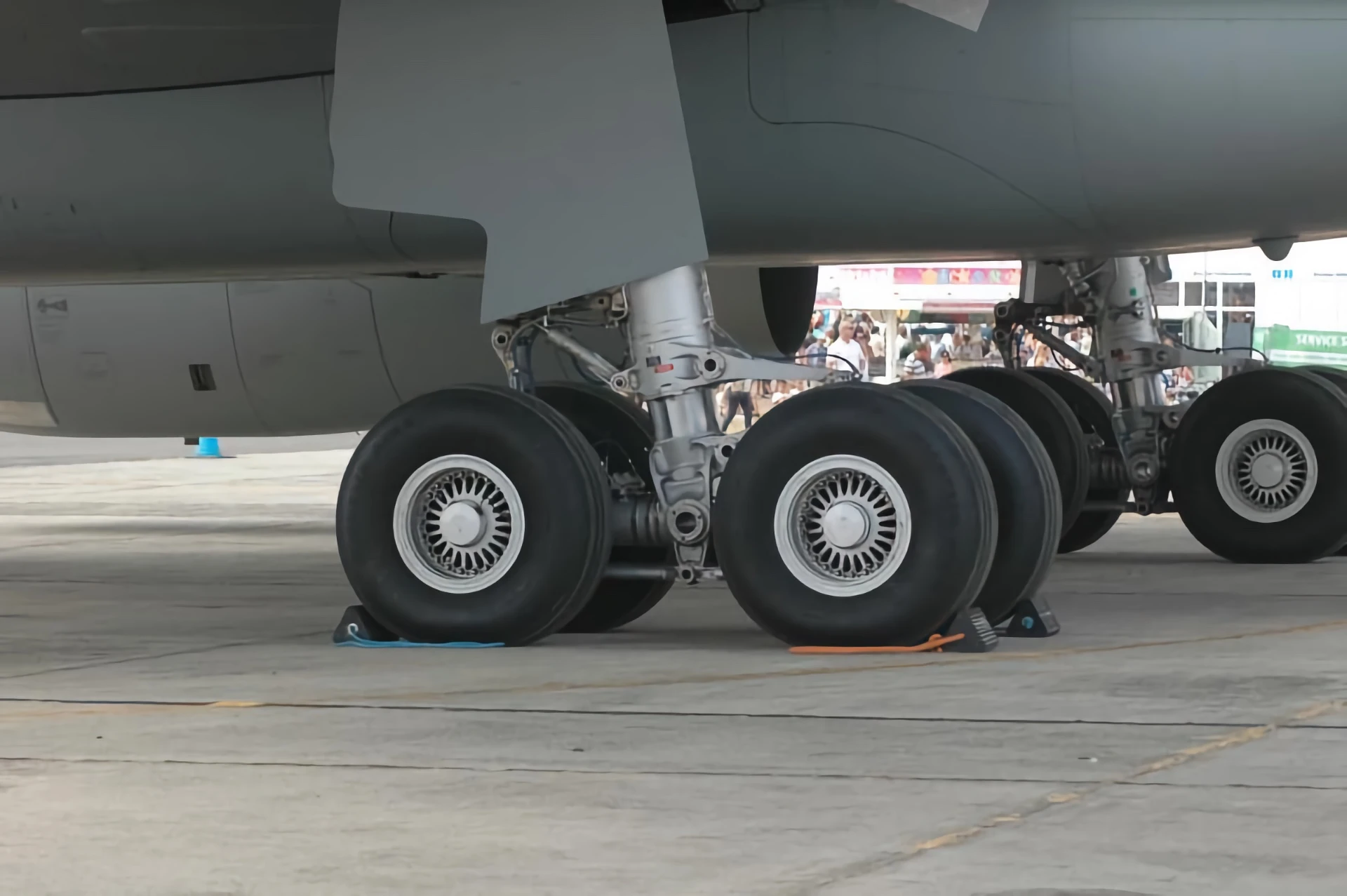
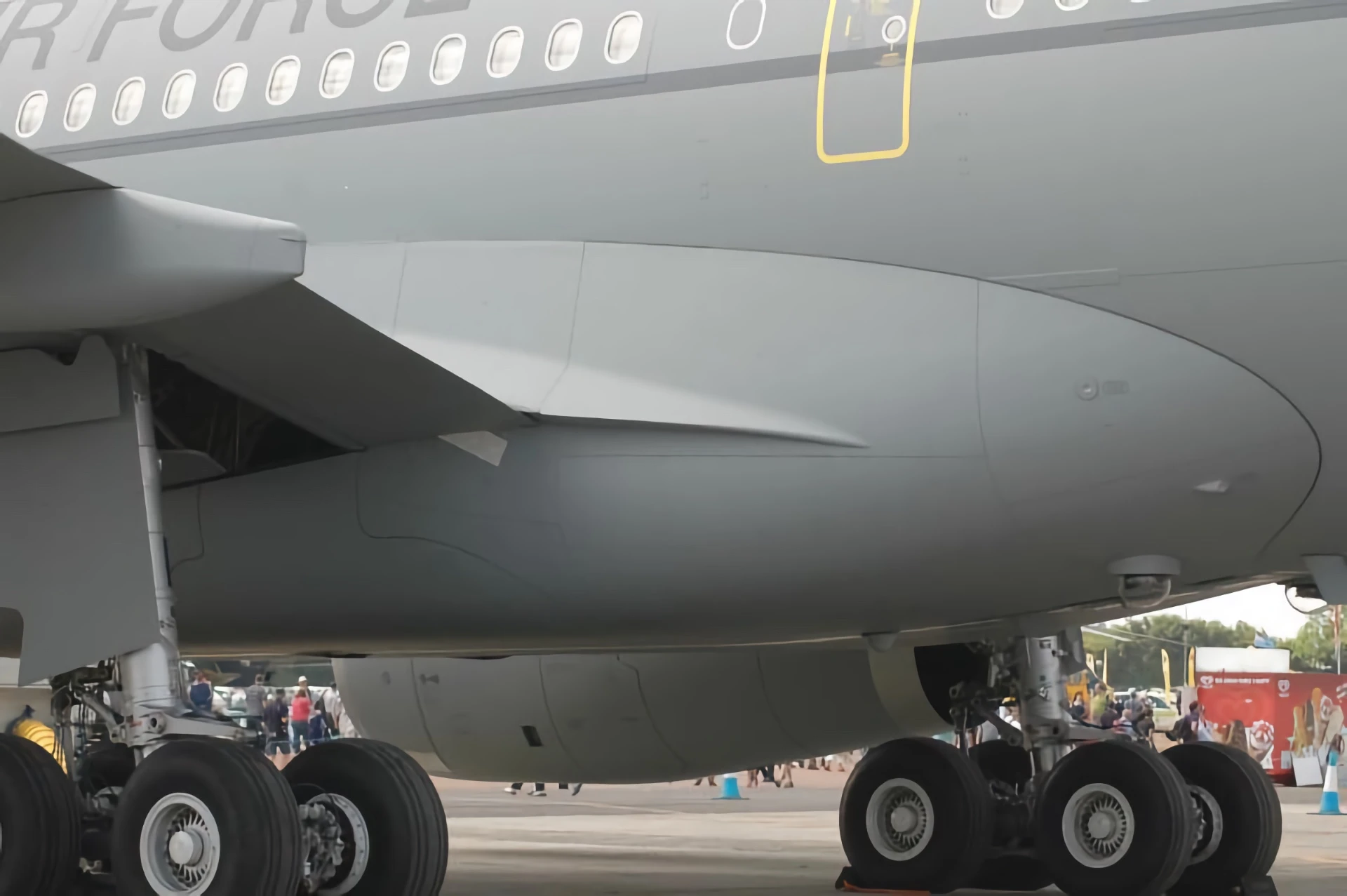
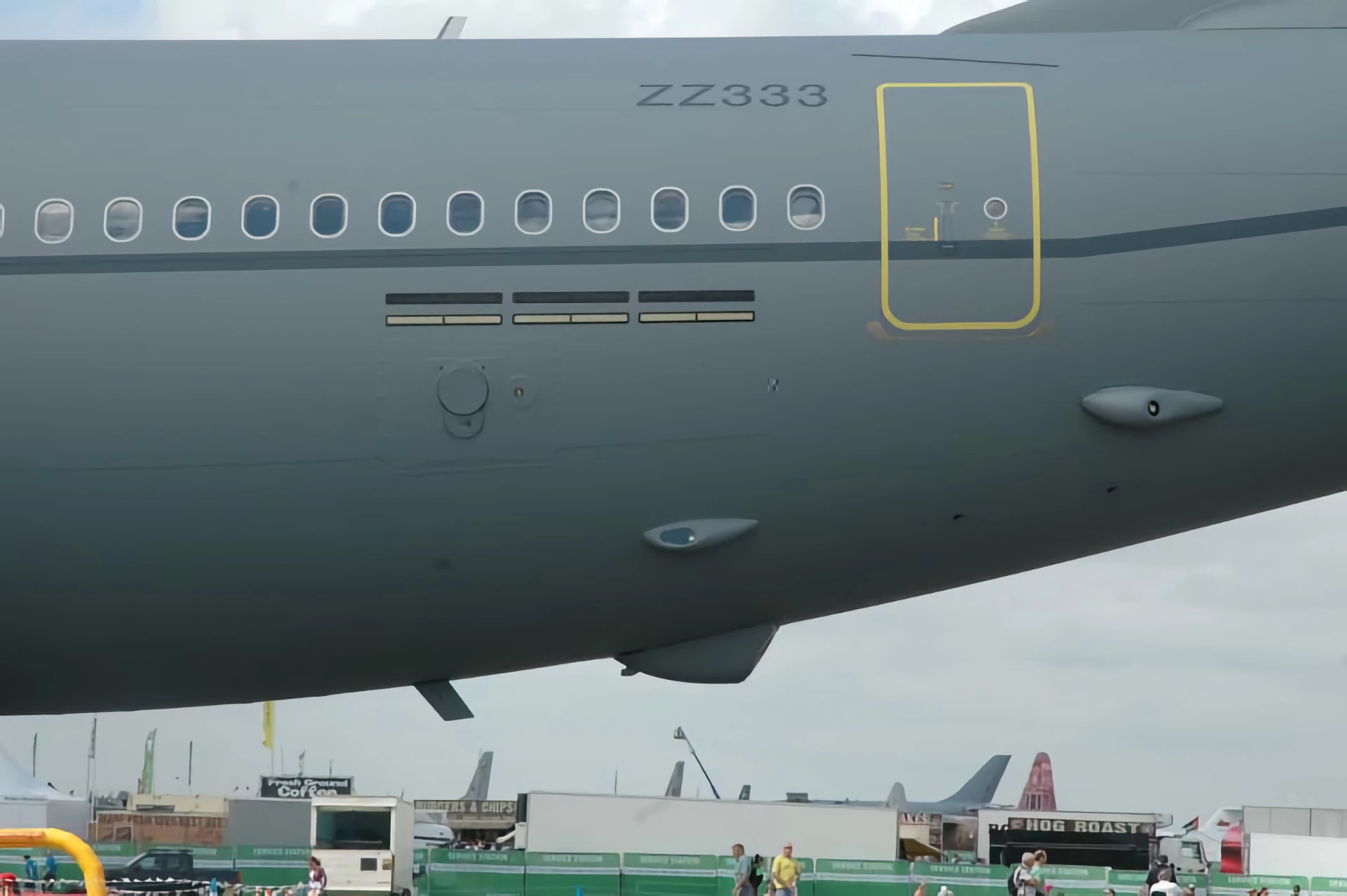
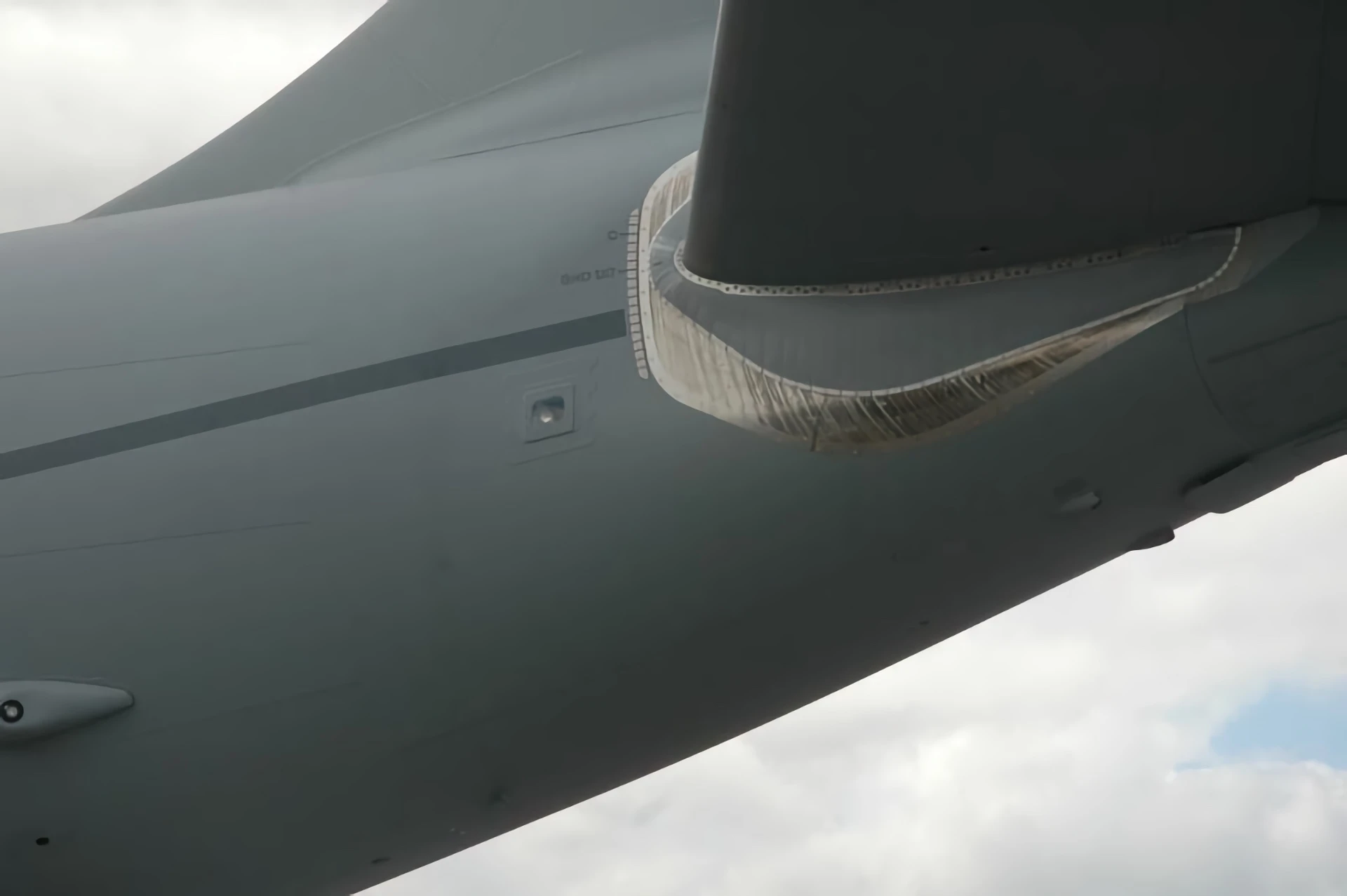

Vedi anche:


The Sovereign Lifeline of Global Airpower
Le Airbus A330 Multi Role Tanker Transport (MRTT) is the world’s premier new-generation aerial refueling and strategic transport aircraft. Derived from the highly successful A330-200 commercial airliner, the MRTT represents a revolutionary leap forward in strategic military logistics. By combining massive fuel capacity with a flexible cabin design, it seamlessly performs mid-air refueling missions, long-range troop transport, cargo haulage, and medical evacuation (MEDEVAC) simultaneously. It serves as a vital strategic force multiplier for major Western and allied air arms, including the UK’s Royal Air Force (Voyager), NATO’s Multinational Fleet, France, Australia, and Saudi Arabia.
| Attribute | Technical Specification (A330 MRTT Baseline) |
|---|---|
| Ruolo | Aerial Refueling Tanker / Strategic Multi-Role Transport |
| Equipaggio | 3–4 (2 Pilots, 1 Air Refueling Operator; Mission clerk optional) |
| Motopropulsore | 2 × Rolls-Royce Trent 772B or General Electric CF6-80E1 turbofans (~72,000 lbf each) |
| Velocità massima | Mach 0.86 (880 km/h / 547 mph) at cruise altitude |
| Maximum Fuel Capacity | 111,000 kg (245,000 lbs) completely contained within existing commercial wing tanks |
| Payload Capacity | Up to 300 passengers OR 45,000 kg (99,000 lbs) of cargo / 130 medical litters |
| Maximum Range | 14,800 km (8,000 nautical miles) ferry range |
| Refueling Systems | Airbus Aerial Refueling Boom System (ARBS) and/or Underwing Hose-and-Drogue pods |
Design Engineering: Hidden Fuel Cells and Digital Fly-by-Wire Booms
- No Extra Fuel Tanks Required: In a masterful piece of aeronautical adaptation, the A330 MRTT carries its entire massive 111-tonne fuel payload within its standard commercial airliner wing and trim tanks. Because no extra fuel tanks are forced into the main fuselage cargo deck, the entire upper deck cabin and lower cargo hold remain completely open for passenger seats, military pallets, or intensive care MEDEVAC equipment.
- The Fly-by-Wire ARBS Boom: For refueling large US-designed aircraft (like the F-35A or F-15), the MRTT utilizes the advanced Airbus Aerial Refueling Boom System (ARBS). Controlled electronically via a digital fly-by-wire system, this tail-mounted telescoping boom allows an operator sitting in the cockpit to steer the fuel pipe directly into the receiving aircraft with millimeter precision.
- Remote Vision System System (RVS): Unlike legacy American tankers where operators lie prone in the tail looking through a physical window, the MRTT’s refueling operator sits in the main cockpit. They view the receiving jets through a high-definition 3D panoramic video console fitted with advanced laser rangers and infrared cameras, ensuring safe plug-ins during night or heavy storm conditions.
- Dual-System Flexibility: To service multi-national forces simultaneously, the MRTT can be fitted with both the rigid boom system and underwing Cobham hose-and-drogue pods. This allows it to refuel probe-equipped European fighters (such as the Eurofighter Typhoon or Dassault Rafale) at the exact same time from its wingtips.
Operational History: Shadowing Coalitions and Global Deterrence
- Replacing Obsolete Foundations: Entering service in 2011, the A330 MRTT was built to replace aging Cold War-era tankers like the Vickers VC10, Handley Page Victor, and early Boeing KC-135s. Its significantly higher fuel burn efficiency and vast reliability improvements quickly established it as the dominant international alternative for long-range logistics.
- Operation Shader & Inherent Resolve: The MRTT saw heavy, continuous combat deployment over Iraq and Syria with the RAF (designated Voyager) and Australian Air Force (KC-30A). Acting as airborne petrol stations, single MRTTs regularly remained on station for over eight hours, sustaining entire strike packages of fighter jets hunting ISIS targets.
- NATO’s Multinational MRTT Fleet (MMF): In a unique display of modern defensive integration, a consortium of NATO nations (including Germany, the Netherlands, Belgium, Luxembourg, Norway, and Czechia) pooled resources to buy and share a unified fleet of MRTTs. Stationed at Eindhoven, these aircraft ensure smaller member states have instant access to heavy strategic airlifts without buying independent fleets.
- The Autonomous Evolution: Moving toward future battlefields, Airbus has successfully tested fully automated air-to-air refueling (A3R) capabilities on the MRTT. This allows the ship’s computers to track, align, and plug the fuel boom into an oncoming fighter with zero human interaction, laying the groundwork for refueling autonomous uncrewed combat drones in contested airspaces.
Punti di vista : 28
Puoi anche vedere:
 Airbus Military A400M Grizzly – Foto e Video
 Republic XF-84H Thunderscreech – Foto e Video
 Republic XF-91 – Foto e Video
 Lockheed F-117 Nighthawk – Foto e Video
 Douglas DC-3 – Foto e Video
 A-90 Orlyonok – Foto e Video
 Boeing 307 Stratoliner – Foto e Video
 Northrop Alpha – Foto e Video
 Interstate Cadet – Foto e video
 Beechcraft Model 18 – Foto e Video