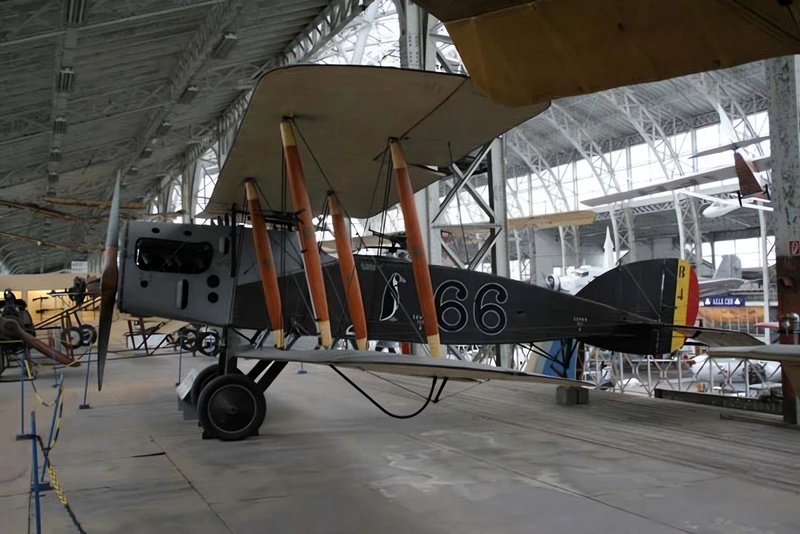
Bristol F.2 Fighter | |
|---|---|
| Ország | Egyesült Királyság |
| Szerepet | Kétfedelű vadászrepülőgép |
| Első repülés | 9 September 1916 |
| Beépített | 5329 |
A Bristol F.2 vadászgép was a British two-seat biplane fighter and reconnaissance aircraft of the First World War developed by Frank Barnwell at the Bristol Aeroplane Company. It is often simply called the Bristol Fighter, other popular names include the “Brisfit” or “Biff”. Although the type was intended initially as a replacement for the pre-war Royal Aircraft Factory B.E.2c reconnaissance aircraft, the newly-available Rolls-Royce Falcon V12 engine gave it the performance of a two-seat fighter.
Forrás: Bristol F.2 Harcos a Wikipédián
| Bristol F2b Walk Around | |
|---|---|
| Photographer | Klaus Walde |
| Localisation | Unknow |
| Photos | 14 |
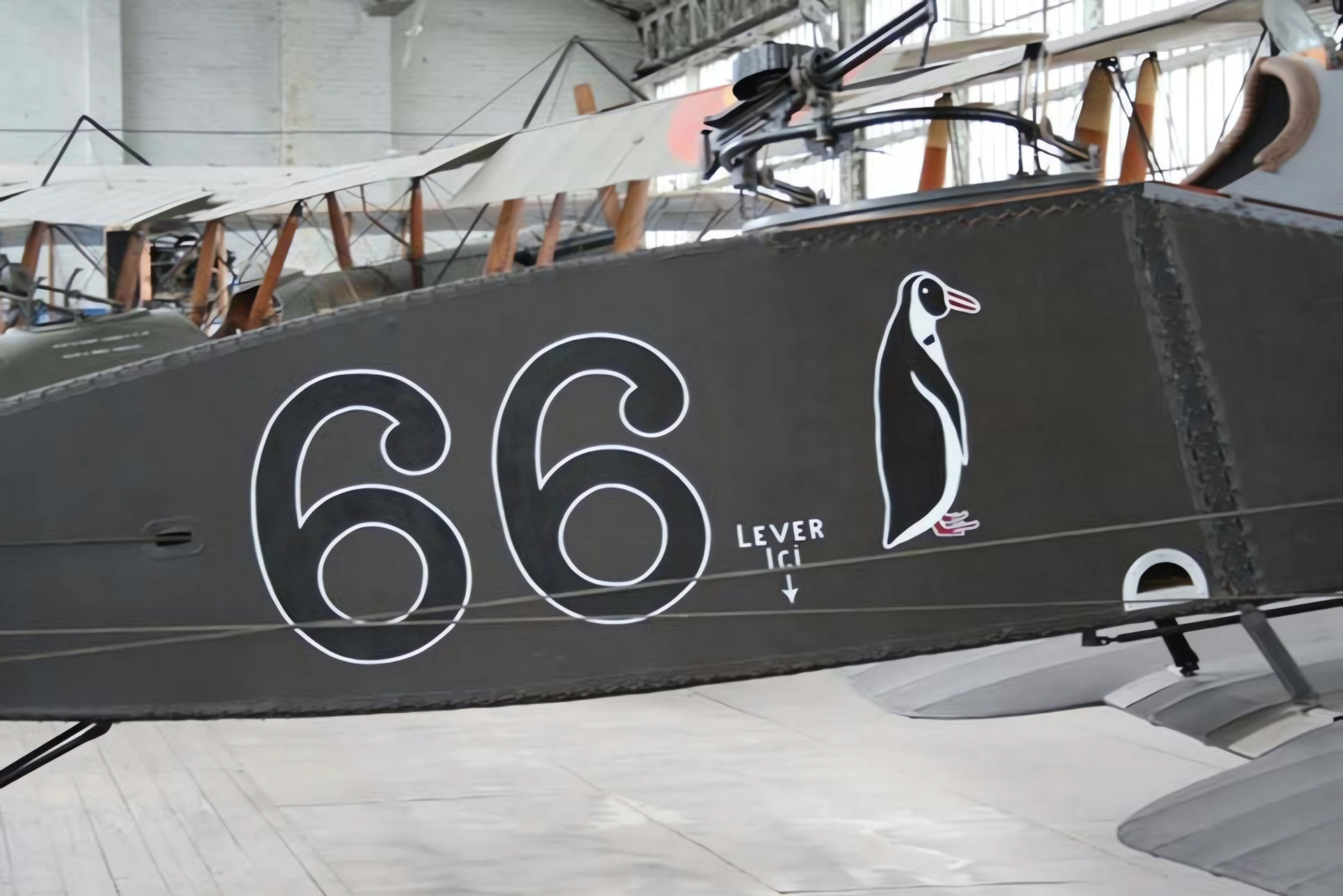
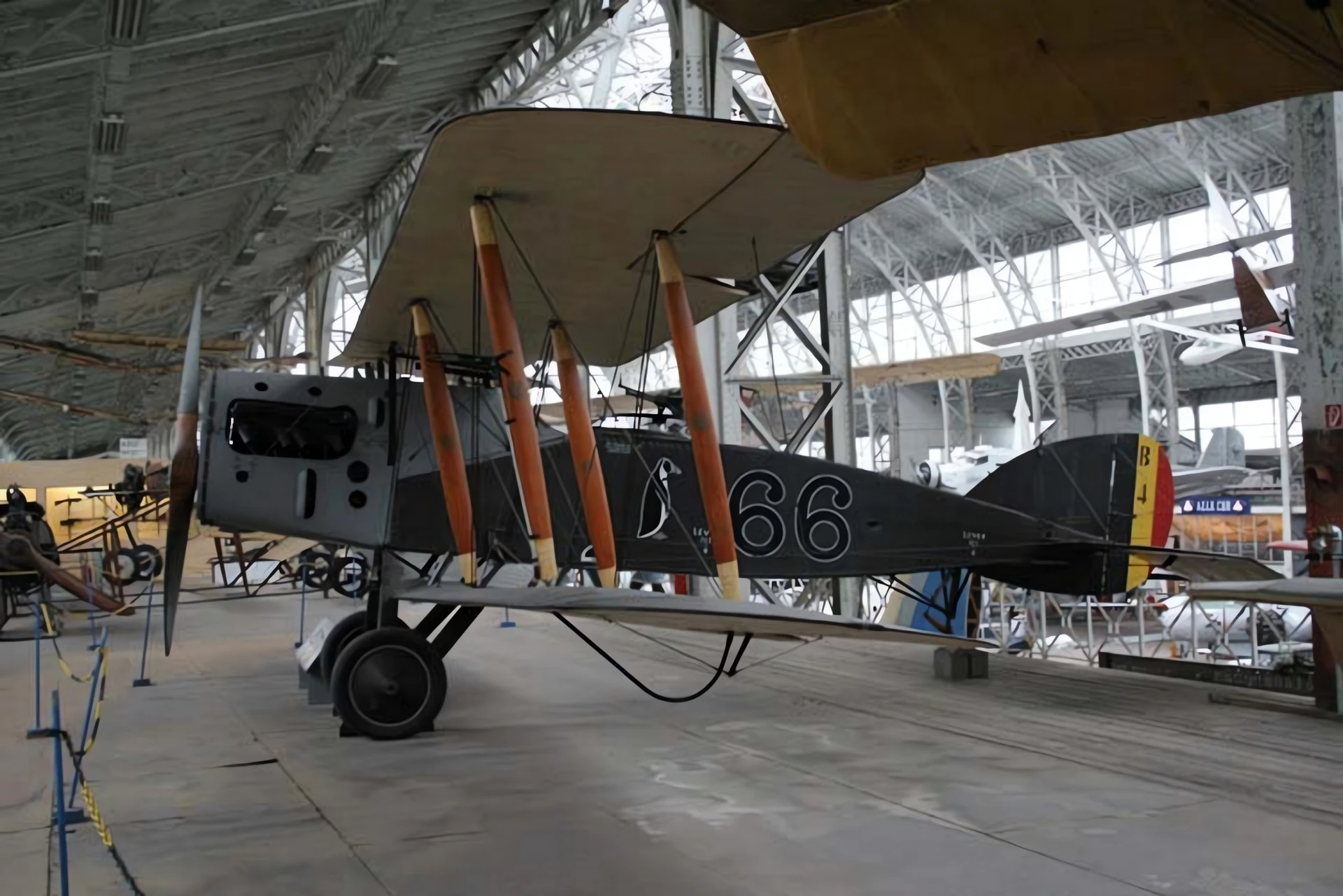
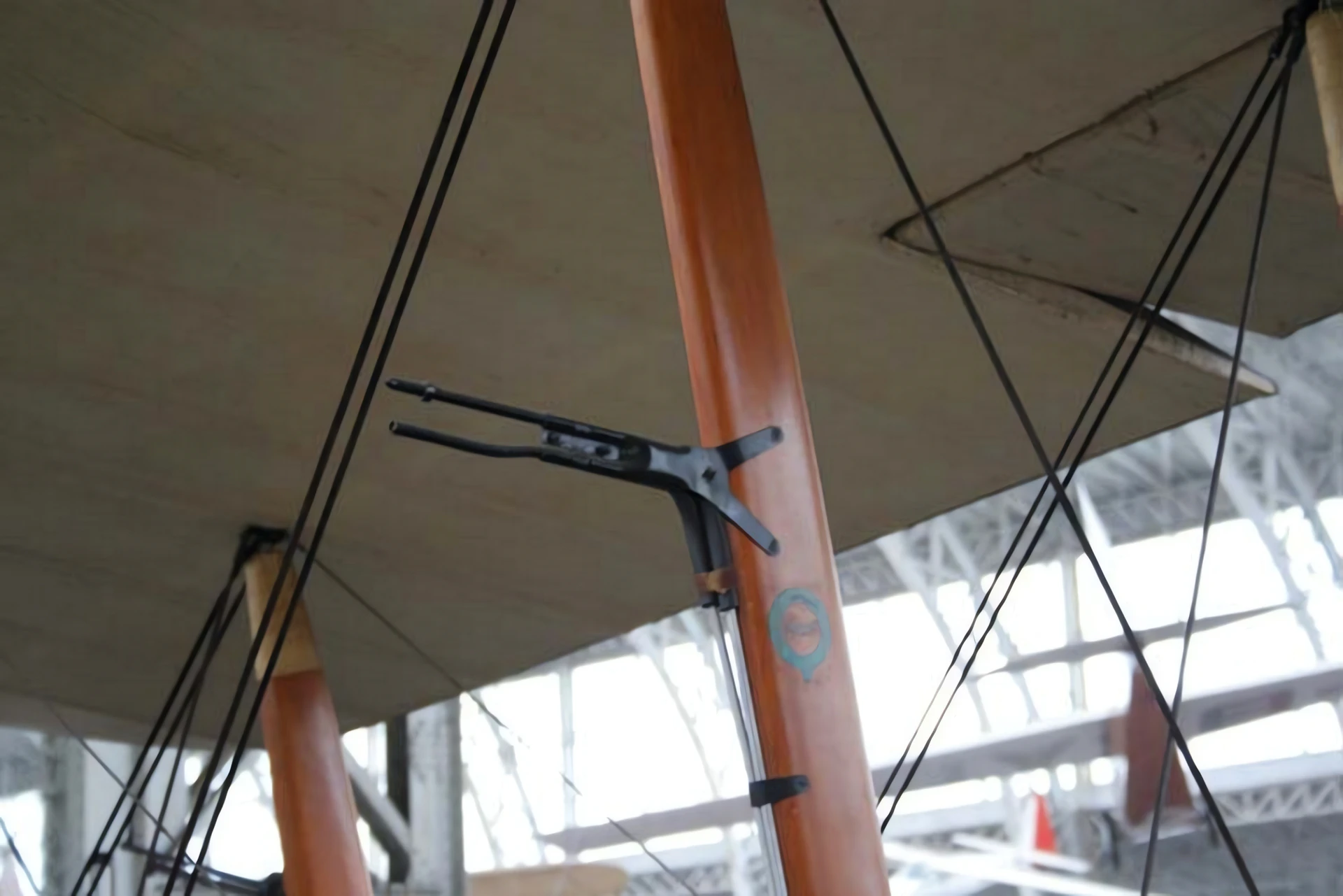
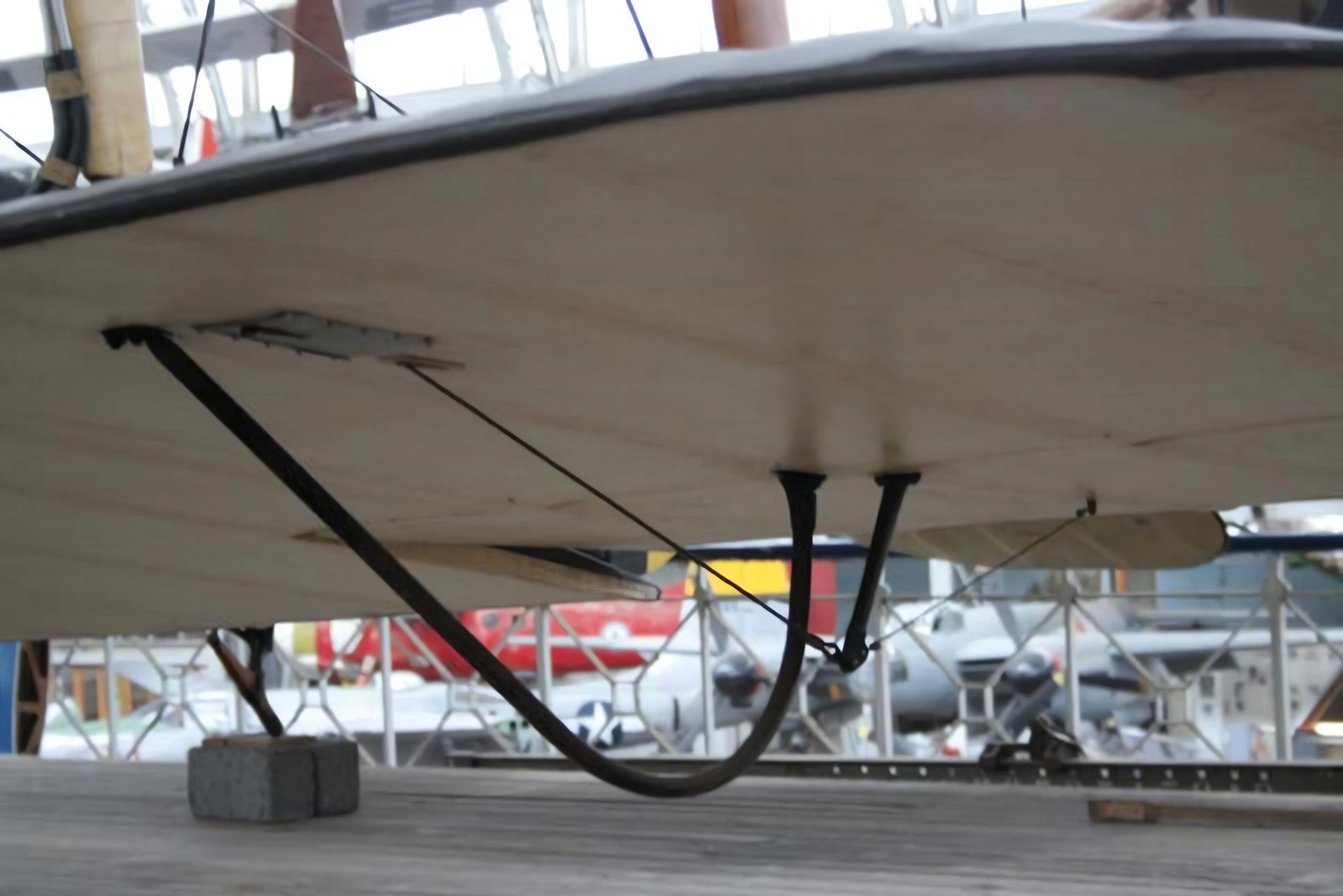
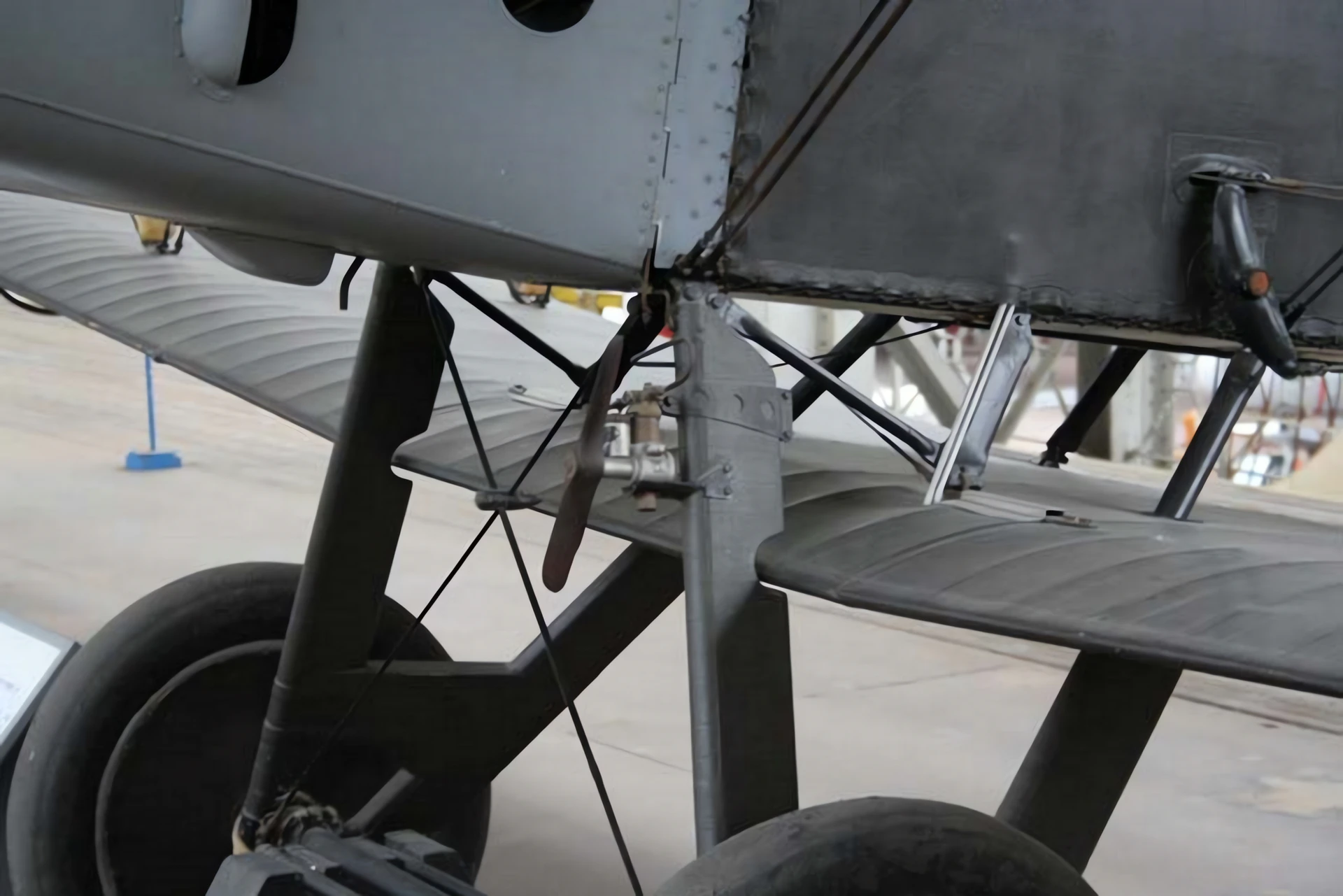
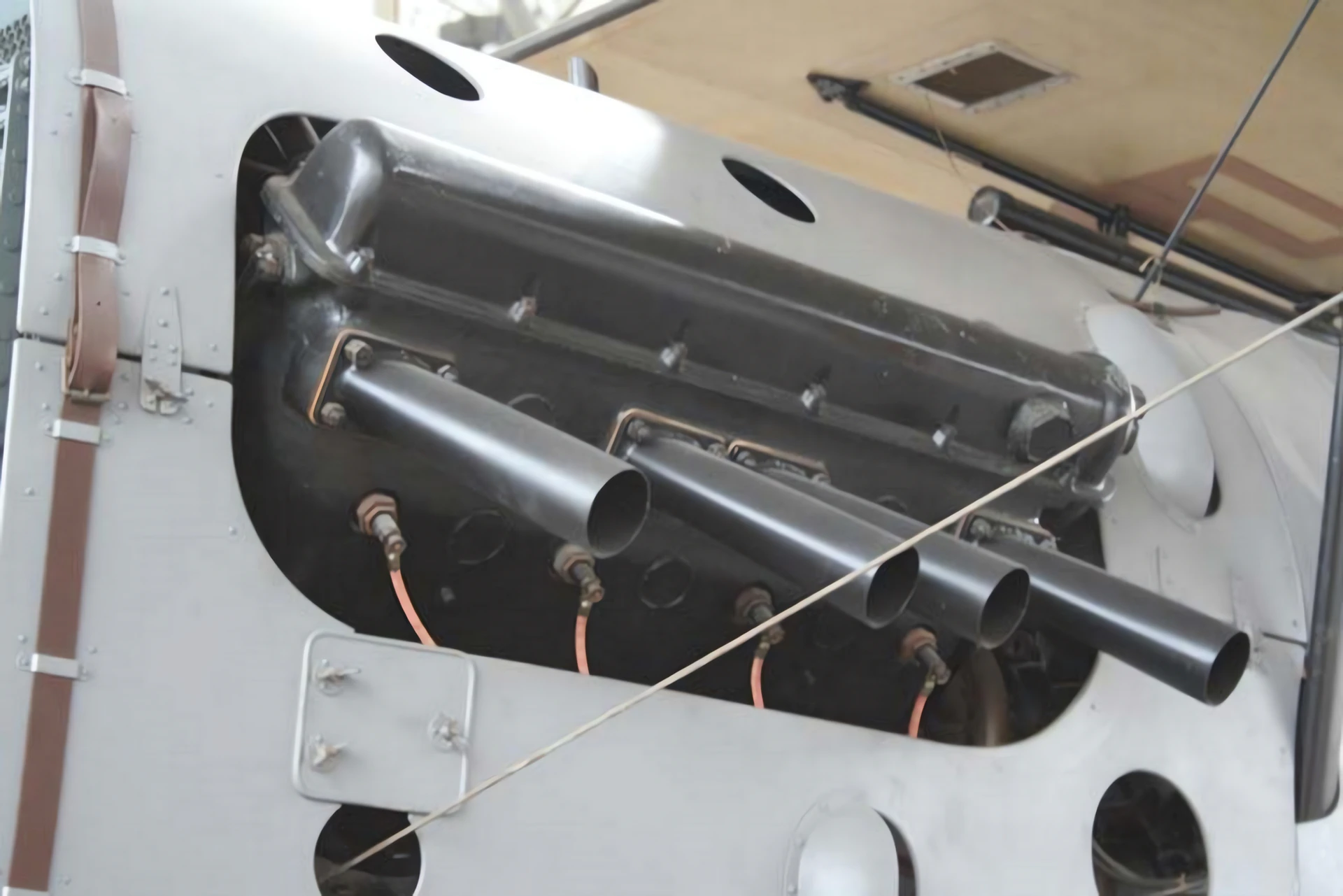
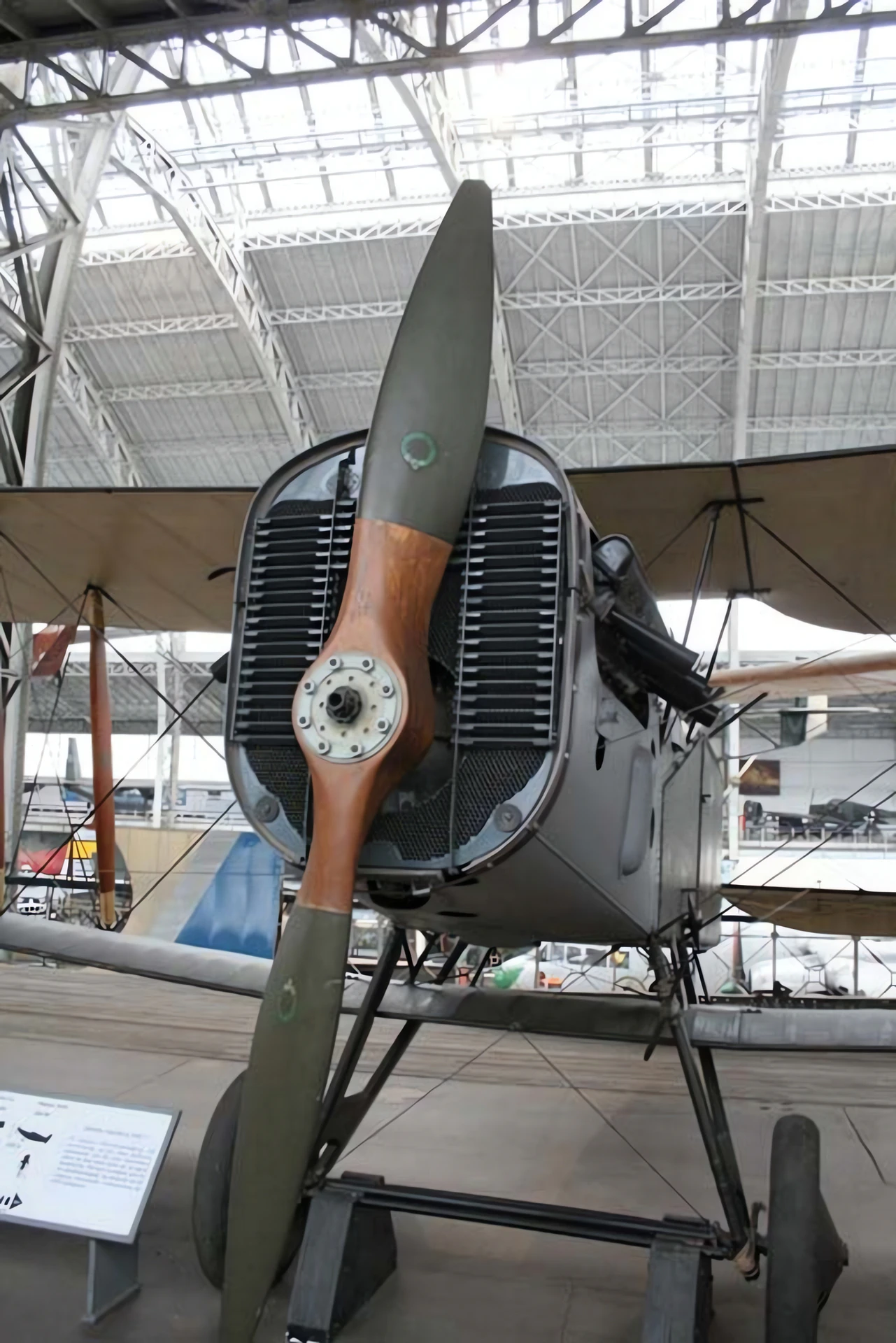
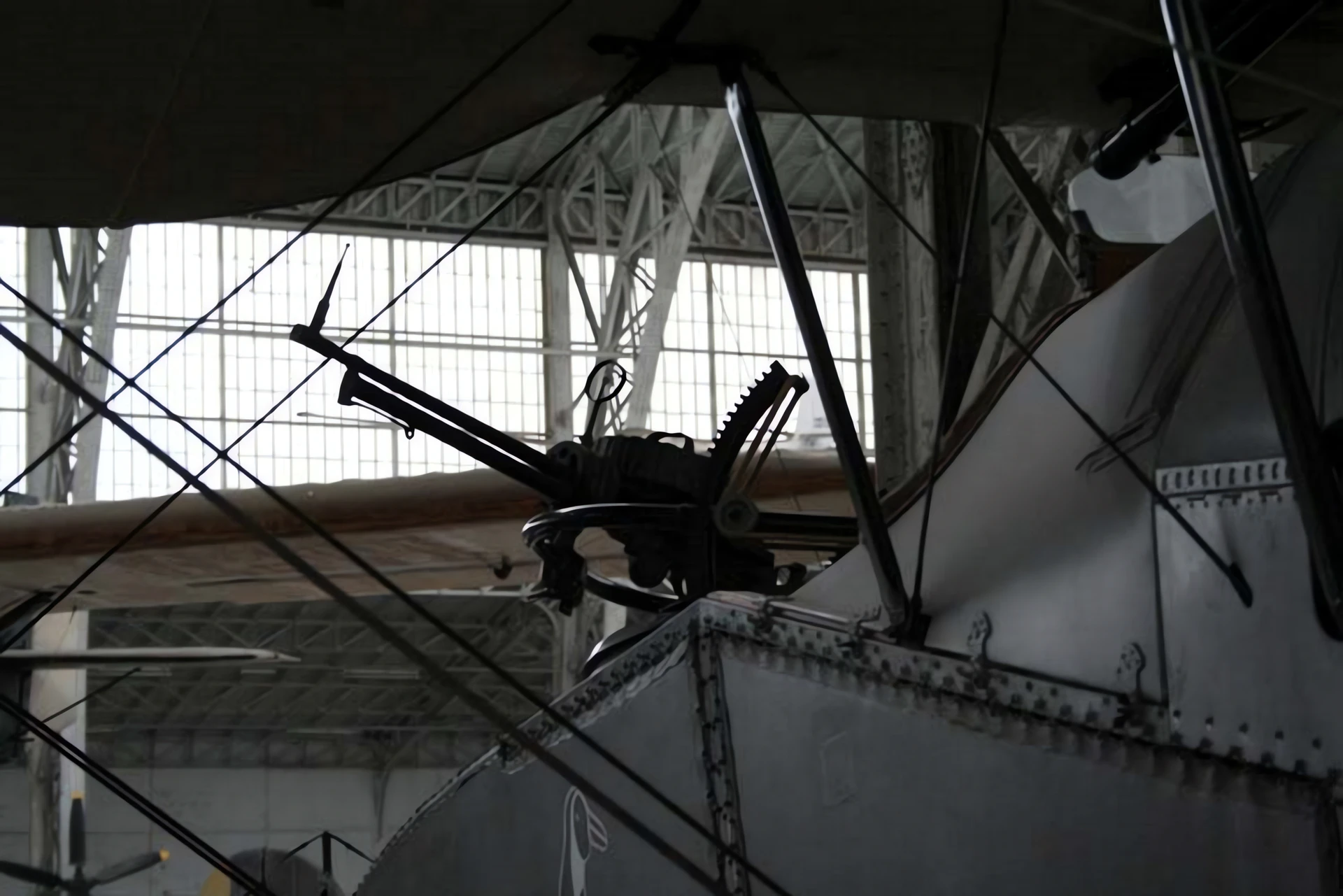
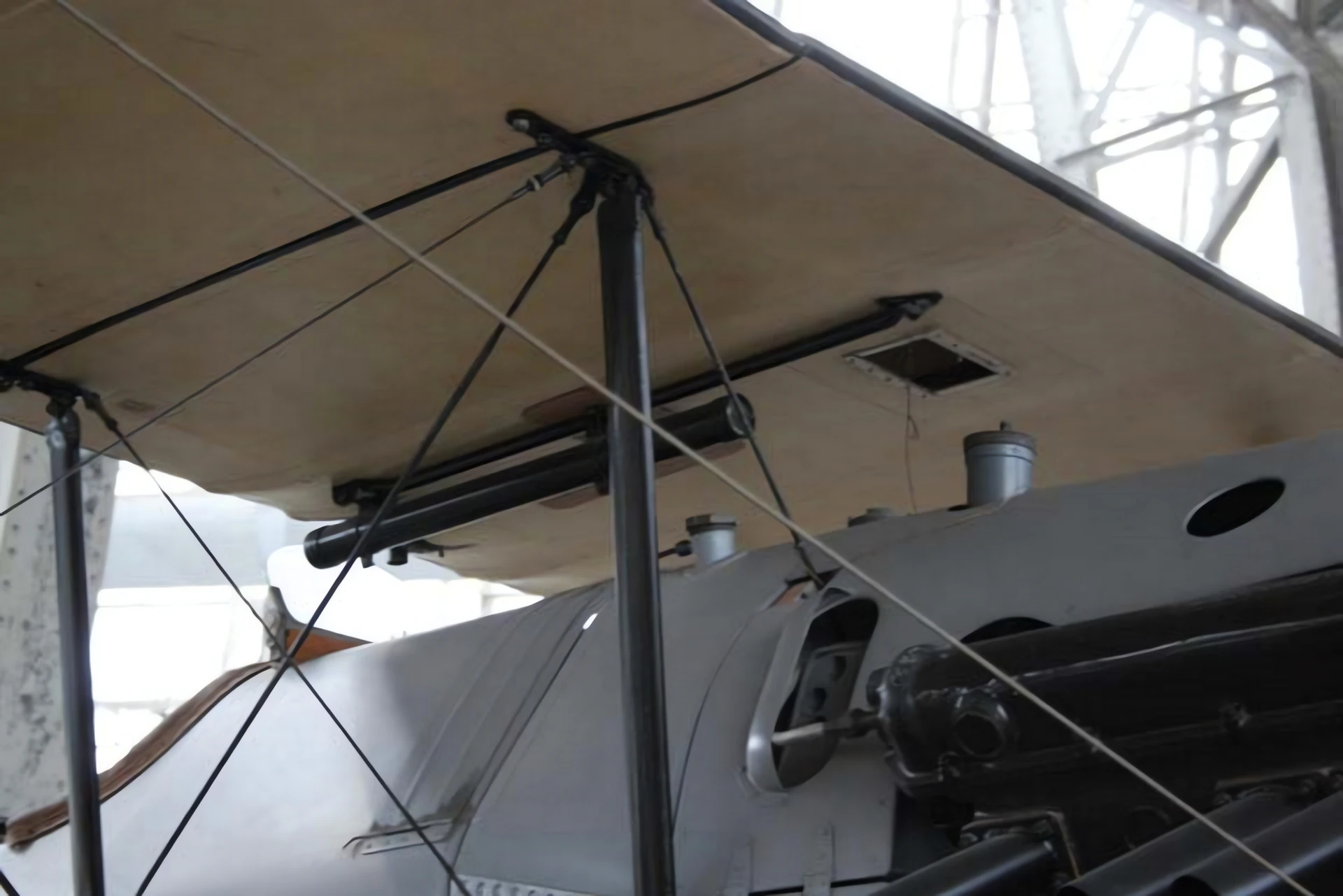

| F.2B Brisfit Walk Around | |
|---|---|
| Fotós | Michael Benolkin |
| Lokalizáció | Ismeretlen |
| Fénykép | 44 |
Lásd még:


| Bristol F.2B Fighter Walk Around | |
|---|---|
| Fotós | Jan Petr |
| Lokalizáció | Ismeretlen |
| Fénykép | 43 |
General Characteristics and Role
The Bristol F.2B Fighter, often nicknamed the “Brisfit”, was a British two-seat biplane fighter and reconnaissance aircraft of World War I. While initially conceived as a reconnaissance aircraft, its robust design, powerful engine, and excellent maneuverability allowed pilots to fly it aggressively like a single-seat fighter. Unlike earlier two-seaters which were vulnerable to German fighters (the observer’s gun was usually insufficient for effective defense), the F.2B’s successful layout allowed the pilot to concentrate on flying while engaging the enemy with a fixed forward machine gun, leaving the rear gunner to cover the tail. This made it a highly effective and respected aircraft that remained in service with the Royal Air Force (RAF) long after the war ended.
| Property | Typical Value (Bristol F.2B) |
|---|---|
| Szerepet | Two-seat Fighter, Reconnaissance |
| National Origin | Egyesült Királyság |
| Gyártó | Bristol Aeroplane Company |
| First Flight (Prototype F.2A) | 9 September 1916 |
| Legénység | 2 (Pilot and Observer/Gunner) |
| Armament (Pilot) | 1 x .303 in (7.7 mm) Vickers machine gun (fixed, forward-firing) |
| Armament (Observer) | 1 or 2 x .303 in (7.7 mm) Lewis machine guns (flexible mounting) |
| Hossza | 7.87 m (25 ft 10 in) |
| Szárnyfesztávolsága | 11.96 m (39 ft 3 in) |
| Magasság | 2.97 m (9 ft 9 in) |
| Gross Weight (Max) | 1,310 kg (2,890 lb) |
Powerplant and Performance
- Engine: 1 x Rolls-Royce Falcon III liquid-cooled V12 engine.
- Power Output: 205 kW (275 hp).
- Maximum Speed: 198 km/h (123 mph; 107 kn) at sea level.
- Service Ceiling: 5,500 m (18,000 ft).
- Endurance: 3 hours.
- Key Feature: The powerful and reliable Falcon engine gave the F.2B a superior combination of speed and climb rate for a two-seater.
Service History and Legacy
- Initial Setback: The first version, the F.2A, suffered heavy losses due to the pilots using it conservatively like traditional reconnaissance planes. Once pilots started using its speed and maneuverability offensively, the F.2B version became highly successful.
- Total Production: Over 5,300 F.2B aircraft were built.
- Post-War Service: The aircraft was used extensively in various roles (including light bombing, army cooperation, and training) by the RAF and air forces worldwide well into the 1930s.
- Distinction: The F.2B helped prove the concept of the two-seat fighter as a highly effective combat aircraft, distinct from the slower reconnaissance types.
Views : 2639
Láthatjuk azt is:
 Hawker Fury – Fotók és videók
 EKW C-35 – Fotók & Videók
 SPAD S.XI - Séta
 Breguet XIV – Fotók és videók
 Phönix D.I – Fotók és videók
 Hawker Hart – Fotók és videók
 Fokker D.VII – Fotók & videó
 Royal Aircraft Factory S.E.5 – Fotók & videó
 SPAD S.VII Cabruna & Ruffo – Fotók & videó
 Stearman PT-13D Kaydet- Fotók & videó