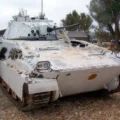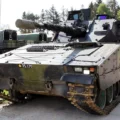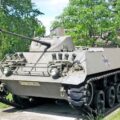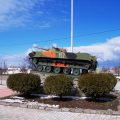
BMP-2 | |
|---|---|
| Ország | Szovjetunió |
| Szerepet | Gyalogsági harci jármű |
| Termelt | 1980–napjainkig |
| Szolgálatban | 1980–napjainkig |
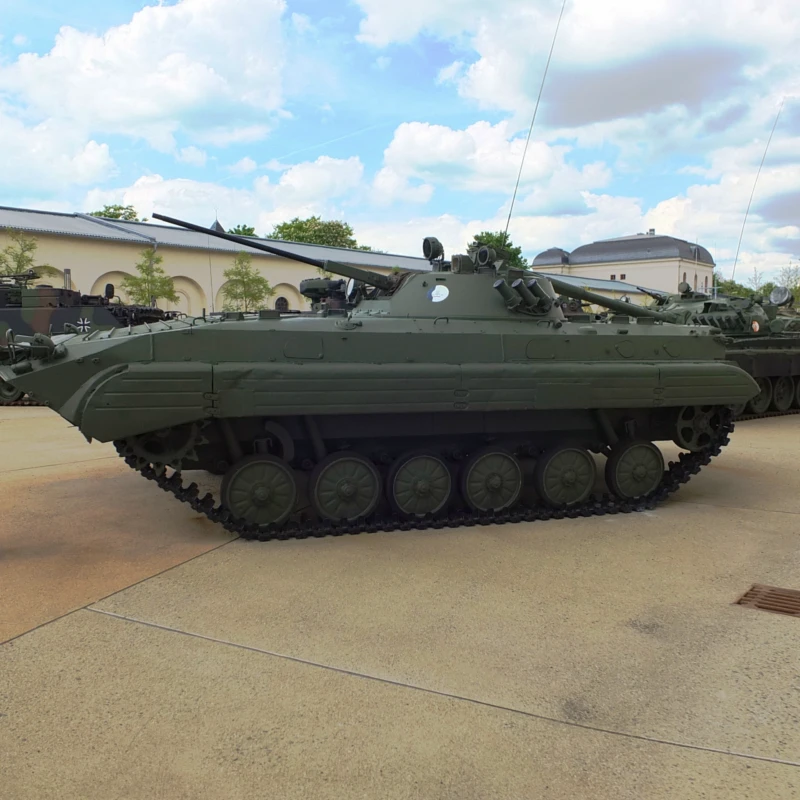
A BMP-2 (Bojevaja Mashina Pekhoty, oroszul: Боевая Машина Пехоты; gyalogsági harcjármű) egy második generációs, kétéltű gyalogsági harcjármű, amelyet az 1980-as években vezettek be a Szovjetunióban, az 1960-as évek BMP-1-ét követve.
Forrás: BMP-2 a Wikiben
| BMP-2 Walk Around | |
|---|---|
| Fotós | Ismeretlen |
| Lokalizáció | Ismeretlen |
| Fénykép | 39 |
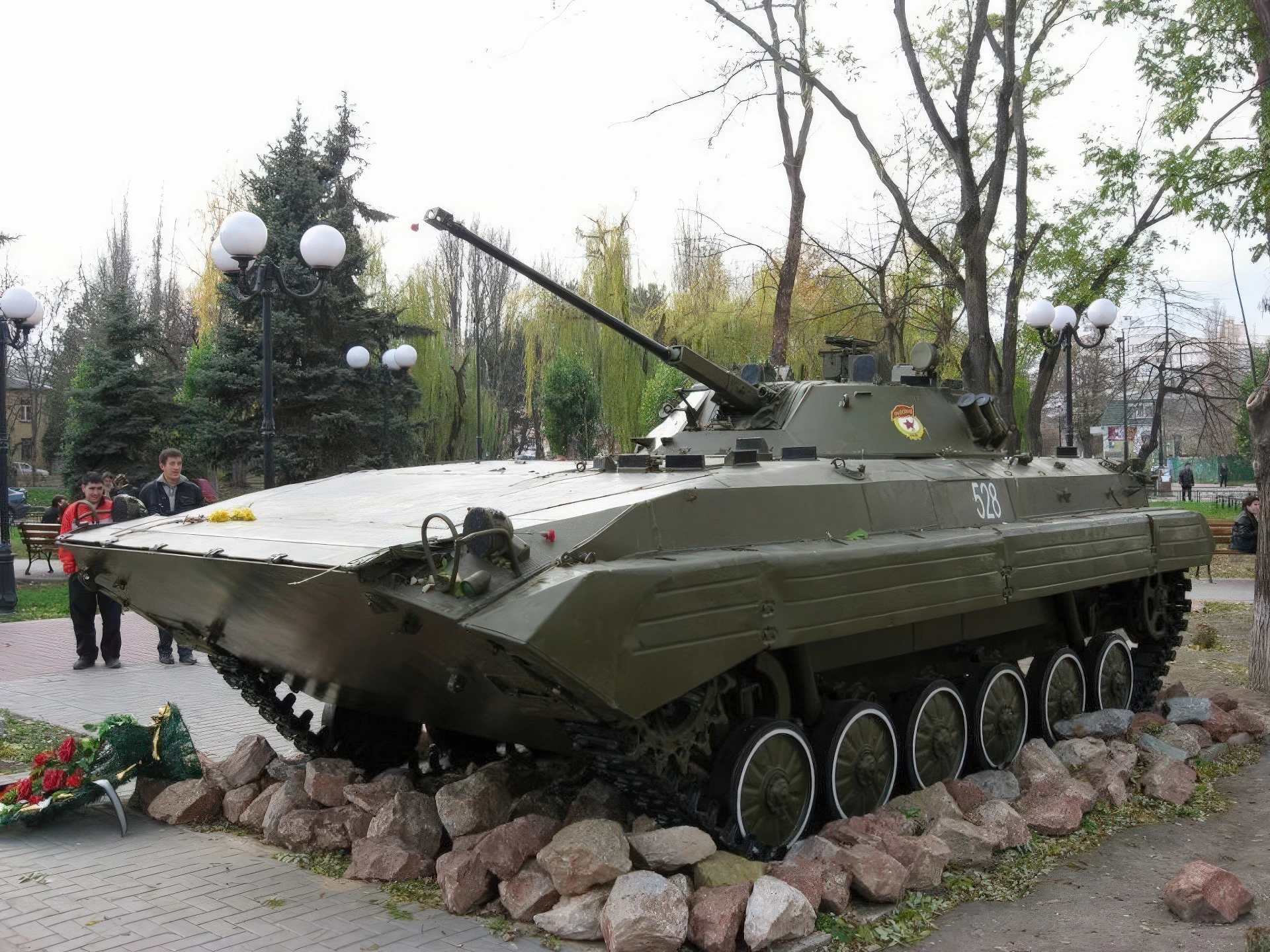
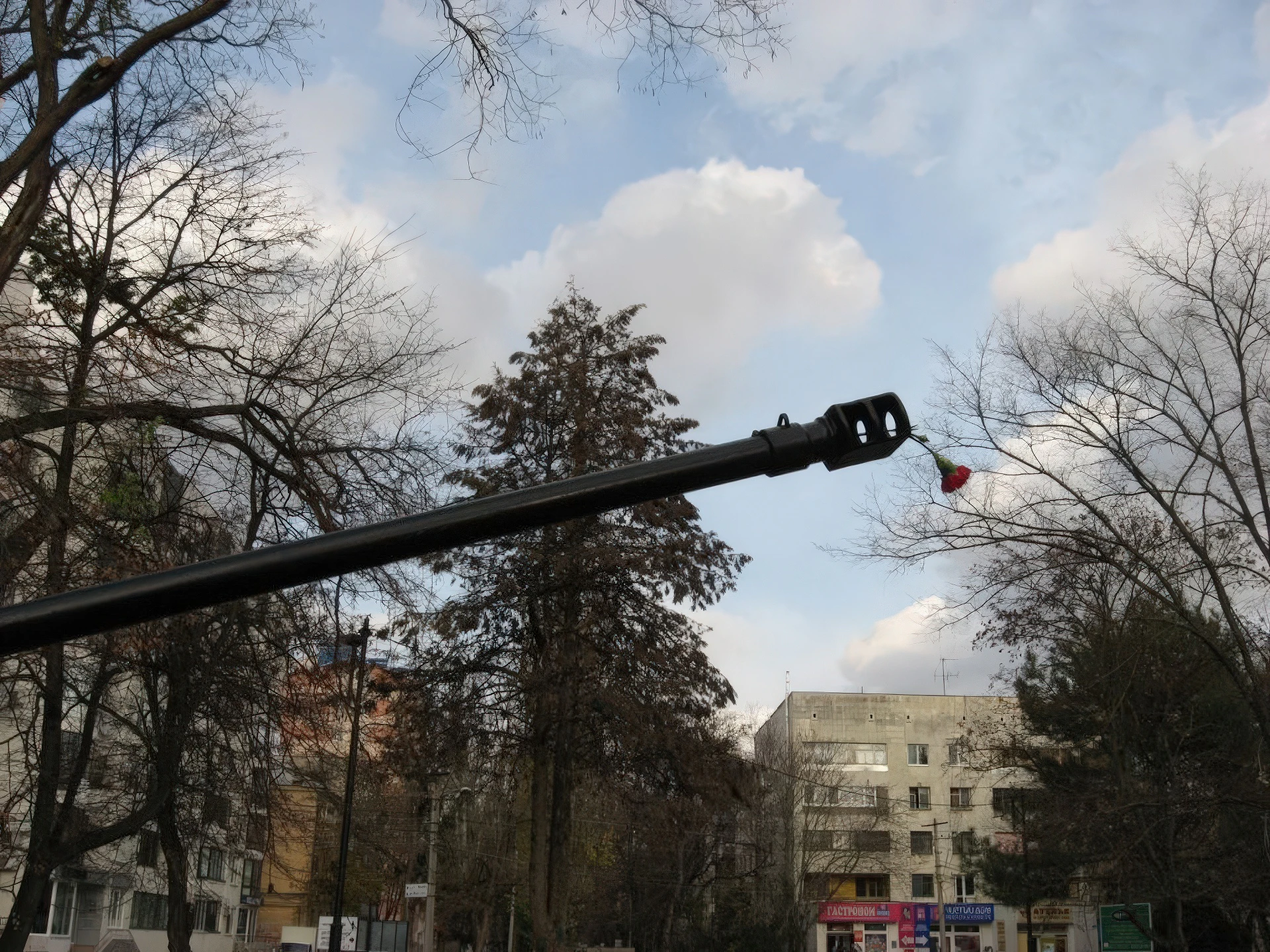
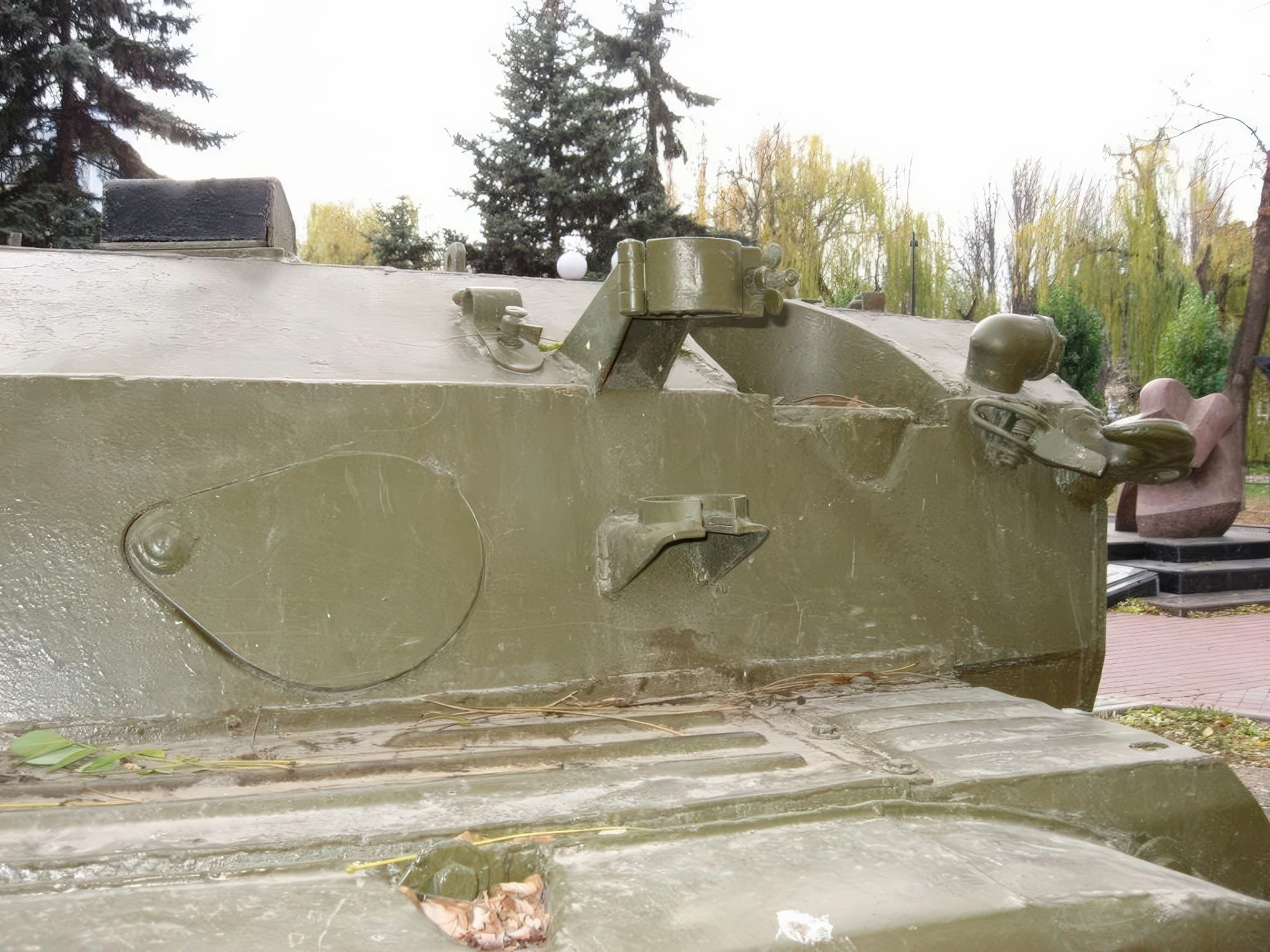
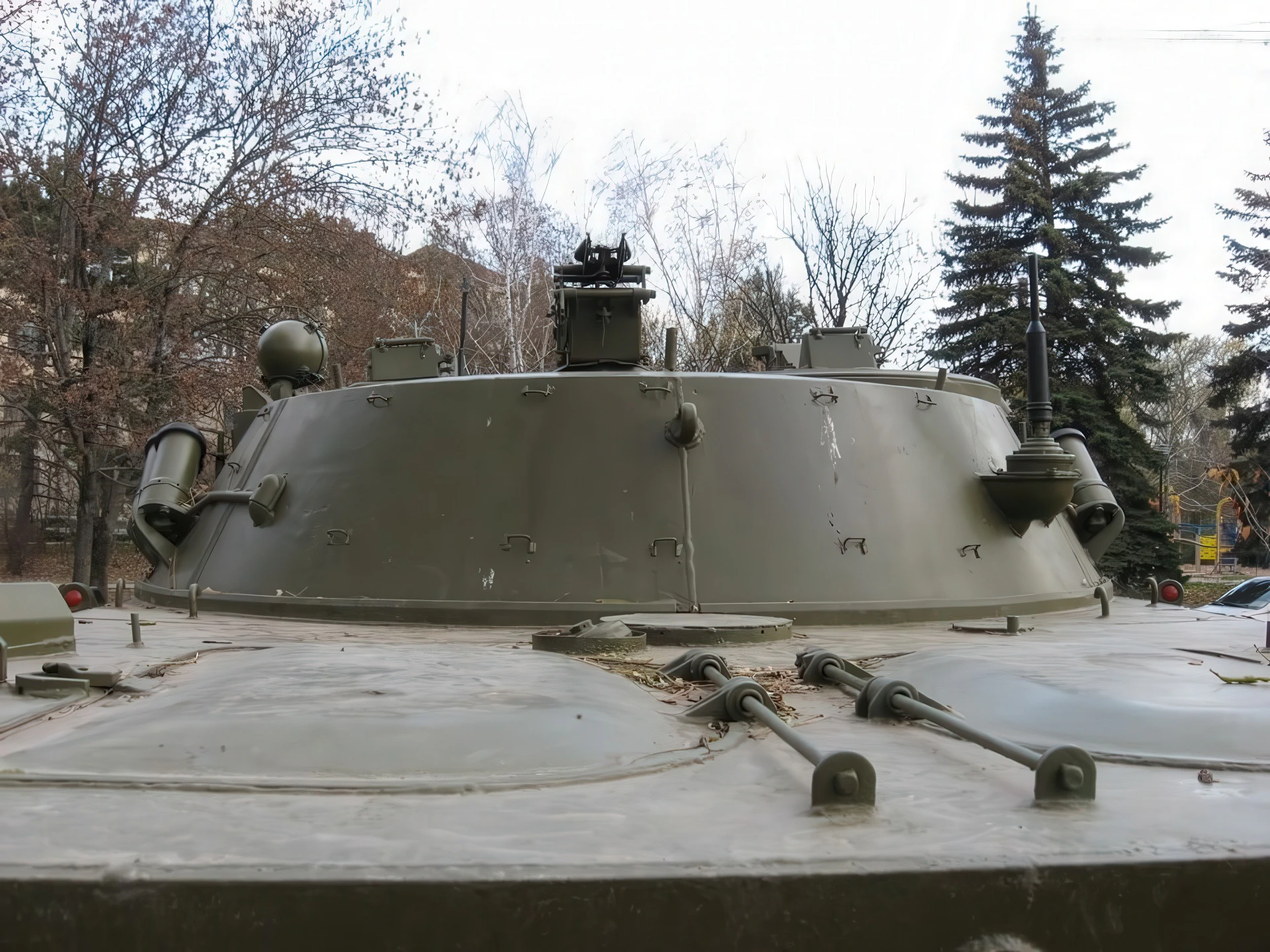
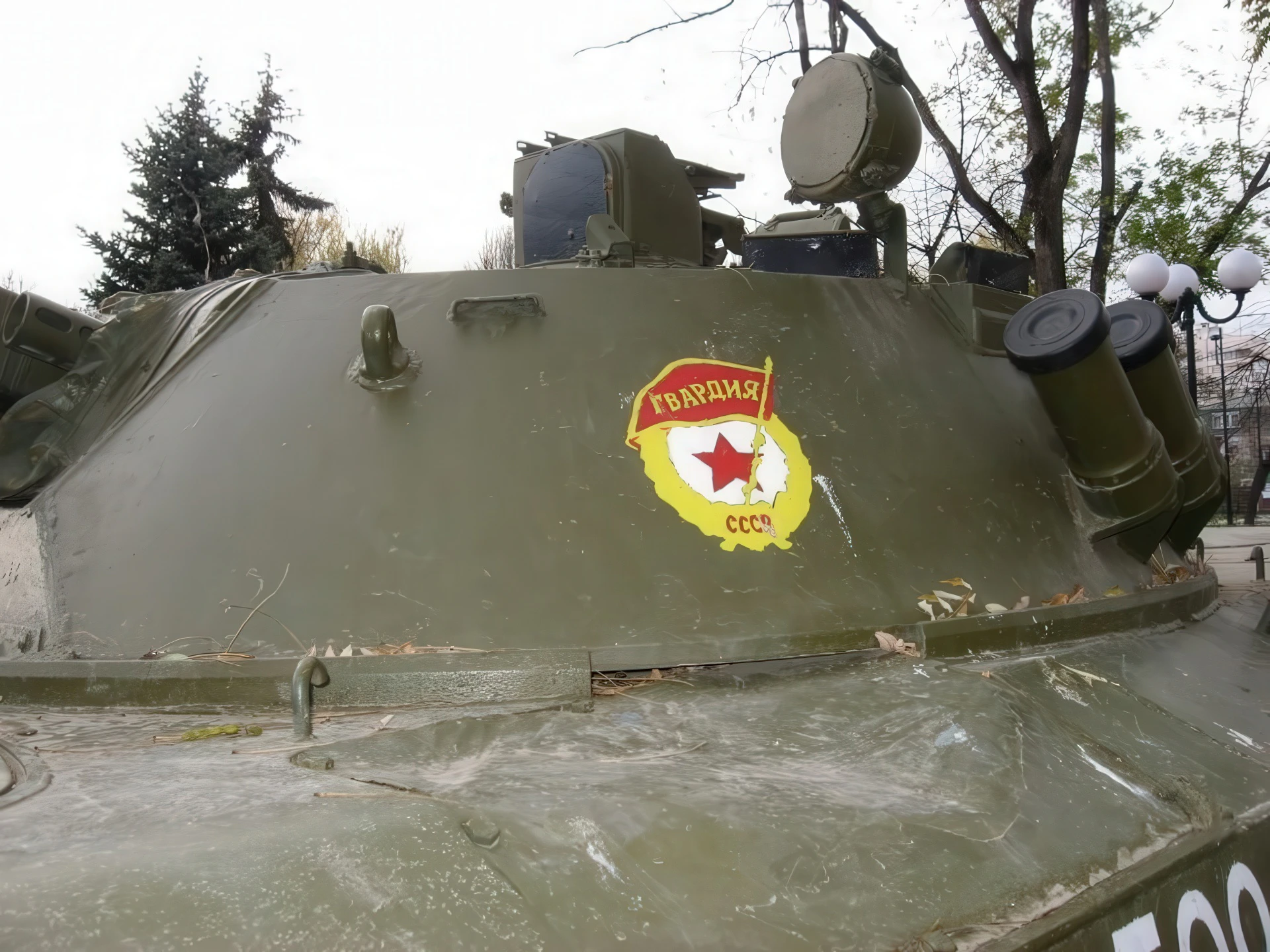
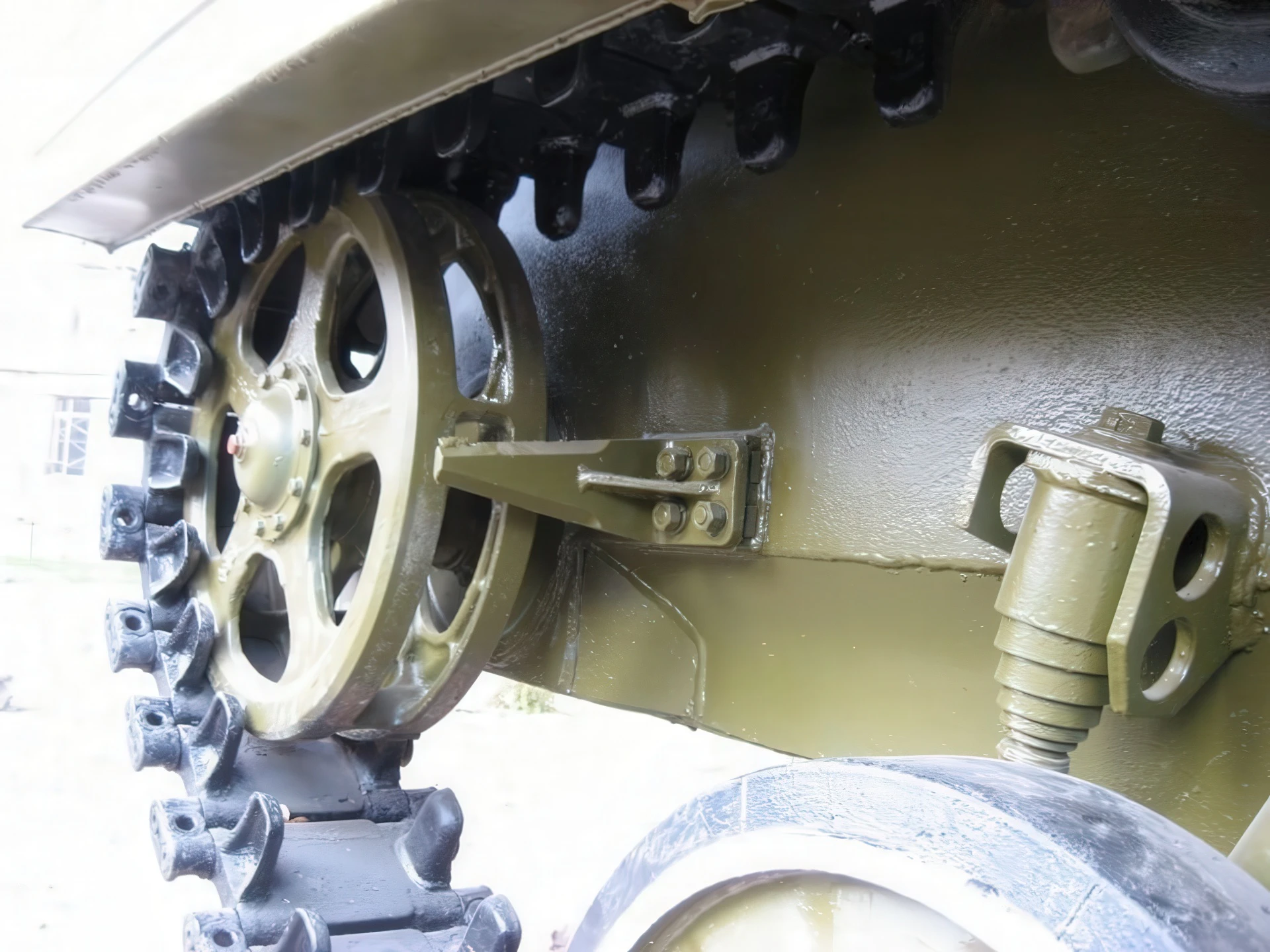
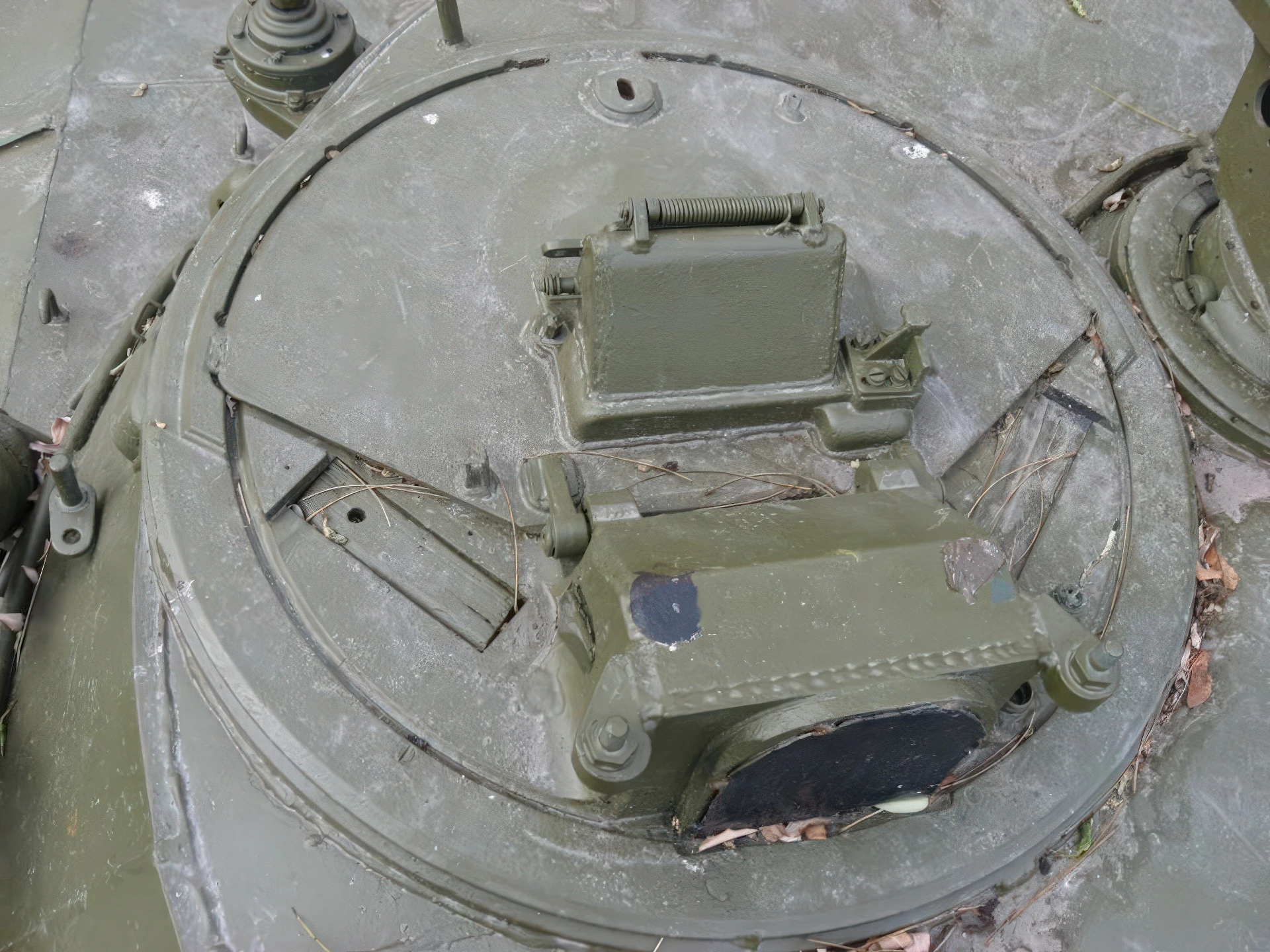
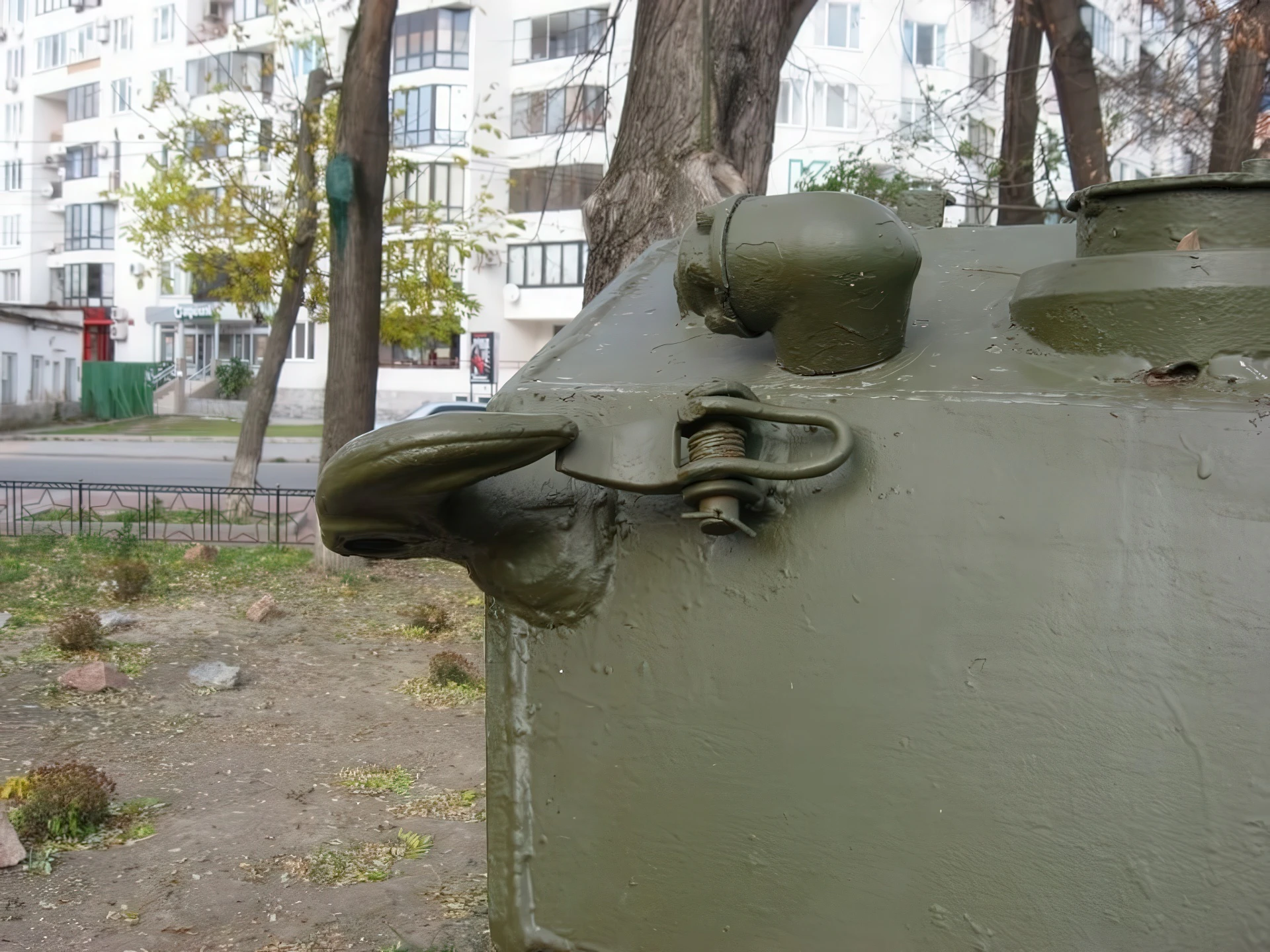
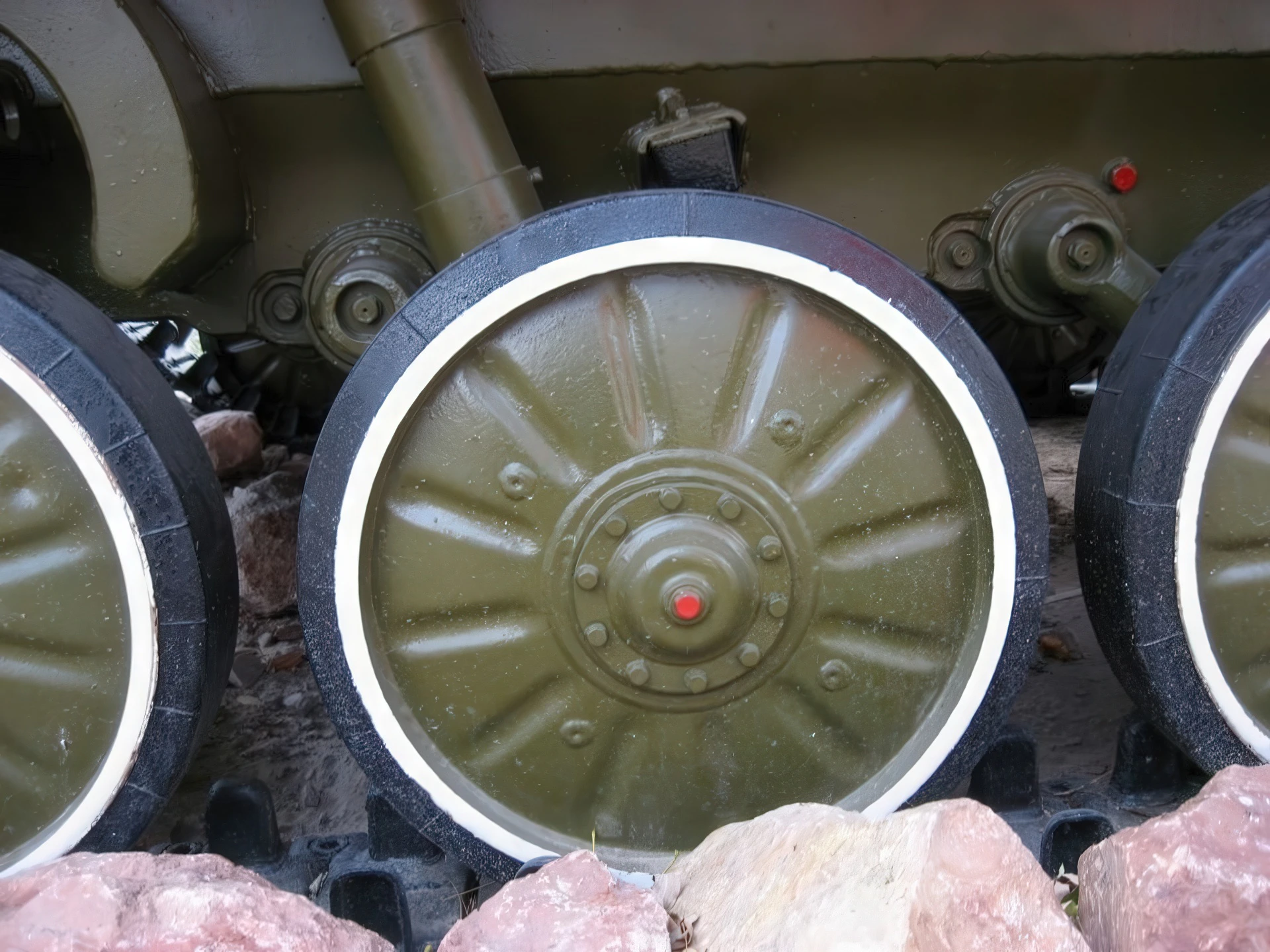

Lásd még:


| BMP-2 Walk Around | |
|---|---|
| Fotós | Thomas Voigt |
| Lokalizáció | Ismeretlen |
| Fénykép | 103 |
Operational History and Evolution
The BMP-2 was introduced in the late 1970s as an evolutionary leap over the BMP-1, designed to address the tactical shortcomings discovered during Middle Eastern conflicts. While the BMP-1’s low-pressure gun was ineffective against helicopters and long-range targets, the BMP-2 featured a high-velocity autocannon and a larger two-man turret. It became the backbone of Soviet motorized rifle divisions and remains one of the most widely used armored vehicles in the world, serving in dozens of conflicts from the Soviet-Afghan War to modern-day Ukraine.
| Attribute | Standard Specification (BMP-2) |
|---|---|
| Szerepet | Infantry Fighting Vehicle (IFV) |
| Legénység | 3 (Commander, Gunner, Driver) |
| Troop Capacity | 7 Fully Equipped Soldiers |
| Combat Weight | 14.3 Tonnes |
| Main Armament | 30mm 2A42 Autocannon |
| Missile System | 9M113 Konkurs (AT-5 Spandrel) or 9M111 Fagot (AT-4 Spigot) |
| Max Speed | 65 km/h (Road) / 7 km/h (Water) |
| Amphibious? | Yes (Propelled by tracks) |
Firepower and Turret Capabilities
- Autocannon Versatility: The 2A42 30mm gun is dual-fed, allowing the gunner to instantly switch between Armor Piercing (AP) and High Explosive (HE) rounds. It features a selectable rate of fire (200-300 or 550 rounds per minute).
- Anti-Air Threat: With an elevation of up to 74 degrees, the BMP-2 was specifically designed to engage low-flying attack helicopters and subsonic aircraft.
- Anti-Tank Punch: A roof-mounted launcher allows the crew to engage main battle tanks at ranges up to 4,000 meters using wire-guided missiles.
- Optics: Equipped with active/passive night vision sights and infrared searchlights for combat in low-light conditions.
Protection and Mobility
- Armor Composition: Welded steel armor provides protection against 12.7mm machine gun fire across the frontal arc and 7.62mm small arms fire on the sides and rear.
- Engine: Powered by a UTD-20S1 6-cylinder diesel engine producing 300 hp, giving it excellent cross-country mobility.
- Amphibious Nature: The vehicle can cross rivers with minimal preparation, using its tracks to swim while a trim vane at the front prevents the nose from dipping.
- BMP-2D Variant: An up-armored version developed for the Afghan War; it added steel applique plates for better protection but sacrificed the vehicle’s ability to float.
Global Reach and Modernization
- Mass Production: Tens of thousands were produced in the USSR, with licensed production in India (as the Sarath) and Czechoslovakia (as the BVP-2).
- Modern Standards: Upgraded versions like the BMP-2M Berezhok include Kornet missile launchers, automatic grenade launchers, and advanced thermal imaging to keep the platform relevant on the 21st-century battlefield.
Views : 3533