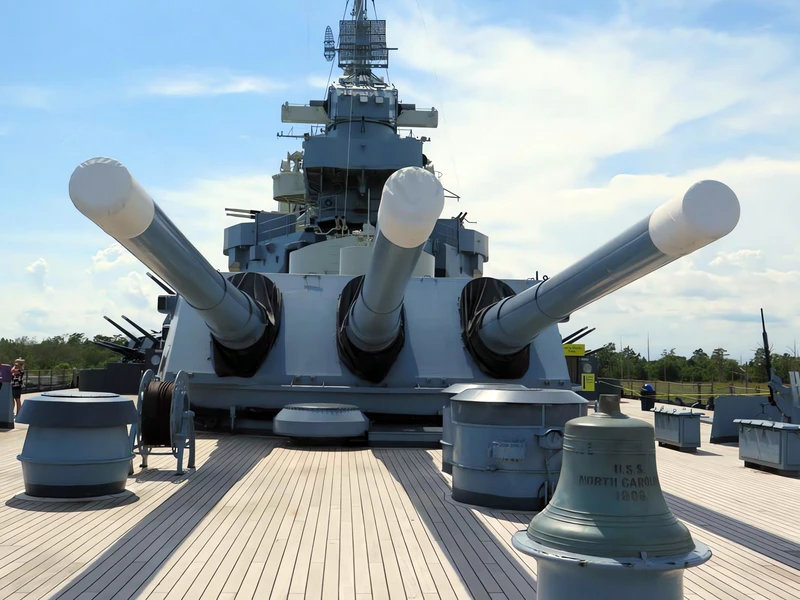
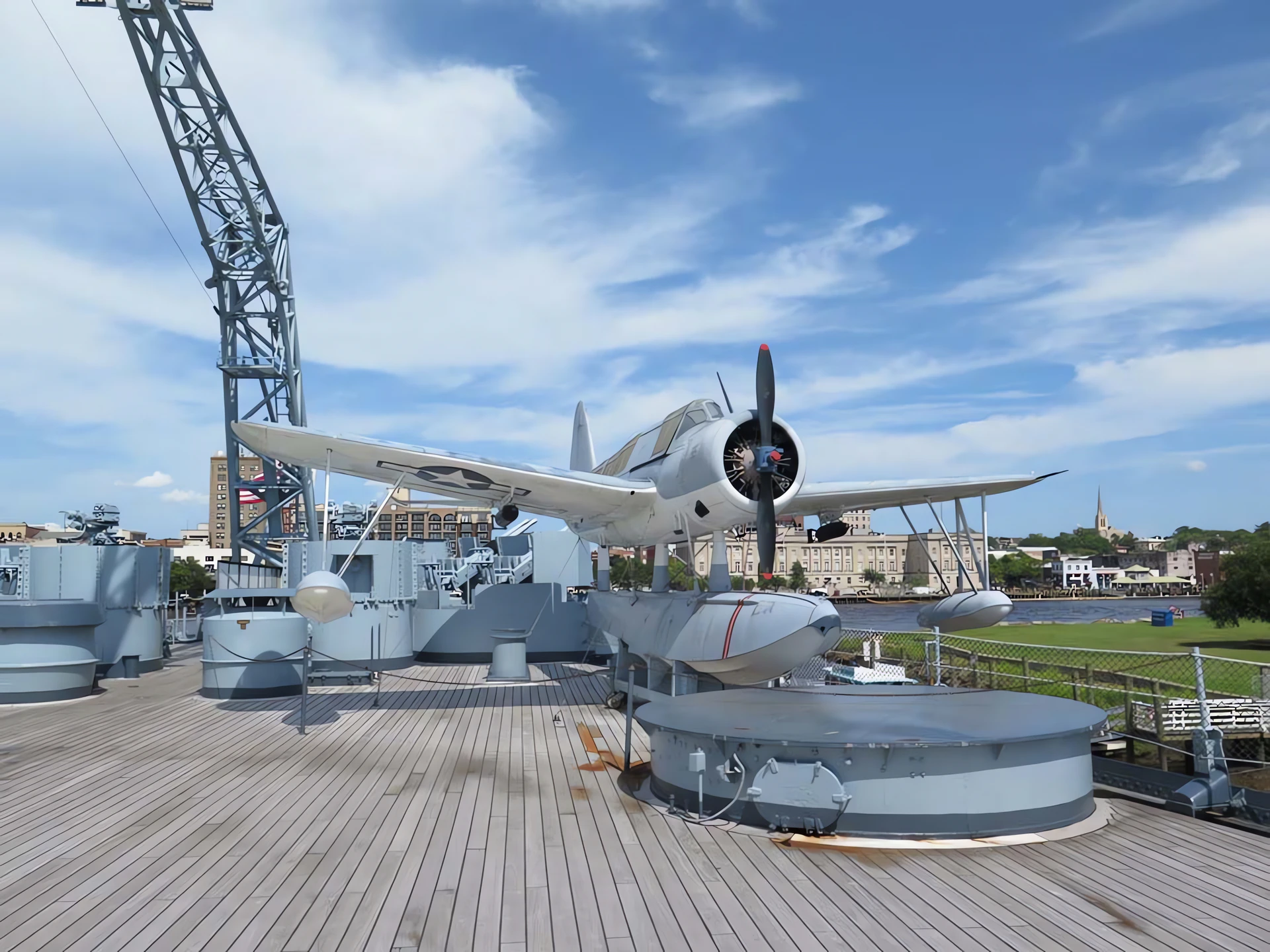
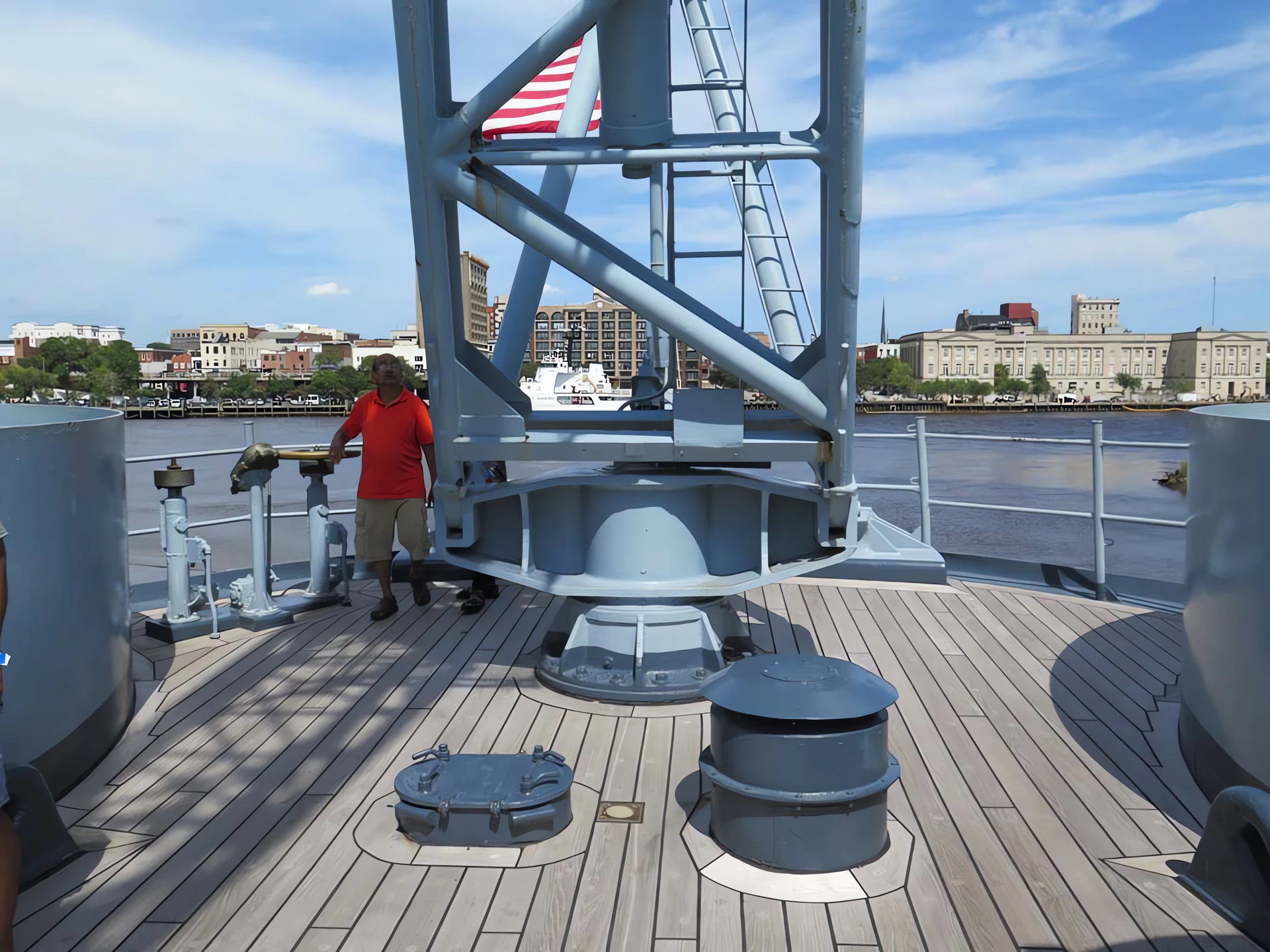
USS North Carolina (BB-55) | |
|---|---|
| Pays | Usa |
| Classe | Cuirassé de classe Caroline du Nord |
| Lancé | 13 juin 1940 |
| Déclassés | 27 juin 1947 |
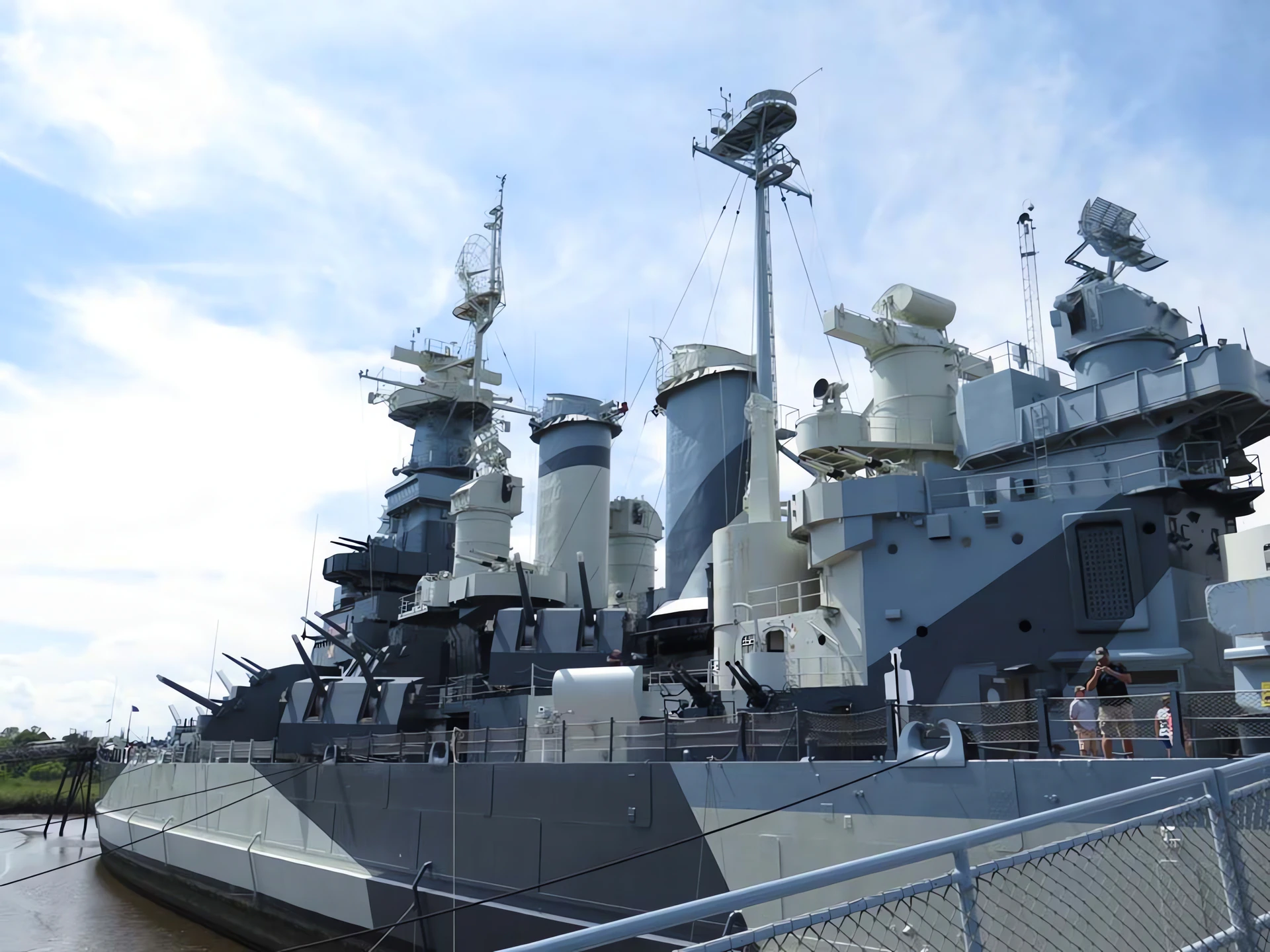
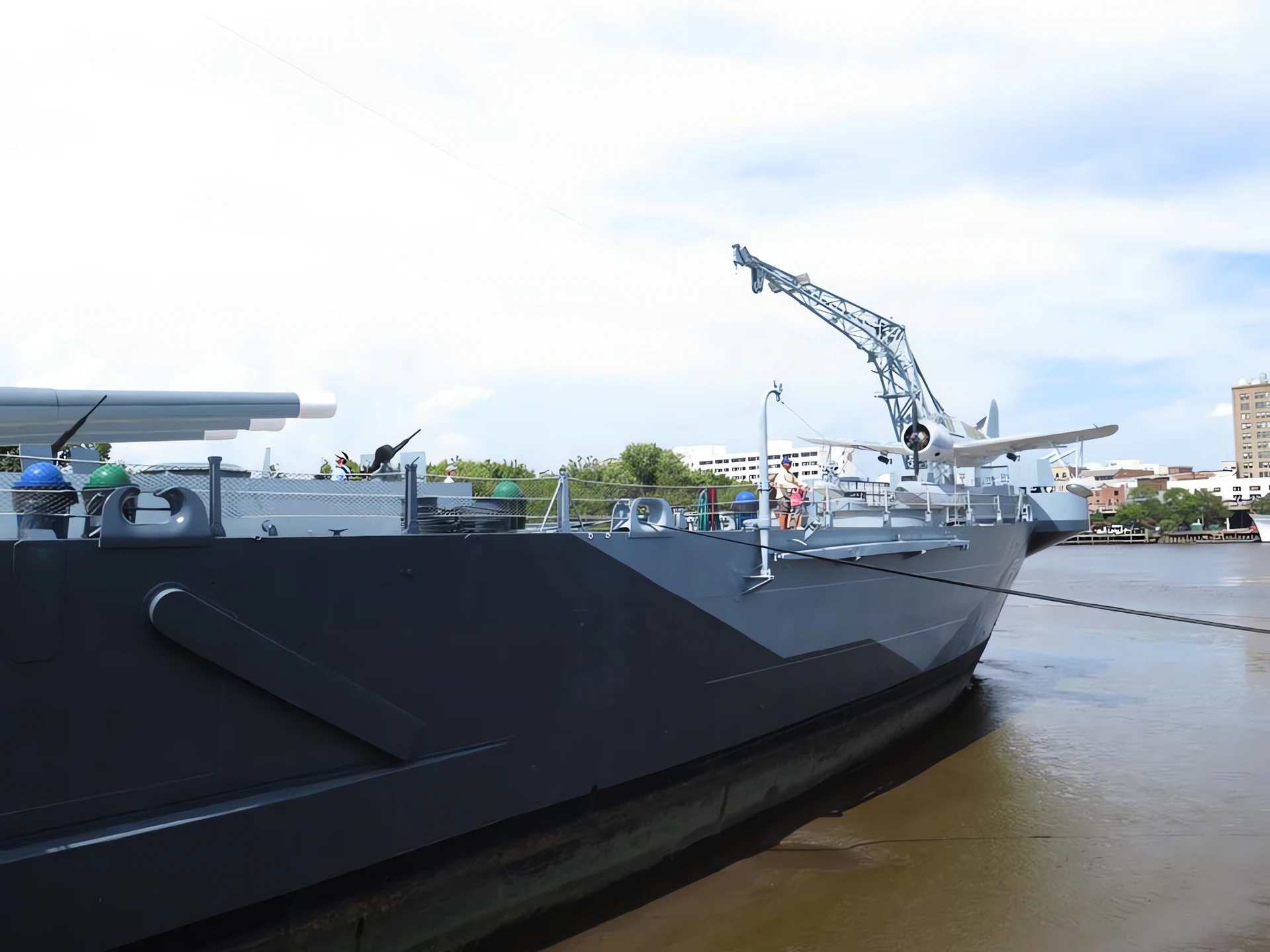
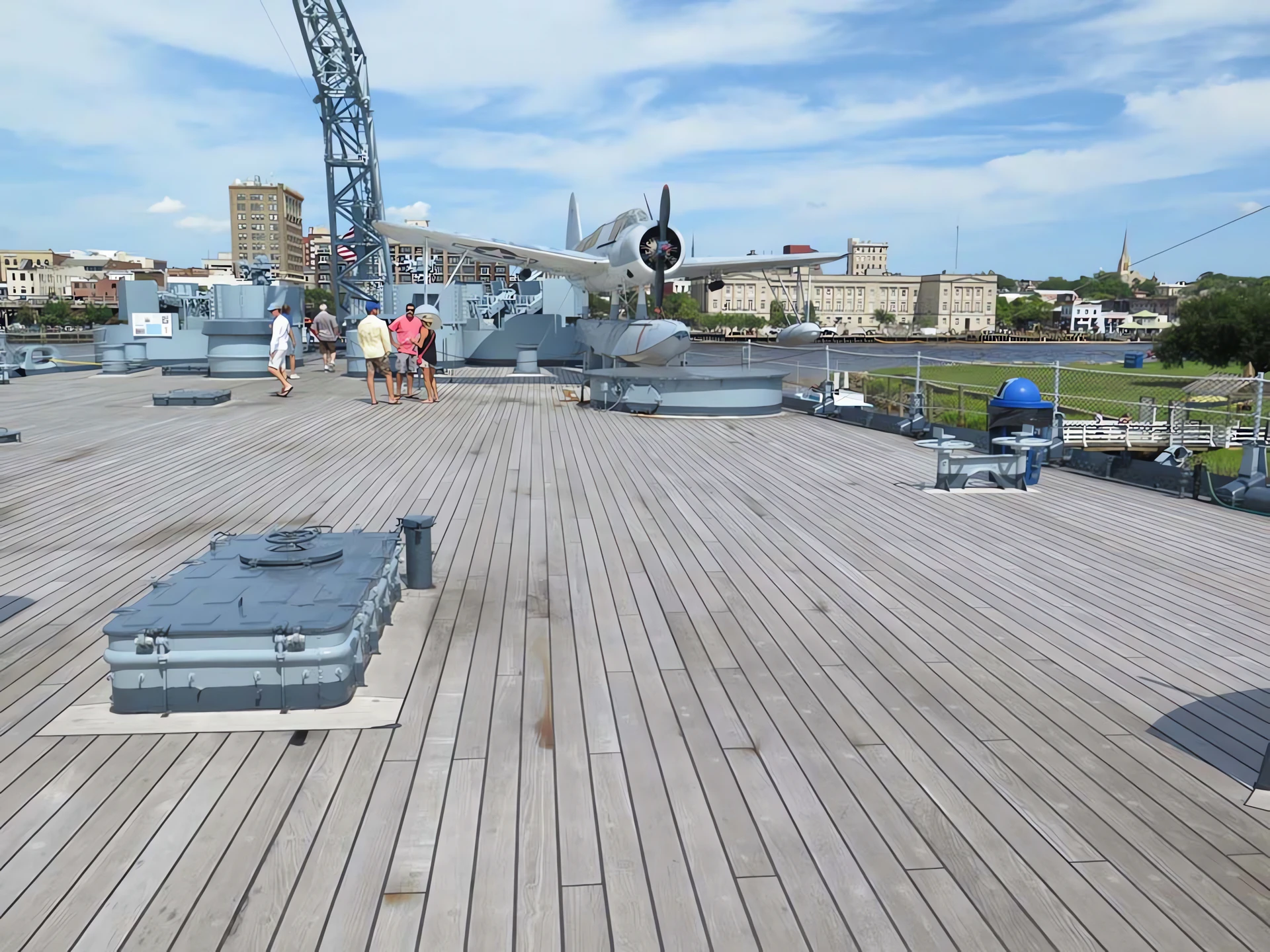
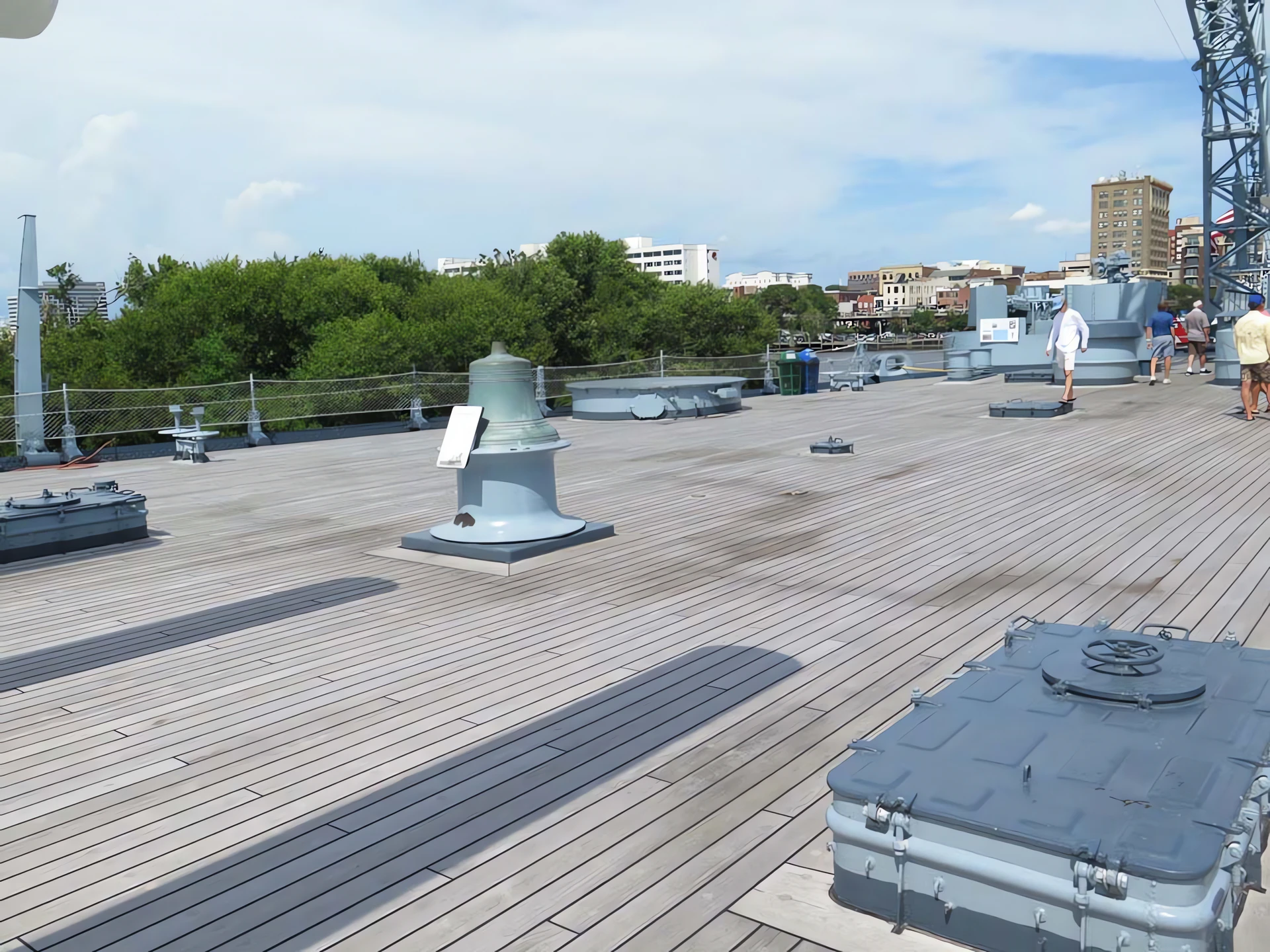
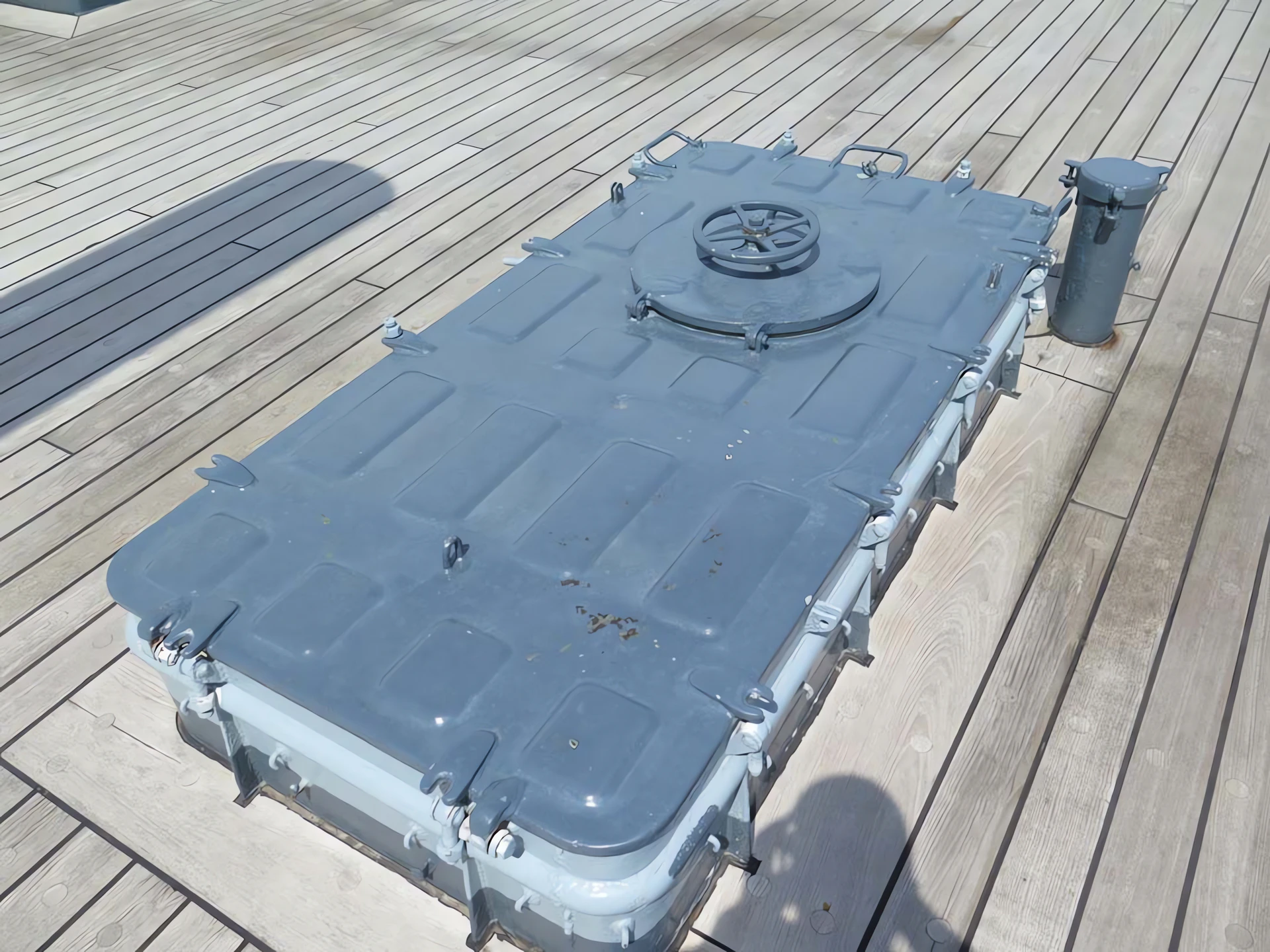
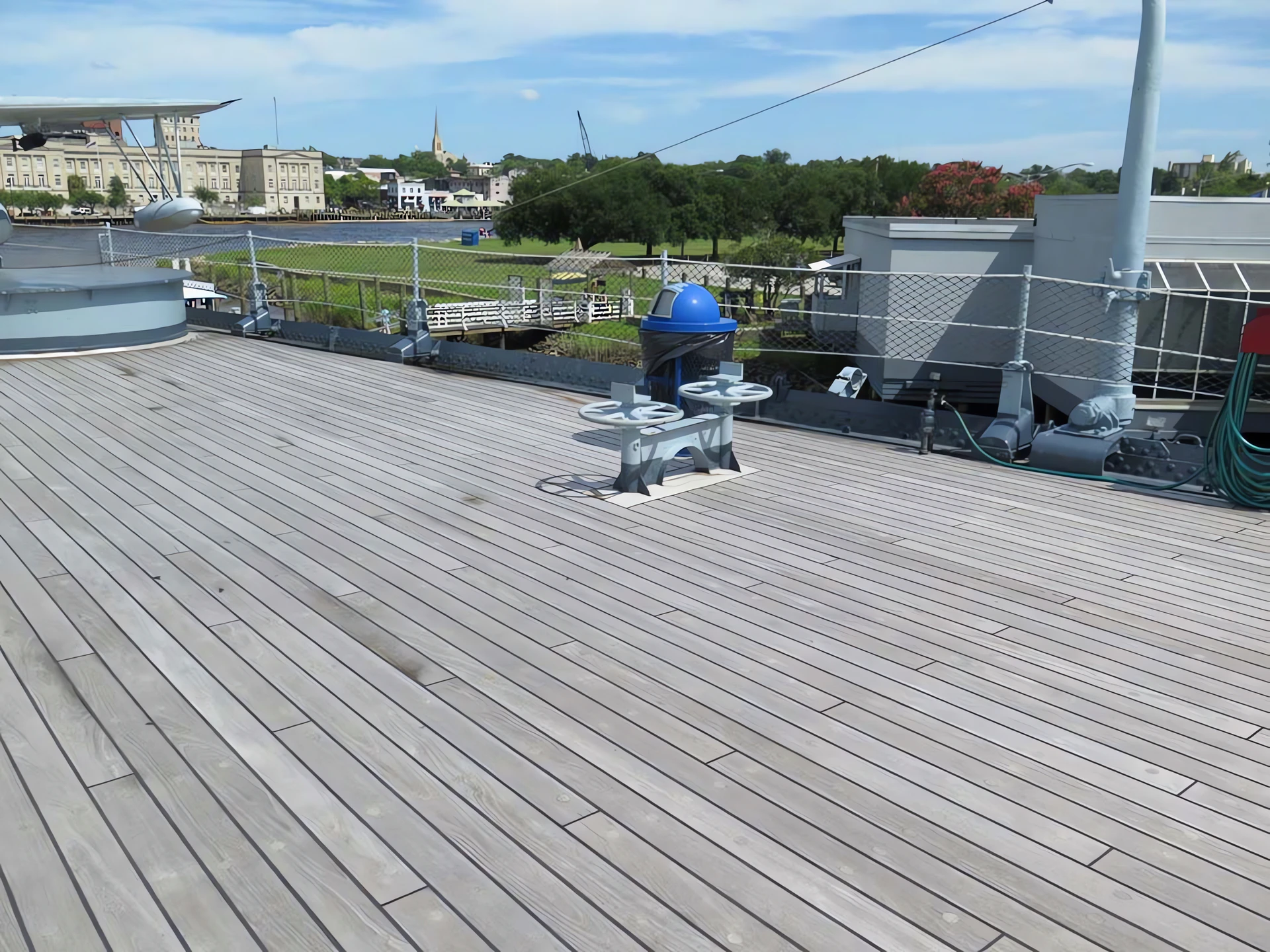
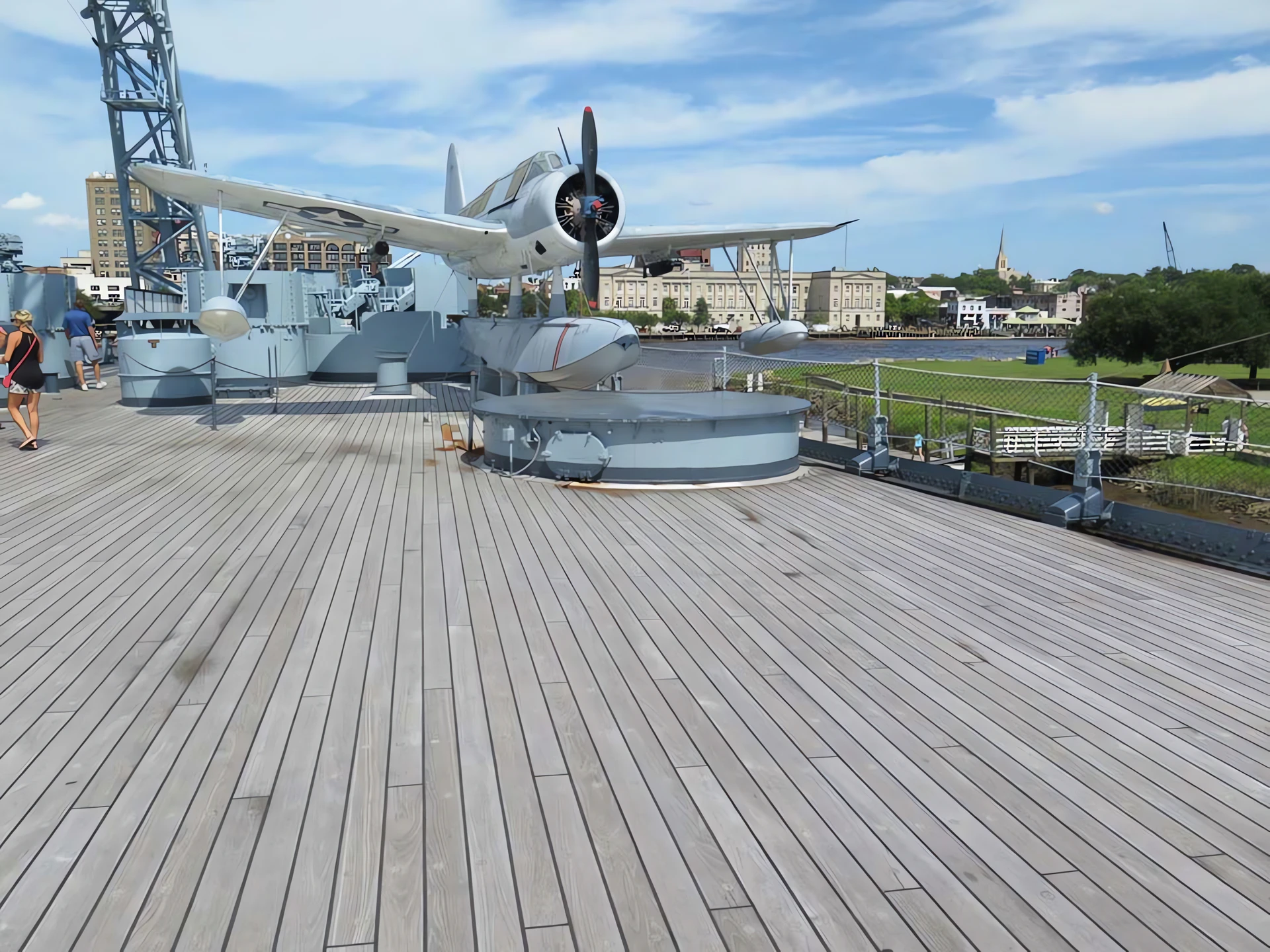
USS Caroline du Nord (BB-55) est le navire de tête des cuirassés de classe North Carolina et le quatrième navire de guerre de la marine américaine à être nommé d’après l’État de Caroline du Nord. Il a été le premier cuirassé américain nouvellement construit à entrer en service pendant la Seconde Guerre mondiale et a pris part à toutes les grandes offensives navales sur le théâtre d’opérations du Pacifique; Ses 15 étoiles de combat ont fait d’elle le cuirassé américain le plus décoré de la Seconde Guerre mondiale.
Source: USS North Carolina sur Wikipedia
| USS North Carolina BB-55 Walk Around | |
|---|---|
| Photographer | Vladimir Yakubov |
| Localisation | Wilmington, NC |
| Photos | 517 |

Voir aussi :


General Characteristics and Role
The Boeing X-36 Tailless Fighter Agility Research Aircraft was an experimental subscale jet developed by McDonnell Douglas (later Boeing) for NASA and the US Air Force in the mid-1990s. Its primary role was to test the feasibility of a fighter aircraft design that lacked the traditional vertical and horizontal tail surfaces. The X-36 was intended to explore how a tailless configuration could enhance stealth (by reducing radar cross-section) and improve maneuverability, particularly at high angles of attack, compared to conventional fighter jets. It was flown remotely by a pilot in a ground station due to its small size and lack of a cockpit.
| Property | Typical Value (X-36) |
|---|---|
| Rôle | Experimental Aircraft (Agility and Stealth Research) |
| National Origin | États-Unis |
| Fabricant | McDonnell Douglas / Boeing |
| First Flight | 17 May 1996 |
| Pilot/Control | Unmanned, remotely controlled from a ground cockpit. |
| Length | 5.77 m (18 ft 11 in) |
| Envergure | 3.17 m (10 ft 5 in) |
| Height | 0.95 m (3 ft 1 in) |
| Max Takeoff Weight | 567 kg (1,250 lb) |
Powerplant and Flight Controls
- Engine: 1 x Williams International F112 turbofan engine.
- Thrust: Approx. 3.1 kN (700 lbf).
- Top Speed: Estimated at 370 km/h (230 mph).
- Flight Control System: Required a highly advanced Digital Fly-By-Wire (DFBW) system to maintain stability, as the aircraft was inherently unstable without tail surfaces.
- Control Surfaces: Yaw and pitch control were achieved using canards (foreplanes) and a combination of split ailerons (flaperons) and a **thrust-vectoring nozzle** on the engine.
Program Outcome and Legacy
- Test Program: The X-36 completed a highly successful test program, demonstrating excellent maneuverability with its tailless design. It achieved a total of 31 flights, logging 15 hours of air time.
- Success Metric: The program demonstrated that a tailless fighter design could achieve up to a 40% increase in cruising lift and a significant improvement in agility over conventional designs.
- Influence: Although the X-36 never led directly to a production aircraft, its successful demonstration of control and stability heavily influenced subsequent low-observable (stealth) aircraft design and DFBW control systems, including possible future unmanned combat air vehicles (UCAVs).
- Preservation: Both X-36 prototypes are now preserved: one is at the National Museum of the United States Air Force in Ohio, and the other is at the NASA Dryden Flight Research Center (now Armstrong) in California.
Vues : 2310
Vous pouvez voir aussi :
 USS Wisconsin (BB-64) – Photos et vidéos
 USS Cod – Photos & Vidéos
 USS Croaker – Photos & Vidéos
 Seehund – Photos & Vidéos
 PT boat – Photos & Vidéos
 NCSM Haida – Photos et vidéos
 SS Petersburg (T-AOT-9101) – Photos & Vidéo
 USS New Jersey (BB-62) – Photos & Vidéo
 USS Stockdale (DDG-106) – Photos & Vidéo
 USS Massachusetts BB-59 – Photos et vidéo