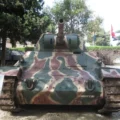
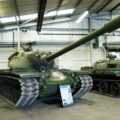
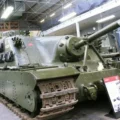
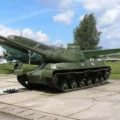
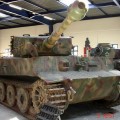
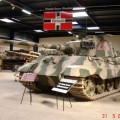
Char lourd T29 | |
| Pays | Usa |
| Type | Réservoir lourd |
| Conçu | 1944–1945 |
| Construit | 8 |
Lla Char lourd T29 était un projet de char lourd américain lancé en mars 1944 pour contrer l’apparition du char lourd allemand Tiger II. Le T29 n’était pas prêt à temps pour la guerre en Europe, mais il a fourni aux ingénieurs d’après-guerre des occasions d’appliquer des concepts d’ingénierie à l’artillerie et aux composants automobiles.
Source: T29 Heavy Tank sur Wikipedia
| T-29 Heavy Tank Walk Around | |
|---|---|
| Photographe | Matt Flegal |
| Localisation | Inconnu |
| Photos | 181 |
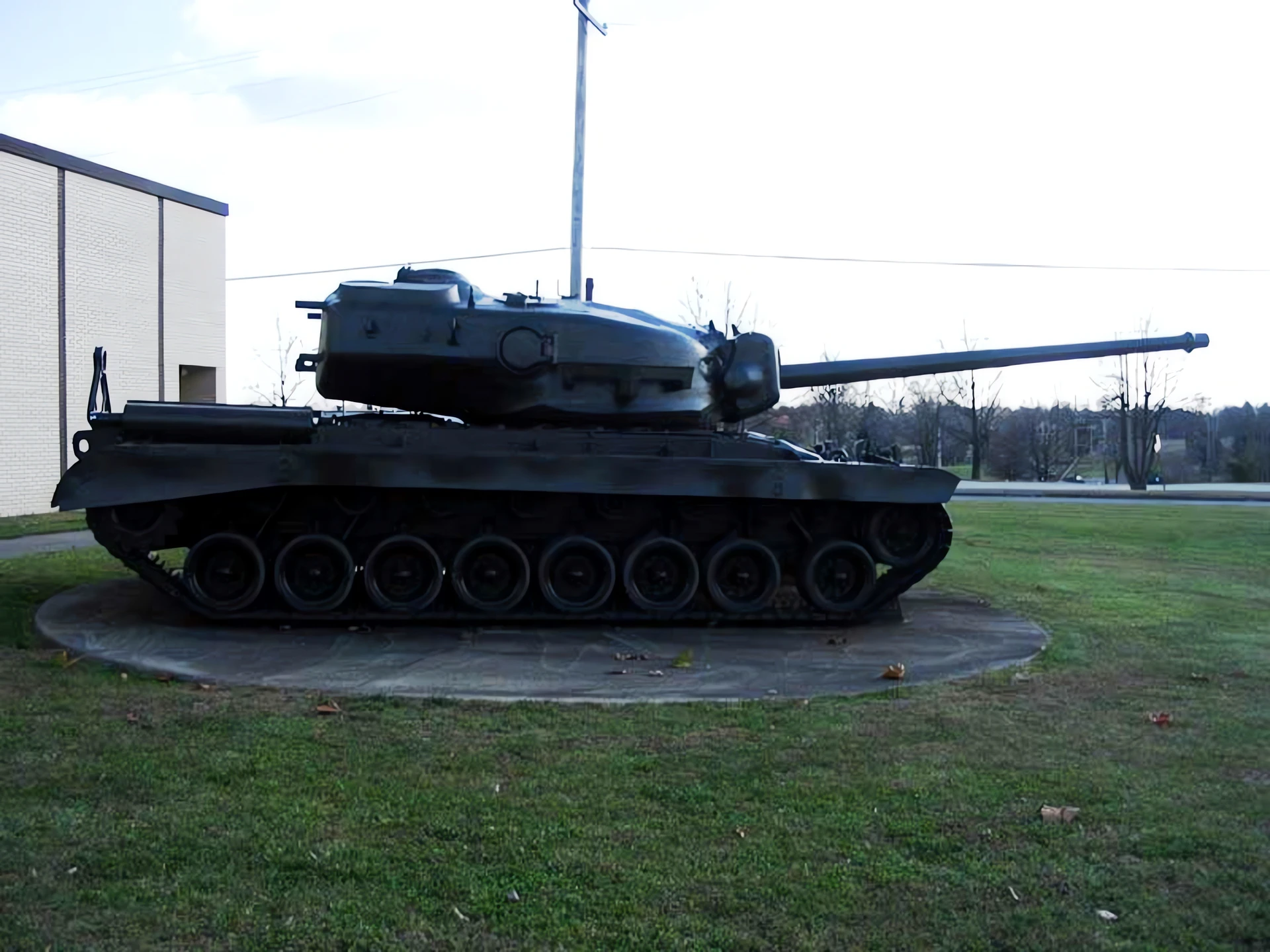
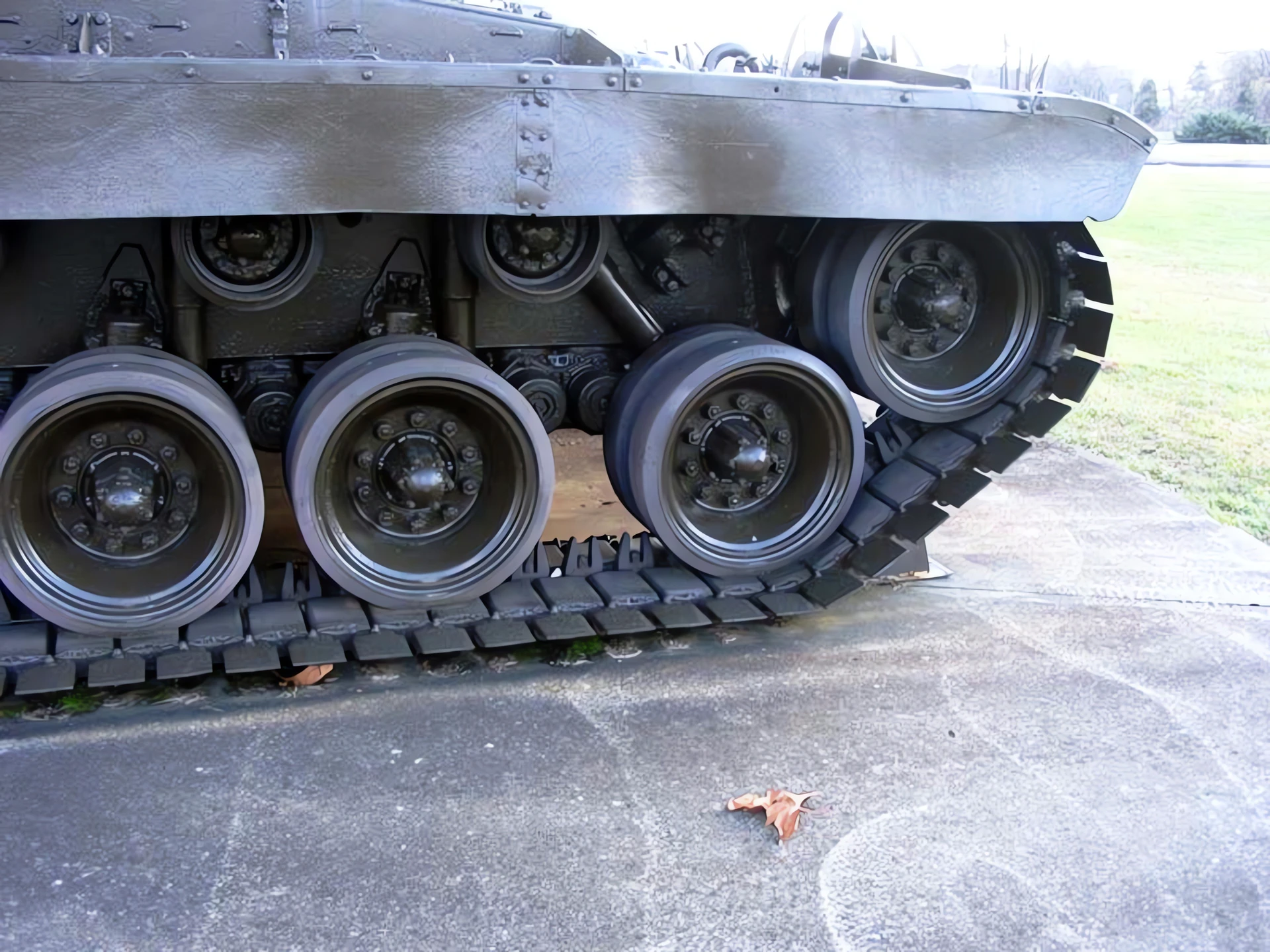
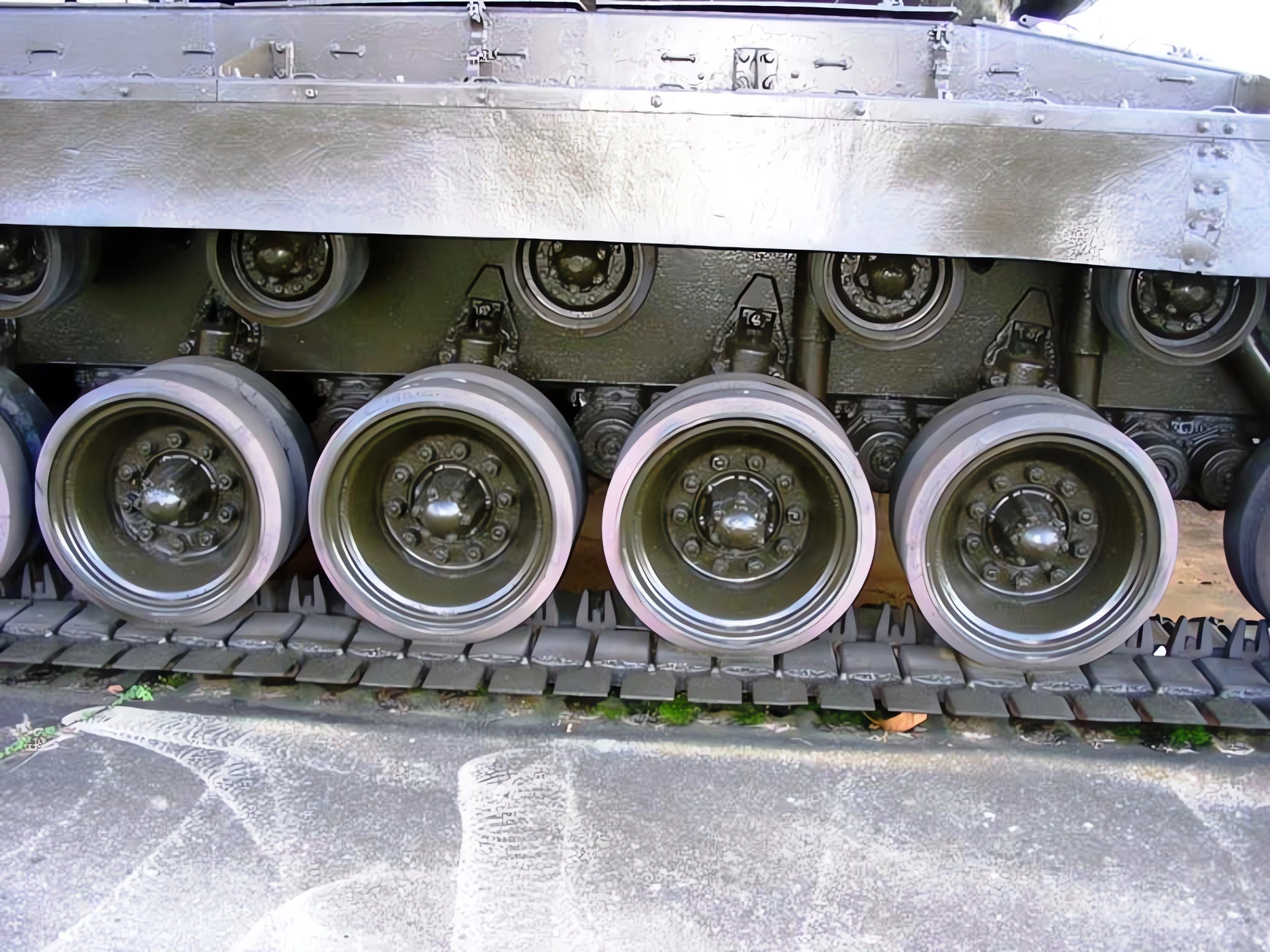
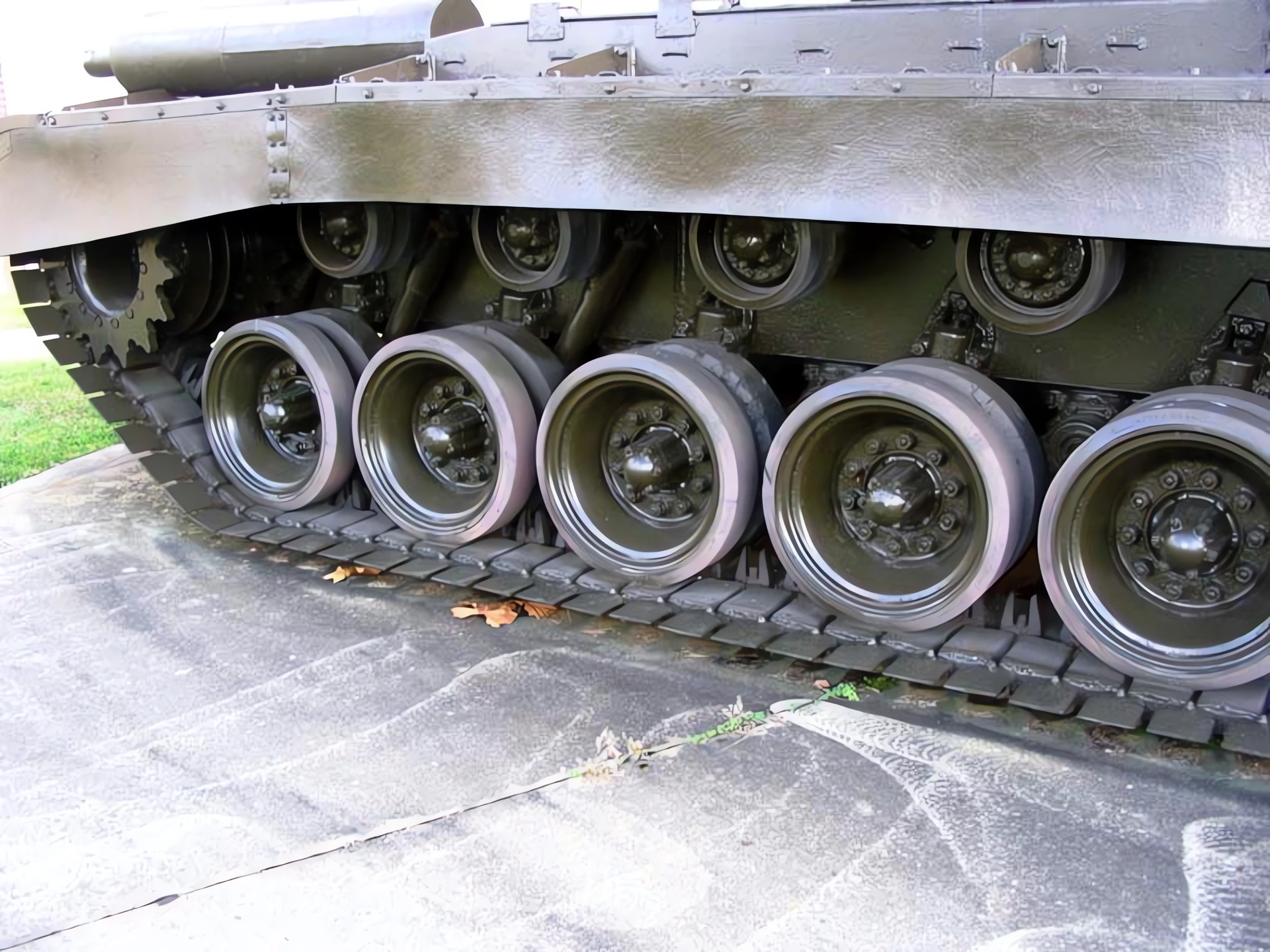
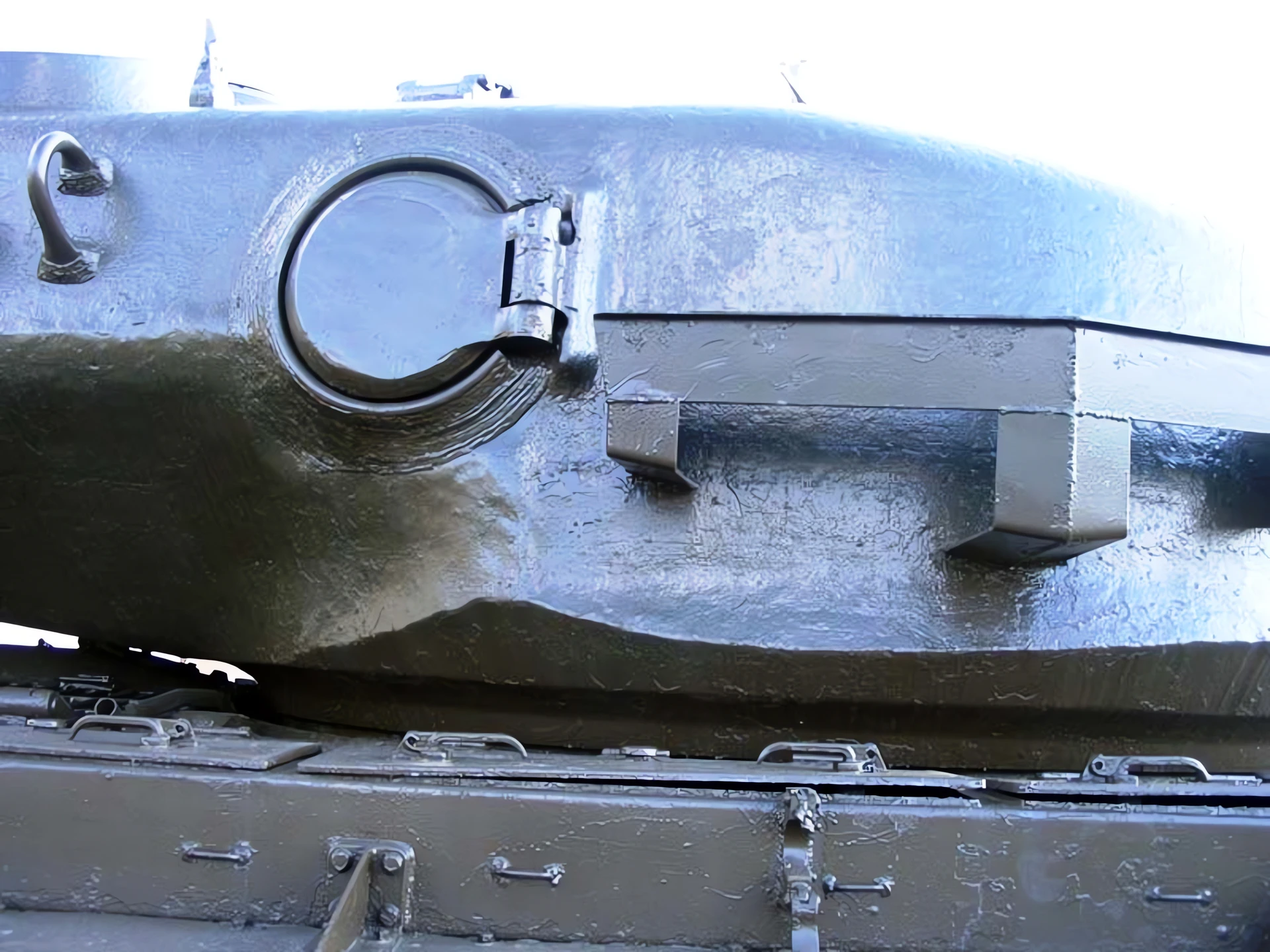
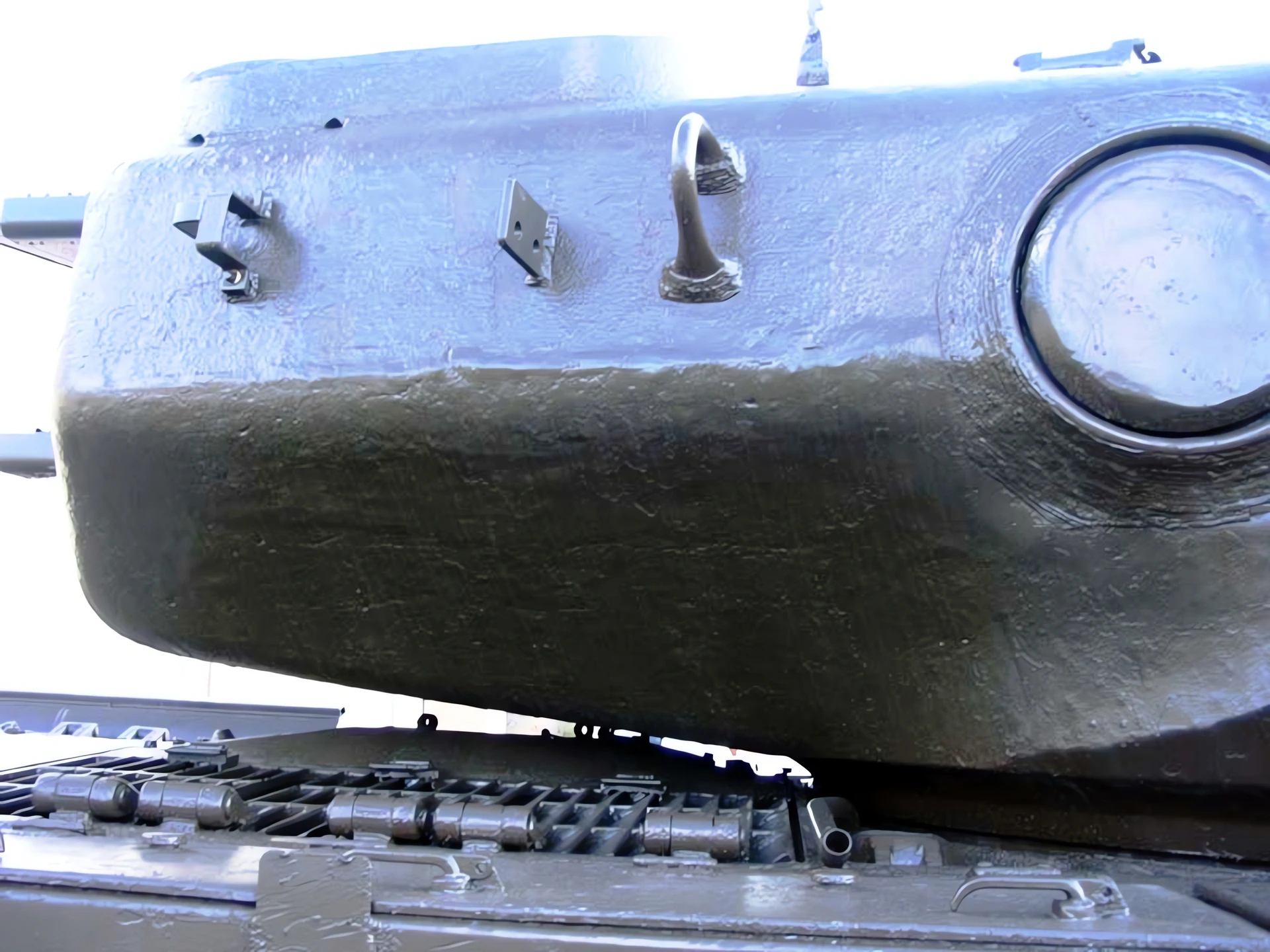
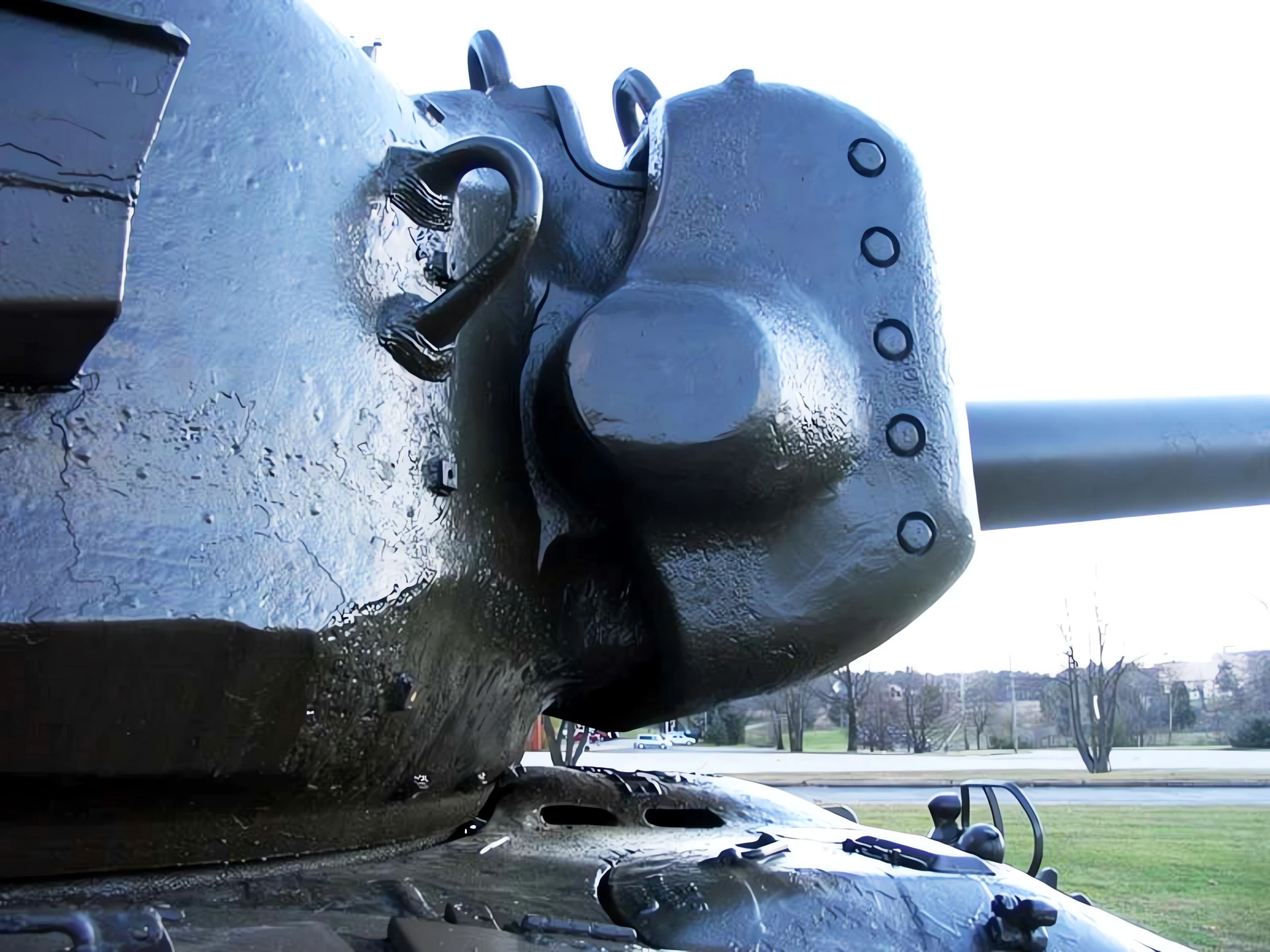
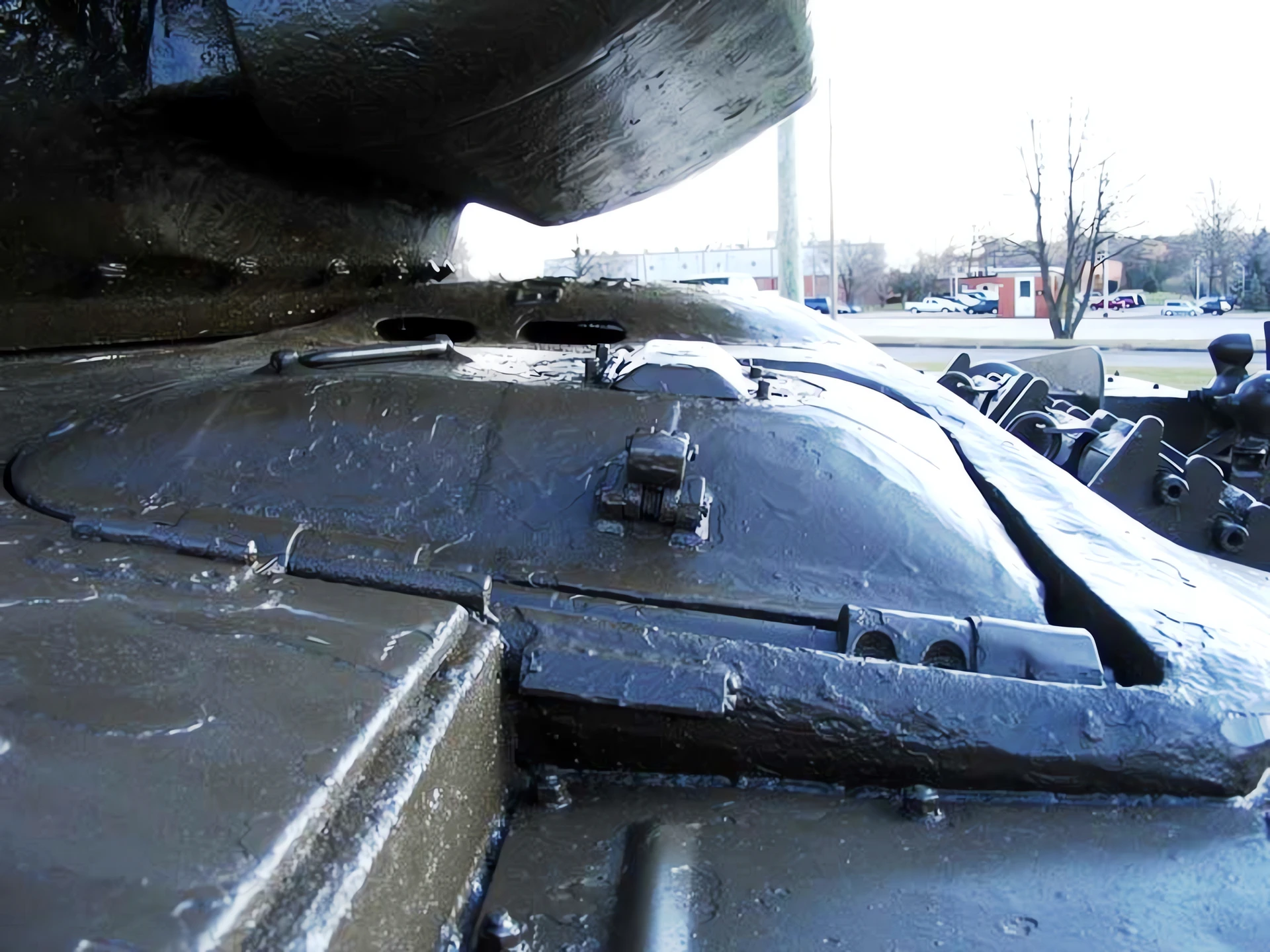
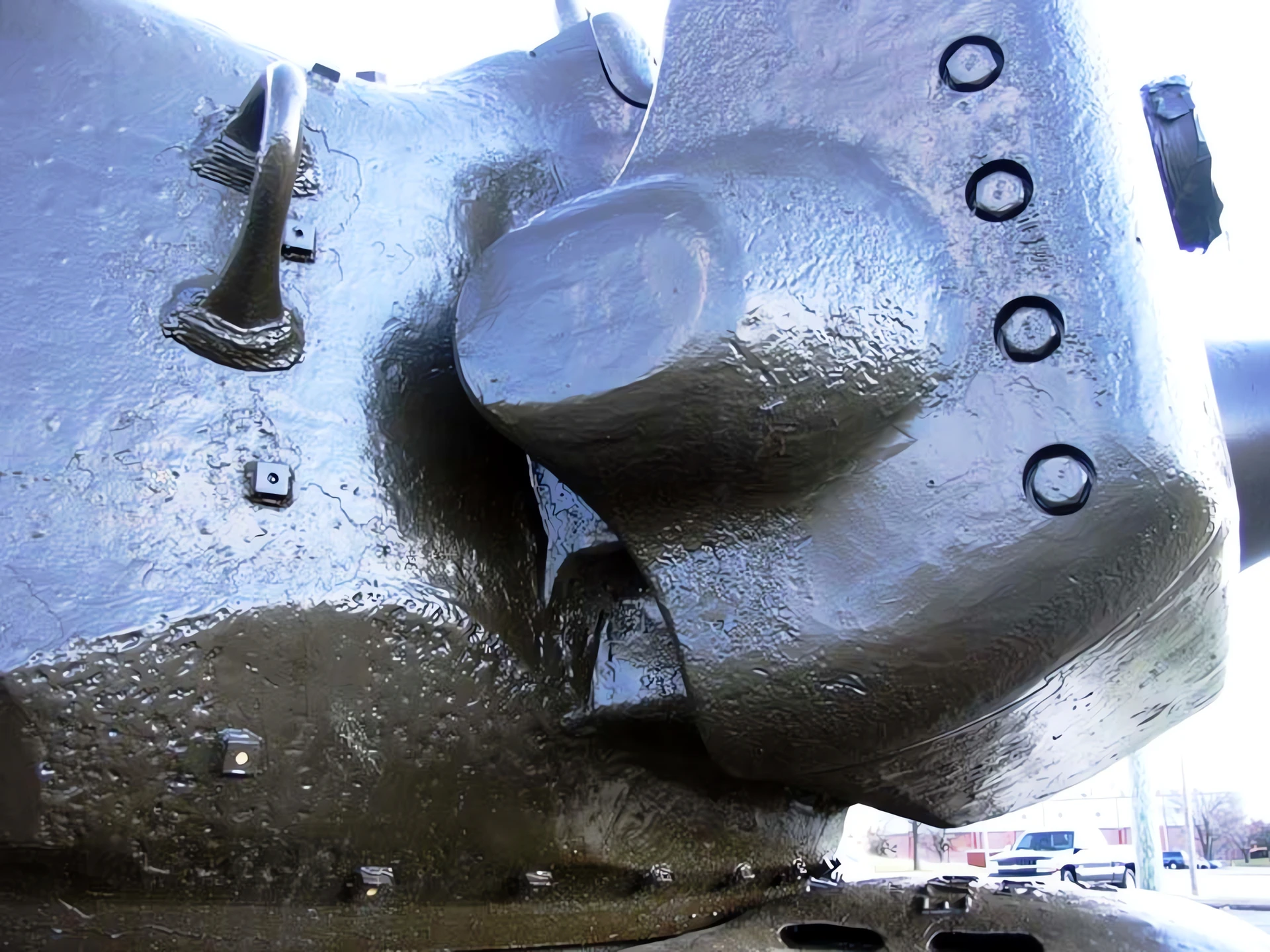


Lla « Hull-Down » Master
Lla Char lourd T29 was a massive experimental vehicle developed in 1944 to counter the German Tiger II (King Tiger). While the M26 Pershing was a capable machine, it lacked the raw protection and high-velocity firepower needed to reliably knock out heavy German armor from a distance. The T29 solved this by taking a lengthened Pershing chassis and mounting an enormous, heavily armored turret. Although it arrived too late to see combat in WWII, it became the foundation for American heavy tank development during the early Cold War.
| Attribute | Technical Specification (T29) |
|---|---|
| Rôle | Experimental Heavy Tank |
| Crew | 6 (Commander, Gunner, Driver, Assistant Driver, 2 Loaders) |
| Armement principal | 105 mm T5E1 High-Velocity Gun |
| Armement secondaire | 2 × .50 cal M2HB (Coaxial), 1 × .50 cal (AA), 1 × .30 cal (Bow) |
| Turret Armor | 203 mm (Front) / 279 mm (Gun Mantlet) |
| Hull Armor | 102 mm (Frontal Glacis, highly sloped) |
| Groupe motopropulseur | Ford GAC V12 (750 hp) |
| Max Speed | 35 km/h (approx. 22 mph) |
| Combat Weight | 64.2 metric tons |
Design Highlights & Variants
- Lla « Mickey Mouse » Ears (T29E3): The T29E3 variant is famous for its massive coincidence rangefinder, which protruded from the sides of the turret like « ears. » This allowed the gunner to accurately gauge the distance to targets at extreme ranges.
- Two Loaders: Because the 105mm ammunition was so heavy and utilized a two-piece charge system, the T29 required two loaders to maintain a competitive rate of fire.
- Lla « Hydro-Drive » Experiment: The T29 series tested advanced transmissions and steering systems that were significantly easier to operate than contemporary tanks, paving the way for the « Cross-Drive » transmissions used in modern MBTs.
- The T30 and T34 Cousins: The T29 was developed alongside the T30 (armed with a 155mm gun) and the T34 (armed with a 120mm gun adapted from an anti-aircraft cannon), creating a family of « super-heavy » prototypes.
Post-War Legacy
- Foundation for the M103: The lessons learned from the T29 turret and the T34’s 120mm gun directly led to the development of the Réservoir lourd M103, the last heavy tank to serve with the U.S. Army and Marines.
- Surviving Examples: Despite only eight prototypes being built, several survive today. You can still see one at the U.S. Army Armor & Cavalry Collection at Fort Moore (formerly Fort Benning).
- A Design Dead-End: The T29 eventually proved that « bigger and heavier » had hit a ceiling; the future of American armor moved toward the more balanced Main Battle Tank (MBT) concept seen in the M48 and M60 Patton series.
Vues : 2449