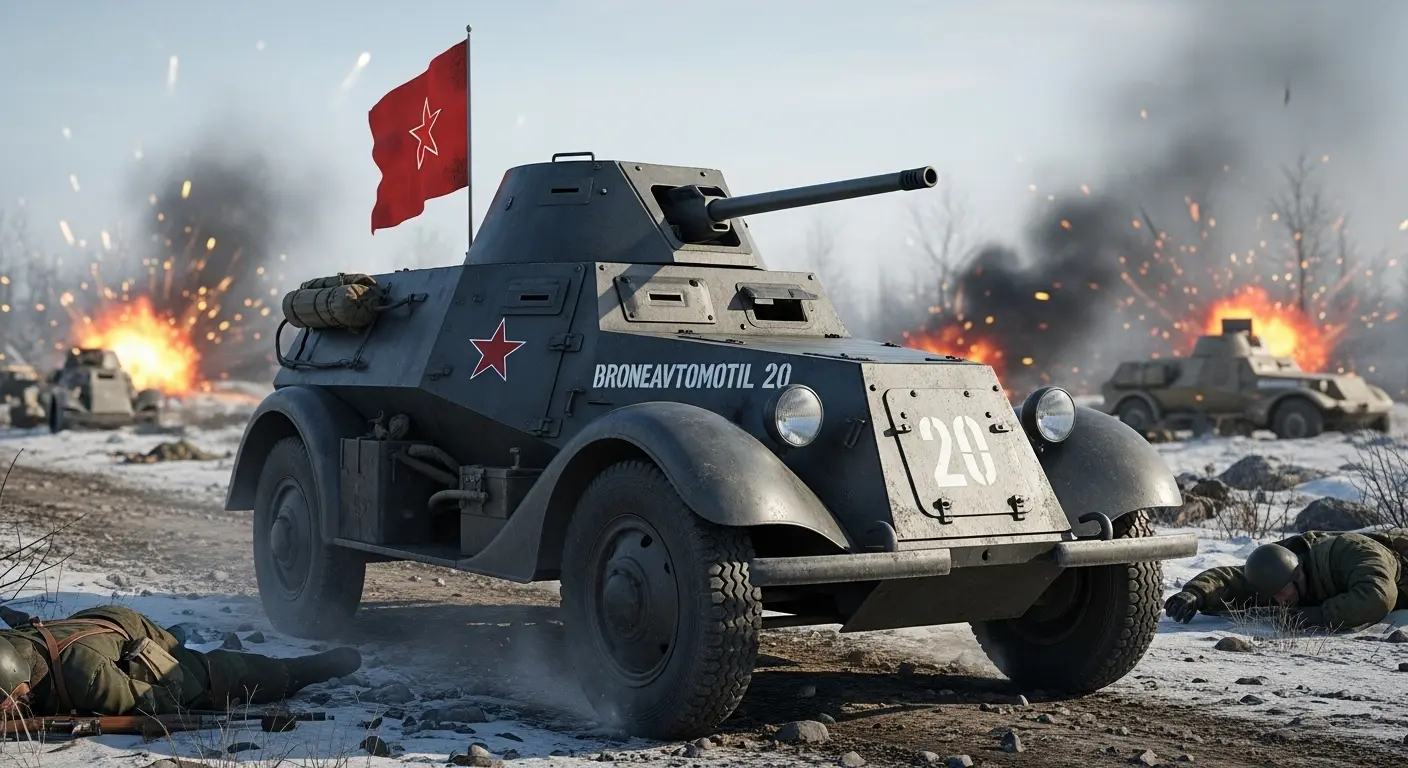
BA-20 | |
| Pays | Union soviétique |
| Type | Voiture blindée |
| En service | 1936-1945 |
| Construit | 2066 |
Lla BA-20 (en russe : Broneavtomobil 20) était une voiture blindée développée en Union soviétique en 1934. Il était destiné à remplacer le FAI et ses essais sur le terrain ont été achevés en 1935. Le BA-20 a ensuite été utilisé au début de la Seconde Guerre mondiale.
Source: BA-20 sur Wikipédia
| Broneavtomobil BA-20M Walk Around | |
|---|---|
| Photographe | Inconnu |
| Localisation | Inconnu |
| Photos | 43 |
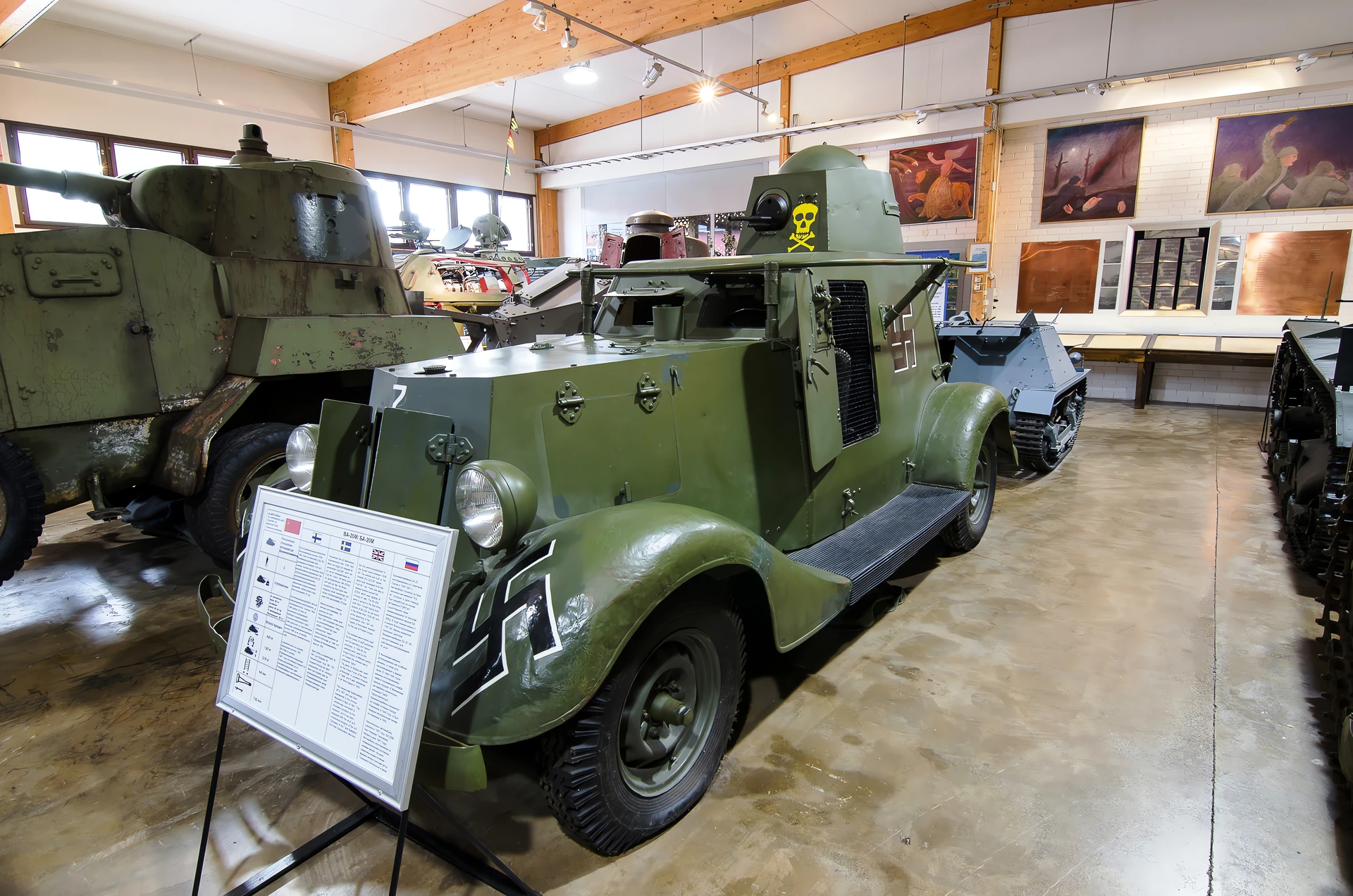
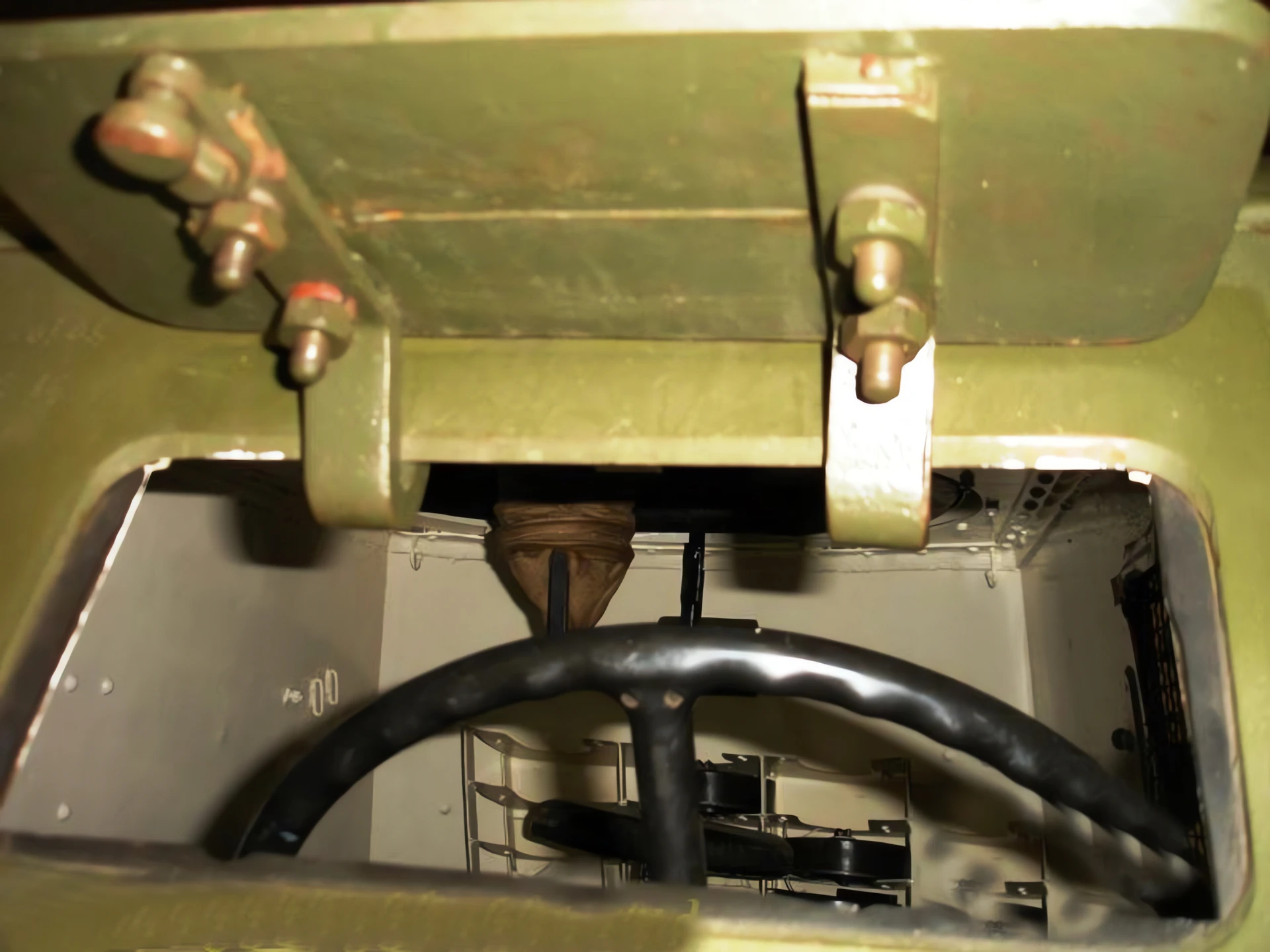
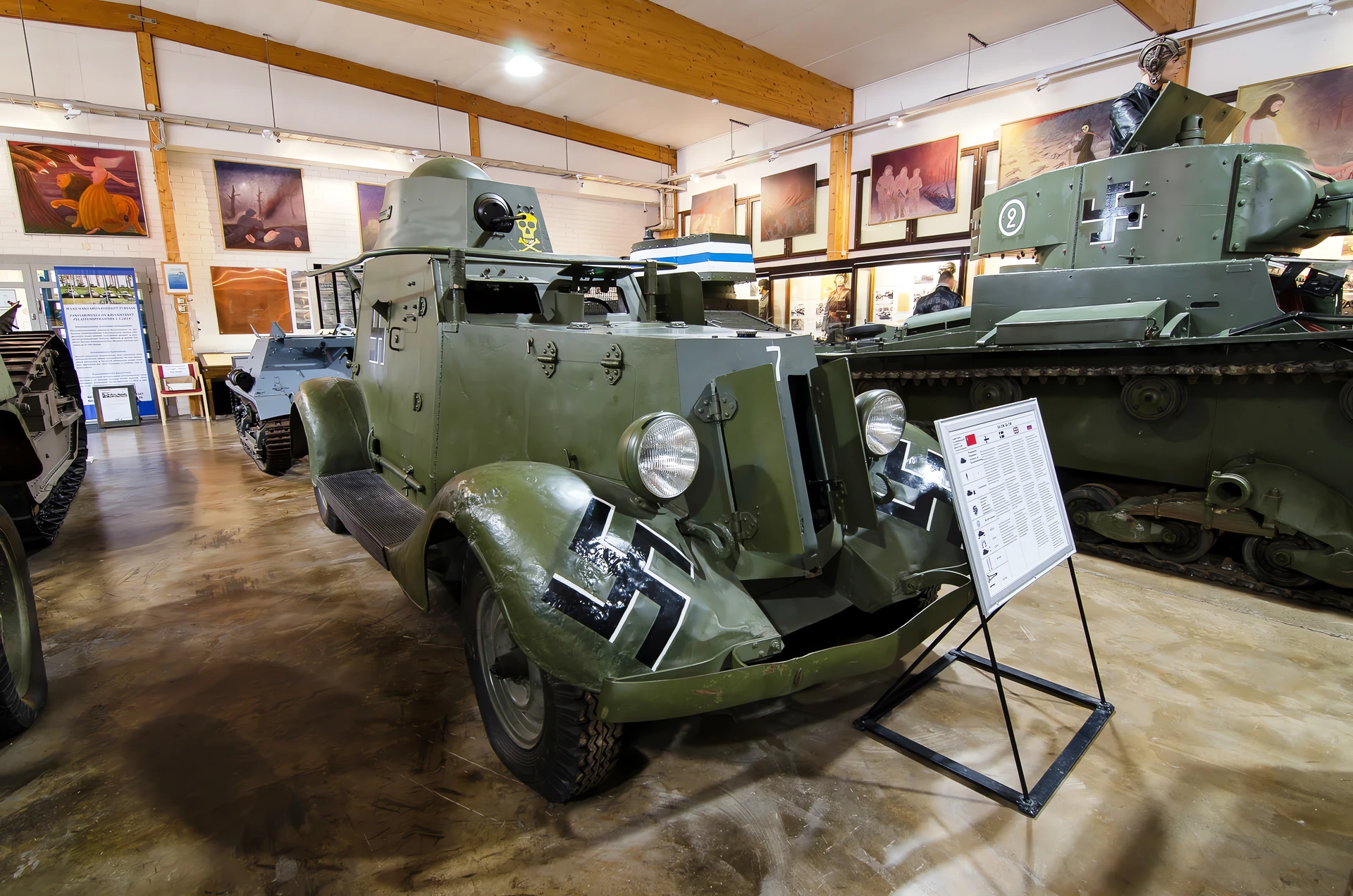
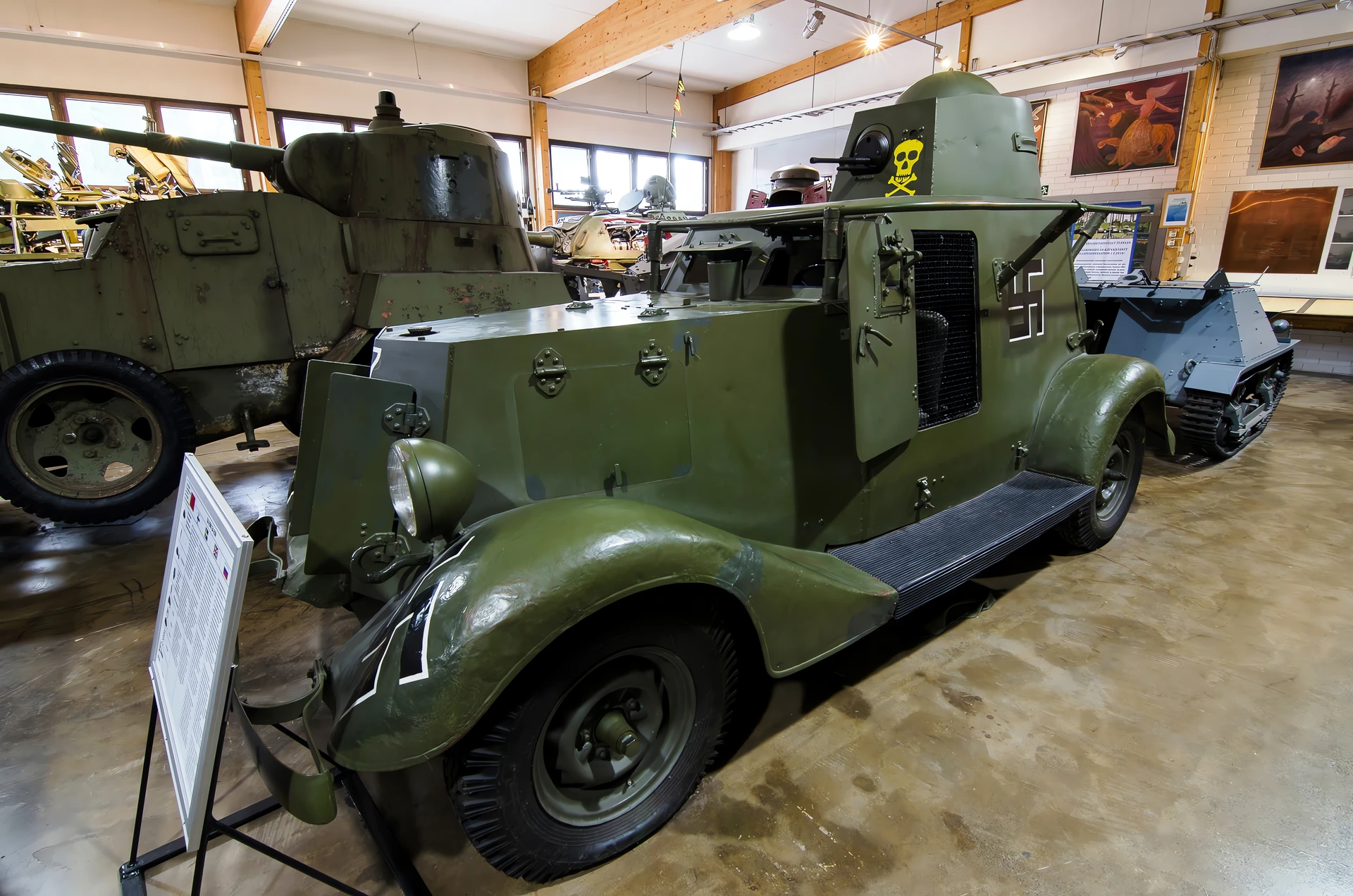
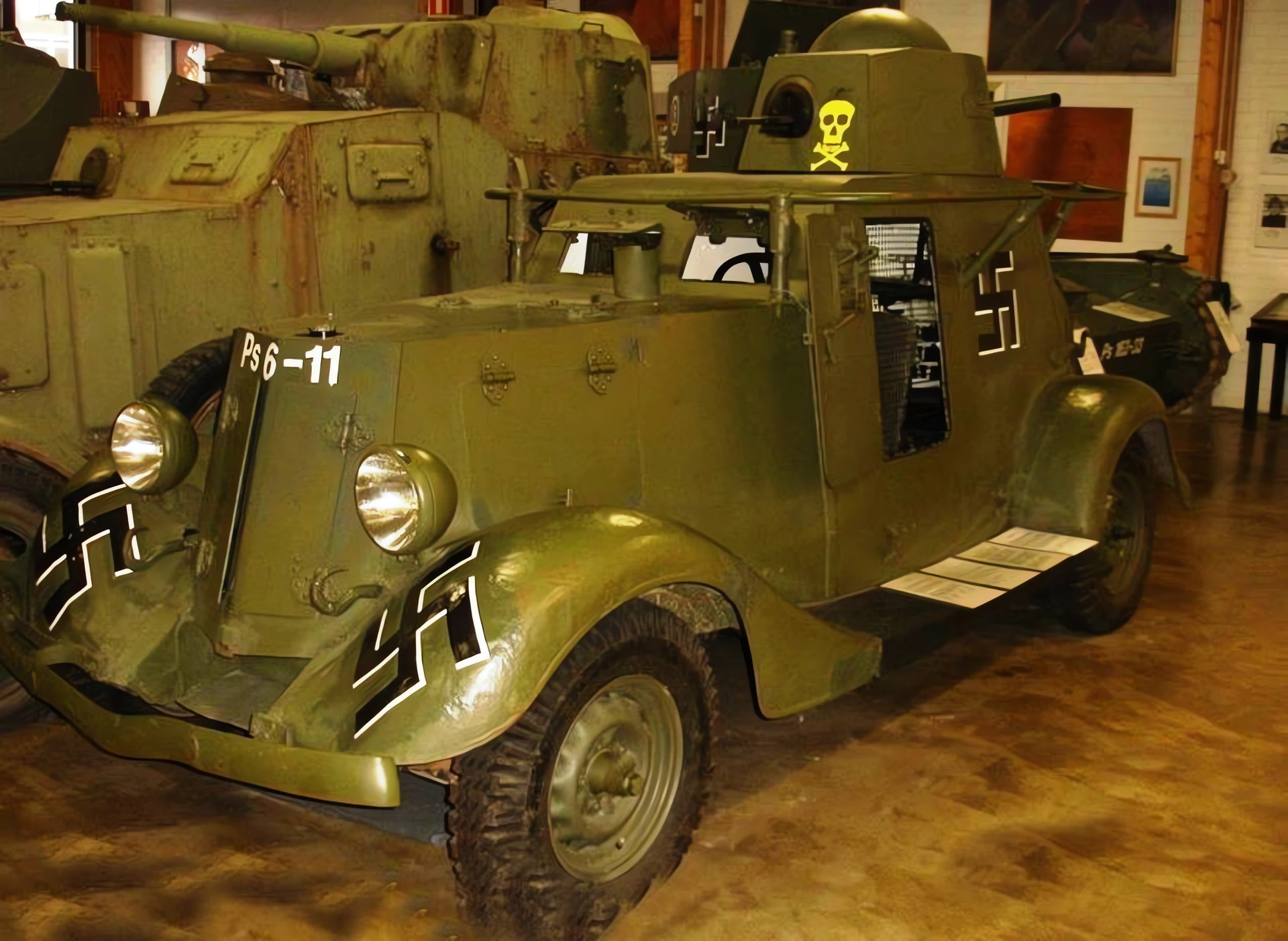
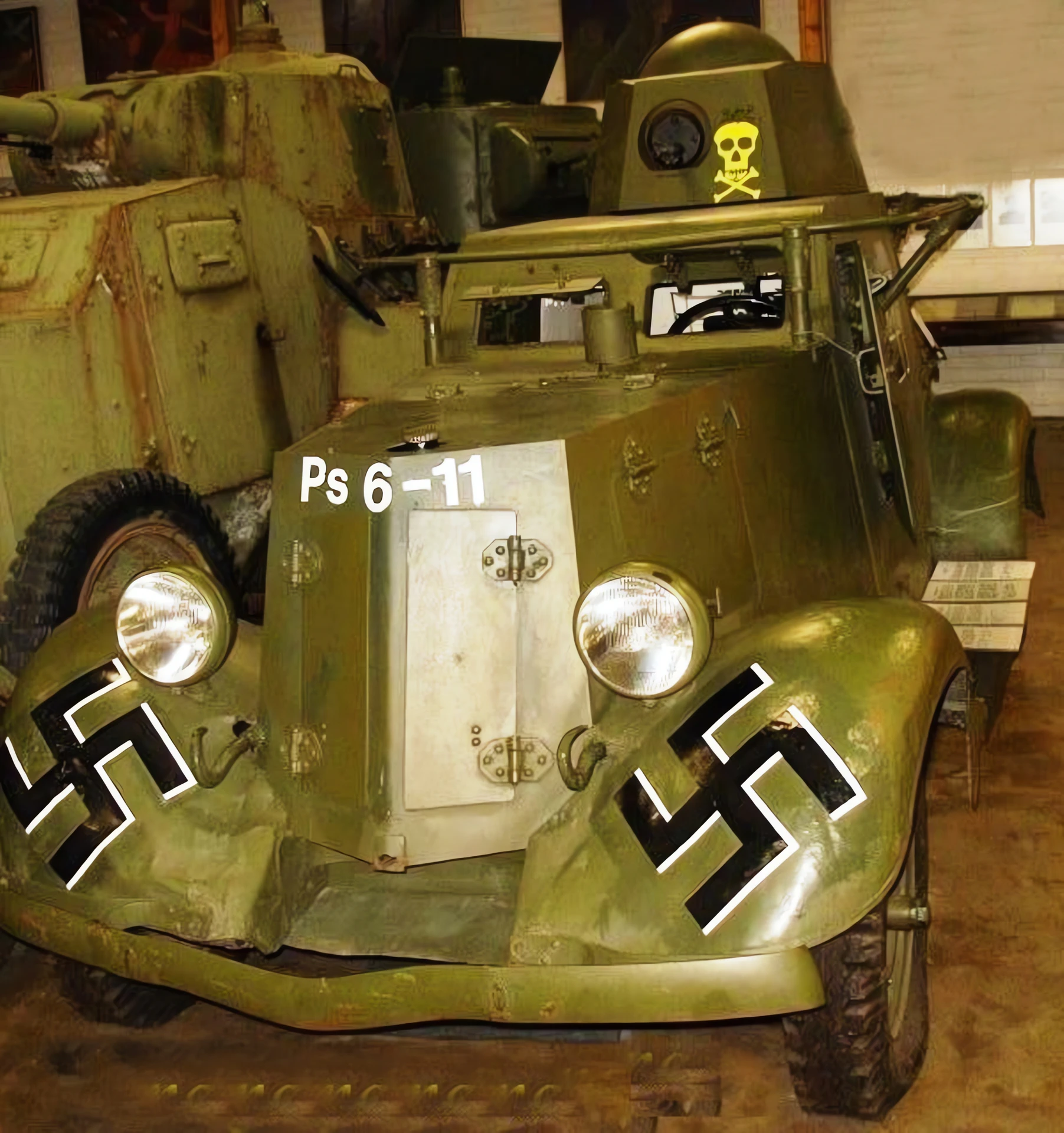
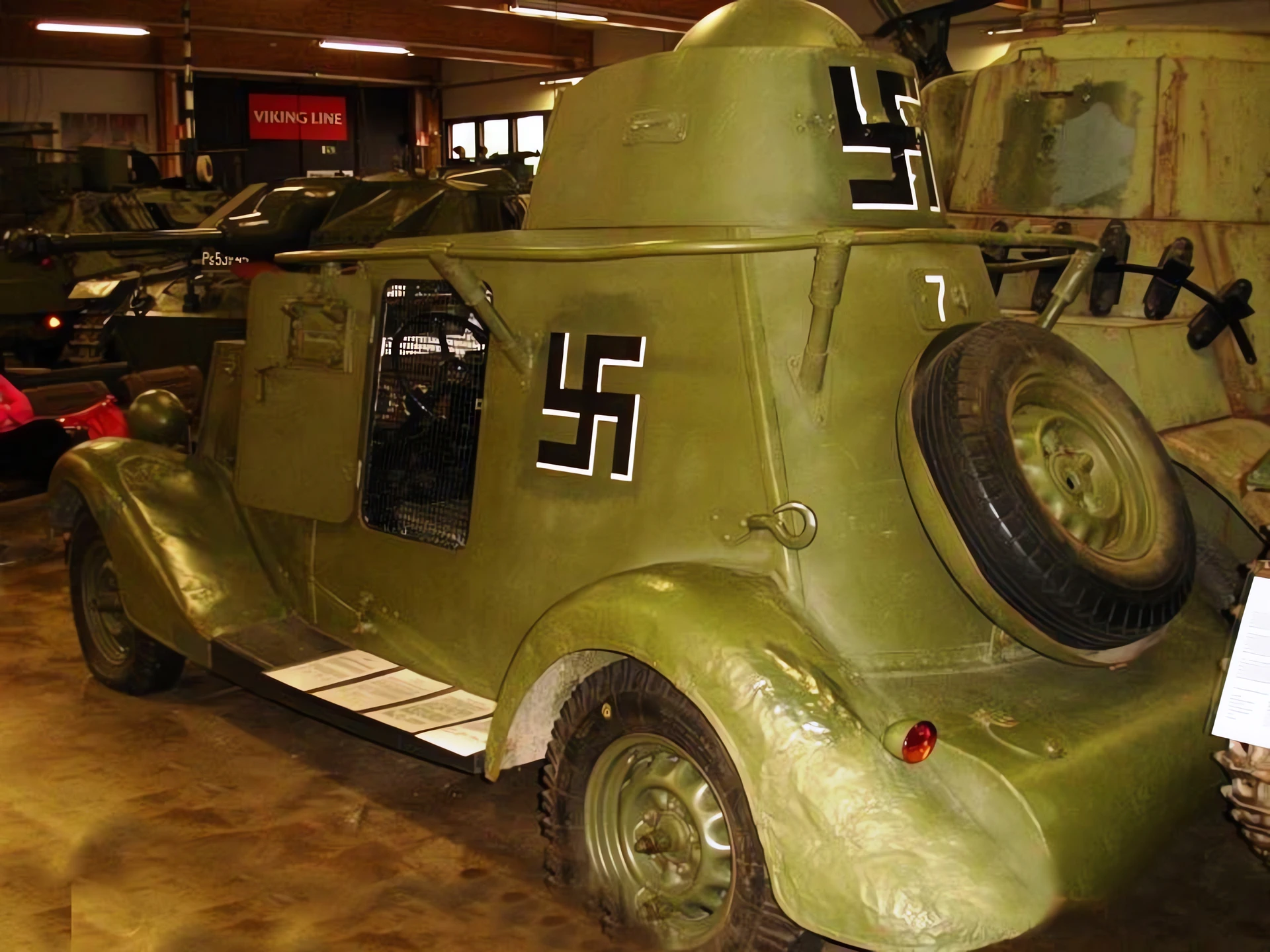
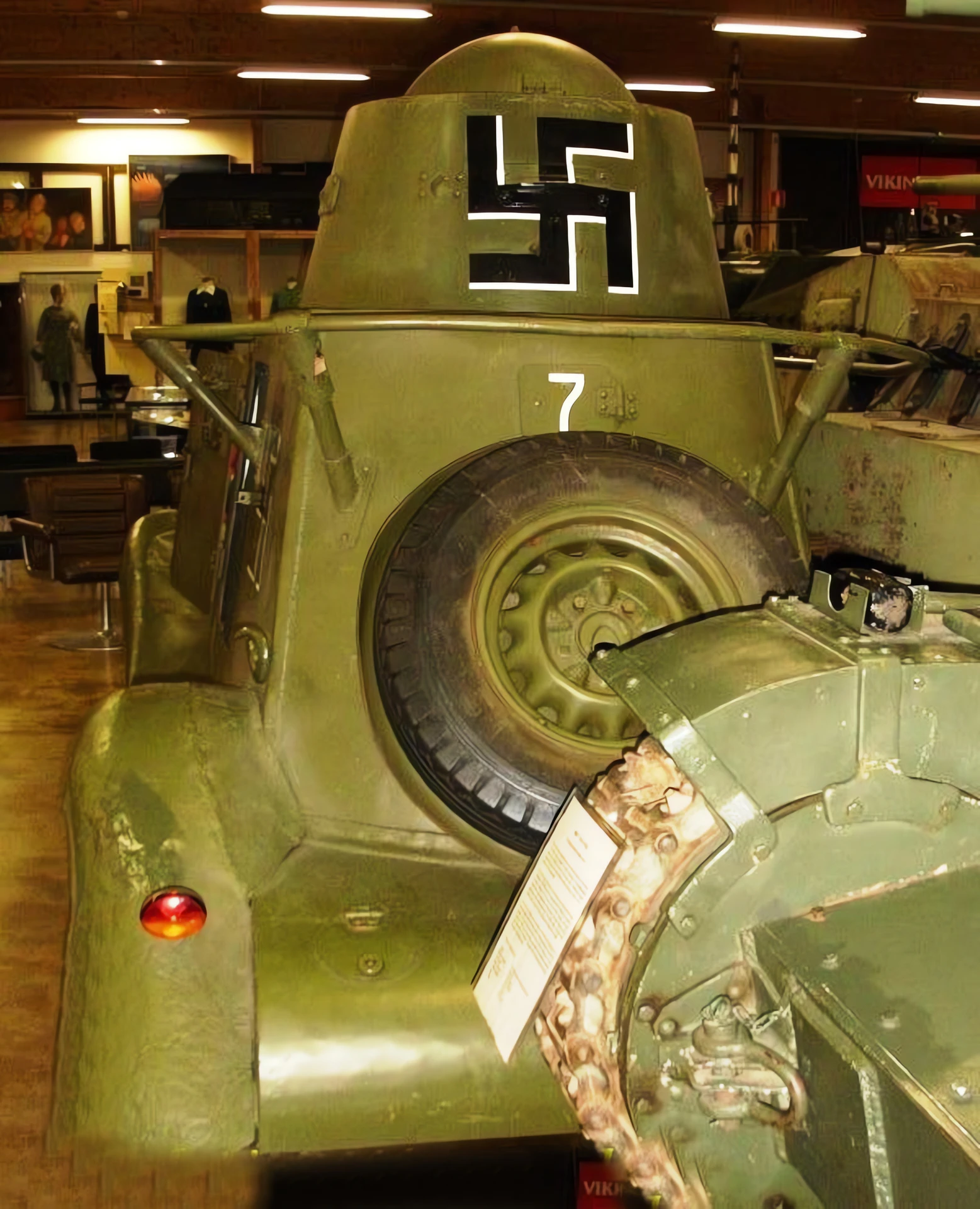
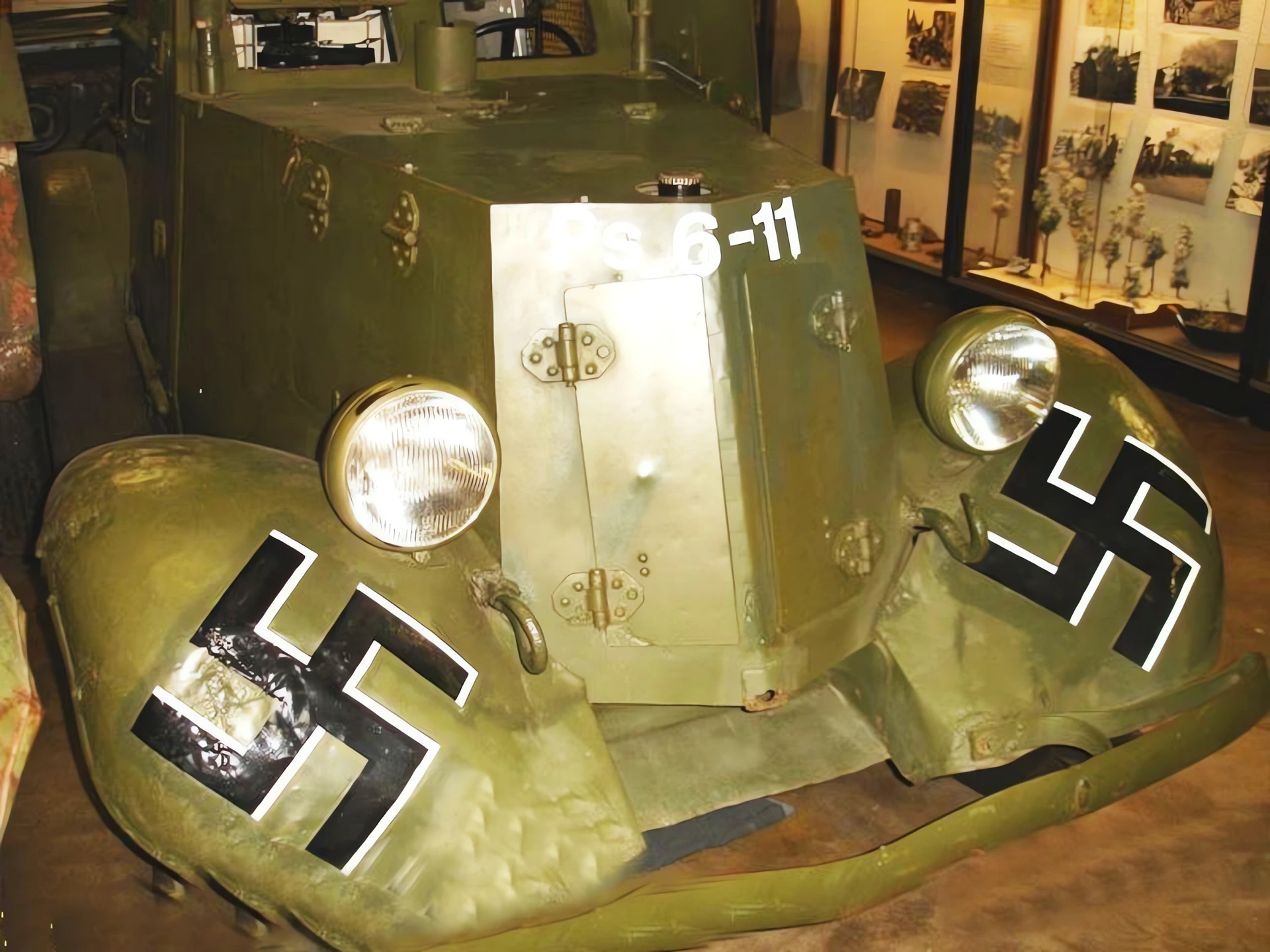


The Lightweight Workhorse
Lla BA-20M was the modernized version of the BA-20 light armored car, which was developed to replace the earlier FAI. Built on the civilian GAZ-M1 chassis (a Soviet design influenced by Ford), the BA-20M featured a reinforced suspension and thickened armor to survive the rigors of frontline reconnaissance. While its larger cousin, the BA-10, carried a heavy 45mm gun, the BA-20M was designed for speed and communication, acting as the « eyes and ears » of Soviet motorized brigades across the vast Eurasian steppes.
| Attribute | Technical Specification (BA-20M) |
|---|---|
| Rôle | Light Reconnaissance / Liaison |
| Crew | 2 to 3 (Driver, Commander/Gunner, optional Radio Operator) |
| First Produced | 1938 (Modernized Variant) |
| Armement principal | 1 × 7.62 mm DT machine gun (Turret) |
| Armor Thickness | Up to 9 mm – 10 mm (Frontal) |
| Chassis | Reinforced GAZ-M1 4×2 |
| Groupe motopropulseur | GAZ-M1 4-cylinder petrol (50 hp) |
| Max Road Speed | Approx. 70–80 km/h (43–50 mph) |
| Portée opérationnelle | 350–450 km (Roads) |
Modernization and Variants
- The Conical Turret: Unlike the earlier BA-20 which often used a cylindrical turret, the BA-20M standard featured a wider, conical turret. This shape increased the internal space for the gunner and provided superior ballistic deflection against small-arms fire.
- Sponge-Filled Tires: To prevent the vehicle from being immobilized by punctures, the tires were filled with « GK » spongy rubber. This allowed the car to continue driving even after taking multiple hits from bullets or shrapnel.
- Command Variant (Whip Antenna): Command versions of the BA-20M were equipped with the 71-TK-1 radio station. While older command cars used a bulky « clothes-rail » antenna wrapping around the body, the BA-20M introduced a more practical whip antenna on the hull.
- BA-20ZhD (Rail Variant): A specialized version was created with interchangeable wheels, allowing the vehicle to scout along railway tracks. It could reach speeds of up to 80 km/h on rails.
Combat History: From Mongolia to Berlin
- Khalkhin Gol: The BA-20M’s reliability shone during the 1939 border conflict with Japan. Its high speed on the open Mongolian plains allowed it to outmaneuver Japanese patrols.
- Winter War: Finnish forces captured several BA-20Ms, designating them « BAB B. » They were highly valued by the Finns for their mechanical simplicity and were used for liaison duties well into the 1940s.
- Barbarossa and Beyond: During the 1941 invasion, the BA-20M’s armor proved inadequate against German 37mm anti-tank guns. However, it remained in production until late 1941, eventually being replaced by the 4×4 BA-64 (BA-64), which offered better off-road performance.
- Beutepanzer: Captured BA-20Ms were repurposed by the Wehrmacht as the Panzerspähwagen BA 202(r), primarily for anti-partisan operations and rear-area security.
Vues : 937
Vous pouvez voir aussi :
 BA-10 – Photos et vidéos
 Panhard SPHINX – Photos & Vidéos
 EBRC Jaguar – Photos & Vidéos
 Landsverk L180 – Photos & Vidéo
 Sd.Kfz.247 – Photos & Vidéo
 SPz kurz KrKW Hotchkiss – Photos & Vidéo
 Spahpanzer 2 – Photos & Vidéo
 Saladin Armored Car – Photos & Vidéo
 BA-3 – Photos & Vidéo
 M8 Greyhound vol3 – Photos & Vidéo