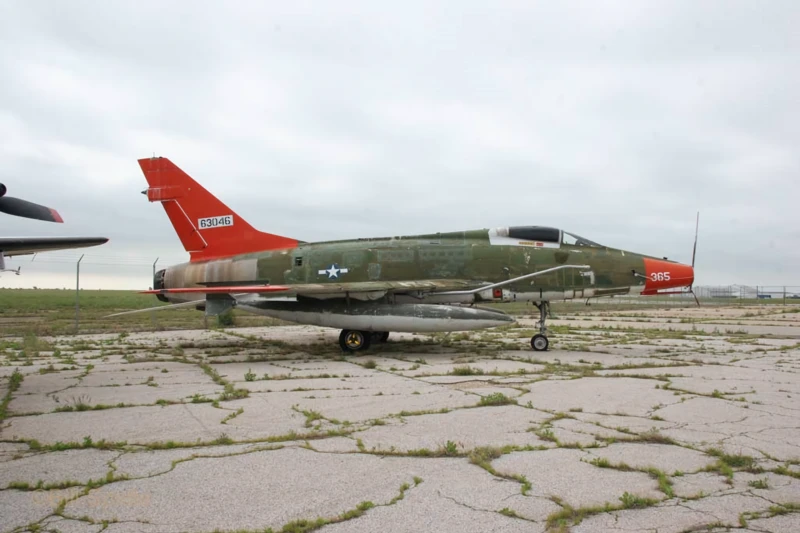
QF-100D Super Sabre | |
|---|---|
| Pays | Usa |
| Type | Avions de chasse à réaction |
| Sujet | Album de 46 photos balade d’un « QF-100D Super Sabre » |
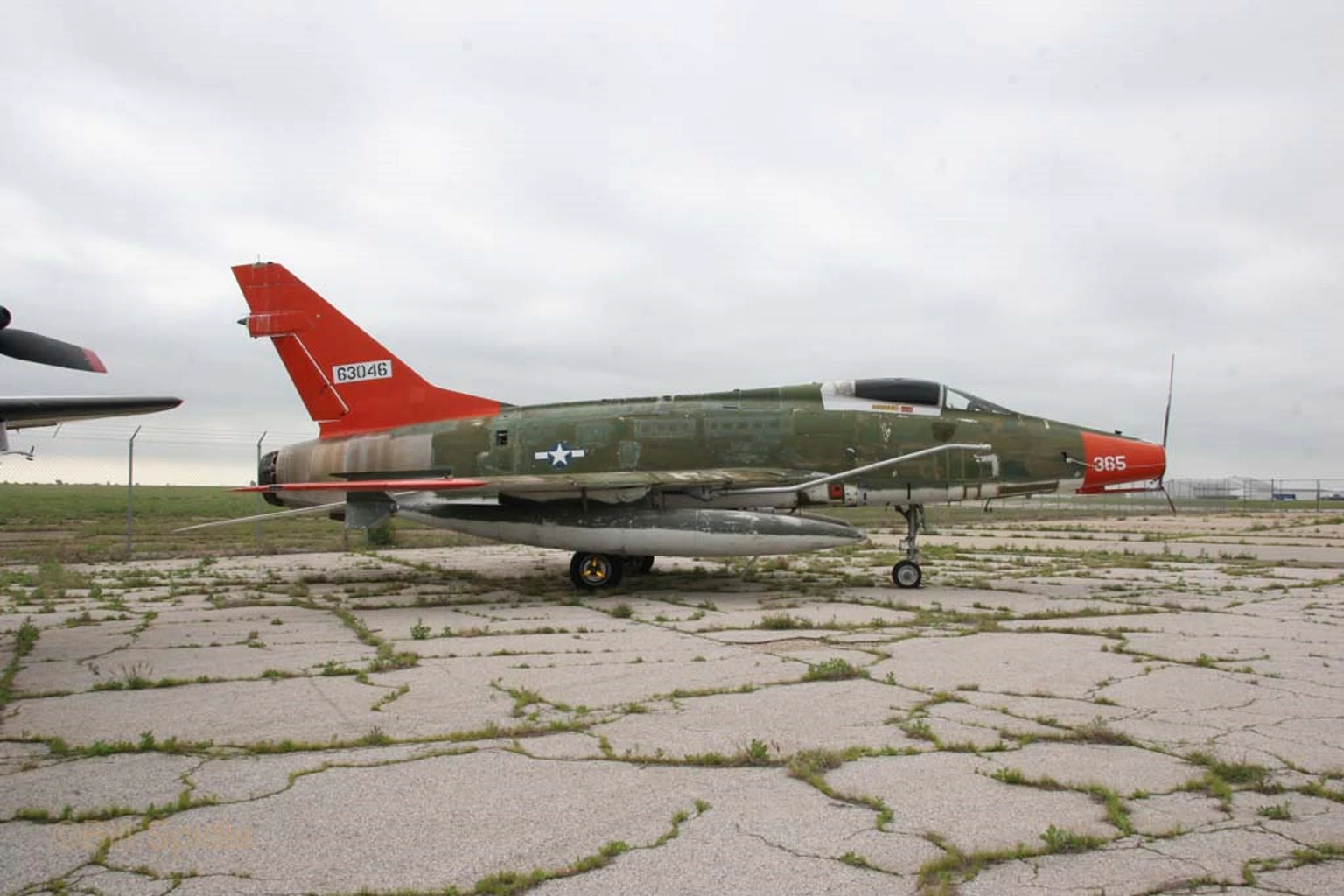
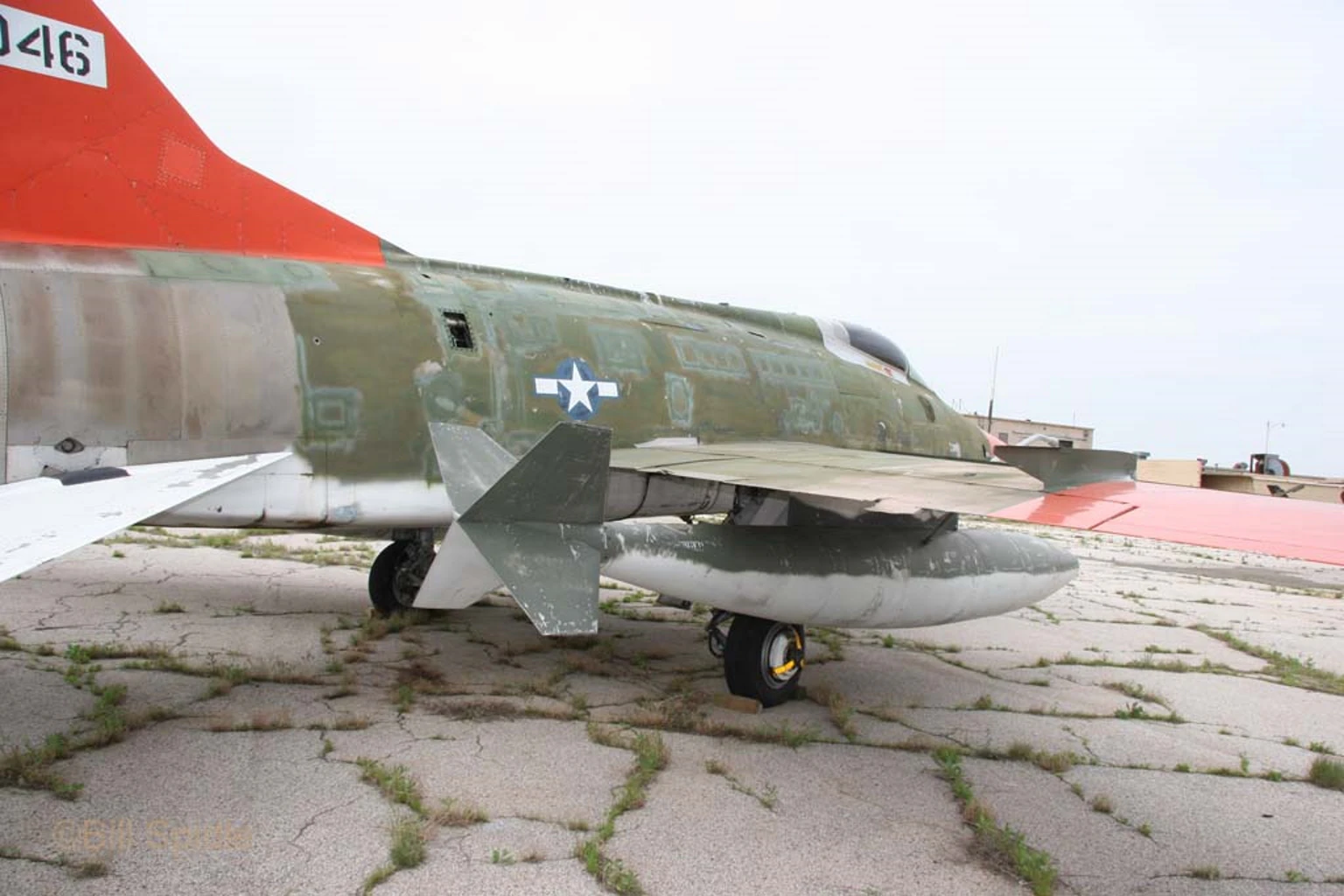
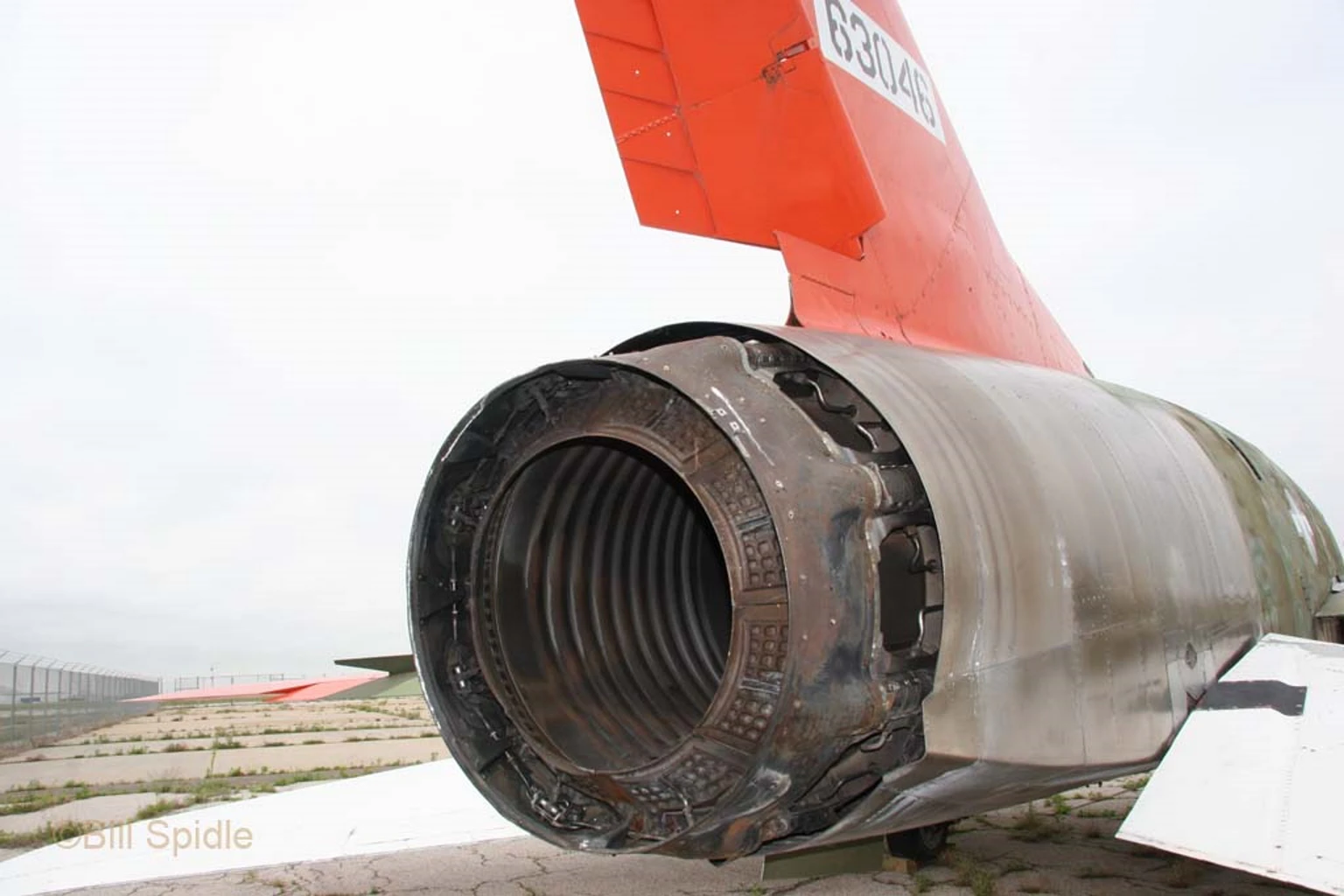
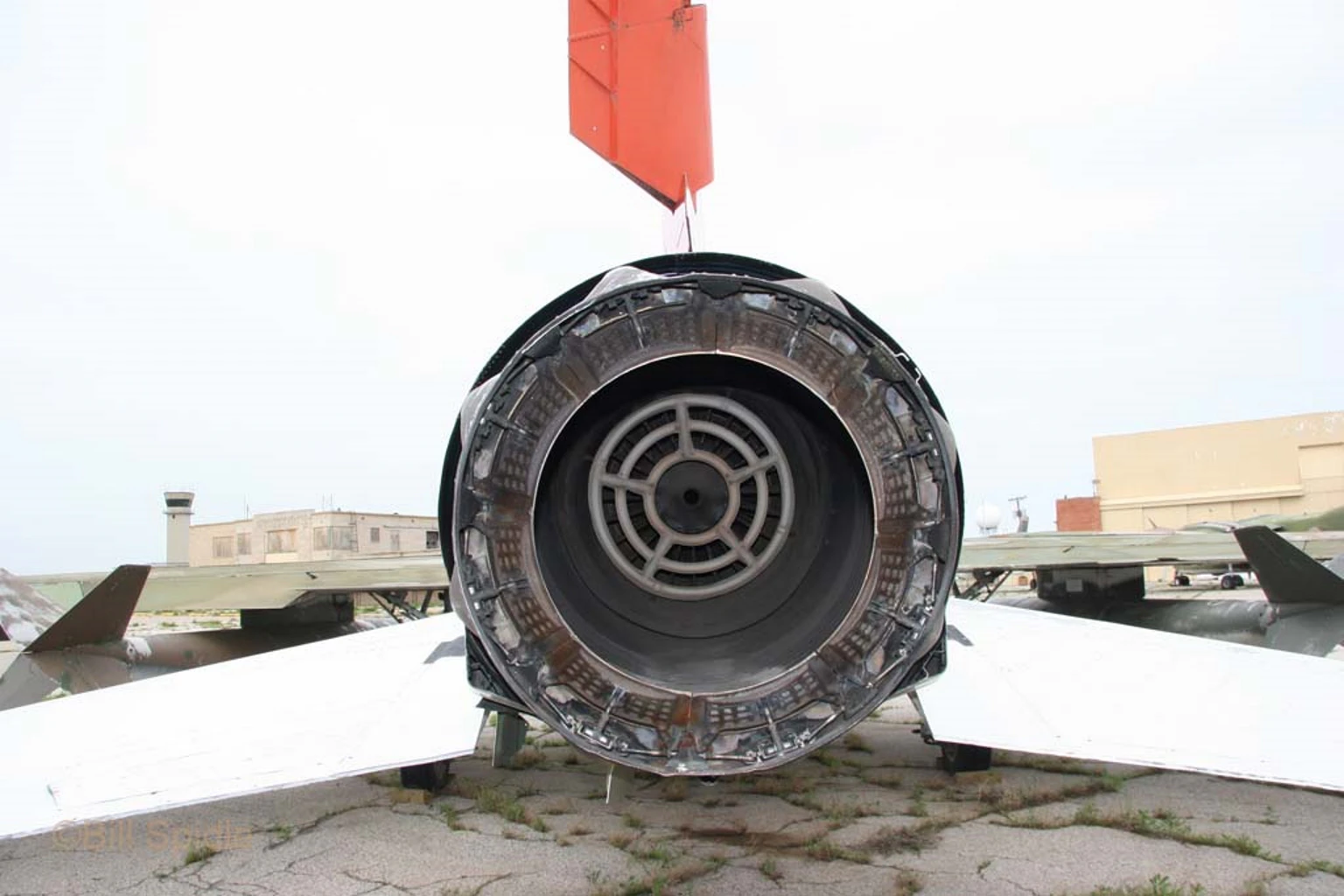
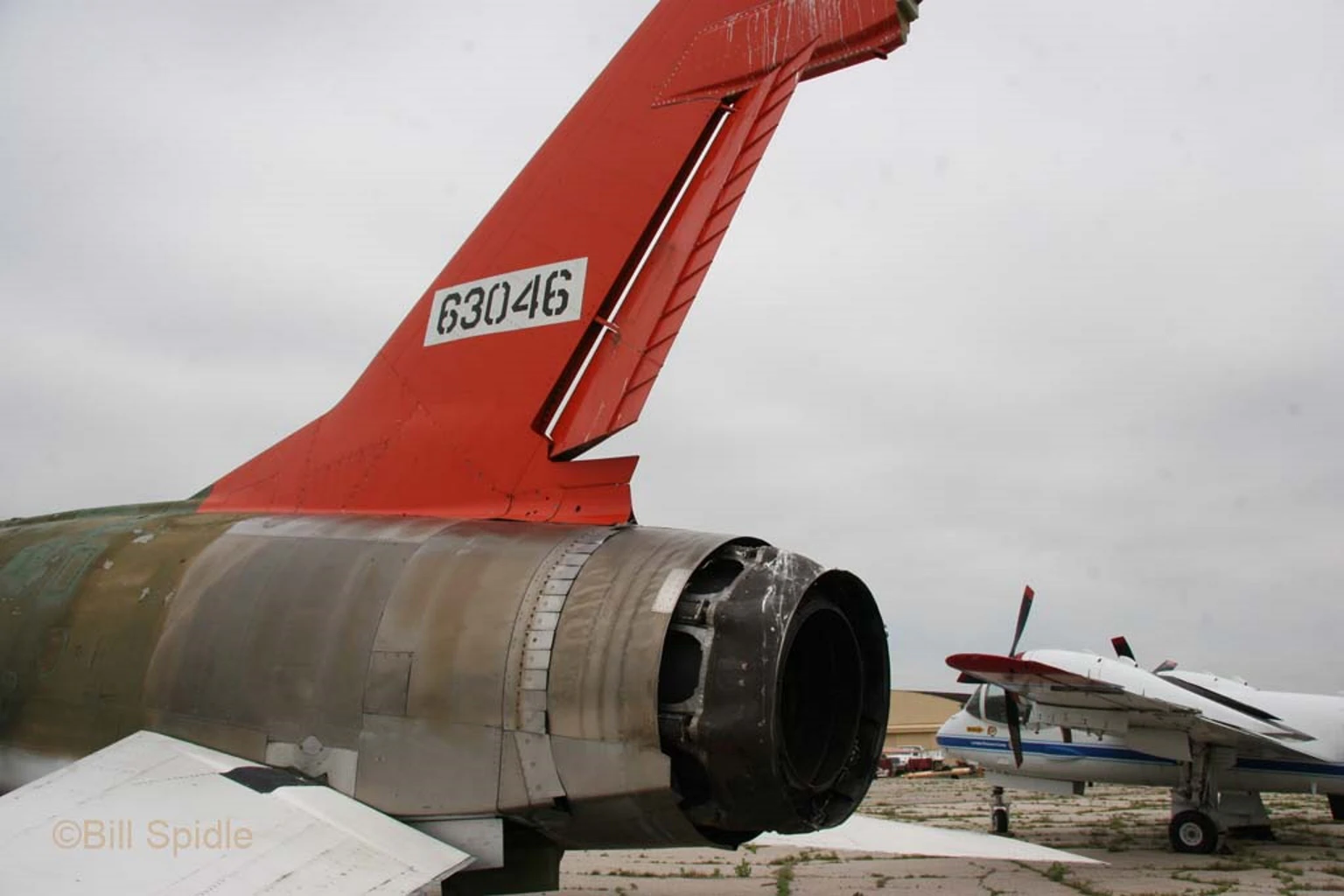
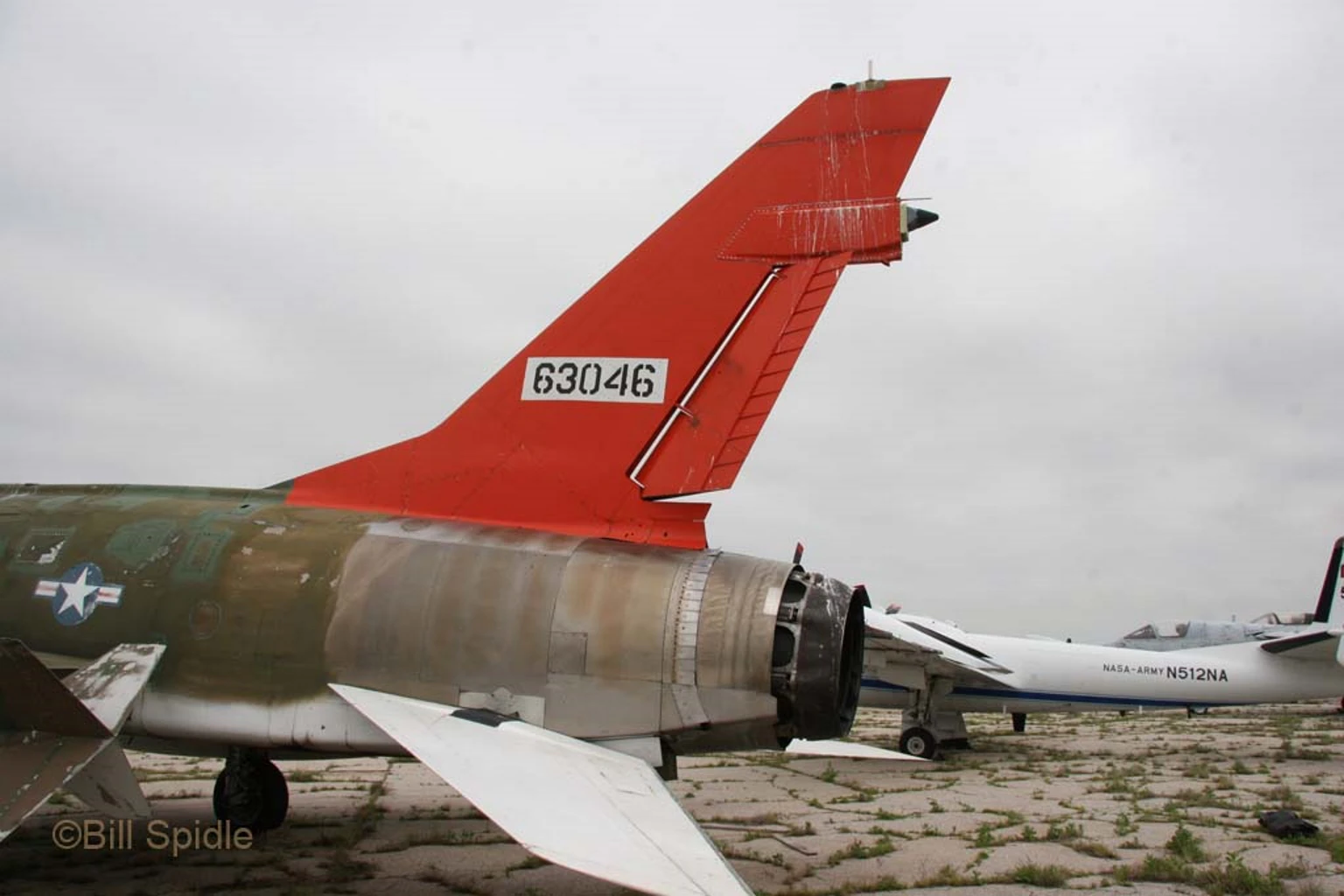
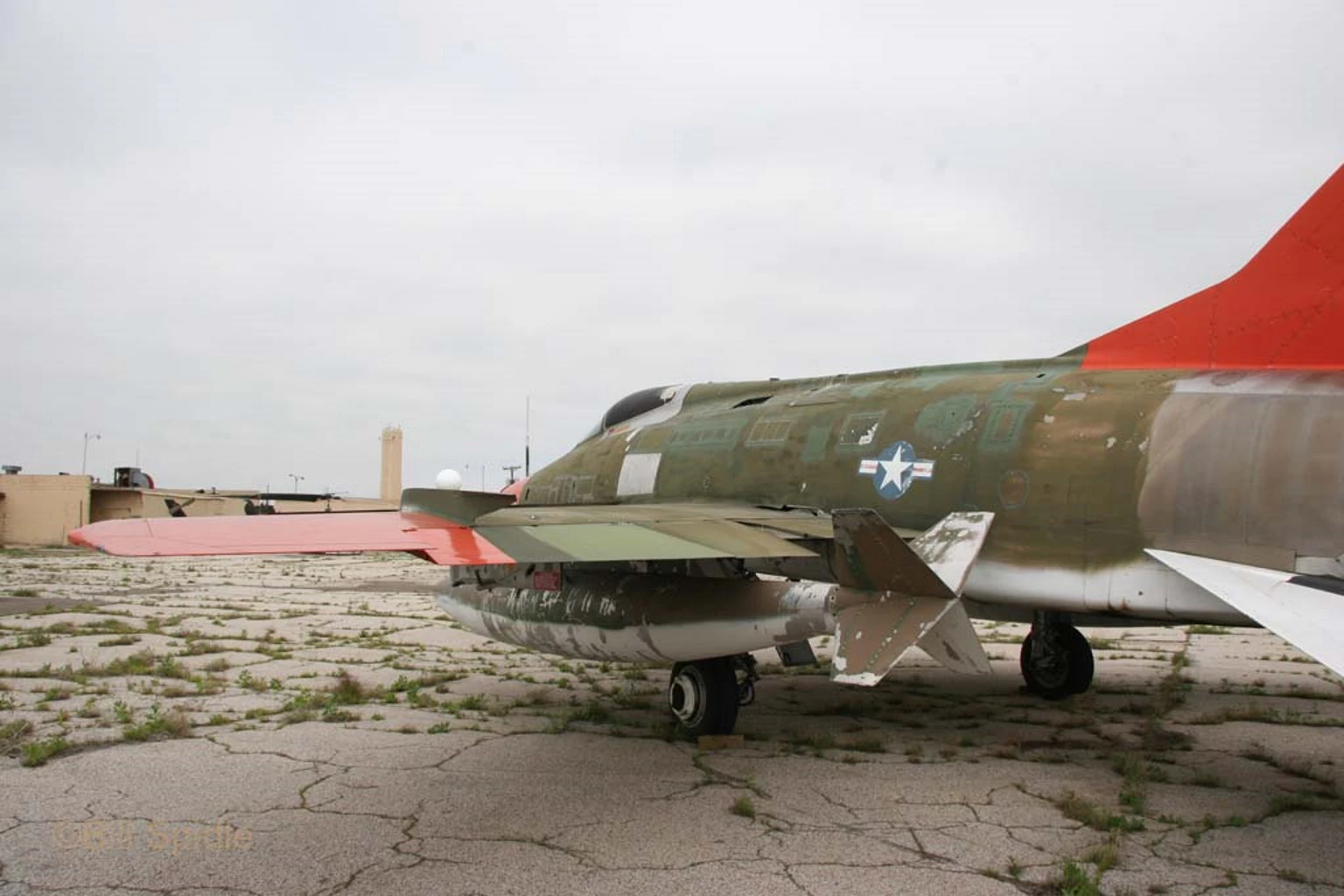
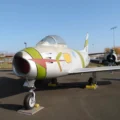
Photo gallery of a QF-100D Super Sabre, The F-100 nord-américain Le Super Sabre était un avion de chasse supersonique américain qui a servi dans l’United States Air Force (USAF) de 1954 à 1971 et dans l’Air National Guard (ANG) jusqu’en 1979. Premier de la série Century de chasseurs à réaction de l’USAF, c’était le premier chasseur de l’USAF capable d’une vitesse supersonique en vol en palier. Le F-100 a été conçu à l’origine par North American Aviation comme un successeur plus performant du chasseur de supériorité aérienne F-86 Sabre.
Source: Wikipedia

 Achetez-moi un café
Voir aussi :


From Top Cover to Target Drone
Lla QF-100D was the final iteration of the legendary F-100D Super Sabre, the first US fighter capable of supersonic speeds in level flight. In the 1980s, as the « Hun » became obsolete against modern Soviet fighters, the US Air Force converted hundreds of mothballed airframes into Full-Scale Aerial Targets (FSAT). These were remote-controlled robots designed to be shot down by the next generation of air-to-air missiles, providing pilots and engineers with the most realistic test of a missile’s lethality against a high-performance supersonic threat.
| Attribute | Technical Specification (QF-100D) |
|---|---|
| Rôle | Remote-Controlled Target Drone (FSAT) |
| Control System | DFCS (Digital Flight Control System) / Vega Control |
| moteur | 1 × Pratt & Whitney J57-P-21A afterburning turbojet |
| Vitesse maximale | Mach 1.3 (1,390 km/h at altitude) |
| Statut | « NULLO » (No Upper Limit Life Onboard) or Manned |
| Special Equipment | Scoring systems, smoke generators, destruct charges |
| Combat Weight | Approx. 13,000 kg (28,000 lbs) |
Design Engineering: Robotizing a Legend
- The DFCS Upgrade: Converting a 1950s hydraulic fighter into a remote drone required the Digital Flight Control System. This « brain » translated radio commands from a ground station into physical movements of the flight surfaces, allowing for maneuvers that would have exceeded the safety limits of a human pilot.
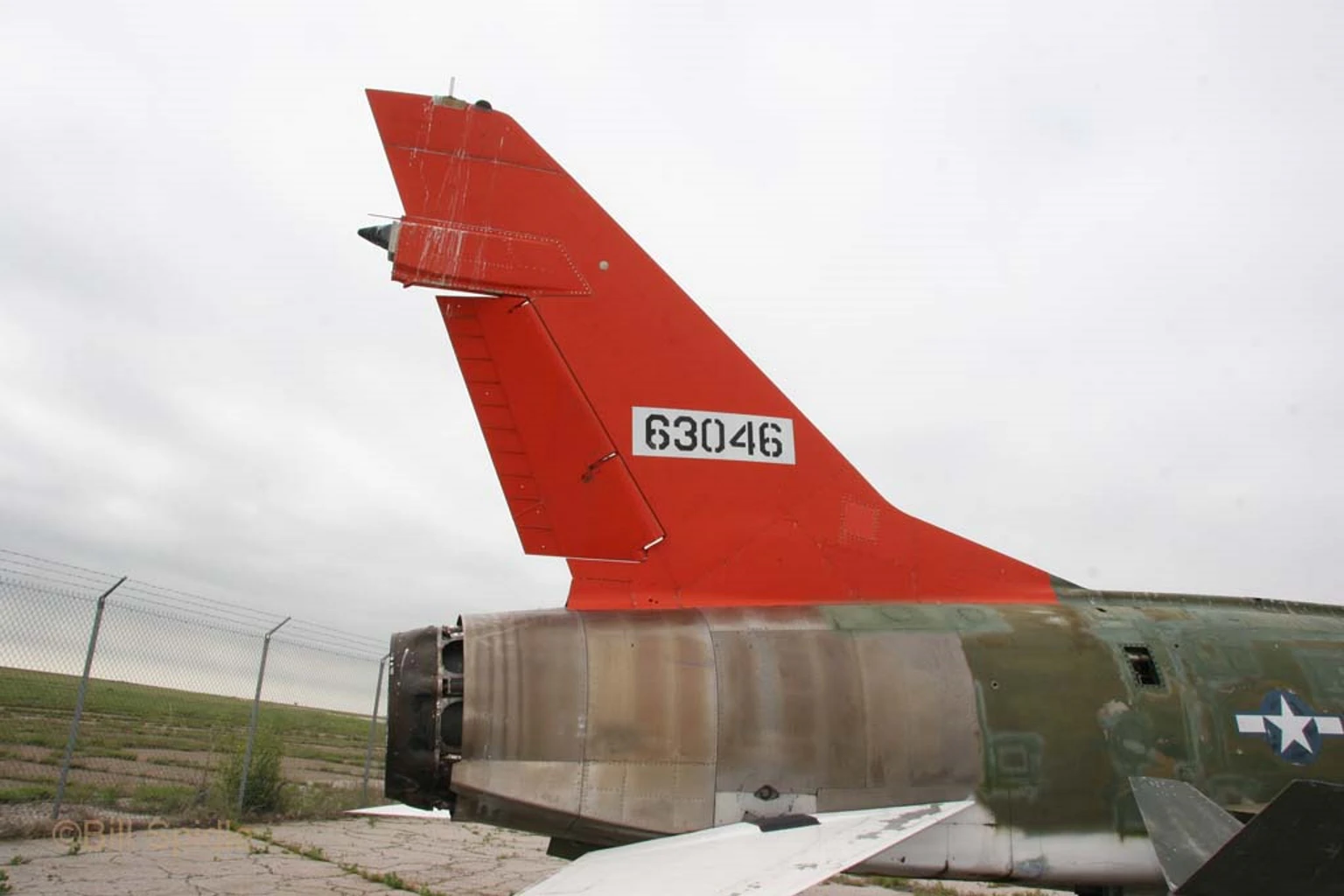
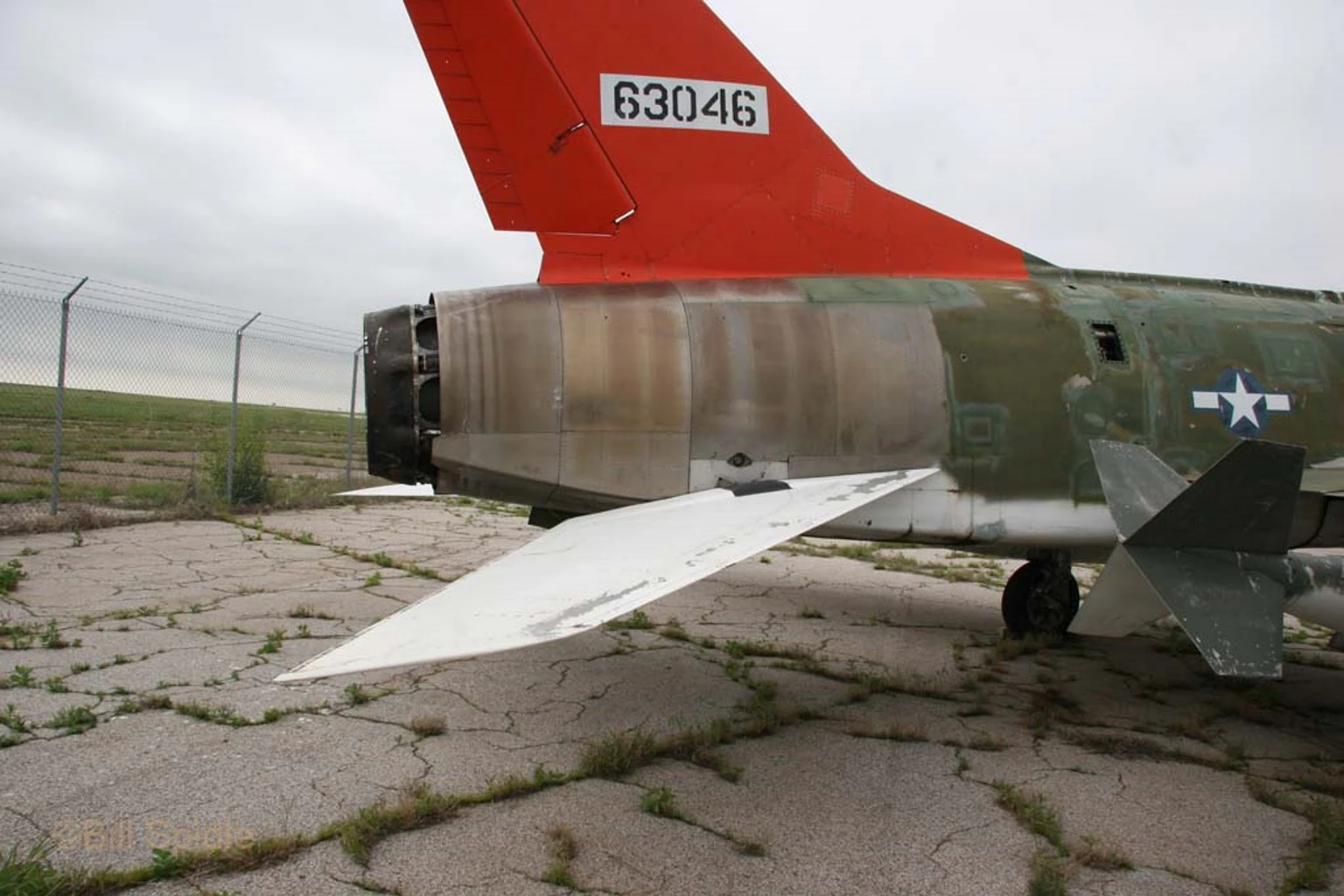
- Visual Augmentation: Since these aircraft were meant to be tracked from miles away, they were painted with bright « International Orange » markings. They also featured smoke generators in the tail to help ground observers and missile seekers track them visually.
- Dual-Mode Capability: Most QF-100Ds could be flown by a human pilot for « ferry flights » between airbases. However, once cleared for a live-fire mission, they were flown « NULLO » (No Live Operator)—the seat was empty, and the aircraft was controlled entirely from a ground van.
- The Destruct Charge: To prevent a rogue drone from flying off into civilian areas if it lost its radio link, a specialized explosive charge was installed. If the link was severed for more than a few seconds, the aircraft would self-destruct in mid-air.
The Final Mission: Testing the Eagle and Falcon
- A Realistic Enemy: The QF-100D was used extensively to test the **AIM-9 Sidewinder** and **AIM-120 AMRAAM** missiles. Because the F-100 had a massive heat signature from its J57 engine, it was the perfect target for heat-seeking missiles.
- Scoring, Not Always Killing: Not every mission ended in a crash. Many drones were equipped with « near-miss » scoring sensors that measured exactly how close a missile came to the fuselage without actually detonating, allowing the drone to be reused for multiple missions.
- The End of the Fleet: By the early 1990s, the supply of old F-100 airframes was exhausted. The role of the supersonic drone was eventually passed on to the QF-4 Phantom II and later the QF-16 Fighting Falcon.
- The Tyndall « Shoots »: Most of these final flights took place over the Gulf of Mexico near Tyndall Air Force Base, Florida. The sea floor there is a graveyard for many of the most famous aircraft in aviation history.
Vues : 2732
Vous pouvez voir aussi :
 North American F-82 Twin Mustang – Photos et vidéos
 North American X-15 – Photos et vidéos
 North American FJ-4 Fury – Photos et vidéo
 North American T-28 Trojan – Photos et vidéo
 North American AT-6D Texan – Photos et vidéo
 North American Rockwell OV-10 Bronco – Photos et vidéo
 North American A-36A Apache – Photos et vidéo
 North American FJ-3 Fury – Photos et vidéo
 North American F-86 Sabre – Photos et vidéo
 North American T-6 Texan – Photos & Vidéo