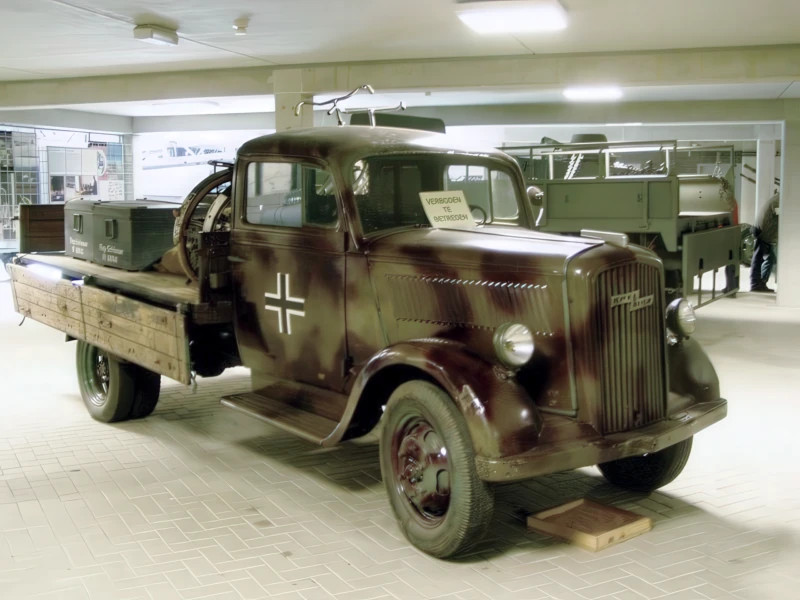
Opel Blitz 3,6 | |
|---|---|
| Pays | Allemagne nazie |
| Type | Camion polyvalent |
| Production | 1930–1975 |
Galerie de photos d’un Opel Blitz 3,6, Opel Blitz (German for « Foudre ») a été le nom donné à diverses séries allemandes de camions légers et moyens construits par le constructeur automobile allemand Opel entre 1930 et 1975. Le logo original de ce camion, deux bandes disposées lâchement comme un symbole de foudre sous la forme d’une lettre horizontalement étirée « Z », still appears in the current Opel logo. From 1939, the reliable Blitz 3.6 three-ton version was used in large numbers by the German Wehrmacht armed forces throughout World War II. Derived variants included an elongated version and the four-wheel drive Blitz A. To cope with the bad road conditions and the rasputitsa mud seasons on the Eastern Front, a half-tracked Maultier (mule) SdKfz 3 version was built using tracks and suspension based on the Universal Carrier. Among others, these were used as service vehicles for the Messerschmitt Me 323 military transport aircraft. It is also claimed that Opel, a subsidiary of GM, used forced labor to reap unprecedented profits. To what degree GM controlled Opel at the time is subject to debate, but it is clear that GM did in fact play a role in giving Nazi Germany the Opel Blitz truck
Source: Opel Blitz 3.6 sur Wiki
| Opel Blitz 3.6 | |
|---|---|
| Photographe | Anton Tsupka |
| Localisation | Inconnu |
| Photos | 37 |
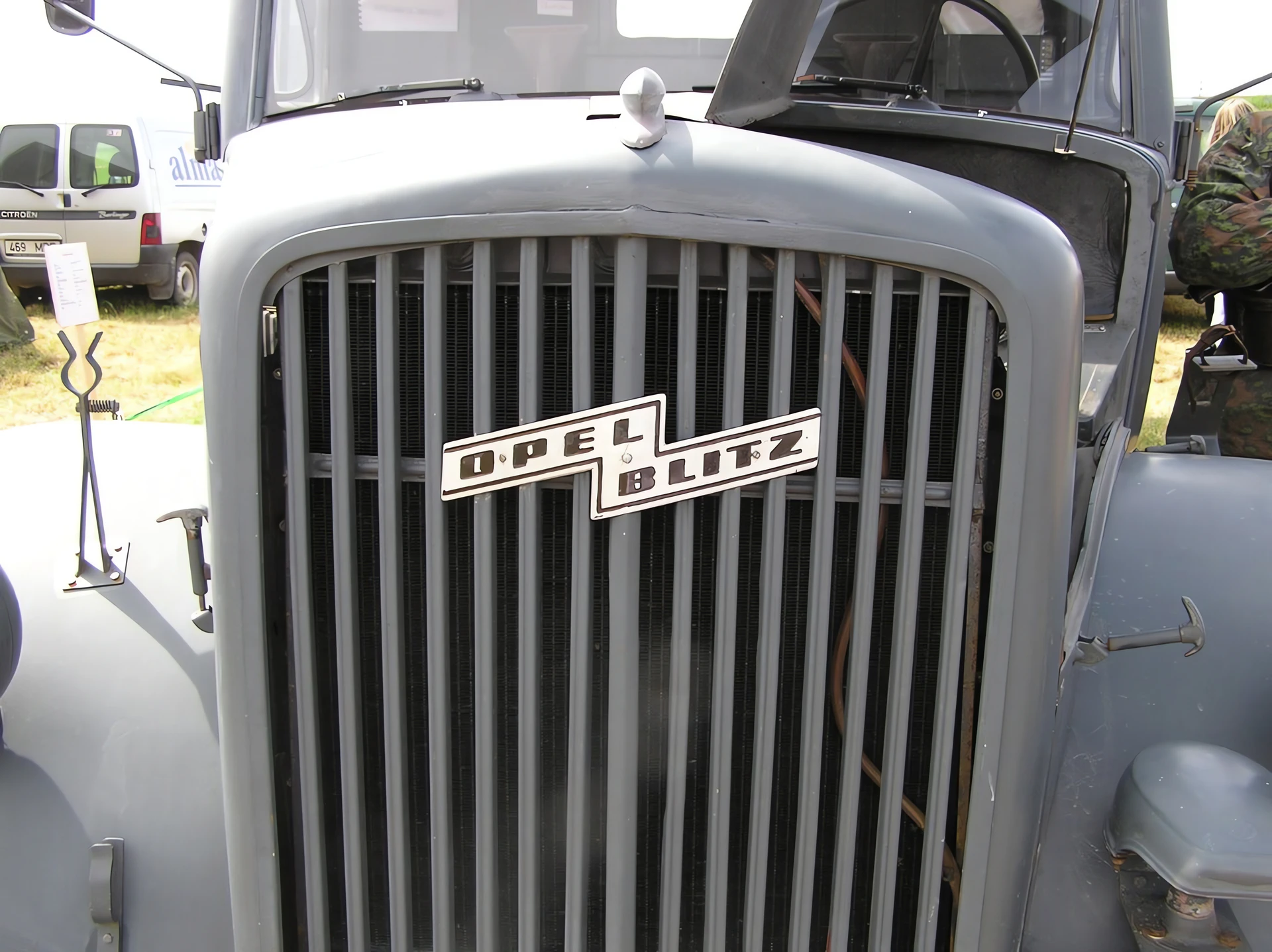
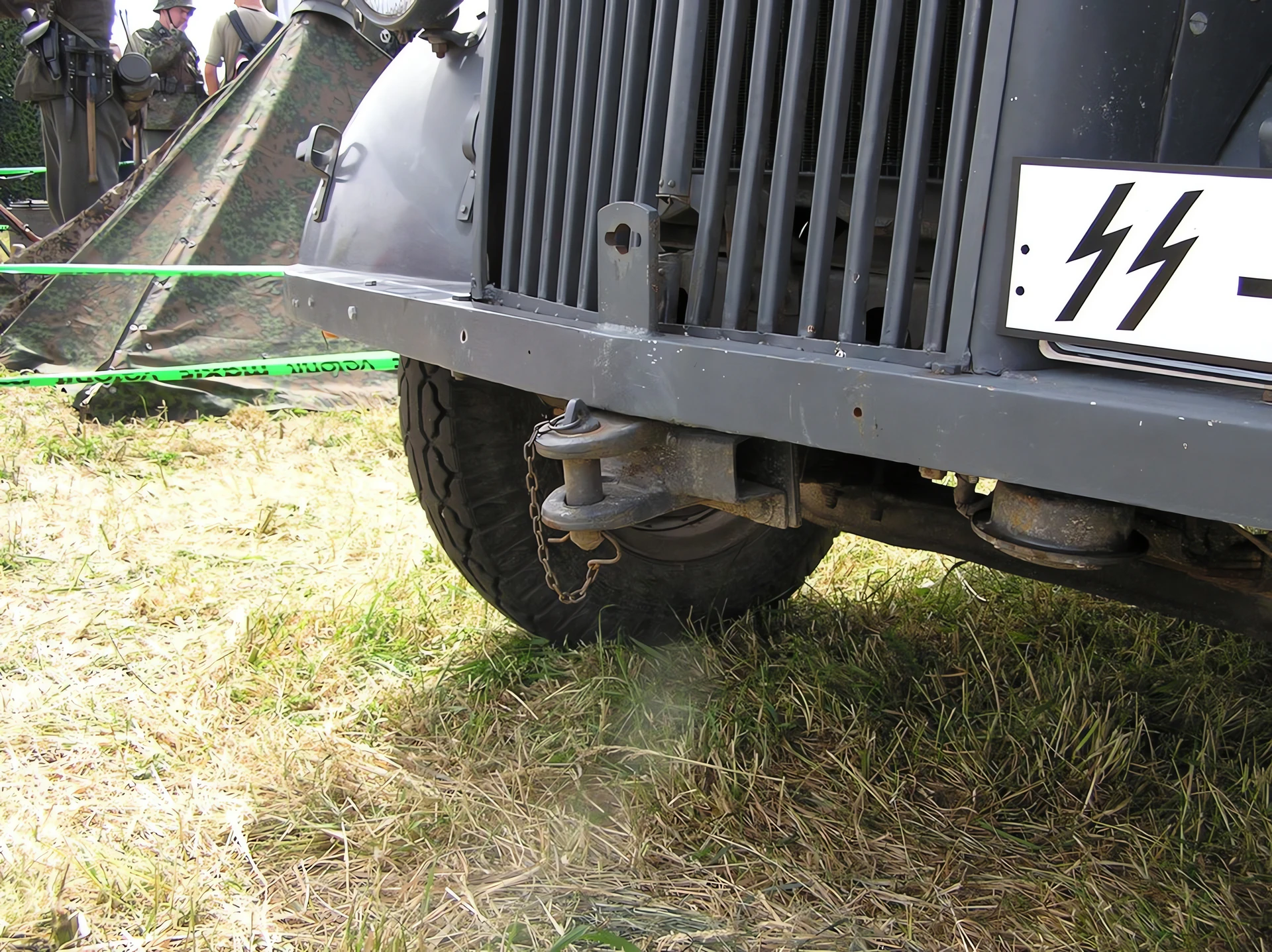
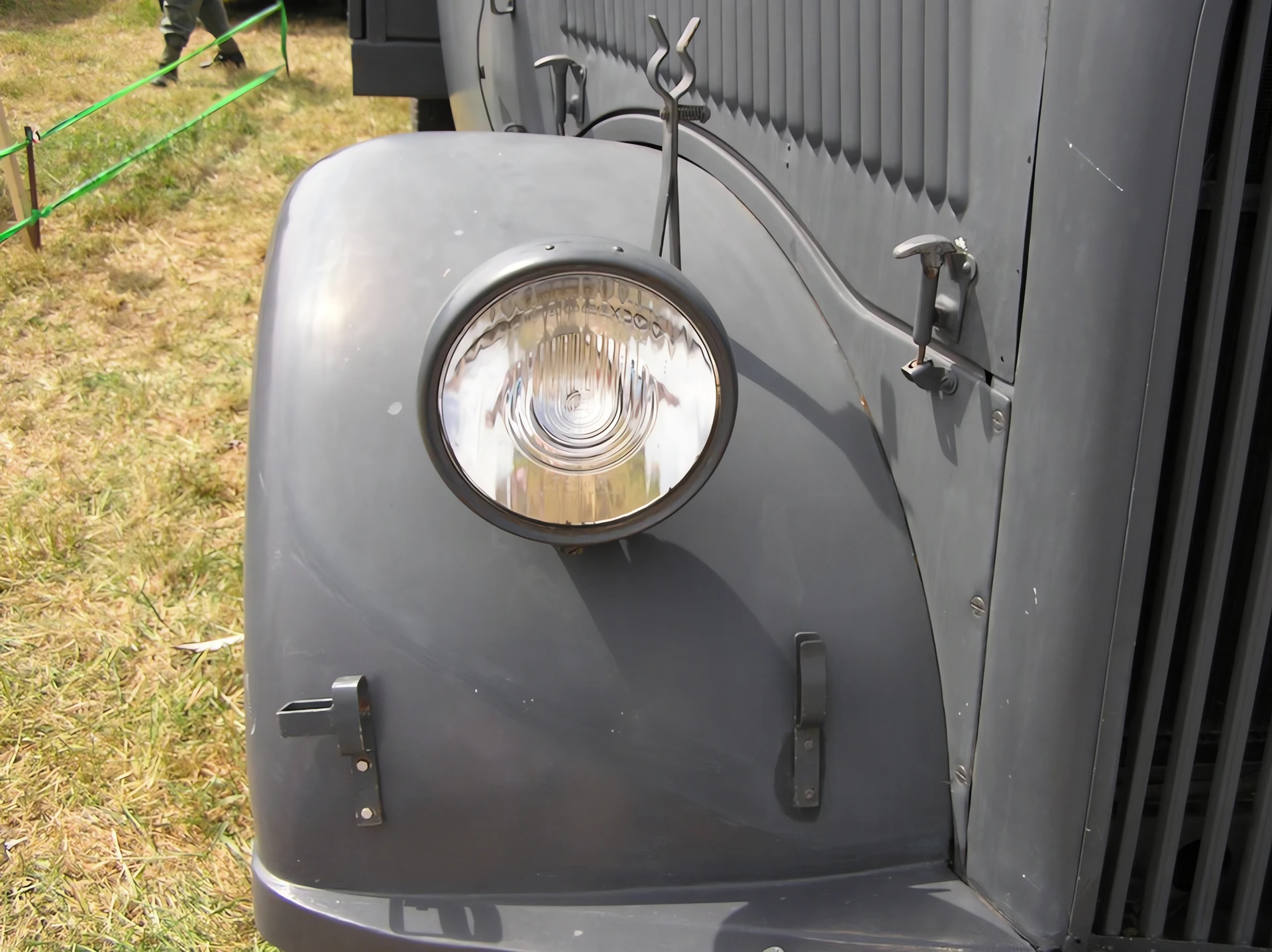


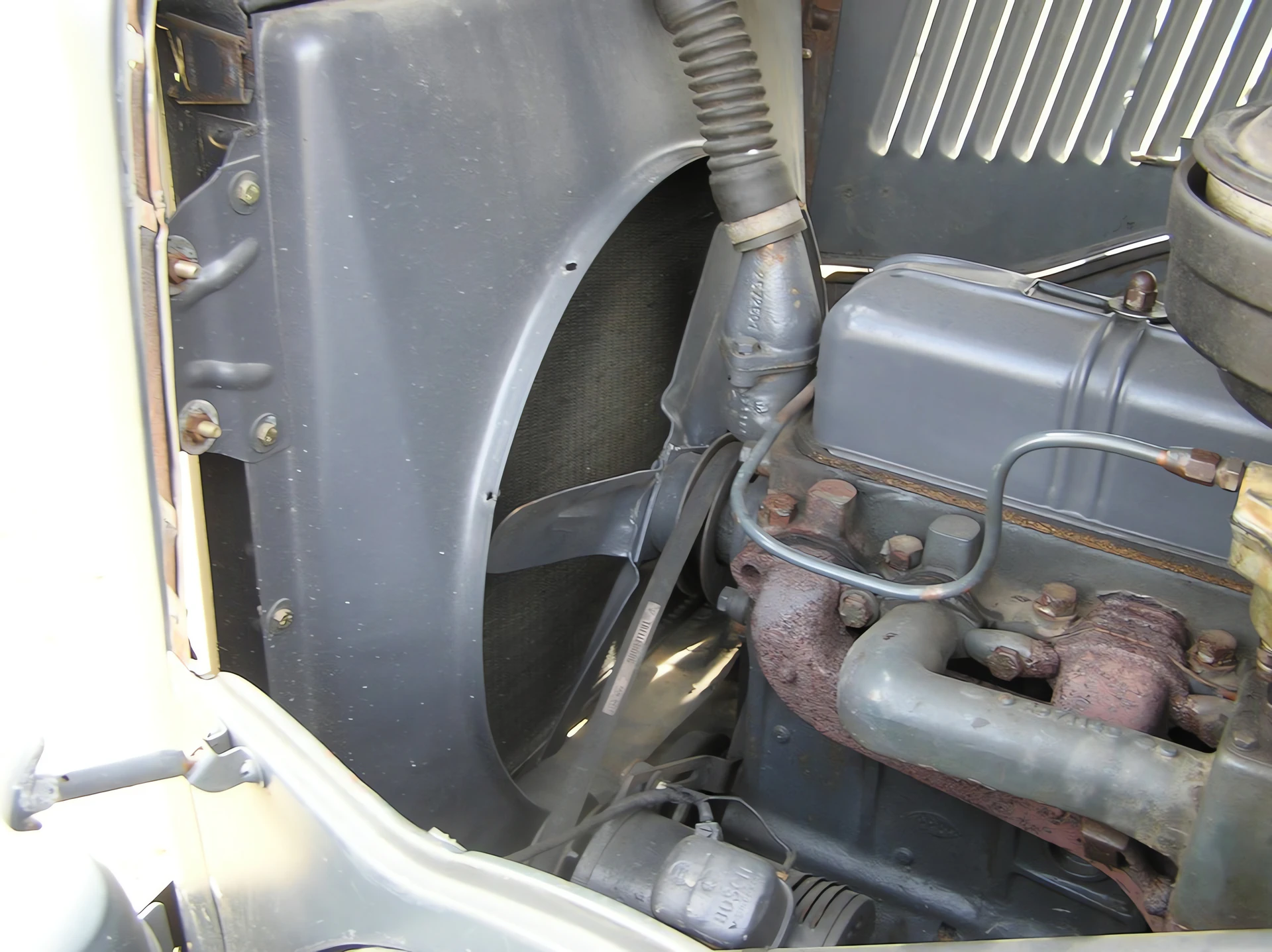
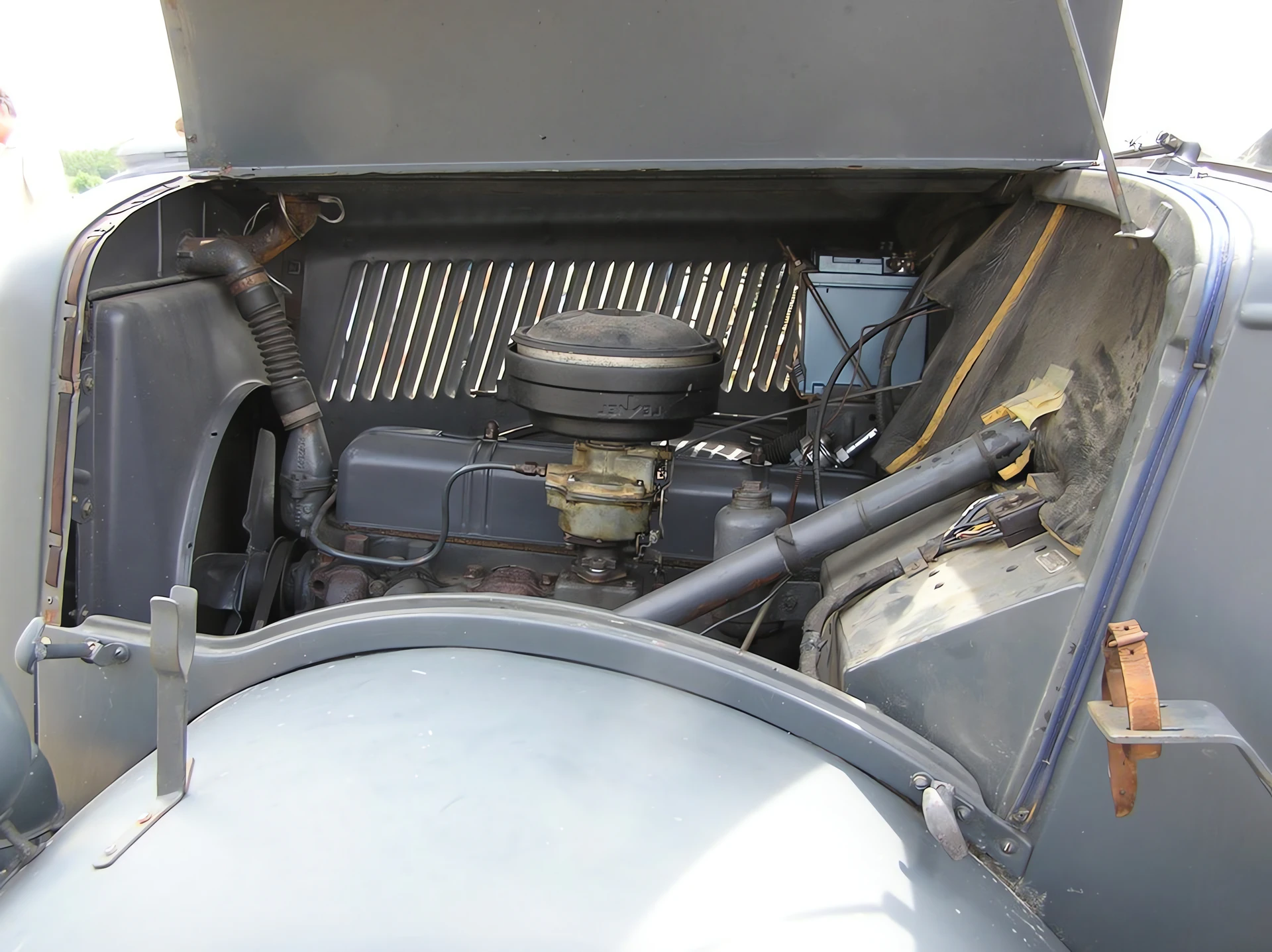
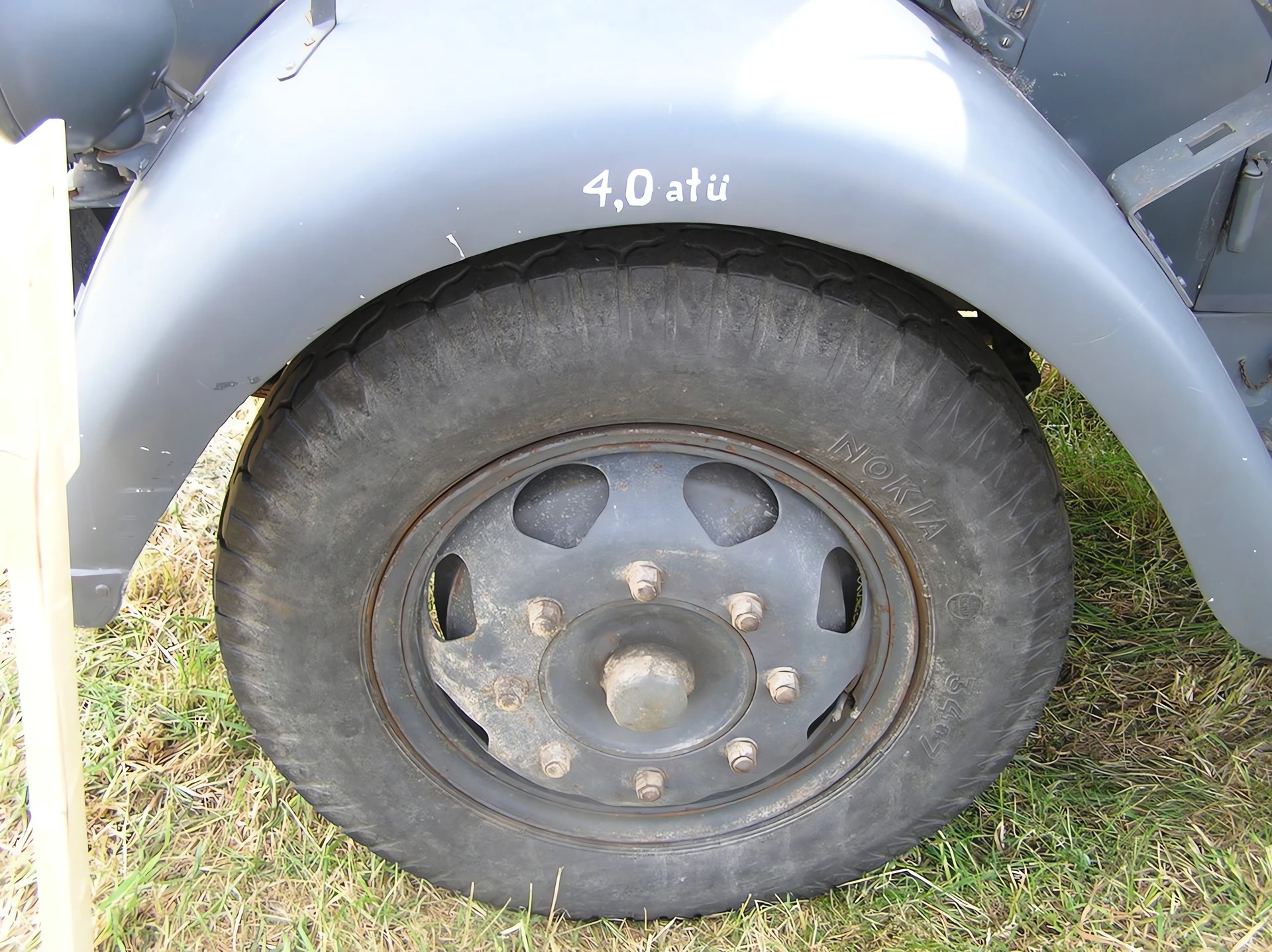

 Achetez-moi un café
| Opel Blitz 3,6-36S Walk Around | |
|---|---|
| Photographe | Inconnu |
| Localisation | Inconnu |
| Photos | 14 |
Voir aussi :


General Characteristics and Role
The Opel Blitz (« Éclair ») 3.6 was the most widely produced and important German military truck of World War II. Its design was based on the robust pre-war commercial model, making it reliable and easy to maintain. It became the backbone of the Wehrmacht’s transportation and logistics network. Produced in massive numbers, the 3.6-ton variant was a medium-capacity truck used for virtually every role imaginable: troop transport, cargo and supply hauler, field ambulance, fuel tanker, communication vehicle, and even mounting anti-aircraft guns. Its success was due to its proven chassis, powerful engine (for its class), and standardized design, which greatly simplified maintenance and spare parts supply across the Eastern and Western Fronts.
| Property | Typical Value (Standard 3.6-36 S Model) |
|---|---|
| Type | Medium Cargo and Utility Truck |
| National Origin | Allemagne nazie |
| Fabricant | Opel (a subsidiary of General Motors until 1940) |
| Entered Service | 1939 |
| Crew/Capacity | 2 (Driver, Co-driver) + Cargo or up to 10 troops |
| Payload Capacity | Approx. 3.6 tonnes |
| Production Total | Over 100,000 units (3-ton models) |
Powerplant and Mobility
- Engine: 1 x Opel 3.6-liter straight-six gasoline engine.
- Engine Power: 75 hp (56 kW).
- Drivetrain: Rear-wheel drive (4×2) was the standard and most common configuration (designated ‘S’ for *Standard*).
- Maximum Road Speed: Approx. 85 km/h (53 mph).
- Fuel Capacity: Designed for a range of approximately 320 km (200 miles).
- Variants: The Opel Blitz 3.6-6700 A was the four-wheel drive (4×4, designated ‘Un’ for *Allrad*) variant, offering superior off-road capability, essential particularly on the Eastern Front.
- Cab Construction: Initially featured a sheet metal cabin, but later war production switched to the simplified, wood and composite ‘Einheitskabine’ (unified cab) due to metal shortages.
Service History and Legacy
- War Economy: The truck’s design was so crucial that Opel’s factory at Brandenburg was nationalized and dedicated entirely to its production during the war.
- Operational Importance: The reliable transportation provided by the Blitz was vital to the success of the *Blitzkrieg* (Lightning War) tactics in the early war years, allowing forces to outrun their logistics tail.
- Eastern Front: The 4×4 ‘Un’ variant proved indispensable in the mud and poor roads of the Soviet Union, keeping German supply lines running even in adverse conditions.
- Post-War Service: Opel Blitz trucks were often captured and reused by Allied forces, and many continued to serve in civilian roles across Europe long after the war concluded due to their durability.
- Modern Successor: The basic design principles of robustness and commonality established by the Opel Blitz influenced later military logistics vehicles.
Views : 13505
Vous pouvez voir aussi :
 Dodge Power Wagon – Photos et vidéos
 GAZ-66 – Photos & Vidéo
 Hummer M1114 – Photos & Vidéo
 M923 Guntruck – Photos et vidéo
 Tatra 813 Kolos – Photos & Vidéo
 Hillman Light Utility Truck - Se promener
 Opel Blitz Firetruck - Se promener
 Chevrolet CMP 4×4 – Walk Around
 Gaz MM – Walk Around
 Studebaker US6 vol2 – WalkAround