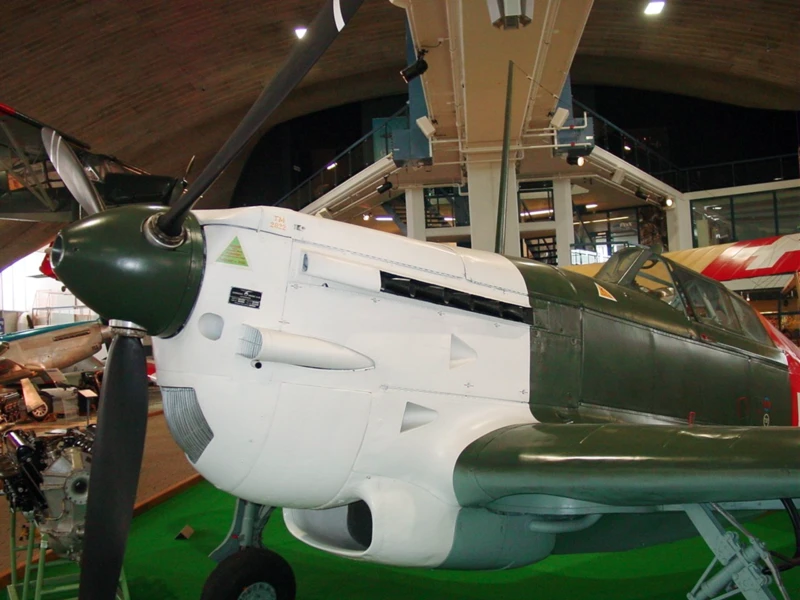
Morane-Saulnier MS.406 | |
|---|---|
| Pays | France |
| Type | Chasseur |
| Premier vol | Le 8 août 1935 |
| Construit | 1176 |
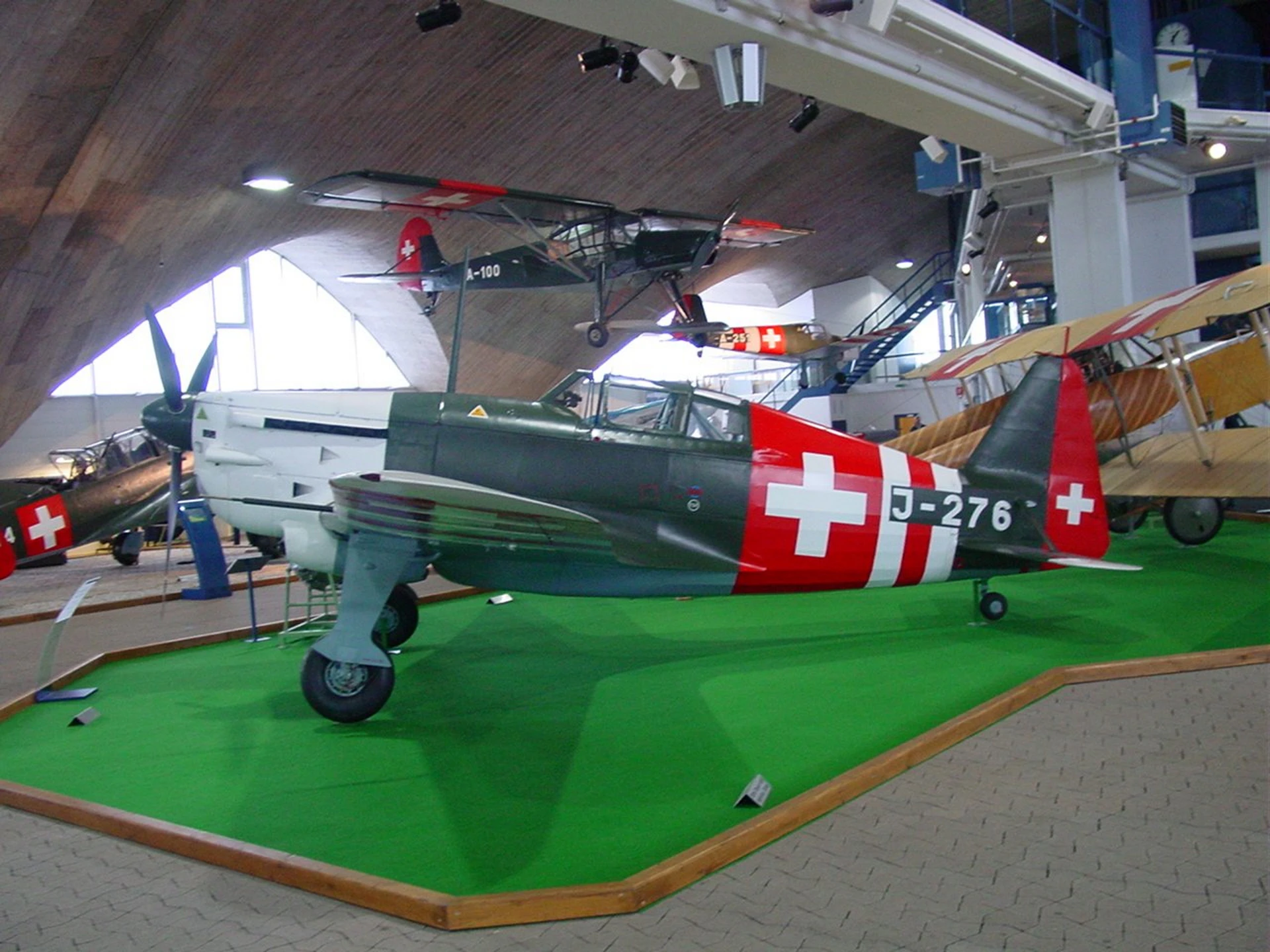
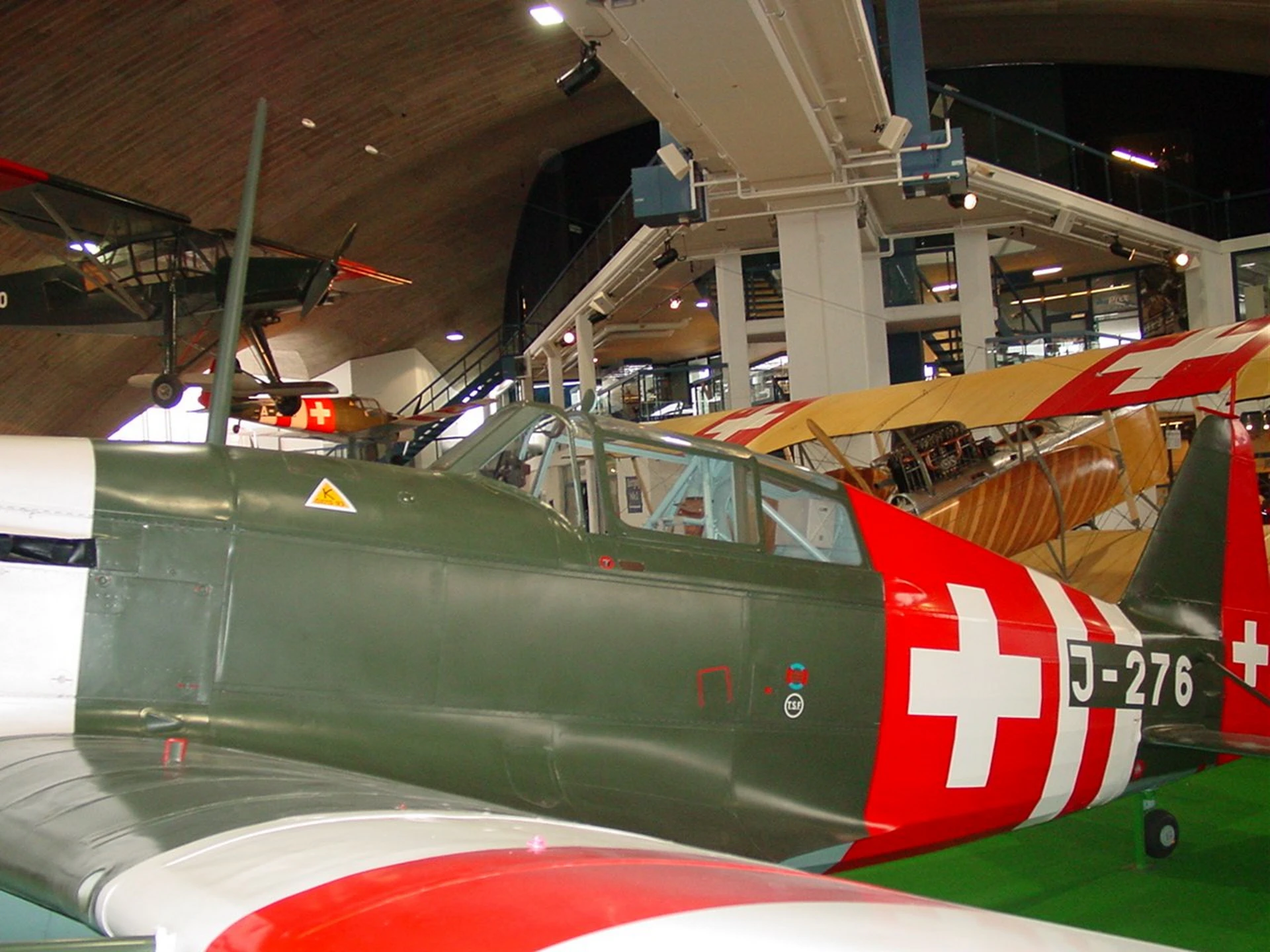
Galerie de photos d’un Morane-Saulnier MS.406, at Museum der Schweizerischen Fliegertruppe Dubendorf, The Morane-Saulnier M.S.406 was a French fighter aircraft built by Morane-Saulnier starting in 1938. Numerically, it was France’s most important fighter during the opening stages of World War II. Although sturdy and highly maneuverable, it was underpowered and weakly armed when compared to its contemporaries. Most critically, it was outperformed by the Messerschmitt Bf 109E during the Battle of France. The M.S.406 held its own in the early stages of the war (the so-called Phoney War), but when the war restarted in earnest in 1940, losses to all causes amounted to approximately 400 aircraft. Out of this total some 150 were lost to enemy fighters and ground fire, another 100 were destroyed on the ground in enemy air raids and the remainder was deliberately destroyed by French military personnel to prevent the fighters from falling into enemy hands intact. In return M.S.406 squadrons achieved 191 confirmed victories and another 83 probable victories. The type was more successful in the hands of Finnish and Swiss air forces who developed indigenous models.
Source: Morane-Saulnier MS.406 sur Wiki
| Morane-Saulnier MS.406 | |
|---|---|
| Photographe | Mikhaïl Mamalygin |
| Localisation | Inconnu |
| Photos | 18 |
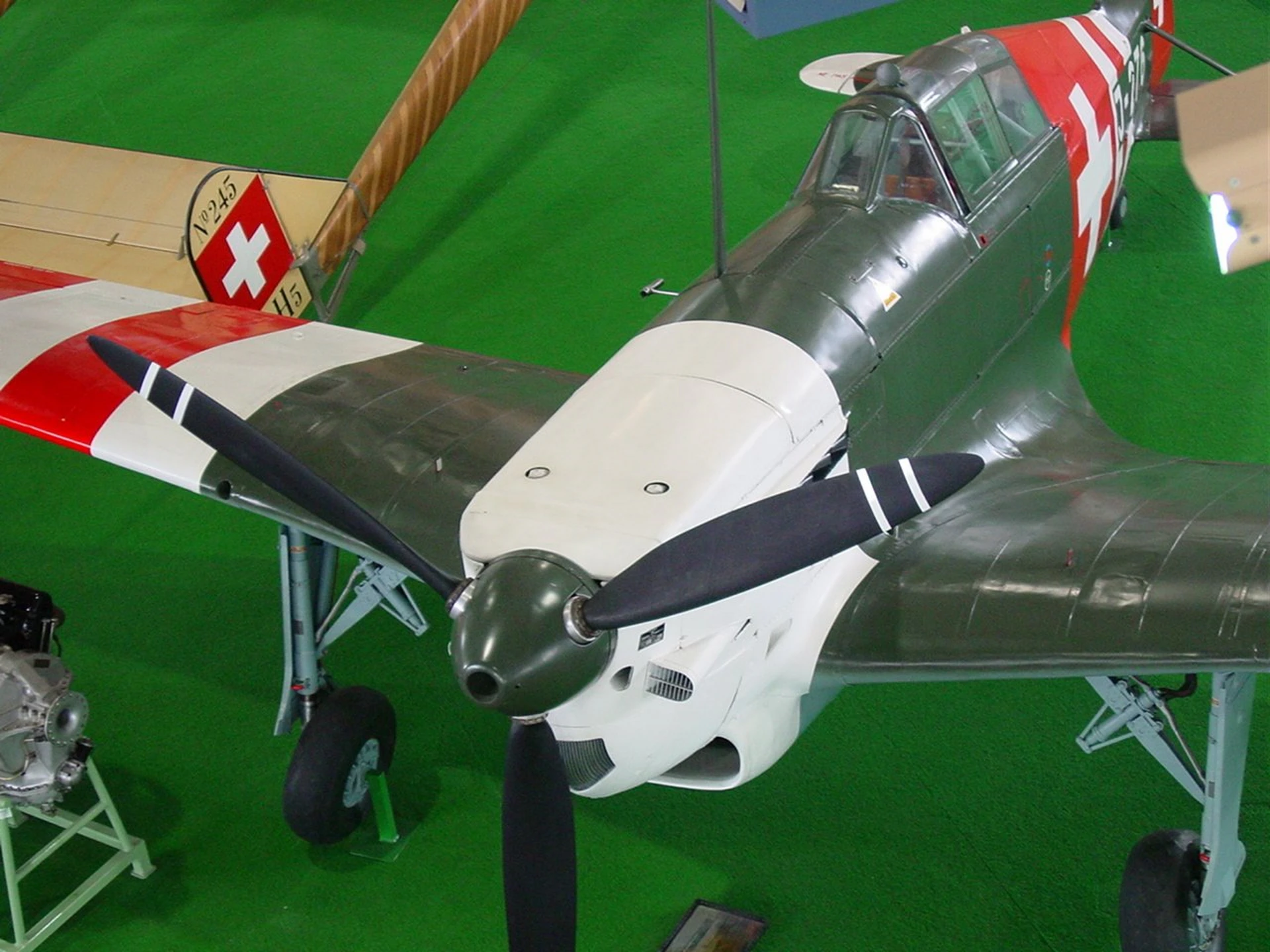
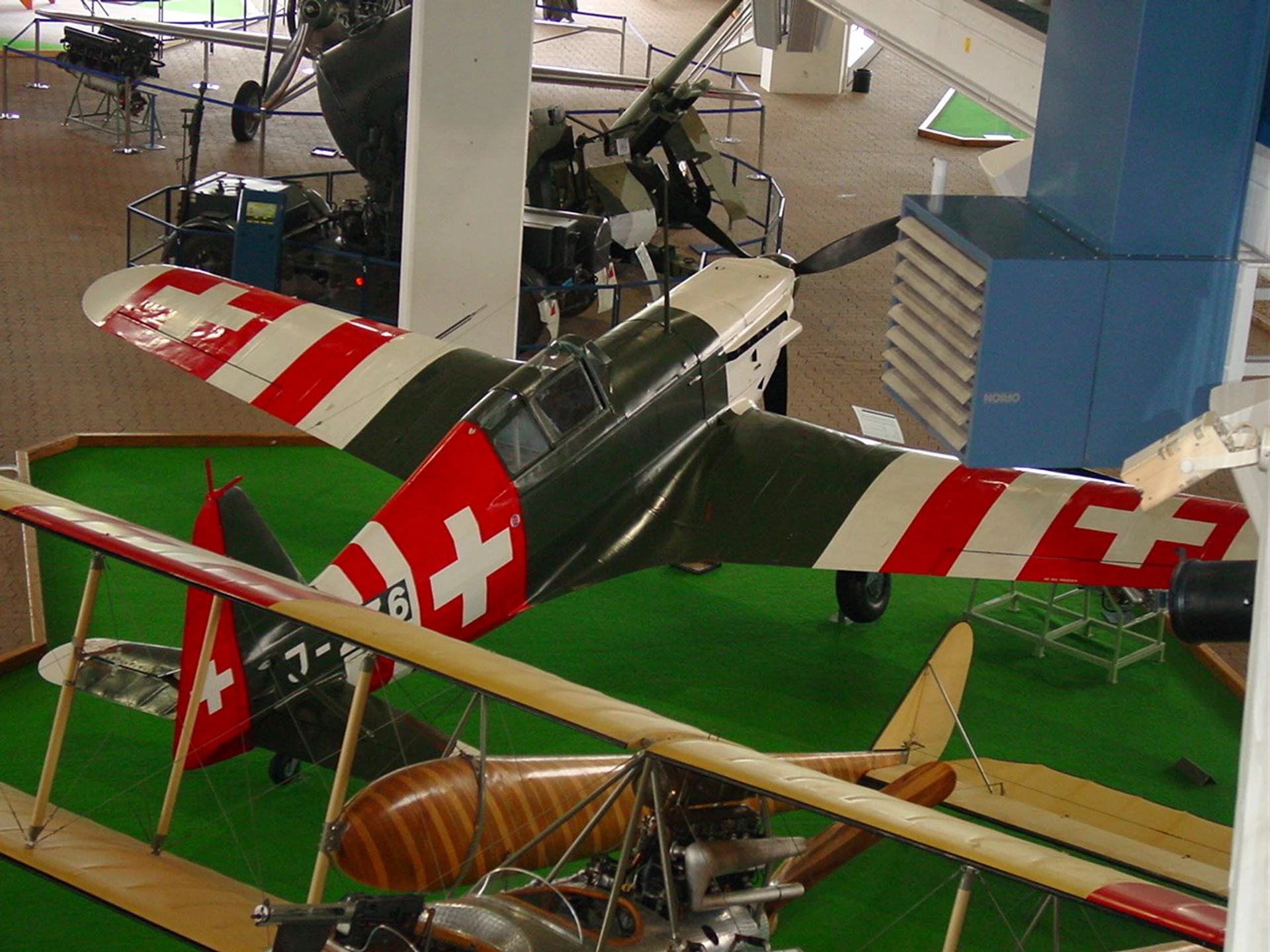
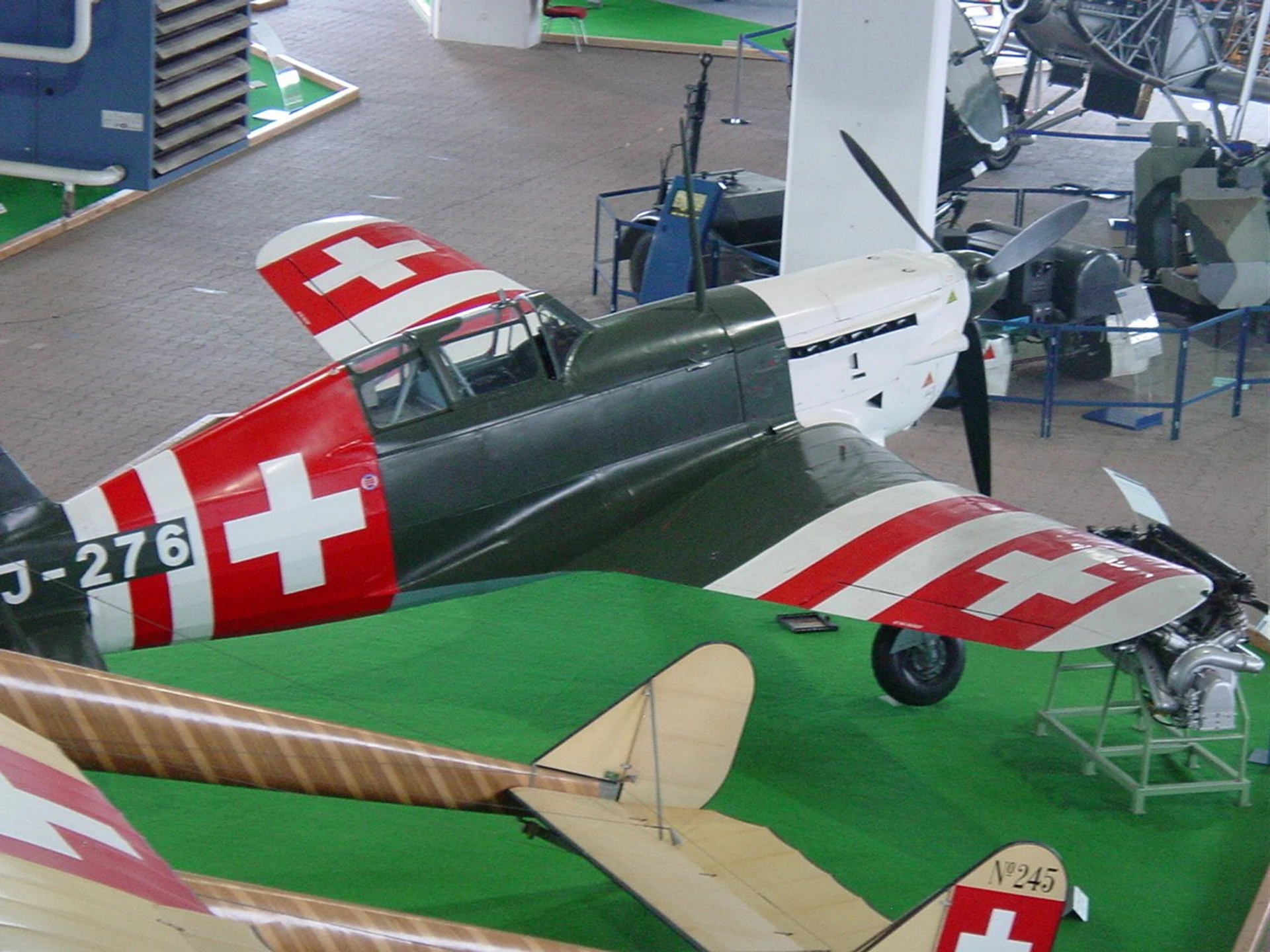
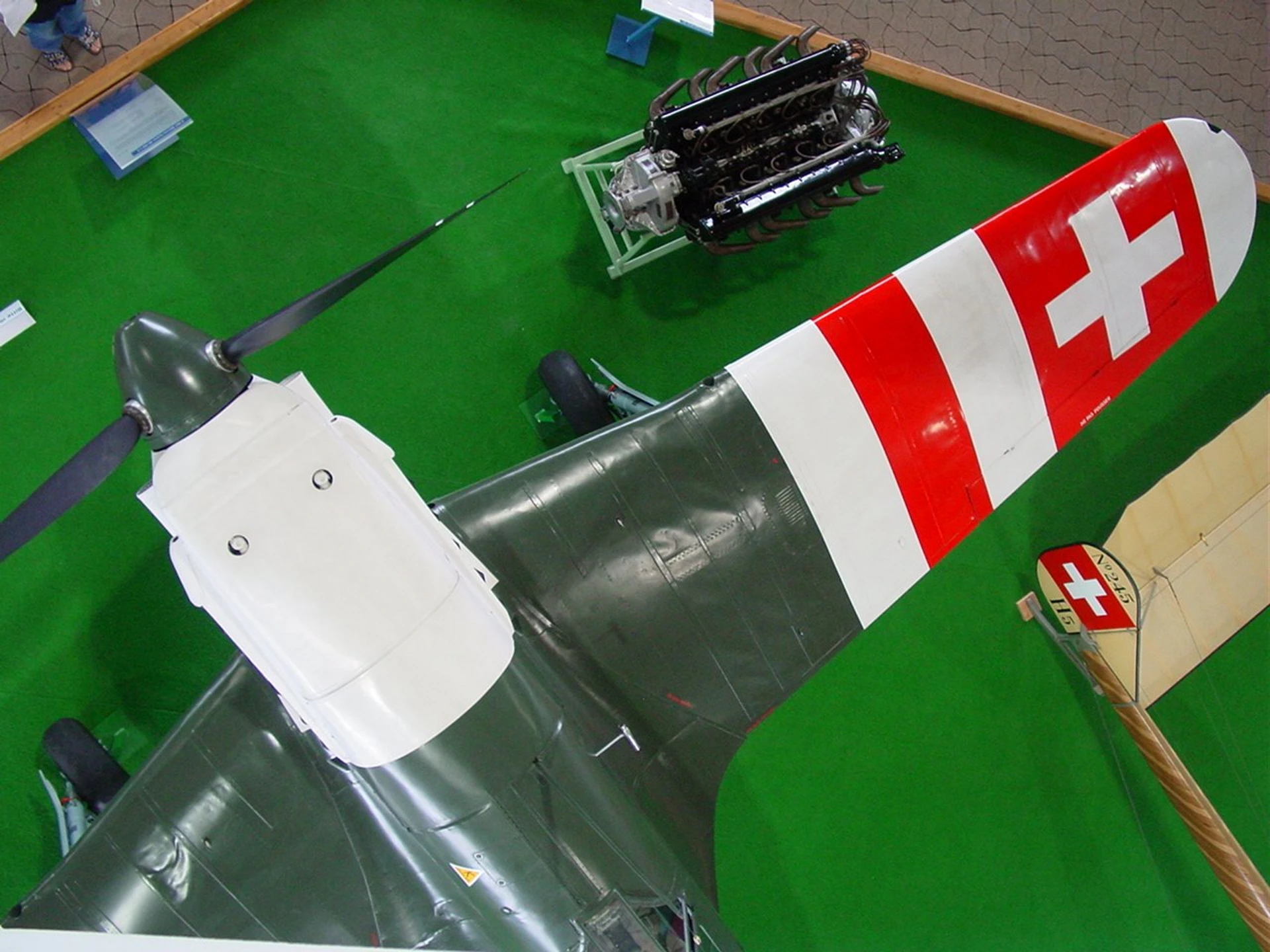
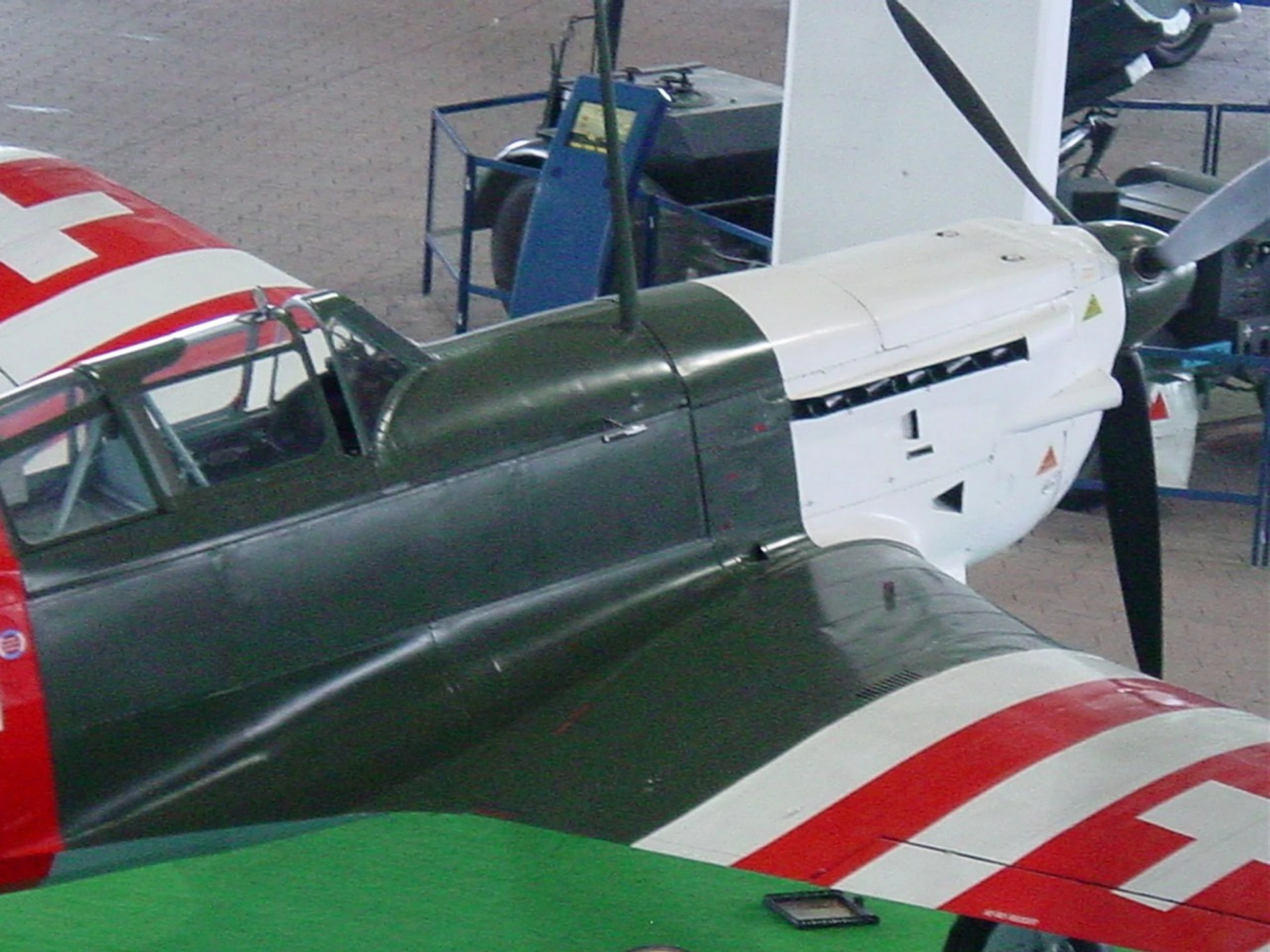
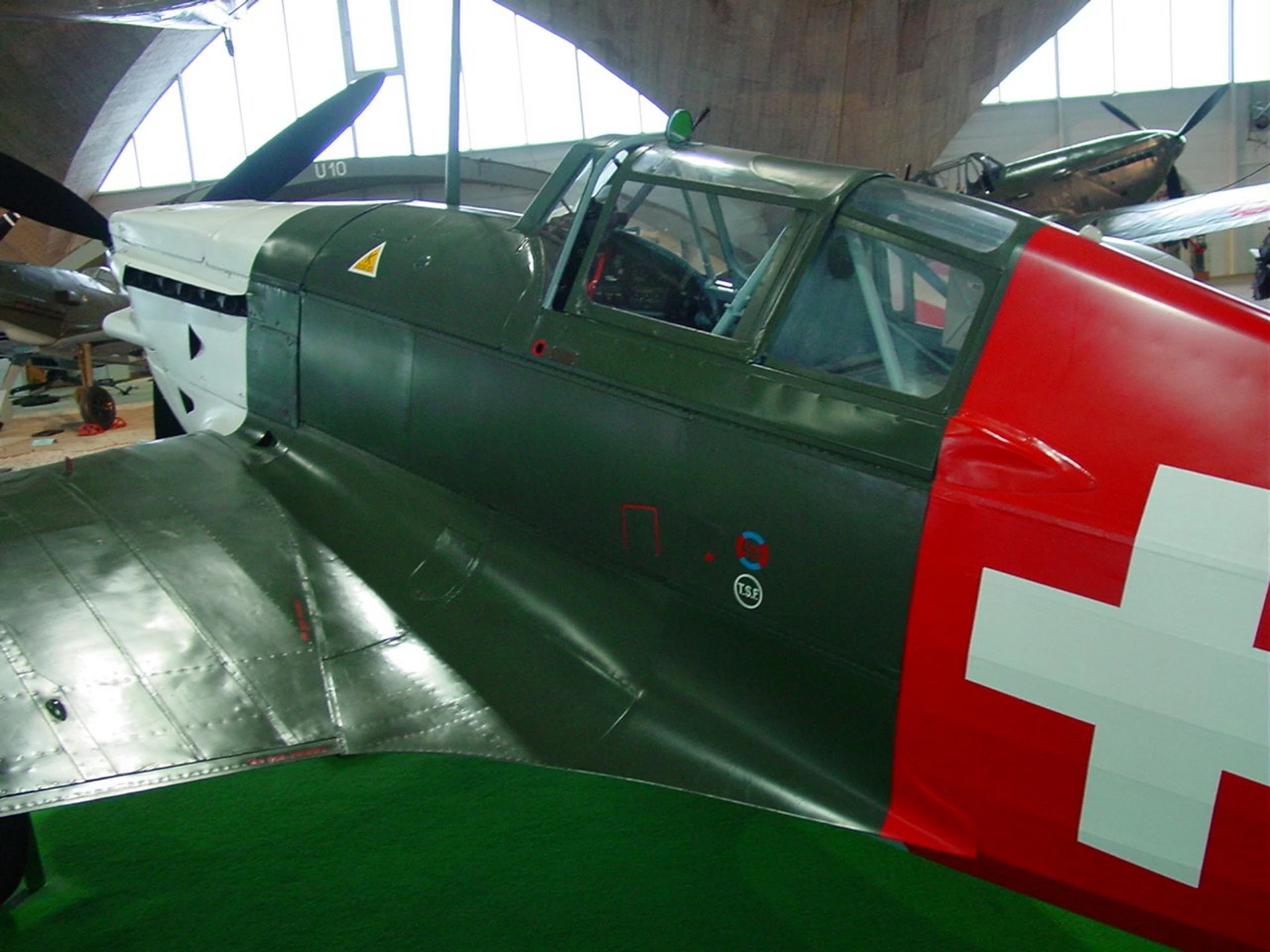
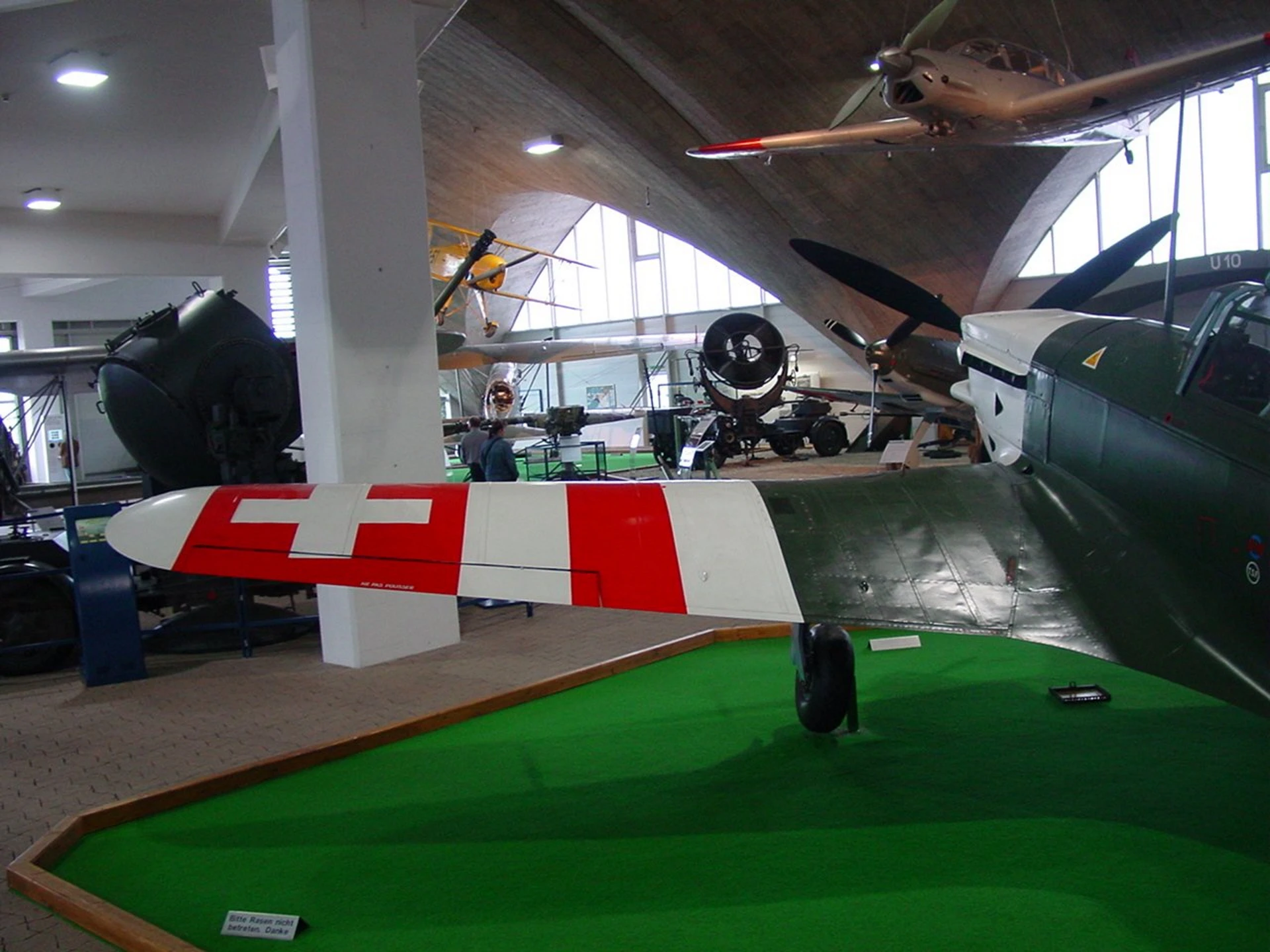

| Morane Saulnier 406 C1 Walk Around | |
|---|---|
| Photographe | Unknow |
| Localisation | Inconnu |
| Photos | 27 |
 Achetez-moi un café
Voir aussi :


The Courageous Underdog
Lla Morane-Saulnier M.S.406 was the backbone of the French Armée de l’Air at the start of World War II. When it entered service in 1938, it was a modern marvel—the first French fighter to exceed 480 km/h and feature retractable landing gear. However, the pace of aviation technology in the late 1930s was blistering. By the time the Battle of France began in May 1940, the Morane was outclassed by the German Messerschmitt Bf 109E in speed and climb rate. Despite this, French pilots fought gallantly, using the aircraft’s exceptional maneuverability to stay alive in lopsided dogfights.
| Attribute | Technical Specification (M.S.406 C1) |
|---|---|
| Rôle | Chasseur |
| Crew | 1 (Pilot) |
| First Flight | August 8, 1935 (as M.S.405) |
| Groupe motopropulseur | 1 × Hispano-Suiza 12Y-31 liquid-cooled V12 |
| Horsepower | 860 hp (641 kW) |
| Vitesse maximale | 486 km/h (302 mph) |
| Armement principal | 1 × 20 mm Hispano-Suiza HS.404 cannon (engine-mounted) |
| Armement secondaire | 2 × 7.5 mm MAC 1934 machine guns (wings) |
Engineering: « Plymax » and Pneumatics
- The Plymax Skin: To save weight and strategic metals, the M.S.406 utilized a unique material called Plymax. This was a composite of thin aluminum sheet bonded to a thicker layer of plywood. While it provided a smooth surface, it was difficult to repair in the field. [Image diagram of the Morane-Saulnier M.S.406 internal structure showing the mixed metal and wood construction]
- Engine-Mounted Cannon: The Morane was one of the first fighters to successfully utilize a moteur-canon. The 20mm Hispano-Suiza cannon was mounted between the engine cylinder banks, firing directly through the propeller hub for perfect accuracy.
- The Retractable Radiator: To reduce drag at high speeds, the pilot could partially retract the coolant radiator into the belly of the fuselage. However, this system was prone to battle damage and mechanical failure.
- Pneumatic Systems: Unlike many contemporary fighters that used hydraulics, the M.S.406 relied heavily on compressed air for operating the landing gear, flaps, and even the brakes. A leak in the pneumatic lines often meant a crash landing. [Image detail of the M.S.406 landing gear and pneumatic retraction mechanism]
The Finnish « Mörkö-Morane »
- Battle of France: During May and June 1940, the M.S.406 squadrons claimed approximately 191 confirmed kills. However, they suffered heavy losses, primarily because they could not catch the German bombers they were sent to intercept or escape the faster Bf 109 escorts.
- Swiss and Finnish Service: The Morane found its greatest success outside of France. Switzerland built their own improved versions (D-3801), and Finland became the aircraft’s most famous operator, using it with high efficiency against Soviet forces.
- The Mörkö-Morane (Ghost Morane): Finnish engineers performed a radical « heart transplant » on their captured Moranes, replacing the weak French engine with captured Soviet Klimov M-105 engines. This hybrid was significantly faster and more dangerous, staying in service until 1948.
- Vichy Air Force: After the armistice, the M.S.406 continued to fly for the Vichy French government, seeing combat against British forces in Syria and Lebanon in 1941.
Vues : 5152
Vous pouvez voir aussi :
 Stout Bushmaster 2000 – Photos & Vidéos
 Garde-corps Beechcraft RC-12 – Photos et vidéos
 Cessna 310 – Photos et vidéos
 Curtiss P-36 Hawk – Photos & Vidéos
 Cessna T-37 Tweet – Photos et vidéos
 Boeing KC-97 Stratofreighter – Photos & Vidéos
 Fokker S.14 Machtrainer – Photos & Vidéos
 Aichi D3A – Photos & Vidéos
 B-35 – de Havilland Mosquito – WalkAround
 Mirage IIIC – WalkAround