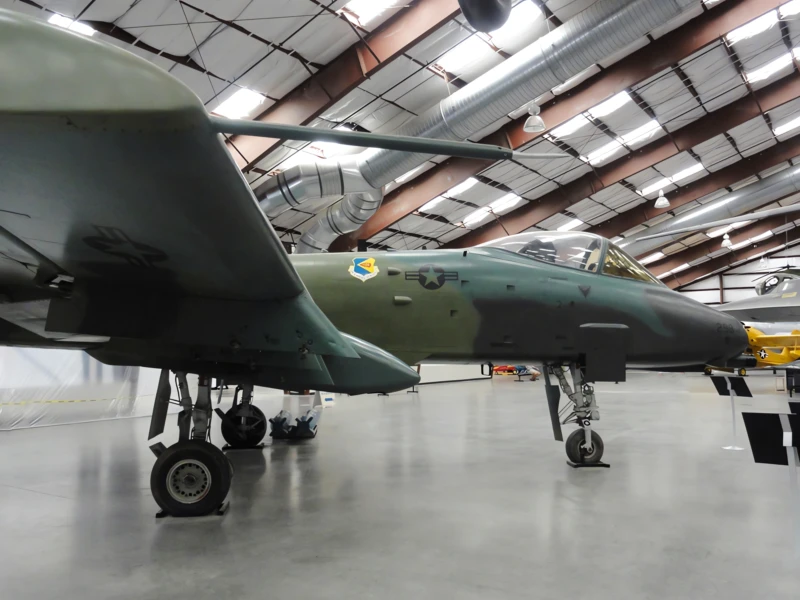
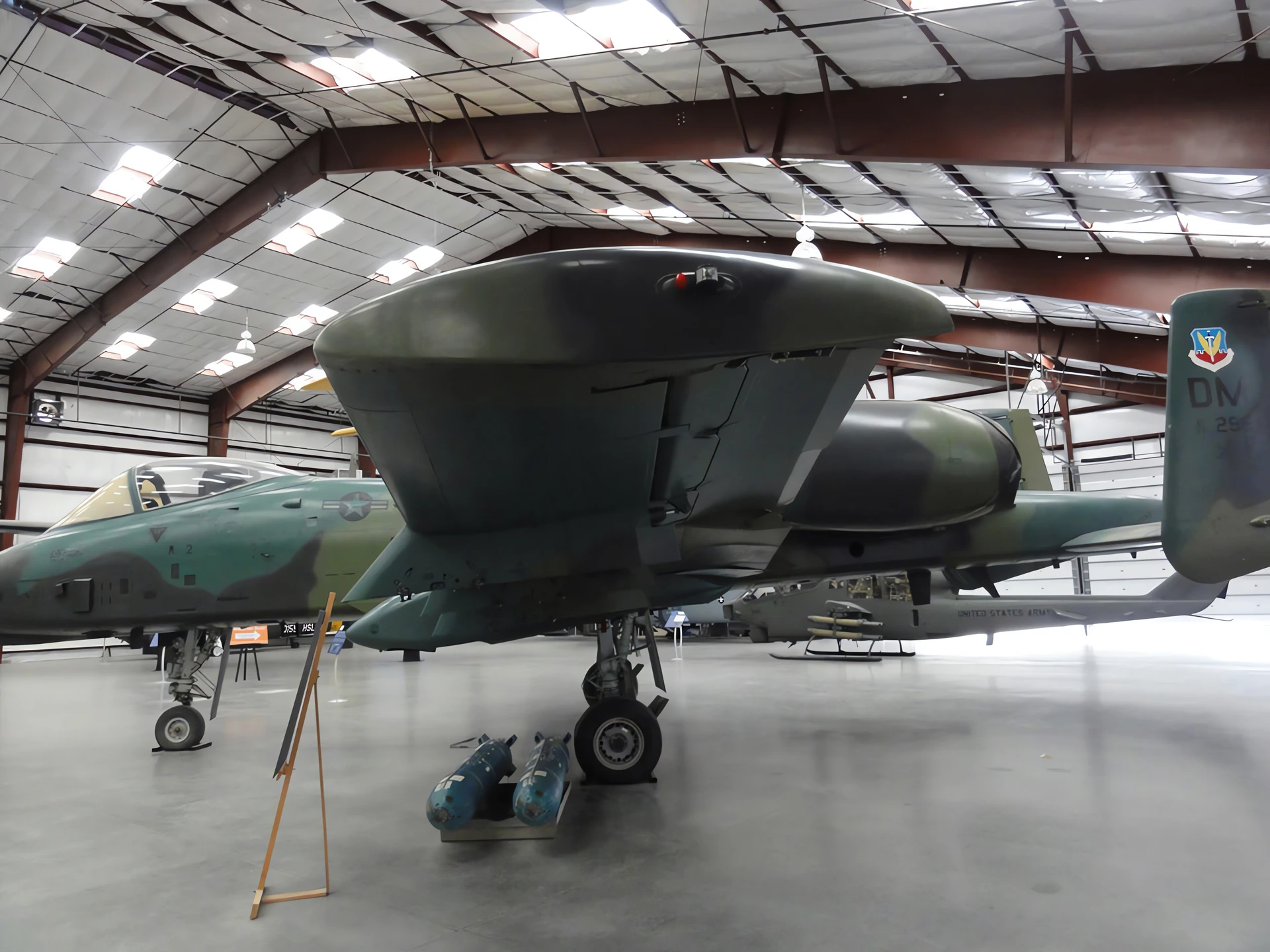
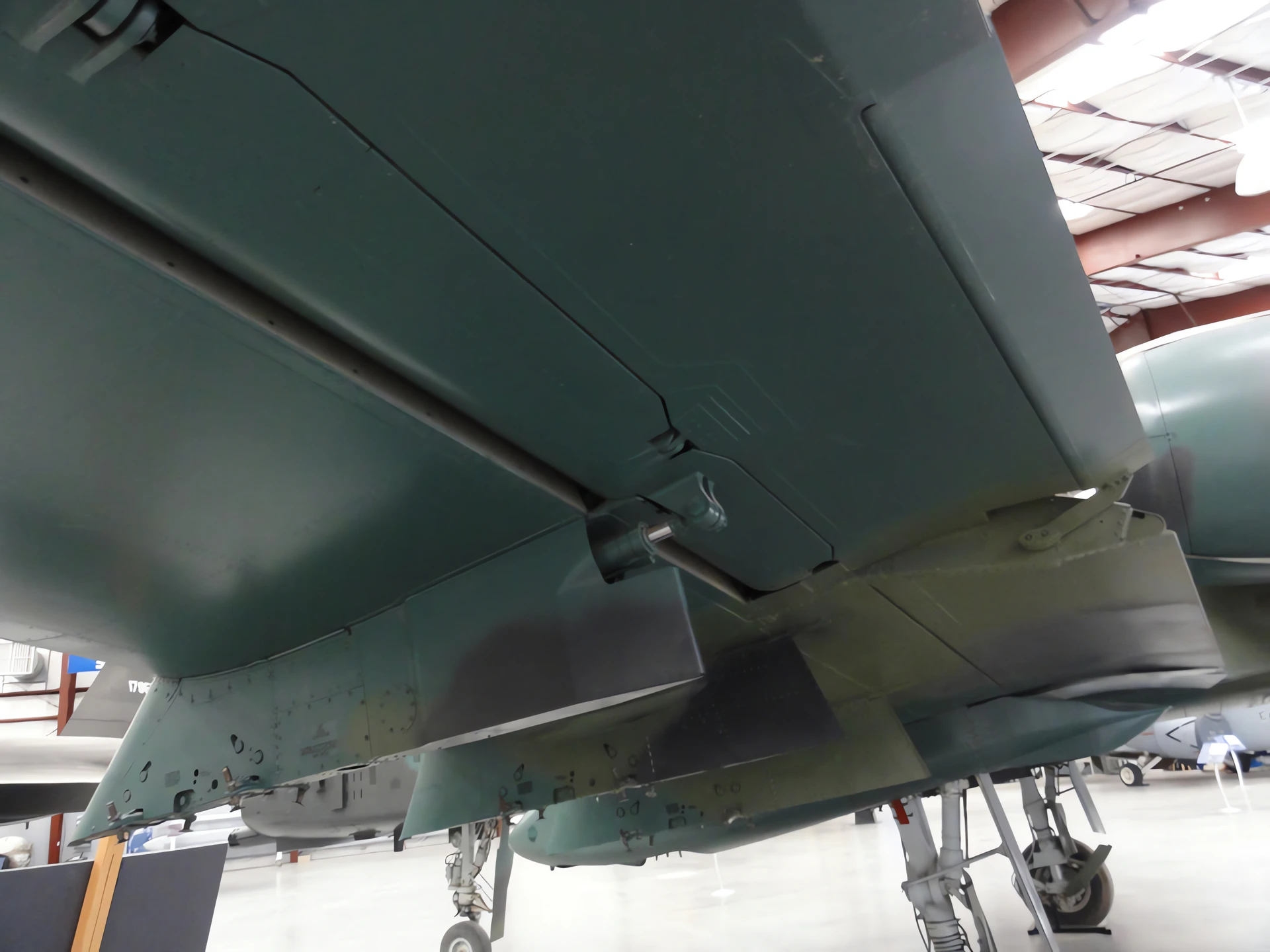
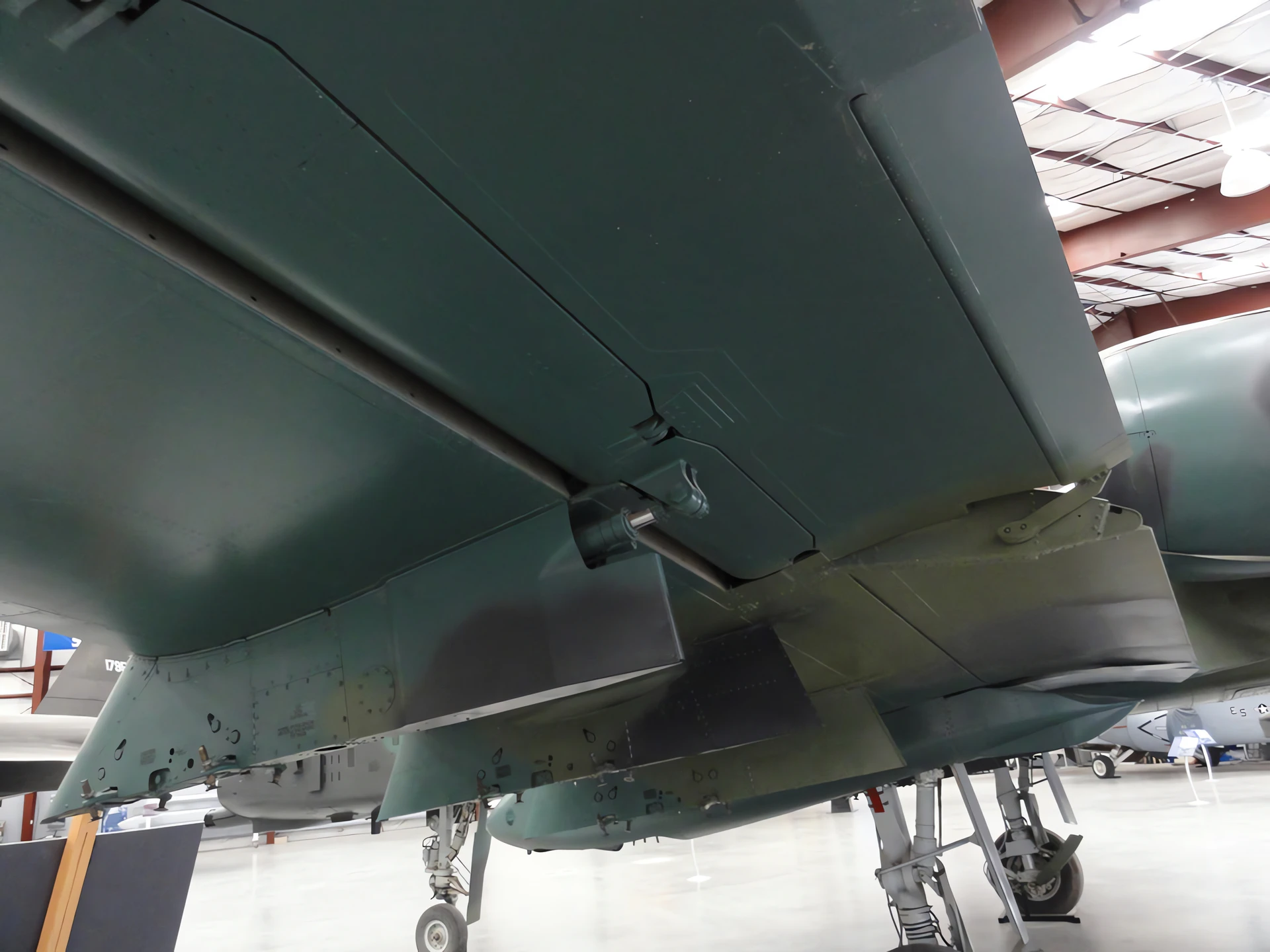
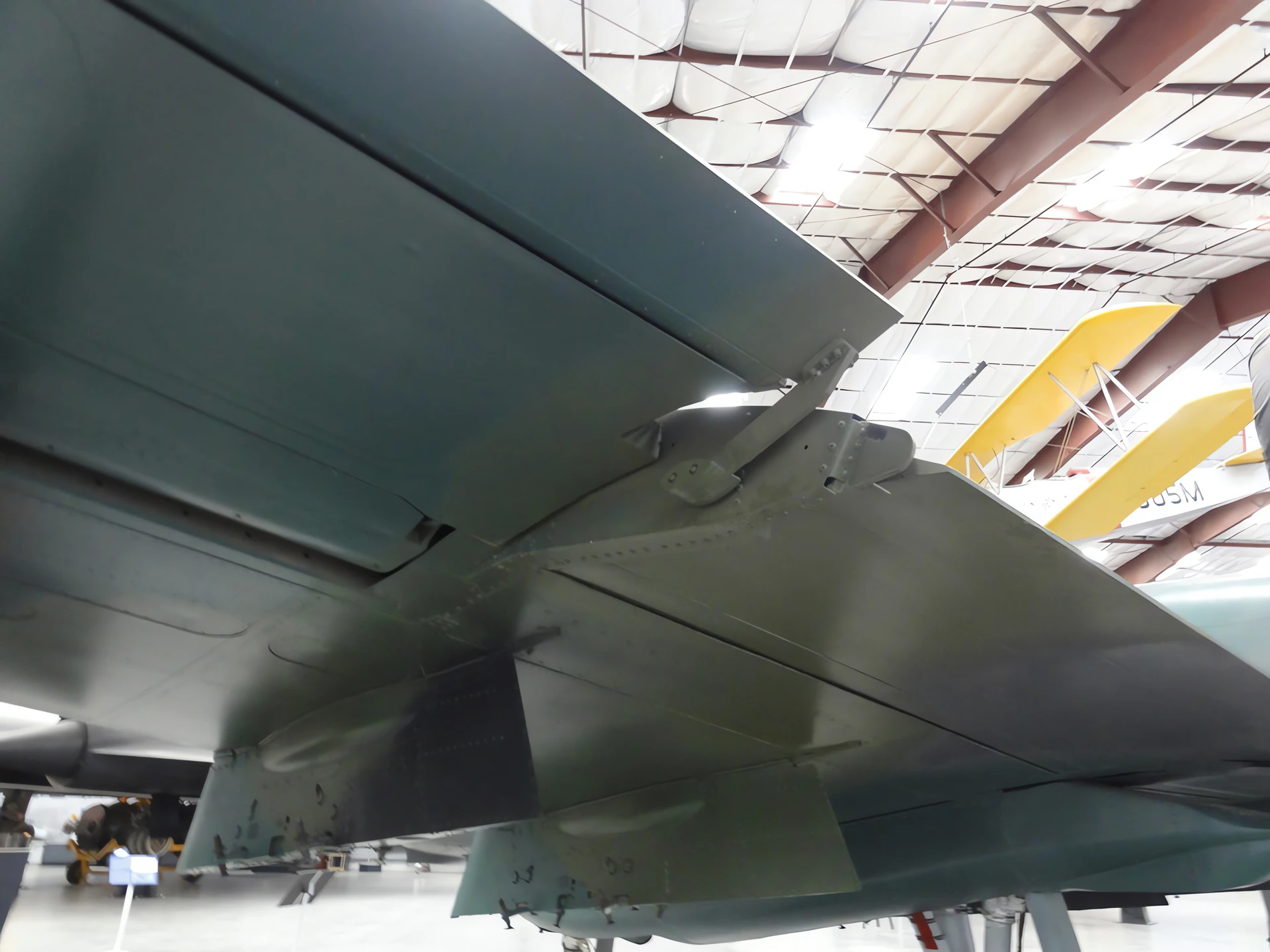
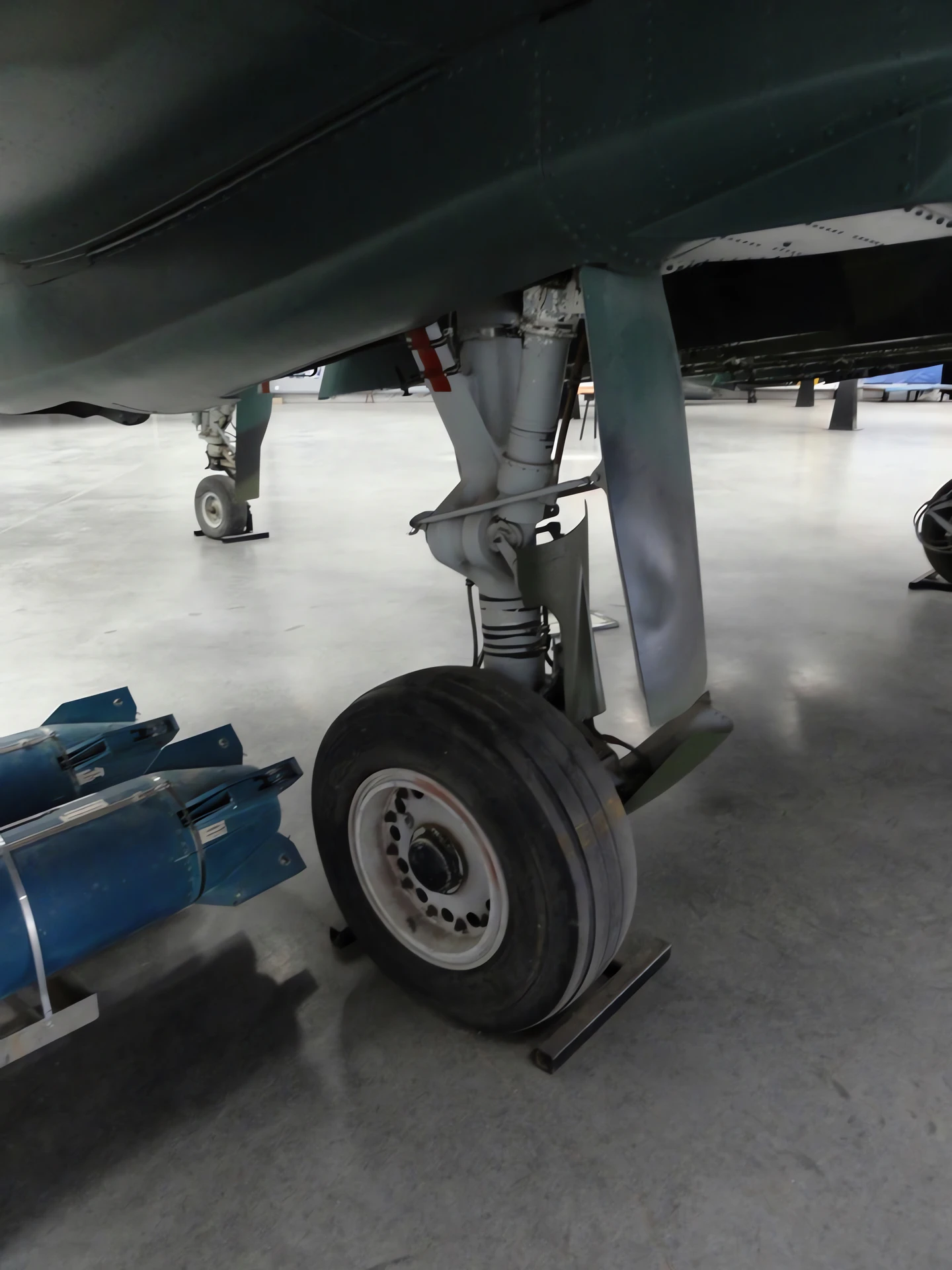
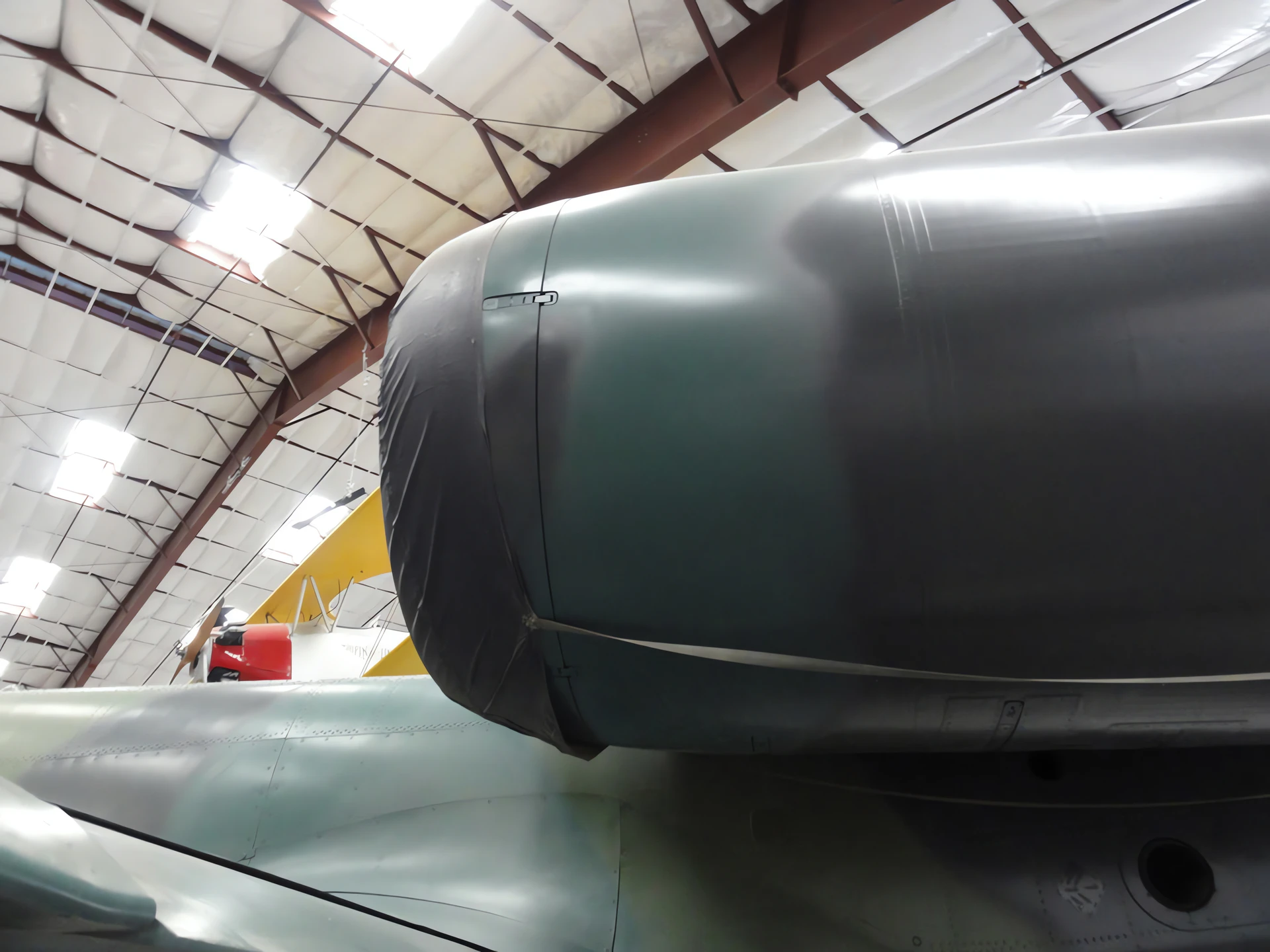
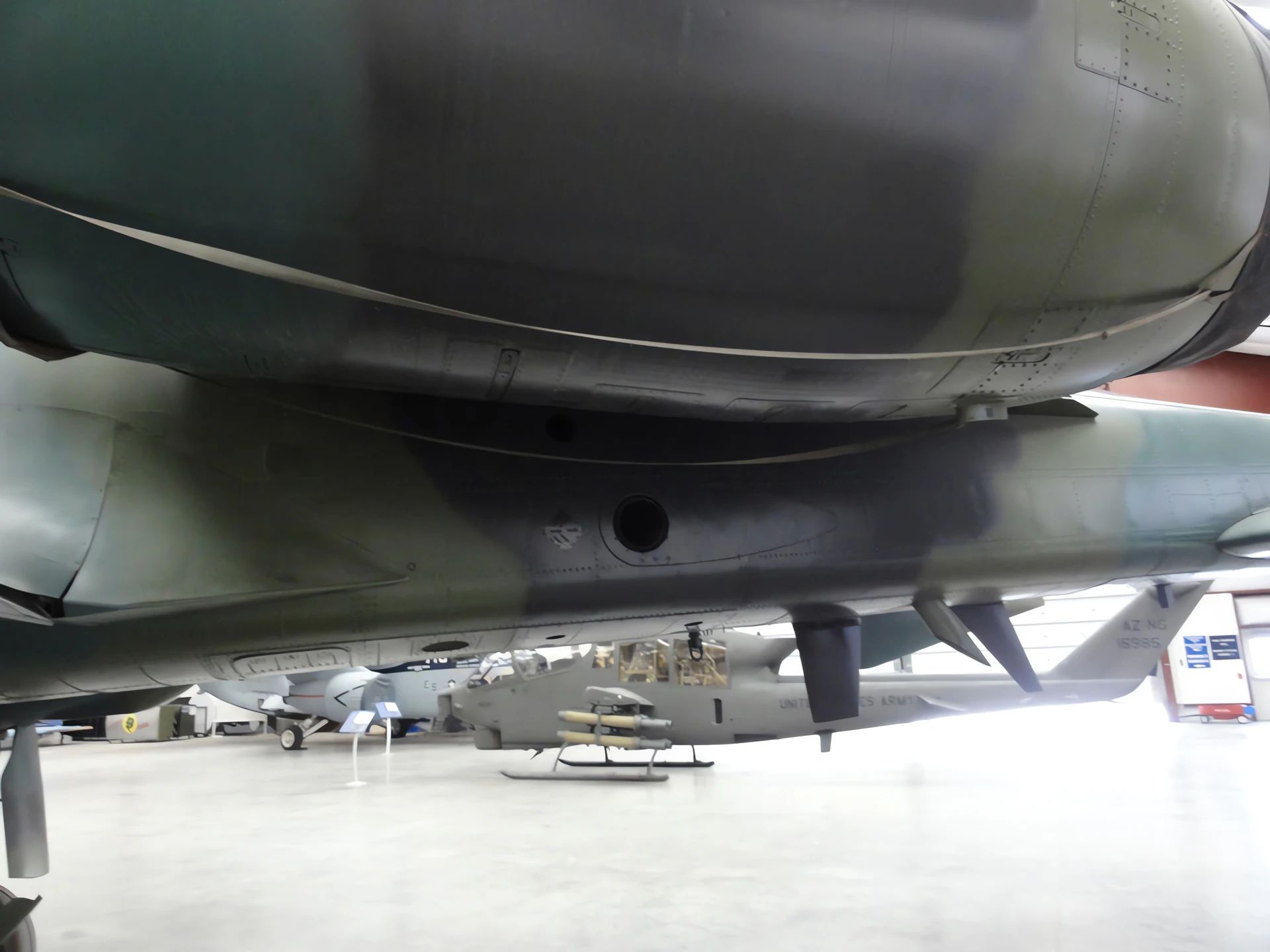
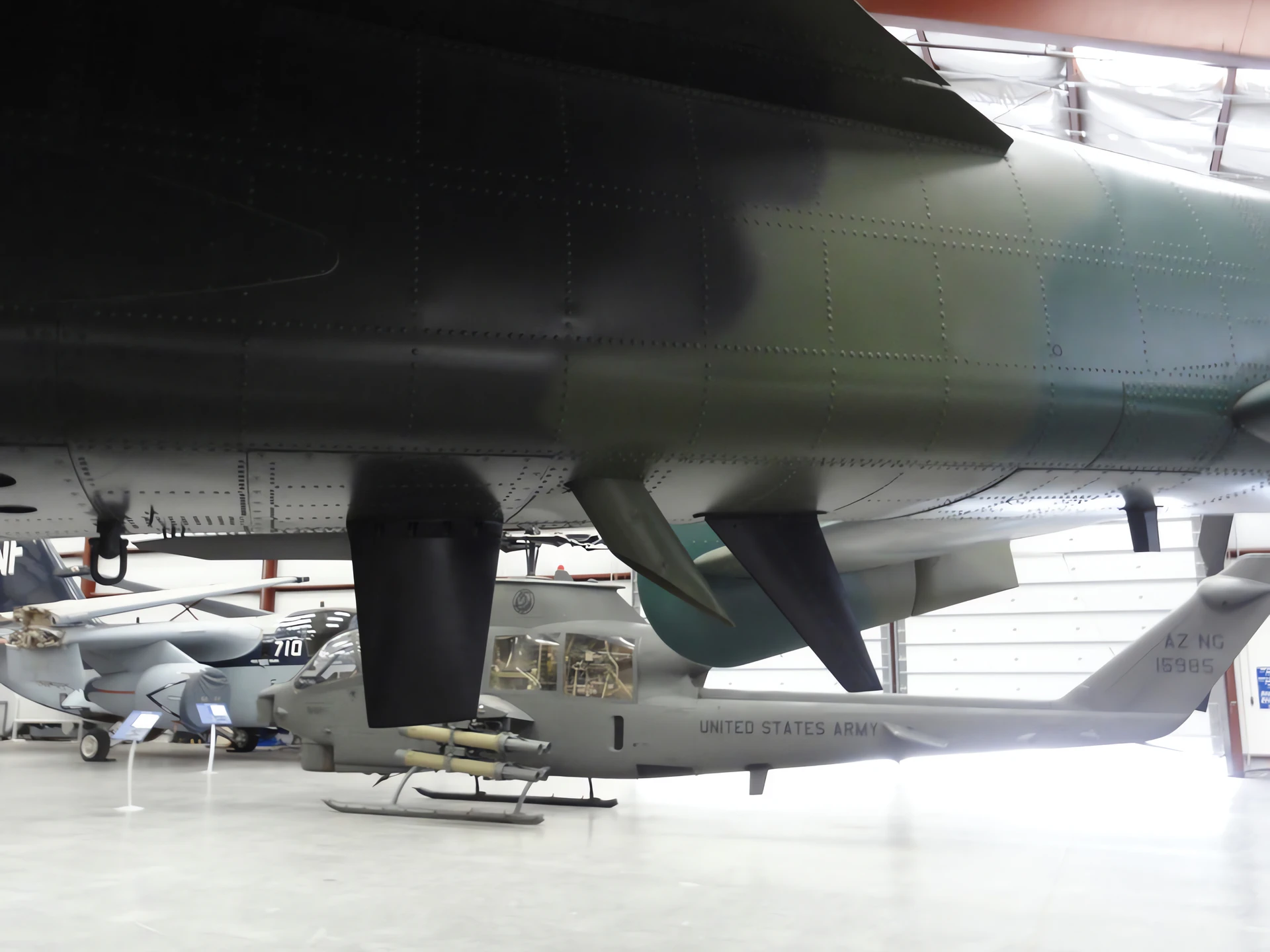
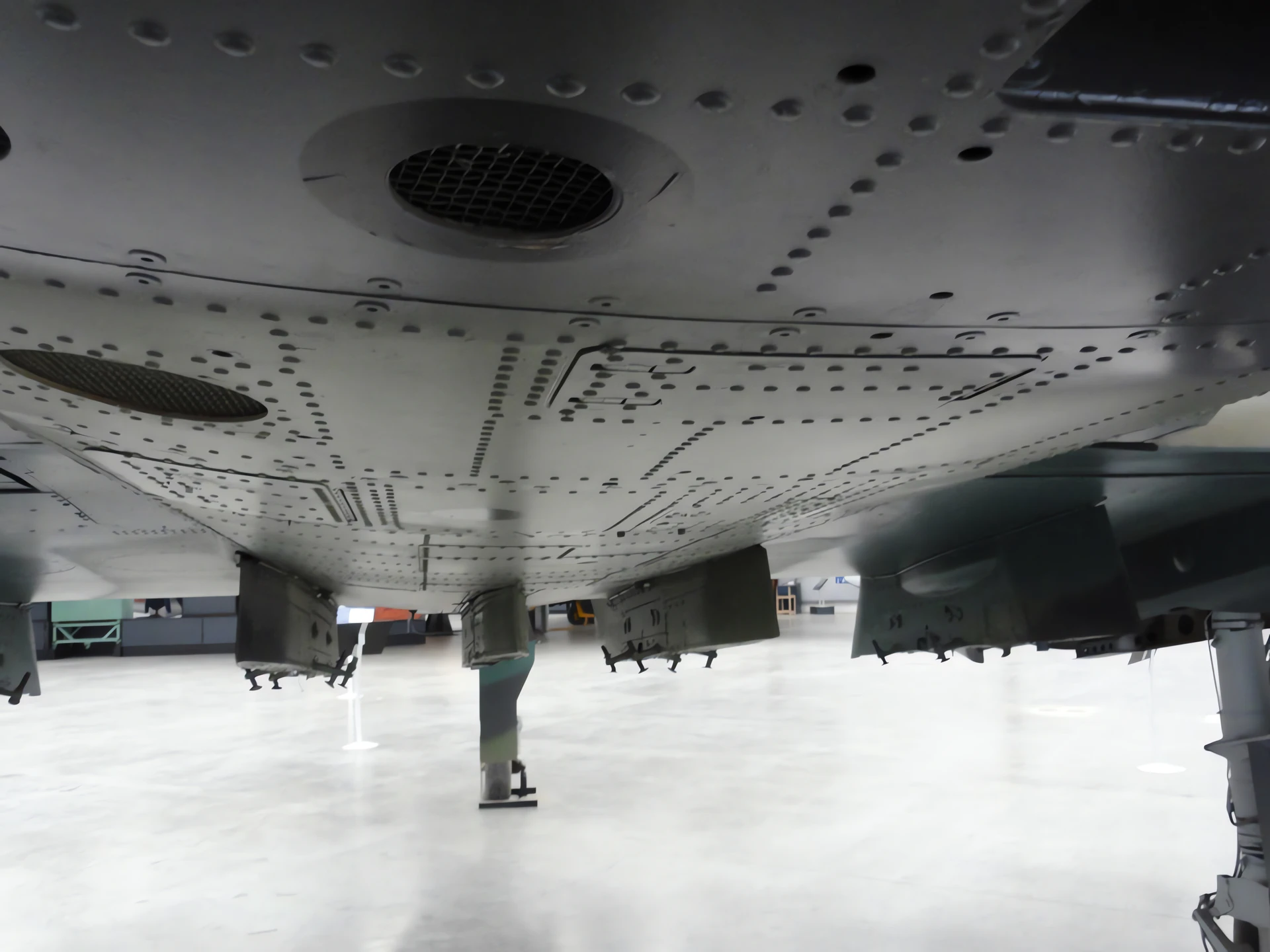
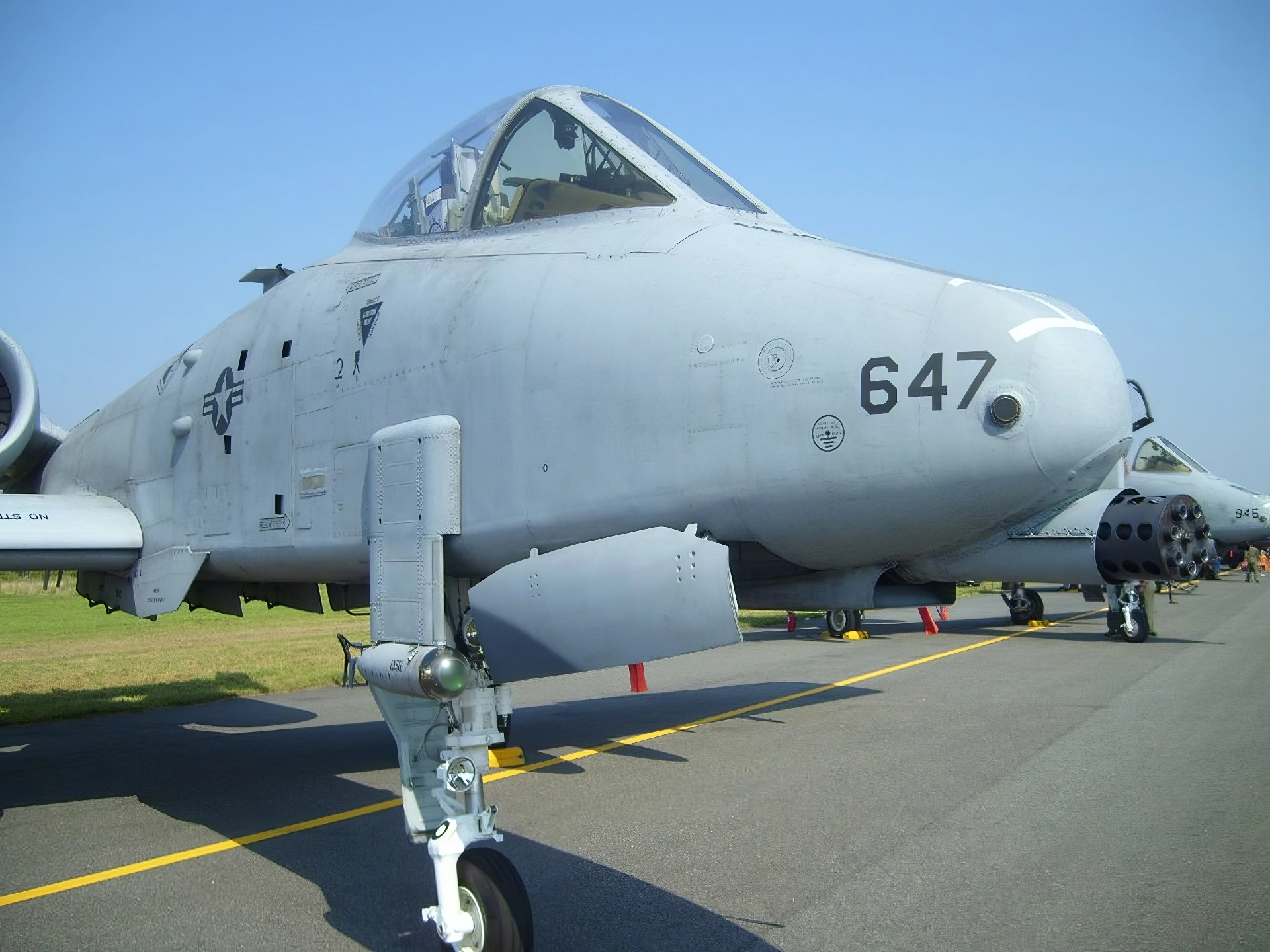
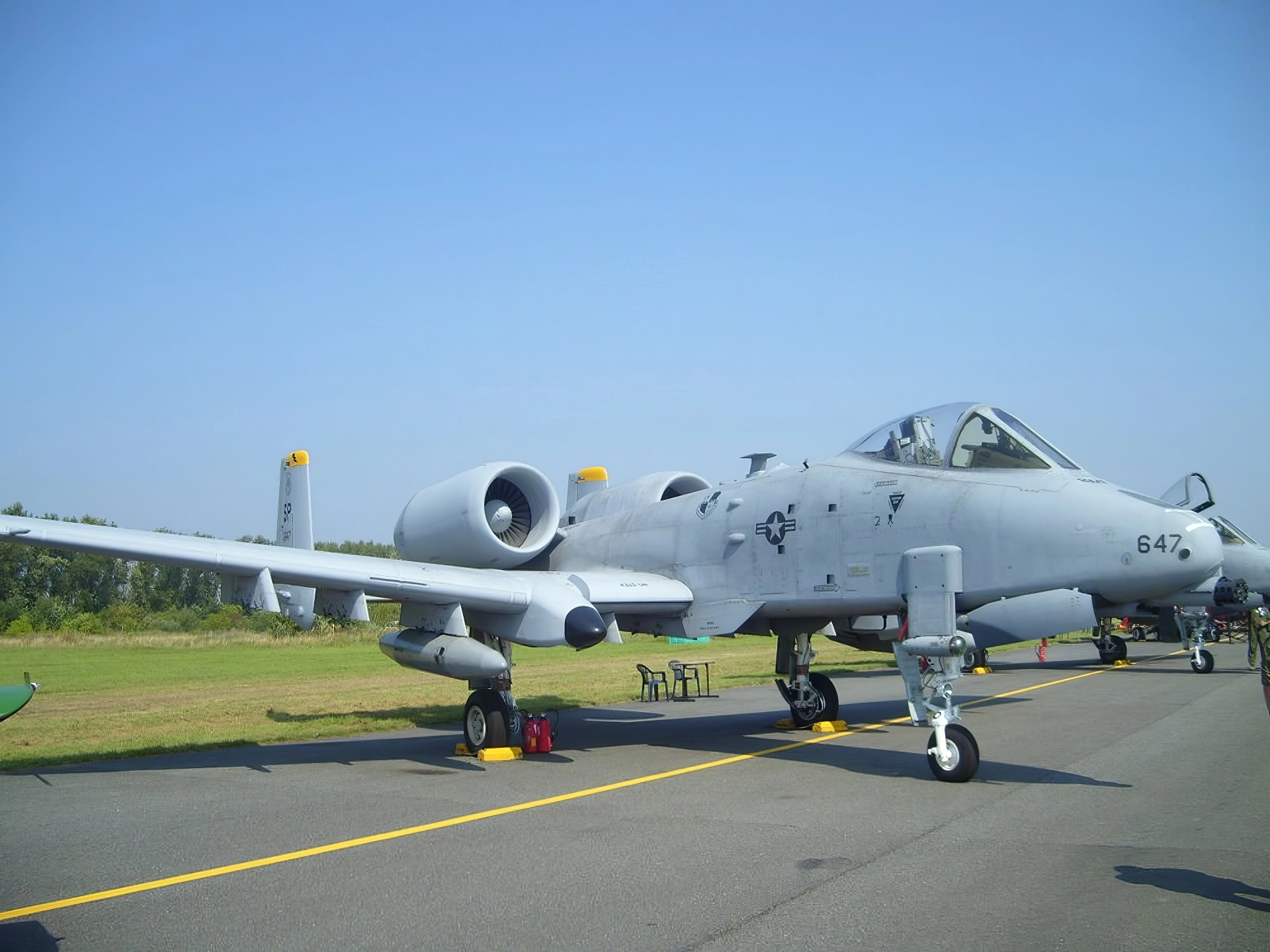
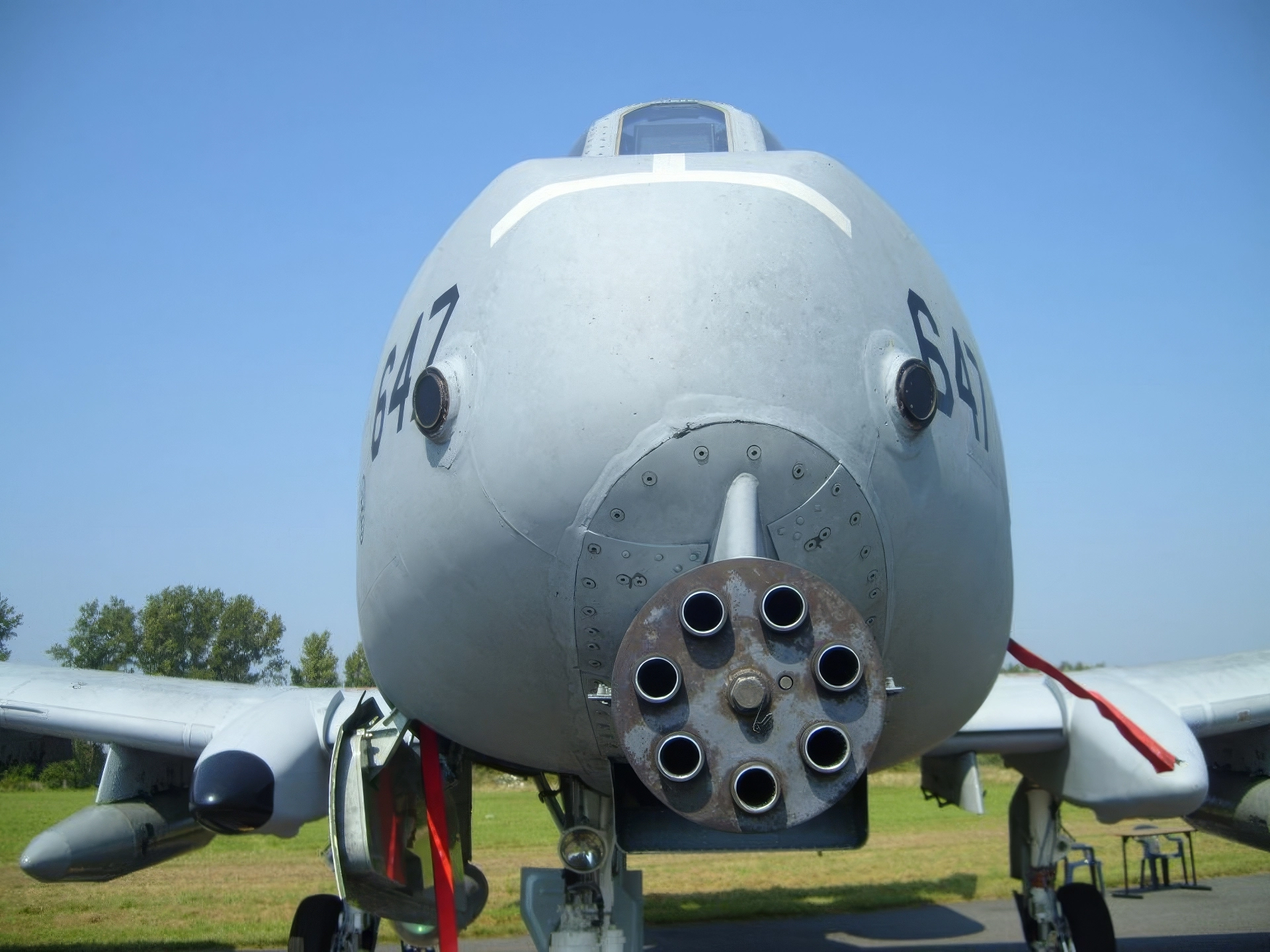
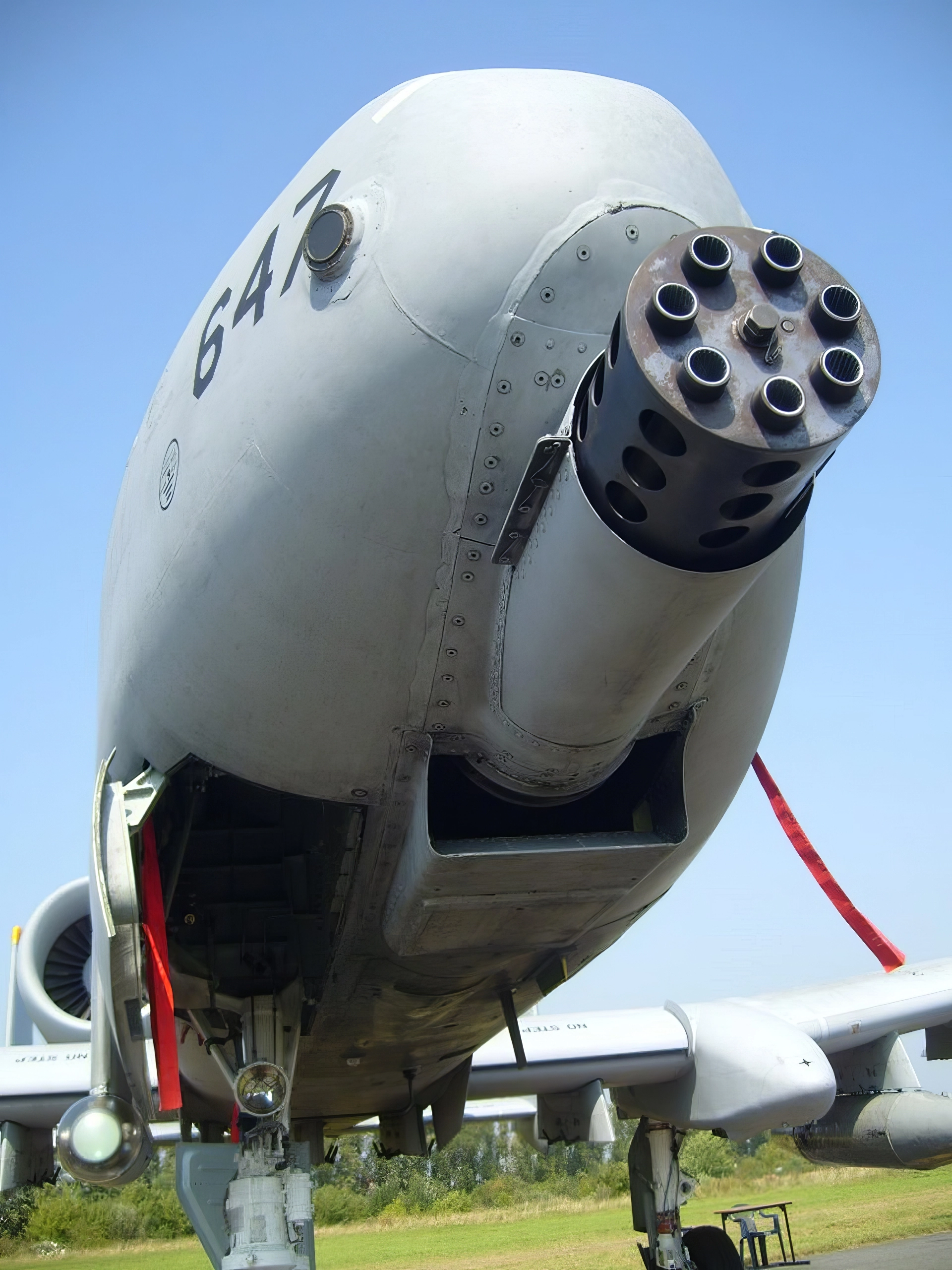
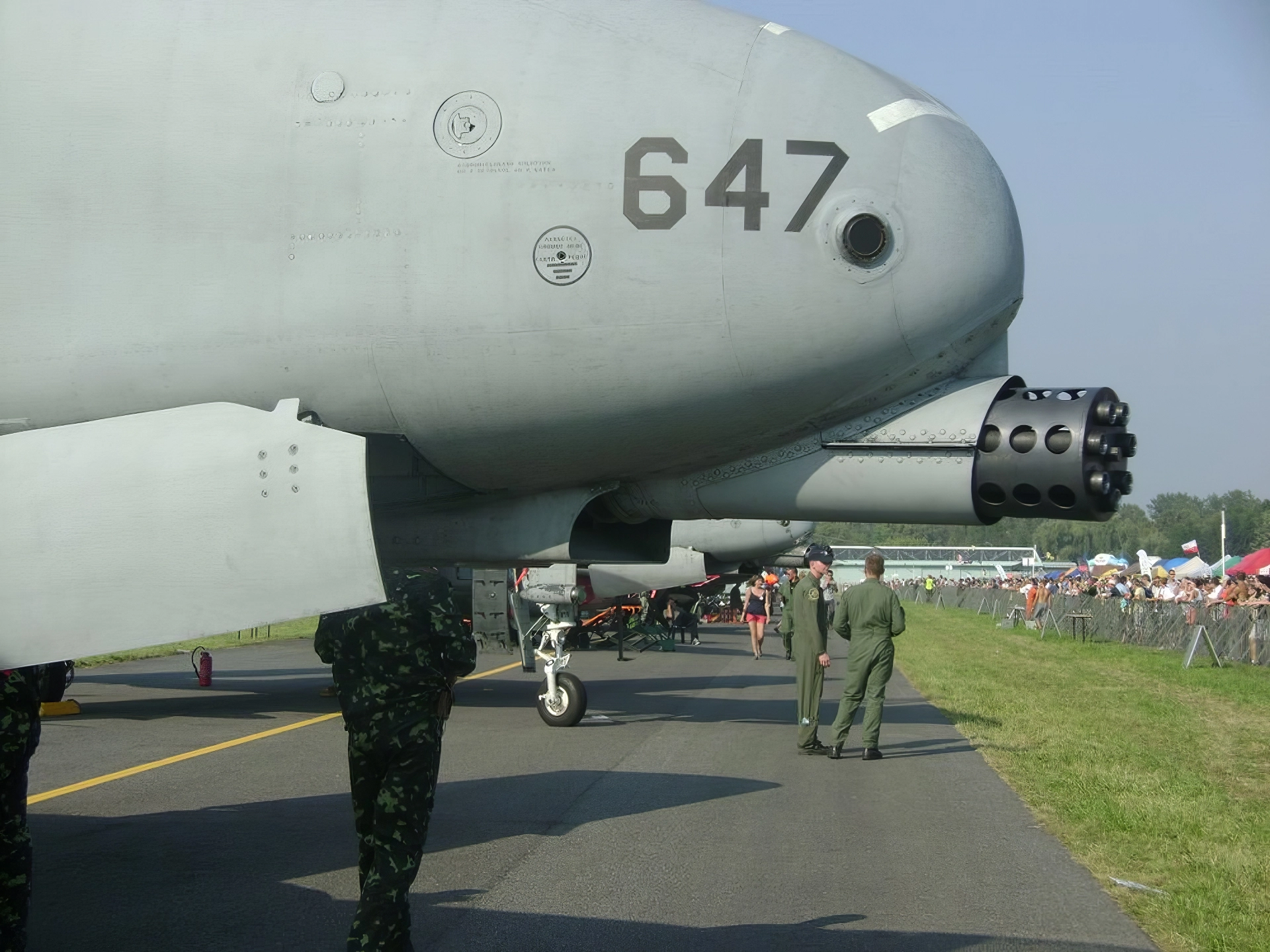
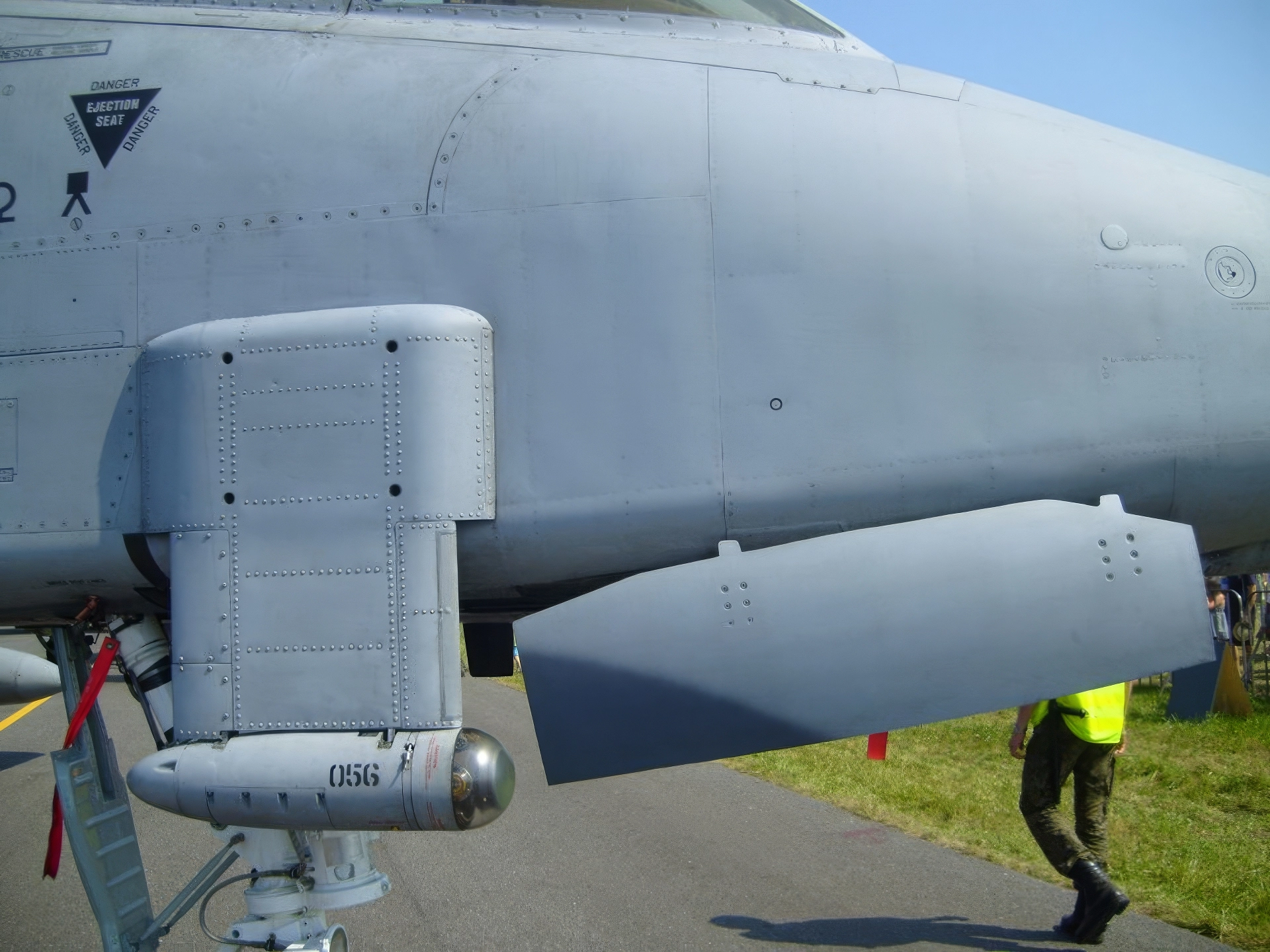
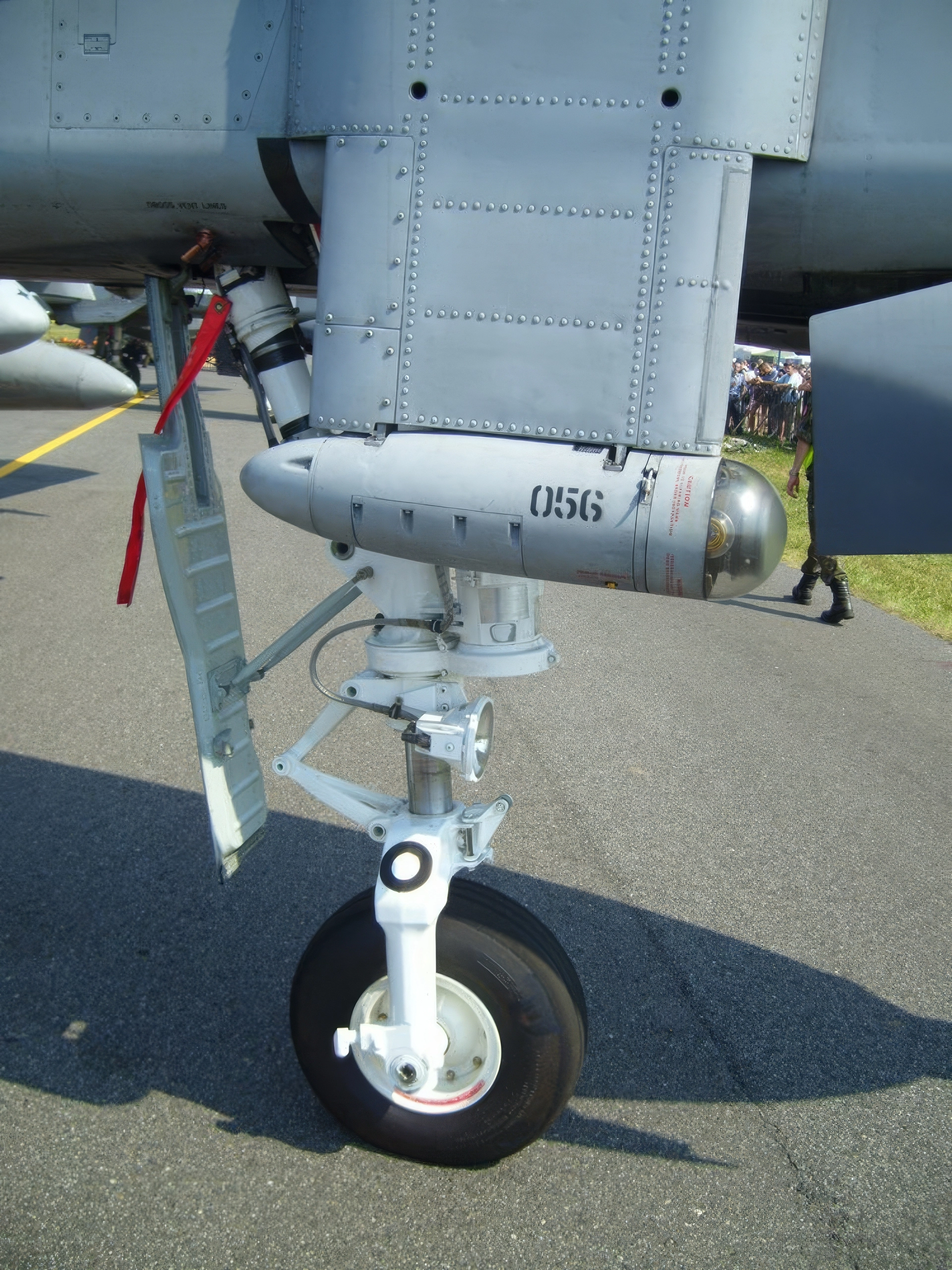
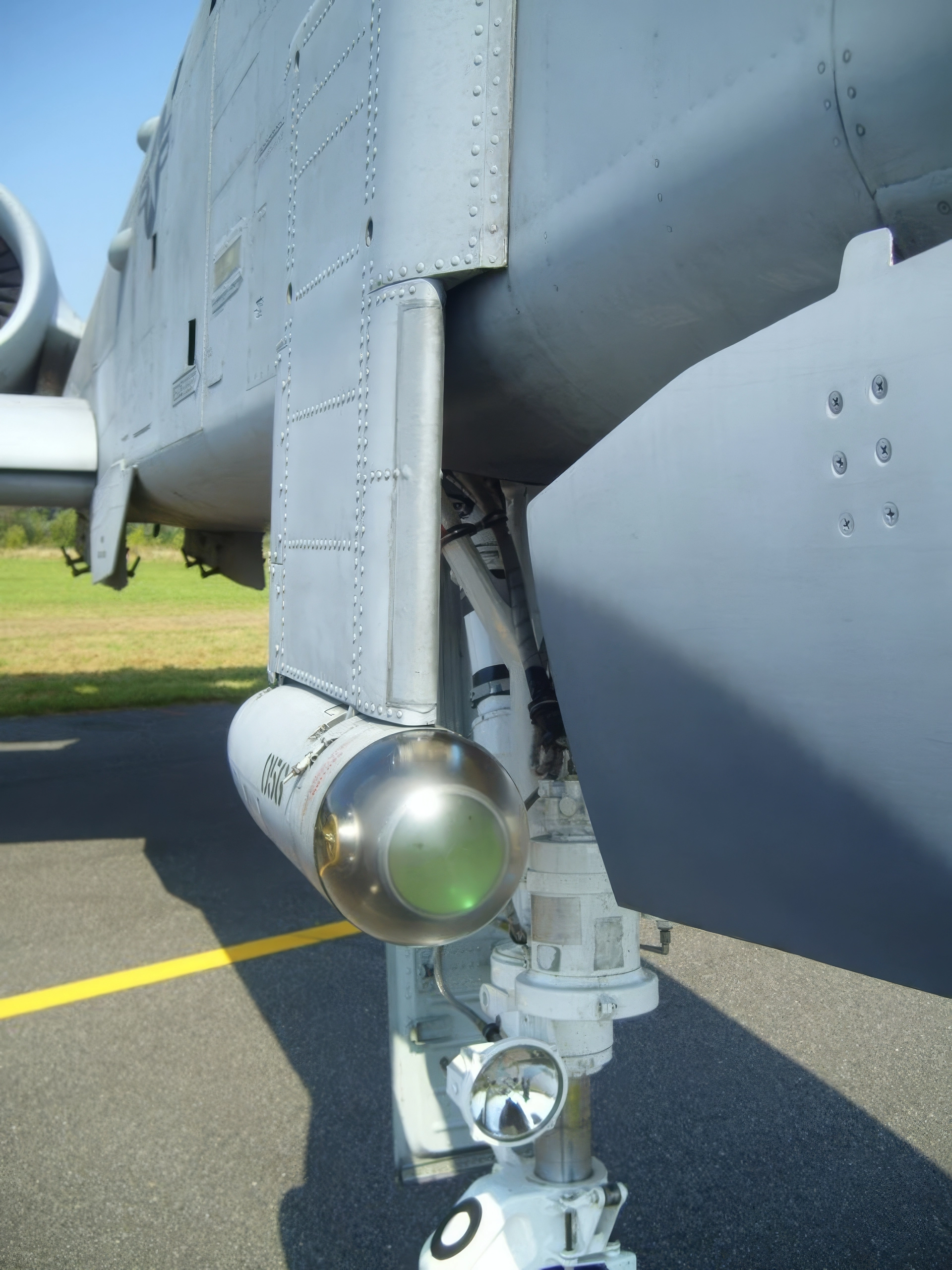
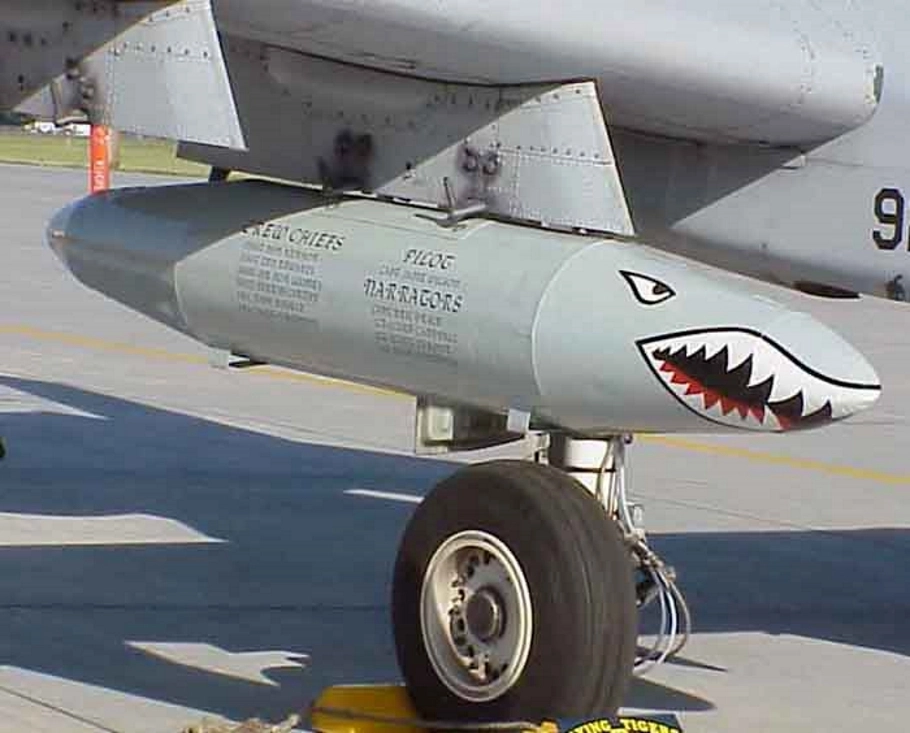
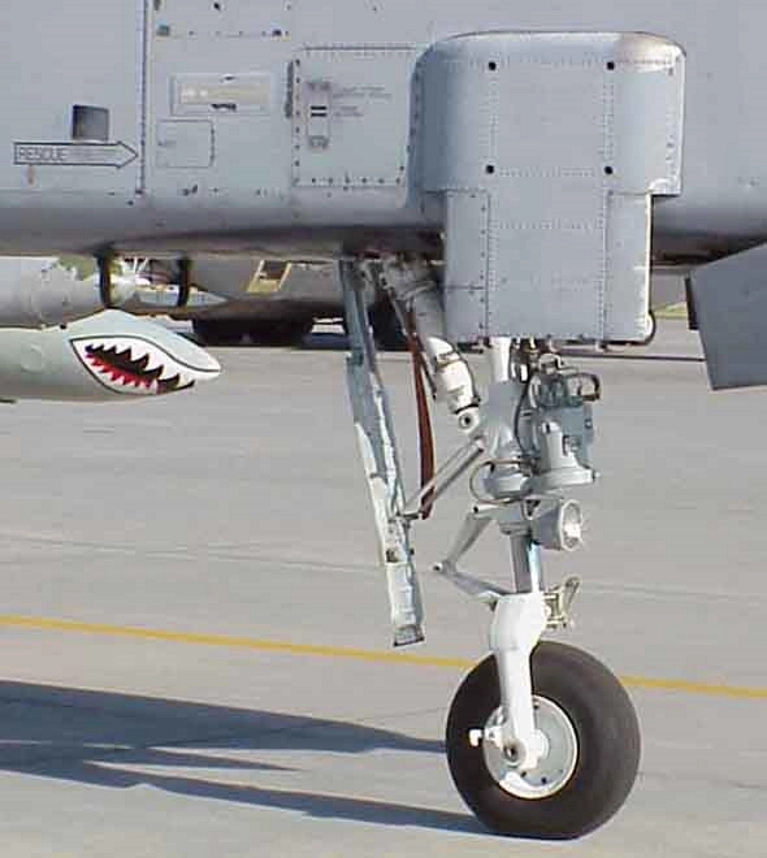
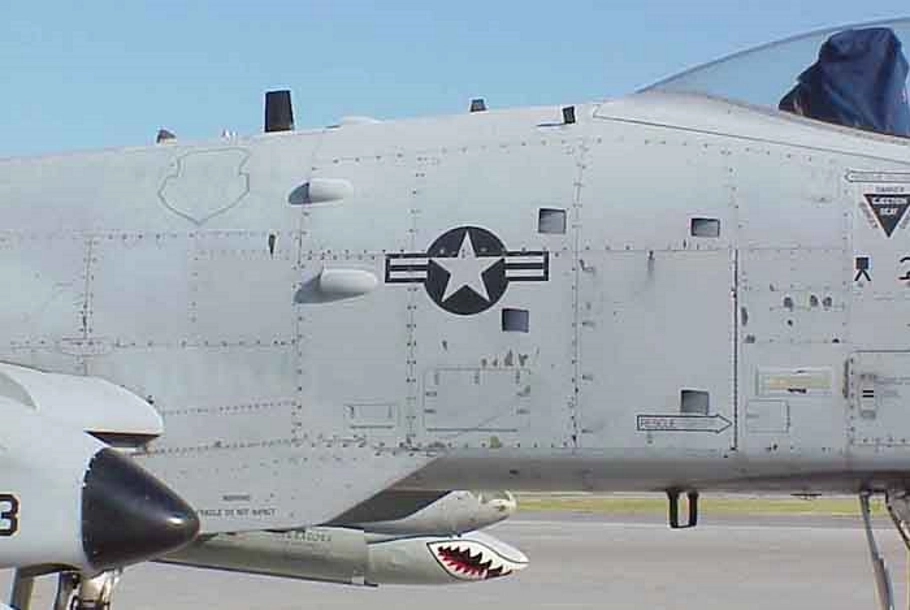
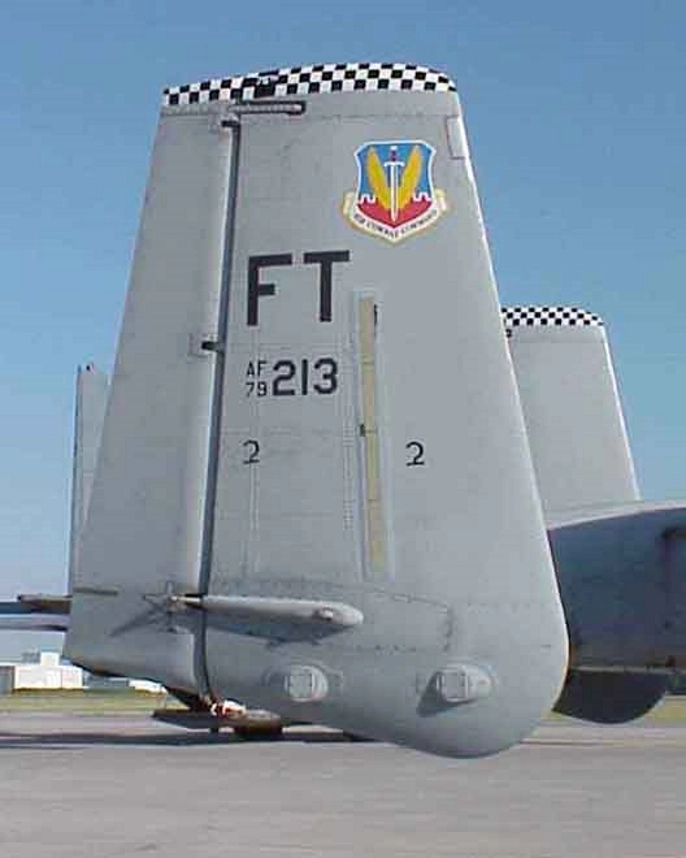
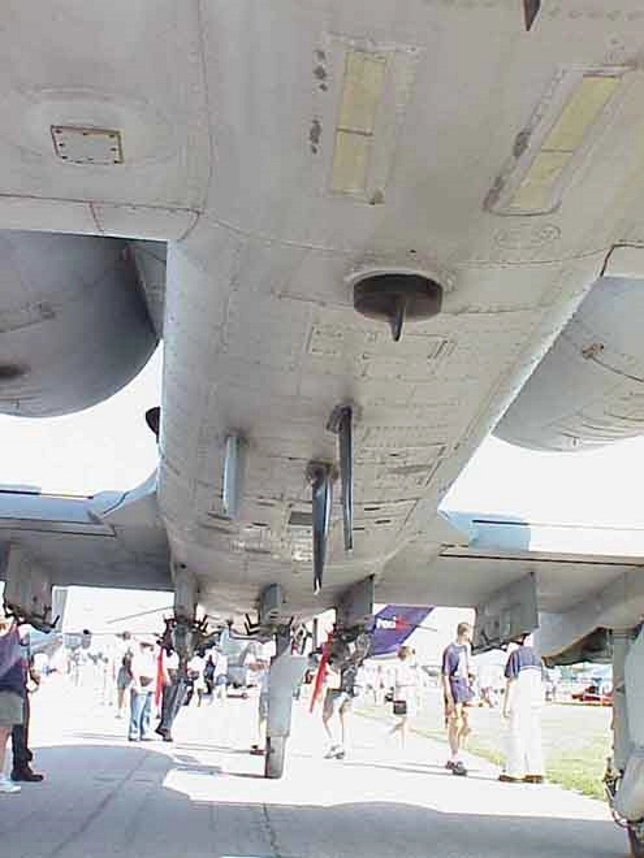
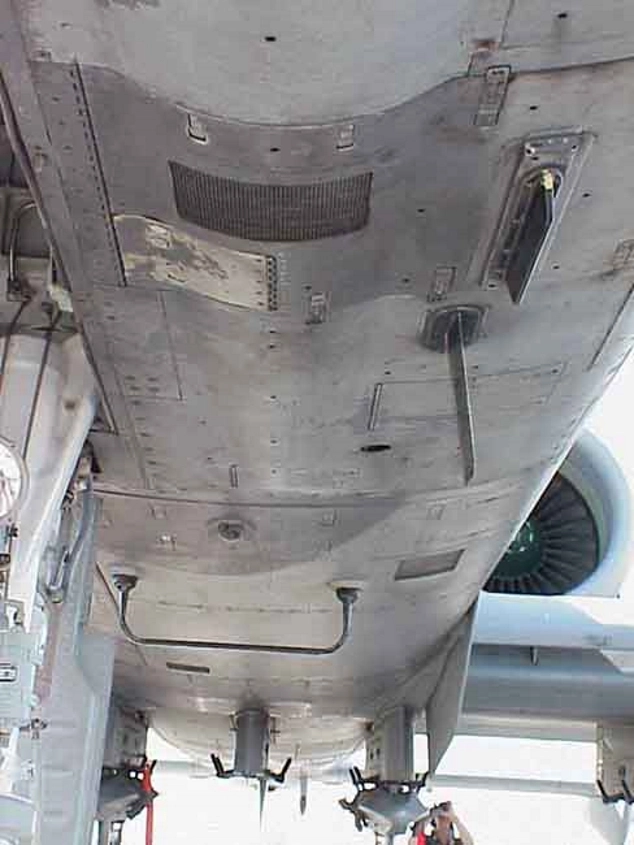
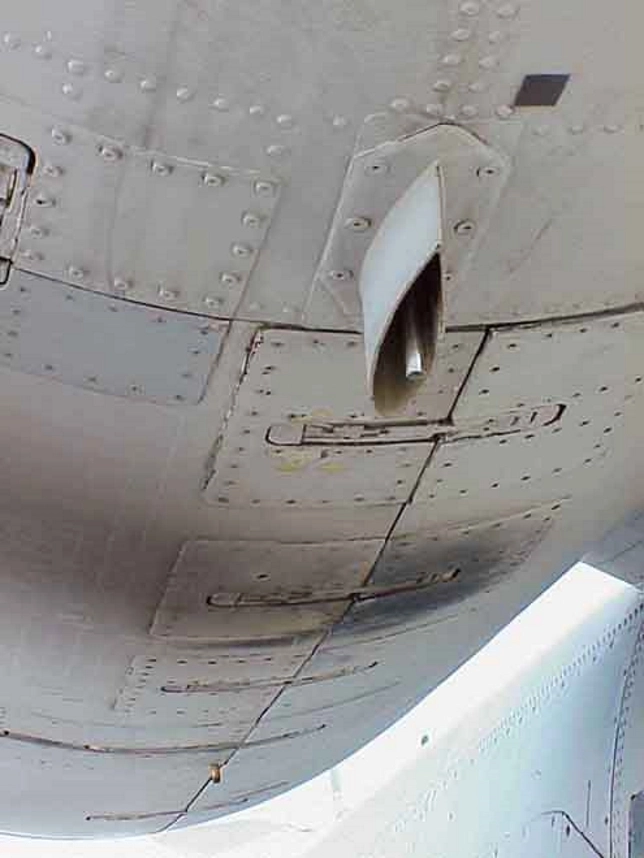
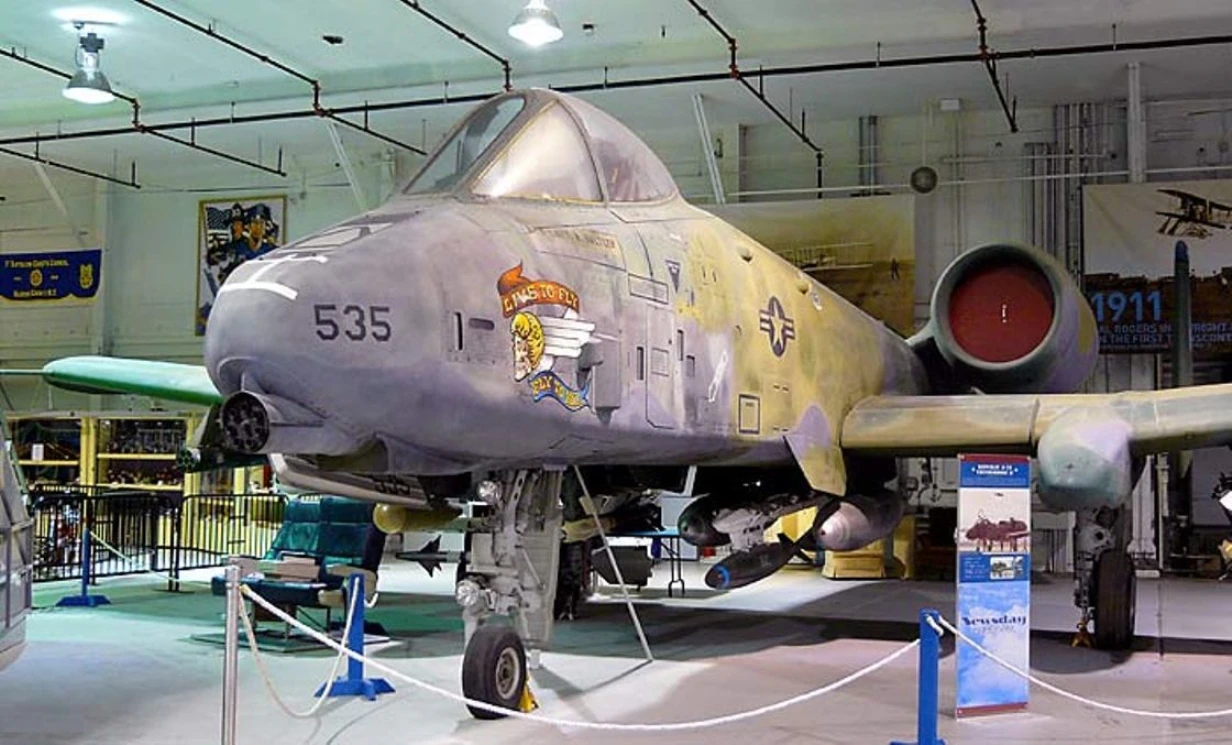
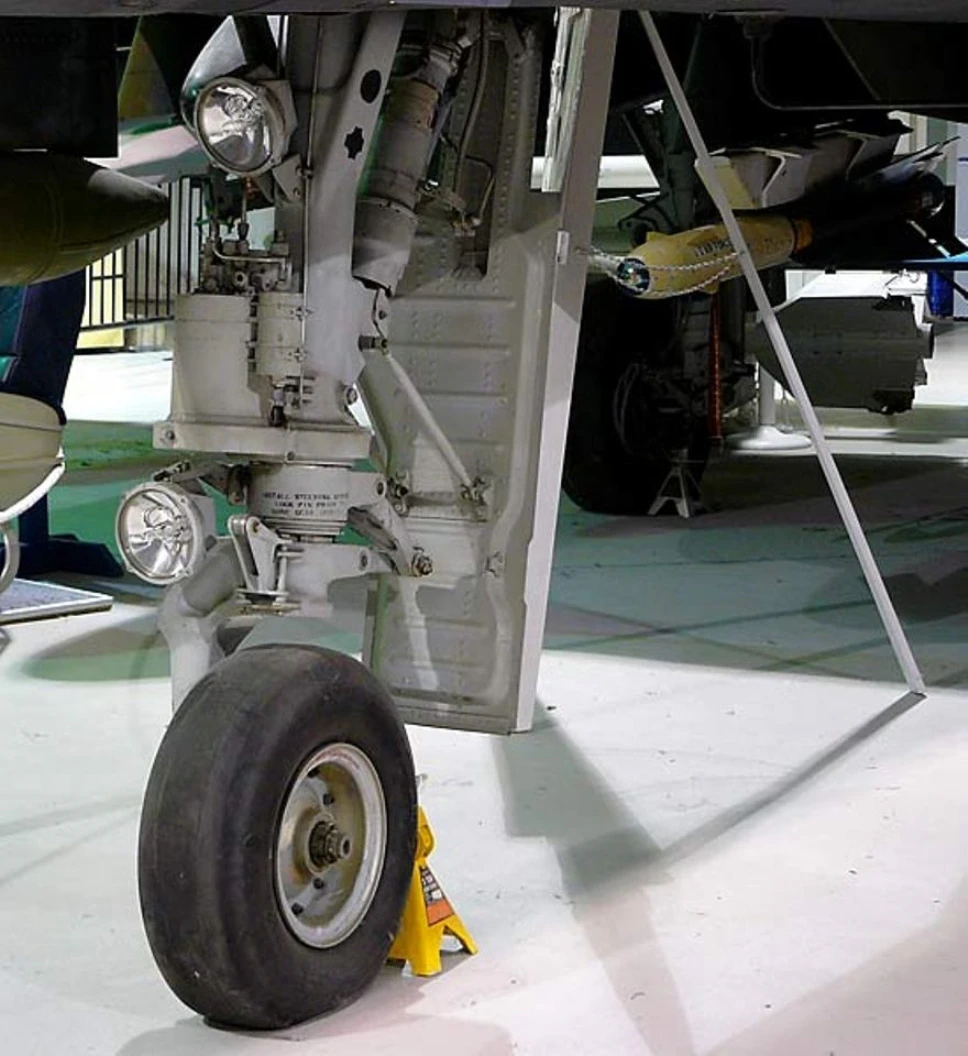
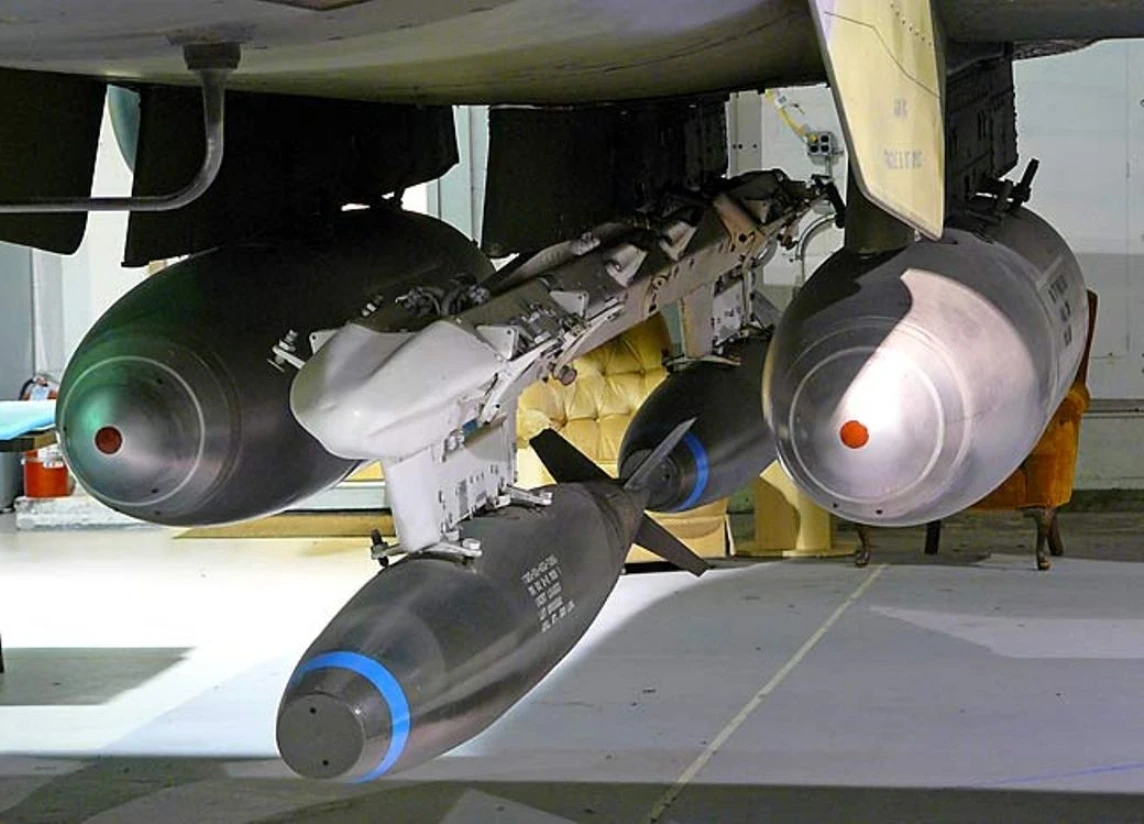
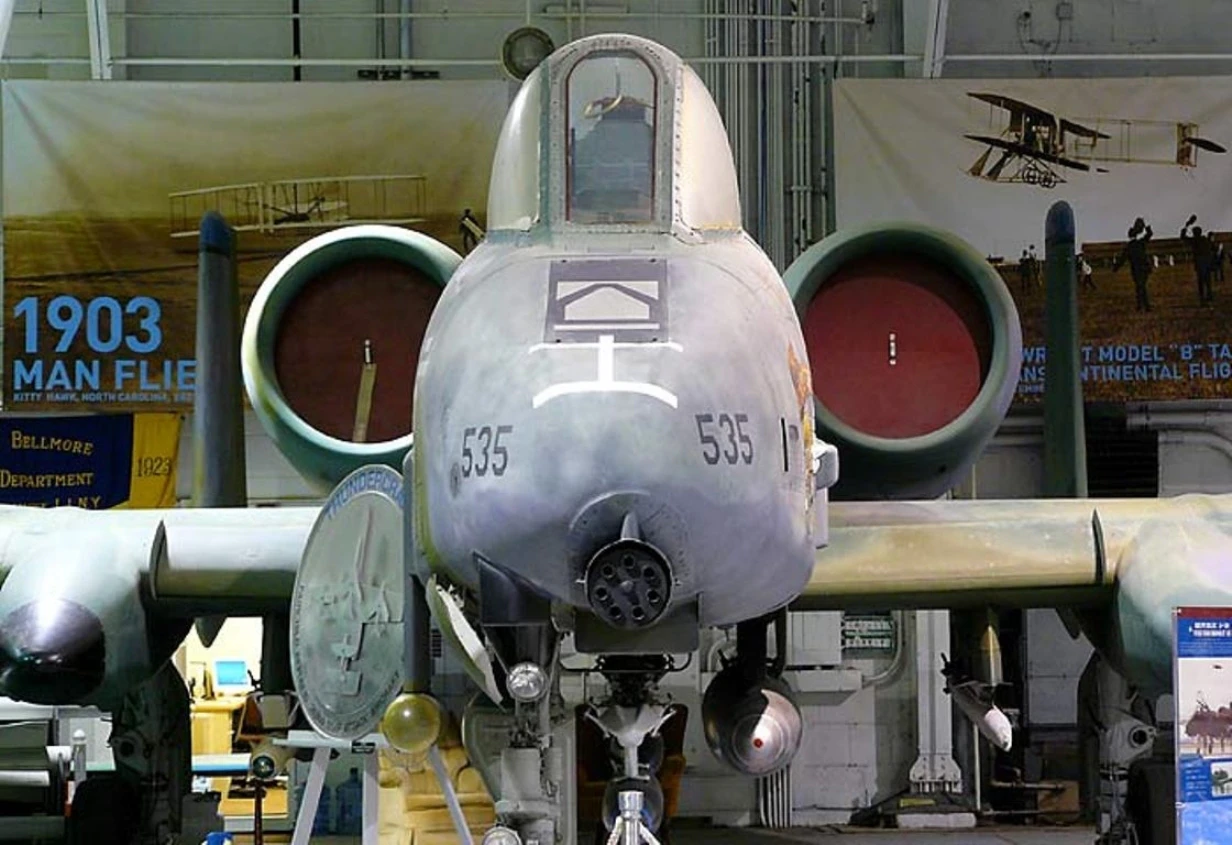
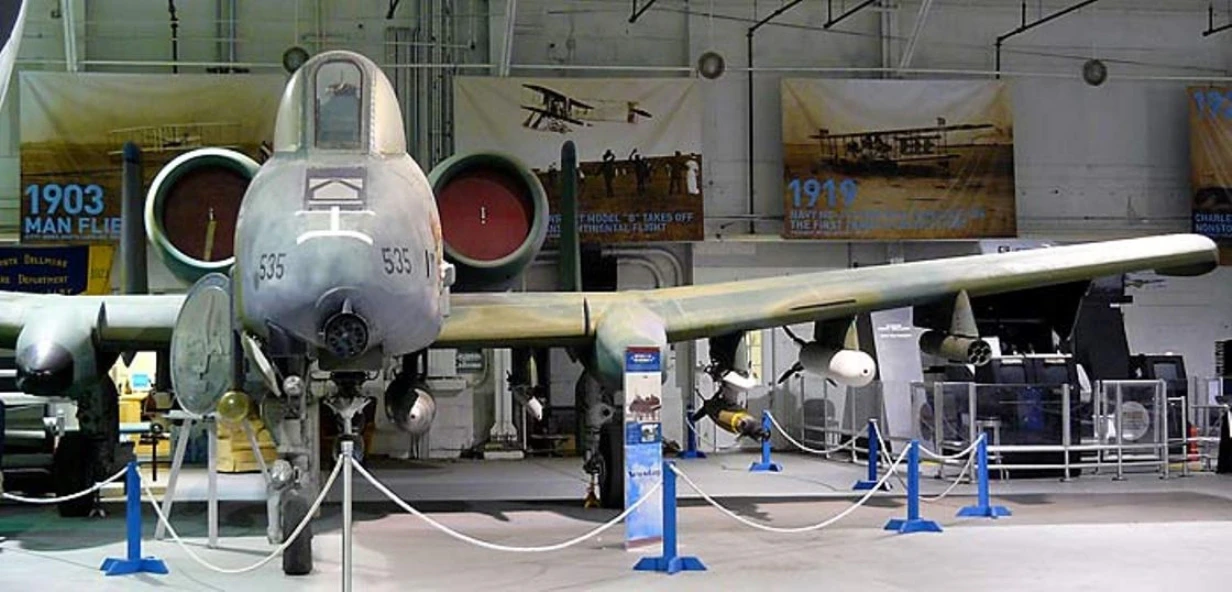
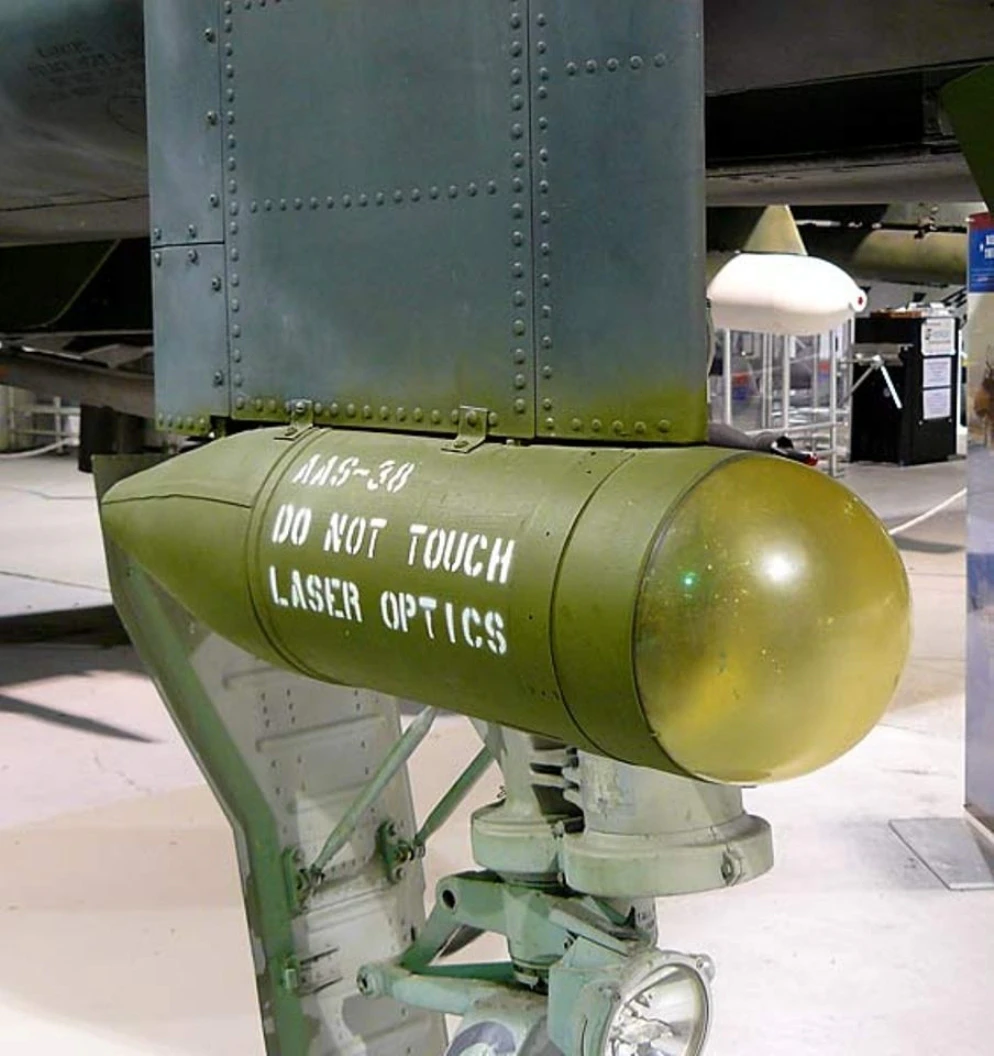
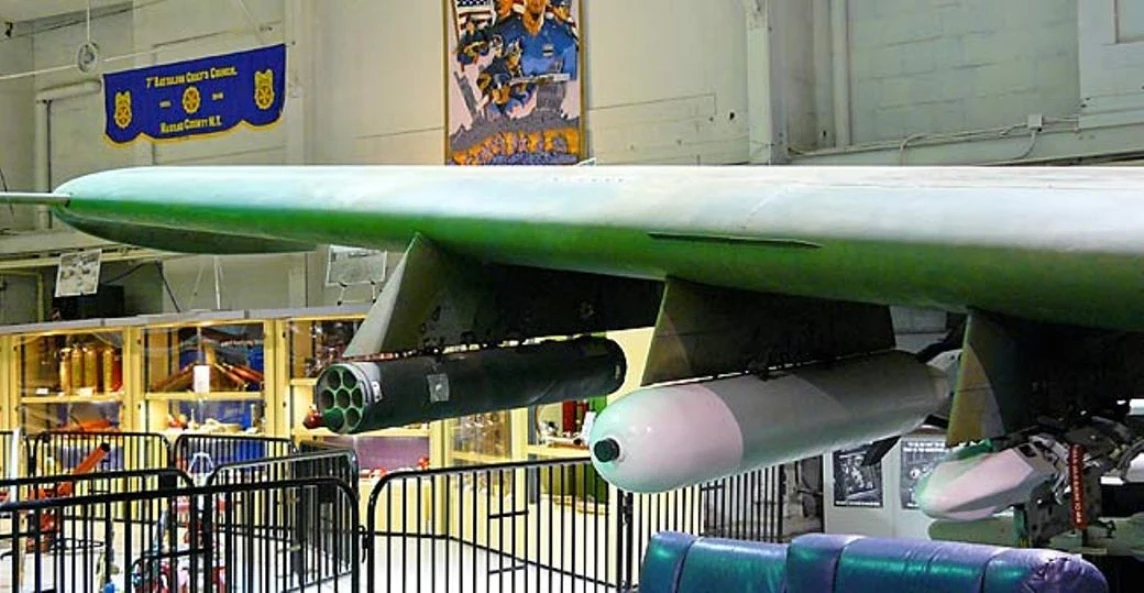
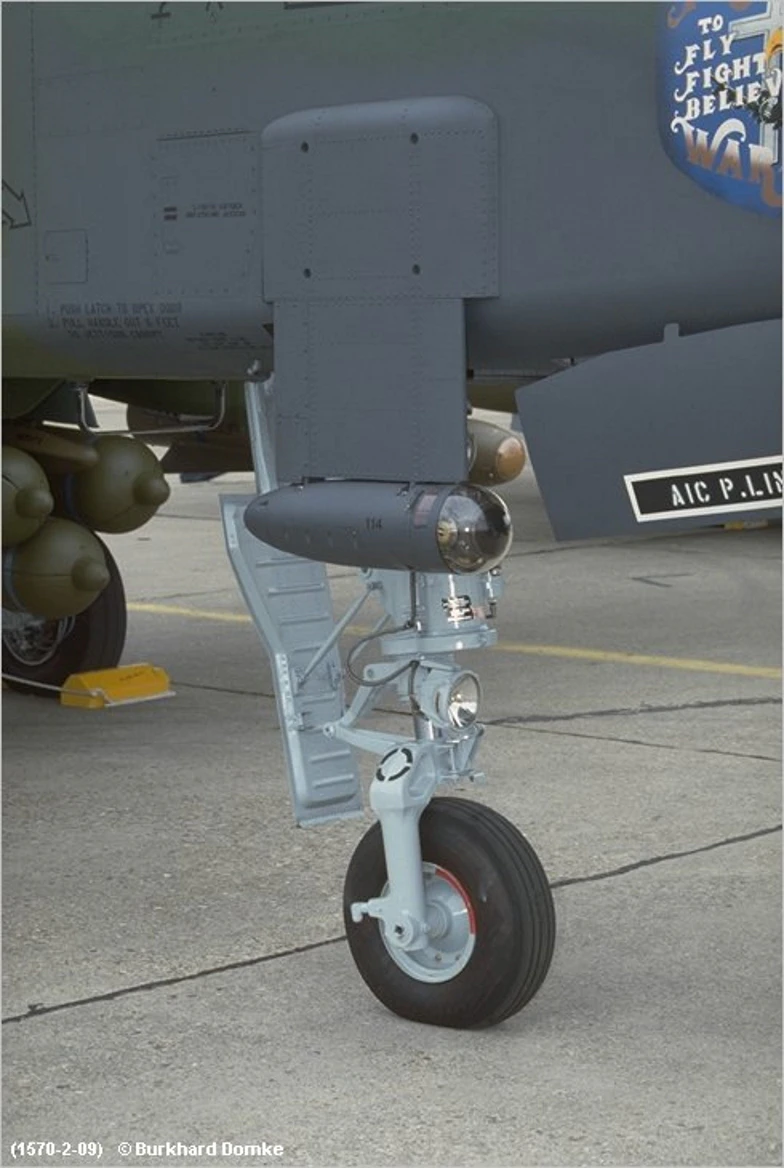
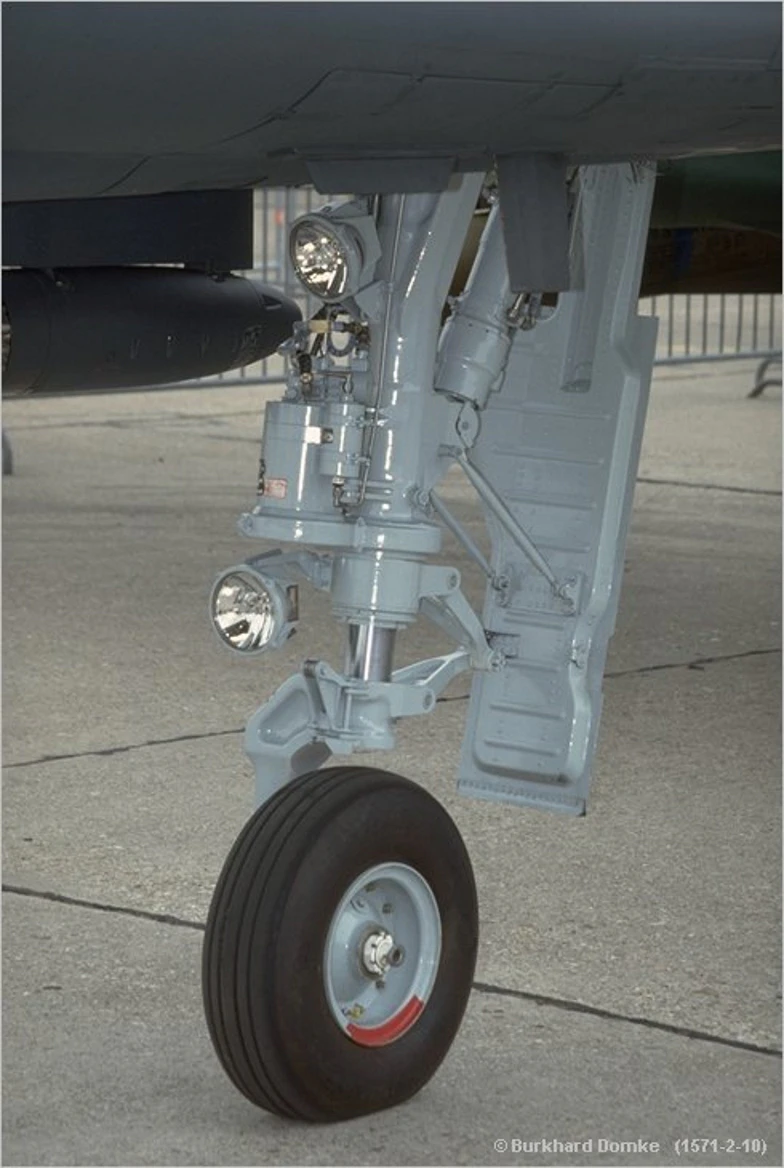
Galerie de photos d’un Fairchild République A-10 Thunderbolt II,
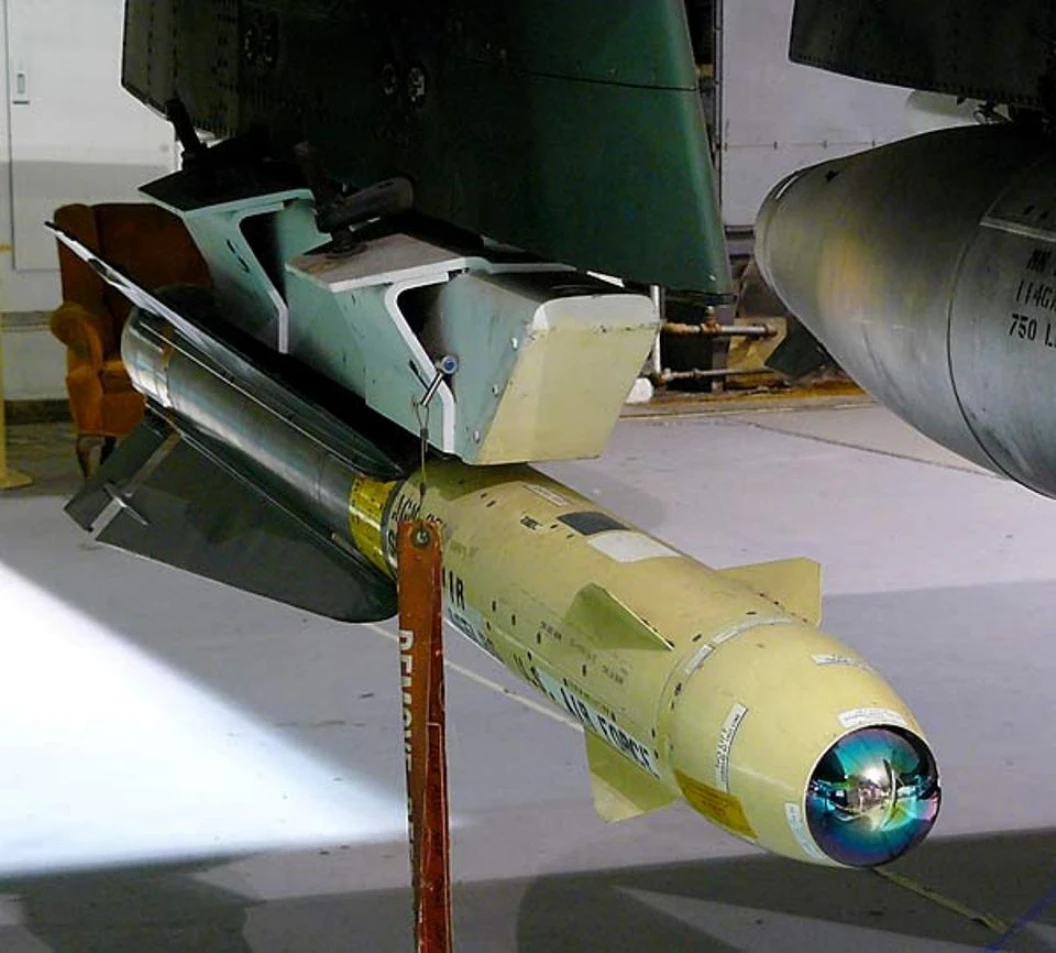
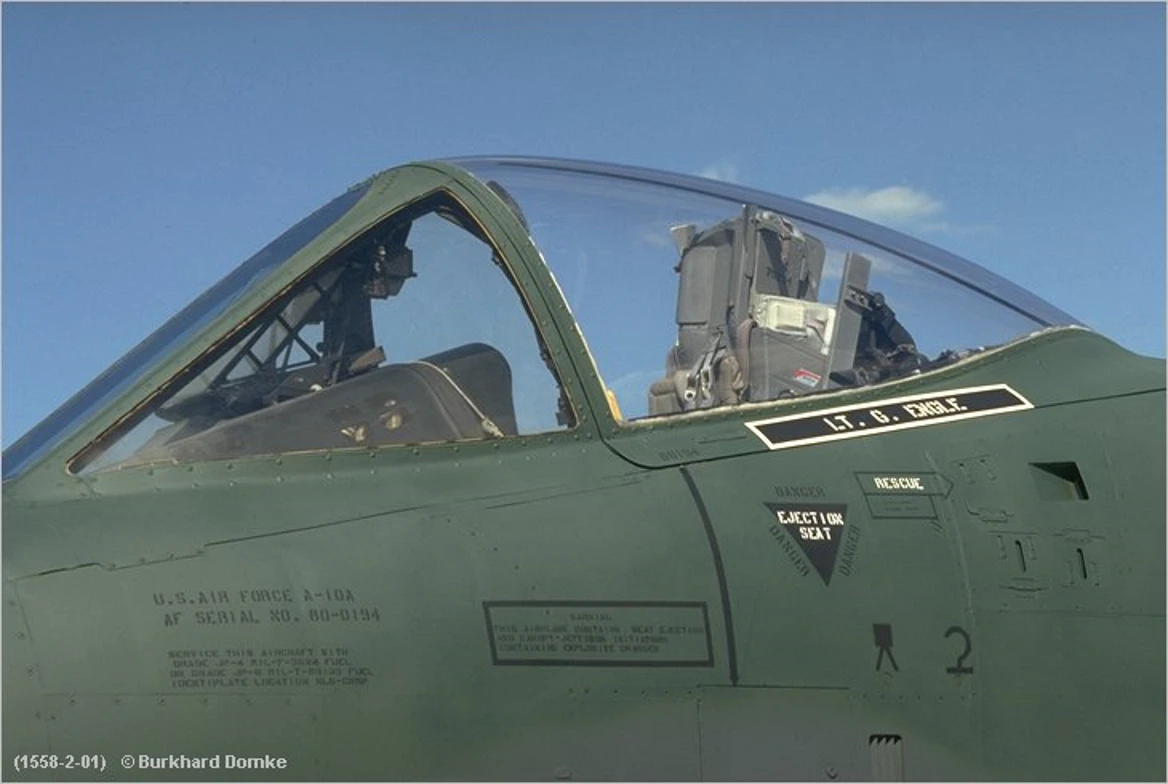
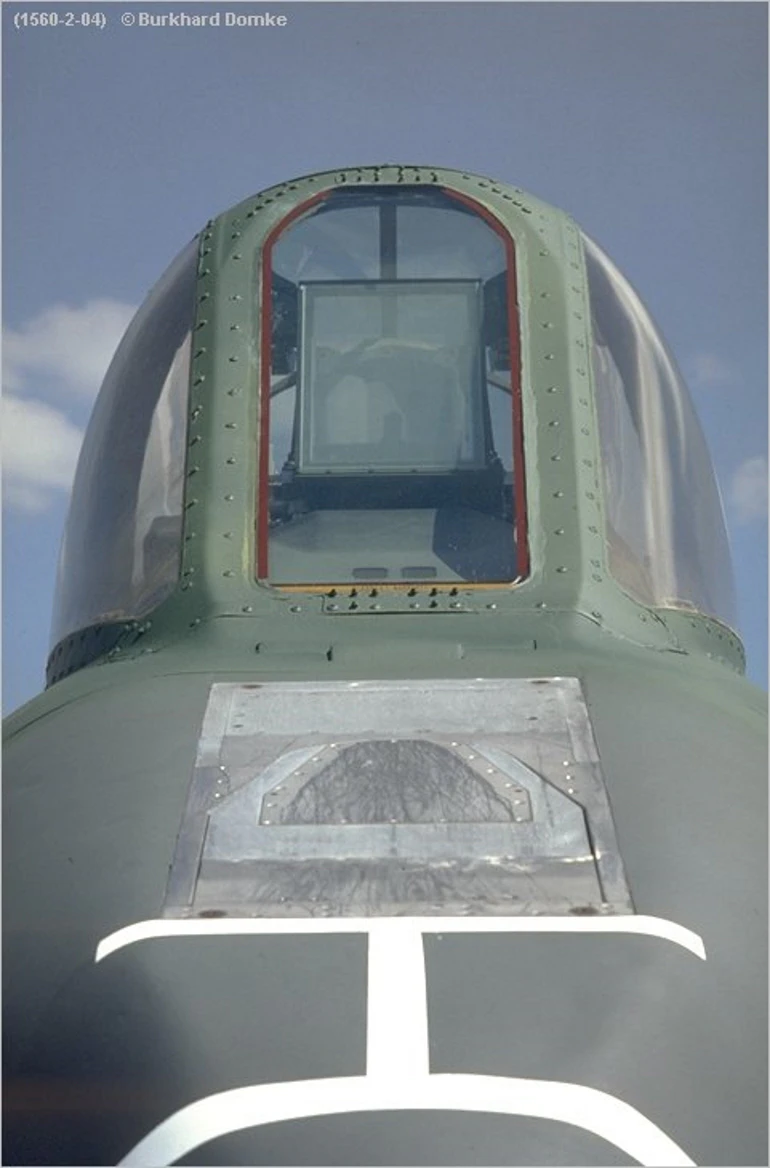
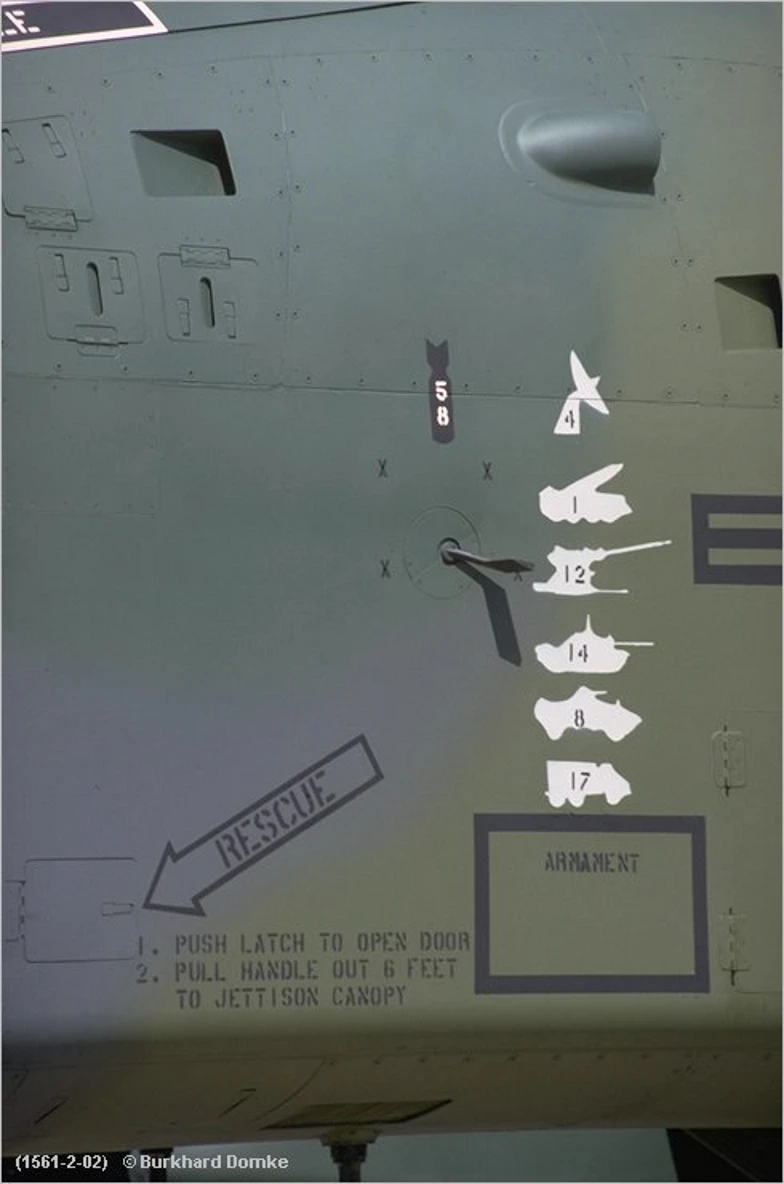
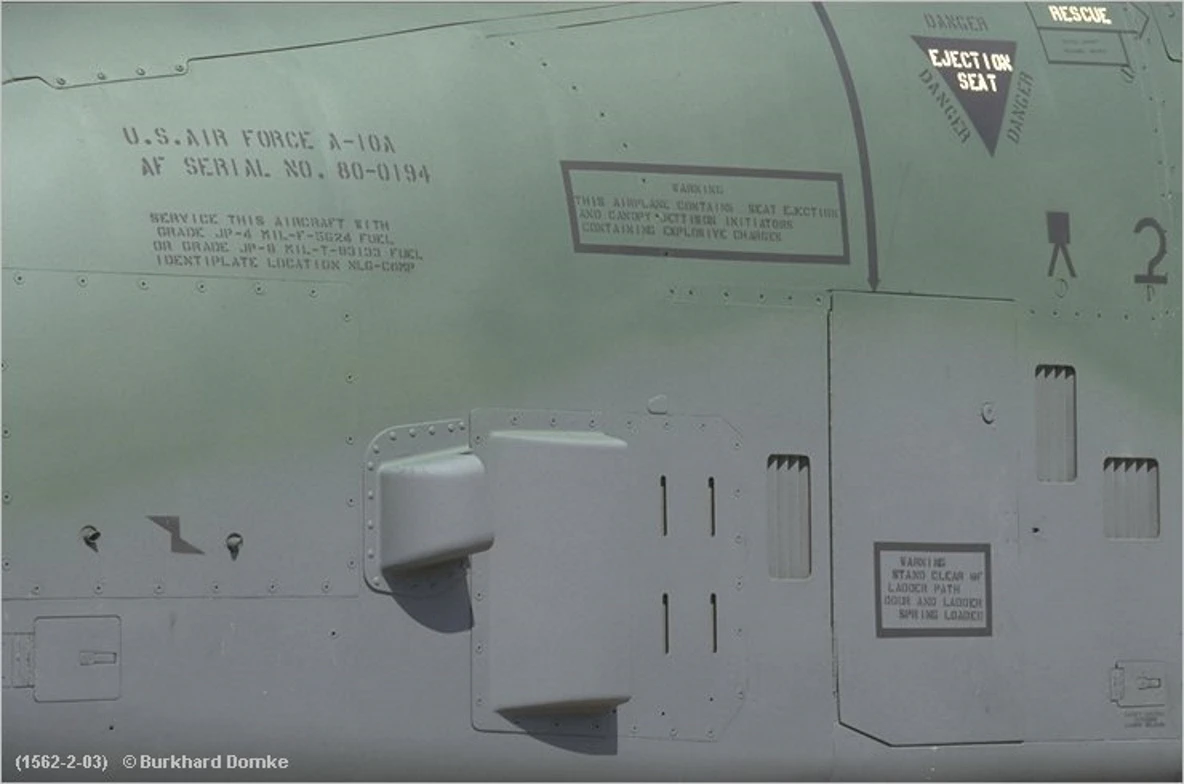
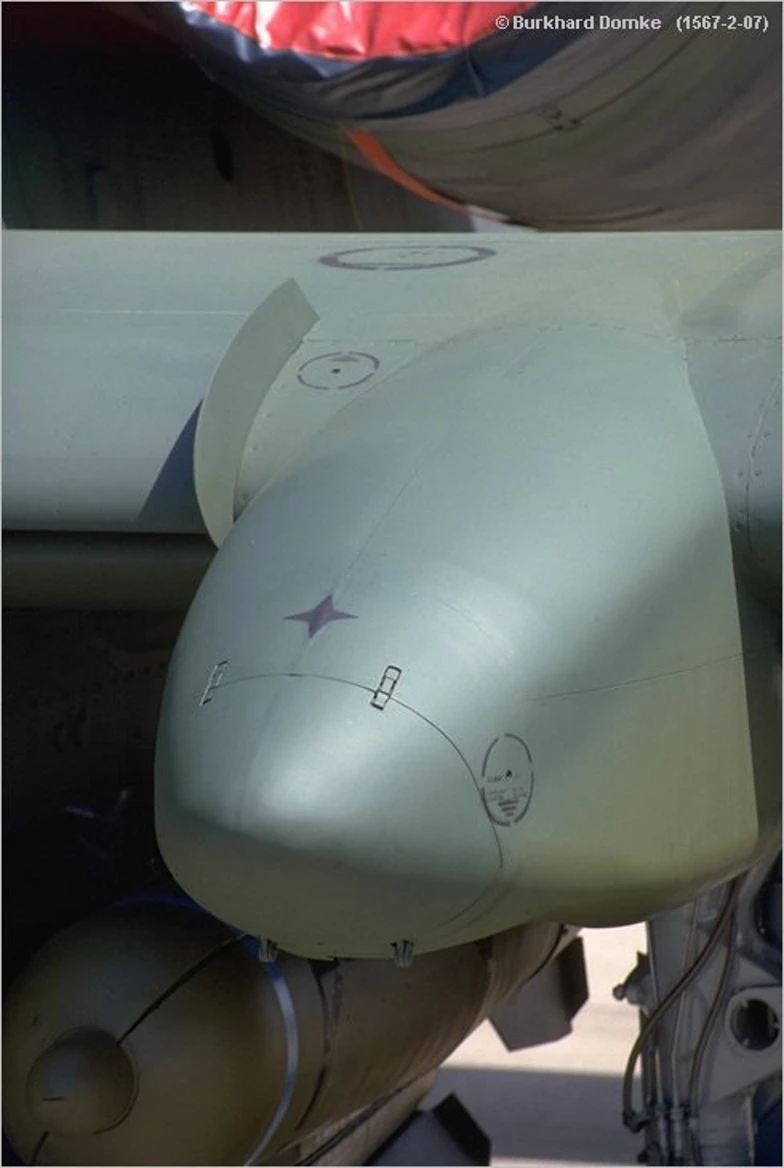
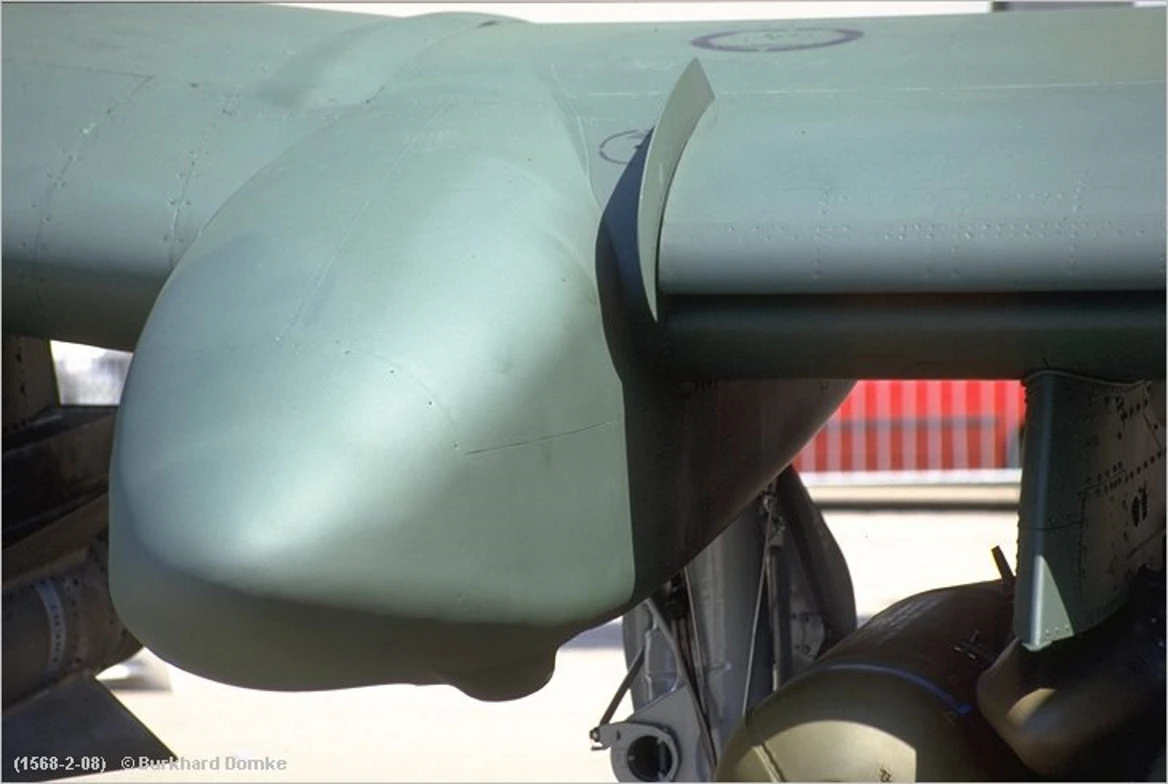
The Fairchild Republic A-10 Thunderbolt II is a single seat, twin-engine, straight wing jet aircraft developed by Fairchild-Republic for the United States Air Force. Its official name comes from the Republic P-47 Thunderbolt, a fighter particularly effective at close air support. The A-10 is more commonly known by its nicknames « Warthog » Ou « Porc ». L’A-10 a été conçu pour un soutien rapproché des troupes au sol, un soutien aérien rapproché, fournissant un soutien rapide aux troupes contre les hélicoptères, les véhicules et les troupes au sol. Il est entré en service en 1976 et est le seul avion de production qui a servi dans l’USAF qui a été conçu uniquement pour cas. Sa mission secondaire est de fournir un soutien de contrôleur aérien avancé – aéroporté (FAC-A), en dirigeant d’autres aéronefs dans des attaques contre des cibles au sol. Les aéronefs utilisés principalement dans ce rôle sont désignés OA-10.
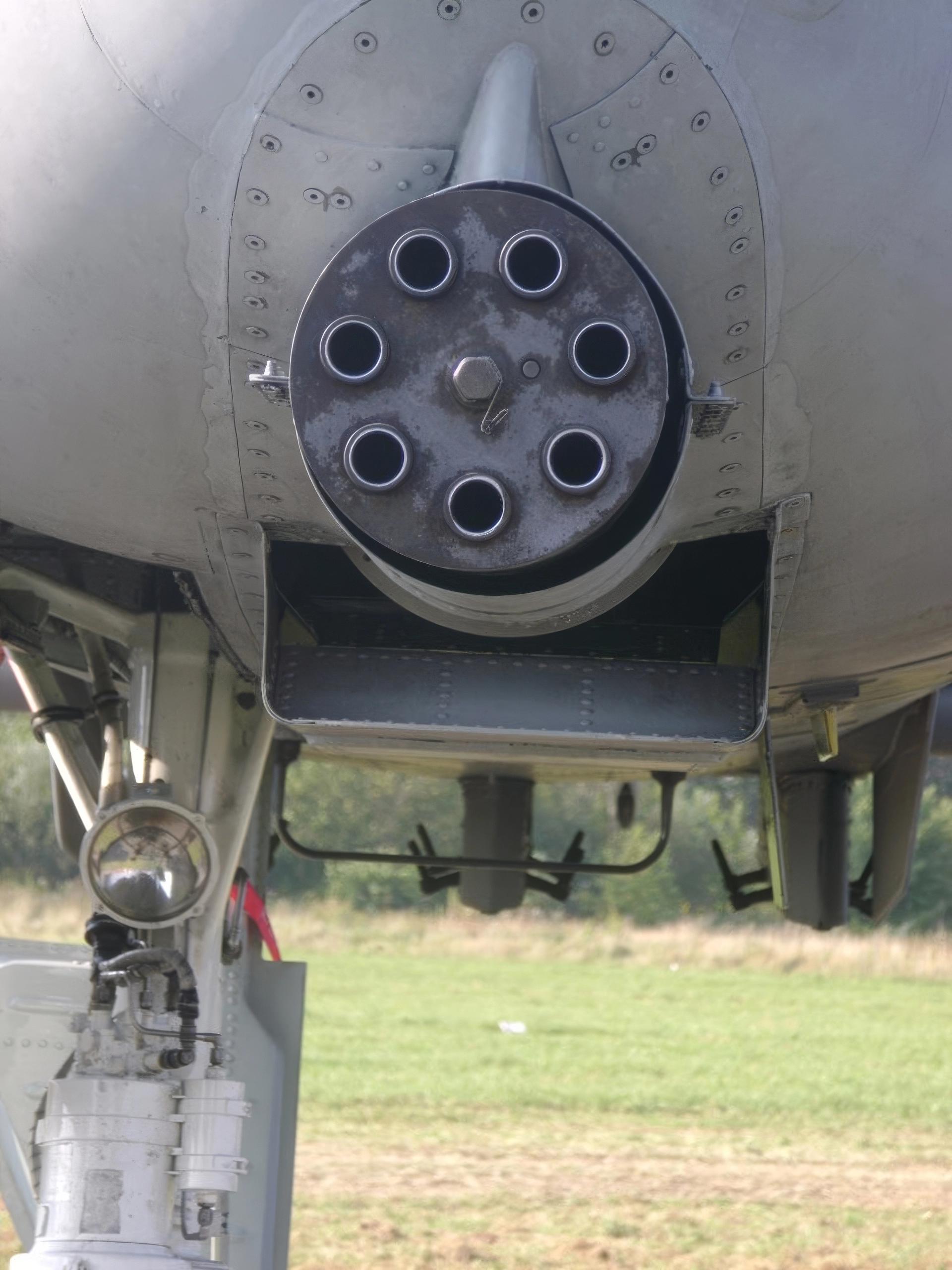
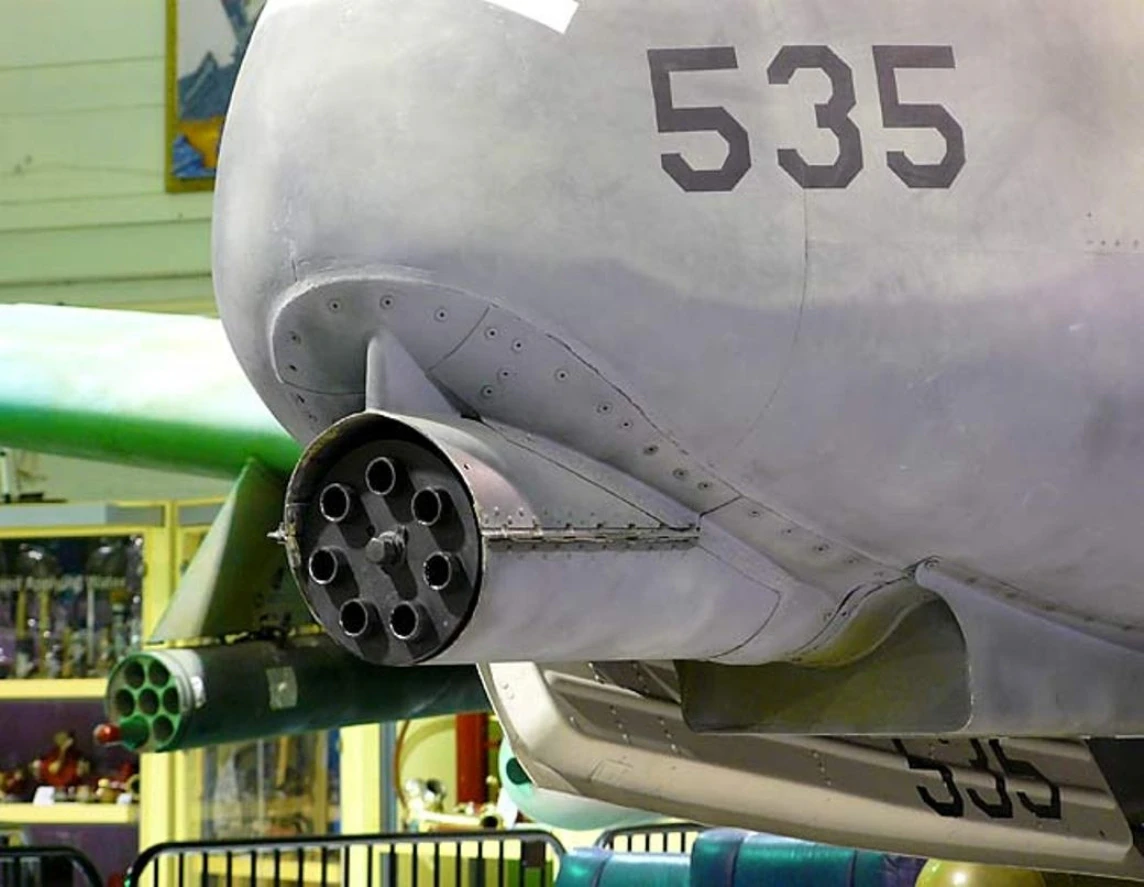
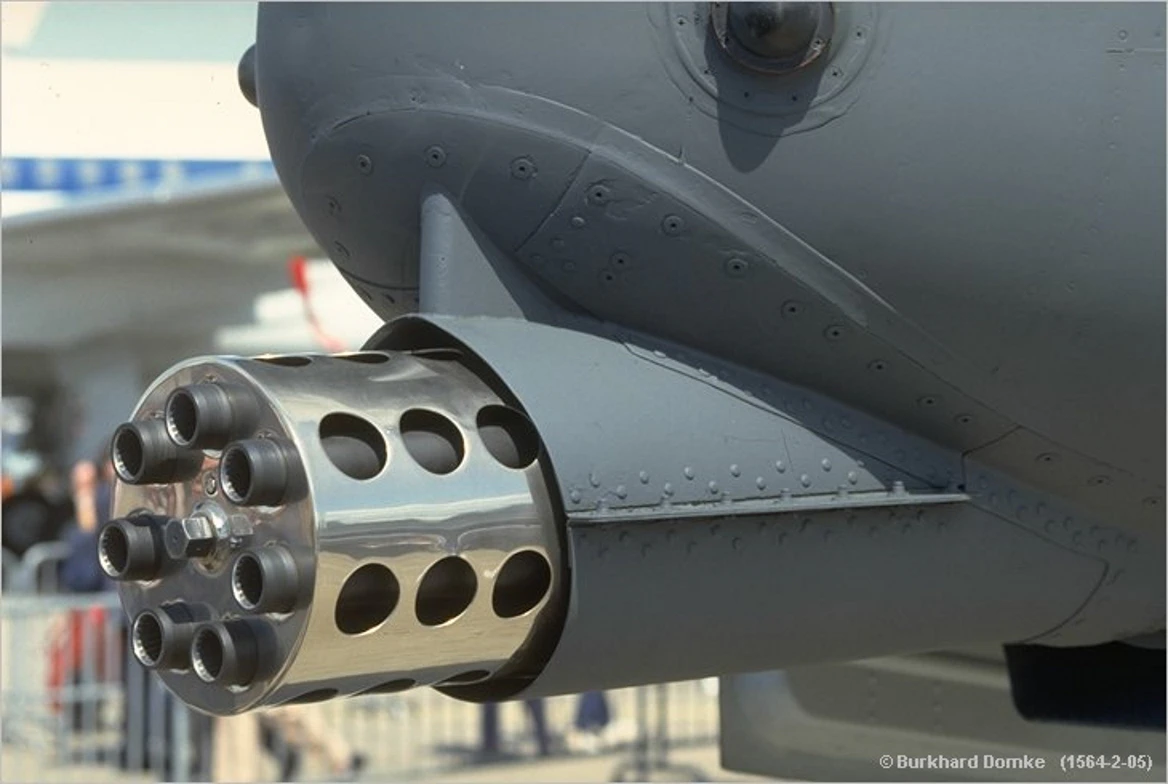
Lla A-10A Thunderbolt IIwas designed with a single, brutal purpose: to destroy Soviet tank columns pouring through the Fulda Gap. Named after the WWII P-47 Thunderbolt, the A-10 is the ultimate evolution of the « attack » aircraft. It is slow, ugly, and incredibly tough, designed to fly low, loiter over the battlefield, and absorb massive amounts of damage while delivering precise, overwhelming fire. It is famously described as a « gun with wings, » as the entire airframe was essentially designed to accommodate the massive 30mm GAU-8 Avenger rotary cannon.
Design Engineering: Redundancy and the « Bathtub »
The Titanium Bathtub:The pilot sits in a 1,200-lb titanium armored enclosure capable of withstanding direct hits from 23mm armor-piercing shells. Even the cockpit canopy is reinforced against small arms fire.
The GAU-8 Avenger:The cannon is the size of a small car. It is mounted slightly off-center so that the firing barrel is always on the aircraft’s centerline, preventing the recoil (which produces more thrust than one of the engines) from pushing the plane off target.
Engine Placement:The TF34 engines are mounted high and far back. This protects them from ground fire, allows for easy maintenance with simple ladders, and masks their heat signature from ground-based IR-seeking missiles using the tail as a shield.
Triple Redundancy:The A-10 features dual-redundant hydraulic flight systems and a « manual reversion » mechanical backup. If all hydraulics are lost, the pilot can still fly the plane using old-fashioned cables and pulleys.
Combat History: BRRRRRT Across the Decades
Operation Desert Storm:The A-10 became a legend in 1991, destroying over 900 Iraqi tanks, 2,000 other vehicles, and 1,200 artillery pieces. It proved so durable that planes returned to base with large sections of their wings or tails missing.
Lla « Warthog » Moniker:While the Air Force officially named it « Thunderbolt II, » pilots and crews dubbed it the « Warthog » due to its aggressive, ungainly appearance. The name stuck so well it is now the de facto title for the jet.
Close Air Support (CAS):Unlike fast movers like the F-16, the A-10’s low stall speed and excellent maneuverability allow it to fly « down in the weeds, » identifying friendly and enemy troops visually to prevent friendly fire incidents.
The C-Model Upgrade:In the early 2000s, the A-model was upgraded to the A-10C, adding glass cockpits, digital data links, and the ability to carry precision-guided munitions like the JDAM and Sniper pods, extending its life into the 2030s.

 Achetez-moi un café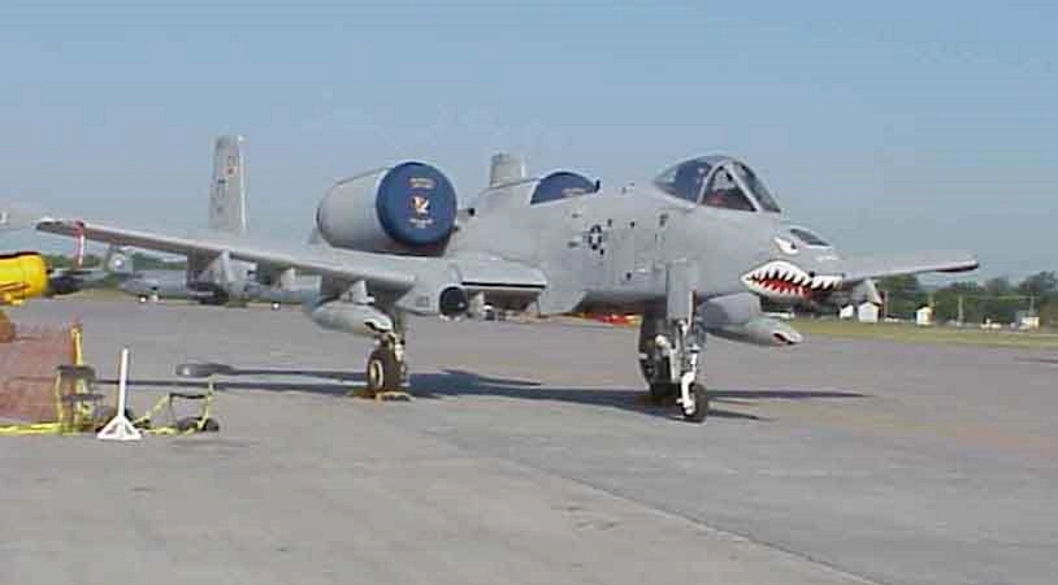


 Martin 4-0-4 – Photos & Vidéos
 Bristol F.2 Fighter – Photos & Vidéos
 Northrop JB-1 Bat – Photos et vidéos
 Convair F2Y Sea Dart – Photos & Vidéos
 Miles Magister – Photos & Vidéos
 Avro Canada VZ-9 Avrocar – Photos et vidéos
 Republic RC-3 Seabee – Photos & Vidéos
 KFIR C-1 - WalkAround
 Lisunov Li-2 - WalkAround
 P-38L Marge – WalkAround
Un nouvel ensemble de 79 photos