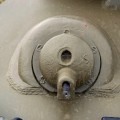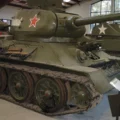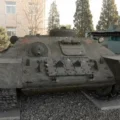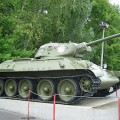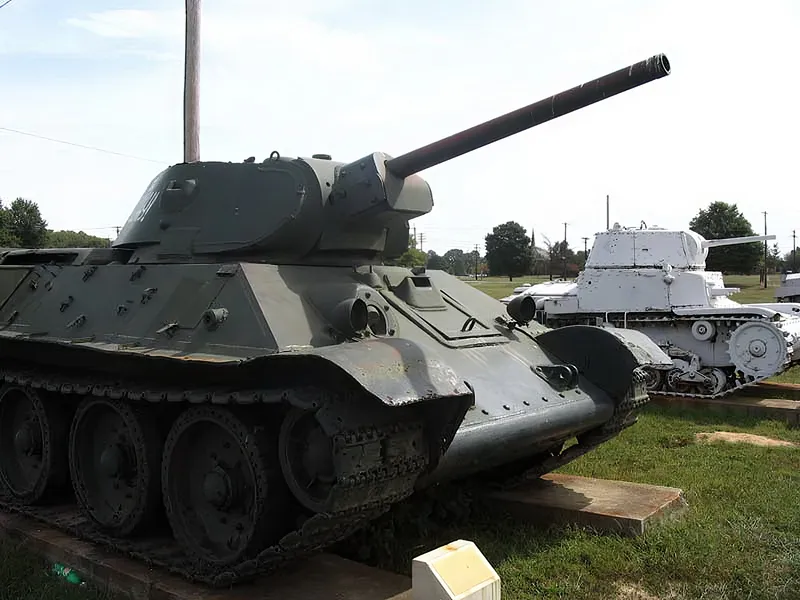
T-34/76 Modèle 1941 | |
|---|---|
| Pays | URSS |
| Type | Char moyen |
Le T-34 est un char moyen entré en service en 1940 au sein de l’armée rouge. Il constitue à l’époque un remarquable équilibre entre les trois facteurs majeurs qui définissent la qualité d’un blindé, à savoir : la puissance de feu, la protection et la mobilité. Cette réussite en fait l’un des atouts de l’Union soviétique face à l’invasion de la Wehrmacht. Celle-ci devra d’ailleurs, pour le contrer, revoir sa politique de conception de blindés en mettant au point, par exemple, le Panzer-V ‘Panther’, qui empruntait une partie de ses caractéristiques techniques au T-34. Bien que rapidement dépassé lui même par les productions étrangères, le T-34 va tout de même rester en production de 1940 à 1958, avec un total d’unités produites estimé à 84 070 exemplaires, ce qui en fait le second char le plus produit de tous les temps, juste derrière ses successeurs, les T-54 et T-55.
Source: Char T-34/76 sur Wikipedia
| T-34/76 Modèle 1941 | |
|---|---|
| Photographer | Unknow |
| Localisation | Unknow |
| Photos | 26 |
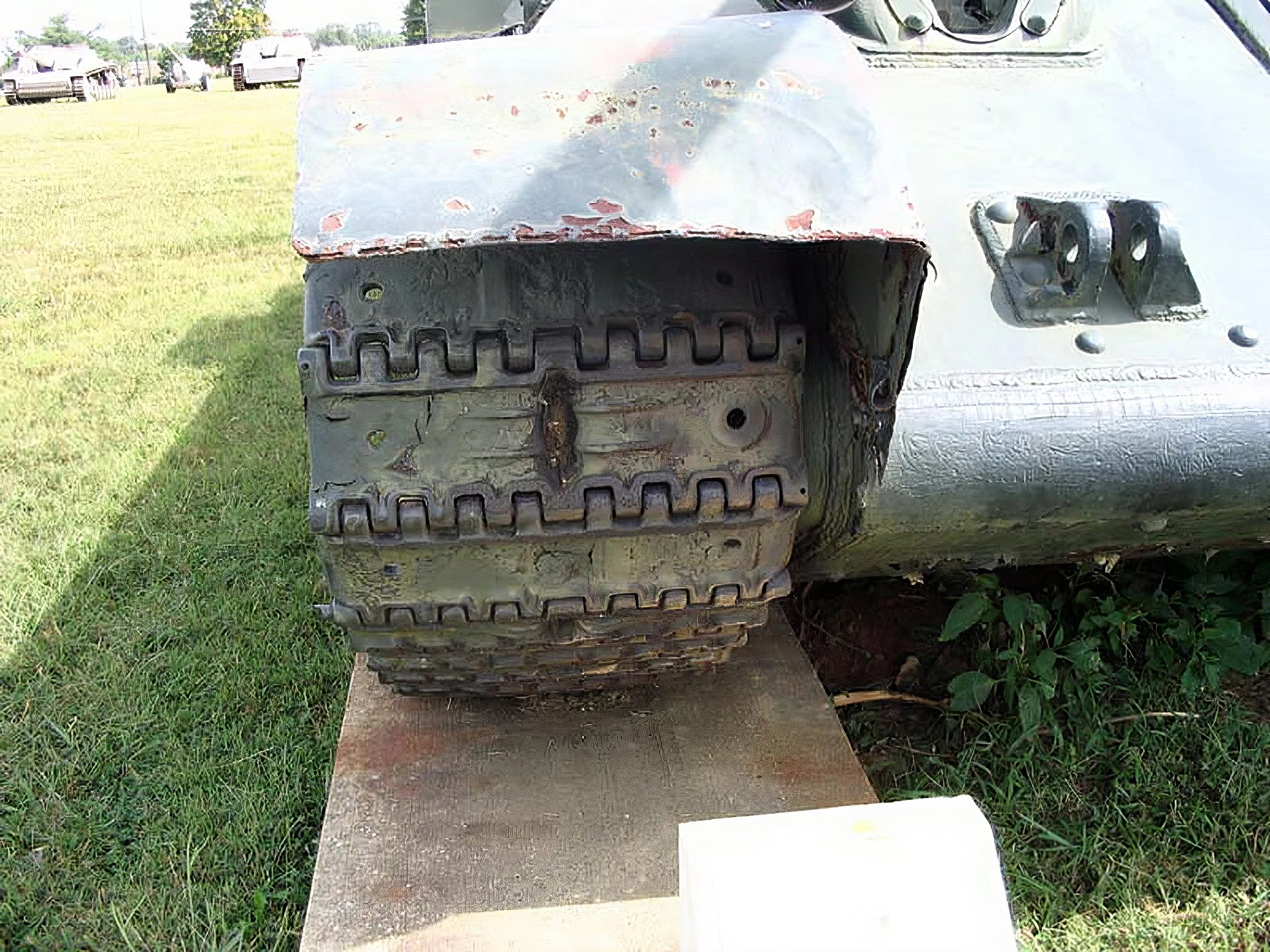
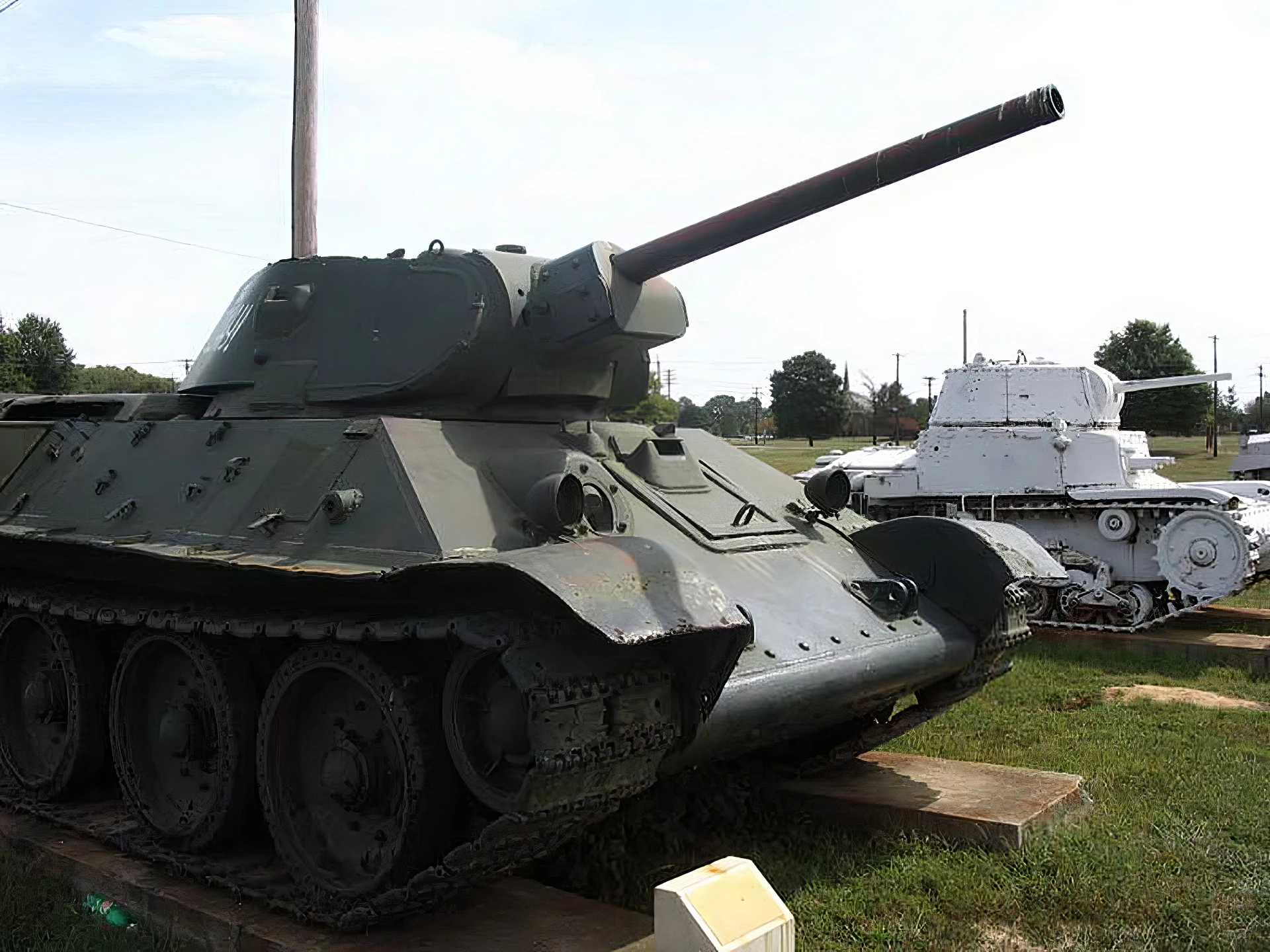
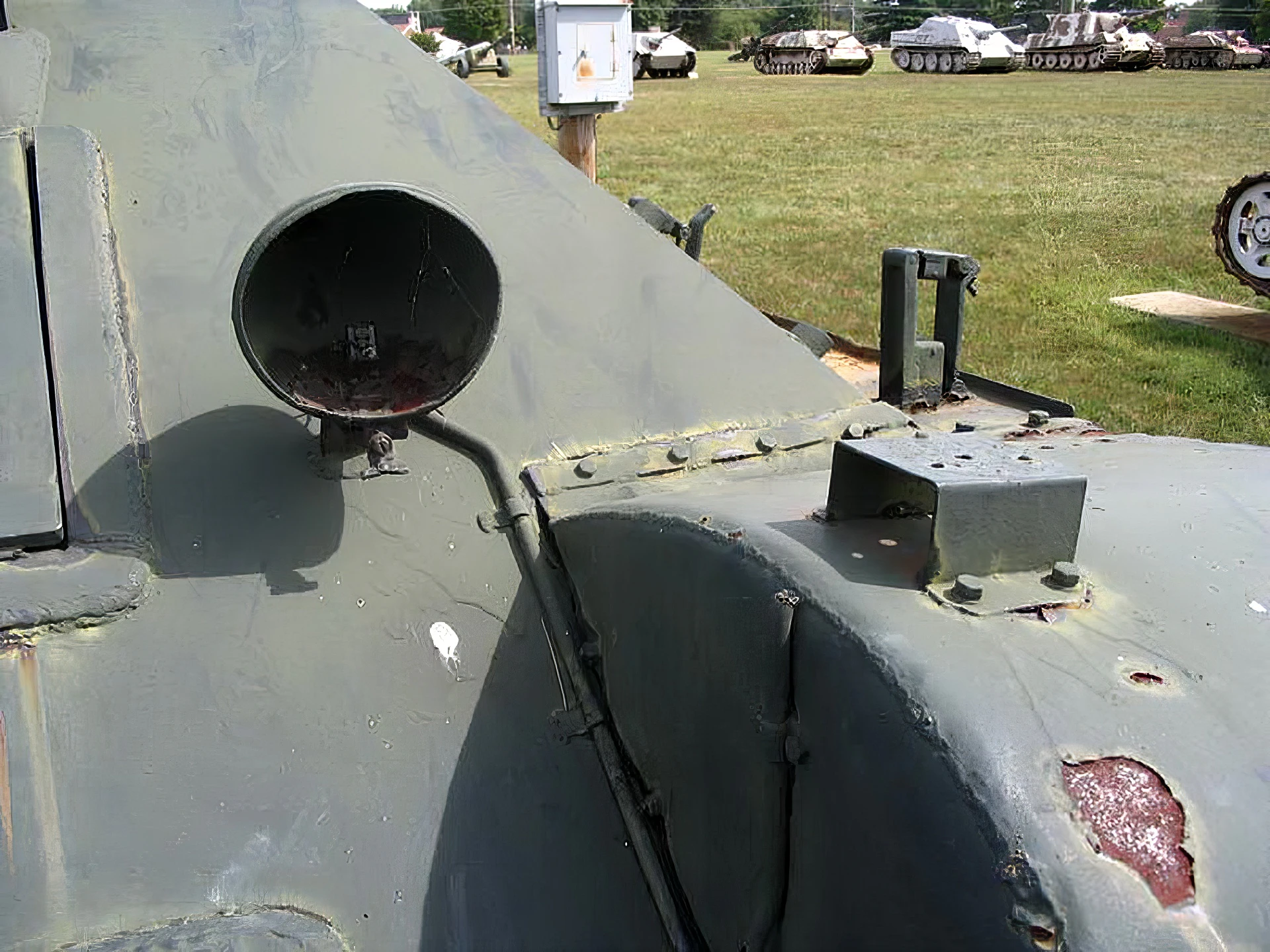
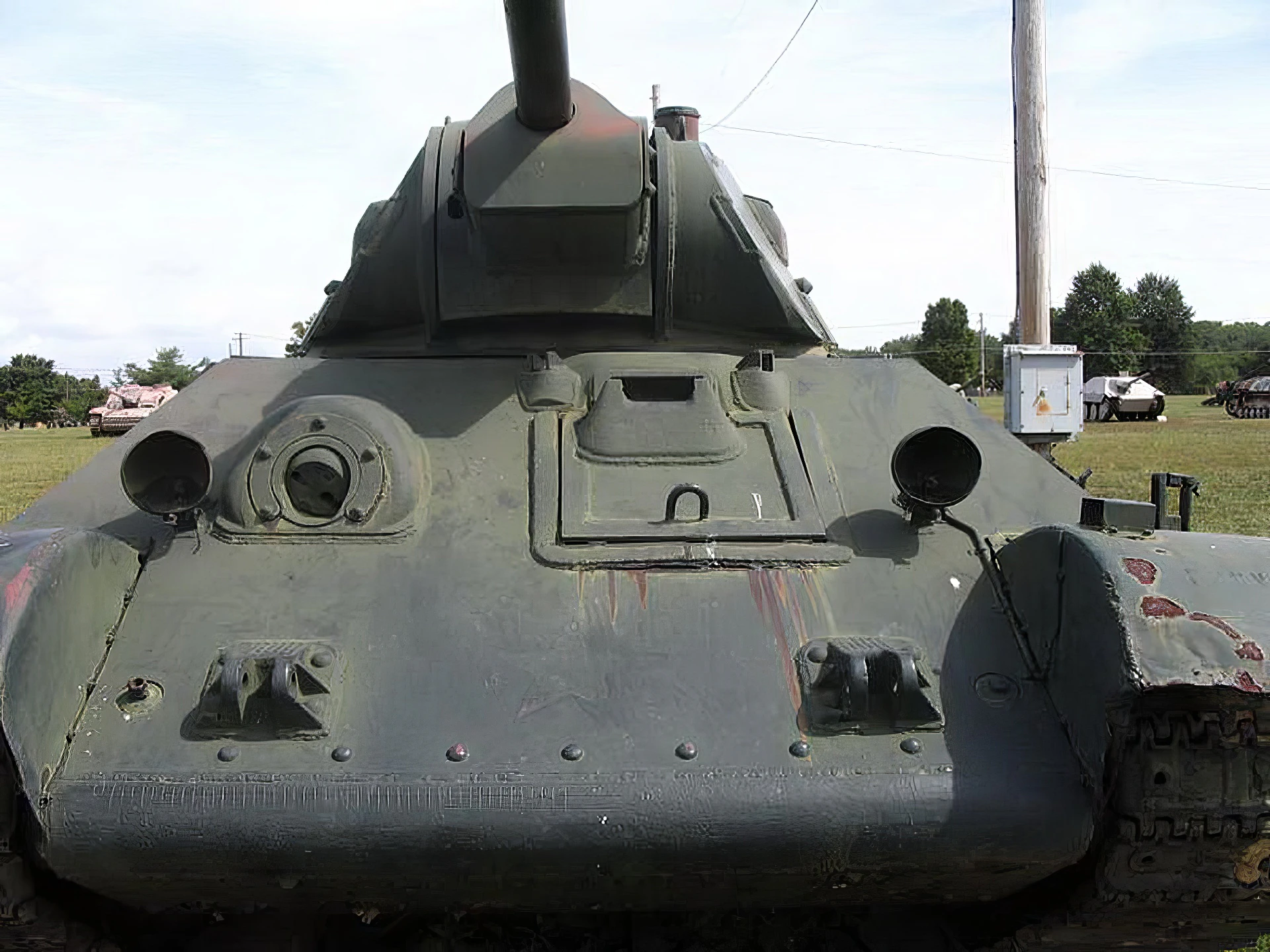
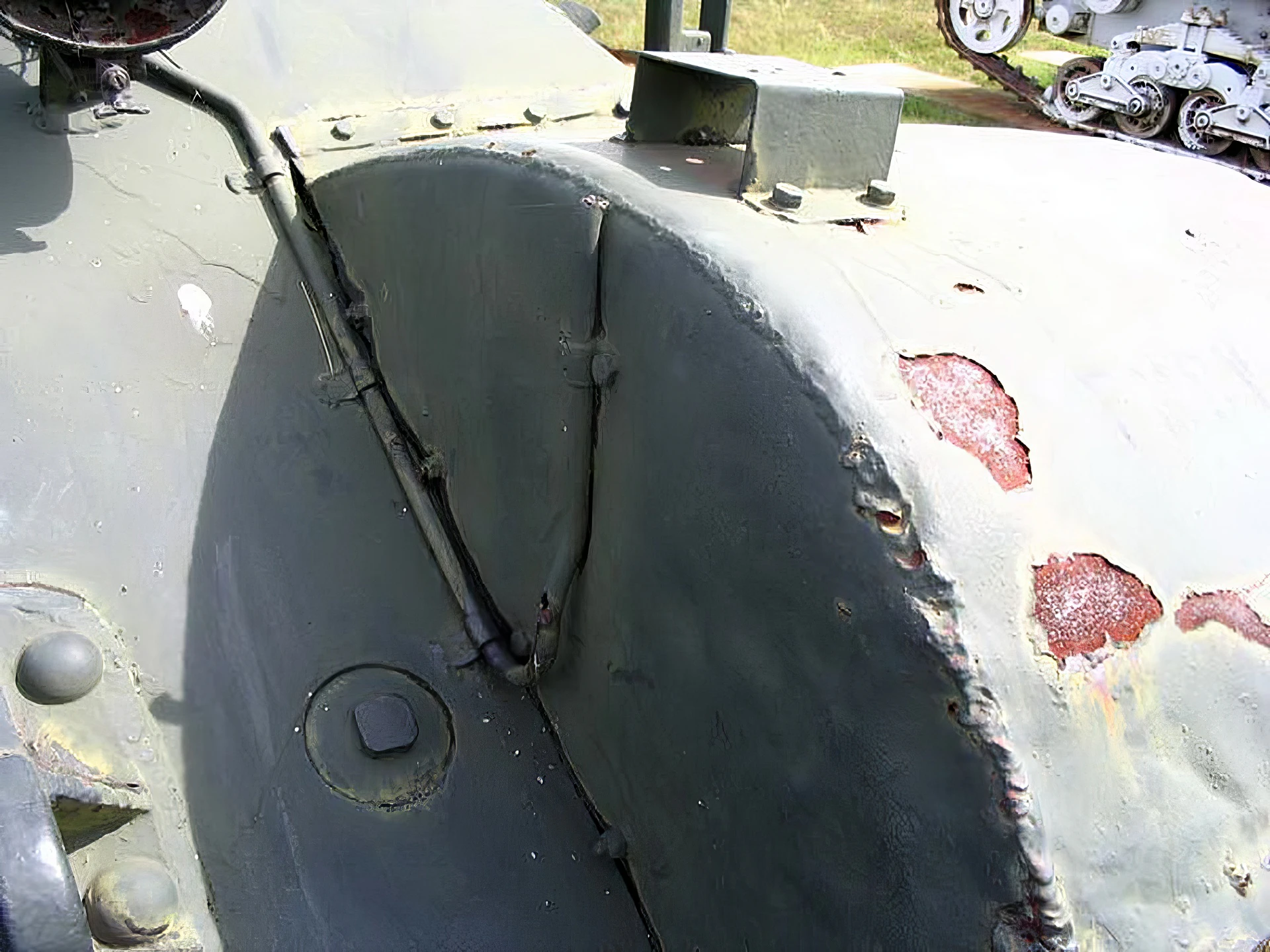
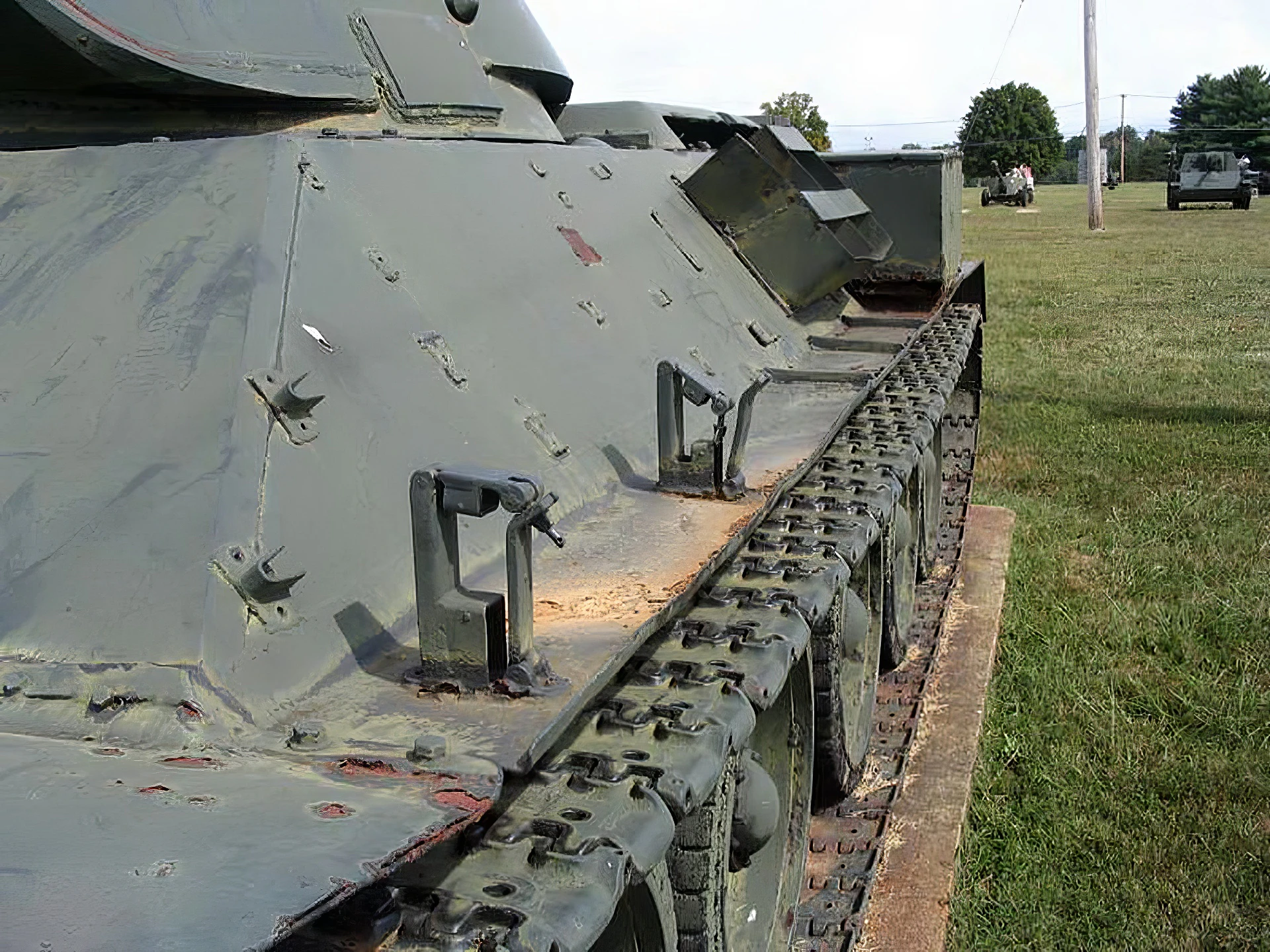
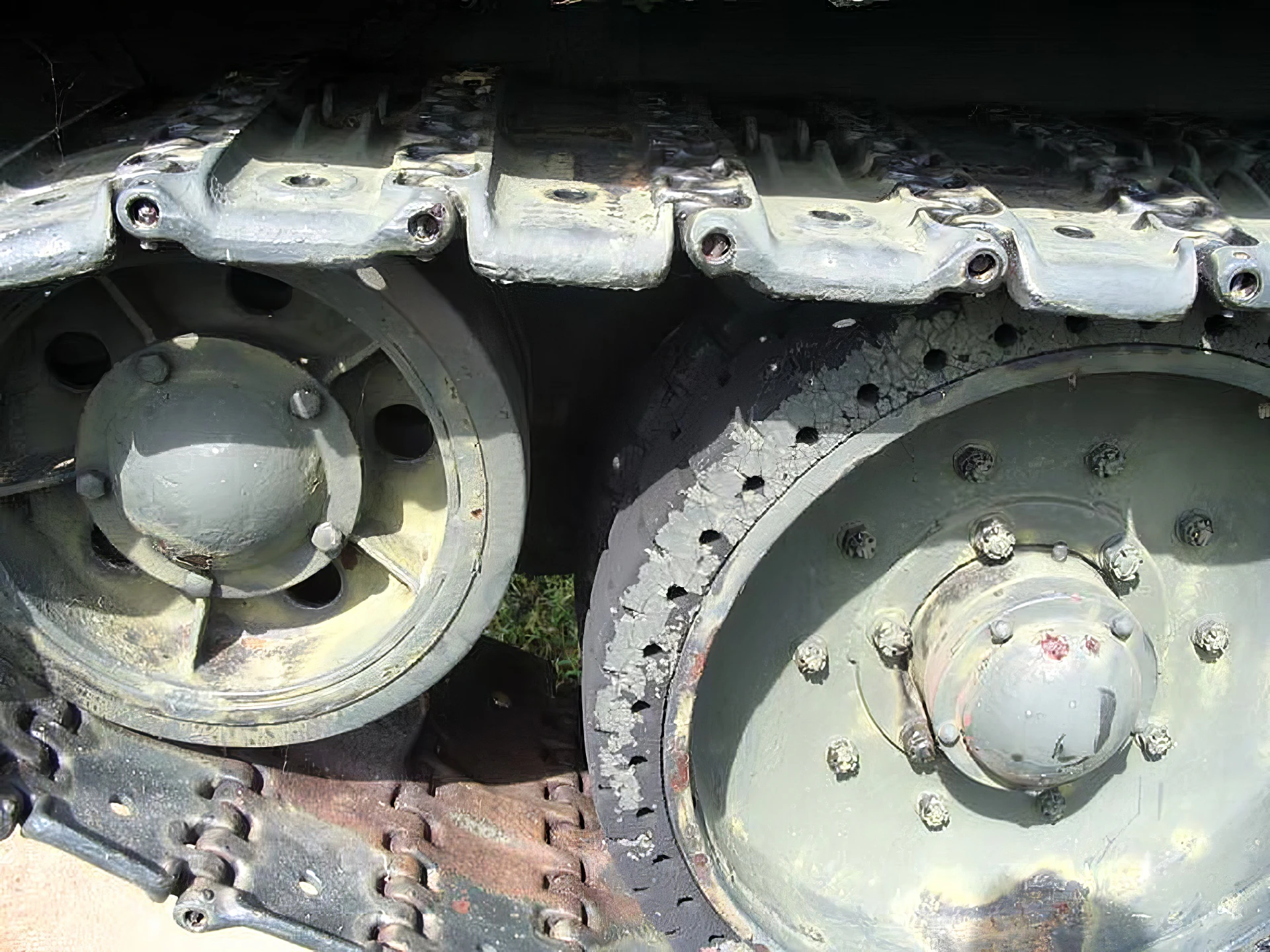
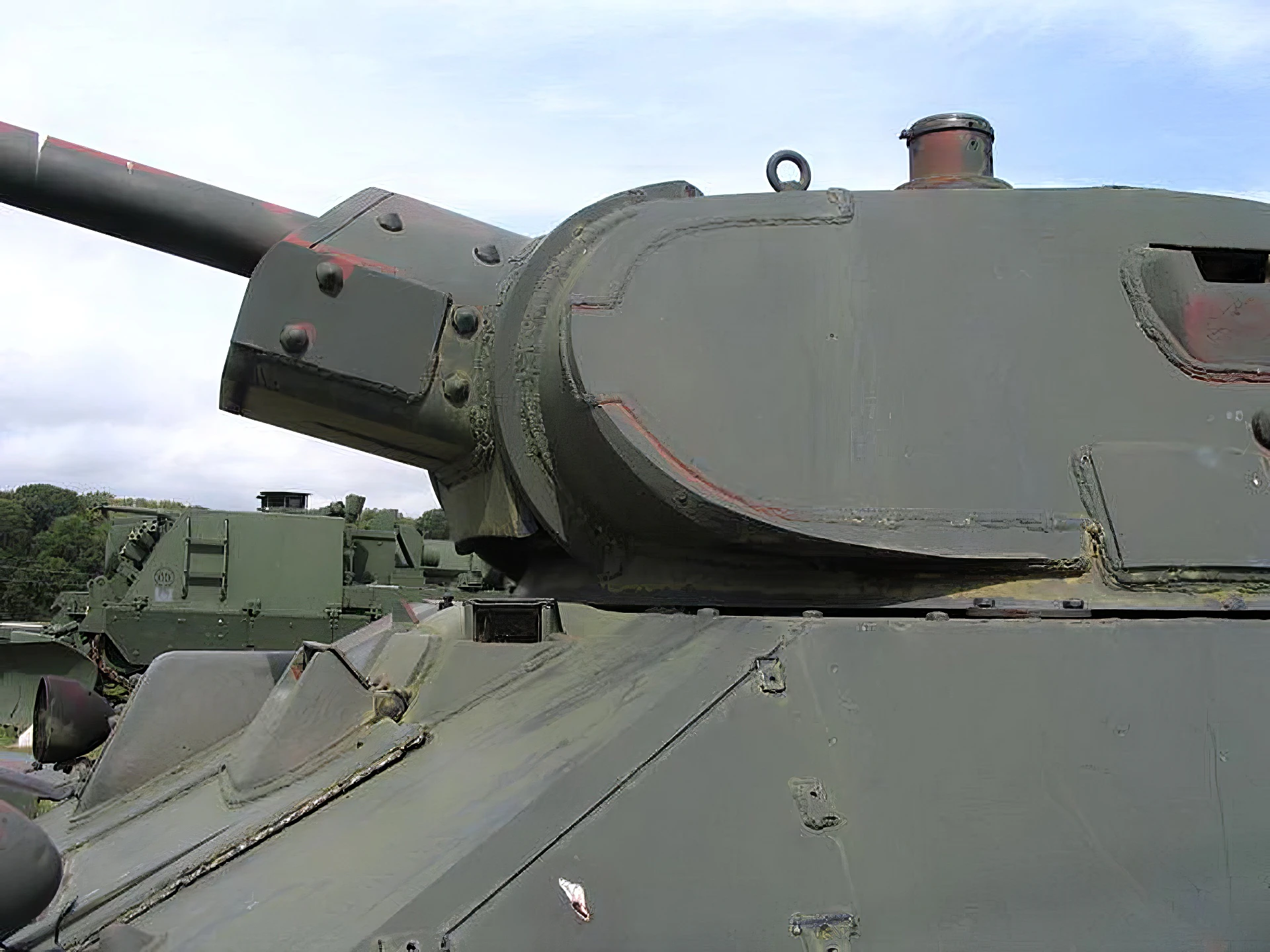
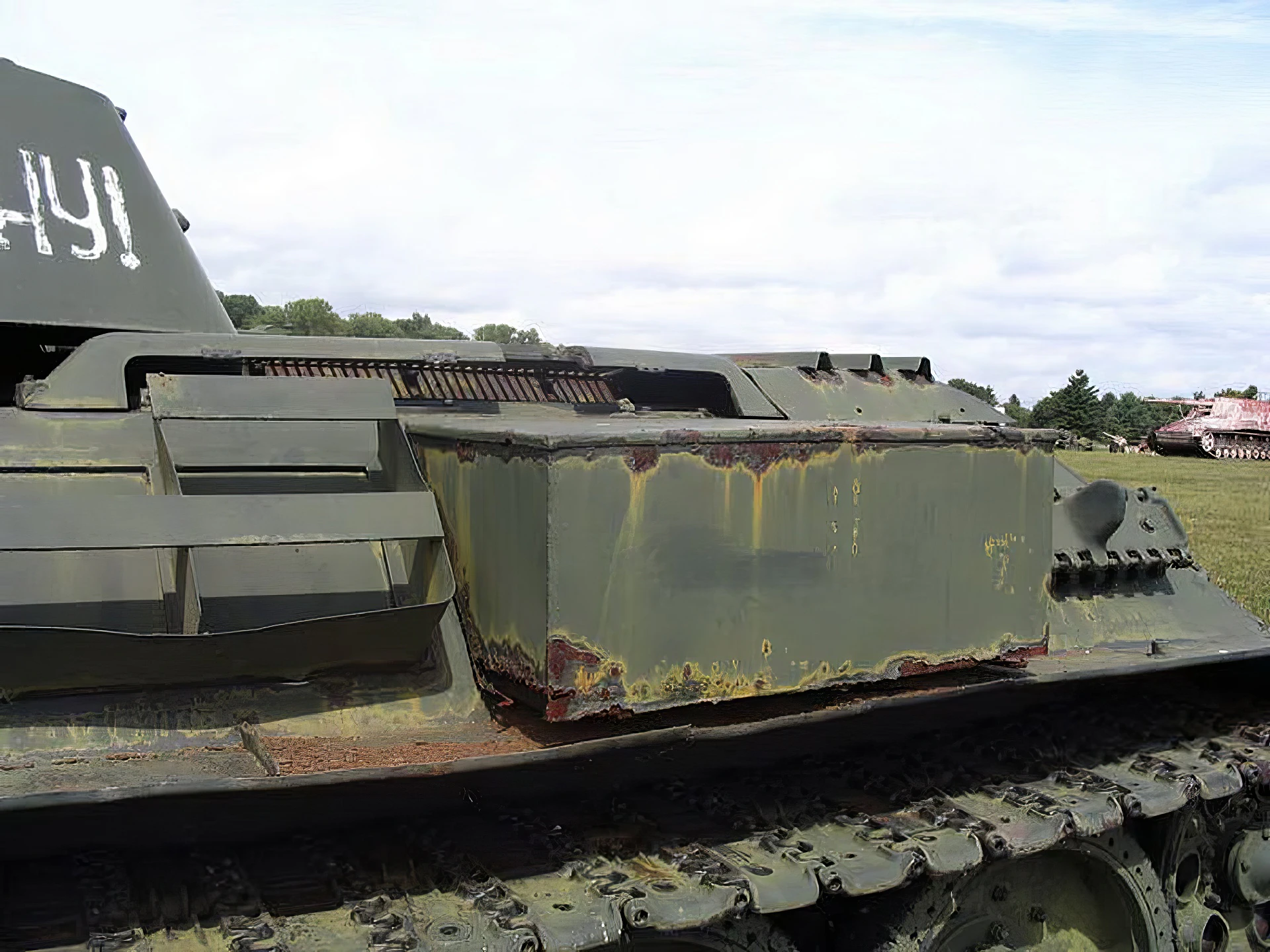

| T-34-76 | |
|---|---|
| Photographer | Unknow |
| Localisation | Unknow |
| Photos | 12 |
| T-34-76 Mod. 1943 Walk Around | |
|---|---|
| Photographer | Unknow |
| Localisation | Unknow |
| Photos | 43 |
See also:


The T-34/76 was a Soviet medium tank introduced in 1940. It is widely regarded as one of the most important and influential tank designs of World War II, combining revolutionary sloped armor, a powerful diesel engine, and a capable 76.2 millimeter gun, which gave it a major edge over contemporary German tanks in 1941.
Key Specifications (Model 1941/42)
| Feature | Detail |
|---|---|
| Role | Medium Tank |
| Crew | 4 (Commander/Gunner, Loader, Driver, Radio Operator/Hull Machine Gunner) |
| Main Armament | 76.2 millimeter F-34 Tank Gun |
| Engine | V-2 Diesel Engine, 500 horsepower (approx.) |
| Armor Thickness (Hull Front) | 45 millimeter sloped at 60 degrees |
| Maximum Speed | 53 kilometers per hour (33 mph) |
| Weight | Around 26.5 metric tonnes |
Revolutionary Design Elements
The T-34’s initial success stemmed from three primary innovations:
- Sloped Armor: The highly angled armor plating greatly increased the effective thickness and deflected incoming rounds, making it difficult for early German anti-tank guns to penetrate.
- V-2 Diesel Engine: This engine provided superior power-to-weight, excellent range, and used diesel fuel, which was less flammable than the gasoline used by most contemporary German and Western Allied tanks.
- Wide Tracks: The broad tracks and Christie suspension gave the tank superior mobility over the mud, snow, and poor roads of the Eastern Front, where German tanks often struggled.
Production Priority: Due to the desperate need for tanks following the German invasion (Operation Barbarossa), the Soviet government prioritized rapid, mass production over quality control, leading to high numbers of tanks but also initial issues with reliability, particularly with the gearbox and engine.
Views : 4118