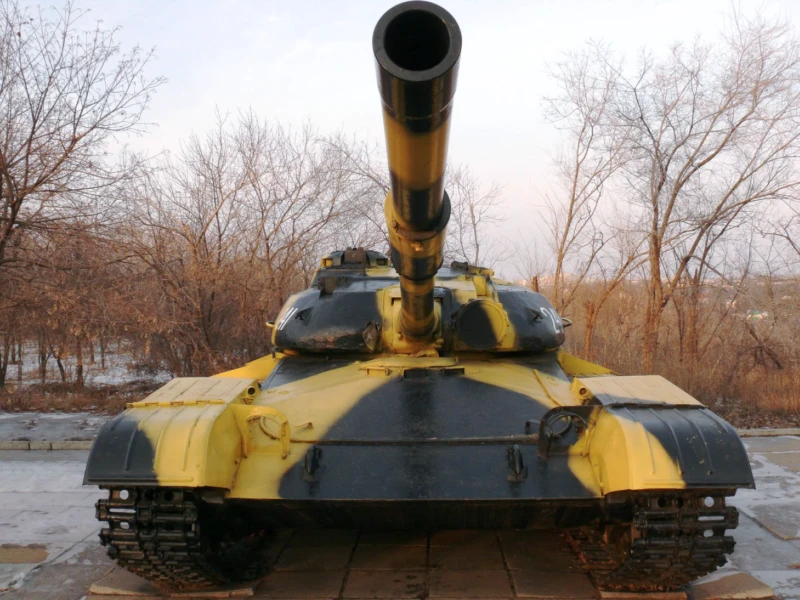
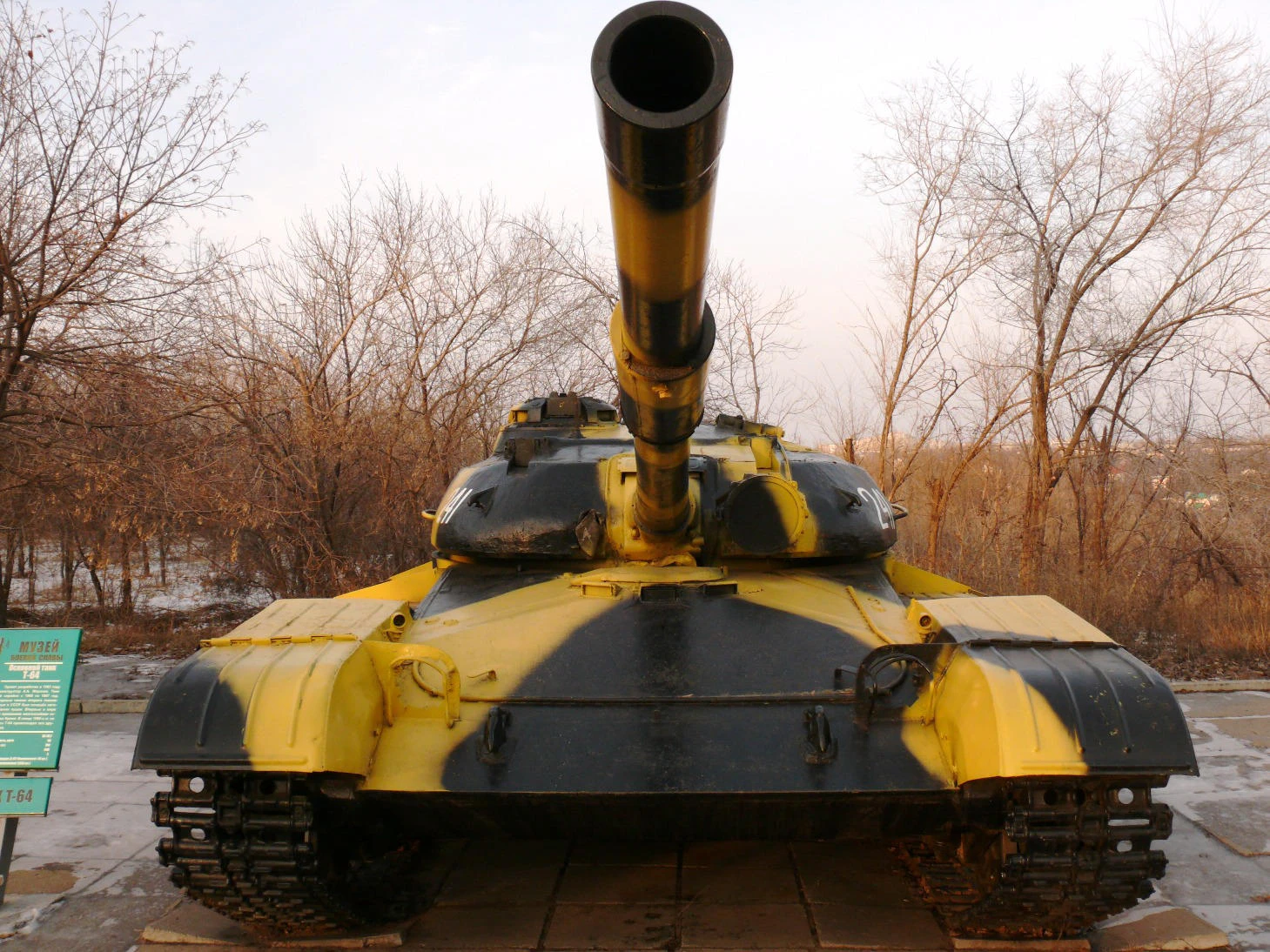
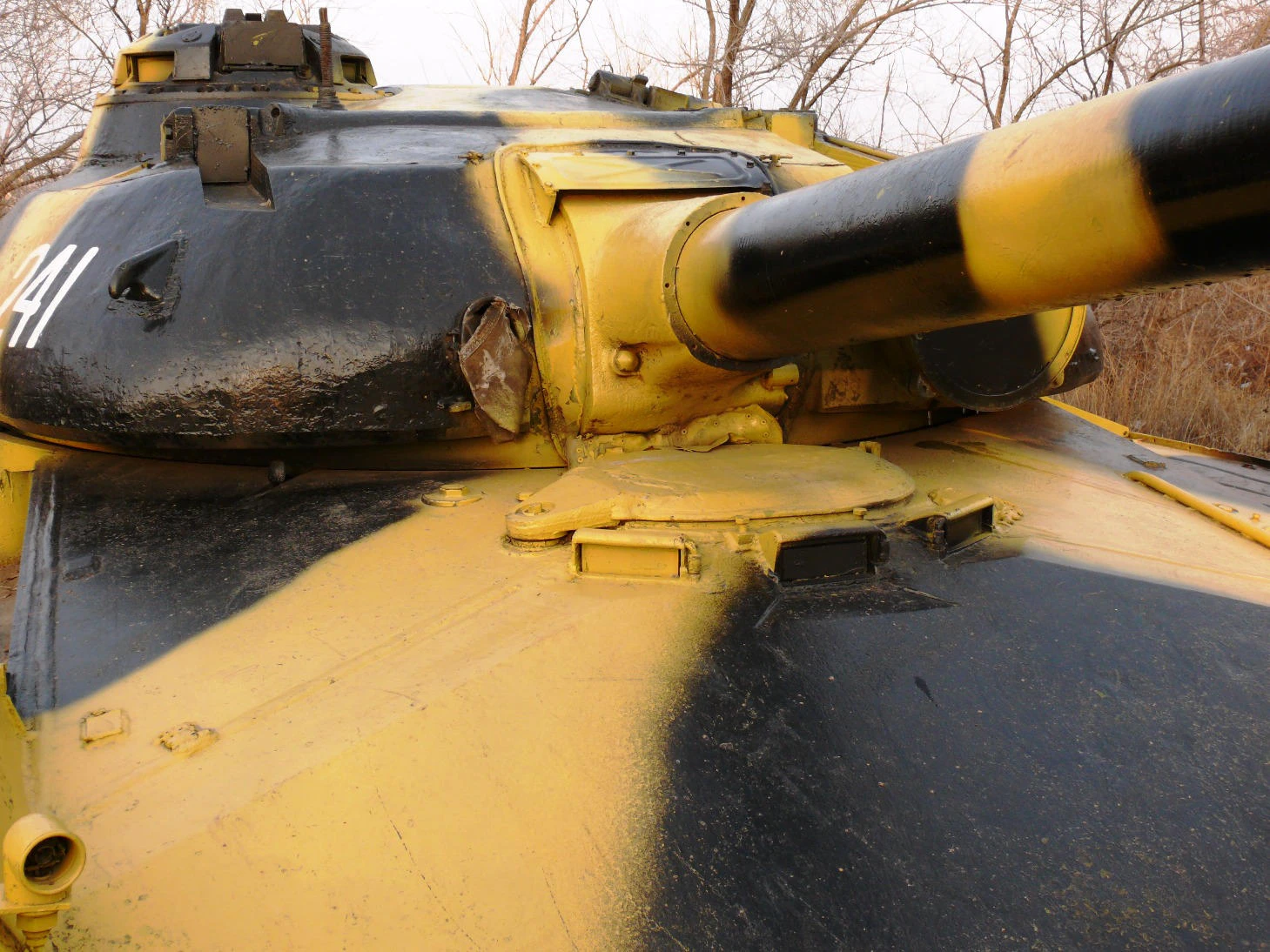
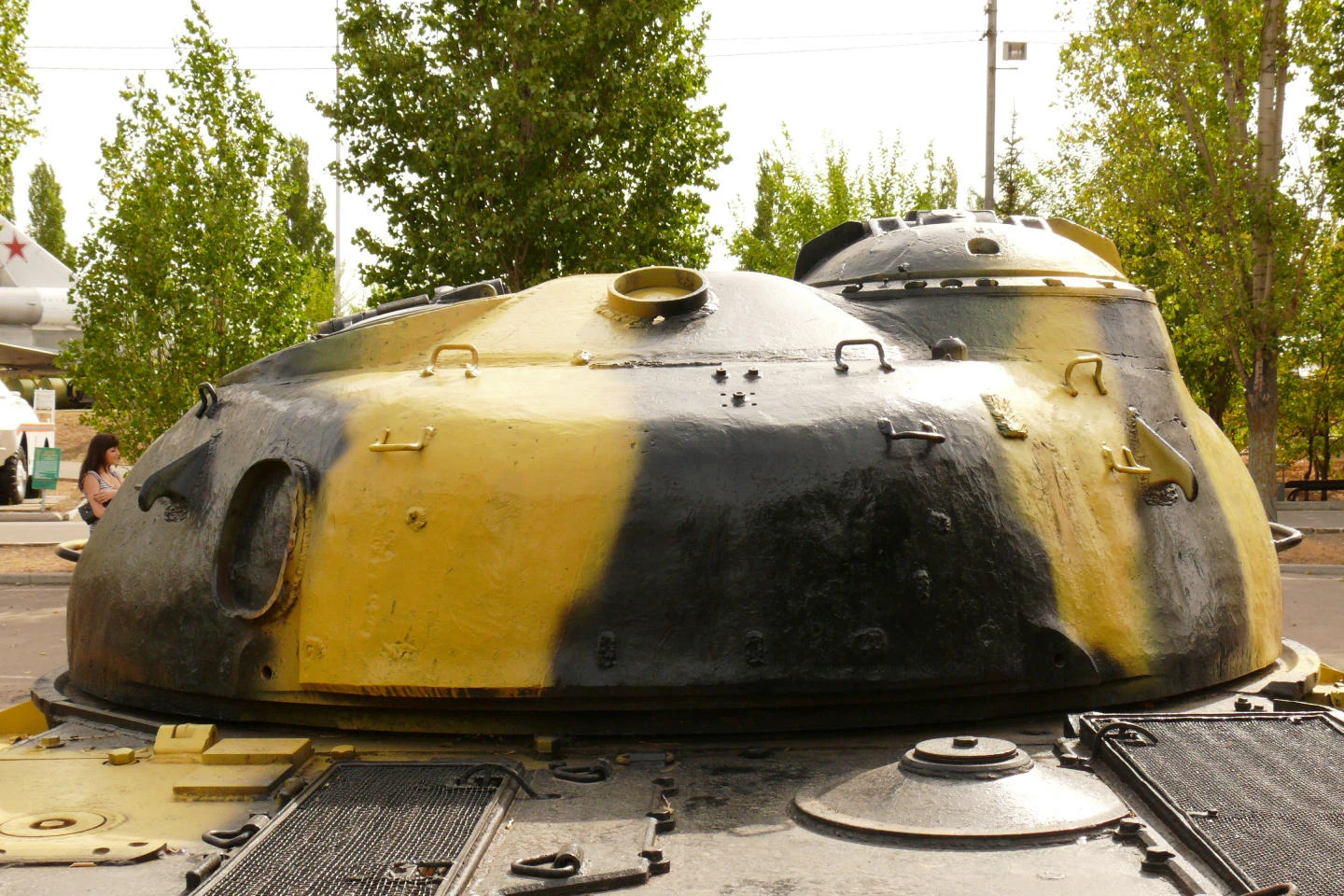
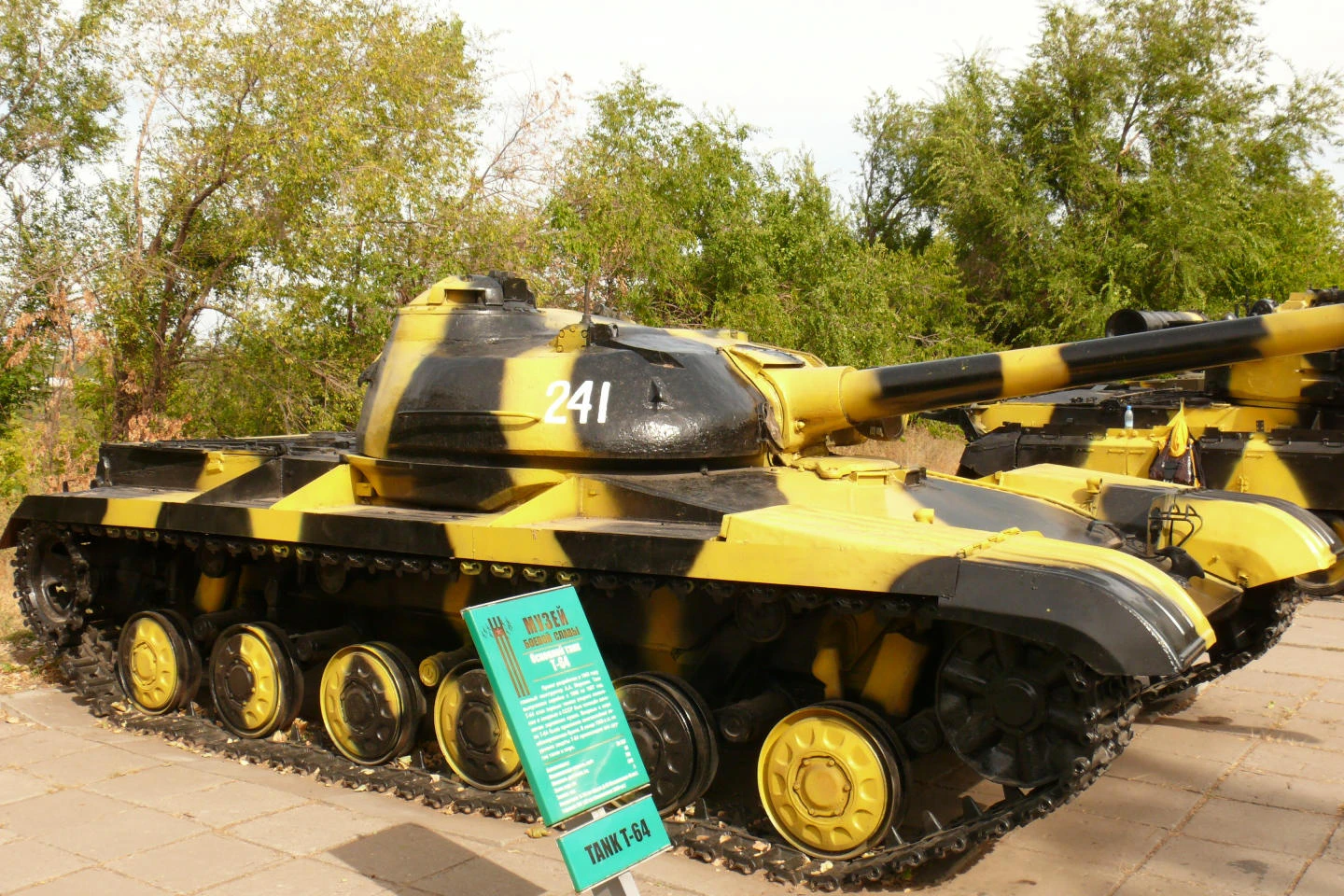
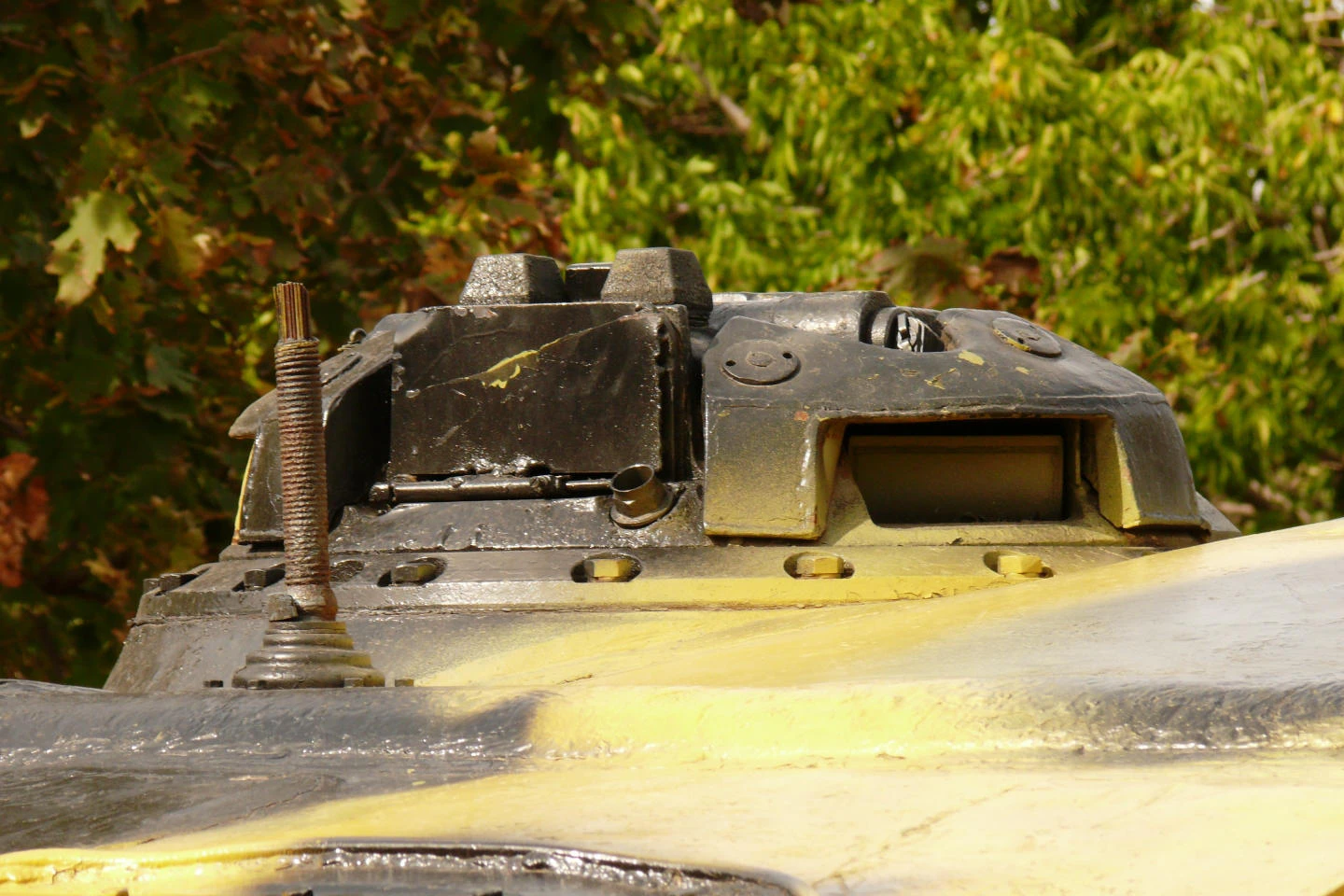
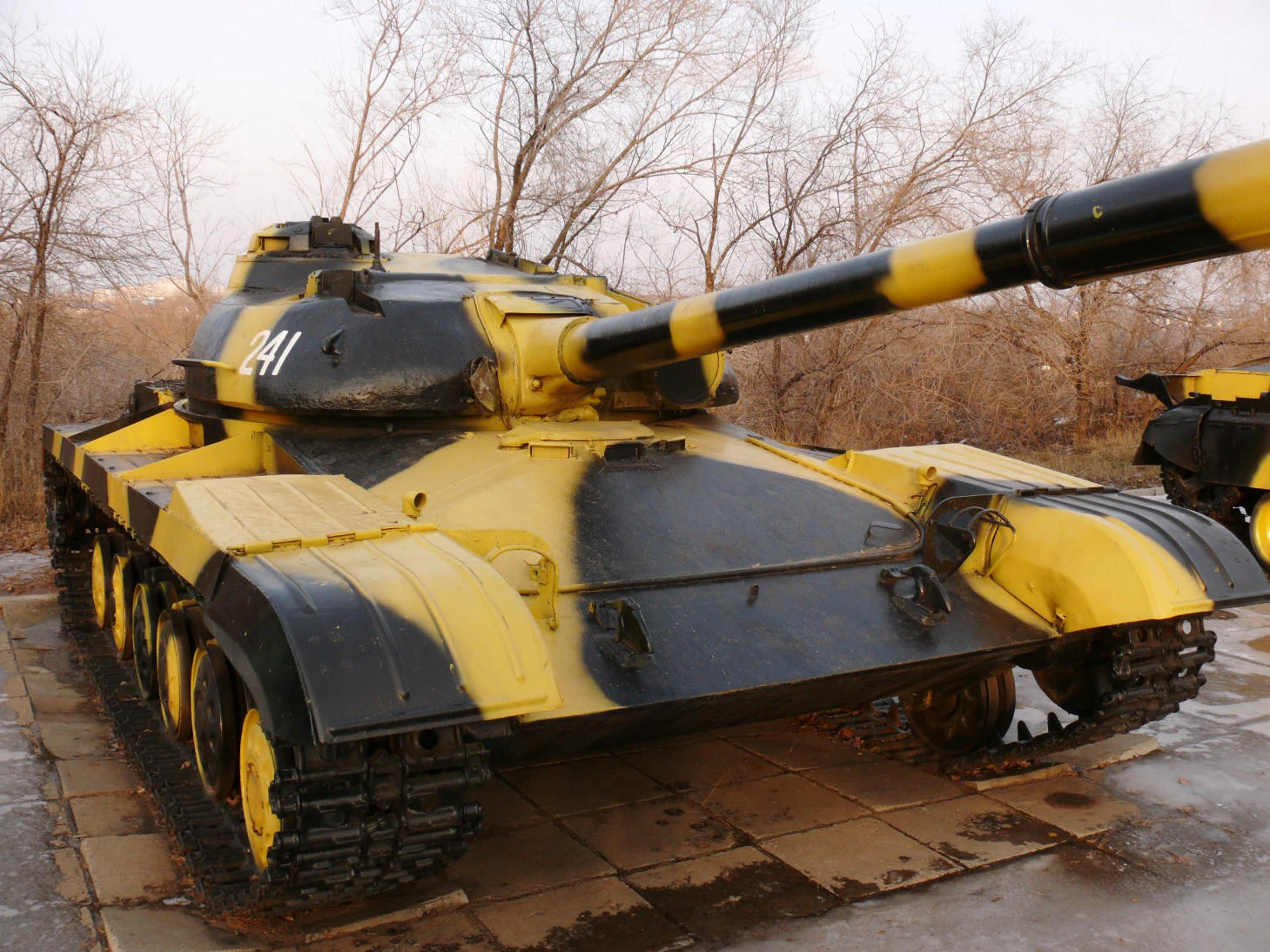
Nniiden T-64 on neuvostoliiton toisen sukupolven päätaistelutankki, joka esiteltiin 1960-luvun alussa. Se oli kehittyneempi vastine T-62:lle: T-64 palveli panssarivaunuosastoja, kun taas T-62 tuki jalkaväkeä moottoroiduissa kivääriosastoissa. Siinä otettiin käyttöön useita edistyneitä ominaisuuksia, kuten komposiittihaarniska, kompakti moottori ja vaihteisto sekä automaattilataimella varustettu smoothbore-125 mm:n pistooli, jonka avulla miehistö voidaan vähentää kolmeen, jotta säiliö voisi olla pienempi ja kevyempi. Huolimatta siitä, että T-64 oli aseistettu ja panssaroitu kuin raskas säiliö, se painoi vain 38 tonnia (42 lyhyttä tonnia, 37 pitkää tonnia).
Nniiden T-64 Main Battle Tankis one of the most significant and revolutionary armored fighting vehicles ever developed. Introduced in the 1960s under the tightest secrecy, it represented a monumental paradigm shift that separated modern main battle tanks from their post-WWII predecessors. Designed by the Morozov Design Bureau in Kharkiv, the T-64 packed a massive smoothbore gun, an automatic loader, and advanced composite armor into an incredibly compact, lightweight frame. It was so advanced—and so plagued by high manufacturing costs and complex technology—that it was never exported, remaining reserved exclusively for elite Soviet frontline units stationed in East Germany.
Attribute
Technical Specification (T-64B Baseline)
Rooli
Main Battle Tank (MBT)
miehistö
3 (Commander, Gunner, Driver) — Loader eliminated by mechanical autoloader
Design Engineering: Autoloaders and Opposed-Piston Power
The Mechanical Autoloader:By introducing a hydraulic-mechanical “basket” autoloader, the T-64 completely eliminated the need for a human loader. This allowed engineers to drastically shrink the turret size, drop the tank’s silhouette to just over two meters, and save several tons of weight, establishing the classic 3-man crew layout still used in modern Russian tanks.
Revolutionary Composite Armor:Long before Western tanks utilized Chobham armor, the T-64 introduced “Kombination K.” This consisted of thick steel outer plates sandwiching an inner core of aluminum oxide ceramic or fiberglass reinforced plastic (textolite). This lightweight combination provided unprecedented defense against both kinetic sabots and chemical HEAT warheads.
The Finicky 5TDF Engine:To keep the engine compartment as small as possible, designers chose a highly unusual, ultra-compact 5TDF opposed-piston diesel engine. While incredibly power-dense, it was a mechanical nightmare early on, prone to sudden breakdowns, difficult to start in winter, and notorious for high maintenance demands.
Ultra-Lightweight Running Gear:Unlike the heavy, rubber-tired road wheels used on the T-55 and T-72, the T-64 utilized unique, small-diameter, lightweight stamped steel road wheels with internal shock absorption. This running gear saved weight but gave the tank a stiffer, less forgiving ride on rugged terrain.
Operational History: Elite Frontline Guardian to Modern Day Revival
The Secret Shield in Europe:Because the T-64 was a closely guarded military secret, it was never sold to Warsaw Pact allies or Middle Eastern client states. Instead, it was deployed exclusively with elite Soviet formations, such as the Group of Soviet Forces in Germany (GSFG), ready to spearhead any hypothetical armored push through the Fulda Gap.
The T-72 “Low-Tech” Divergence:Because the T-64 was so expensive, complex, and difficult to mass-produce, the Soviet leadership ordered the creation of the T-72. The T-72 was essentially a simplified, cheaper, and more reliable alternative designed for mass mobilization and export, overshadowing the T-64 in numbers despite being technologically inferior at birth.
The Missile-Firing Upgrade (T-64B):In 1976, the T-64B variant added the revolutionary ability to fire the 9K112 Kobra radio-guided anti-tank missile directly through its 125mm main gun barrel. This allowed the tank to accurately snipe enemy armor and hovering NATO attack helicopters at long ranges well beyond the reach of conventional tank shells.
21st Century Rebirth:Following the collapse of the Soviet Union, Ukraine inherited the vast majority of the T-64 production infrastructure and active hulls. Deeply modernized with western-style thermal optics, digital radios, and heavy Explosive Reactive Armor (ERA), upgraded variants like the T-64BM Bulat and T-64BV have served as the heavy backbone of Ukrainian armored forces.

 Ariete - Valokuvat ja videot
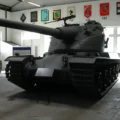 AMX-50 - Valokuvat ja videot
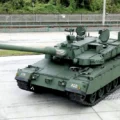 K2 Black Panther – Valokuvat & Videot
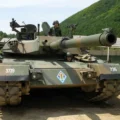 K1 Type 88 - Valokuvat ja videot
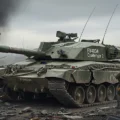 FV4034 Challenger 2 - Valokuvat ja videot
 Type 69 (irakilainen) – Valokuvat ja video
 Strv M40 – Valokuvat & Video
 M60 (Magach 6) – Valokuvat ja video
 AMX-30 - WalkAround
 IS-2 vol4 – WalkAround
Uudet valokuvasarjat