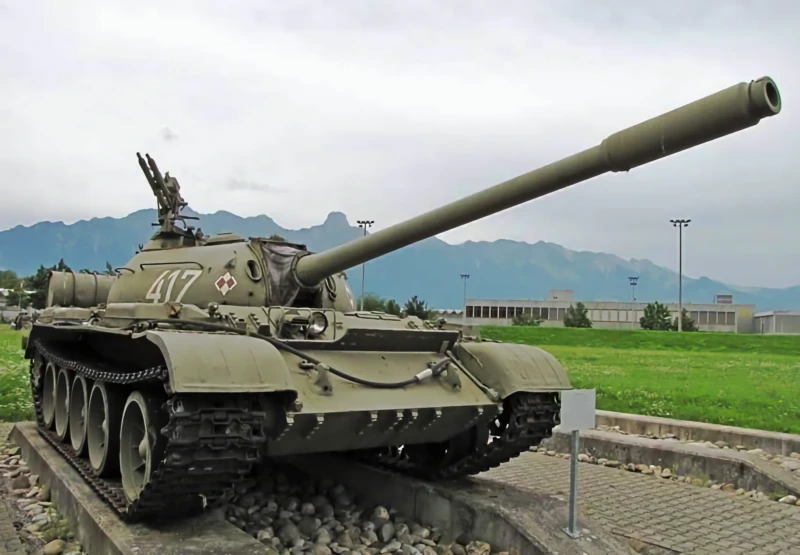
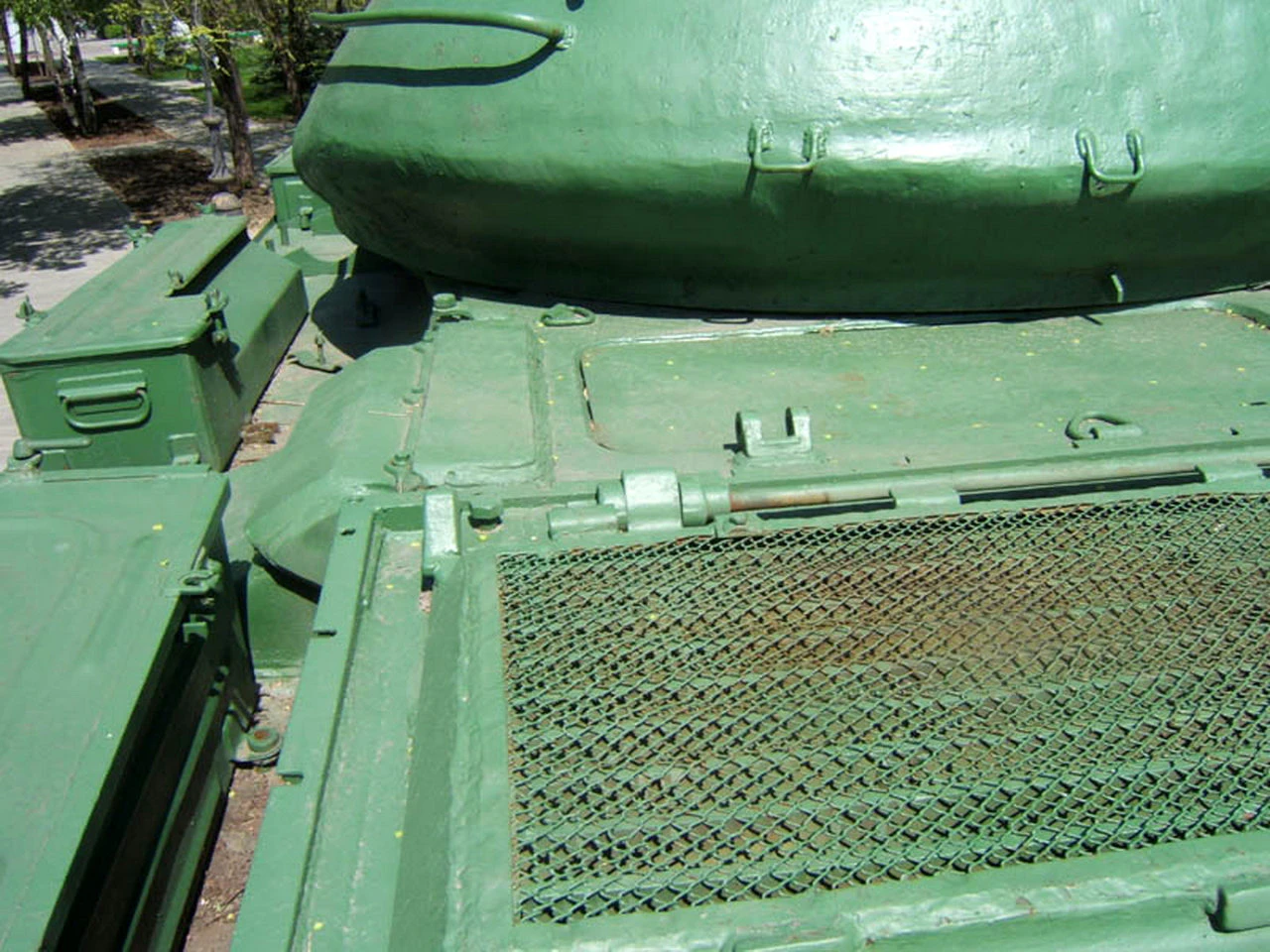
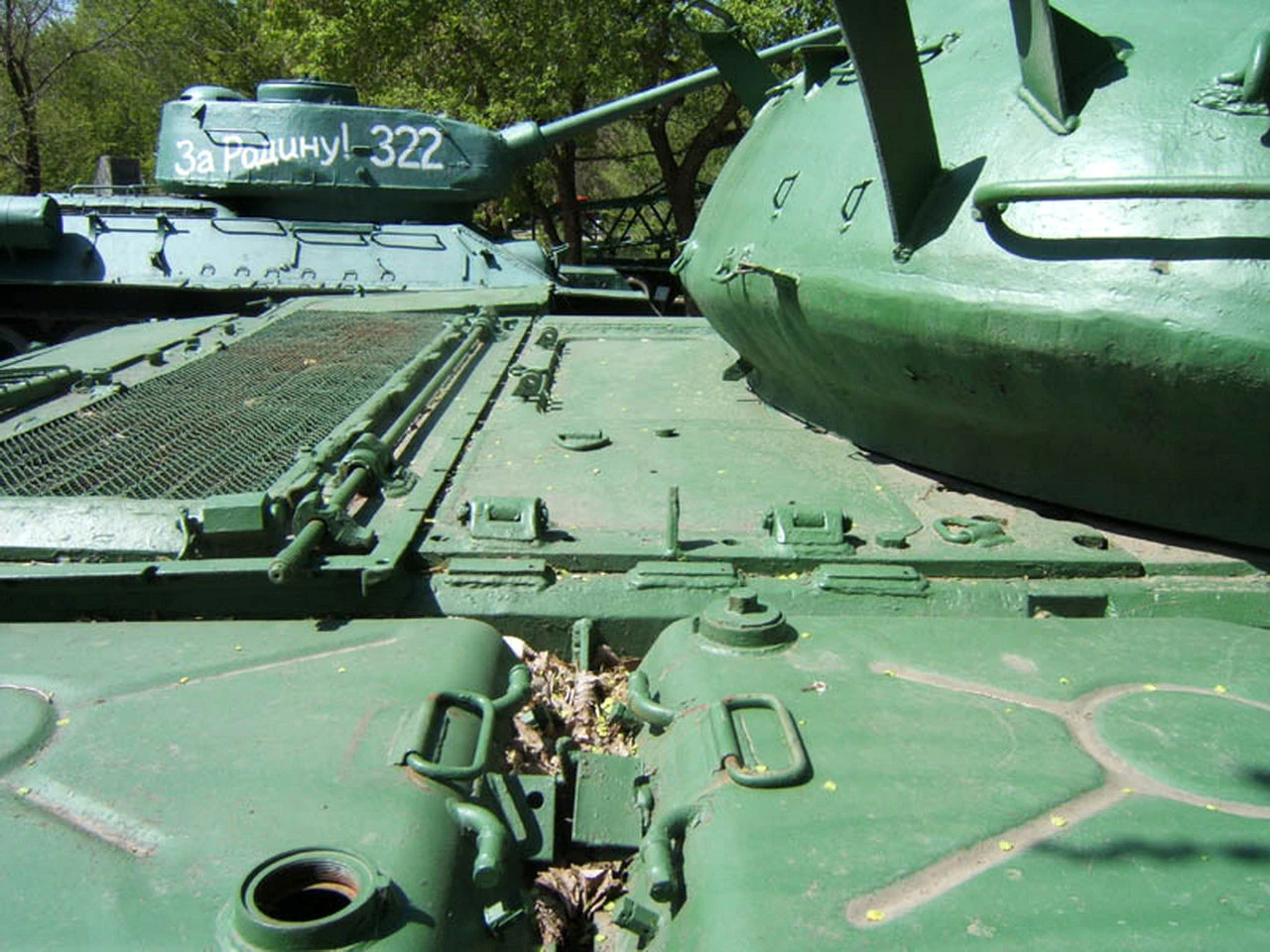
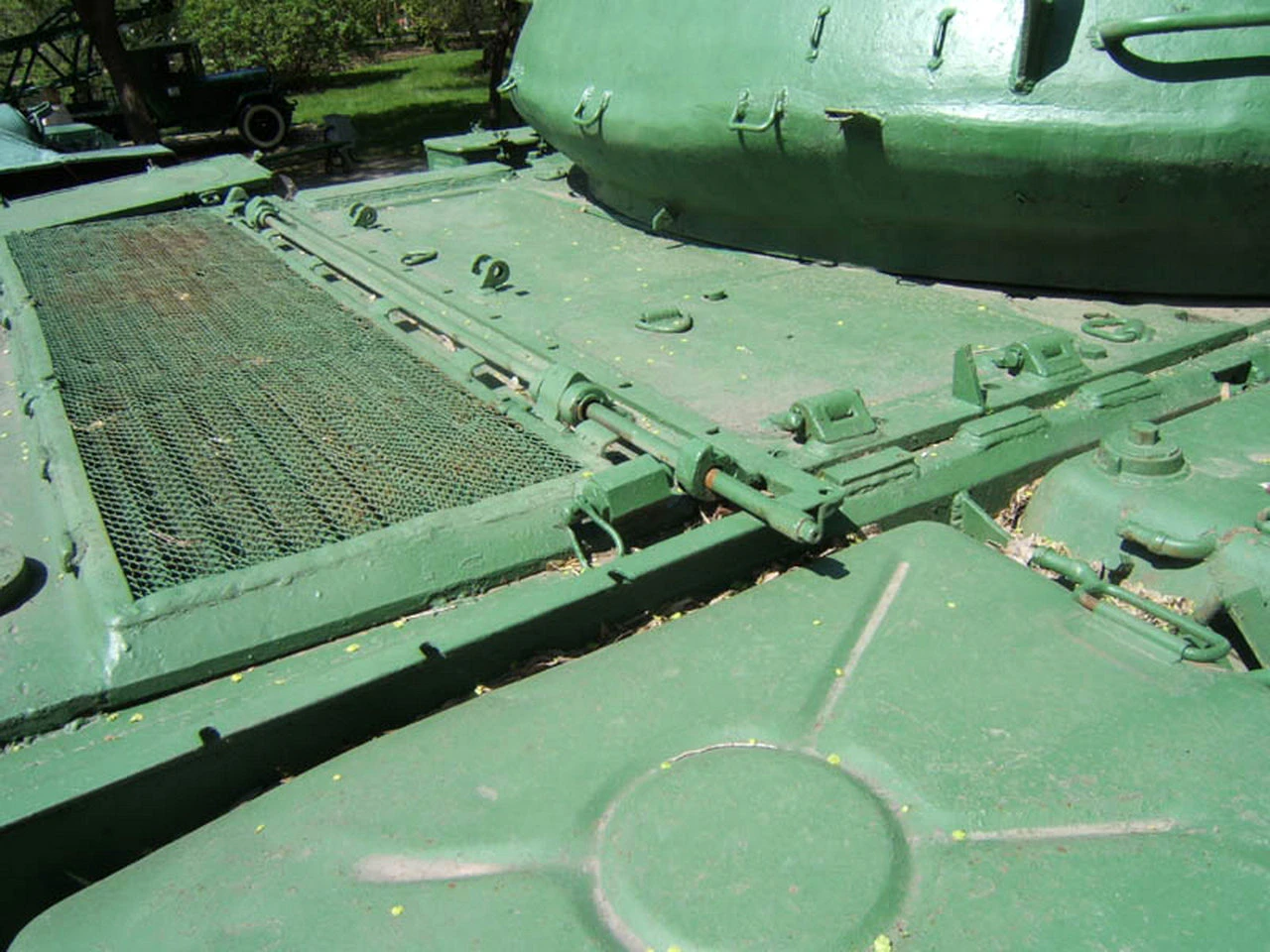
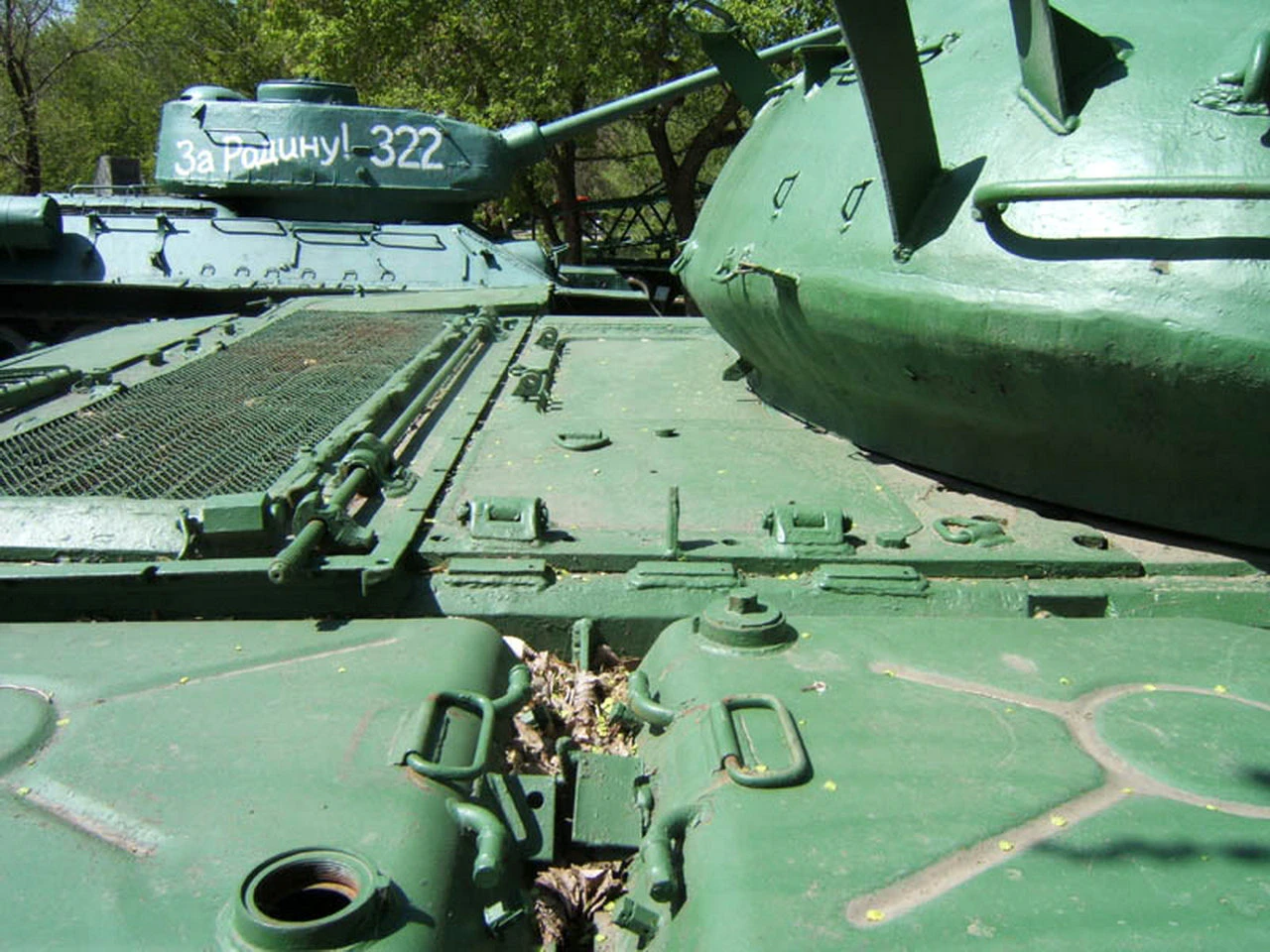
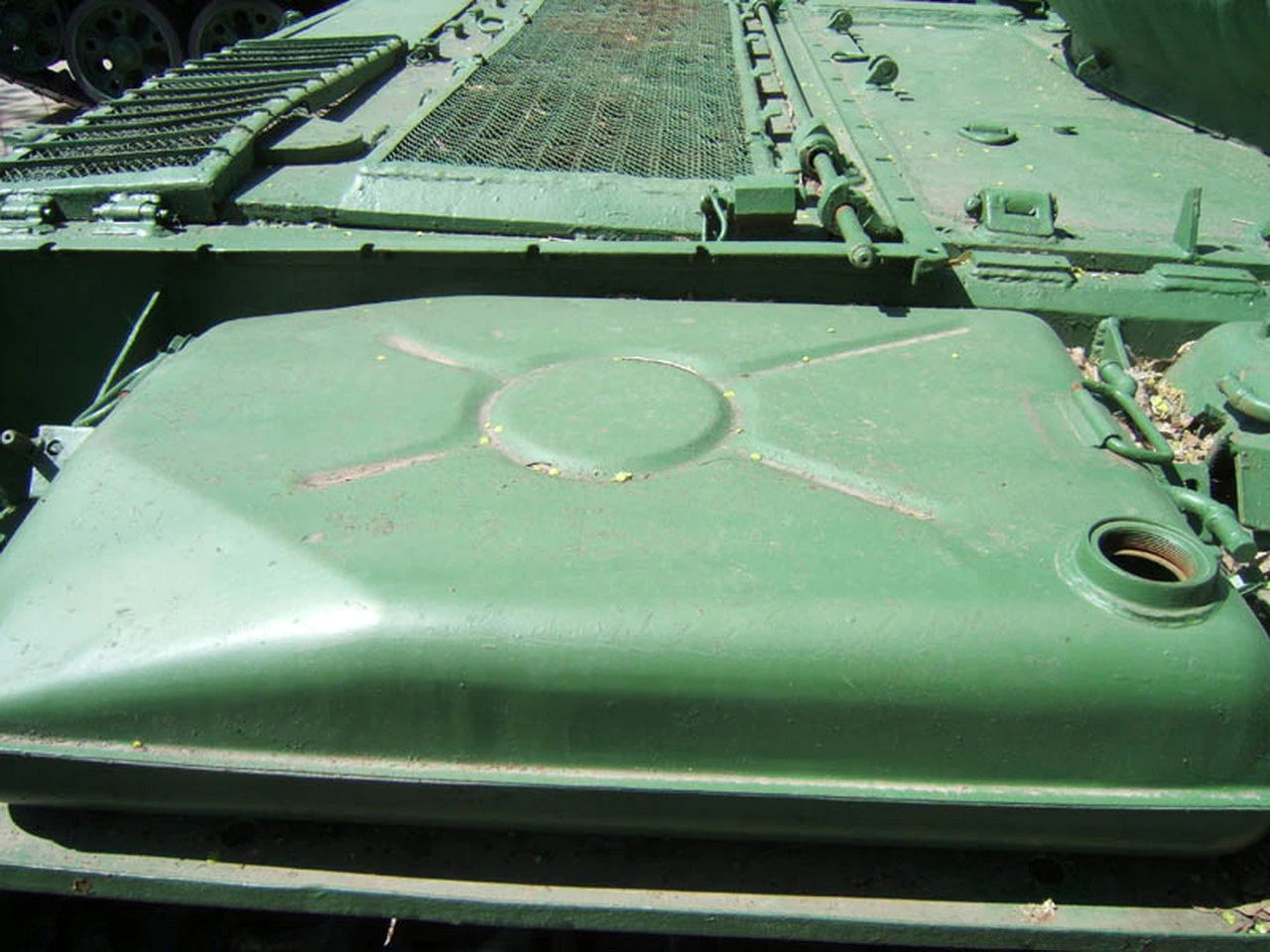
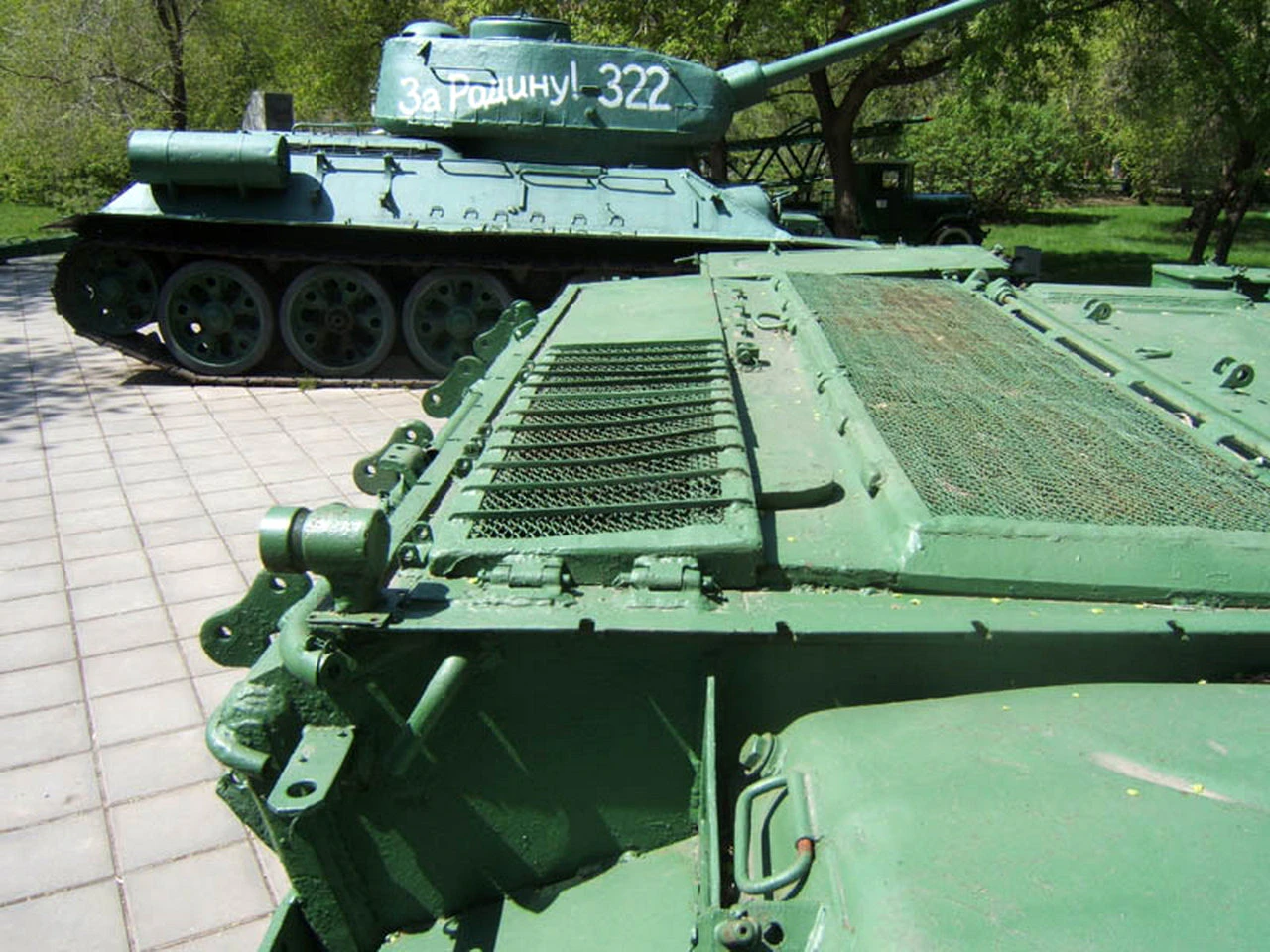
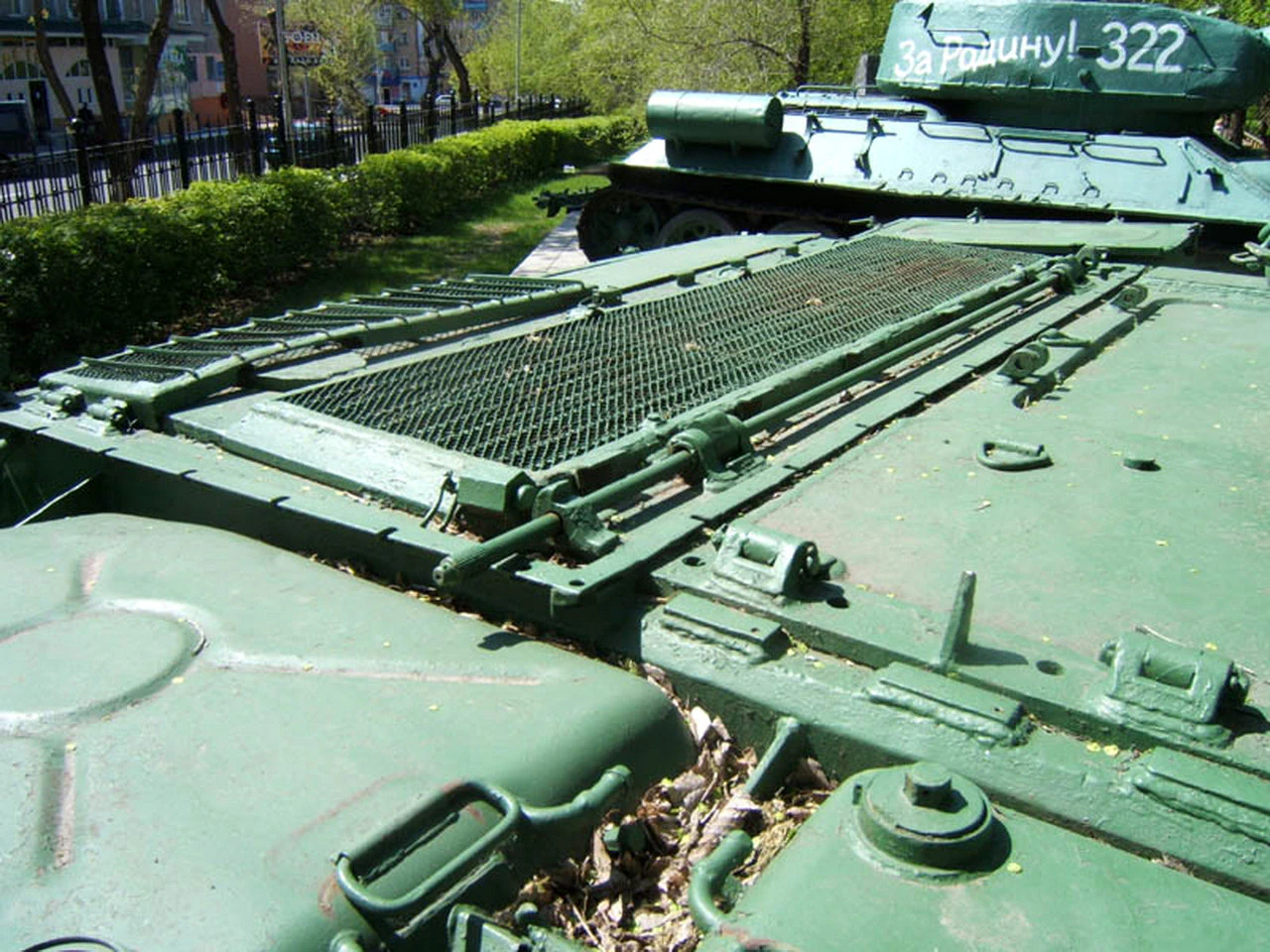
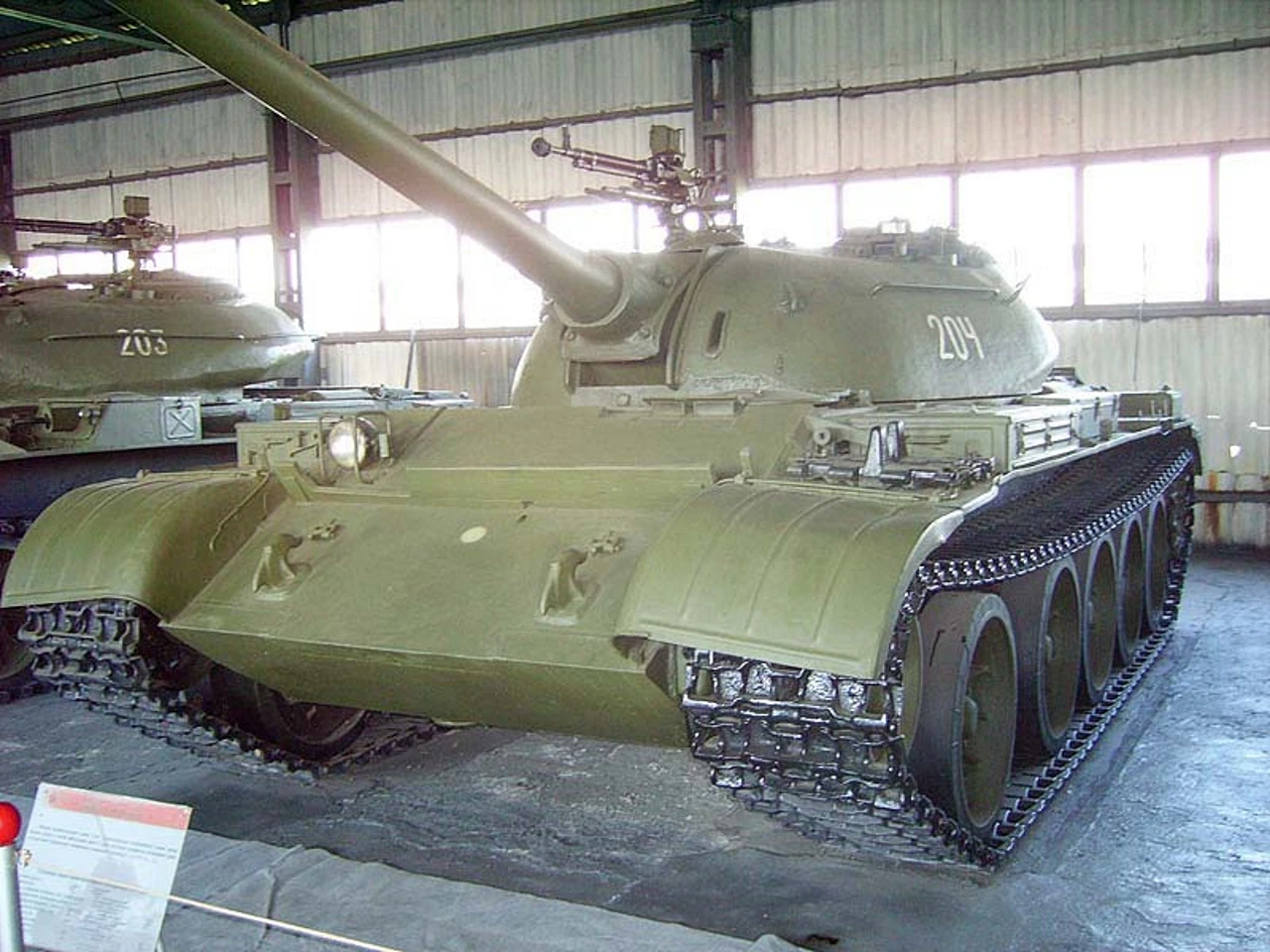
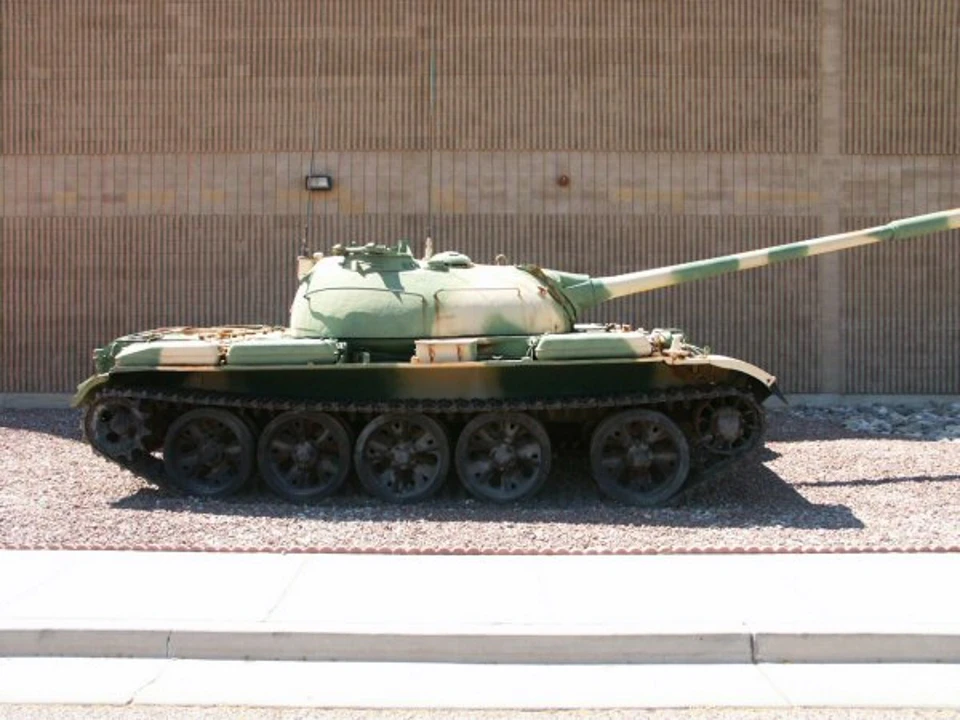
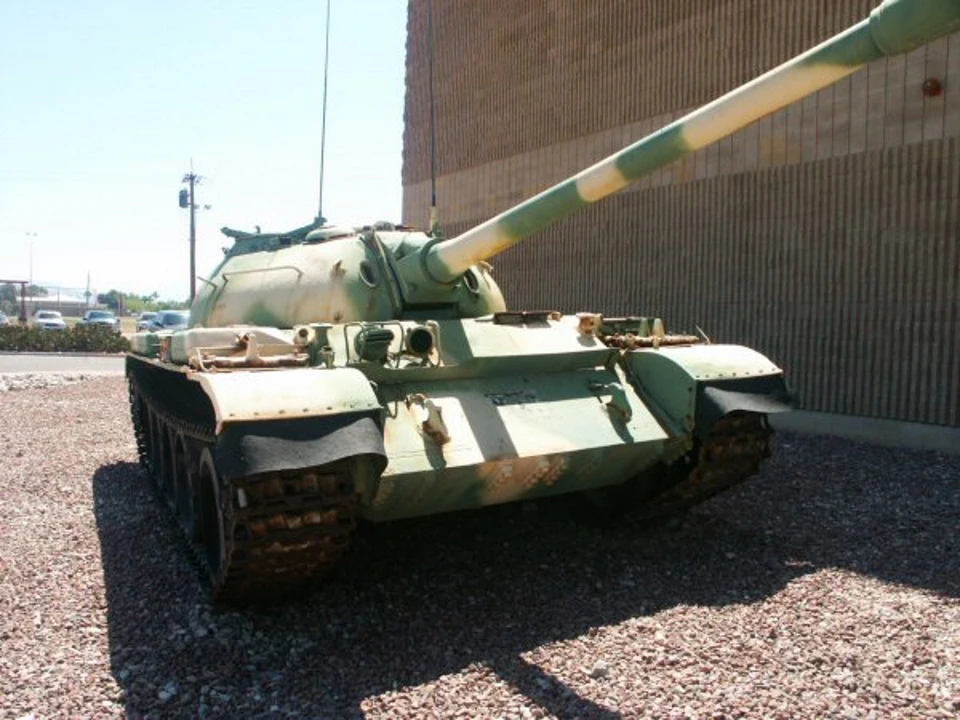
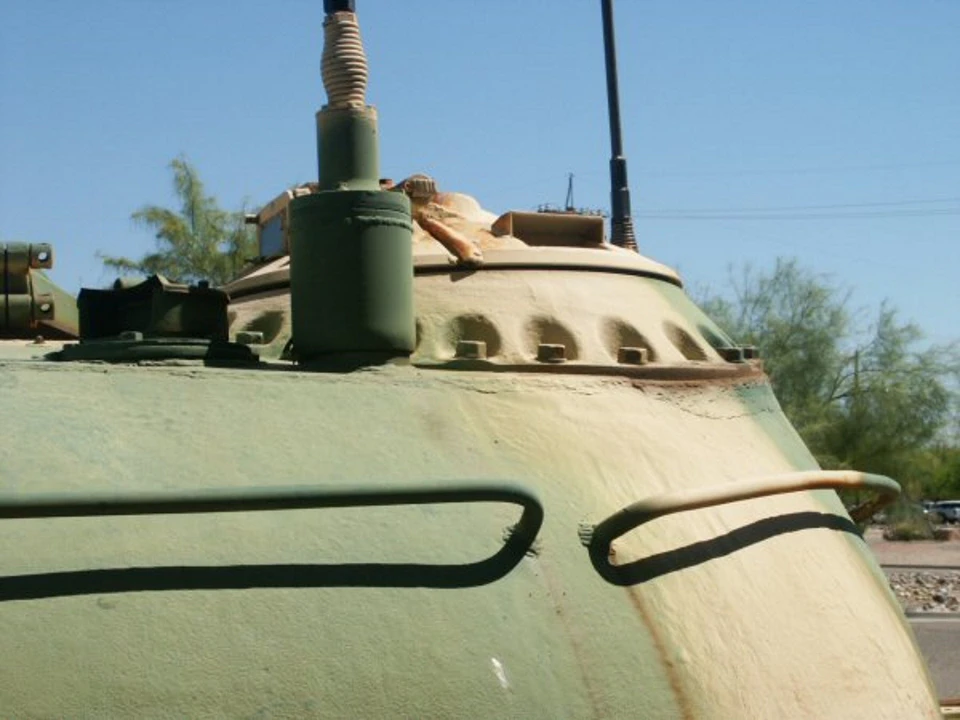
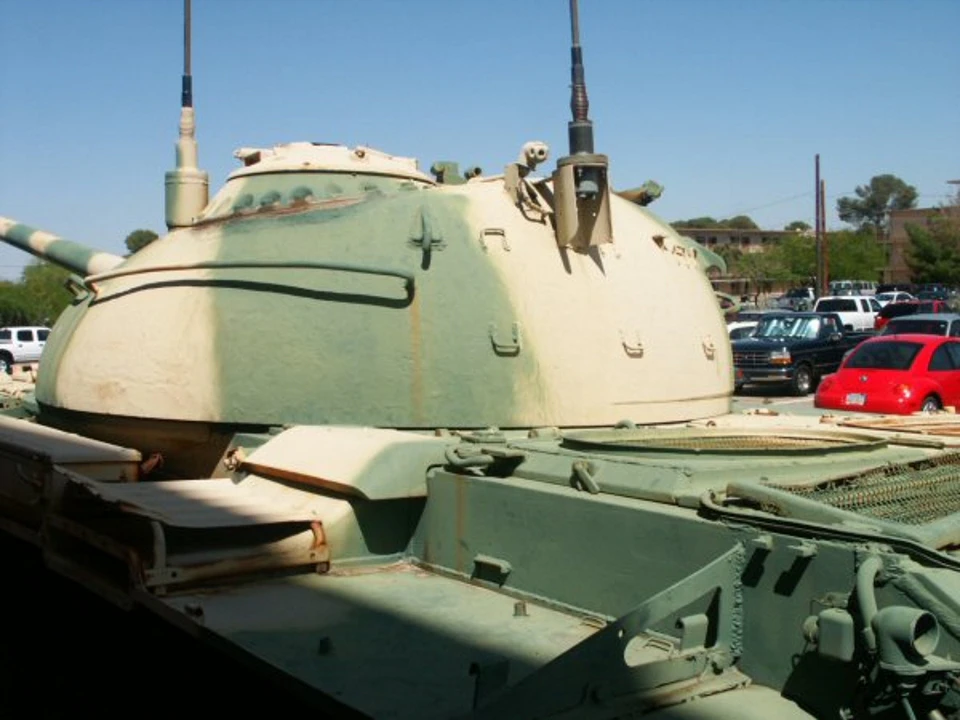
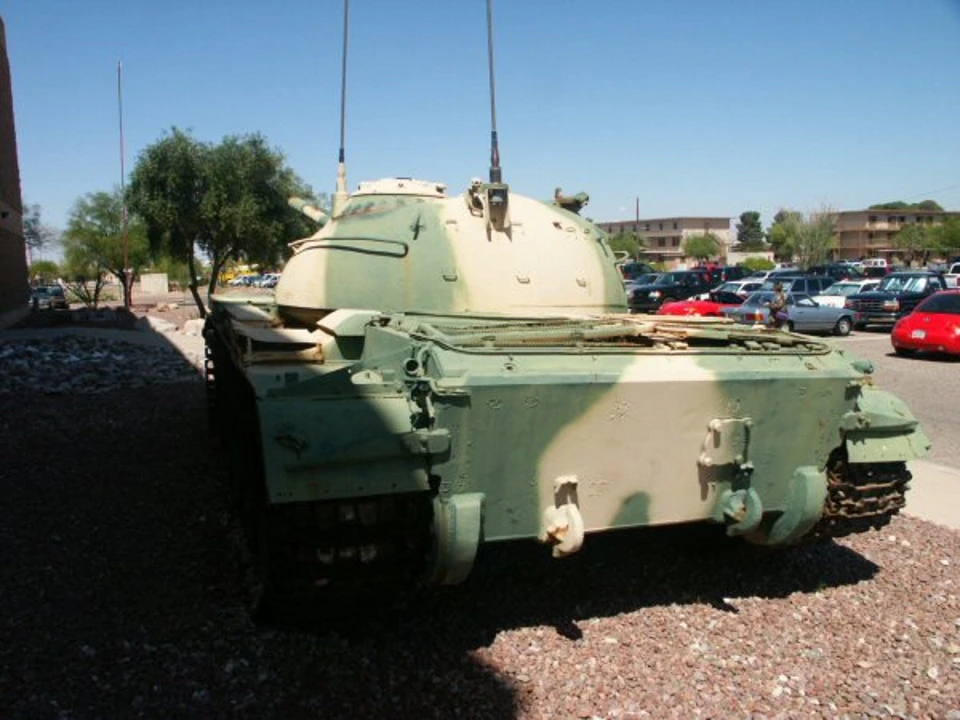
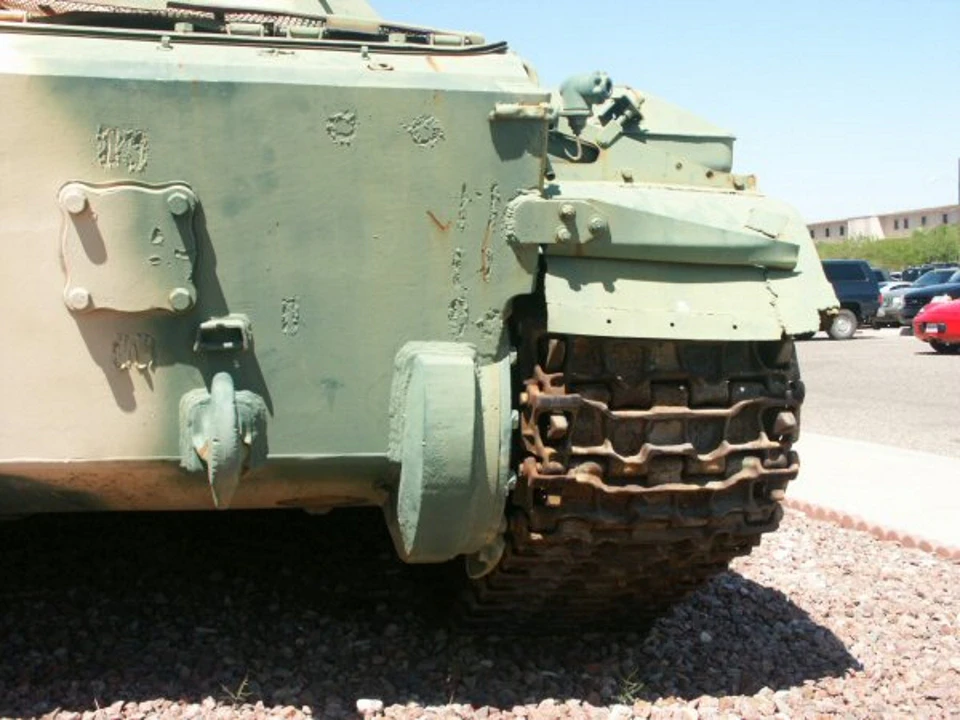
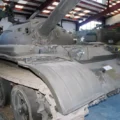
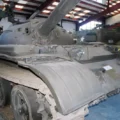
Nniiden T-54 is a Soviet tier 9 medium tank.
The first prototype was constructed at the end of 1944. After successful trials in 1945–1947 the T-54 mod. 1947 was adopted for service. 713 vehicles were constructed before production was phased out. In 1949 production of a new variant was launched.
Nniiden Soviet T-54(alongside its closely related twin, the T-55) is the most heavily produced tank family in military history. Arriving in the immediate aftermath of World War II to replace the legendary T-34, the T-54 established the classic Soviet design paradigm: a low-profile hull, a highly ballistic dome-shaped turret, and heavy, hard-hitting armament. By prioritizing mechanical simplicity, mass-production capability, and a compact silhouette, Soviet engineers created a vehicle that defined armored warfare for the second half of the 20th century. It became the iron fist of the Warsaw Pact and was exported so widely that it remains in active service in various global flashpoints to this day.
~400 km (250 miles) internal fuel; up to 600 km with external fuel drums
Paino
~36 metric tons
Primary Armament
1 × 100mm D-10T rifled tank gun
Armor Thickness
Hull front: 100mm (highly sloped) | Turret front: up to 200mm
Design Engineering: The Dome Turret and Compact Geometry
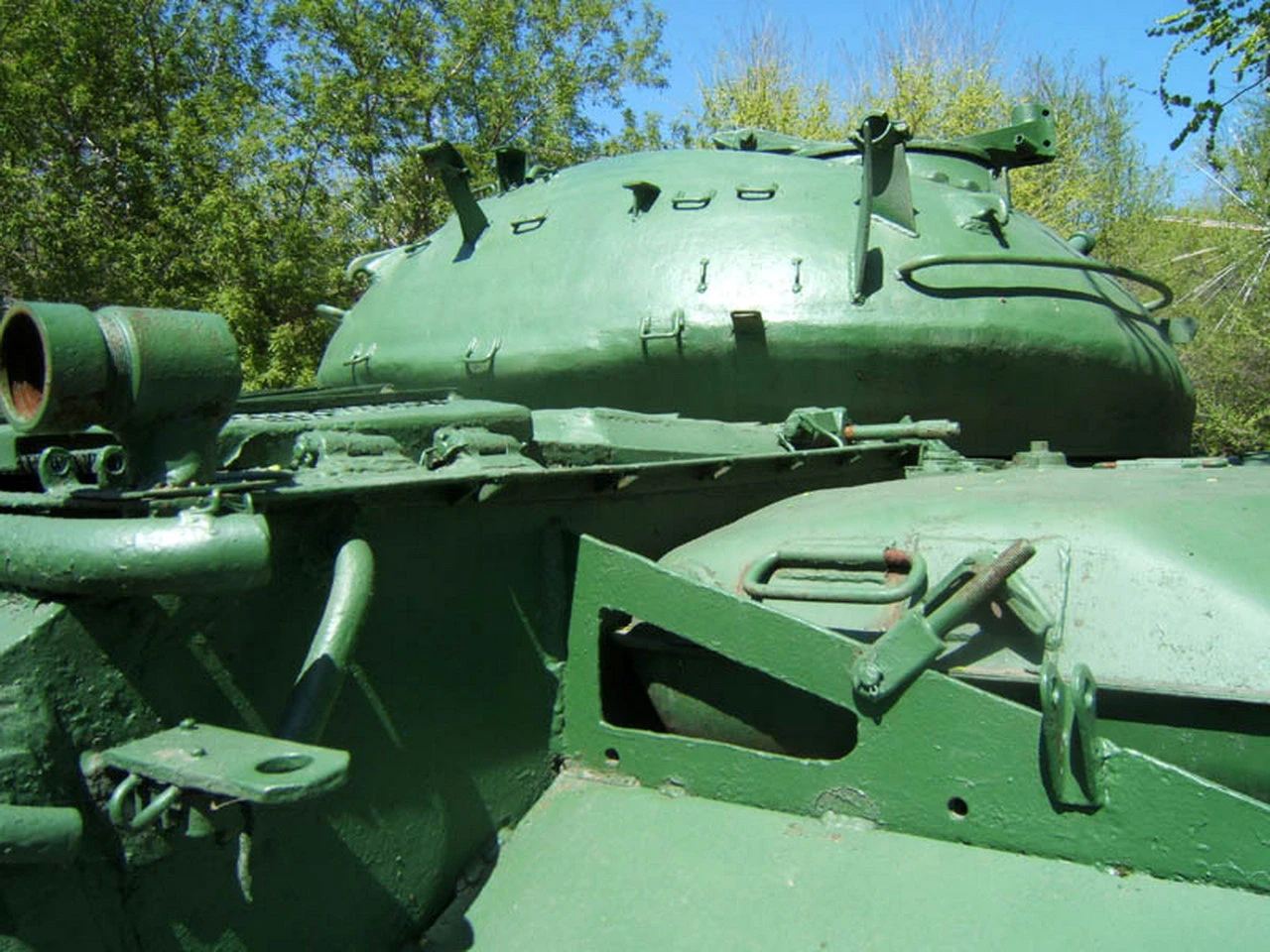
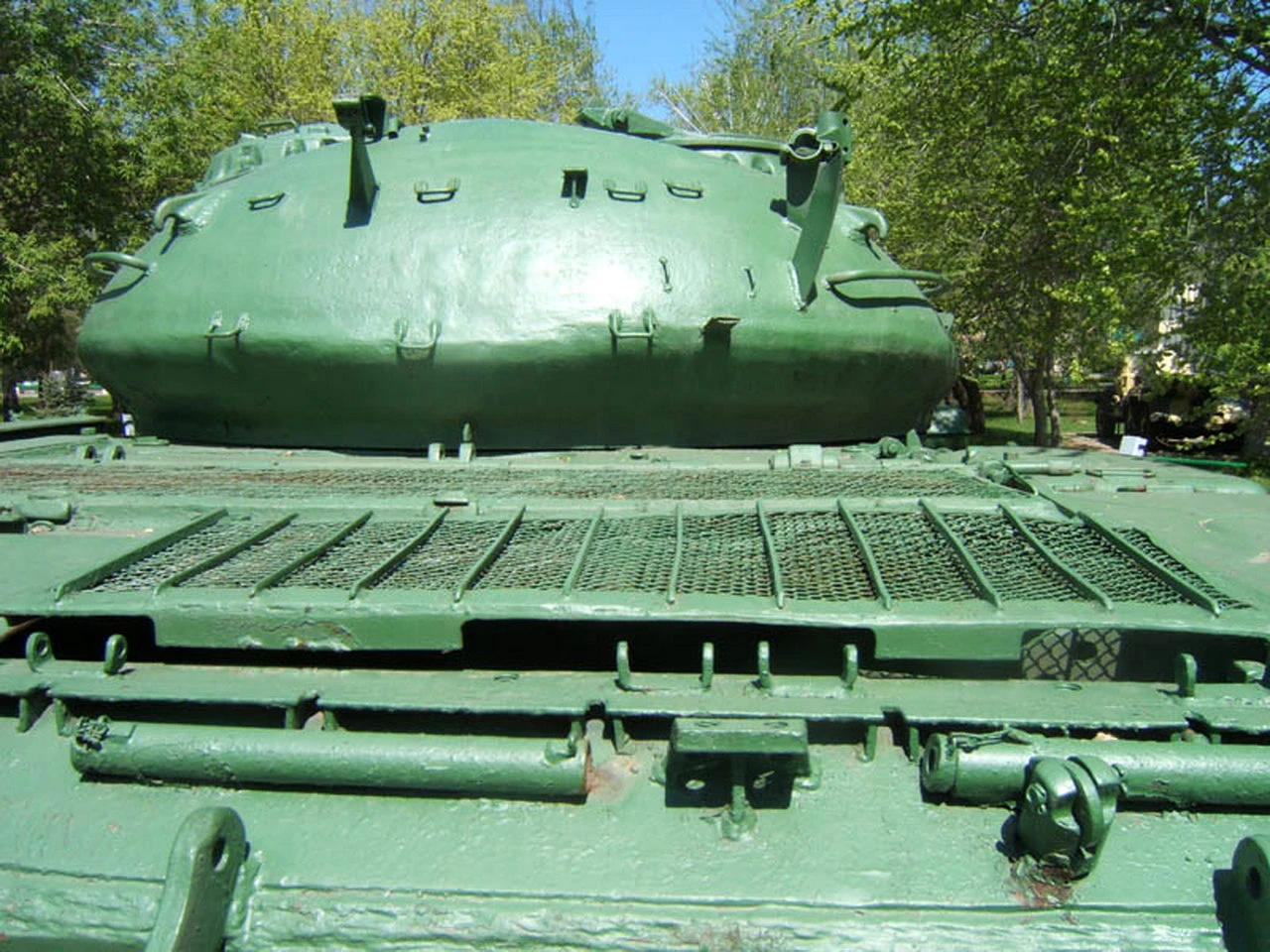
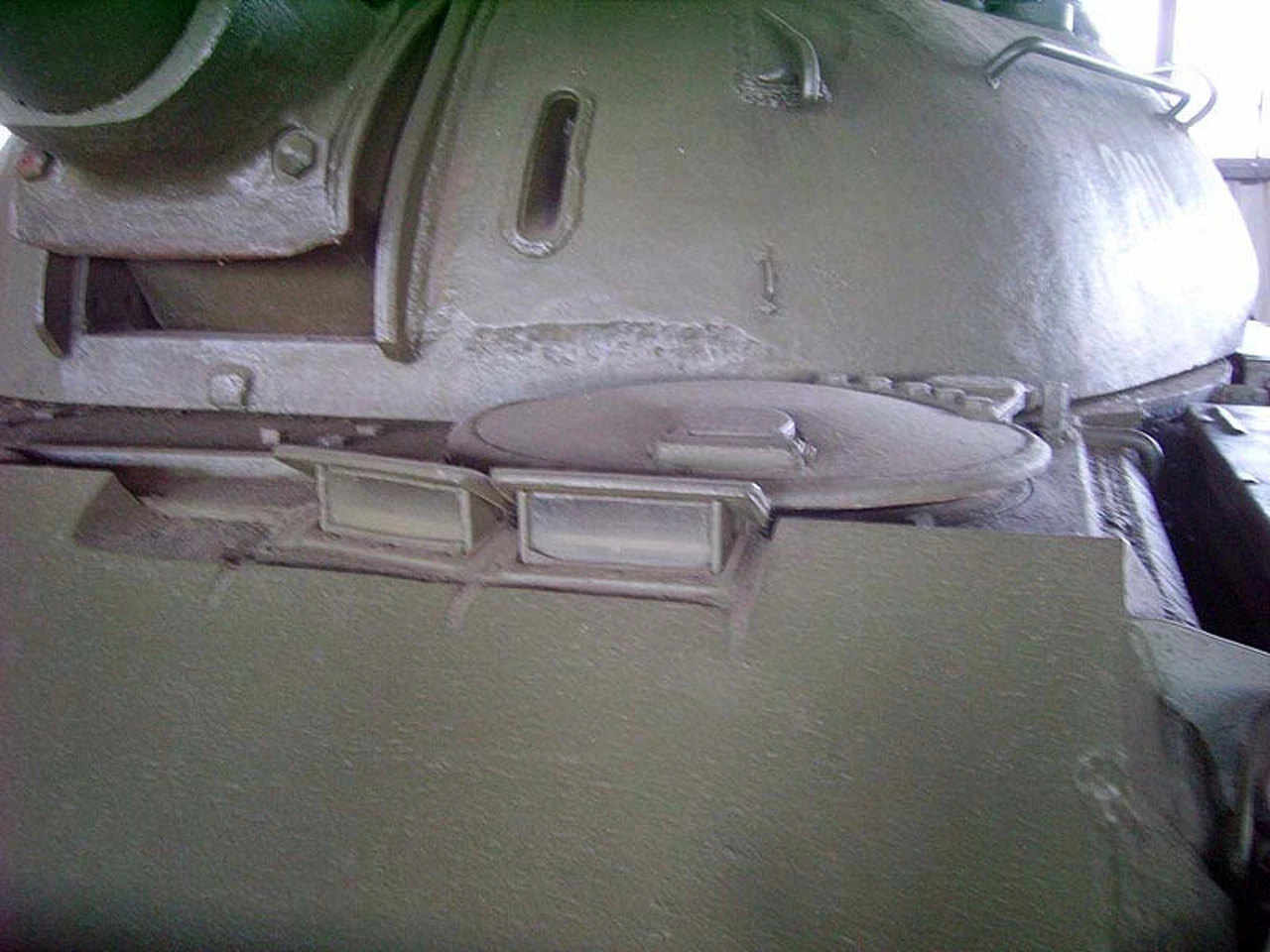
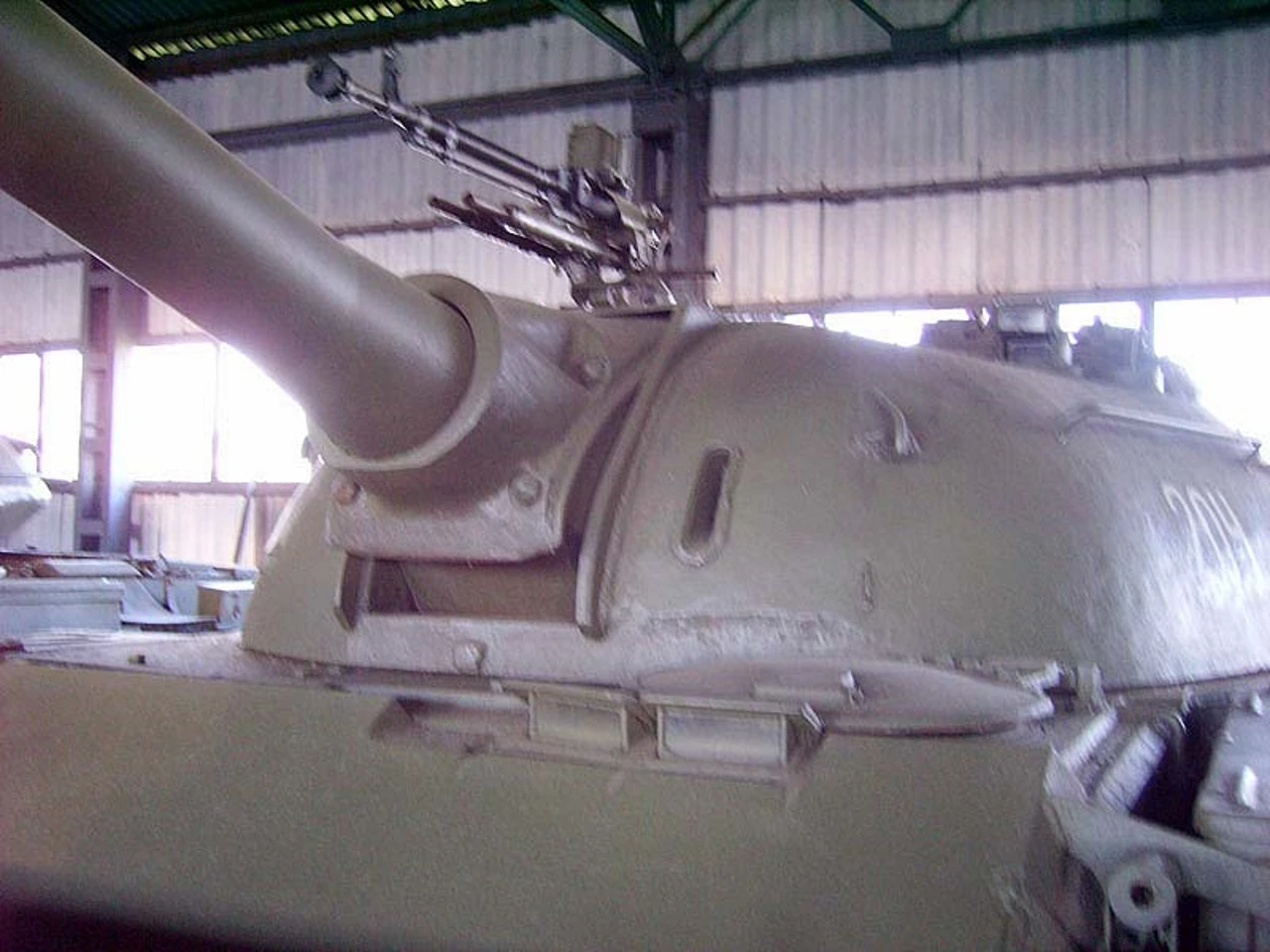
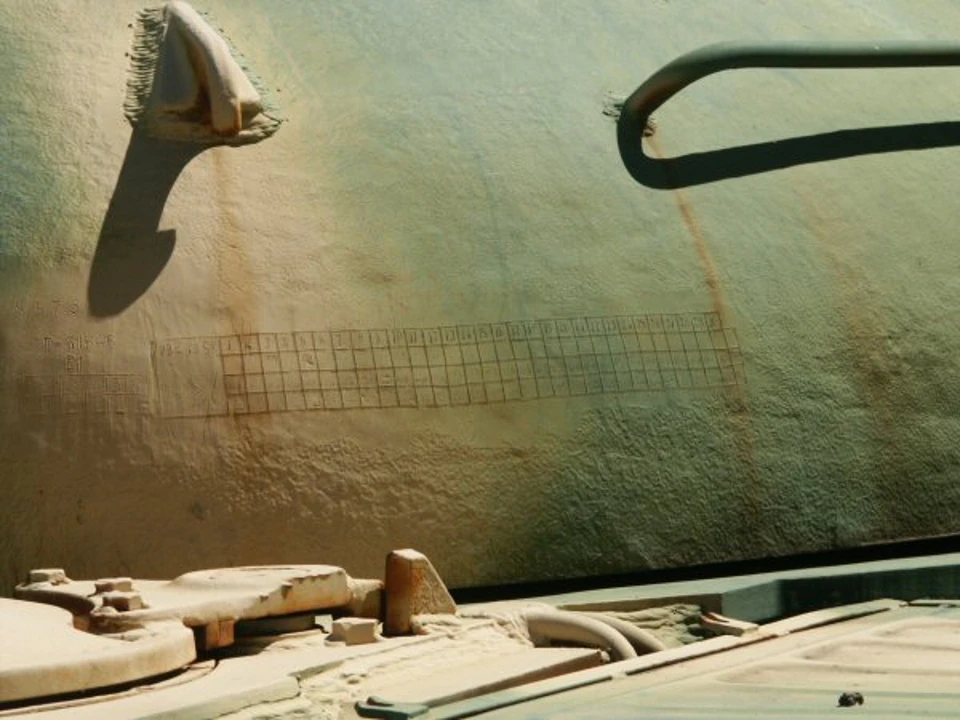
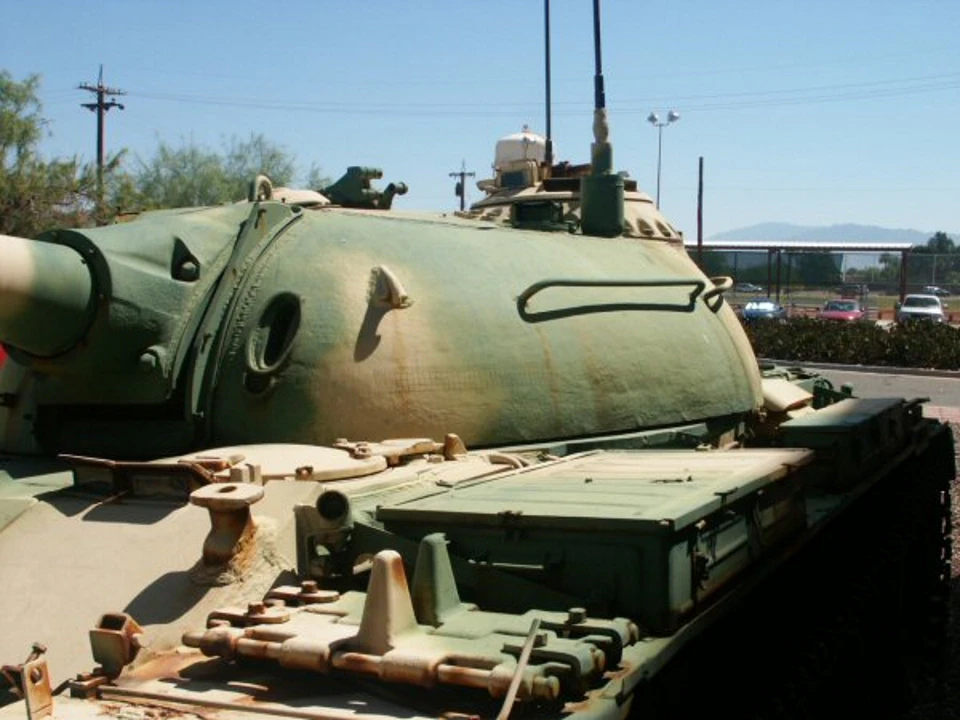
The Inverted “Soup Bowl” Turret:The most revolutionary visual and protective feature of the T-54 was its cast-steel dome turret. Mimicking an inverted soup bowl, this rounded geometry maximized armor thickness relative to weight and offered superb ballistic deflections, causing incoming Western anti-tank shells to slip harmlessly off its curved face.
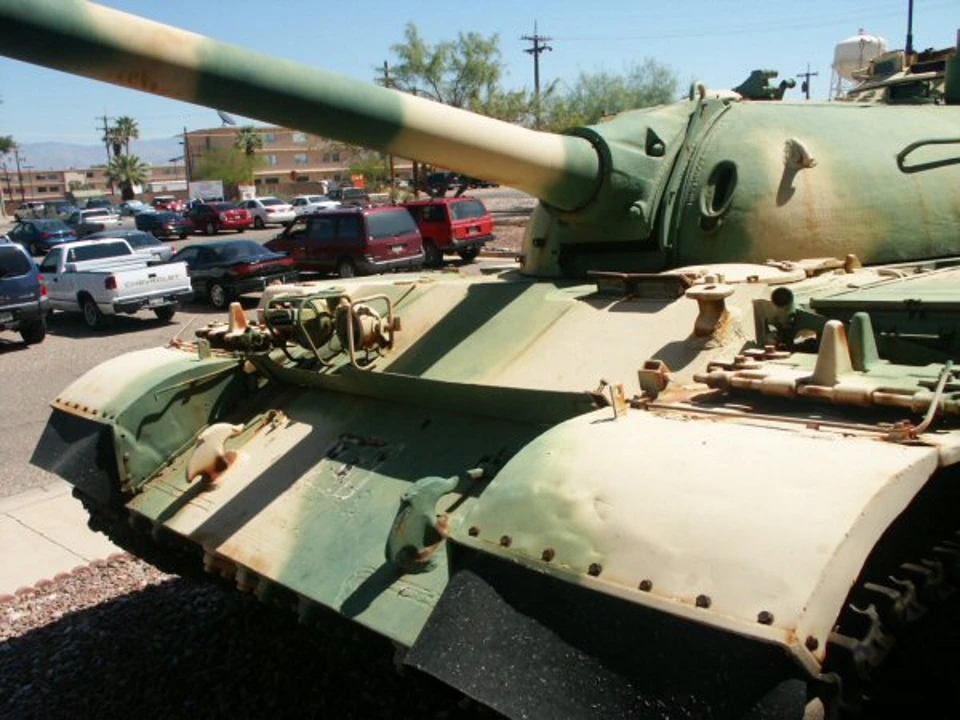
The Deadly D-10T Rifle:To counter heavy Western armor like the American M26 Pershing and British Centurion, the T-54 was armed with the formidable 100mm D-10T rifled gun. Derived from a naval and anti-tank piece, it packed an immense punch for a medium tank at the time, capable of piercing standard armor plates at typical combat ranges.
The Low-Profile Dilemma:Soviet planners prioritized keeping the tank under 2.4 meters (less than 8 feet) tall to make it an incredibly difficult target to hit on an open battlefield. However, this tight packaging required a highly cramped interior. Crew ergonomics were severely compromised, and taller tankers were deliberately excluded from recruitment to fit inside the small workspace.
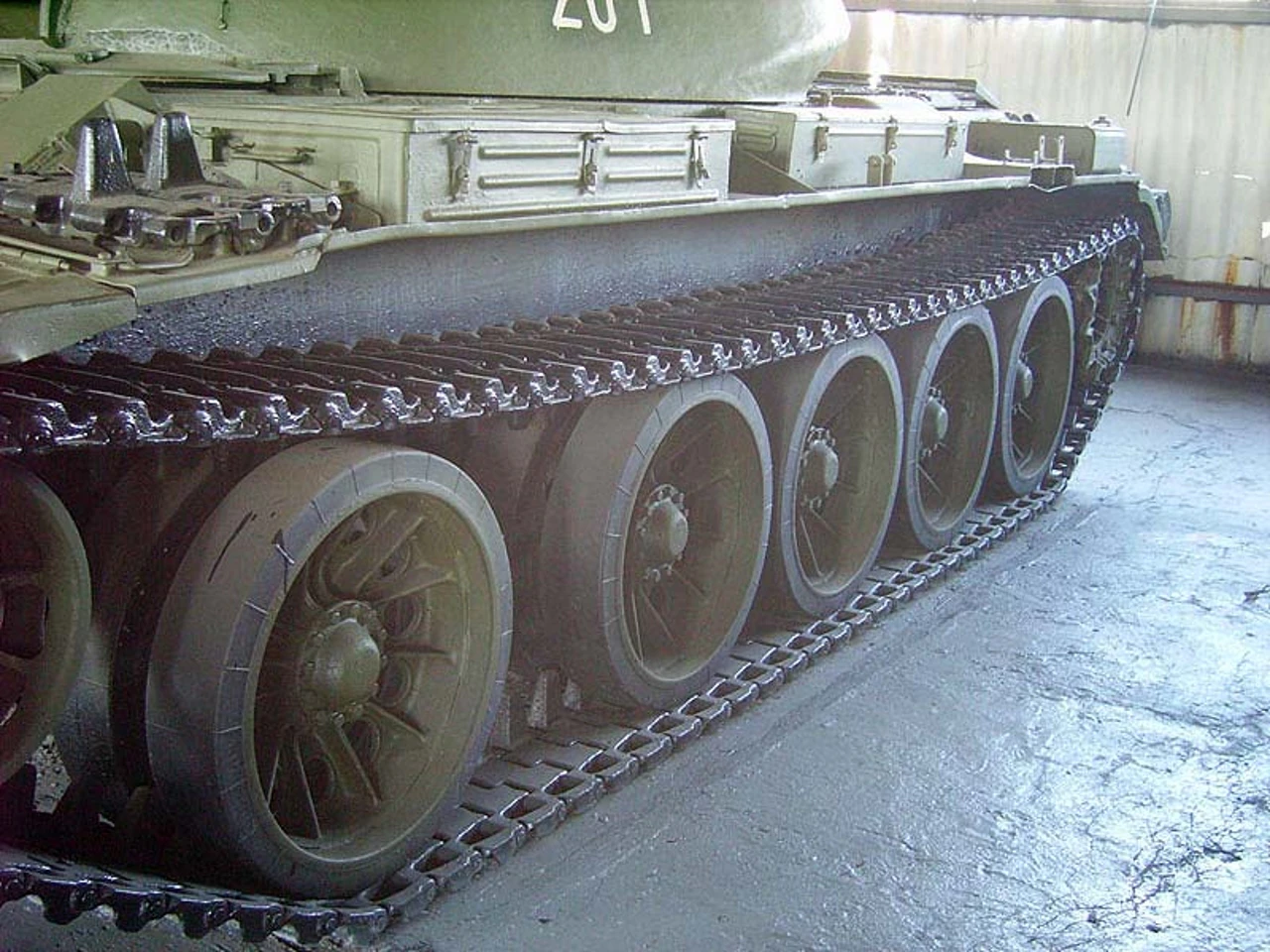
The Christie Suspension Twist:Abandoning the return rollers of more complex Western designs, the T-54 used an evolved torsion-bar suspension with five massive road wheels on each side. A distinctive structural tell for identifying a T-54 is the noticeable gap between the first and second road wheels, designed to balance weight distribution across the front-heavy hull.
Operational History: From Budapest to Global Proliferation
The Iron Fist of the Warsaw Pact:The T-54 first saw major operational use during the 1956 Hungarian Revolution. The deployment exposed vulnerabilities to Western observers when a rebel-captured T-54 was driven directly into the British Embassy in Budapest. Examination of its thick armor shocked Western command, directly driving the UK to develop the famous 105mm L7 tank gun specifically to defeat the T-54.
Clashes in the Middle East:The T-54 and T-55 variants formed the backbone of Arab armored forces during the Six-Day War (1967) and the Yom Kippur War (1973). While their technical specs were competitive, they suffered massive losses against Israeli Centurions and Pattons due to superior Israeli long-range gunnery tactics, faster crew reload times, and poor Soviet gun depression limits on hilly terrain.
The Jungles of Vietnam:Deployed by the North Vietnamese Army (NVA), T-54s spearheaded the conventional armored thrusts later in the Vietnam War. A T-54 tank breaking through the steel gates of the Presidential Palace in Saigon on April 30, 1975, became the definitive global visual marker for the end of the conflict.
The Endless Afterlife:Because the T-54 is incredibly rugged, mechanical, and simple to maintain without complex digital computers, its operational lifespan has stretched across decades. Modified with modern explosive reactive armor (ERA) and night-vision sights, thousands of these tanks continue to appear in proxy conflicts, asymmetric wars, and secondary defensive lines worldwide.