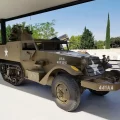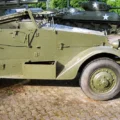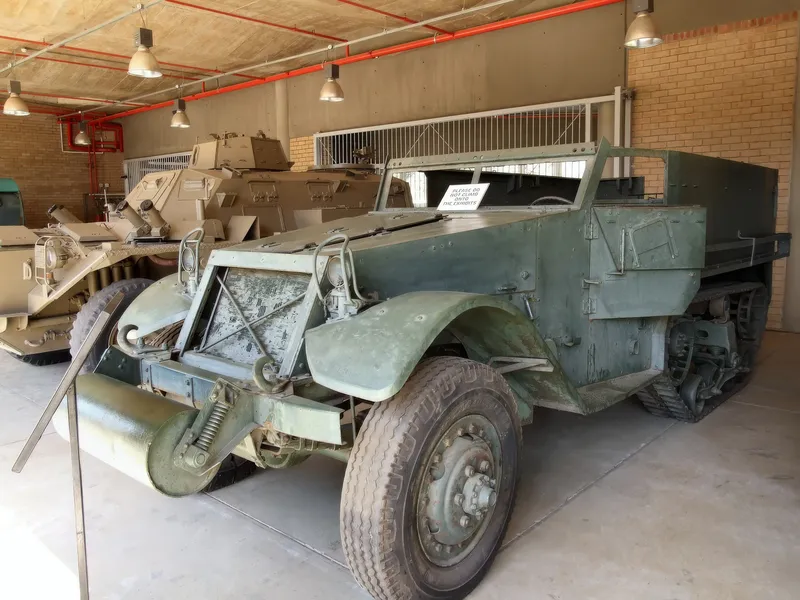
M9A1 | |
|---|---|
| Maa | Yhdysvallat |
| Tyyppi | Puolikas rata |
| Aihe | Albumi: 47 valokuvat, jotka kävelevät M9A1 |
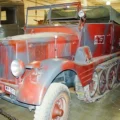
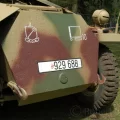
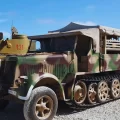
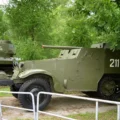
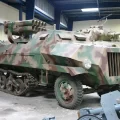
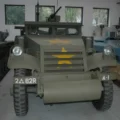
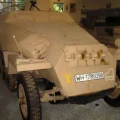
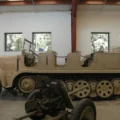
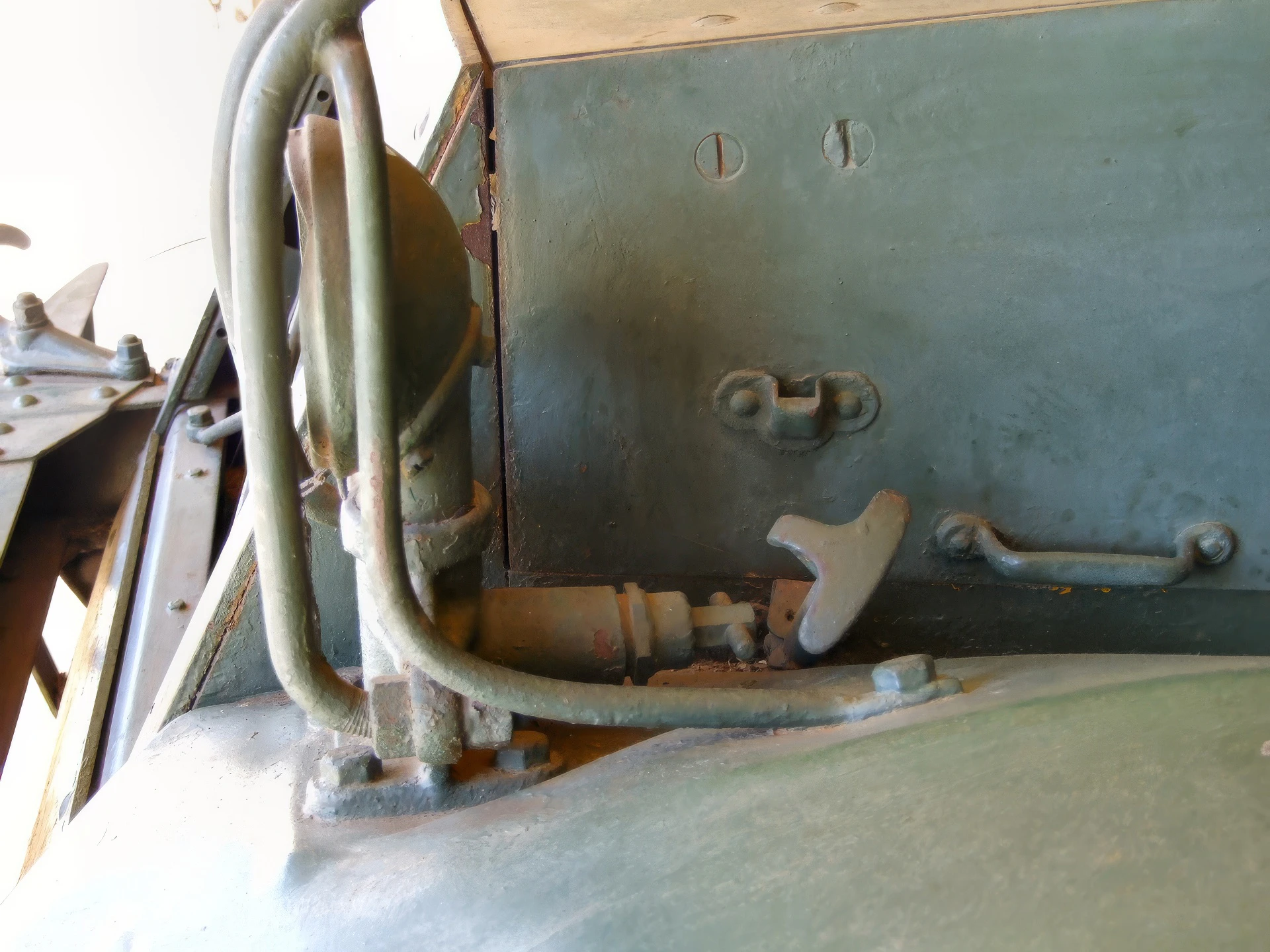
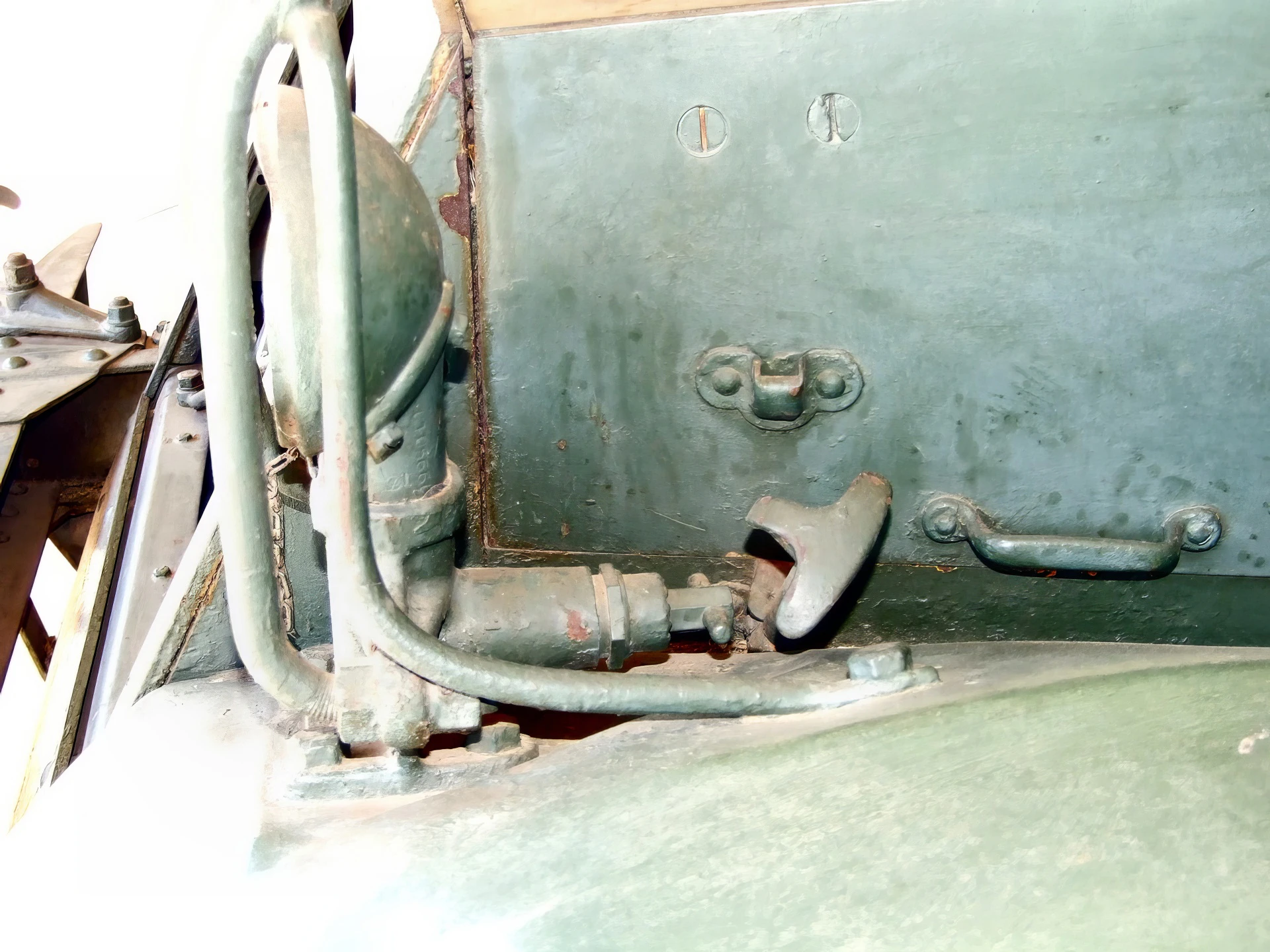
Kuvagalleria M9A1 HalfTrackista, M9A1 johtui siitä, että White ja Autocar eivät pystyneet pysymään puolitela-autojen kysynnän tahdissa, ja ne olivat analogisia M2-puolitelan kanssa. M9A1:t poikkesivat kuitenkin monessa suhteessa M2A1:stä. M9A1: stä puuttui sivuammusosastot, niissä oli takaovet, M9A1: n lokasuojat olivat poikkileikkaukseltaan tasaisia, ja toisin kuin M2A1, M9A1: n runko oli samanpituinen kuin M5: n, sen miehistönkuljetusvaunun vastine. M9A1: ssä ei myöskään koskaan ollut suuria lokasuojaan asennettuja ajovaloja. International Harvester käytti ajoneuvoissaan valssattua homogeenista teräspanssaria, joka mahdollisti levyjen hitsaamisen yhteen, mikä antoi IHC:n puoliteloille tasaisemman ulkonäön kuin pultatut puolitelat.
Lähde: Afvdb

Katso myös:


Nniiden M9A1 Half-Track Car was a variant of the M5 Half-Track produced by International Harvester (IHC) primarily for Lend-Lease to Allied nations during World War II, complementing the M2 and M3 Half-Tracks built by other manufacturers for US Army service. It served mainly as an armored personnel carrier and scout car.
Key Specifications and Features (M9A1)
| Characteristic | Detail |
|---|---|
| Rooli | Armored Personnel Carrier (APC) / Scout Car |
| Valmistaja | International Harvester (IHC) |
| Crew / Capacity | 3 Crew + 10 Troops |
| Weight (Combat) | Approx. 9.6 tonnes (21,200 lbs) |
| Engine / Speed | IHC RED-450-B 6-cyl gasoline engine (141 hp) / Max. 42 mph (68 km/h) |
| Panssari | Rolled Homogeneous Steel (approx. 8–16 mm) |
| Tärkein aseistus | 1 × .50 cal (12.7 mm) M2HB machine gun on an M49 Ring Mount |
| Toissijainen aseistus | 1 or 2 × .30 cal (7.62 mm) M1919A4 machine guns on pintle mounts |
Design & Operational Context
The M9A1 was developed as an export version analogous to the US Army’s M2A1 Half-Track Car, but was based on the longer M5 chassis (similar length to the M3 APC). The key difference between the M9A1 and its M2/M2A1 counterparts were:
- It featured rear access doors for the troop compartment, unlike the standard M2.
- It used a different type of armor (Rolled Homogeneous Steel) which, though thicker, offered slightly less ballistic protection than the face-hardened armor on the M2/M3. This IHC armor gave it distinguishing rounded rear corners.
- It was fitted with the **M49 machine gun ring mount** over the co-driver’s seat, allowing a .50 cal machine gun 360-degree traverse, which was the key update over the base M9 model.
The M9A1 was widely supplied to Allies, particularly the French and British forces, who valued the vehicle for its role in transporting infantry squads, providing fire support, and acting as a motorized artillery prime mover during the Western Front and beyond. It was a rugged and reliable, though lightly armored, part of the Allied armored transport fleet.
Views : 3236