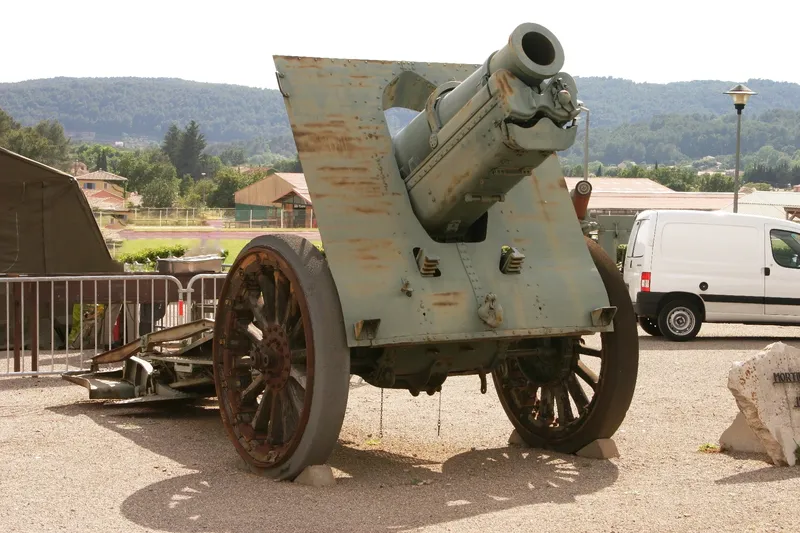
220 mm TR mle 1915/1916 | |
|---|---|
| Maa | Ranska |
| Tyyppi | Haupitsi |
| Käytössä | 1916-1945 |
| Valmistaja | Schneider et Cie |
Mortier de 220 mm Tir Rapide modèle 1915/1916 Schneider tai 220 mm TR mle 1915/1916 oli ranskalainen haupitsi, joka suunniteltiin ja valmistettiin ensimmäisen maailmansodan aikana. Monet niistä olivat vielä toisen maailmansodan aikana paikalla ja palvelivat Belgian, Ranskan ja Saksan palveluksessa.
| Mortar 220 mm Mle 1916 Schneider Walk Around | |
|---|---|
| Valokuvaajat | Ei tietää |
| Lokalisointi | Ei tietää |
| Valokuvat | 44 |
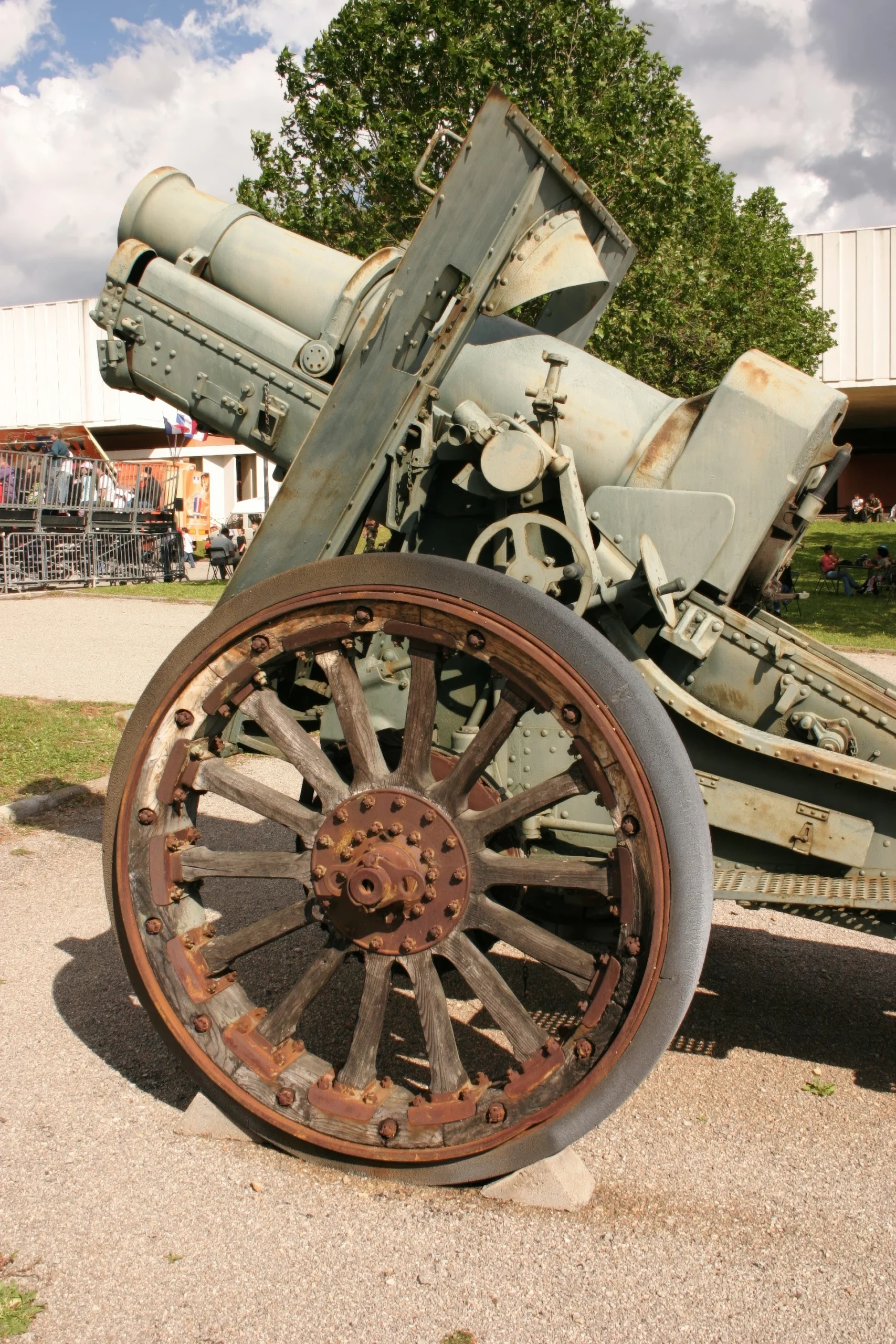
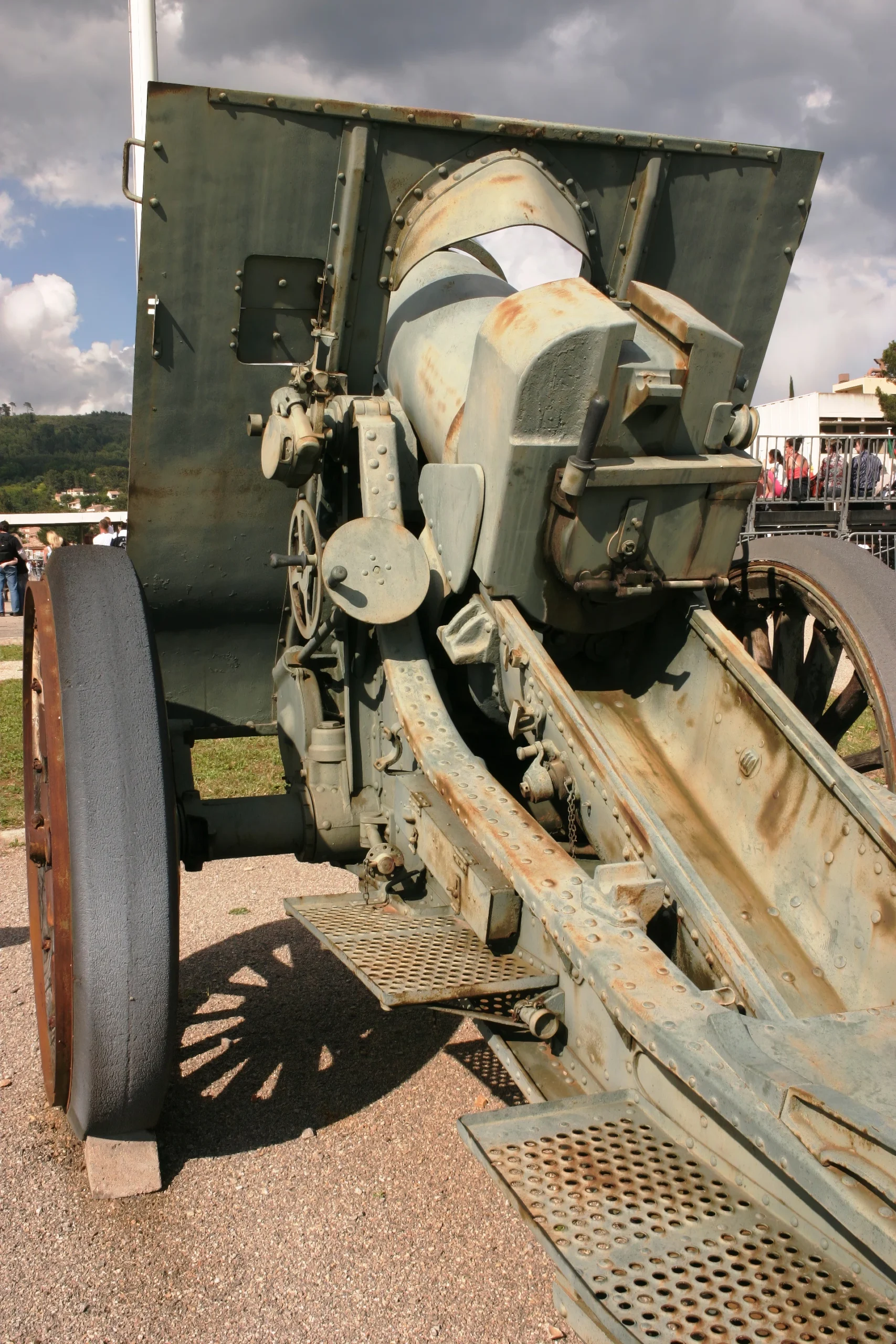
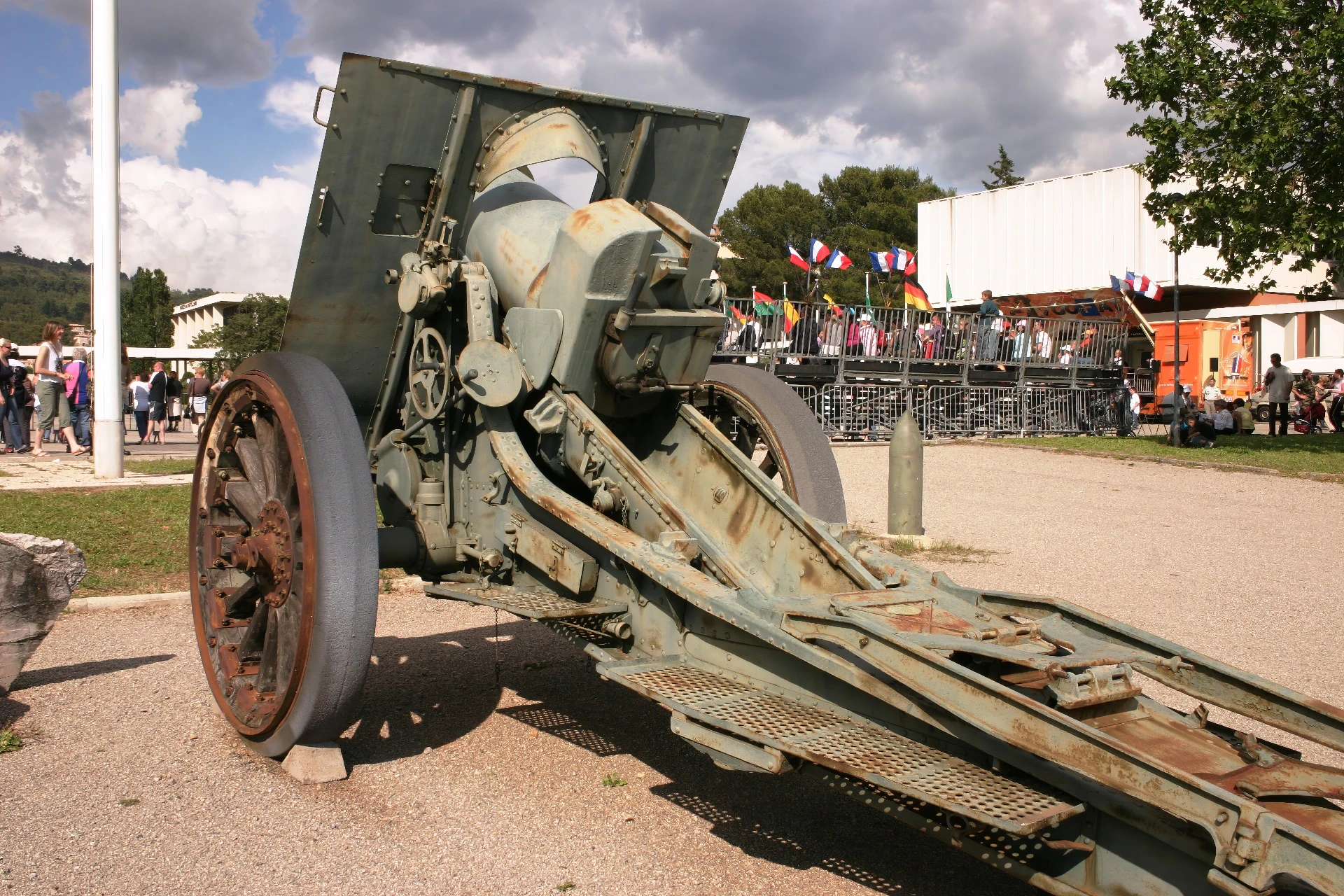
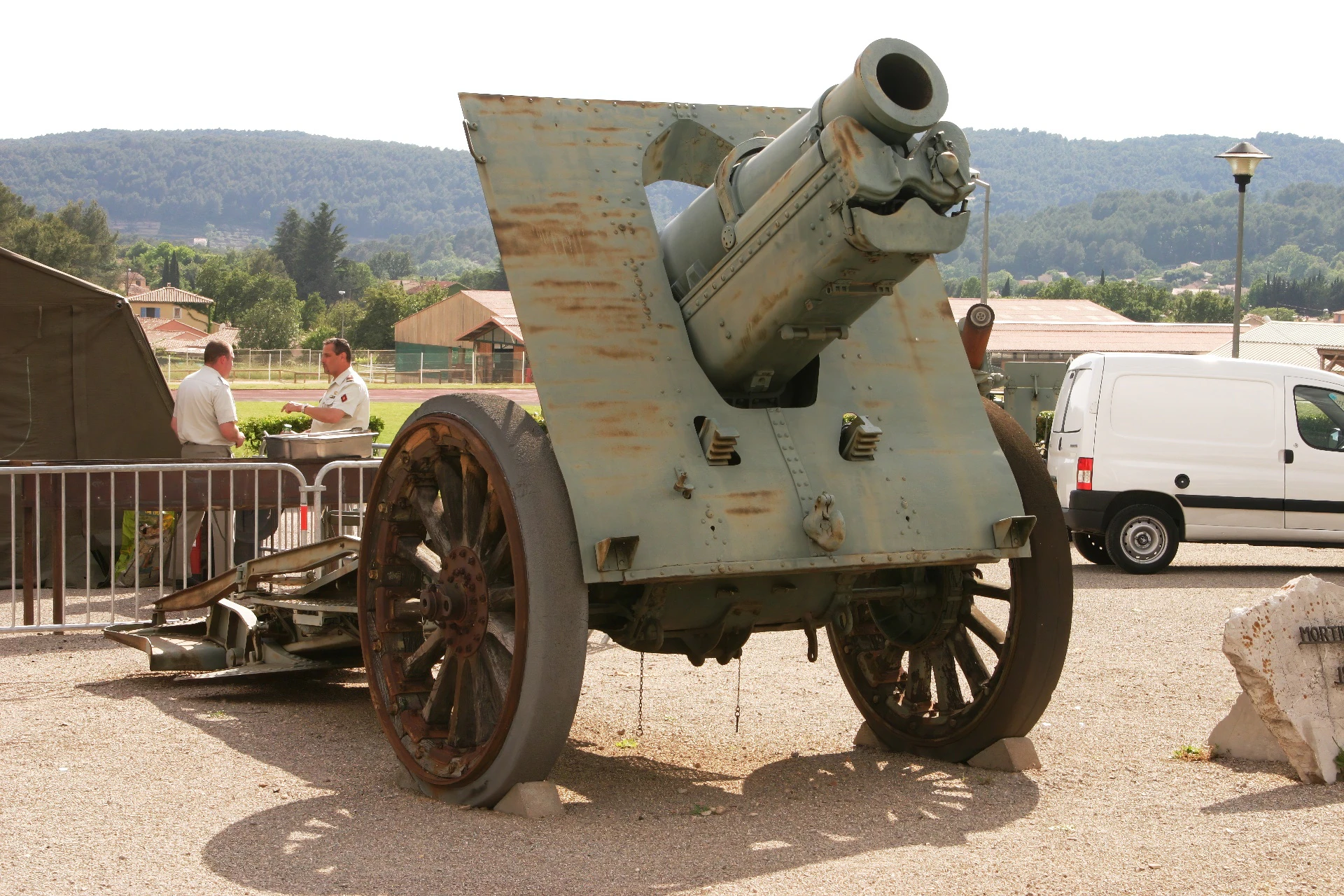
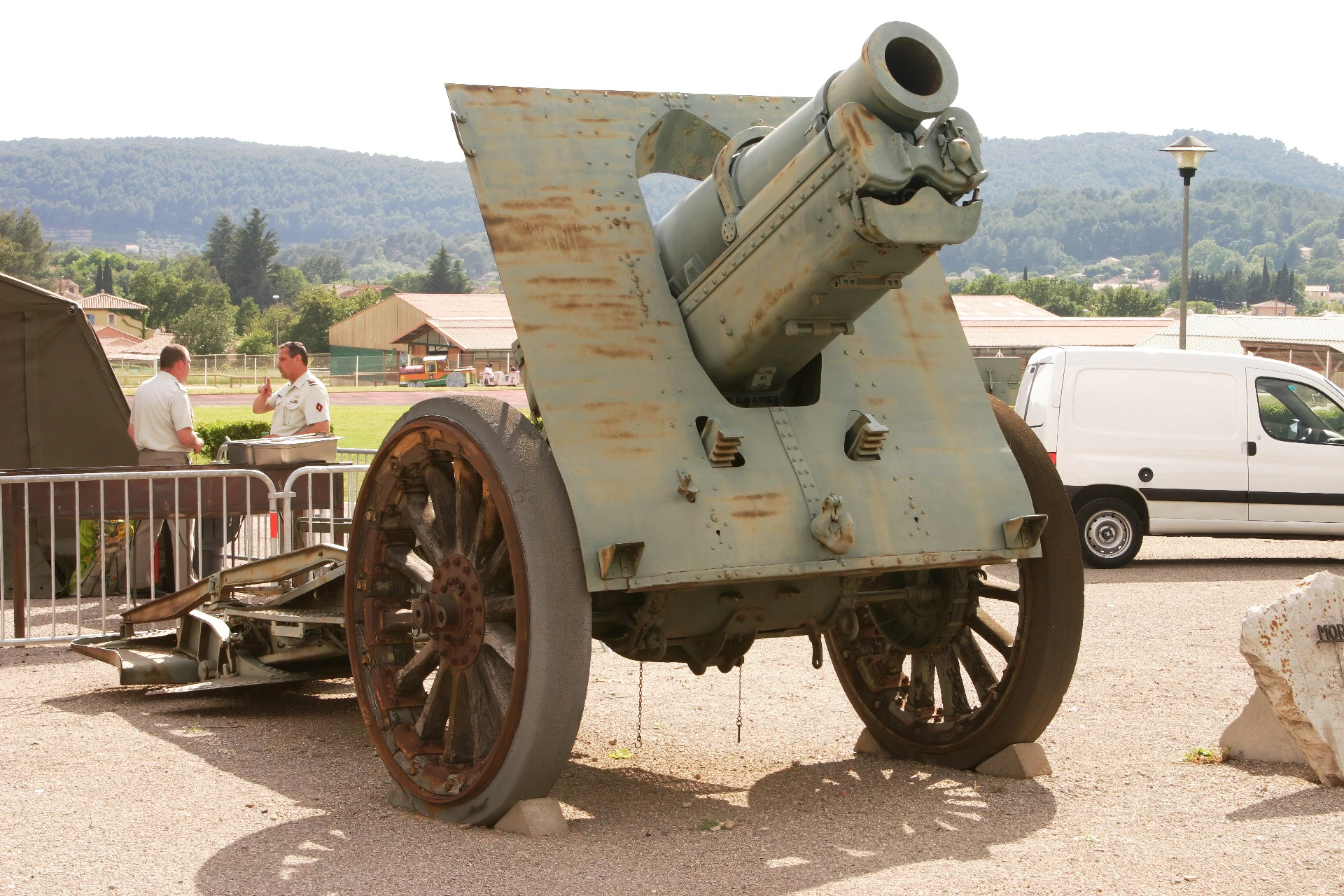
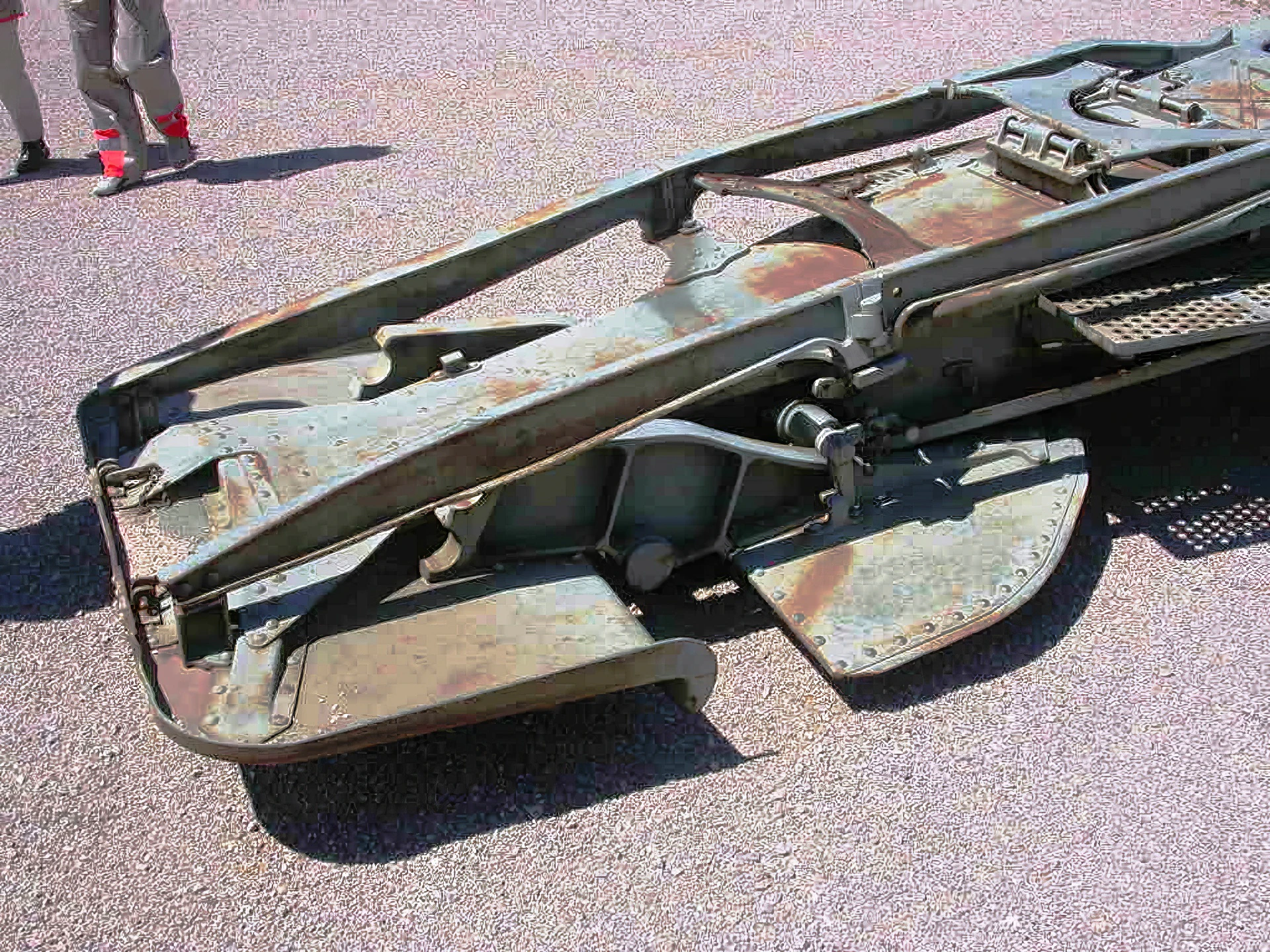
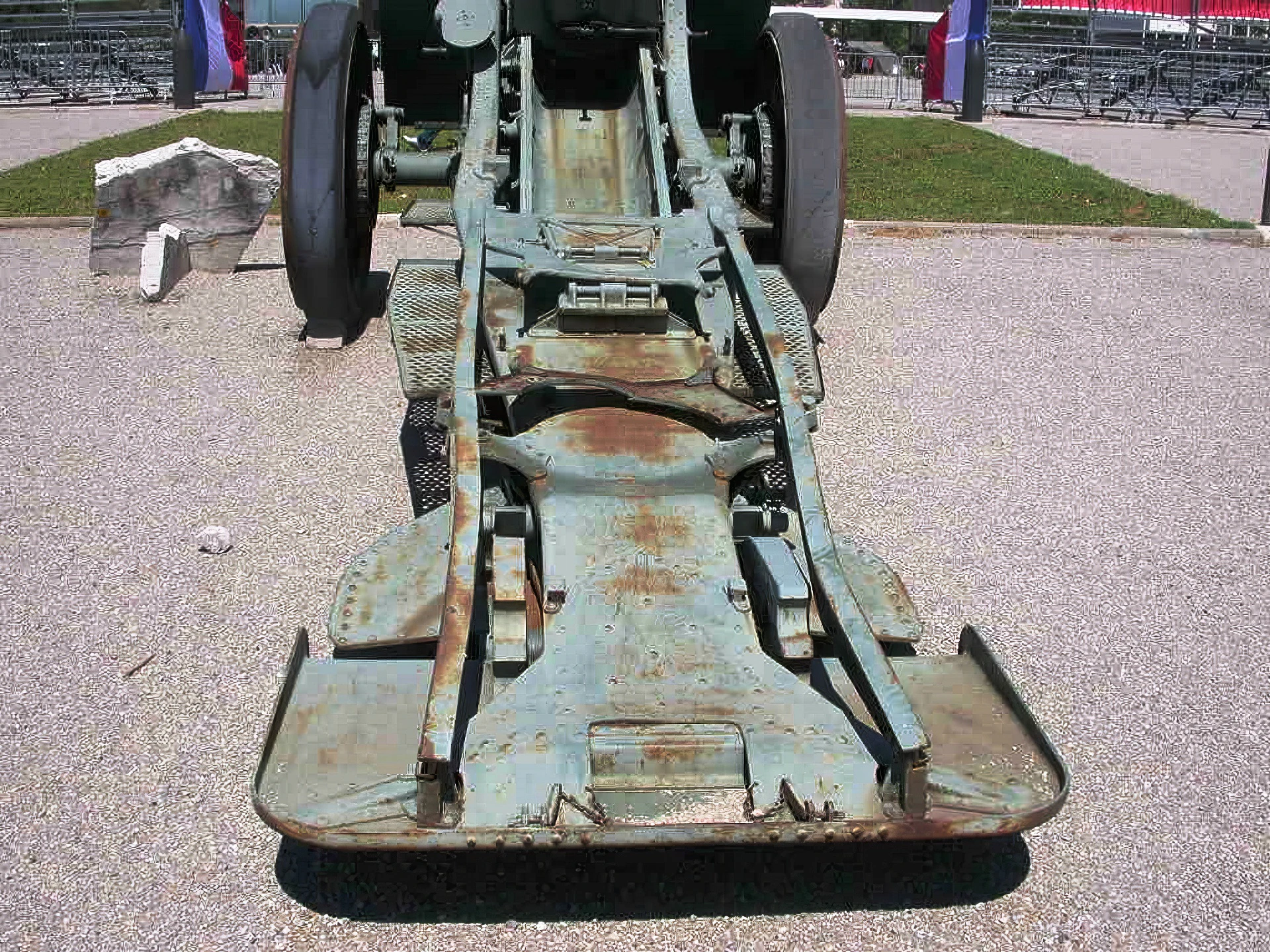
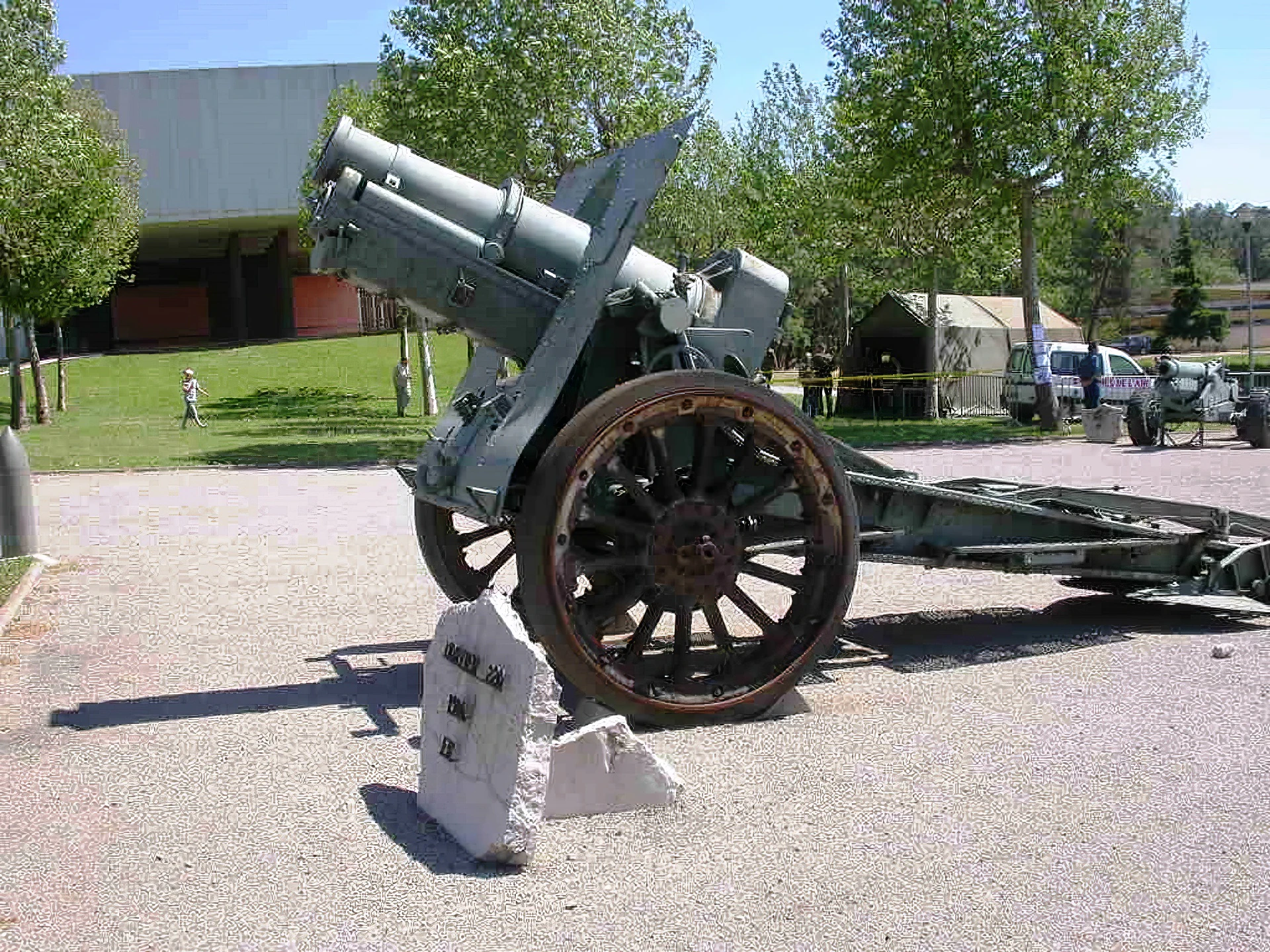
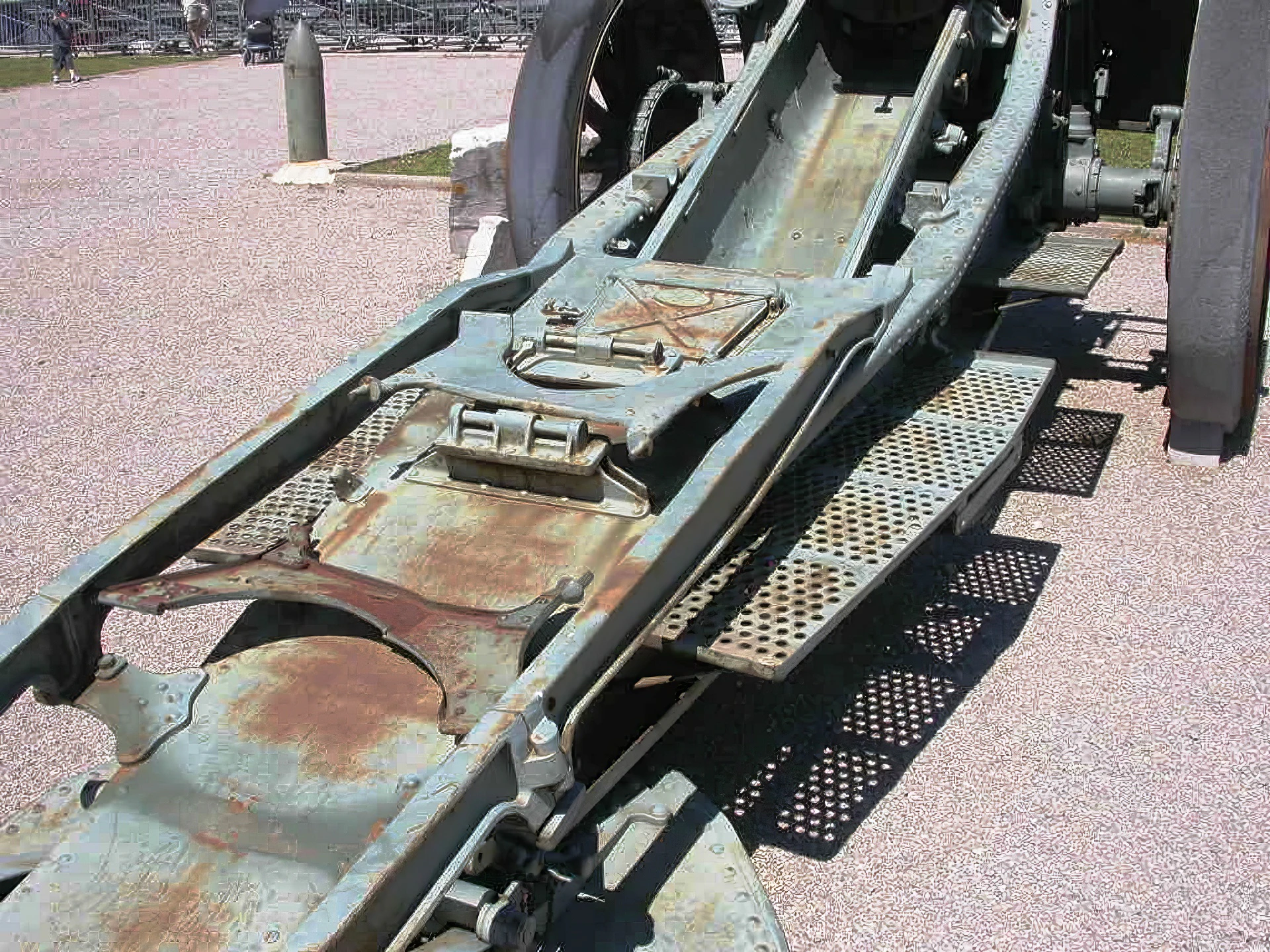
Wait, Searching 220 mm TR mle 1915/1916 photos for you…


Katso myös:


General Characteristics (World War I Era)
The Mortier de 220 mm Mle 1916 TR (Tir Rapide – Quick Firing) Schneider was a heavy French mortar/howitzer designed during World War I to provide the trench warfare power needed to destroy strong enemy fortifications. It was an improved version of the earlier Mle 1915, notably featuring stronger wheels with rubber tires for slightly better, though still limited, mobility.
| Property | Value (Mle 1916 Variant) |
|---|---|
| Rooli | Heavy Siege/Field Mortar (High-Angle Fire) |
| Designer/Manufacturer | Schneider et Cie |
| Entered Service | 1916 (Mle 1915/1916) |
| Calibre | 220 mm (8.66 in) |
| Barrel Length | L/10.6 (approx. 2.33 m) |
| Weight (Firing Position) | ~7,800 kg (~17,200 lb) |
| Kuljetus | Designed to break down into 2 loads for towing |
Design and Mechanism
- Recoil System: Utilized a hydro-pneumatic recoil system in a cradle (sled) that slid back along rails on the carriage.
- High-Angle Fire: Capable of high elevation (up to +65 degrees), which was critical for dropping heavy shells onto entrenched positions and fortifications.
- Loading: The gun had to be lowered to a low elevation for loading. To assist the crew with the heavy 100 kg shells, folding rails were often used to slide the projectile into the breech.
- Breech: Used an interrupted screw breech block with a de Bange obturator seal to allow the use of separate loading bagged propellant charges.
- Emplacement Time: Required significant site preparation, including digging a pit under the breech for high-angle fire and a minimum of 2 hours to get the gun into battery.
Performance and Usage
- Projectile Weight: 100.5 kg (221 lb) HE shell.
- Muzzle Velocity: Up to 415 m/s (1,360 ft/s) depending on the propellant charge.
- Maximum Range: Approximately 10,800 m (10.8 km, 6.7 miles).
- Rate of Fire: Relatively slow, around 2 rounds per minute (6 rounds per 5 minutes).
- Mobility Issue: Despite the “TR” (Quick Firing) designation, the gun’s heavy weight and limitations on its carriage meant its towing speed was very slow, a major deficiency once the Western Front became mobile near the end of WWI.
- Later Service: Many of these mortars were still in French service at the start of World War II, and a large number were captured by Germany and pressed into service as the 22 cm Mörser 531(f).
Katsottu: 498
Voit myös nähdä:
 Howitzer 149-19 – Photos & Video
 QF 3.7 tuuman haupitsi - Valokuvat ja videot
 Obice da 75/18 modello 35 – Valokuvat & Videot
 QF 4.5 tuuman haupitsi - Valokuvat ja video
 7.5 cm Gebirgsgeschütz 36 – Valokuvat & Video
 FH70-haupitsi – Valokuvat ja video
 M198 Howitzer – Valokuvat & Video
 122 mm haupitsi M1910/30 – Valokuvat ja video
 76 mm rykmentin tykki M1927 - Valokuvat ja video
 21cm Morser 18 Haupitsi – Kävellä