
Grumman C-1 Trader | |
|---|---|
| Riik | USA |
| Rolli | Vedaja pardal kohaletoimetamine |
| Esimene lend | 9. jaanuar 1955 |
| Ehitatud | 87 |
2007 Grumman C-1 kaupleja on Grumman S-2 Trackeri vedaja kohaletoimetamise (COD) variant. See asendati sarnase versiooniga Northrop Grumman E-2 Hawkeye, Grumman C-2 Greyhound.
Allikas: Grumman C-1 Kaupleja Vikipeedias
| Grumman C-1A Trader Walk Around | |
|---|---|
| Fotograaf | Cees Hendriks |
| Lokaliseerimine | Teadmata |
| Fotod | 22 |
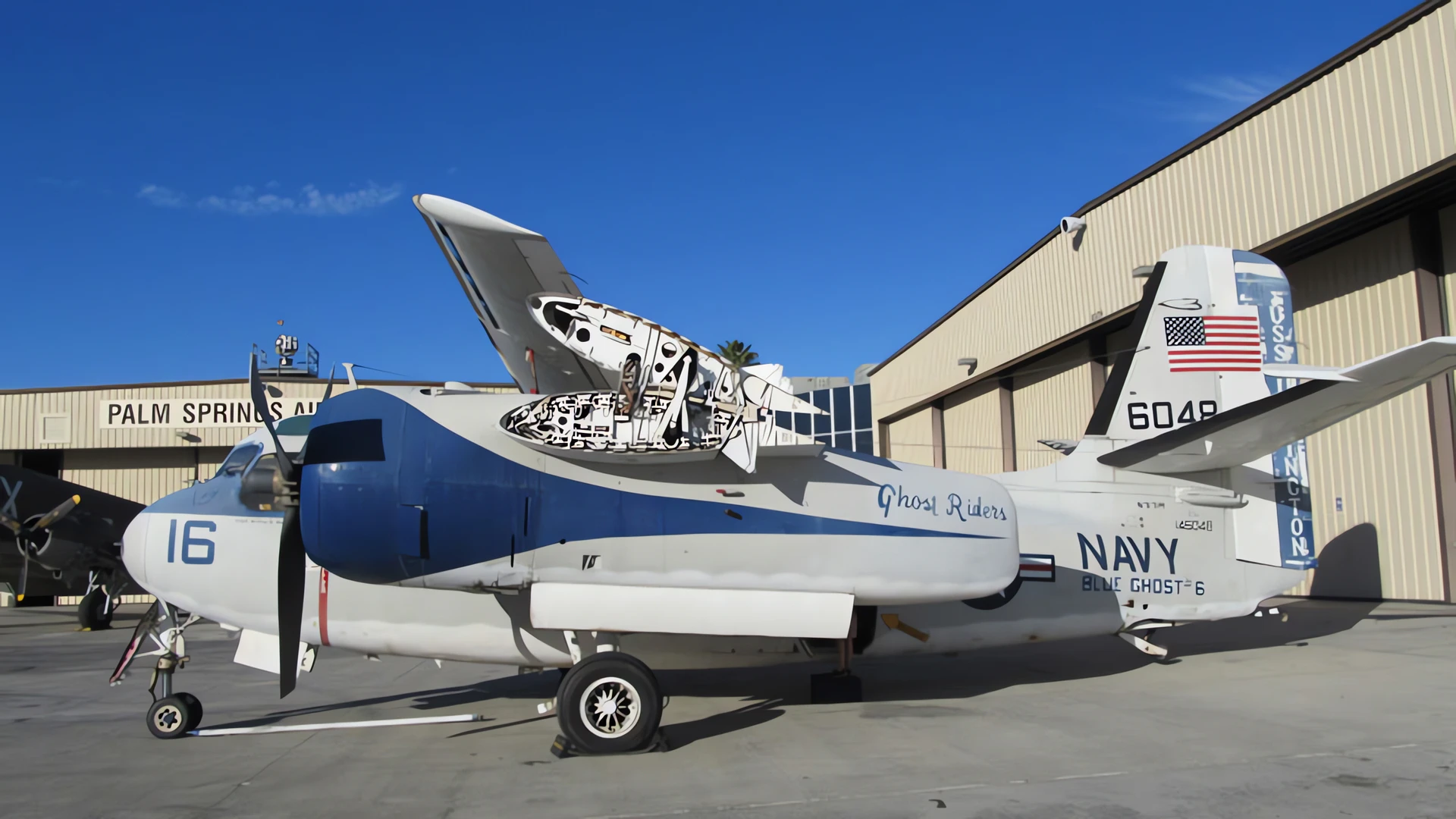
Grumman C-1A Trader 01
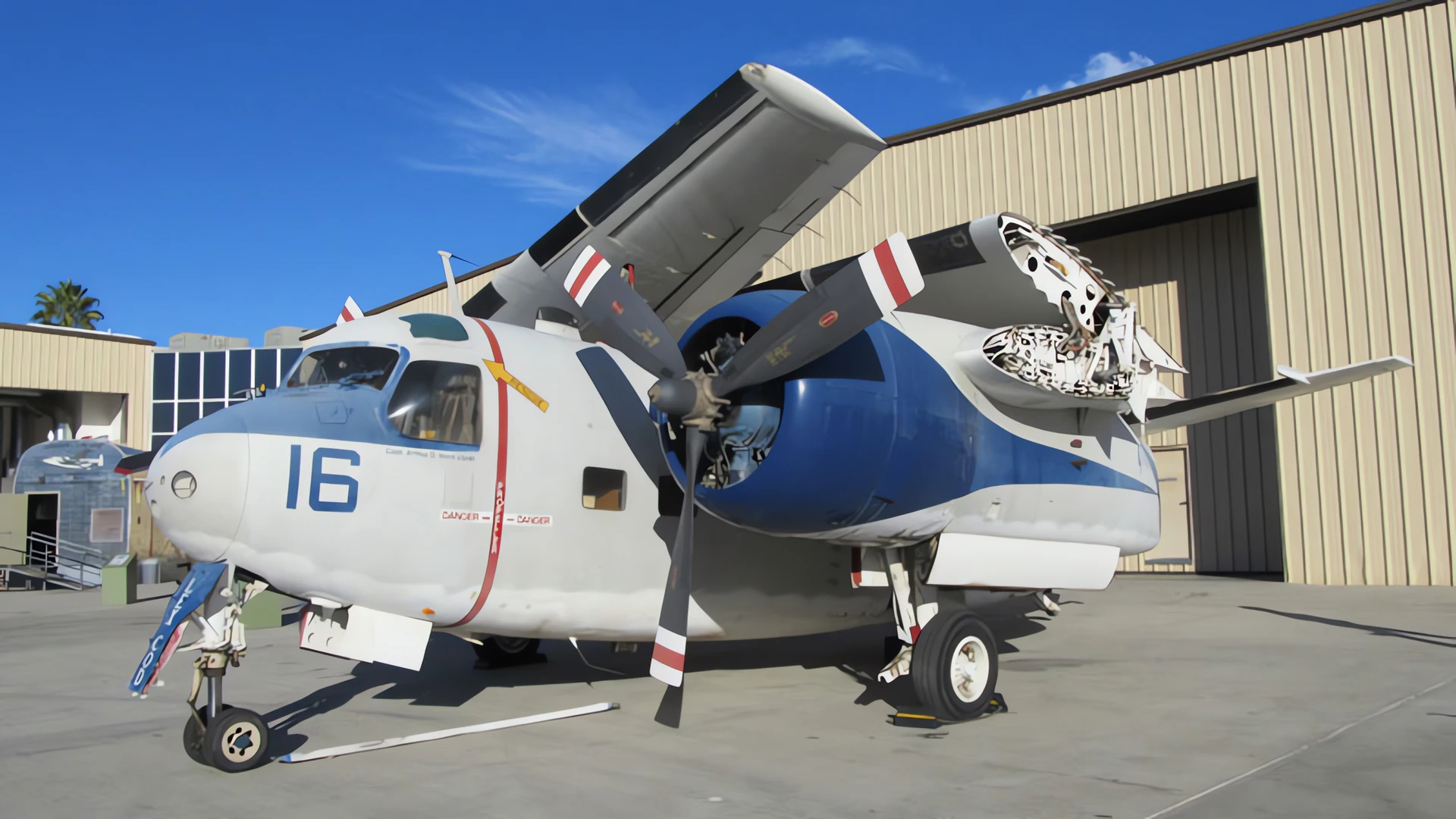
Grumman C-1A Trader 02
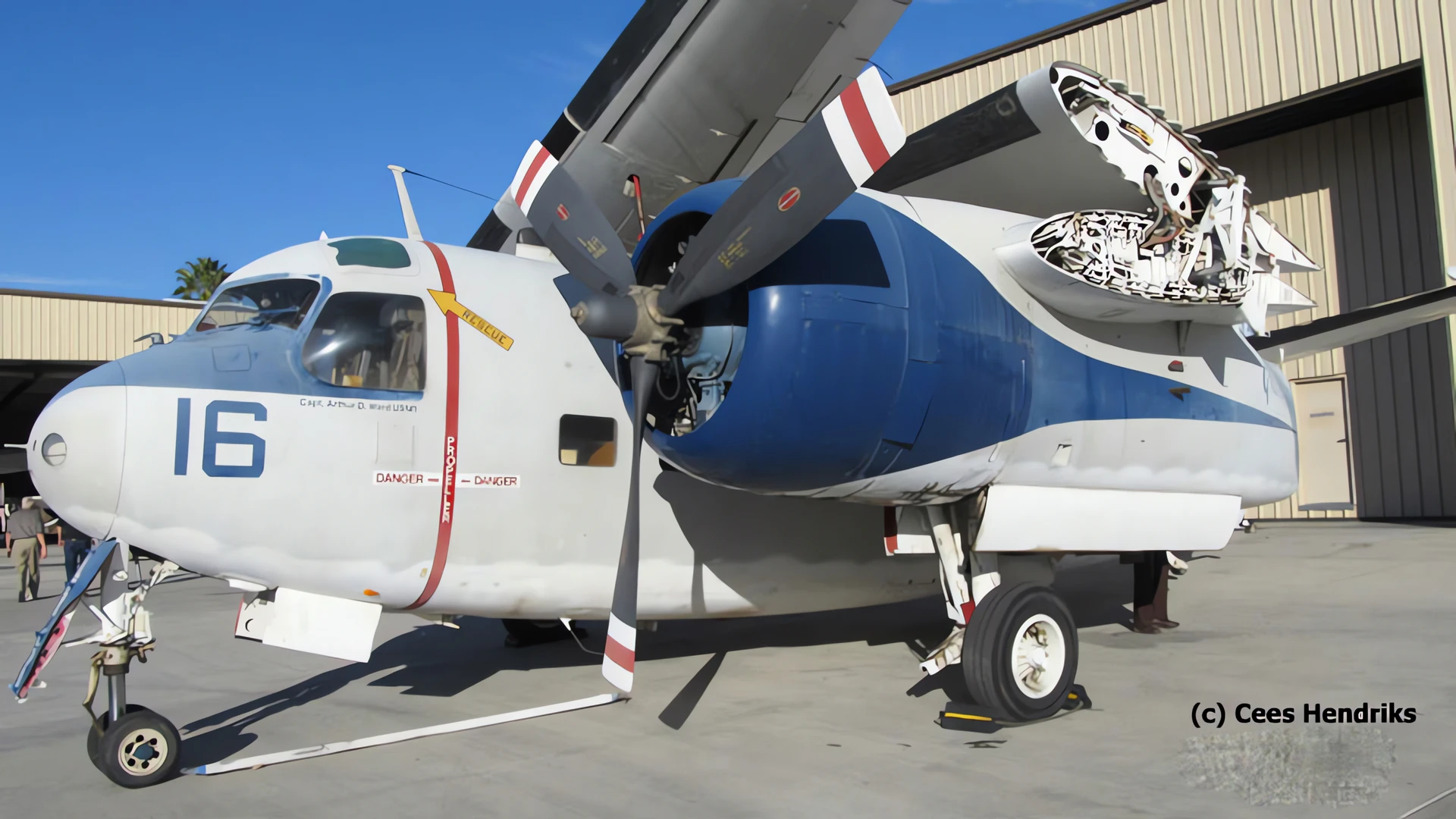
Grumman C-1A Trader 03
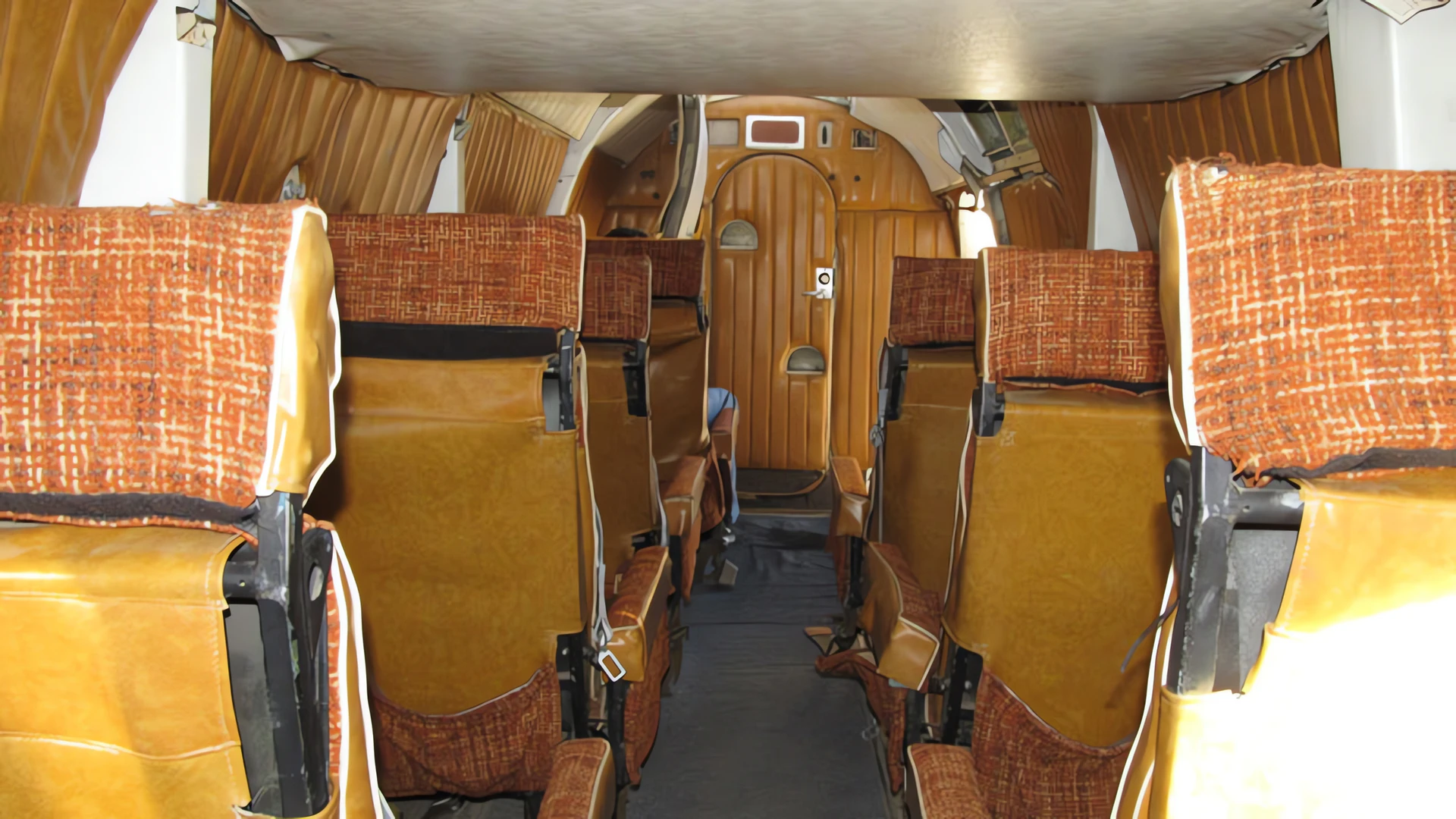
Grumman C-1A Trader 04
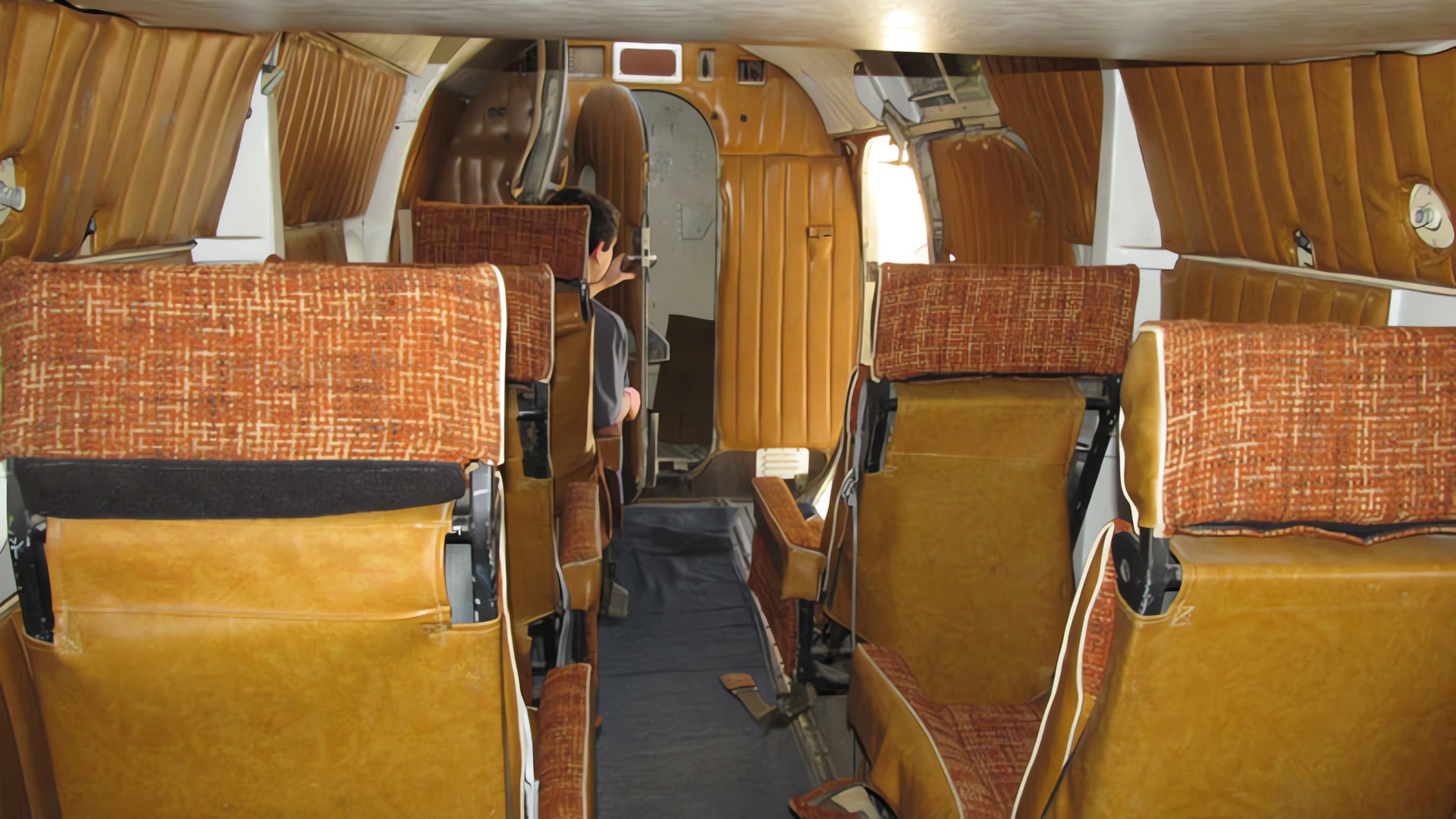
Grumman C-1A Trader 05
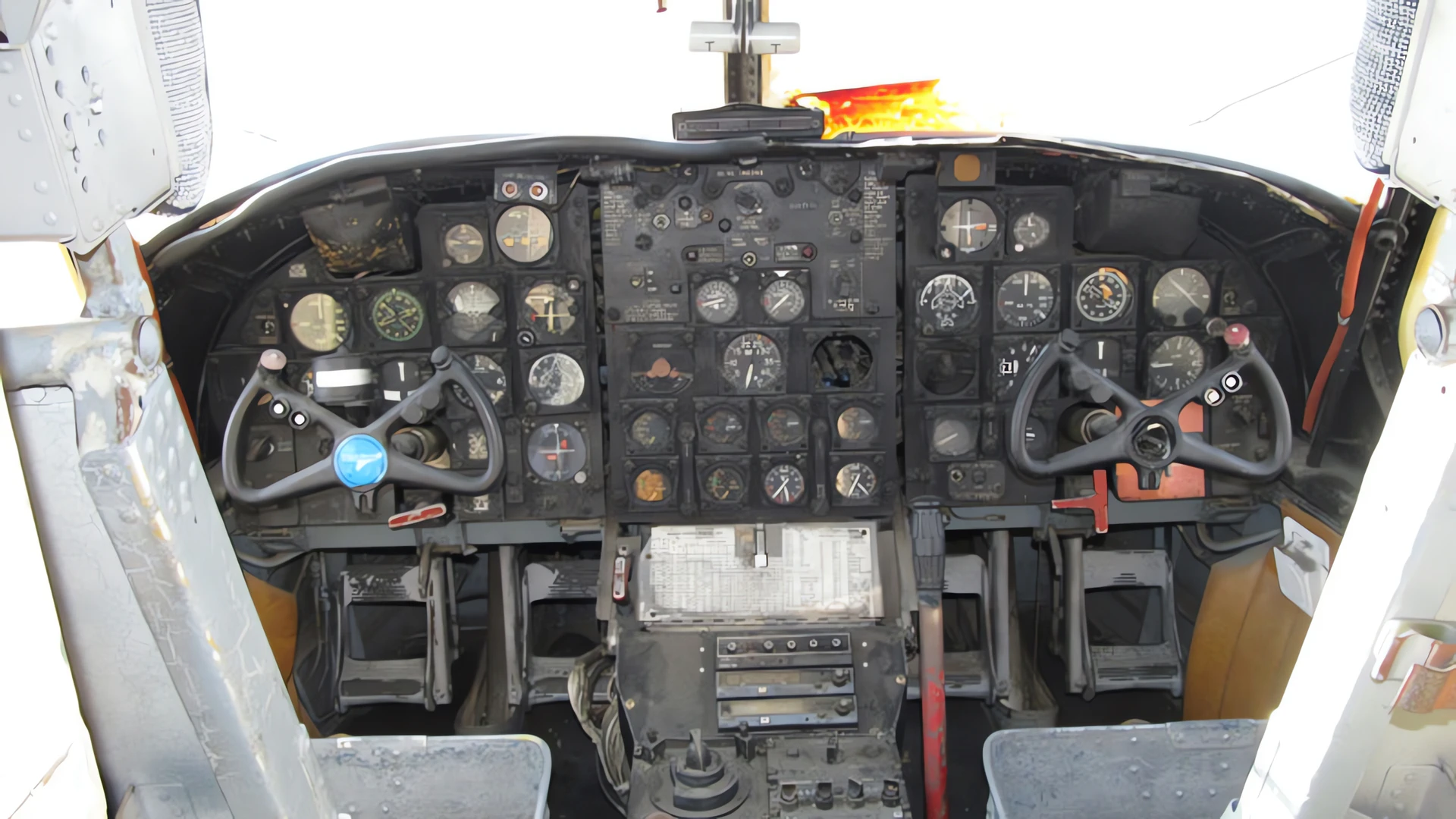
Grumman C-1A Trader 06
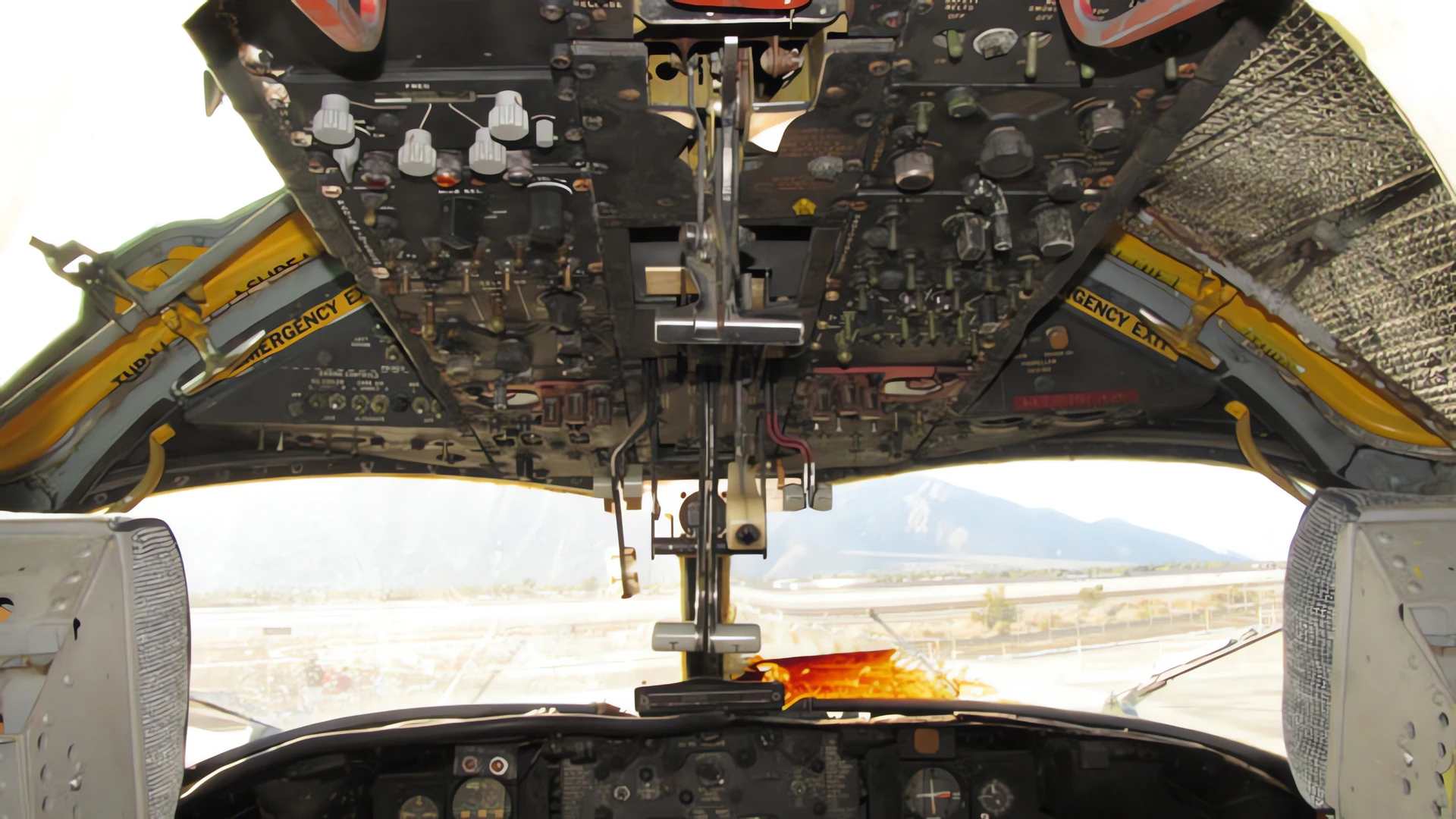
Grumman C-1A Trader 07
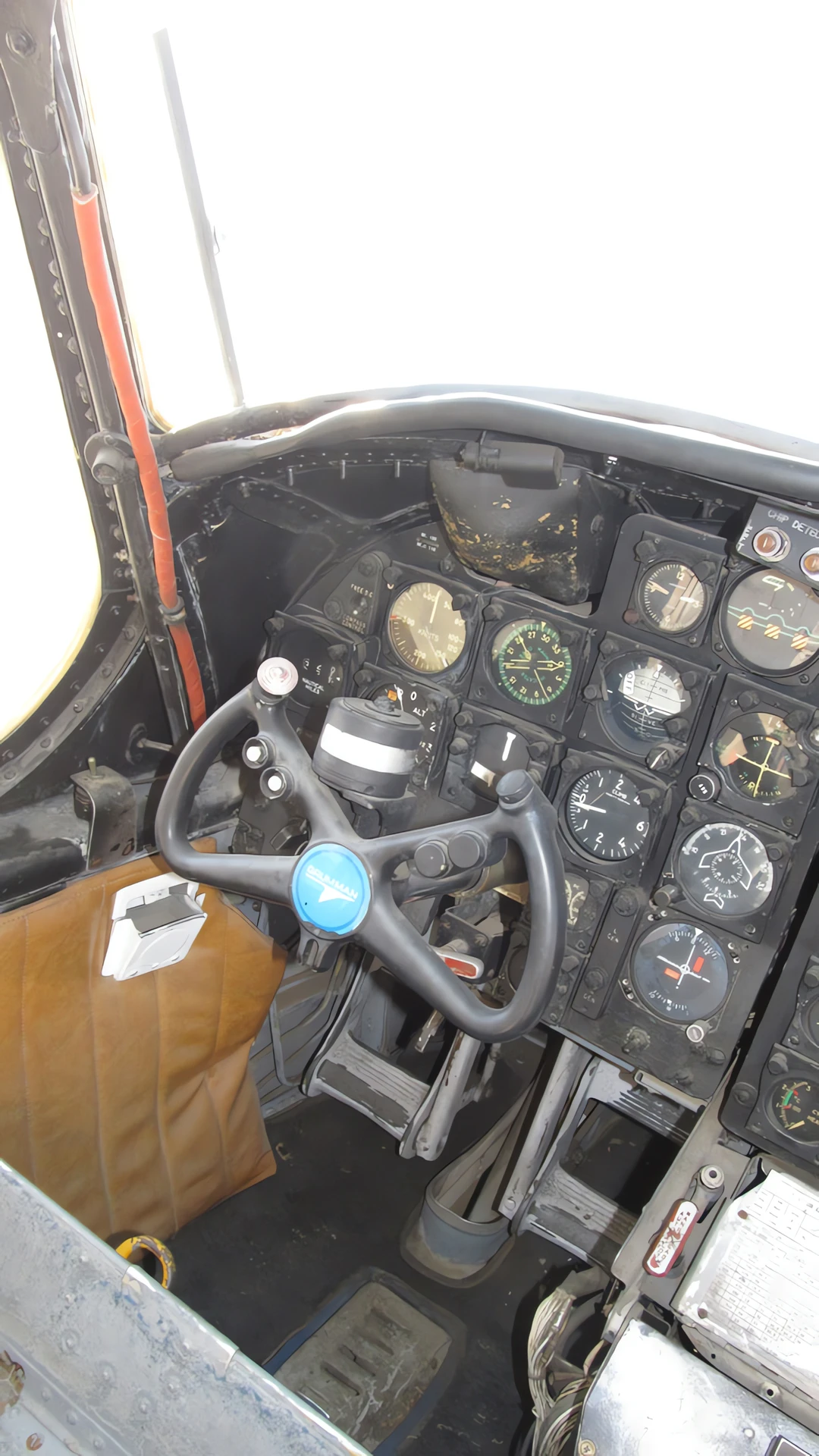
Grumman C-1A Trader 08
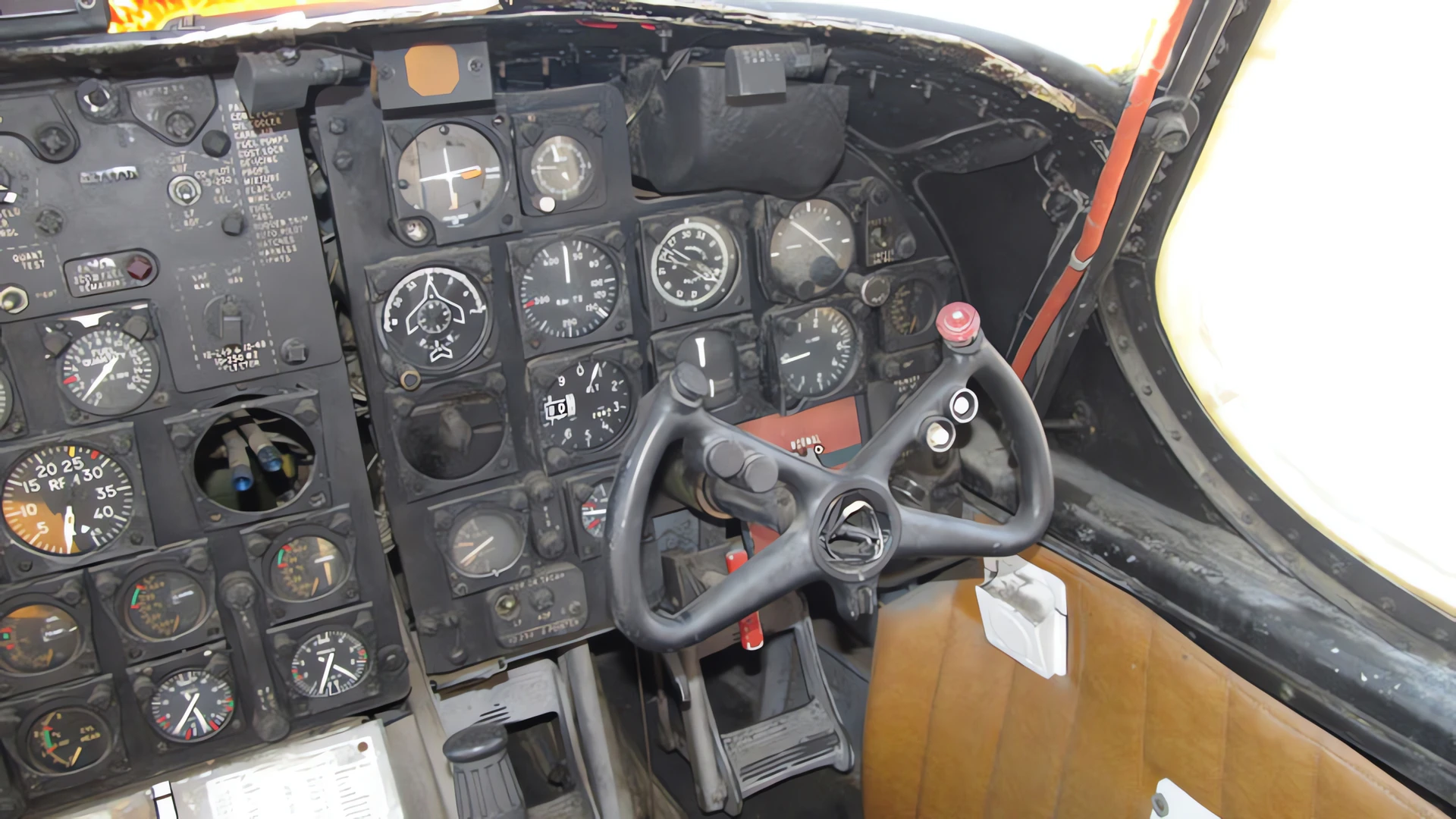
Grumman C-1A Trader 09
Oodake, Otsides Grumman C-1 Kaupleja teile...

| Grumman C-1A Trader Walk Around | |
|---|---|
| Fotograaf | Teadmata |
| Lokaliseerimine | Teadmata |
| Fotod | 26 |
Oota, Otsides Grummani sinu jaoks...
Vaata ka:


| Grumman C-1A Trader Walk Around | |
|---|---|
| Fotograaf | Cees Hendriks |
| Lokaliseerimine | Teadmata |
| Fotod | 33 |
The Fleet’s Vital Link
2007 Grumman C-1A kaupleja was the first purpose-built Carrier Onboard Delivery (COD) aircraft for the U.S. Navy. Derived from the S-2 Tracker anti-submarine plane, the Trader traded its cousin’s torpedoes and sonobuoys for a cavernous fuselage capable of hauling mail, high-priority spare parts, and personnel. Known affectionately (or occasionally derisively) as the “COD Fish,” it was a familiar sight on the flight decks of every American carrier from the mid-1950s until the late 1980s.
| Attribute | Technical Specification (C-1A) |
|---|---|
| Rolli | Carrier Onboard Delivery (COD) / Transport |
| Meeskonna | 3 (Pilot, Co-pilot, Loadmaster) |
| First Flight | January 19, 1955 |
| Jõuallikas | 2 × Wright R-1820-82WA Cyclone 9-cylinder radials |
| Horsepower | 1,525 hp (1,137 kW) per engine |
| Maximum Speed | 280 mph (450 km/h) |
| Payload Capacity | 9 Passengers or 3,500 lbs (1,600 kg) of cargo |
| Vahemik | 1,110 miles (1,786 km) |
Design & Naval Utility
- The “Box” Fuselage: To maximize cargo volume, Grumman widened and deepened the S-2 Tracker’s fuselage. This allowed it to carry small jet engines, bulky electronics, or standard Navy mail bags across the ocean to a waiting carrier group.
- Sto-Wing Technology: Like most Grumman carrier planes, it featured the patented “Sto-Wing” system, allowing the wings to fold parallel to the fuselage. This saved precious deck and hangar space on crowded carriers.
- Radial Reliability: The Wright R-1820 Cyclone engines were legendary for their toughness. Even though they required high-octane aviation gasoline (Avgas) long after the rest of the fleet moved to jet fuel, their dependability in the harsh salt-spray environment was unmatched.
- The Tailhook & Bridle: Despite being a “utility” plane, the Trader was a full participant in carrier life, requiring an arrestor hook for landings and a launch bridle for the catapults of the era.
Service History & Legacy
- The Vietnam Lifeline: During the Vietnam War, C-1A detachments operated from shore bases in the Philippines and South Vietnam, flying constant “shuttles” to the carriers on Yankee Station, delivering everything from fresh food to urgent replacement parts for combat-damaged jets.
- The Last of the Radials: When the last C-1A was retired in 1988, it marked the end of an era as the U.S. Navy’s last radial-piston engine aircraft to serve on carrier decks.
- Electronic Evolution: A few Traders were converted into EC-1A variants for electronic countermeasures training, while the basic airframe also served as the prototype for the “Stoof with a Roof”—the E-1 märgistusaine Airborne Early Warning aircraft.
- Modern Survivors: Because of their robust construction and multi-passenger capacity, many Traders found second lives in civilian hands. Several remain airworthy today as popular warbirds on the airshow circuit.
Vaadatud : 2732
Näete ka :
 Grumman E-1 Tracer - fotod ja video
 Grumman F9F Panther - fotod ja video
 Grumman F6F Hellcat – fotod ja video
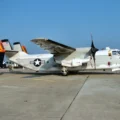 C-2A hurt - fotod ja video
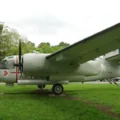 Grumman S-2 Tracker - fotod ja video
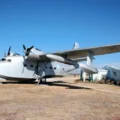 Grumman HU-16 Albatross – fotod ja video
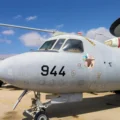 Northrop Grumman E-2 Hawkeye – WalkAround
 Grumman F8F Bearcat - fotod ja video
 Grumman F-14 Tomcat – WalkAround
 Grumman FM-2 Wildcat – WalkAround