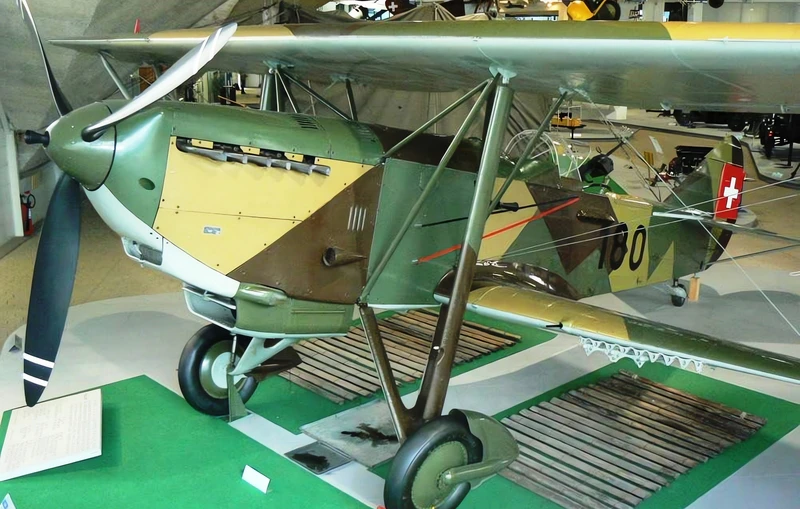
EKW C-35 | |
|---|---|
| Riik | Šveitsi |
| Rolli | Luure- ja maapealsed ründelennukid |
| Esimene lend | 1930. aastad |
| Ehitatud | 90 |
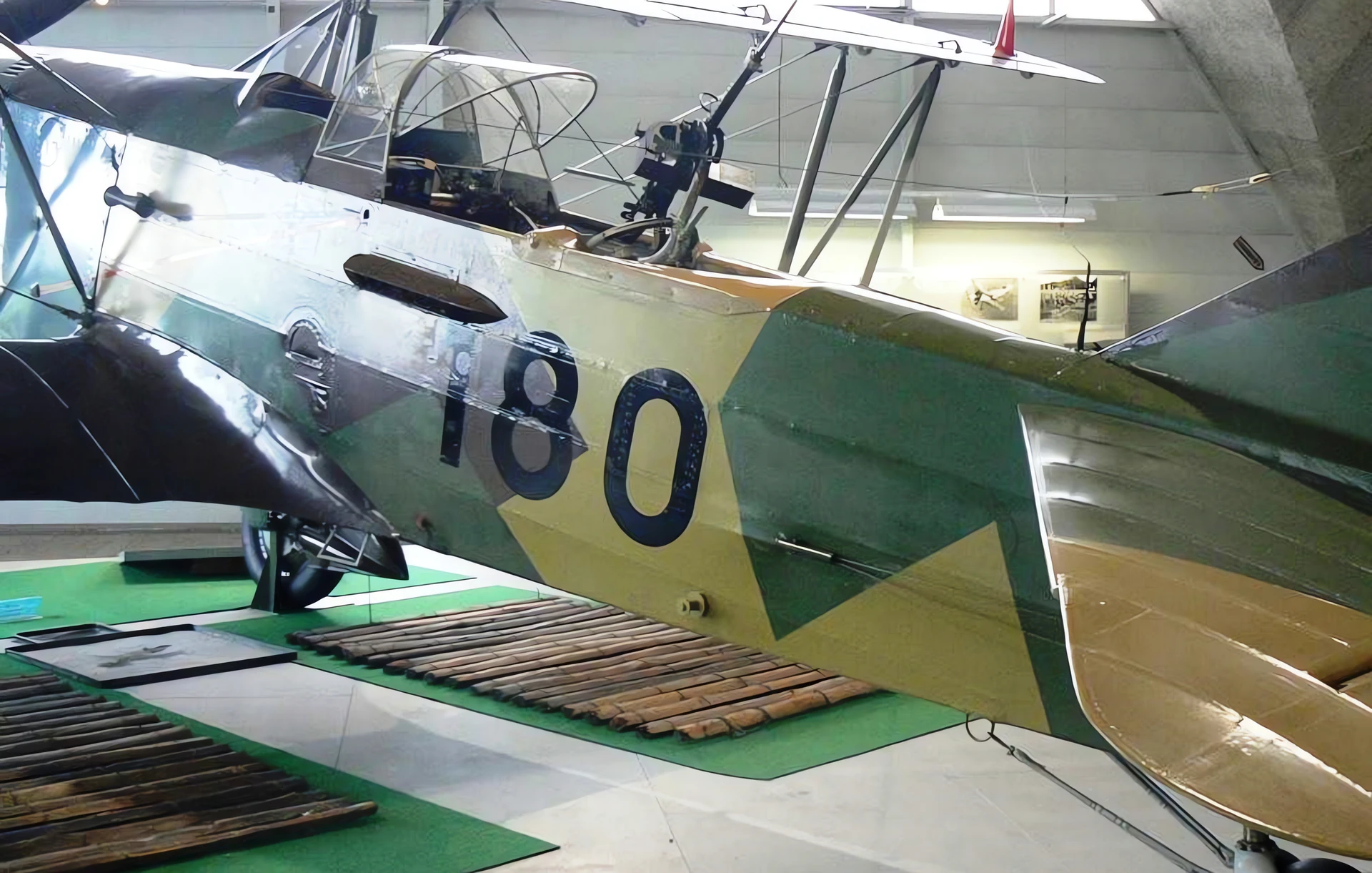
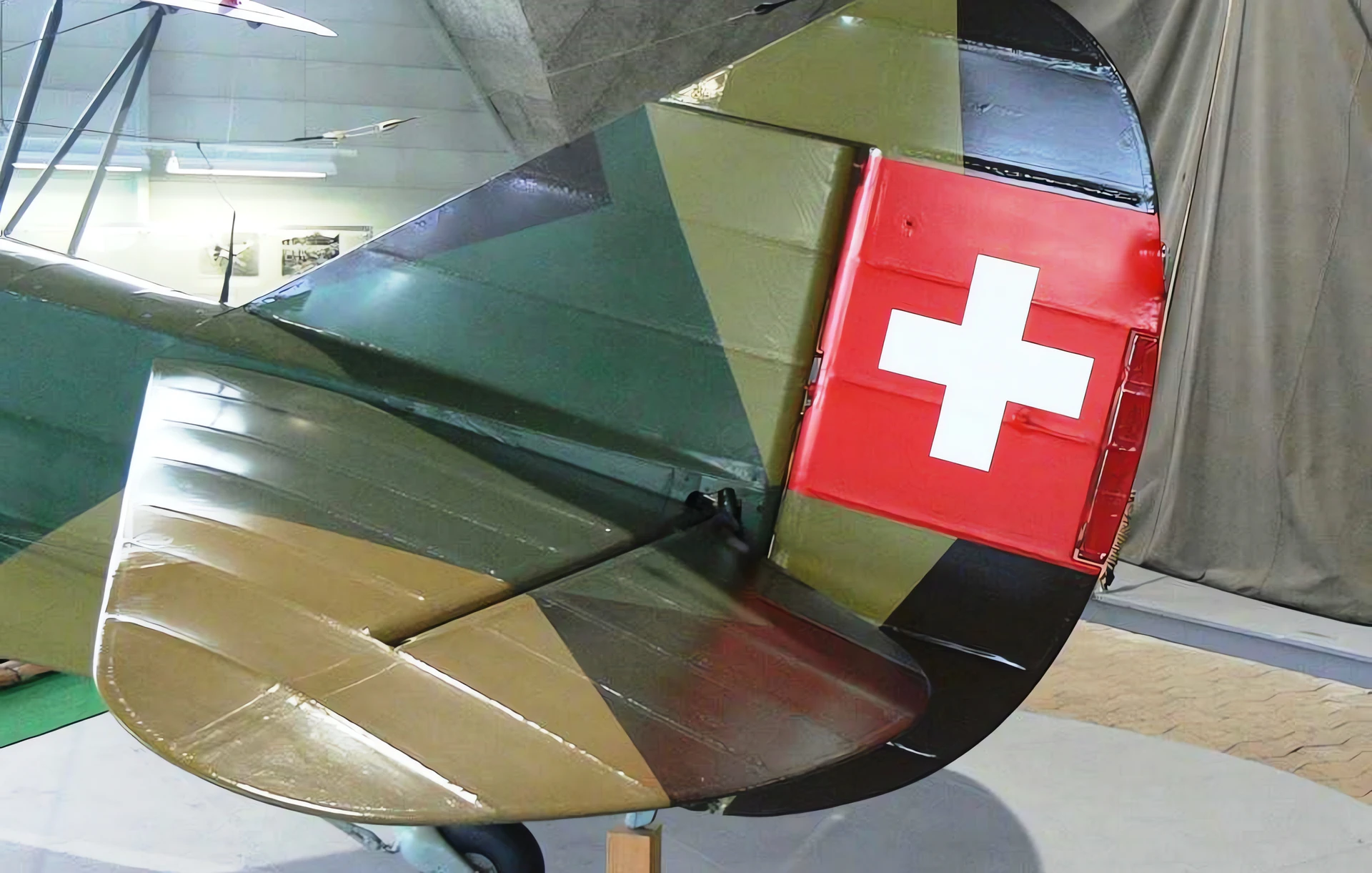
2007 EKW C-35 was a 1930s Swiss two-seat reconnaissance biplane aircraft built by the Swiss Federal Construction Works (Eidgenoessische Konstruktionswerkstaette, K+W), Thun. Two aircraft were designed by the Eidgenössische Konstruktions Werkstätte to replace the Fokker C.Ve which the Swiss Air Force were using. The two projects were the EKW C-35 biplane and the EKW C-36 monoplane. After evaluation the air force ordered 40 C-35s in 1936. Additional aircraft were built from spares. The C-35 was a two-seat biplane with fixed tailwheel landing gear and conventional tail unit. The aircraft was powered by a Hispano-Suiza HS-77 V-12 piston engine (licence-built Hispano-Suiza 12Ycrs).
Allikas: EKW C-35 Vikipeedias
| EKW C-35 Walk Around | |
|---|---|
| Fotograaf | Ales Pavias |
| Lokaliseerimine | Teadmata |
| Fotod | 13 |
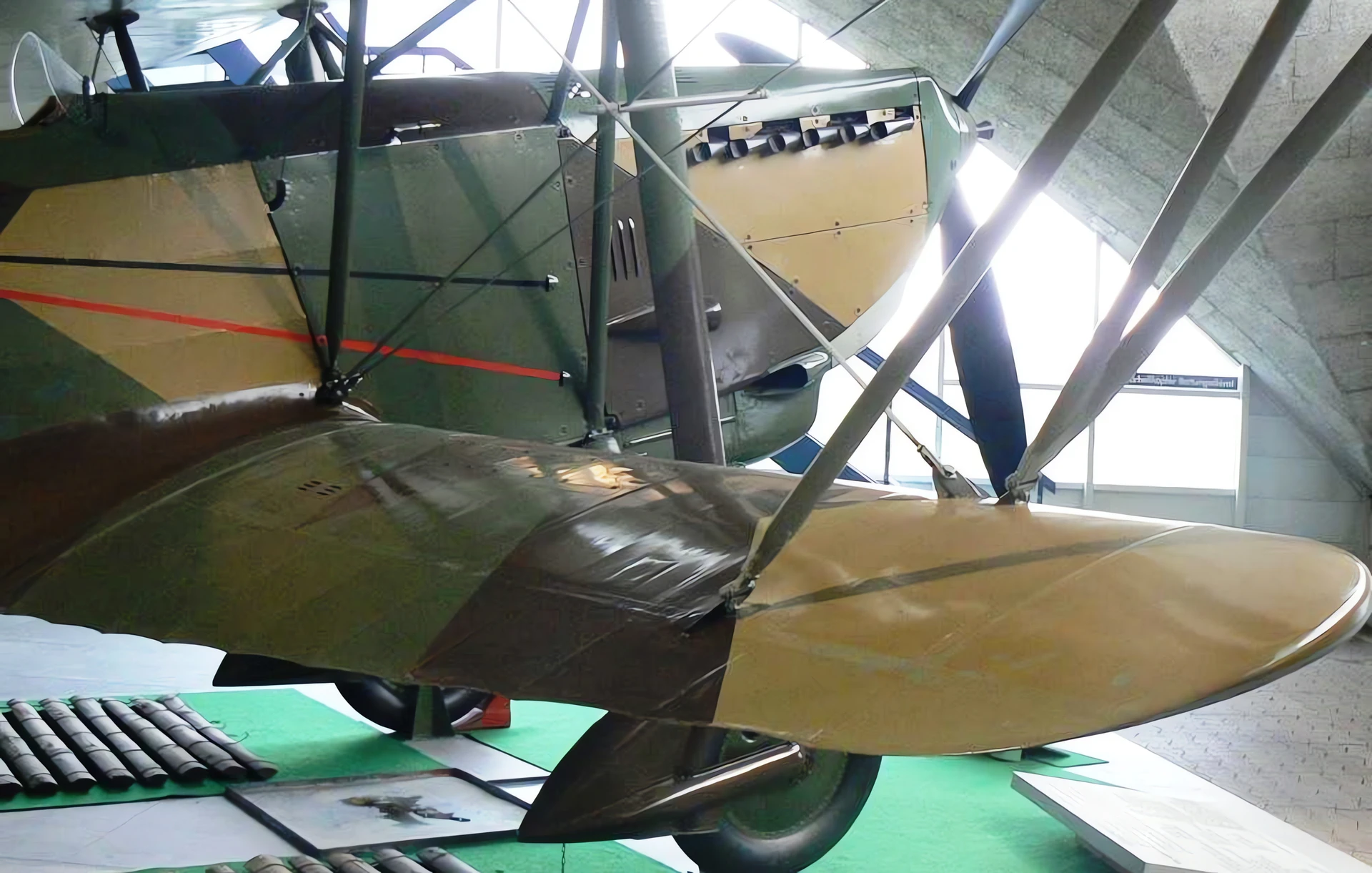
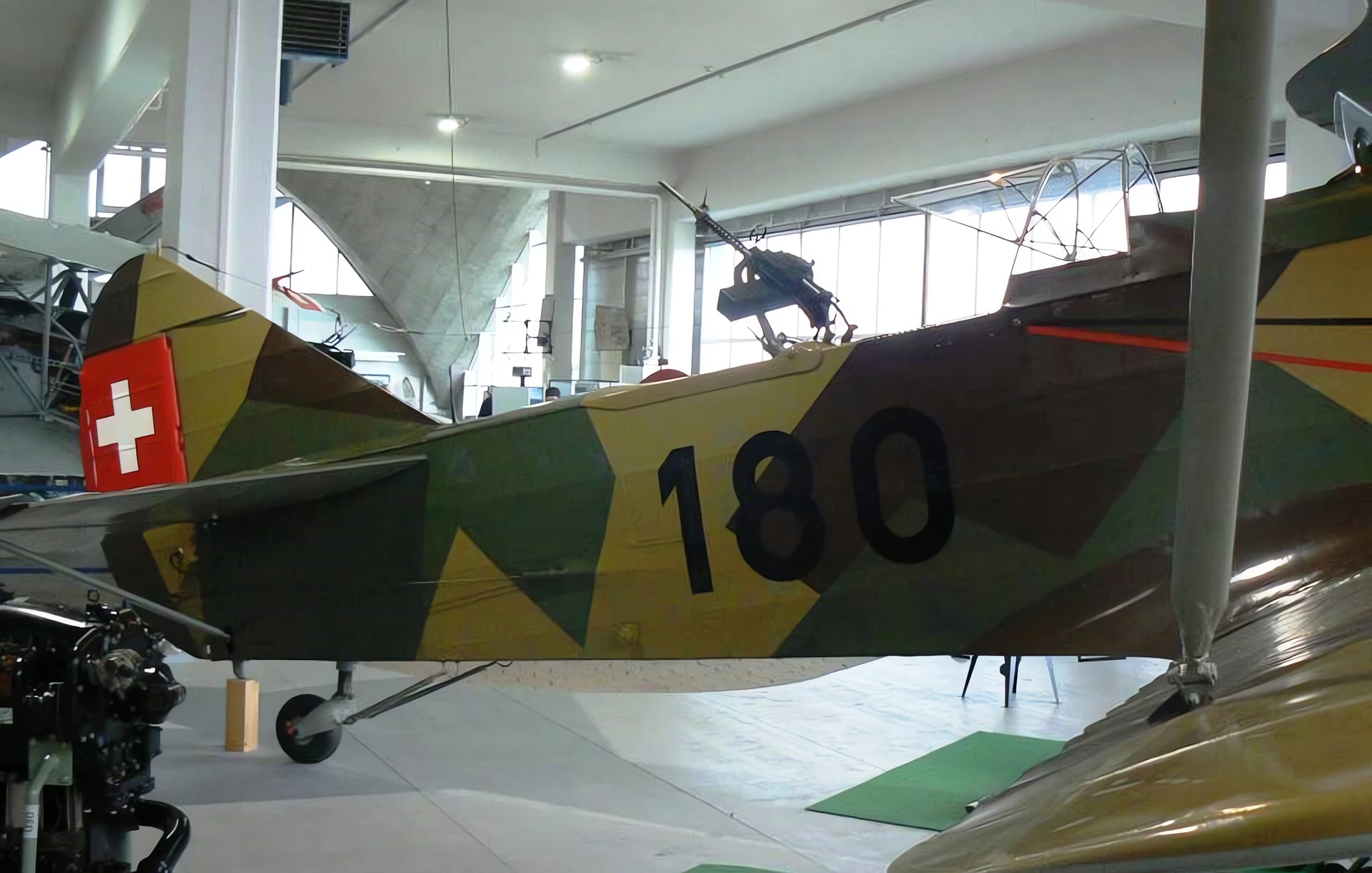
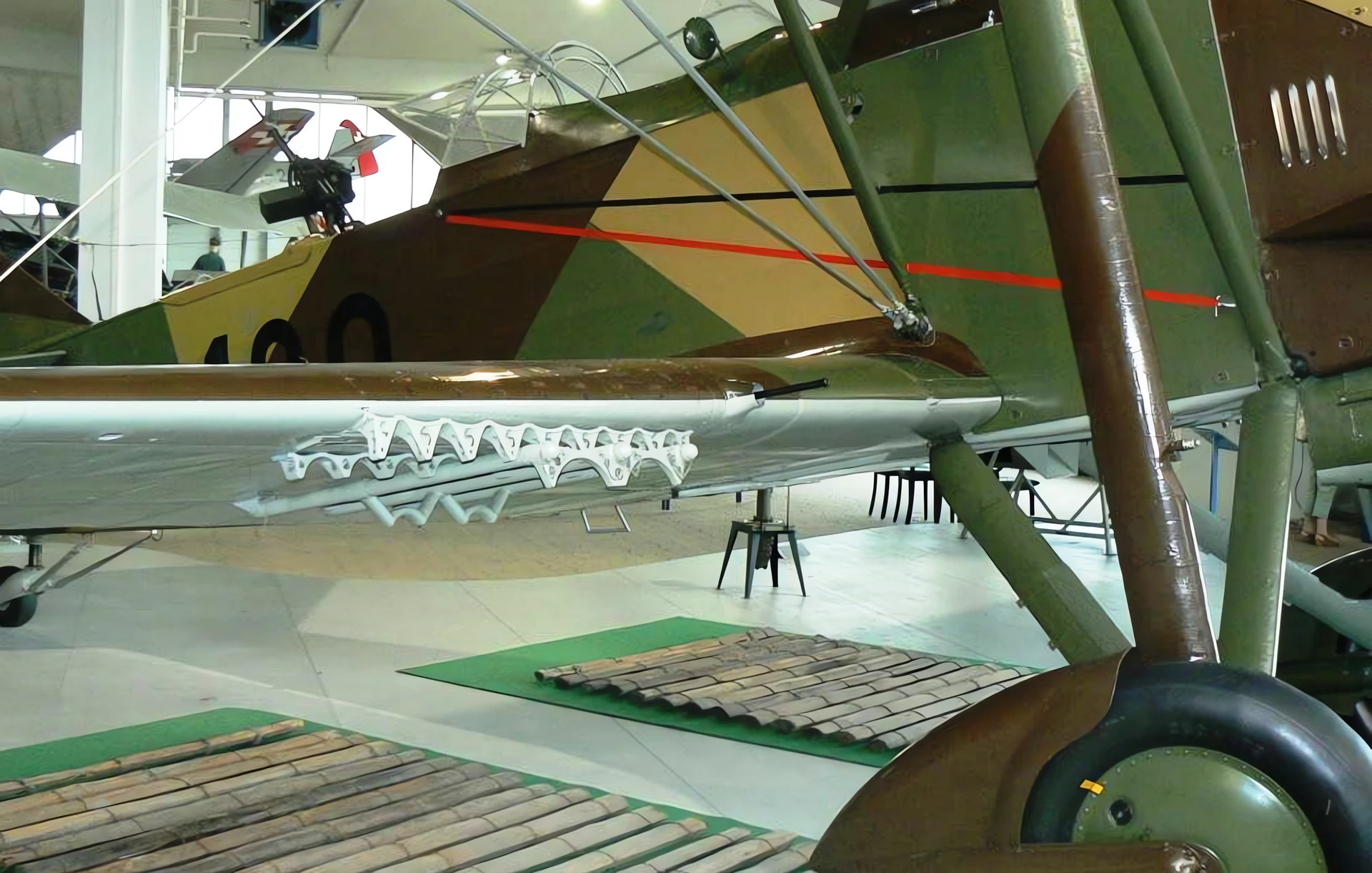
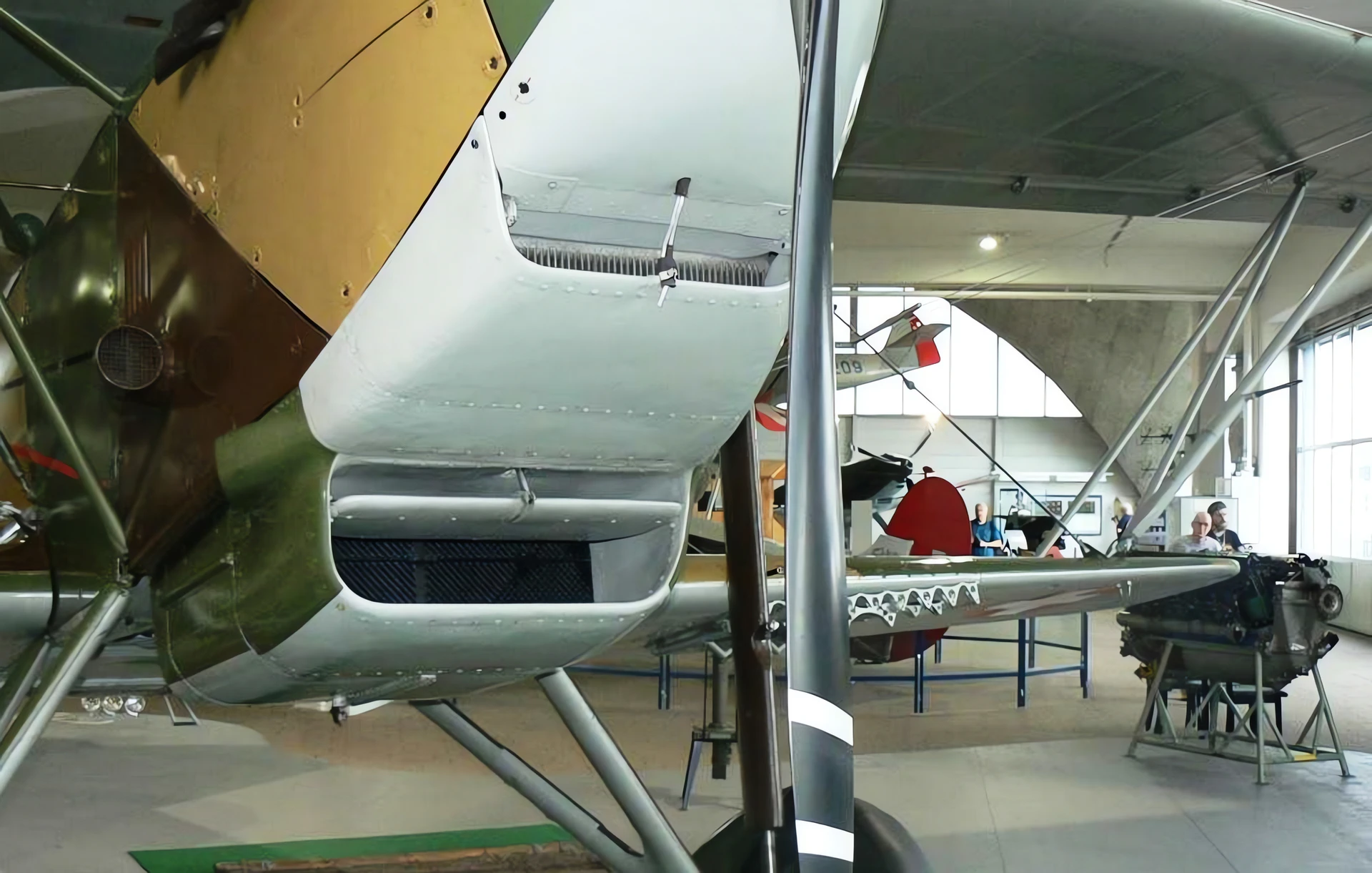
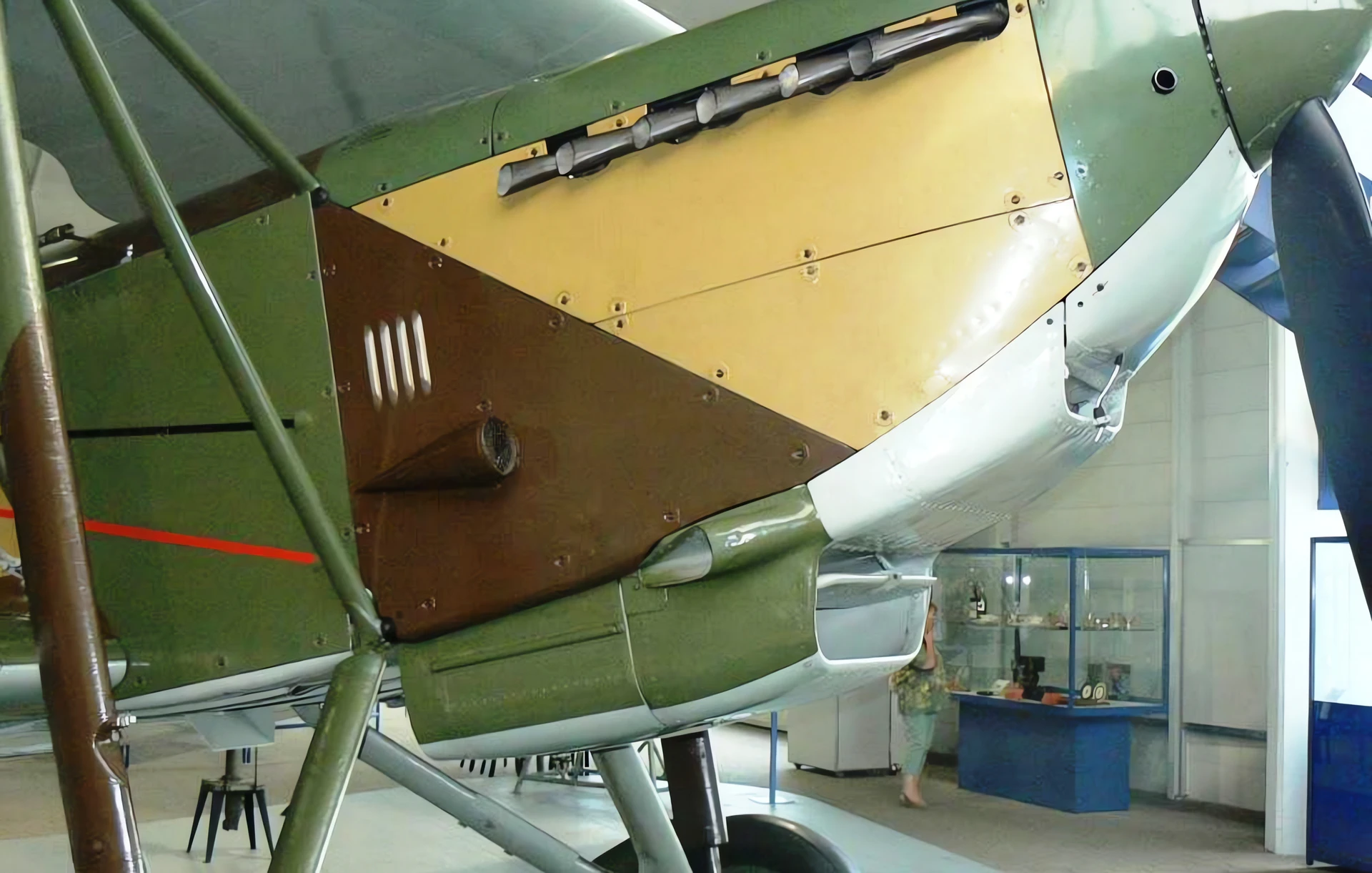
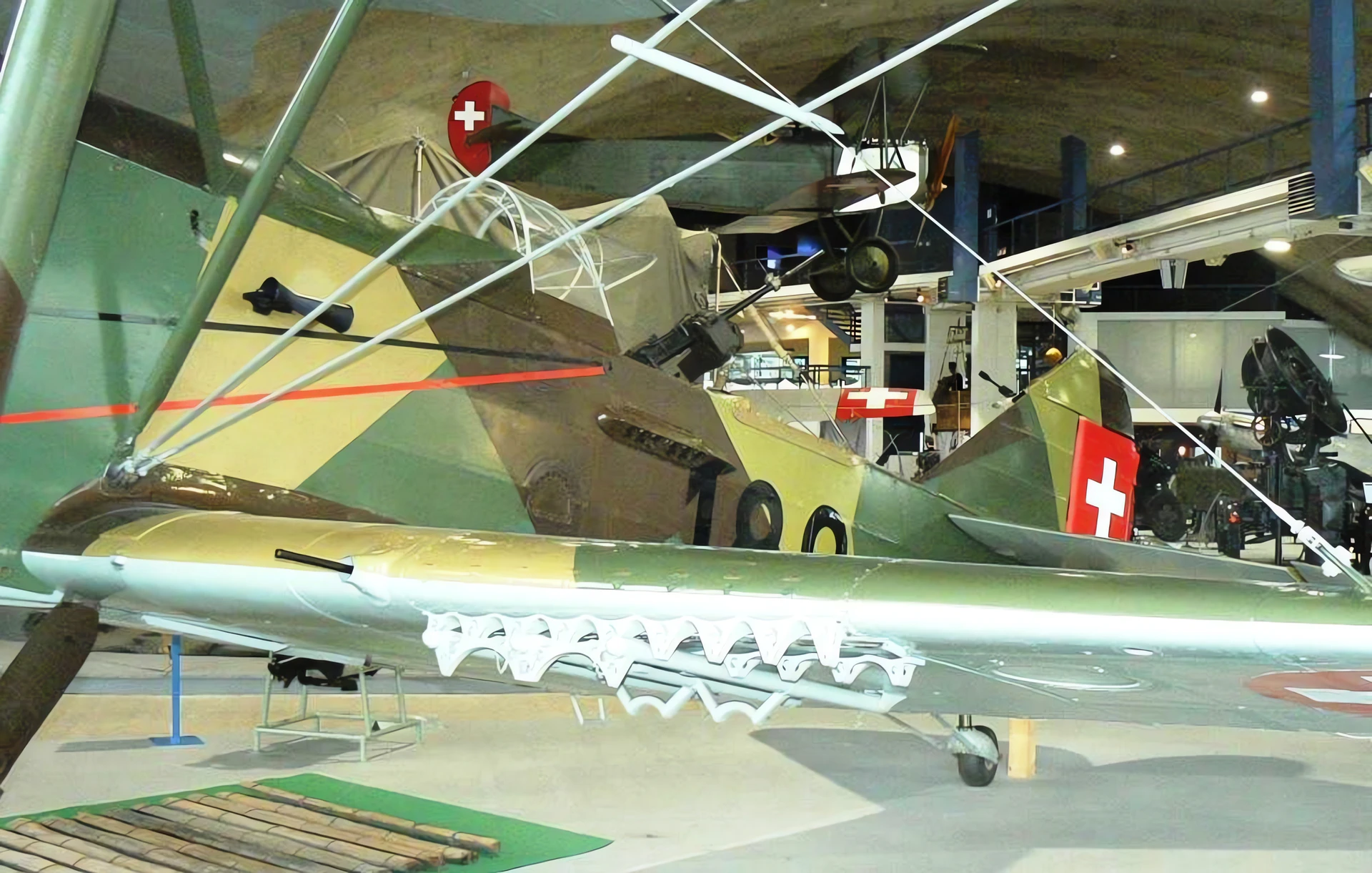
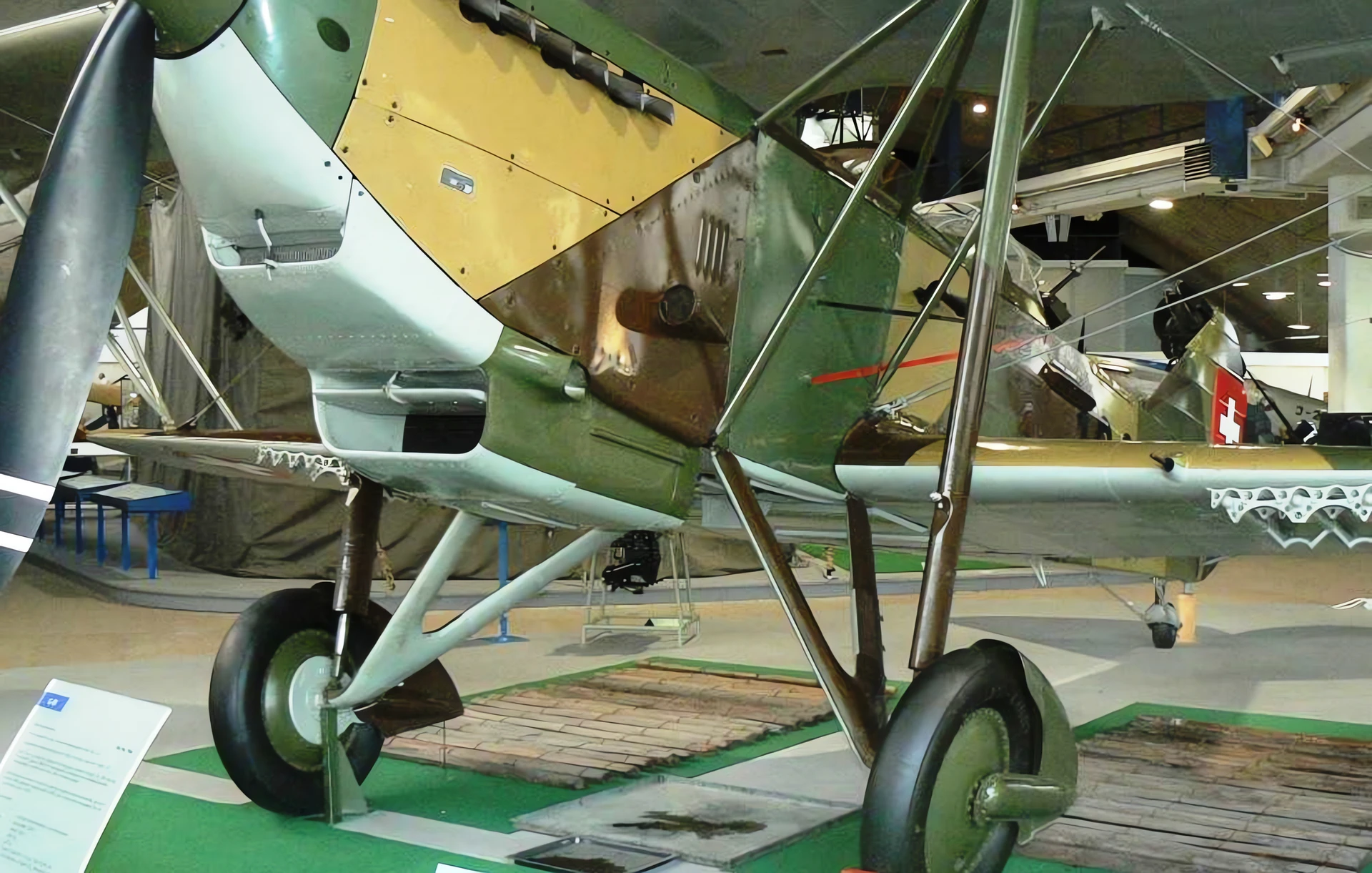


Vaata ka:


General Characteristics
The EKW C-35 was a Swiss two-seat reconnaissance and ground-attack biplane built by the Eidgenössische Konstruktionswerkstätte (EKW) in the mid-1930s to replace the aging Fokker C.V-E. Although a biplane design was already becoming obsolete when it was ordered, it formed the backbone of the Swiss Air Force’s reconnaissance and light bombing capability during the crucial early years of World War II, defending Swiss neutrality before being replaced by the monoplane C-36 series.
| Property | Typical Value (C-35) |
|---|---|
| Rolli | Reconnaissance / Light Ground-Attack |
| Tootja | EKW (Eidgenössische Konstruktionswerkstätte) |
| Teenistuses | 1937–1954 |
| Meeskonna | 2 (Pilot and Observer/Rear Gunner) |
| pikkus | 9.54 m (31 ft 3.5 in) |
| Tiibade siruulatus | 13.08 m (42 ft 11 in) |
| Max Takeoff Weight | 3,130 kg (6,900 lb) |
Design and Powerplant
- Engine: One Hispano-Suiza HS-77 V-12 liquid-cooled piston engine (a license-built Hispano-Suiza 12Ycrs).
- Power Output: Approximately 642 kW (860 hp).
- Design Features: Biplane configuration with fixed main and tailwheel landing gear. It was designed to perform reconnaissance and light bombing from level flight and dive attacks.
- Development Context: It was developed alongside the more modern C-36 monoplane, which eventually replaced it in front-line service.
- Later Role: After being withdrawn from front-line service in 1943, many aircraft were converted for night-flying duties (C-35-1 variant) until their final retirement in 1954.
Performance and Armament
- Maximum Speed: Up to 335 km/h (208 mph, 181 knots).
- Service Ceiling: 8,000 m (26,247 ft).
- Range: Approximately 750 km (466 mi, 405 nmi).
- Rate of Climb: 11.51 m/s (2,265 ft/min).
- Fixed Armament:
- Forward: One 20 mm Oerlikon cannon (firing through the propeller hub).
- Wings: Two fixed forward-firing 7.5 mm machine guns in the wings.
- Rear: One flexible 7.5 mm machine gun in the rear cockpit for the observer.
- Ordnance: Carried up to 100 kg (220 lb) of bombs on underwing racks.
Vaadatud : 763
Näete ka :
 Hawker Fury - fotod ja videod
 Phönix D.I - fotod ja videod
 Focke-Wulf Fw 44 - fotod ja videod
 Haldjas mõõkkala - fotod ja videod
 Bristol F.2 võitleja - fotod ja videod
 Hawker Hart - fotod ja videod
 Fokker D.VII – Fotod ja video
 Royal Aircraft Factory S.E.5 - fotod ja video
 SPAD S.VII Cabruna &; Ruffo – fotod ja video
 Stearman PT-13D Kaydet - fotod ja video