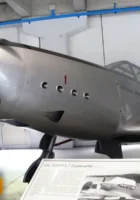
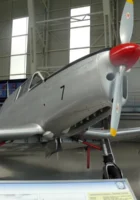
SAI Super S.7

Ambrosini S.7

RiikItalia
RolliVõidusõidulennukid
Esimene lendJuuli 1939
Ehitatud12 + 147

2007 Ambrosini SAI.7 oli enne Teist maailmasõda lennanud Itaalia võidusõidulennuk, mis läks pärast sõda tootmisse sõjaväetreenerina (tähisega lihtsalt S.7). See oli tavapärase konfiguratsiooniga, valmistatud puidust, sabaratta veermikuga. Jõuallikaks oli õhkjahutusega ümberpööratud reasmootor, Alfa-Romeo mudel 115 võimsusega 225 hobujõudu.

Allikas: Ambrosini S.7 Vikipeedias

Jätka lugemist

Vaadatud : 565

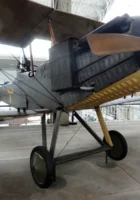
Kuninglik lennukitehas R.E.8

Kuninglik lennukitehas R.E.8

RiikUk
RolliLuure, pommitaja
Esimene lend17. juuni 1916
Ehitatud4077

2007 Kuninglik lennukitehas R.E.8 was a British two-seat biplane reconnaissance and bomber aircraft of the First World War designed and produced at the Royal Aircraft Factory. It was also built under contract by Austin Motors, Daimler, Standard Motors, Siddeley-Deasy and the Coventry Ordnance Works. Intended as a replacement for the vulnerable B.E.2, the R.E.8 was widely regarded as more difficult to fly and gained a reputation in the Royal Flying Corps for being “unsafe” that was never entirely dispelled. Although eventually it gave reasonably satisfactory service, it was never an outstanding combat aircraft. Nonetheless, it remained the standard British reconnaissance and artillery observation aircraft from mid-1917 to the end of the war, serving alongside the rather more popular Armstrong Whitworth F.K.8.

Allikas: Kuninglik lennukivabrik R.E.8 Vikipeedias

Jätka lugemist

Vaadatud : 607

CATI 90 mm

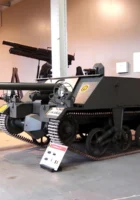
Loyd Carrier

RiikUk
RolliSoomuspersonali kandja
Kasutuses1939-1960ndad
Ehitatud26000+

2007 Loyd Carrier oli üks paljudest väikestest roomiksõidukitest, mida Briti ja Rahvaste Ühenduse väed teises maailmasõjas kasutasid varustuse ja meeste transportimiseks lahinguväljal. Breni, Scouti ja Kuulipildujate kandjate kõrval liigutasid nad ka jalaväe tugirelvi.

Allikas: Loyd Carrier Vikipeedias

Jätka lugemist

Vaadatud : 1382

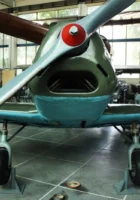
Nardi FN.305 A

Nardi FN.305

RiikItalia
RolliVõitleja treener ja kontakt monoplaan
Esimene lend19. veebruar 1935
Ehitatud211

2007 Nardi FN.305 was an Italian fighter trainer and liaison monoplane developed by the Fratelli Nardi company. The FN.305 was designed as a trainer and liaison aircraft and the prototype first flew on 19 January 1935. The FN.305 was a low-wing cantilever monoplane of mixed construction. It had tailskid landing gear, with the main gear retracting inwards. It was powered by a nose-mounted 200 hp (149 kW) Fiat A.70S inline piston engine. The prototype was a tandem two-seater with an enclosed cockpit. It was intended to produce both single-seat and two-seat variants and the next prototype was a single-seat fighter trainer followed by a two-seat basic trainer prototype which both had open cockpits.

Allikas: Nardi FN.305 Vikipeedias

Jätka lugemist

Vaatamisi : 852

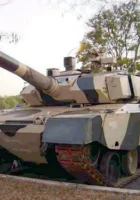
Engesa EE-T1 Osorio

EE-T1 Osório

Riik Brasiilia
Rolli Peamine lahingupaak
Toodetud 1986
Ehitatud 2 prototüüpi
2007 Engesa EE-T1 Osório oli Brasiilia peamine lahingutanki prototüüp, mille töötas välja Engesa. Tank kavatseti müüa esmalt Araabia ja teistele Kolmanda Maailma riikidele, käivitades tootmise ja võimaldades Brasiilia armeel hiljem oma tellimusi esitada, ilma et oleks pidanud arenduskulusid rahastama. Tanki arendamist rahastas algselt eraviisiliselt Engesa, kuid rahavoogude probleemid viisid lõpuks selleni, et Brasiilia valitsus andis programmi abistamiseks laenu. Tankist ehitati kaks prototüüpi, kuid EE-T1 ei võetud kunagi kasutusele.
Allikas: EE-T1 Osório Vikipeedias
Jätka lugemist

Views : 2063

FIAT G.46-2

Fiat CR.46

RiikItaalia
RolliSõjaväe koolitaja
Esimene lend25. juuni 1947
Ehitatud223

2007 Fiat G.46 was a military trainer developed in Italy shortly after World War II. The G.46 was a conventional, low-wing monoplane with tailwheel undercarriage, the main units of which retracted inwards. The pilot and instructor sat in tandem under a long canopy. The first prototype, powered by a 205 hp (153 kW) Alfa Romeo 115-Ibis engine, made its maiden flight on 25 June 1947.

Allikas: Fiat CR.46 Vikipeedias

Jätka lugemist

Vaadatud: 669

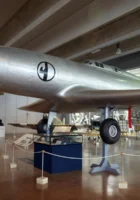
Campini-Caproni C.C.2

Caproni Campini N.1

RiikItaalia
RolliKatselennukid
Esimene lend27. august 1940
Ehitatud2

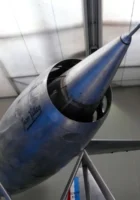
2007 Caproni Campini N.1, also known as the C.C.2, was an experimental jet aircraft built in the 1930s by Italian aircraft manufacturer Caproni. The N.1 first flew in 1940 and was briefly regarded as the first successful jet-powered aircraft in history, before news emerged of the German Heinkel He 178’s first flight a year earlier. During 1931, Italian aeronautics engineer Secondo Campini submitted his studies on jet propulsion, including a proposal for a so-called thermo-jet to power an aircraft. Following a high-profile demonstration of a jet-powered boat in Venice, Campini was rewarded with an initial contract issued by the Italian government to develop and manufacture his envisioned engine. During 1934, the Regia Aeronautica (the Italian Air Force) granted its approval to proceed with the production of a pair of jet-powered prototype aircraft. To produce this aircraft, which was officially designated as the N.1, Campini formed an arrangement with the larger Caproni aviation manufacturer.

Allikas: Caproni Campini N.1 Wikis
Jätka lugemist

Vaadatud : 1582

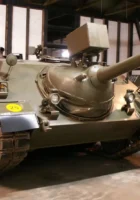
Jagdpanzer Kanone 90

Jagdpanzer Kanone 90

RiikLääne-Saksamaa
RolliPaagi hävitaja
Toodetud1965–1967
Ehitatud770

2007 Kanonenjagdpanzer (KanJPz; also known as Jagdpanzer Kanone 90mm, “tank destroyer, gun 90mm”) was a German Cold War tank destroyer equipped with a 90mm anti-tank gun taken from obsolete M47 Patton tanks. Its design was very similar to that of the World War II Jagdpanzer IV.

Allikas: Jagdpanzer Kanone 90 on Wikipedia

Jätka lugemist

Views : 2285

Breguet XIV war

Breguet XIV

RiikPrantsusmaa
RolliBomber
Esimene lend21. november 1916
Ehitatud8000+

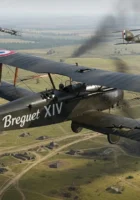
2007 Bréguet 14 was a French biplane bomber and reconnaissance aircraft of World War I. It was built in very large numbers and production continued for many years after the end of the war. Apart from its widespread usage, the Bréguet 14 is known for being among the first mass-produced aircraft to use large amounts of metal, rather than wood, in its structure. This allowed the airframe to be lighter than a wooden airframe of the same strength, in turn making the aircraft relatively fast and agile for its size; in combat it was able to outrun many contemporary fighters. The Bréguet 14’s strong construction allowed it to sustain considerable damage, in addition to being easy to handle and possessing favourable performance. The type has often been considered to have been one of the best aircraft of the war.

Allikas: Breguet XIV Vikis

Jätka lugemist

Vaadatud : 1384