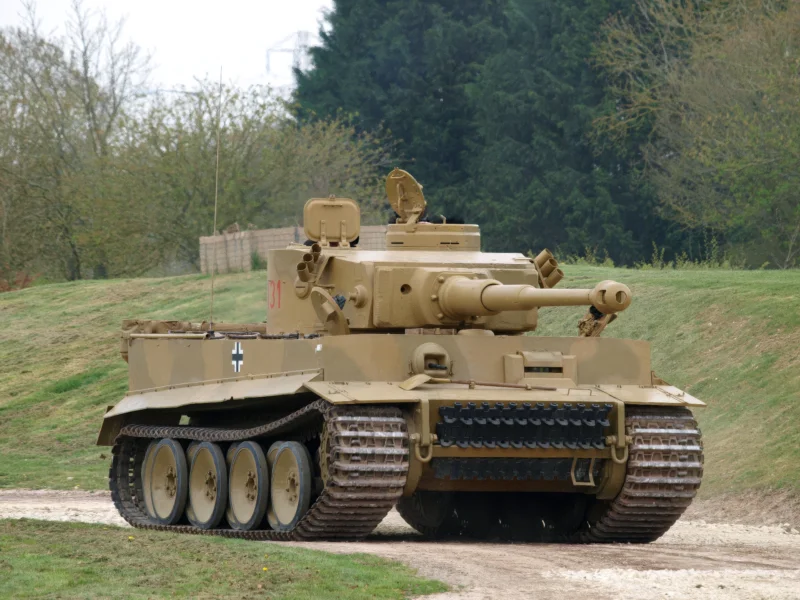
Tanque tigre | |
|---|---|
| País | Alemania |
| Tipo | Tanque pesado |
| Descripción | Album of 27 photos walk-around of a «Tiger Tank» |
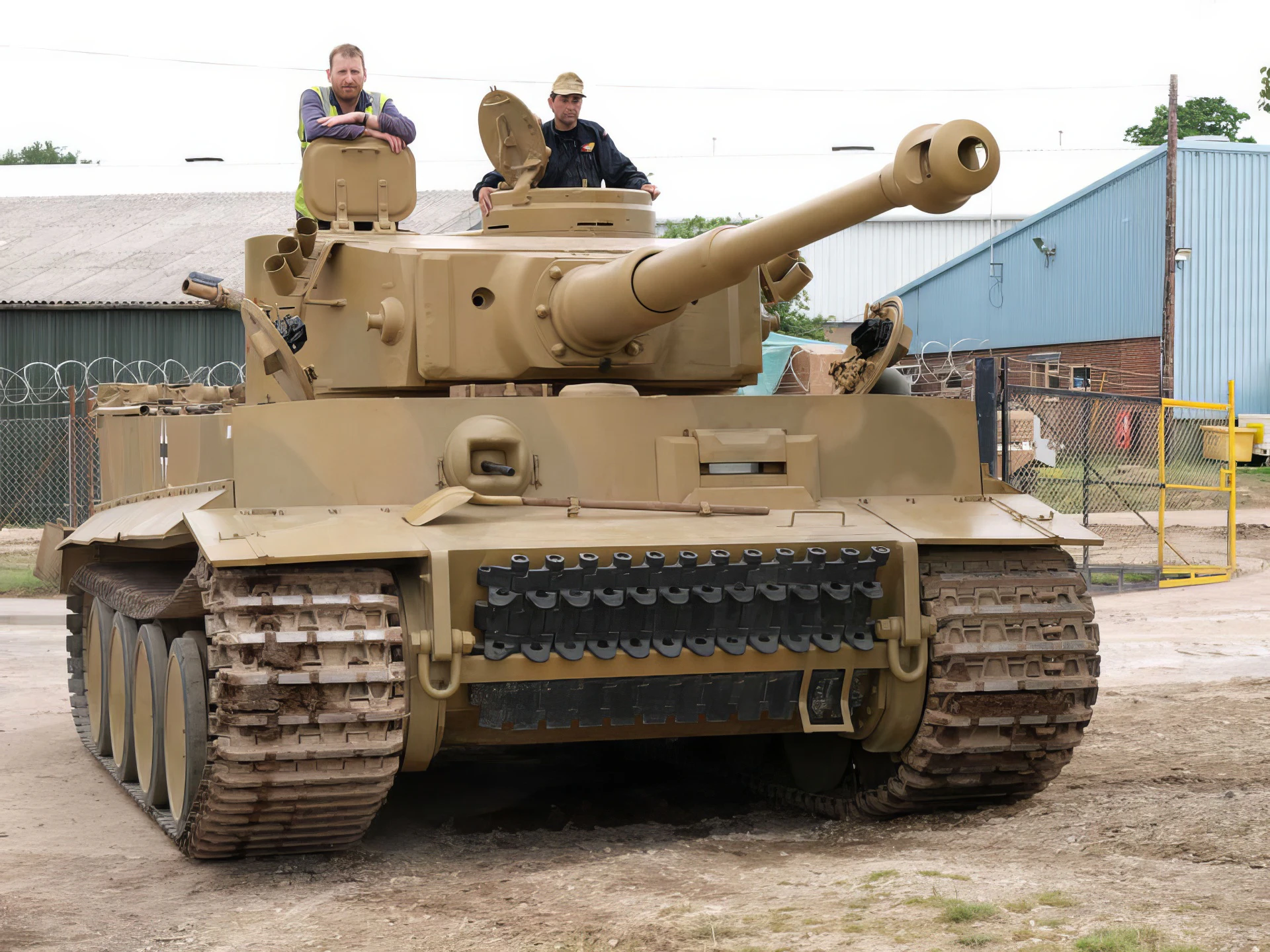
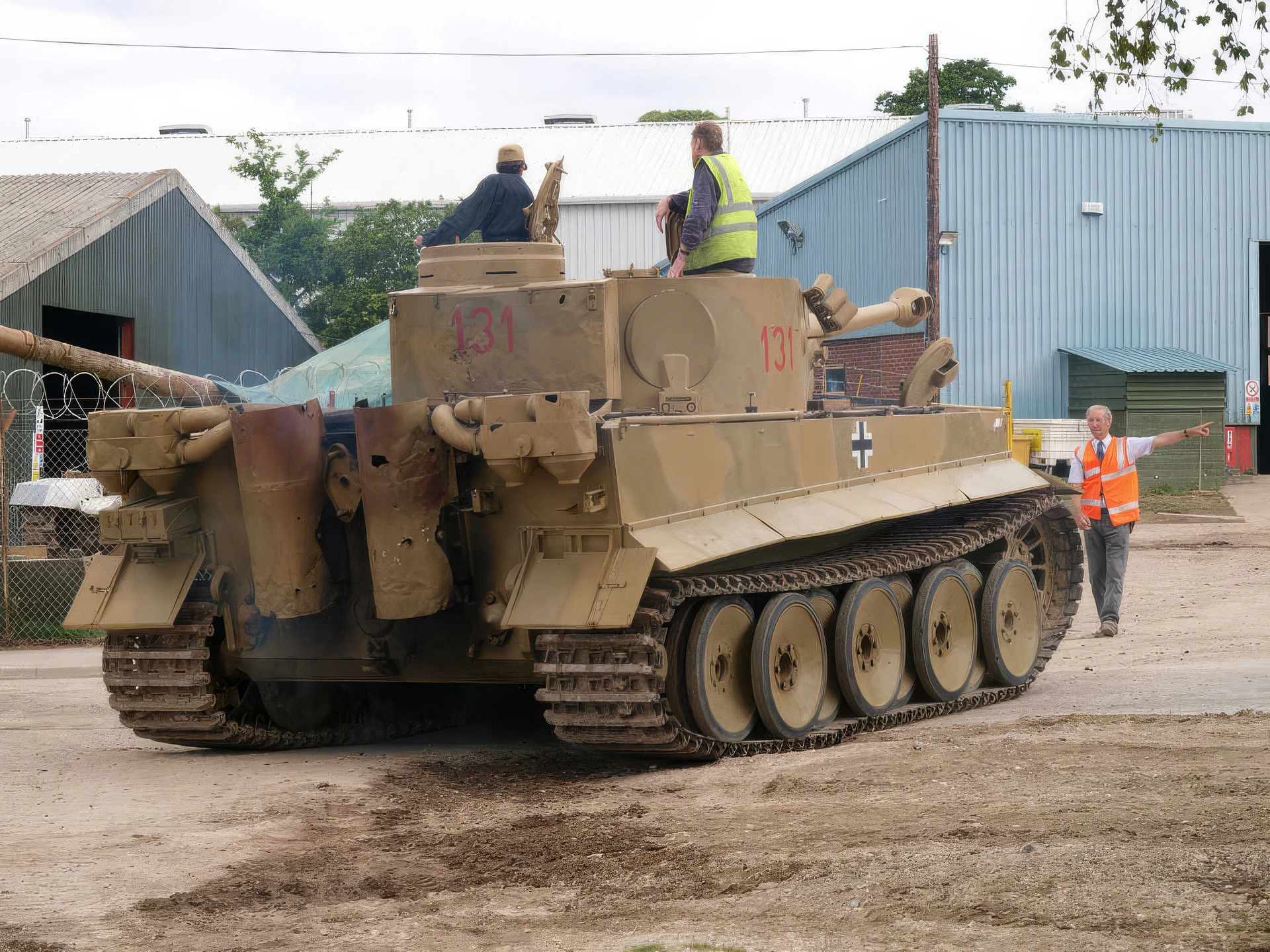
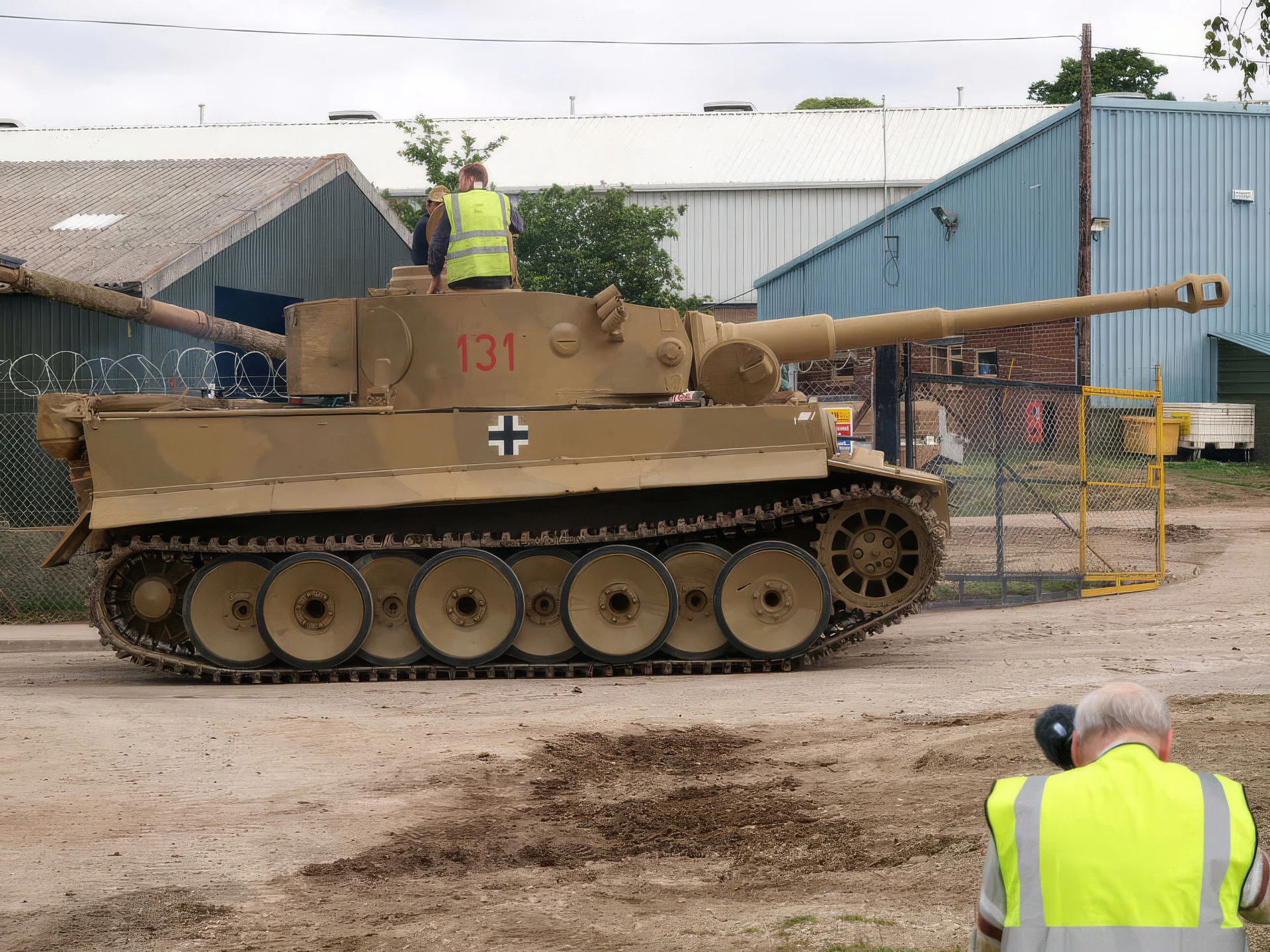
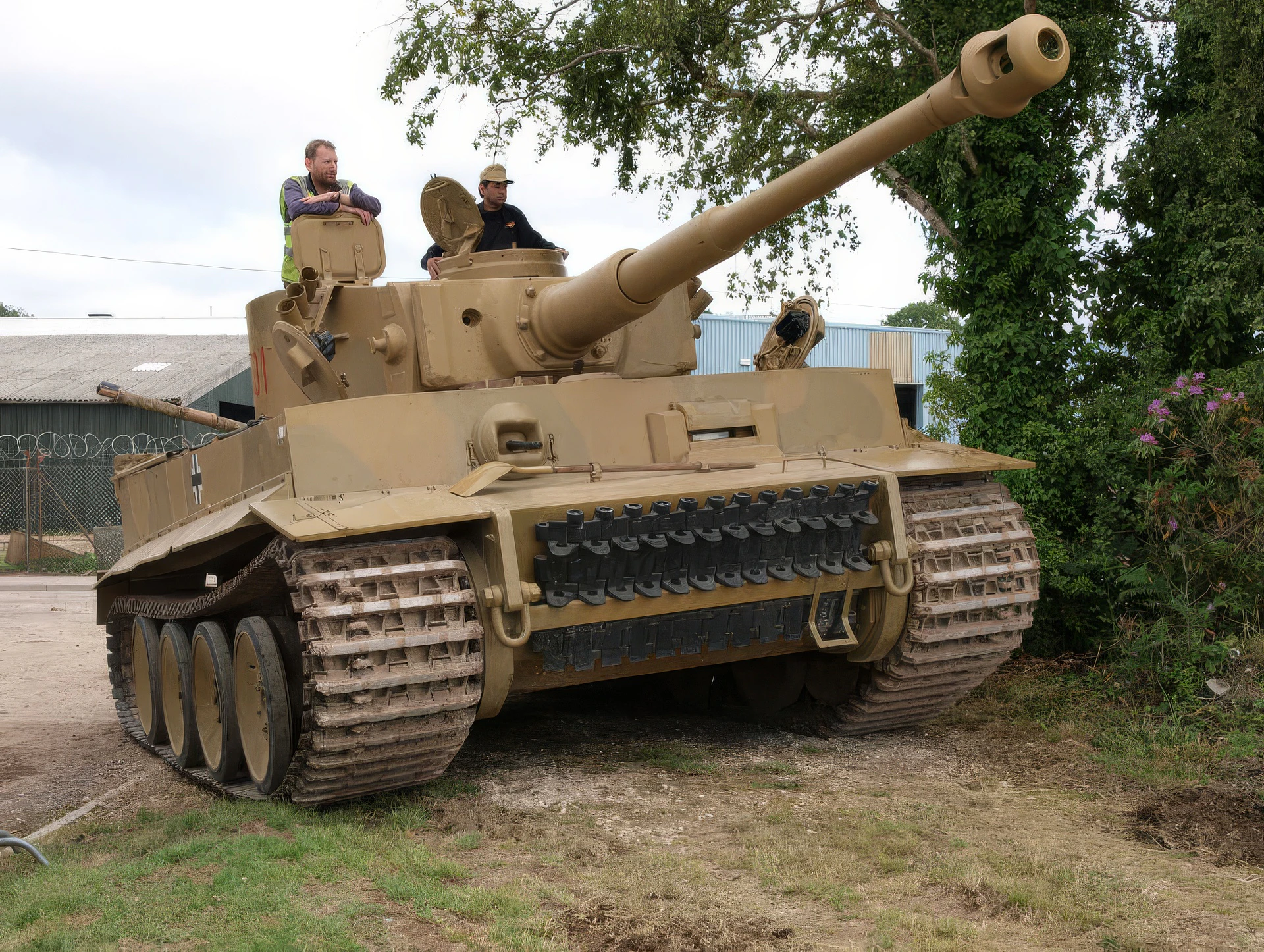
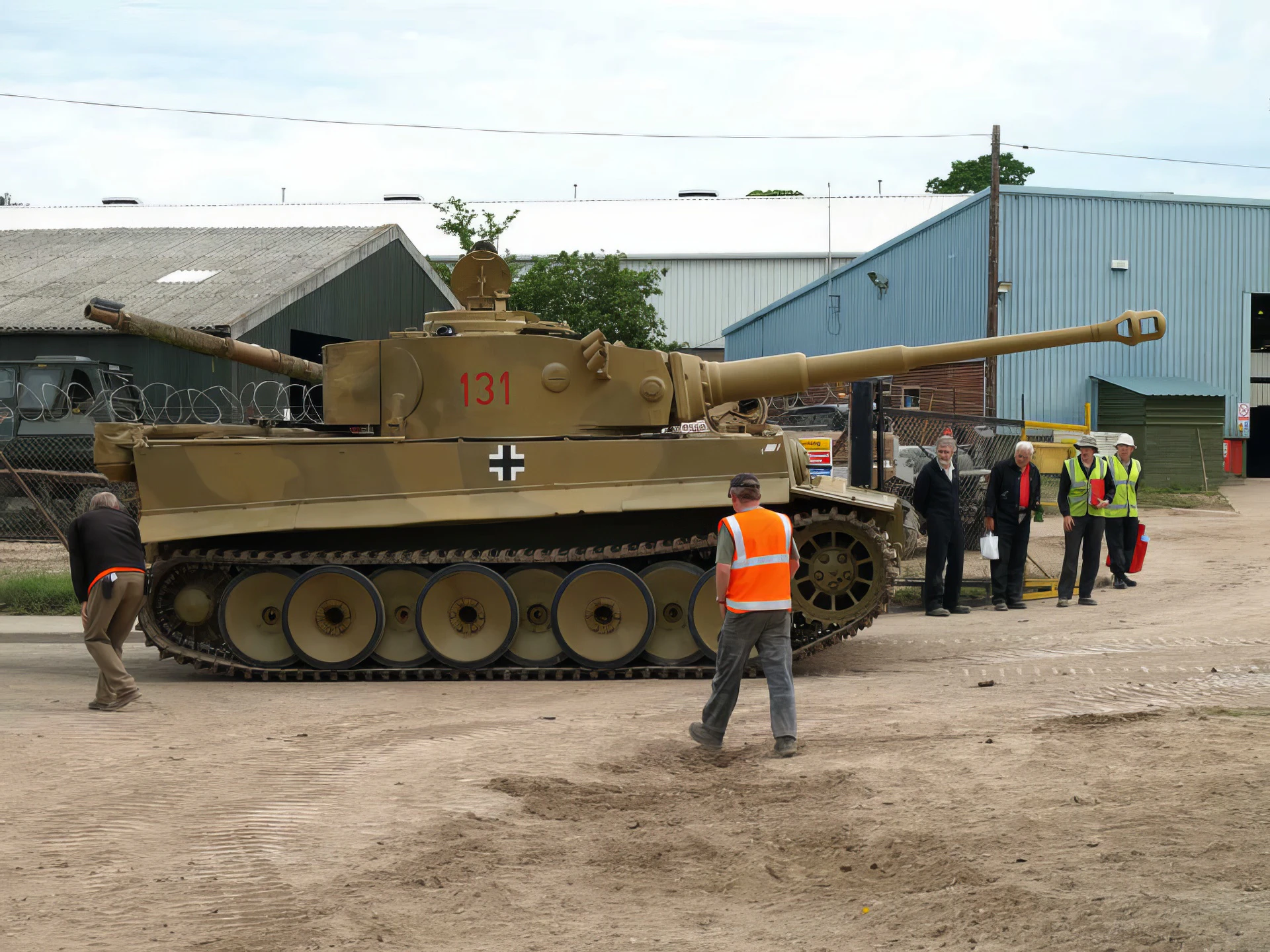
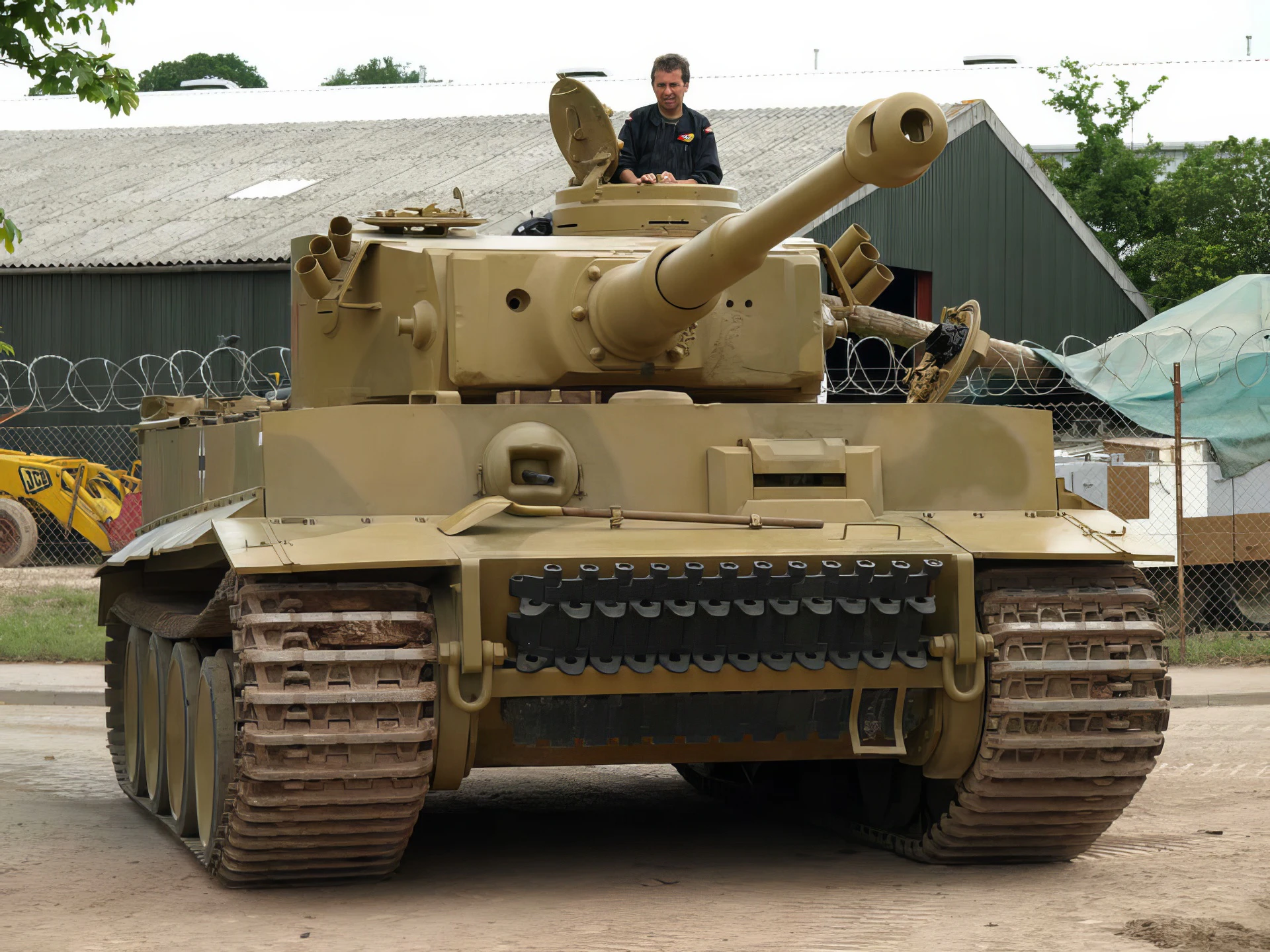
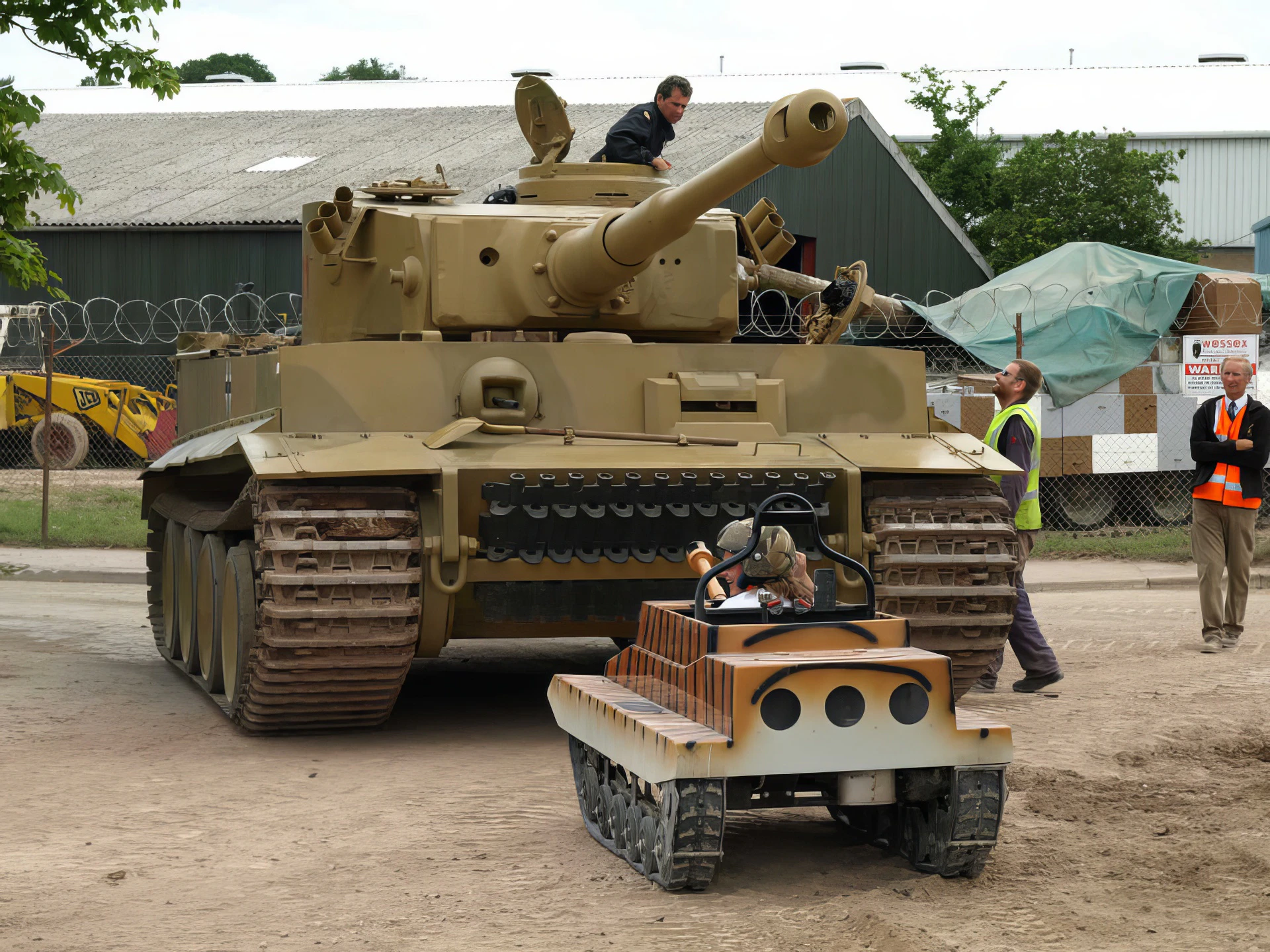
Galería de fotos de un tanque tigre en acción, El Tigre I es el nombre común de un tanque pesado alemán desarrollado en 1942 y utilizado en la Segunda Guerra Mundial. La última designación oficial alemana fue Panzerkampfwagen VI Tiger Ausf.E, a menudo acortado a Tiger. Fue una respuesta a la inesperadamente formidable armadura soviética encontrada en los primeros meses de la invasión del Eje de la Unión Soviética, particularmente el T-34 y el KV-1. El diseño tiger I le dio a la Wehrmacht su primer tanque montando el cañón de 88 mm, en su versión inicial dedicada a vehículos blindados dedicados a vehículos de combate, que en su versión Flak había demostrado previamente su eficacia contra objetivos aéreos y terrestres. Durante el transcurso de la guerra, el Tigre que vi combate en todos los frentes de batalla alemanes. Por lo general se desplegaba en batallones de tanques independientes, lo que resultó ser bastante formidable.
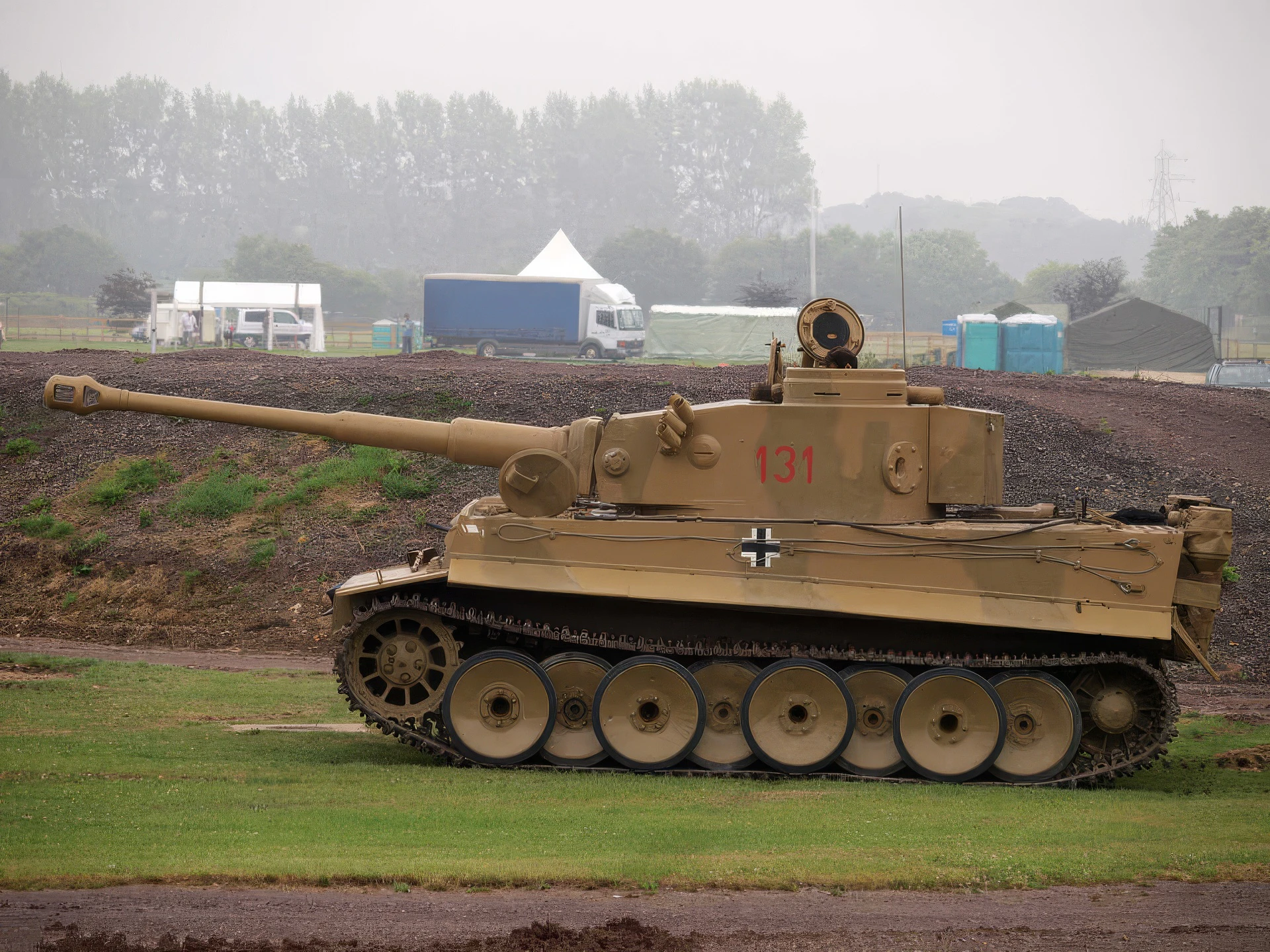
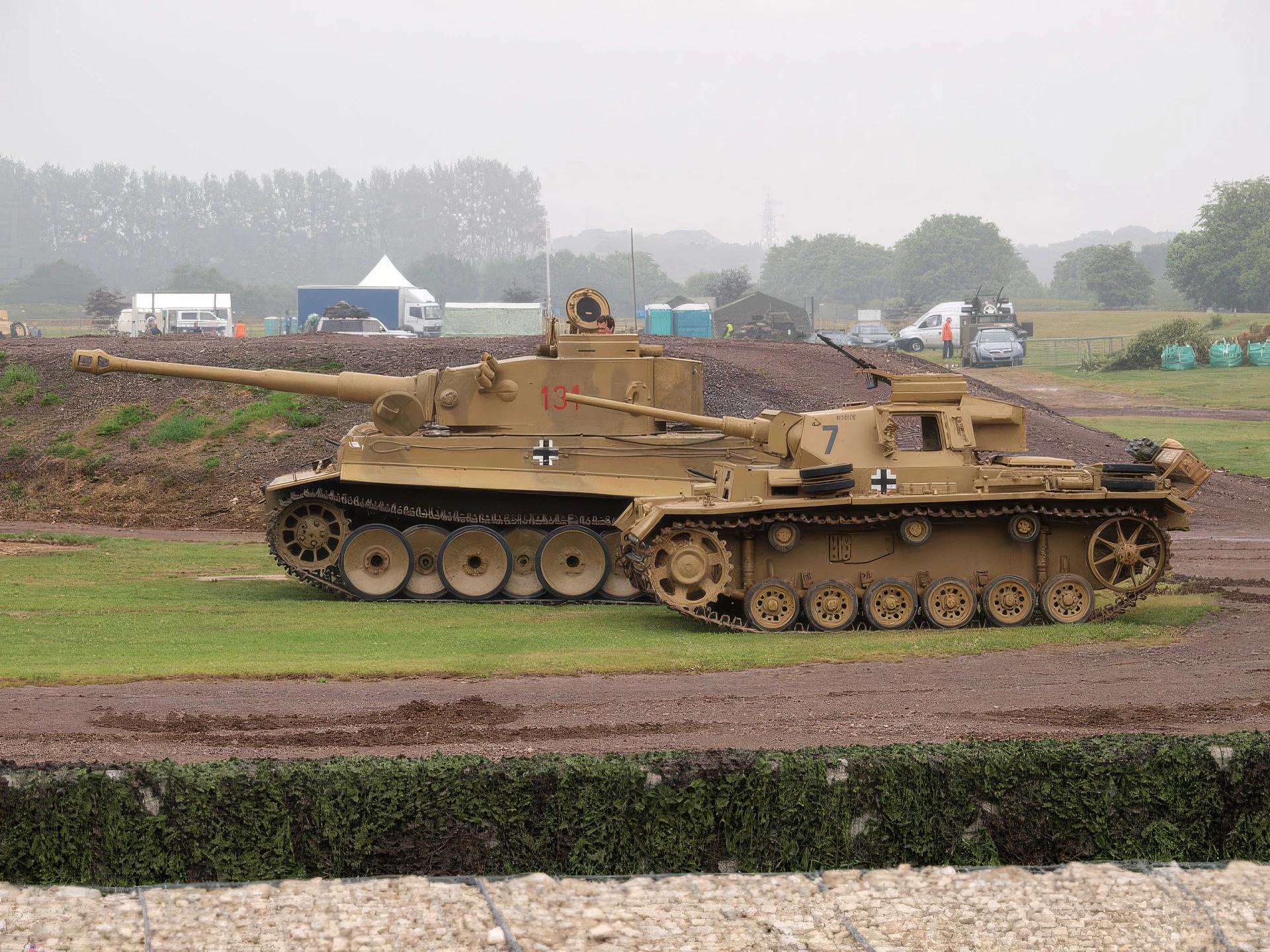

Ver también:


el Panzerkampfwagen VI (Pz.Kpfw. VI), commonly known as the tigre, was a series of German heavy tanks used during World War II. It was a formidable and revolutionary design, primarily known for its incredibly heavy armor and powerful main gun. The series includes two primary models: the Tiger I and the Tiger II.
1. Panzer VI Tiger I (Sd.Kfz. 181)
The original Tiger I was a response to the unexpectedly strong Soviet tanks encountered during the invasion of the USSR. It entered service in 1942 and quickly established a fearsome reputation.
- Rol: Heavy Tank, designed for breakthrough and long-range engagement.
- Armamento principal: The devastating 88 mm KwK 36 L/56 cannon, which could penetrate most Allied tank armor at extreme distances.
- Armadura: Featured very heavy, though largely flat and vertical, armor. Frontal hull armor was typically 100 mm thick, with the gun mantlet up to 200 mm. Its protection relied on sheer thickness.
- Peso: Aproximadamente 57 tonnes.
- Movilidad: Powered by a 700 hp Maybach V-12 engine. Capable of speeds up to 38 to 45 km/h on roads. Its complex interleaved road wheel suspension provided good off-road performance but was mechanically demanding and maintenance-intensive.
- Tripulación: 5 (Commander, Gunner, Loader, Driver, Radio Operator).
2. Panzer VI Tiger II (Königstiger / King Tiger) (Sd.Kfz. 182)
The Tiger II, or “King Tiger,” was the successor to the Tiger I and represented an evolution in German tank design. It entered production in late 1943.
- Rol: Heavy Tank.
- Armamento principal: The superior 88 mm KwK 43 L/71 cannon. This longer-barreled gun significantly increased muzzle velocity and anti-tank performance.
- Armadura: Combined the sheer thickness of the Tiger series with sloped armor. The frontal hull plate was 150 mm thick and angled at 50, making it virtually impervious to most Allied tank guns from the front.
- Peso: Casi 68.5 tonnes, making it the heaviest tank used by Germany during the war.
- Drawbacks: Its extreme weight severely strained its powertrain, leading to significant mechanical reliability issues and placing a massive burden on German logistics and manufacturing.
Views : 9211
También puede ver:
 TOG2 – Fotos y Videos
 Tanque P26/40 – Fotos y Videos
 T-28 Super Heavy Tank – Fotos y Video
 Tanque chieftain – Camina
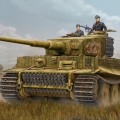 Pz.Kpfw. VI Tiger I – HOBBY BOSS 82601
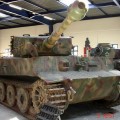 Pzkpfw VIH Tiger – Caminar
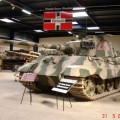 Tiger II – Königstiger vol3 – Caminar
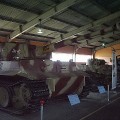 Tiger I – Caminar
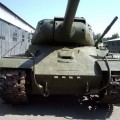 JS2-M – Caminar
 Panzerkampfwagen VI – TIGER – Sdkfz.181 – Wydawnictwo Militaria 074