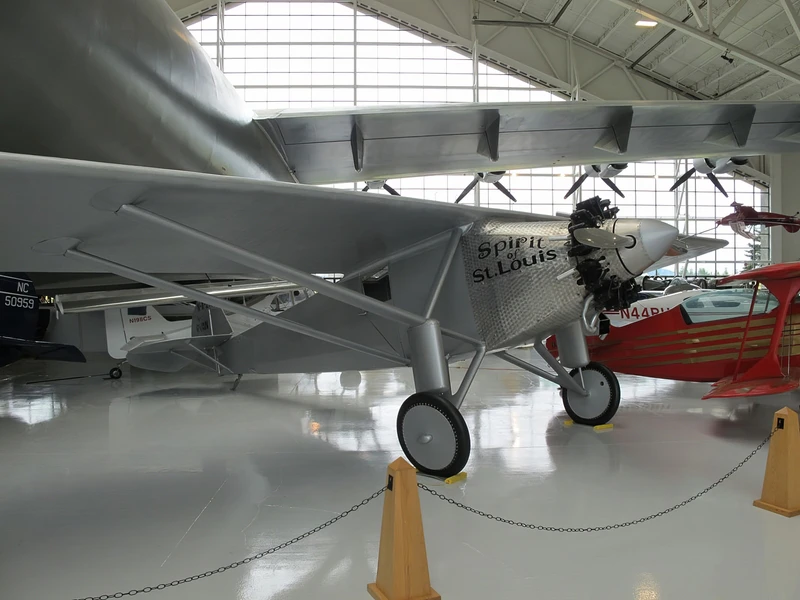
Spirit of St. Louis | |
|---|---|
| País | E.e.u.u |
| Papel | Aeronaves de largo alcance |
| Primer vuelo | 28 de abril de 1927 |
| Construido | 1 |
el Espíritu de San Luis (formalmente el Ryan NYP, registro: N-X-211) es el monoplano monoplano de ala alta monomotor hecho a medida que Charles Lindbergh voló el 20 y 21 de mayo de 1927, en el primer vuelo transatlántico sin escalas en solitario desde Long Island, Nueva York, a París, Francia, por el que Lindbergh ganó el Premio Orteig de $ 25,000
Fuente: Espíritu de San Luis en Wikipedia
| Ryan NYP “Spirit of St. Louis” Walk Around | |
|---|---|
| Photographer | Vladimir Yakubov |
| Localisation | Evergreen Air & Space Museum |
| Photos | 33 |
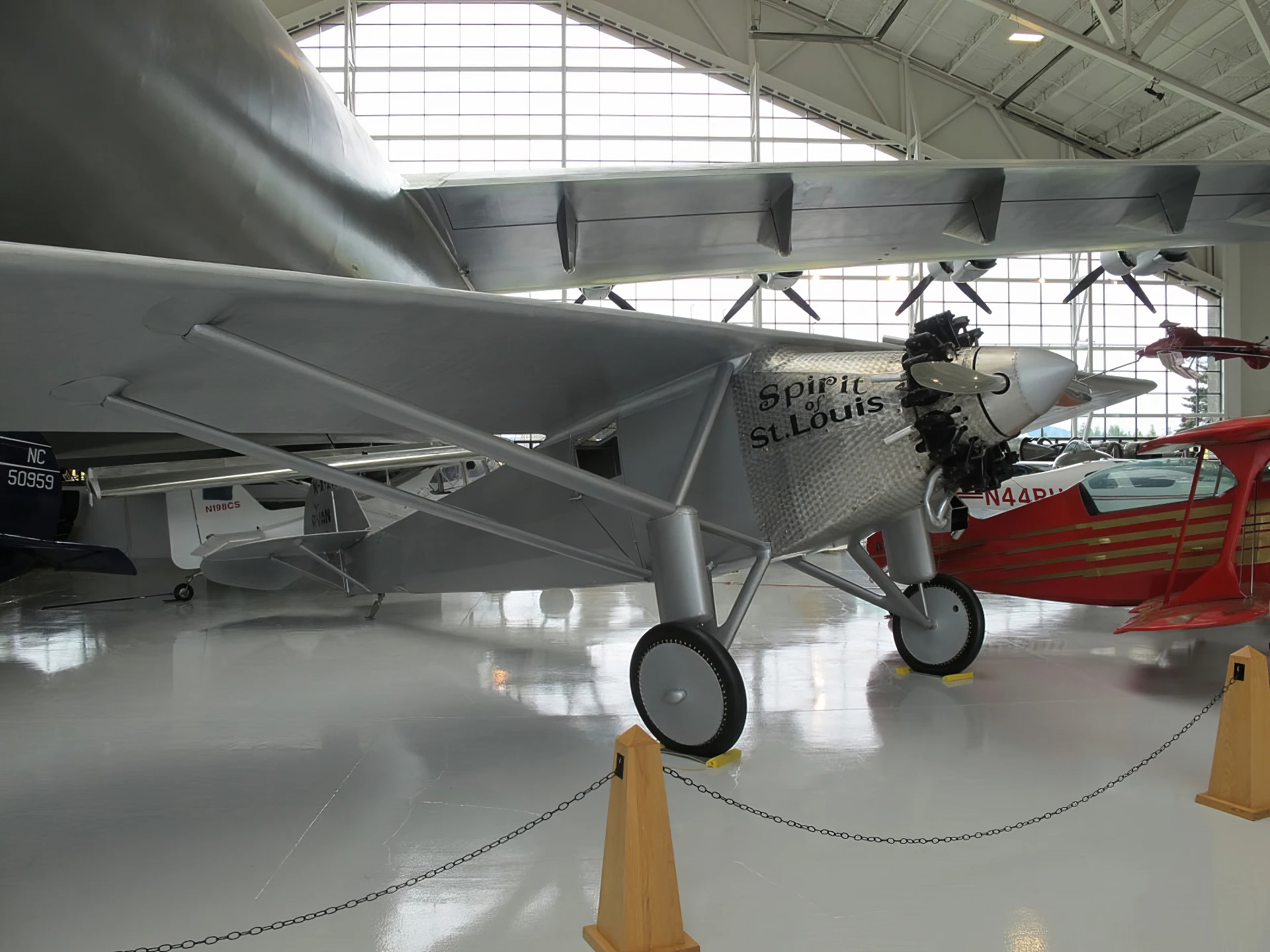
Ryan NYP ‘Spirit of St. Louis’
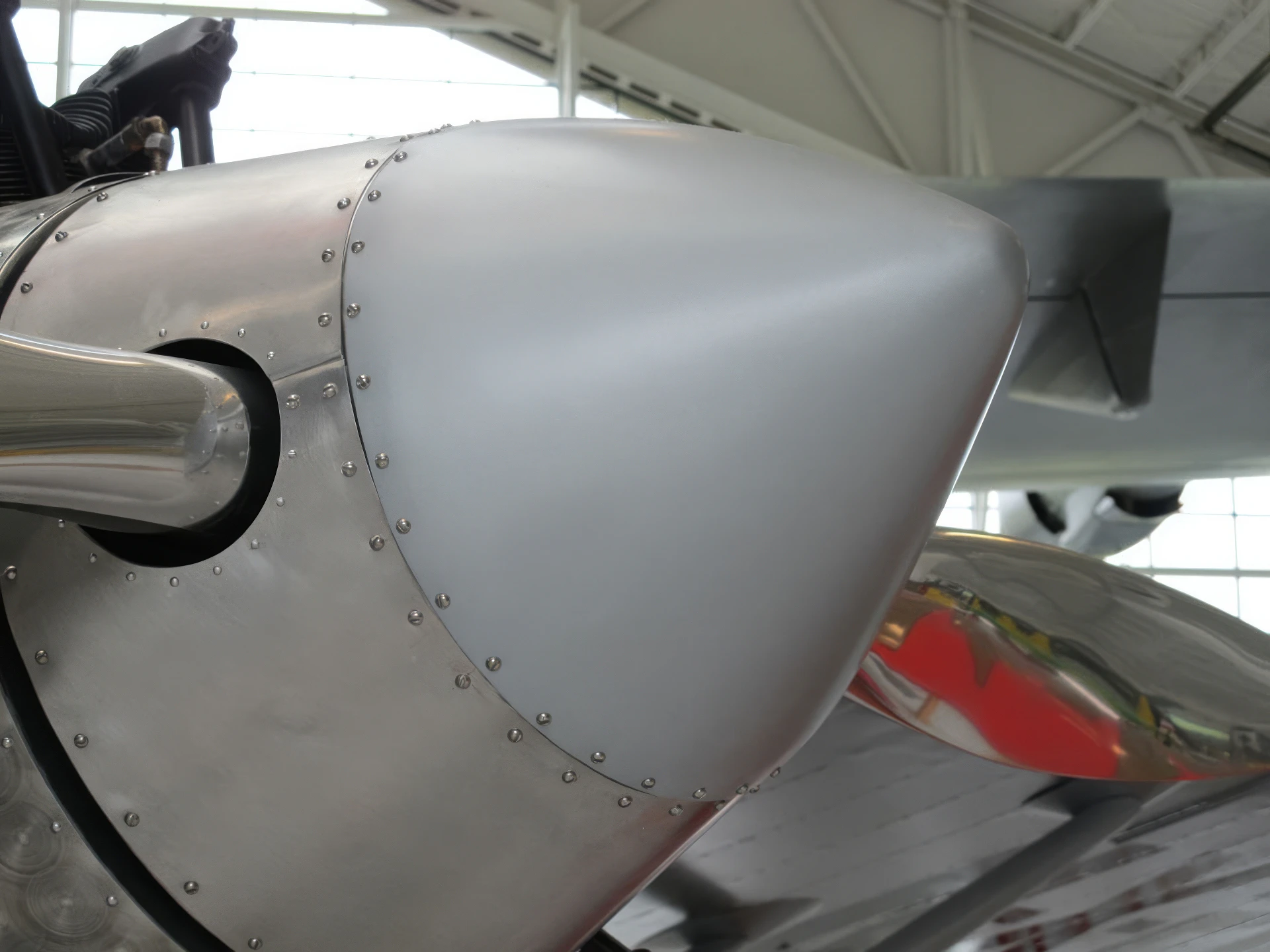
Ryan NYP ‘Sprit of St. Louis’ 02
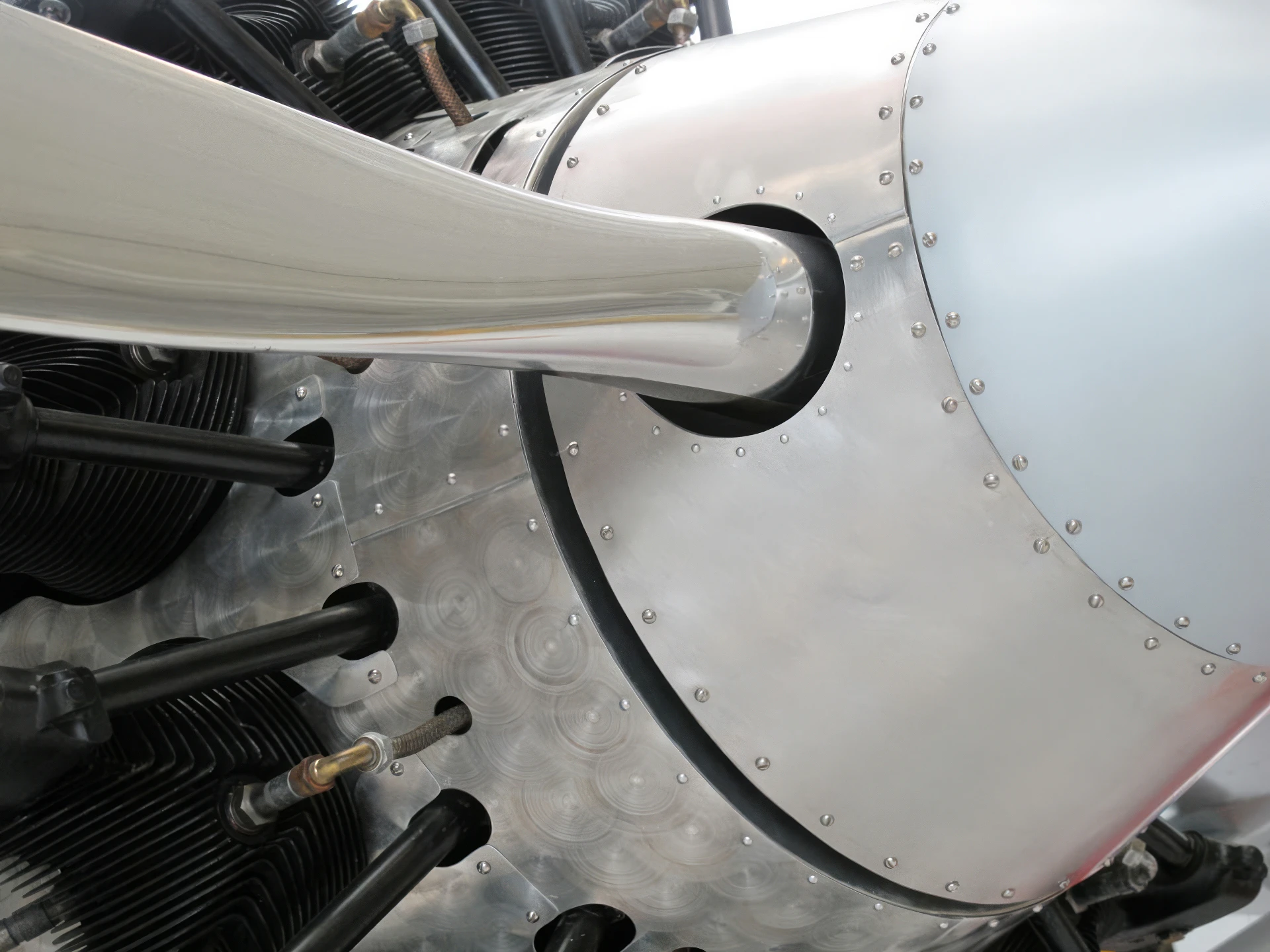
Ryan NYP ‘Sprit of St. Louis’ 03
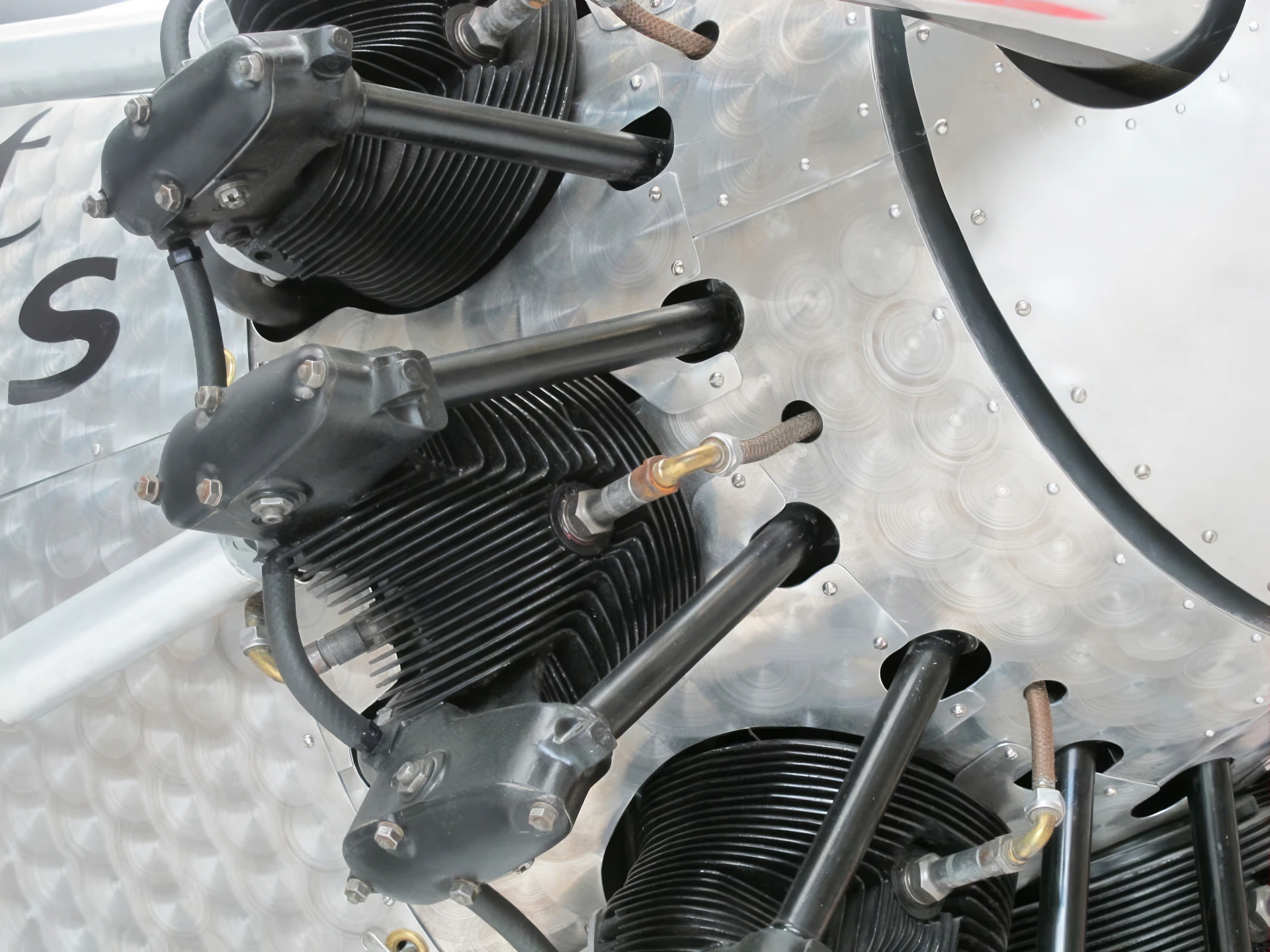
Ryan NYP ‘Sprit of St. Louis’ 05
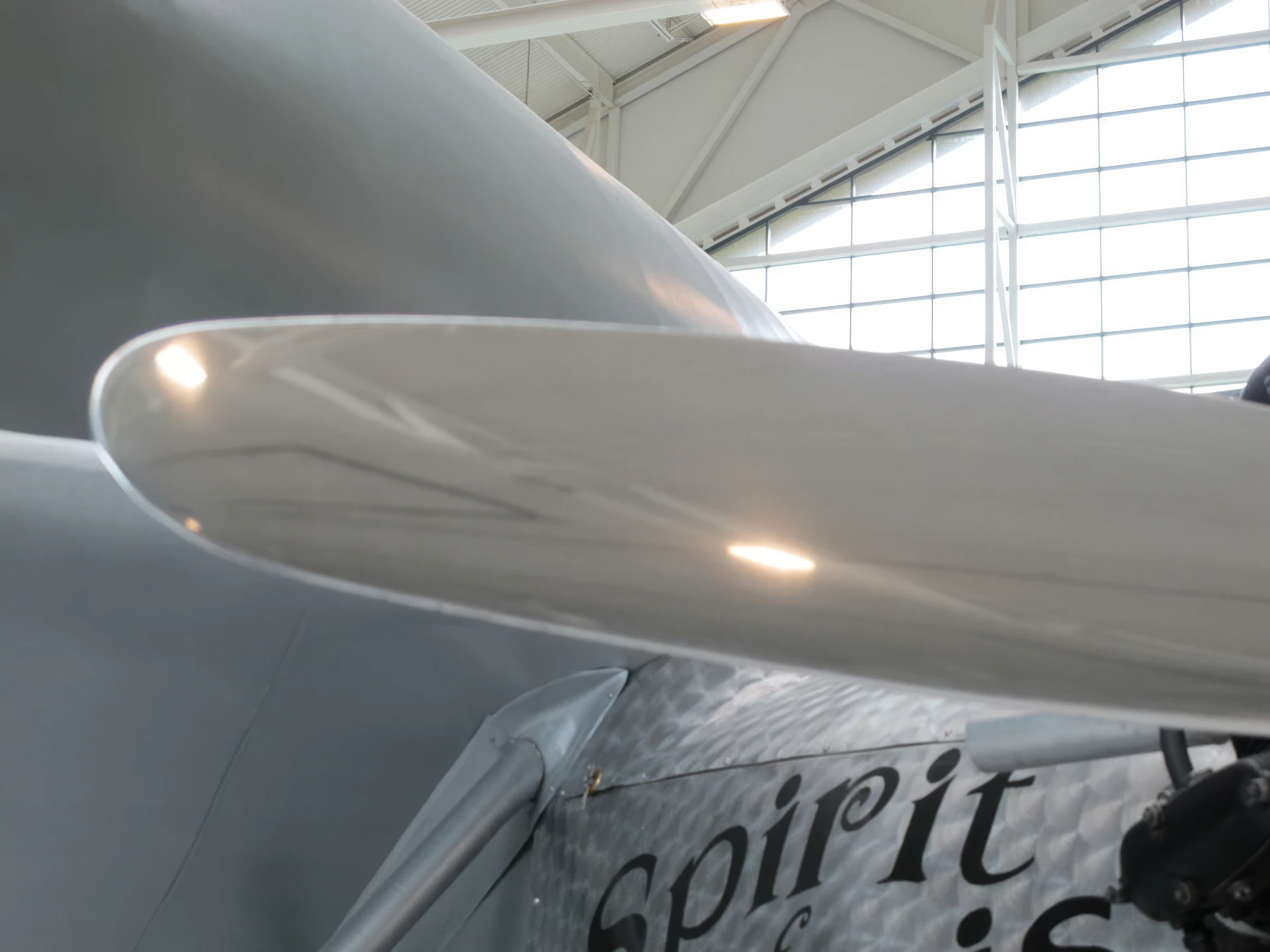
Ryan NYP ‘Sprit of St. Louis’ 04
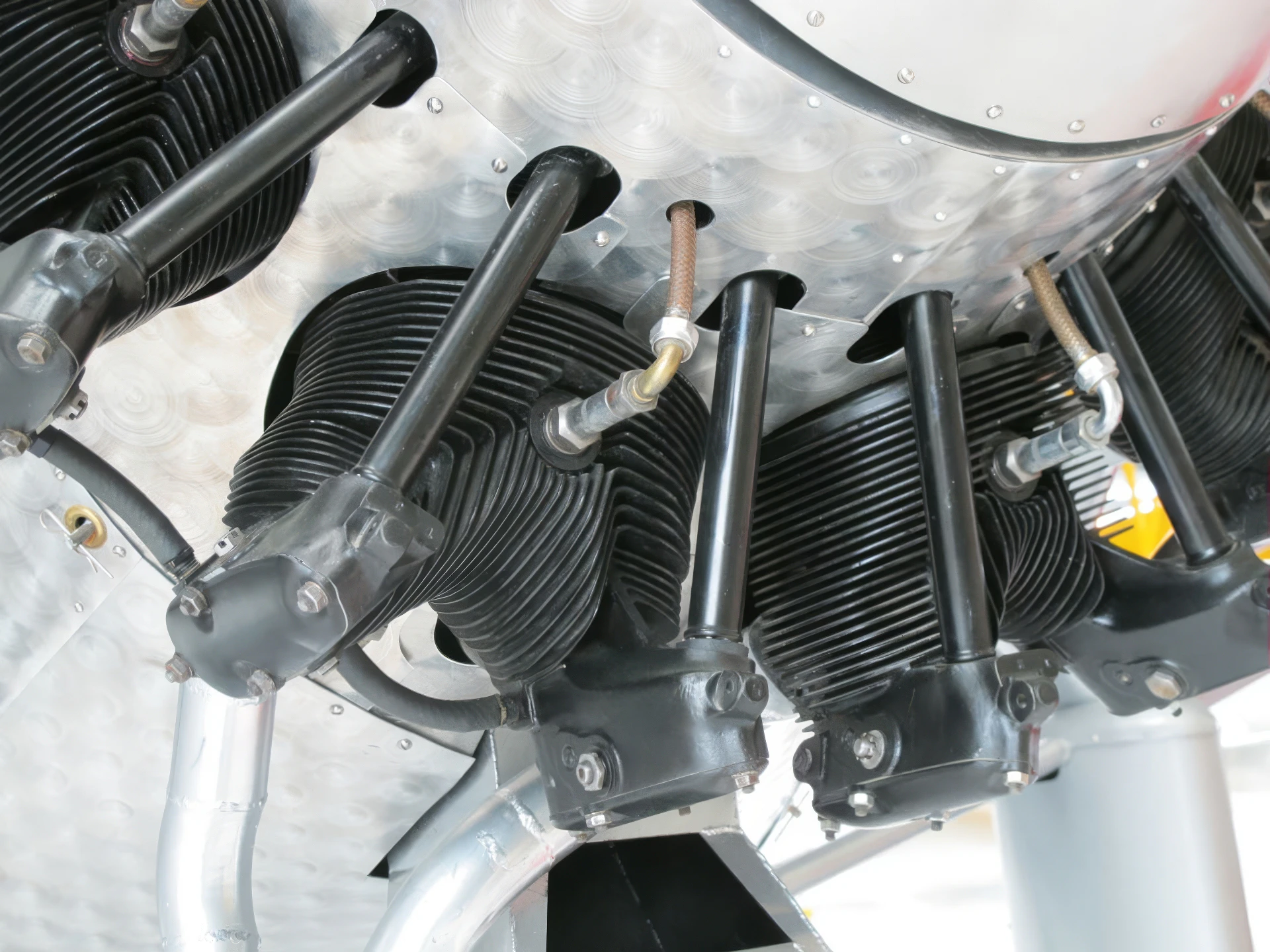
Ryan NYP ‘Sprit of St. Louis’ 06
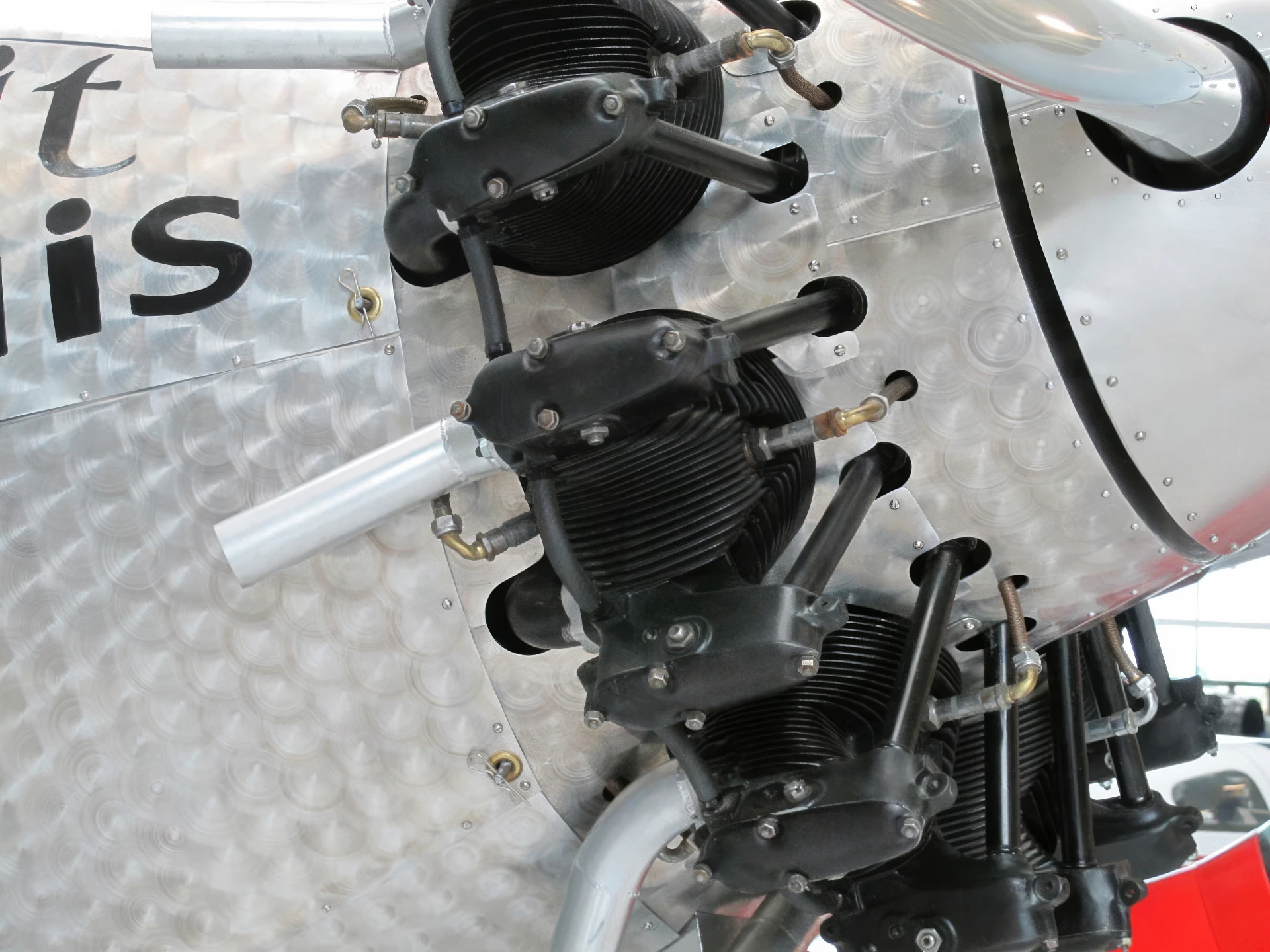
Ryan NYP ‘Sprit of St. Louis’ 07
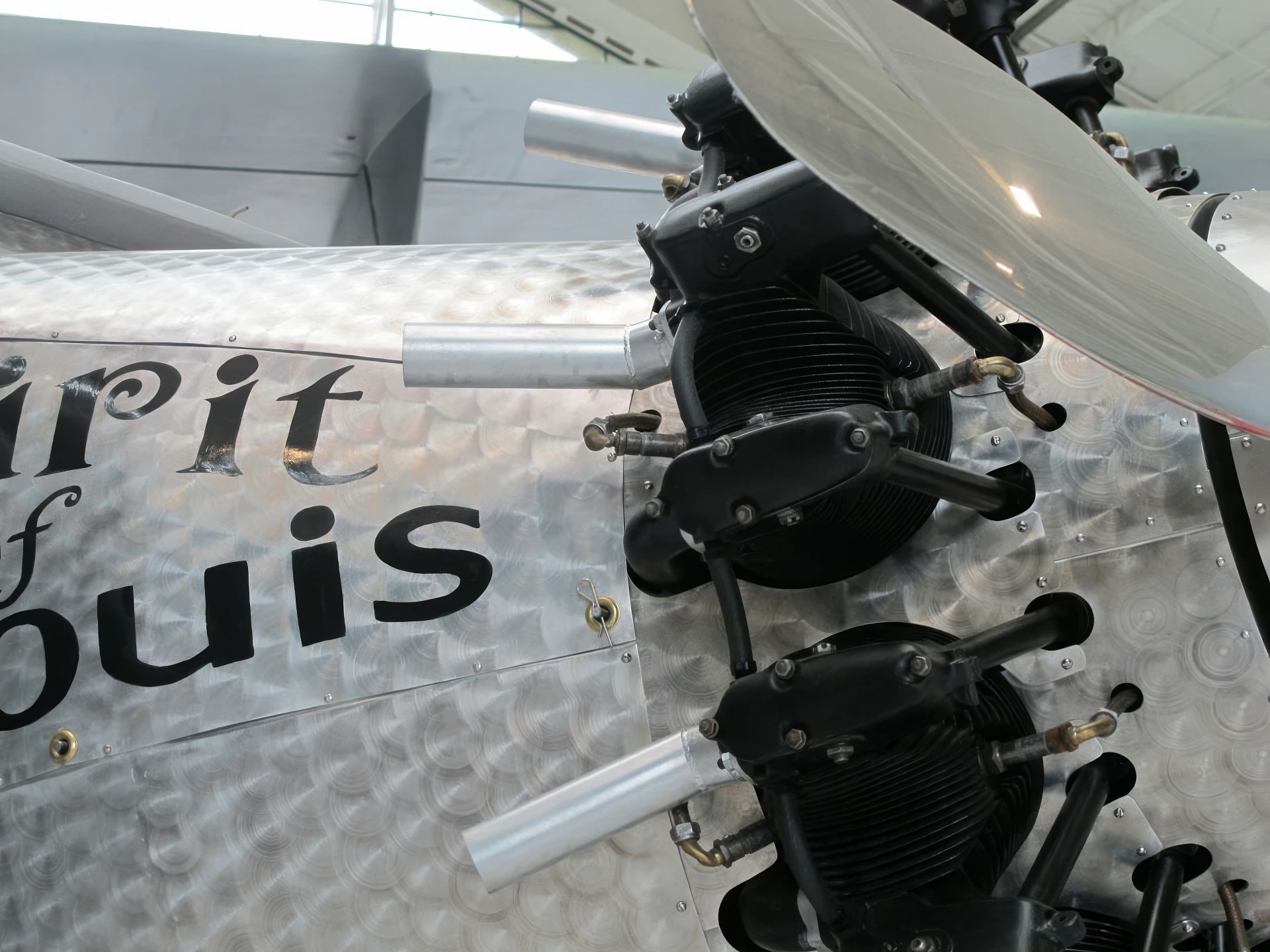
Ryan NYP ‘Sprit of St. Louis’ 08
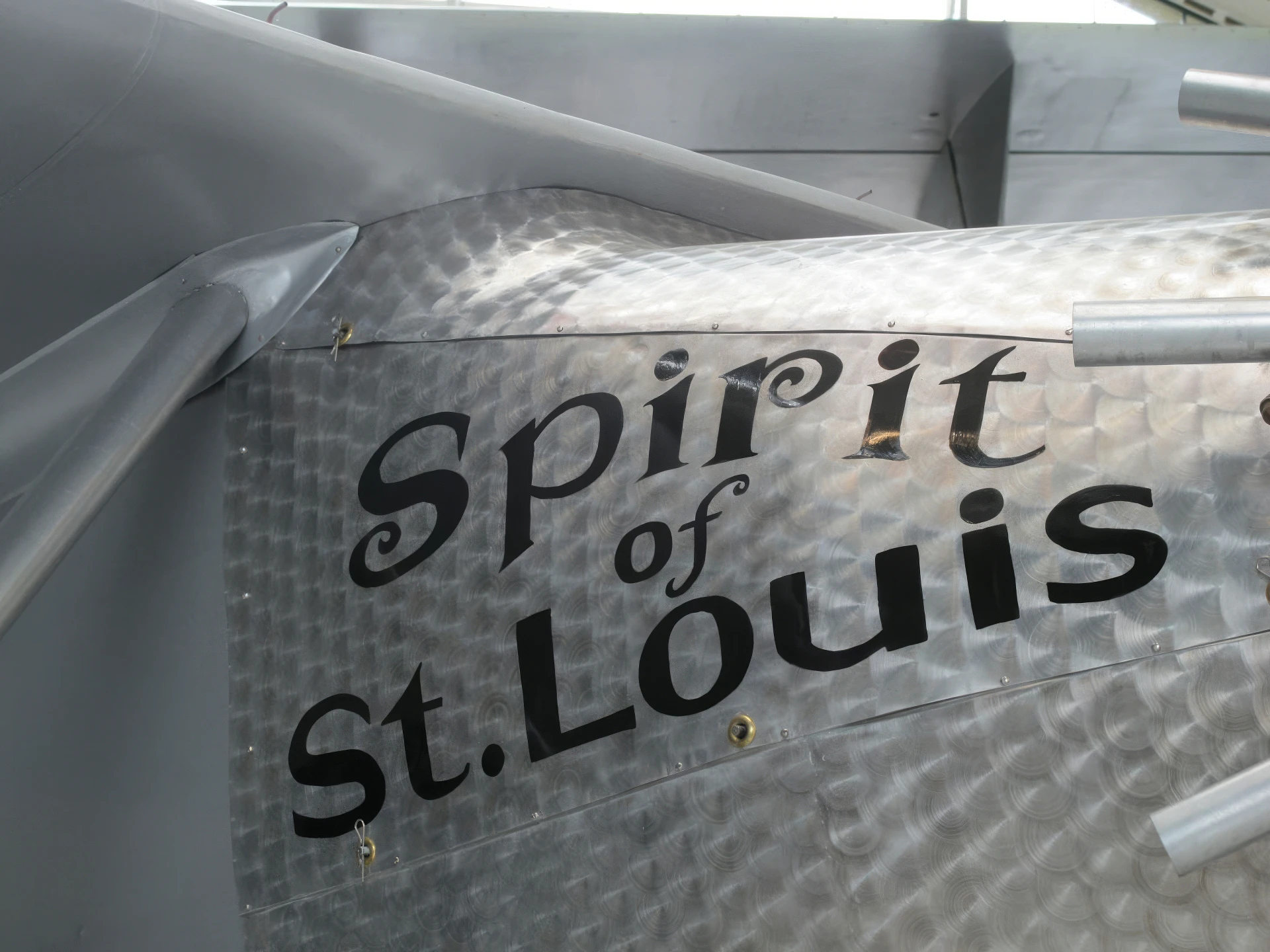
Ryan NYP ‘Sprit of St. Louis’ 09
Wait, Searching Spirit of St. Louis…


Ver también:


General Characteristics
The Ryan NYP (New York-Paris) was a highly modified, custom-built aircraft created by Ryan Airlines under the supervision of Charles A. Lindbergh. It achieved legendary status by completing the first solo, nonstop transatlantic flight from New York to Paris on May 20–21, 1927, securing the $25,000 Orteig Prize.
| Property | Value (N-X-211) |
|---|---|
| Papel | Long-Range Record Aircraft |
| Fabricante | Ryan Airlines Company (San Diego) |
| diseñador | Donald A. Hall (in collaboration with Lindbergh) |
| First Flight | 28 de abril de 1927 |
| Equipo | 1 pilot (Single-seat configuration) |
| Envergadura | 14.02 m (46 ft 0 in) |
| Max Takeoff Weight (Overloaded) | 2,381 kg (5,250 lb) |
| Empty Weight | 975 kg (2,150 lb) |
Design and Powerplant
- Engine: One Wright Whirlwind J-5C 9-cylinder, air-cooled radial engine.
- Power Output: 166 kW (223 hp). The reliability of this single engine was a key factor in Lindbergh’s design choice over heavier multi-engine planes.
- Fuel Capacity: 1,703 L (450 US gallons) stored in five tanks (three in the wing, two in the fuselage).
- Construction: Fabric over a welded steel tube fuselage and fabric over a wood-framed wing.
- Design Origin: Loosely based on the standard Ryan M-2 mailplane, but extensively redesigned with a 10-foot longer wingspan and strengthened structure to handle the extreme fuel load.
Safety and Cockpit Features
- Forward Visibility: The main fuel tank was placed directly in front of the pilot to improve the center of gravity and, critically, to protect Lindbergh from being crushed by the engine and tank in a crash landing. This meant there was no front windshield.
- Pilot View: Lindbergh navigated by looking out the side windows or using a small, reflective periscope mounted on the left side of the cockpit.
- Instruments: The plane was stripped of non-essential equipment (like a radio) to save weight, but included a Sperry artificial horizon, an earth inductor compass, and an econometer for precise fuel management.
- Range: Maximum range was estimated at over 6,600 km (4,100 miles). Lindbergh’s flight covered approximately 5,800 km in 33.5 hours.
- Current Status: The original Spirit of St. Louis (Registration: N-X-211) is permanently preserved and displayed at the National Air and Space Museum in Washington, D.C.
Vistas : 278
También puede ver:
 Vickers VC10 – Fotos y Videos
 Rutan Voyager – Fotos y Videos
 Canadair CF-5 – Fotos y Videos
 LTV A-7 Corsair II – Fotos y videos
 de Havilland Canada DHC-2 – Fotos y Videos
 McDonnell Douglas C-9 – Fotos y Videos
 CASA 2.111 vol3 – WalkAround
 AV-8B Harrier II Plus – WalkAround
 Mikoyan MiG-29 – WalkAround
 C-17 Globemaster – WalkAround