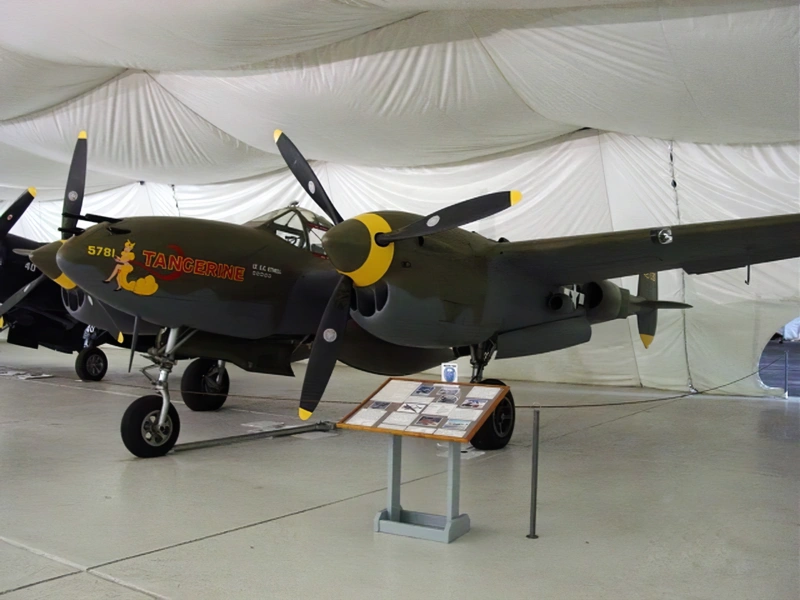
P-38L | |
|---|---|
| País | E.e.u.u |
| Categoría | Aviones militares |
| Tipo | Avión de combate |
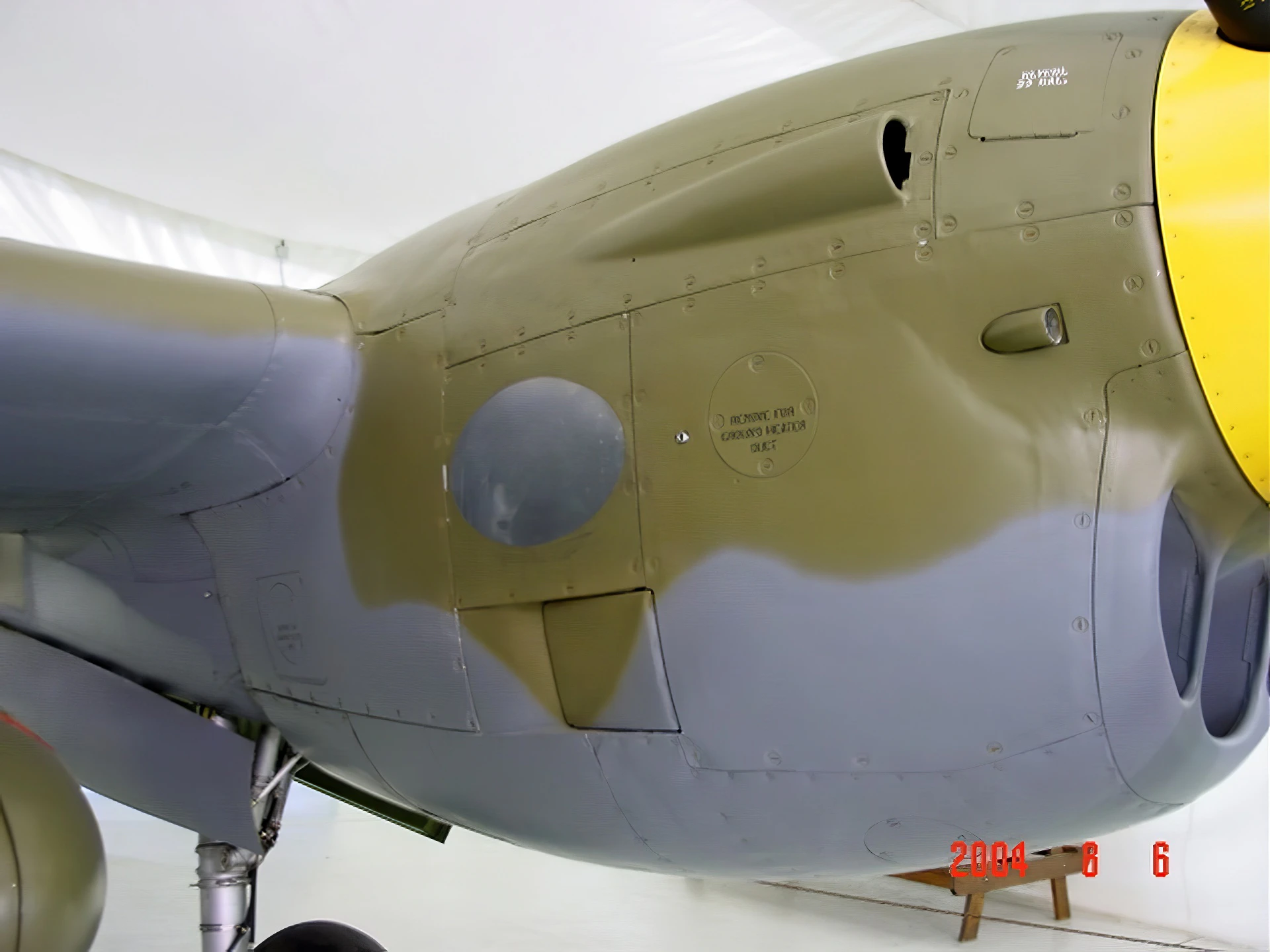
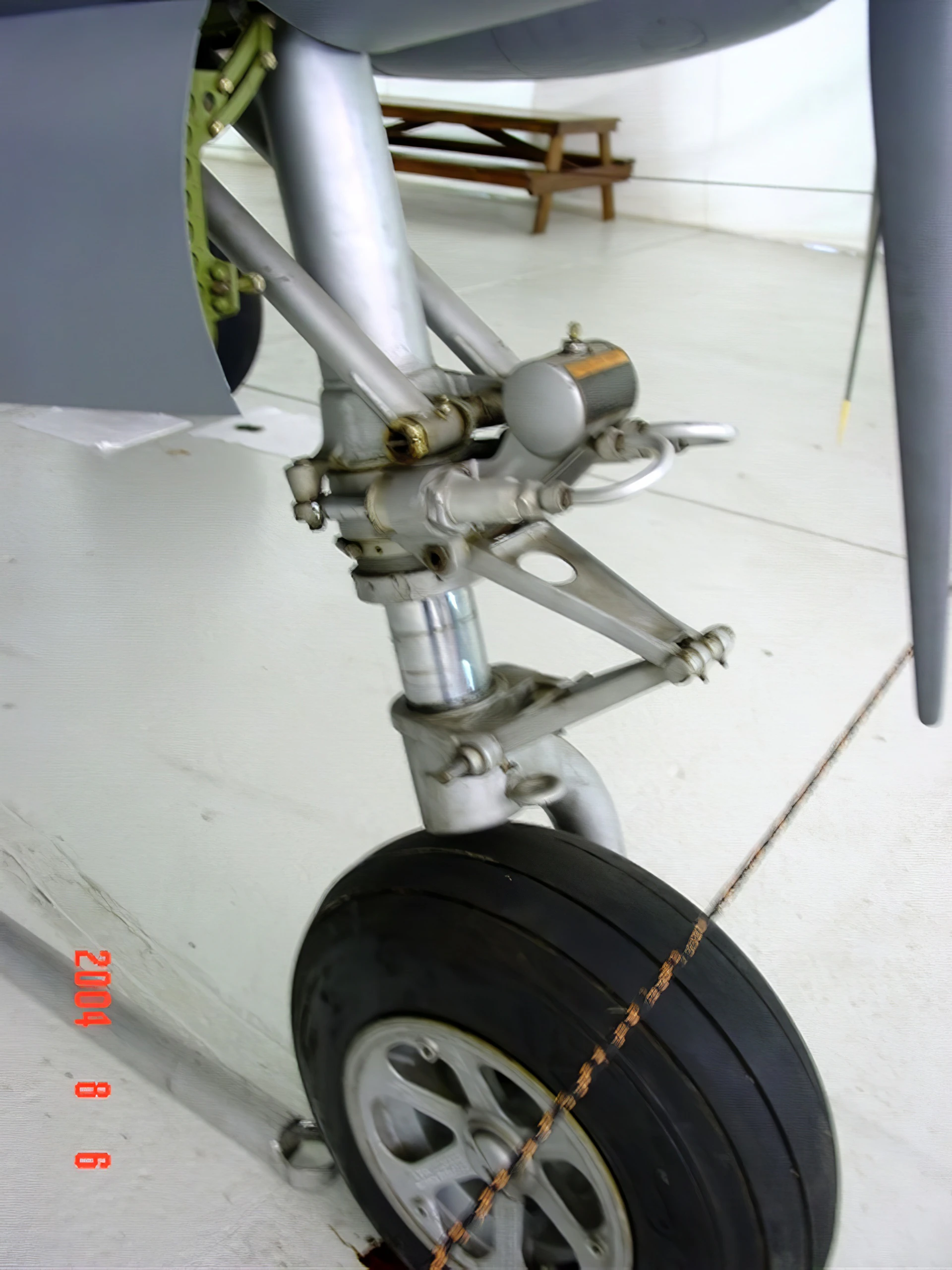
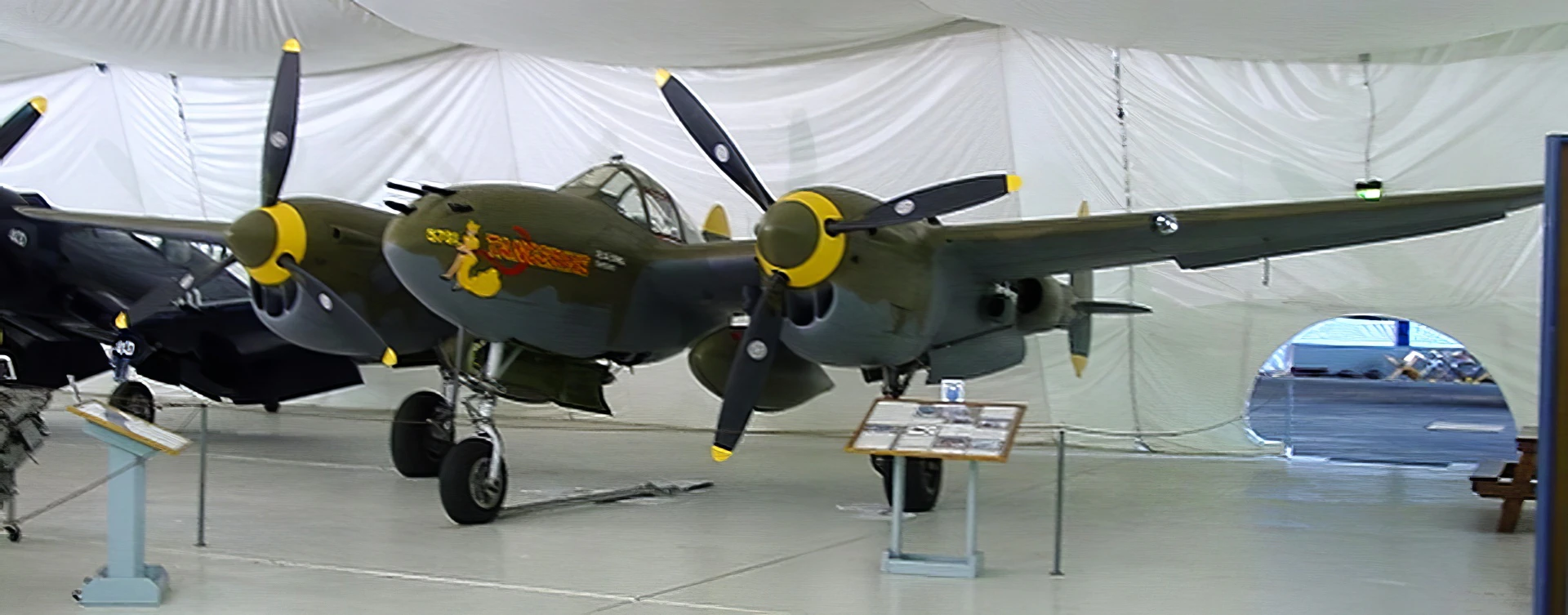
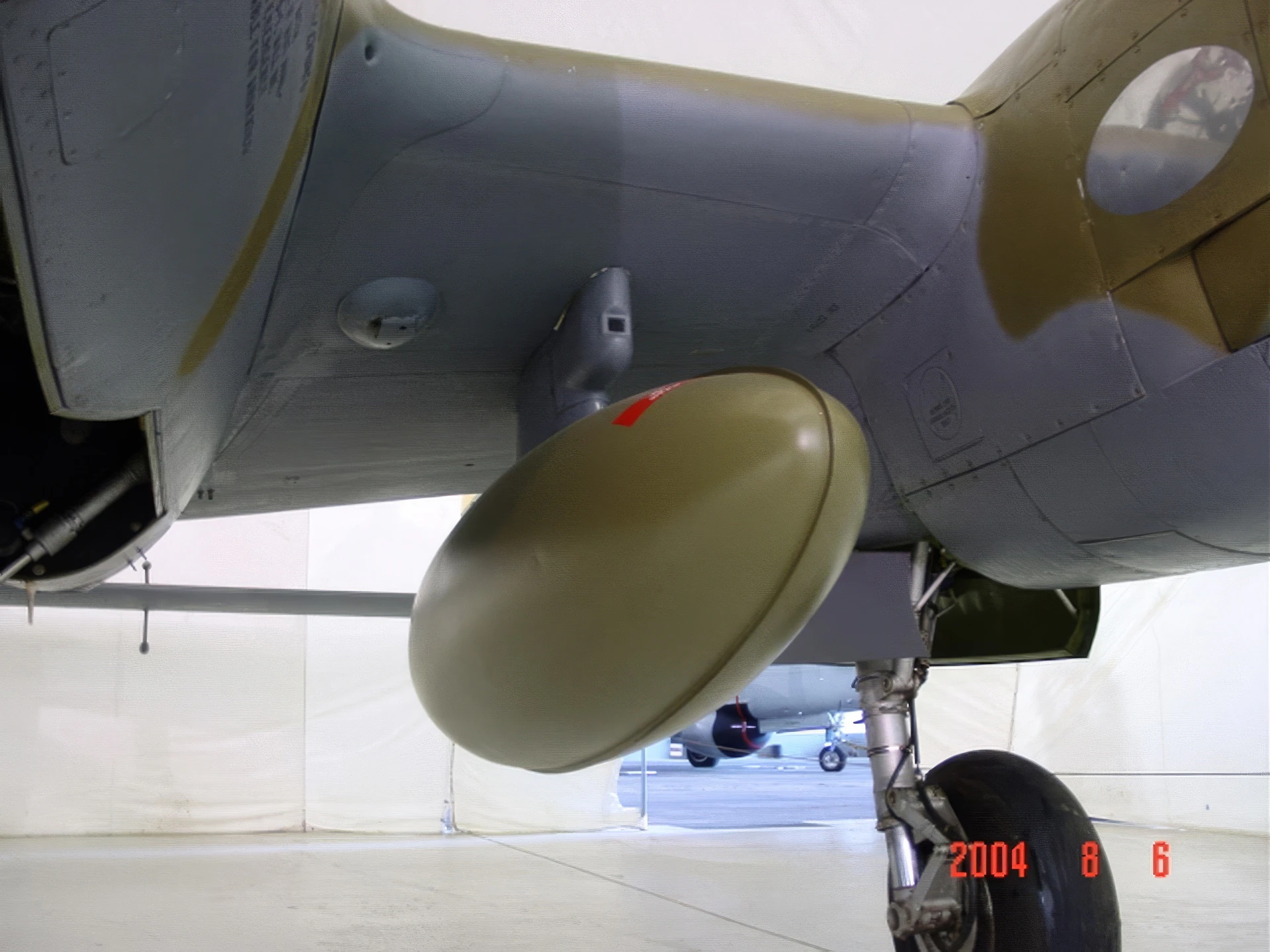
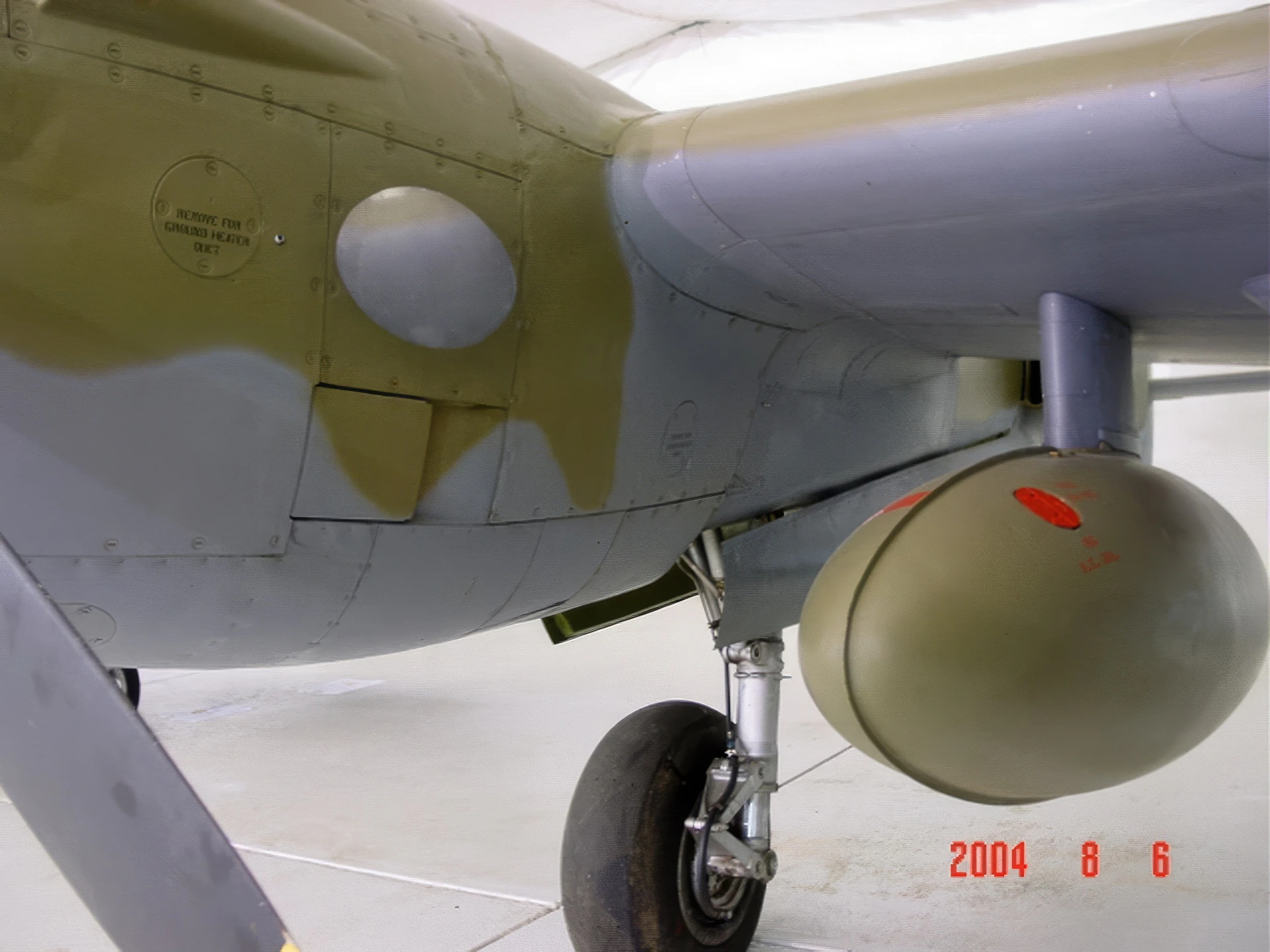
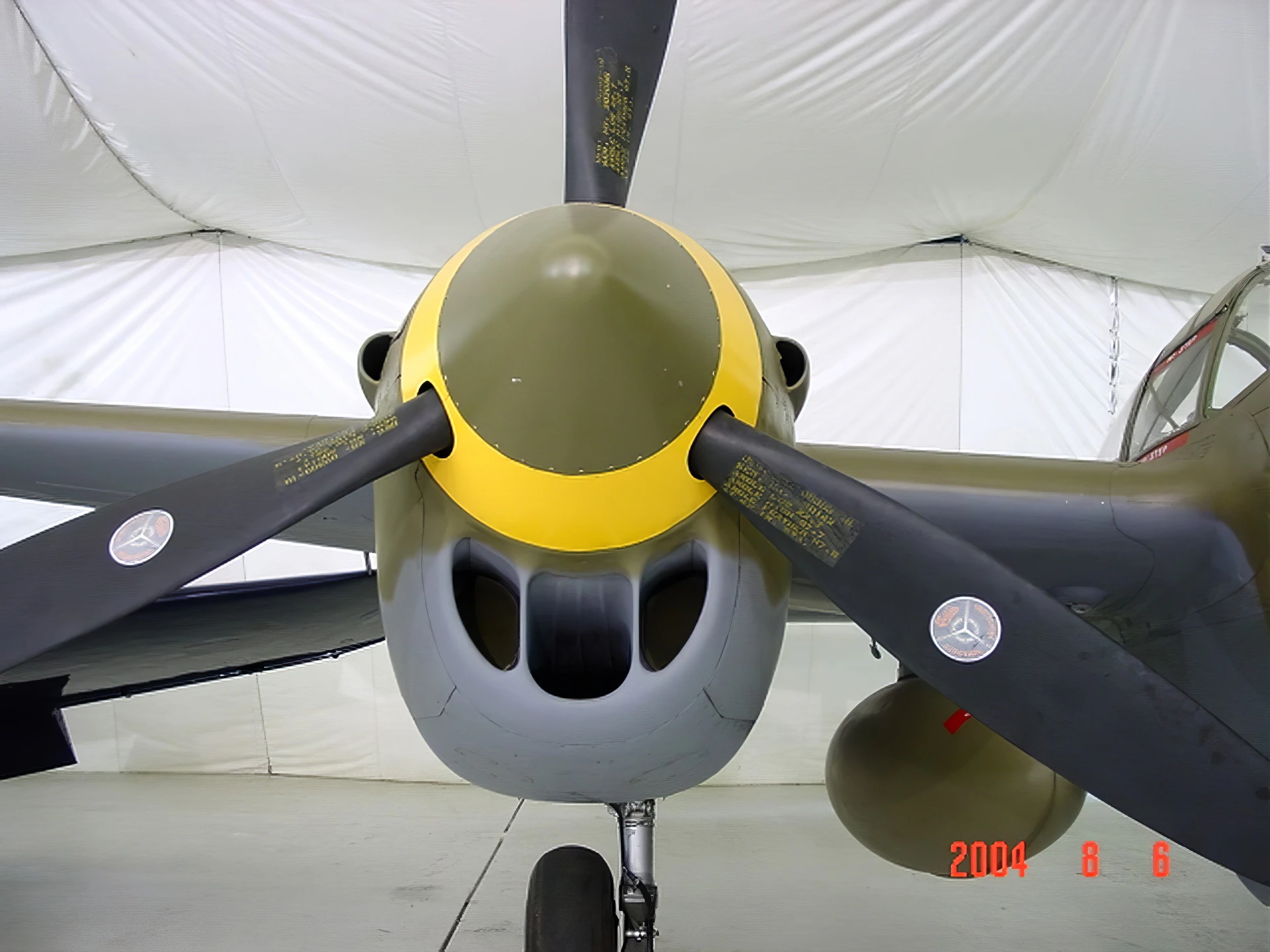
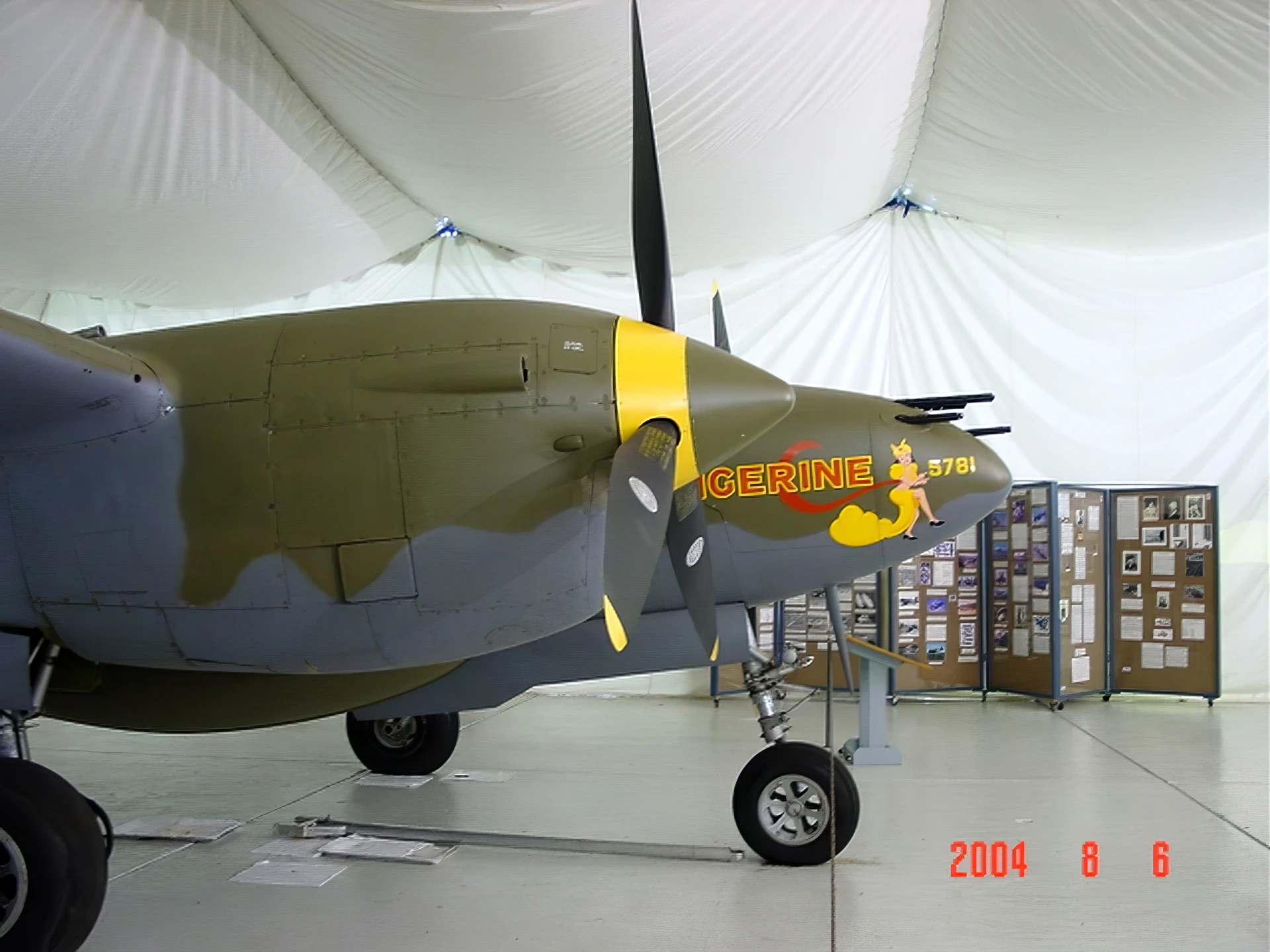
| Descripción | Álbum 23 fotos a pie de la P-38L Mandarina |
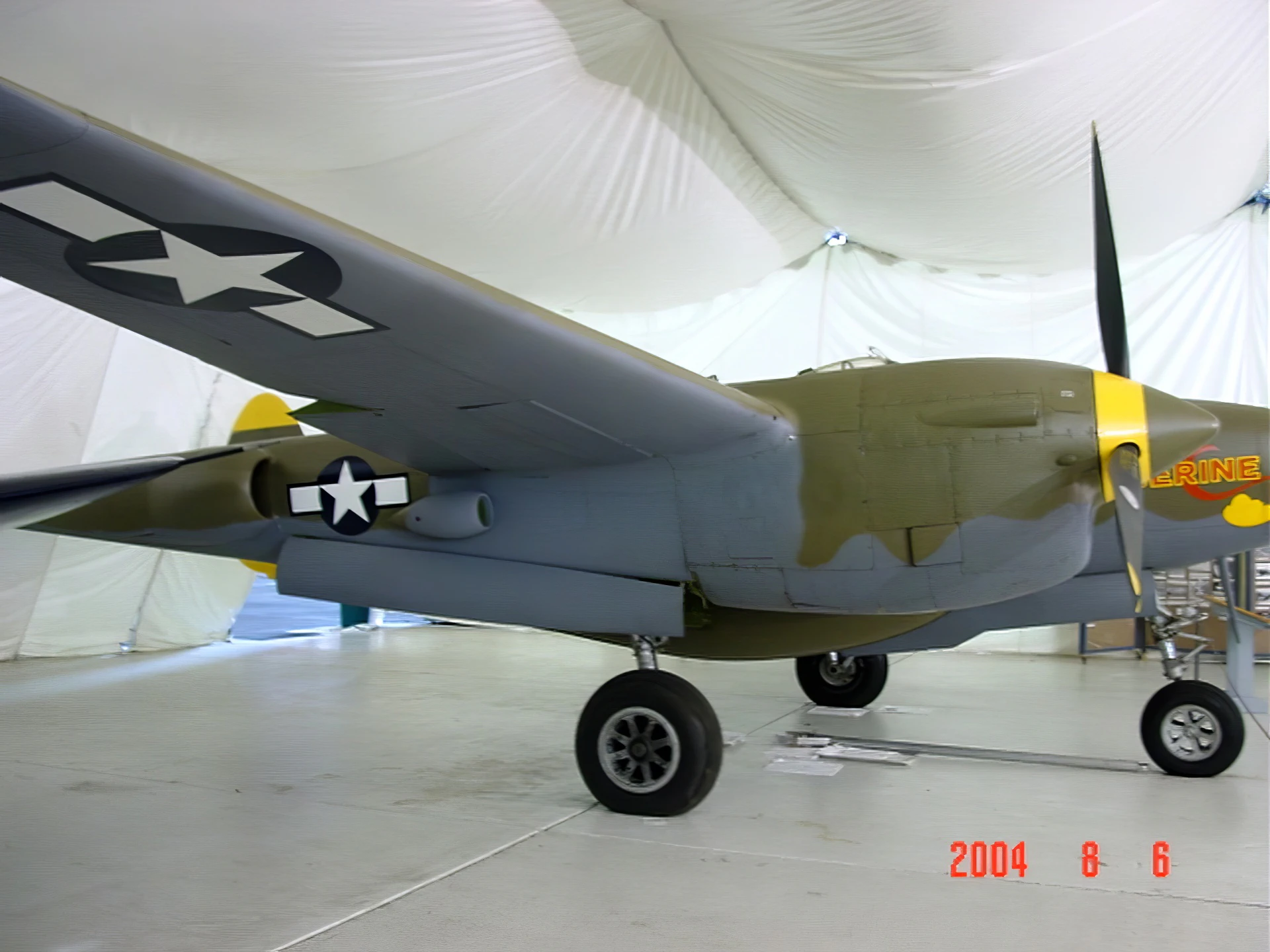
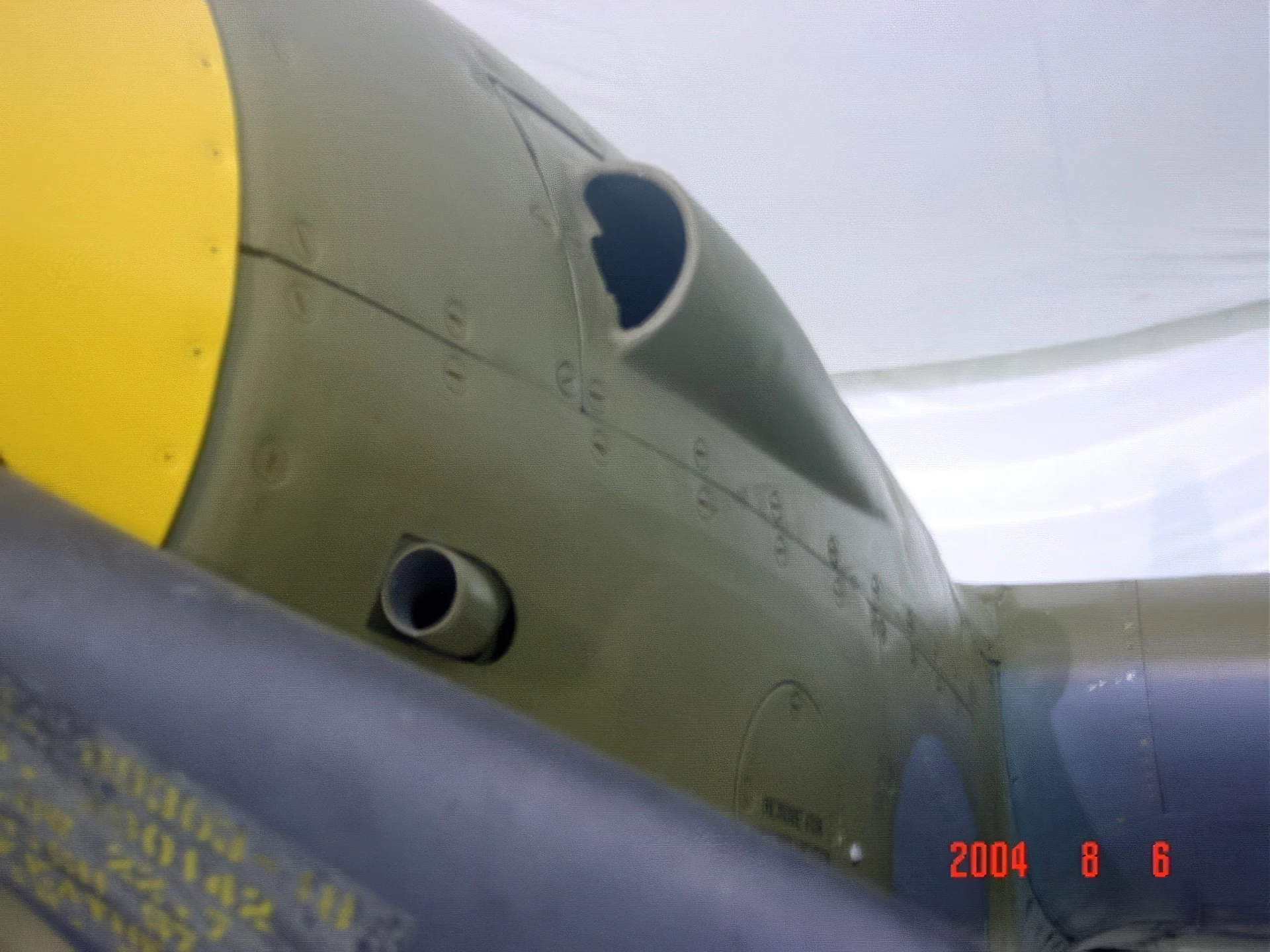
Galería de fotos en un Tangerine P-38L, The Lockheed P-38 Rayo est un avion de chasse américain en usage lors de de la Seconde Guerre mondiale. Son développement commence vers 1939 et il est mis en service en 1941. Durant la Seconde Guerre mondiale les P-38 Rayo, así como los aviones derivados de él, son utilizados por la USAAF en prácticamente todos los teatros de operaciones. Especialmente en el Pacífico destaca por su imponente rango de acción en vista de las distancias a recorrer sobre este océano.
Fuente: P-38L en Wikipedia

Ver también:


The P-38L “Tangerine” is a notable, currently airworthy example of the **Lockheed P-38 Lightning**, a distinctive American heavy fighter from World War II. The aircraft is a restored warbird that honors a specific historical plane and pilot.
The Aircraft Variant: P-38L Lightning
el P-38L-5-LO was the final and most mass-produced variant of the Lightning series. It was a twin-engine, twin-boom fighter designed for high altitude and long-range escort, primarily used by the U.S. Army Air Forces (USAAF) in the Pacific and European Theaters.
- Rol: Heavy Fighter, Fighter-Bomber, Long-Range Escort.
- Distinguishing Features: Its unique twin-boom configuration earned it the German nickname “The Fork-Tailed Devil” (Der Gabelschwanz Teufel).
- Improvements (L-Model): This variant introduced important modifications, including **hydraulically boosted ailerons** for improved roll rate and **dive flaps** to counter high-speed compressibility issues (a loss of control authority in steep dives).
- Armamento: Typically armed with four .50 caliber machine guns and one 20mm cannon clustered in the central nose nacelle.
The Name: “Tangerine”
The specific aircraft known as “Tangerine” is a restored warbird (Registration N2114L) painted with the markings and nose art of a P-38 flown by Lt. Ervin C. Ethell of the 48th Fighter Squadron, 14th Fighter Group, during the North African Campaign in 1942.
- Nose Art Origin: The name is believed to be inspired by the popular song “Tangerine” recorded by the Jimmy Dorsey Orchestra in 1941.
- Historical Accuracy: The physical plane is a late-model P-38L that was converted for photo reconnaissance (F-5G) after the war. It has been restored to represent the look of the earlier “Tangerine” P-38F/G from the war’s early days.
- Current Status: It is one of the few P-38s still capable of flight and is displayed and flown as part of the Erickson Aircraft Collection in Madras, Oregon.
Vistas : 2567
También puede ver:
 Lockheed P-80 Shooting Star - Fotos y videos
 Lockheed P-3 Orion – Fotos y Video
 Lockheed U-2 – Fotos y Video
 Lockheed S-3 Viking – Fotos y Video
 Lockheed A-12 – Fotos y Video
 Lockheed Hudson Mk.III – Fotos y Video
 Lockheed T-33 – Fotos y Video
 Lockheed SR-71 Blackbird – Fotos y Video
 Lockheed F-22A Raptor – Fotos y Video
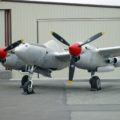 P-38L Marge – WalkAround