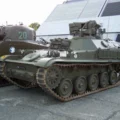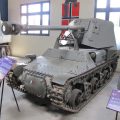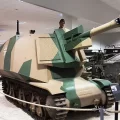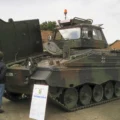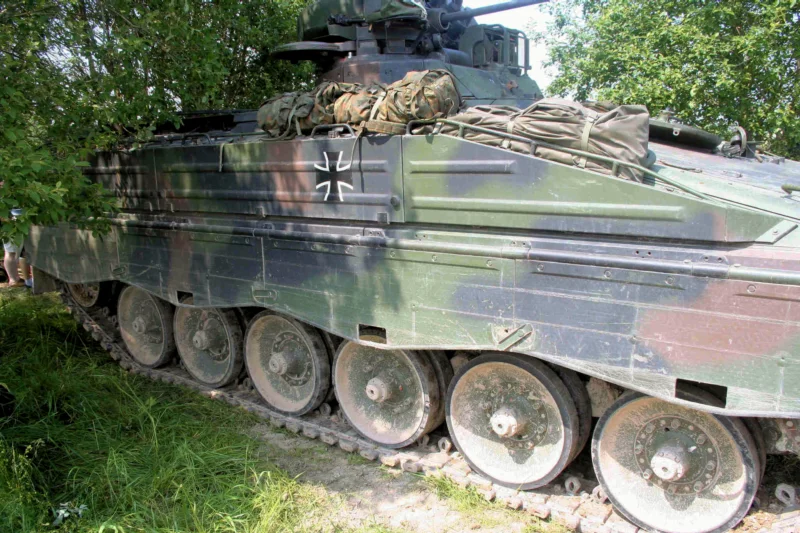
Marder 1A3 | |
|---|---|
| País | Alemania |
| Papel | Vehículo de combate de infantería |
| En servicio | 1971-presente |
| Construido | 2136 |
The Marder (German for “marten”) is a German infantry fighting vehicle operated by the German Army as the main weapon of the Panzergrenadiere (mechanized infantry) from the 1970s through the present day. Developed as part of the rebuilding of Germany’s armoured fighting vehicle industry, the Marder has proven to be a successful and solid infantry fighting vehicle design. While it does include a few unique features, such as the fully remote machine gun on the rear deck, it is overall a simple and conventional machine with rear exit hatch and side gun ports for mounted infantry to fire through. The Marder is currently being replaced by its successor, the Puma. The Marder 1A3 es la versión más común de este sistema, y está en servicio con el Bundeswehr alemán, el Marder 1A4 difiere del 1A3 sólo por el uso de un conjunto de radio compatible con criptografía. La versión más reciente del Marder es el Marder 1A5 con protección avanzada de la mina. Sólo un pequeño número de esta variante está en servicio.
Fuente: Marder en Wiki
| Marder 1A3 | |
|---|---|
| Fotógrafo | Unknow |
| Localización | Unknow |
| Fotos | 94 |
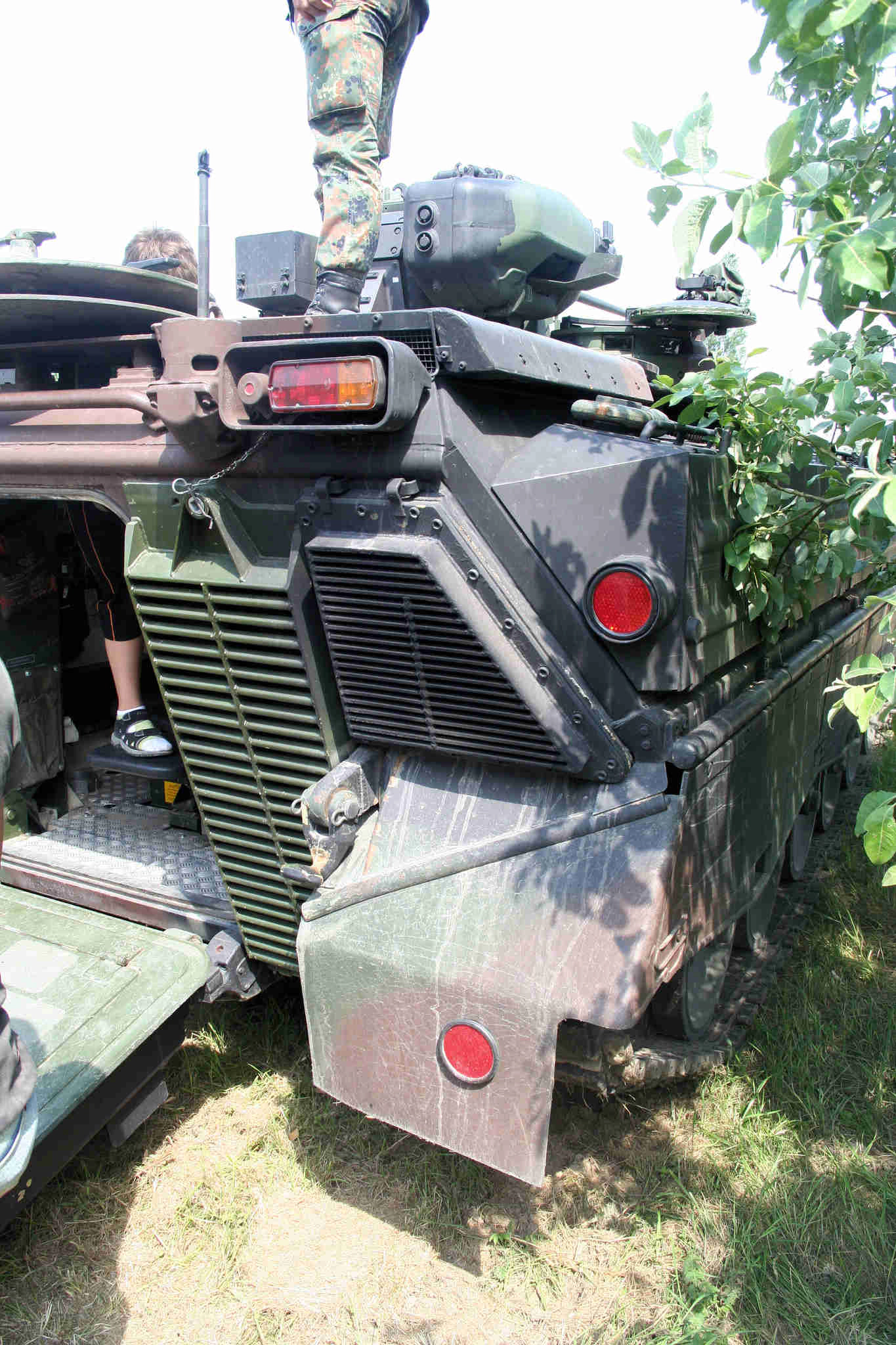
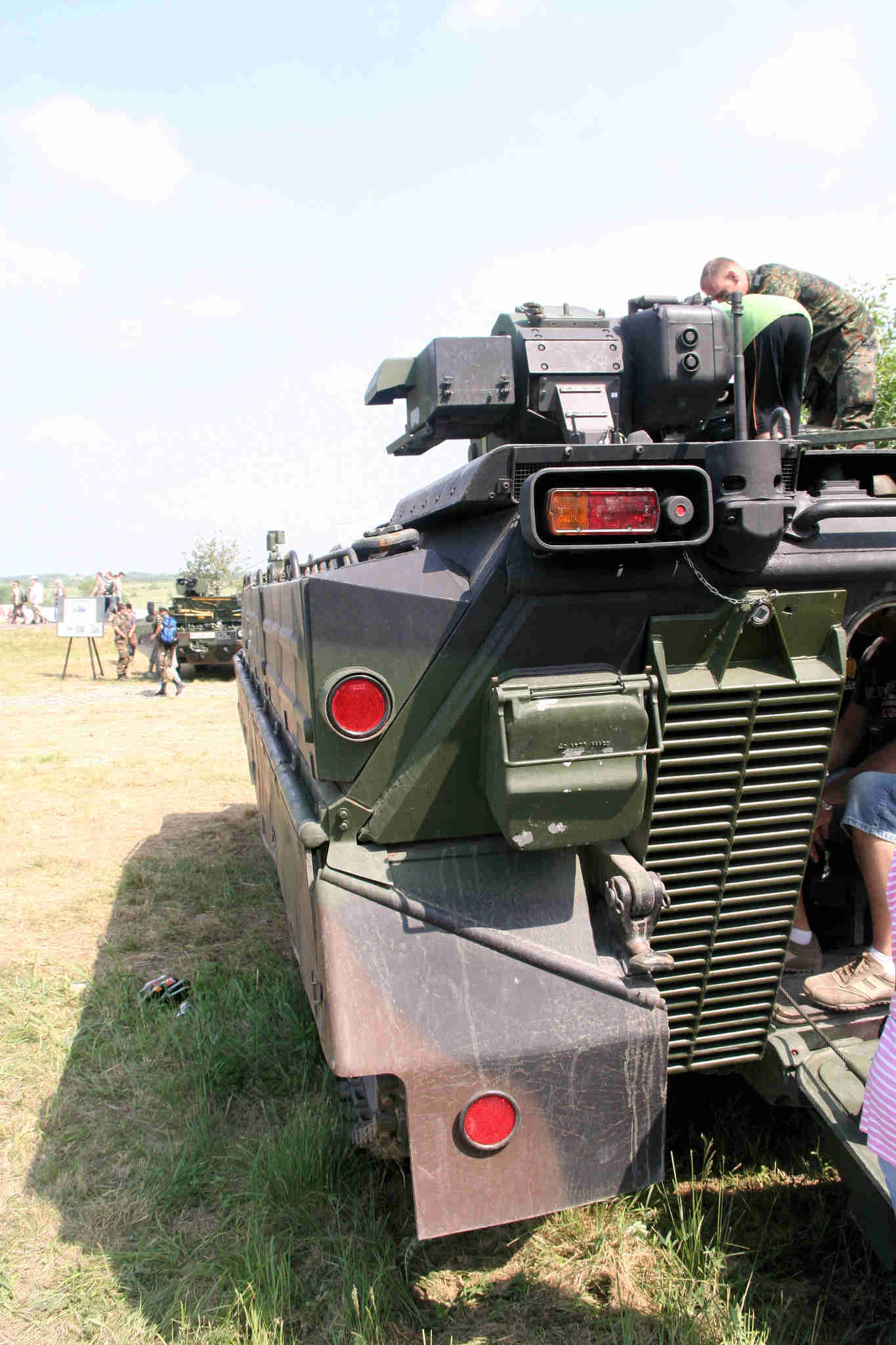
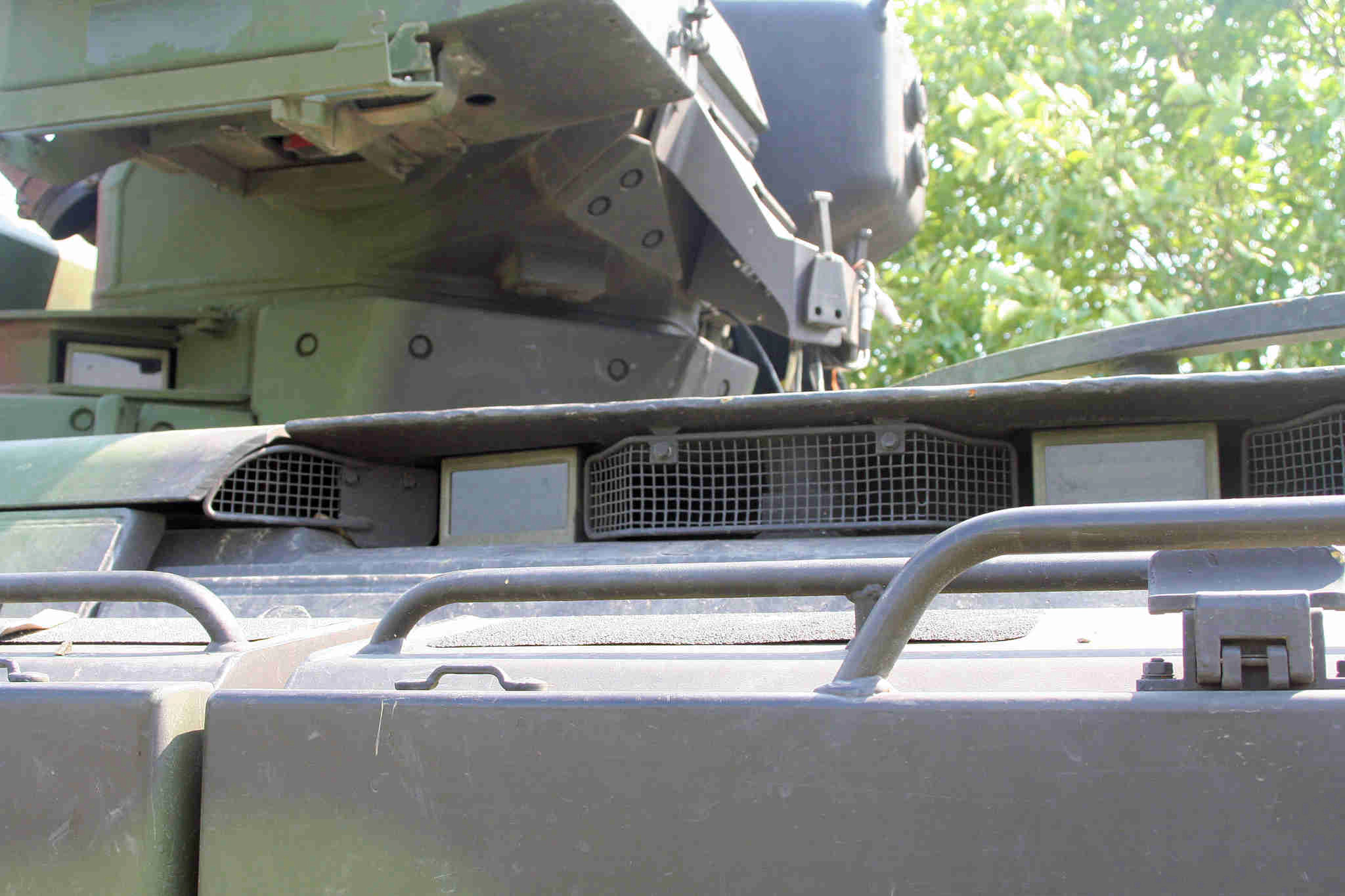
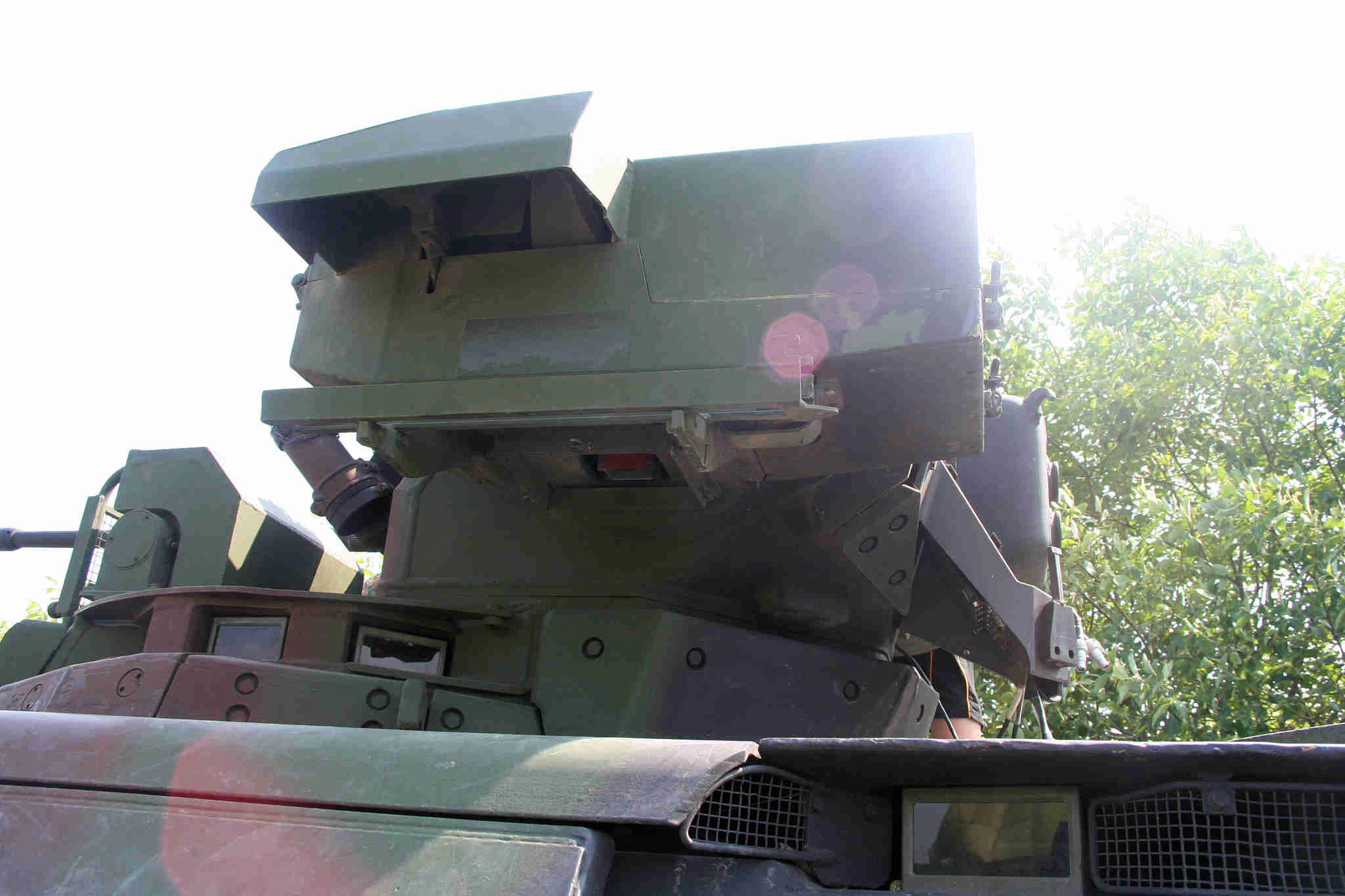
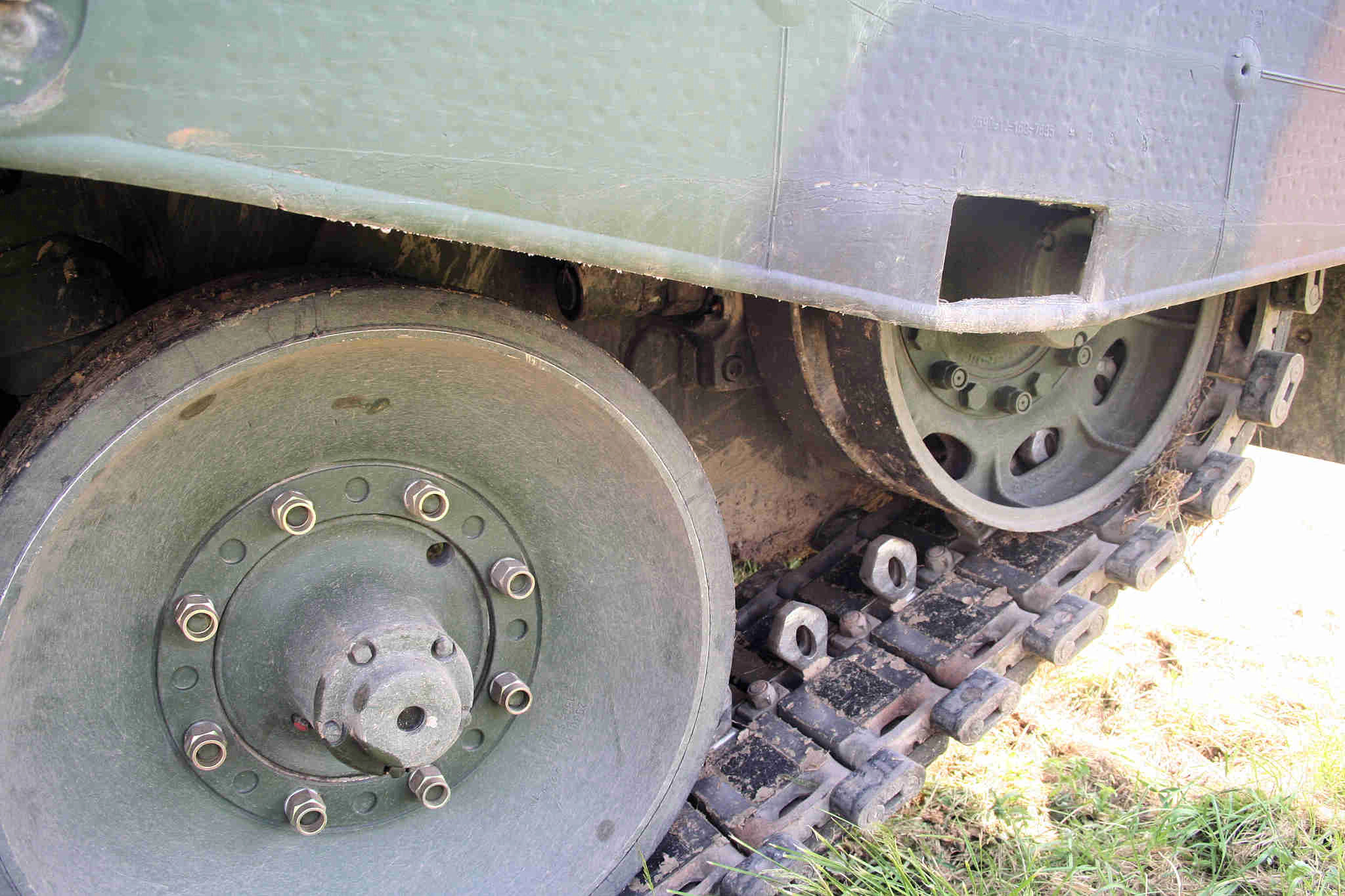
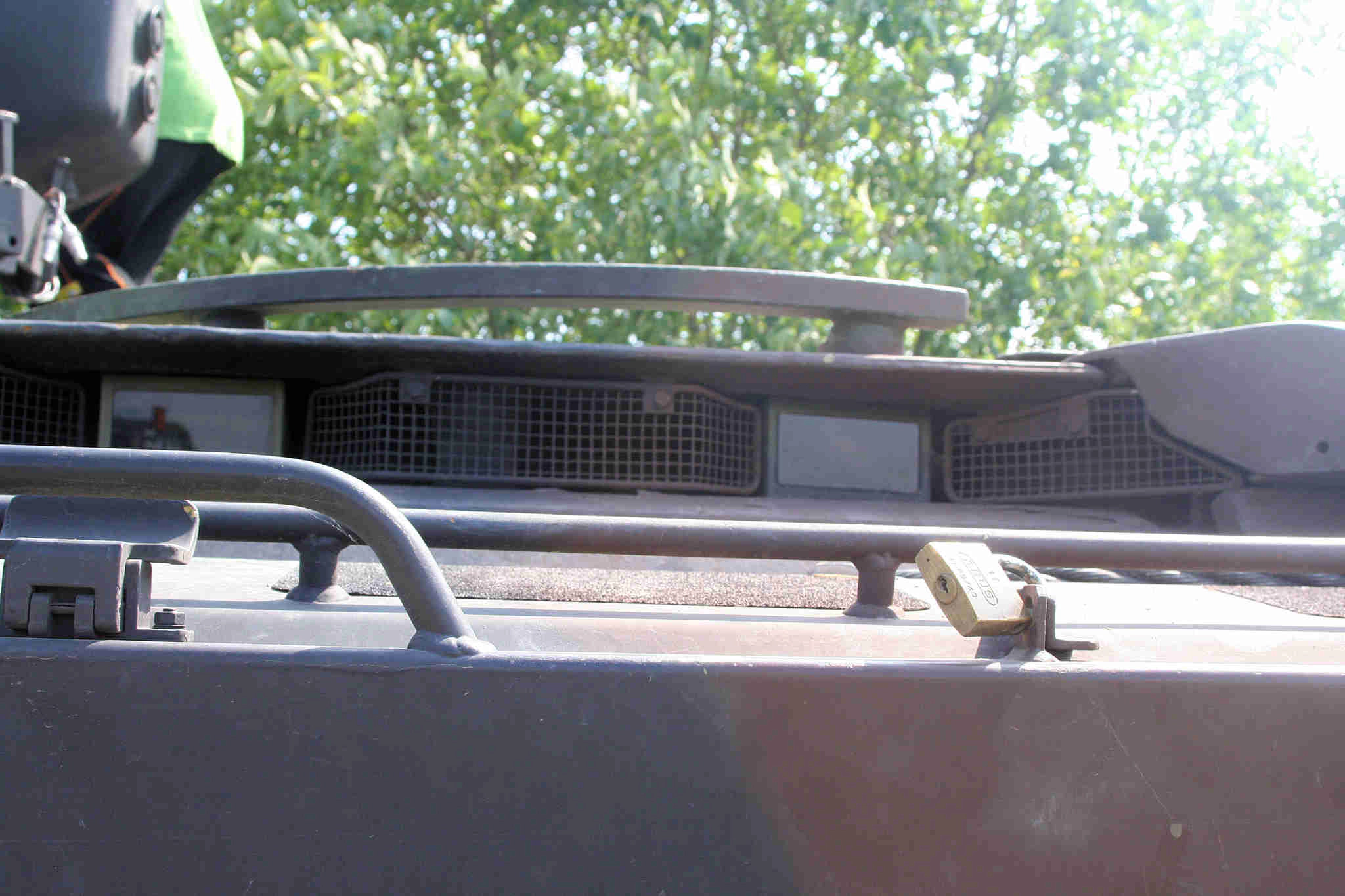
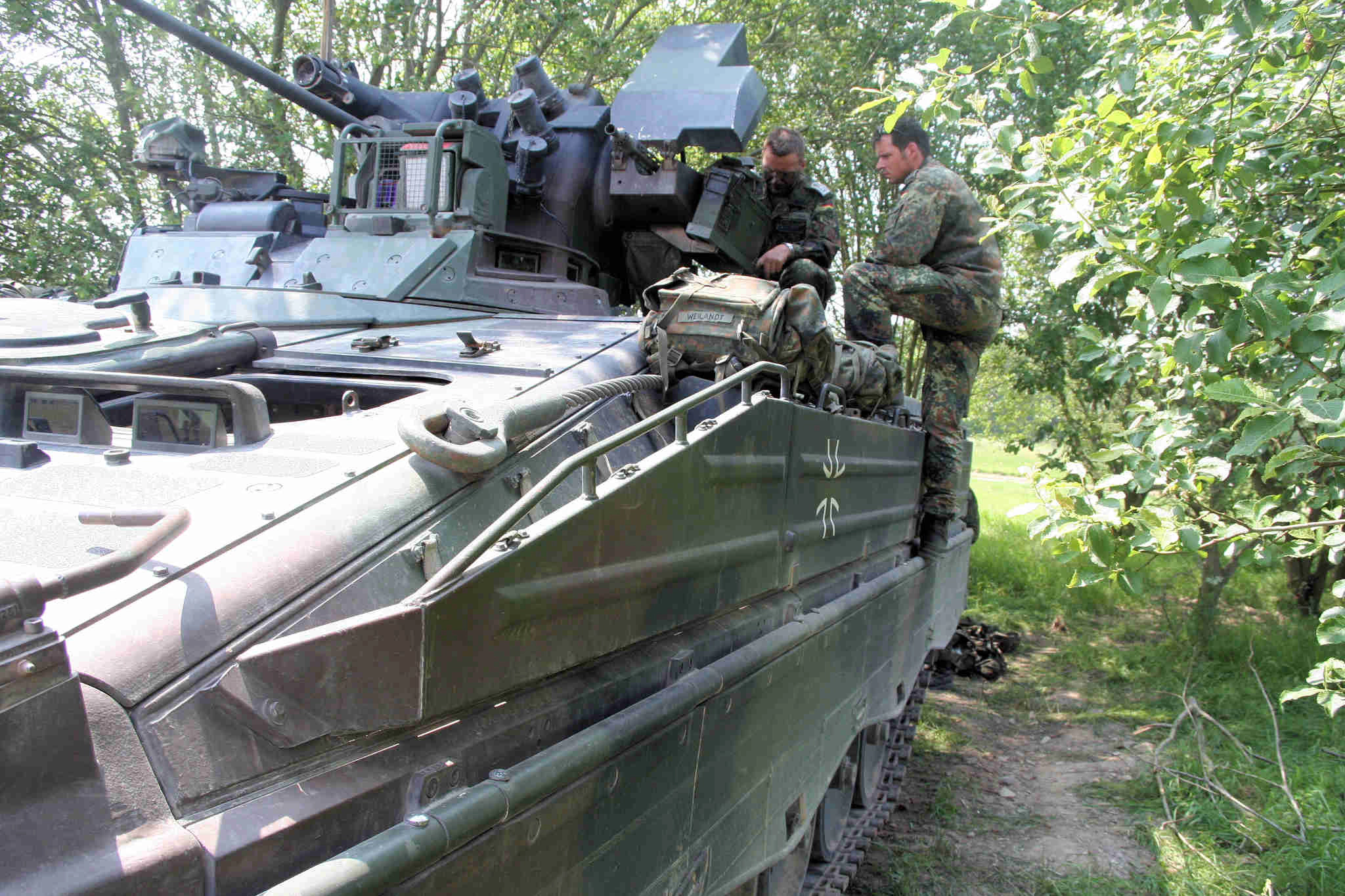
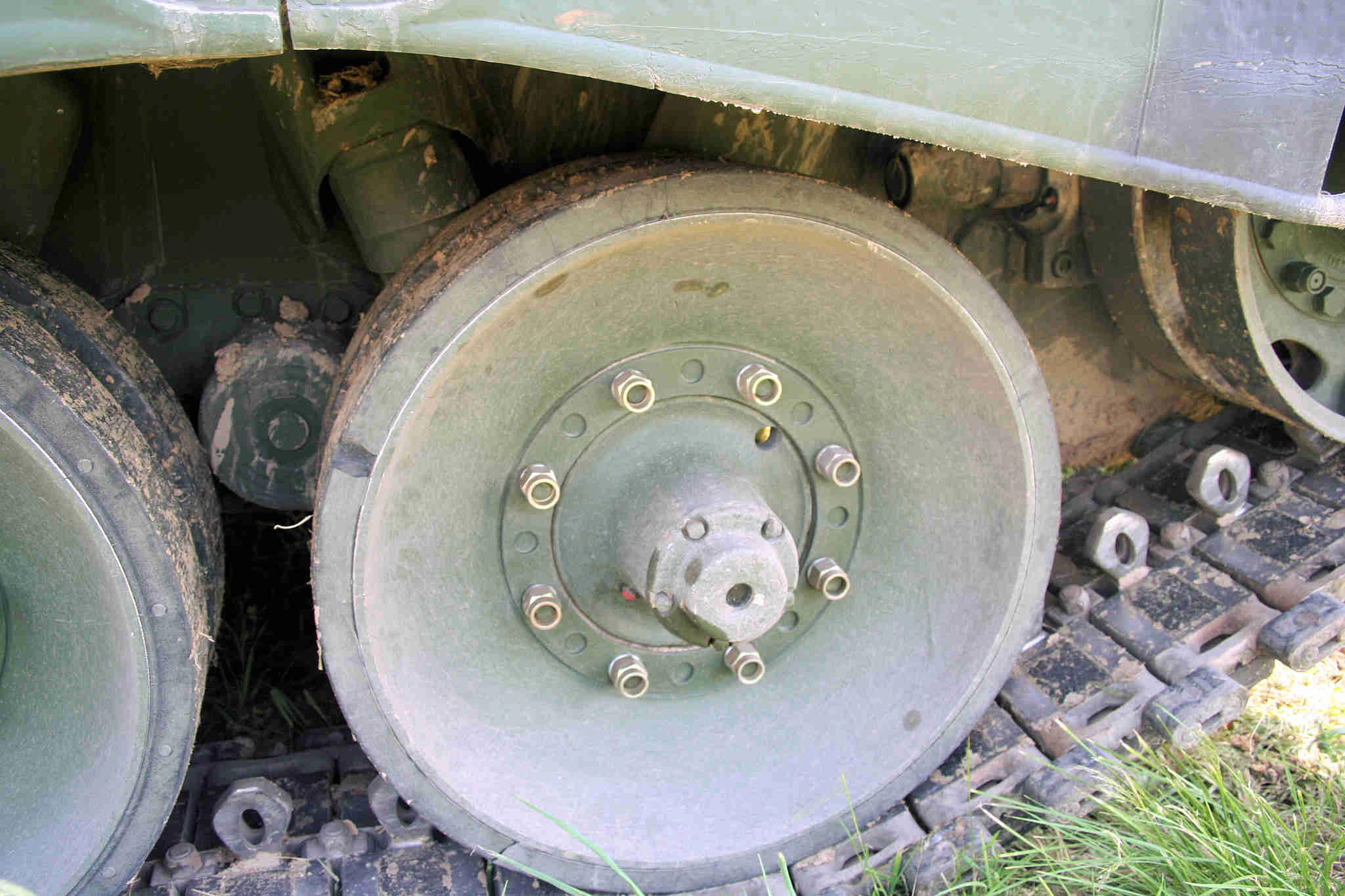
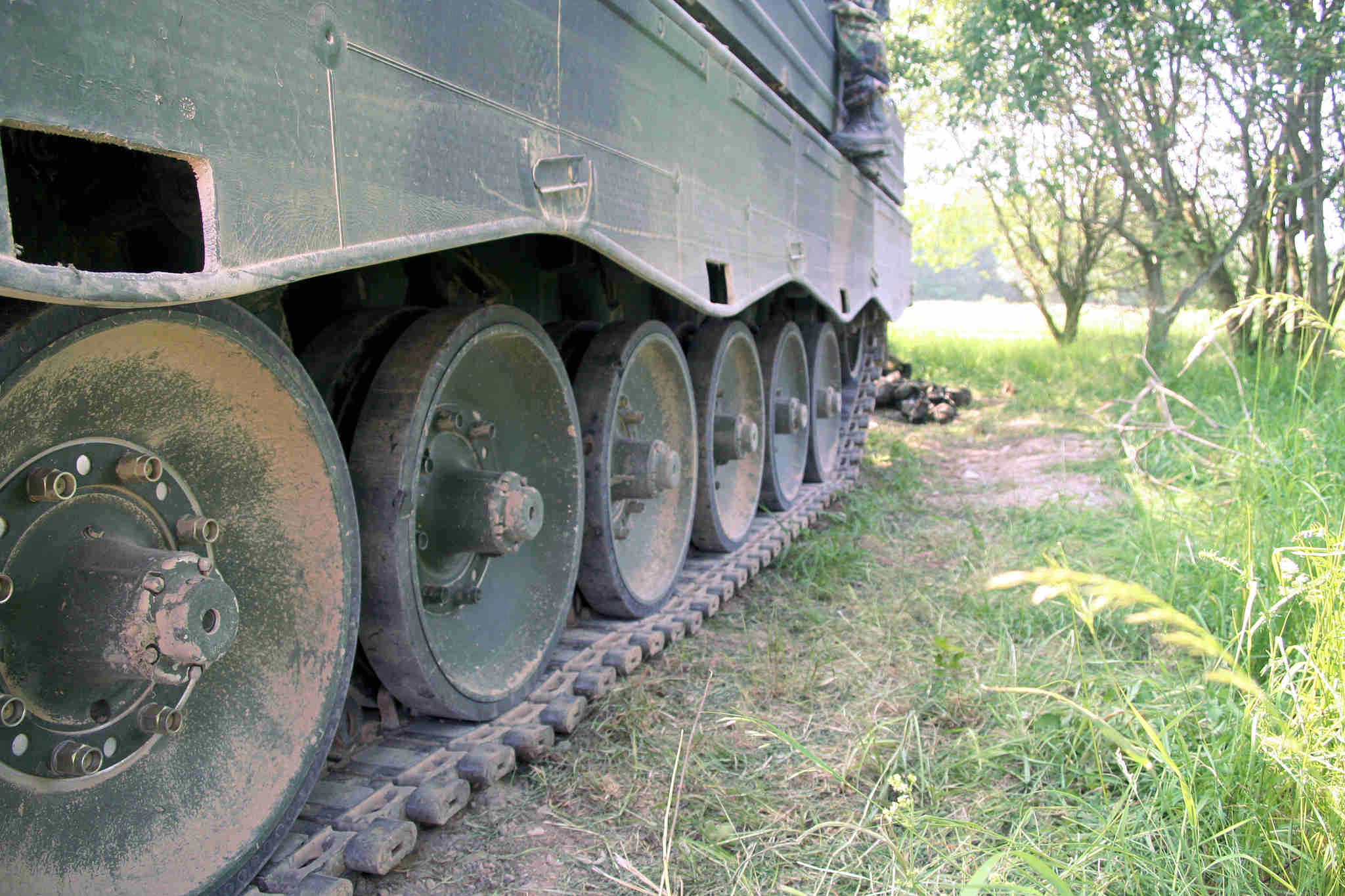

| SPz Marder 1A5 Walk Around | |
|---|---|
| Fotógrafo | Hans-Hermann Behling |
| Localización | Unknow |
| Fotos | 53 |
| Marder 1A2 Walk Around | |
|---|---|
| Fotógrafo | Torsten Schulz |
| Localización | Unknow |
| Fotos | 22 |
Ver también:


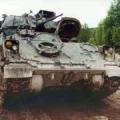
The **Marder 1A3** is a highly successful, tracked German Infantry Fighting Vehicle (IFV) that was developed during the Cold War to transport and support the Panzergrenadier (mechanized infantry) units, enabling them to fight alongside main battle tanks like the Leopard 1 and Leopard 2.
The 1A3 is one of the most significant upgrade packages for the Marder platform, designed to improve protection against modern threats, particularly the 30mm auto-cannons found on Soviet/Russian BMP-2 IFVs.
Key Characteristics and Design
- **Role:** Tactical transport and fire support for mechanized infantry on the battlefield.
- **Crew:** 3 (Commander, Gunner, Driver).
- **Passengers:** Typically carries 6 dismounted infantry (Panzergrenadiere) in the rear troop compartment.
- **Layout:** Conventional IFV layout with the **engine compartment at the front-right** and the **driver at the front-left** of the hull. The two-man turret is centrally positioned, and the troop compartment is in the rear, featuring a large powered ramp for entry and exit.
- **Mobility:** It is powered by an **MTU MB 833 Ea-500 6-cylinder liquid-cooled diesel engine** generating approximately 600 hp.
Major Upgrade (The A3 Standard)
The Marder 1A3 upgrade program, implemented between 1989 and 1998, focused primarily on survivability, making it the heaviest Marder variant at the time.
- **Improved Armor:** The addition of a new, heavier spaced armor package to the hull and turret dramatically increased protection, particularly against the 30mm autocannons of contemporary IFVs. This change increased the combat weight significantly.
- **Firing Ports Removal:** Due to the thick new armor panels installed on the sides, the original firing ports that allowed troops to engage targets from within the vehicle were sealed or rendered unusable.
- **Weight and Speed:** The new armor increased the combat weight to approximately **33.5 – 35 tonnes**, which reduced the top road speed from 75 km/h (on earlier versions) to approximately **65 km/h**.
- **Compartment Changes:** The hatches over the infantry compartment were rearranged, and the suspension and braking systems were reinforced to handle the greater weight.
Armament and Firepower
| System | Especificación |
|---|---|
| Armamento principal | 20 mm Rheinmetall MK 20 Rh 202 automatic cannon (Dual-feed) |
| Secondary/Coaxial Armament | 7.62 mm MG3 machine gun |
| Anti-Tank Capability | MILAN Anti-Tank Guided Missile (ATGM) launcher mounted on the left side of the turret (pintle-mounted at the commander’s hatch on some versions). |
| Self-Defense | Bank of 6 x 76mm electrically fired smoke grenade dischargers. |
| Observación | Equipped with advanced sights, including thermal imaging systems for the commander and gunner (a key improvement over earlier Marder versions). |
Operational Status
The Marder 1A3, despite its Cold War origins, continues to be a reliable and robust military asset. It has been used in various international deployments, including NATO missions and in Afghanistan. It remains in service with several international operators, including Germany (though being gradually replaced by the Puma IFV), Chile, Indonesia, Jordan, and has been supplied to Ukraine.
Vistas : 5487