
Soko J-22 Orao | |
|---|---|
| Χώρα | Ρουμανία & Γιουγκοσλαβία |
| Ρόλο | Επιθετικά αεροσκάφη & αναγνωριστικά αεροσκάφη |
| Πρώτη πτήση | 31 Οκτωβρίου 1974 |
| Χτισμένο | Αγνοώ |
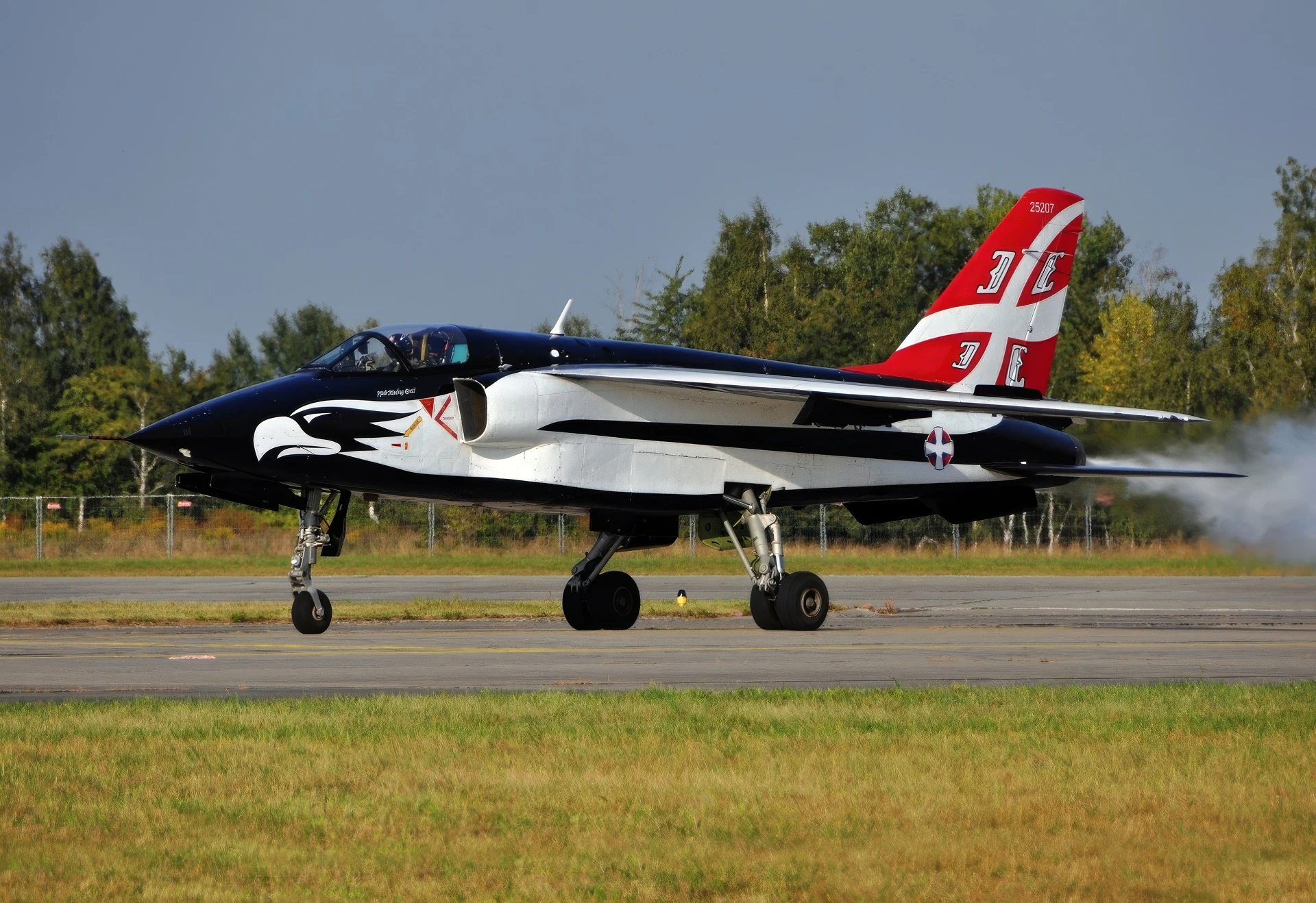
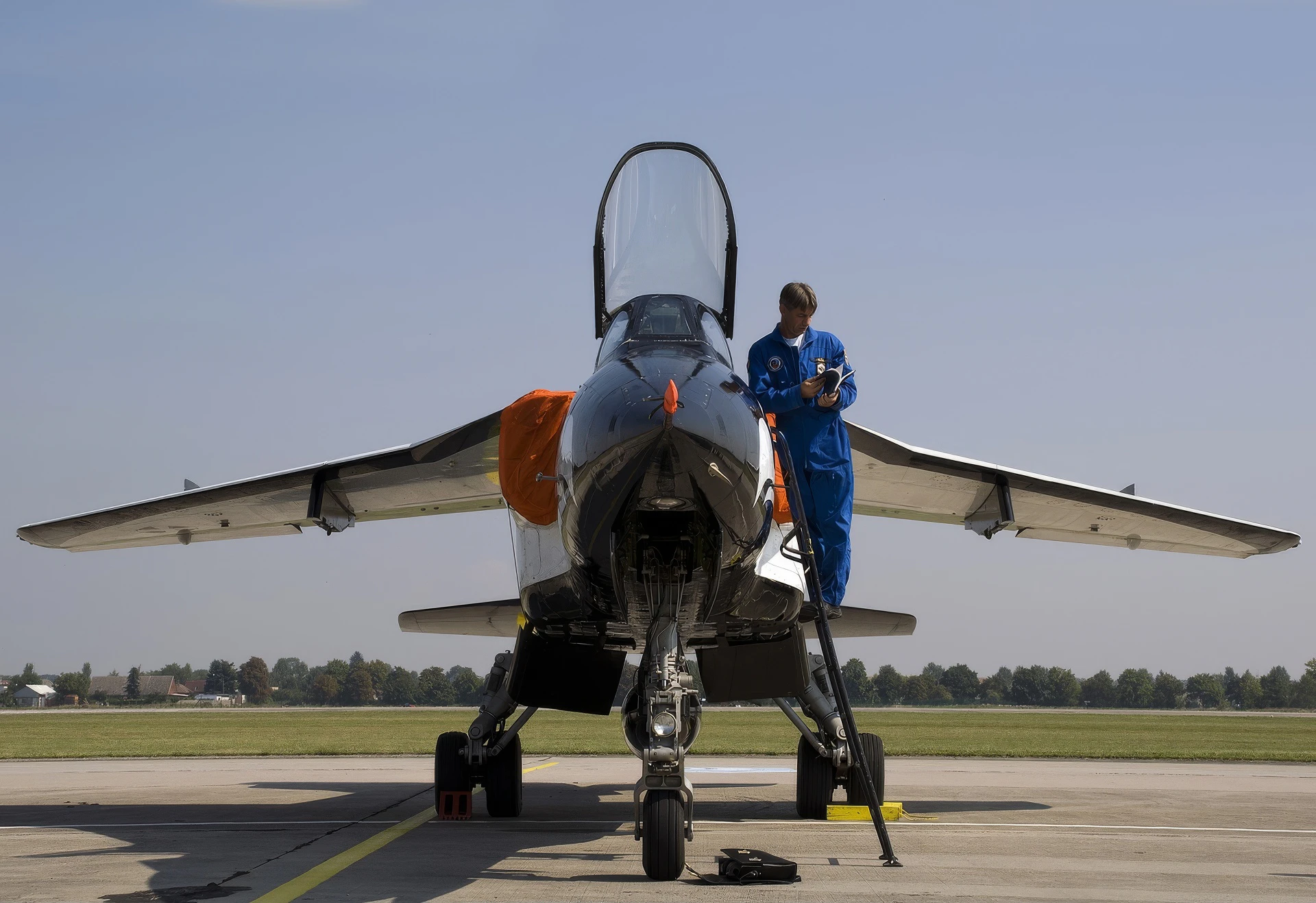
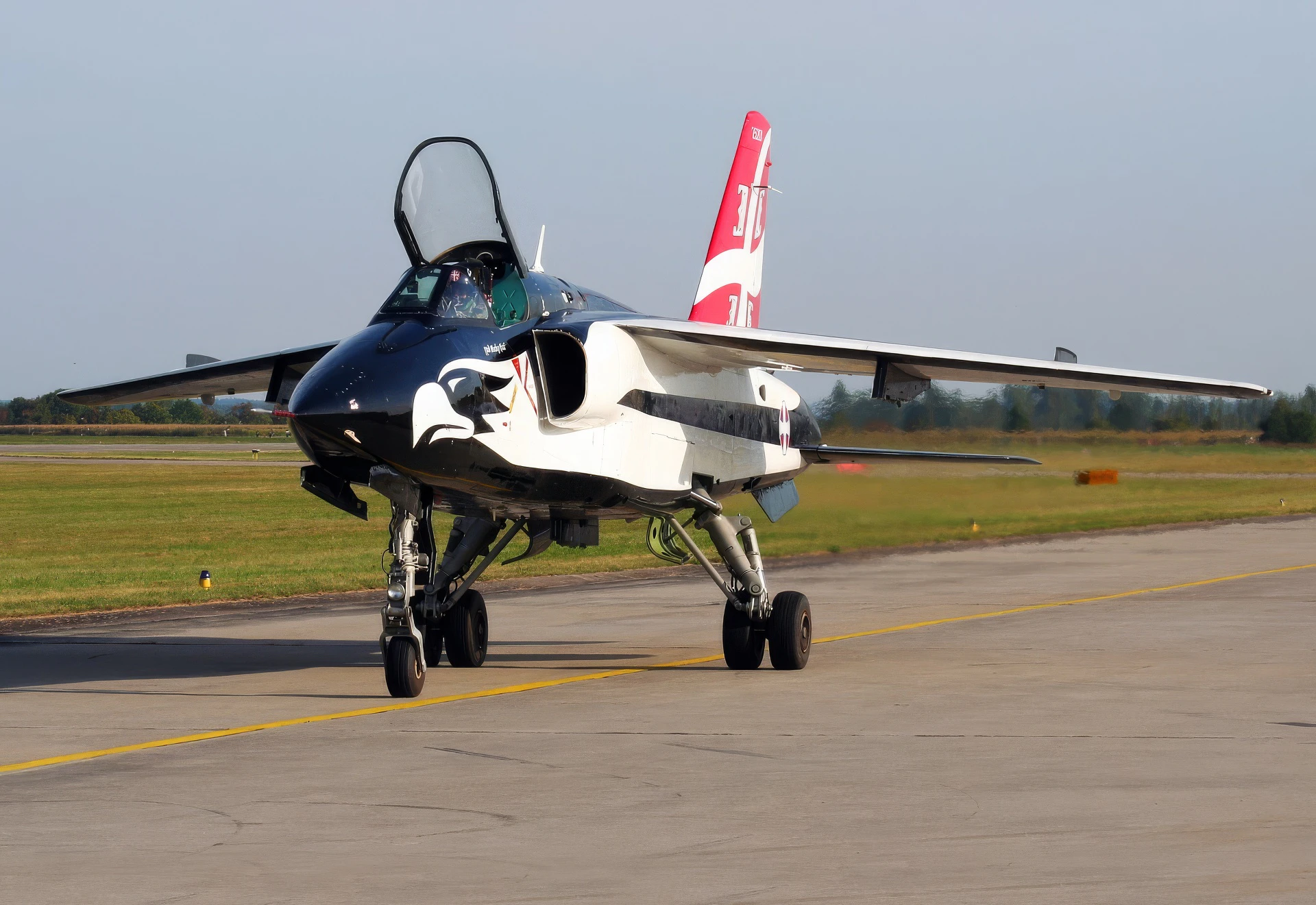
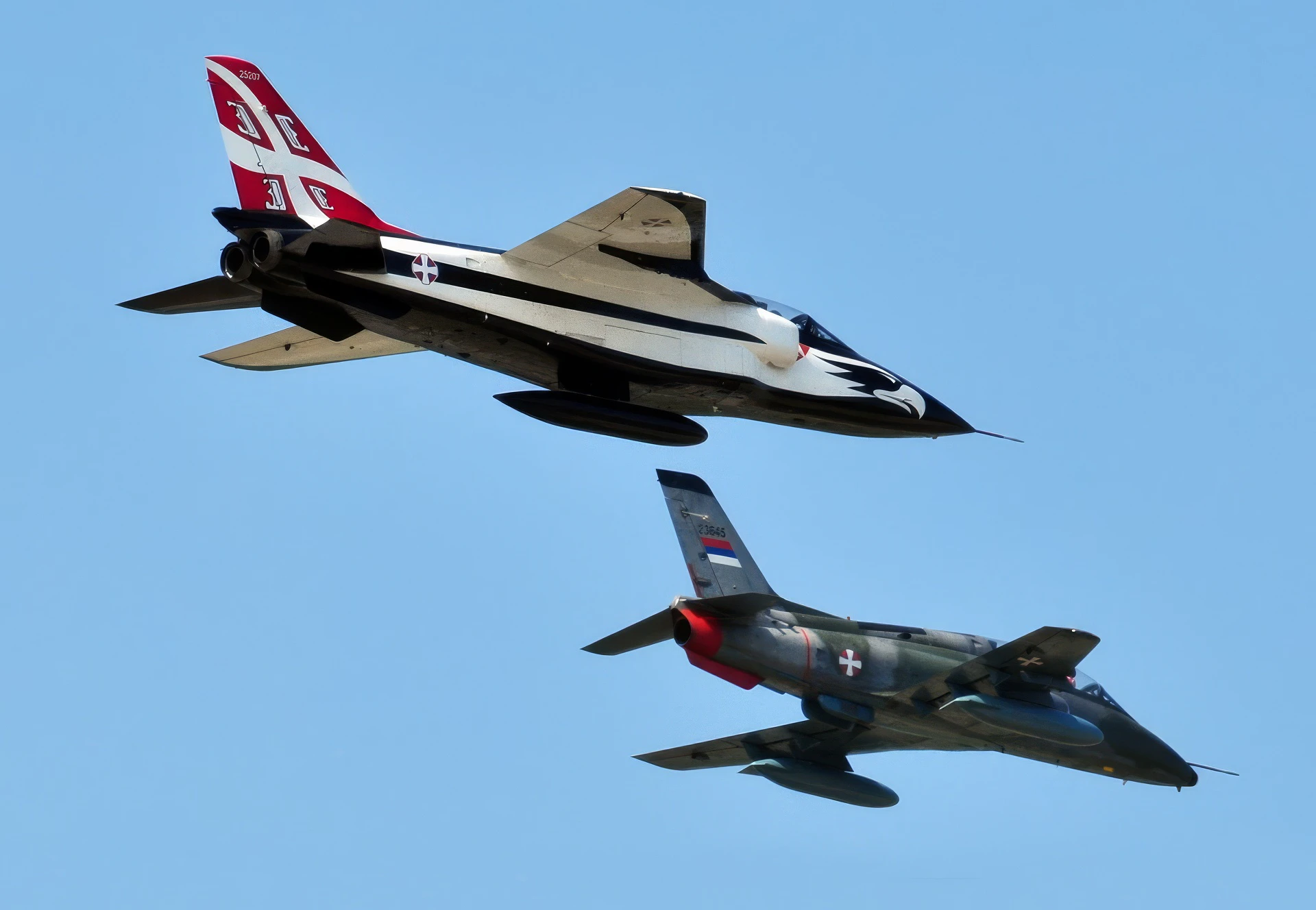
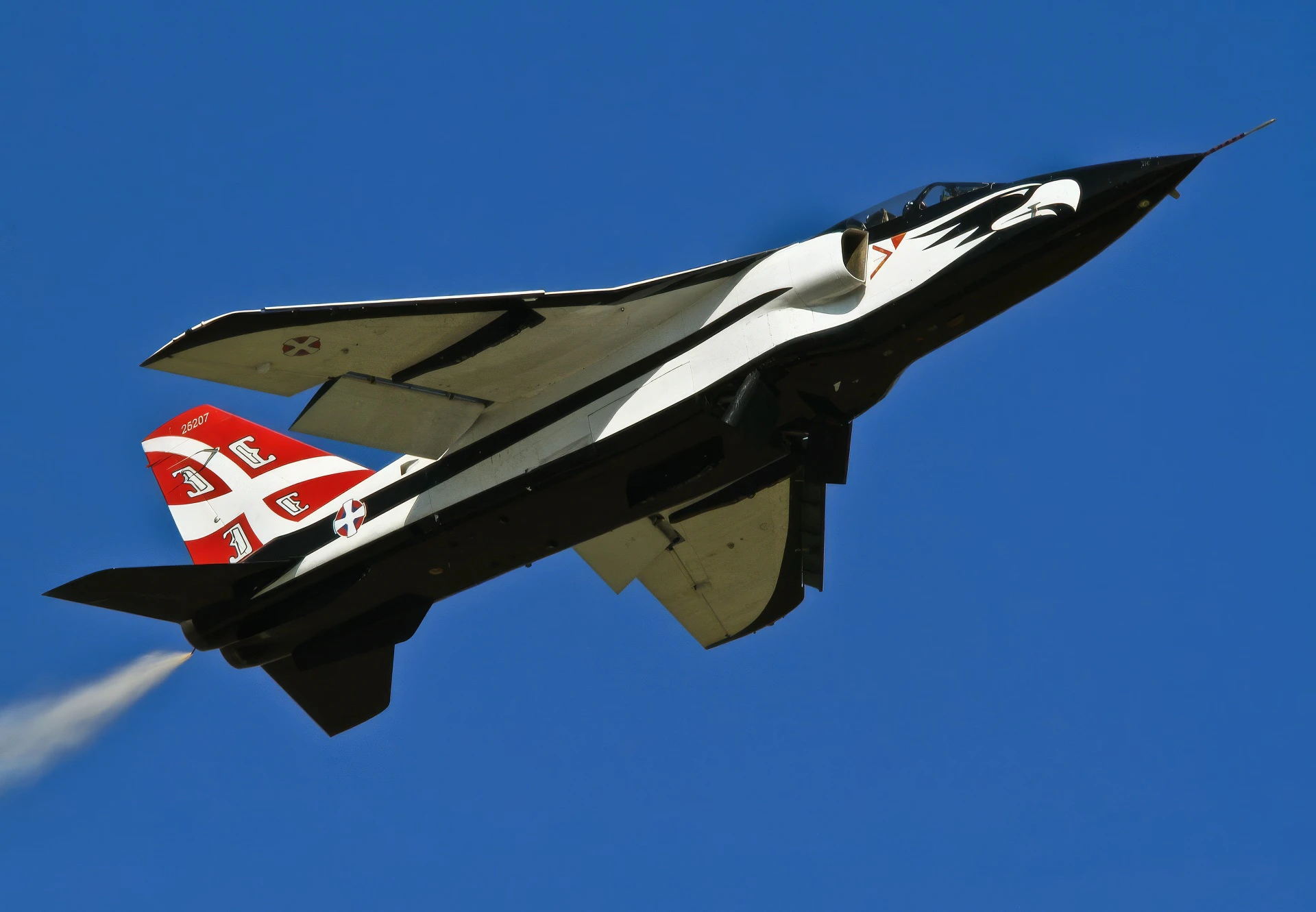
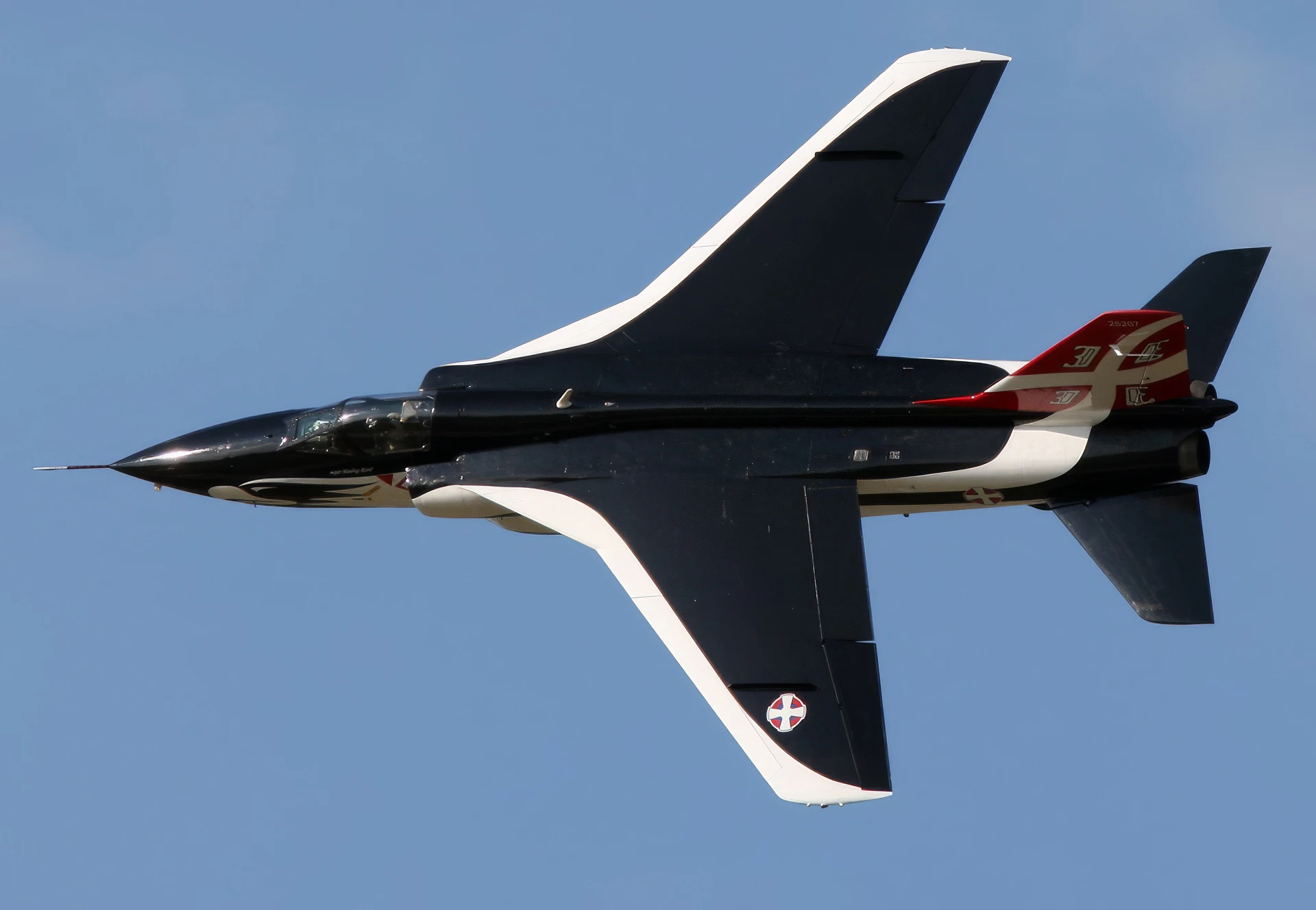
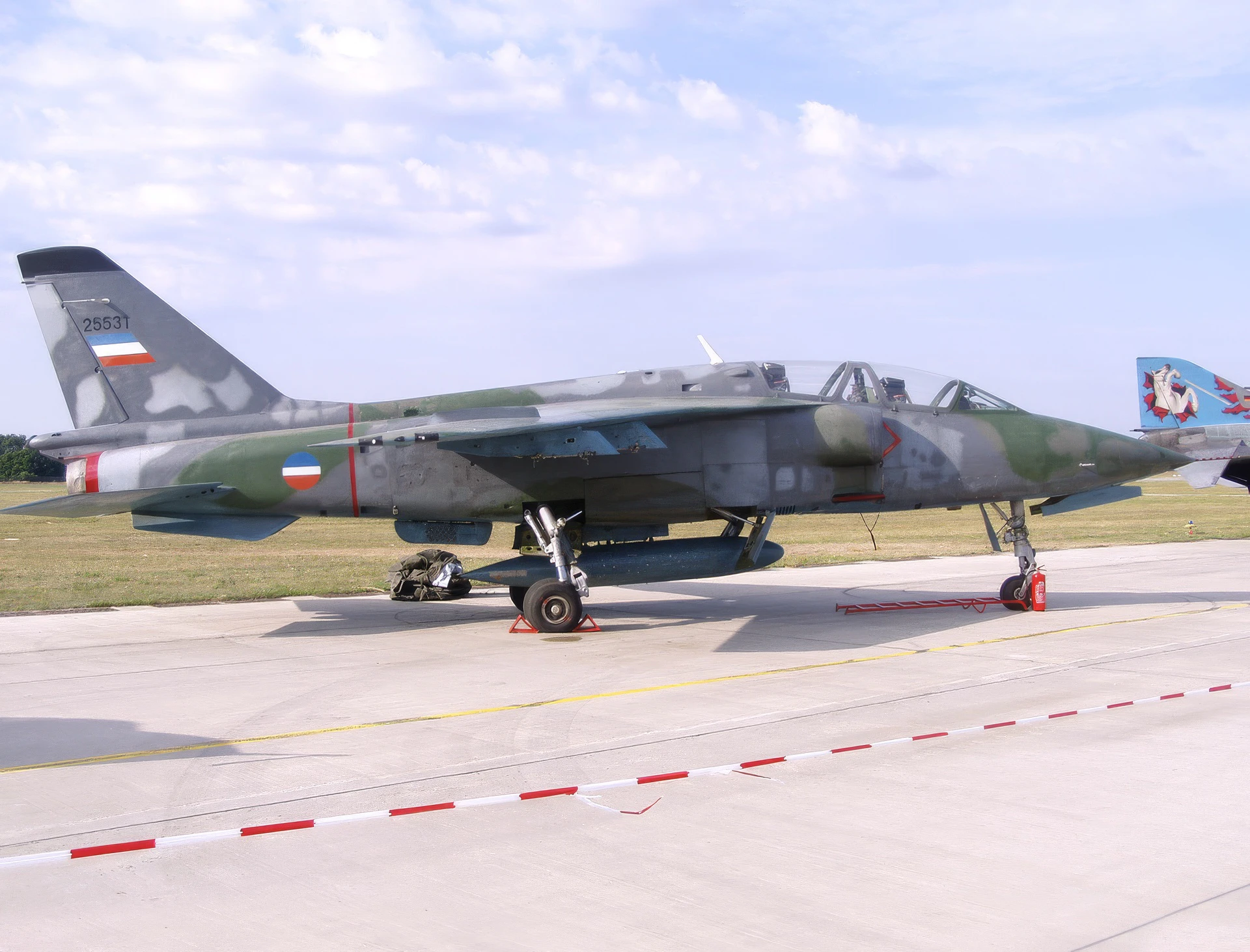
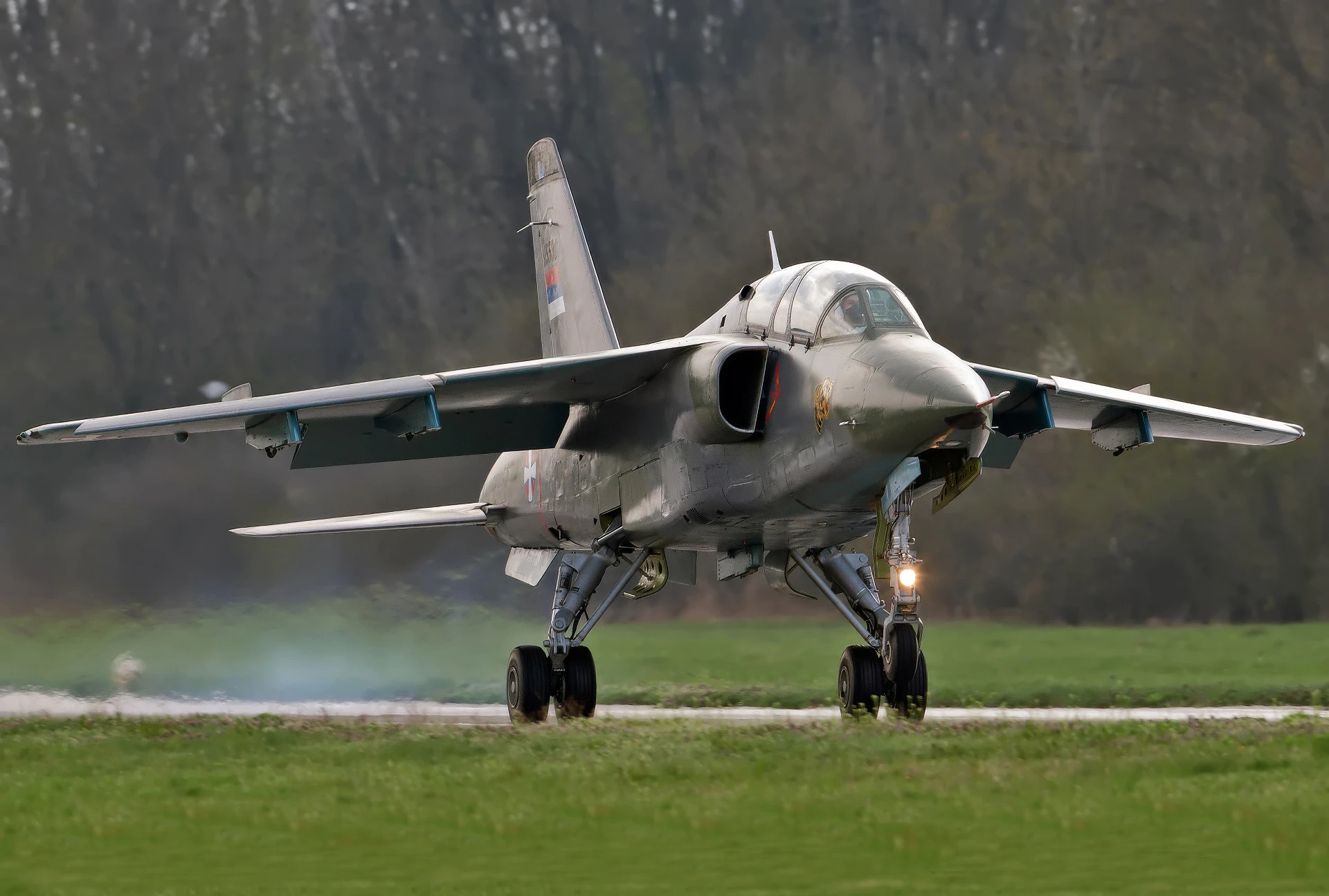
Teh Σόκο J-22 Οράο είναι ένα γιουγκοσλαβικό δικινητήριο, υποηχητικό αεροσκάφος επίθεσης εδάφους και εναέριας αναγνώρισης. Αναπτύχθηκε και κατασκευάστηκε σε συνεργασία από τη SOKO στη Γιουγκοσλαβία και από την Avioane Craiova στη γειτονική Ρουμανία, γνωστή στην τελευταία ως IAR-93 Vultur.
| Σόκο J-22 Οράο | |
|---|---|
| Φωτογράφος | Αγνοώ |
| Εντοπισμού | Αγνοώ |
| Φωτογραφίες | 80 |
Περιμένετε, Αναζήτηση Soko J-22 Orao για σας ...

 Αγόρασέ μου έναν καφέ

Δείτε επίσης:


General Characteristics (J-22B Orao 2 Variant)
The Soko J-22 Orao (“Eagle”) is a twin-engine, high-wing, subsonic ground-attack and tactical reconnaissance aircraft developed as a joint Yugoslav-Romanian project (known in Romania as the IAR-93 Vultur). Designed for close air support and attack missions, it was built to be robust, simple, and capable of operating from austere airfields, including unprepared and damaged runways.
| Property | Typical Value (J-22B Orao 2) |
|---|---|
| Ρόλο | Ground Attack / Tactical Reconnaissance |
| Κατασκευαστής | SOKO (Yugoslavia) / Avioane Craiova (Romania) |
| First Flight | November 1974 |
| Πλήρωμα | 1 (J-22 single-seat attack) or 2 (NJ-22 two-seat trainer/reconnaissance) |
| Length (including nose probe) | 14.90 m (48 ft 11 in) |
| Εκπέτασμα | 9.30 m (30 ft 6 in) |
| Max Takeoff Weight | 11,080 kg (24,427 lb) |
Design and Powerplant
- Engines: Two Rolls-Royce Viper Mk 633-47 turbojet engines (Orao/Turbomecanica license-built).
- Thrust Output (per engine): 17.79 kN (4,000 lbf) dry; 22.24 kN (5,000 lbf) with afterburner (on J-22B variant).
- Design Note: The original requirement called for a single-engine supersonic aircraft, but due to engine license restrictions, the simpler, subsonic twin-Viper configuration was adopted. The J-22 can exceed the speed of sound only in a shallow dive.
- Cockpit: Equipped with a Martin-Baker zero-zero ejection seat and features a Thomson-CSF VE-120T Head-Up Display (HUD) in later versions.
- Maintenance Feature: The rear fuselage section is designed to be detachable to facilitate easy engine maintenance.
- Avionics: Later modernization efforts (Orao 2.0) included new mission computers, multi-function displays, and integrated navigation/targeting systems.
Performance and Armament
- Maximum Speed: 1,130 km/h (700 mph, 610 kn) at sea level (Mach 0.96 at high altitude).
- Service Ceiling: 15,000 m (49,000 ft).
- Combat Radius: Approximately 522 km (282 nautical miles) (hi-lo-hi profile).
- Ferry Range: Approximately 1,320 km (710 nautical miles) with external drop tanks.
- Fixed Armament: Two 23 mm GSh-23L twin-barrel cannons mounted in the lower front fuselage.
- Hardpoints: Five external hardpoints (four underwing and one centerline).
- Maximum External Load: 2,800 kg (6,200 lb).
- Typical Armament Options:
- Missiles: AGM-65B Maverick TV-guided Air-to-Ground Missiles (AGM) or Grom-1 radio-guided AGMs.
- Bombs: Various 50–500 kg general-purpose bombs, cluster bombs (BL755), and anti-runway bombs (Matra Durandal).
- Rockets: Multiple types of unguided rocket pods.
- Air-to-Air: Limited air defense capability using short-range IR-homing air-to-air missiles on later variants.
Θεάσεις : 1291
Μπορείτε επίσης να δείτε:
 McDonnell F3H Demon – Φώτο &; Βίντεο
 McDonnell Douglas KC-10 Extender – Φώτο & Βίντεο
 McDonnell FH Phantom – Φώτο & Βίντεο
 C-130J Hercules – Φώτο &; Βίντεο
 Μάτσι MC-200 – Γουόκερ
 PZL P.11 – Περίπατος
 P-51 Μάστανγκ βολ2 – Περπατήστε γύρω
 Καμπάνα P-63E ΚινγκΚόμπρα – WalkAround
 Vought F4U Κορσέρ – Περίπατος
 F4U-7 Κορσέρ – WalkAround