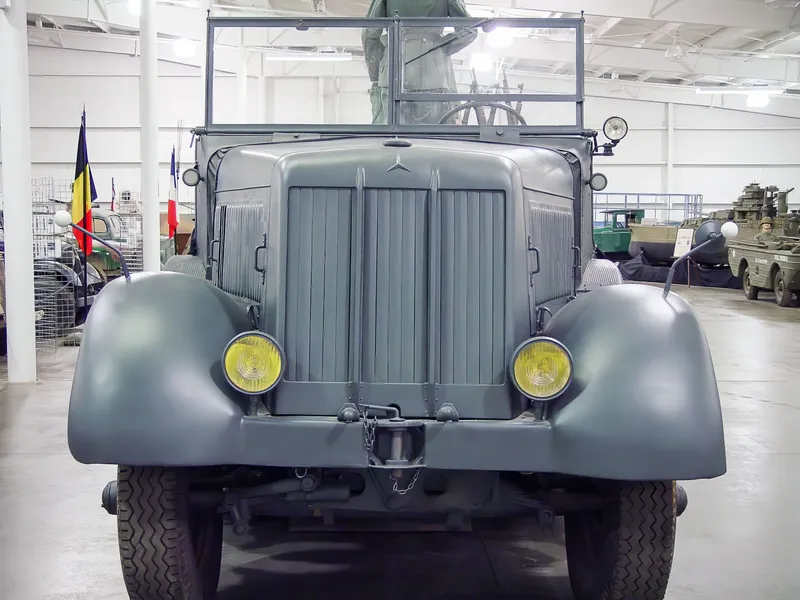
SdKfz 8 12 τόνων | |
|---|---|
| Χώρα | Γερμανία |
| Πληκτρολογήστε | Ημι-διαδρομή |
| Περιγραφή | Φωτογραφικό λεύκωμα του 28 φωτογραφίες με τα πόδια γύρω από ένα «SdKfz 8 12 τόνος» |
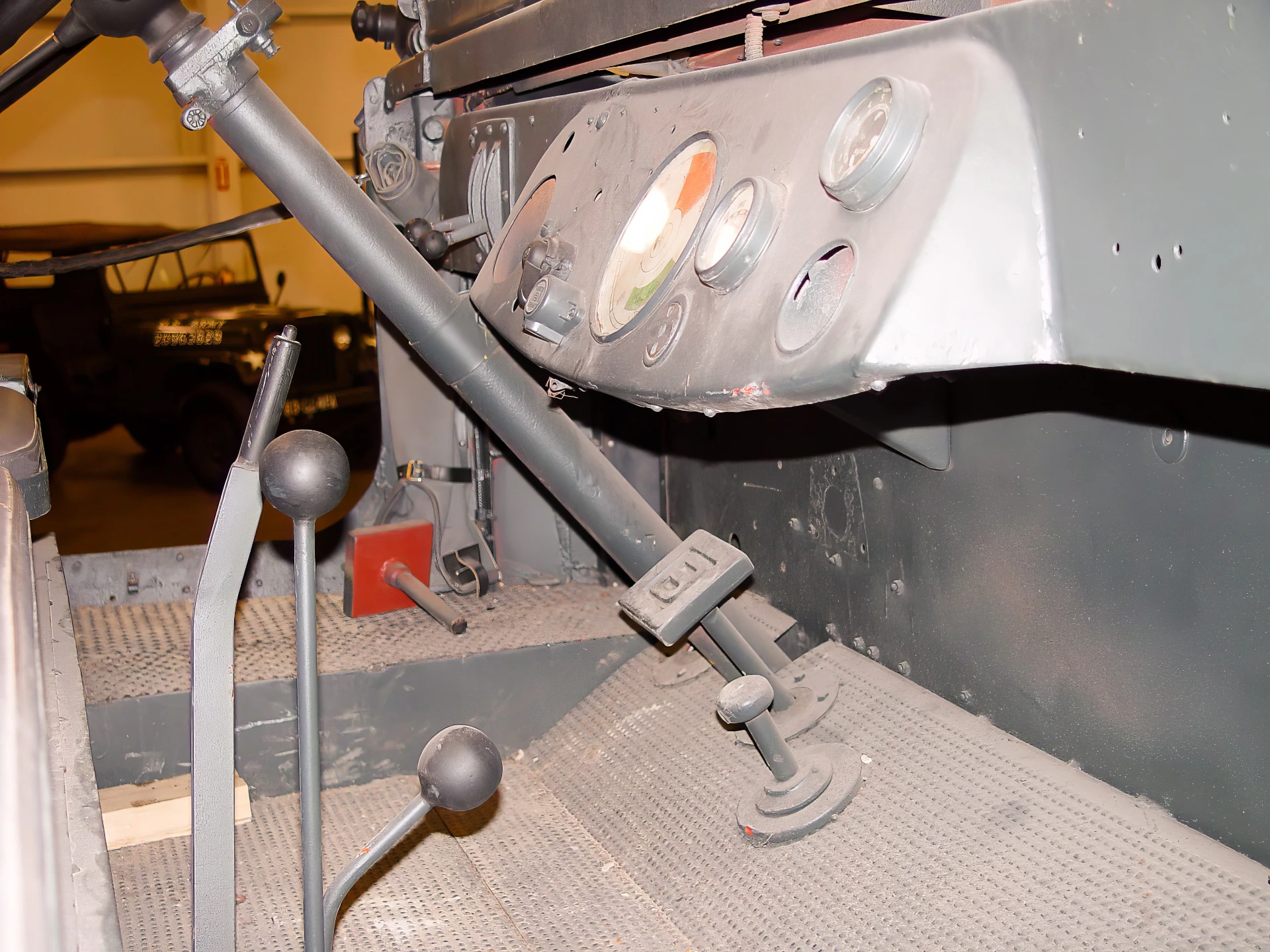
Φωτογραφίες ενός SdKfz 8 12 Ton, Το Sonderkraftfahrzeug 8 ("ειδικό μηχανοκίνητο όχημα 8") ήταν μια γερμανική μισή πίστα που είδε ευρεία χρήση στον Β 'Παγκόσμιο Πόλεμο. Οι κύριοι ρόλοι του ήταν ως κινητήριος μοχλός για βαριά συρόμενα πυροβόλα όπως το Mörser 18 των 21 cm, το Kanone 18 των 15 cm και το FlaK 38 των 10,5 cm. Περίπου 4.000 παρήχθησαν μεταξύ 1938 και 1945. Χρησιμοποιήθηκε σε κάθε εκστρατεία που πολέμησαν οι Γερμανοί στον Β' Παγκόσμιο Πόλεμο, κυρίως στην εισβολή της Πολωνίας, στη Μάχη της Γαλλίας, στην Εκστρατεία των Βαλκανίων, στο Ανατολικό Μέτωπο, στη Βορειοαφρικανική Εκστρατεία, στη Μάχη της Νορμανδίας και στην Ιταλική Εκστρατεία.

Δείτε επίσης:


Teh Sd.Kfz. 8 (Sonderkraftfahrzeug 8 – “Special Motorized Vehicle 8”) was a German heavy half-track designed by Daimler-Benz. It was formally known as the Schwerer Zugkraftwagen 12t (Heavy Towing Vehicle 12-ton), a designation that referred to its intended towing capacity, though later versions could pull up to 14 tonnes. It was one of the largest half-tracks used by the Wehrmacht.
Primary Role and Design
- Main Function: The vehicle’s chief role was as a heavy artillery tractor, essential for moving the largest field guns and howitzers across various terrains.
- Towed Guns: It was commonly used to tow heavy weapons such as the 21 cm Mörser 18 και η 17 εκ. Κανόνε 18, as well as the 10.5 cm FlaK 38 anti-aircraft gun.
- Crew Capacity: The open-topped body provided seating for a driver, co-driver, and up to ten gun crew members or infantry soldiers.
- Other Duties: It frequently served as a powerful recovery vehicle for pulling disabled lighter tanks and trucks.
Half-track System
Like all German half-tracks, the Sd.Kfz. 8 utilized a combination of front wheels for steering and a rear track assembly for propulsion and traction.
- Μηχανή: Powered by a liquid-cooled, 12-cylinder Maybach gasoline engine (later versions like the DB 10 used the HL85 TUKRM).
- Suspension: The rear tracks featured the complex, interlocking Schachtellaufwerk roadwheel system, which distributed weight efficiently and provided excellent off-road mobility, but was notoriously complicated and time-consuming to maintain.
- Steering: It employed a dual steering system where the front wheels handled gentle turns, and differential braking was applied to the tracks for sharper turns.
Technical Summary (DB 10 Model)
| Component | Specification |
|---|---|
| Engine Output | 185 PS (approx. 182 hp) |
| Towing Capacity | 12 to 14 tonnes |
| Weight (Gross) | Approx. 14,700 kg |
| Max Road Speed | Approx. 51 km/h (32 mph) |
| Total Production | Approx. 4,000 units (1938–1945) |
Views : 7826
Μπορείτε επίσης να δείτε:
 Sd.Kfz. 11 – Φώτο & Βίντεο
 SdKfz 251 Ausf D - Περίπατος γύρω
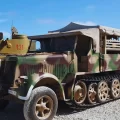 Sdkfz 7 vol2 – Περπατήστε γύρω
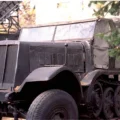 Sd.Kfz. 9 Φάμο βολ3 – WalkAround
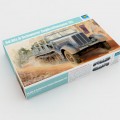 Sd.Kfz.8 Σβέρερ Ζουγκράφτβαγκεν 12t – Τρομπετίστας 01583
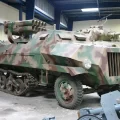 Sd.Kfz.4/1 Μαουτιέρ – Γουόκαρντ
 M9A1 Ημιδιάδρομος – WalkAround
 SdKfz 9 Φάμο – Περίπατος
 Sdkfz 251 – Περίπατος
 Sdkfz.10 – Περπατήστε γύρω