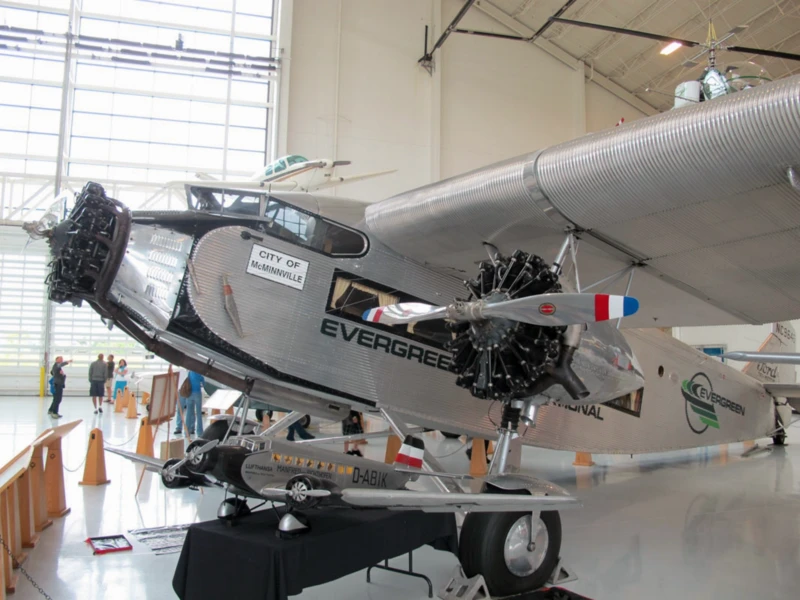
Ford AT-5 Τρικινητήριο |
|
|---|---|
| Χώρα | Ηπα |
| Ρόλο | Μεταγωγικά αεροσκάφη |
| Εισαγωγή | 1926 |
| Χτισμένο | 199 |
Teh Φορντ Τριμότορ (also called the “Tri-Motor”, and nicknamed “The Tin Goose”) is an American three-engined transport aircraft. Production started in 1925 by the companies of Henry Ford and ended on June 7, 1933. A total of 199 Ford Trimotors were made. It was designed for the civil aviation market, but also saw service with military units.
Πηγή: Ford AT-5 Τρικινητήρας στη Βικιπαίδεια
| Ford AT-5 Τρικινητήρας Περπατήστε | |
|---|---|
| Φωτογράφος | Σίες Χέντρικς |
| Εντοπισμού | Αγνοώ |
| Φωτογραφίες | 26 |
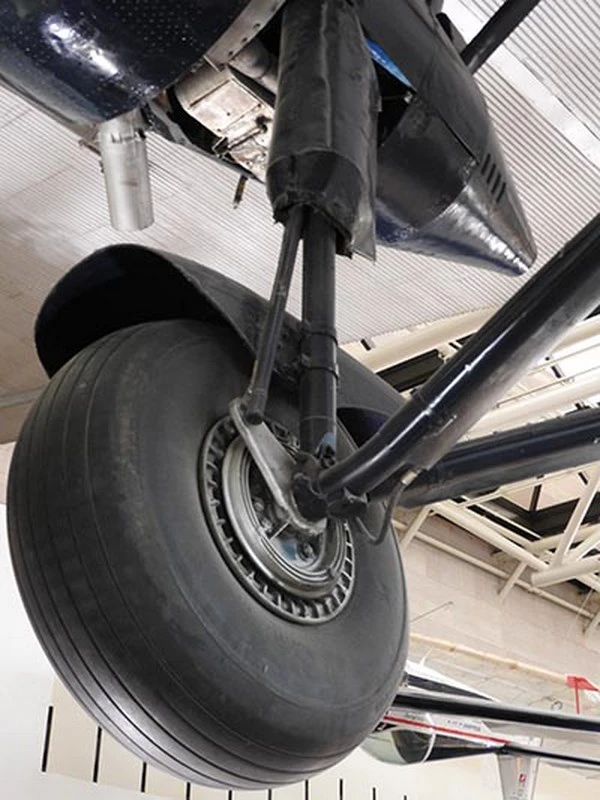
Ford AT-5 Tri-motor 01
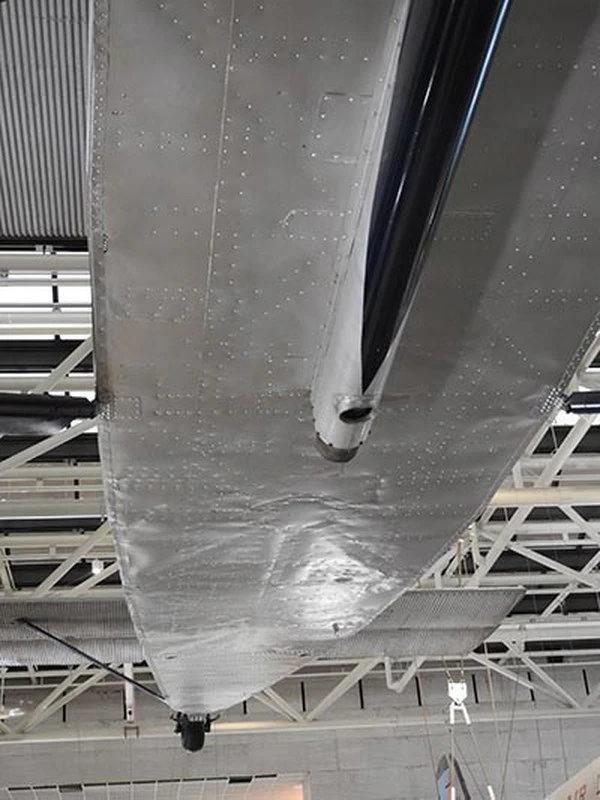
Ford AT-5 Tri-motor 02
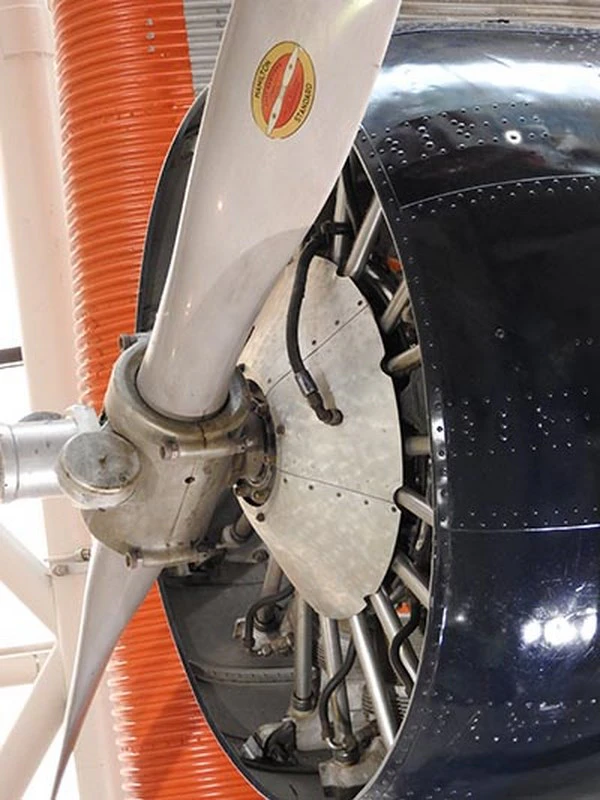
Ford AT-5 Tri-motor 03
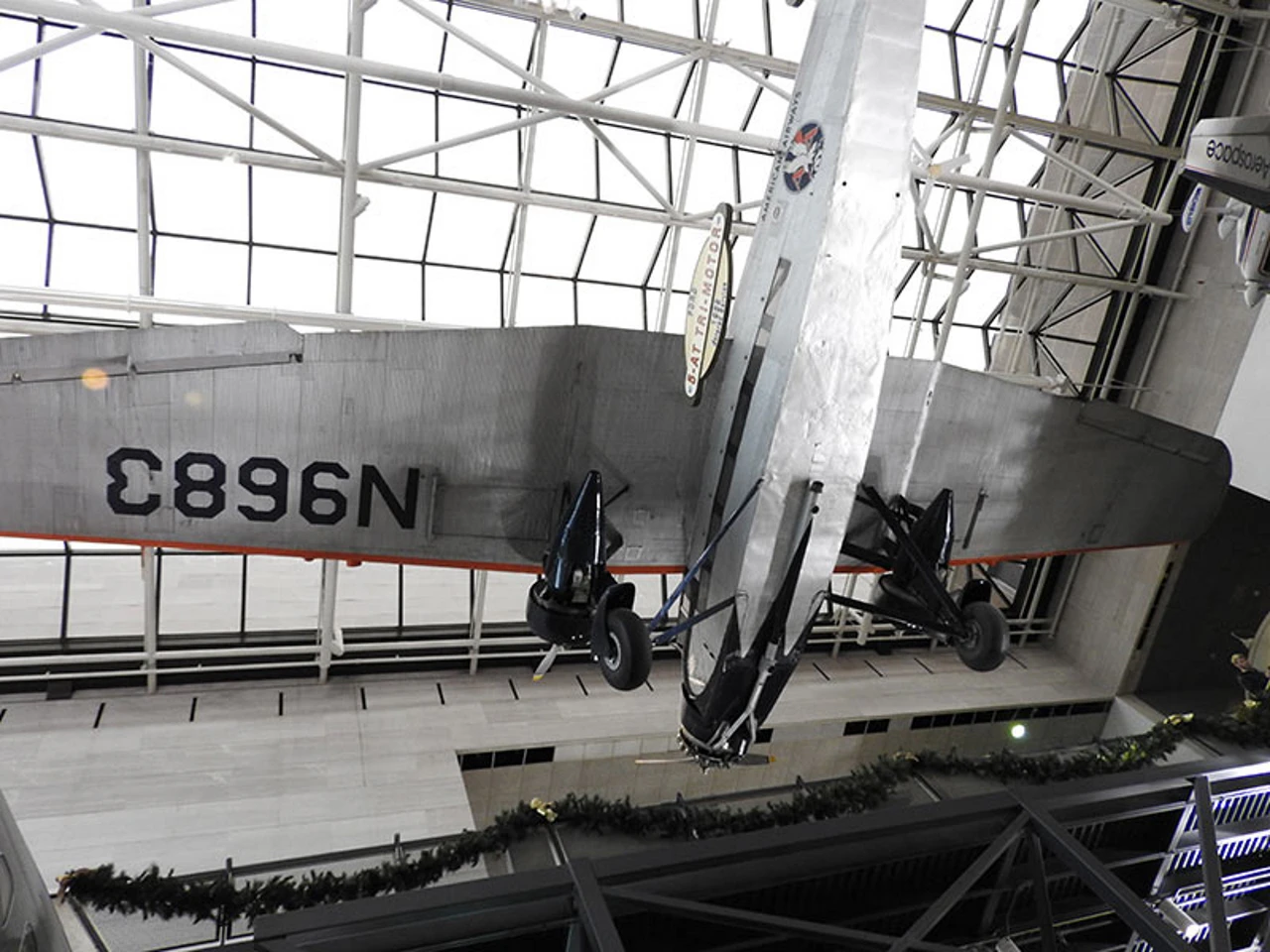
Ford AT-5 Tri-motor 06
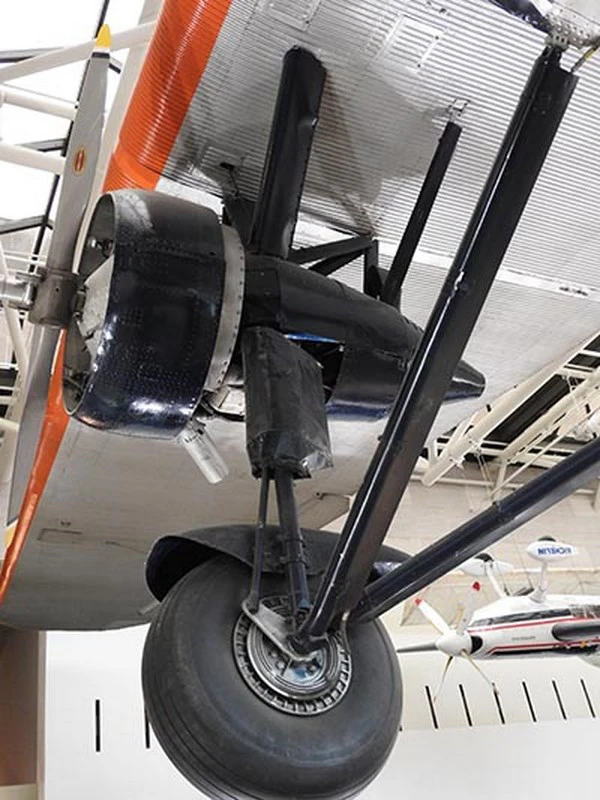
Ford AT-5 Tri-motor 04
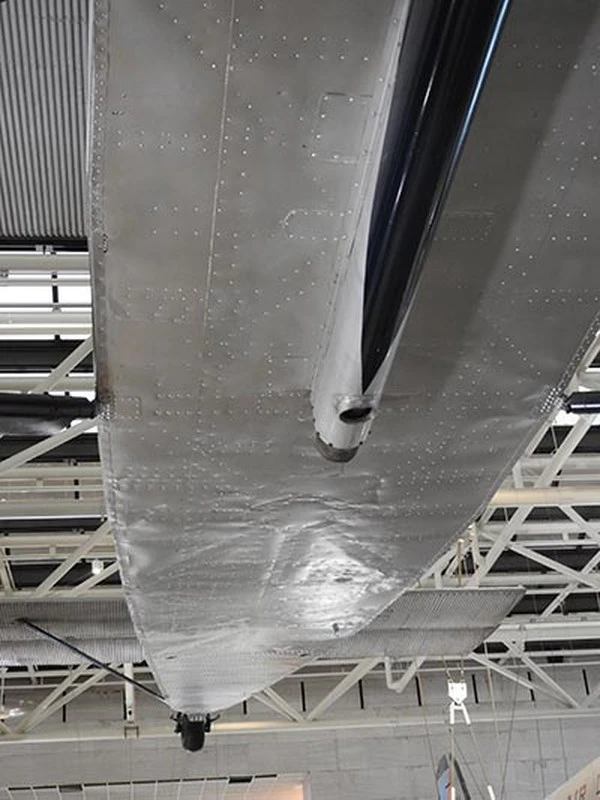
Ford AT-5 Tri-motor 05
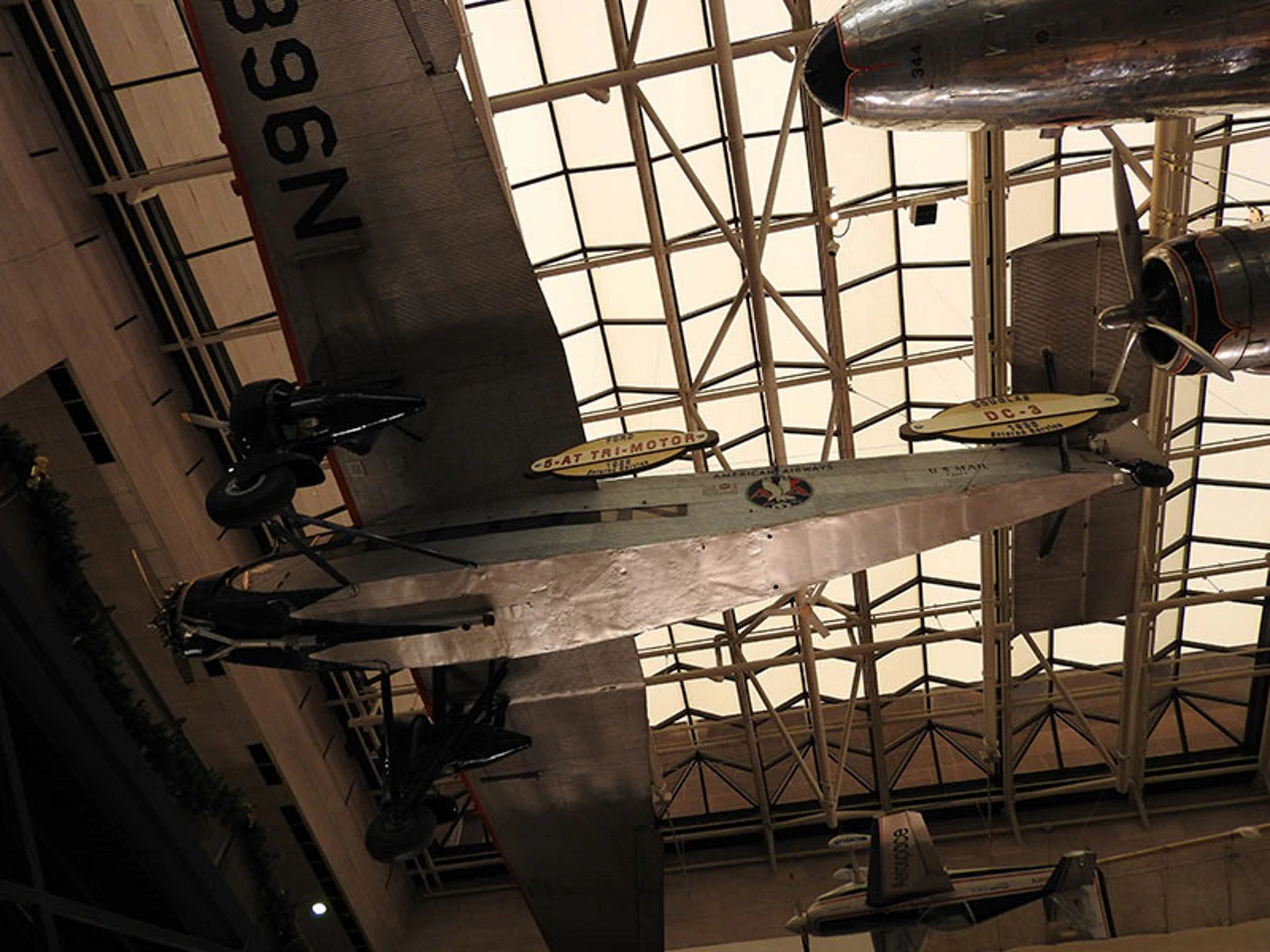
Ford AT-5 Tri-motor 07
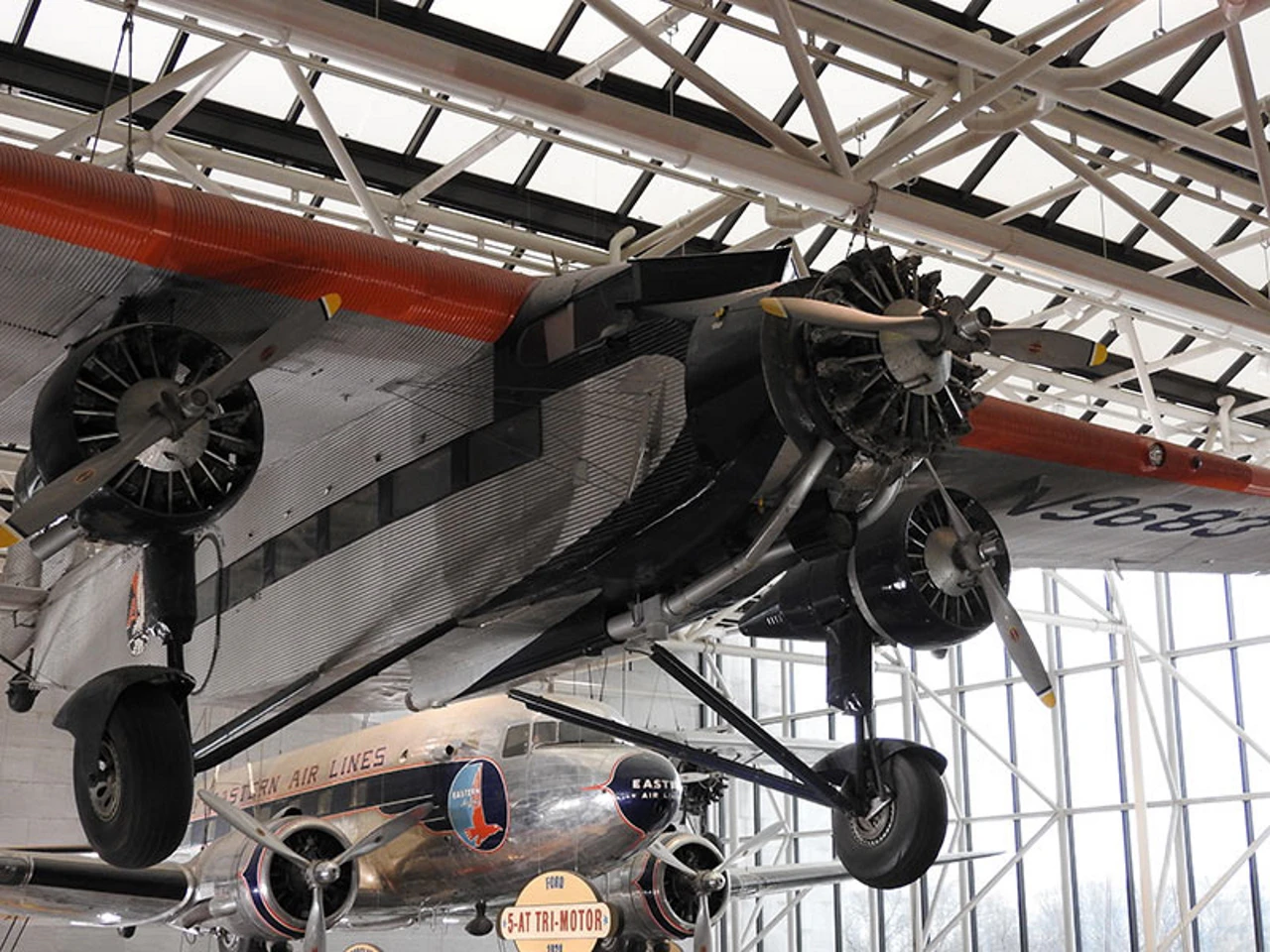
Ford AT-5 Tri-motor 08
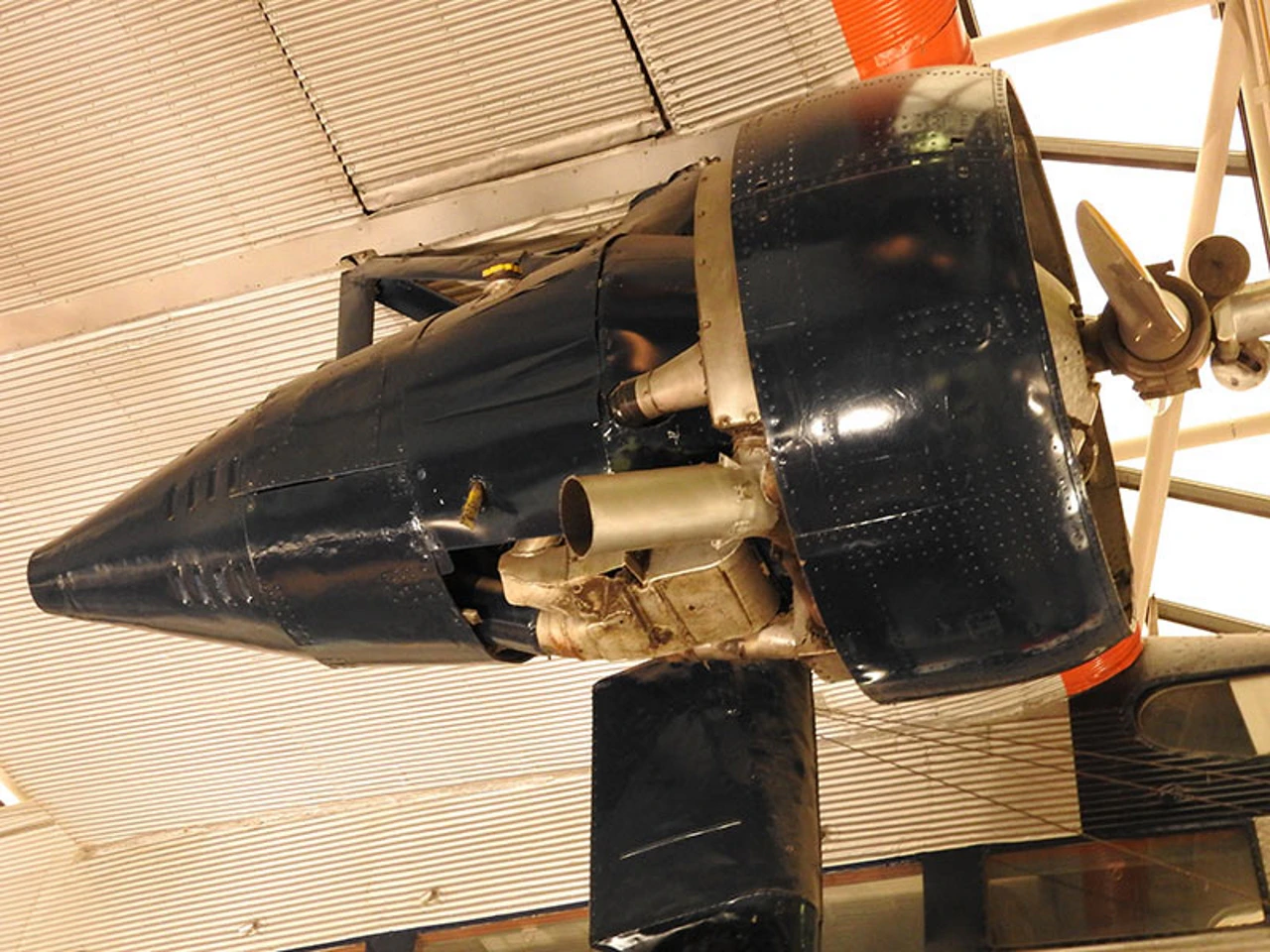
Ford AT-5 Tri-motor 09
Wait, Searching Ford AT-5 Tri-motor photos for you…

| Ford 5-AT-B Tri-Motor Walk Around | |
|---|---|
| Φωτογράφος | Βλαντιμίρ Γιακούμποφ |
| Εντοπισμού | Hayward, CA |
| Φωτογραφίες | 188 |
| Ford 5-AT-B Trimotor | |
|---|---|
| Φωτογράφος | Λουκ Κόλιν |
| Εντοπισμού | Αγνοώ |
| Φωτογραφίες | 28 |
Δείτε επίσης:


| Ford 5-AT-B Trimotor | |
|---|---|
| Φωτογράφος | Βλαντιμίρ Γιακούμποφ |
| Εντοπισμού | Αειθαλές Μουσείο Αέρα και Διαστήματος |
| Φωτογραφίες | 155 |
The Masterpiece of Corrugated Metal
Teh Ford Tri-Motor, specifically the larger and more powerful 5-AT series, was the aircraft that made transcontinental air travel a reality in the United States. Inspired by the all-metal designs of Hugo Junkers, Henry Ford applied his mass-production philosophy to aviation. The result was a loud, slow, but incredibly sturdy machine. Its corrugated aluminum skin and three-engine reliability gave the public the confidence to step off trains and into the skies for the first time.
| Attribute | Technical Specification (Ford 5-AT-B) |
|---|---|
| Ρόλο | Commercial Airliner / Cargo Transport |
| Πλήρωμα | 3 (Pilot, Co-pilot, Flight Attendant) |
| Χωρητικότητα | Up to 15 Passengers |
| First Flight (5-AT) | July 21, 1928 |
| Πλάστης ισχύος | 3 × Pratt & Whitney R-1340 Wasp radial engines |
| Horsepower | 420 hp (313 kW) each |
| Maximum Speed | 150 mph (241 km/h) |
| Service Ceiling | 18,500 feet (5,640 m) |
Industrial Strength Engineering
- The “Tin Goose” Skin: Like the Junkers F.13, the Ford used Alclad (corrugated aluminum alloy). This provided exceptional structural strength and corrosion resistance, though it created significant drag that limited the aircraft’s top speed.
- Engine Configuration: One engine was mounted in the nose, and two were suspended beneath the wings. This layout ensured that even if one engine failed, the aircraft could safely maintain altitude or even climb.
- External Control Cables: In a design that seems primitive today, the control cables for the rudder and elevators ran along the outside of the fuselage. This made maintenance and inspection remarkably easy for mechanics in the field.
- Cabin Luxury: For the late 1920s, the 5-AT was the height of luxury. It featured wicker seats (to save weight), cabin heaters that utilized engine exhaust, and even primitive bathrooms.
Cultural Icon and Utility
- Transcontinental Air Transport (TAT): Working with Charles Lindbergh, Ford helped establish the “The Lindbergh Line,” which used a combination of trains at night and Tri-Motors by day to cross the U.S. in just 48 hours.
- The Antarctic Expedition: In 1929, Rear Admiral Richard E. Byrd used a 4-AT variant (the Floyd Bennett) to make the first flight over the South Pole, proving the Tri-Motor’s extreme reliability in sub-zero conditions.
- Bush Flying Legend: Because of its high lift and rugged landing gear, the Tri-Motor was used for decades after it left airline service to carry heavy machinery into the remote mines of Alaska and South America.
- A Living Legend: Remarkably, several Ford Tri-Motors are still airworthy today. The Experimental Aircraft Association (EAA) and Liberty Aviation Museum regularly tour the country, allowing passengers to experience the roaring engines of the 1920s first-hand.
Views : 3218
Μπορείτε επίσης να δείτε:
 Phönix D.I – Φώτο &; Βίντεο
 Mitsubishi G4M – Φωτογραφίες & Βίντεο
 Nieuport 27 – Φώτο & Βίντεο
 Martin 4-0-4 – Φωτογραφίες & Βίντεο
 Bristol F.2 Fighter – Φώτο &; Βίντεο
 Northrop JB-1 Bat – Φώτο & Βίντεο
 Convair F2Y Sea Dart – Φώτο & Βίντεο
 Miles Magister – Φώτο & Βίντεο
 KFIR C-1 – Περίπατος
 Μιγκ-29 – Περίπατος