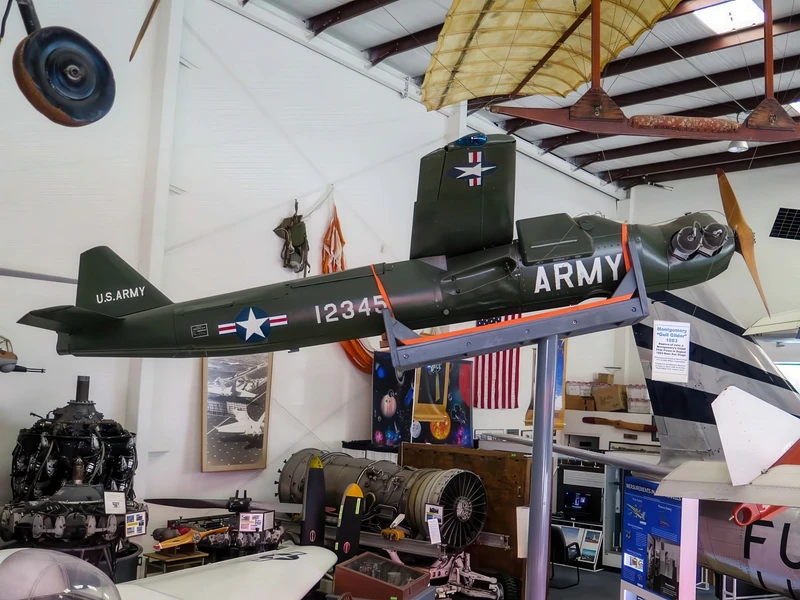
Radioplane BTT | |
|---|---|
| Land | Usa |
| Rolle | Zieldrohne |
| Erste Fliege | Unbekannter |
| Gebaut | 7300+ |
das Radioplane BTTRP-71 ist eine Familie von Zieldrohnen, die von der Radioplane Company (später eine Abteilung von Northrop) produziert wurde.
MQM-57 Falkner: A variant of the BTT designated the RP-71, also known as the SD-1 Observer and later redesignated MQM-57 Falconer, was built for battlefield reconnaissance, with first flight in 1955. The Falconer was similar in appearance to the Shelduck, but had a slightly longer and stockier fuselage. It had an autopilot system with radio-control backup, and could carry cameras, as well as illumination flares for night reconnaissance. Equipment was loaded through a hump in the back between the wings. Although it only had an endurance of a little more than a half-hour, making it of limited use, about 1,500 Falconers were built and the type was used internationally with several different military forces, remaining in service into the 1970s. Over 73,000 BTT targets were built in all, and the type was used by at least 18 nations. Some may still be lingering in service.
Quelle: Radioplane BTT auf Wikipedia
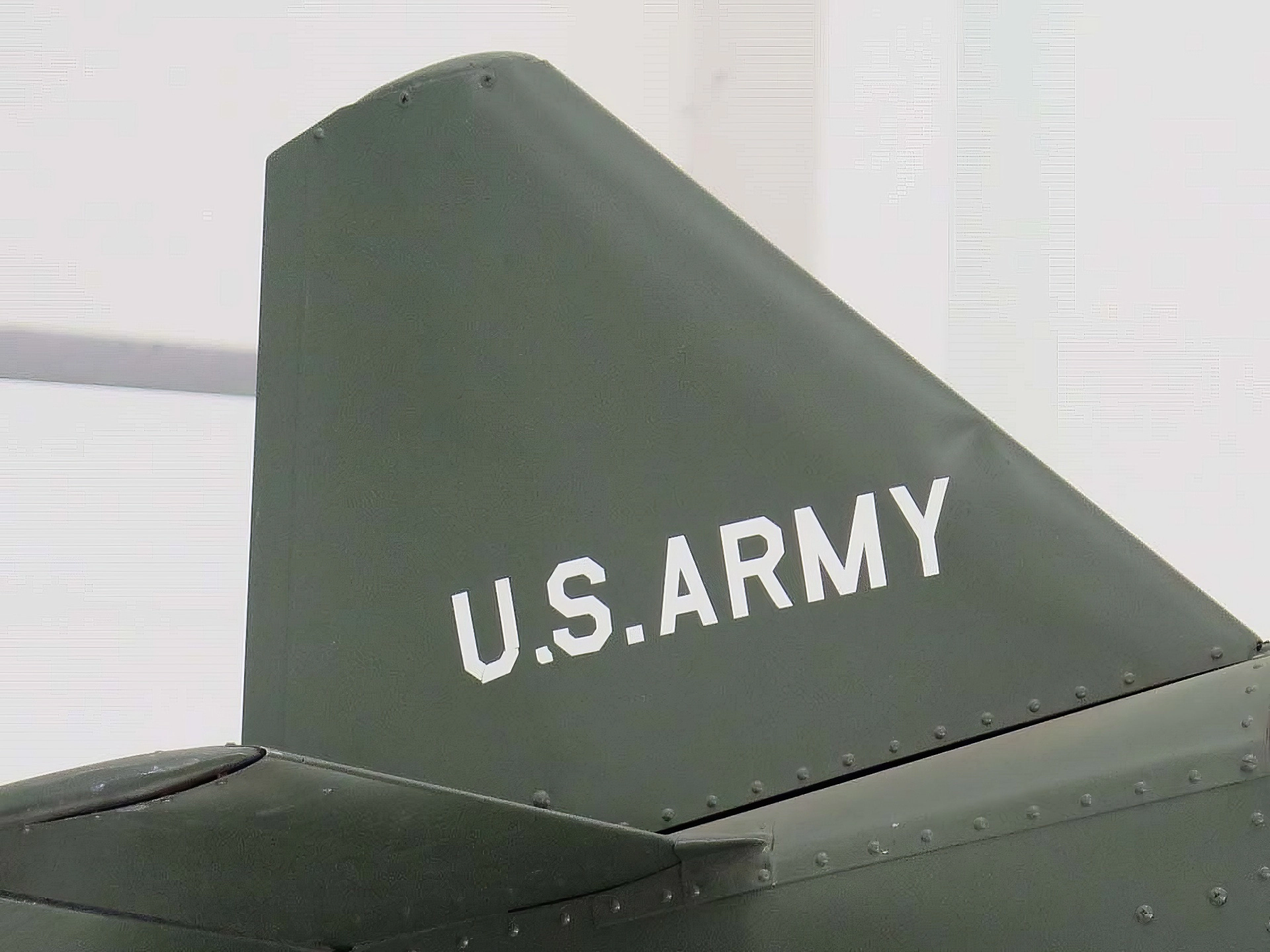
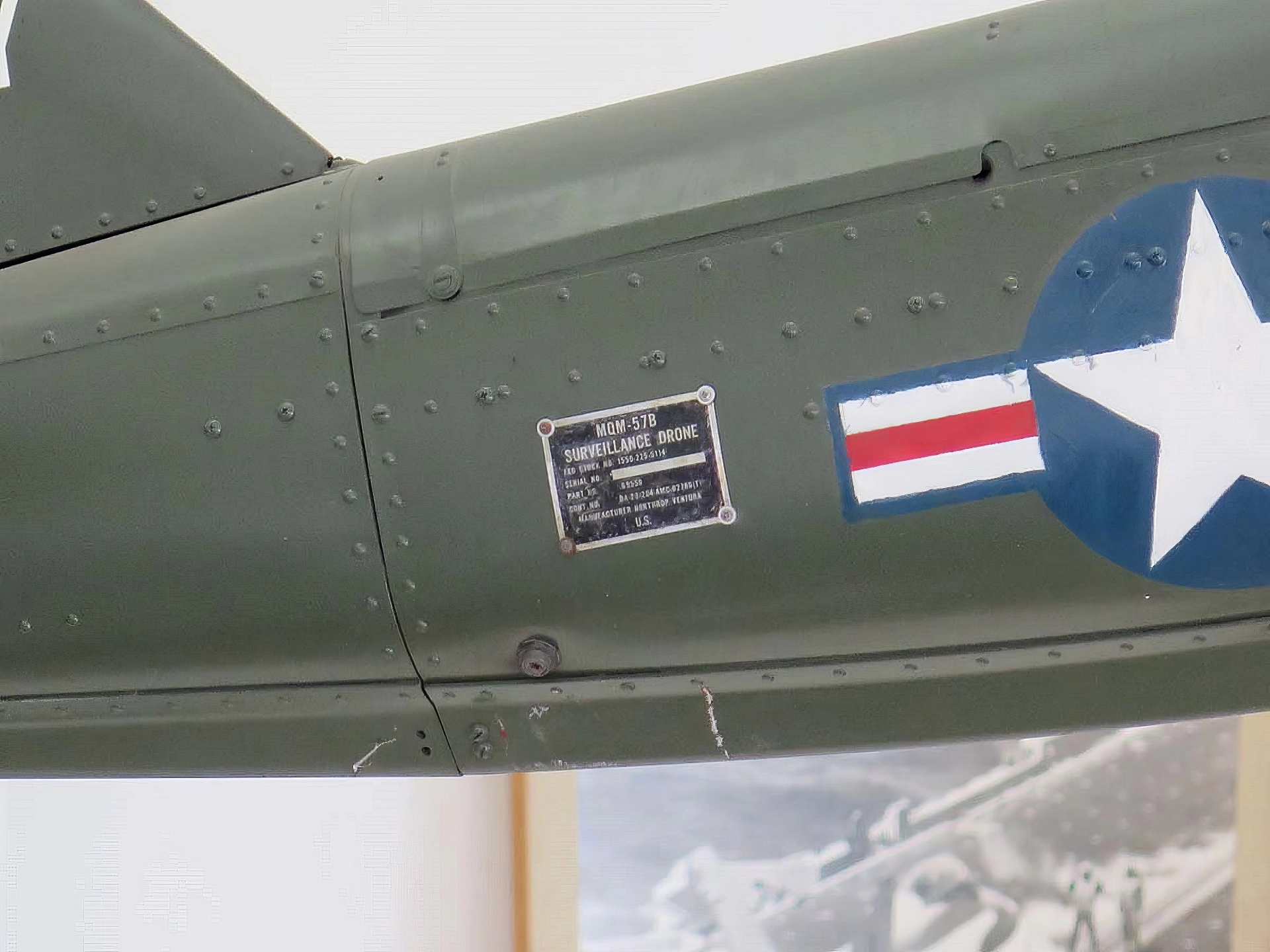
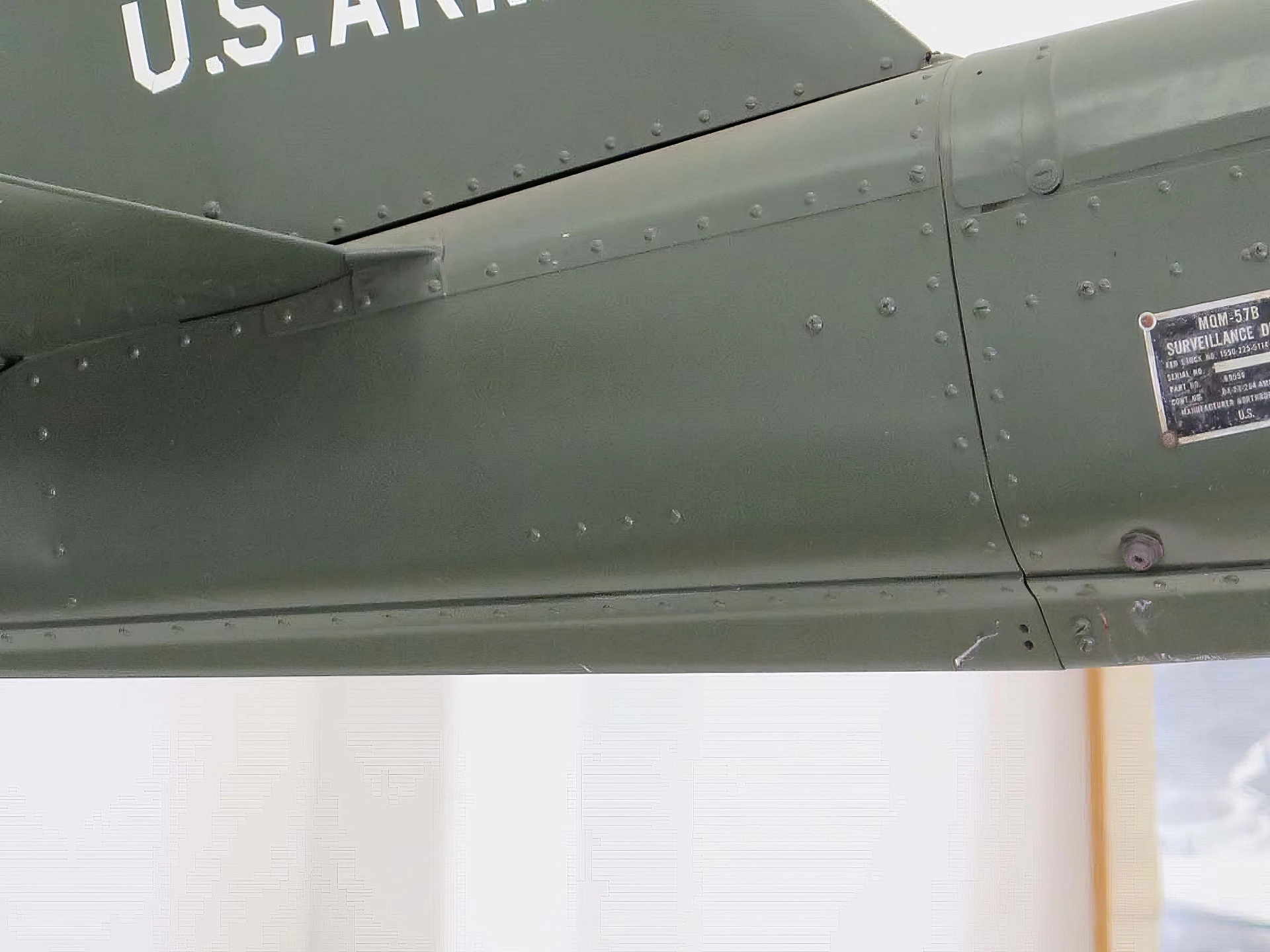
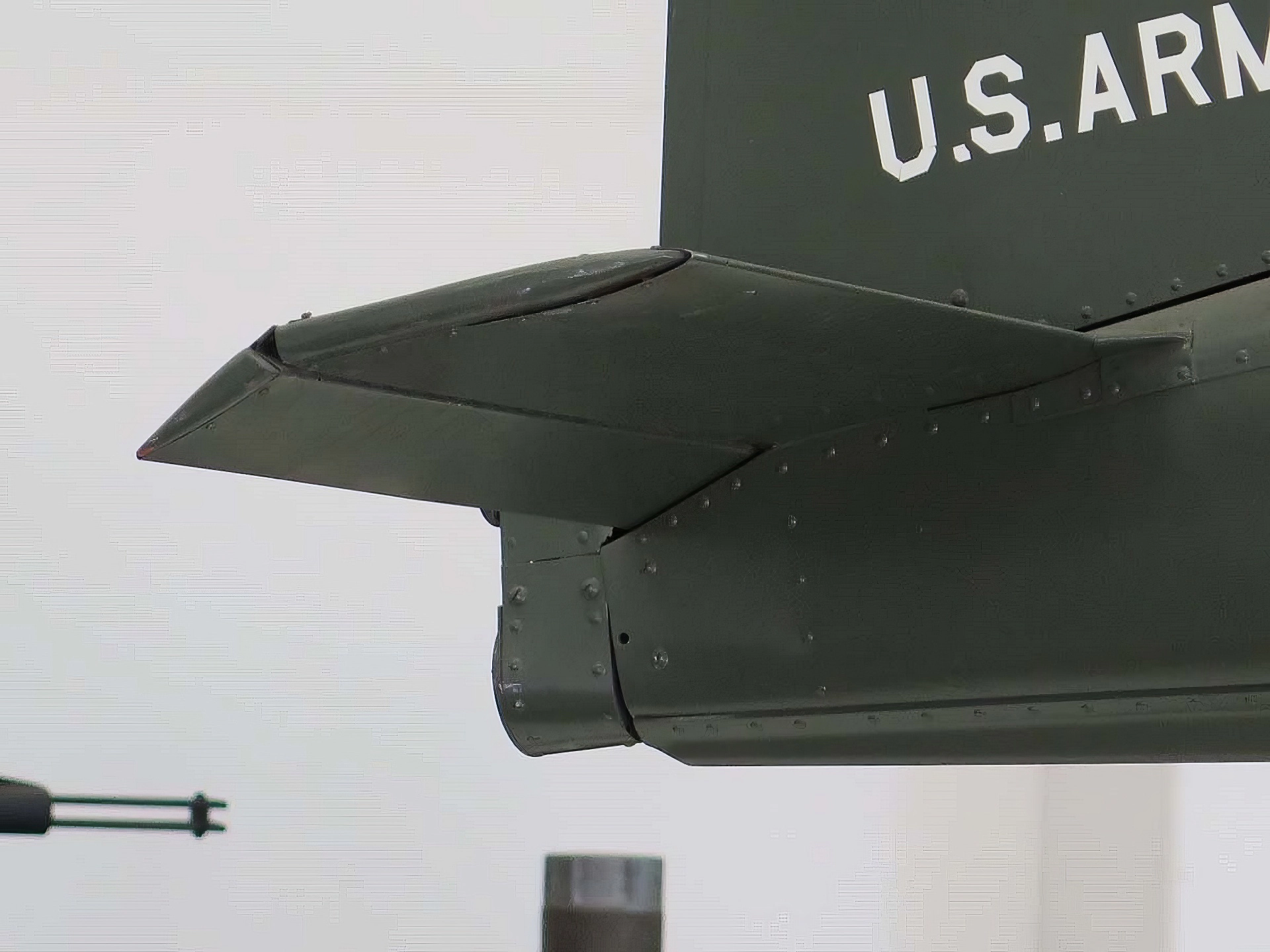
| Northrop MQM-57B Falconer Walk Around | |
|---|---|
| Photographer | Vladimir Yakubov |
| Localisation | Western Museum of Flight, Torrance |
| Photos | 45 |
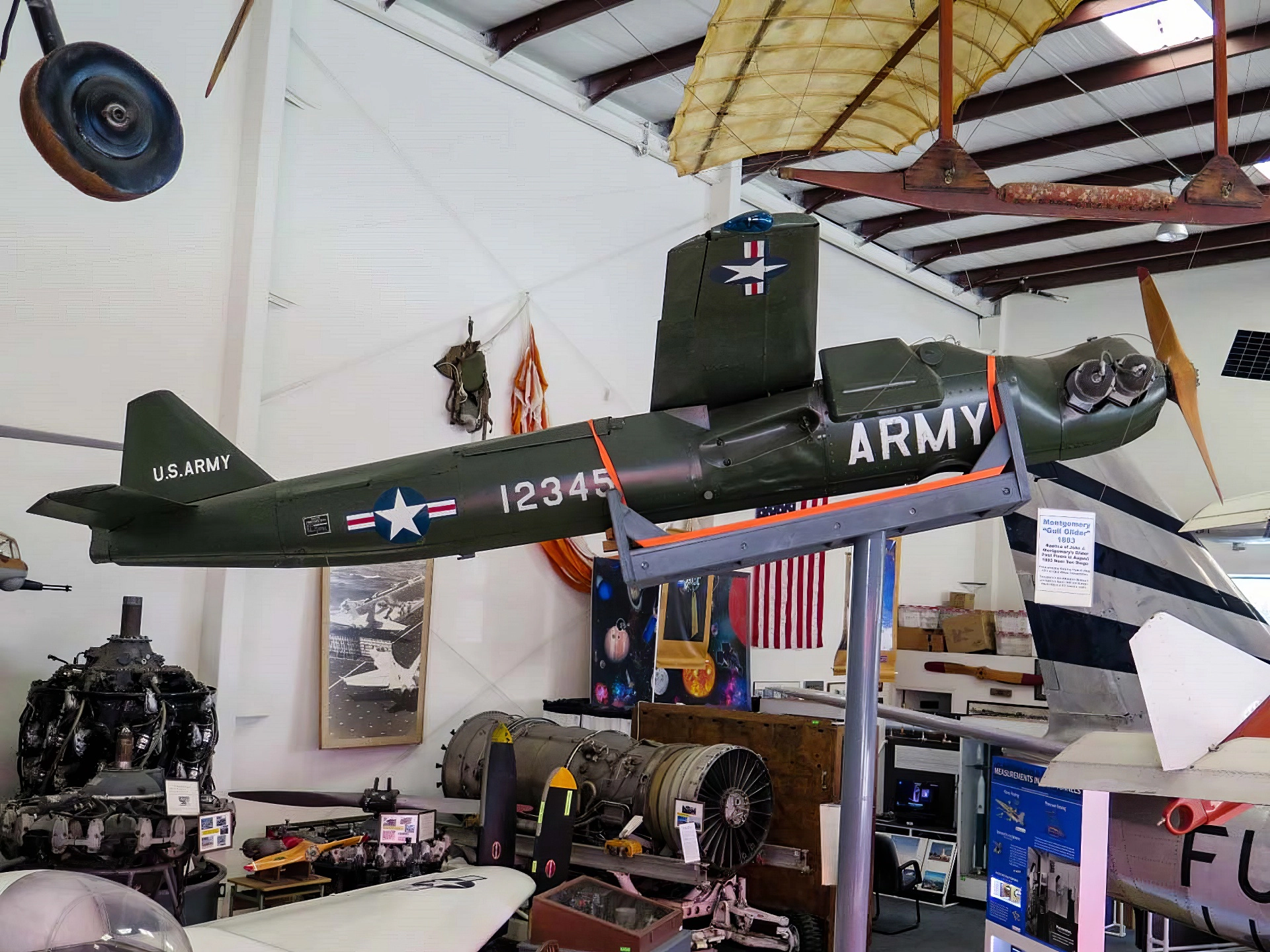
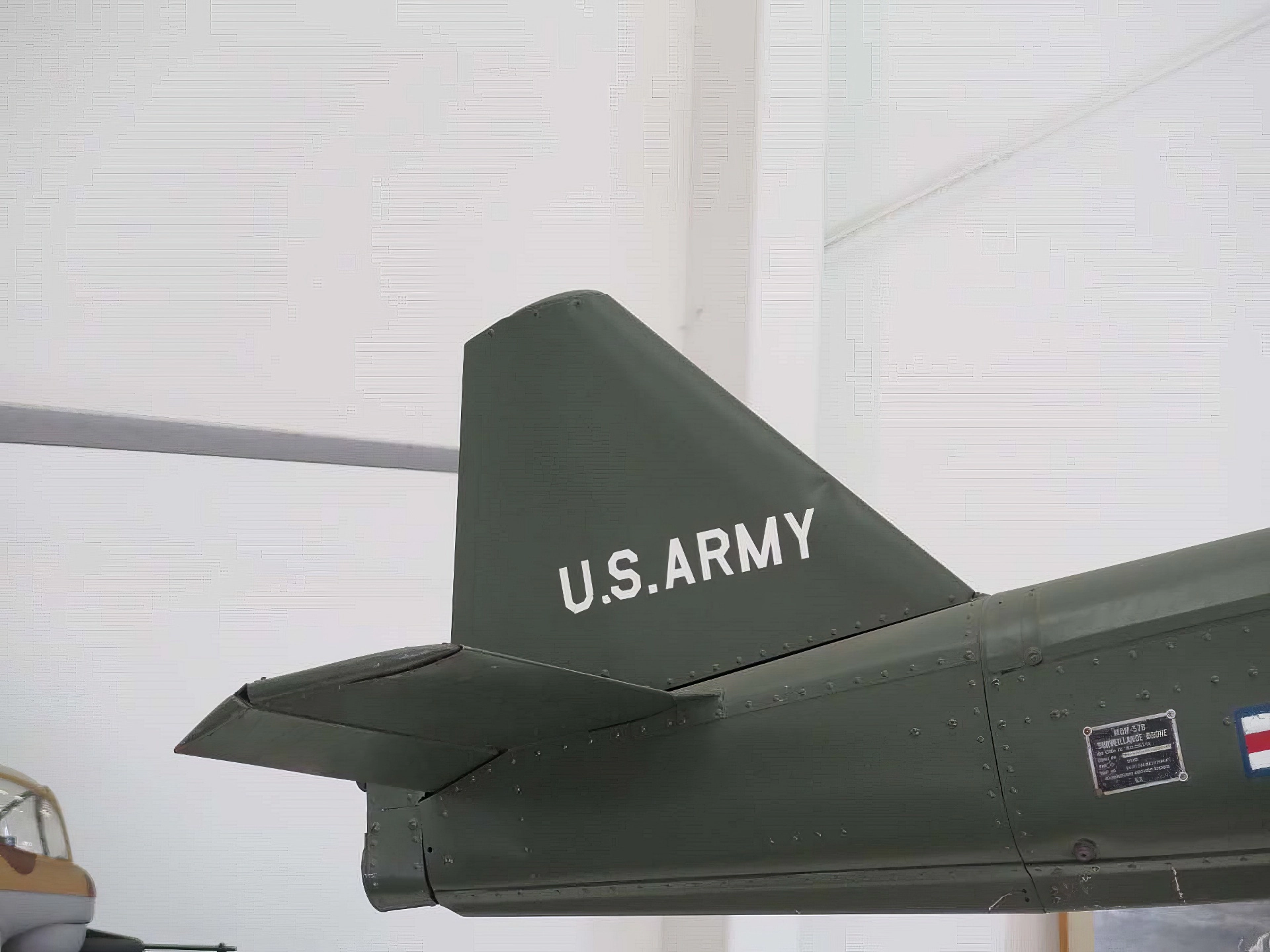
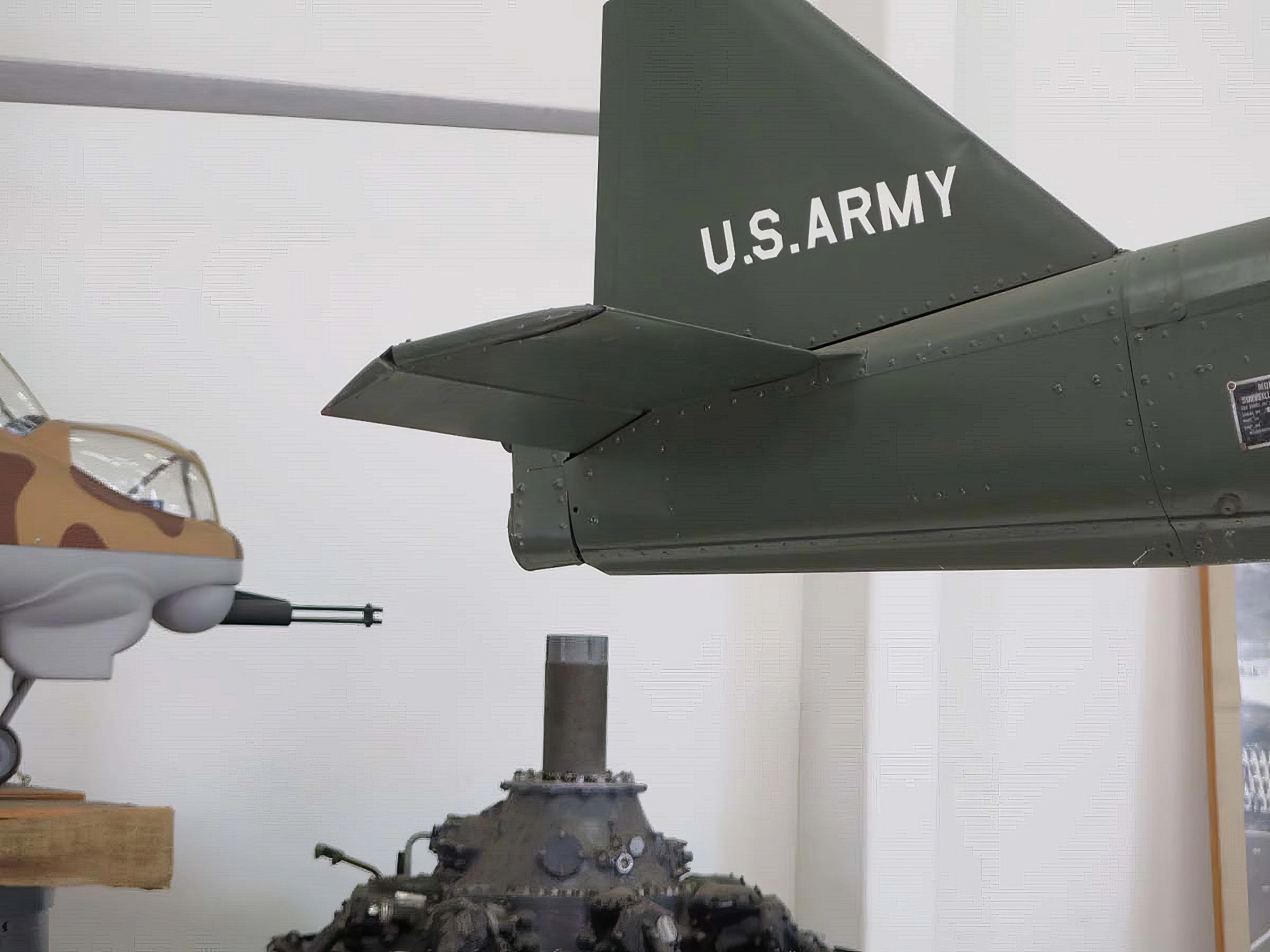
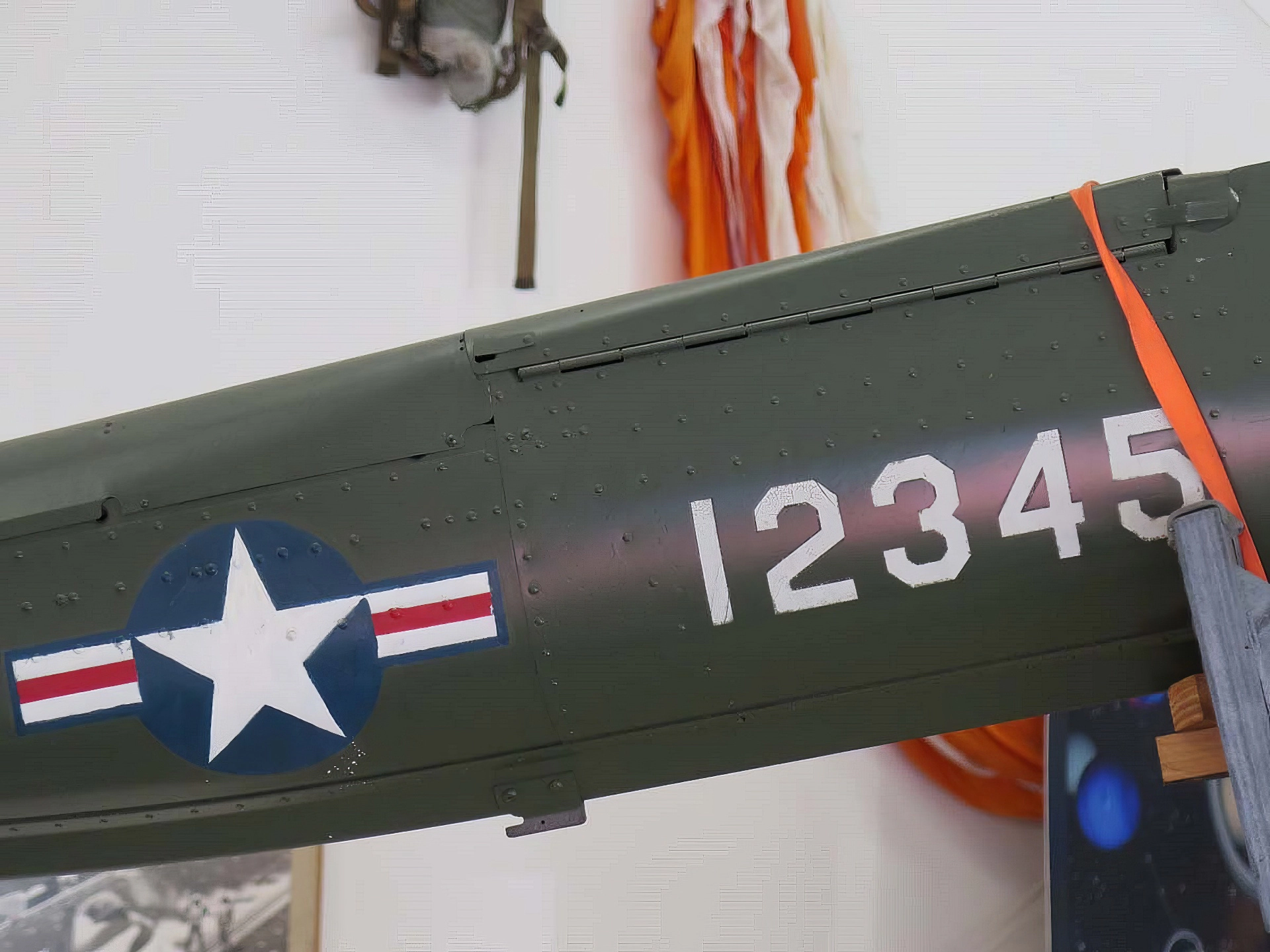
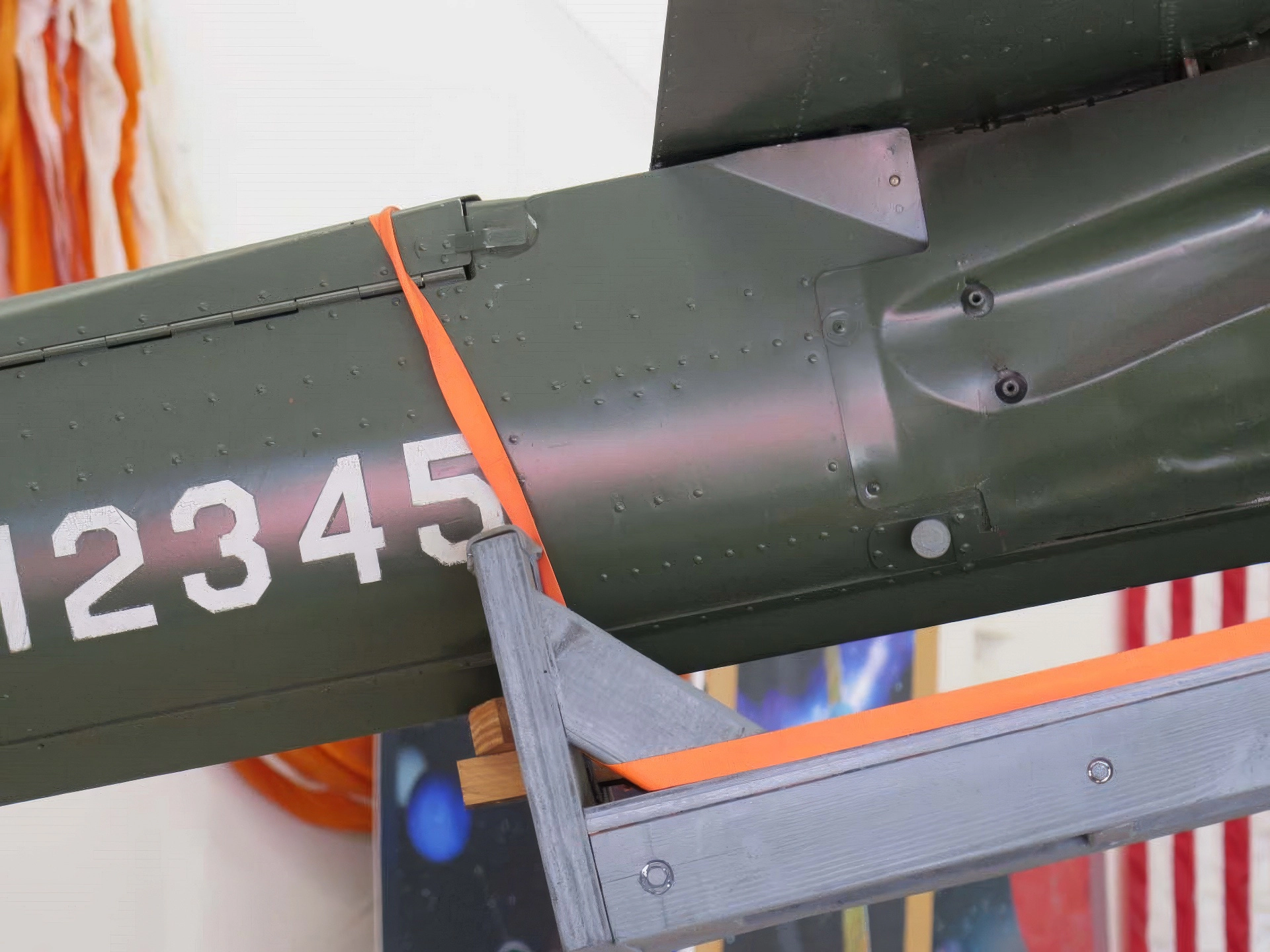

Siehe auch:


General Characteristics and Role
The Northrop MQM-57B Falconer, originally designated the KD2R-5, was a highly successful and widely exported American target drone and light reconnaissance drone developed by the Radioplane Division of Northrop. Its primary role was to simulate the speed and maneuverability of contemporary enemy jet aircraft for the training of anti-aircraft missile crews and fighter pilots. The “MQM” designation signifies a target drone, though it was also used for unarmed aerial surveillance missions in certain variants. The Falconer was designed for simplicity, ease of launch (using a zero-length launcher), and recovery (via a recovery parachute system), making it a reliable and cost-effective training aid.
| Property | Typical Value (MQM-57B) |
|---|---|
| Rolle | Target Drone, Reconnaissance UAV |
| National Origin | USA |
| Hersteller | Northrop / Radioplane Division |
| Service Entry (KD2R-5) | 1950er Jahre |
| Crew | 0 (Unmanned, ground-controlled) |
| Länge | 3.78 m (12 ft 5 in) |
| Flügelspannweite | 3.43 m (11 ft 3 in) |
| Höhe | 0.86 m (2 ft 10 in) |
| Launch Weight | 300 kg (660 lb) |
Powerplant and Operation
- Engine: 1 x Kiekhaefer V-105-3 air-cooled, horizontally opposed piston engine (or similar power unit).
- Power Output: Approximately 125 hp (93 kW).
- Maximum Speed: Approximately 475 km/h (295 mph; 256 kn).
- Ceiling: Designed to operate up to 12,000 m (40,000 ft).
- Recovery Method: After the mission, the drone would typically shut down its engine, deploy a parachute, and descend for soft recovery and reuse.
- Control: Controlled by remote ground station using a radio command link.
Service and Export
- Widespread Use: The Falconer drone series was used extensively by the U.S. Army, Navy, and Air Force, as well as many NATO allies and friendly nations, for decades.
- Versatility: It could carry various enhancements, including radar augmentation devices (for a larger radar signature) or infra-red flares to simulate different types of threat aircraft.
- Surveillance Role: In some variants, the drone was equipped with cameras or sensors for battlefield reconnaissance, demonstrating early versatility for unmanned aircraft.
- Historical Context: The MQM-57 series represents the transition era of drone technology, moving from simple aerial targets to more complex, reusable training platforms.
Views: 947
Sie können auch sehen:
 Northrop Grumman B-2 Spirit – Fotos & Videos
 Northrop X-4 Bantam – Fotos & Videos
 Northrop Grumman X-47B – Fotos & Videos
 Northrop Tacit Blue – Fotos & Videos
 Northrop YF-23 – Fotos & Video
 Gyrodyne QH-50 DASH – Fotos & Video
 Culver PQ-14 Cadet – Fotos & Video
 Northrop F-20 Tigershark – Fotos & Video
 Northrop Grumman EA-6B Prowler – Fotos & Video
 Northrop T-38 Talon – Fotos & Video