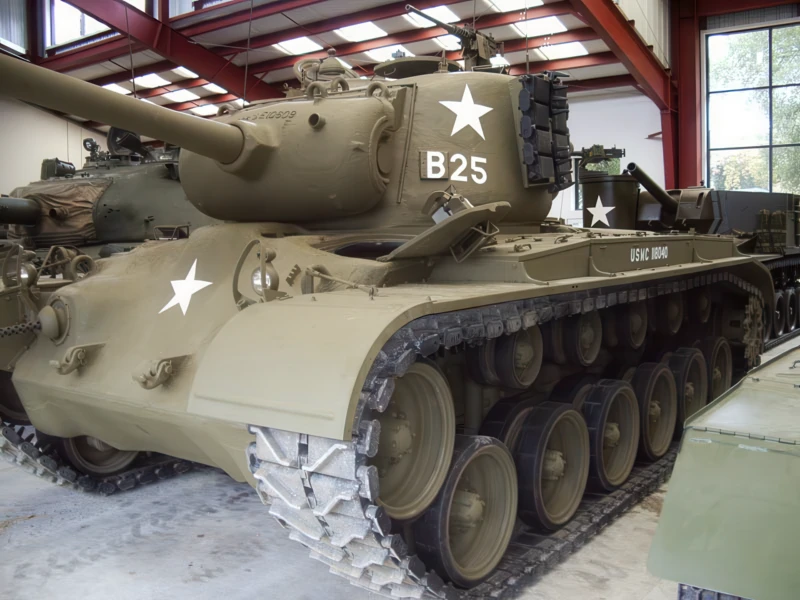
M26A Pershing | |
|---|---|
| Land | Usa |
| Rolle | Schwerer Panzer/Mittlerer Panzer |
| Im Dienst | 1943–Anfang der 1950er Jahre |
| Gebaut | 2212 |
das M26 Pershing war ein schwerer Panzer der United States Army. Benannt wurde der Panzer nach dem General der Armeen John J. Pershing, der im Ersten Weltkrieg die American Expeditionary Force in Europa anführte. Es wurde in den letzten Monaten des Zweiten Weltkriegs während der Invasion Deutschlands und ausgiebig während des Koreakrieges verwendet.
Quelle: M26A Pershing auf Wikipedia
| M26A Pershing | |
|---|---|
| Fotograf | Unbekannter |
| Lokalisierung | Unbekannter |
| Fotos | 33 |
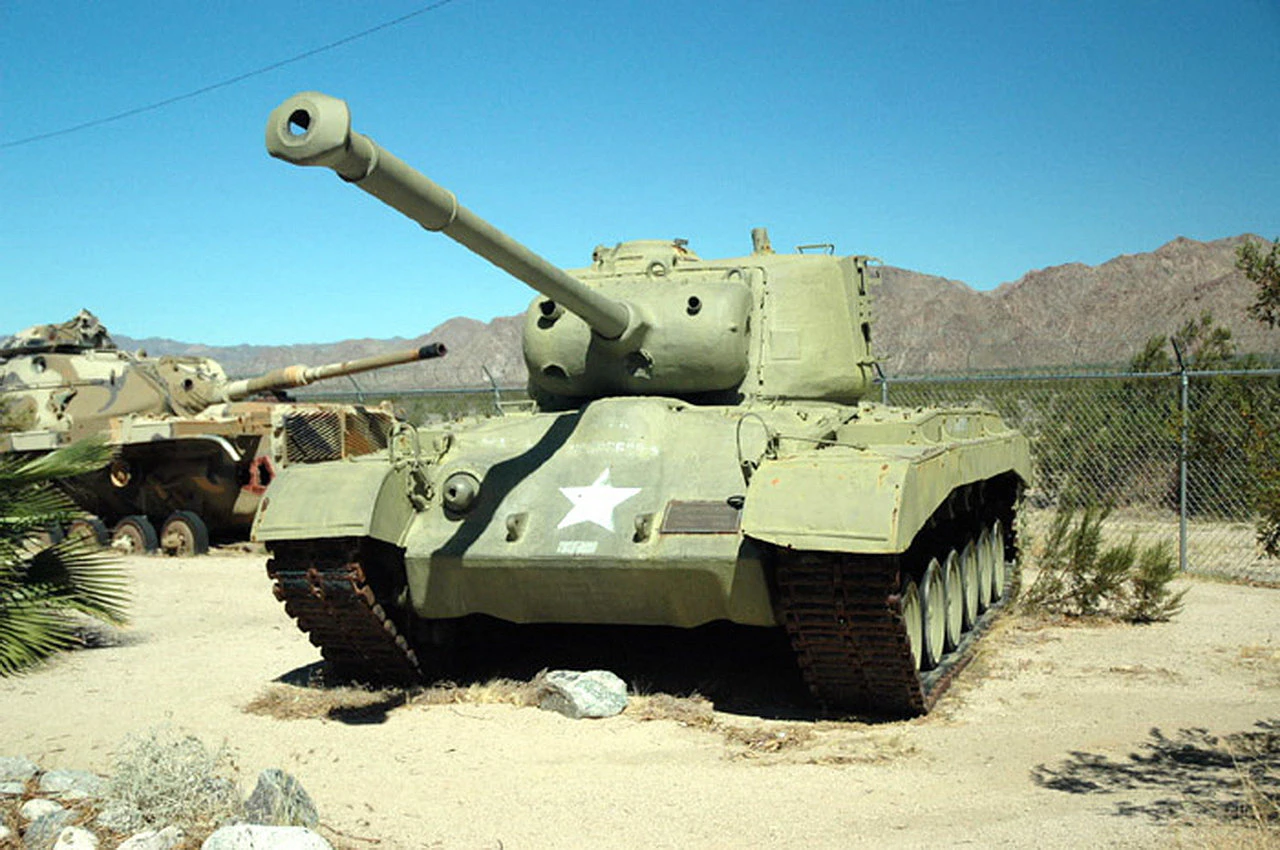
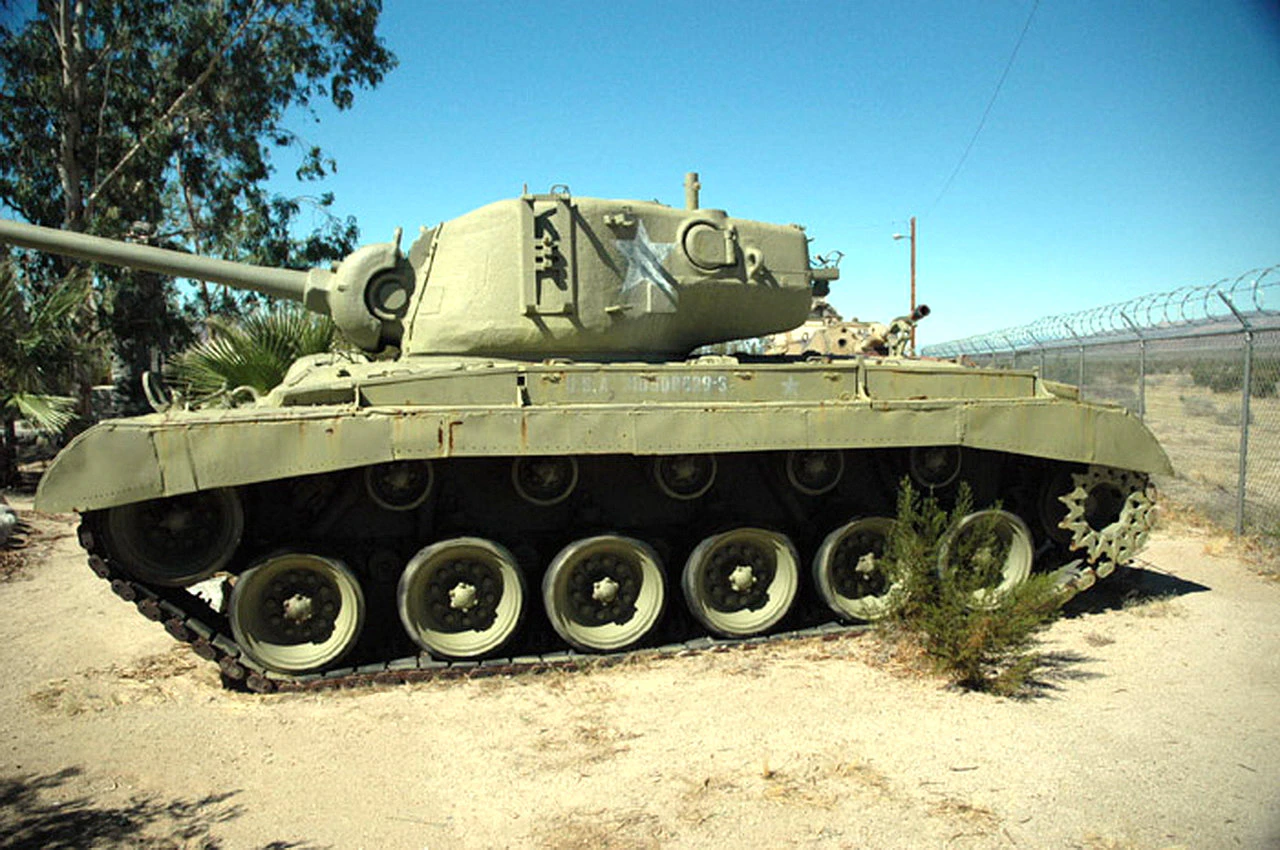
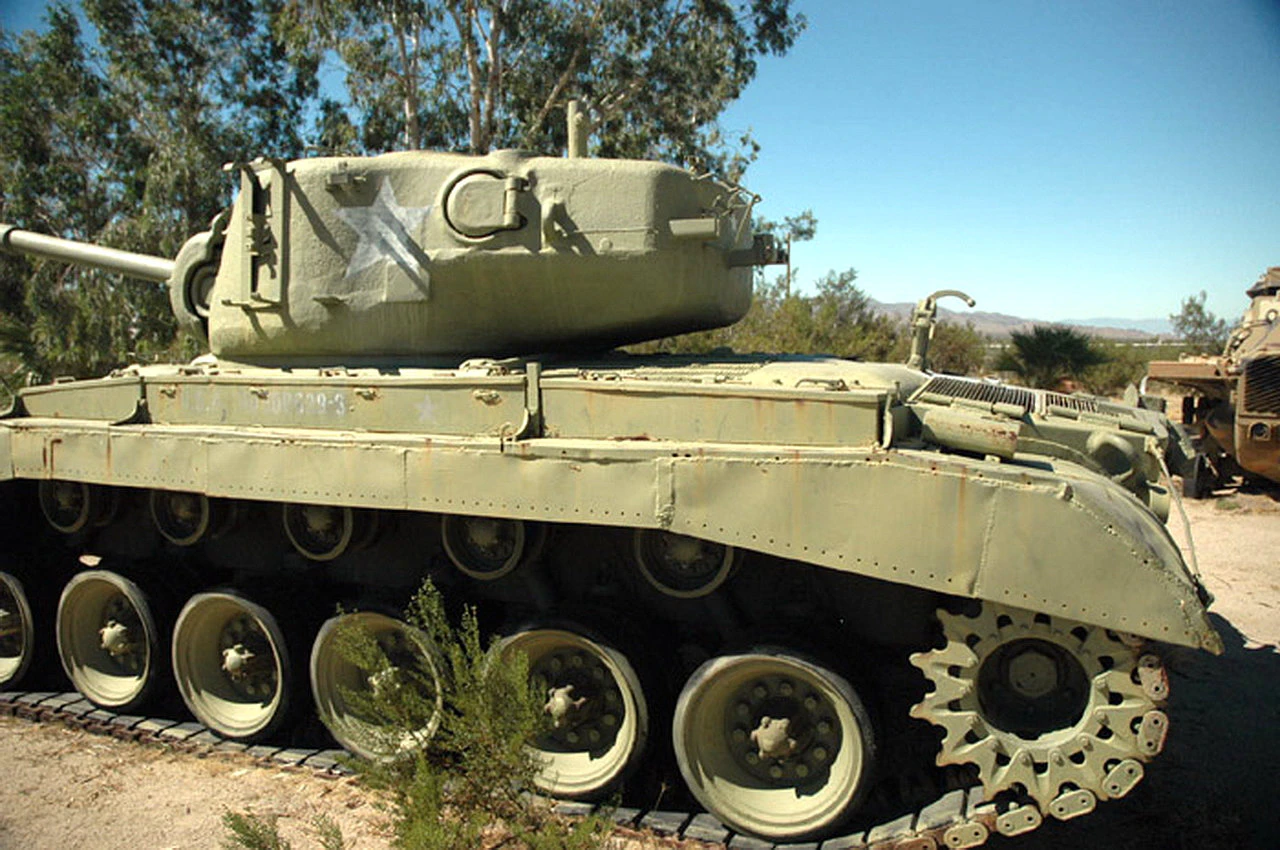
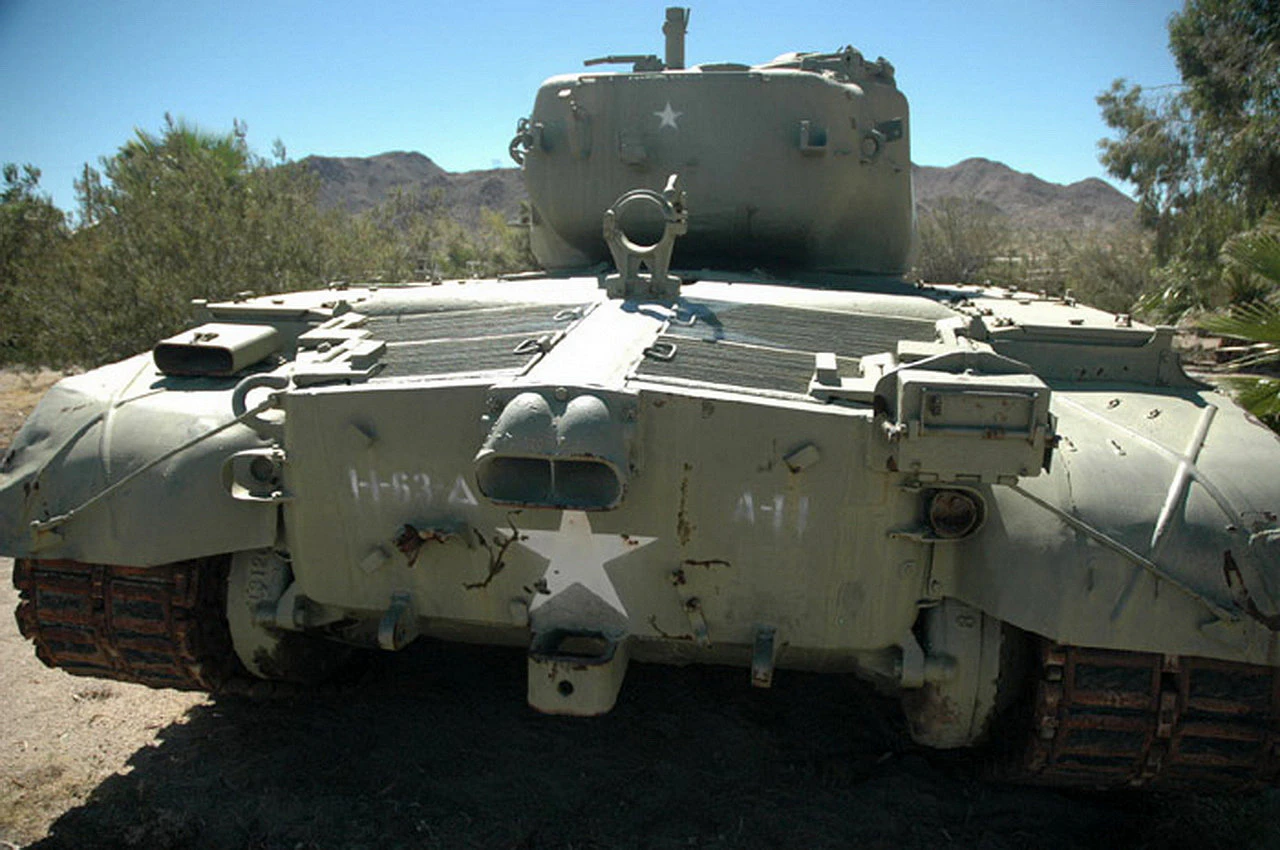
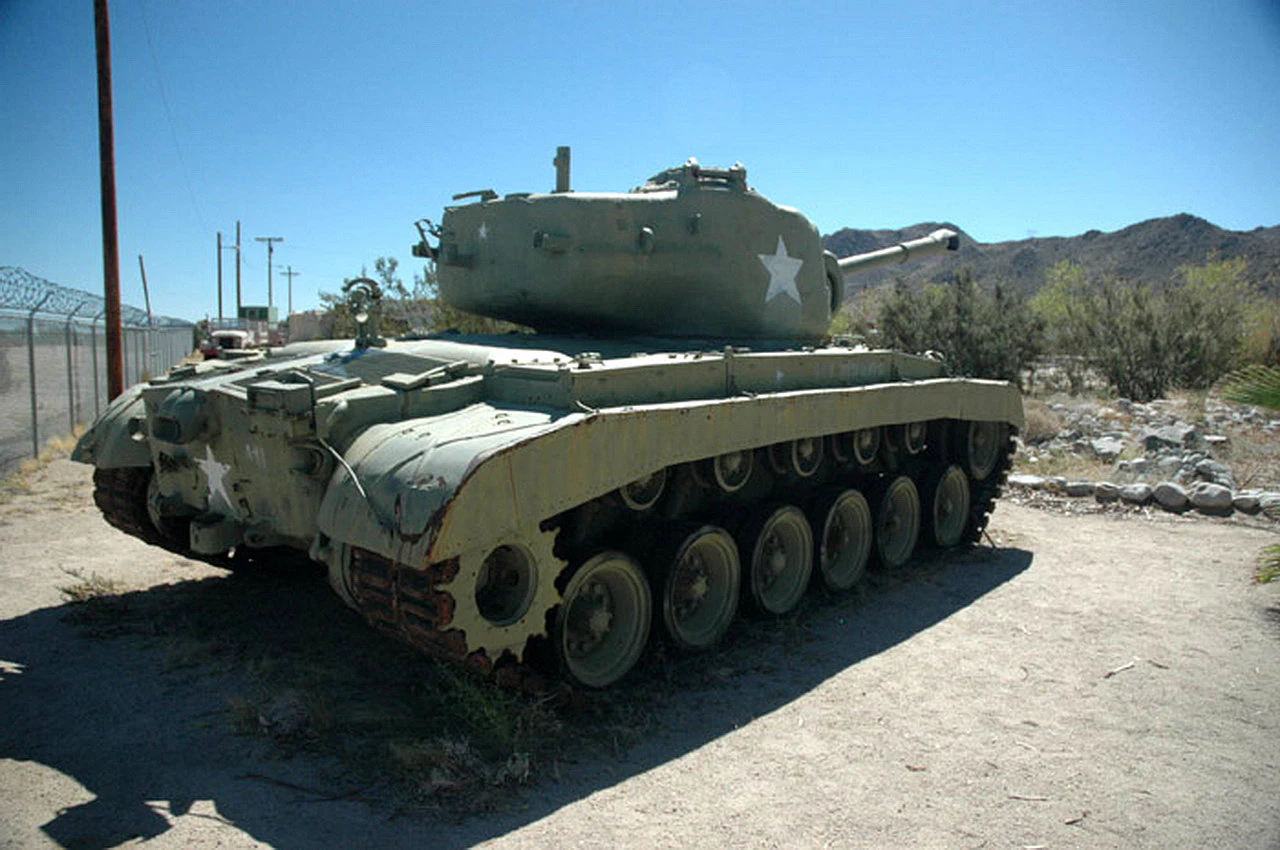
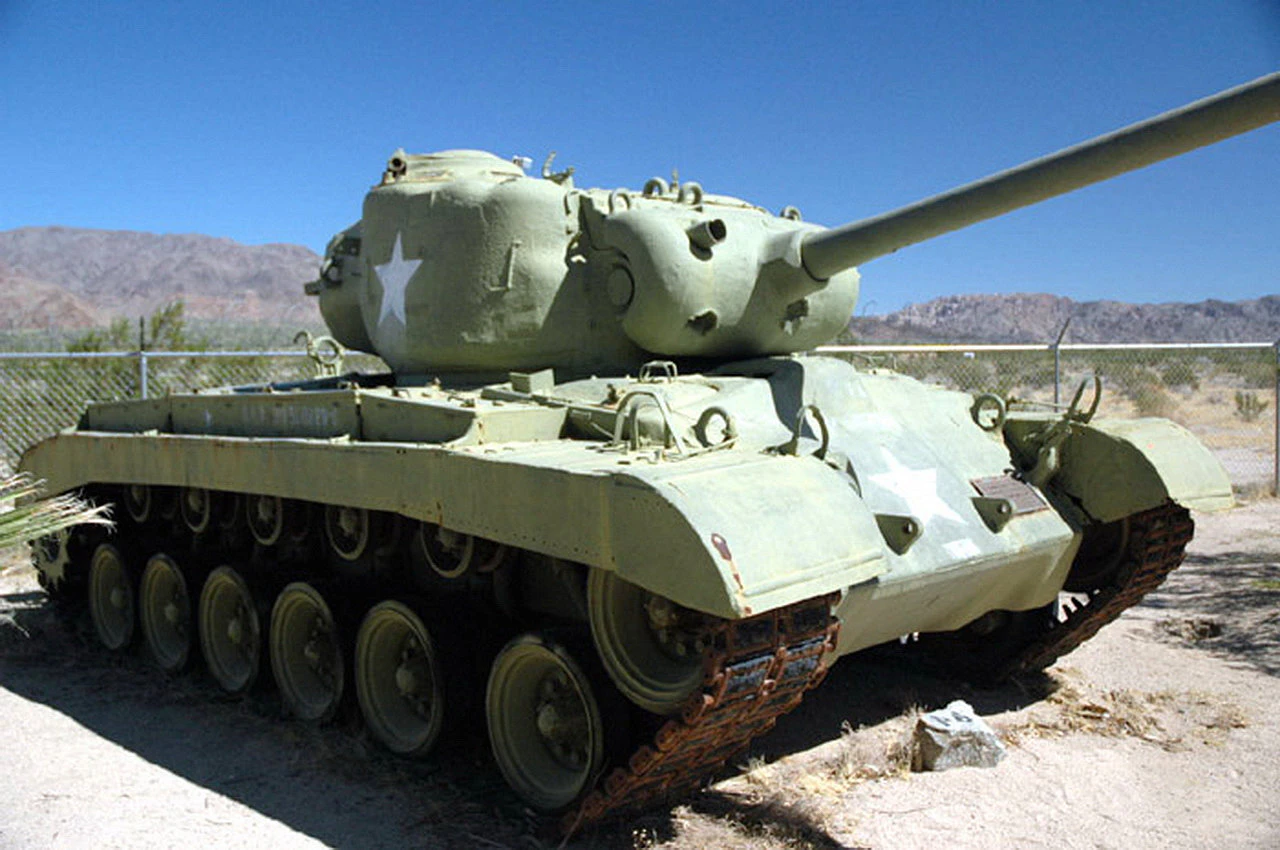
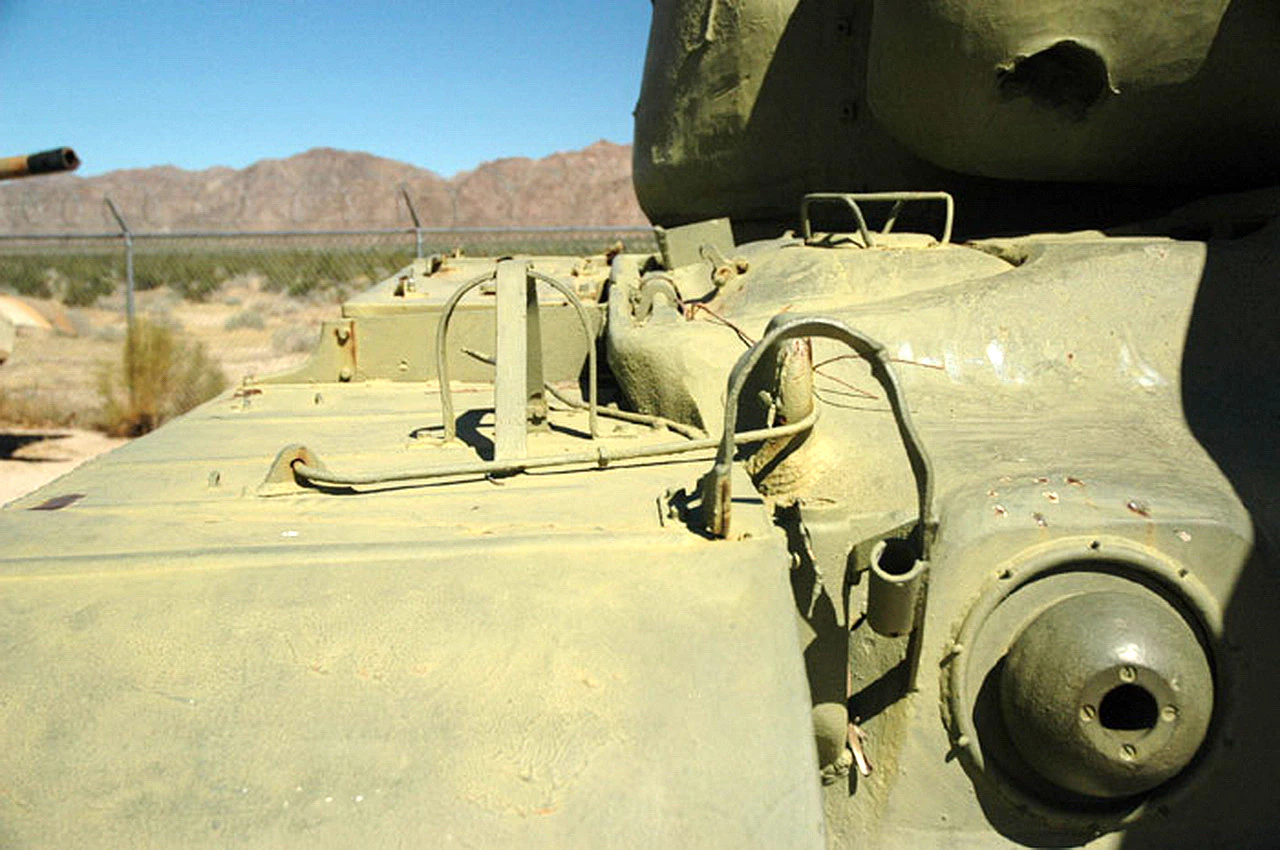
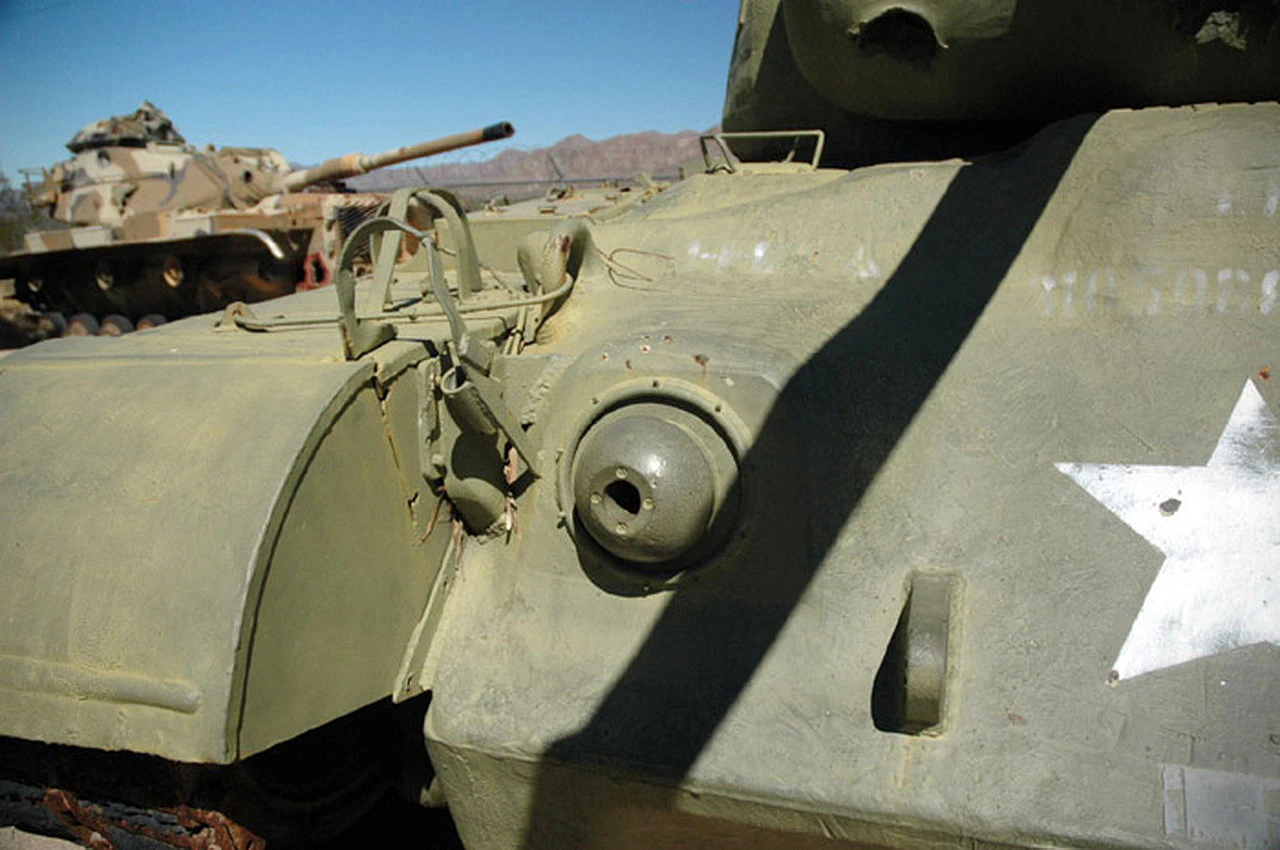
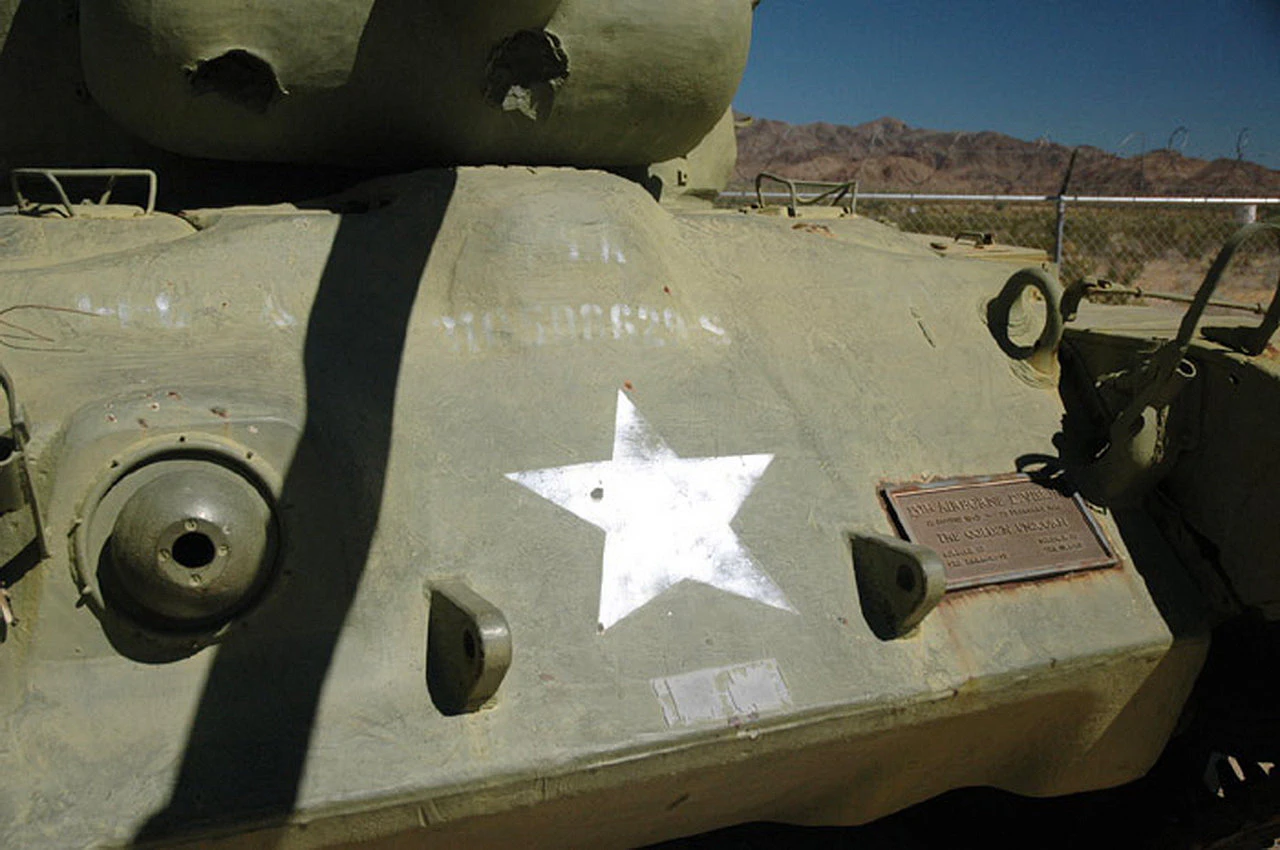

| M26A1 Pershing Walk Around | |
|---|---|
| Fotograf | Vladimir Yakubov |
| Lokalisierung | Jacques Littlefield Collection |
| Fotos | 80 |
Siehe auch:


| T26E3 Pershing Walk Around | |
|---|---|
| Fotograf | Matt Flegal |
| Lokalisierung | Unbekannter |
| Fotos | 300 |
| T26E3 Pershing Walk Around | |
|---|---|
| Fotograf | Matt Flegal |
| Lokalisierung | Unbekannter |
| Fotos | 472 |
Too Late for the War, Just in Time for History
das M26 Pershing was the tank American crews had been begging for since they first encountered German Tigers and Panthers. While the M4 Sherman was reliable, it was severely outgunned. The Pershing changed the game with its massive 90mm cannon and significantly thicker armor. Classified as a “Heavy Tank” during WWII (though later reclassified as a Medium), it was the pinnacle of U.S. armored design in the 1940s. It finally gave Allied tankers a vehicle that could go toe-to-toe with the best the Wehrmacht had to offer and win.
| Attribute | Technical Specification (M26) |
|---|---|
| Rolle | Heavy Tank (WWII) / Medium Tank (Post-War) |
| Crew | 5 (Commander, Gunner, Loader, Driver, Assistant Driver) |
| Motor | Ford GAF 8-cylinder gasoline (500 hp) |
| Höchstgeschwindigkeit | 40 km/h (25 mph) on road |
| Hauptbewaffnung | 90 mm M3 gun (70 rounds) |
| Sekundärbewaffnung | 2 × .30 cal M1919A4 & 1 × .50 cal M2 HB MG |
| Frontal Armor | 102 mm (Hull) / 114 mm (Turret Mantlet) |
| Operational Weight | 41.7 tonnes |
Design Engineering: Torsion Bars and High Velocity
- The 90mm M3 Gun: Originally an anti-aircraft gun, the 90mm was America’s answer to the German 88mm. It could punch through the front of a Panther at over 1,000 yards, a feat the Sherman’s 75mm could only dream of.
- Torsion Bar Suspension: Moving away from the Sherman’s vertical springs, the Pershing used torsion bars. This provided a much smoother ride and a more stable firing platform, though it was more difficult to repair in the field.
- Low Profile: Despite being much heavier than the Sherman, the Pershing sat lower to the ground. This made it a harder target to hit and represented a major shift toward modern tank silhouettes.
- Transmission Troubles: The Pershing used the same engine as the much lighter M4A3 Sherman. This meant it was somewhat underpowered for its 41-ton weight, leading to reliability issues in hilly terrain or deep mud.
Operational History: From Elbe to Chosin
- The “Zebra Mission”: In early 1945, the first 20 Pershings were rushed to Europe in a secret mission to prove the tank in combat. They famously participated in the capture of the Ludendorff Bridge at Remagen.
- The Cologne Duel: The most famous Pershing moment was captured on film in Cologne, where a single M26 knocked out a German Panther in front of the city’s cathedral after the Panther had already destroyed a Sherman.
- The “Super Pershing”: One experimental T15E1 Pershing was fitted with an even longer 90mm gun and “up-armored” with boiler plates and scrap armor taken from a captured Panther. It was the only tank capable of truly hunting the German King Tiger.
- Korean War: The M26 saw its most extensive use in Korea. It was the only tank in the U.S. inventory that could reliably stop the Soviet-made T-34/85s used by the North Koreans, though its overheating issues in the mountainous terrain eventually led to its replacement by the M46 Patton.
Views : 10545
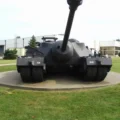
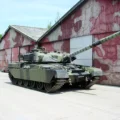
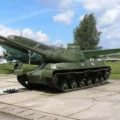
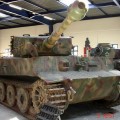
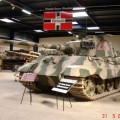
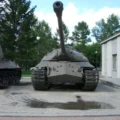
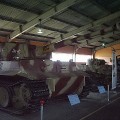
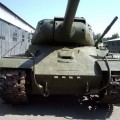
Wann und wo wurden diese Bilder gemacht? Der umfangreiche Zaun scheint auf eine militärische Installation hinzuweisen – Fort Irwin oder Fort Bliss?
George S. Patton Memorial Museum