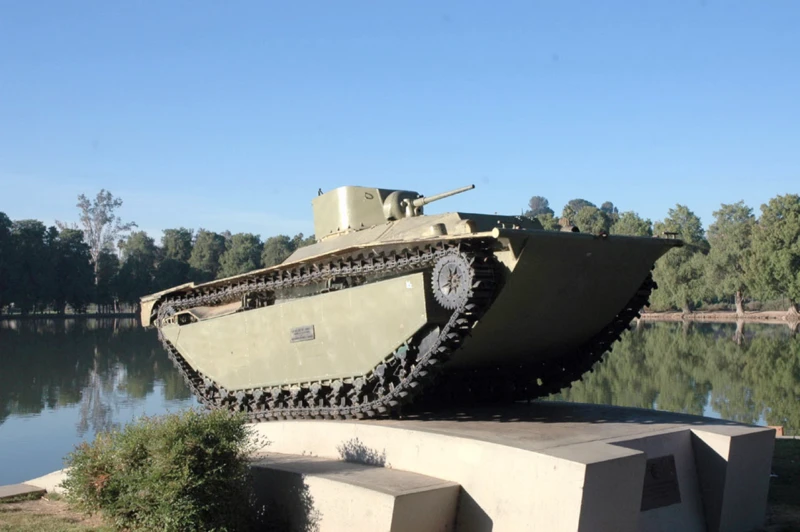
LVTA1 | |
|---|---|
| Land | Usa |
| Typ | Landefahrzeug verfolgt |
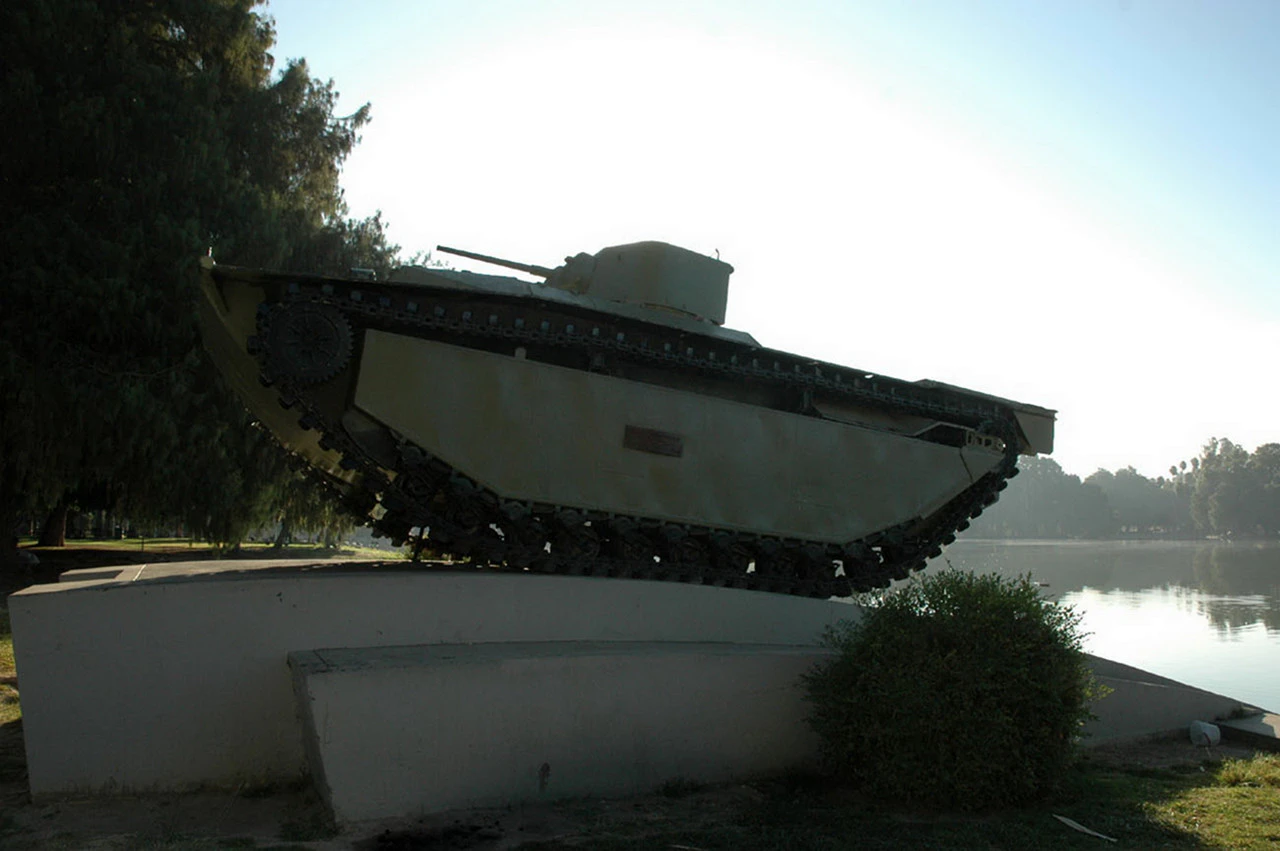
Die erste Infanterieunterstützung LVT. Mit den ersten Erfahrungen mit pazifischen amphibischen Operationen war klar, dass eine schwerere Feuerkraft als die üblichen .50 cal Kanonen benötigt wurde. Basierend auf dem LVT-2, A steht für gepanzert, hatte diese Feuerunterstützungsversion einen gepanzerten (6 bis 12 mm) Rumpf. Es war mit einem Turm ausgestattet, der fast identisch mit dem des Leichten Panzers M3 war, mit einer 37-mm-Kanone M6 in einer M44-Halterung und trug auch zwei hinten montierte Maschinengewehre. 509 Stück produziert. Der Rumpf des Fahrzeugs war mit 6-12 mm Panzerplatte bedeckt, und das Fahrzeug wurde von einem luftgekühlten Benzinmotor mit 262 PS angetrieben. Trotz der einschränkungen, die durch den Turm auferlegt wurden, konnte es immer noch eine begrenzte Nutzlast von 1.000 pfund Fracht tragen und hatte eine respektable Geschwindigkeit von 25 mph oder Land und 6,5 mph im Wasser und eine Reichweite von 125 Meilen an Land oder 75 Meilen im Wasser.
Quelle: LVTA1 auf Wikipedia
| LVTA1 – BUFFALO | |
|---|---|
| Fotograf | Unbekannter |
| Lokalisierung | Unbekannter |
| Fotos | 38 |
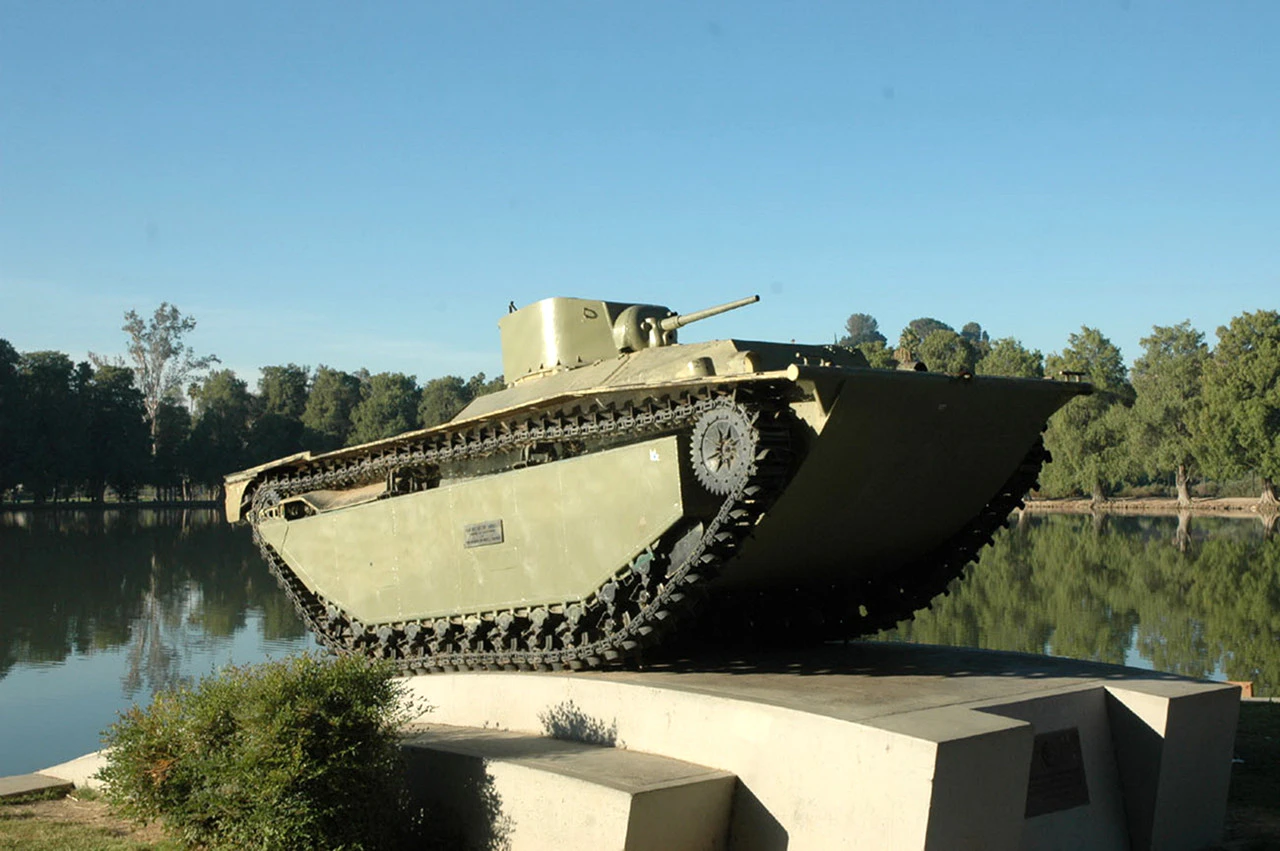
LVT(A)1 1
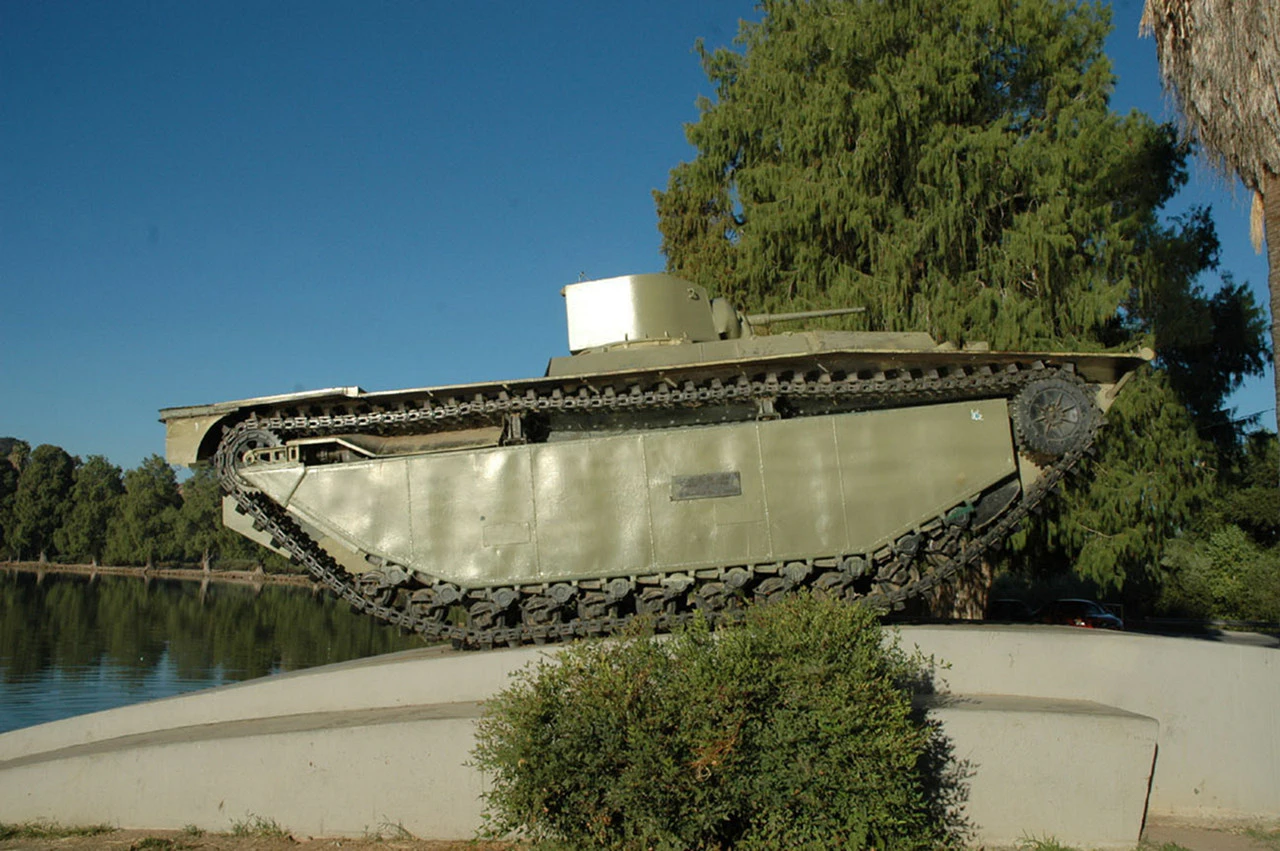
LVT(A)1 2
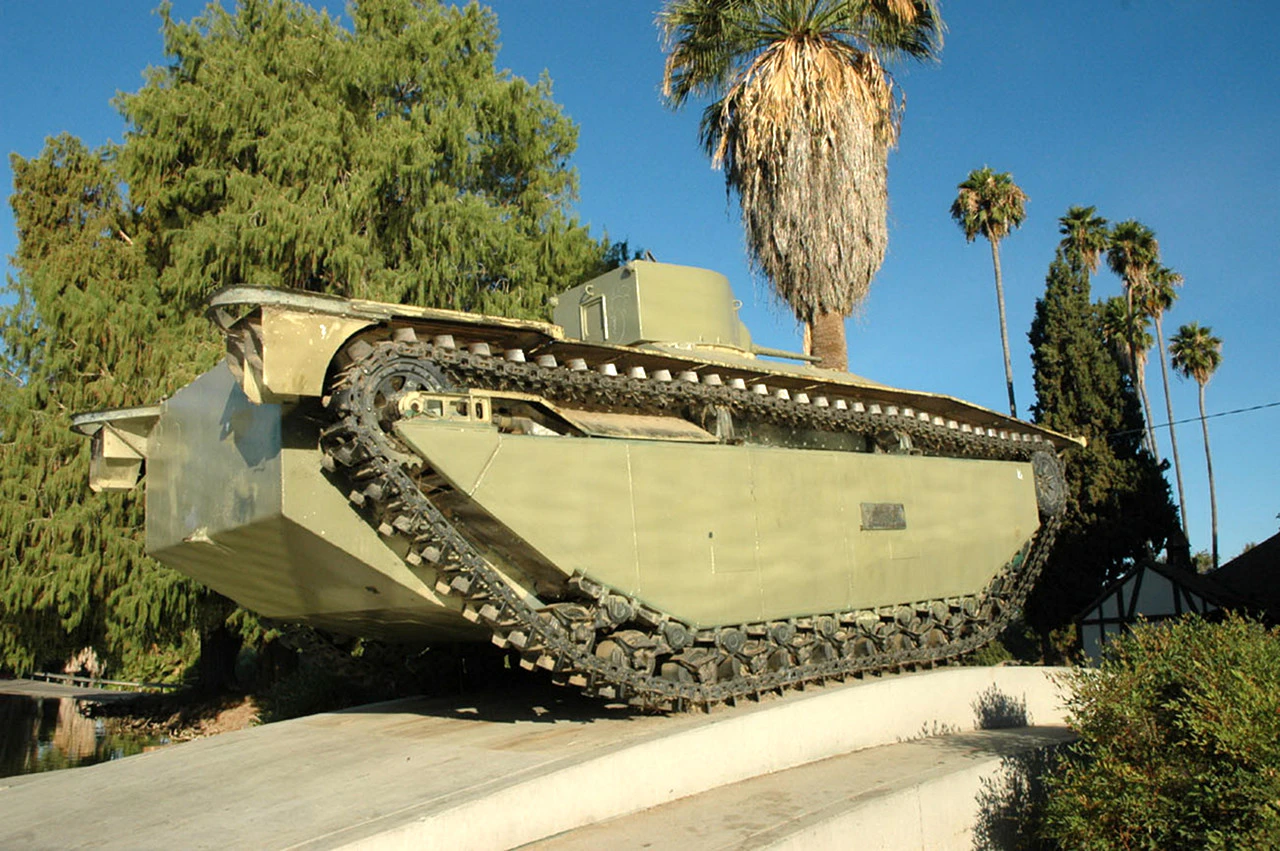
LVT(A)1 3
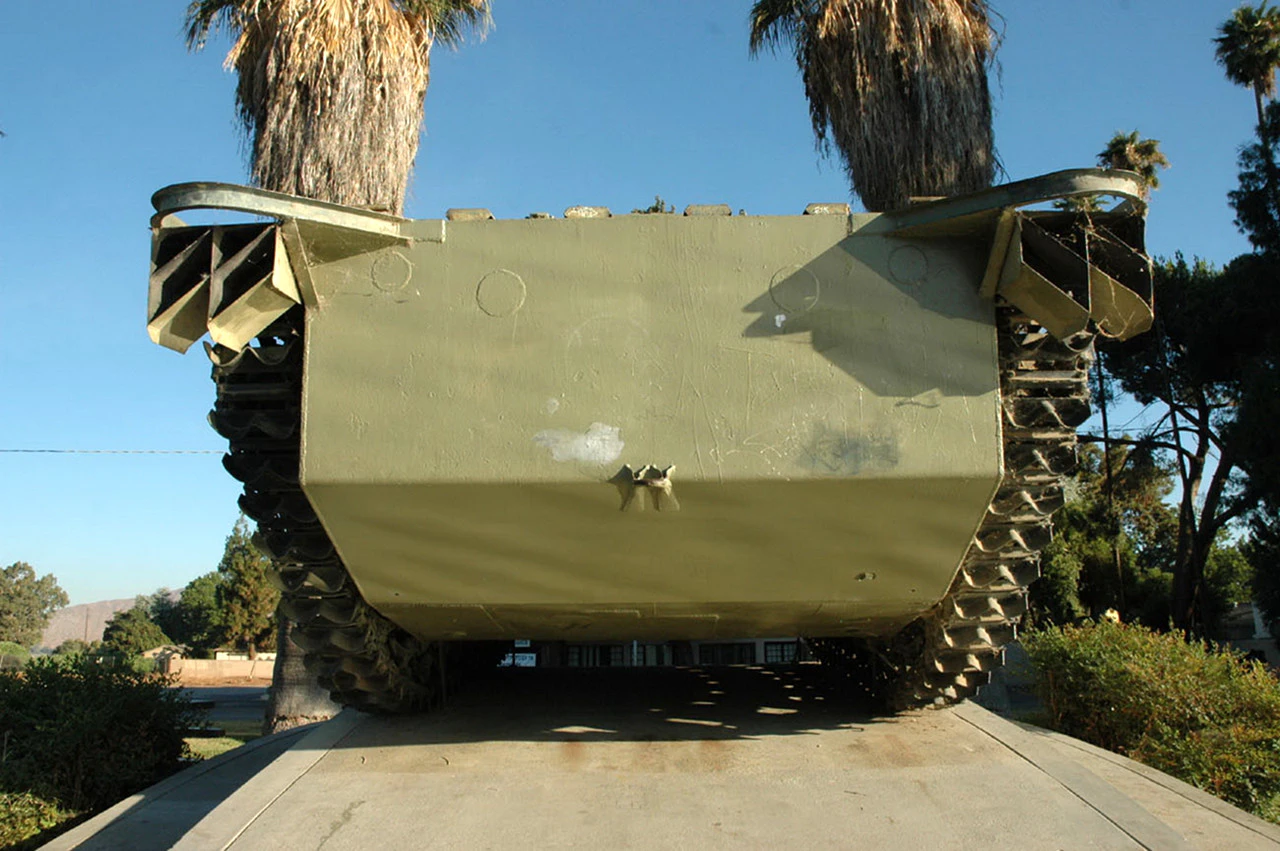
LVT(A)1 4
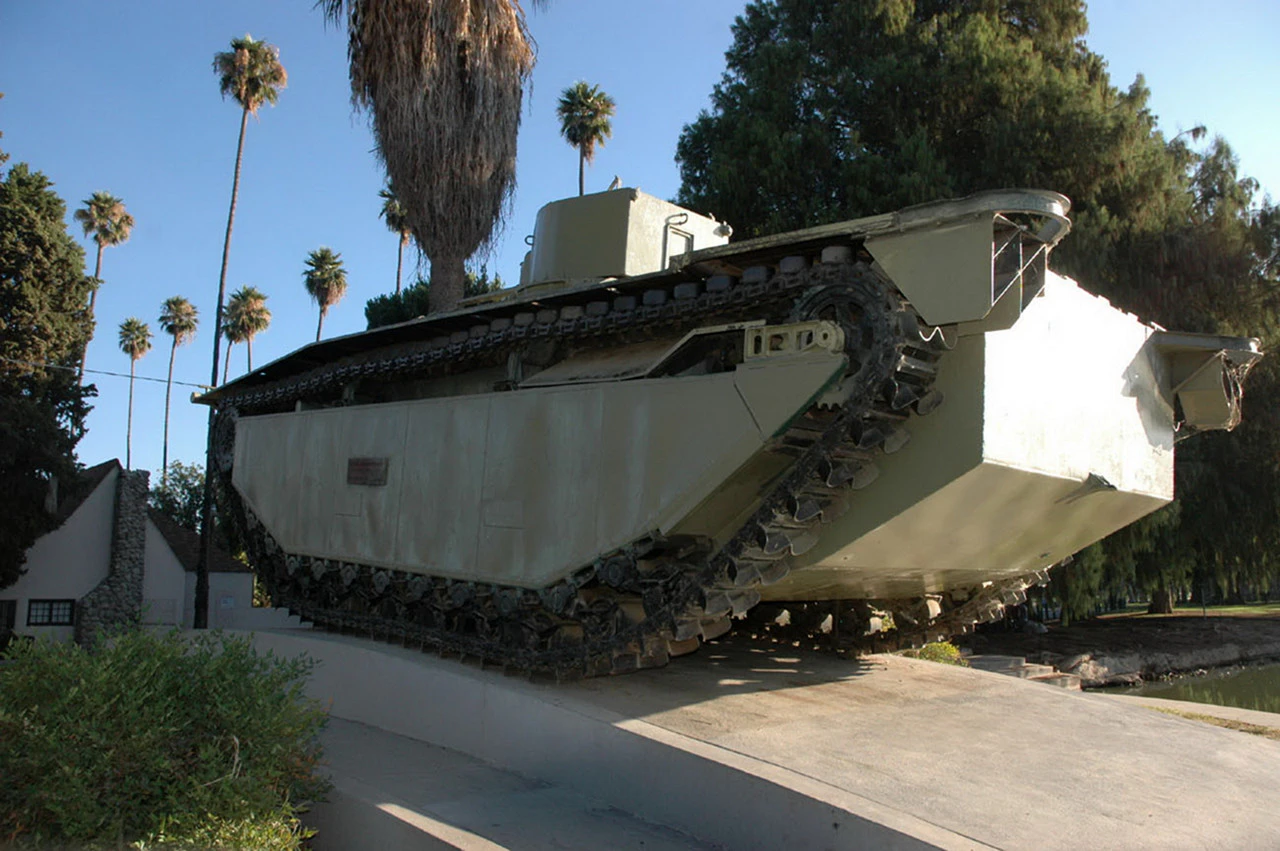
LVT(A)1 5
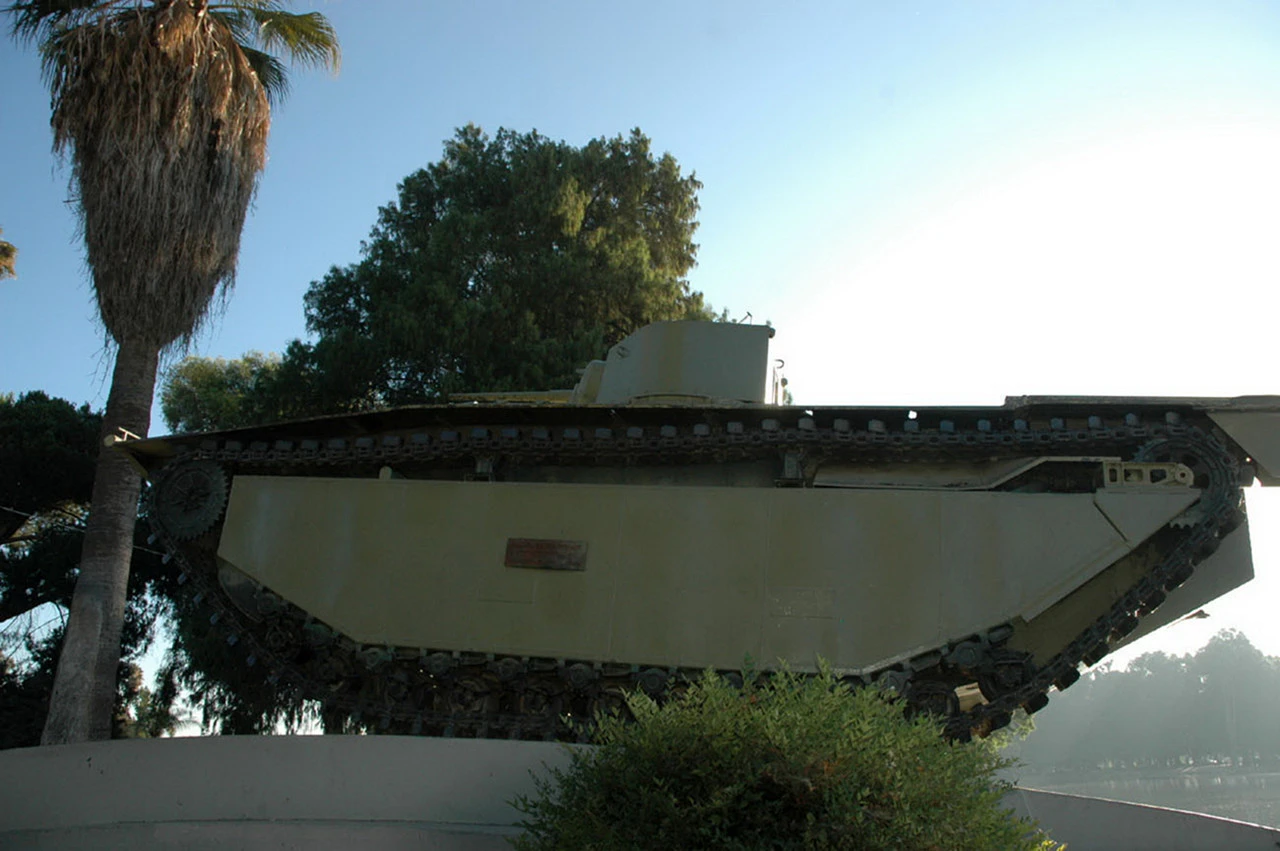
LVT(A)1 6
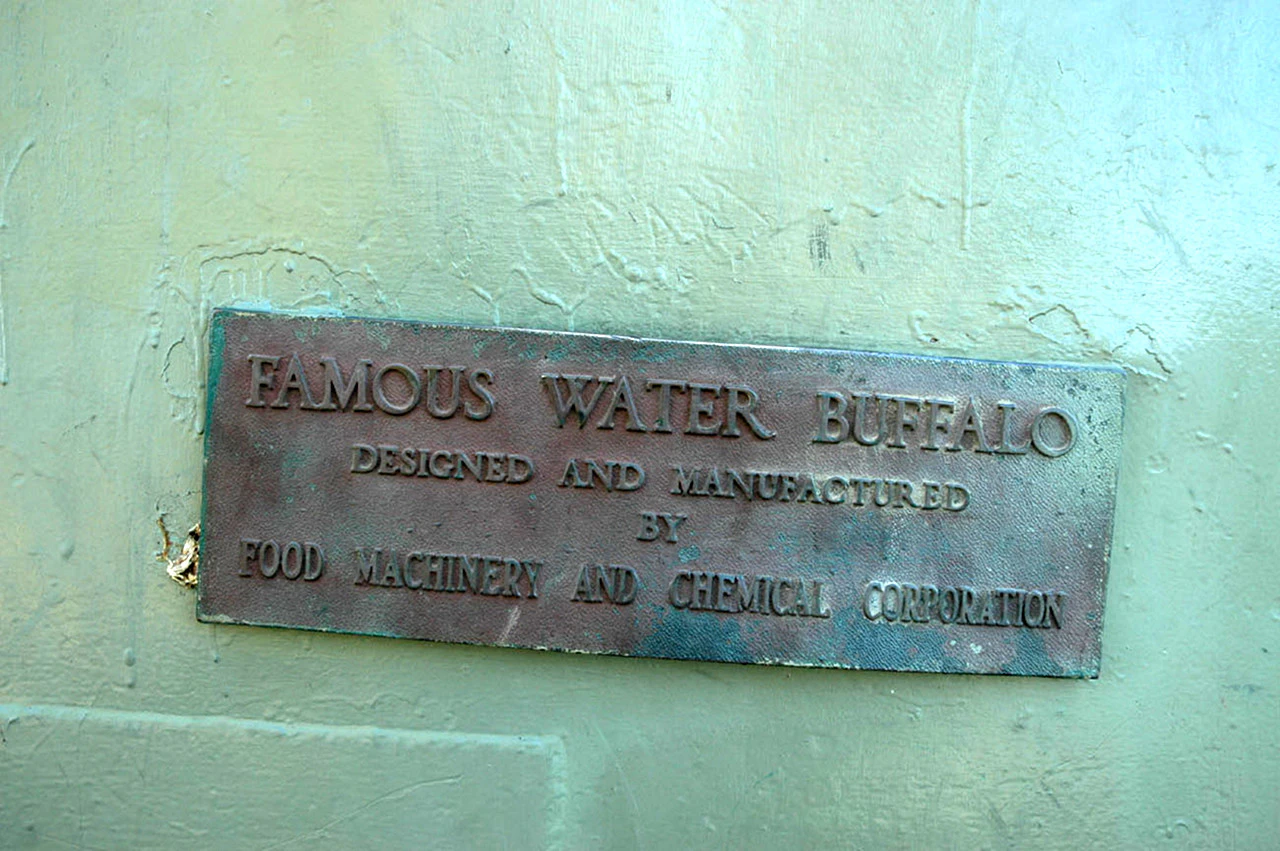
LVT(A)1 8
LVT(A)1 7
LVT(A)1 9
Warte, Suche LVTA1 – BUFFALO für dich...

| LVT-4 Water Buffalo Walk Around | |
|---|---|
| Fotograf | Unbekannter |
| Lokalisierung | Unbekannter |
| Fotos | 29 |
LVT-4 Water Buffalo 00001
LVT-4 Water Buffalo 00002
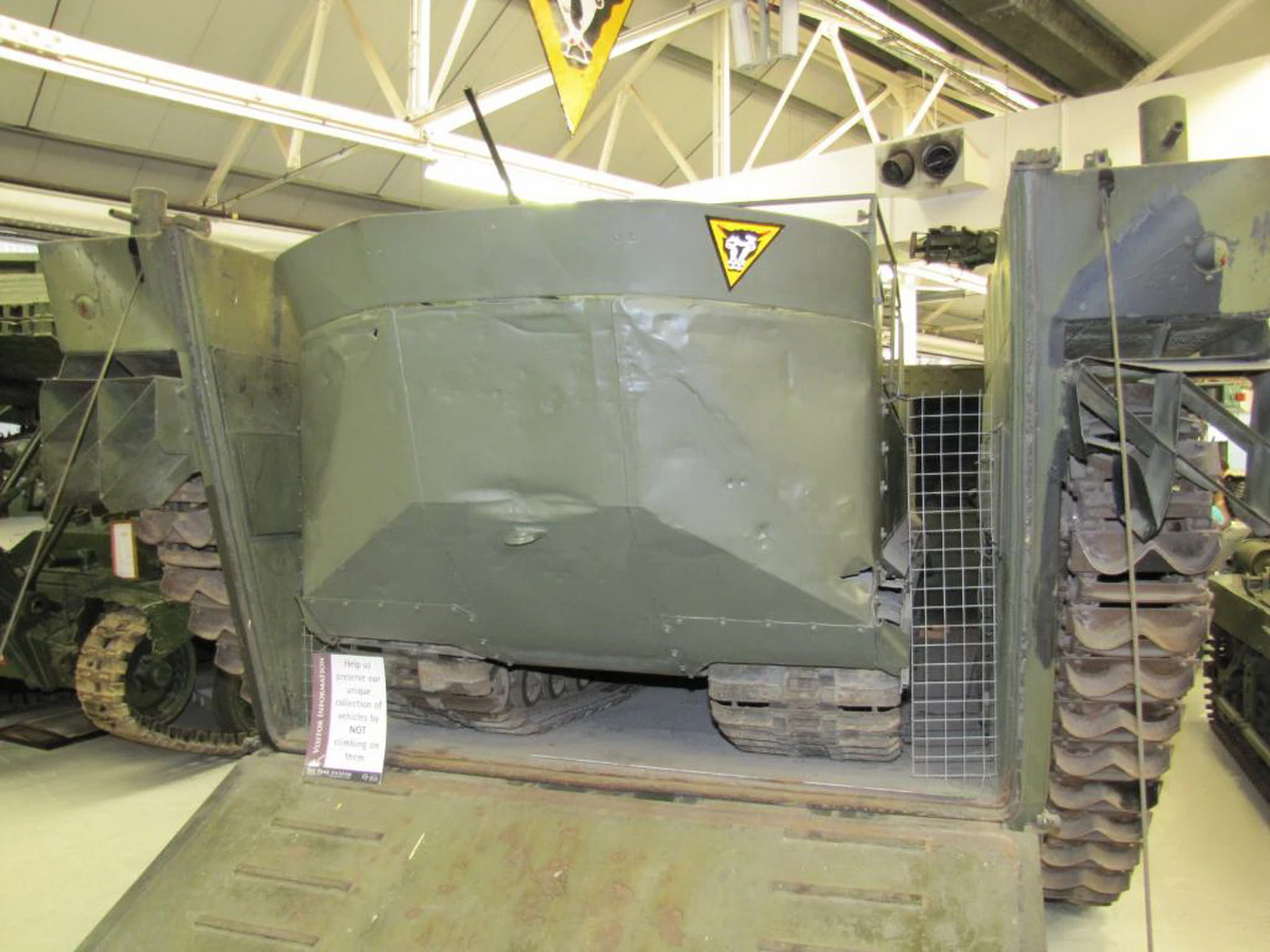
LVT-4 Water Buffalo 00003
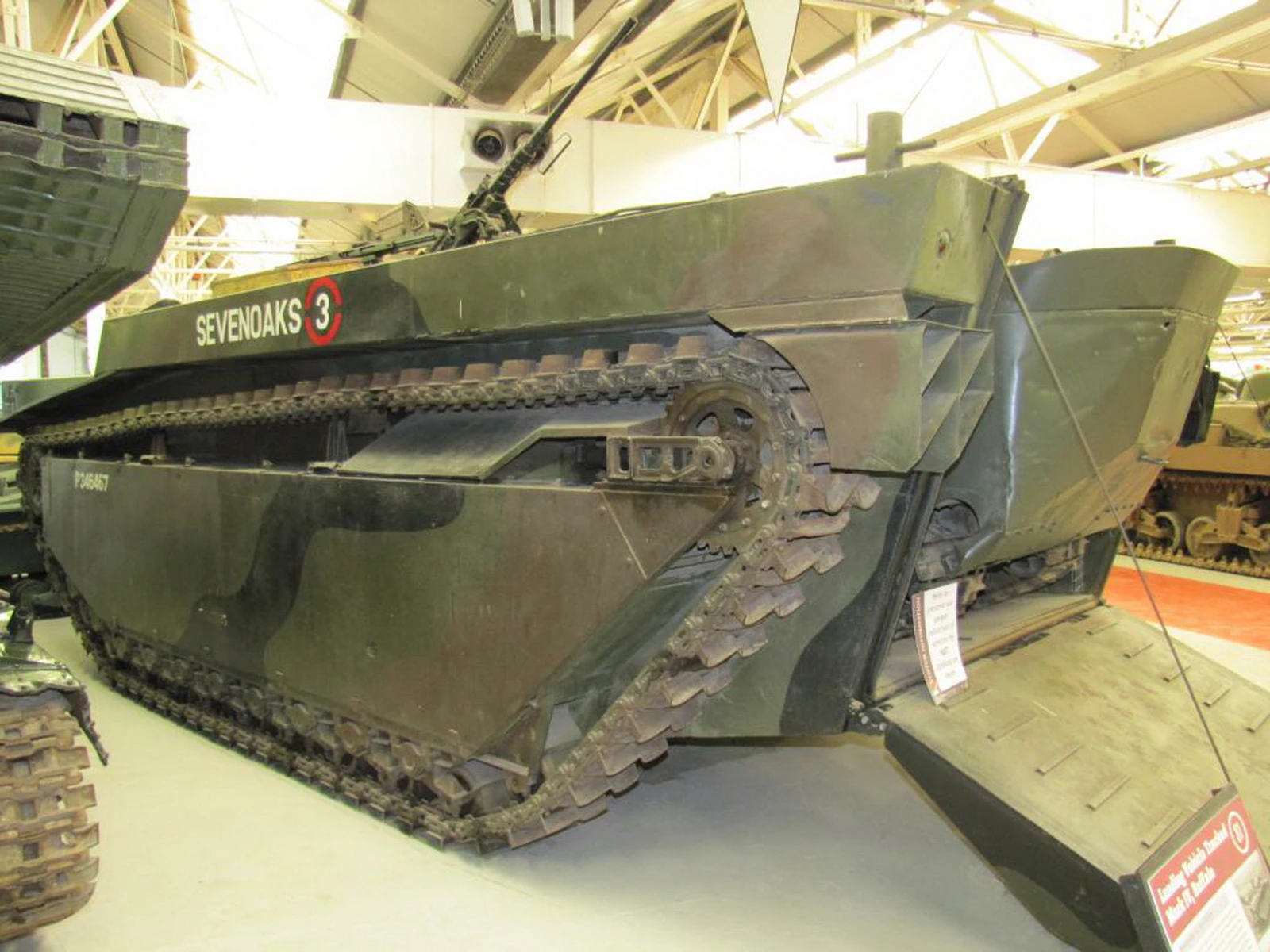
LVT-4 Water Buffalo 00004
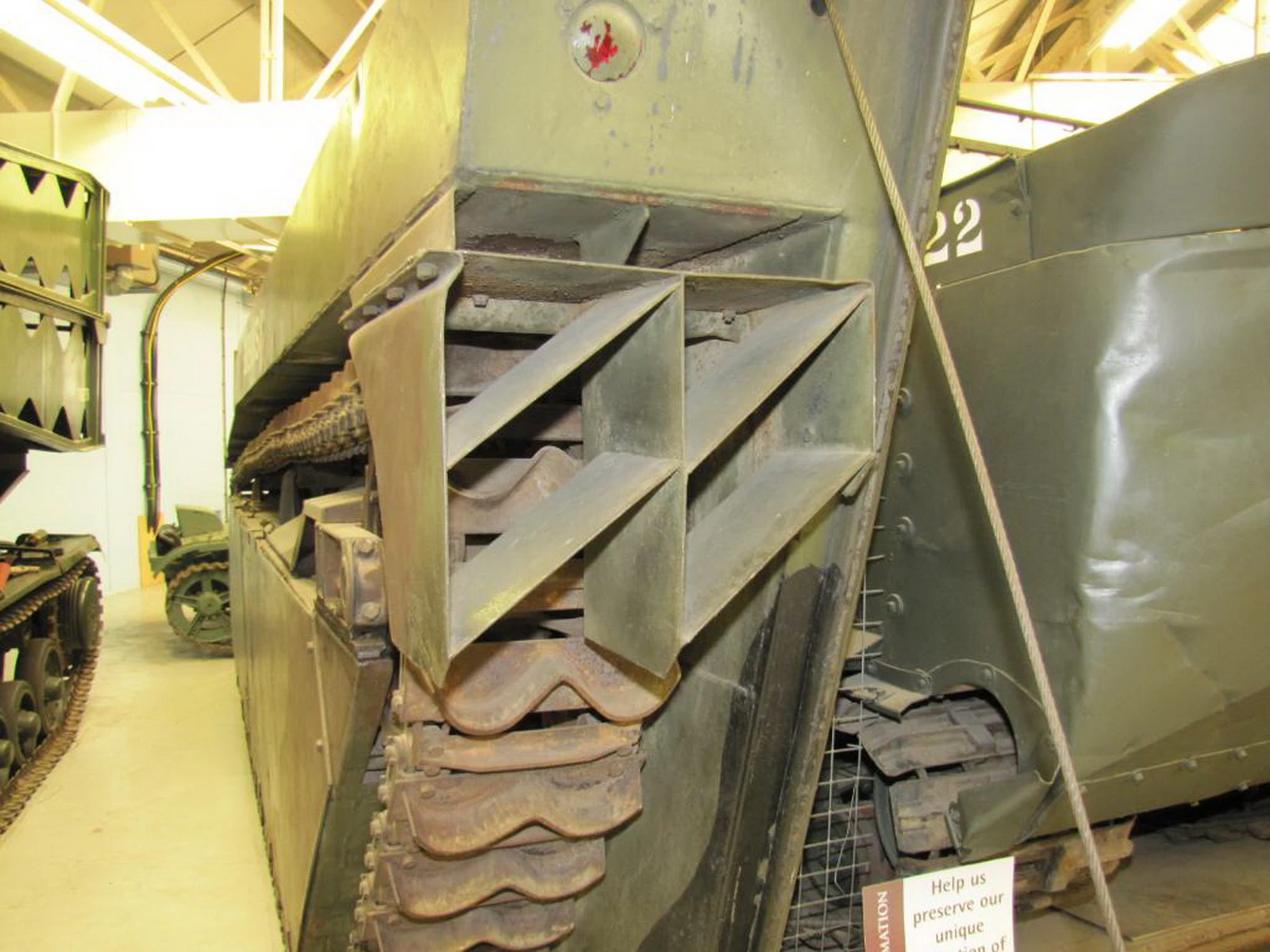
LVT-4 Water Buffalo 00005
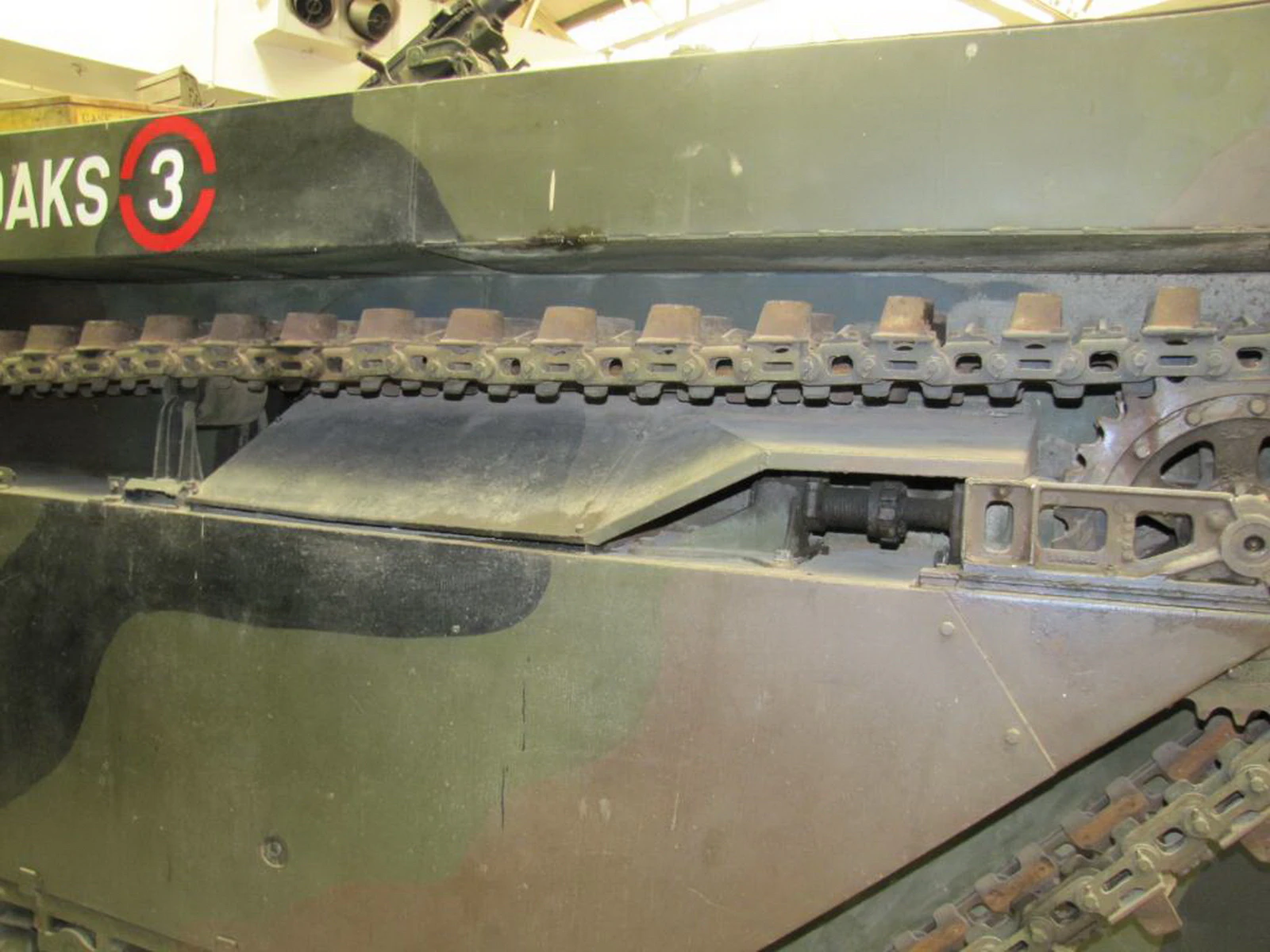
LVT-4 Water Buffalo 00006
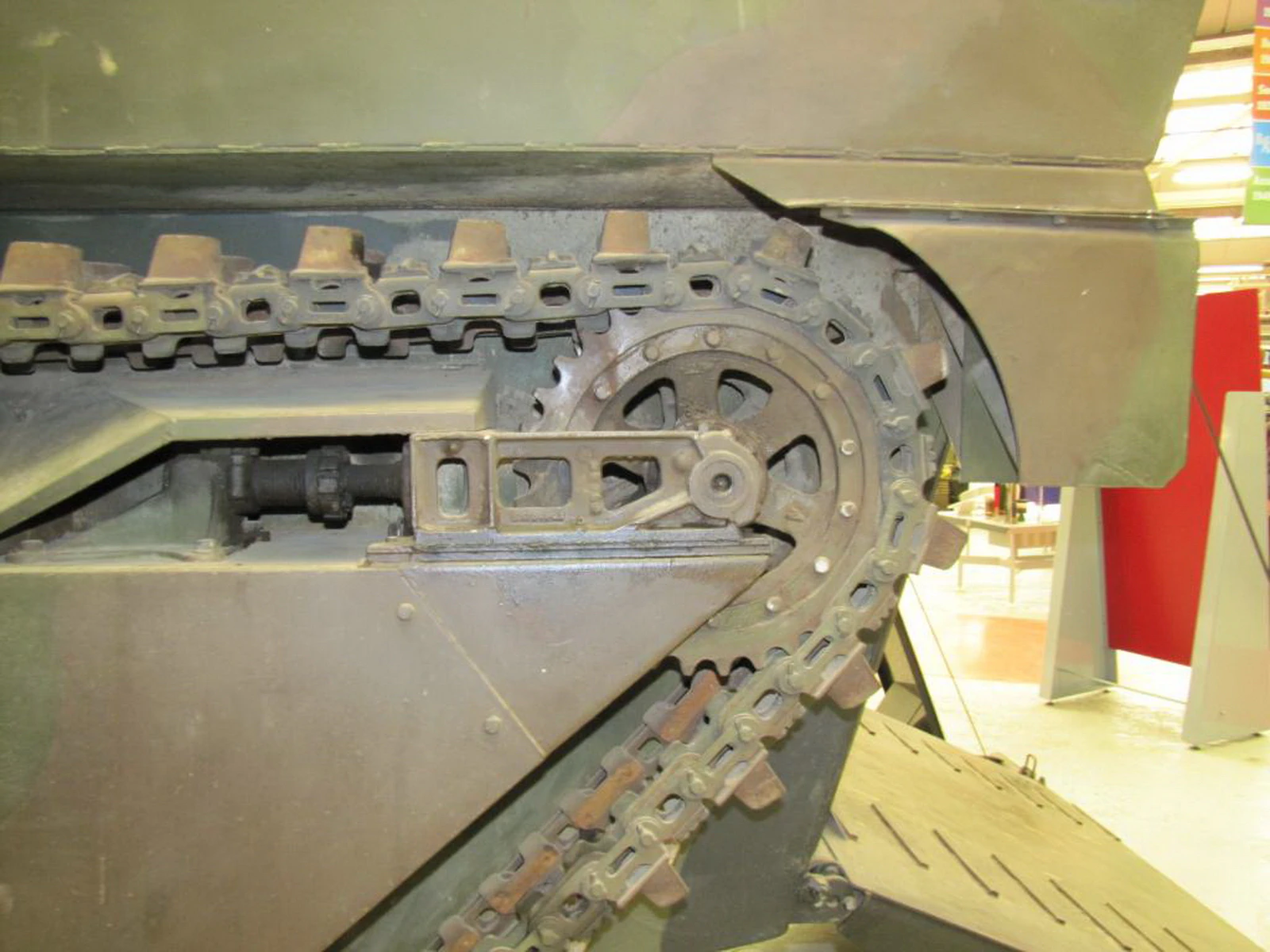
LVT-4 Water Buffalo 00007
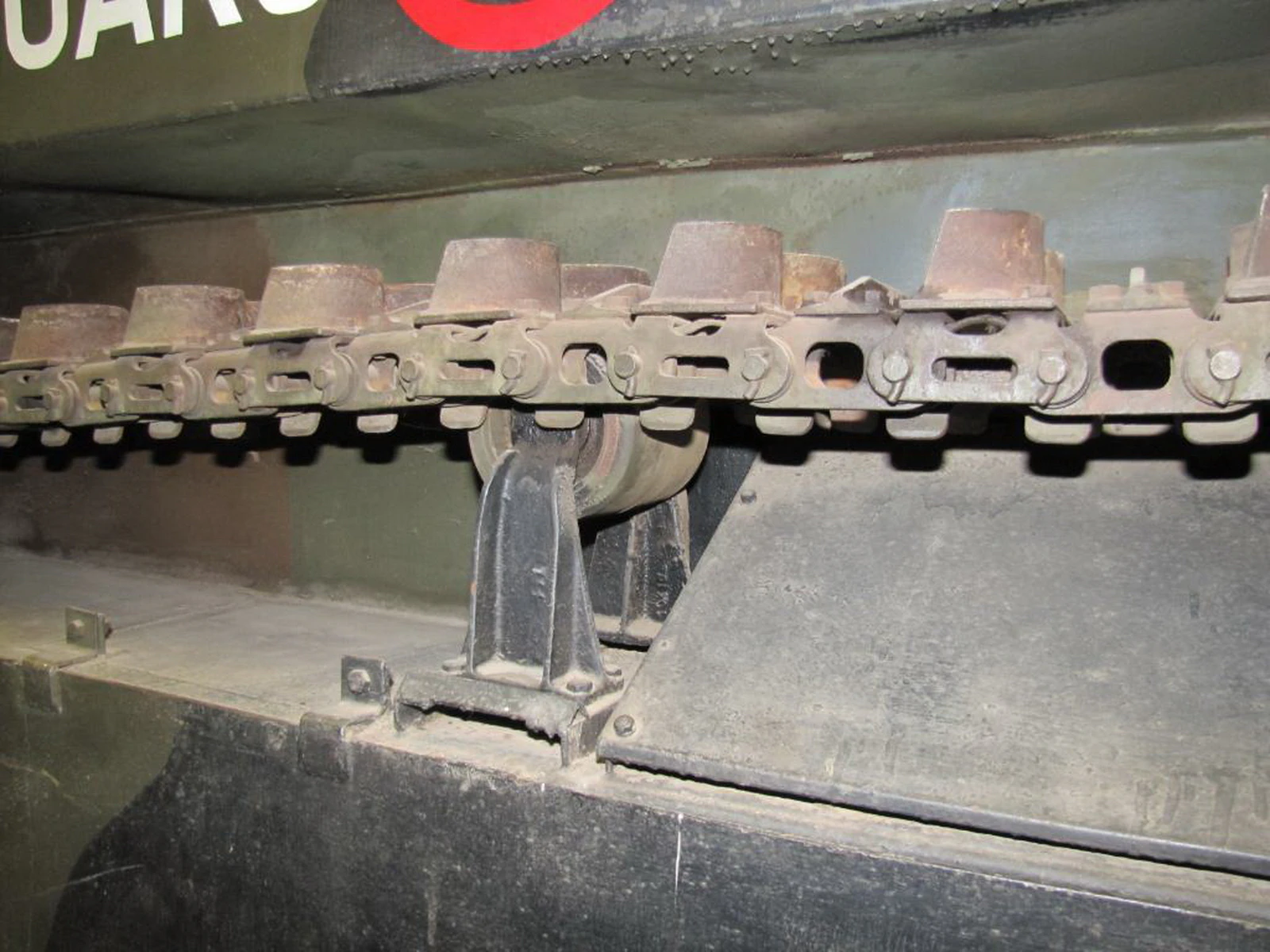
LVT-4 Water Buffalo 00008
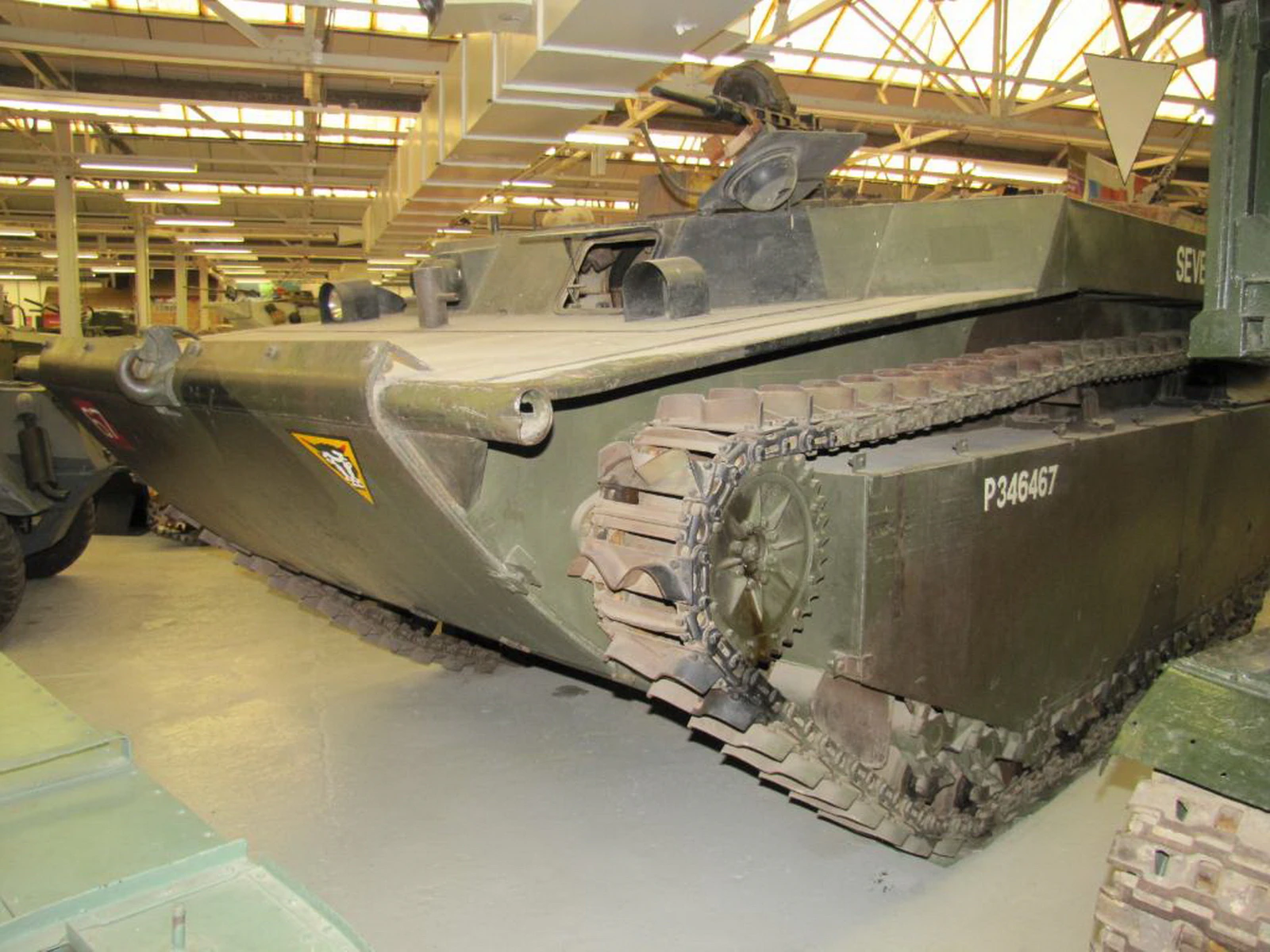
LVT-4 Water Buffalo 00009
Siehe auch:


The Amphibious Fire Hammer of the Pacific Atolls
das LVT(A)-1 (Landing Vehicle, Tracked, Armored, Mark 1), widely known as the “Amtank” or by its lineage name “Buffalo,” was a revolutionary amphibious fire-support vehicle deployed by the US Marine Corps and US Army during World War II.
| Attribute | Technical Specification (LVT(A)-1 Amtank Standard) |
|---|---|
| Rolle | Amphibious Fire Support Vehicle / Amphibious Tank (Amtank) |
| Crew | 6 (Commander, Gunner, Loader, Driver, Assistant Driver, and 2 Rear Machine Gunners) |
| Triebwerk | 1 × Continental W-670-9A 7-cylinder air-cooled radial gasoline engine (250 hp) |
| Maximum Speed (Land) | 40 km/h (25 mph) on hard roads |
| Maximum Speed (Water) | 12 km/h (7.5 mph / 6.5 knots) propelled by track grousers |
| Combat Weight | ~14.9 metric tons (16.4 short tons) |
| Einsatzbereich | ~200 km (125 miles) on land | ~120 km (75 miles) in water |
| Primary Armament | 1 × 37mm M6 gun in an M3 Stuart light tank turret (104 rounds carried) |
| Sekundärbewaffnung | 1 × .30-caliber M1919A4 coaxial machine gun | 2 × .30-caliber M1919A4 machine guns in rear open tubs |
| Armor Thickness | Hull Front & Sides: 12.7mm (0.50 in) | Turret: Up to 51mm (2.0 in) front |
| Production Total | 509 units manufactured by the Food Machinery Corporation (FMC) in 1943-1944 |
Design Engineering: Frankenstein Armor and Paddle-Track Propulsion
- The Frankenstein Tank Turret: To rapidly field an armored fire-support vehicle, US engineers pulled the complete, fully formed turret straight off the production lines of the M3 Stuart light tank. Bolting this rotating steel turret directly onto the roof of the LVT(A)-1 chassis instantly gave the amphibious vehicle a high-velocity 37mm cannon. This created a highly effective direct-fire platform capable of cracking open log bunkers and shredding infantry formations right from the water’s edge.
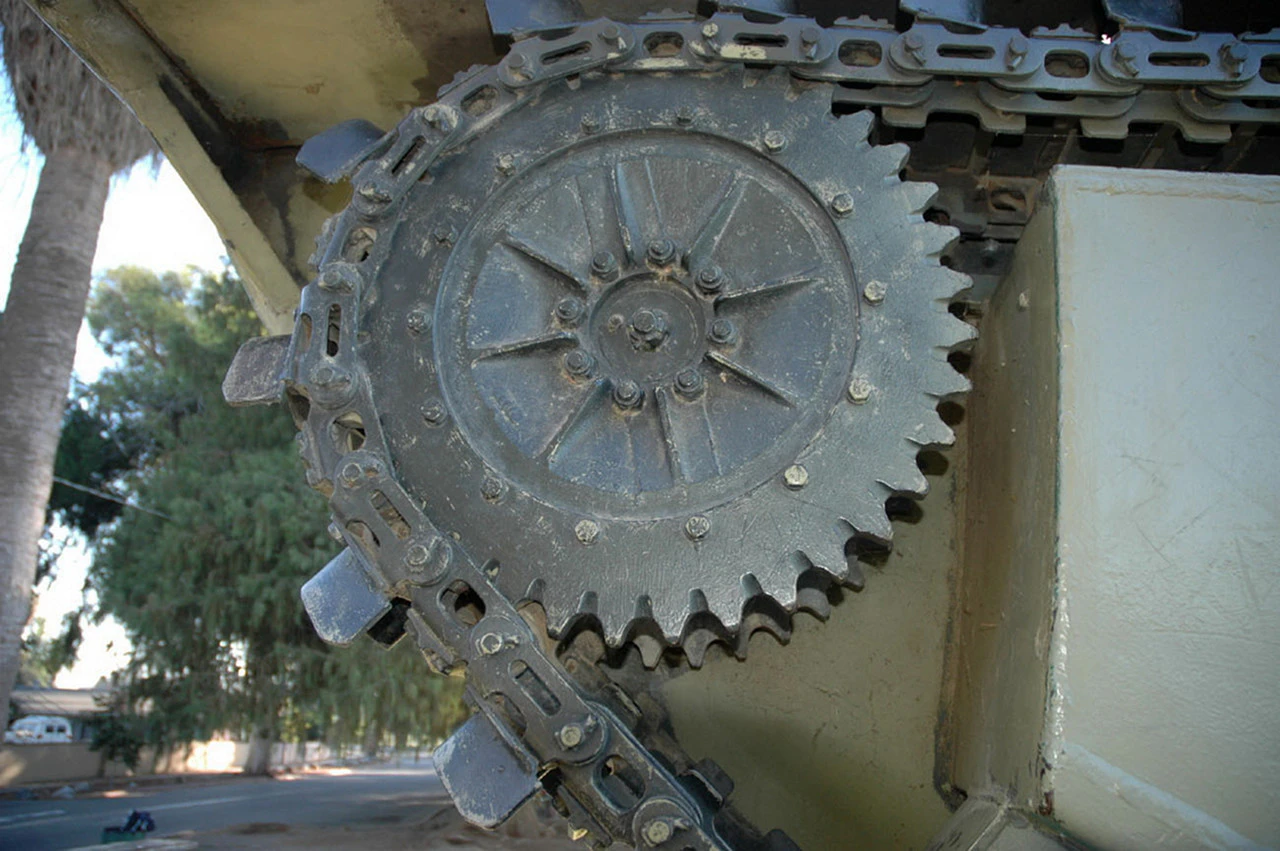
- Propulsion Without a Propeller: Unlike traditional amphibious vehicles that rely on a separate folding propeller screw to navigate water, the LVT series used its tracks for both land and water travel. The track links were bolted with large, curved, shovel-like metal cleats called “grousers.” In the ocean, these acted exactly like the paddle-wheels of an old-fashioned steamboat, scooping water to propel the massive boxy hull forward at over 6 knots without requiring complex marine drivetrain linkages.
- The Radial Engine in the Stern: Driving the LVT(A)-1 was a 7-cylinder Continental aircraft engine mounted all the way in the rear. Because the engine was an air-cooled radial design, it required massive, prominent air intake scoops on the rear deck to prevent overheating. This layout meant a massive driveshaft had to run directly through the middle of the interior cabin floor to spin the drive sprockets at the front, creating a loud, vibrating, and heavily cramped workspace for the crew.
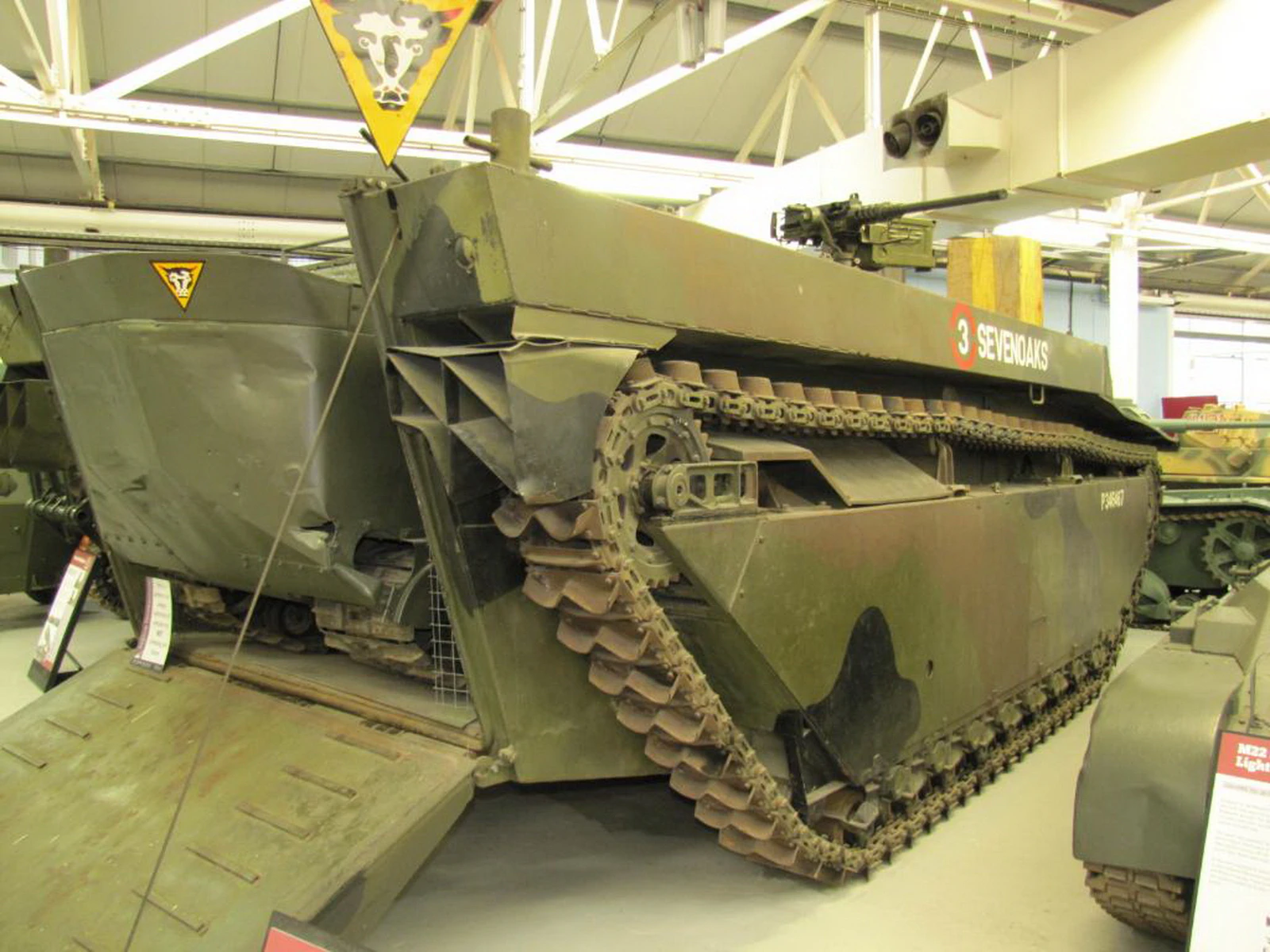
- Buoyancy Pontoon Flaps: The entire hull of the vehicle was essentially a massive, hollow steel boat. To ensure it wouldn’t immediately sink if its steel skin was punctured by shrapnel, the sides of the LVT(A)-1 were partitioned into distinct, hollow buoyancy chambers or “pontoons.” Even if an artillery shell blasted open one section of the outer flank, the remaining watertight compartments provided enough displaced water volume to keep the 15-ton armored vehicle floating upright in heavy surf.
Operational History: Crashing the Reefs of Kwajalein to the Volcano of Iwo Jima
- The Invaluable Lesson of Tarawa (1943): At the bloody battle of Tarawa, standard landing boats slammed into hidden coral reefs hundreds of yards out, forcing Marines to wade through waist-deep machine gun fire. The few early unarmored cargo LVTs successfully crawled right over the coral, highlighting their tactical value. This disaster accelerated the deployment of the heavily armed and armored LVT(A)-1, ensuring that by the next major landings, the Marines had armored shields leading the waves.
- The Fire Debut at Kwajalein (1944): The LVT(A)-1 saw its first massive combat deployment during the invasion of Kwajalein Atoll. Formed into specialized Armored Amphibian Battalions, the Amtanks formed the absolute vanguard of the first landing wave. Firing their 37mm guns and coaxial machine guns while still swimming through the rolling surf, they successfully suppressed Japanese shoreline trenches and prevented beach defenders from pinning down the trailing troop-carrying tractors.
- The Deadly Evolution to the LVT(A)-4: While the 37mm gun was great for targeting light structures and infantry, it lacked the explosive punch needed to obliterate deeply buried, reinforced concrete blockhouses. Recognizing this limitation, the US military quickly introduced the *LVT(A)-4*. This variant swapped out the tiny Stuart turret for the larger, open-topped turret of the M8 Howitzer Motor Carriage, upgrading the main weapon to a devastating 75mm short-barrel howitzer that fired massive high-explosive demolition shells.
- The Final Volcanic Clashes: During the brutal campaigns on Saipan, Peleliu, and Iwo Jima, the LVT(A)-1 and its 75mm siblings faced hellish conditions. On Iwo Jima’s beaches, the heavy vehicles ground to a halt as their tracks spun uselessly in the deep, loose black volcanic ash, making them stationary targets for pre-sighted Japanese artillery hidden on Mount Suribachi. Despite heavy casualties, these armored amphibious tractors remained the irreplaceable lifelines of the Pacific theater until the final surrender.
Views : 3734
This LVT(A) 1is located on the Edge of Lake Evans at Fairmount Park
in Riverside, CA. FMC produced the LVTs in Riverside and tested them in Lake Evans