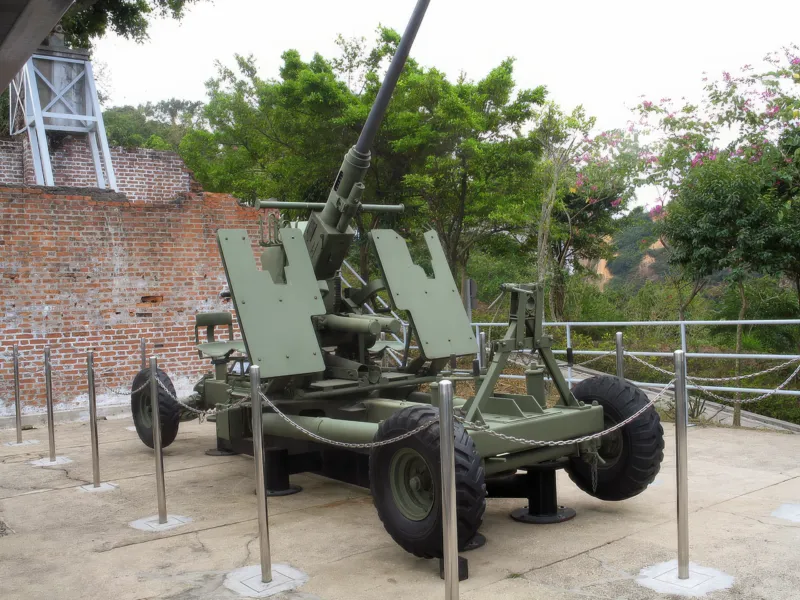
Bofors 40 mm | |
|---|---|
| Land | Uk |
| Type | Antiluftskyts pistol |
| periode | Anden Verdenskrig |
Fotogalleri på en Bofors 40 mm, The 40 mm Bofors est un canon antiaérien suédois en activité lors de la seconde guerre mondiale. Ce canon antiaérien Bofors blev brugt af stort set alle komponenter i de allierede hære, hvor amerikanerne brugte en afledt version af 40mm Gun M1 Automatic (AA).
Kilde: Wikipedia
| Bofors 40 mm – Walk Around | |
|---|---|
| Fotograf | Unknow |
| Lokalisering | Unknow |
| Billeder | 91 |
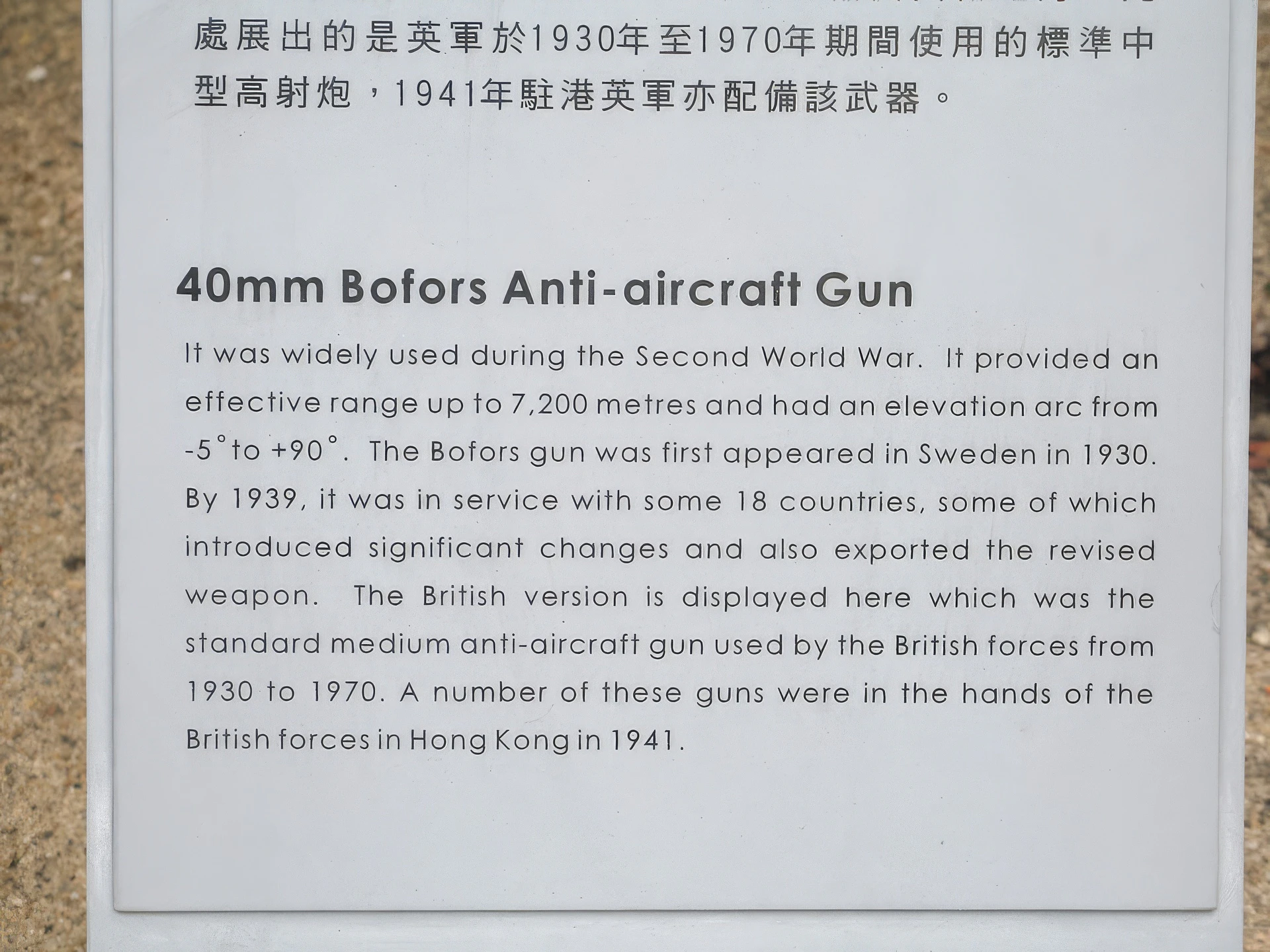
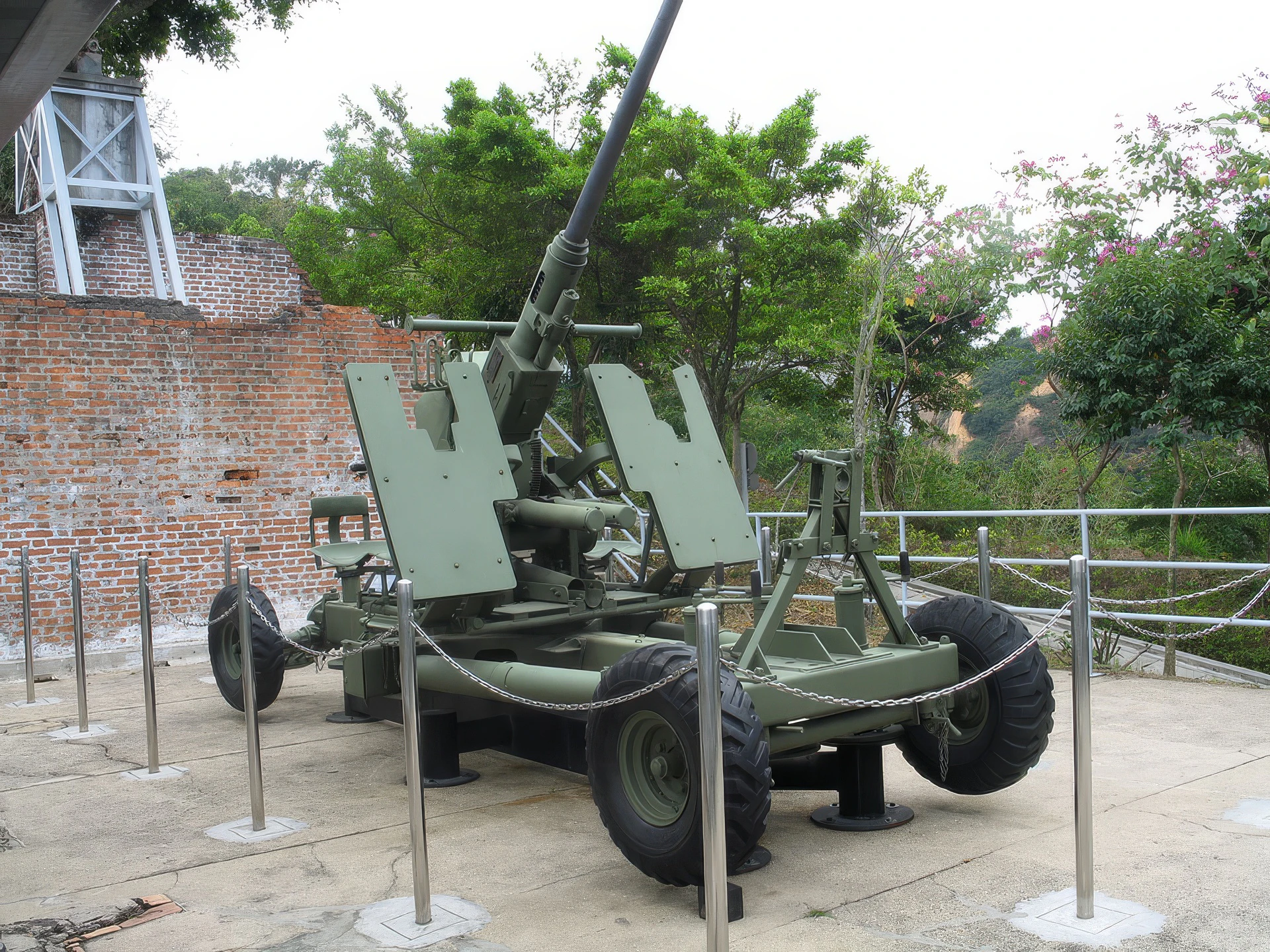
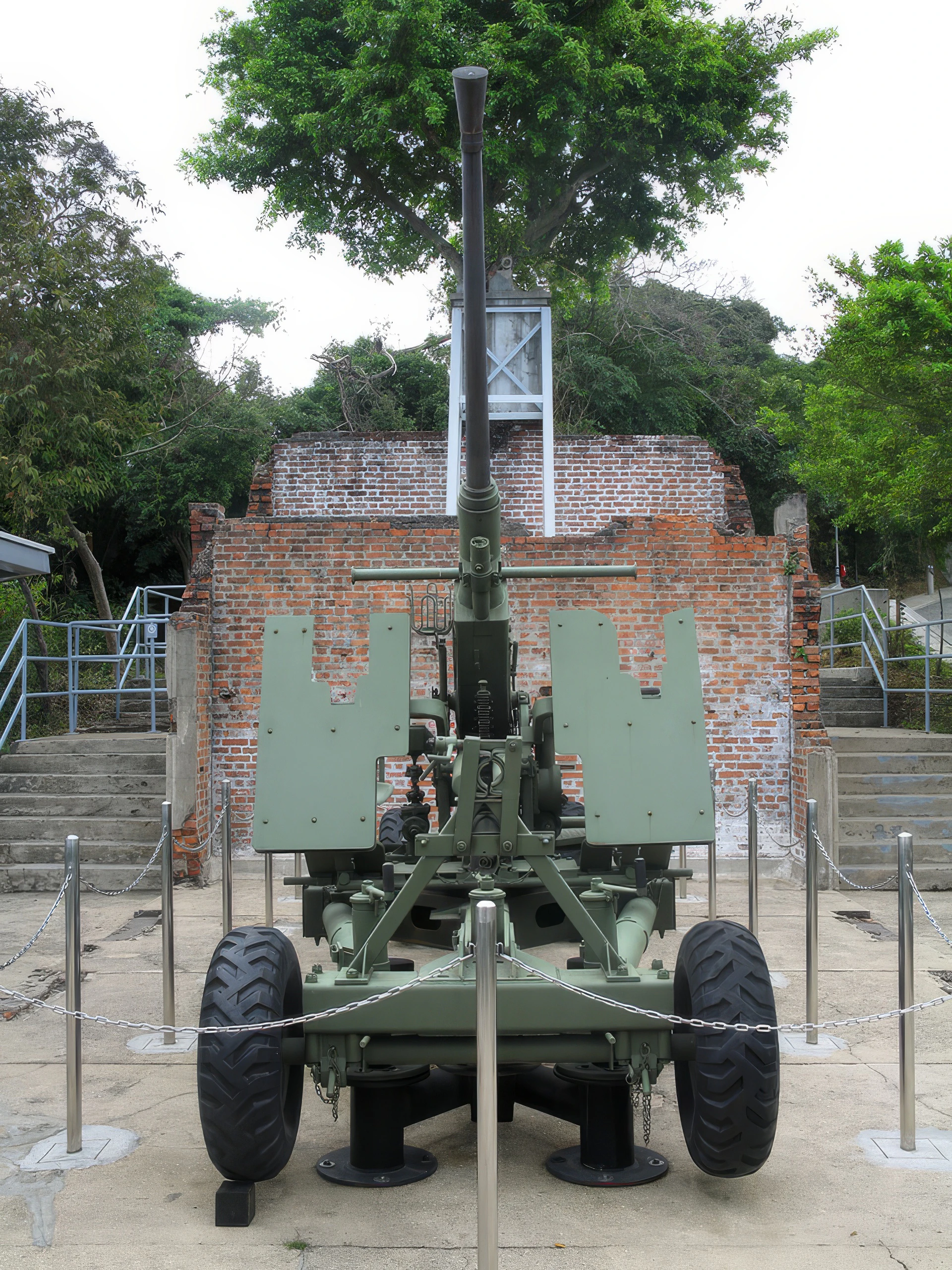
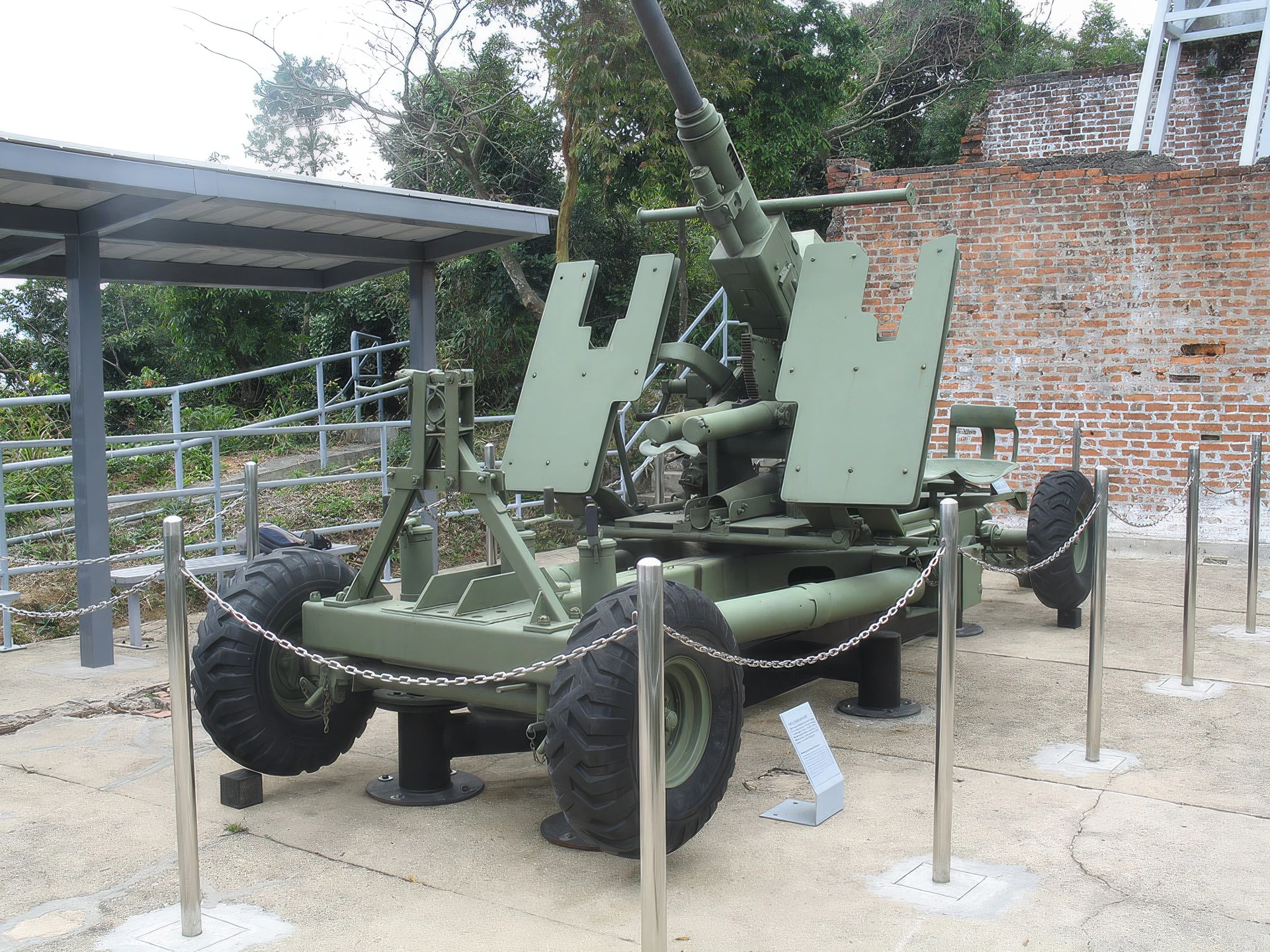
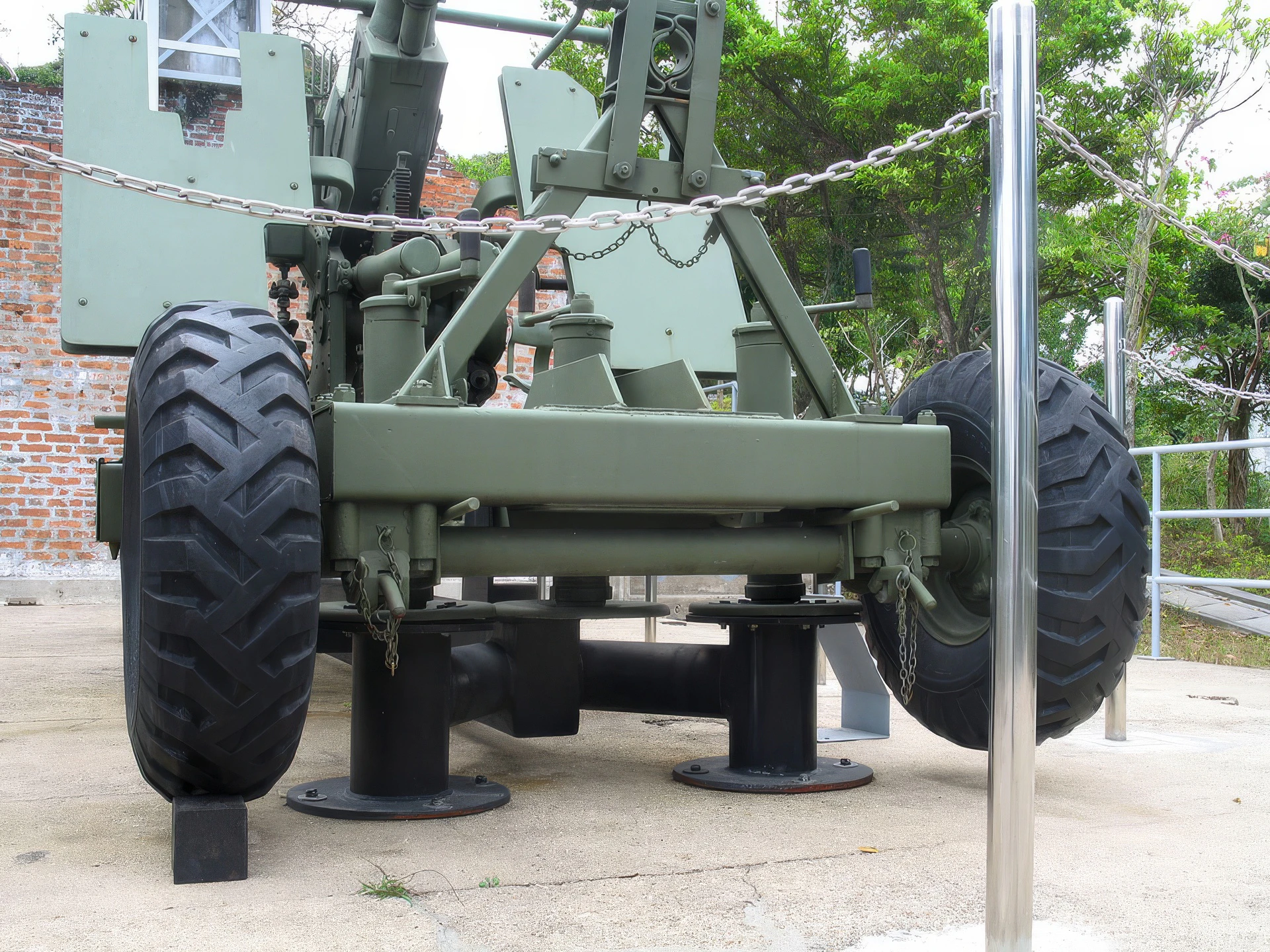
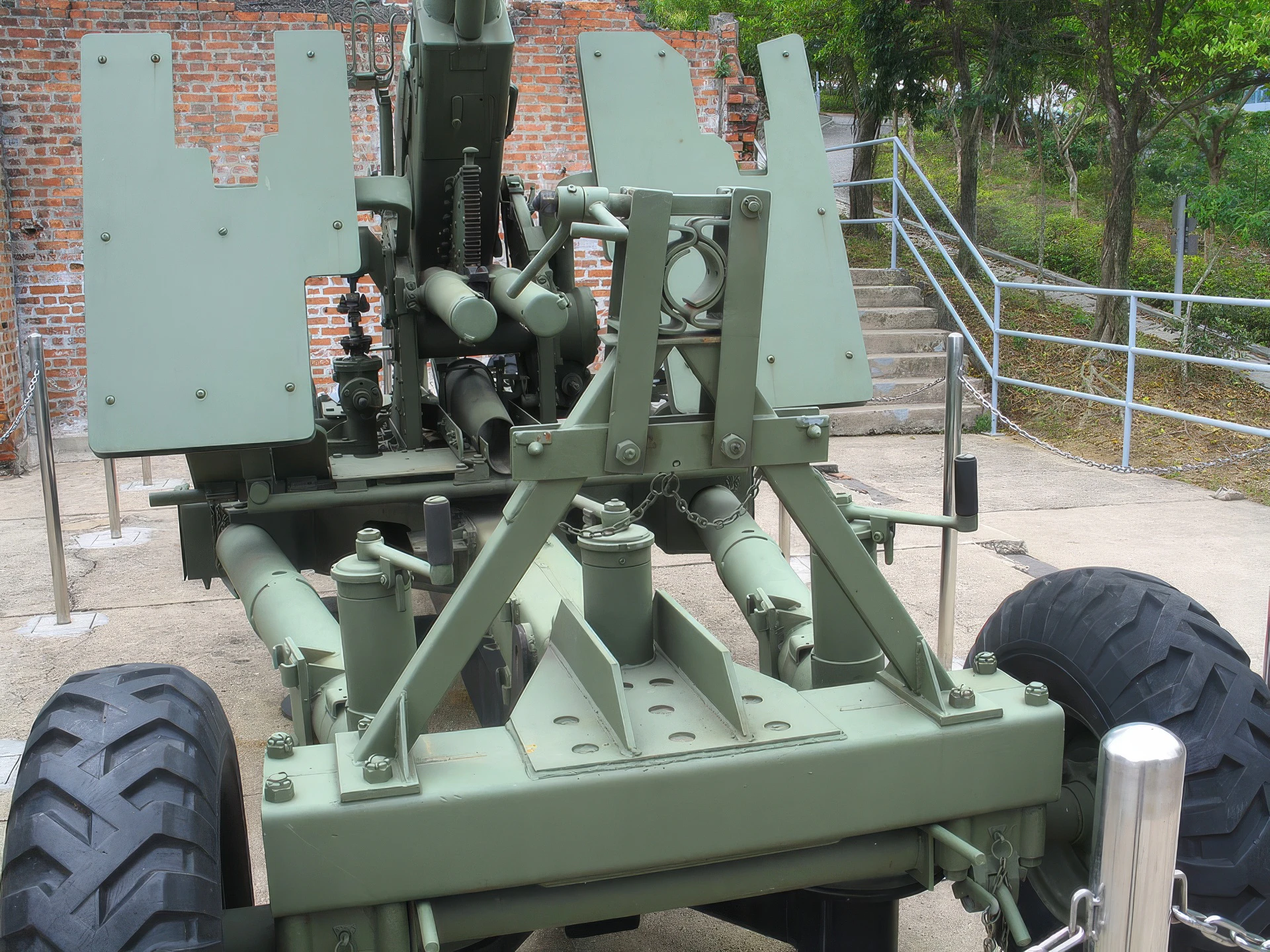
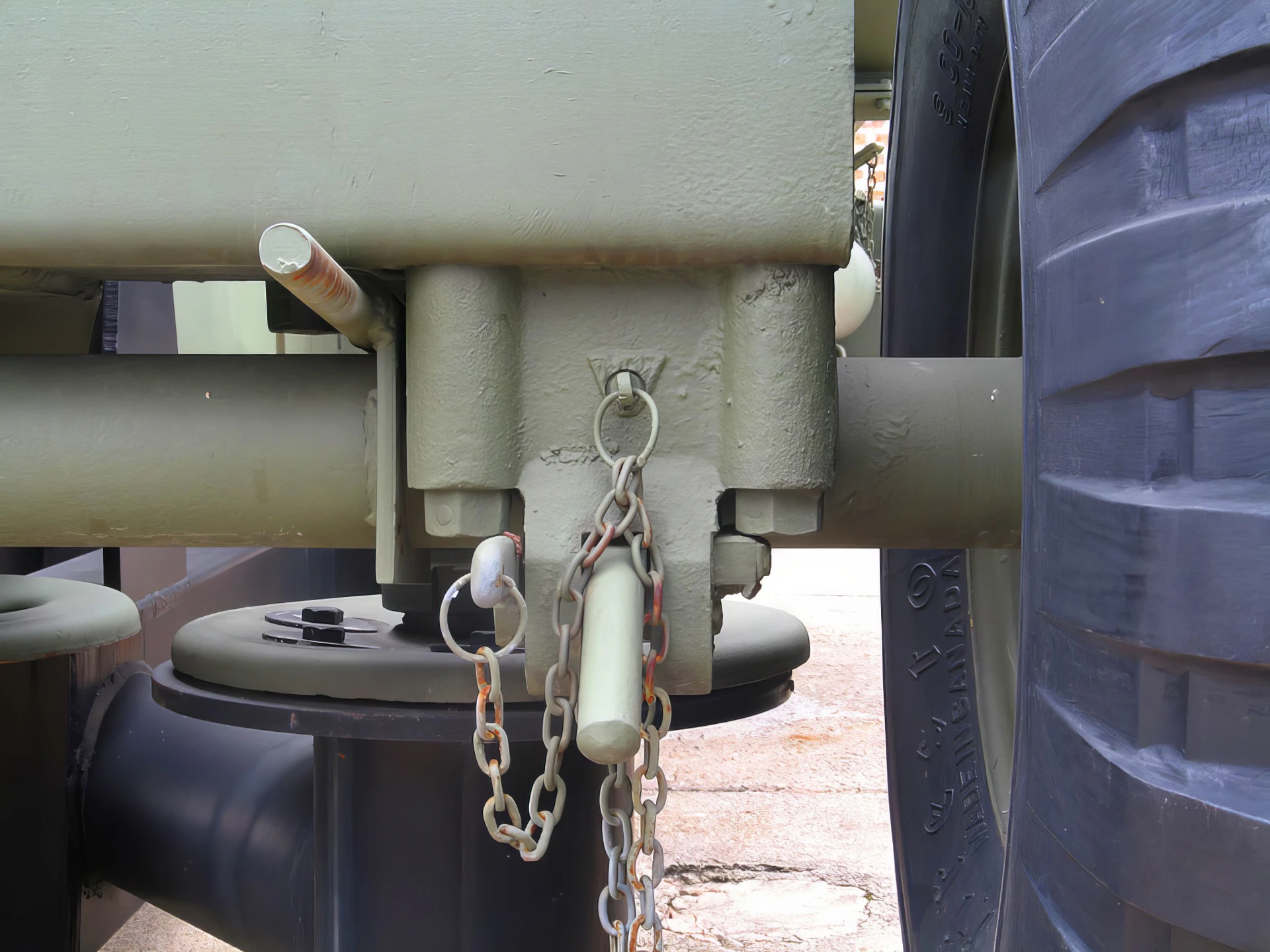
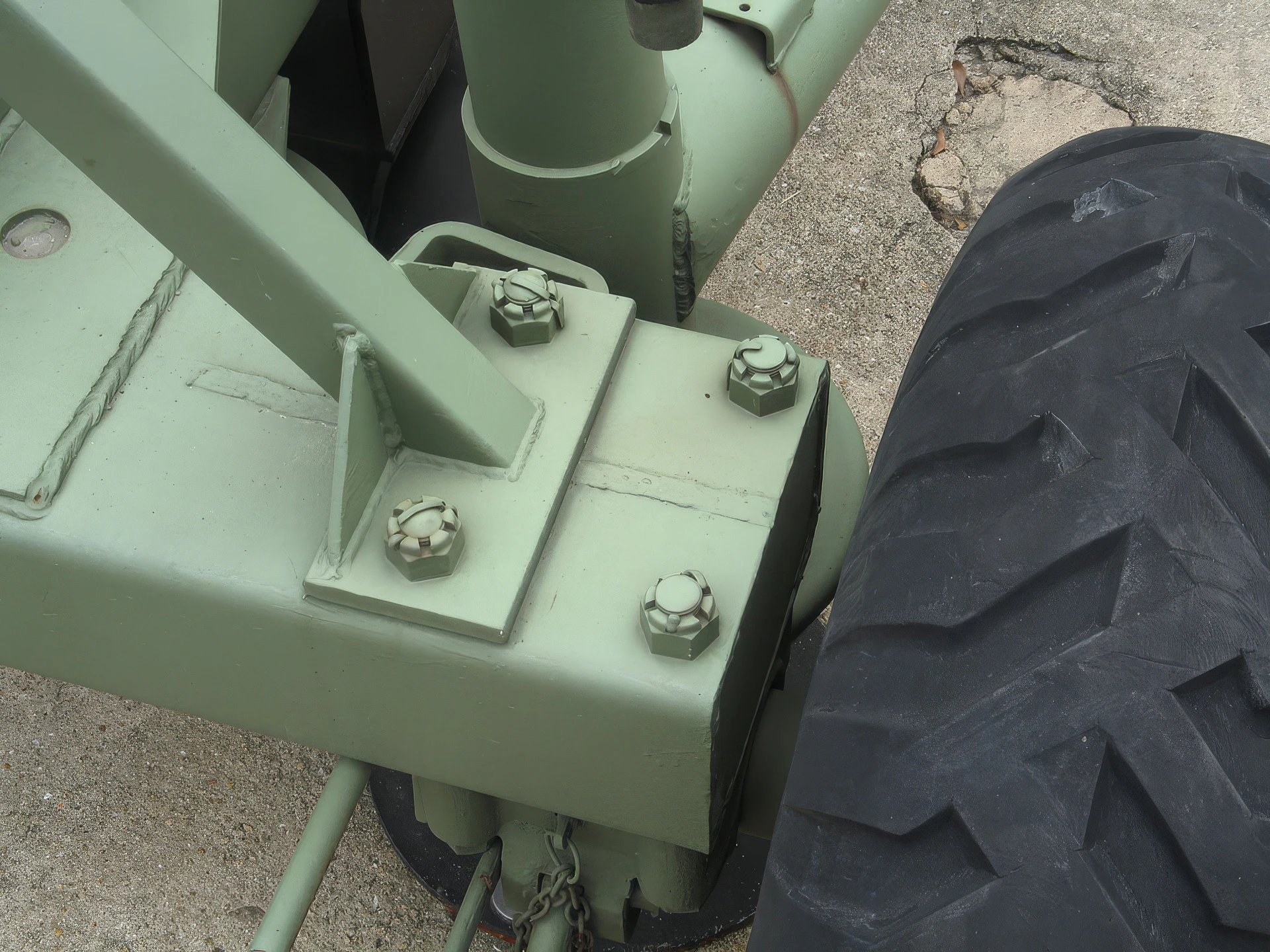
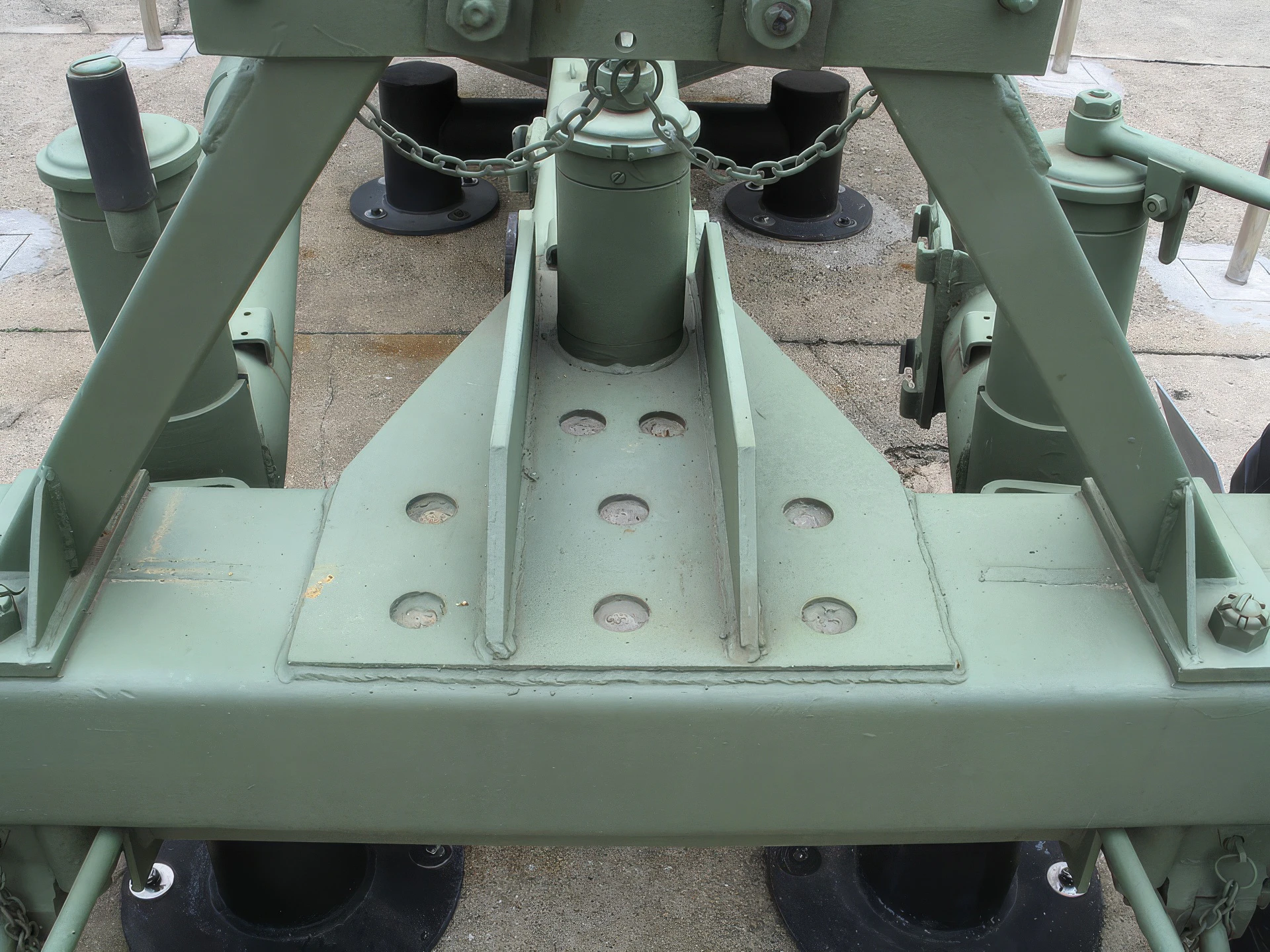

| 40mm Bofors Walk Around | |
|---|---|
| Fotograf | Unknow |
| Lokalisering | Unknow |
| Billeder | 11 |
Se også:


The QF (Quick Fire) 40 mm Bofors gun was a Swedish-designed, fully automatic anti-aircraft weapon adopted by the British military in 1937. It became one of the most critical and ubiquitous light anti-aircraft (LAA) weapons used by the Allies throughout World War II, celebrated for its high rate of fire, accuracy, and robust design.
Origin and Design
- Designer: AB Bofors, Sweden.
- Adoption: The British Army secured a license to manufacture the weapon domestically, which was standardized as the QF 40 mm Mk I (and later simplified production models like the Mk III). The gun’s engineering was converted from metric to imperial measurements for mass production.
- Action: The gun operates using a long-recoil system with a vertical sliding breechblock. The action automatically opens the breech, ejects the spent casing, and loads the next round, ready to fire again.
Key Specifications (L/60 Model)
The L/60 designation refers to the barrel length being approximately 60 calibres, though the actual barrel length was slightly less.
| Characteristic | Værdi |
|---|---|
| Calibre | 40 mm |
| Ammunition | 40×311 mm R (Rimmed) cartridge |
| Projectile Weight | Approx. 2 lbs (0.9 kg) High-Explosive (HE) shell |
| Muzzle Velocity | Approx. 2,800 ft/s (850 m/s) |
| Cyclic Rate of Fire | 120 rounds per minute (rpm) |
| Feed System | Manual loading via four-round stripper clips |
| Towed Weight (Mk II Carriage) | Approx. 1.9 tons |
British Deployment and Usage
The Bofors was used in two primary categories of mounts:
1. Land-Based (British Army)
- Mounting: Most commonly deployed on a four-wheel towed carriage. When emplaced, the wheels were splayed and four leveling jacks provided a stable, 360° traversing platform.
- Fire Control: The British developed sophisticated sighting systems, notably the Stiffkey Sight and later the advanced Kerrison Predictor. The Kerrison Predictor was an analog computer that used external power to automatically aim and track fast-moving aircraft, providing a revolutionary capability for the time.
- Rolle: Highly effective during the Battle of Britain and the Blitz against low-level attackers and dive-bombers. It also proved useful as an anti-personnel and anti-light-armour weapon.
2. Naval-Based (Royal Navy)
- Mounting: Used extensively on Allied warships, often in single, twin, or quadruple mountings. Naval mounts frequently featured water-cooled barrels for sustained fire.
- Rolle: Served as the standard close-range anti-aircraft weapon, particularly effective against Japanese *kamikaze* attacks in the Pacific theater, often replacing the less effective British 2 pdr “Pom-Pom.”
Views : 5120
Du kan også se:
 K30 Biho – Fotos & Videoer
 M53/59 Praga – Billeder og video
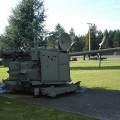 75mm M51 Skysweeper – WalkAround
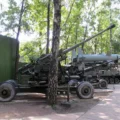 Sovjetisk 100 mm KS-19 - WalkAround
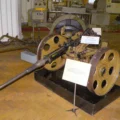 2 cm Oerlikon – Flak-28 – WalkAround
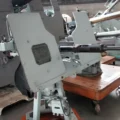 20mm anti-luftskyts pistol "Oerlikon" - WalkAround
 85 mm luftforsvarspistol M1939 (52-K) – WalkAround
 Bofors Archer BD 77 – WalkAround
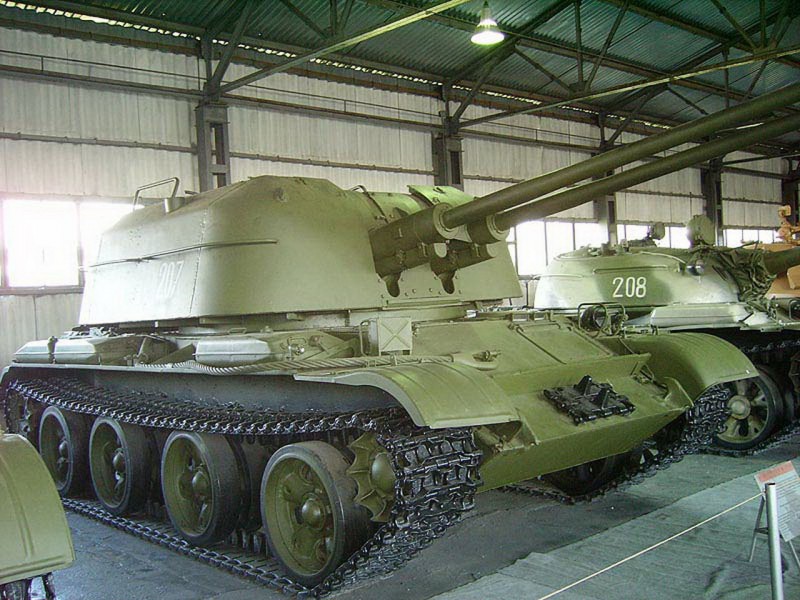 ZSU-57-2 – WalkAround
 M42 Duster – WalkAround