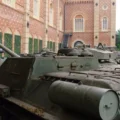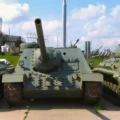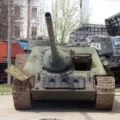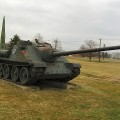
SU-100 | |
|---|---|
| Země | Sovětský svaz |
| Roli | Stíhač tanků |
| Postaven | 2335+ |
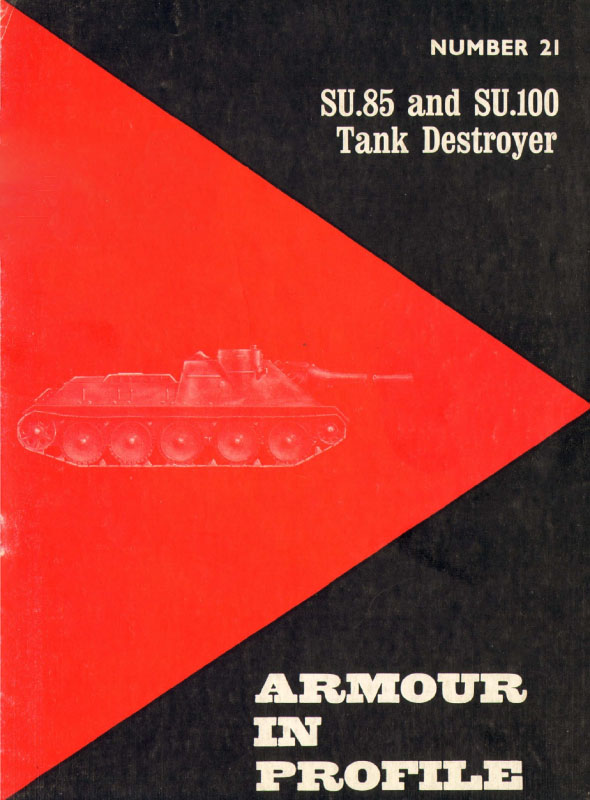
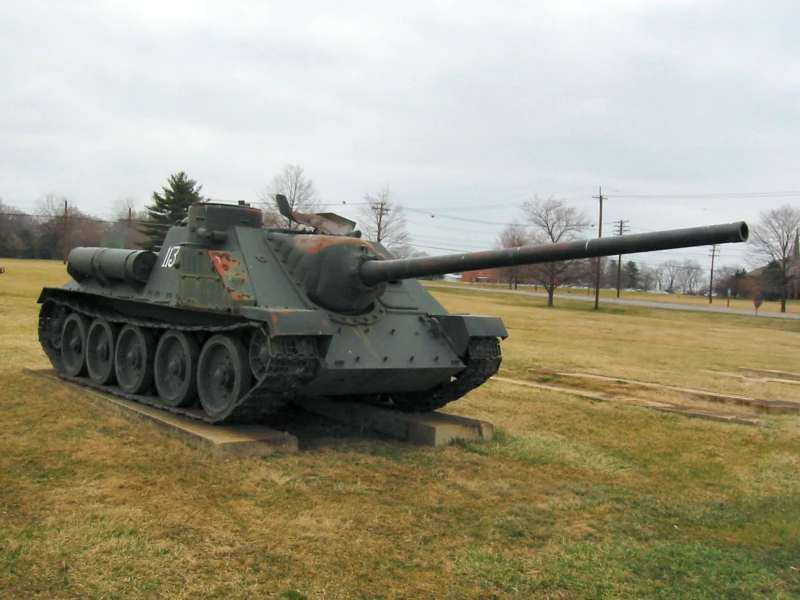
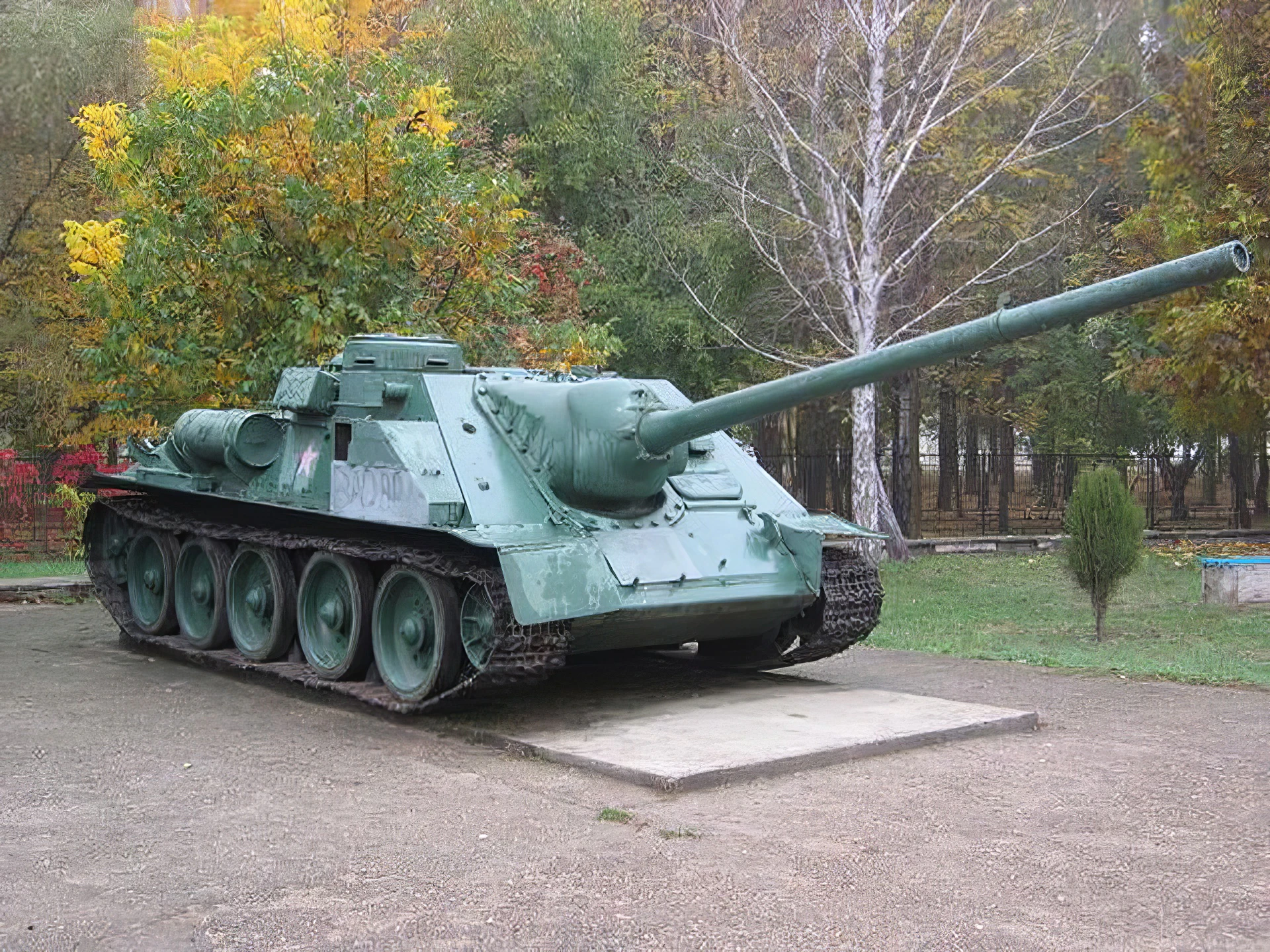
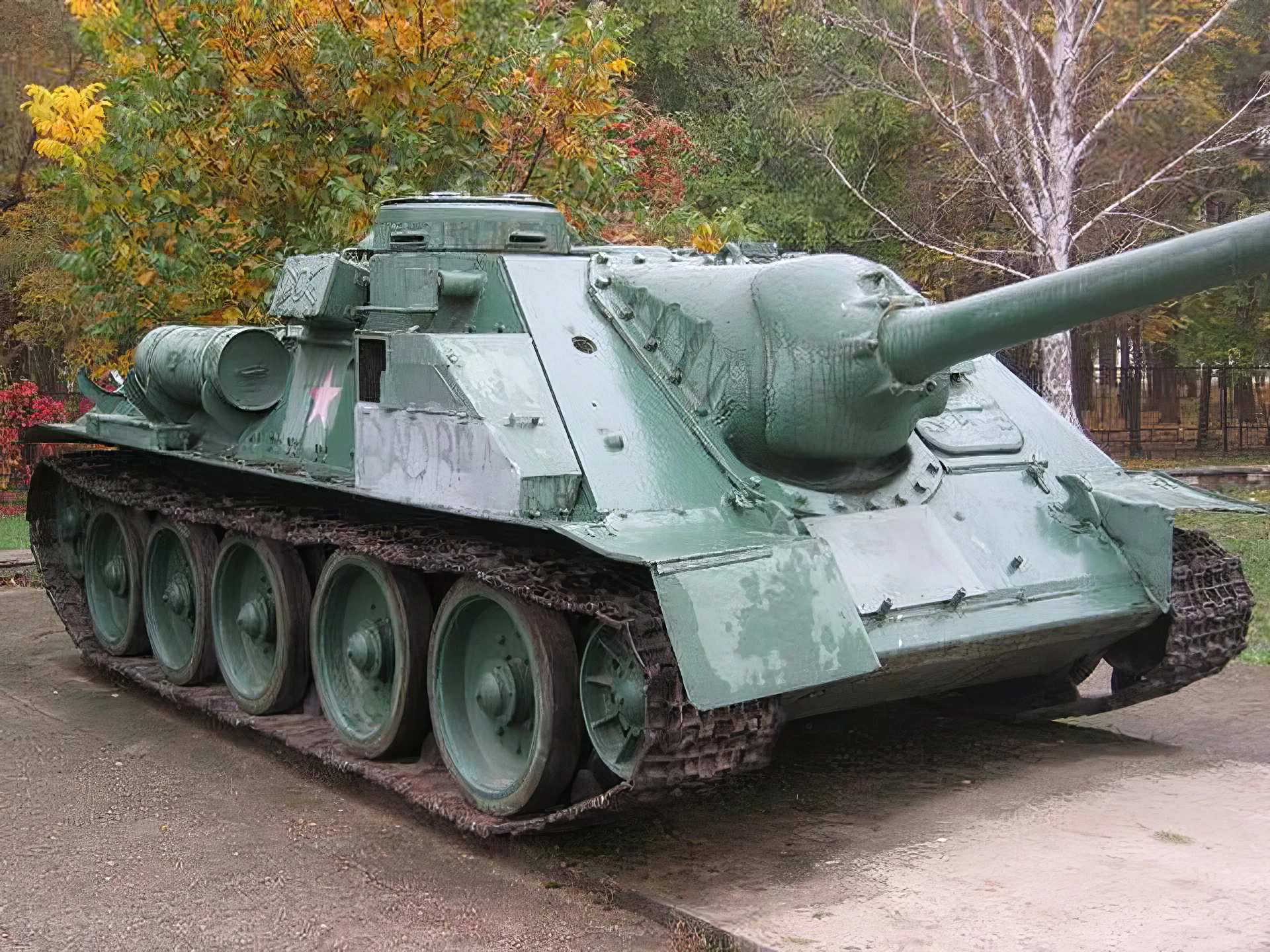
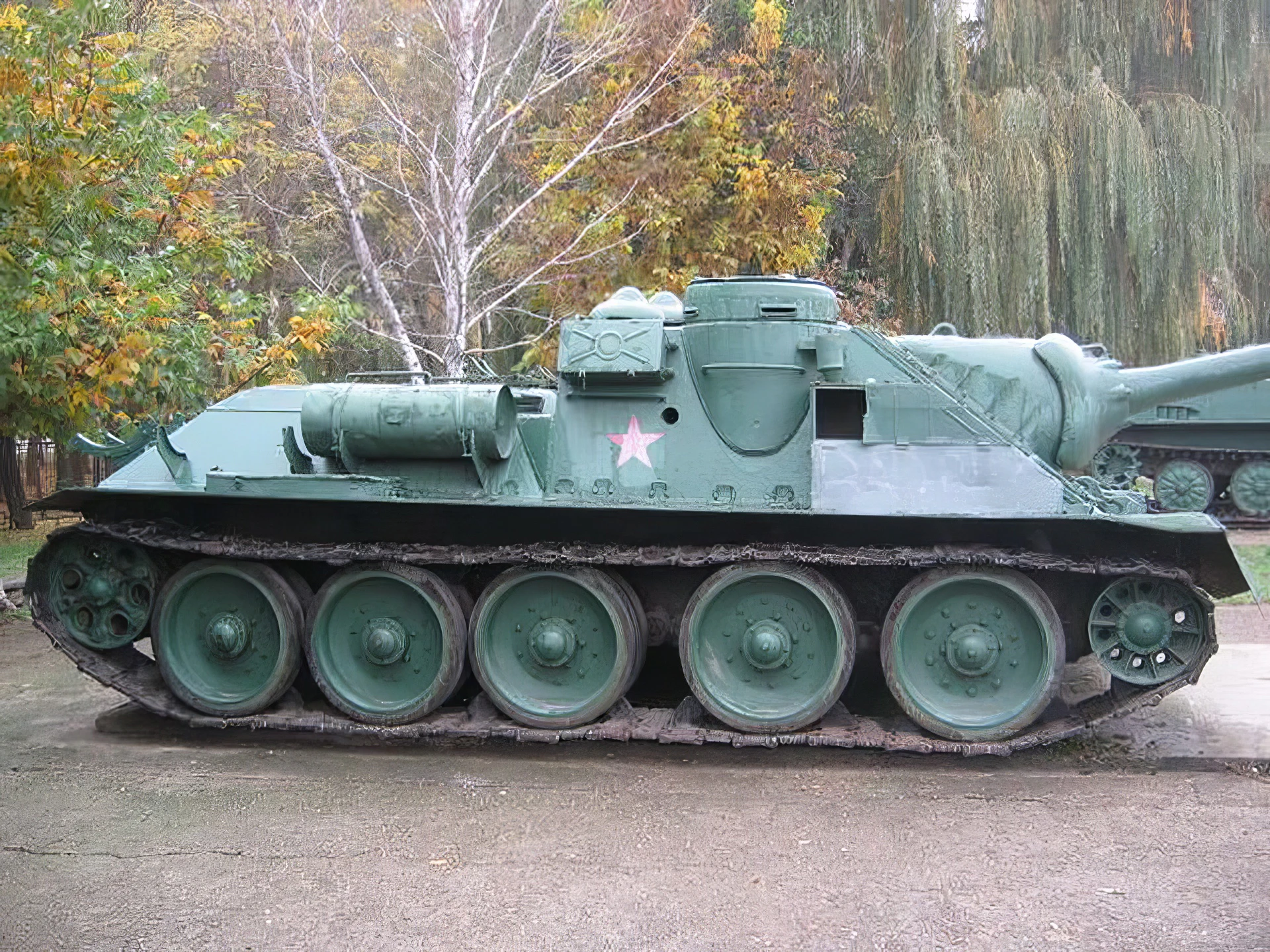
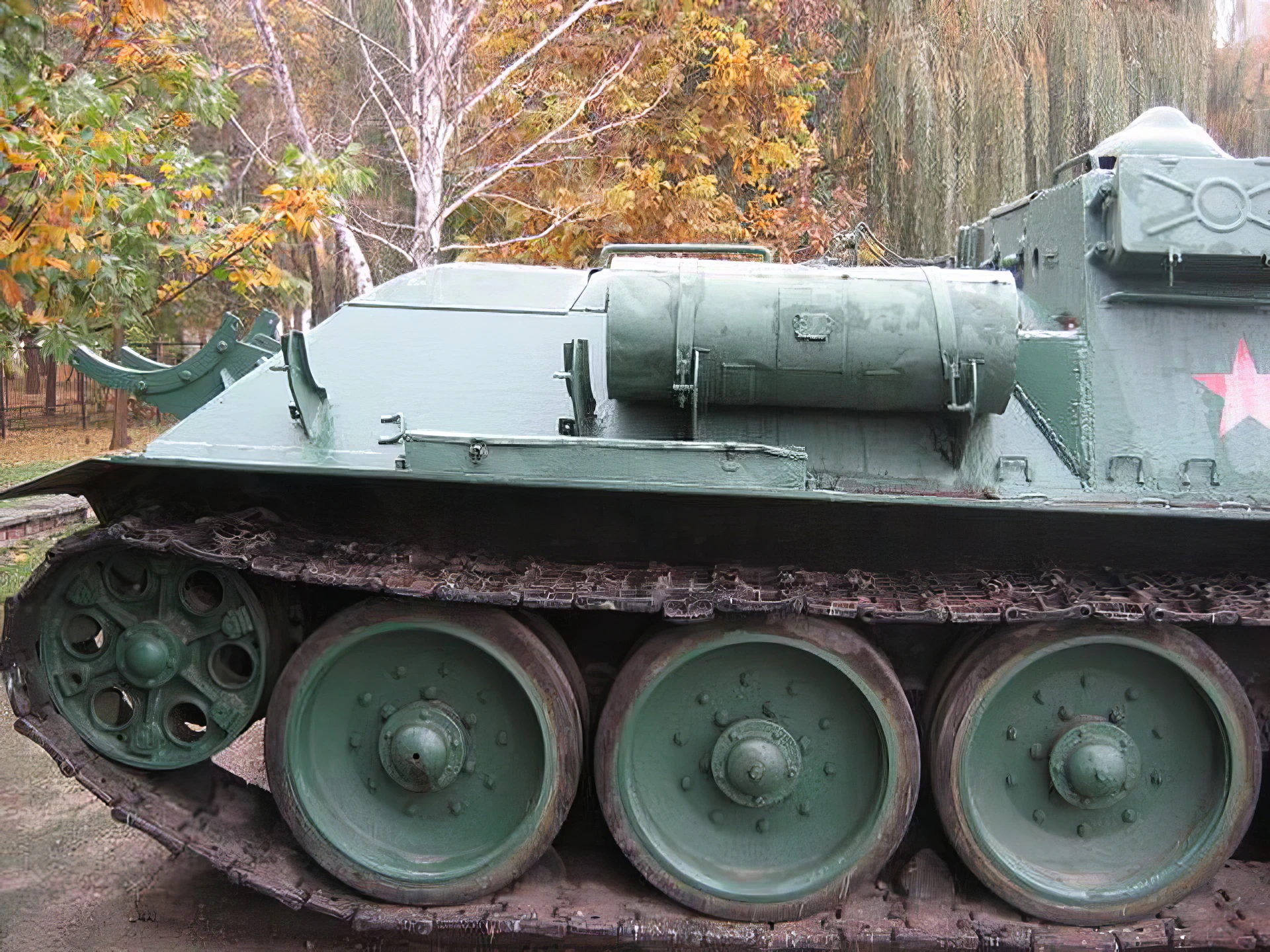
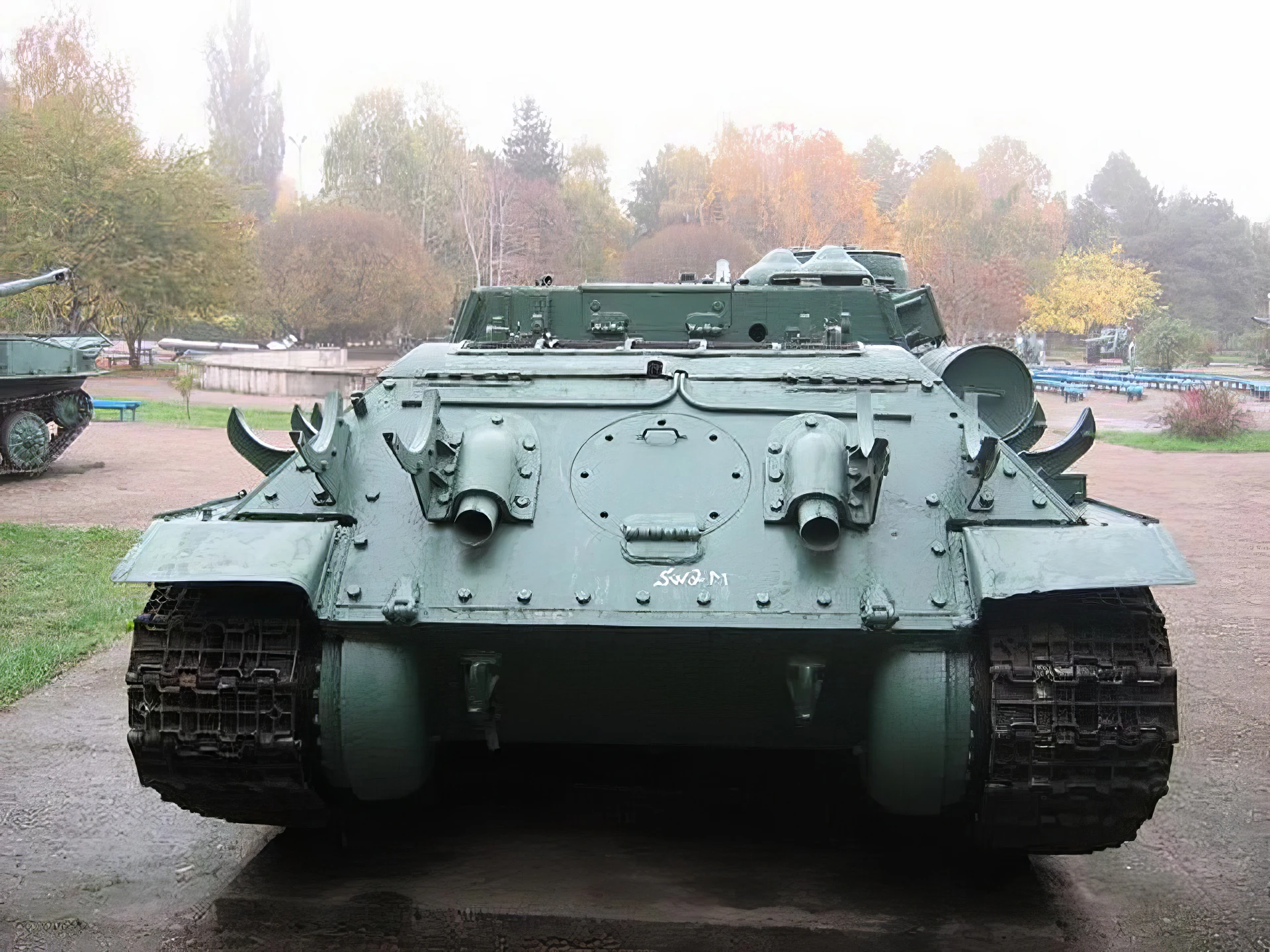
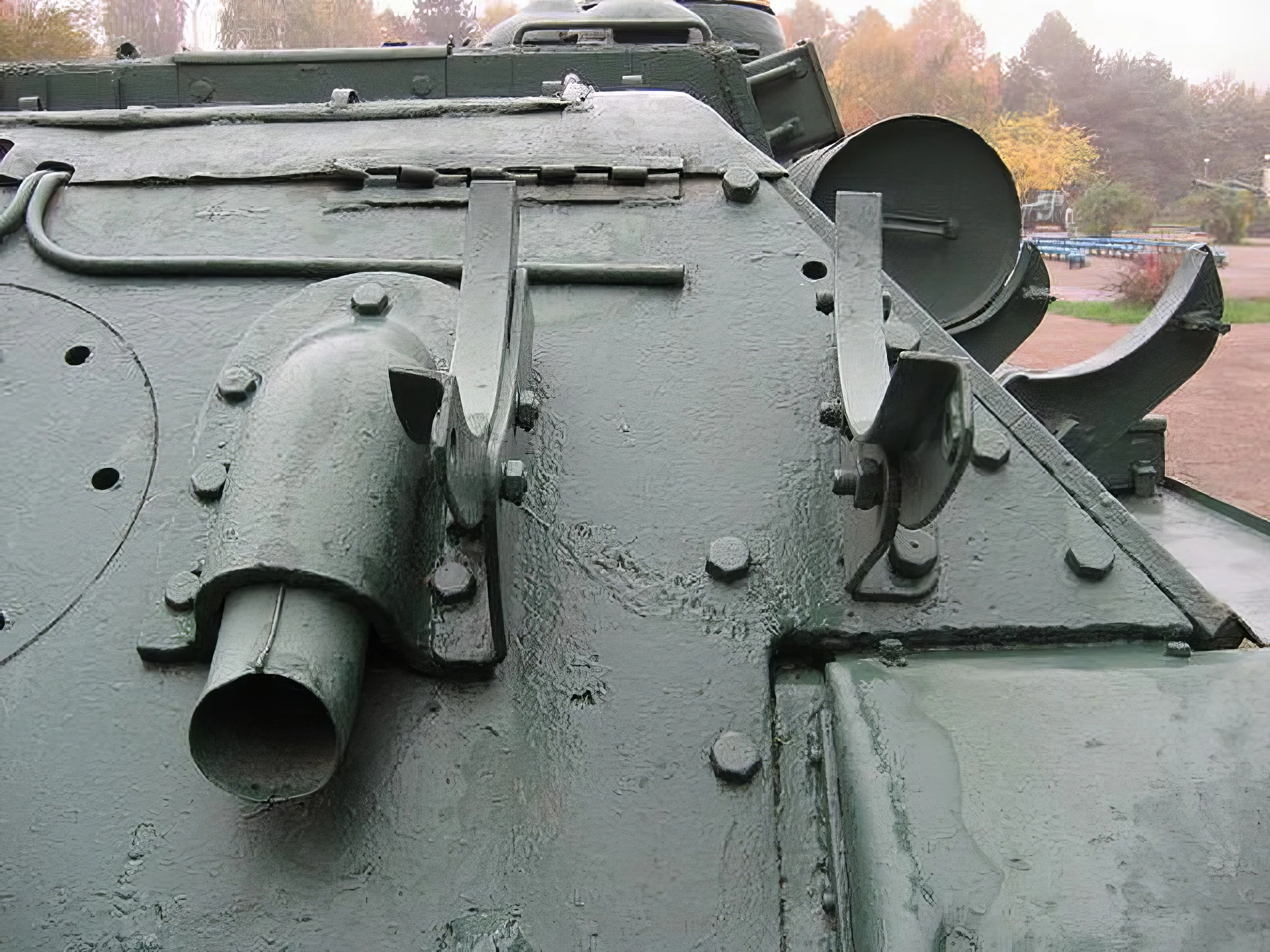
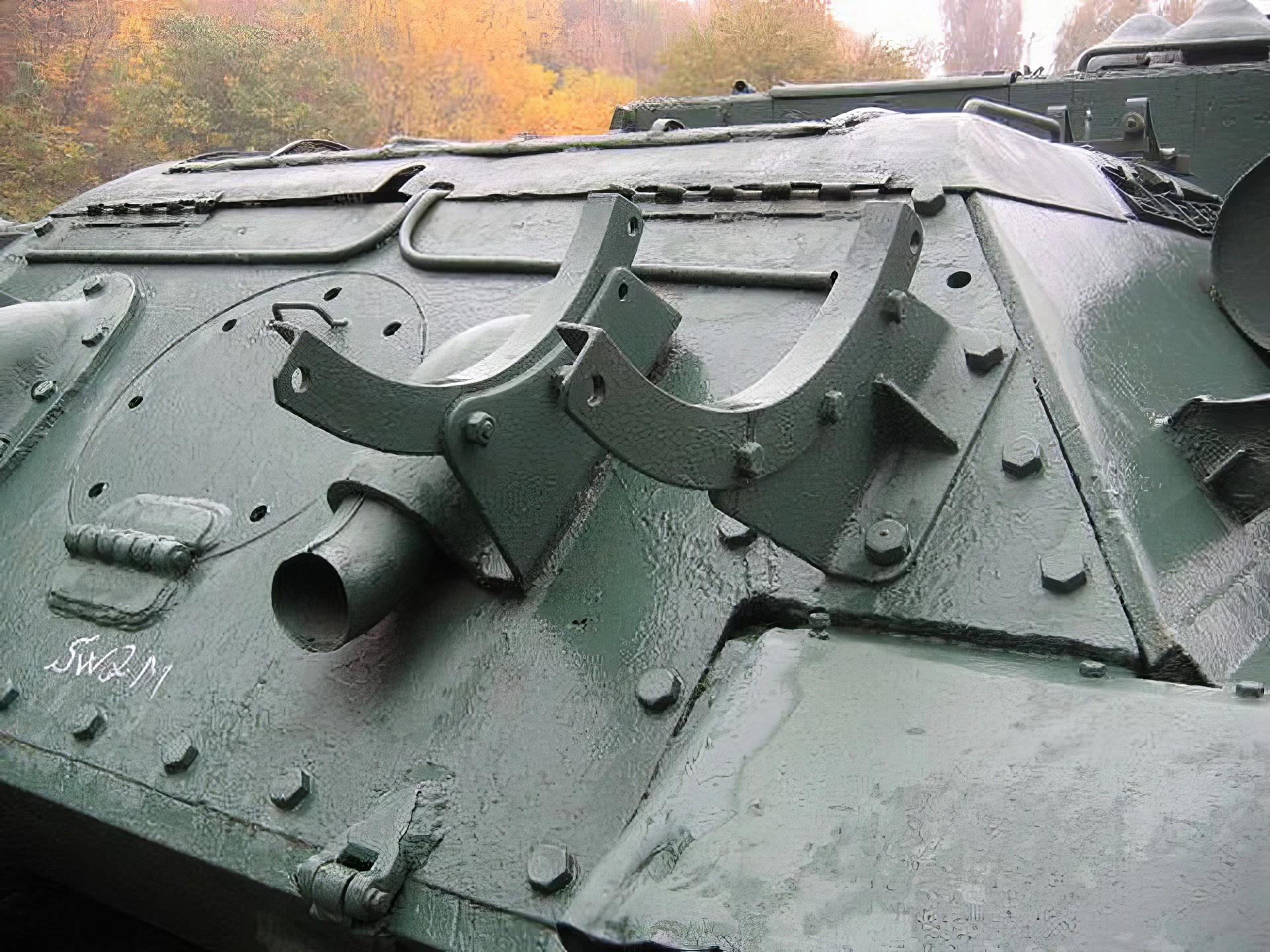
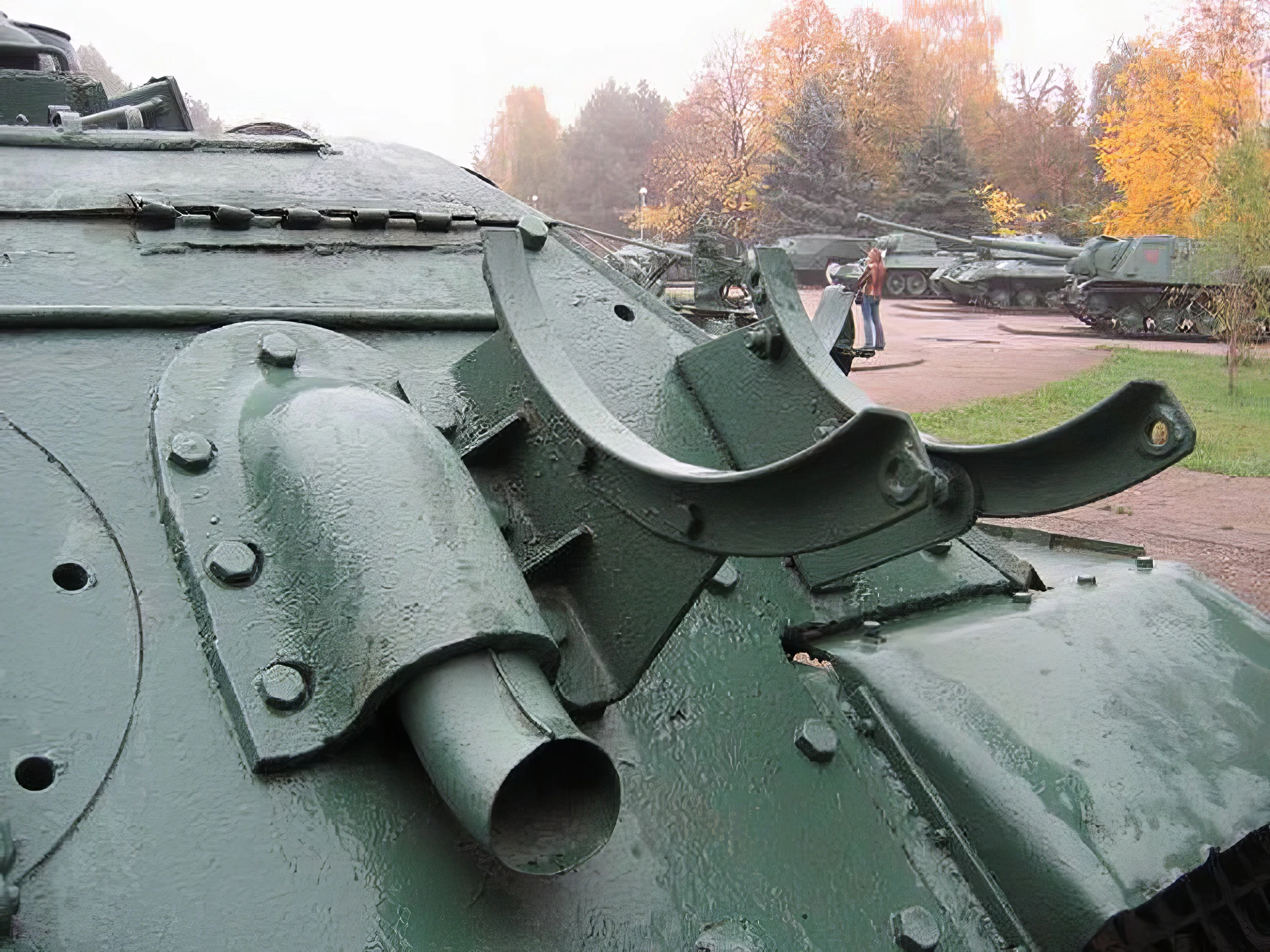
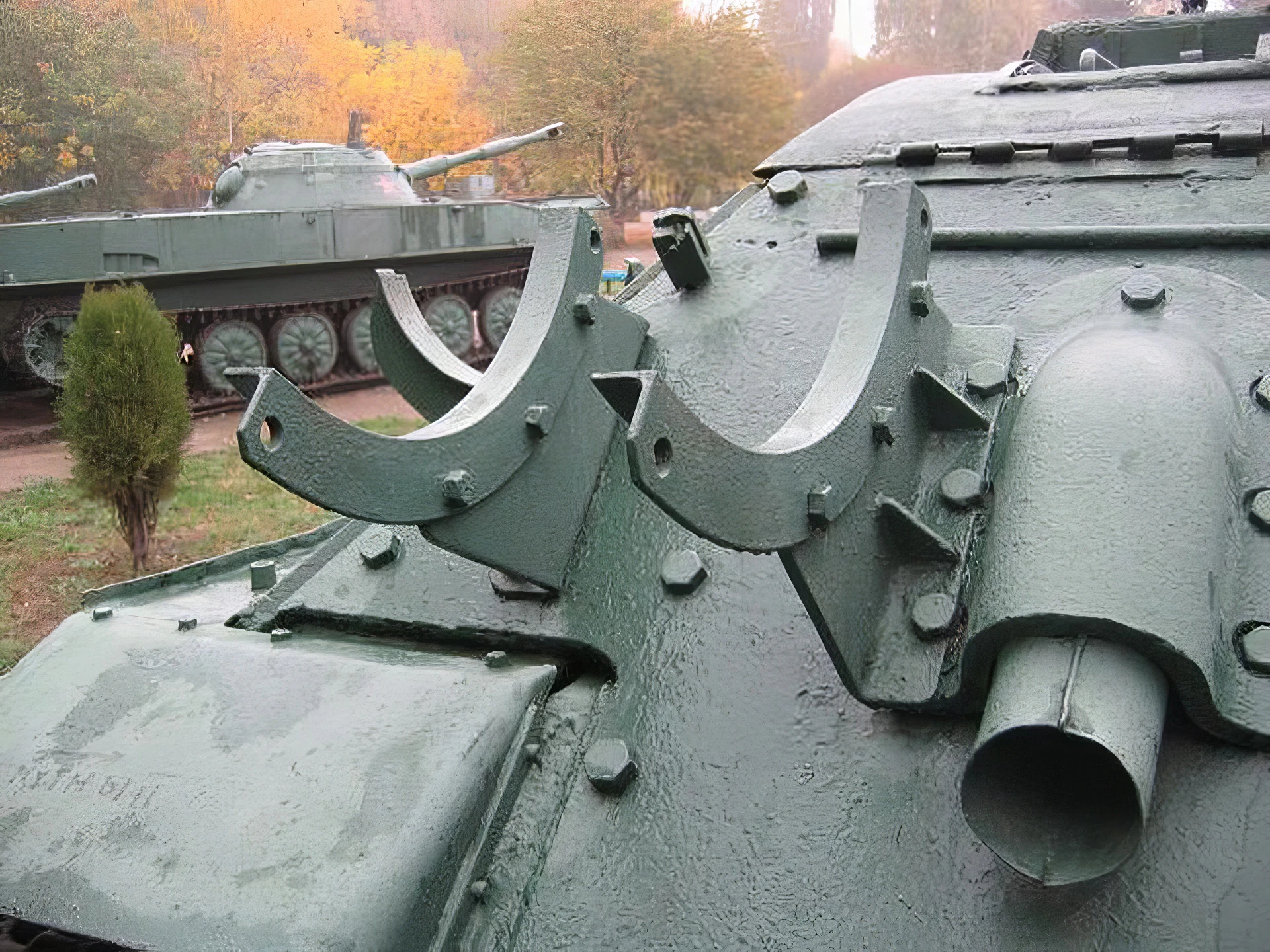
SU-100 (Samokhodnaya Ustanovka 100) byl sovětský stíhač tanků vyzbrojený silným 100mm protitankovým dělem v kasematové nástavbě. Během posledního roku druhé světové války byl hojně používán a poté sloužil mnoho let v armádách sovětských spojenců po celém světě.
Zdroj: SU-100 na Wikipedii
| SU-100 | |
|---|---|
| Fotograf | Neznámé |
| Lokalizace | Neznámé |
| Fotografie | 33 |

Viz také:


Tá SU-100 (Samokhodnaya Ustanovka 100) was a formidable Soviet self-propelled anti-tank gun that entered service late in World War II. Developed as a successor to the SU-85, it utilized the reliable **T-34 tank chassis** but featured a significantly more powerful main gun to effectively counter the latest German heavy armor.
Primary Characteristics
The vehicle’s design was focused entirely on maximizing firepower and achieving a low profile, defining the casemate tank destroyer concept:
Weaponry and Firepower:
- Main Gun: The SU-100 was armed with the high-velocity 100 mm D-10S gun. This weapon was one of the most powerful anti-tank guns of its era, capable of penetrating the frontal armor of most German tanks, including the Tiger I and Panther, at standard combat ranges.
- Limited Traverse: As a casemate tank destroyer, the gun was mounted directly in the fixed superstructure, offering only a very limited traverse angle. The crew had to turn the entire vehicle to bring the gun to bear on targets outside its narrow arc.
Armor and Mobility:
- Frontal Protection: The front of the superstructure was notably thickened to **75 mm** and heavily sloped, which greatly increased its effective resistance against enemy fire.
- Podvozek: Its heritage from the T-34 medium tank provided the SU-100 with excellent mobility and speed (approximately 50 km/h on roads) for its size, allowing it to move quickly between ambush positions.
- Crew: The vehicle required a crew of four (Driver, Commander/Radio Operator, Gunner, Loader).
Operational Service
Introduced to the Red Army in October 1944, the SU-100 played a significant role in the final year of the Second World War on the Eastern Front, where it was crucial in defeating major German armored counter-offensives. It gained a reputation as an extremely effective “animal hunter” (*Zveroboi*), capable of dispatching German heavy tanks.
The SU-100 remained in service with the Soviet military well into the Cold War and was widely exported to allied nations, seeing combat in various subsequent conflicts, including those in the Middle East.
Počet zobrazení: 3524