
Dodge WC3 | |
|---|---|
| Země | SPOJENÉ STÁTY |
| Typ | Lehký vojenský náklaďák |
Tá Dodge WC Série byla řada lehkých vojenských nákladních automobilů vyráběných společností Dodge během druhé světové války. Série zahrnovala nosiče zbraní, telefonní instalační vozíky, sanitky, průzkumná vozidla, mobilní dílny a velitelské vozy. Po válce byly nahrazeny vozidly Dodge řady M. WC byl kód modelu Dodge: W pro rok 1941 a C pro půltunové hodnocení. Kód C byl zachován pro 3/4 tuny a 11/2 tuny 6×6 Dodges.
Zdroj: Dodge WC na Wikipedii
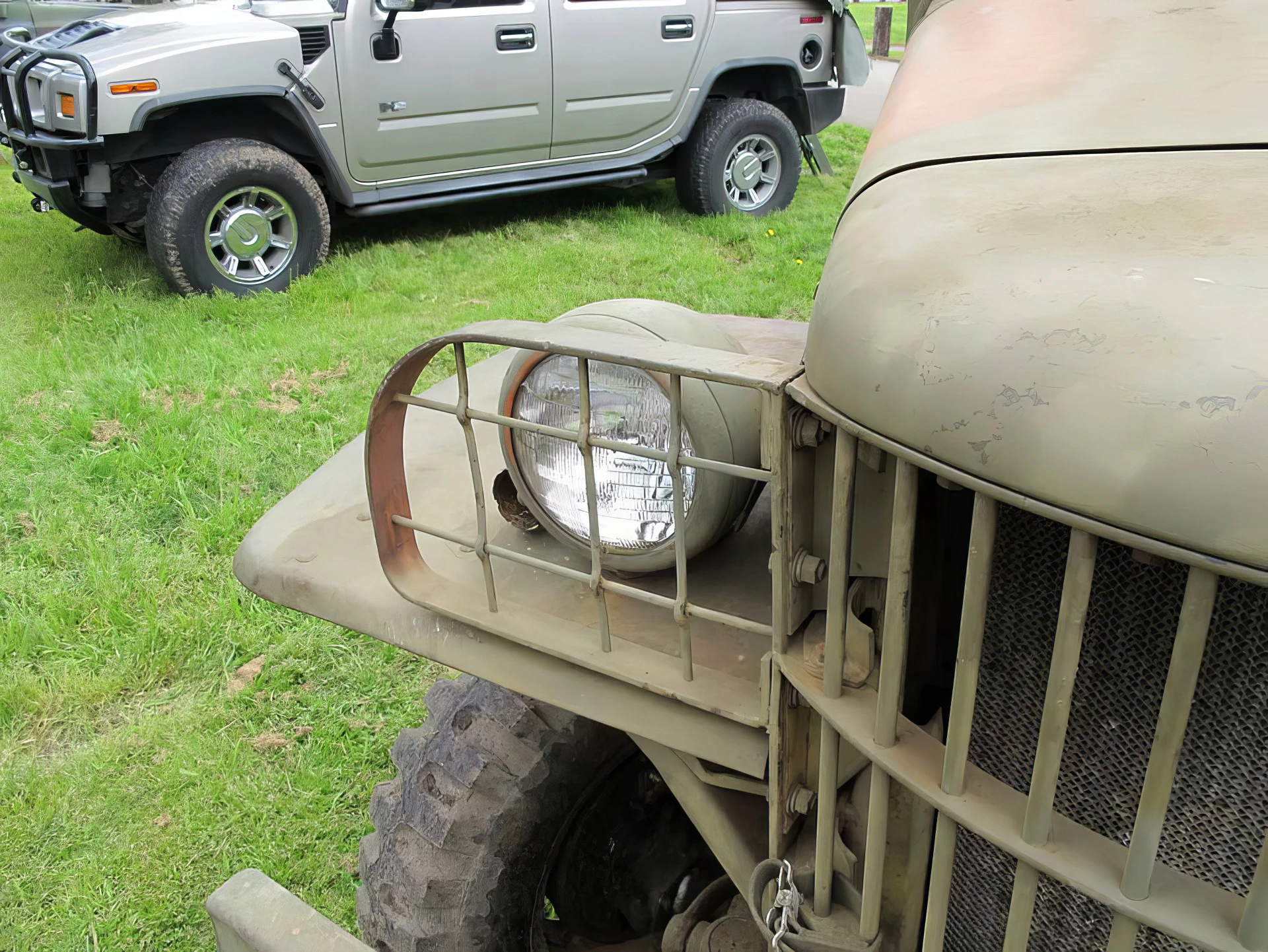
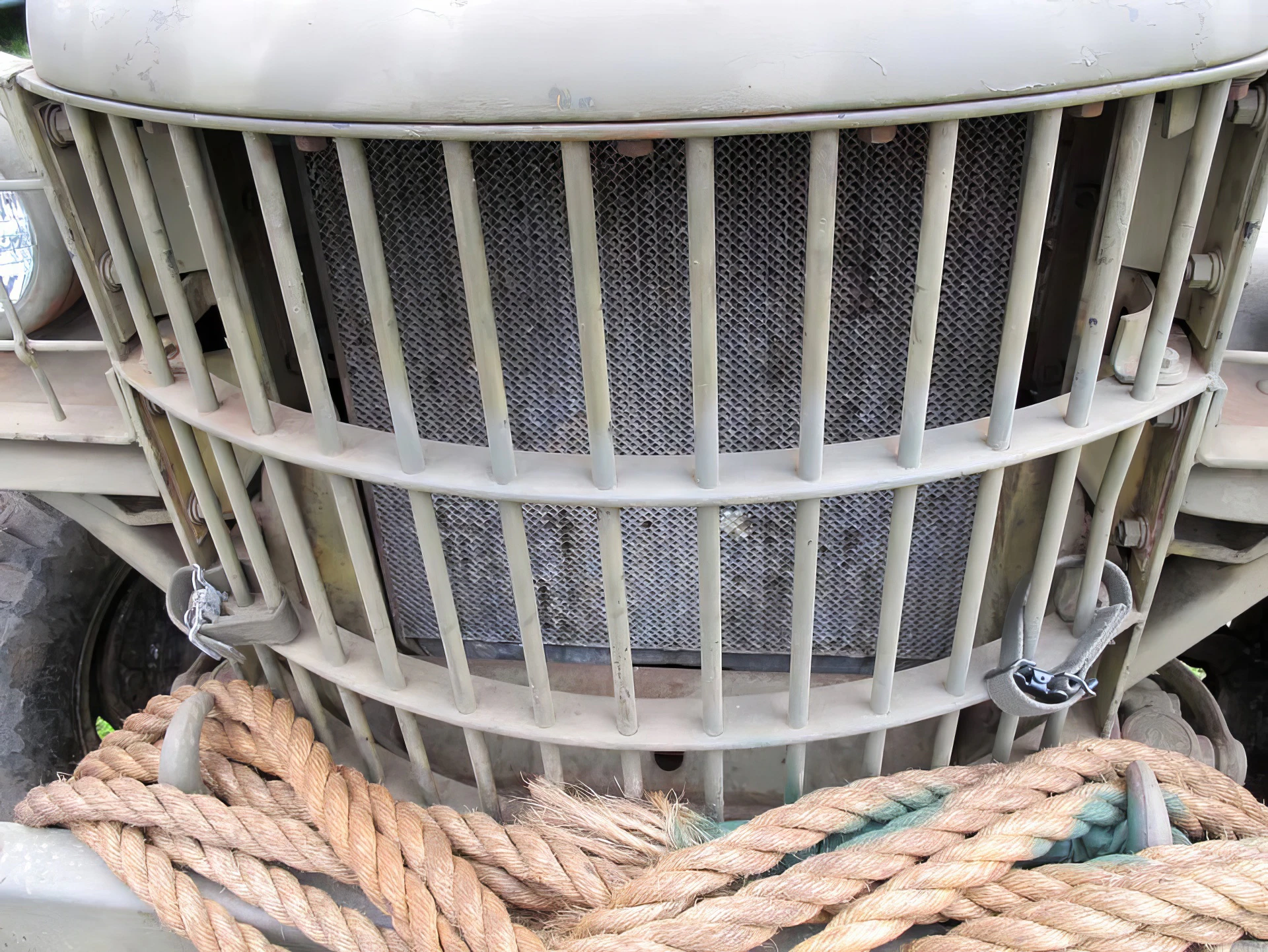
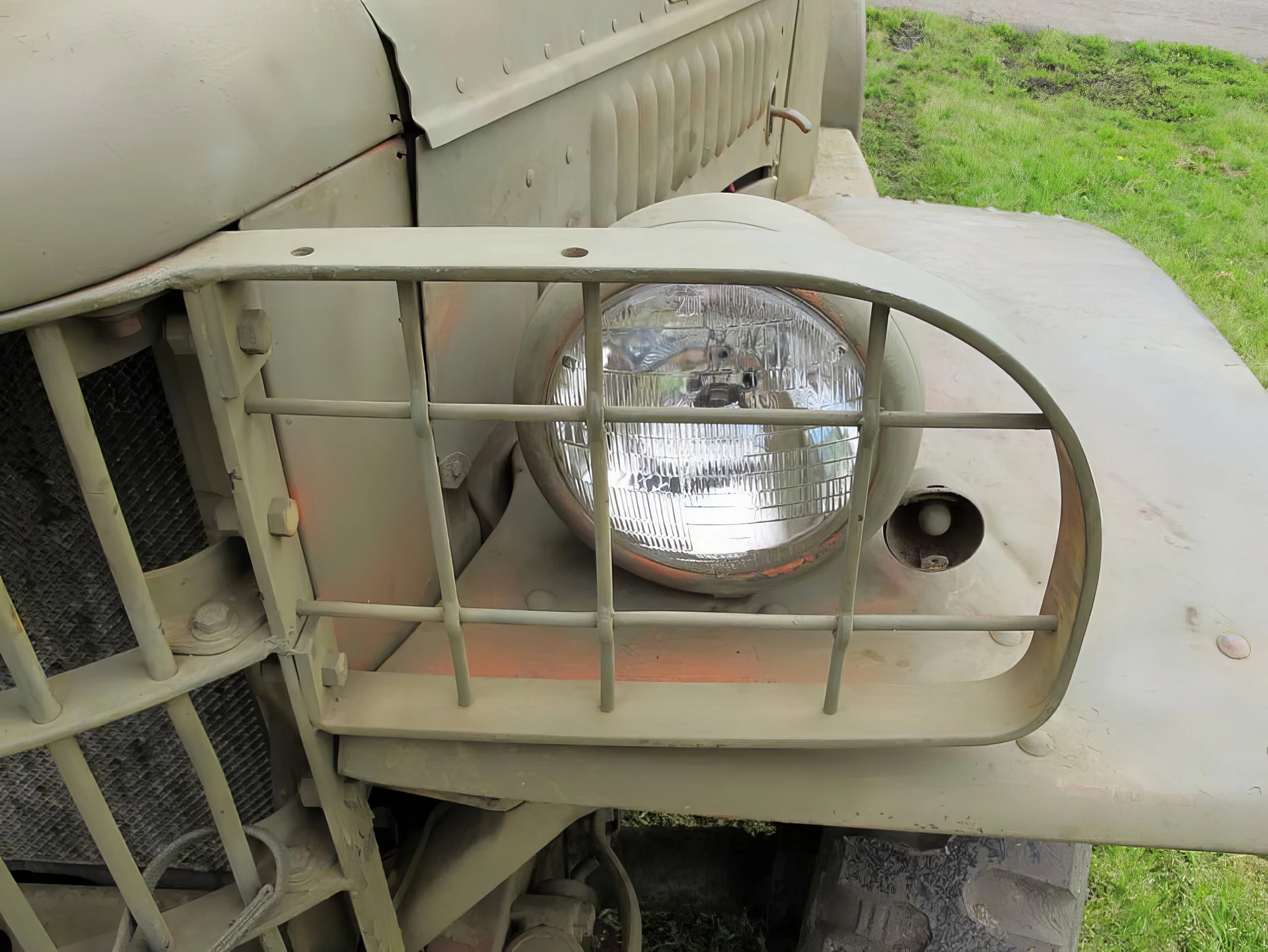
| Dodge WC3 – Walk Around | |
|---|---|
| Fotograf | Neznámé |
| Lokalizace | Neznámé |
| Fotografie | 84 |
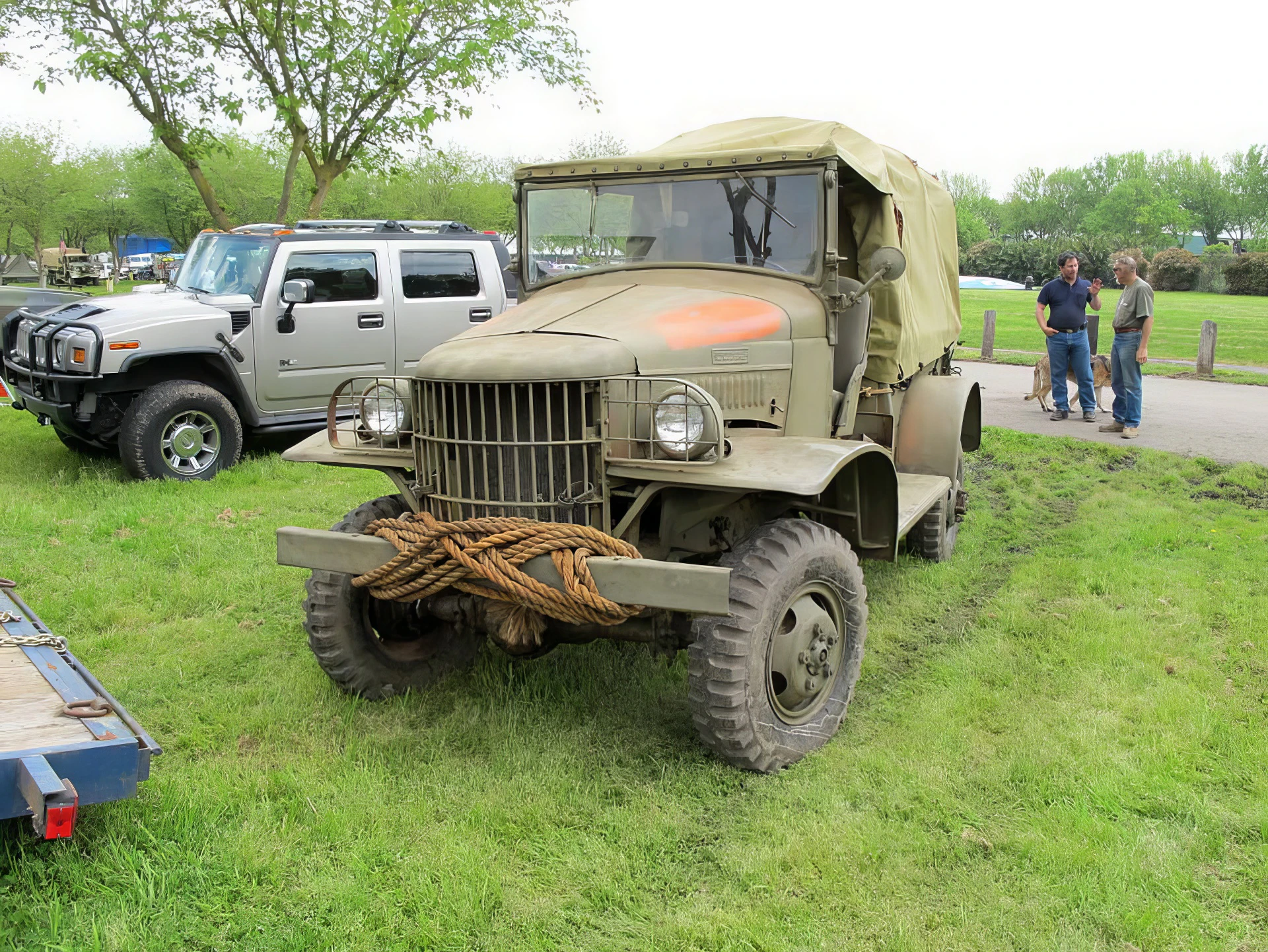
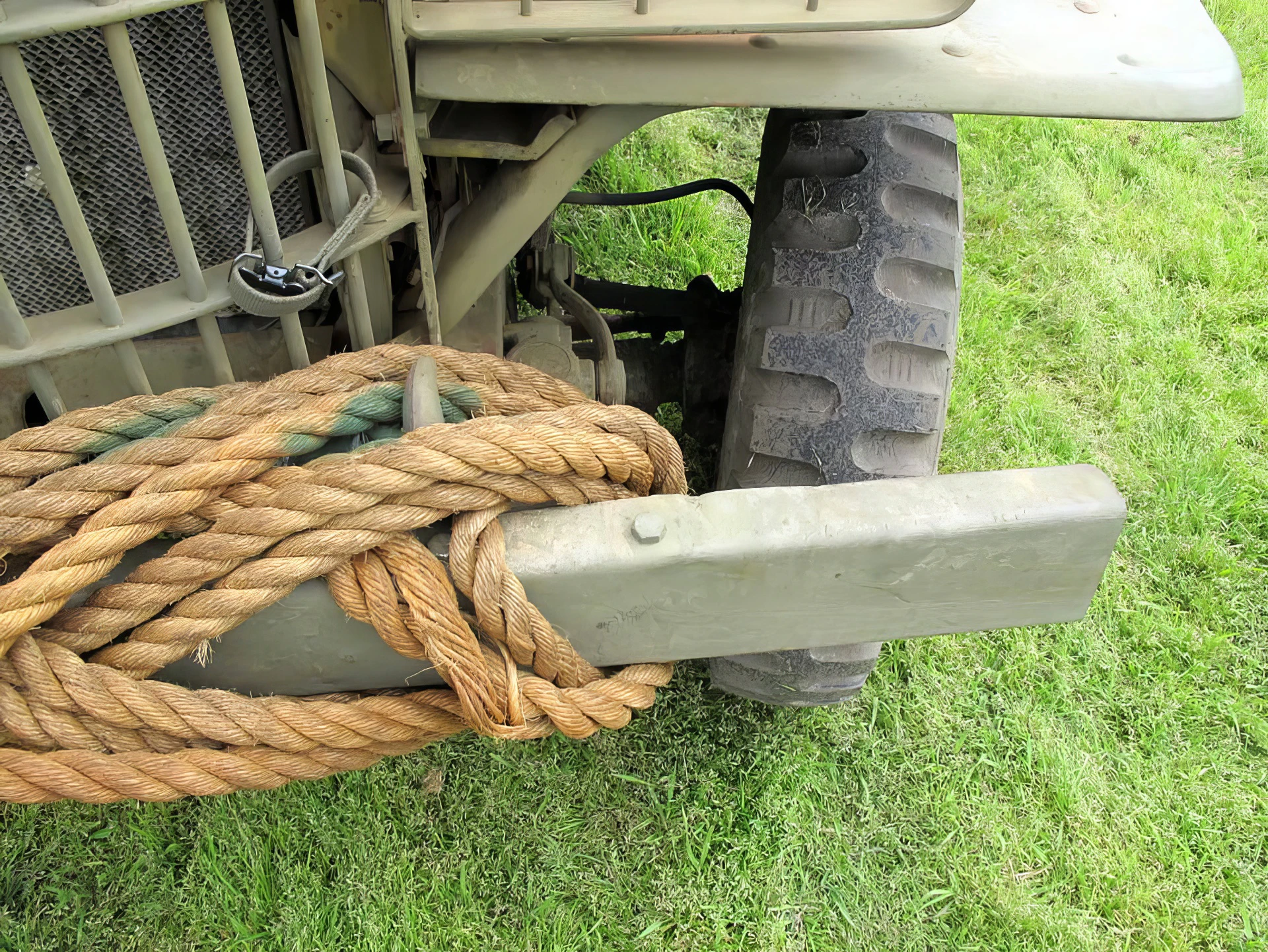
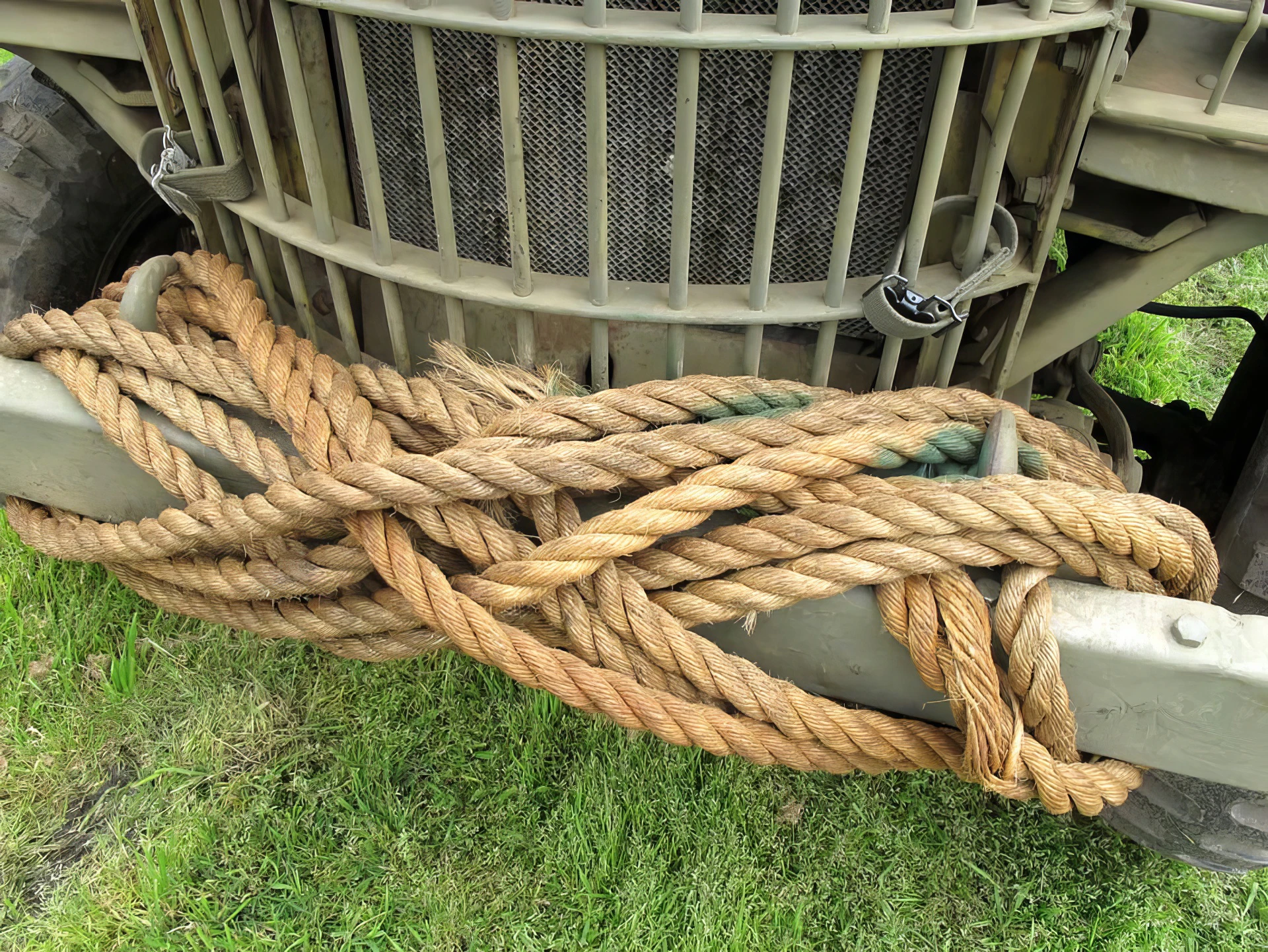
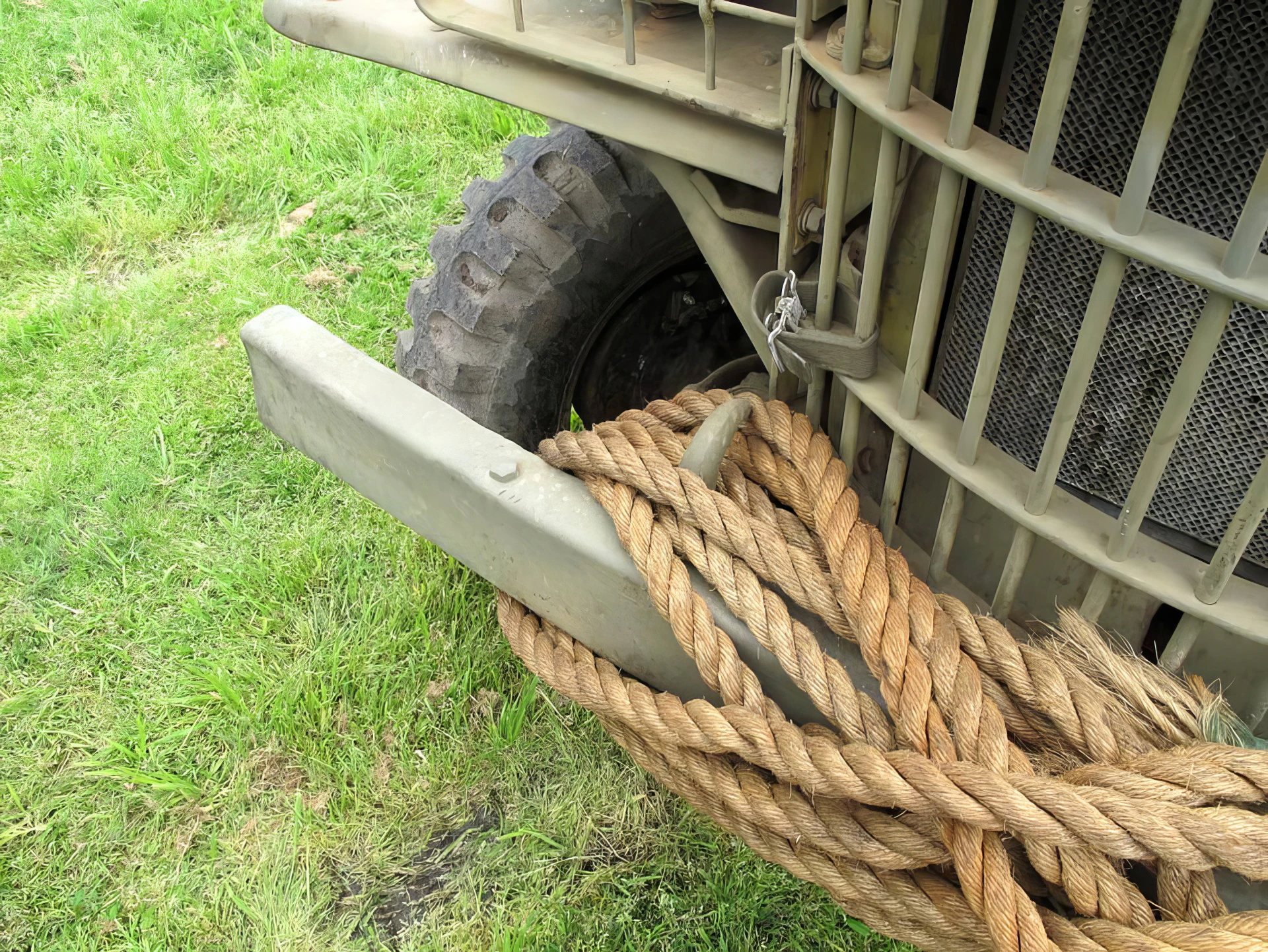



Viz také:


The Dodge WC-3 was a specific model within the prolific Dodge WC (Weapons Carrier) series of light utility trucks produced by Chrysler for the U.S. military during World War II. The “WC” designation was a Dodge internal model code, not an abbreviation for “Weapons Carrier,” though that was the most common role for the series.
The WC-3 was a 1/2-ton 4×4 closed-cab pickup truck, primarily used for light cargo transport, general utility duties, and officer/staff movement, functioning as a sturdy link between the smaller 1/4-ton Jeeps and the larger 3/4-ton WC models.
Key Features and Specifications
- Chassis: Part of the G-505 1/2-ton 4×4 series, it used a light-duty chassis that evolved from pre-war civilian designs but was adapted for military off-road use.
- Capacity: It was rated for a nominal 1/2-ton payload (approximately 1,000 lbs or 450 kg).
- Body Type: It featured a closed cab for the driver and passenger and an open cargo bed with transverse seating (folding benches) for carrying troops or light supplies.
- Engine: Typically powered by the reliable Dodge L-head inline six-cylinder gasoline engine, providing adequate power for its size and payload.
- Drivetrain: Featured a rugged 4-speed manual transmission and a part-time 4-wheel drive (4×4) system, giving it better off-road capability than standard 2WD trucks.
- Production: The 1/2-ton WC series, which included the WC-3, was an early production run (starting in 1941), with about 80,000 units built across 30 different 1/2-ton models before the shift to the heavier 3/4-ton WC series in 1942.
Role and Impact
The WC-3 and its 1/2-ton siblings were foundational to the early U.S. Army motor pool.
Operational Highlights
- Rear Echelon Utility: While not designed for frontline combat like armored vehicles, the WC-3 was an indispensable utility vehicle, transporting supplies, parts, and personnel behind the forward lines.
- Early War Service: Due to its early production (1941-1942), the WC-3 was one of the primary light military trucks used by U.S. forces in the initial stages of WWII, including stateside training and early overseas deployments.
- Maintenance Advantage: A critical feature of the entire WC series was parts standardization. Approximately 80% of components were interchangeable between the 1/2-ton and later 3/4-ton models, greatly simplifying field maintenance and logistics.
- Evolution: The WC-3 represented a step in the evolution of U.S. military light trucks. Its design principles and the need for greater payload eventually led to the widely produced and more robust 3/4-ton WC models (like the WC-51/52), which became the definitive medium utility truck of the war.
Počet zobrazení: 3690
Můžete také vidět:
 Dodge WC16 – Fotografie a video
 M923 Guntruck – Fotografie & Video
 Dodge WC-57 – Fotografie & Video
 M35 21/2-tunový nákladní automobil – Fotografie & Video
 Dodge M37B1 – Procházka Kolem
 Gaz MM – Procházka Kolem
 Studebaker US6 vol2 – WalkAround
 WC-57 3-4 Tuny 4X4 – Procházka Kolem
 Studebaker US6 - WalkAround - Nákladní automobil
 Gaz AA – Procházka kolem