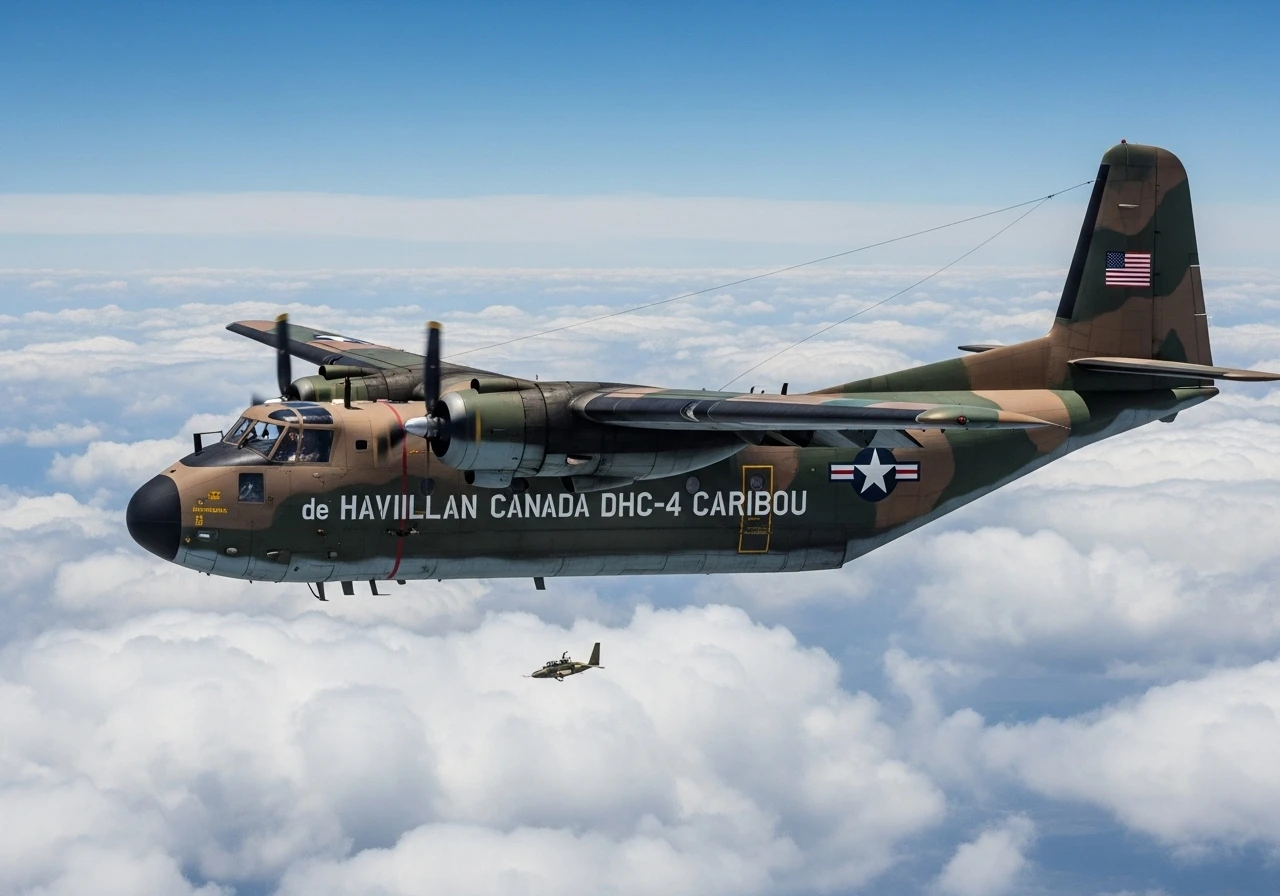
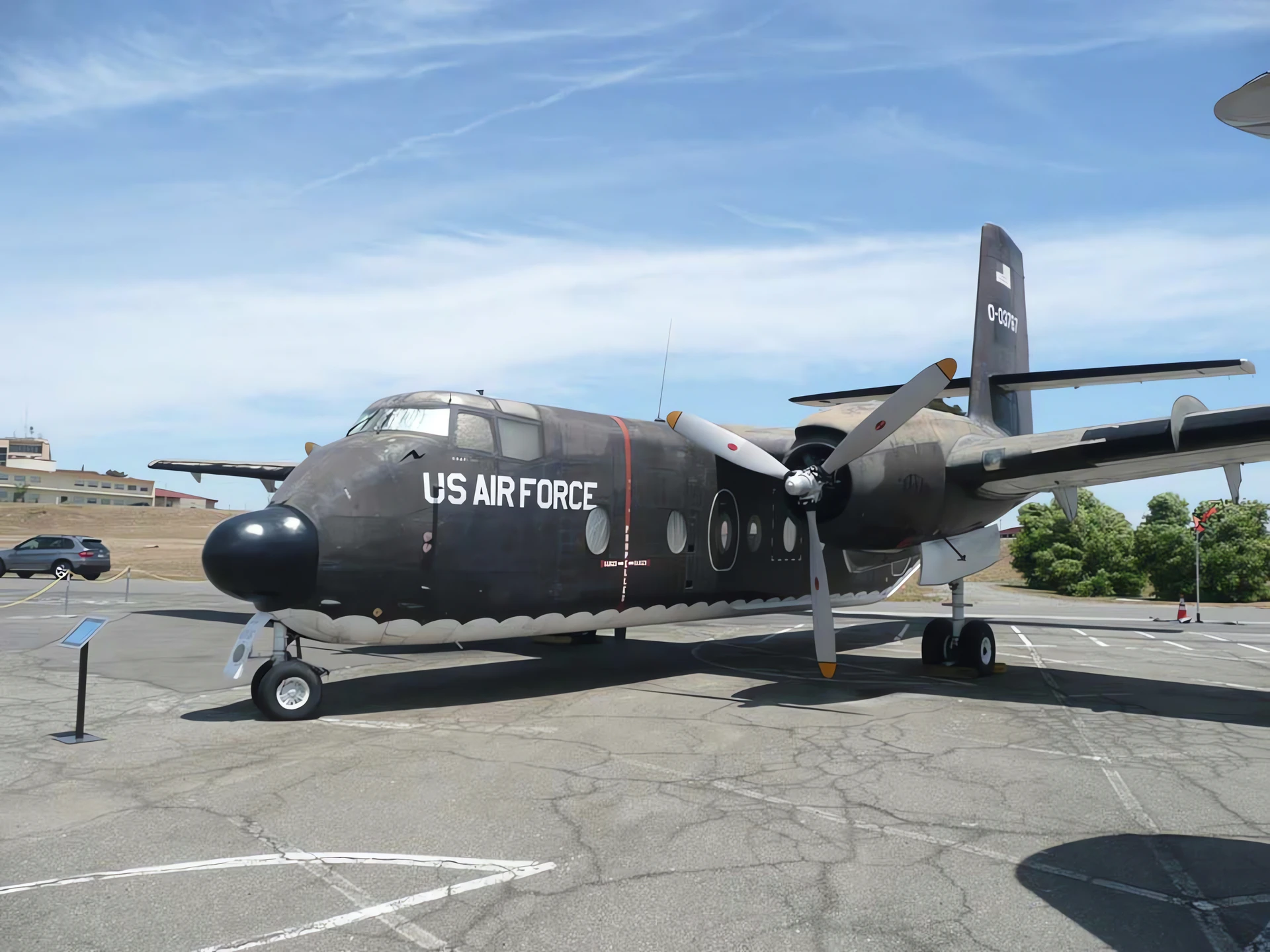
Tá de Havilland Canada DHC-4 Caribou (označený armádou Spojených států jako CV-2 a později C-7 Caribou) je kanadský specializovaný nákladní letoun se schopností krátkého vzletu a přistání (STOL). Caribou poprvé vzlétl v roce 1958 a přestože byl většinou vyřazen z vojenských operací, je stále používán v malých počtech jako robustní "bush" letoun.
Wait, Searching de Havilland Canada DHC-4 Caribou for you…
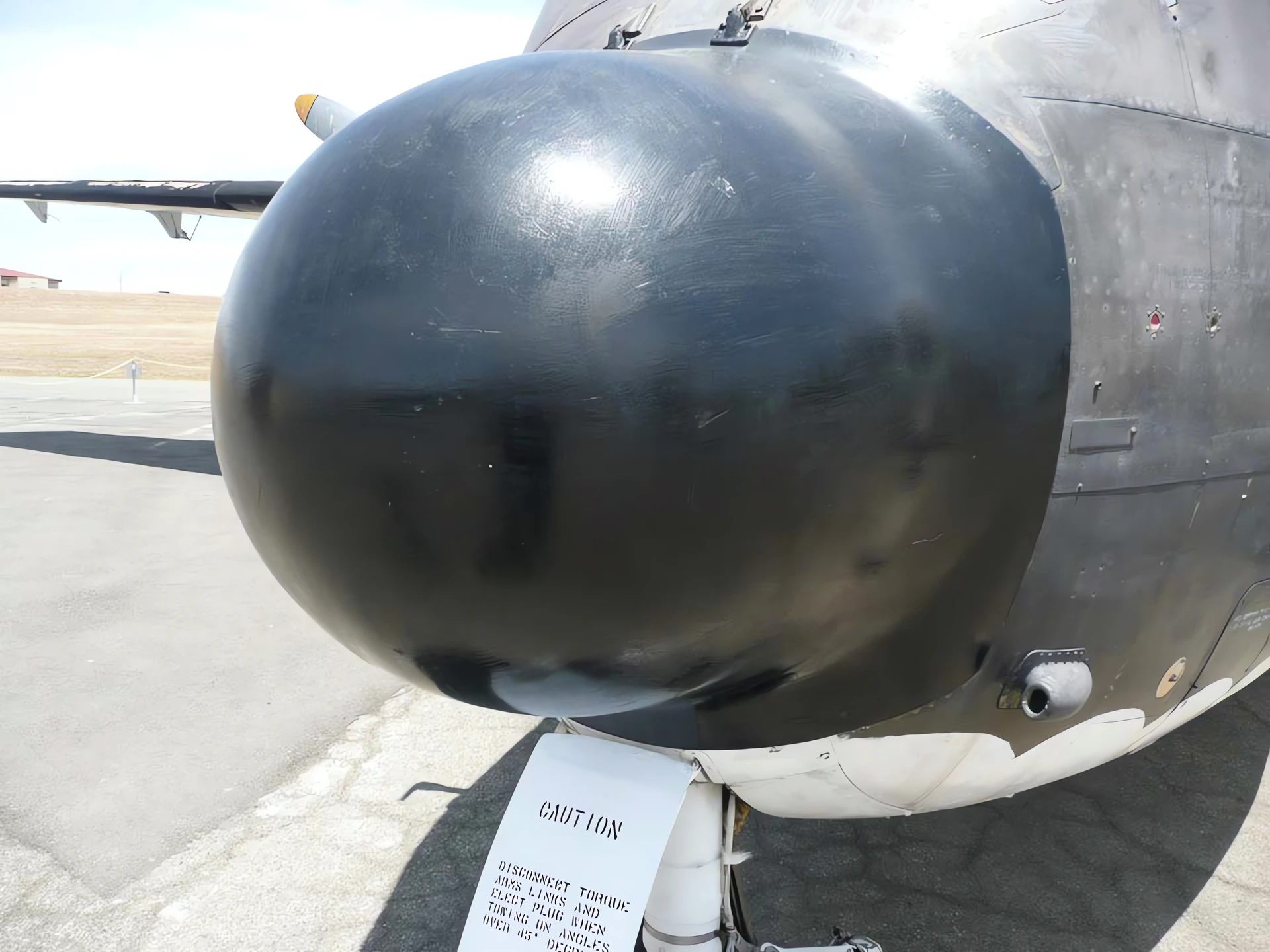
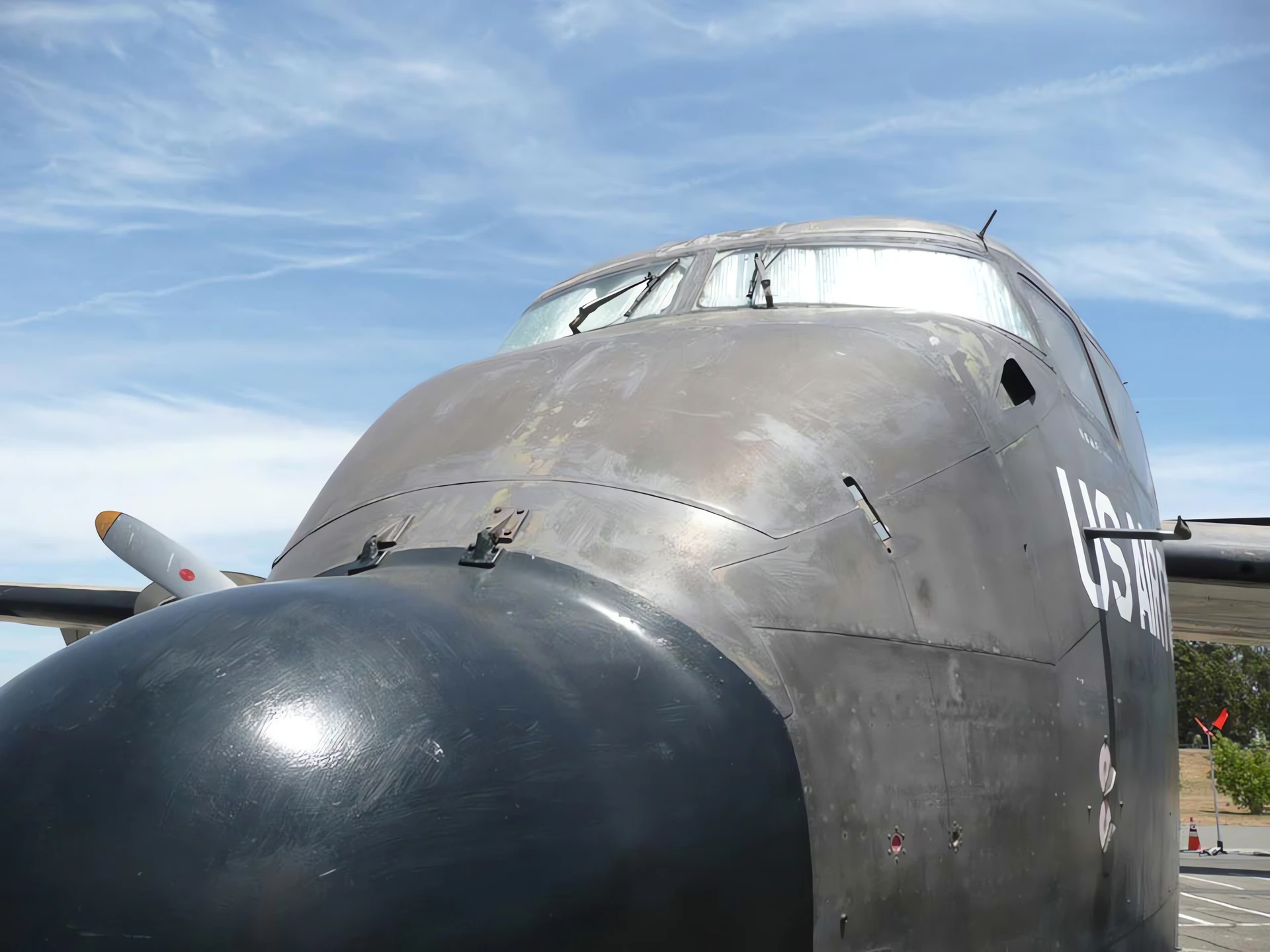
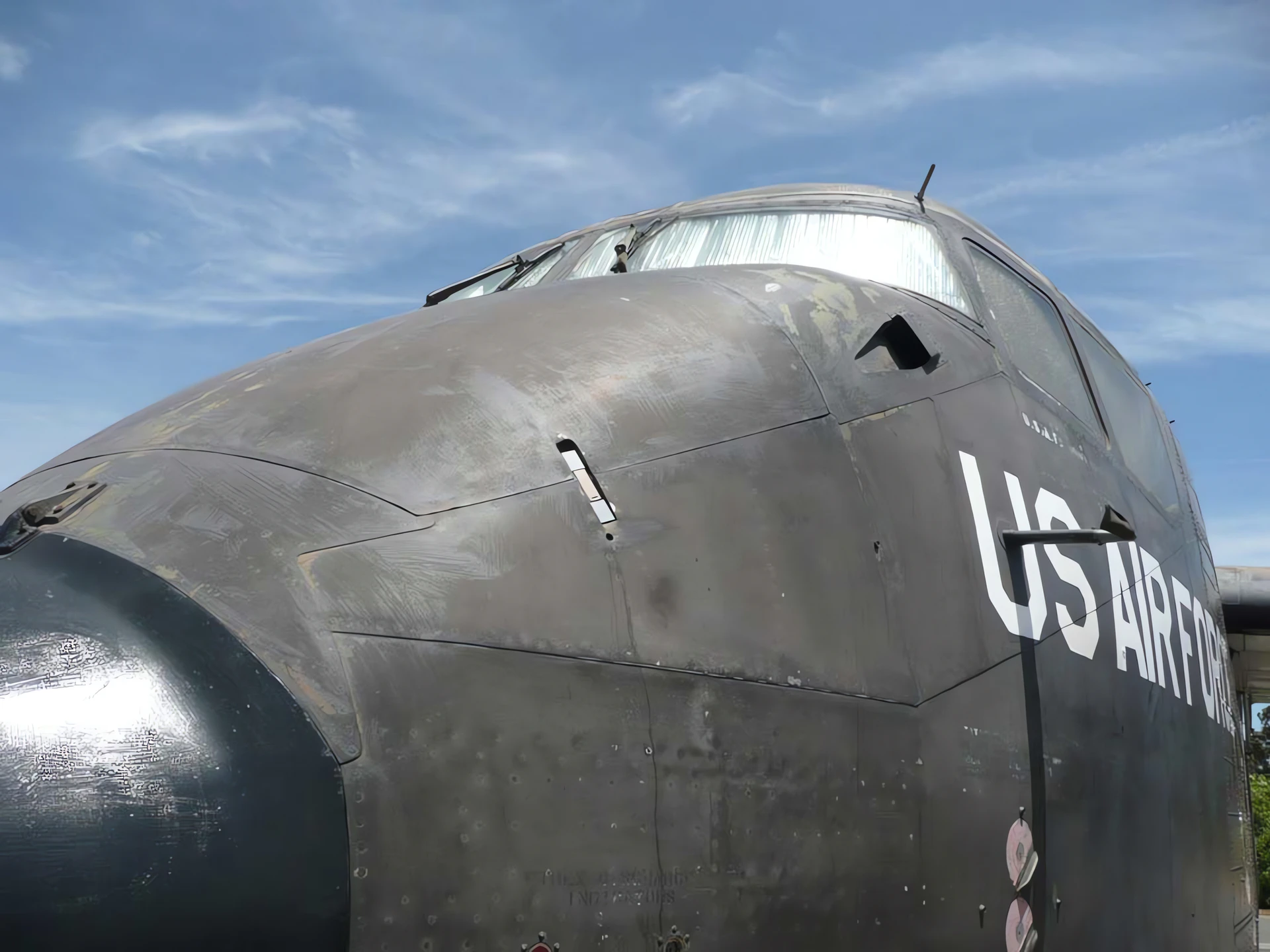
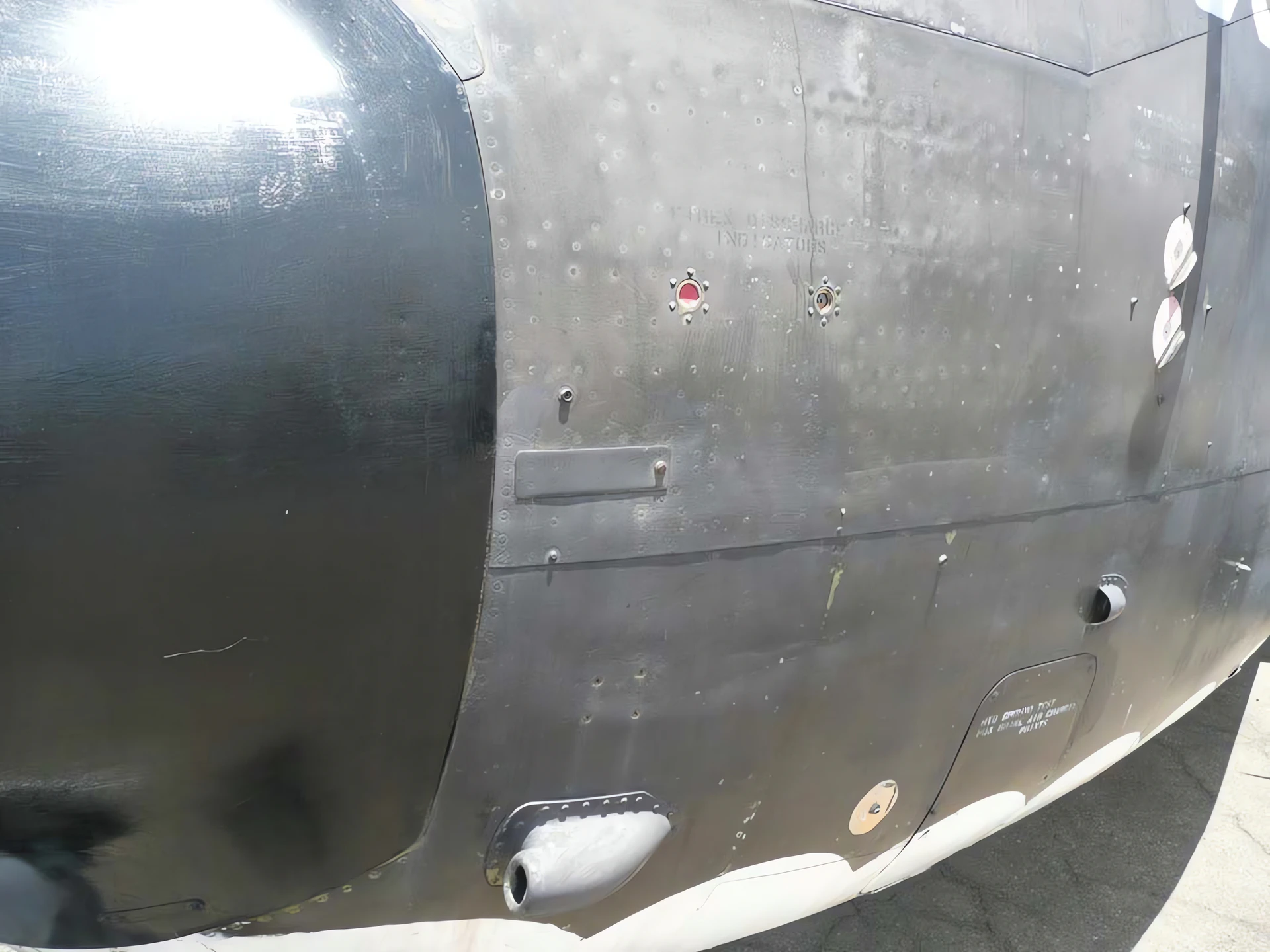
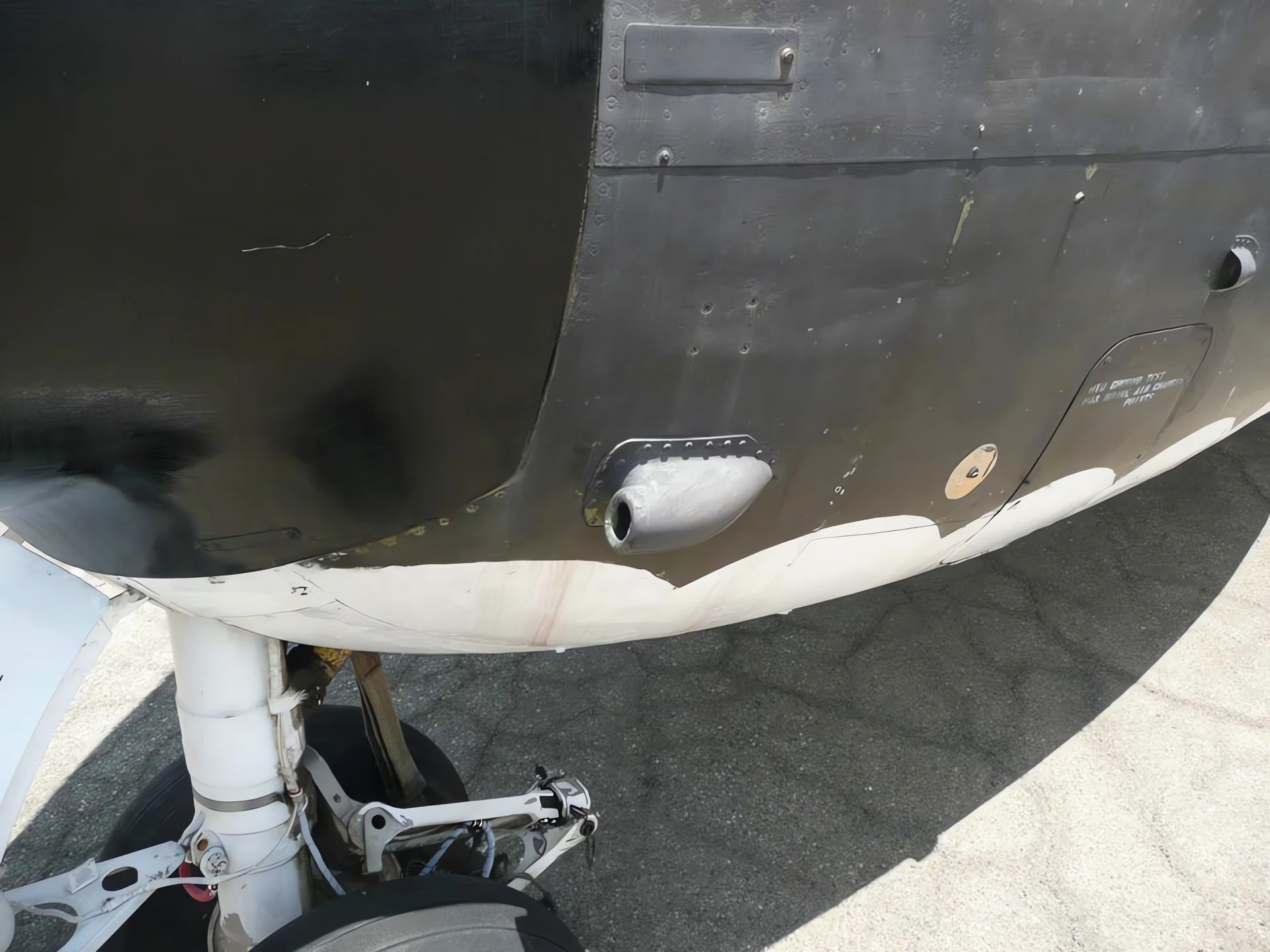
DeHavilland C-7 Caribou Walk Around
Fotograf
Bill Maloney
Lokalizace
Neznámé
Fotografie
20
C-7 Caribou Walk Around
Fotograf
Fotios Rouch
Lokalizace
Neznámé
Fotografie
52
Viz také:
DHC-4A Caribou (A4-236) Walk Around
Fotograf
Mike Hughes
Lokalizace
Neznámé
Fotografie
52
The Master of the Short Field
Tá de Havilland Canada DHC-4 Caribou(designatedCV-2and laterC-7in U.S. service) was designed to do the impossible: carry the payload of a medium transport while operating from the tiny, rugged airstrips normally reserved for light bush planes. Known for its incredibleShort Take-Off and Landing (STOL)capabilities, the Caribou became an indispensable asset during the Vietnam War, delivering supplies directly to remote Forward Operating Bases that no other fixed-wing aircraft could reach.
Attribute
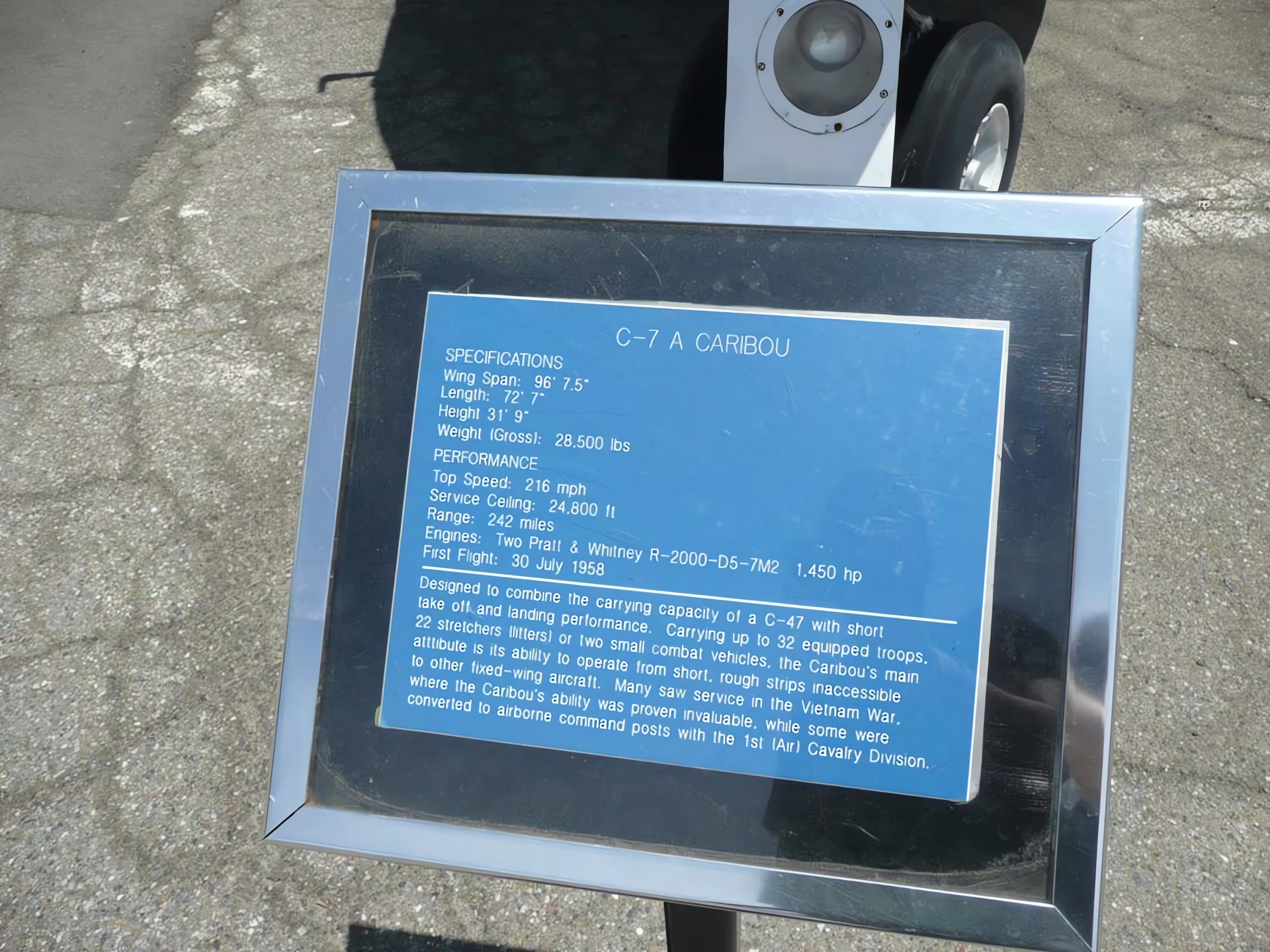
Technical Specification (DHC-4A)
Roli
STOL Tactical Transport
Posádky
3 (Two Pilots, one Loadmaster)
First Flight
August 16, 1958
Pohonná jednotka
2 × Pratt & Whitney R-2000-7M2 Twin Wasp radials
Horsepower
1,450 hp (1,081 kW) each
Takeoff Distance
495 feet (151 m) at full gross weight
Landing Distance
425 feet (130 m)
Datová část
32 Troops, 26 Paratroops, or 8,000 lbs of Cargo
Engineering for the Jungle Strip
Double-Slotted Flaps:The Caribou used a sophisticated full-span double-slotted flap system. This allowed the wing to generate massive lift at very low speeds, enabling the aircraft to “climb like a homesick angel” immediately after a short takeoff roll.
Upswept Tail and Rear Ramp:To facilitate rapid loading of vehicles and palletized cargo, the rear fuselage was sharply upswept. This provided a high-clearance rear loading ramp that could be opened in flight for paradrops or used on the ground for drive-on access.
Reversible Pitch Propellers:To achieve its legendary landing distances, the Caribou utilized reversible pitch propellers. Upon touchdown, the pilot could “reverse” the thrust, allowing the aircraft to stop in a distance shorter than its own wingspan.
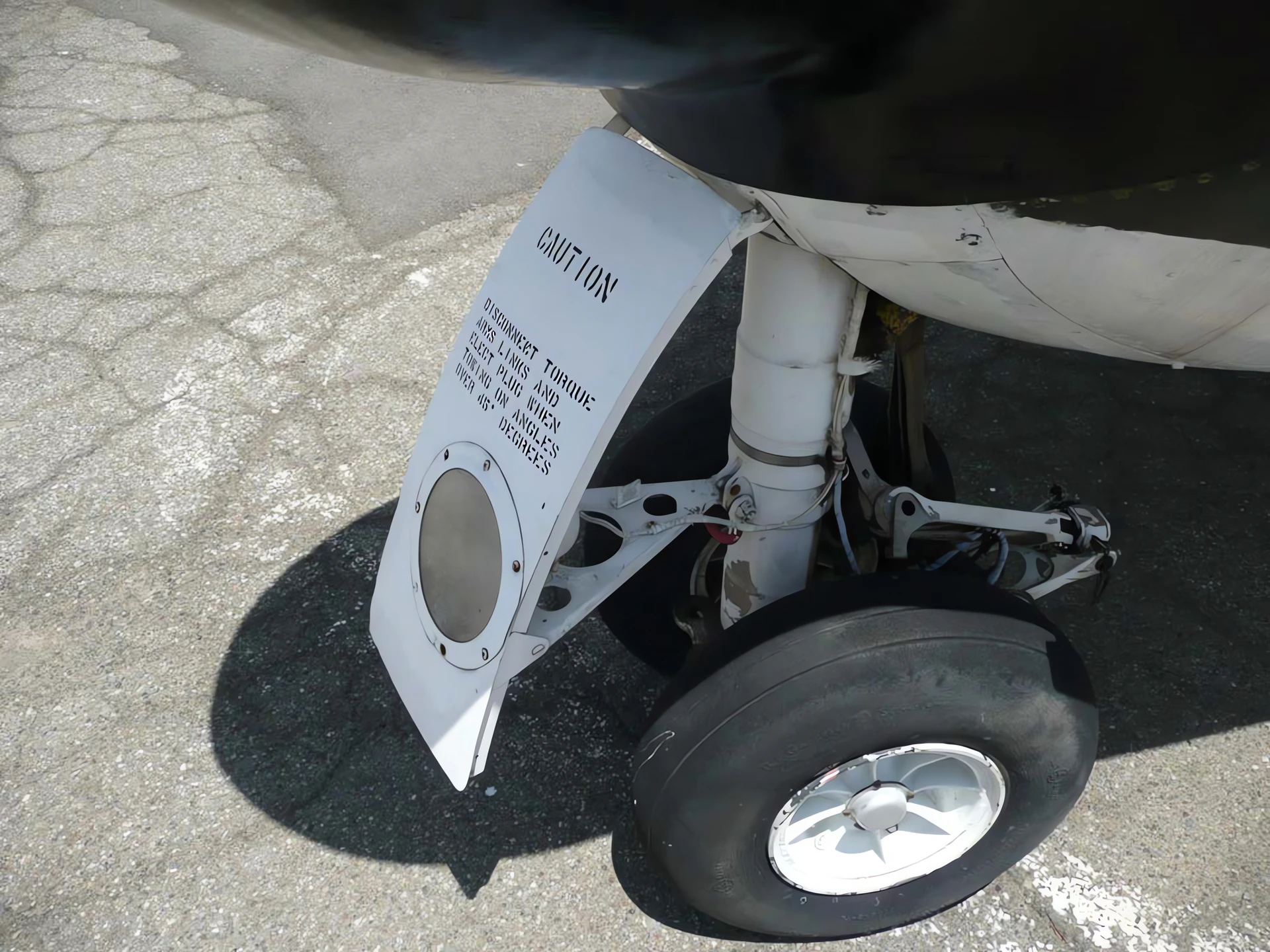
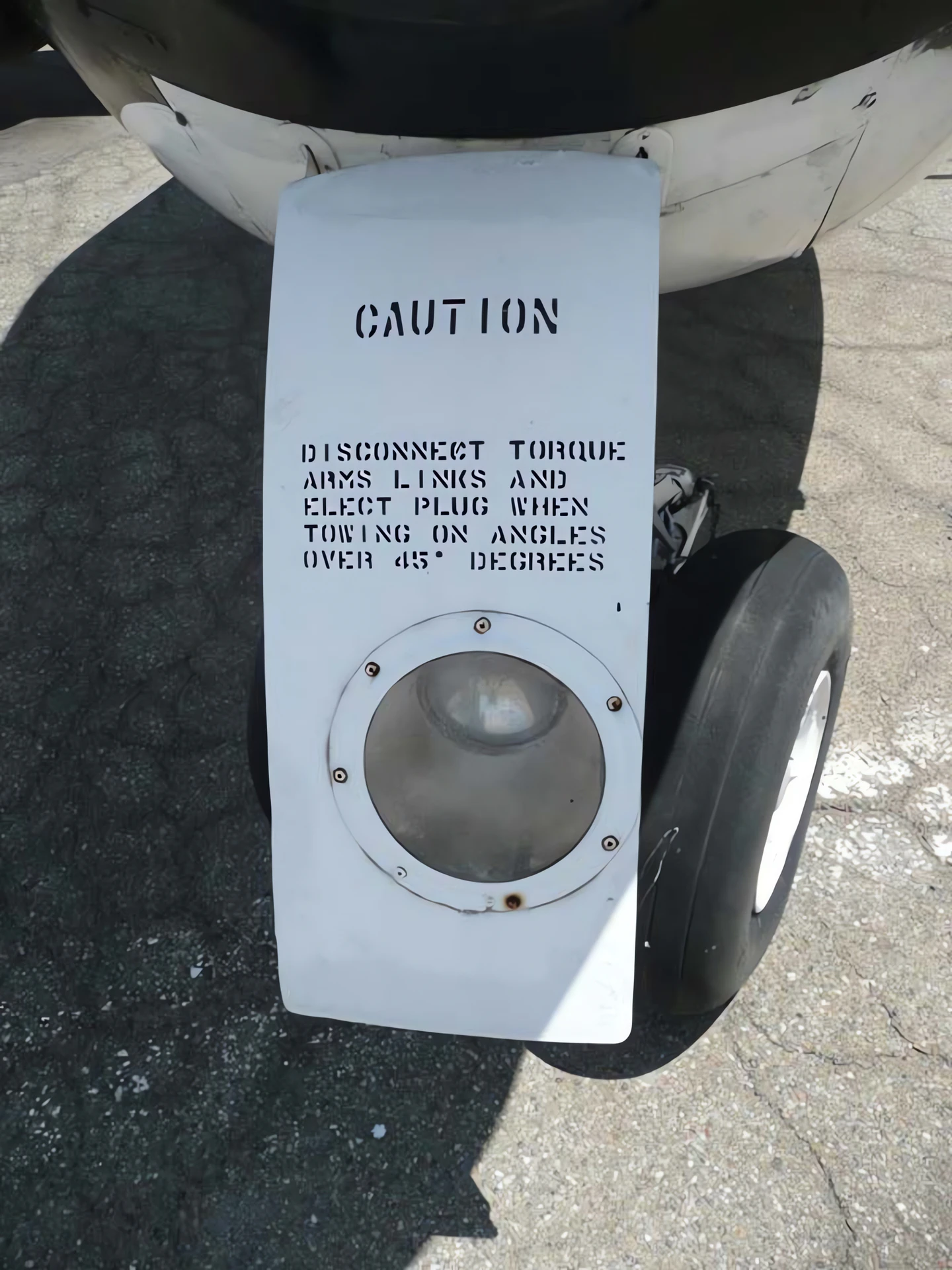
Long-Stroke Landing Gear:The “bird-like” landing gear was designed with massive shock-absorption capabilities to handle the high sink rates and “controlled crashes” associated with landing on uneven, unpaved terrain.
Operational Legacy: The “Gravel Truck” of Vietnam
Inter-Service Rivalry:The Caribou was so successful at tactical airlift that it sparked a famous dispute between the U.S. Army and Air Force over who should operate fixed-wing transports. Eventually, the Army’s CV-2s were transferred to the USAF as C-7s.
Low-Altitude Extraction (LAPES):The Caribou was a pioneer in theLow Altitude Parachute Extraction System, where cargo was pulled out the rear ramp via parachute while the aircraft flew just feet above the runway.
Durability:The aircraft was built to be simple and maintainable in the field. Its radial engines were reliable and could be serviced with minimal tools in harsh environments.
Global Service:Beyond the US and Canada, the Caribou served with distinction in Australia, India, and Spain. Many are still used today by private contractors for specialized heavy-lift bush operations.


 Arava 202 – Fotografie & Video
 de Havilland Dragon Rapide – Fotografie & Videa
 de Havilland Canada DHC-2 – Fotografie a videa
 de Havilland DH112 Venom – Fotografie & Videa
 Ball-Bartoe Jetwing – fotografie a videa
 Pilatus PC-6 Porter – Fotografie & Videa
 de Havilland Dragon - Fotografie & Video
 de Havilland Mosquito - Fotografie & Video
 de Havilland Vampire – Fotografie & Video