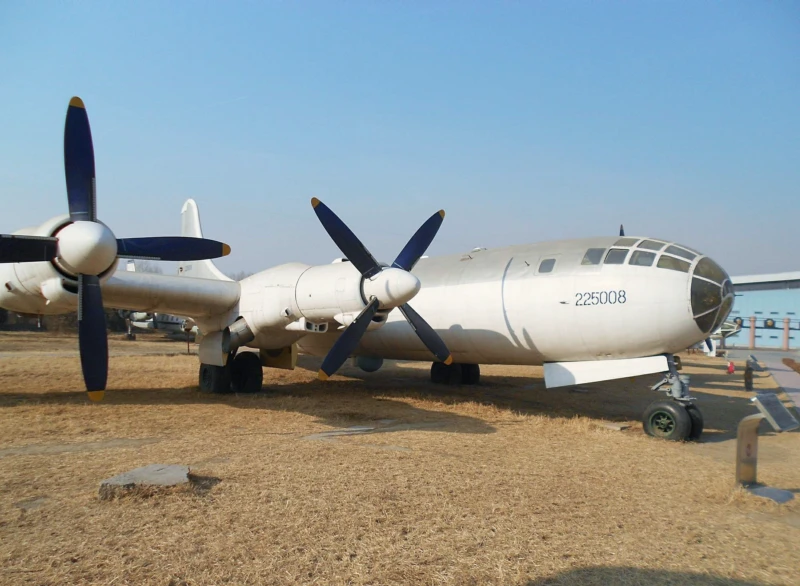
Tupolev Tu-4 býk | |
|---|---|
| Krajiny | Sovietsky zväz |
| Úlohu | Strategický bombardér |
| Prvý let | 19. mája 1947 |
| Postavený | 847 |
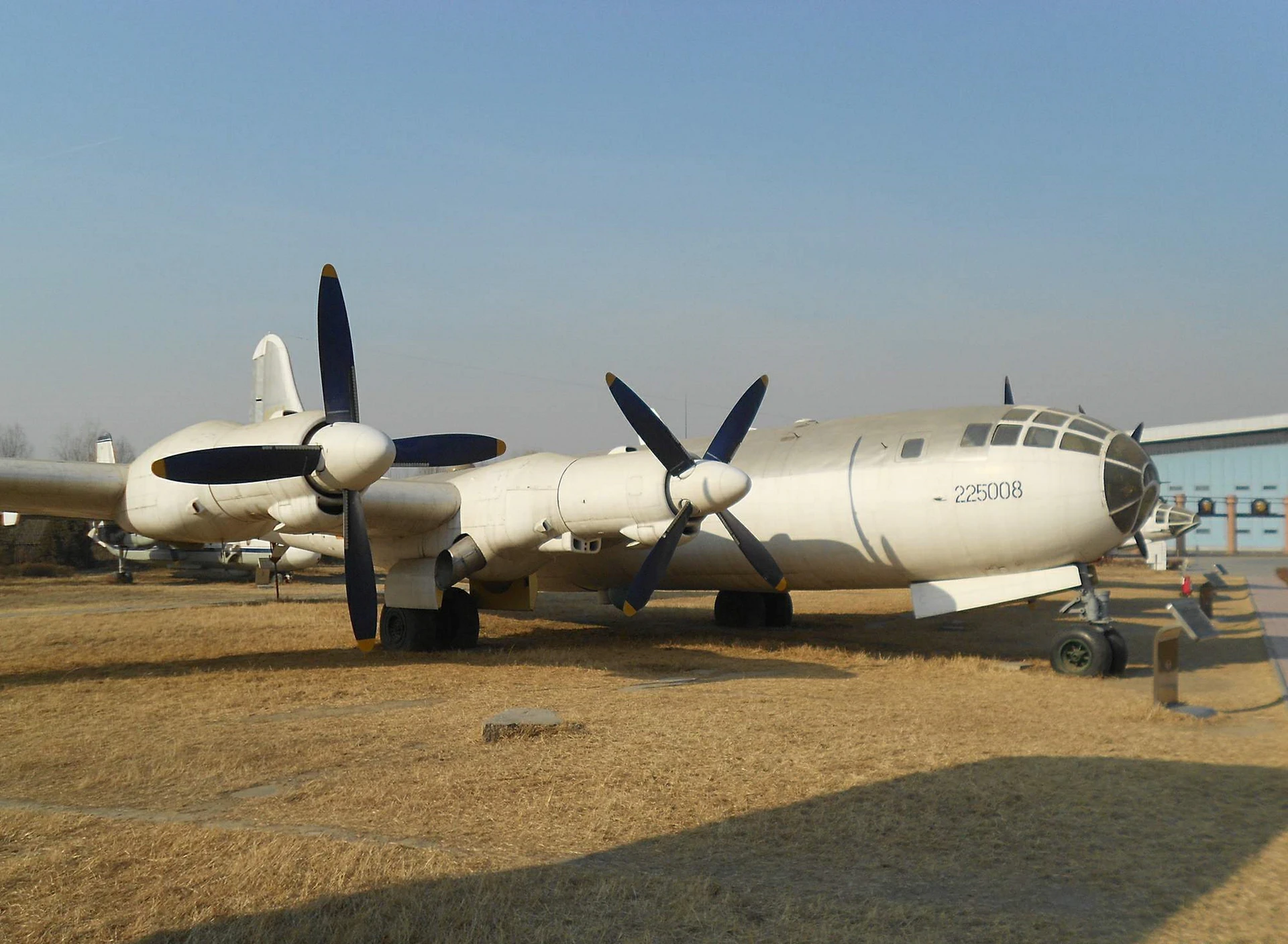
Fotogaléria Tupolev Tu-4 býk, The Tupolev Tu-4 (NATO reporting name: Bull) was a piston-engined Soviet strategic bomber that served the Soviet Air Force from the late 1940s to mid-1960s. It was a reverse-engineered copy of the American-made Boeing B-29 Superfortress.
Zdrojový: Tupolev Tu-4 Býk na Wiki
| Tupolev Tu-4 Bull | |
|---|---|
| Fotografov | Martin Zahalka, Lukáš Tlaskal |
| Lokalizácia | Neznáme |
| Fotografie | 35 |
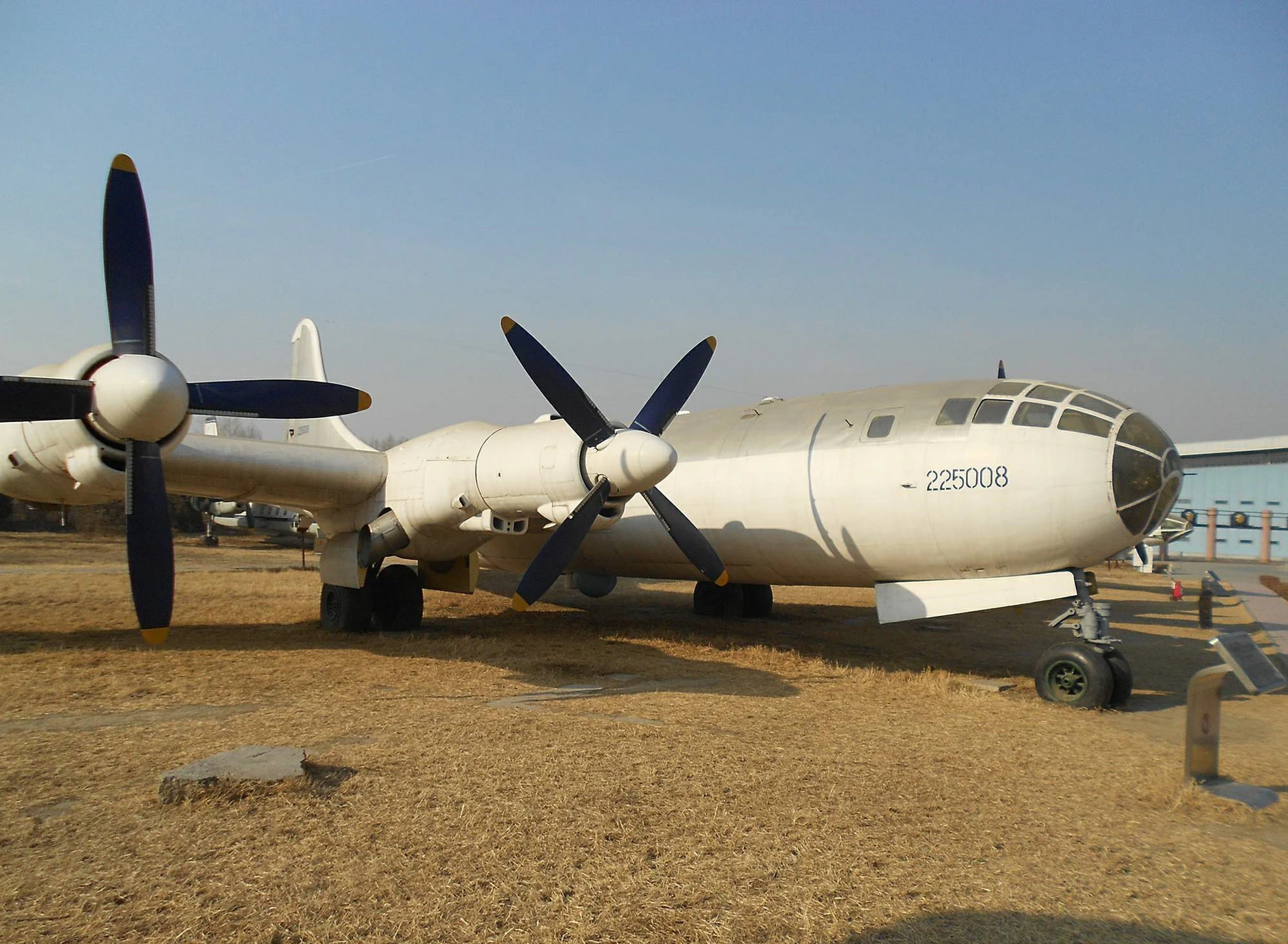
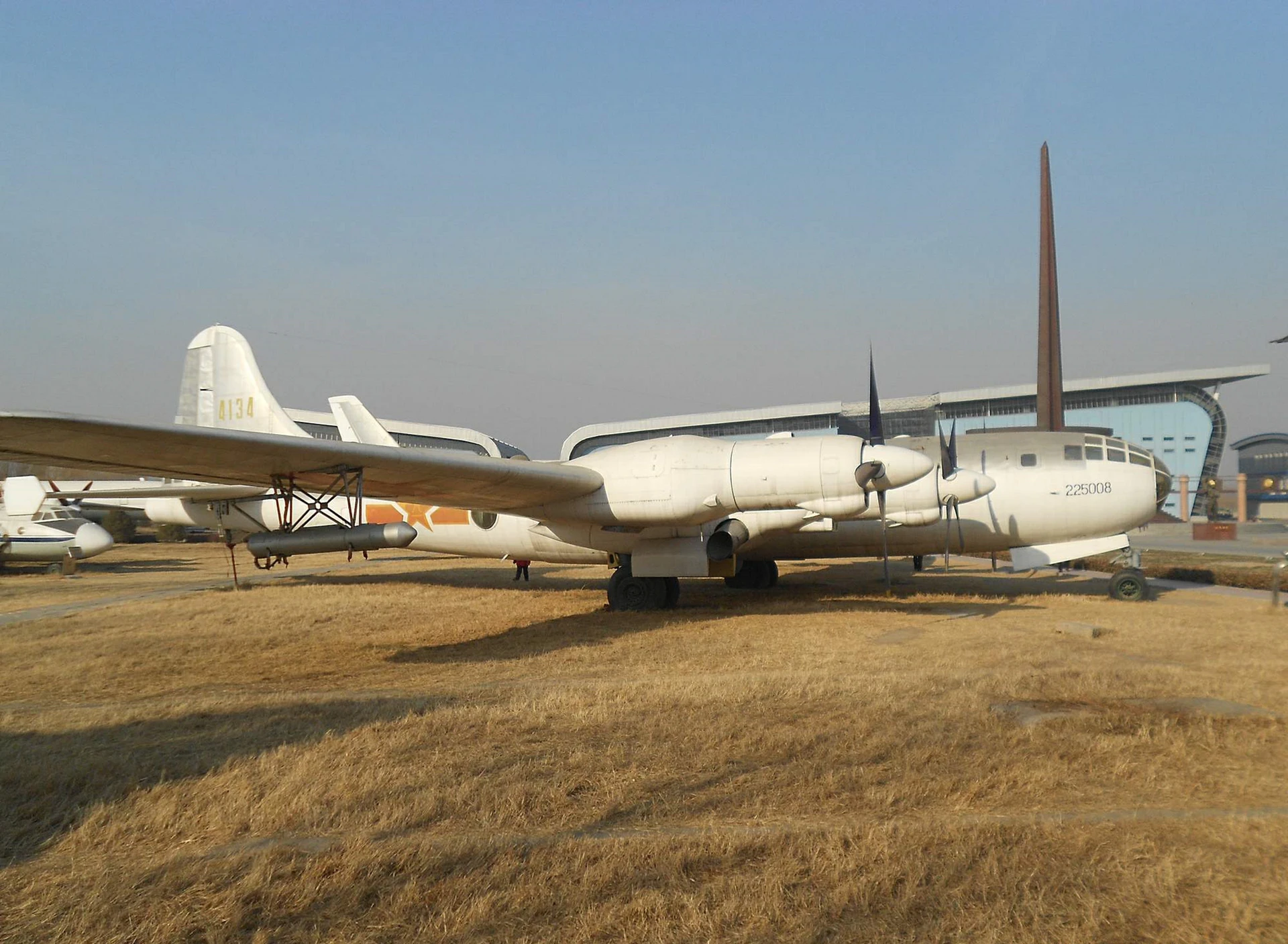
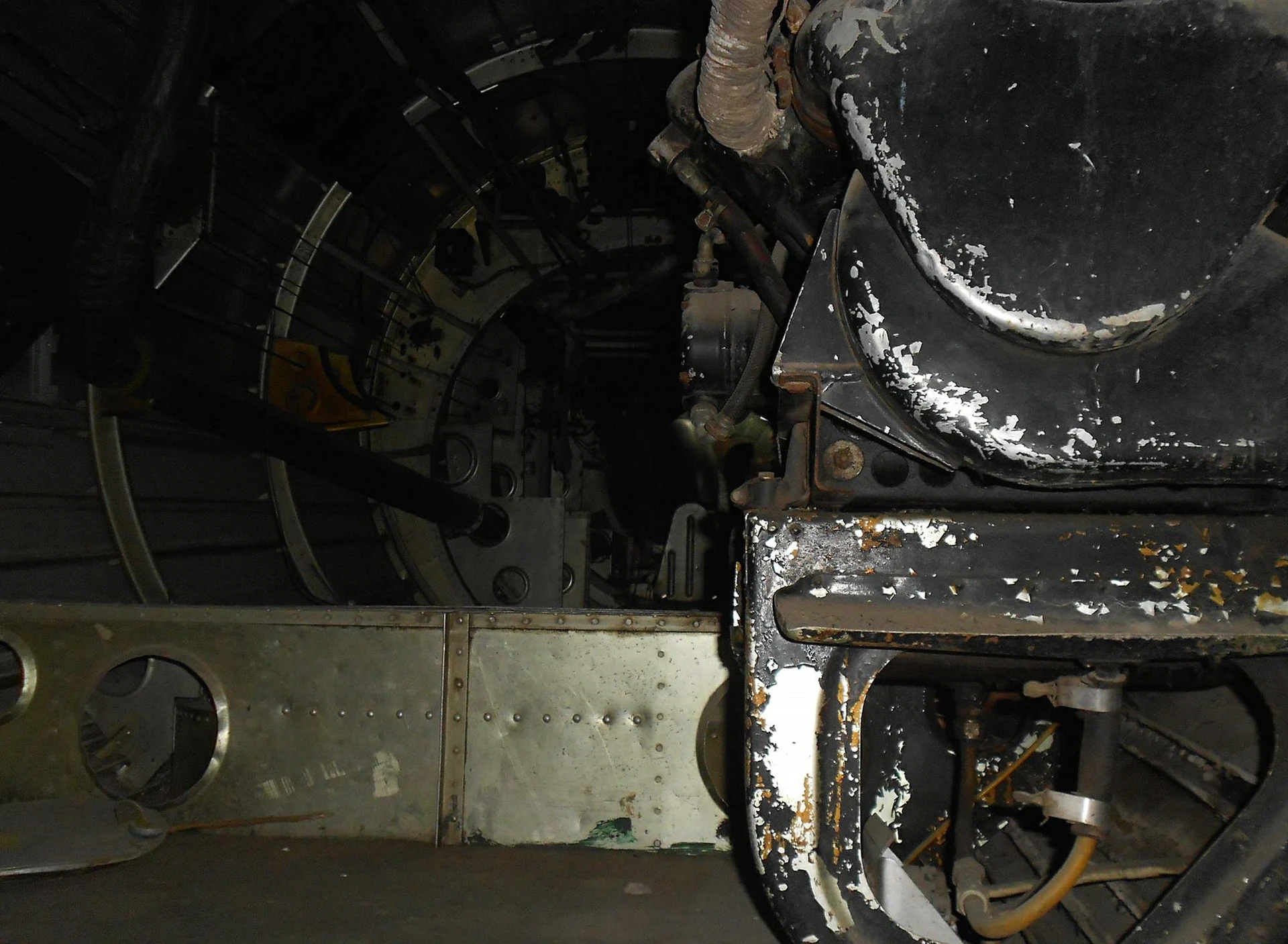
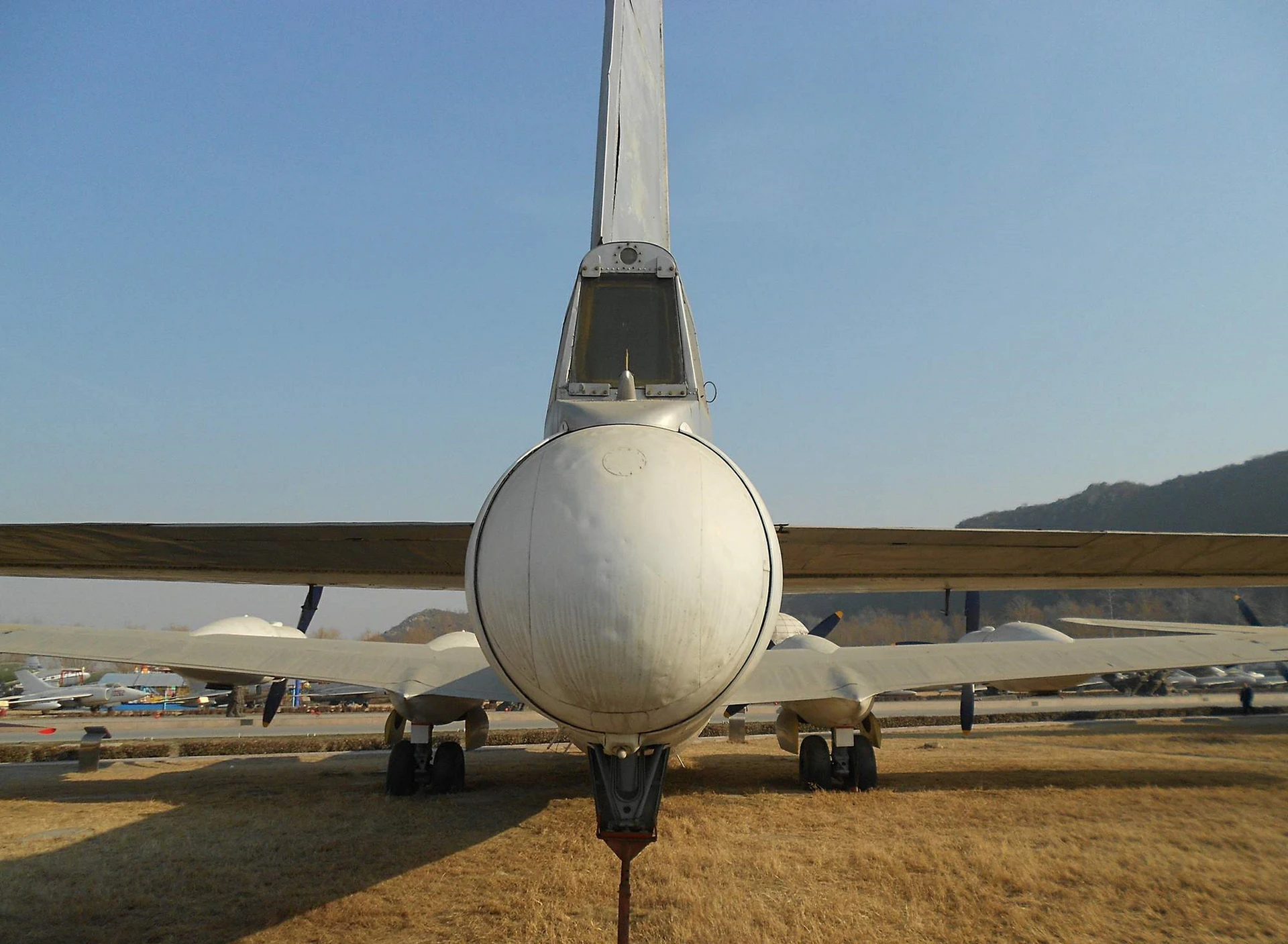

 Kúpte mi kávu
| Tupolev Tu-4 Bull | |
|---|---|
| Fotograf | Tu-4 "Býk" Chodiť |
| Lokalizácia | Neznáme |
| Fotografie | 29 |
Pozri tiež:


A Forced Leap into the Strategic Era
Komisia Tupolev Tu-4 (NATO reporting name: Býk) is famous not for its original design, but for being a near-perfect clone of the American Boeing B-29 Superfortress. During 1944, four B-29s made emergency landings in Soviet territory after raids on Japan. Despite being allies, Stalin ordered the aircraft interned and gave Andrei Tupolev a monumental task: copy the plane exactly, “bolt for bolt.” This project single-handedly propelled the Soviet aviation industry from the era of wood-and-fabric tactical planes into the world of pressurized, high-altitude strategic bombers.
| Attribute | Technical Specification (Tu-4) |
|---|---|
| Úlohu | Strategic Heavy Bomber |
| Posádky | 11 (Pilots, Navigators, Gunner/Scanners) |
| First Flight | May 19, 1947 |
| Pohonná jednotka | 4 × Shvetsov ASh-73TK 18-cylinder radial engines |
| Horsepower | 2,400 hp (1,790 kW) each |
| Maximálna rýchlosť | 558 km/h (347 mph) |
| Rozsah | 5,400 km (3,355 mi) with 3,000 kg load |
| Výzbroj | 10 × 23 mm NS-23 cannons in 5 remote-controlled turrets |
Engineering: Metric Challenges and Improvements
- The Metric Conversion: The hardest part of the project was converting the B-29’s imperial measurements to metric. Soviet aluminum sheets were rolled in metric thicknesses; if Tupolev used sheets that were slightly too thick, the plane would be too heavy. If too thin, it would break. Every single wire and rivet had to be recalculated.
- Upgraded Firepower: While the B-29 used .50 caliber machine guns, the Soviets equipped the Tu-4 with 23mm cannons. These had a slower rate of fire but significantly more destructive power against intercepting fighters.
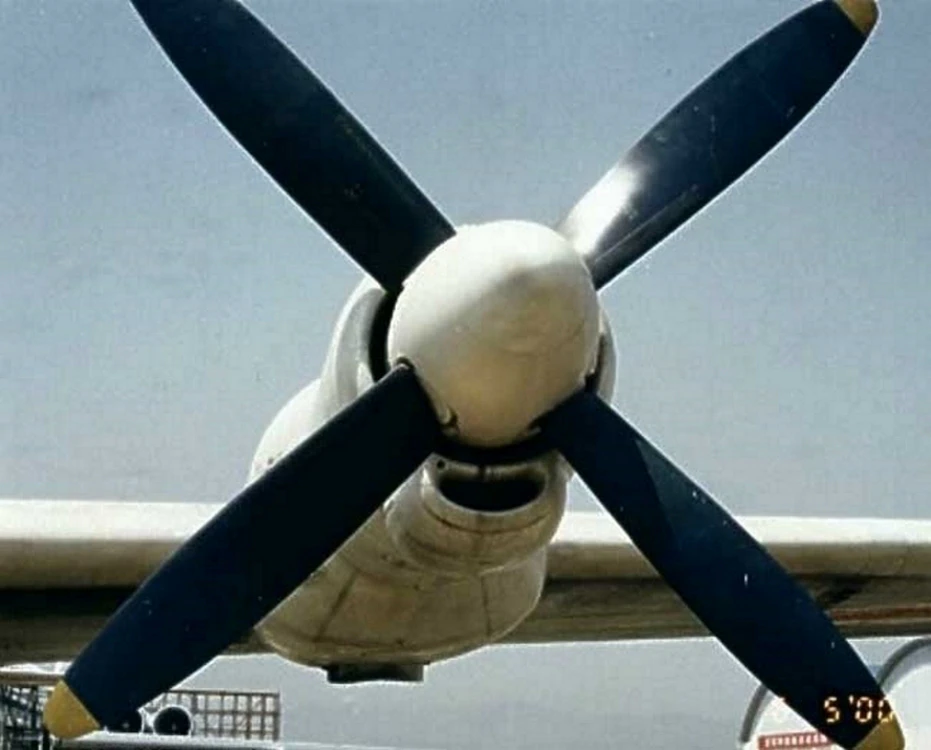
- Engine Clones: The Shvetsov ASh-73 engines were not direct copies of the Wright R-3350, but rather a Soviet development that incorporated many of its features, including complex turbo-superchargers required for high-altitude flight.
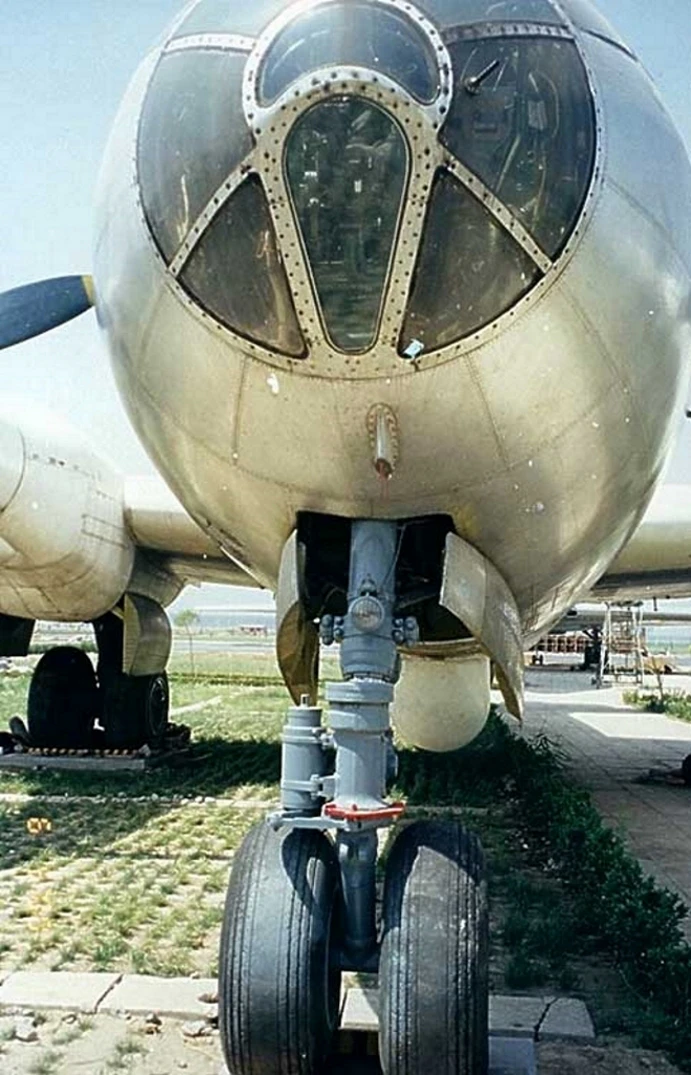
- Remote Turrets: The Tu-4 retained the B-29’s advanced central fire control system, where gunners sat at plexiglass stations and operated turrets via remote analog computers.
The First Soviet Nuclear Threat
- RDS-1 Delivery: On October 18, 1951, a Tu-4 performed the first Soviet air-drop of a nuclear bomb (the RDS-3), officially making the USSR a nuclear power capable of strategic delivery.
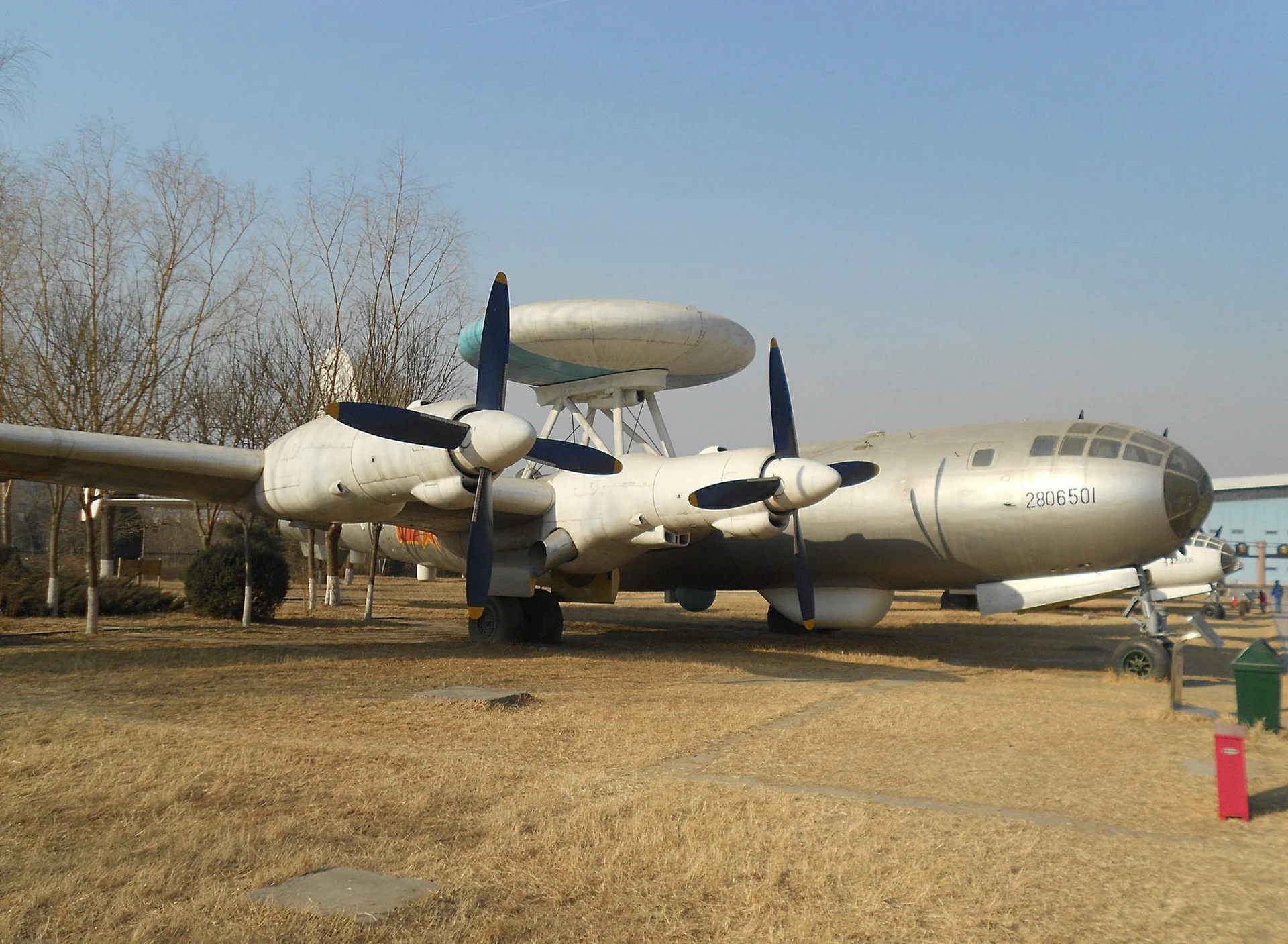
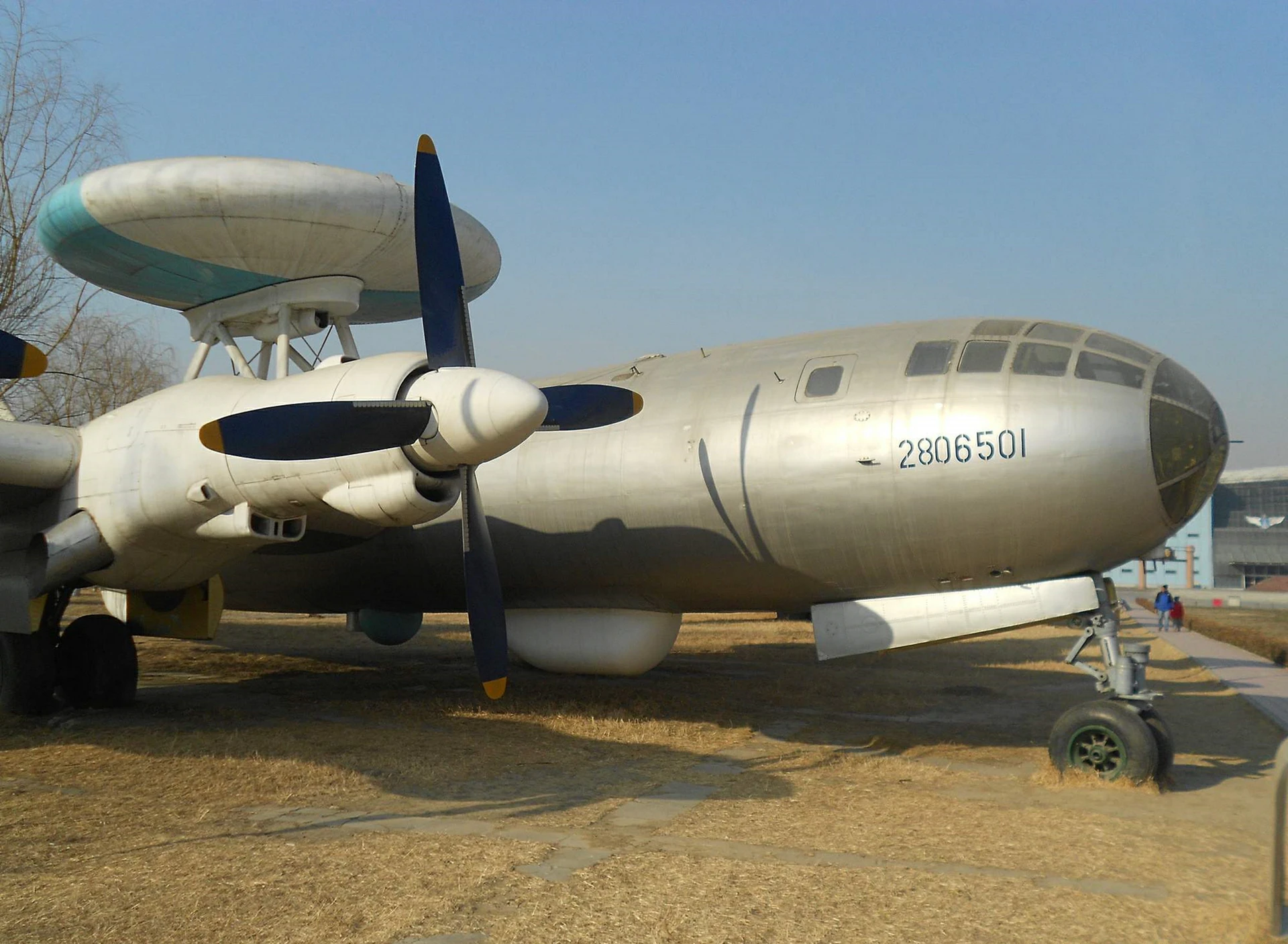
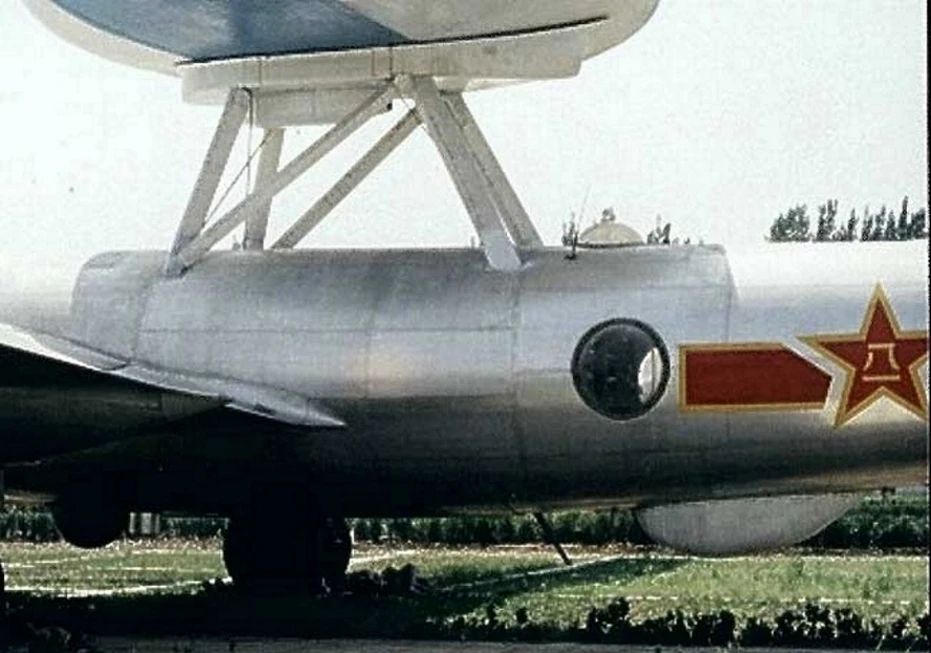
- Airborne Early Warning (Tu-4AW): Long after it was obsolete as a bomber, the Tu-4 served as a testbed for the first Soviet AWACS planes, featuring massive radar domes to detect incoming Western bombers.
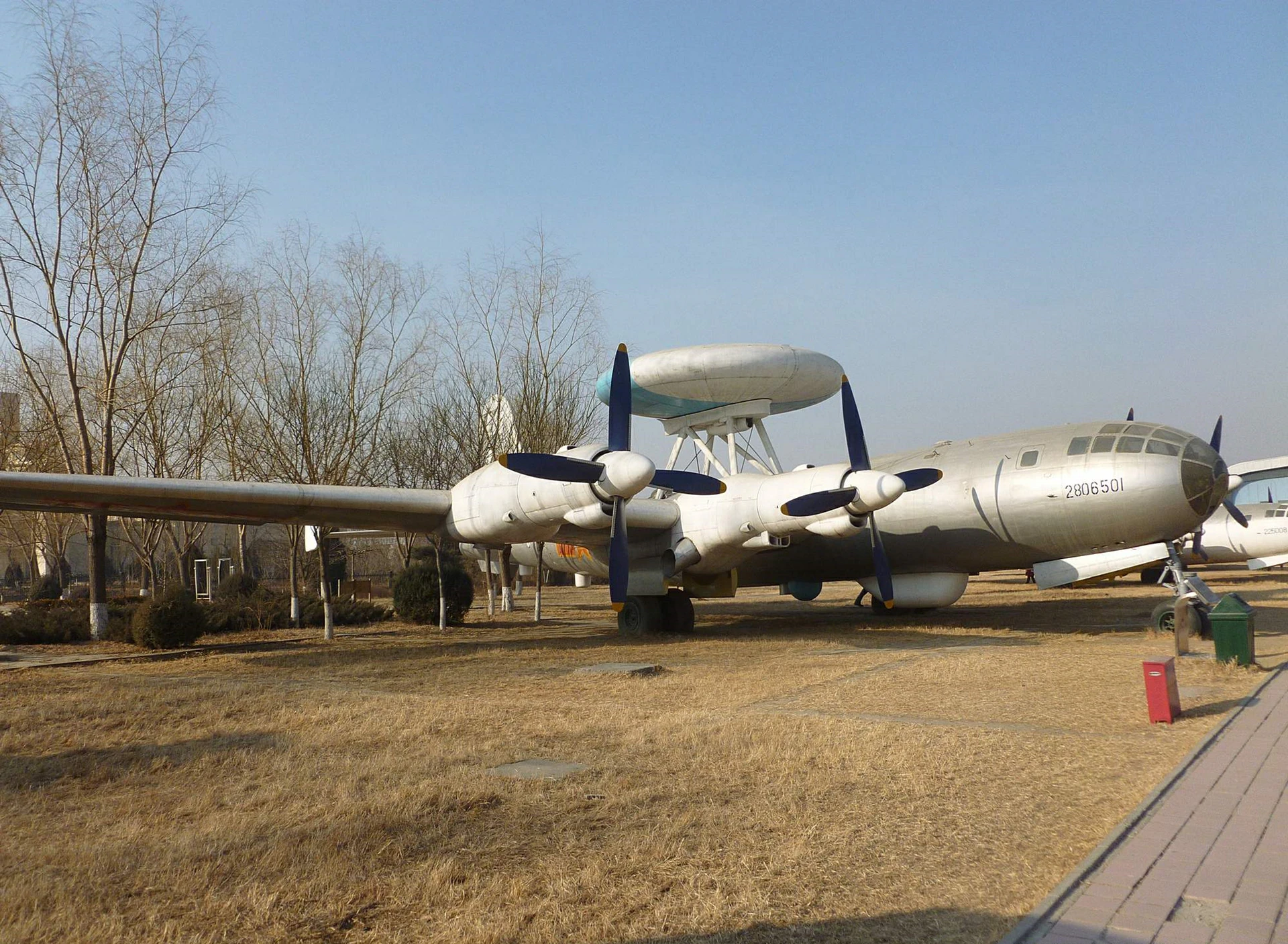
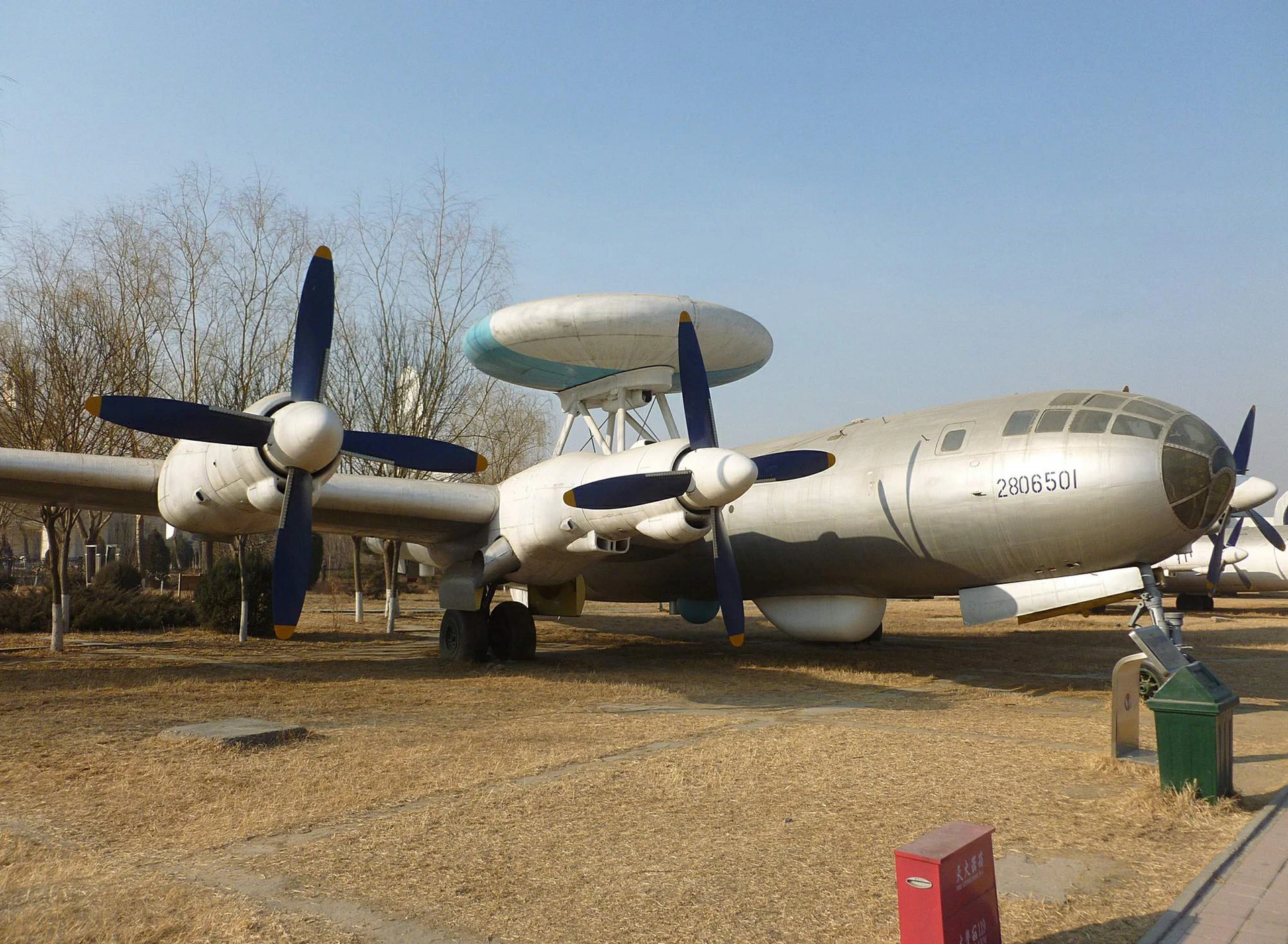
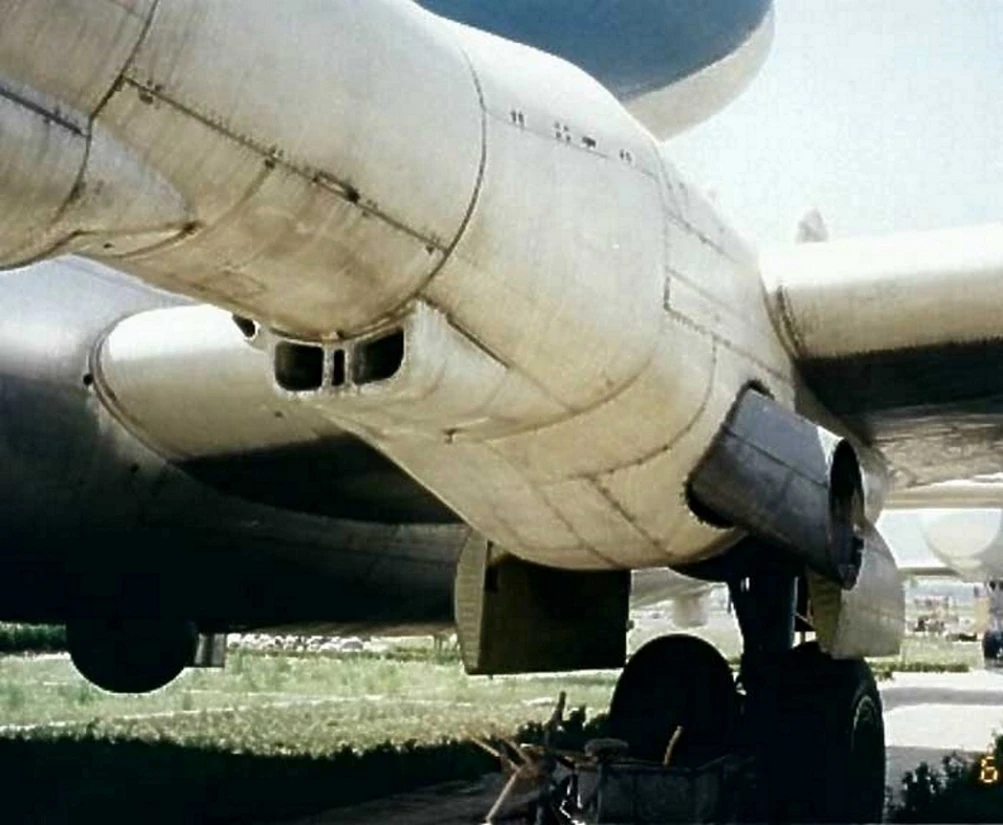
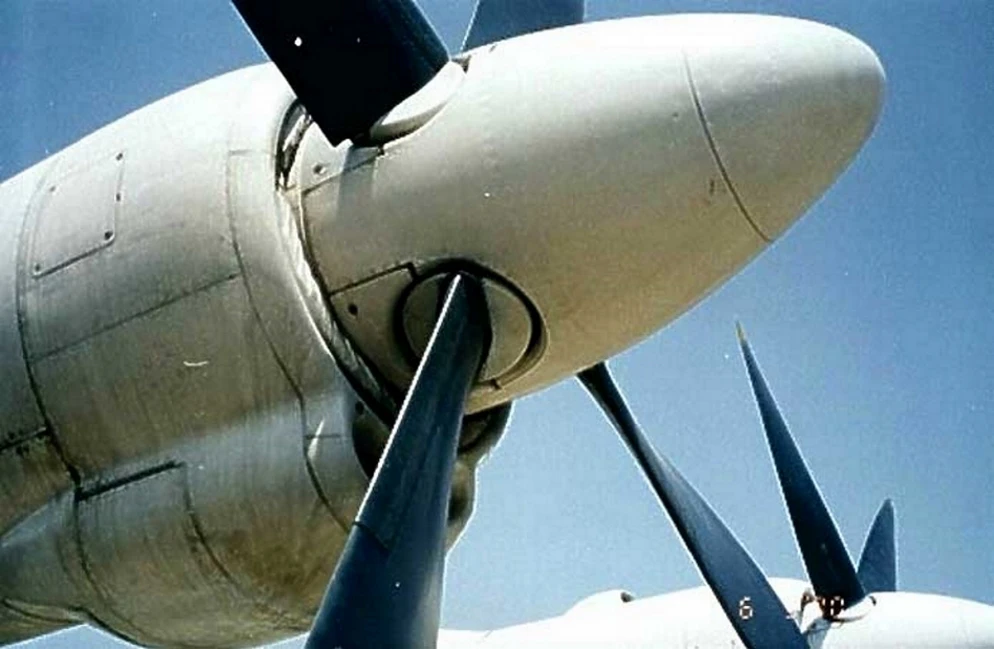
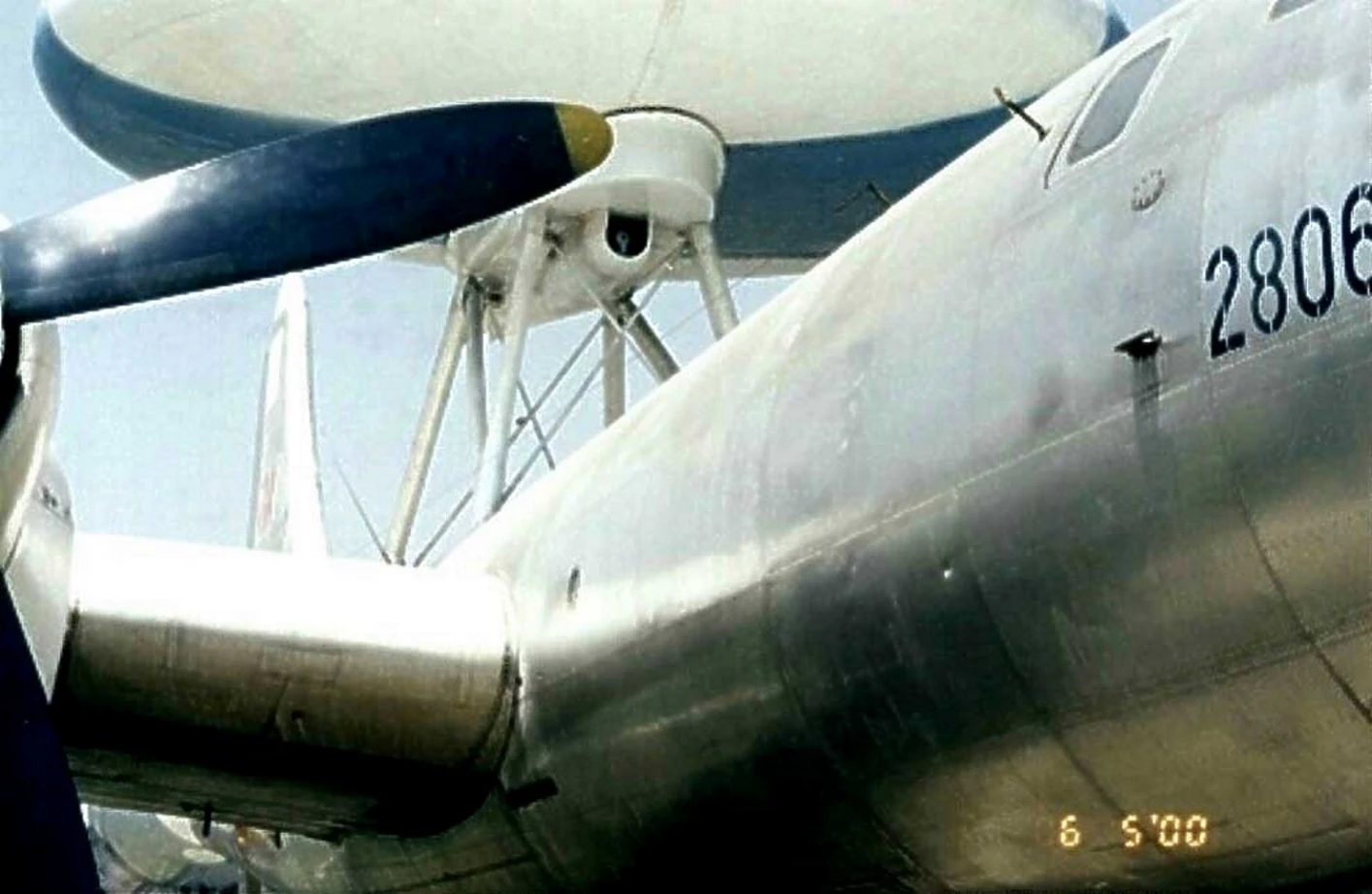
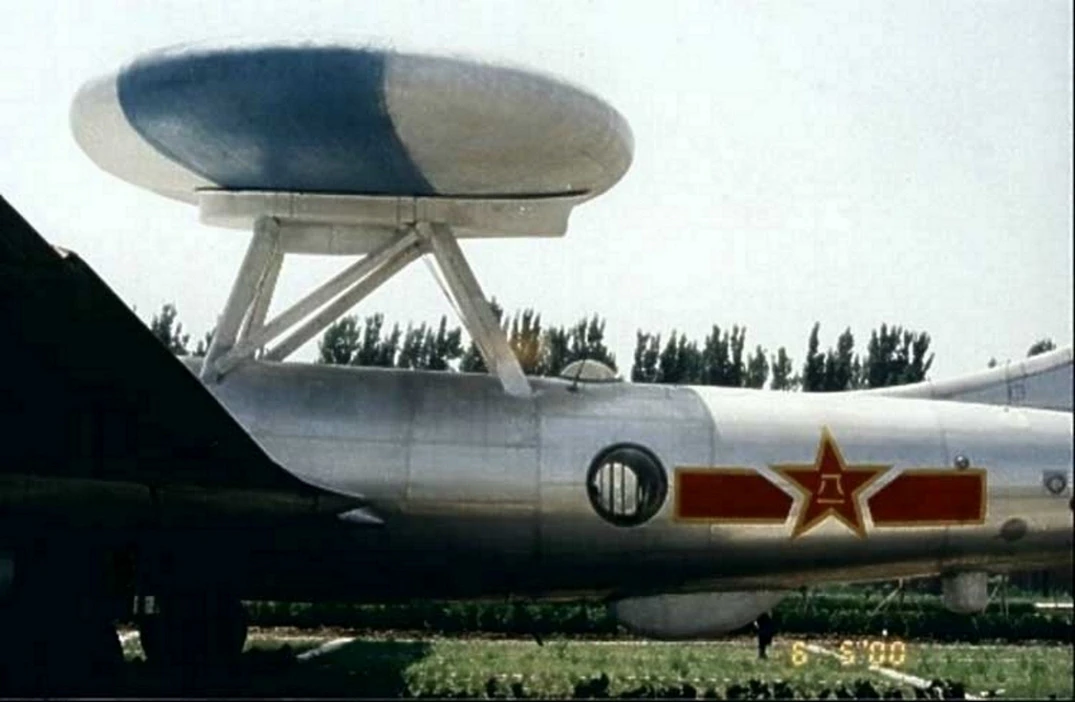
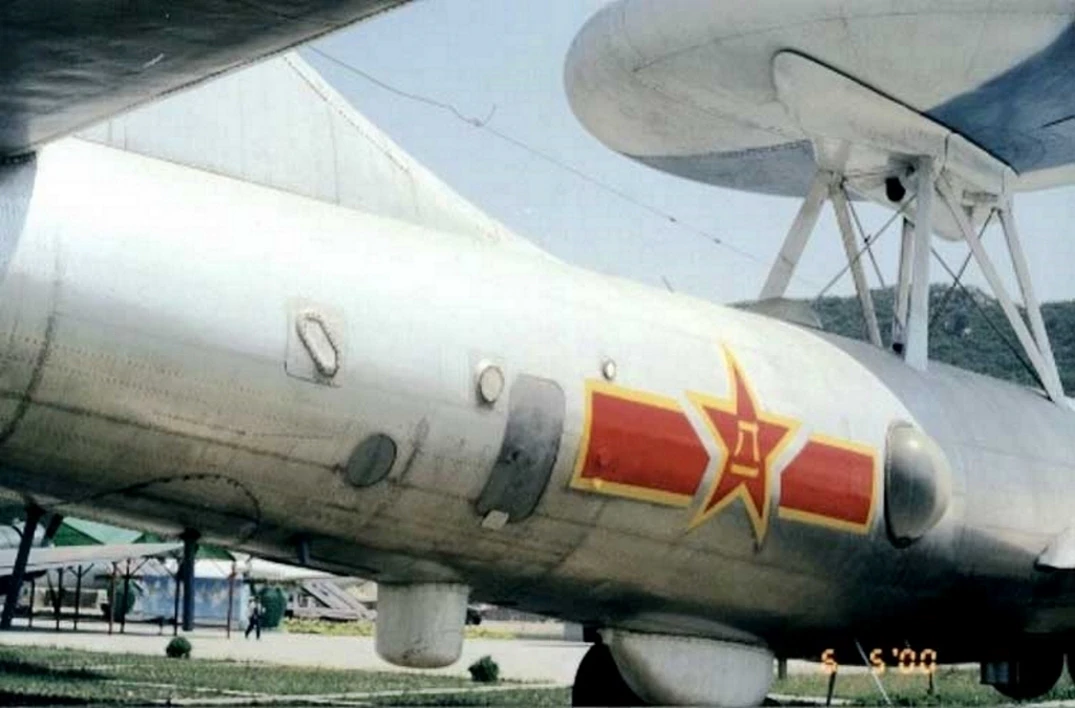
- Chinese “KJ-1” AEWC: Several Tu-4s were given to China. In the 1970s, the Chinese fitted one with a massive rotating radar dish and turboprop engines, creating the KJ-1. This aircraft still exists in the Beijing Aviation Museum.
- Psychological Warfare: The Tu-4’s appearance at the 1947 Tushino Air Parade terrified the West, as it meant the USSR finally had the technology to strike American cities from Soviet bases.
Zobrazenia : 3000
Môžete tiež vidieť:
 Tupolev Tu-134 – fotografie a video
 Boeing KC-97 Stratofreighter – fotografie a videá
 Fokker S.14 Machtrainer – fotografie a videá
 Aichi D3A – fotografie a videá
 Tupolev Tu-142 – fotografie a video
 Tupolev Tu-22M – fotografie a video
 Tupolev TU-2 – fotografie a video
 Tupolev Tu-95MS Bear – fotografie a video
 Tupolev Tu-16 Badger – fotografie a video
 Mirage IIIC – WalkAround