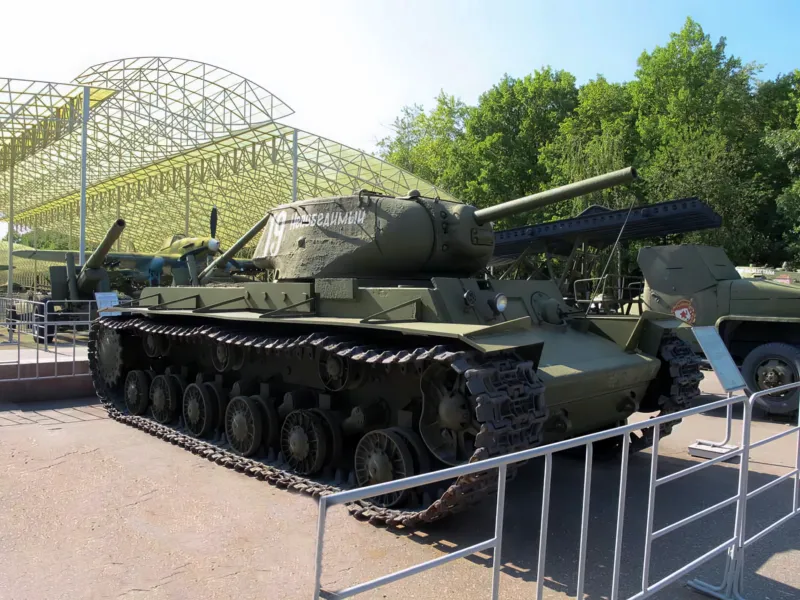
KV-1S | |
|---|---|
| Country | Soviet Union |
| Role | Heavy tank |
| In Service | 1939–45 |
| Built | 5219 (Kv) |
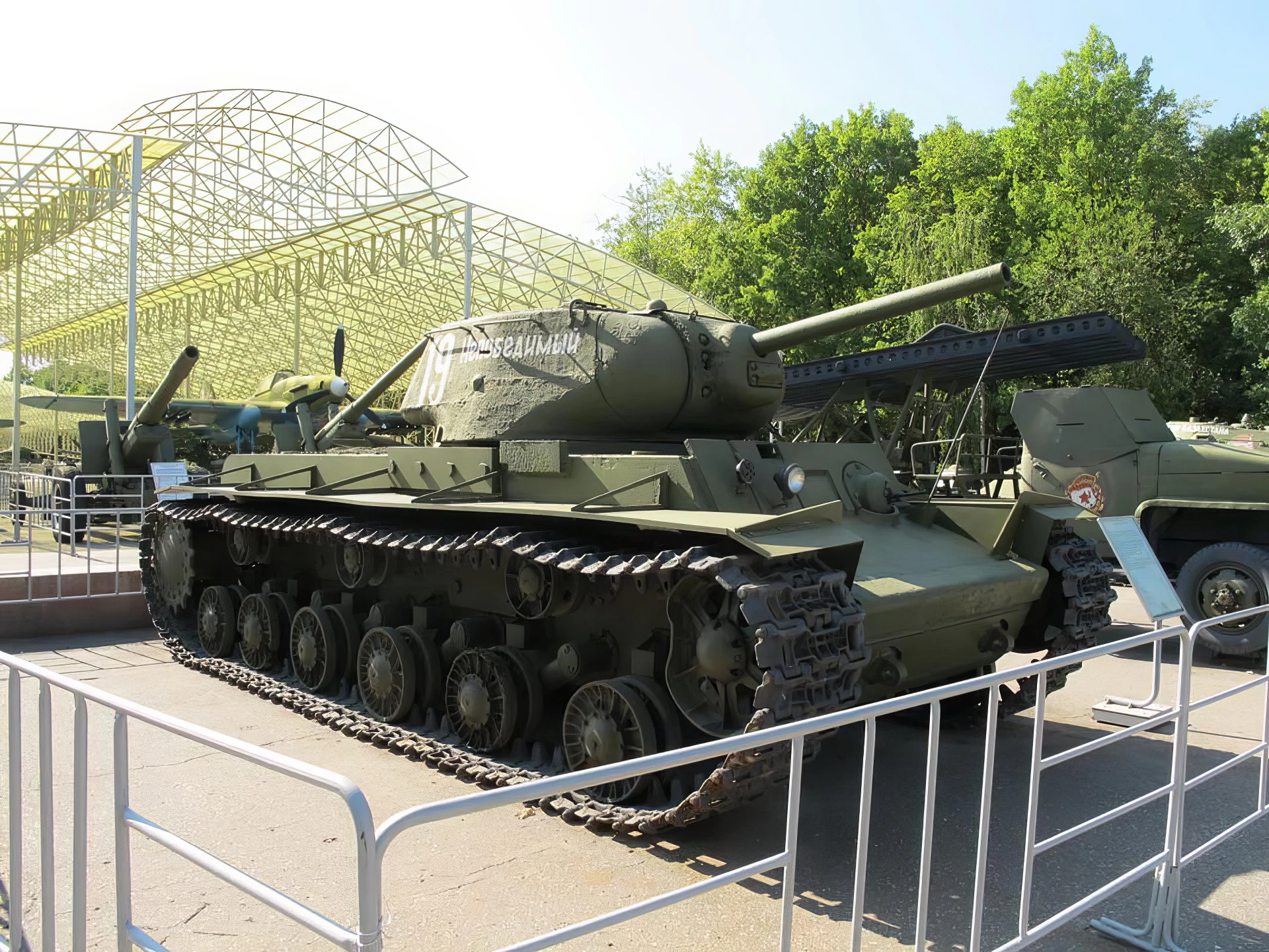
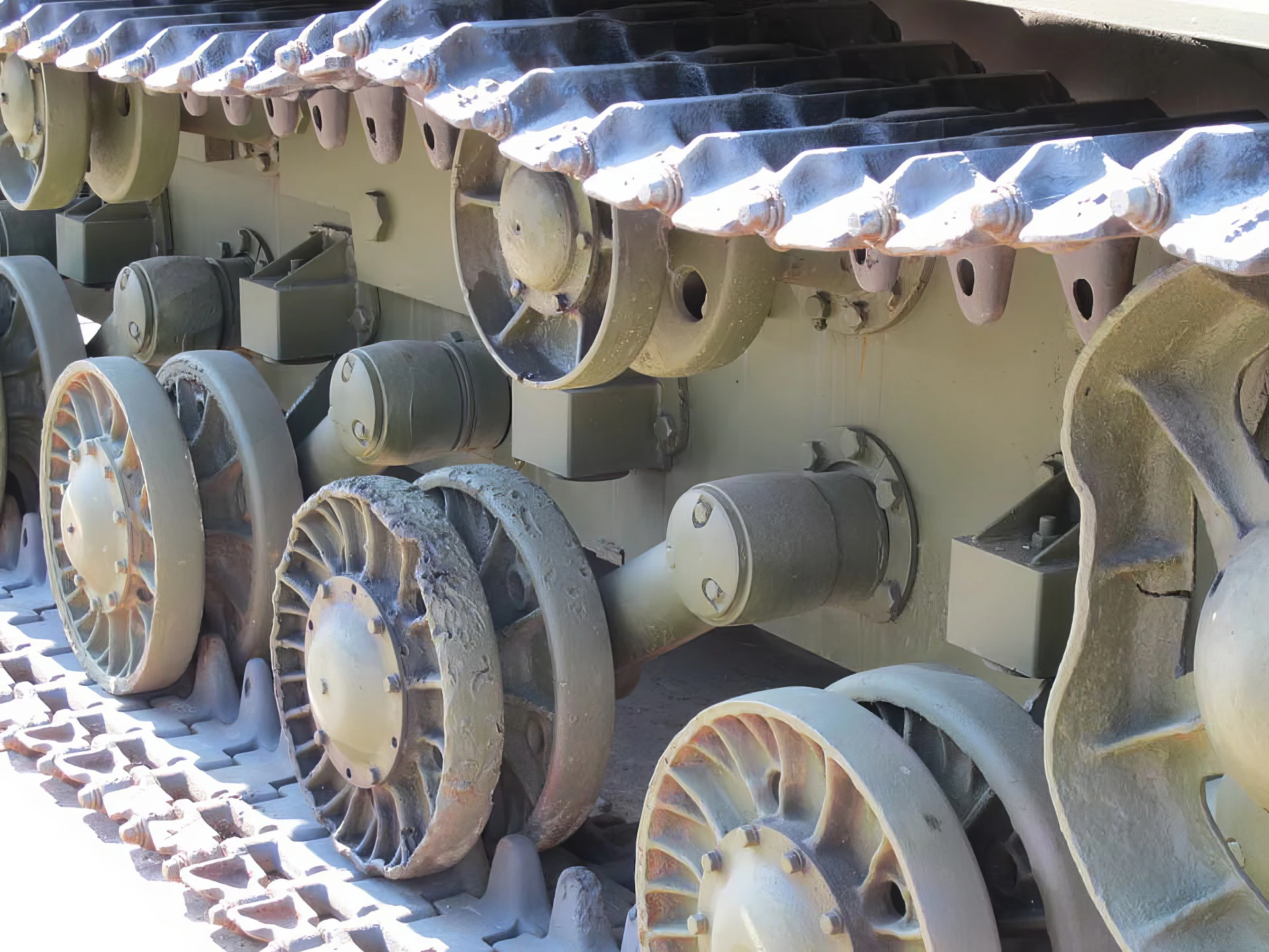
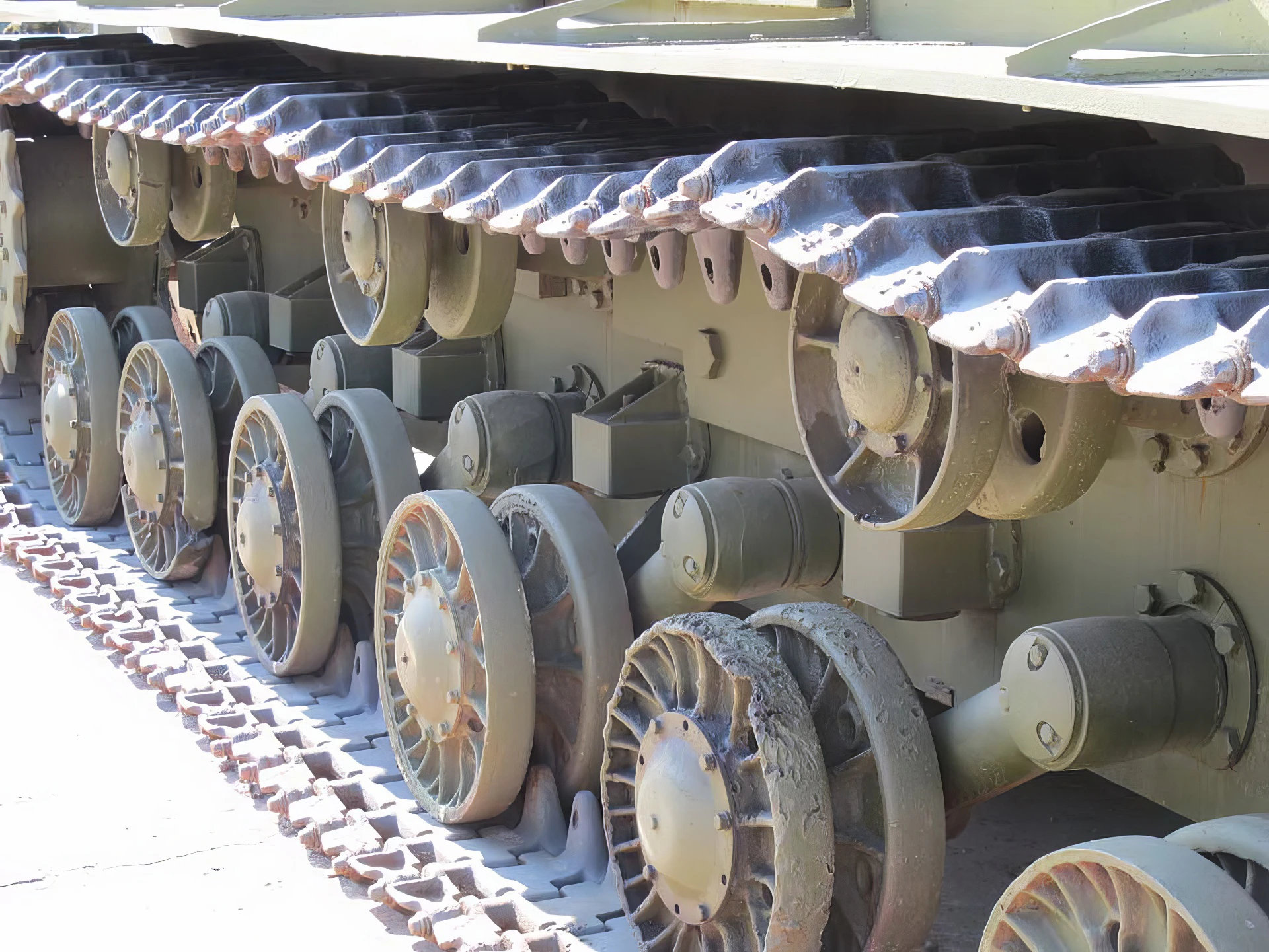
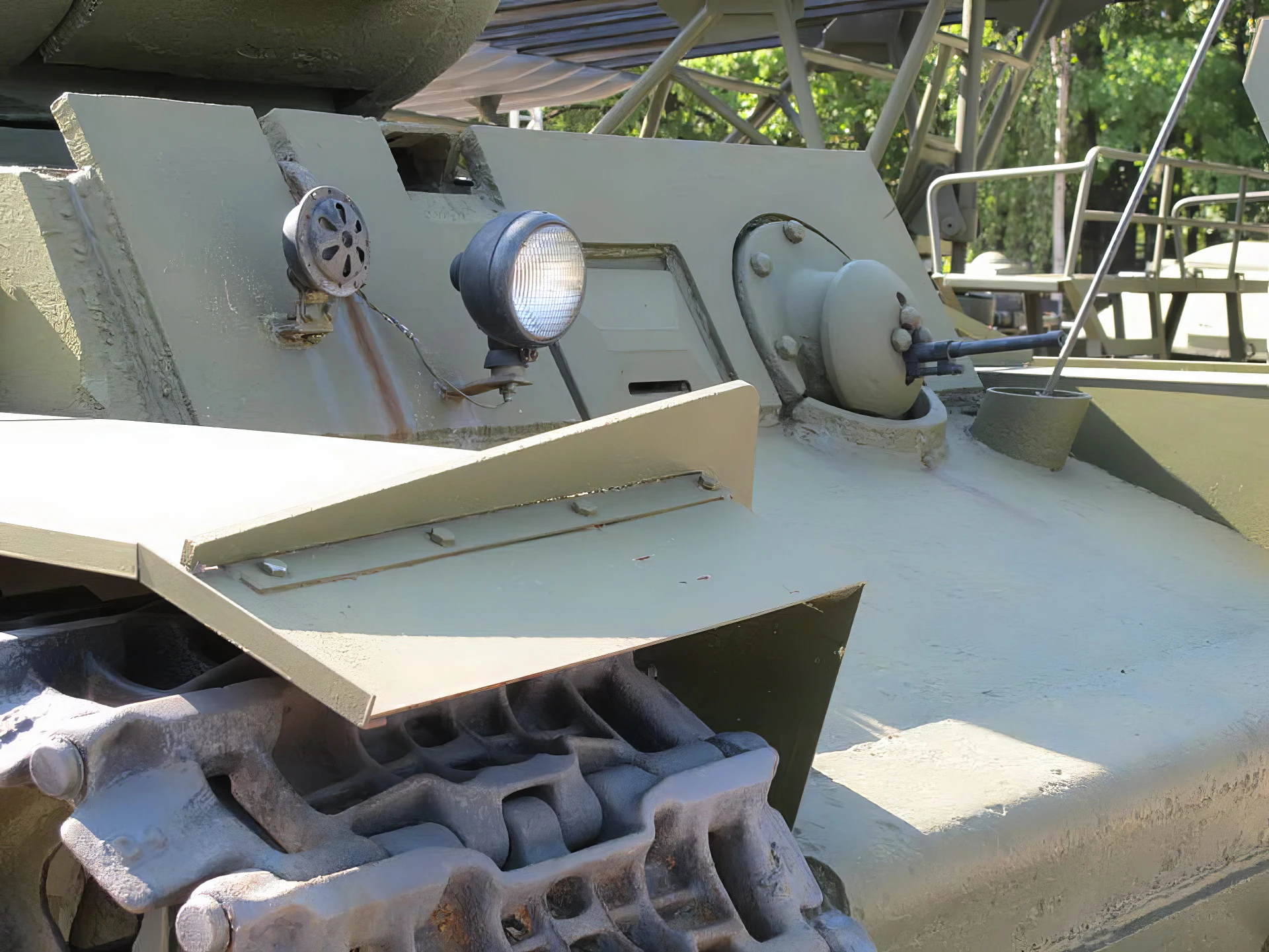
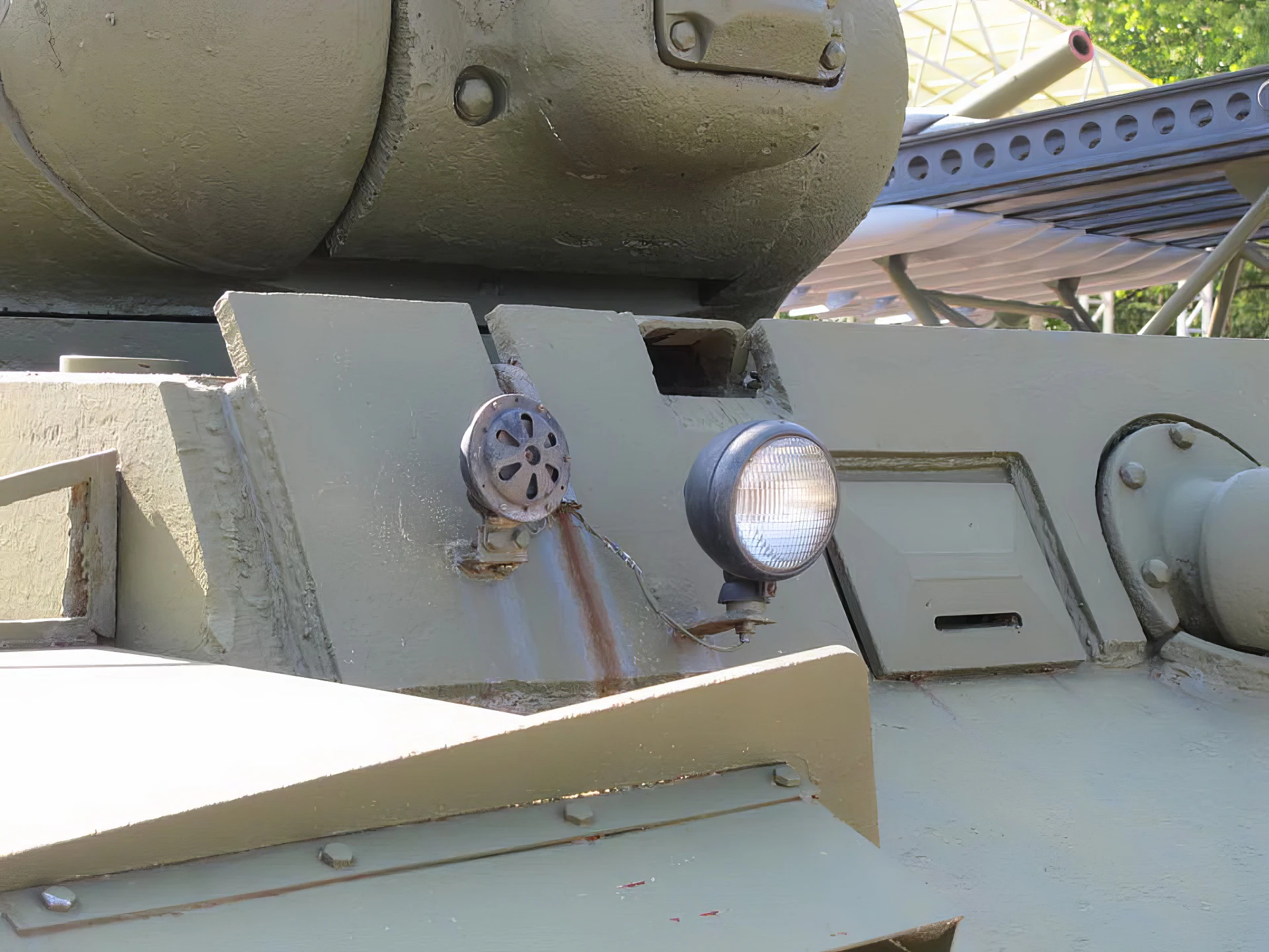
The Kliment Voroshilov (KV) tanks were a series of Soviet heavy tanks named after the Soviet defence commissar and politician Kliment Voroshilov and used by the Red Army during World War II. KV-1S: In response to criticisms, the lighter KV-1S was developed, with thinner armour and a smaller, lower turret in order to reclaim some speed. Importantly, the KV-1S had a commander’s cupola with all-around vision blocks. It also had a sophisticated planetary transmission that significantly increased the reliability, and allowed use of more efficient regenerative geared steering, unlike the solely clutch and brake steering systems used by the Panzer III, IV and T-34. Its reduced weight allowed it to achieve a top speed of 43.3 km/h.
Source: KV-1S on Wikipedia
| KV-1S | |
|---|---|
| Photographer | Unknow |
| Localisation | Unknow |
| Photos | 52 |
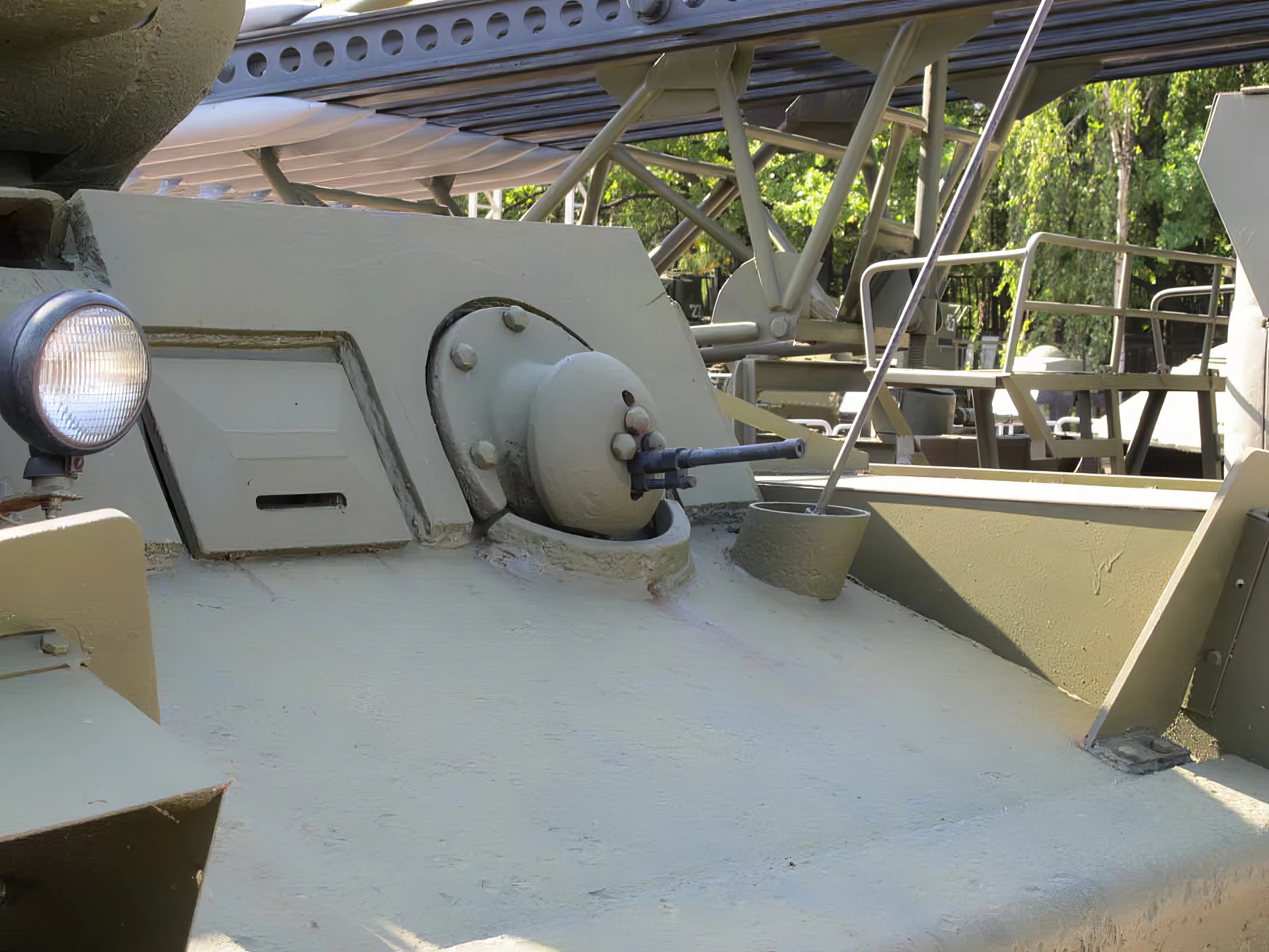
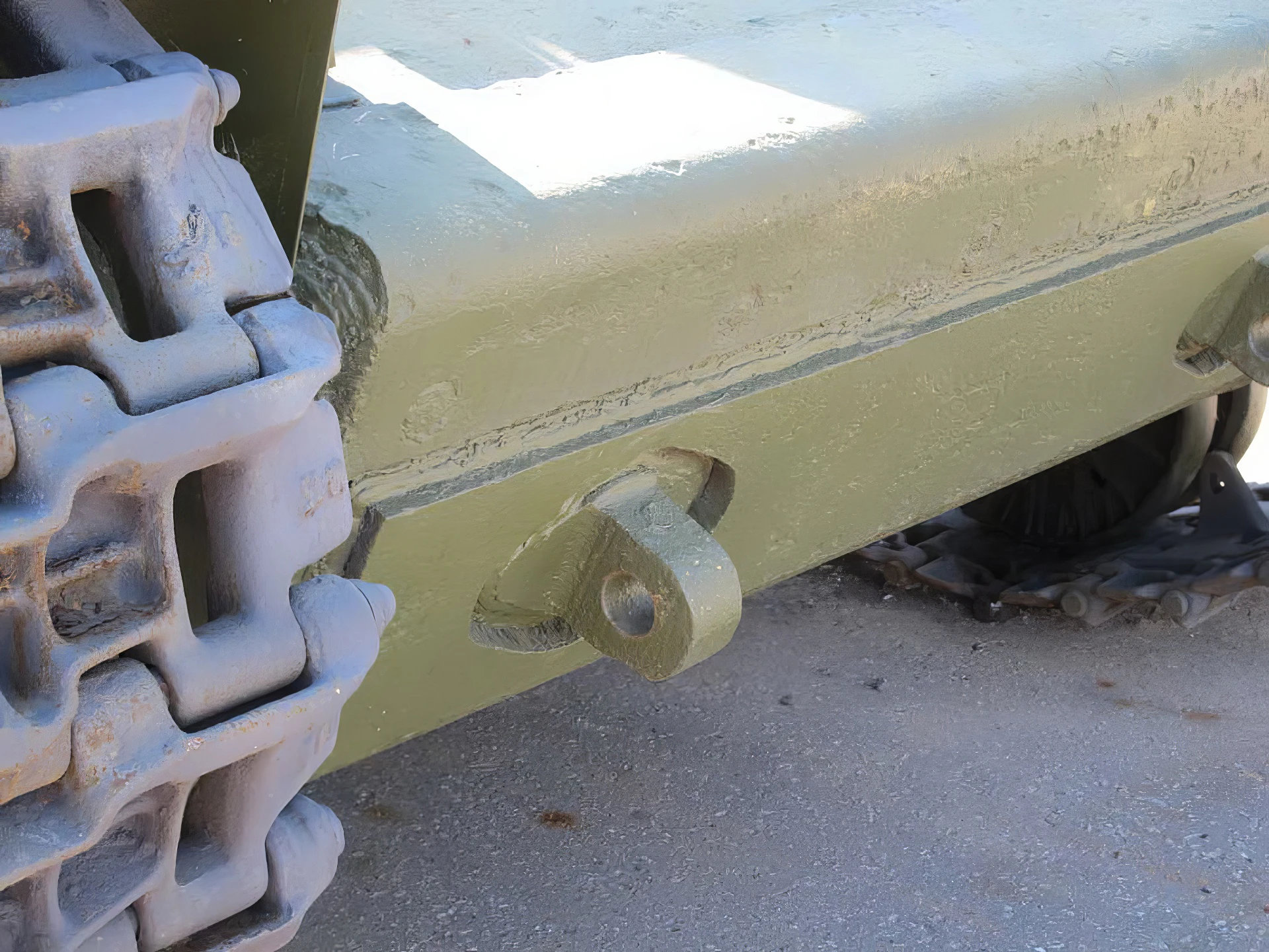

See also:


The KV-1S was a Soviet heavy tank, a critical modification of the earlier KV-1 series. It was developed in the summer of 1942 to address the severe reliability and mobility problems that plagued its predecessor, which had become too heavy and slow due to successive armor upgrades.
The “S” in its designation stood for “Skoryy” (Fast), reflecting its primary design goal: to achieve a better balance between armor protection and mobility, even if it meant sacrificing some of the original KV-1’s legendary frontal armor.
Key Characteristics and Design
The KV-1S represented a significant redesign aimed at reducing the tank’s overall weight and improving its mechanical reliability, particularly the unreliable transmission system.
- Reduced Weight: The tank’s mass was reduced to approximately 42.5 tons, making it lighter than later variants of the KV-1.
- Improved Speed: This weight reduction, combined with a better transmission system, allowed the KV-1S to achieve a higher top speed on roads, reaching up to 43 km/h.
- New Turret: It featured a newly designed, cast turret with a lower profile. While improving the tank’s ergonomics and providing better crew visibility, the turret still mounted the standard 76.2 mm gun.
Specifications Overview
| Feature | Detail |
|---|---|
| In Service | August 1942 |
| Role | Heavy Tank |
| Main Armament | 76.2 mm ZiS-5 cannon |
| Engine | V-2K V12 diesel engine, 600 hp |
| Weight (Mass) | Approx. 42.5 tons |
| Max Speed (Road) | Up to 43 km/h |
| Hull Armor (Front/Side) | 75 mm / 60 mm (A reduction in side armor from earlier KV-1 models) |
| Turret Armor | Frontal armor generally around 82 mm |
Operational Role and Legacy
The KV-1S achieved its goal of providing the Red Army with a more mobile and operationally reliable heavy tank. However, its main weapon, the 76.2 mm ZiS-5, was already becoming obsolete against new German armor like the Tiger I. This parity in firepower and reduced armor against the T-34 medium tank led to questions about its continued necessity.
Despite this, the KV-1S was a crucial transitional design. The modifications and improvements to its chassis and the subsequent development of a new turret to hold a more powerful 85 mm gun directly led to the development of the KV-85 tank, which in turn was the immediate precursor to the formidable IS (Iosif Stalin) heavy tank series.
Views : 4674
You can see also :
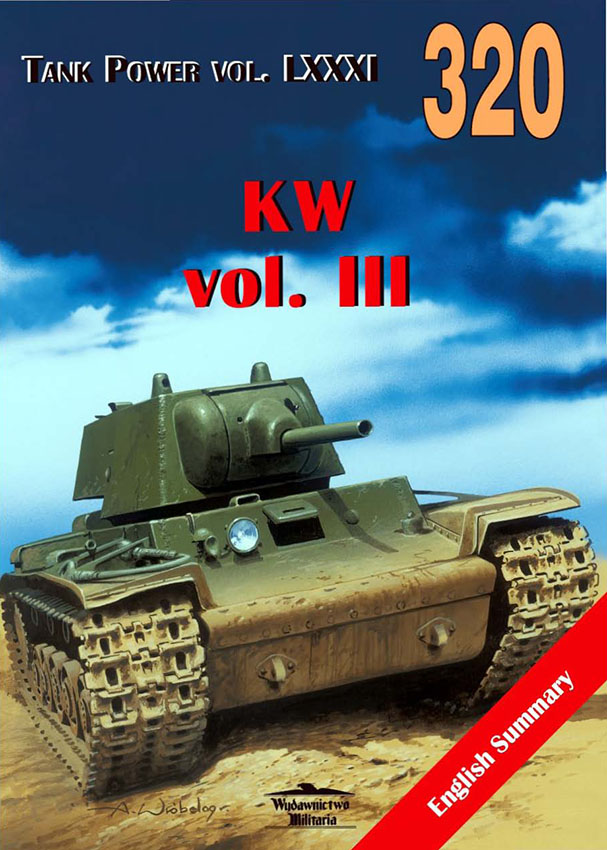 KV Tanks - Kliment Voroshilov - Wydawnictwo 320
 KV-1 Kirovsk – WalkAround
 Chars KW – Kliment Voroshilov Vol 1 – Wydawnictwo 163
 KV-85 (obekt 239) – Walk Around
 KV-1 obr 1942 – WalkAround
 KW-1 – KV-1 – WalkAround
 Soviet Heavy Tanks – VANGUARD 24
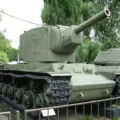 KV-2 - Walk Around
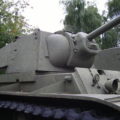 KV-1 – Walk Around
 KW – KV-1 – KV2 – Wydawnictwo Militaria 168