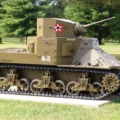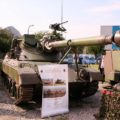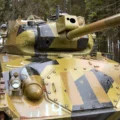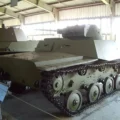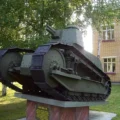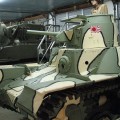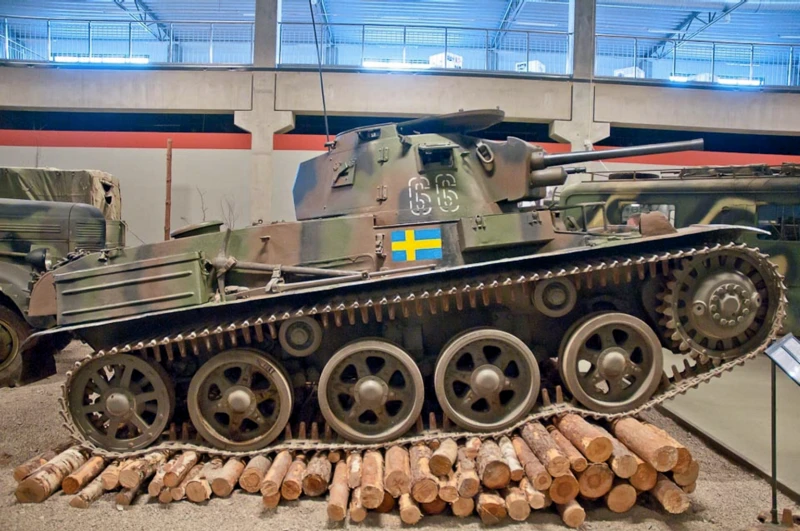
斯特里茨瓦恩 m-38 | |
|---|---|
| 国家 | 瑞典 |
| 类型 | 轻型坦克 |
| 摄影师 | 埃里克·古斯塔夫松 |
| 描述 | 专辑 21 照片走动的«斯特里茨瓦恩m-38» |
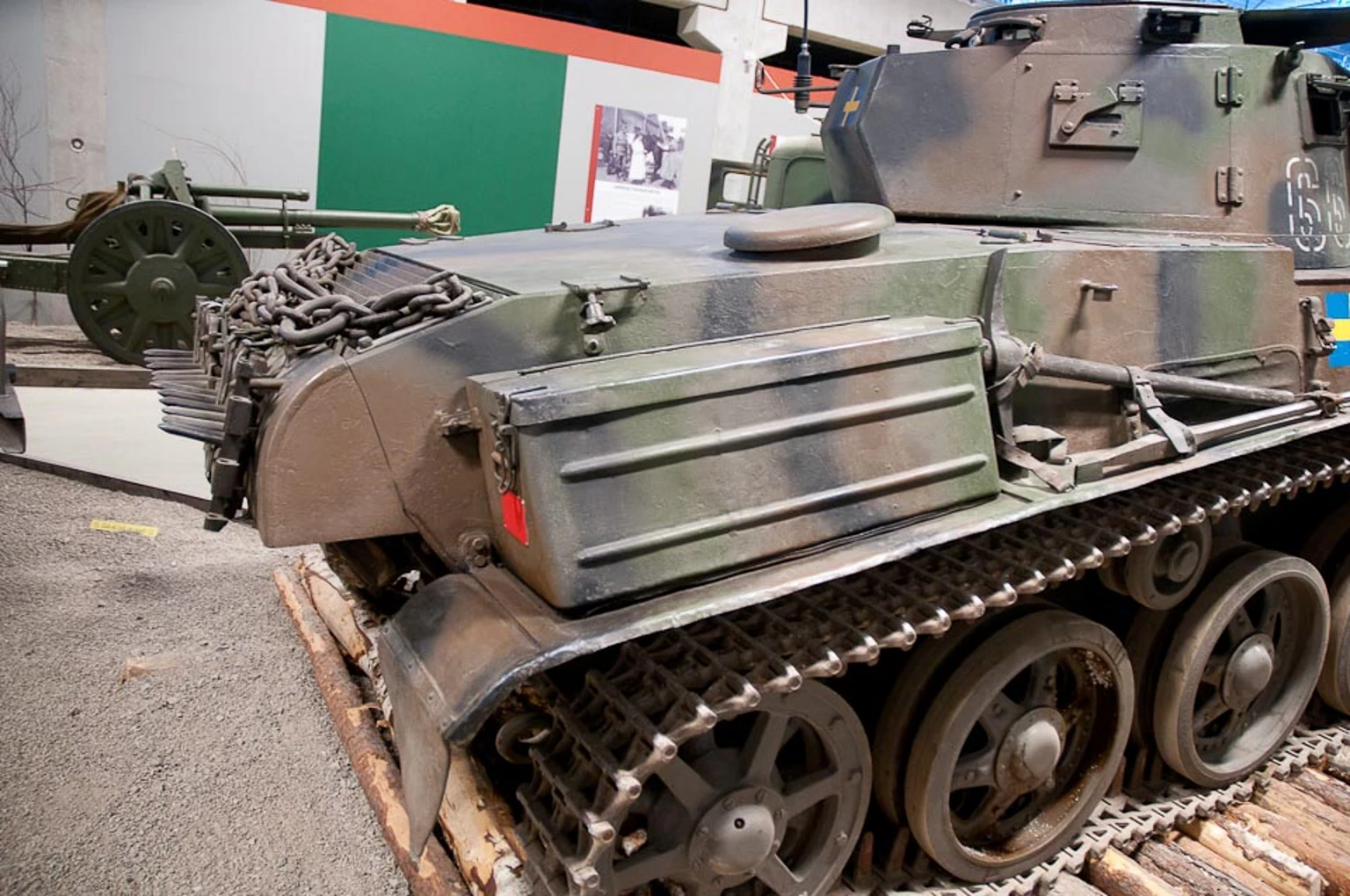
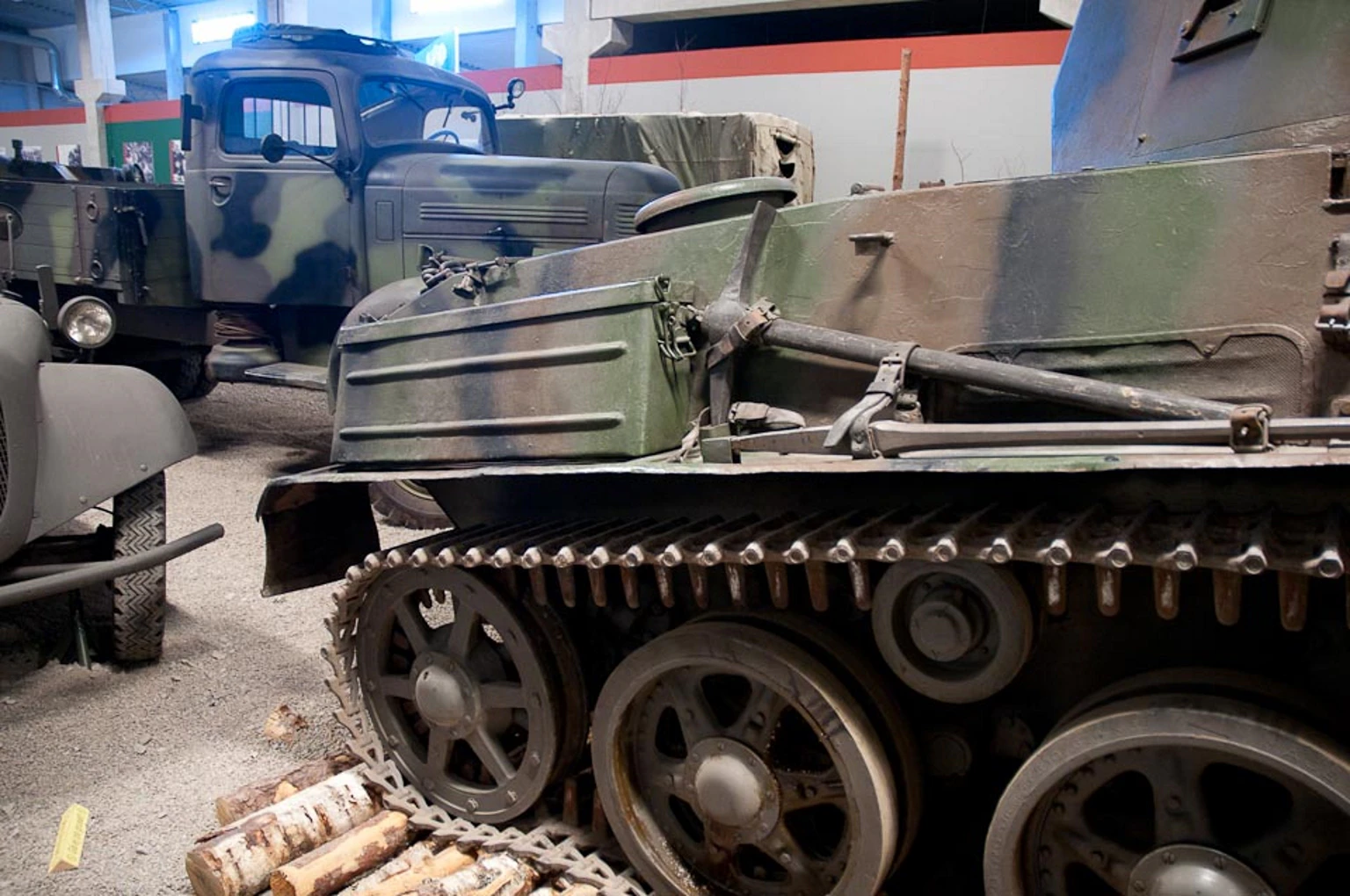
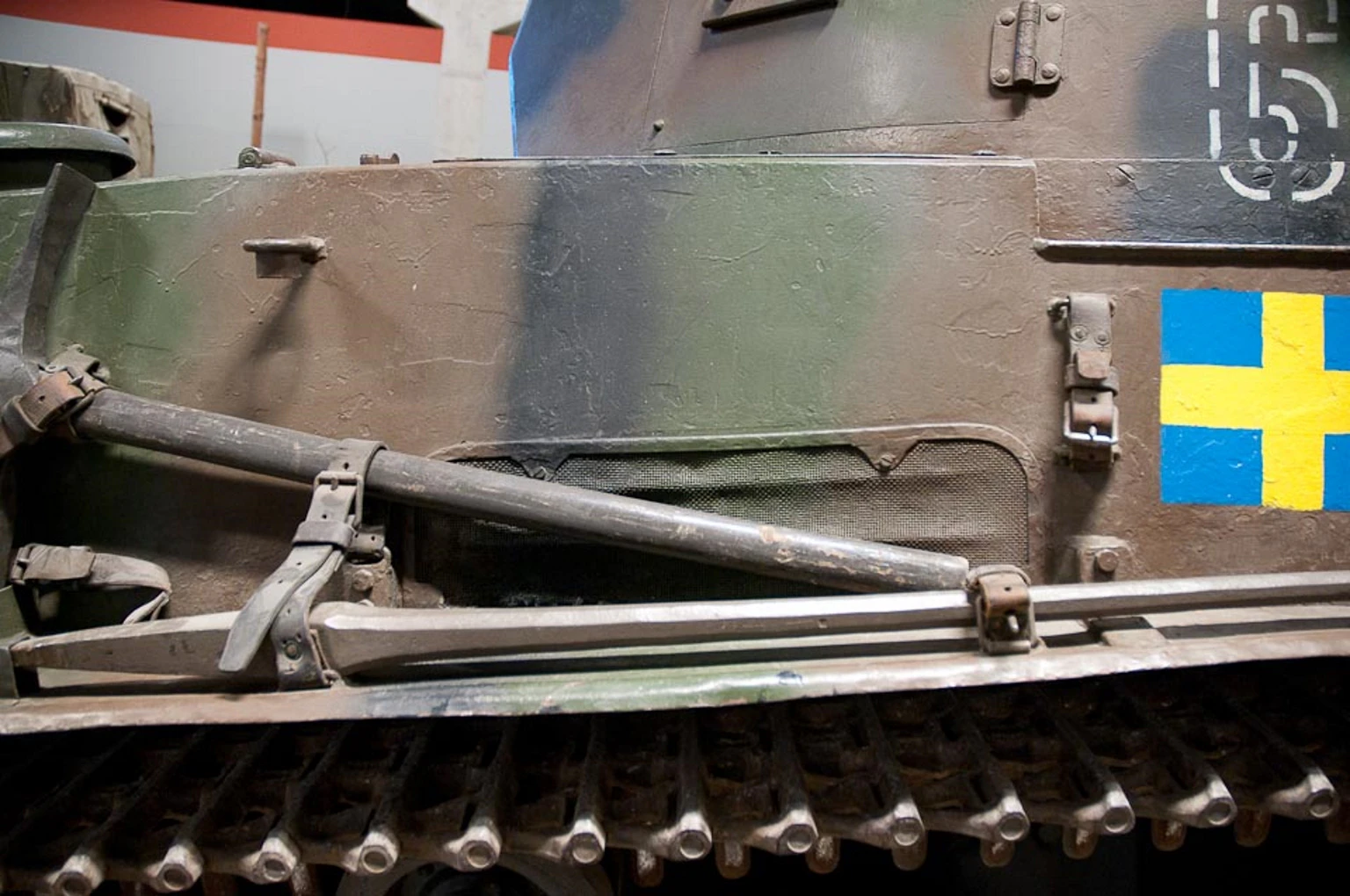
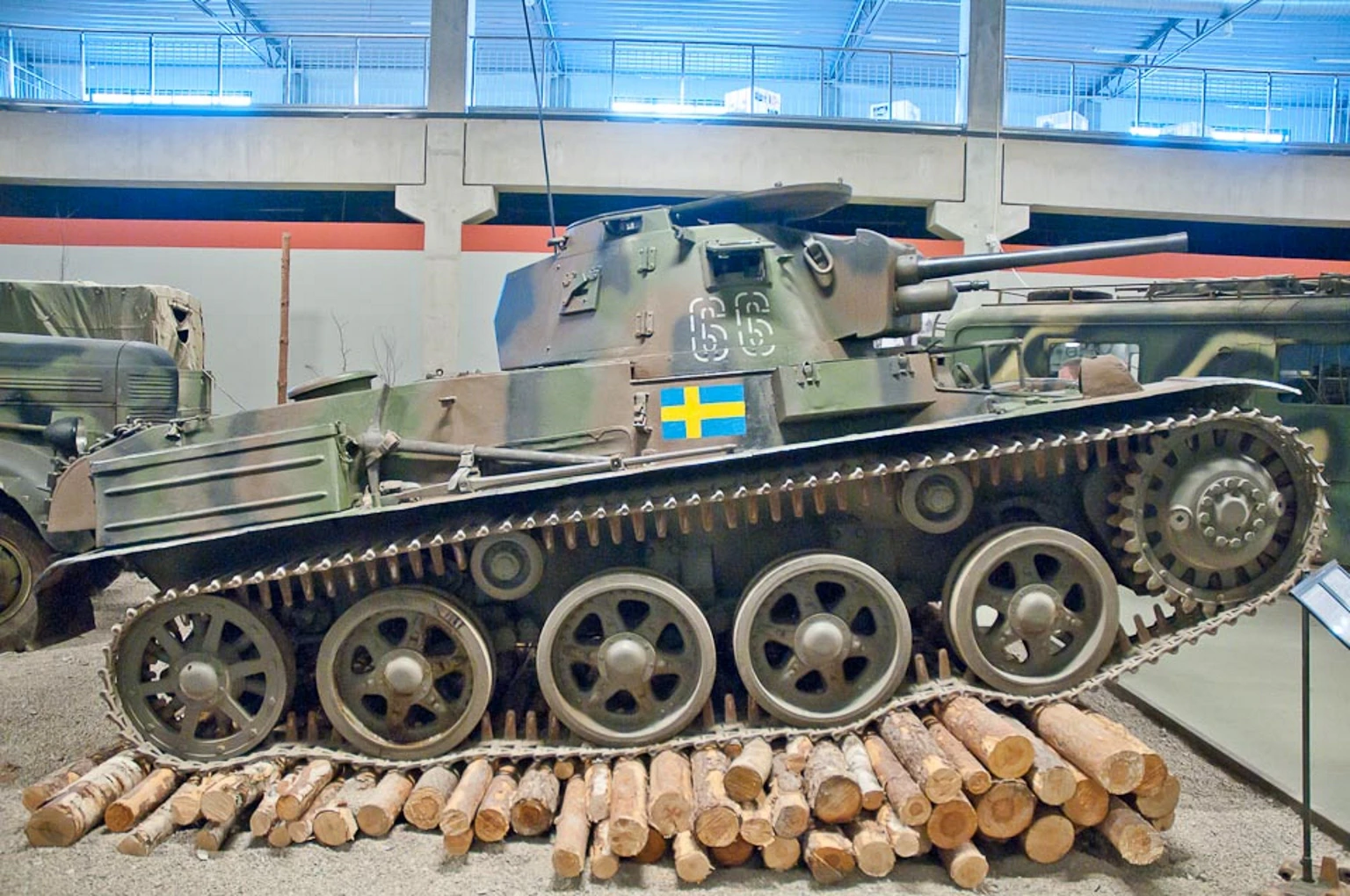
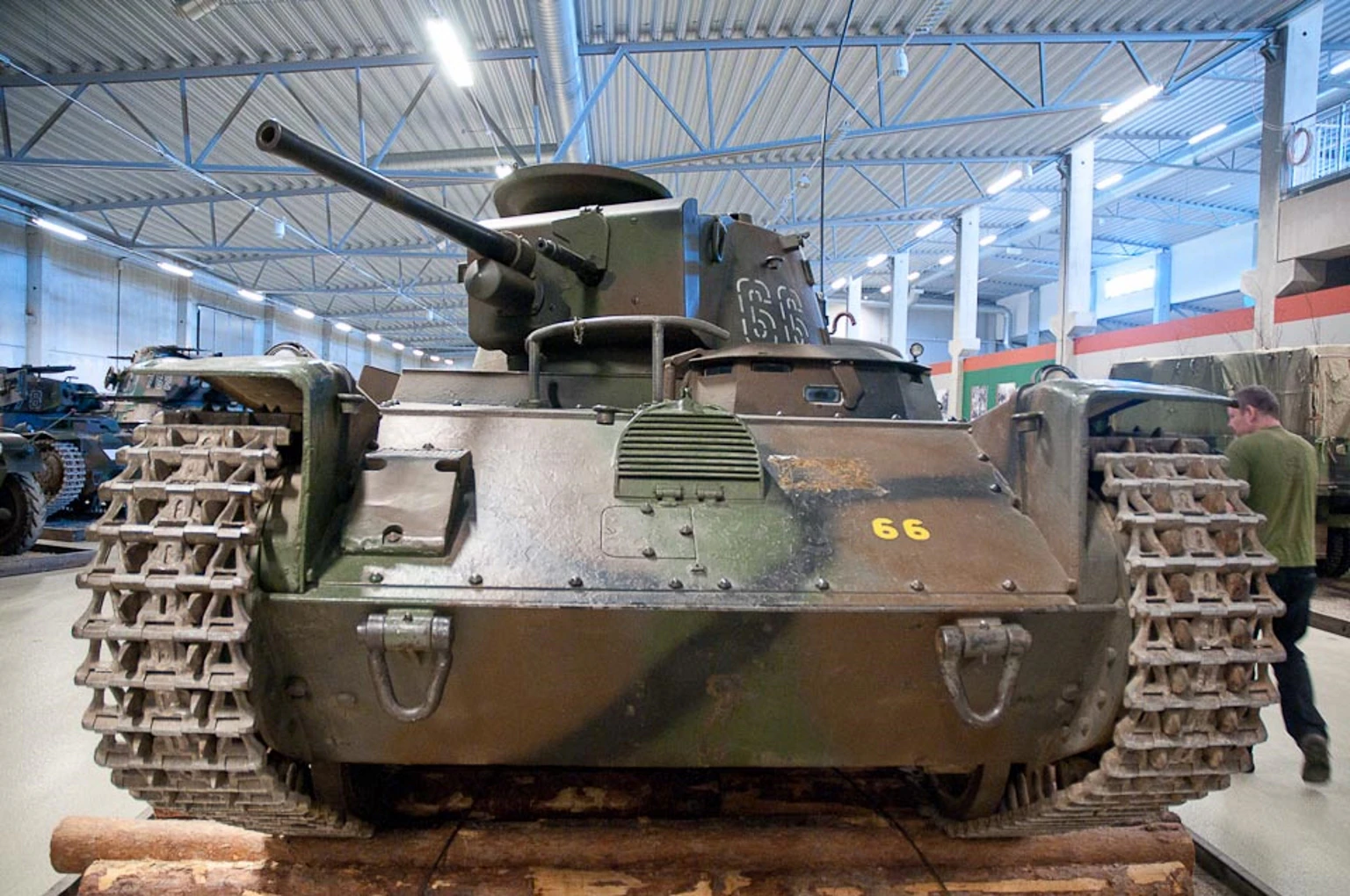
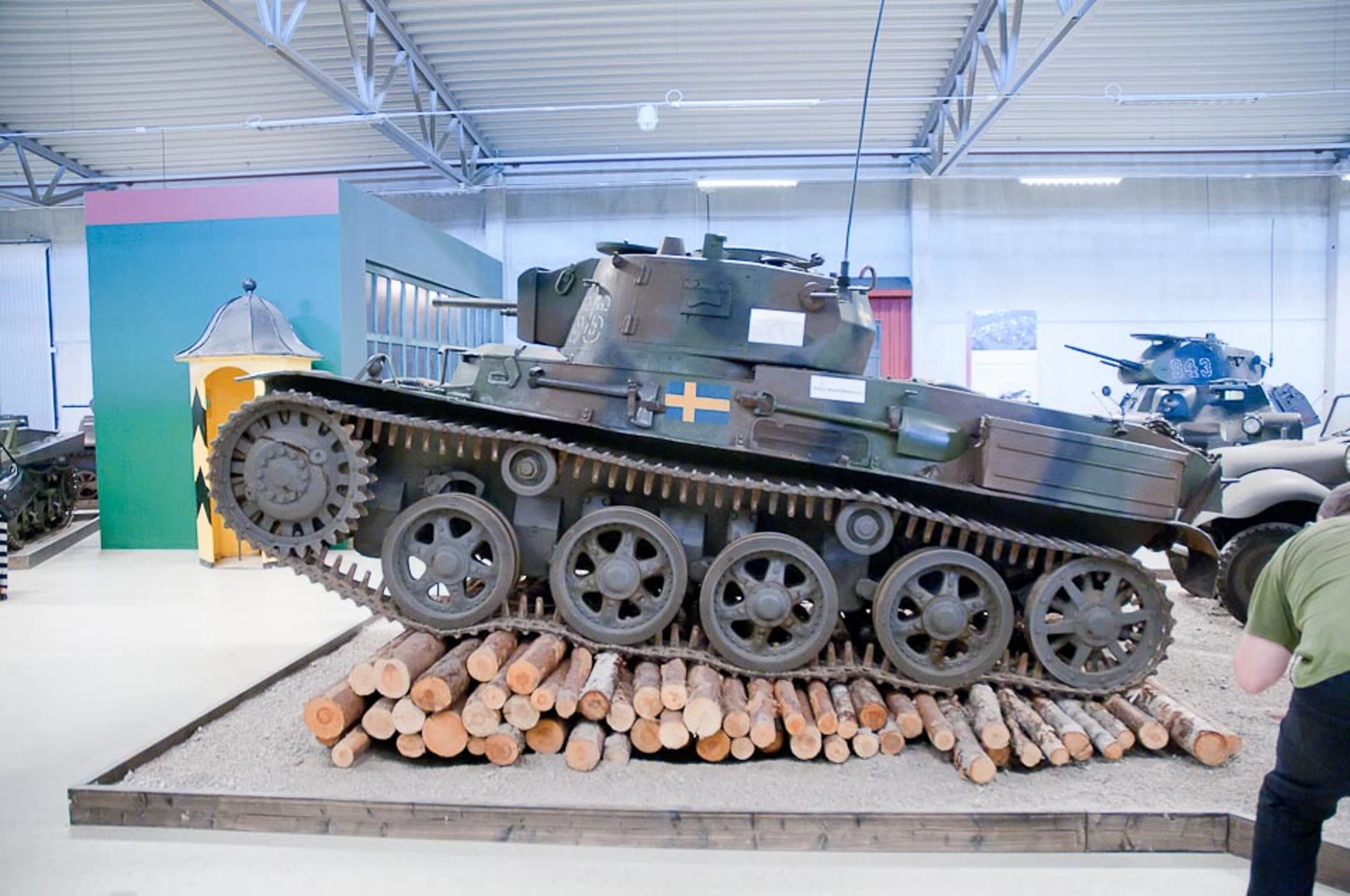
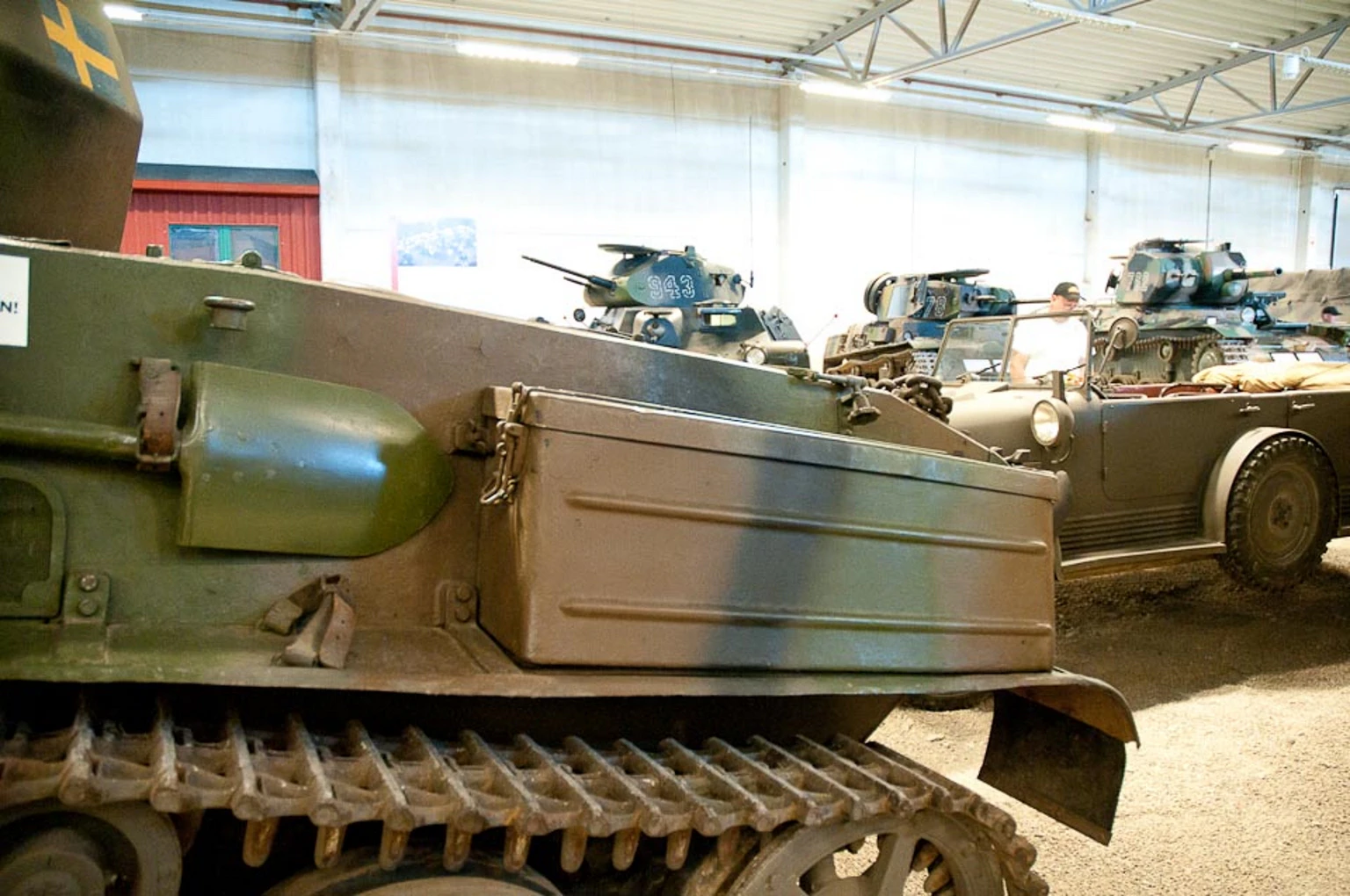
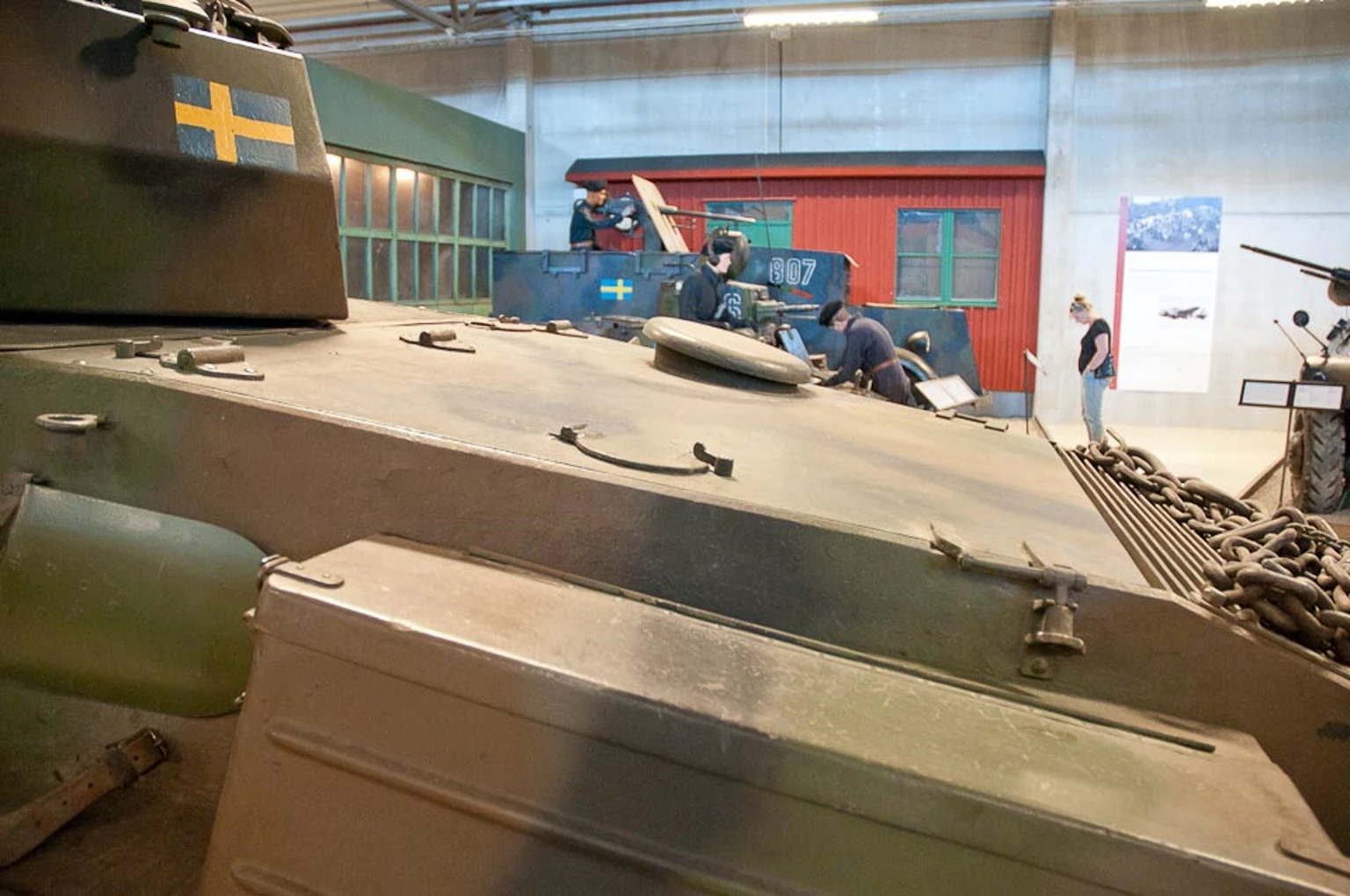
照片库的 斯特里茨瓦恩 m-38 Stridsvagn L-60 (Strv L-60), also known as Landsverk L-60, was a Swedish tank developed in 1934. It was developed by AB Landsverk as a light tank which included several advanced design features such as torsion bar suspension, periscopes rather than view slits and all-welded construction. The L-60 was progressively improved and four variants were created: L-60A, L-60B, L-60C (37mm gun), L-60D (new turret and 37mm gun and twin machine guns). The L-60 eventually evolved into the Stridsvagn m/38 and subsequent Stridsvagn m/39 and Stridsvagn m/40 and was adopted by the Swedish army as such.

 给我买杯咖啡
另请参阅:


A Neutral Power’s Hidden Gem
这 Stridsvagn m/38 (factory designation Landsverk L-60) was arguably the most advanced light tank in the world when it debuted in the mid-1930s. Designed by the German engineer Otto Merker while working for AB Landsverk in Sweden, it introduced several radical technologies that would soon become global standards. Although Sweden remained neutral during World War II, the m/38 and its successors (m/39 and m/40) formed the core of the Swedish Armored Corps, ensuring that any violation of Swedish sovereignty would be met with a modern, high-velocity response.
| Attribute | Technical Specification (Strv m/38) |
|---|---|
| 作用 | 轻型坦克 |
| 船员 | 3 (Commander, Driver, Gunner/Loader) |
| 在服务中 | 1939 – 1957 (Swedish Army) |
| 动力装置 | 1 × Scania-Vabis 1664 6-cylinder gasoline |
| Horsepower | 142 hp (106 kW) |
| 最高速度 | 46 km/h (28.5 mph) |
| 主要武器装备 | 1 × 37 mm Bofors m/38 cannon |
| 装甲 | 6 mm – 15 mm (all-welded) |
Design Engineering: Setting the Standard
- Torsion Bar Suspension: The m/38 was the first tank ever produced in series to use torsion bar suspension. Instead of bulky external springs, it used internal steel bars that twisted to absorb shocks. This allowed for a much smoother ride and better high-speed cross-country performance.
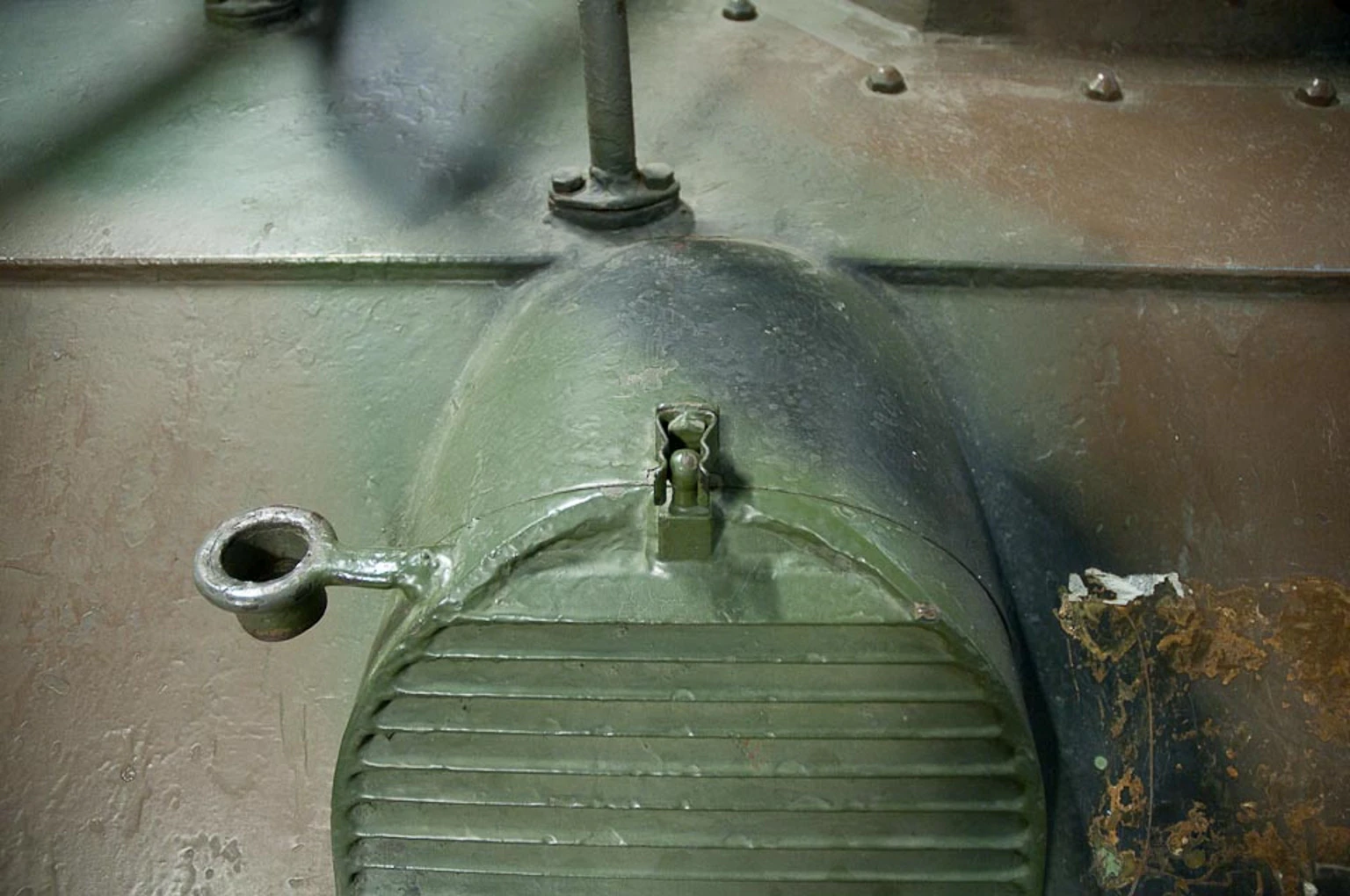
- All-Welded Construction: At a time when British and French tanks were still being riveted together (which could turn rivets into deadly “shrapnel” if hit), the m/38 used an all-welded hull. This made it lighter, stronger, and more resistant to ballistic impact.
- Bofors 37mm Firepower: The tank featured the legendary Bofors 37mm gun. This weapon was highly accurate and had excellent penetration for its size, capable of knocking out almost any contemporary light or medium tank at typical combat ranges.
- Periscope Optics: Breaking from the tradition of simple “view slits” that exposed the crew to bullet splashes, the m/38 utilized prism periscopes, providing a safe and clear view of the battlefield.
Global Impact and The “Toldi” Connection
- The Hungarian “Toldi”: The m/38’s design was so successful it was licensed to Hungary, where it was produced as the 38M Toldi. Unlike its Swedish parent, the Toldi saw extensive combat on the Eastern Front against the Soviet Union.
- Cold War Longevity: Despite its 1930s origin, the Swedish Army kept the m/38 in service until the late 1950s. Late-war upgrades even included the testing of APDS (Armor-Piercing Discarding Sabot) ammunition to allow the 37mm gun to threaten much heavier tanks.
- The Dominican Civil War: In a strange twist of history, several export versions of this Swedish design ended up in the Dominican Republic. They saw actual combat as late as 1965 during the Dominican Civil War, occasionally facing off against American M50 Ontos.
- The Foundation of Swedish Armor: The L-60 chassis was so robust that it served as the basis for a whole family of vehicles, including the Strv m/40, the Luftvärnskanonvagn (L-62) Anti-Aircraft tank, and early self-propelled guns.
视图 : 2278