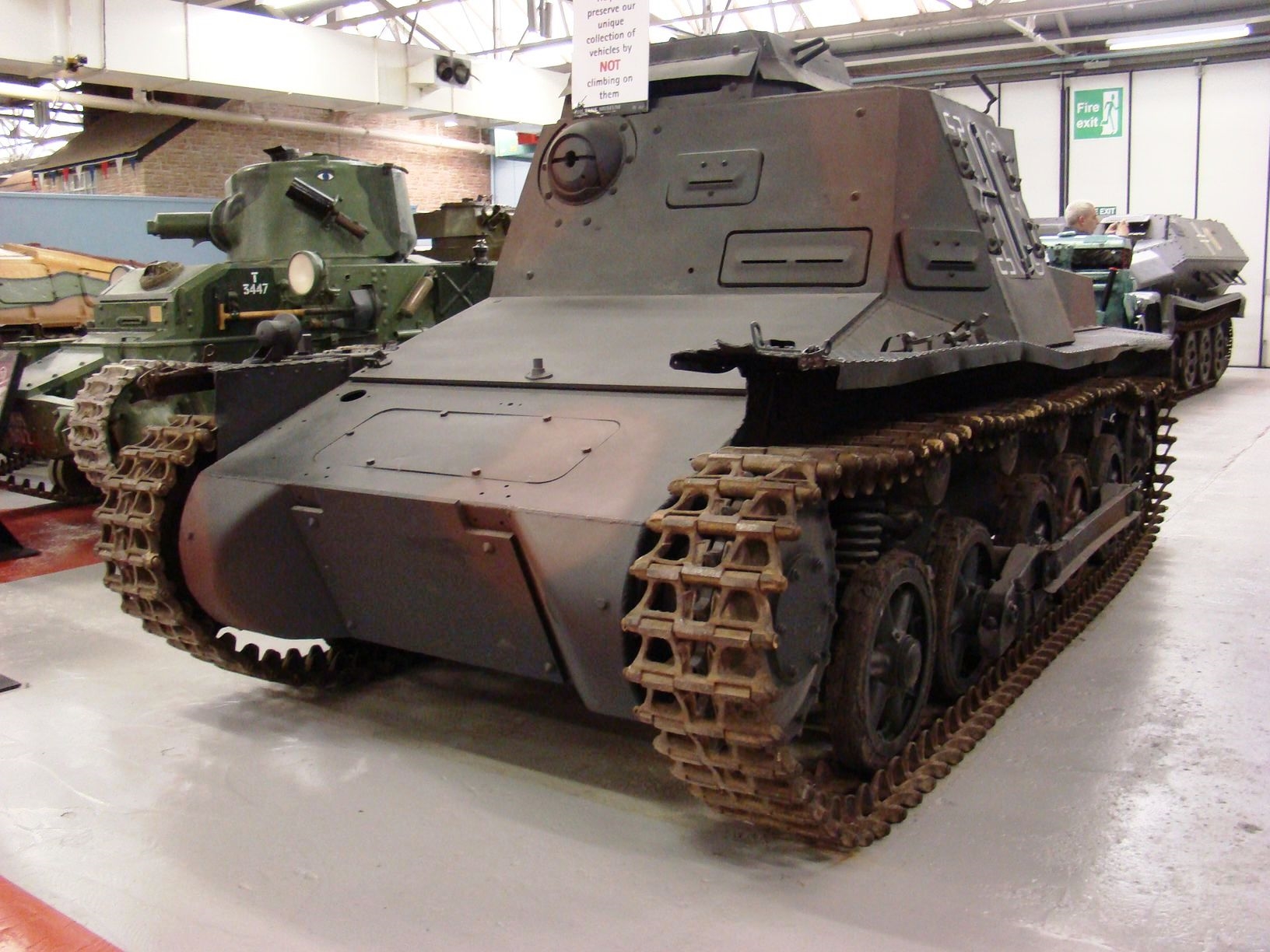
潘泽坎普夫瓦根 I 奥斯夫. A | |
|---|---|
| 国家 | 德国 |
| 类型 | 车 |
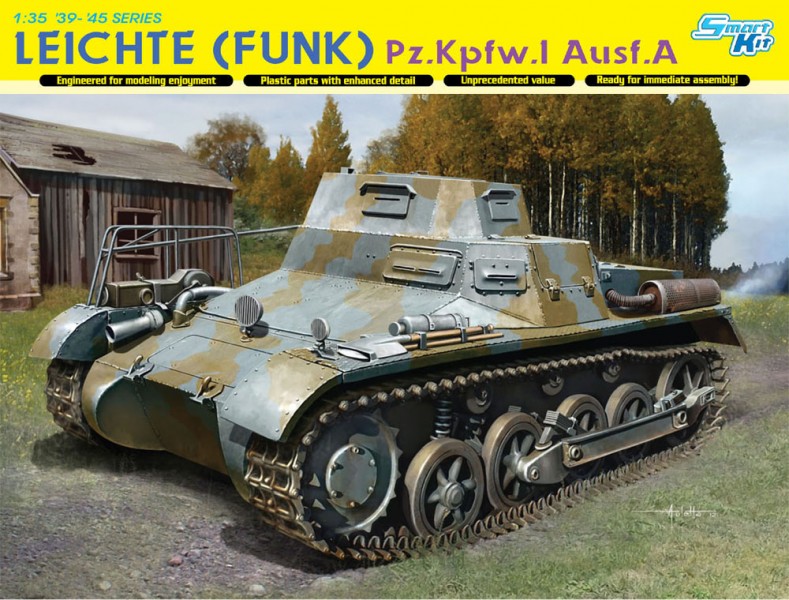
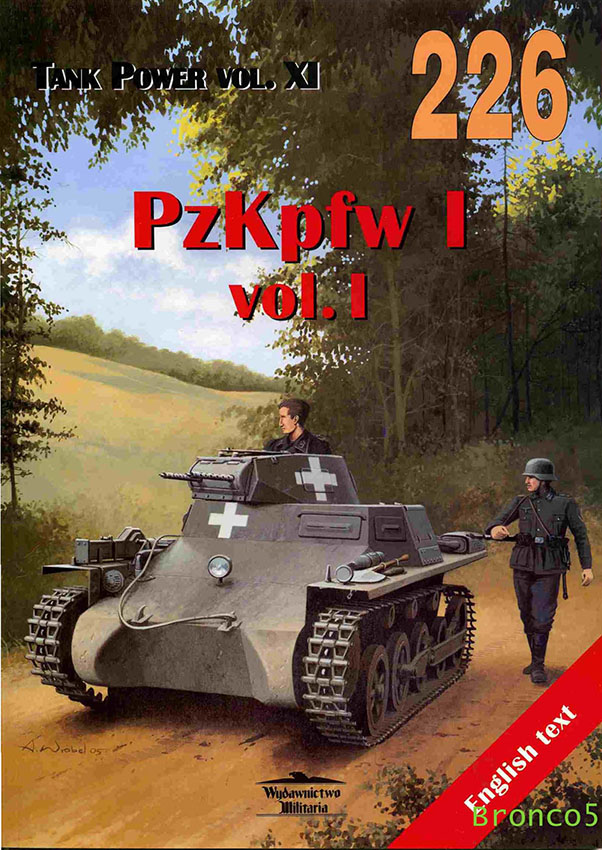
装甲I奥斯夫,勒的照片库 装甲一 是德国轻型坦克,设计于20世纪30年代,在西班牙战争和第二次世界大战开始期间使用。这是德国在《凡尔赛条约》之后第一次发现装甲车,禁止研究或建造装甲车,因此第一个被指定为模糊轨道,非常无害,兰德维尔查夫特利彻施莱珀,或农业拖拉机,但后来它收到了一个更正式的 潘泽坎普夫瓦根一 (装甲战车I)。它也被称为桑德克拉夫特法赫泽格101(简称 斯德克夫兹 101) 利特拉尔门特 · 维希库勒 · 斯佩利亚尔 · 莫特。
| Panzer I Ausf.A | |
|---|---|
| 摄影师 | 未知 |
| 本地化 | 未知 |
| 照片 | 157 |
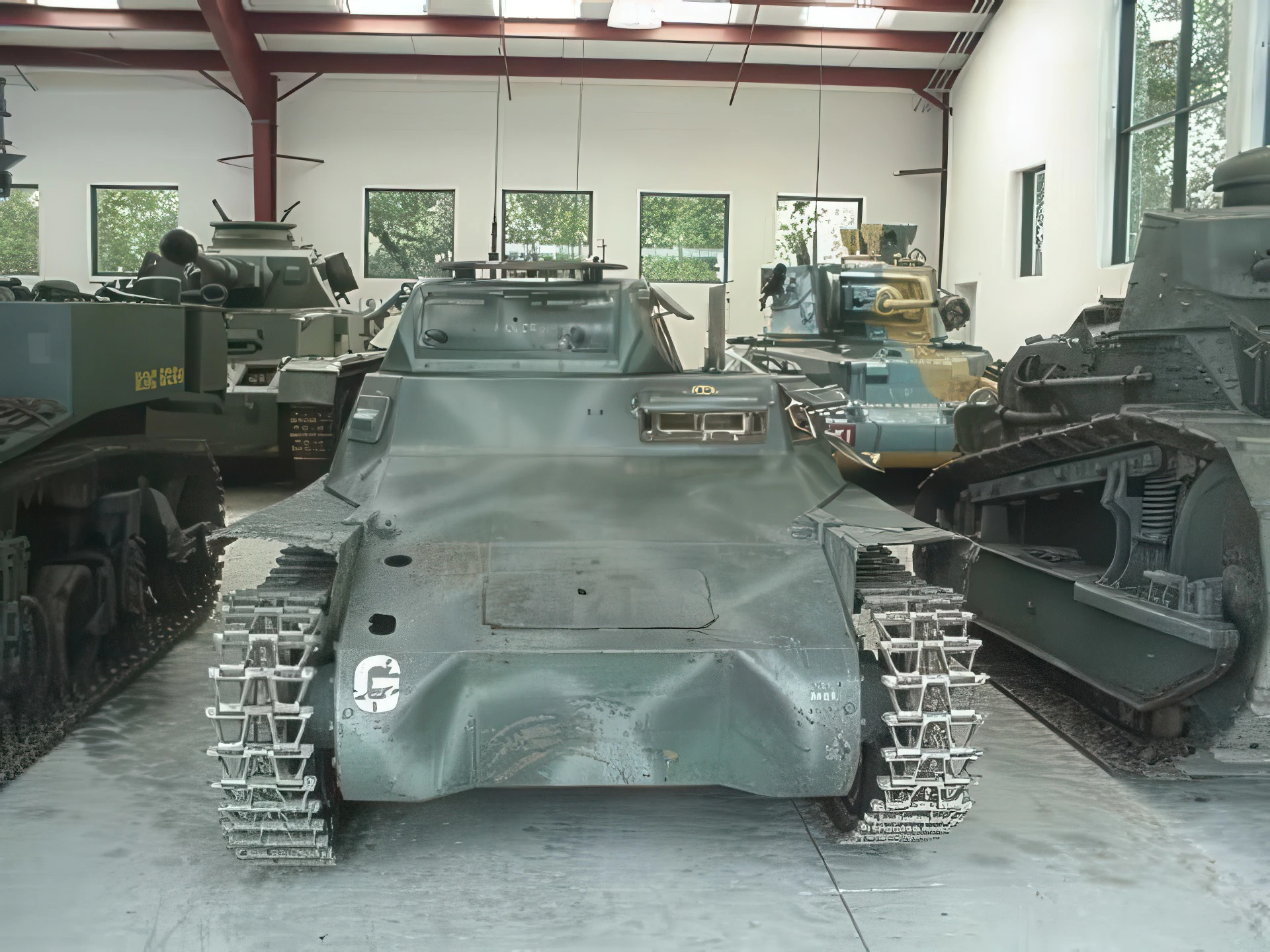
Panzer I Ausf.A 001
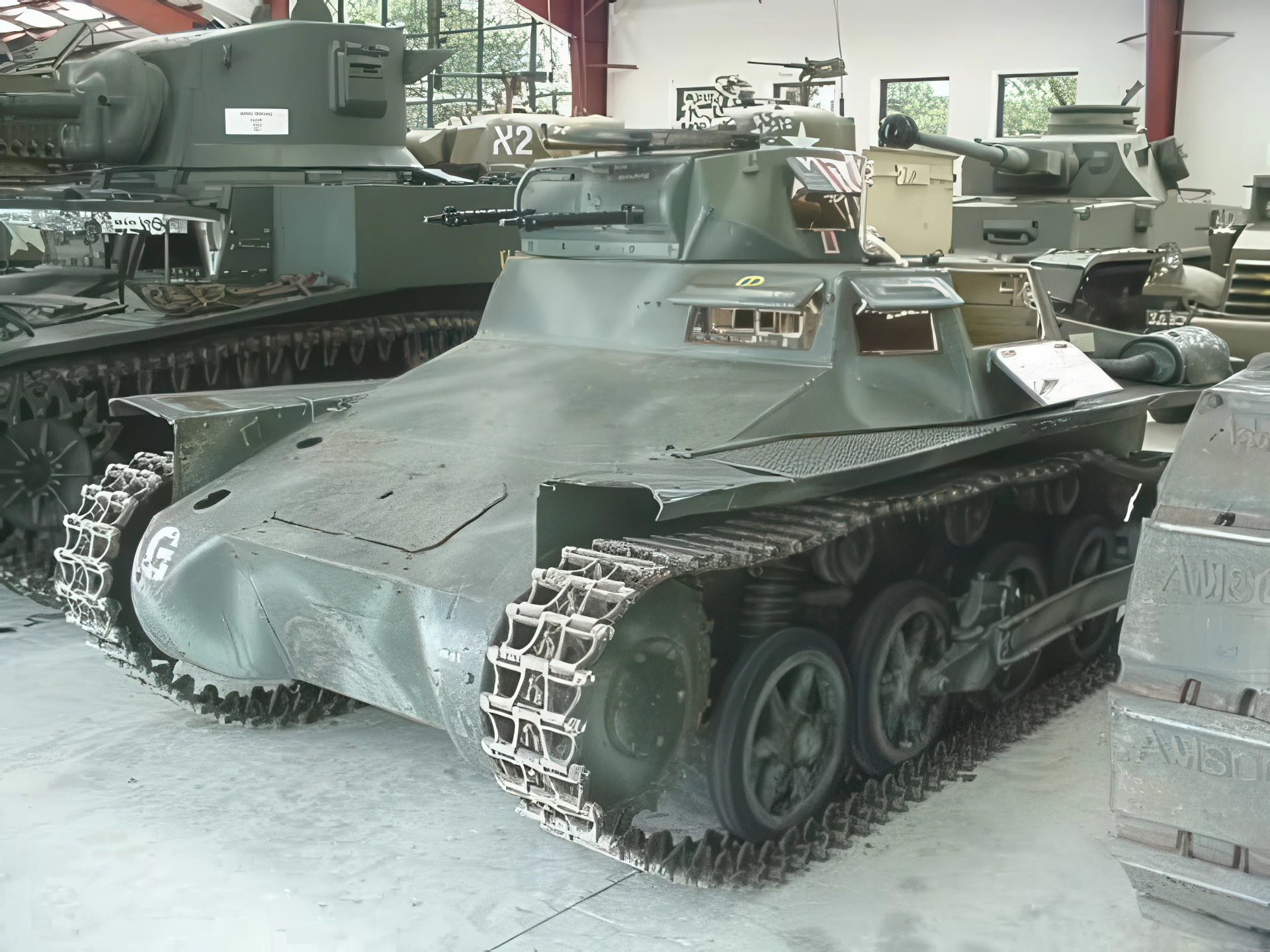
Panzer I Ausf.A 002
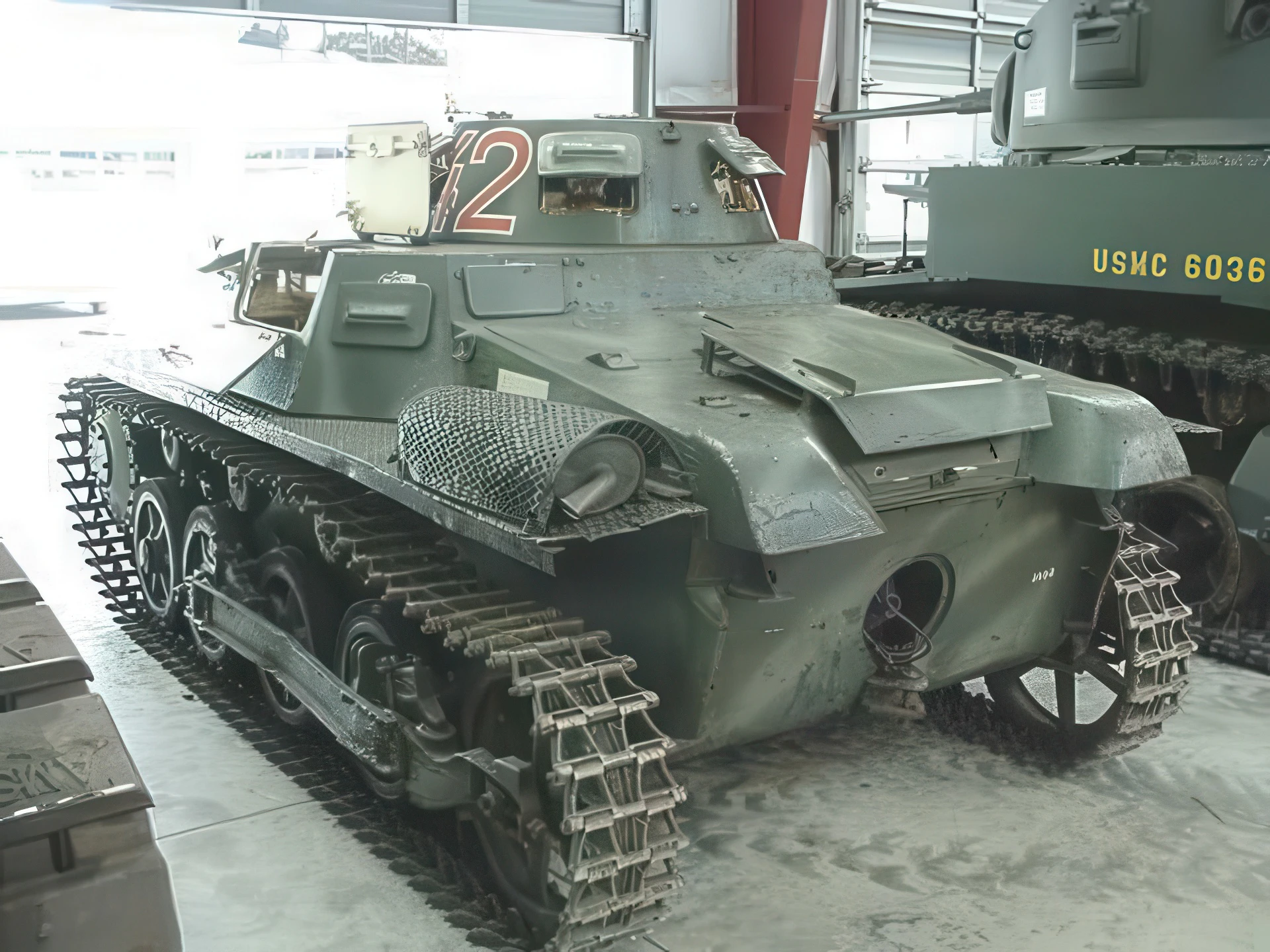
Panzer I Ausf.A 003
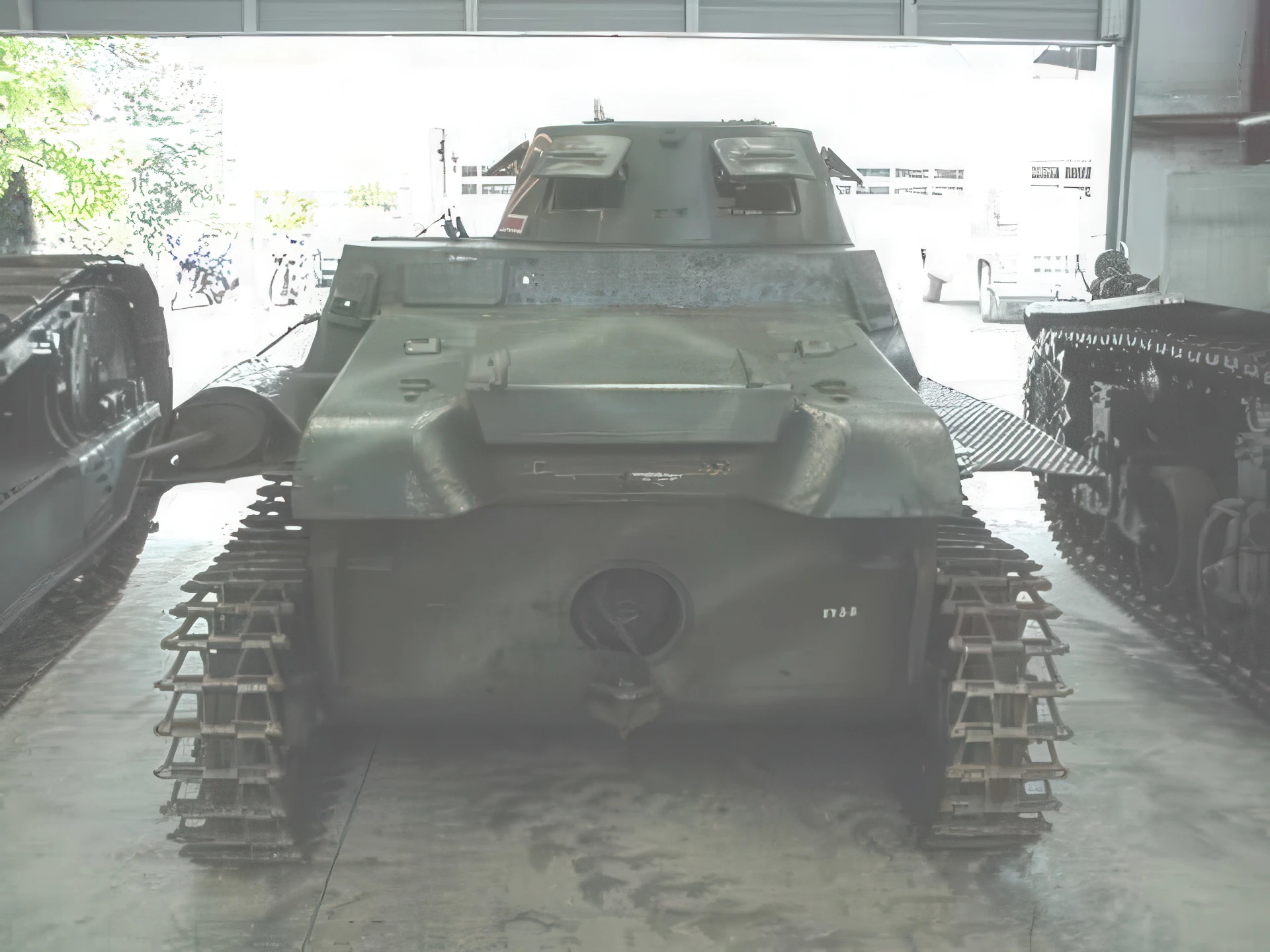
Panzer I Ausf.A 004
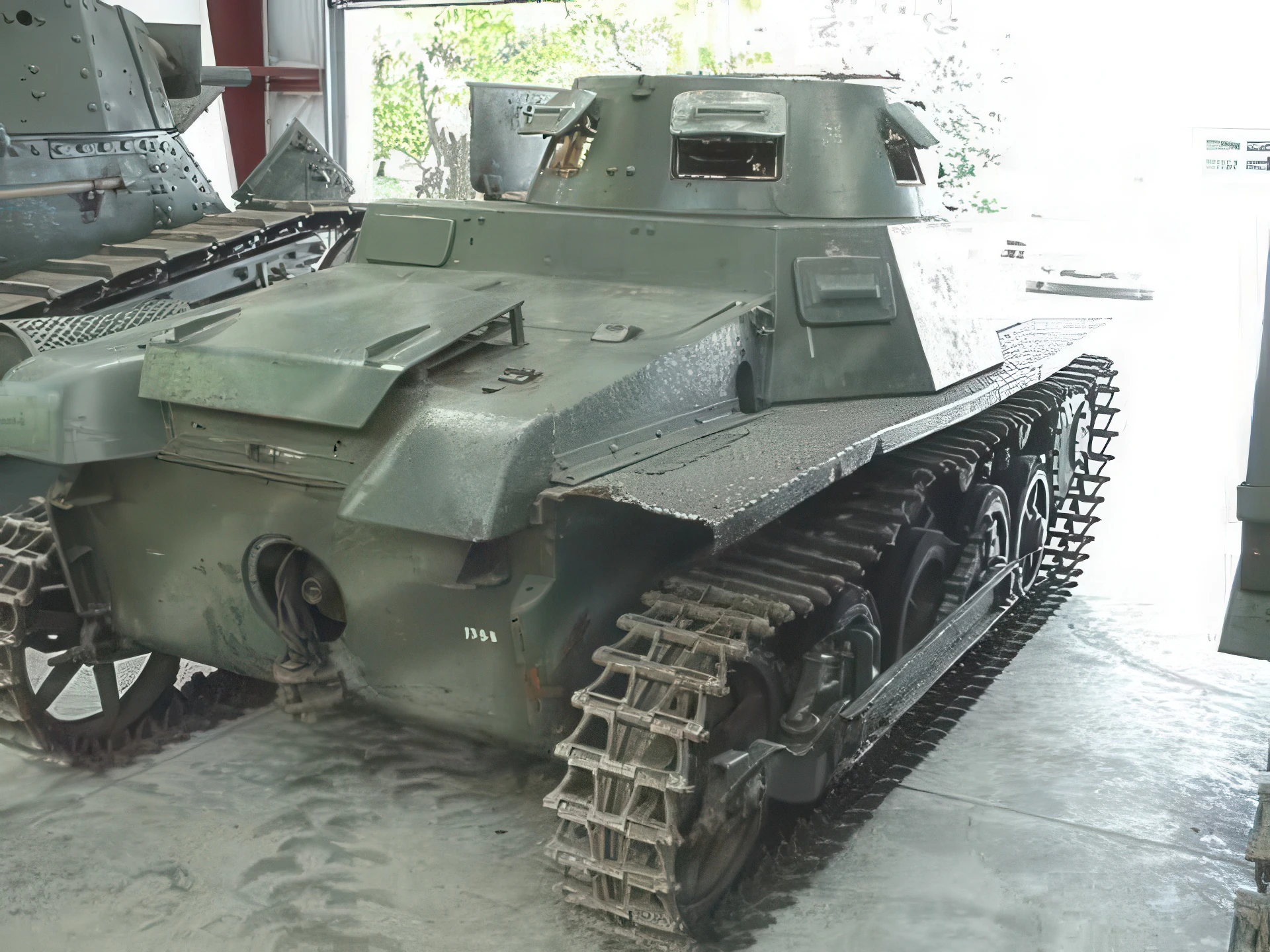
Panzer I Ausf.A 005
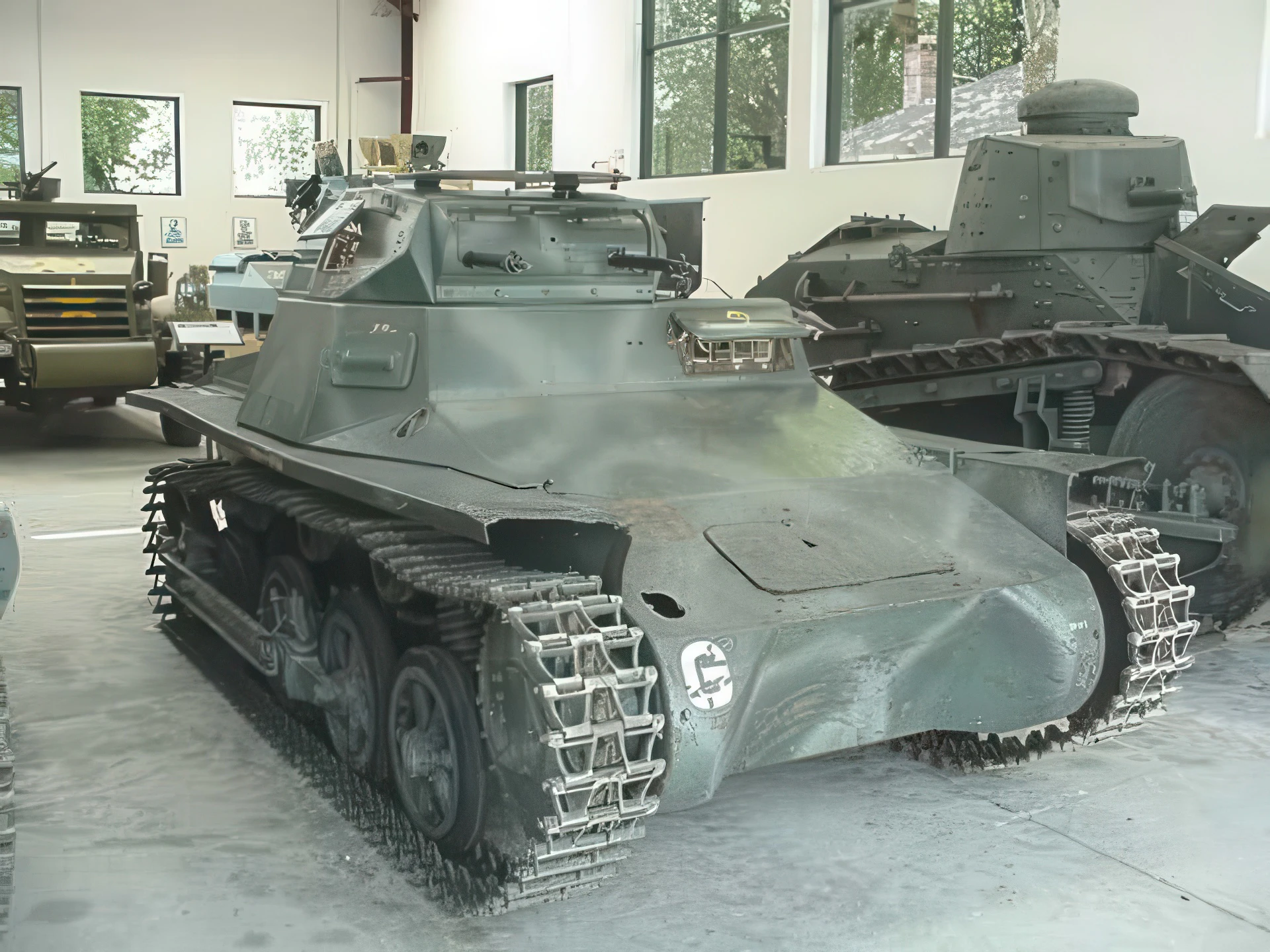
Panzer I Ausf.A 006
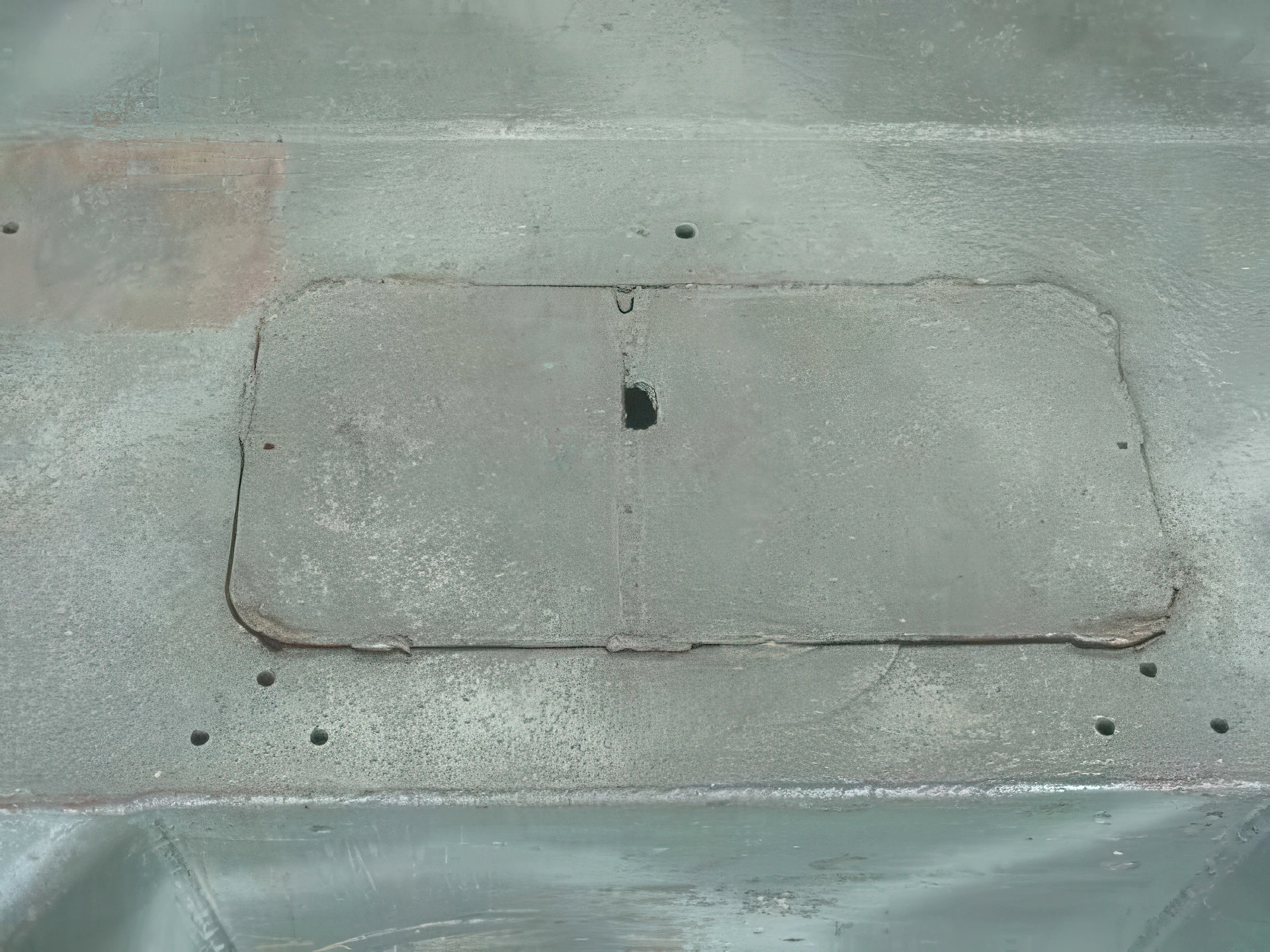
Panzer I Ausf.A 008
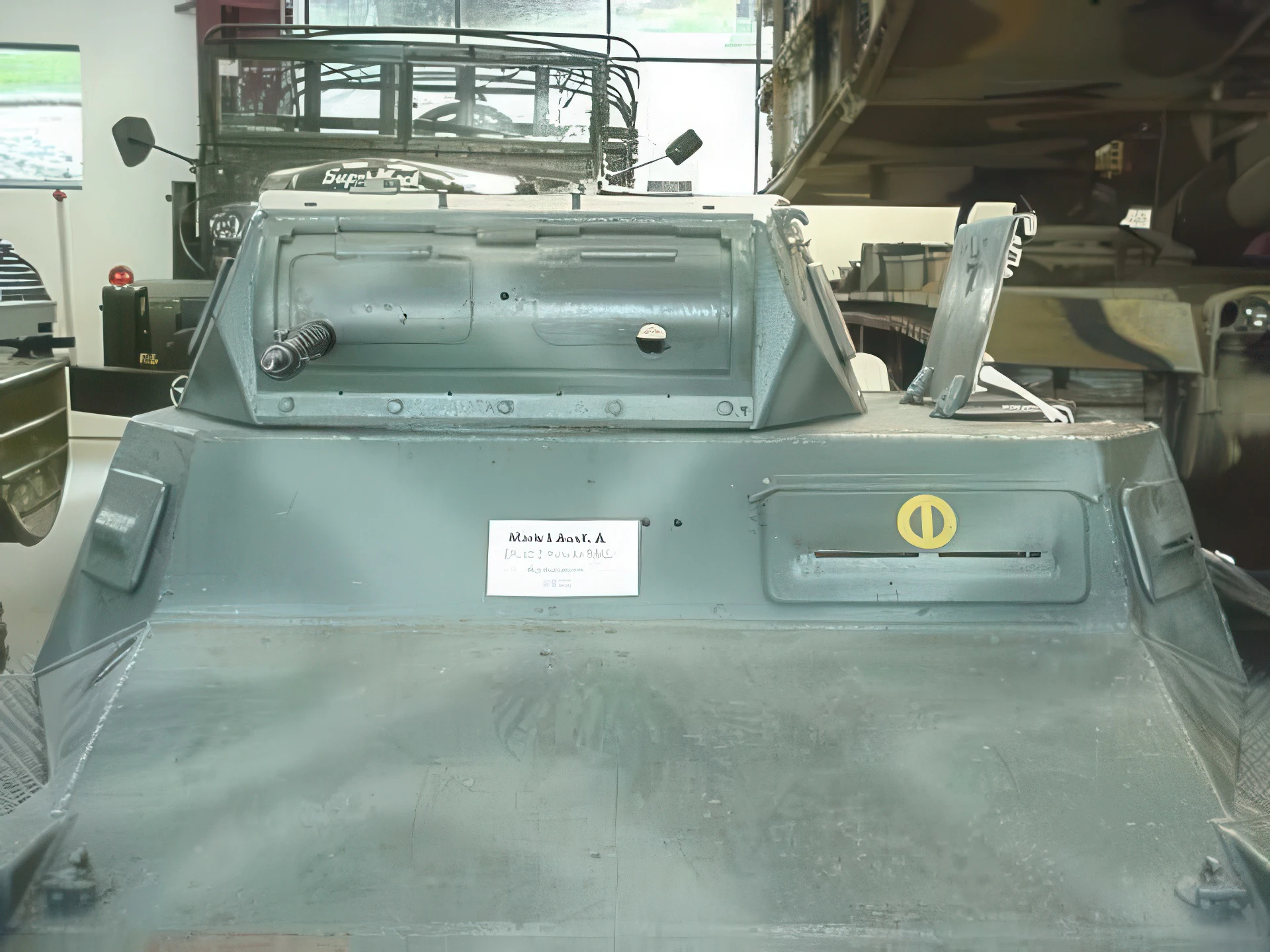
Panzer I Ausf.A 007
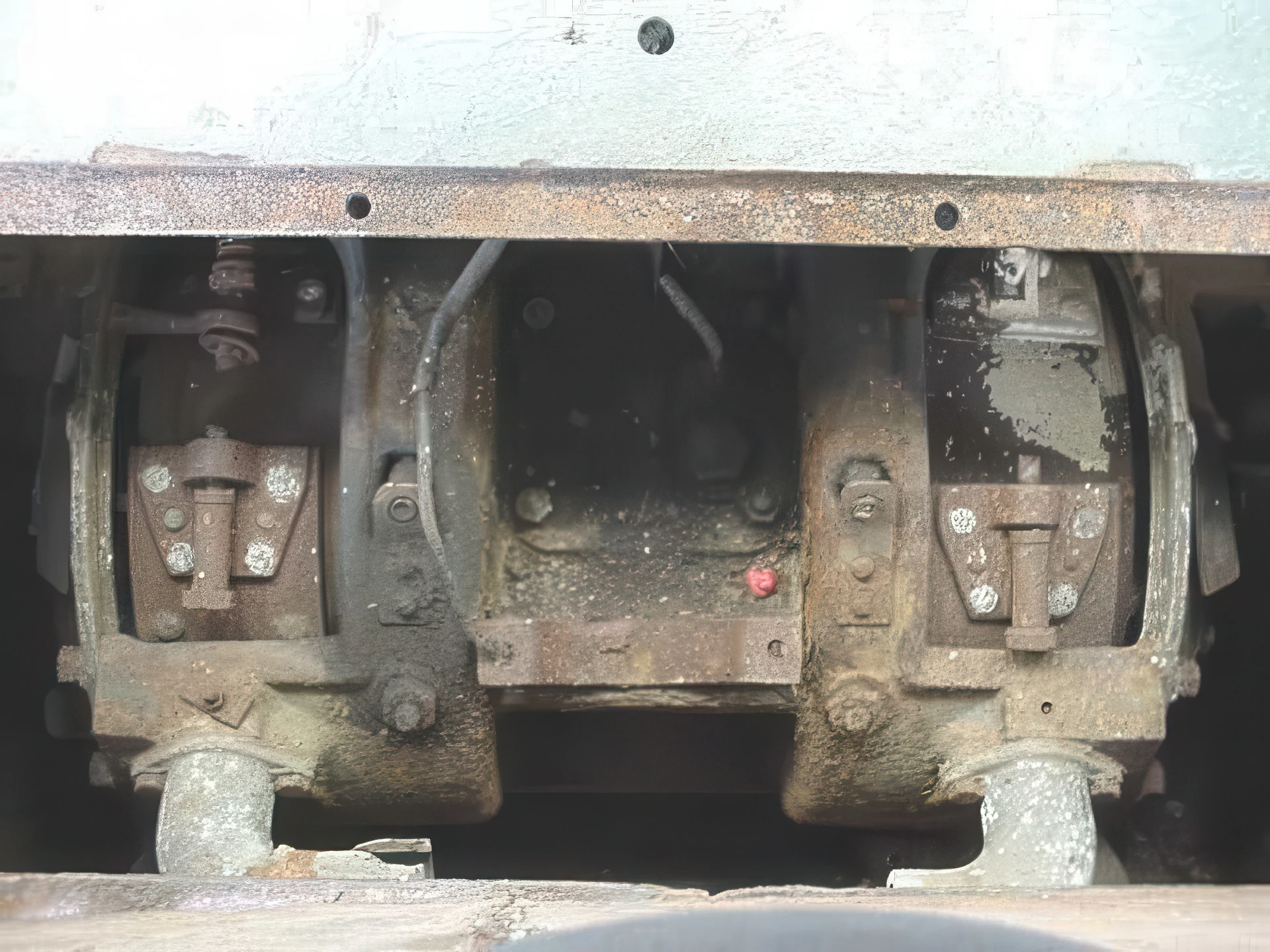
Panzer I Ausf.A 009
等等,为你搜索装甲一号。。。

| PzKpfw IA Walk Around | |
|---|---|
| 摄影师 | 弗拉基米尔·亚库博夫 |
| 本地化 | 阿克斯·利特菲尔德系列 |
| 照片 | 56 |
| Panzer I Ausf F Walk Around | |
|---|---|
| 摄影师 | 未知 |
| 本地化 | 未知 |
| 照片 | 17 |
另请参阅:


| Pz.Kpfw.I Ausf.A Walk Around | |
|---|---|
| 摄影师 | 唐·艾伦 |
| 本地化 | 未知 |
| 照片 | 24 |
| Sd.Kfz.265 Panzerbefehlswagen Walk Around | |
|---|---|
| 摄影师 | 未知 |
| 本地化 | 未知 |
| 照片 | 21 |
等等,为你搜索装甲一号。。。
General Characteristics
The Panzerkampfwagen I Ausf. A was the first German tank to enter mass production, originally intended purely as a training tank to introduce the concept of armored warfare and for industrial experience. It was lightly armed and armored, but formed a large part of Germany’s early tank forces, seeing combat in the Spanish Civil War and the early stages of World War II.
| Property | Typical Value |
|---|---|
| 作用 | Light Tank / Training Vehicle |
| 制造商 | Krupp, Henschel, MAN, Daimler-Benz |
| 产生 | 1934–1936 |
| No. Built (Ausf. A) | 818 (Total Panzer I: 1,493) |
| 船员 | 2 (Commander/Gunner and Driver) |
| Mass (Weight) | 5.4 tonnes (6.0 short tons) |
| 长度 | 4.02 m (13 ft 2 in) |
Powerplant and Mobility
- Engine: Krupp M 305 four-cylinder, horizontally opposed, air-cooled gasoline engine.
- Engine Power: Approximately 44 kW (59 hp / 60 PS) at 2,500 rpm.
- Power/Weight Ratio: Approximately 8.1 kW/tonne (11.1 PS/t).
- Transmission: ZF Aphon FG35 manual, five forward gears and one reverse.
- Maximum Speed (Road): 50 km/h (31 mph).
- Operational Range (Road): Approximately 200 km (120 mi).
- Suspension: Simple leaf quarter-elliptic springs, which contributed to pitching at high speeds (a flaw corrected in the Ausf. B).
Armament and Armor
- Main Armament: Two 7.92 mm MG 13 machine guns mounted in a small, hand-traversed turret.
- Ammunition: The machine guns were intended for anti-infantry use, as they were largely ineffective against contemporary tank armor.
- Maximum Armor Thickness: 13 mm (0.51 in) (Front, Sides, Rear, Turret).
- Minimum Armor Thickness: 6 mm to 8 mm (Top/Bottom).
- Armor Composition: Rolled steel plate, thin enough that the Panzer I was vulnerable to almost all contemporary anti-tank weapons and even heavy machine guns.
意见:19658