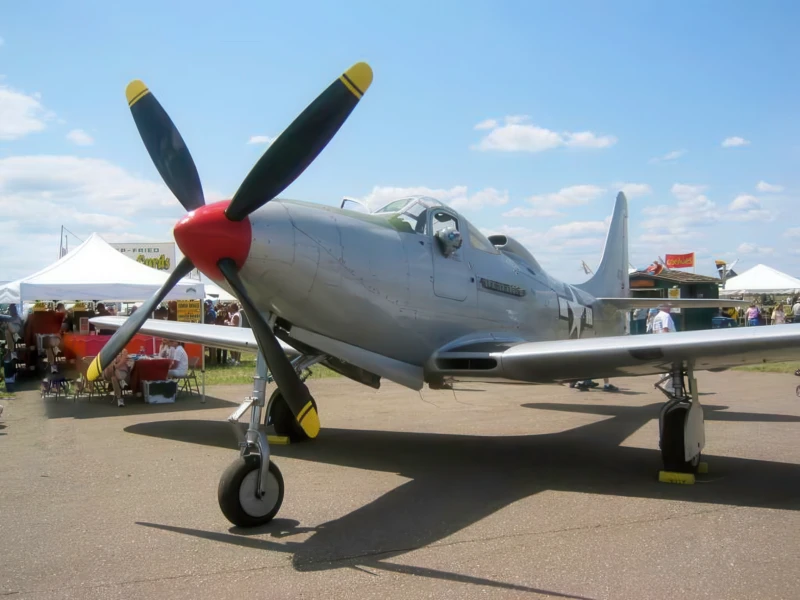
Bell P-63 KingCobra | |
|---|---|
| 国家 | 美国 |
| 作用 | 战斗机 |
| 首次飞行 | 1942年12月7日 |
| 建立 | 3303 |
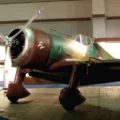
这 贝尔 P-63 金科布拉 是贝尔飞机在二战中从贝尔P-39艾拉科布拉公司研制的一架美国战斗机,试图纠正该飞机的缺陷。虽然P-63不被美国陆军空军接受用于战斗,但它被苏联空军采用。
| P-63 King Cobra | |
|---|---|
| 摄影师 | 未知 |
| 本地化 | 未知 |
| 照片 | 42 |
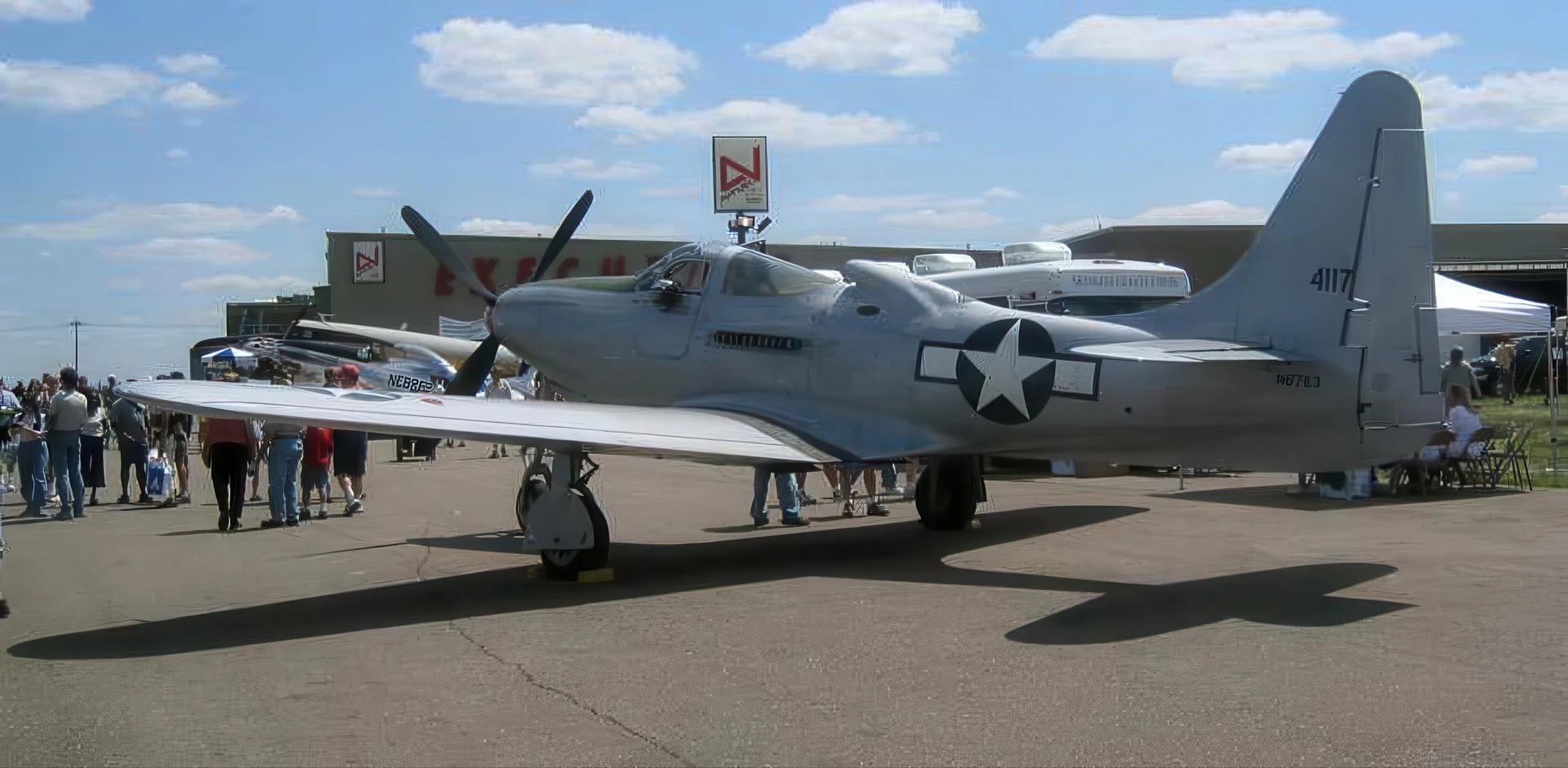
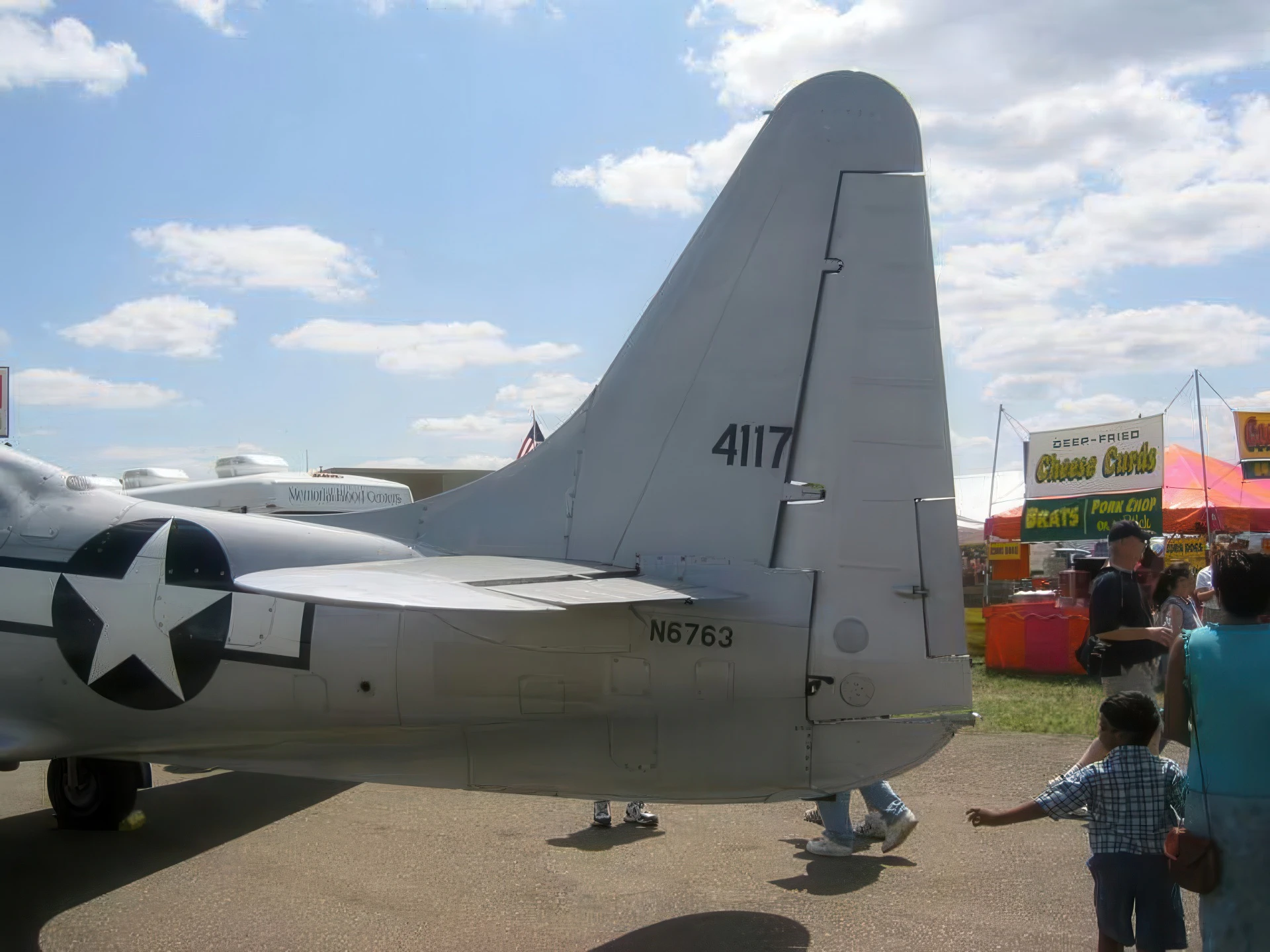
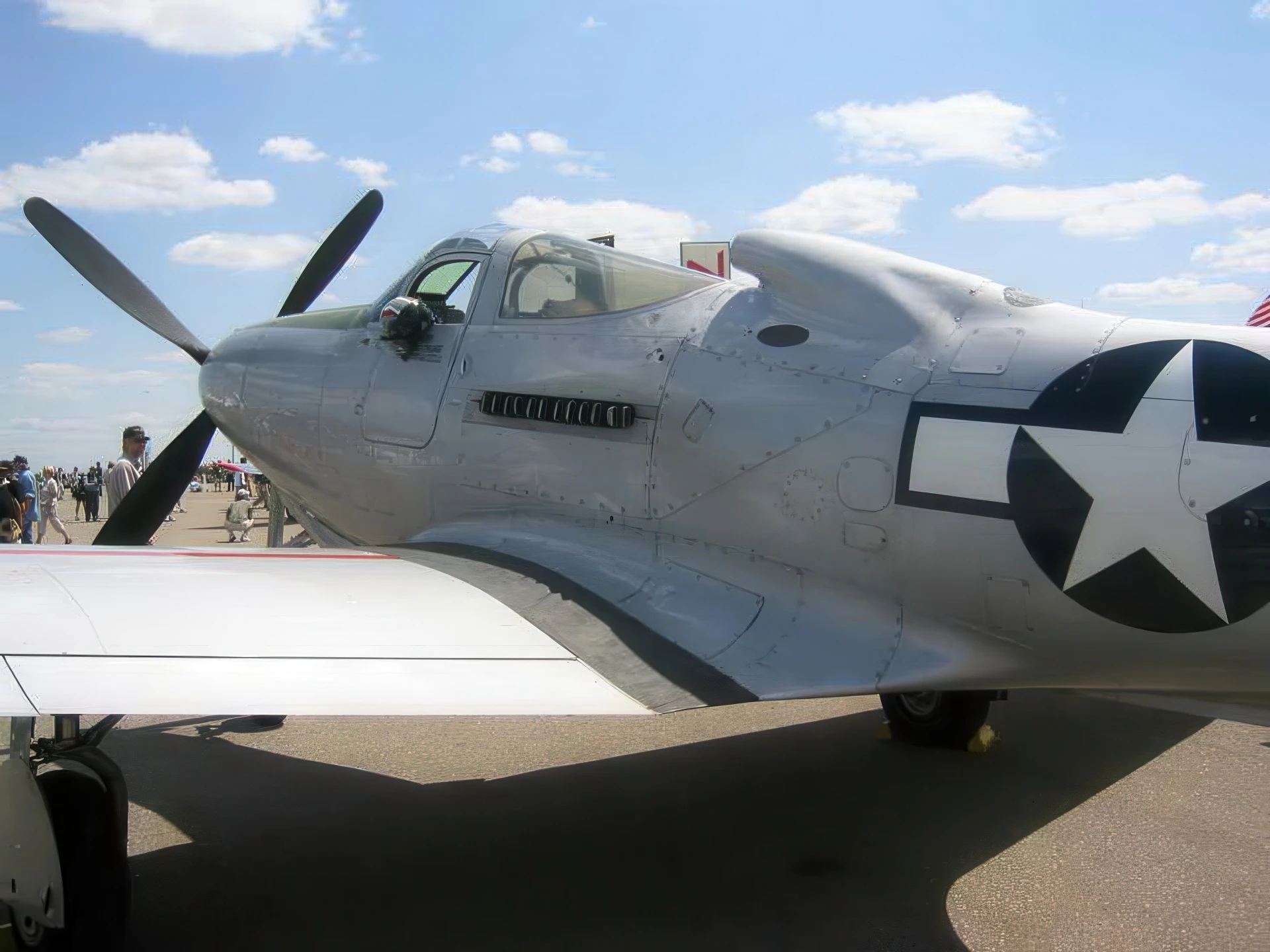
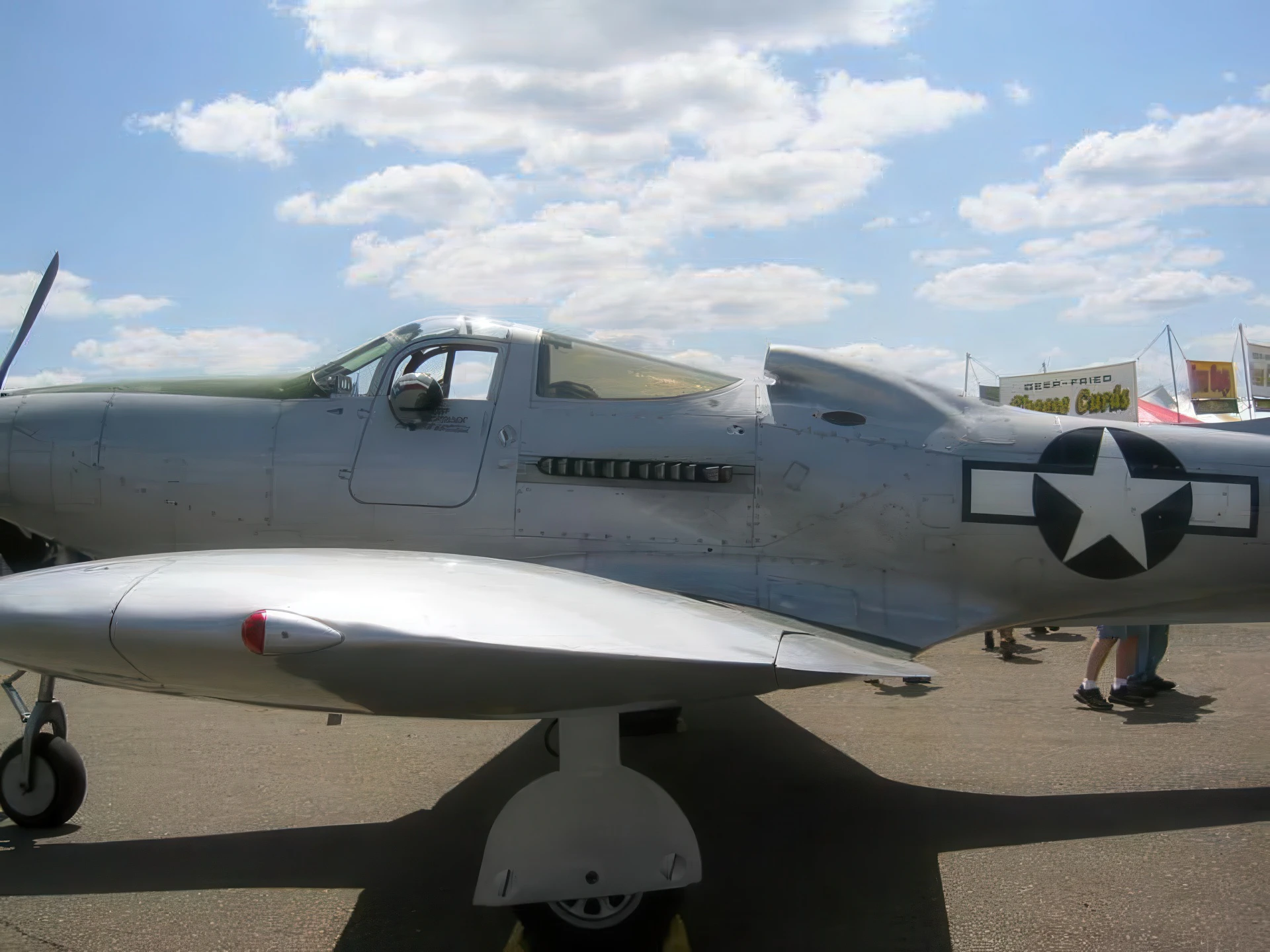
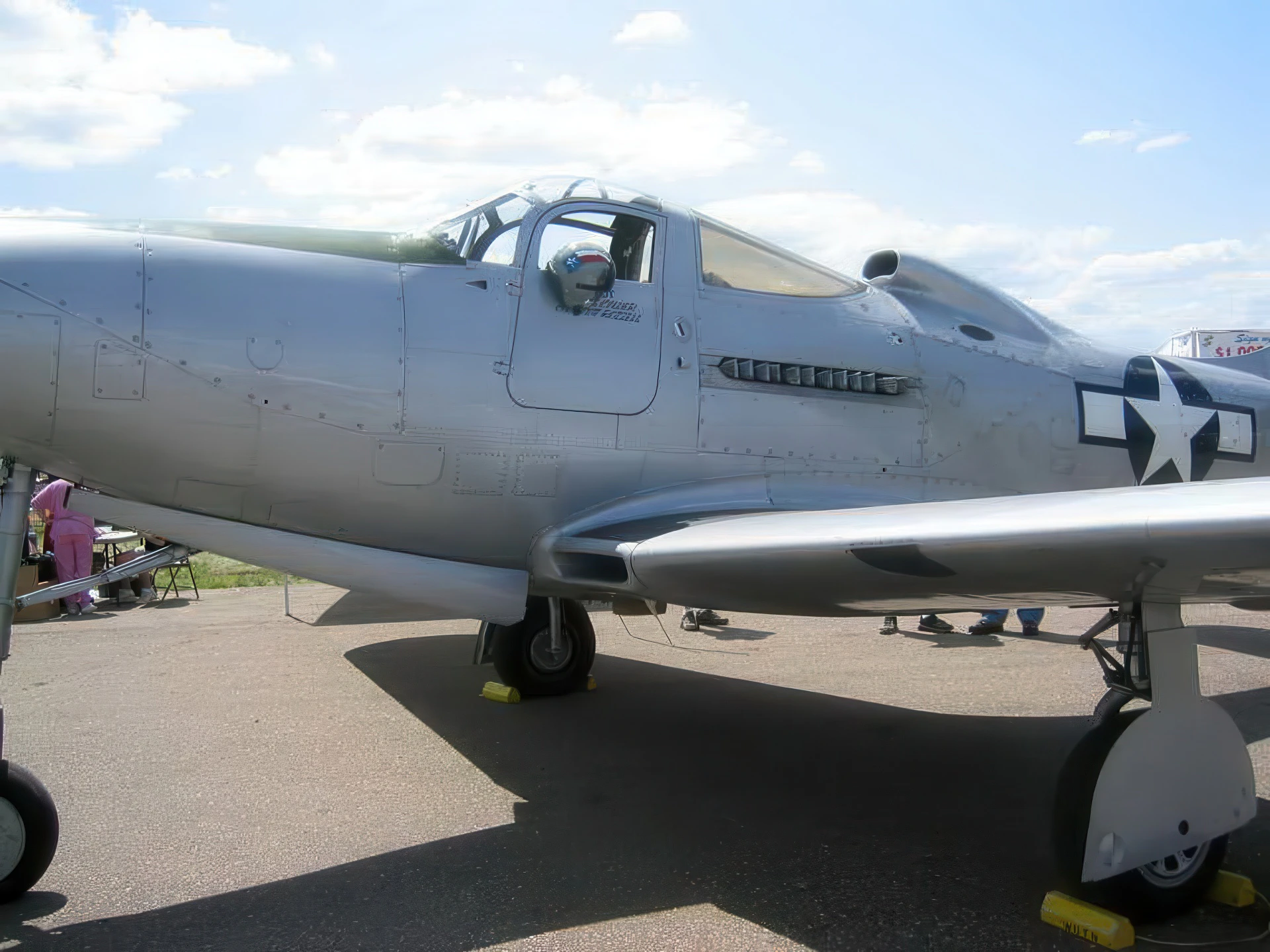
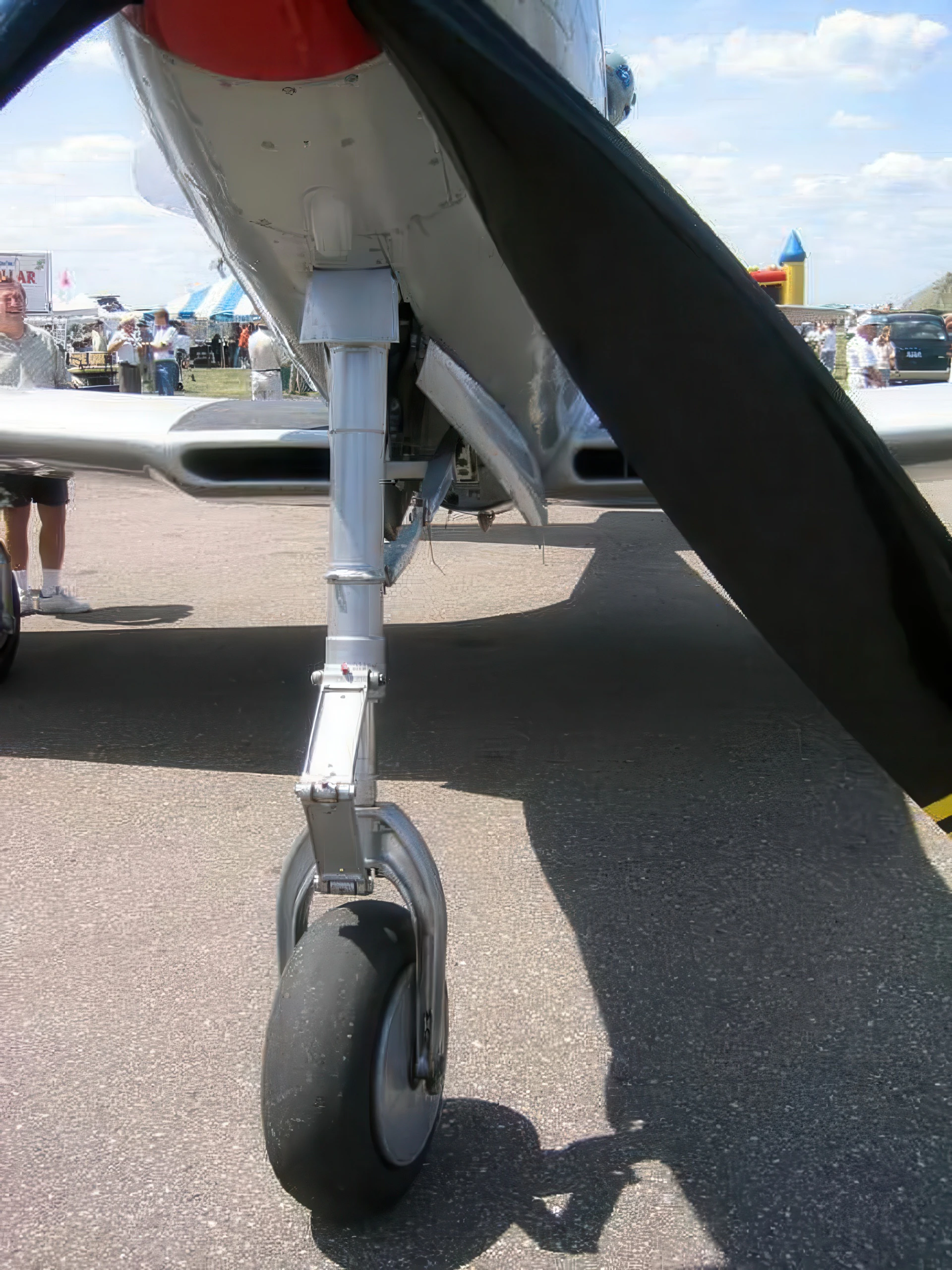
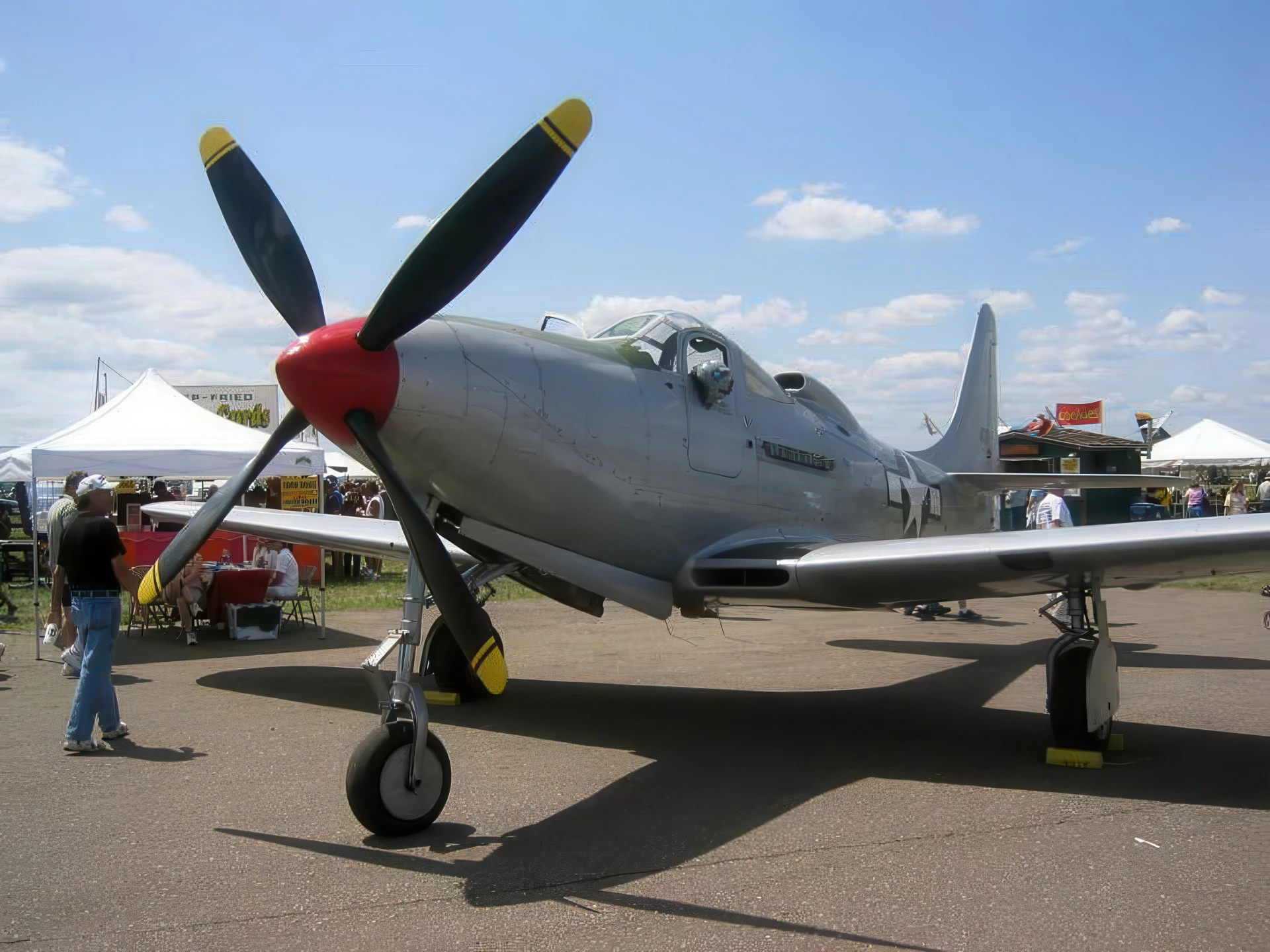
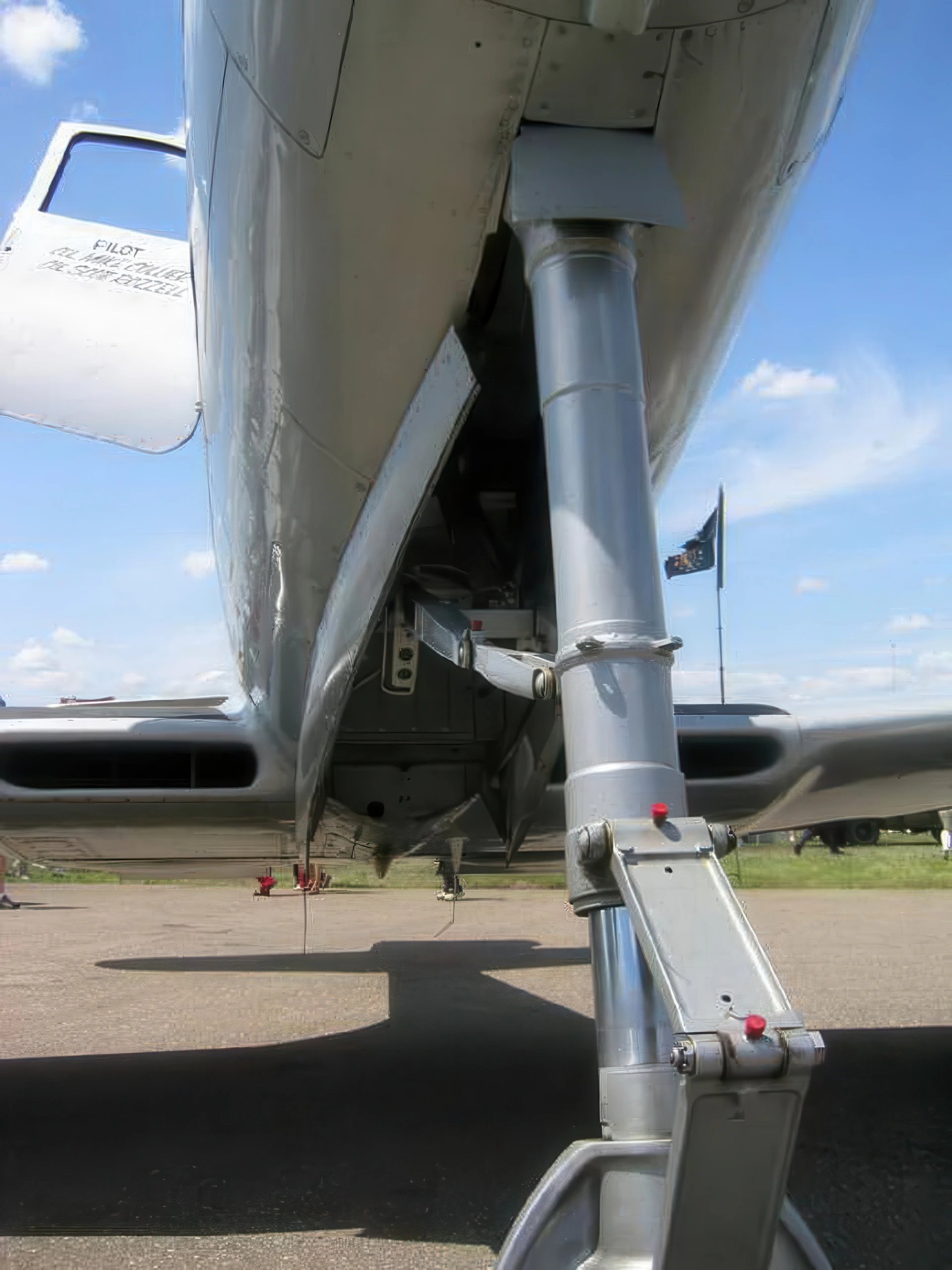
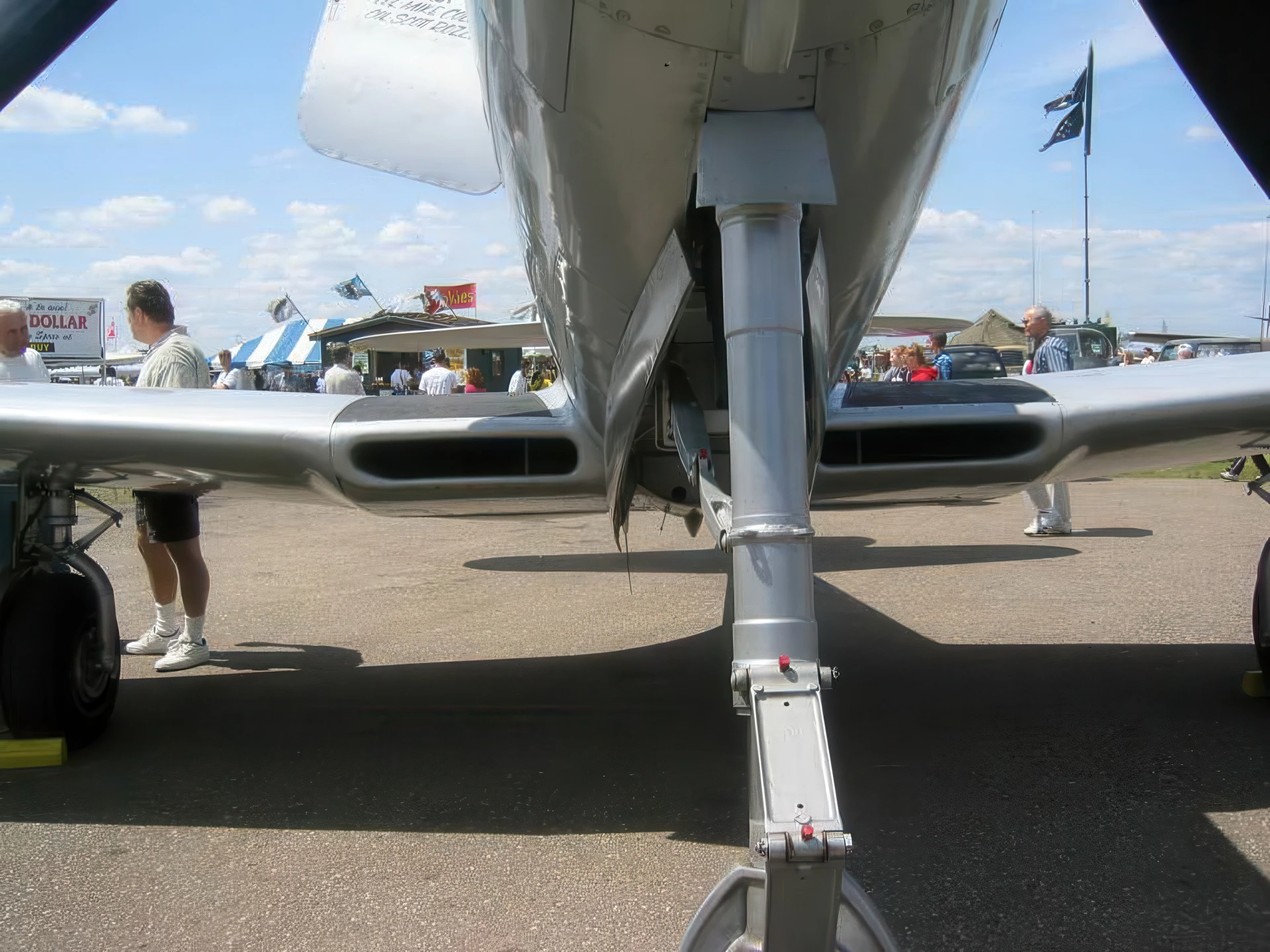

| P-63A-7 Kingcobra | |
|---|---|
| 摄影师 | 塞斯·亨德里克斯 |
| 本地化 | 未知 |
| 照片 | 23 |
| Bell P-63F Kingcobra Walk Around | |
|---|---|
| 摄影师 | 弗拉基米尔·亚库博夫 |
| 本地化 | 内利斯空军基地 |
| 照片 | 59 |
另请参阅:


| Bell P-63E Kingcobra Walk Around | |
|---|---|
| 摄影师 | 弗拉基米尔·亚库博夫 |
| 本地化 | 美国空军国家博物馆 |
| 照片 | 63 |
| P-63 King Cobra | |
|---|---|
| 摄影师 | 未知 |
| 本地化 | 未知 |
| 照片 | 47 |
| Bell P-63C Kingcobra Walk Around | |
|---|---|
| 摄影师 | 未知 |
| 本地化 | 未知 |
| 照片 | 11 |
| Bell P-63A Kingcobra Walk Around | |
|---|---|
| 摄影师 | 未知 |
| 本地化 | 未知 |
| 照片 | 19 |
这 贝尔 P-63 金科布拉 was an American single-engine fighter aircraft developed during World War II, intended as a larger, more powerful, and improved successor to the company’s previous design, the P-39 Airacobra. Despite its significant technical advancements, the U.S. Army Air Forces (USAAF) chose not to use it in frontline combat, dedicating the vast majority of its production to the 苏联 under the Lend-Lease Act.
Design and Configuration
The P-63 inherited the unique design philosophy of the P-39, featuring a mid-fuselage engine placement which allowed for the concentration of heavy weaponry in the nose. Key design points included:
- Mid-Engine Layout: The Allison V-1710 V-12 liquid-cooled engine was situated behind the pilot, driving the propeller via a long shaft. This unusual placement optimized the aircraft’s center of gravity.
- Laminar Flow Wing: A significant improvement over the P-39, the P-63 used a new laminar flow wing design, improving its aerodynamic efficiency and speed.
- Tricycle Landing Gear: Like its predecessor, it utilized a tricycle undercarriage (with a nose wheel), a modern feature for its era.
- High-Altitude Capability: Later models incorporated a two-stage supercharger for the Allison engine, addressing the poor high-altitude performance that plagued the P-39.
Armament and Performance
The Kingcobra was primarily built around its formidable main gun, which the Soviet Union particularly valued for ground attack:
| Primary Armament | One 37mm M4 or M10 cannon firing through the propeller hub. |
|---|---|
| 次要武器 | 四 .50 caliber (12.7 mm) machine guns (two in the nose, two in under-wing pods). |
| 发动机 | Allison V-1710 series liquid-cooled V-12, often rated around 1,325 hp. |
| 最高速度 | Approximately 410 mph (660 km/h) at altitude. |
Operational Role
Of the over 3,300 P-63s produced, over two-thirds were sent to the Soviet Union, where it became a workhorse. It saw extensive combat on the Eastern Front, particularly excelling in low-altitude air-to-air combat 和 对地攻击 missions against German forces. Its heavy 37mm cannon was effective in anti-tank and close-support roles.
In contrast, the P-63’s use by the USAAF was limited and highly specialized:
- RP-63 “Pinball”: Many U.S.-retained Kingcobras were converted into manned aerial target aircraft (RP-63 variants). These planes were heavily armored and fitted with sensors that flashed a light in the propeller hub when hit by special non-lethal, frangible bullets, providing essential training for bomber gunners.
The Kingcobra was also supplied to the Free French forces and continued to see service with various nations into the post-war era.
观点 : 7605

P-63A-7 金眼镜蛇的 27 张照片