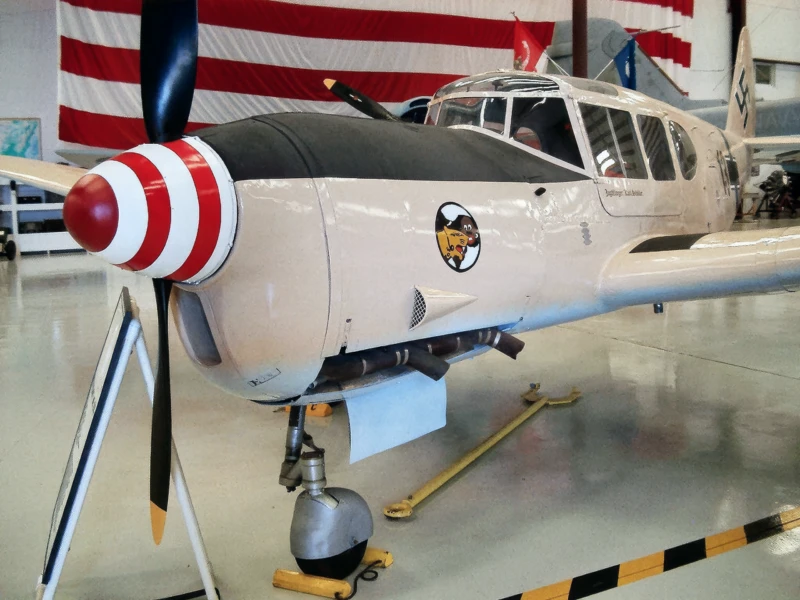
梅塞施密特我208 | |
|---|---|
| 国家 | 纳粹德国 |
| 类型 | 联络机 |
| 首次飞行 | 1944 |
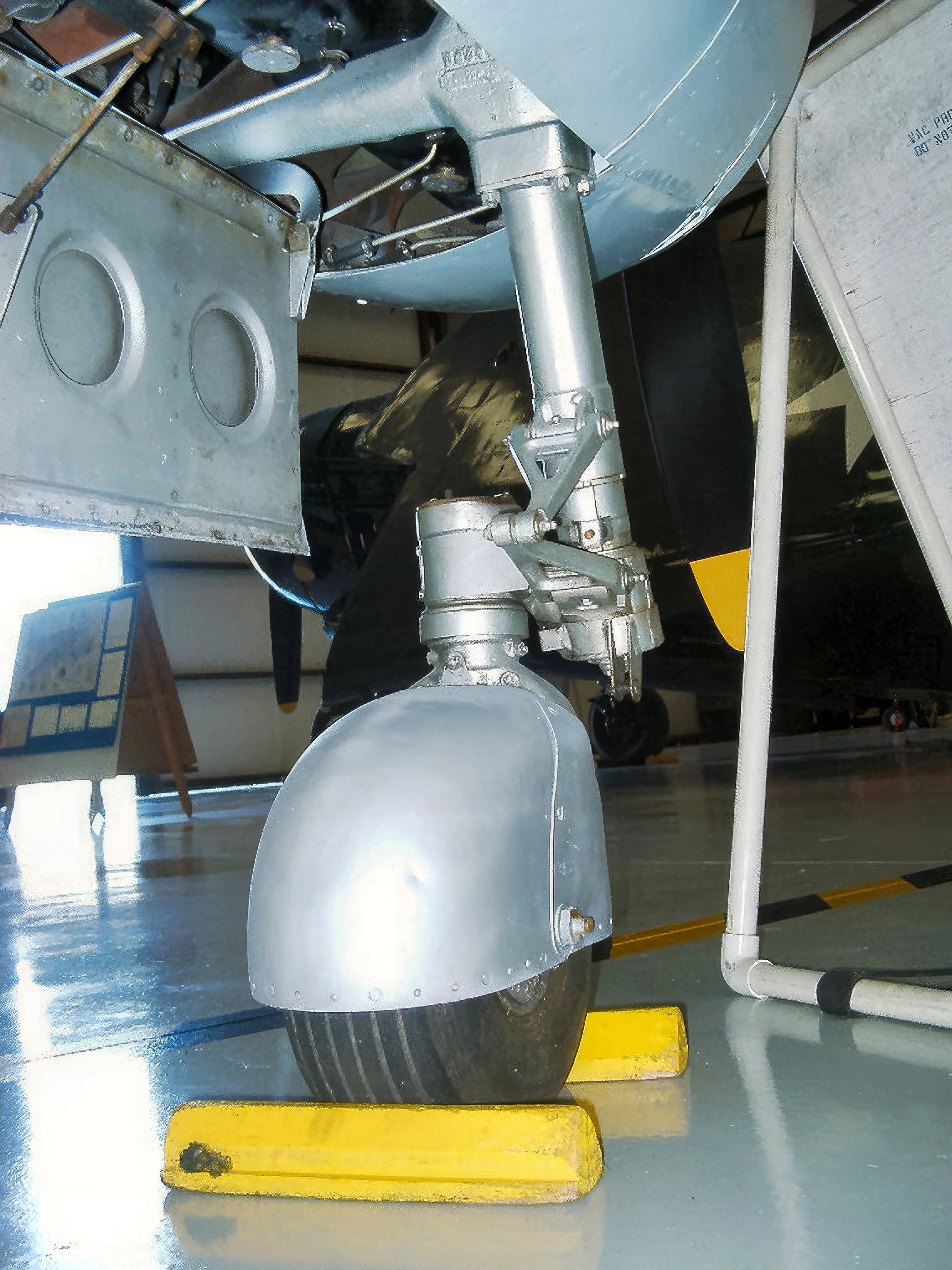
这 梅塞施密特我208 was an enlarged version of a Messerschmitt Bf 108 with a retractable tricycle landing gear. Two prototypes were built by SNCAN (Nord) in France during the war. Construction of the Messerschmitt Bf 108 was transferred to the Société Nationale de Constructions Aéronautiques du Nord (usually known simply as Nord) at Les Mureaux, to the West of Paris, in occupied France in 1942. The company built two prototypes of the Messerschmitt Me 208 during 1943/44. One survived the liberation and was redesignated Nord 1100. Nord built 200 production examples of the Noralpha and these served as communications aircraft with the French Air Force and French Navy. Later, many examples were civilianised.
源: 维基百科上的梅208
| 梅塞施密特我208 | |
|---|---|
| 摄影师 | 未知 |
| 本地化 | 未知 |
| 照片 | 24 |

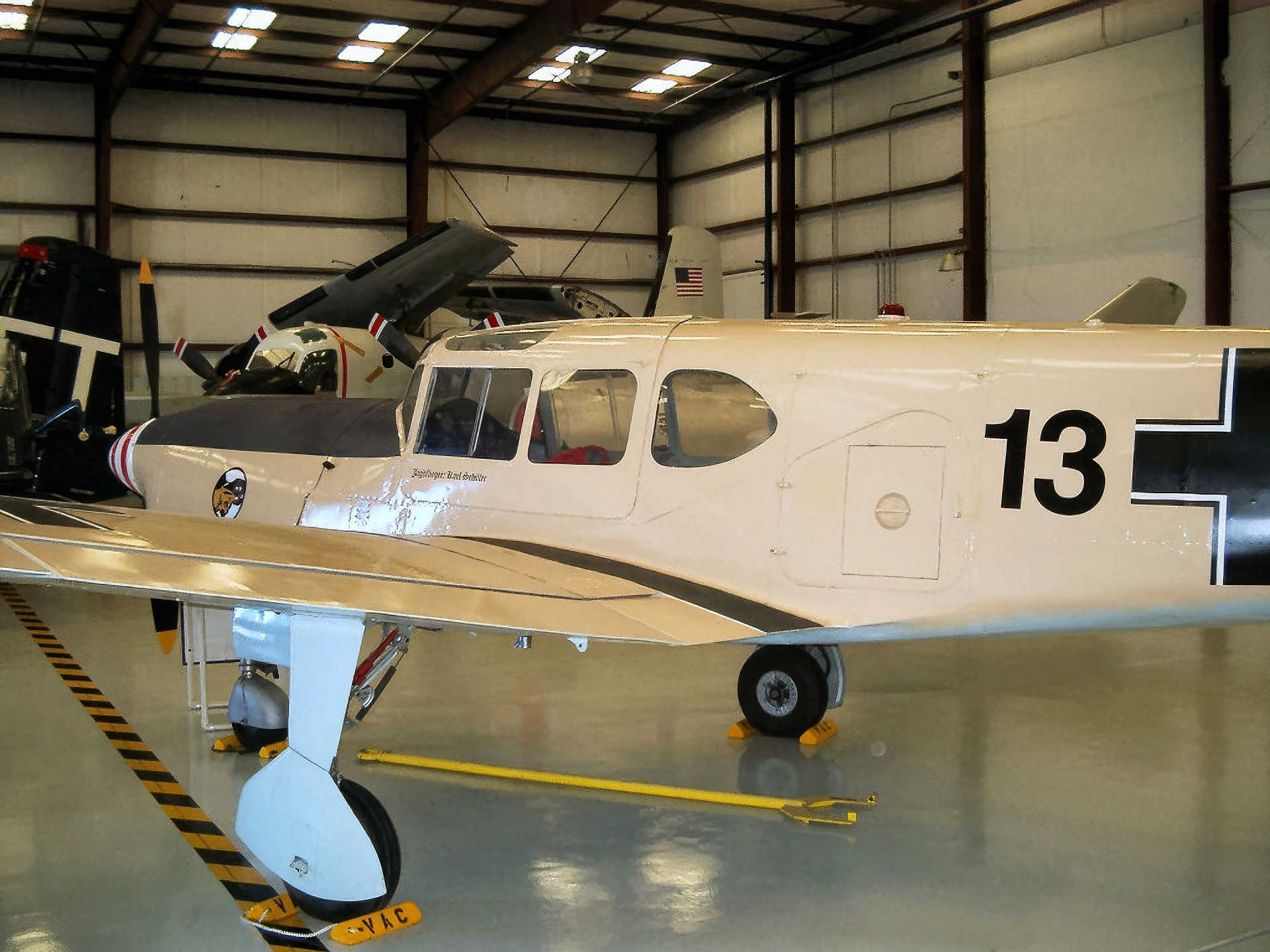
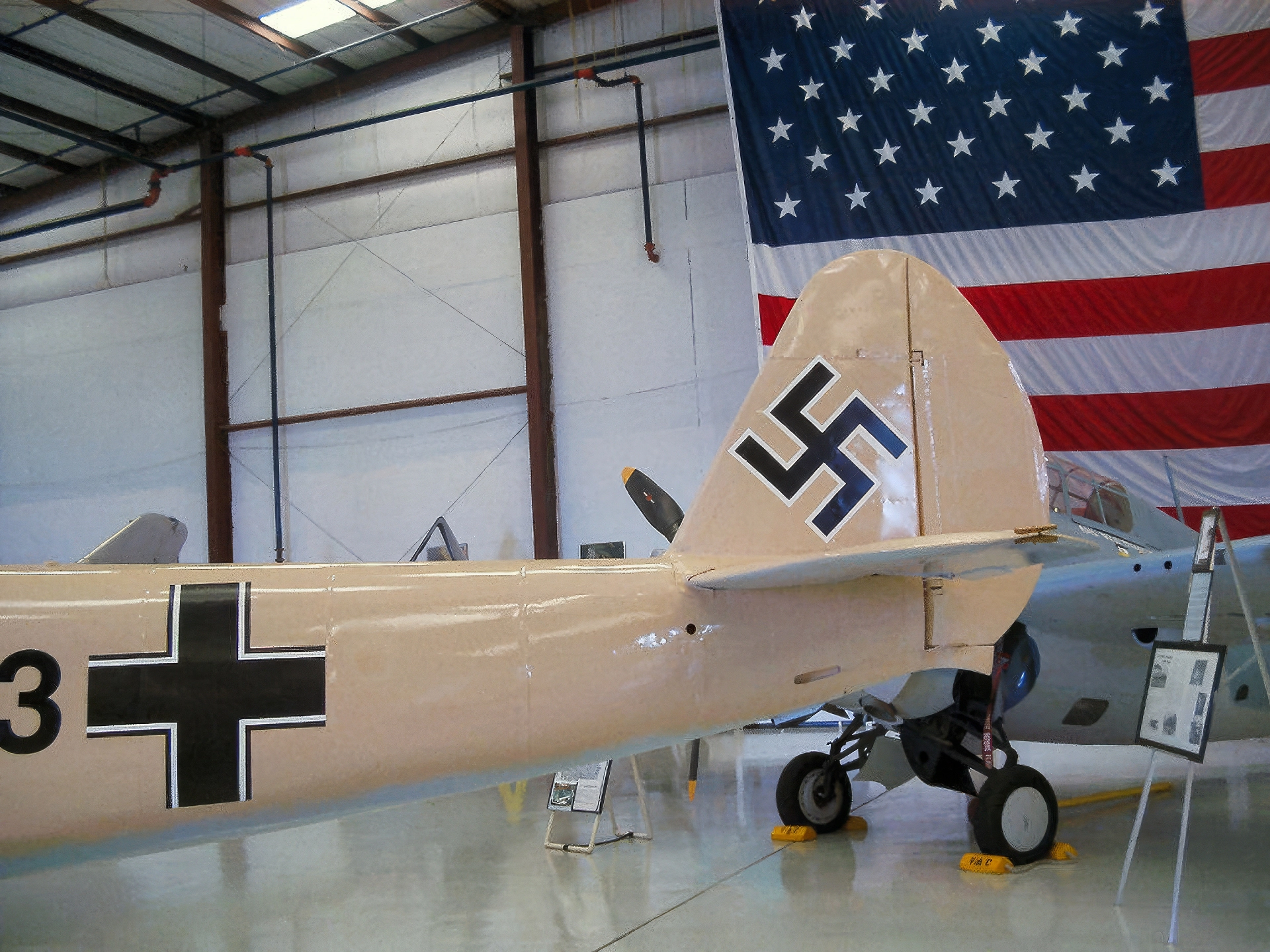
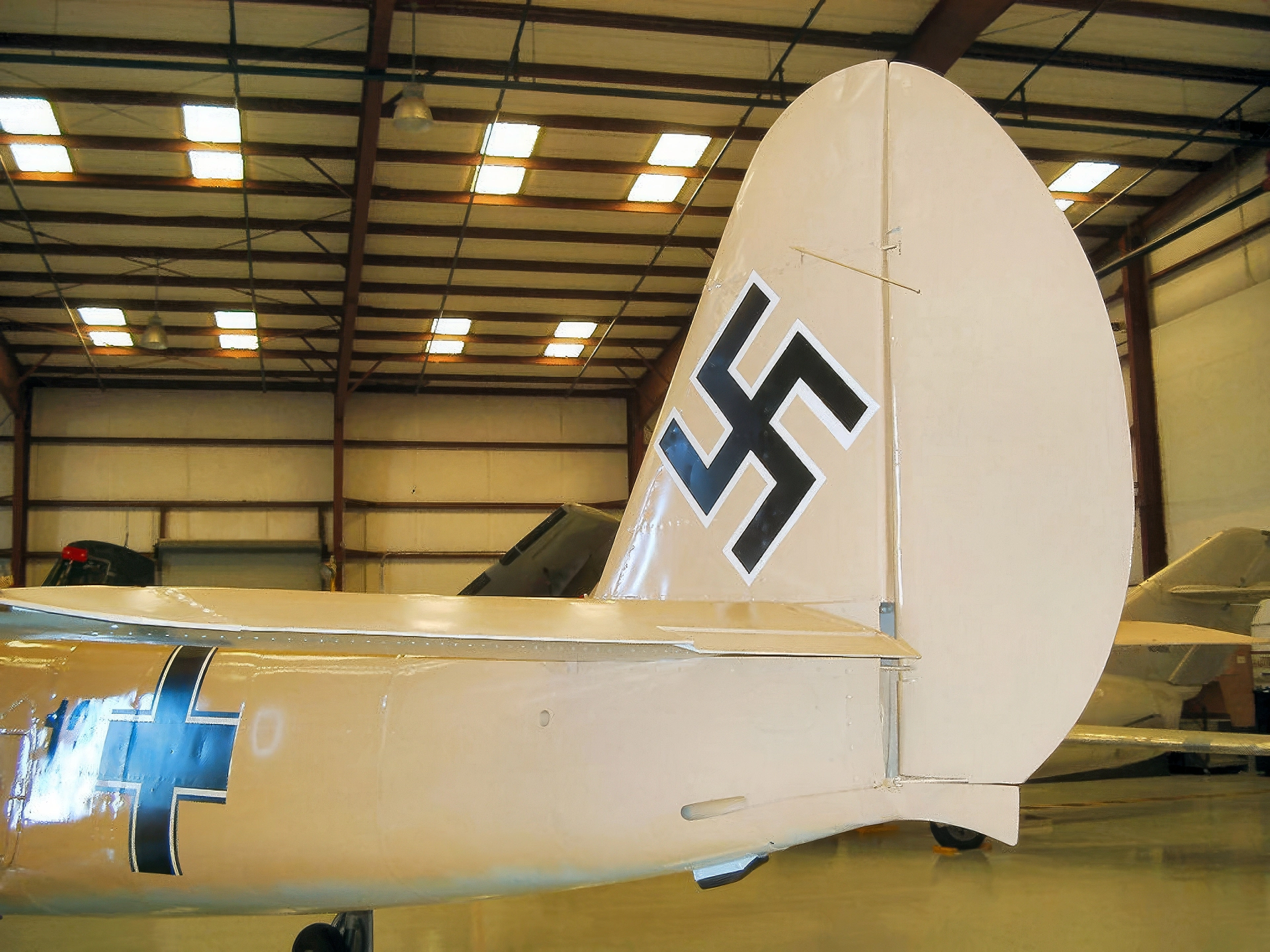
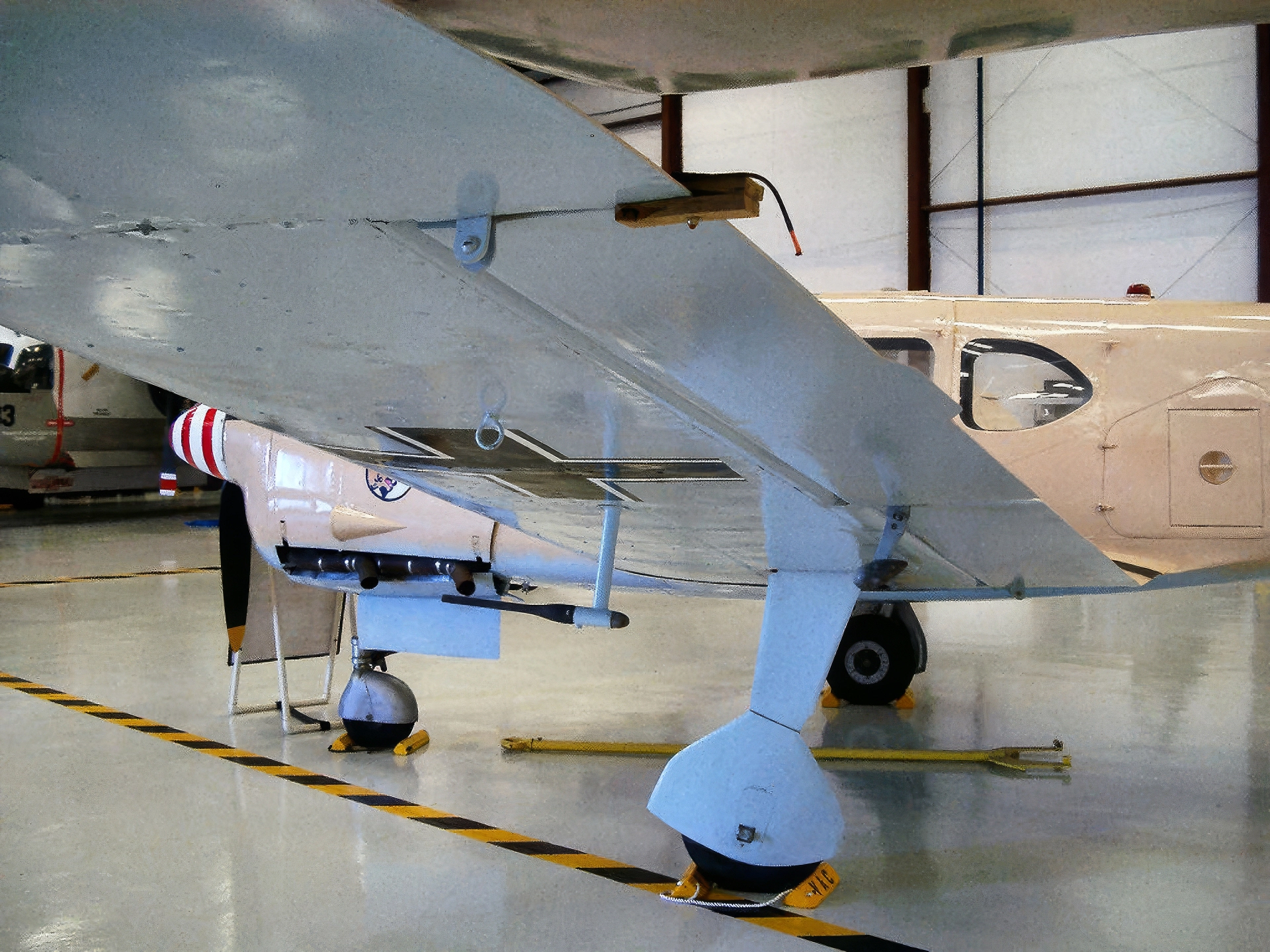
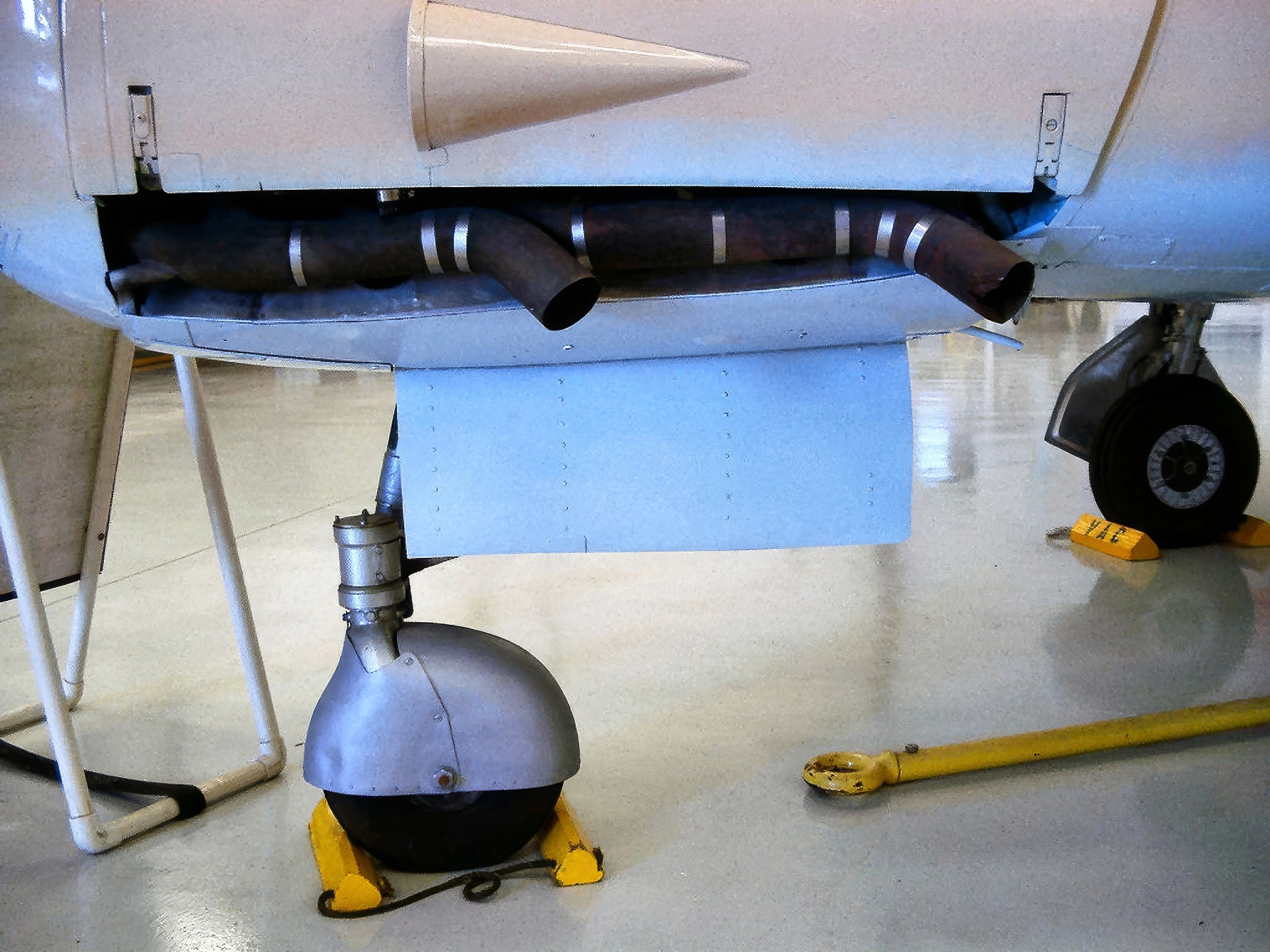
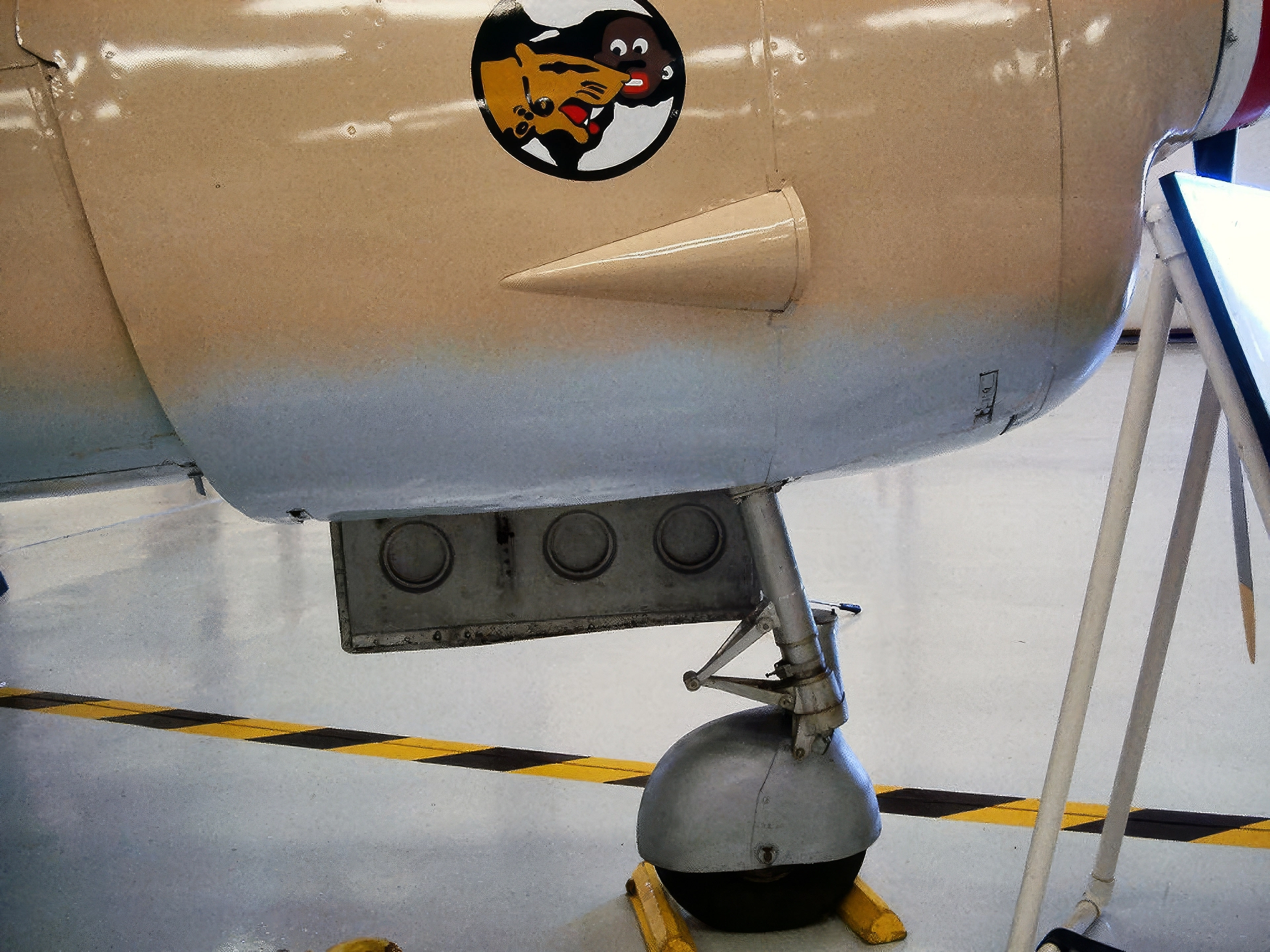
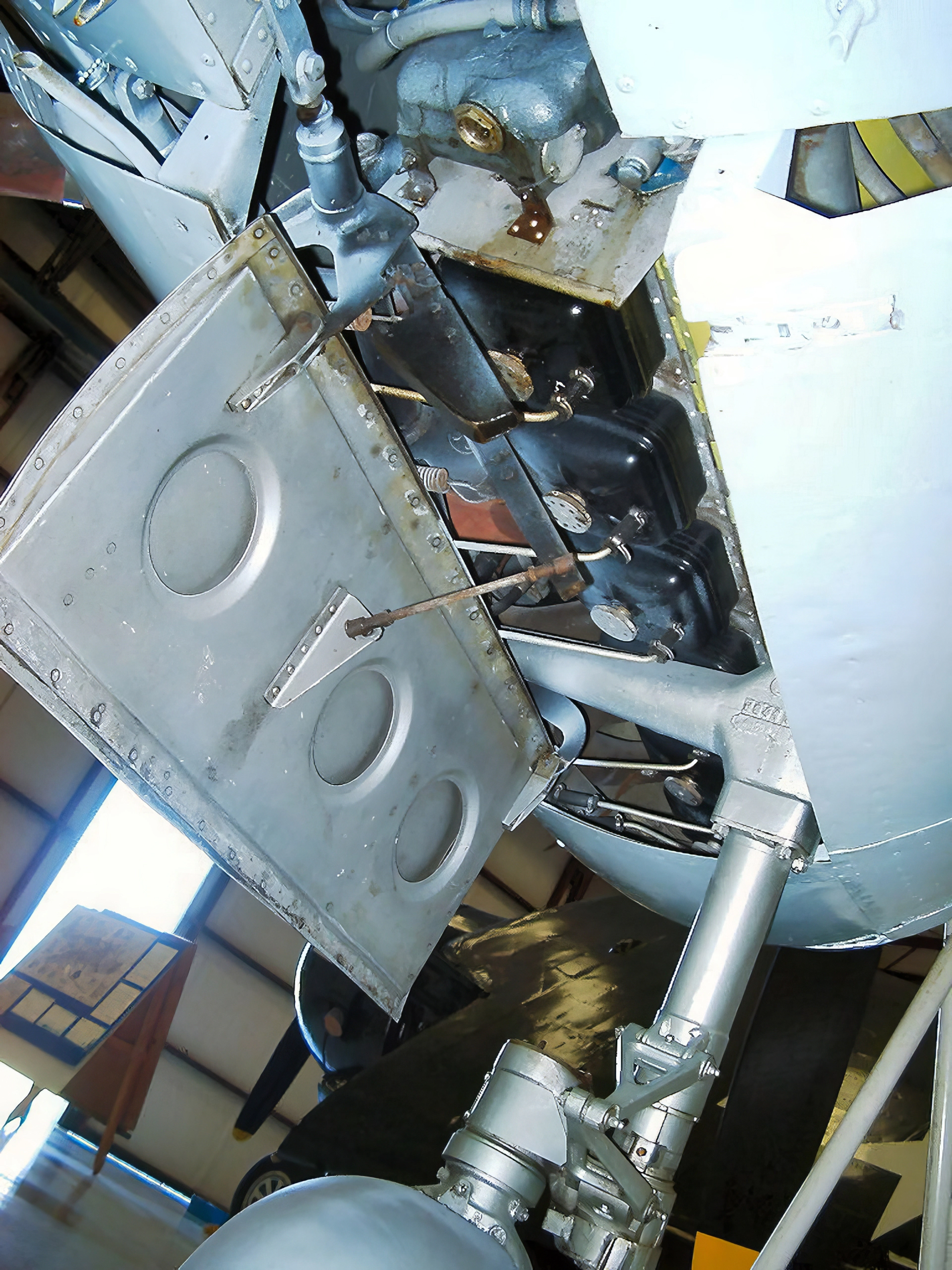

| 梅塞施密特我 - 208 (诺德诺拉尔法) 走来走去 | |
|---|---|
| 摄影师 | 塞斯·亨德里克斯 |
| 本地化 | 未知 |
| 照片 | 56 |
 给我买杯咖啡
另请参阅:


General Characteristics and Role
The Messerschmitt Me 208 was a German four-seat liaison and communications monoplane developed during World War II as an improved version of the successful Bf 108 Taifun. The main difference was the introduction of a retractable tricycle landing gear, replacing the conventional taildragger gear of its predecessor, and a slightly enlarged cabin. Development and prototype construction of the Me 208 took place at the Société Nationale de Constructions Aéronautiques du Nord (SNCAN) factory in Les Mureaux, France, which had been taken over by the Germans in 1942. Only two prototypes were built under German occupation. After the liberation of France, the design was taken over by SNCAN, which redesignated the design as the Nord 1100 Noralpha, with the main production variant being the Nord 1101 Ramier (Woodpigeon), which served widely with French military and civilian organizations.
| Property | Typical Value (Nord 1101 Ramier I) |
|---|---|
| 类型 | Liaison, Communications, and Training Aircraft |
| Original National Origin | Nazi Germany / France (Production) |
| Original Manufacturer | Messerschmitt / Nord Aviation (Post-war) |
| Entered Service (as Nord 1101) | 1946 |
| 船员 | 1 (Pilot) |
| Passenger Capacity | 3 |
| 长度 | 8.53 m (28 ft 0 in) |
| 翼展 | 11.48 m (37 ft 8 in) |
Powerplant and Performance
- Original Engine (Me 208 Prototypes): 1 x Argus As 10C-1 inverted V-8 piston engine (240 hp).
- Production Engine (Nord 1101): 1 x Renault 6Q-10 six-cylinder inverted inline piston engine.
- Engine Power: Approx. 174 kW (233 hp).
- Maximum Speed: Approx. 305 km/h (189 mph).
- Cruising Speed: Approx. 277 km/h (172 mph).
- Service Ceiling: 5,900 m (19,350 ft).
- Range: 1,200 km (745 miles).
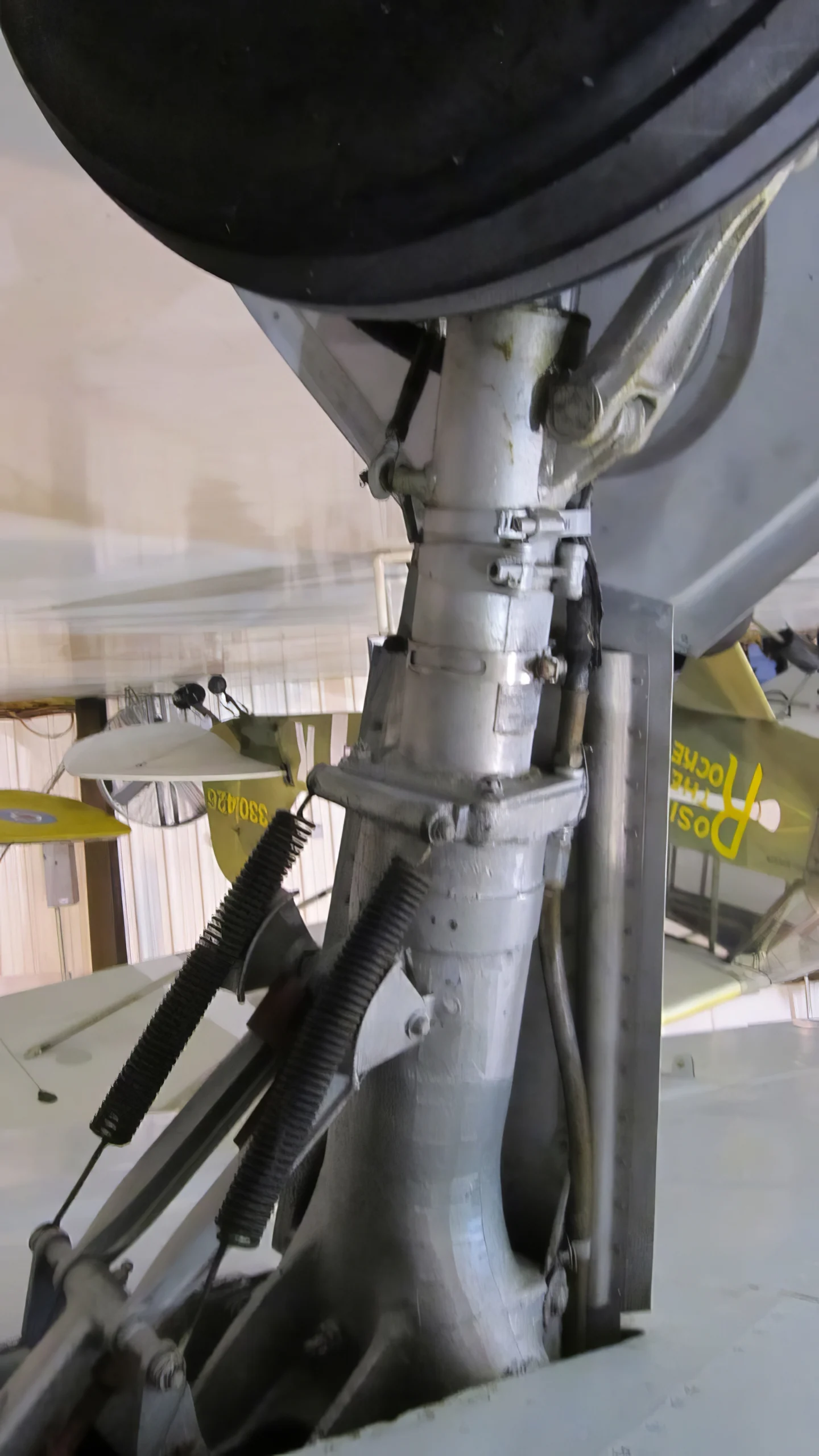
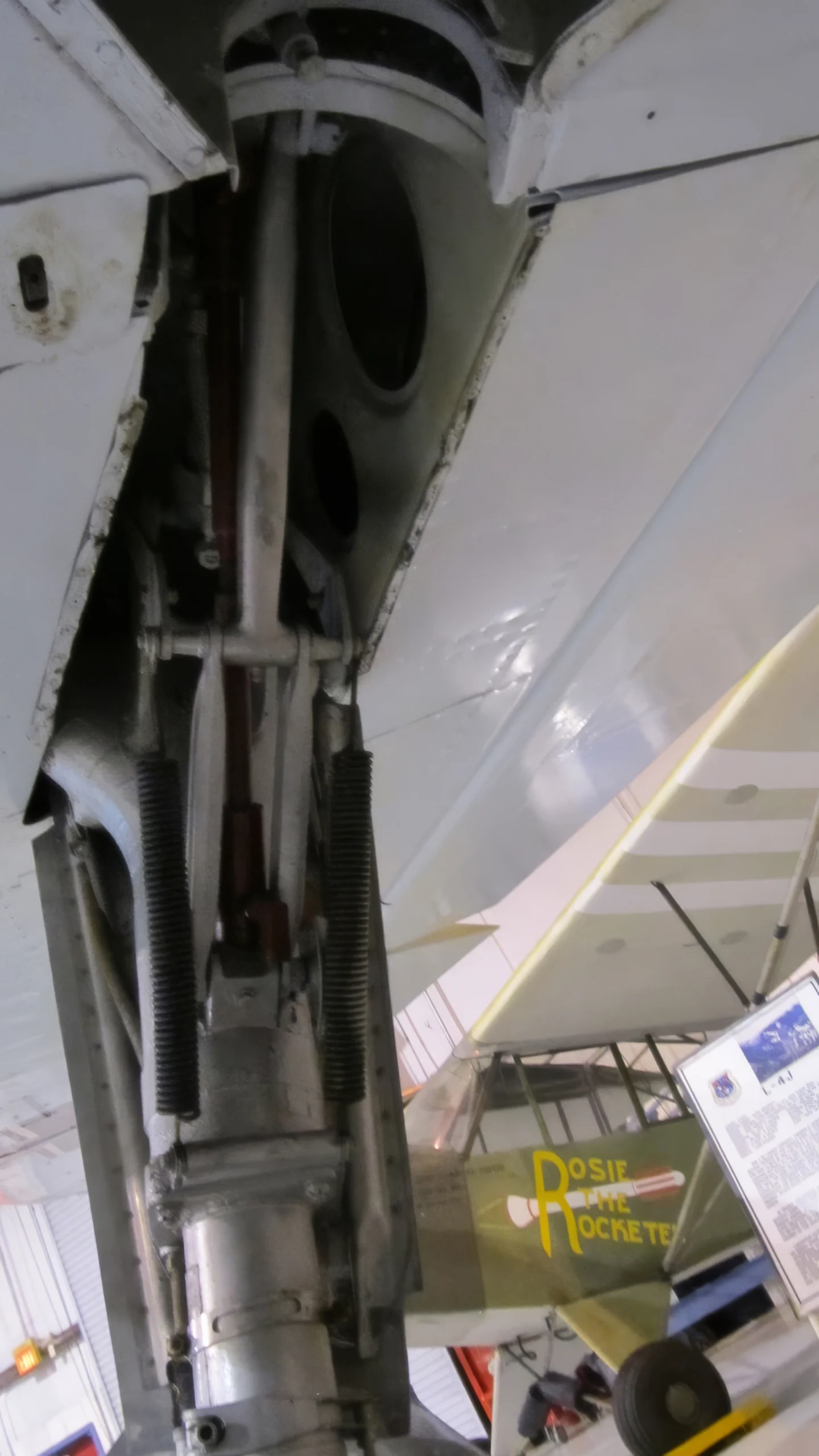
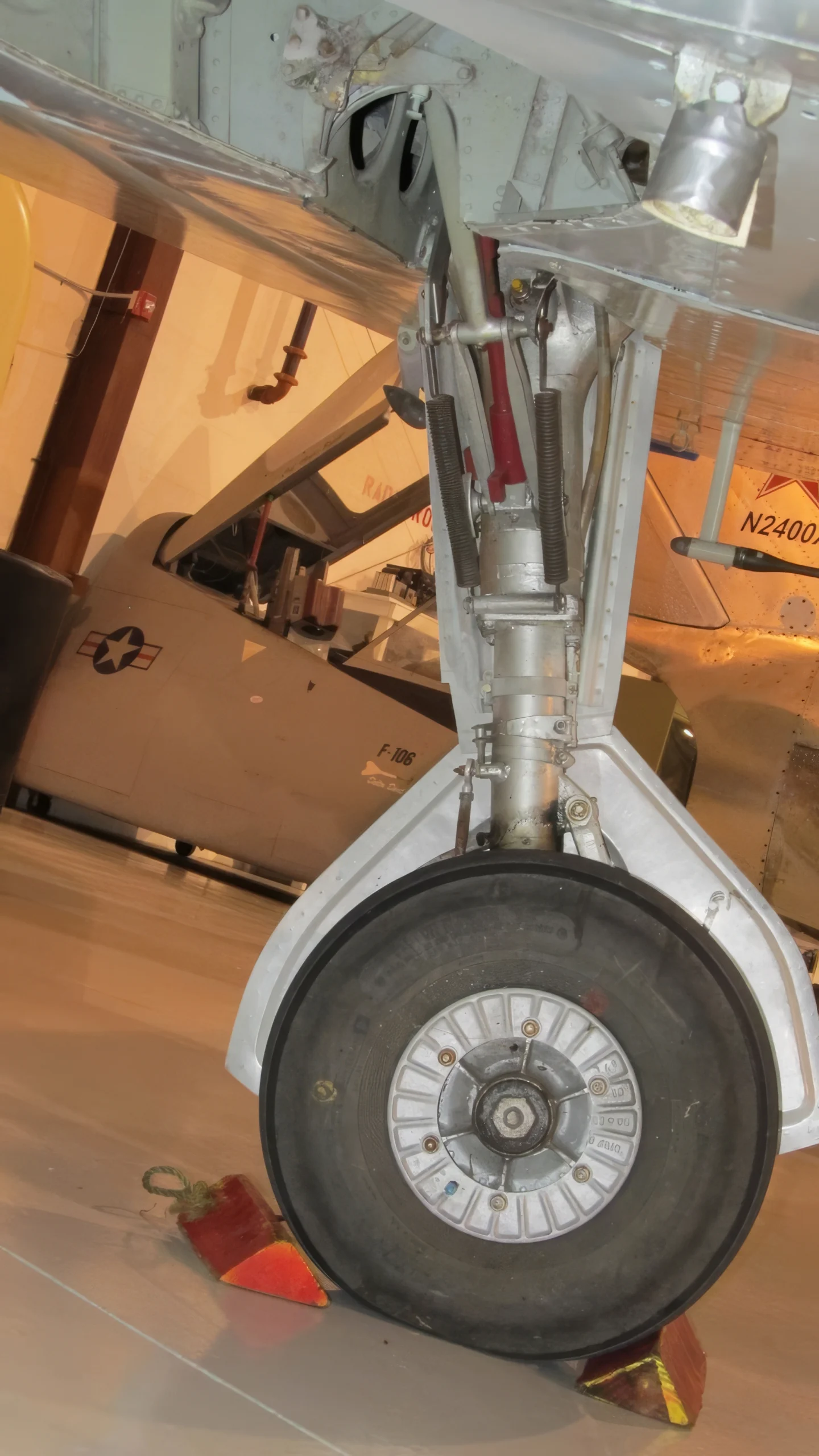
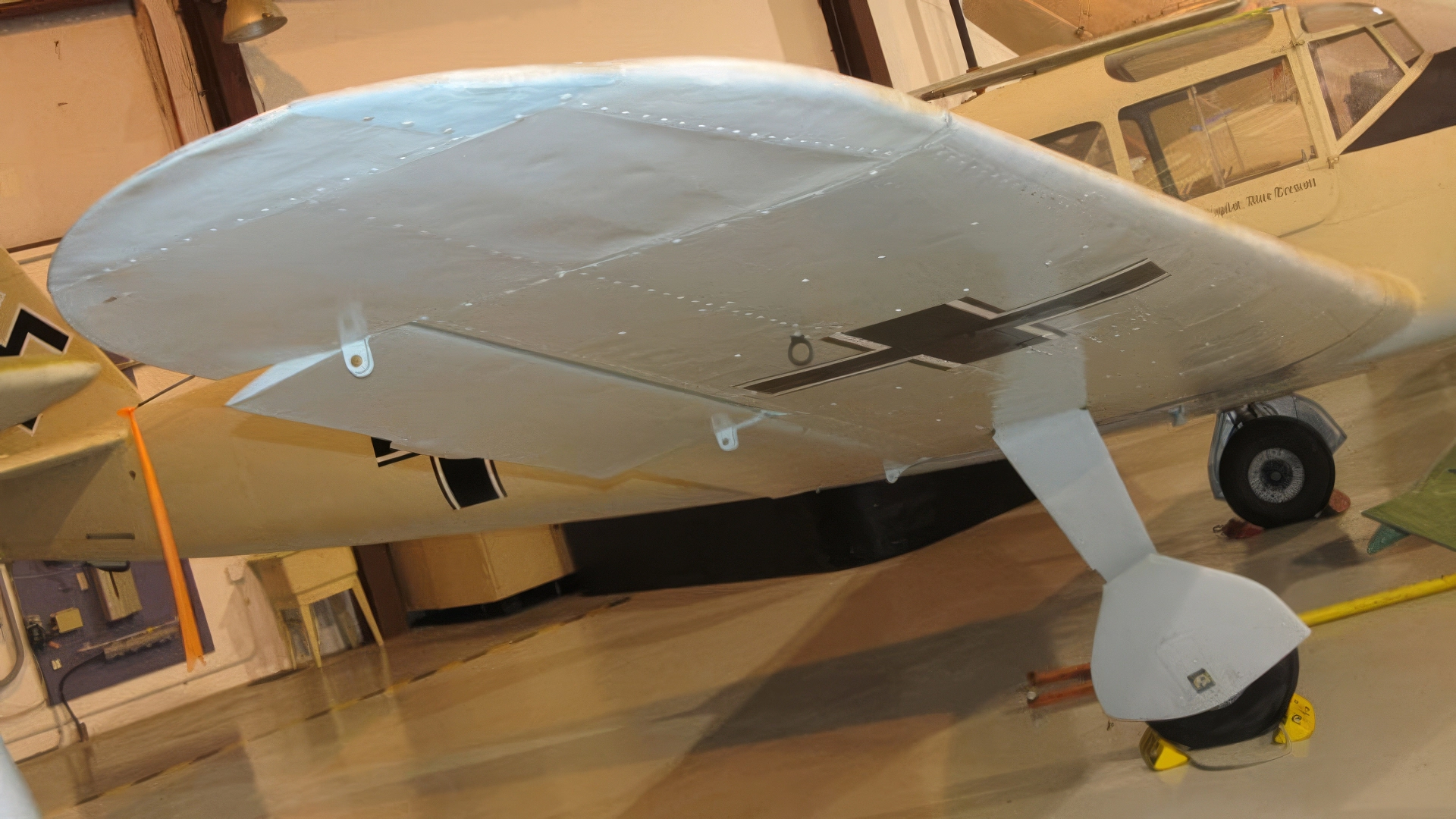
- Landing Gear: Retractable tricycle gear, a key functional upgrade from the taildragger Bf 108, improving ground handling and takeoff visibility.
Service History and Legacy
- Wartime Origin: Only two Me 208 prototypes were constructed in occupied France by SNCAN before the Allies liberated the country.
- French Service: The post-war Nord 1101 Noralpha/Ramier was a major production success, with over 200 units built, serving extensively with the French Air Force (Armée de l’Air) and Navy (Aéronavale) as a liaison and training aircraft.
- Engine Change: The French production model (Nord 1101) replaced the Argus engine with the French-made Renault 6Q engine, a common conversion for aircraft built in the formerly occupied factory.
- Variants: Later variants included the Nord 1104 for trials and the Nord 1110 Nord-Astazou, which was converted to use a Turbomeca Astazou turboshaft engine.
- Retirement: The Nord 1101 served reliably for decades, with the final military examples being withdrawn from service in the French Air Force and Navy in the mid-1970s. Many were then sold onto the civilian market.
视图 : 4436
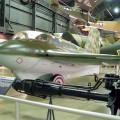
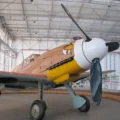
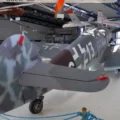
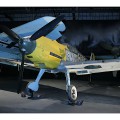
新集 56 张照片
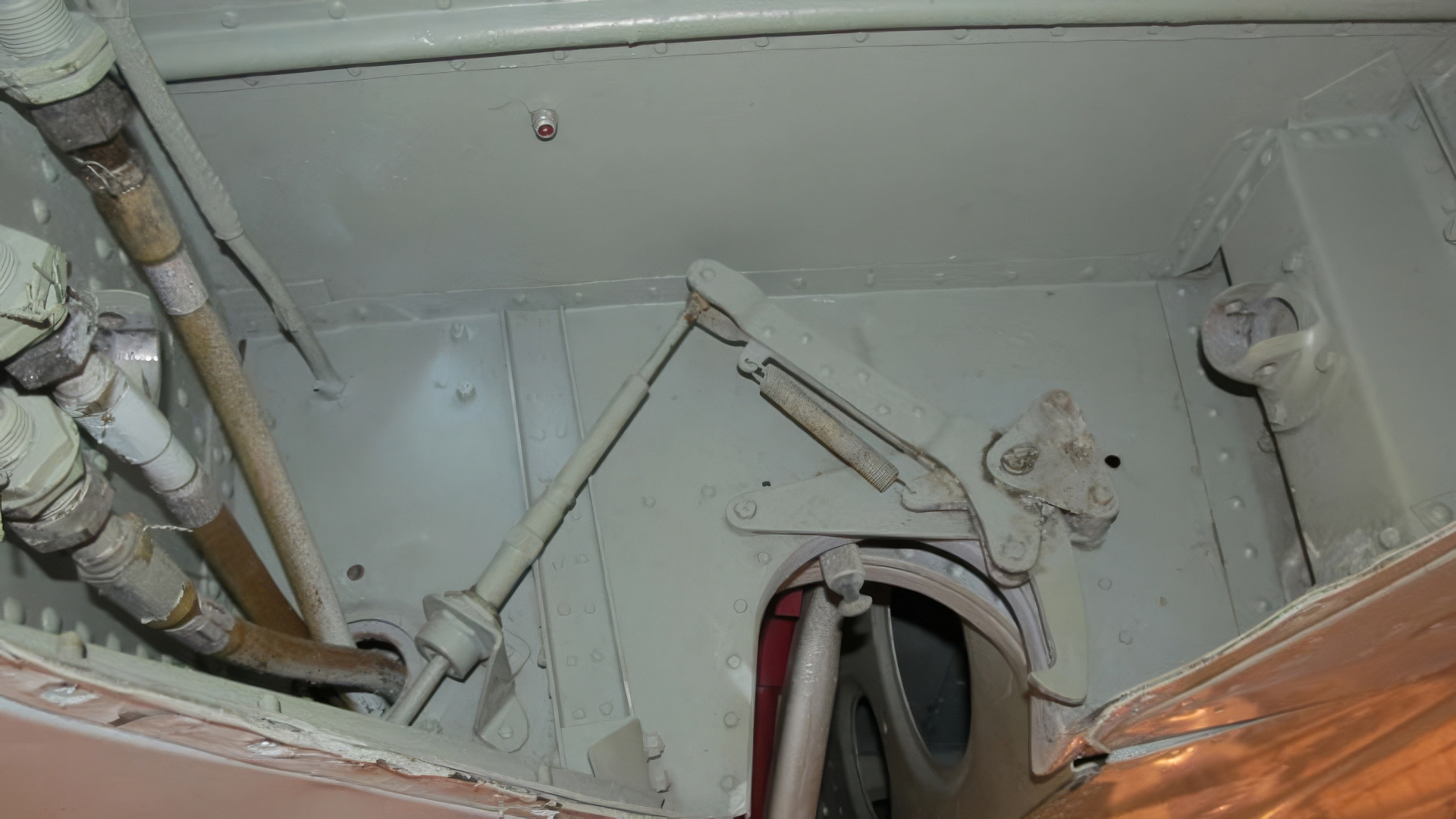
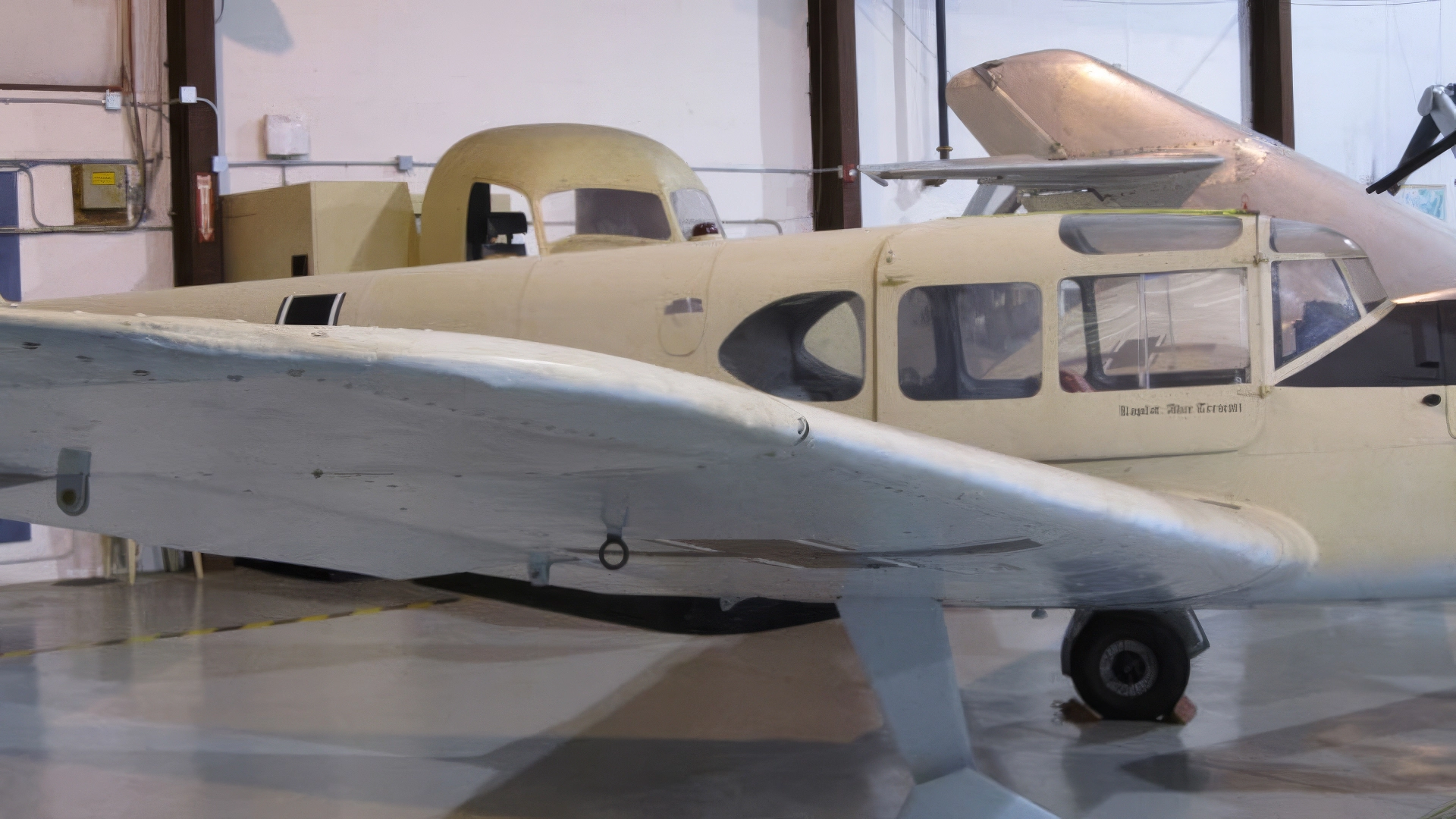
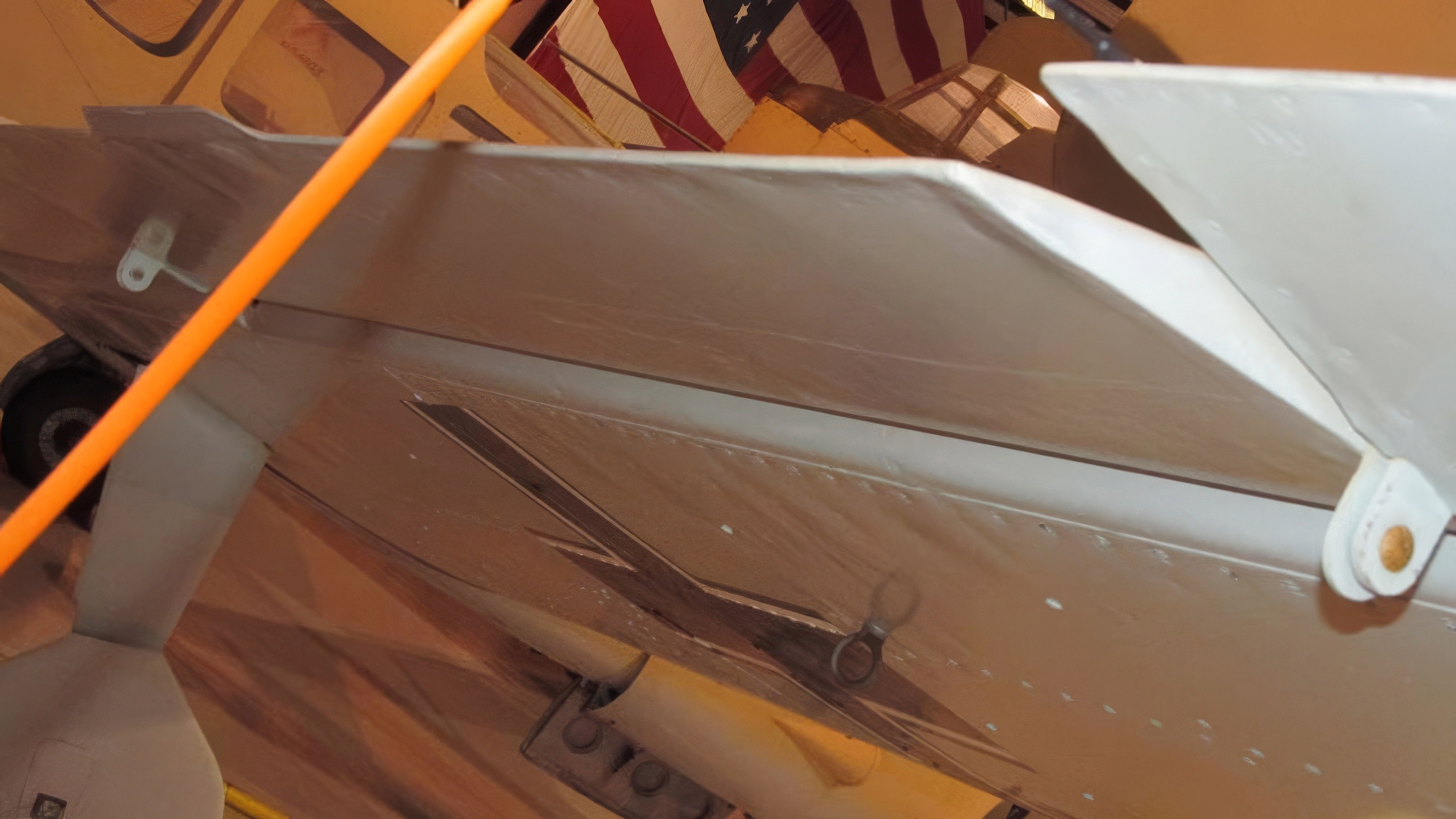
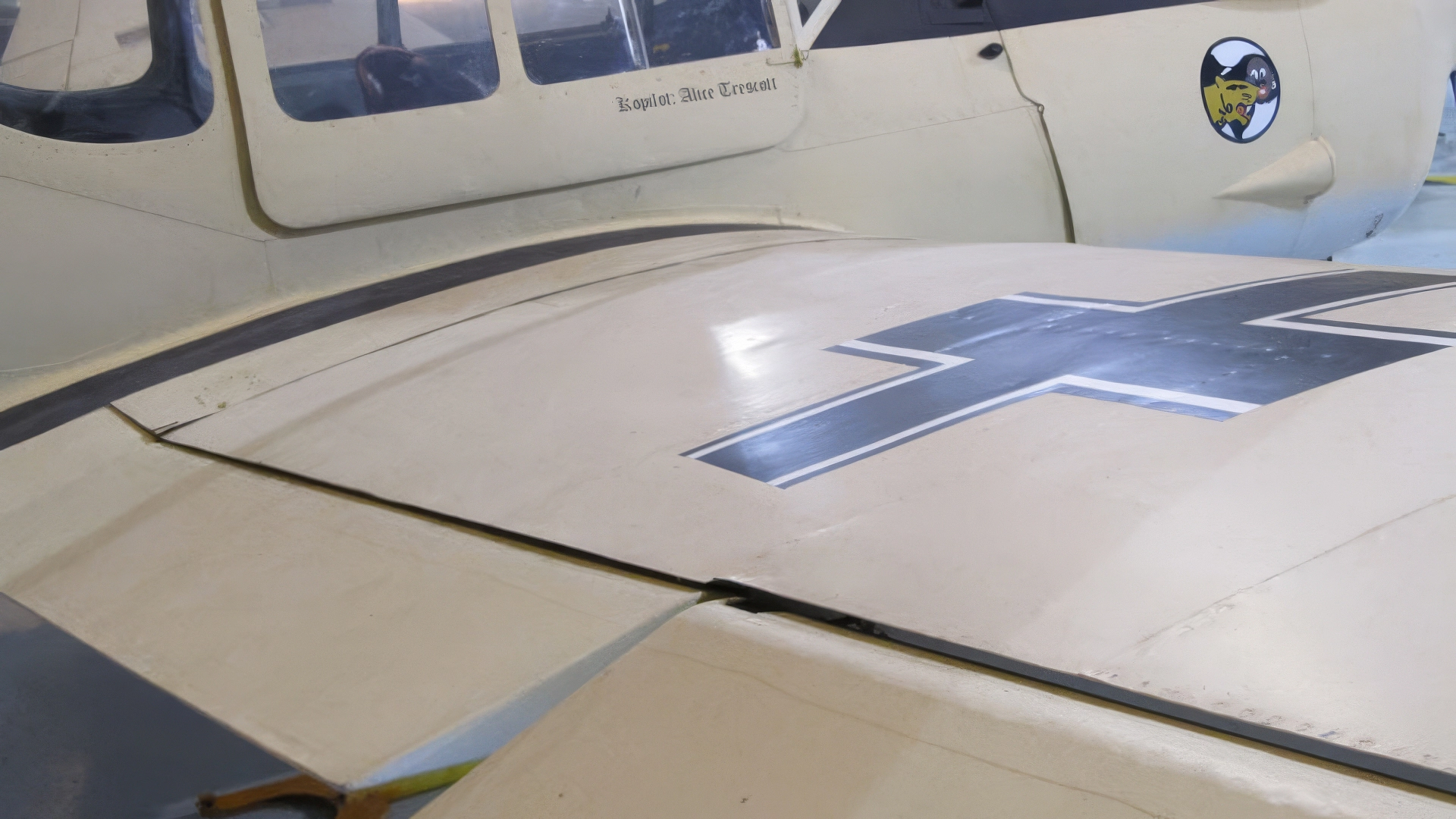
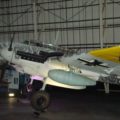
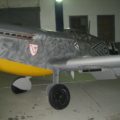
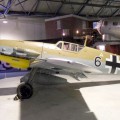
Me208位于美国佛罗里达州提图斯维尔的战鸟博物馆。