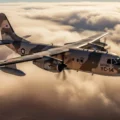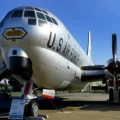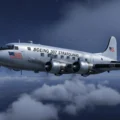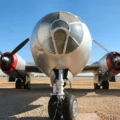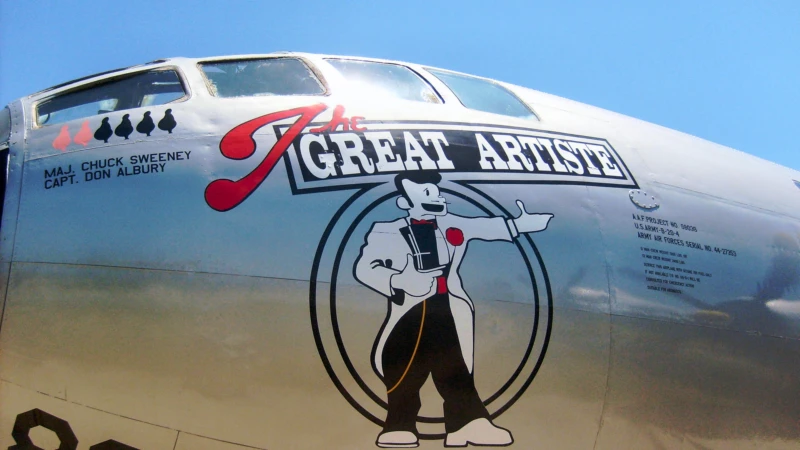
Boeing B-29 Super Fortress | |
|---|---|
| 国家 | 美国 |
| 作用 | 战略轰炸机 |
| 第一只苍蝇 | 1942年9月21日 |
| 建立 | 3970 |
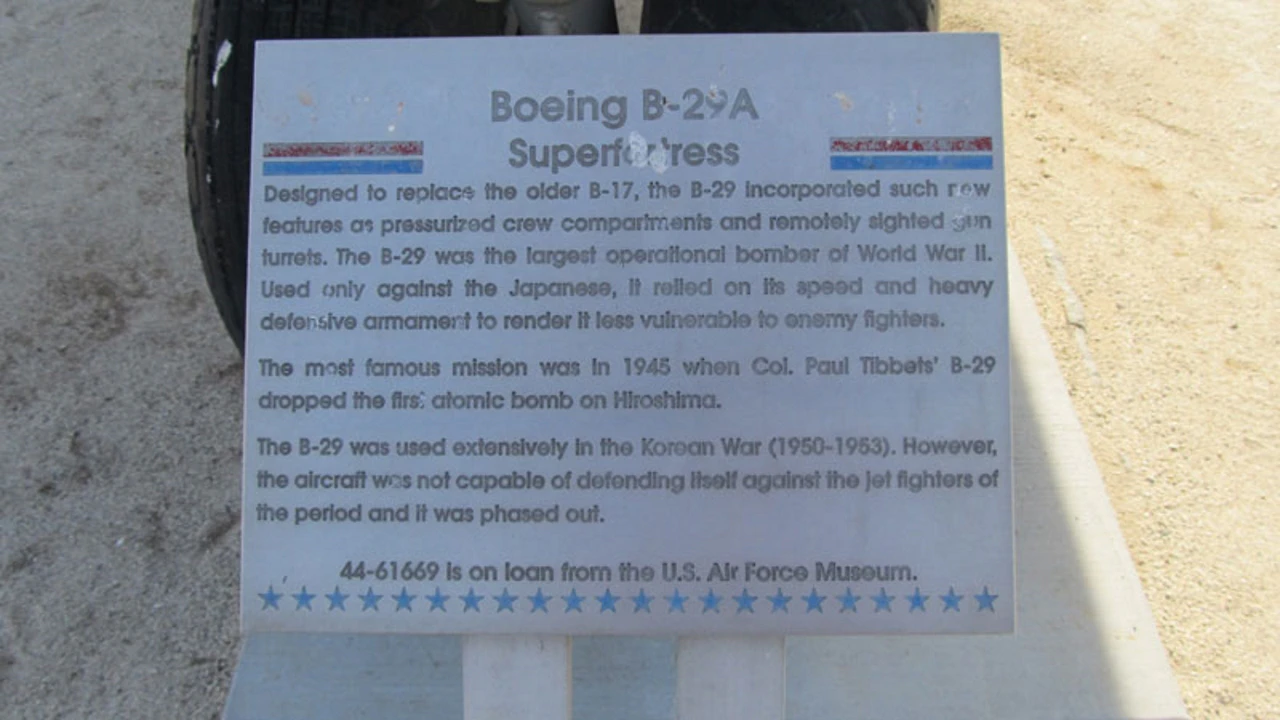
这 波音B-29超级堡垒 是波音公司设计的四引擎螺旋桨驱动重型轰炸机,主要由美国在二战和朝鲜战争期间飞行。它是二战期间投入使用的最大飞机之一,拥有最先进的技术。包括设计和生产在内,这是美国在第二次世界大战中进行的单一最昂贵的武器项目,比曼哈顿项目的费用多出10亿至17亿美元。
| Boeing B-29 Super Fortress Walk Around | |
|---|---|
| 摄影师 | 塞斯·亨德里克斯 |
| 本地化 | 未知 |
| 照片 | 33 |
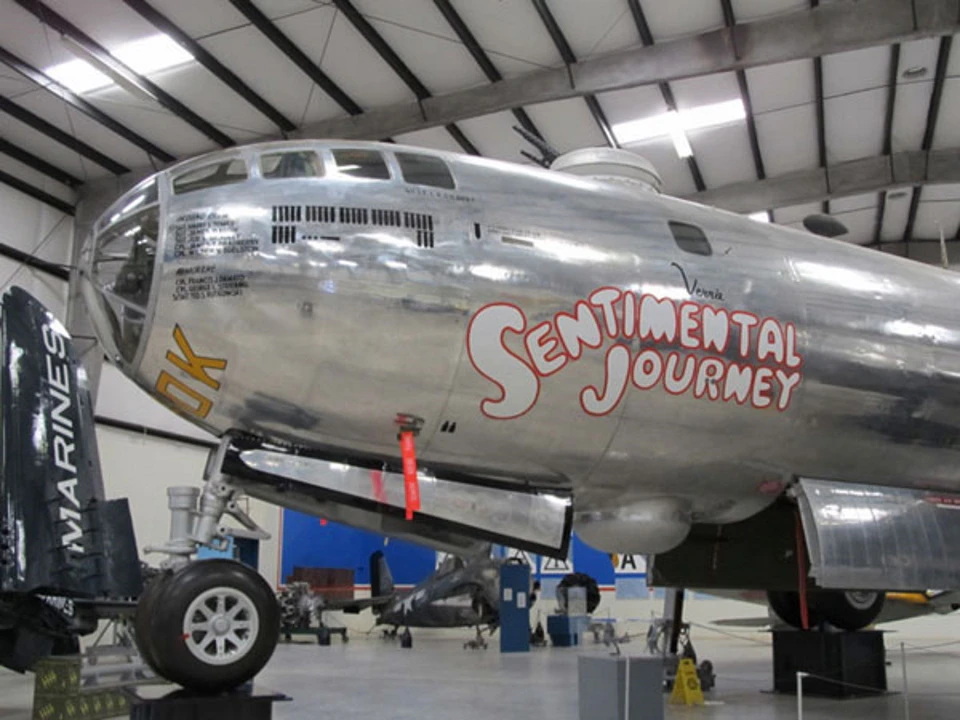
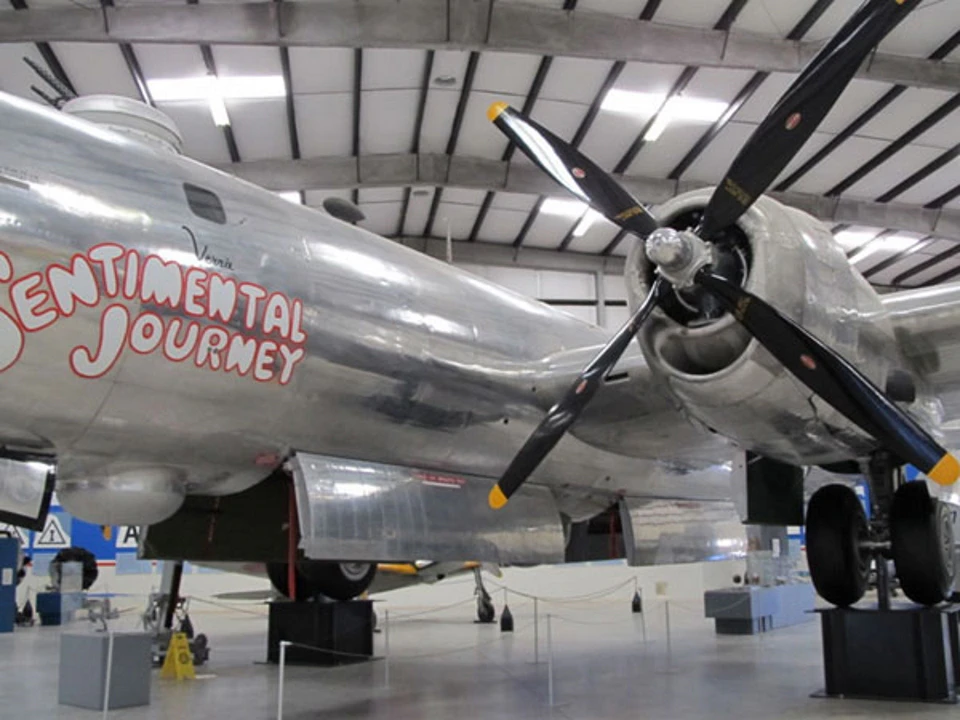
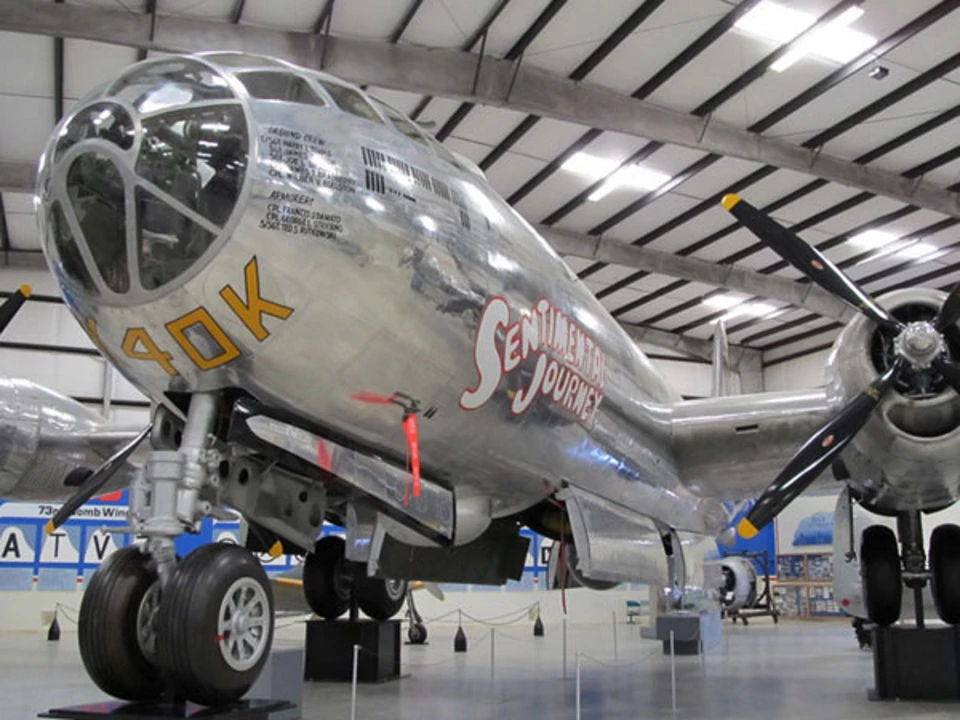
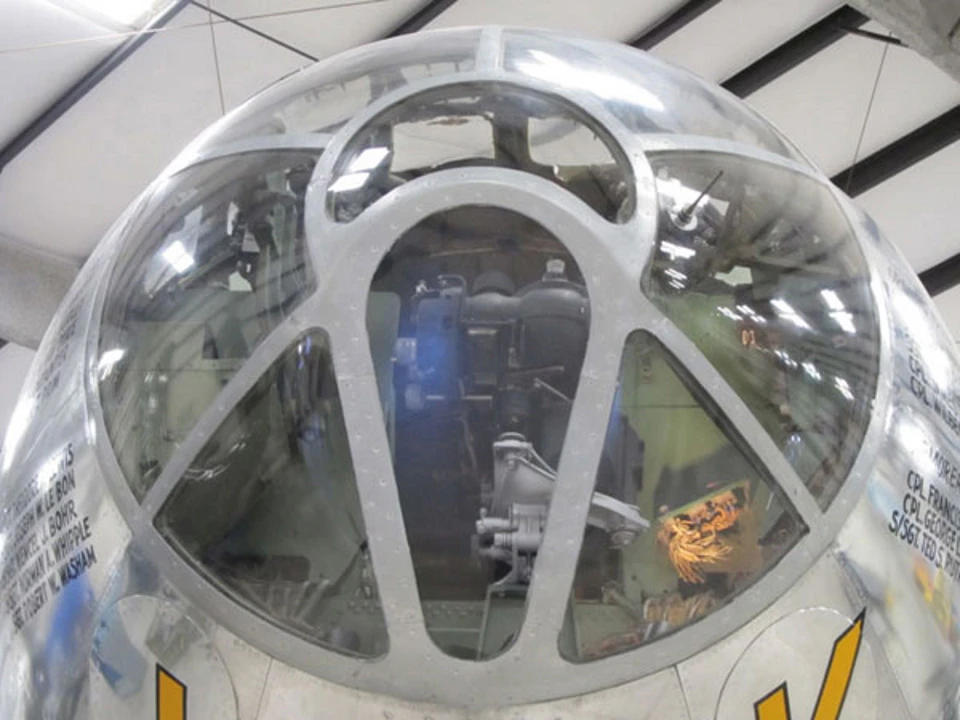
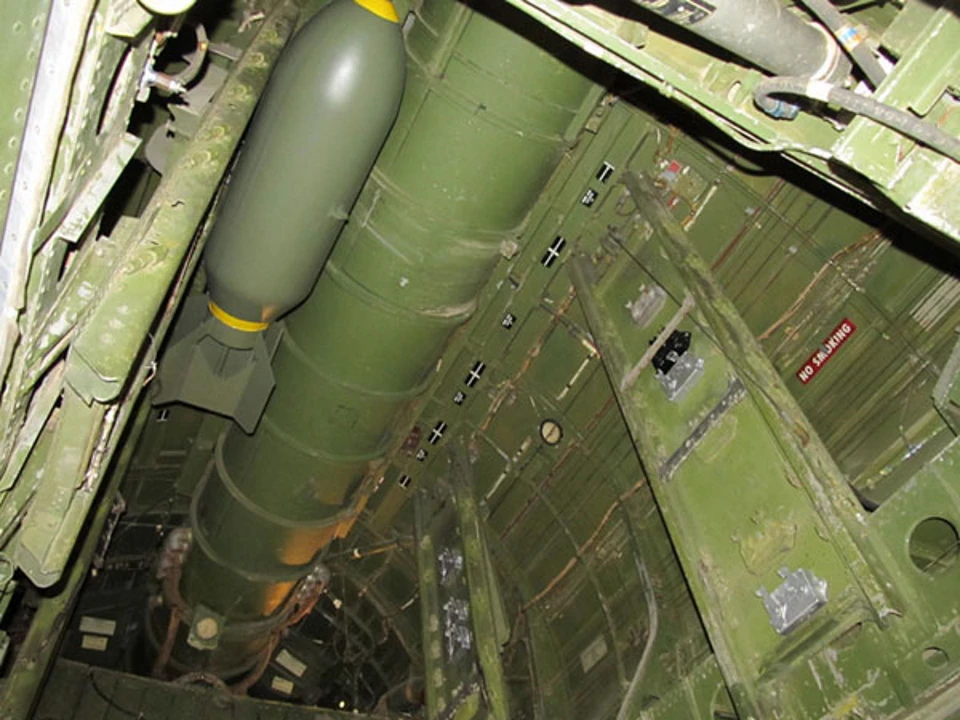
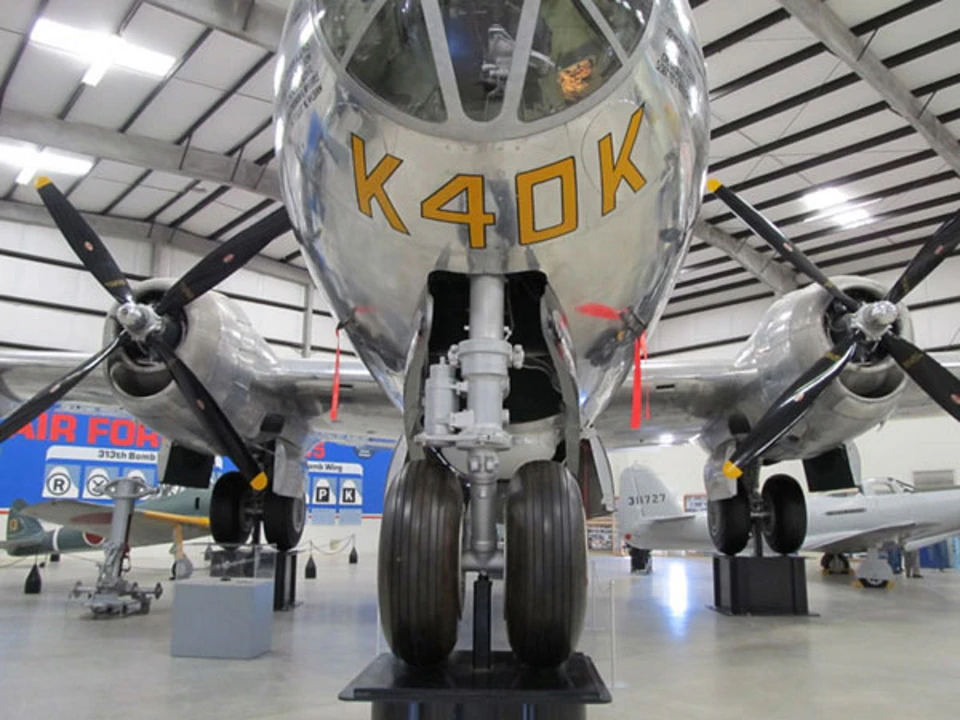
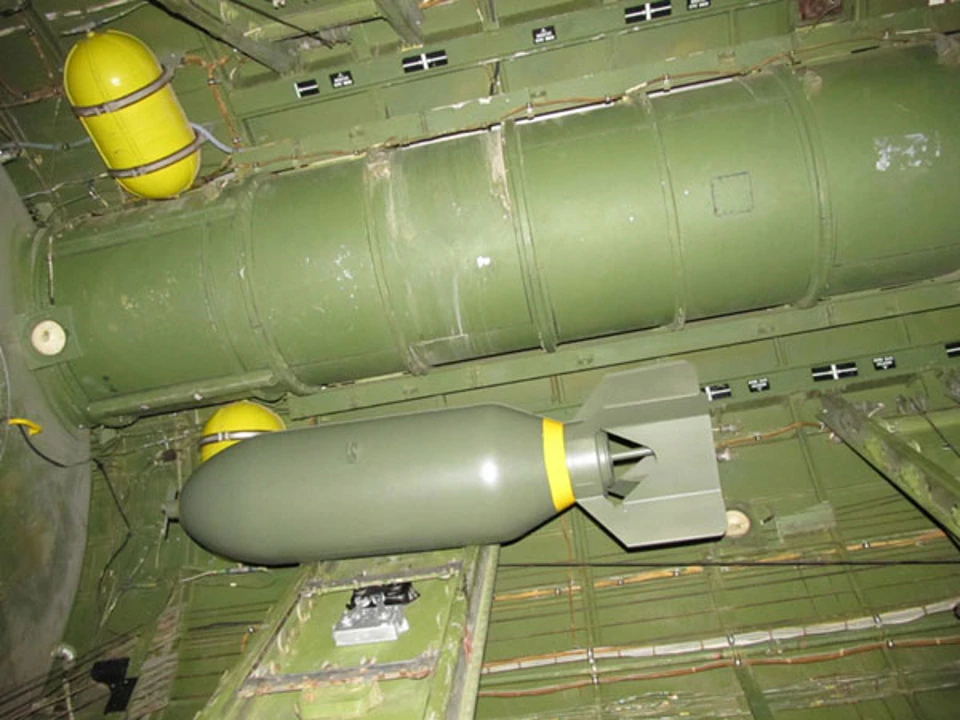
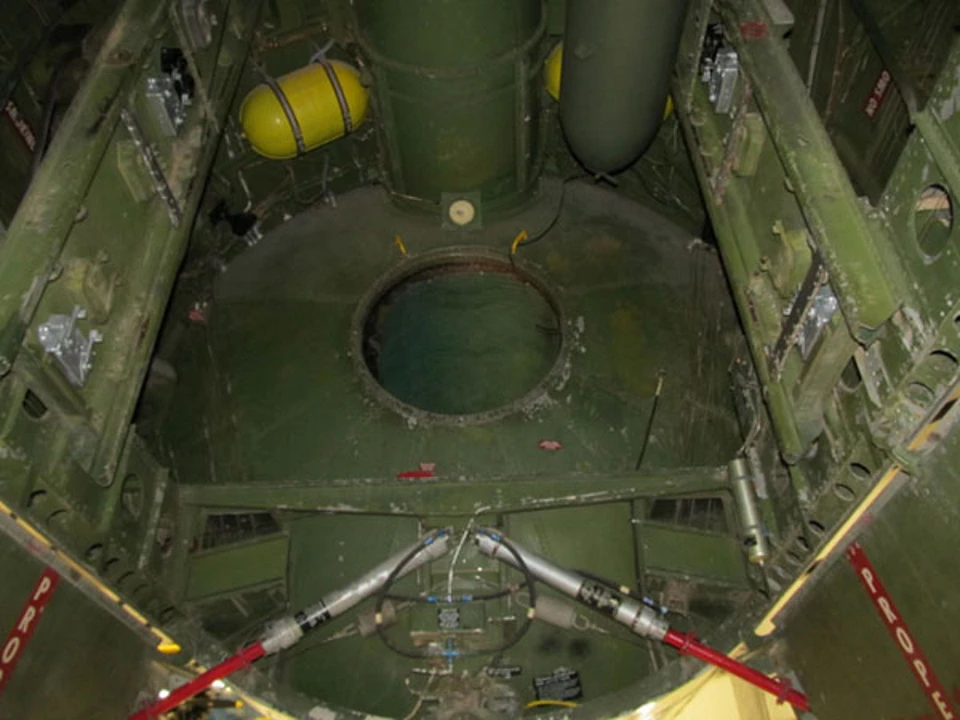
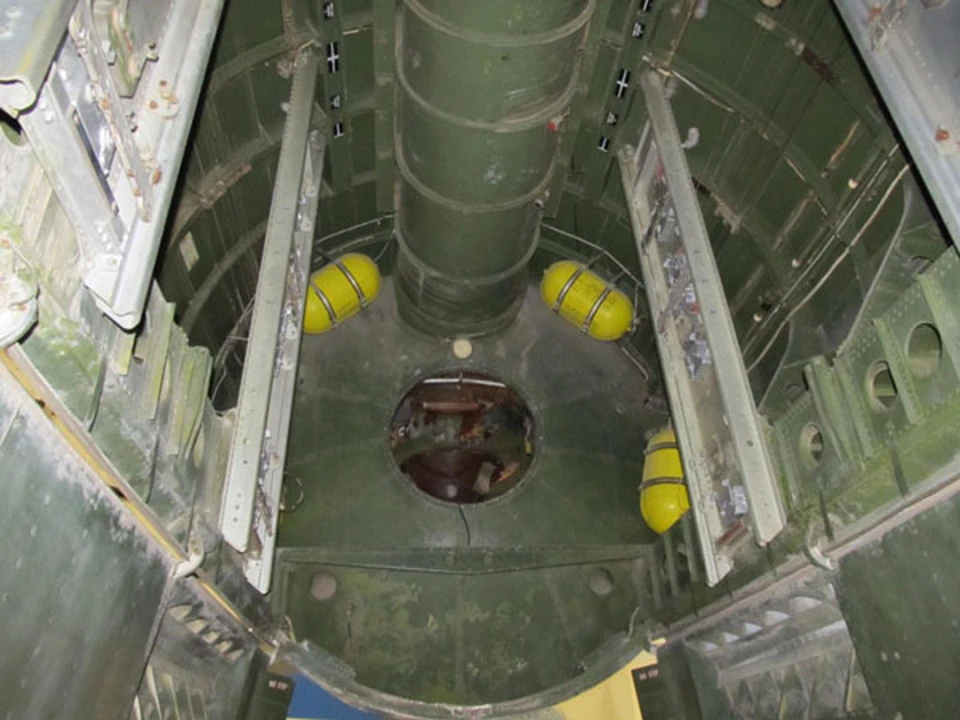

另请参阅:


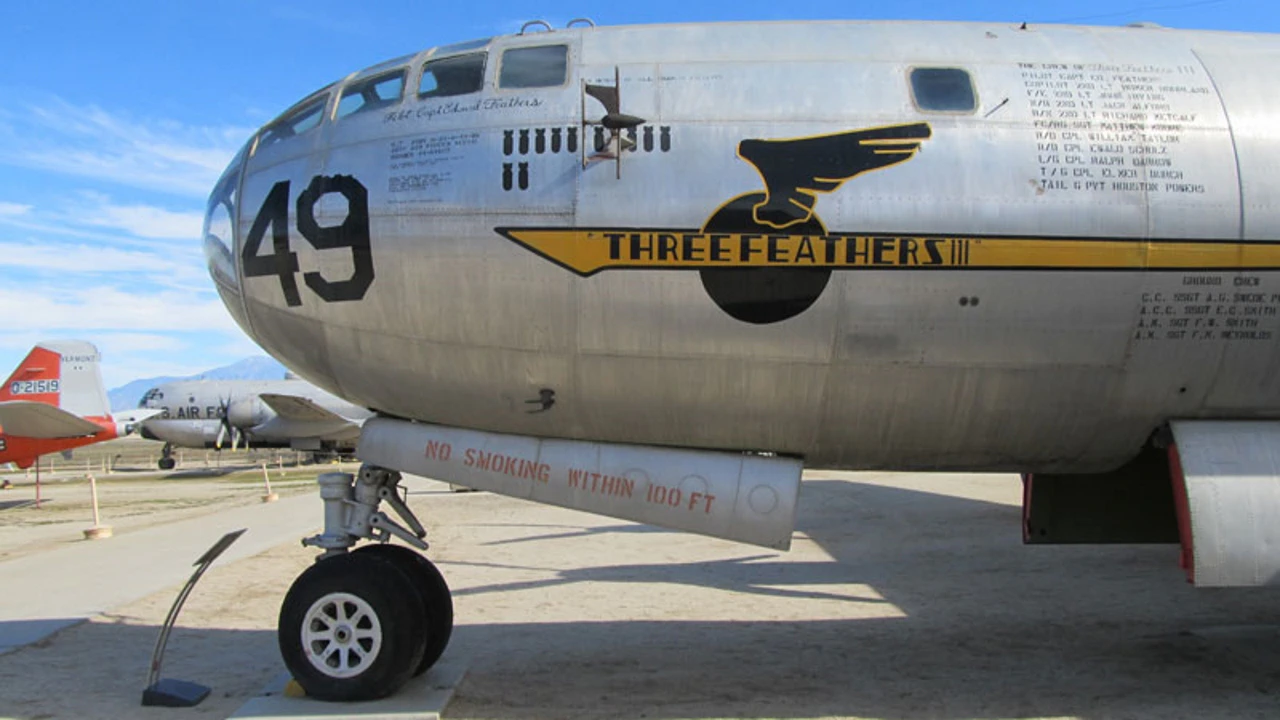
| Boeing B-29A Super Fortress Walk Around | |
|---|---|
| 摄影师 | 塞斯·亨德里克斯 |
| 本地化 | 未知 |
| 照片 | 41 |
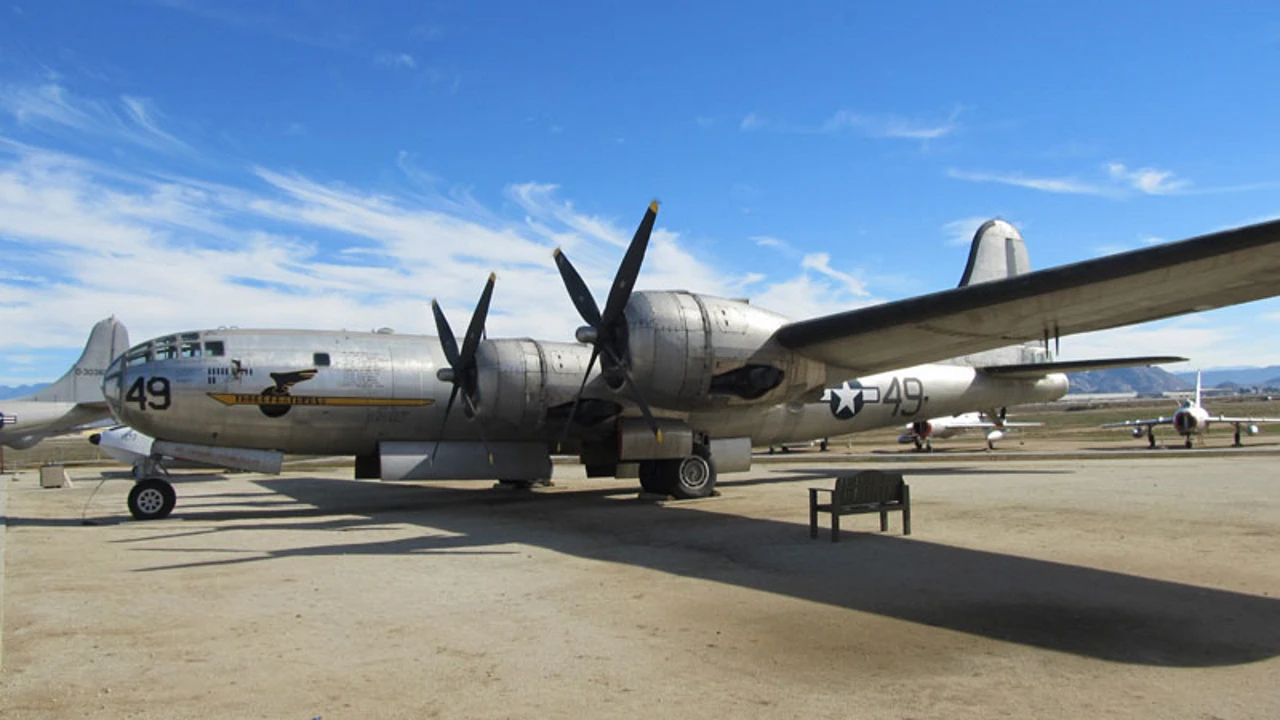
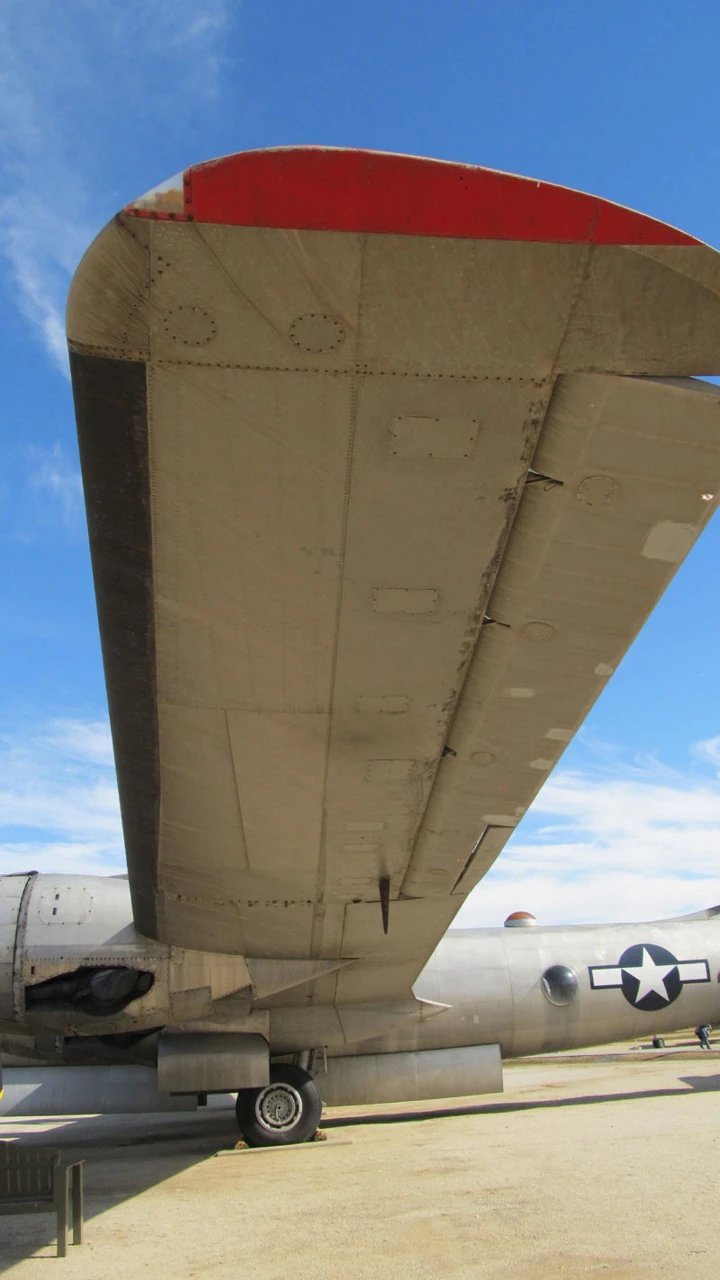
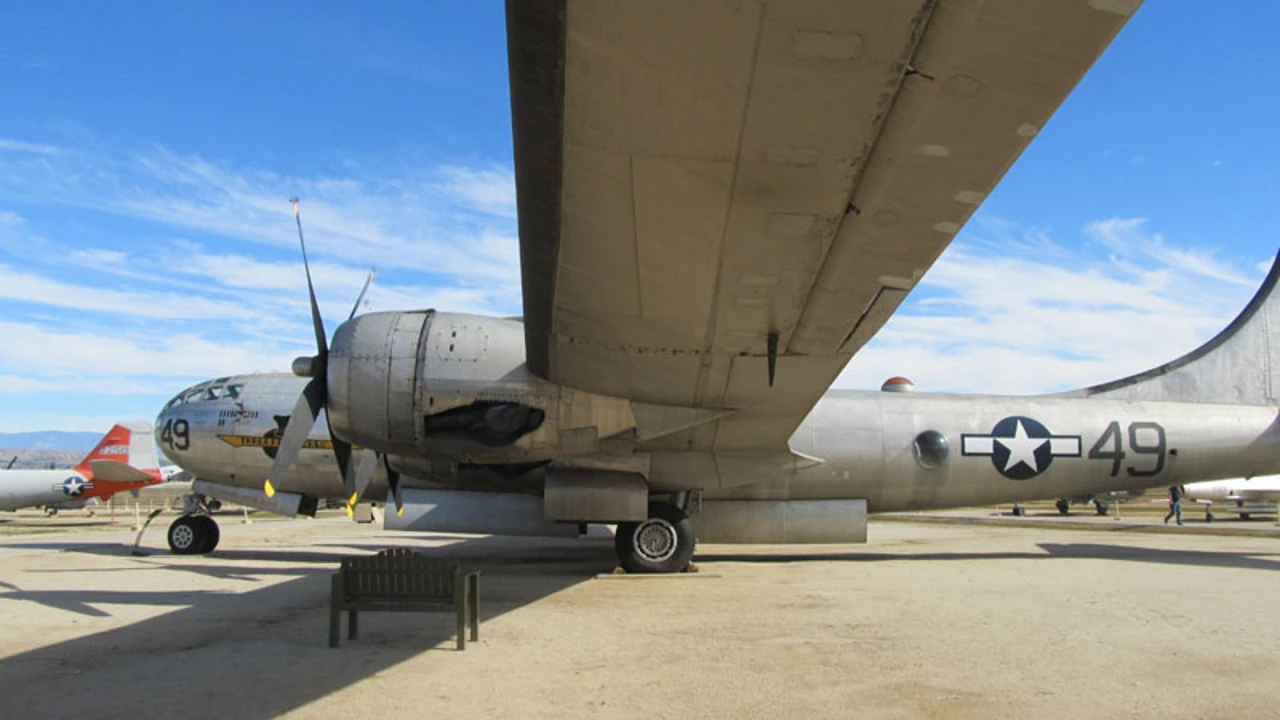
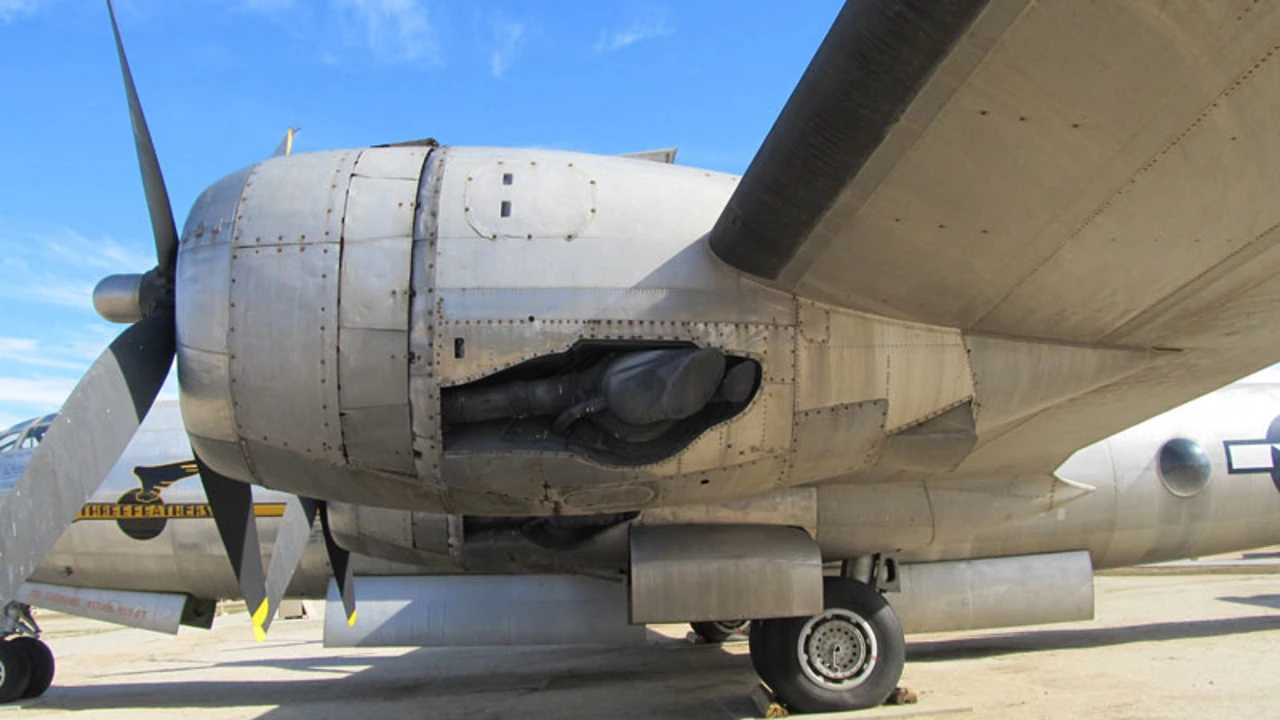
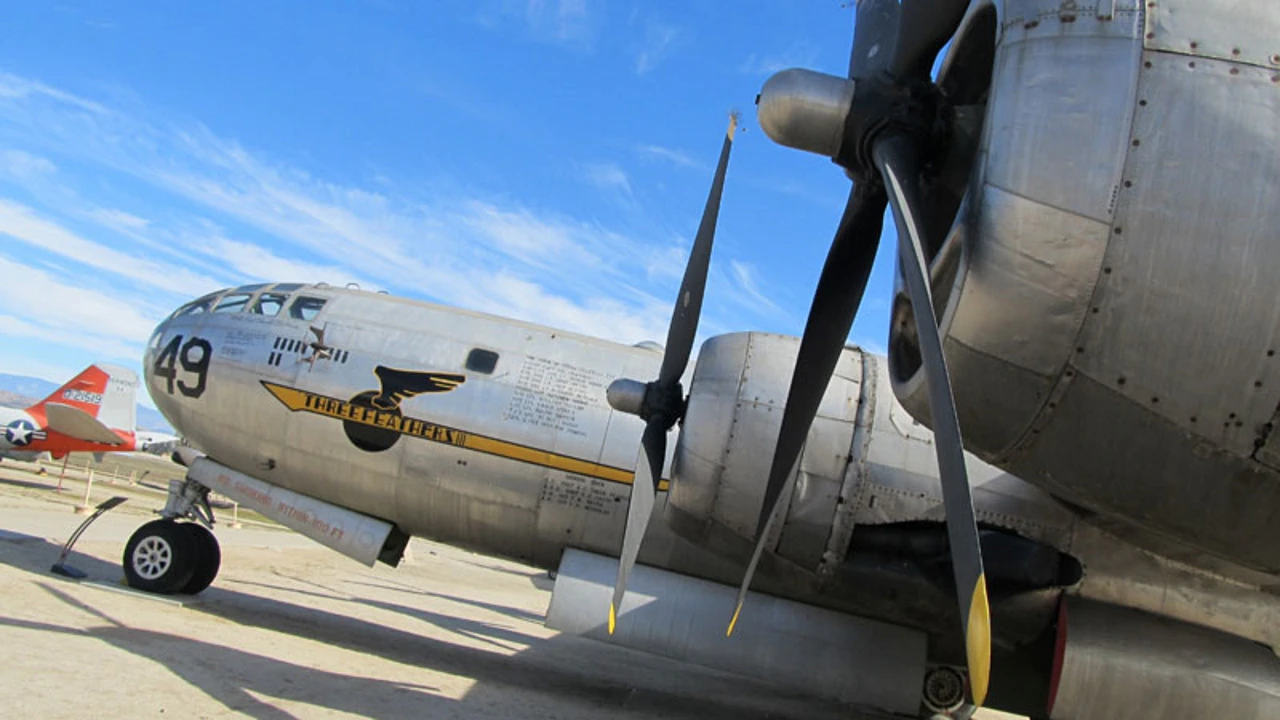
| B-29 Enola Gay Walk Around | |
|---|---|
| 摄影师 | 塞斯·亨德里克斯 |
| 本地化 | 未知 |
| 照片 | 84 |
The Dawn of Strategic Global Airpower
这 波音B-29超级堡垒 was the absolute pinnacle of aviation technology during World War II and the most expensive weapons program undertaken by the United States—surpassing even the Manhattan Project. Designed as a high-altitude, long-range heavy bomber to cross the vast distances of the Pacific Ocean, the B-29 turned science fiction into reality. Featuring a fully pressurized cabin, analog computer-directed defensive gun turrets, and massive turbo-supercharged engines, this massive aircraft fundamentally altered the geometry of strategic warfare, ultimately delivering the final, devastating blows that forced the surrender of Imperial Japan and ushered humanity into the atomic age.
| Attribute | Technical Specification (B-29 Production Baseline) |
|---|---|
| 作用 | Strategic Long-Range Heavy Bomber |
| 船员 | 11 (Pilot, Co-Pilot, Bombardier, Navigator, Flight Engineer, Radio Operator, 5 Gunners) |
| 动力装置 | 4 × Wright R-3350-23 Duplex-Cyclone 18-cylinder radial engines (2,200 hp each with dual turbochargers) |
| 最高速度 | 574 km/h (357 mph) at cruise altitude |
| Combat Range | ~5,230 km (3,250 miles) fully combat loaded; 9,000 km ferry range |
| Service Ceiling | 11,000 m (36,000 ft) — safely above most contemporary fighters and flak |
| Defensive Armament | 10 or 12 × .50 caliber (12.7mm) Browning machine guns in 4 remote turrets and 1 tail position; 1 × 20mm cannon early on |
| Ordnance Capacity | Standard: 2,300 kg (5,000 lbs) at maximum range; Maximum: 9,000 kg (20,000 lbs) short range |
Design Engineering: Pressurized Citadels and Electronic Fire Control
- The Pressurized Hull Revolution: Prior to the B-29, bomber crews had to endure sub-zero temperatures and wear heavy oxygen masks for hours at high altitudes. Boeing solved this by splitting the B-29 hull into three pressurized sections (the nose cockpit, the rear gunner station, and the tail), connected by a narrow crawling tunnel spanning over the unpressurized internal bomb bays, allowing crews to fly in relative comfort.
- Analog Fire Control Computers: The Superfortress completely removed human gunners from physical contact with their weapons. Instead, gunners sat by panoramic observation blisters and aimed using General Electric electronic sights. An analog computer calculated airspeed, distance, gravity, and lead, mechanically aiming and firing the remote-controlled, low-profile gun turrets across the fuselage.
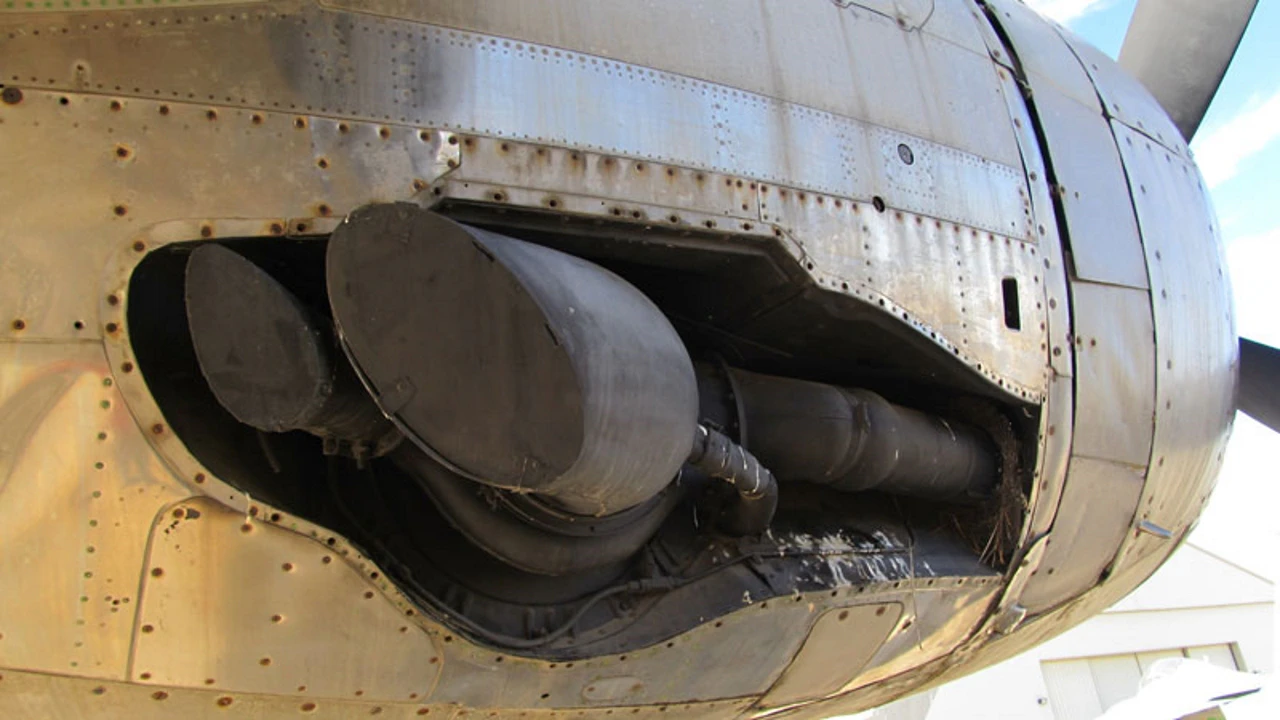
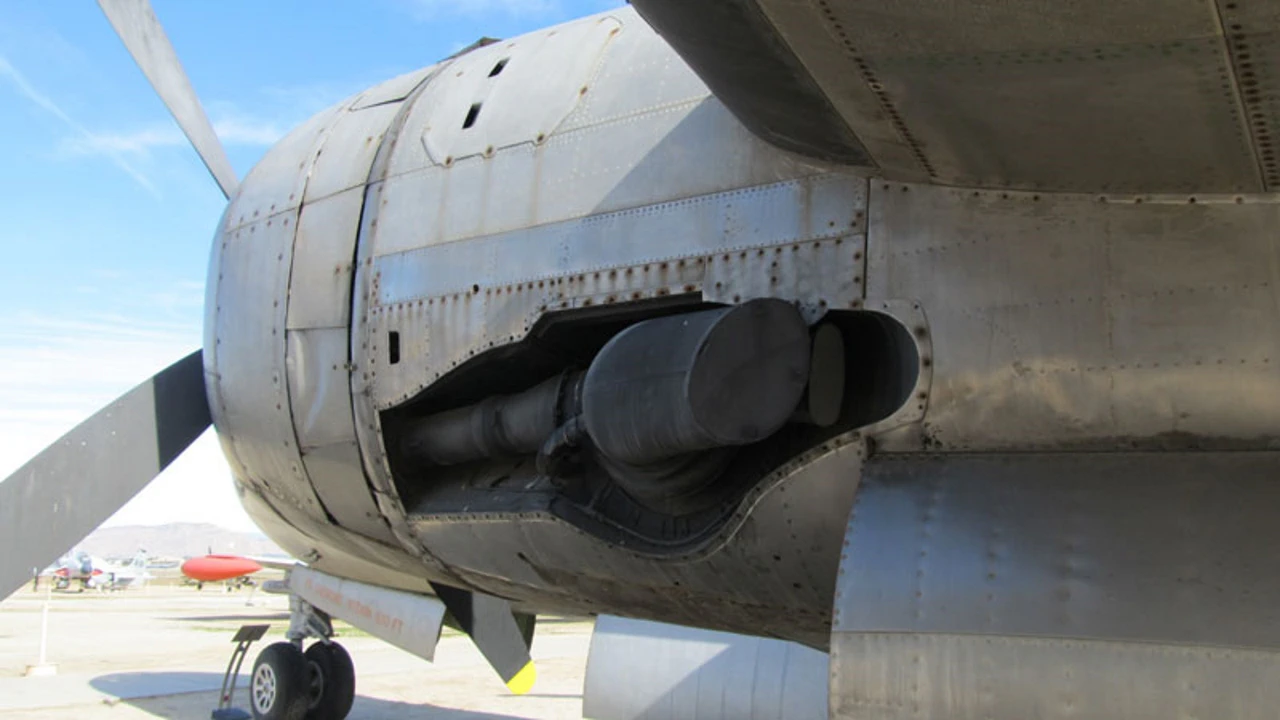
- The Volatile R-3350 Engines: The massive performance of the B-29 depended heavily on its advanced Wright R-3350 engines. However, these powerplants were rushed into production before their design flaws were ironed out, resulting in severe cooling issues. The rear cylinder rows regularly overheated, causing magnesium engine fires that could burn through a wing spar in seconds, making the engine a deadly hazard early on.
- Hyper-Sleek Aerodynamics: To squeeze every mile of operational range out of the hull, Boeing utilized flush-riveted aluminum skin lines, completely enclosed landing gear bays, and a clean, cylindrical fuselage. Its specialized high-aspect-ratio wing design integrated heavy Fowler flaps to generate massive lift during low-speed take-offs and landings.
Operational History: Operation Matterhorn to the Atomic Final Act
- The Logistics Nightmare of India/China: Early B-29 operations (Operation Matterhorn in 1904) required planes to fly over the dangerous “Hump” of the Himalayas from bases in India to refuel in China before striking Japan. The immense fuel cost meant that a B-29 had to fly multiple dangerous transport missions just to secure enough gasoline for a single bombing run.
- LeMay’s Scorched-Earth Firestorm Shift: Initially designed for high-altitude daylight precision bombing, the B-29 initially struggled against the intense Pacific jet stream winds. General Curtis LeMay ordered a radical tactical shift: stripping the bombers of their heavy defensive guns to save weight and sending them in at low altitude (5,000 feet) under the cover of darkness to drop thousands of tons of napalm incendiaries on Japanese wooden cities, starting with the devastating Tokyo firebombing of March 1945.
- The Island Sovereignty Base Leap: Once US forces captured the Mariana Islands (Saipan, Tinian, and Guam), engineers built massive coral runways that bypassed the China logistical bottleneck. From these islands, hundreds of B-29s took off in massive daily waves to systematically dismantle Japan’s industrial infrastructure.
- The Silverplate Legacy: In August 1945, specially modified, ultra-lightweight B-29 Superfortresses belonging to the 509th Composite Group executed the ultimate missions of WWII. The B-29 named *Enola Gay* dropped the first atomic weapon (“Little Boy”) on Hiroshima, followed three days later by *Bockscar* dropping “Fat Man” on Nagasaki, ending the war and setting the structural foundation for the Cold War Strategic Air Command.
观点 : 6131