齐斯-3 | |
|---|---|
| 国家 | 乌尔斯 |
| 类型 | 分区枪 |
| 时期 | 1941–1945 |
| 建立 | 103.000+ |
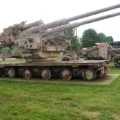
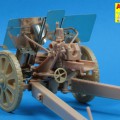
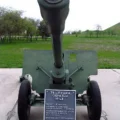
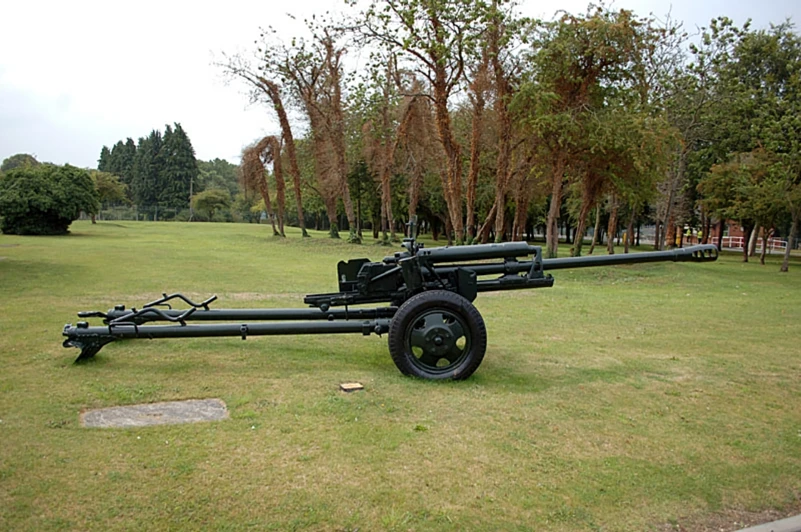
76毫米分炮M1942(齐斯-31942年г 76-мм дивизионная пушка обр(ЗиС-3)是苏联二战期间使用的76.2毫米师野战炮。ZiS 是工厂名称,代表扎沃德·伊梅尼·斯塔利纳("以斯大林命名的工厂"),这是第 92 炮兵工厂的光荣称号,该工厂首次制造了这把枪。
源: 维基 百科
| 76毫米分枪M1942 | |
|---|---|
| 摄影师 | 未知 |
| 本地化 | 未知 |
| 照片 | 62 |
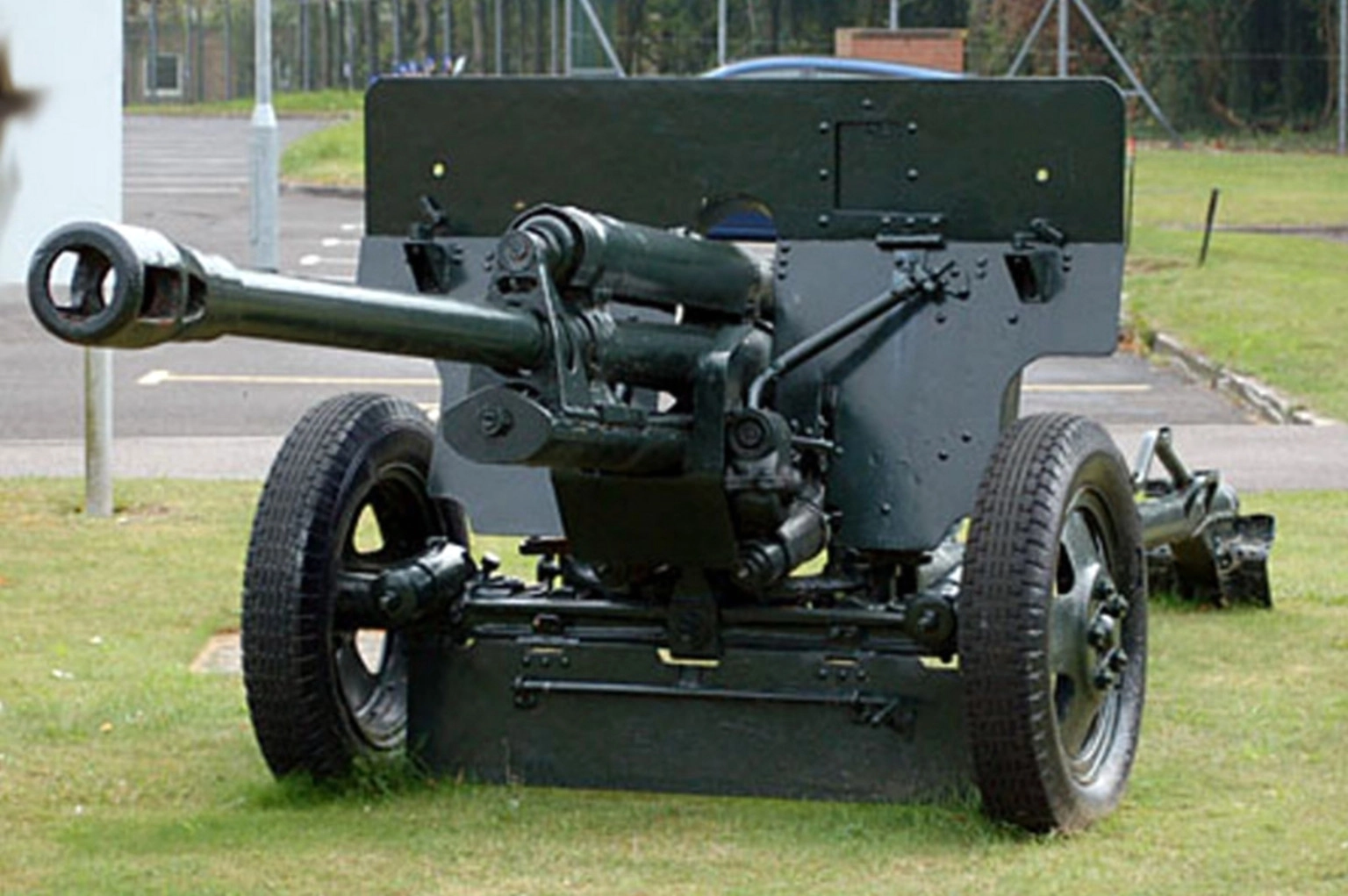
Zis-3 00001
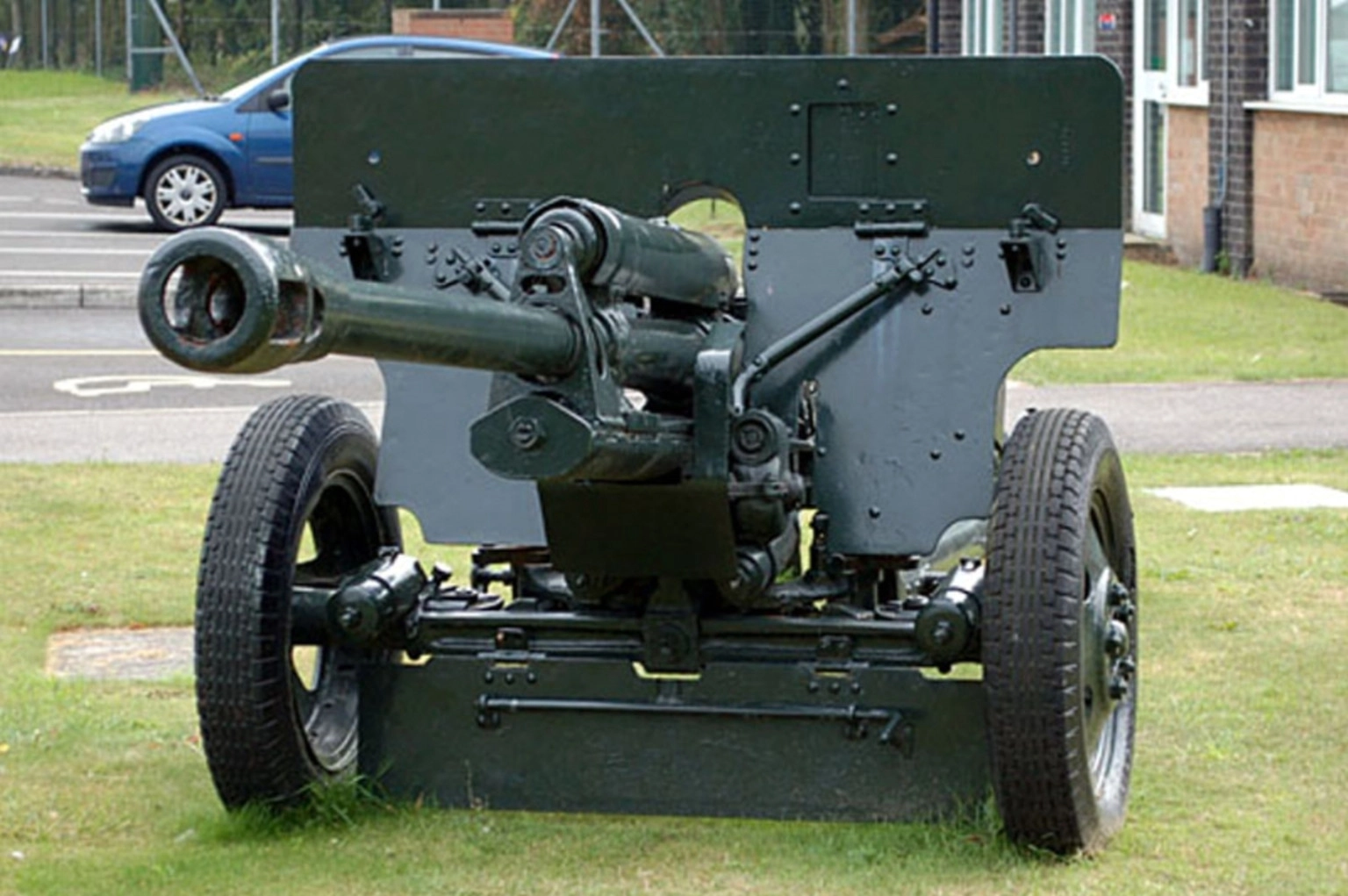
Zis-3 00002
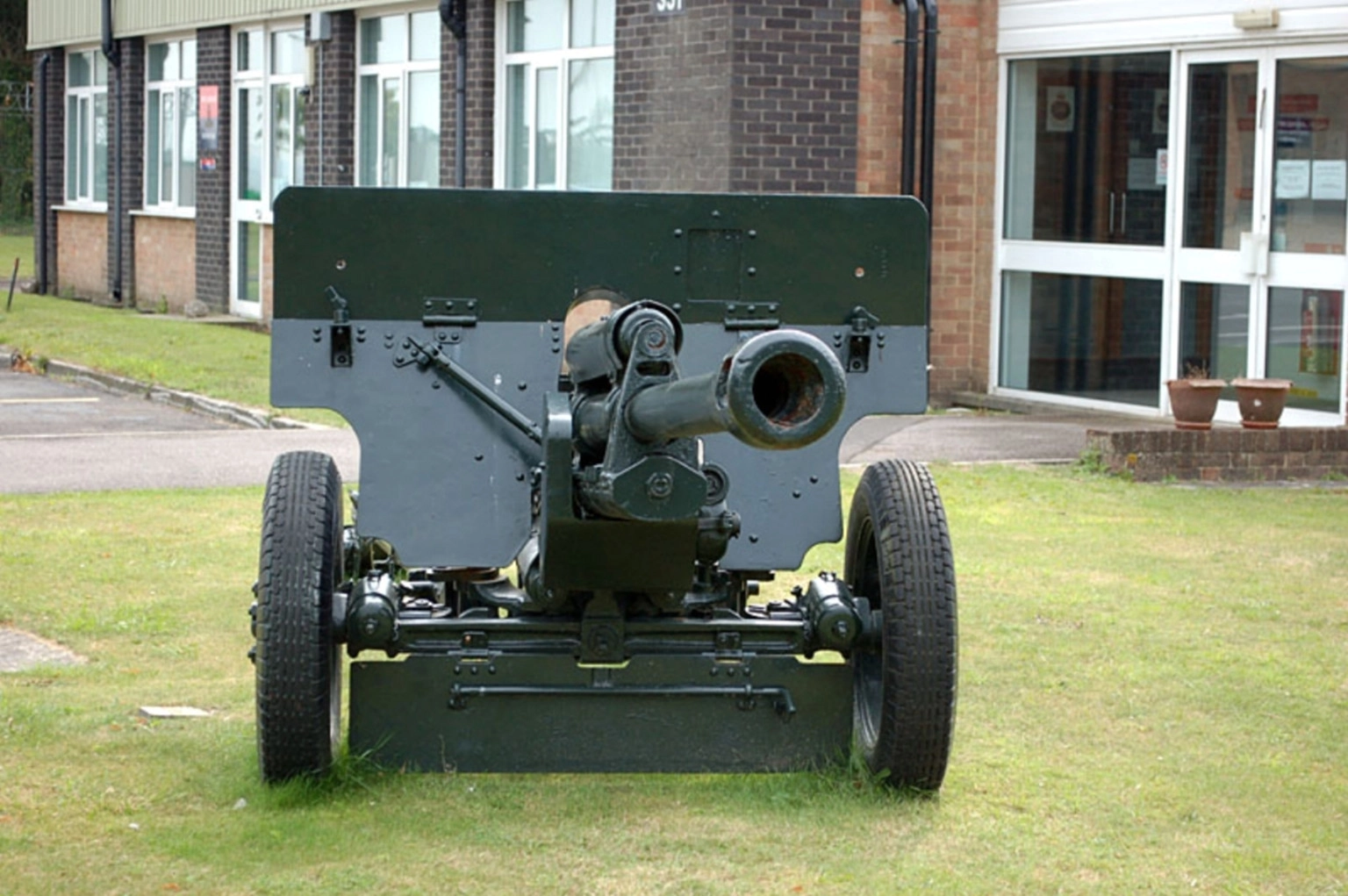
Zis-3 00003
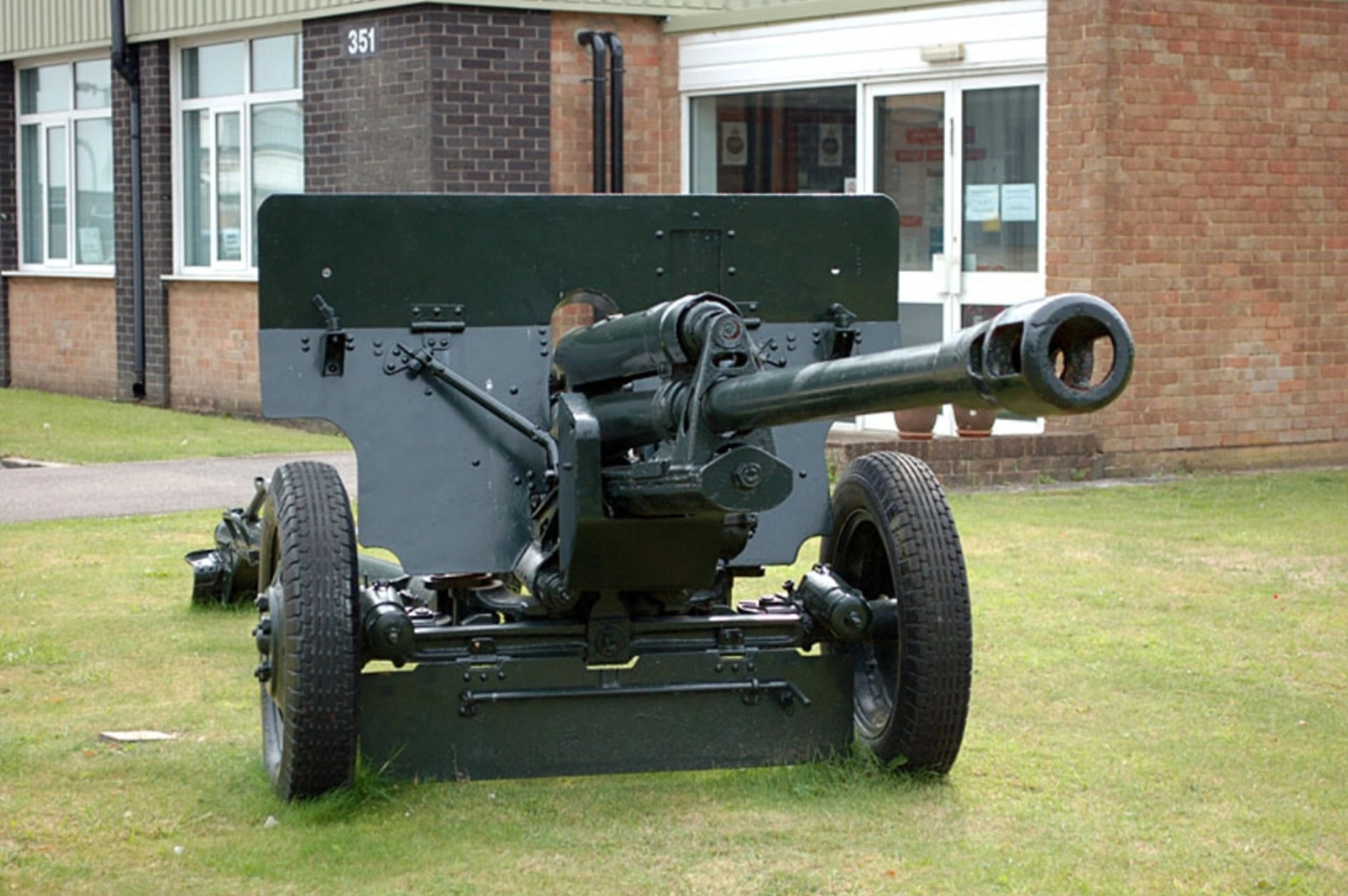
Zis-3 00004
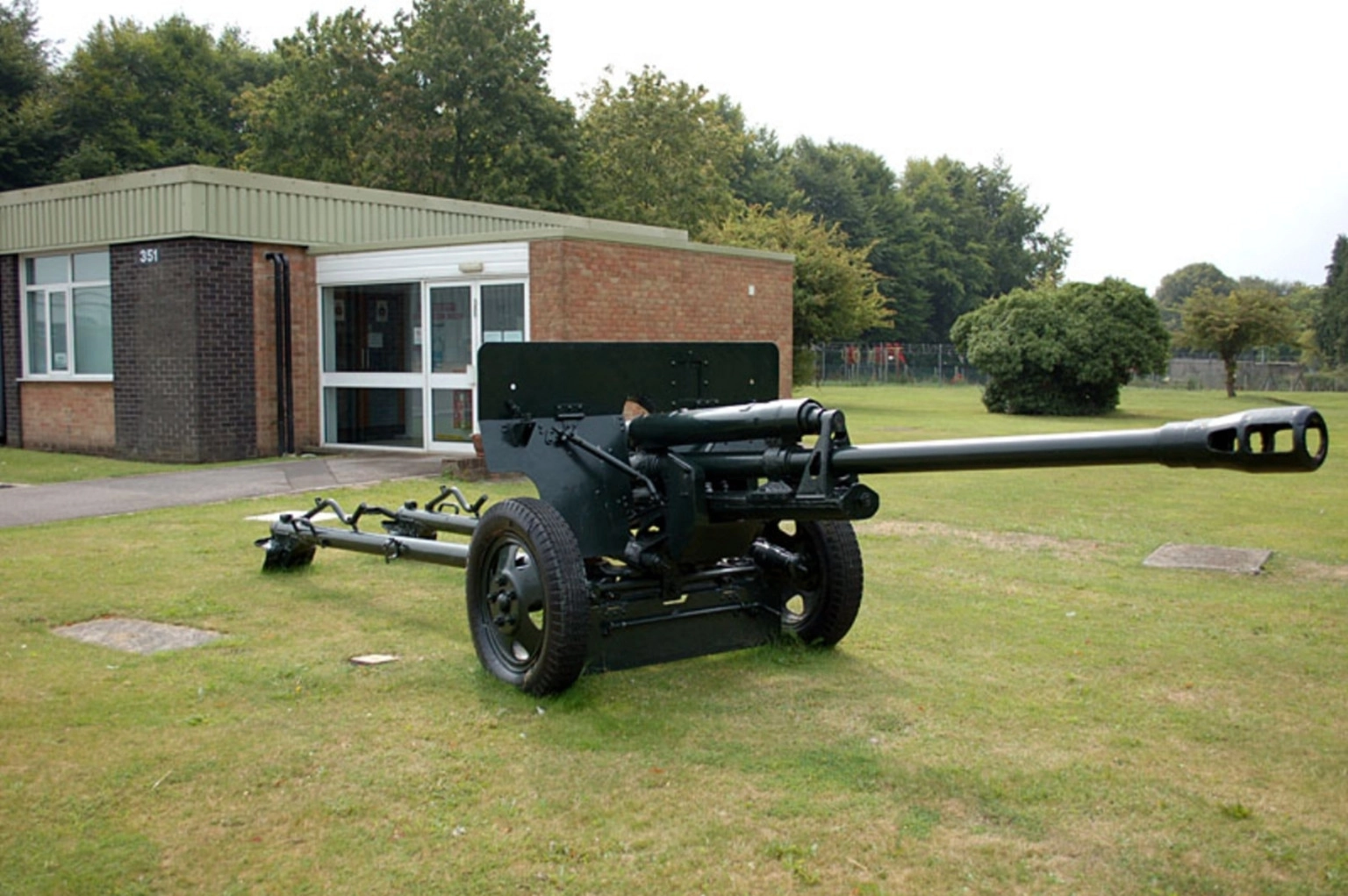
Zis-3 00005
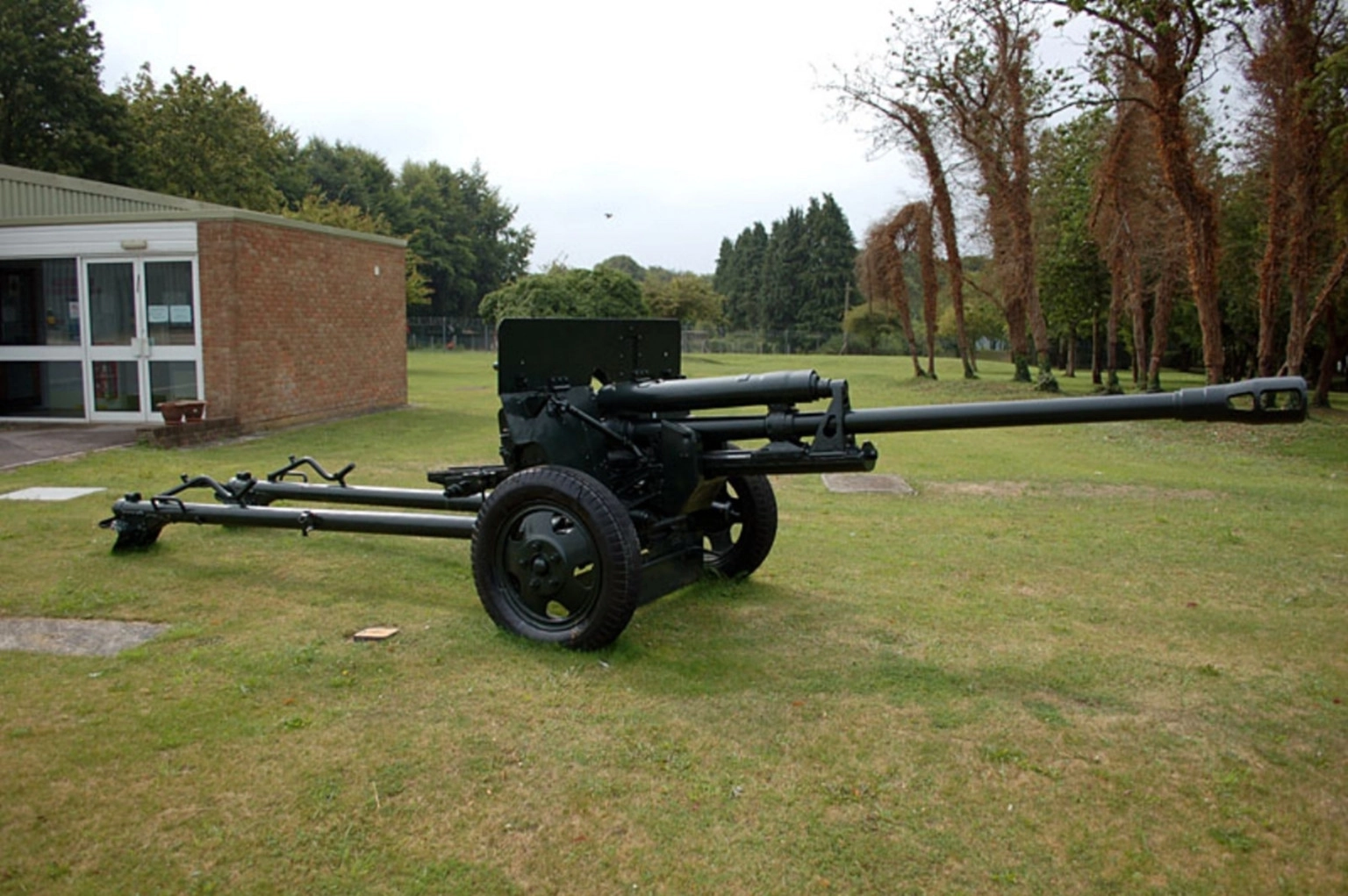
Zis-3 00006
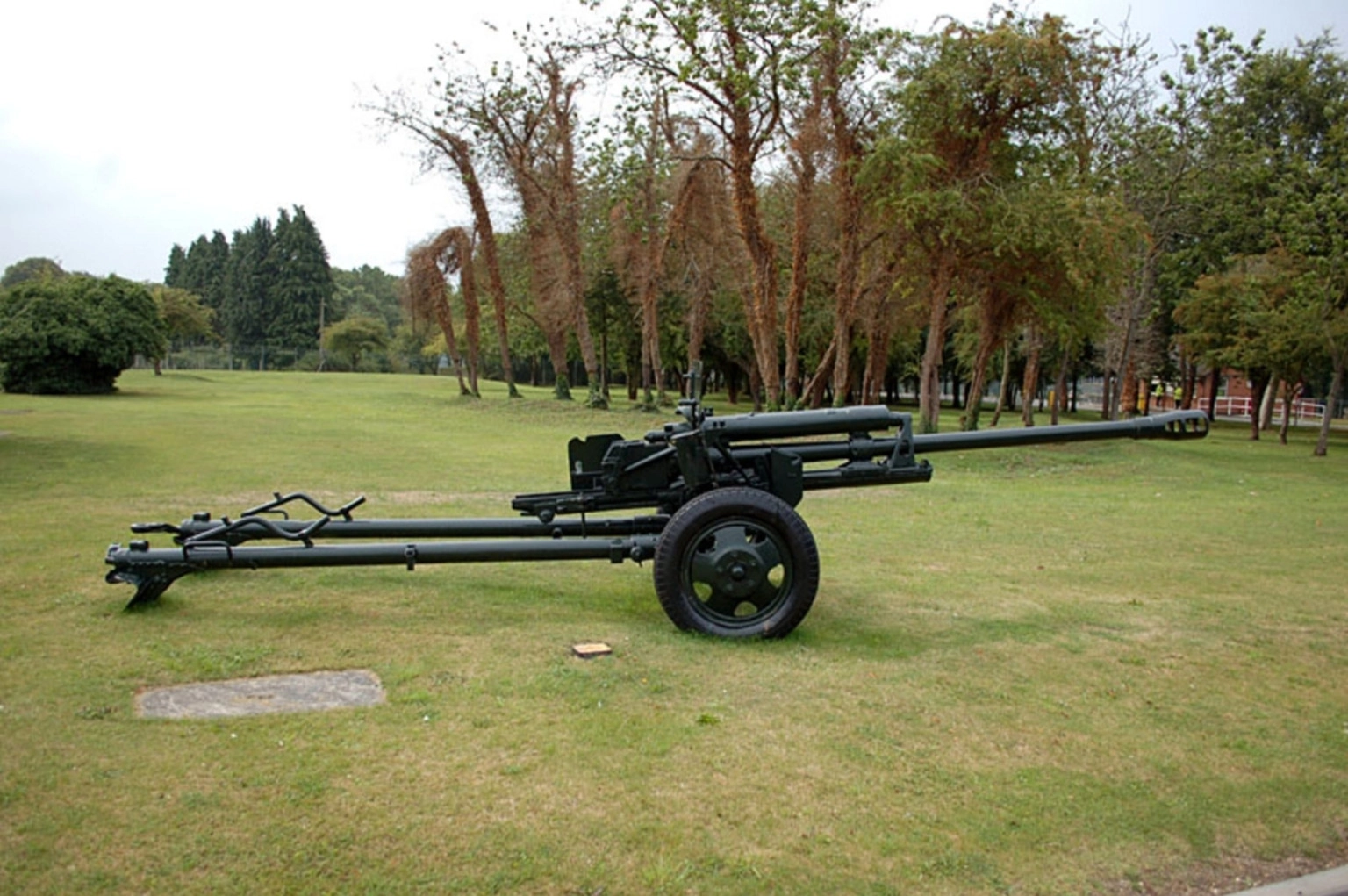
Zis-3 00007
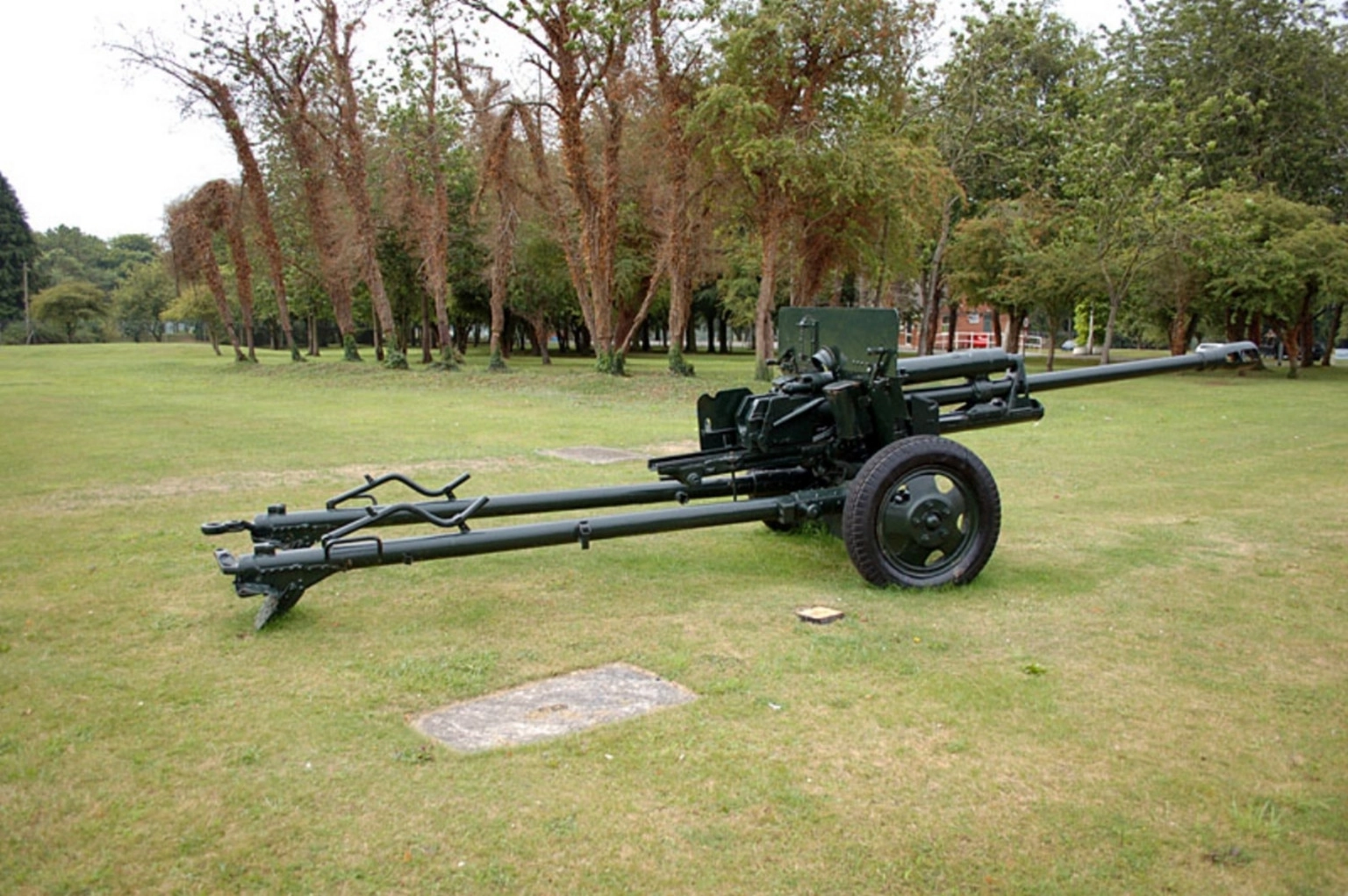
Zis-3 00008
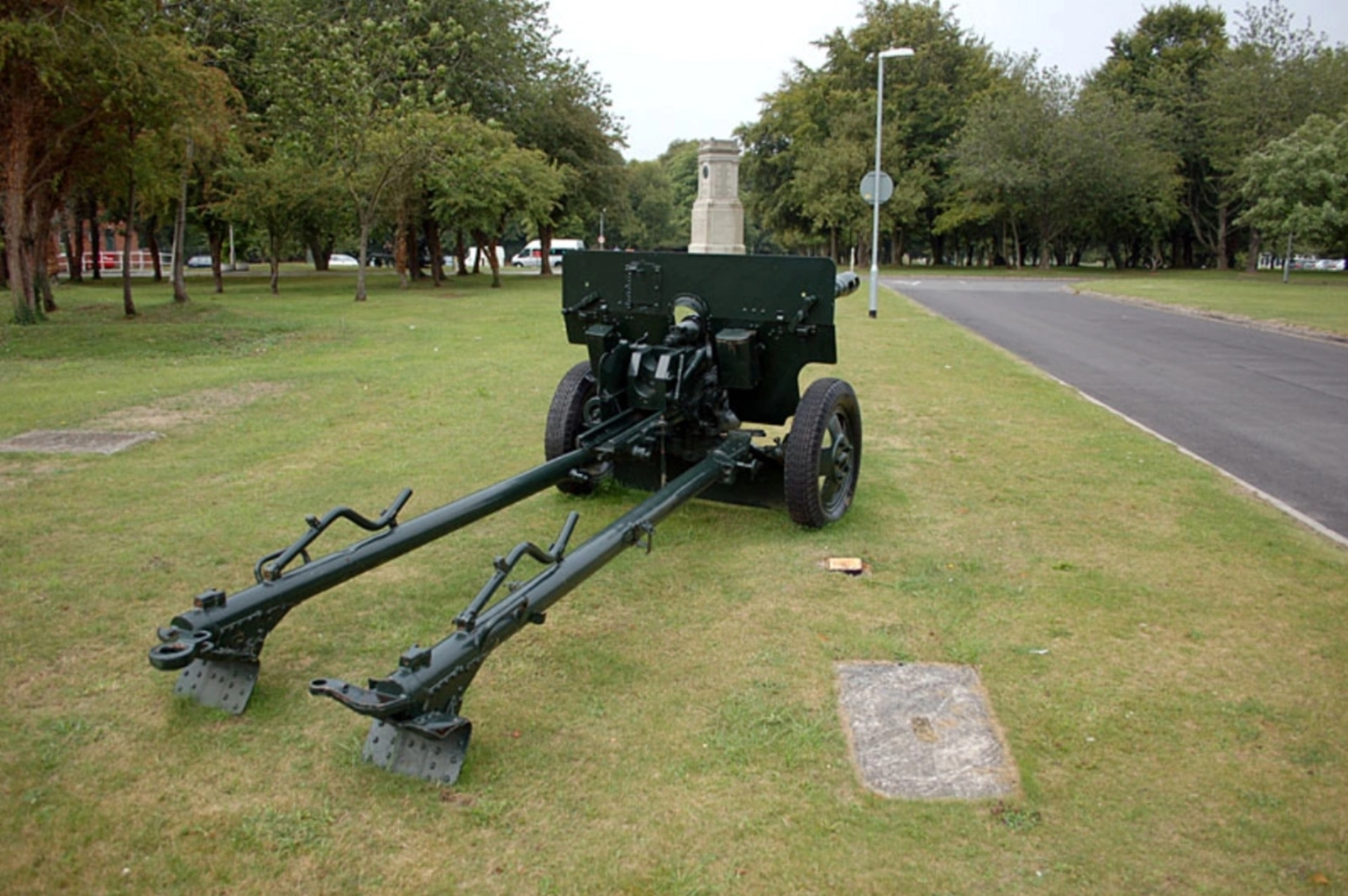
Zis-3 00009
等等,为您搜索ZiS-3照片。。。

| 76 毫米枪 Zis - 3 四处走动 | |
|---|---|
| 摄影师 | 韦尔沃尔夫 |
| 本地化 | 未知 |
| 照片 | 17 |
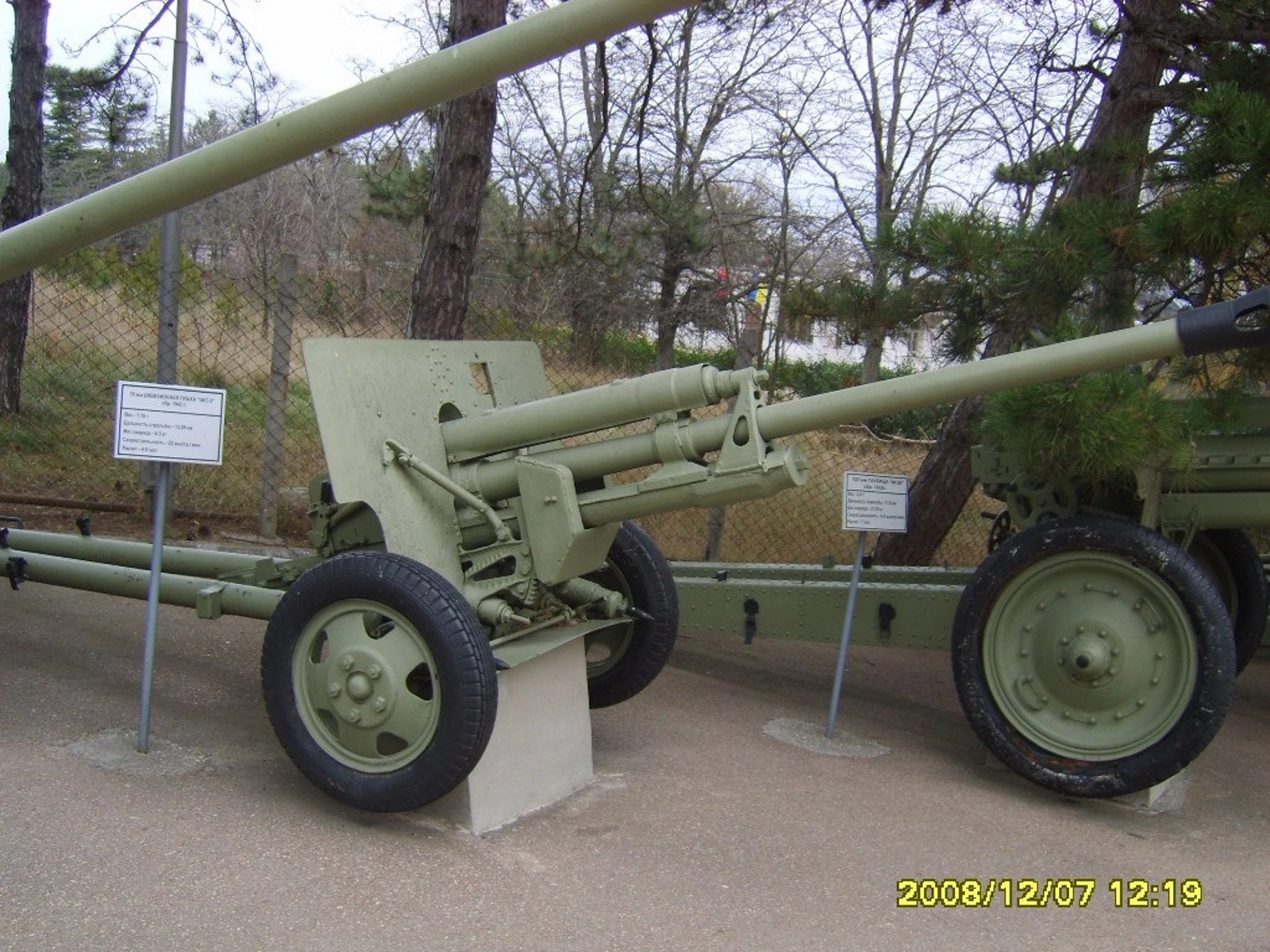
ZiS-3 00001
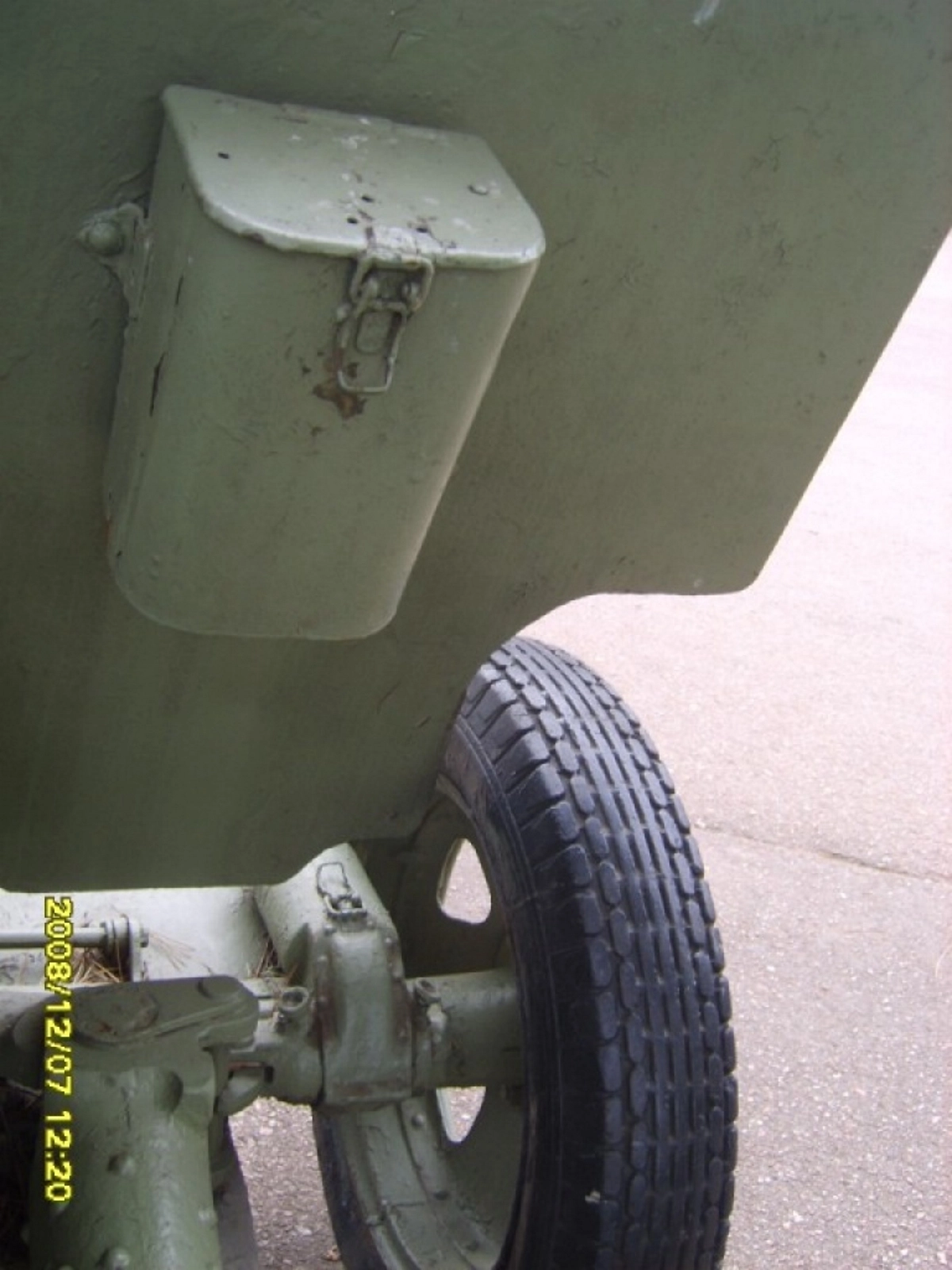
ZiS-3 00002
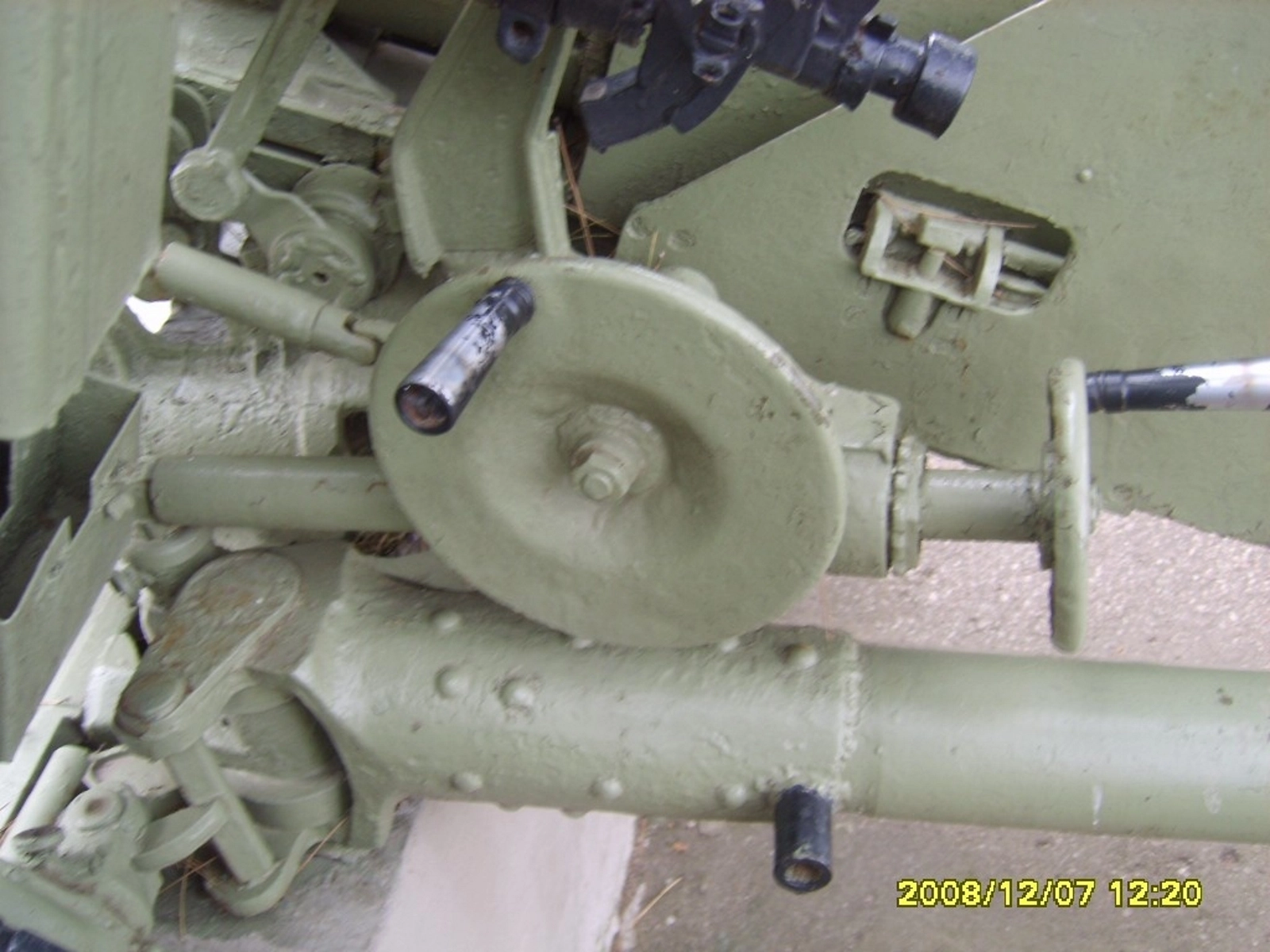
ZiS-3 00003
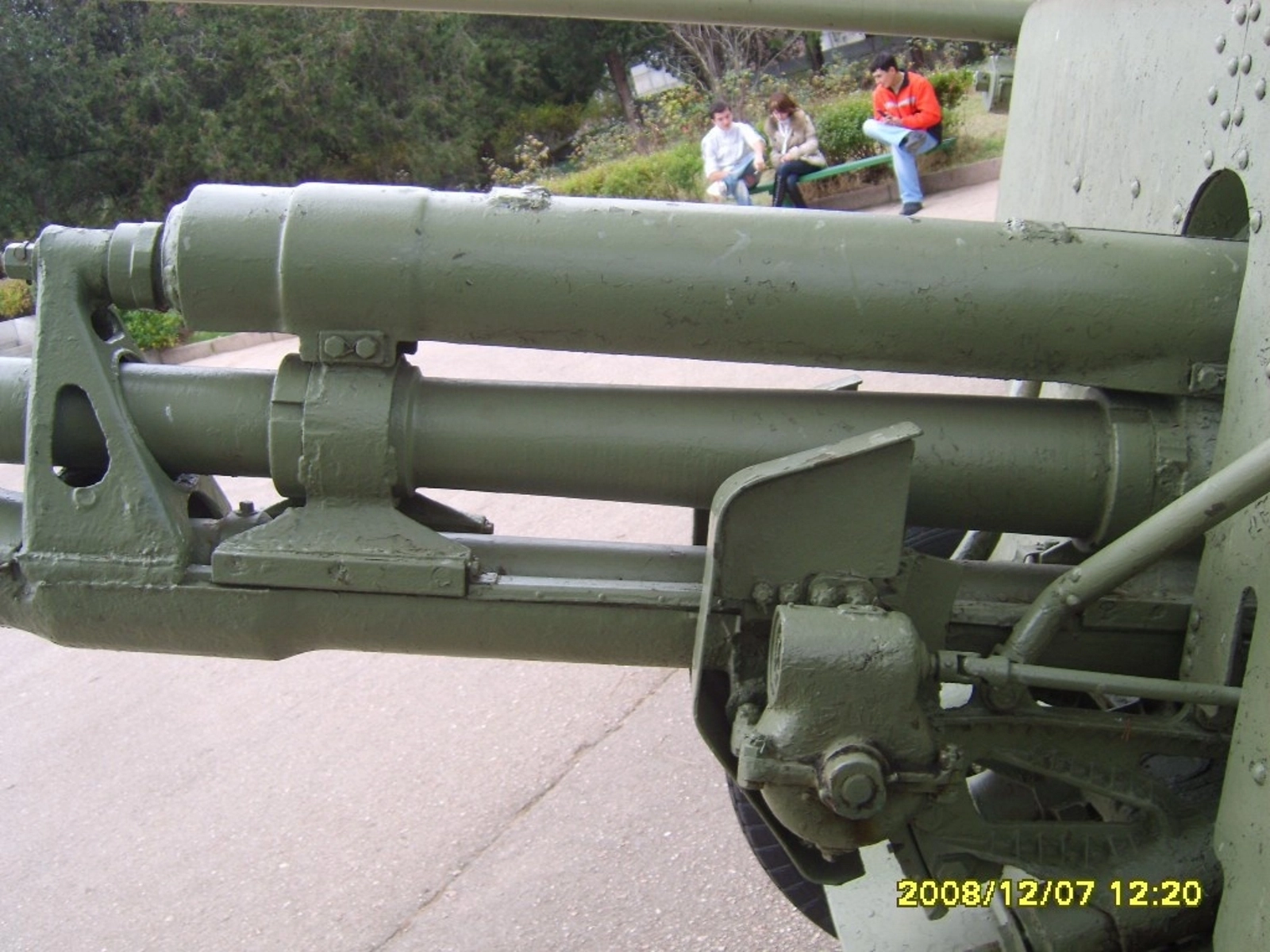
ZiS-3 00004
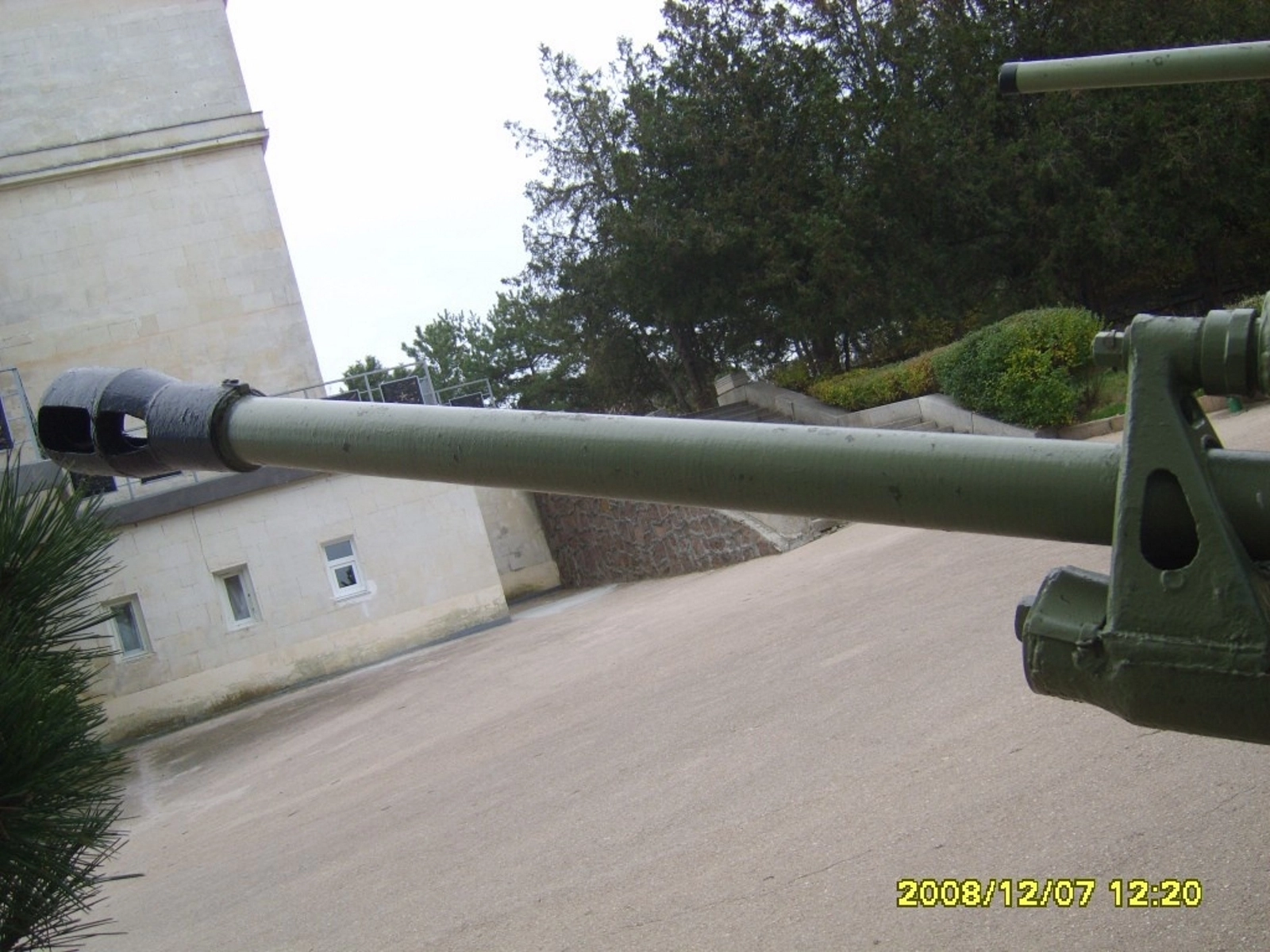
ZiS-3 00005
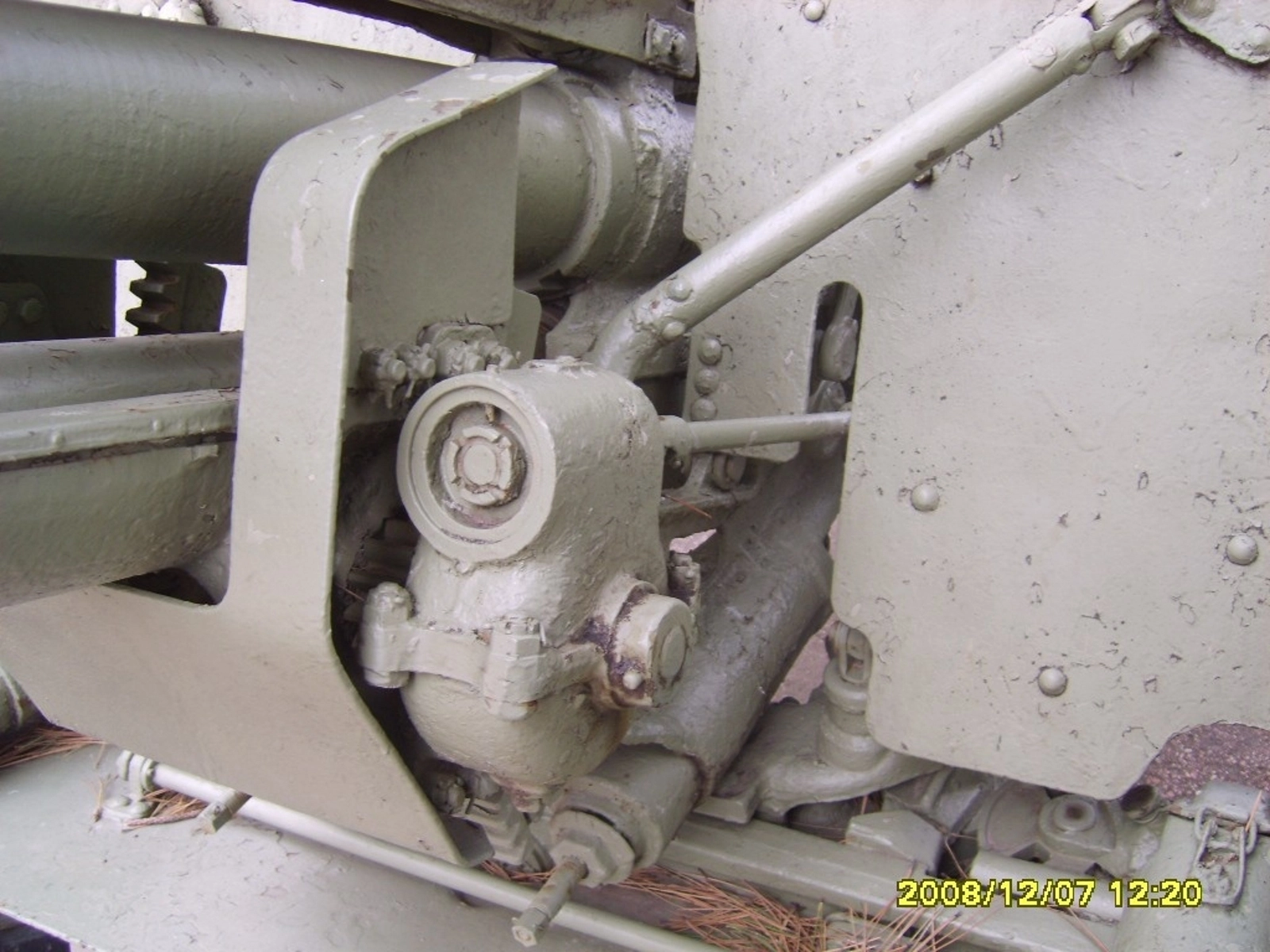
ZiS-3 00006
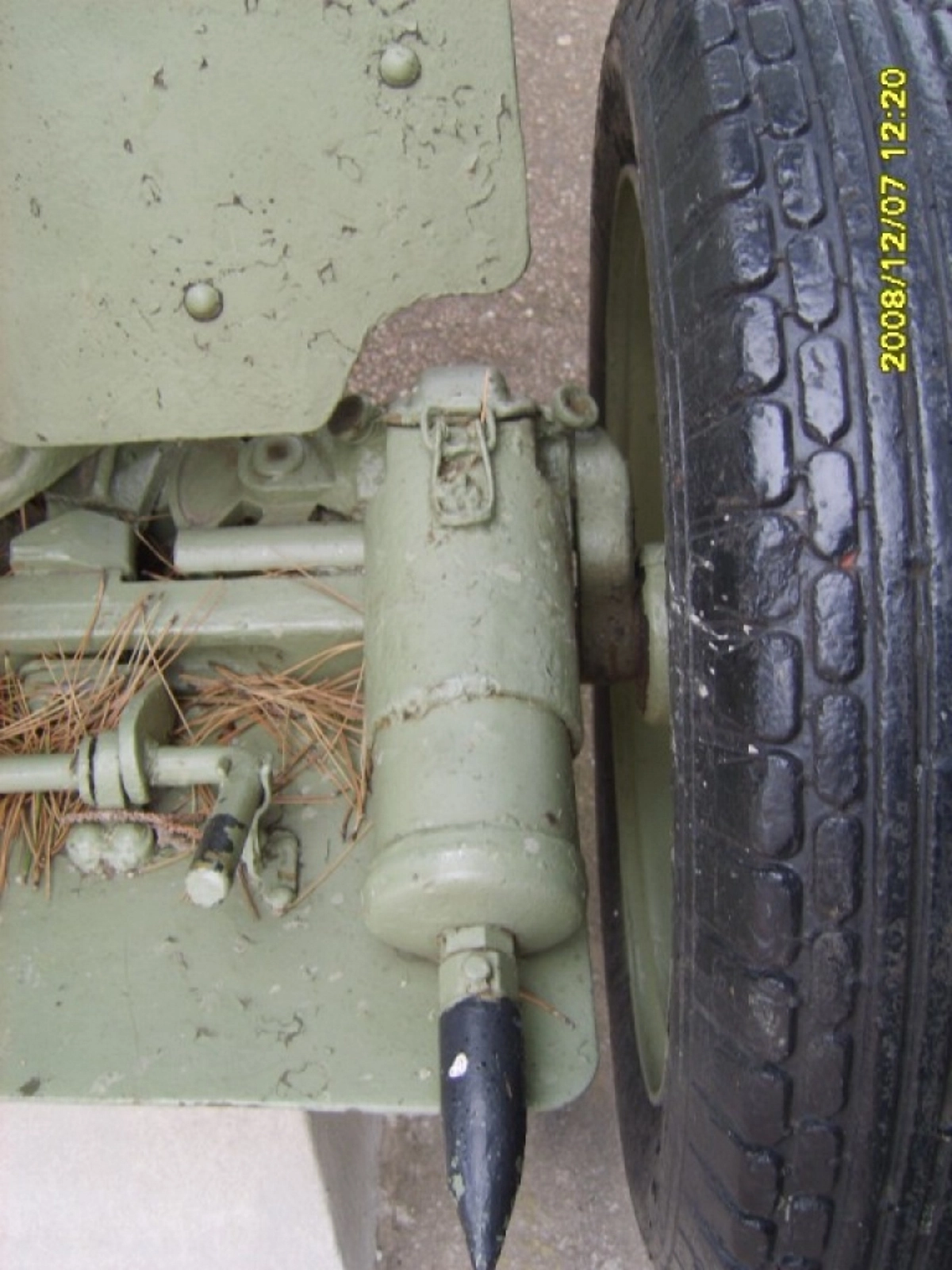
ZiS-3 00007
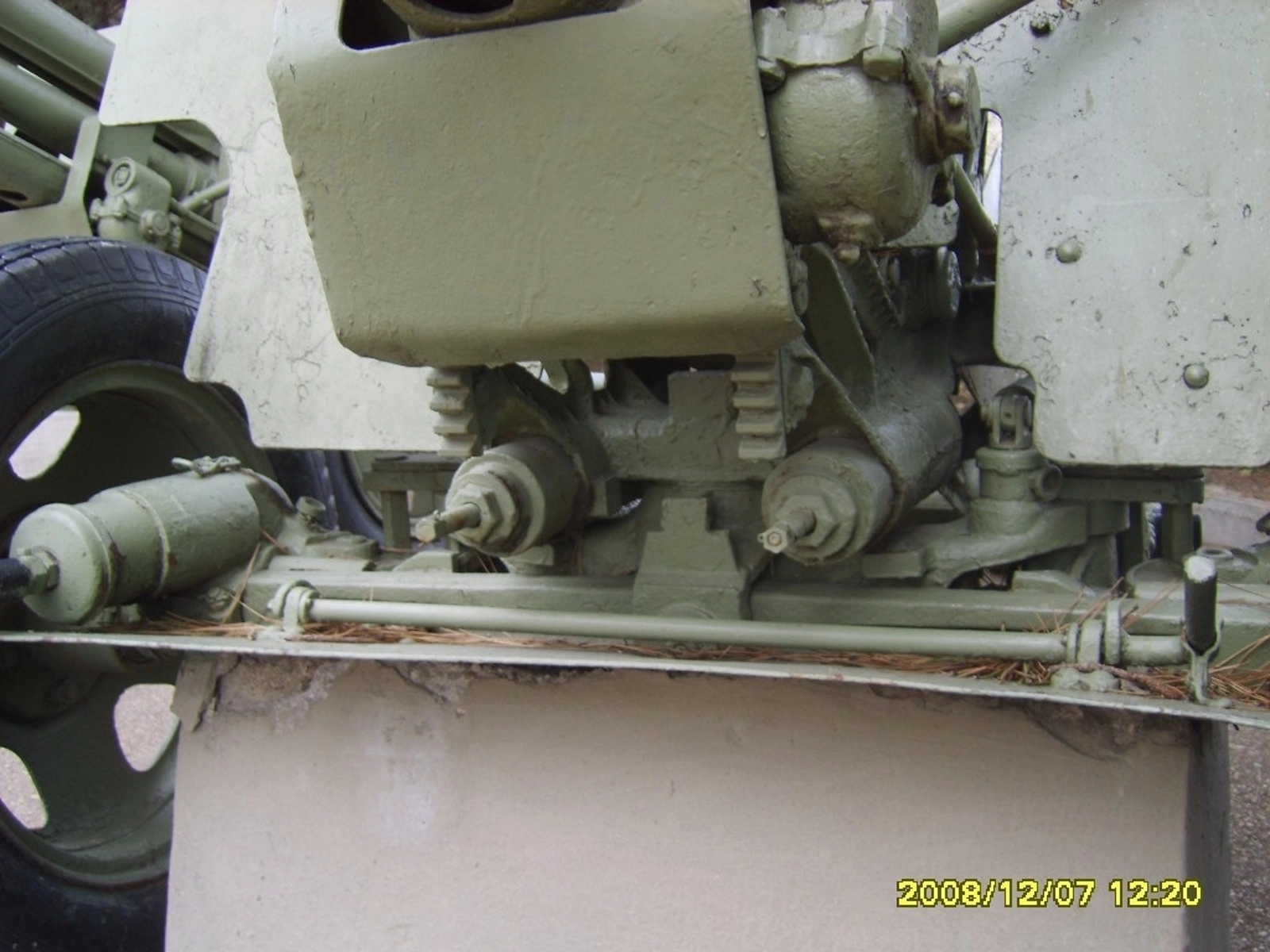
ZiS-3 00008
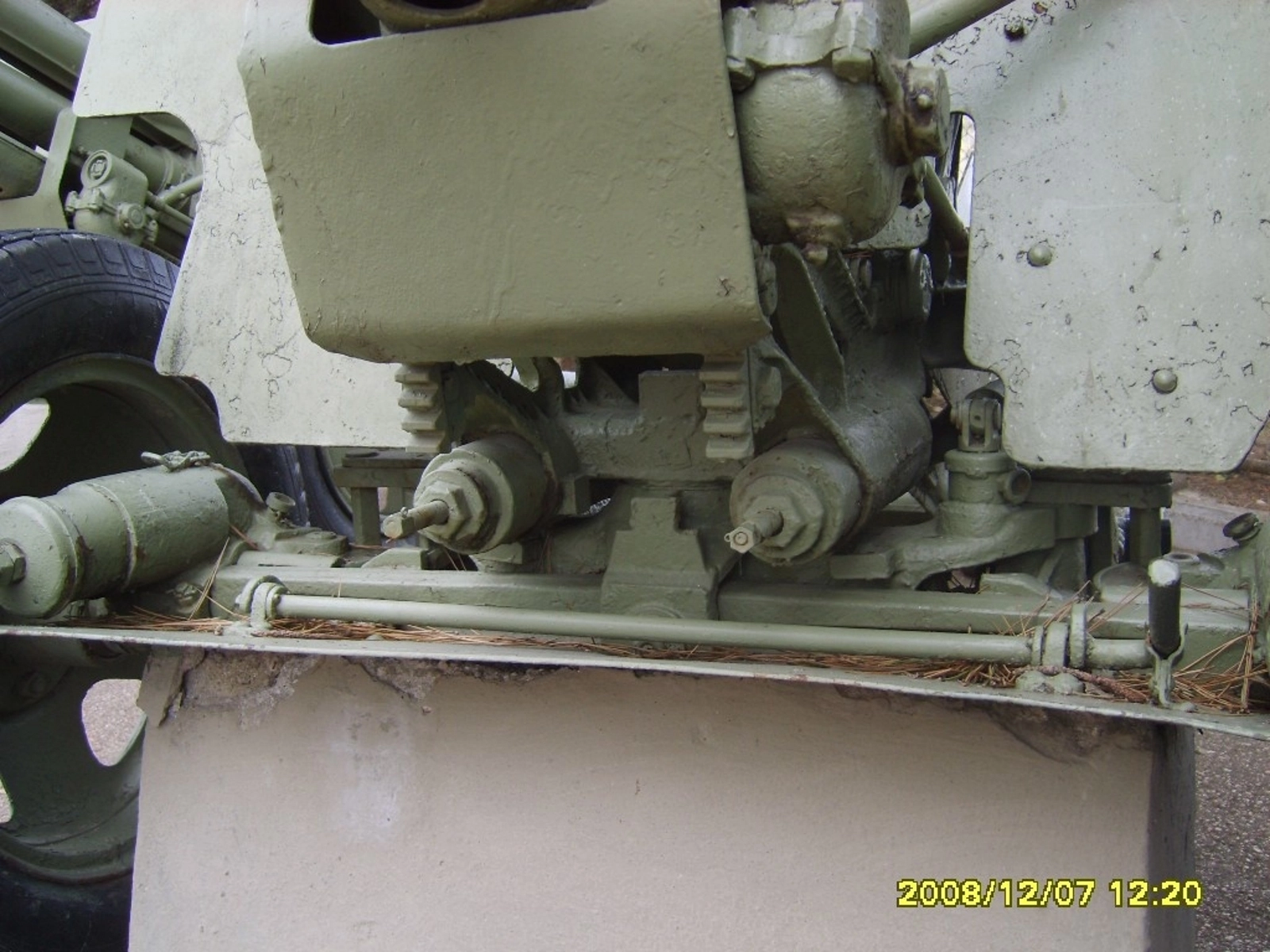
ZiS-3 00009
另请参阅:


The Most Produced Field Gun in History
这 齐斯-3 was the definitive Soviet artillery piece of World War II. Designed by Vasiliy Grabin, it was born from a desperate need for a weapon that was cheap to produce, light enough to be manhandled, and powerful enough to destroy tanks. It was so successful that Joseph Stalin himself called it “a masterpiece of artillery systems design.” With over 103,000 units built, it served as a light howitzer for infantry support and a lethal anti-tank gun, becoming the primary “killer” of German medium armor on the Eastern Front.
| Attribute | Technical Specification (ZiS-3) |
|---|---|
| 作用 | Divisional Field Gun / Anti-Tank Gun |
| 口径 | 76.2 mm (3 inches) |
| 船员 | 7 (Artillerymen) |
| Rate of Fire | Up to 25 rounds per minute |
| Muzzle Velocity | 680 m/s (standard HE) / 700 m/s (AP) |
| Maximum Range | 13,290 meters (approx. 8.25 miles) |
| Weight (Combat) | 1,116 kg (2,460 lbs) |
| Armor Penetration | ~75mm at 500m (Standard AP) / ~90mm+ (APDS/APCR) |
Design Engineering: Elegance Through Simplicity
- The “Secret” Hybrid: The ZiS-3 was a hybrid of two existing designs: the powerful 76mm barrel of the F-22USV field gun and the lightweight carriage of the 57mm ZiS-2 anti-tank gun. Grabin originally developed it in secret without official state approval, hiding the prototype from military bureaucrats who preferred more complex, expensive designs.
- Muzzle Brake Innovation: To prevent the heavy 76mm recoil from snapping the lightweight 57mm carriage, Grabin added a distinctive multi-slotted muzzle brake. This absorbed roughly 30% of the recoil energy, allowing the gun to be remarkably stable despite its low weight.
- Optimized for Mass Production: The design utilized casting, stamping, and welding wherever possible to reduce the need for specialized machine work. This allowed “unskilled” labor—including teenagers and women in the factories of Gorky—to produce the gun at a fraction of the time and cost of previous models.
- Ergonomics for Direct Fire: Unlike many contemporary field guns, the ZiS-3 placed both the elevation and traverse handwheels on the left side of the gun. This allowed a single gunner to track and lead moving tanks much more effectively during high-stakes direct-fire duels.
Combat History: The “Ratsch-Bumm”
- German Respect: 德国士兵昵称它为 Ratsch-Bumm. Because the shell traveled faster than the sound of the gun’s report at close range, they would hear the impact (Ratsch) followed almost immediately by the sound of the firing (Bumm).
- Universal Utility: It was light enough to be towed by a horse team, a Jeep, or even manhandled by the crew through the deep mud of the Russian spring. This meant Soviet infantry rarely lacked fire support, even in the most remote or broken terrain.
- The Panther/Tiger Challenge: While the ZiS-3 could easily destroy a Panzer III or IV from the front, it struggled against the heavier Tiger and Panther tanks. Crews had to wait for side shots or use the rare BR-350P (APCR) sub-caliber rounds to have a chance against the German “Big Cats.”
- The SU-76 Connection: The ZiS-3 was so reliable that it was selected as the primary armament for the 苏-76 self-propelled gun, which became the second most-produced Soviet armored vehicle of the war after the T-34.
意见 : 5277