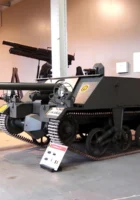
洛伊德·开利 | |
|---|---|
| 国家 | 英国 |
| 作用 | 装甲运兵车 |
| 在服务中 | 1939-1960年代 |
| 建立 | 26000+ |
这 洛伊德·开利 是英国和英联邦军队在第二次世界大战中用来运送战场上装备和人员的小型履带车辆之一。除了布伦,童子军和机枪航母,他们还移动步兵支援武器。
源: 维基百科上的洛伊德运营商
意见 : 1365
洛伊德·开利 | |
|---|---|
| 国家 | 英国 |
| 作用 | 装甲运兵车 |
| 在服务中 | 1939-1960年代 |
| 建立 | 26000+ |
这 洛伊德·开利 是英国和英联邦军队在第二次世界大战中用来运送战场上装备和人员的小型履带车辆之一。除了布伦,童子军和机枪航母,他们还移动步兵支援武器。
源: 维基百科上的洛伊德运营商
意见 : 1365
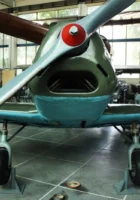
纳尔迪 FN.305 | |
|---|---|
| 国家 | 意大利 |
| 作用 | 战斗机教练和联络单机 |
| 首次飞行 | 1935年2月19日 |
| 建立 | 211 |
这 纳尔迪 FN.305 was an Italian fighter trainer and liaison monoplane developed by the Fratelli Nardi company. The FN.305 was designed as a trainer and liaison aircraft and the prototype first flew on 19 January 1935. The FN.305 was a low-wing cantilever monoplane of mixed construction. It had tailskid landing gear, with the main gear retracting inwards. It was powered by a nose-mounted 200 hp (149 kW) Fiat A.70S inline piston engine. The prototype was a tandem two-seater with an enclosed cockpit. It was intended to produce both single-seat and two-seat variants and the next prototype was a single-seat fighter trainer followed by a two-seat basic trainer prototype which both had open cockpits.
视图 : 832
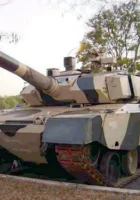
EE-T1 奥塞里奥 |
|
|---|---|
| 国家 | 巴西 |
| 作用 | 主战坦克 |
| 产生 | 1986 |
| 建立 | 2个原型 |
源: 维基百科上的EE-T1奥塞里奥
意见:2017
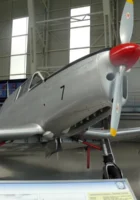
菲亚特 CR.46 | |
|---|---|
| 国家 | 意大利 |
| 作用 | 军事训练师 |
| 首次飞行 | 1947年6月25日 |
| 建立 | 223 |
这 菲亚特G.46 was a military trainer developed in Italy shortly after World War II. The G.46 was a conventional, low-wing monoplane with tailwheel undercarriage, the main units of which retracted inwards. The pilot and instructor sat in tandem under a long canopy. The first prototype, powered by a 205 hp (153 kW) Alfa Romeo 115-Ibis engine, made its maiden flight on 25 June 1947.
视图 : 639
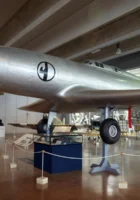
卡普罗尼坎皮尼 N.1 | |
|---|---|
| 国家 | 意大利 |
| 作用 | 实验飞机 |
| 首次飞行 | 1940年8月27日 |
| 建立 | 2 |
这 卡普罗尼坎皮尼 N.1, also known as the C.C.2, was an experimental jet aircraft built in the 1930s by Italian aircraft manufacturer Caproni. The N.1 first flew in 1940 and was briefly regarded as the first successful jet-powered aircraft in history, before news emerged of the German Heinkel He 178’s first flight a year earlier. During 1931, Italian aeronautics engineer Secondo Campini submitted his studies on jet propulsion, including a proposal for a so-called thermo-jet to power an aircraft. Following a high-profile demonstration of a jet-powered boat in Venice, Campini was rewarded with an initial contract issued by the Italian government to develop and manufacture his envisioned engine. During 1934, the Regia Aeronautica (the Italian Air Force) granted its approval to proceed with the production of a pair of jet-powered prototype aircraft. To produce this aircraft, which was officially designated as the N.1, Campini formed an arrangement with the larger Caproni aviation manufacturer.
视图: 1554
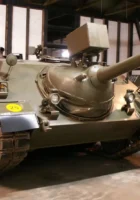
Jagdpanzer Kanone 90 | |
|---|---|
| 国家 | 西德 |
| 作用 | 坦克驱逐舰 |
| 产生 | 1965–1967 |
| 建立 | 770 |
这 卡诺宁贾班泽 (KanJPz;也称为JagdpanzerKanone90mm,"坦克驱逐舰,枪90毫米")是德国冷战时期的坦克驱逐舰,装备了90毫米反坦克枪,取自过时的M47巴顿坦克。它的设计与二战的贾凡泽四世非常相似。
观点 : 2255
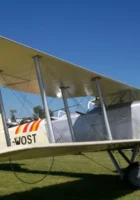
布雷盖十四 | |
|---|---|
| 国家 | 法国 |
| 作用 | 轰炸机 |
| 首次飞行 | 1916年11月21日 |
| 建立 | 8000+ |
这 布雷盖 14 was a French biplane bomber and reconnaissance aircraft of World War I. It was built in very large numbers and production continued for many years after the end of the war. Apart from its widespread usage, the Bréguet 14 is known for being among the first mass-produced aircraft to use large amounts of metal, rather than wood, in its structure. This allowed the airframe to be lighter than a wooden airframe of the same strength, in turn making the aircraft relatively fast and agile for its size; in combat it was able to outrun many contemporary fighters. The Bréguet 14’s strong construction allowed it to sustain considerable damage, in addition to being easy to handle and possessing favourable performance. The type has often been considered to have been one of the best aircraft of the war.
源: 维基上的布雷盖十四世
意见 : 1356
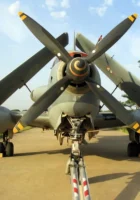
布吕盖 1050 阿利泽 | |
|---|---|
| 国家 | 法国 |
| 作用 | 反潜飞机 |
| 首次飞行 | 1956年10月6日 |
| 建立 | 89 |
这 布吕格·布尔.1050 阿利泽 (法语:"贸易风")是法国航母的反潜战机。它于20世纪50年代开发,松散地基于第二架原型布吕盖武尔图尔攻击机,该攻击机已被改装成Bräguet Br.965-paulard反潜战机。
意见:1987
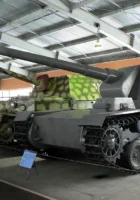
Sturer Emil | |
|---|---|
| 国家 | 纳粹德国 |
| 作用 | 重型坦克驱逐舰 |
| 在服务中 | 1942-1943 |
| 建立 | 2 |
12.8 厘米塞尔布斯特法拉费特 auf Vk 30.01 (H) "斯图勒·埃米尔"(德语为"斯图博恩埃米尔")是二战德国自行反坦克炮的实验。它基于亨舍尔VK30.01底盘,并配备了莱茵金属12.8厘米K40 L/61枪(基于12.8厘米FlaK 40)。这把枪可以穿过7°到每边,提升10°和压抑-15°。它携带了15发子弹作为主枪。
意见:2150
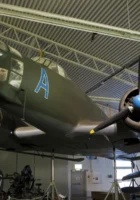
Junkers Ju 86 | |
|---|---|
| 国家 | 纳粹德国 |
| 作用 | 轰炸机、客机、侦察机 |
| 首次飞行 | 1934年11月4日 |
| 建立 | 900 |
这 容克·朱 86 是一架德国单翼轰炸机和民用客机,设计于20世纪30年代初,二战期间受雇于双方各空军。民用型号Ju 86B可以搭载10名乘客。其中两架交付给瑞士航空公司,五架交付给德国汉莎航空公司。此外,一名文职人员Ju 86Z被送往瑞典的AB航空运输公司。
意见:1735