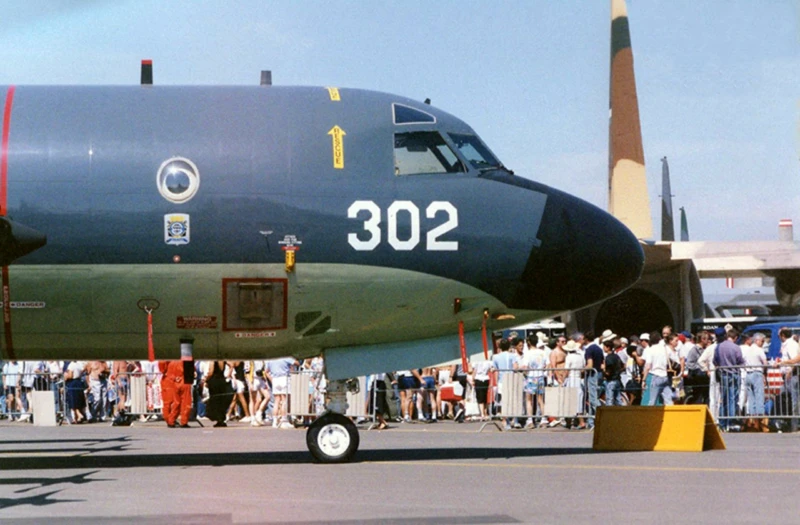
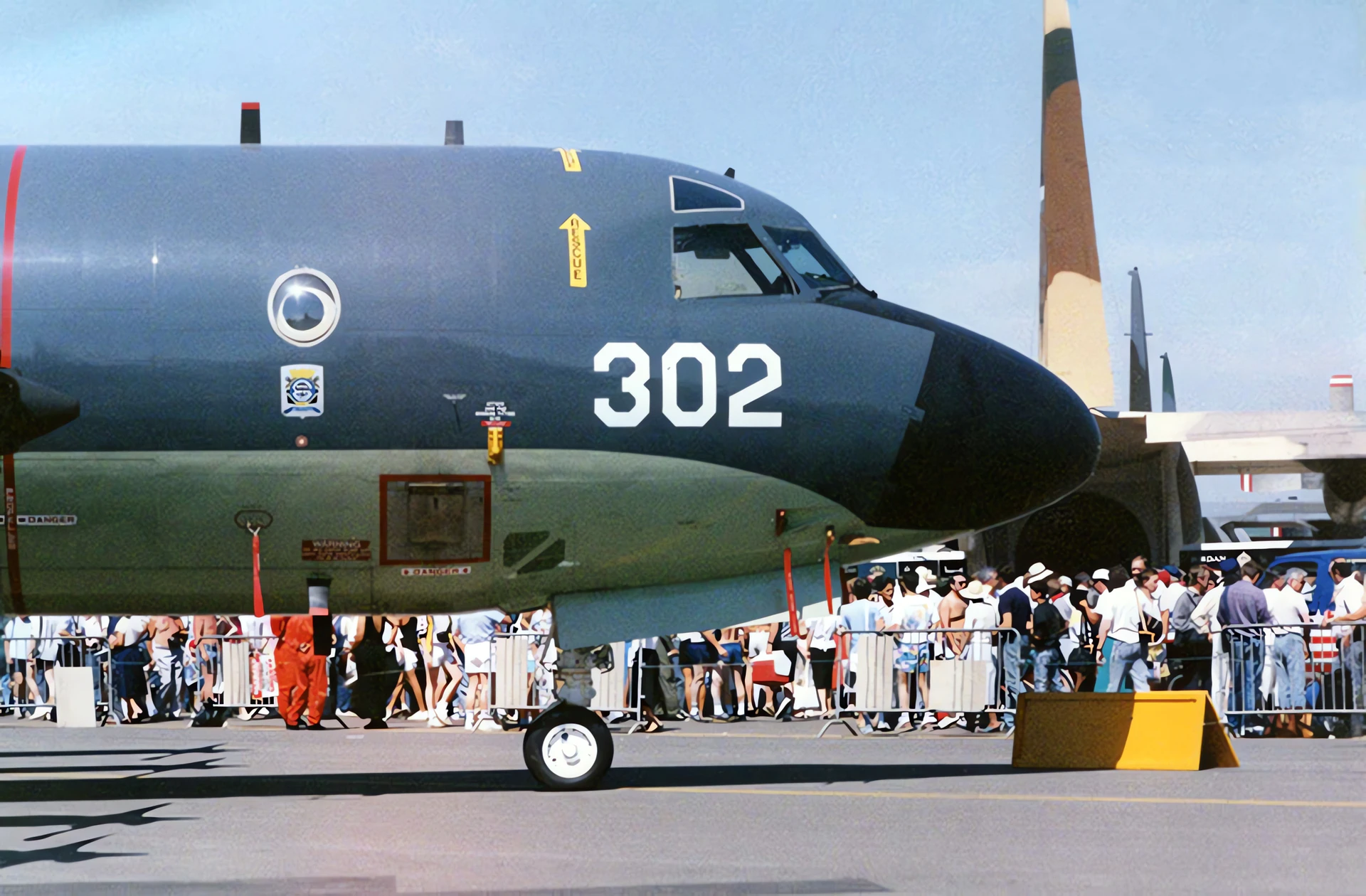
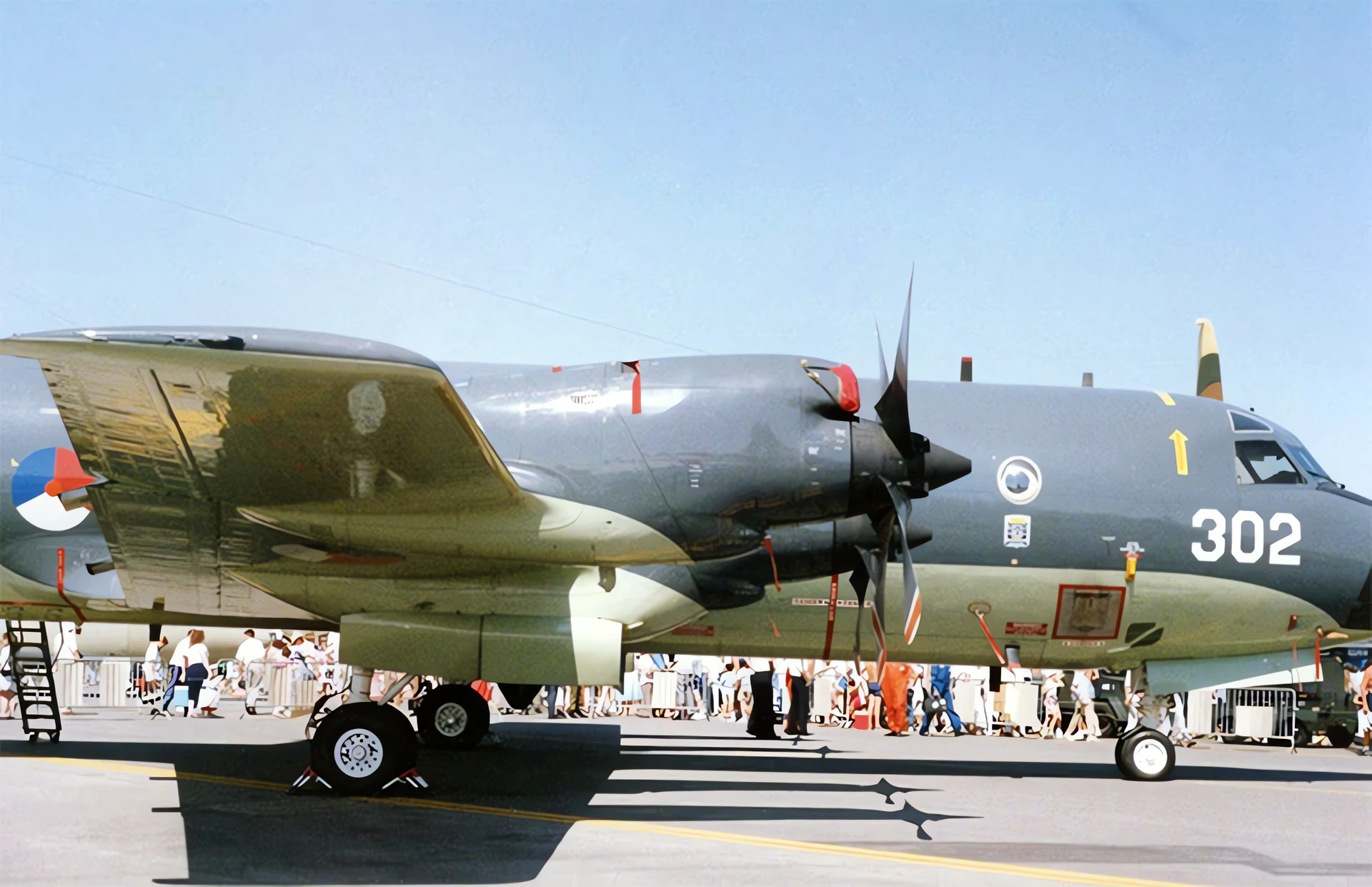
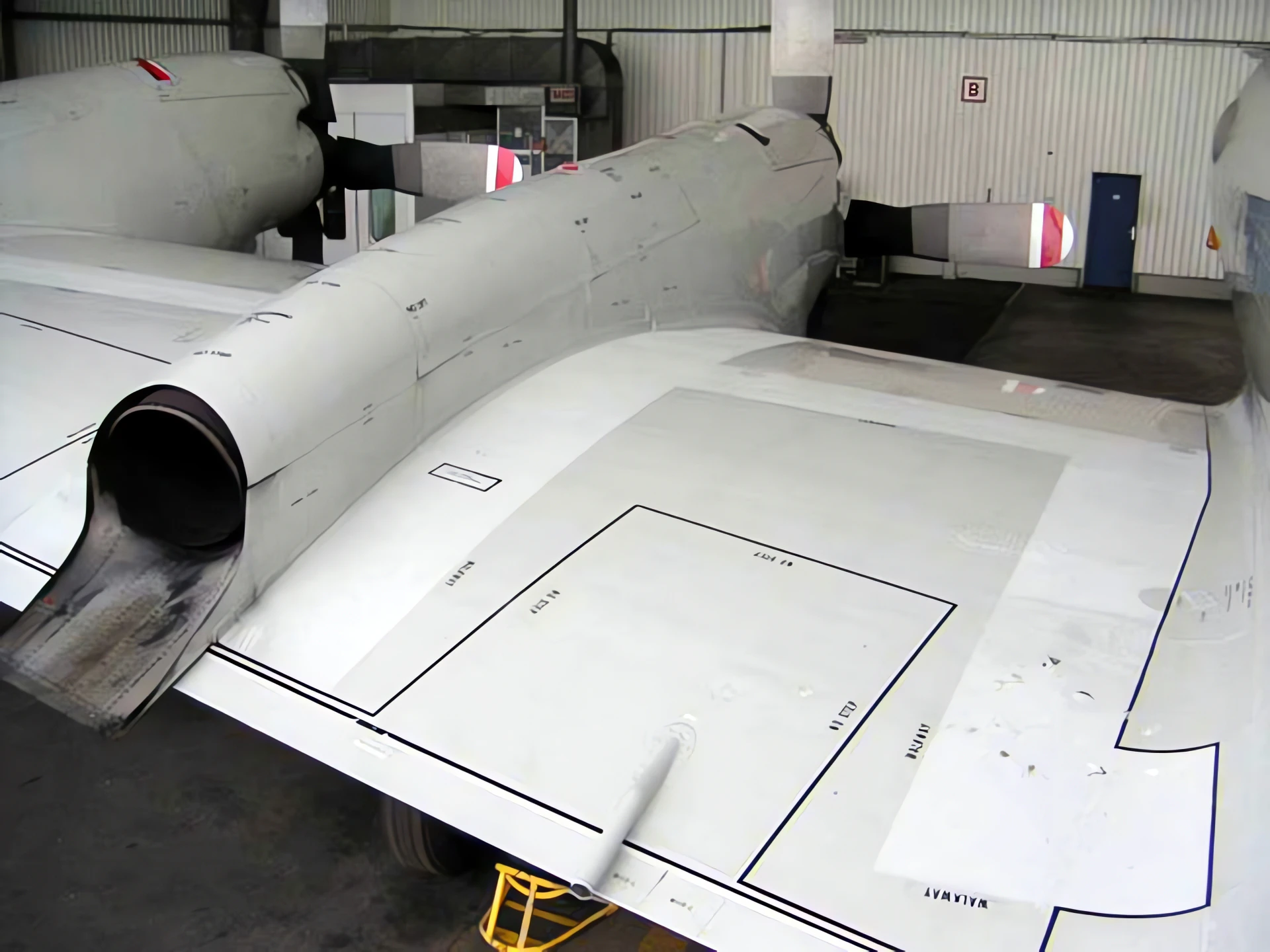
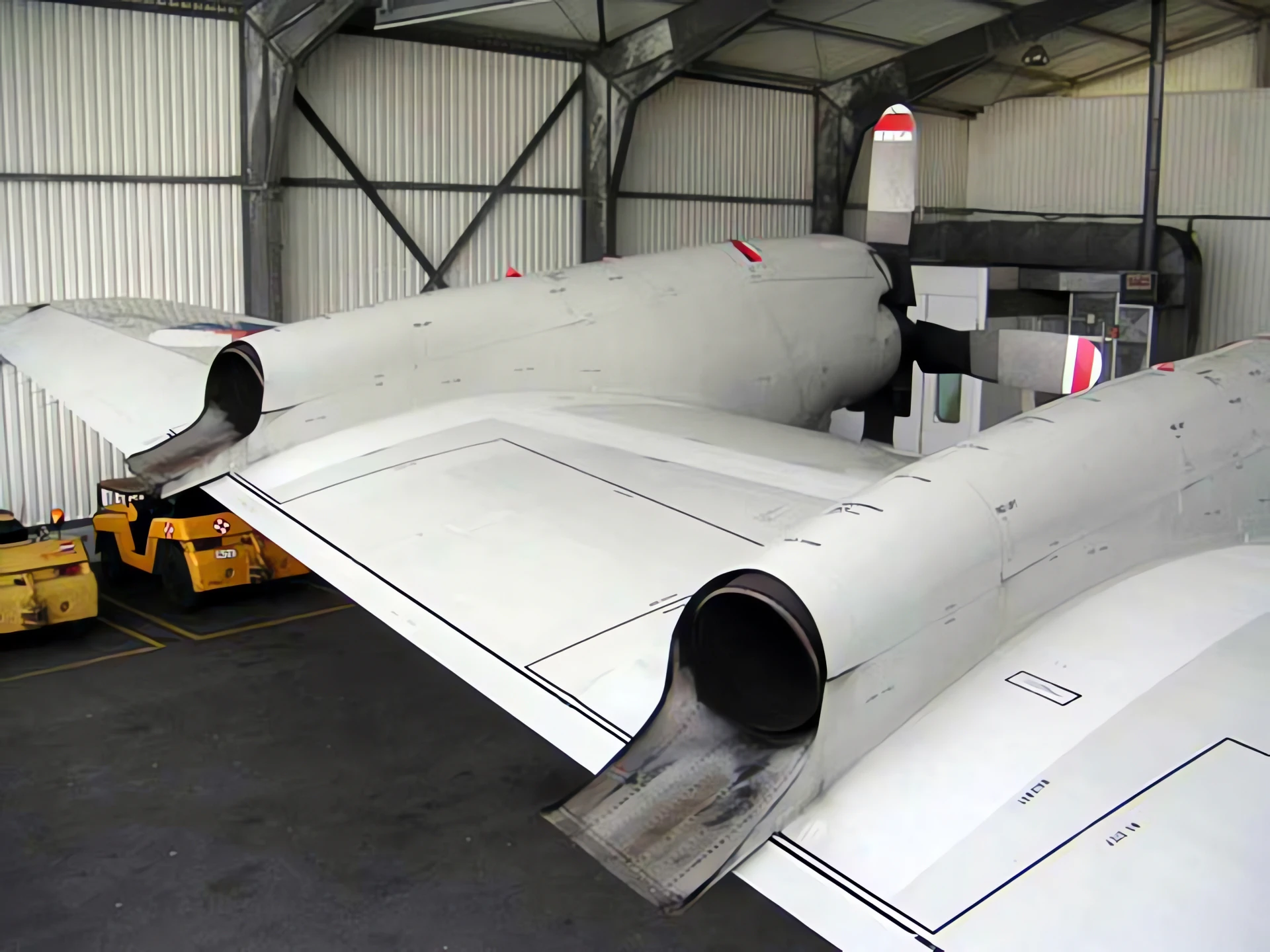
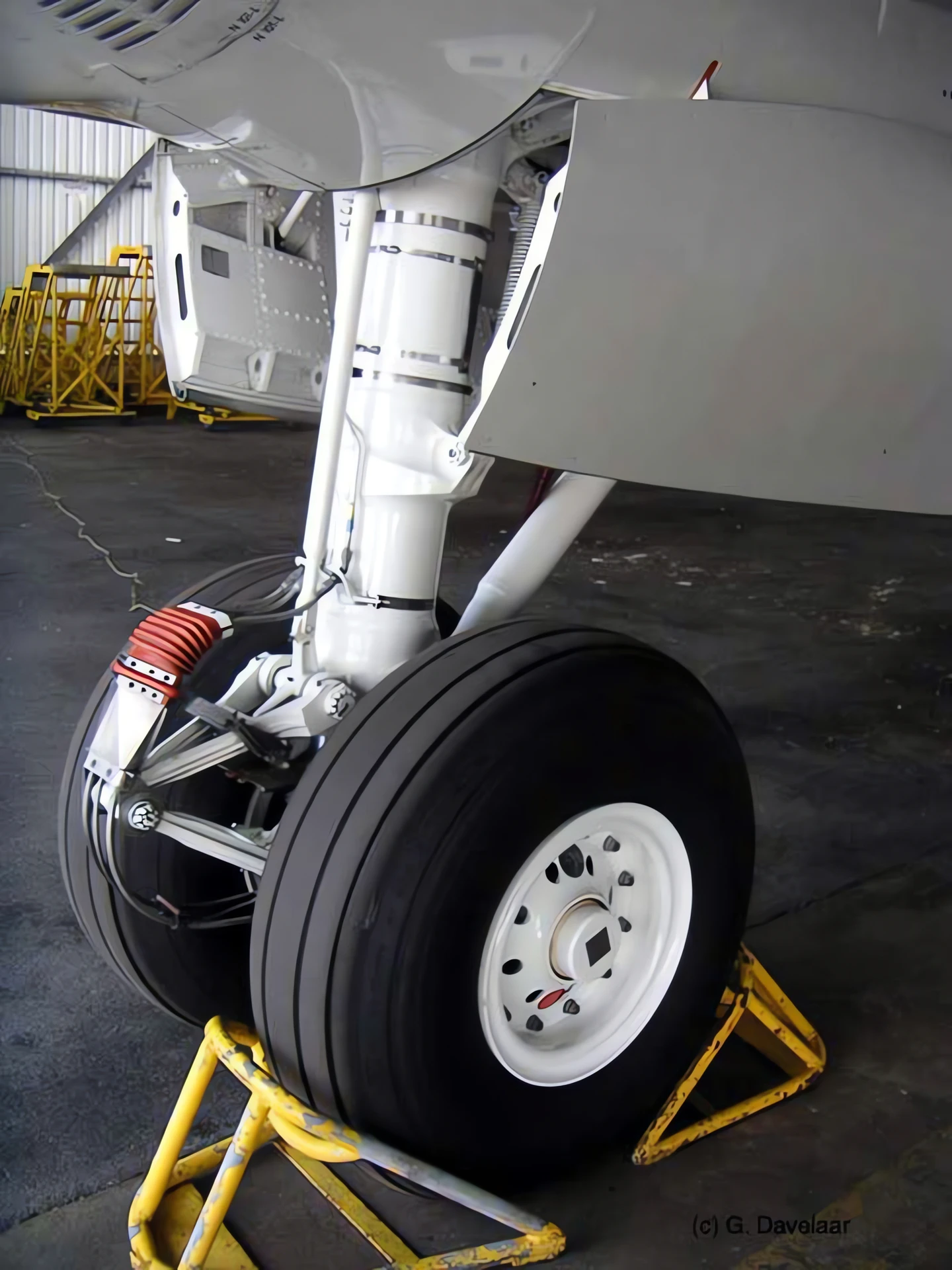
У 201 Локхід П-3 Оріон — чотиримоторний турбогвинтовий протичовновий і морський спостережний літак, розроблений для ВМС США і представлений в 1960-х роках. Компанія Lockheed базувала його на комерційному лайнері L-188 Electra. Літак легко відрізнити від Electra по характерному хвостовому жалу або «MAD Boom», використовуваному для магнітного виявлення підводних човнів.
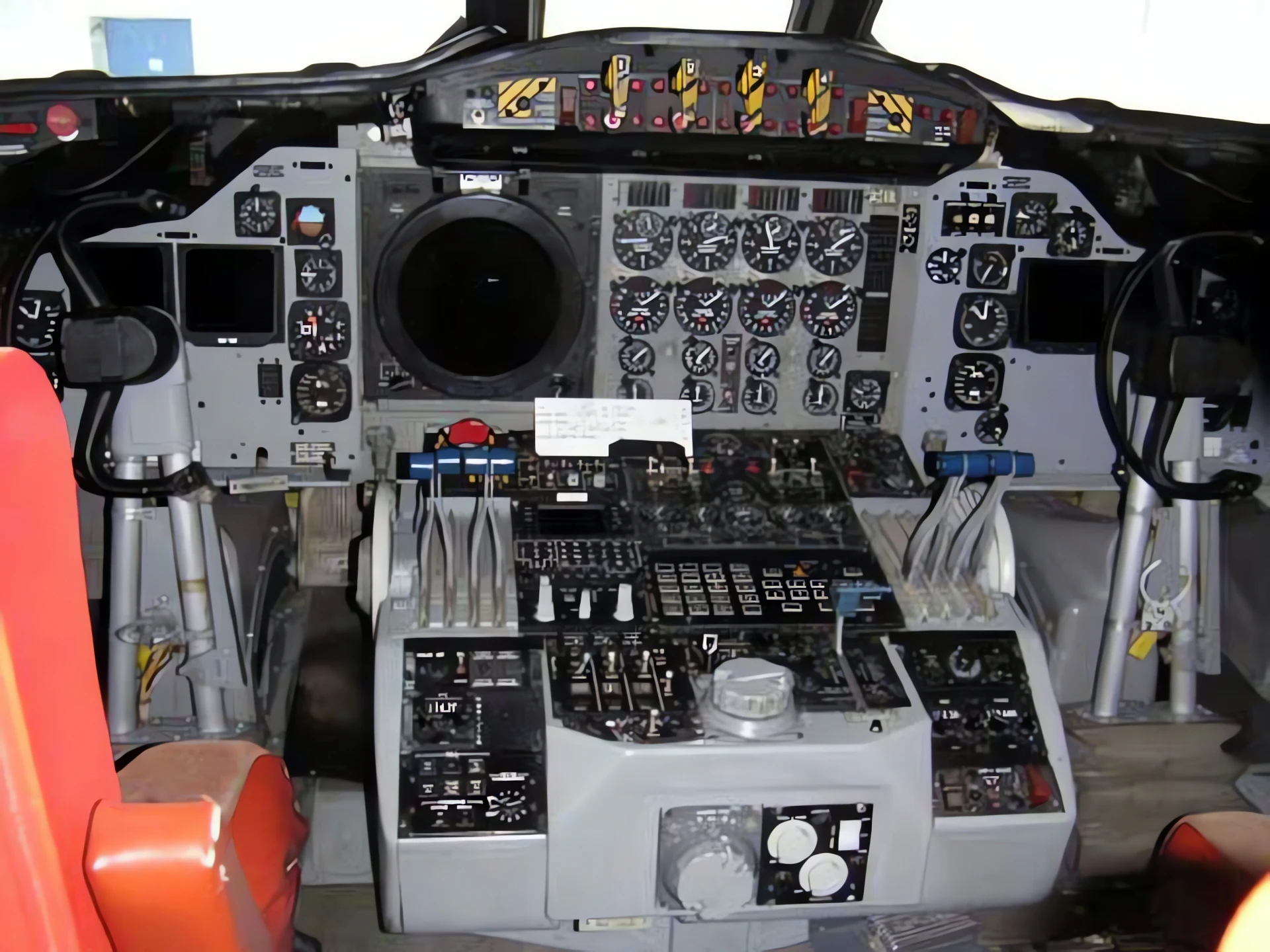
У 201 Локхід P-3C Orionis a four-engine turboprop maritime patrol aircraft that has served the U.S. Navy and dozens of international allies since the 1960s. Based on theL-188 Electraairliner, the P-3 was heavily modified to carry an incredible suite of sub-surface detection equipment. The “C” model, introduced in 1969, featured theUnivac ASQ-114 digital computer, which revolutionized anti-submarine warfare (ASW) by allowing the crew to process and integrate data from various sensors in real-time.
MAD Boom:The most recognizable feature is the “stinger” tail, housing theMagnetic Anomaly Detector. It senses minute changes in the Earth’s magnetic field caused by the metal hull of a submerged submarine.
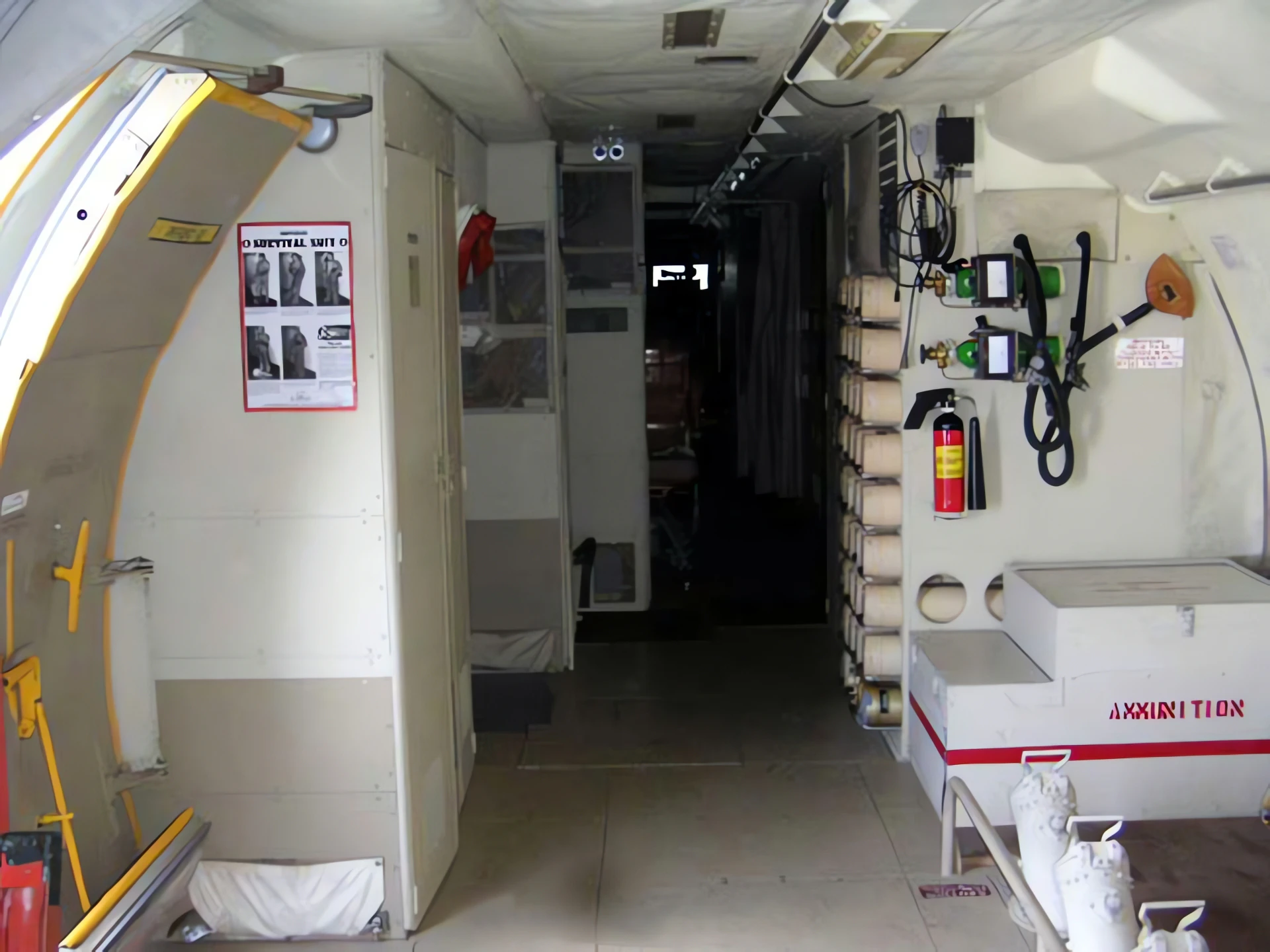
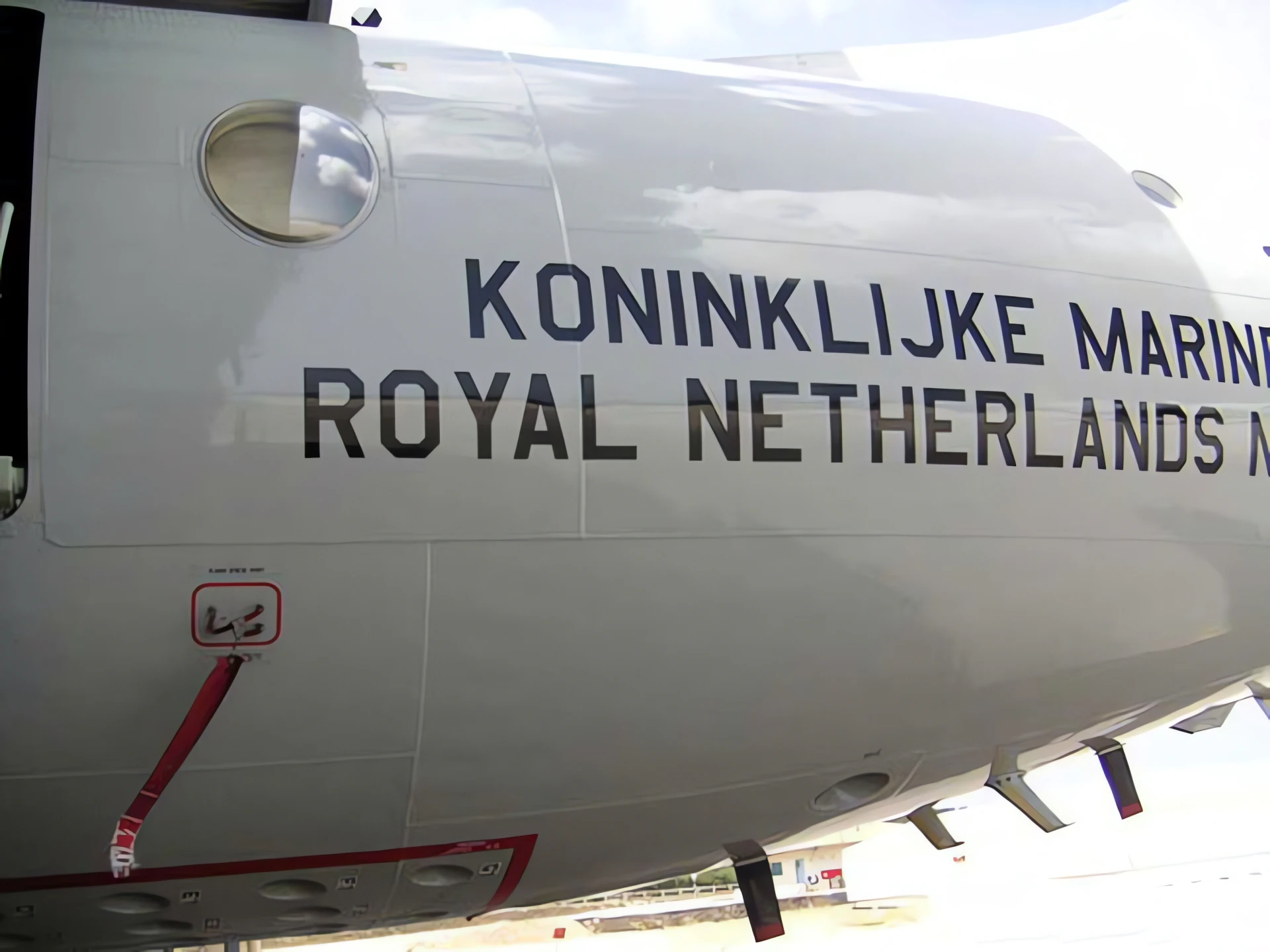
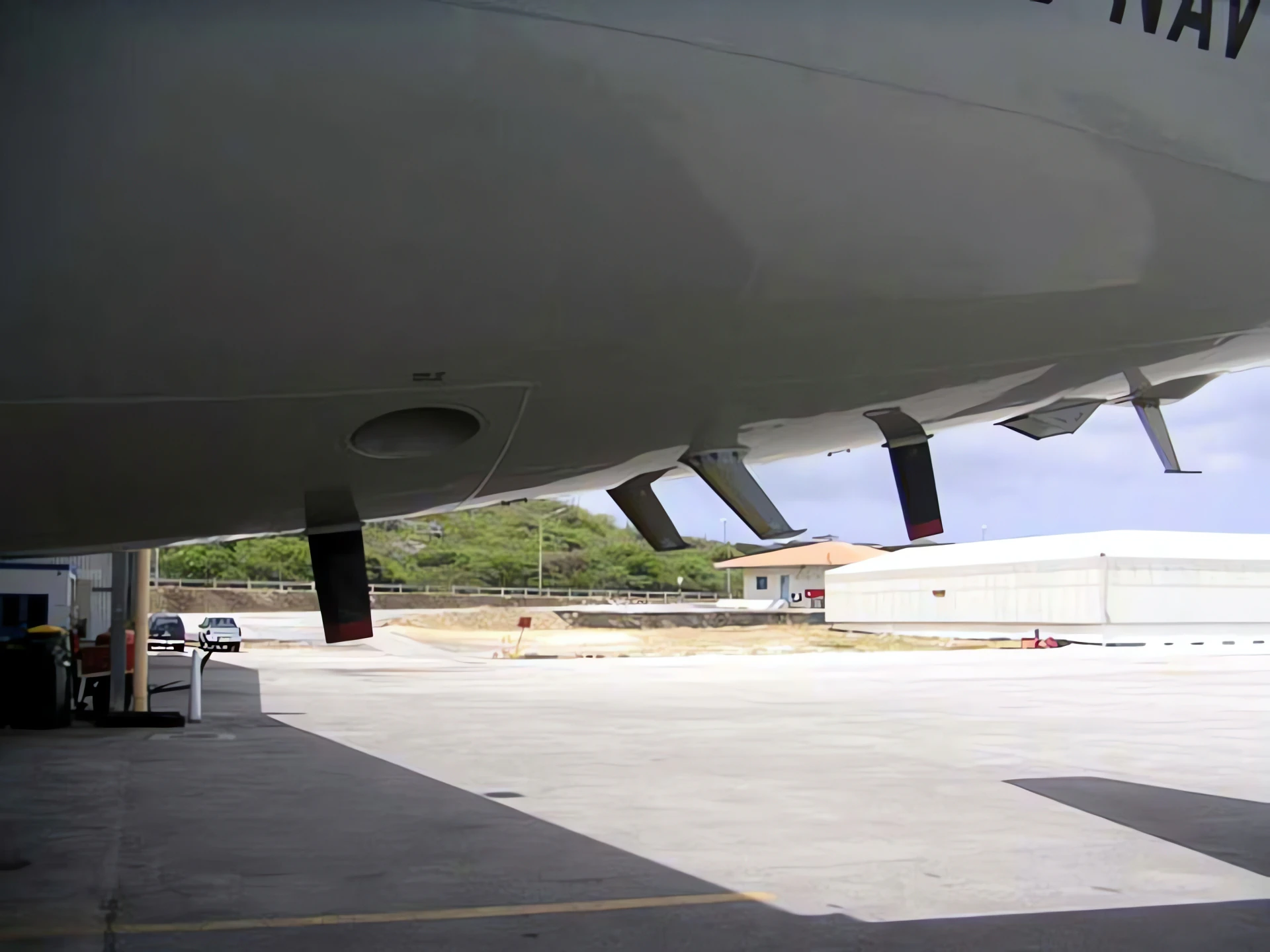
Sonobuoy Chutes:Located in the underbelly are dozens of launch tubes for sonobuoys—disposable acoustic sensors dropped into the ocean to “listen” for propeller noises or pinging hulls.
Internal Weapons Bay:Forward of the wing, the Orion features an unpressurized weapons bay capable of carrying Mk 46 or Mk 54 torpedoes, depth charges, or special nuclear mines.
The “Three-Engine” Loiter:To save fuel and extend time on station, P-3 crews often shut down one of the outboard engines (usually Engine #1) once they reached their search area, taking advantage of the T56 engine’s efficiency.
A Half-Century of Global Vigilance
Cuban Missile Crisis:Early P-3s played a vital role in the blockade of Cuba, tracking Soviet freighters and submarines in the Atlantic.
EP-3 Aries II:A specialized “Electronic Intelligence” (ELINT) version of the Orion is used to intercept communications and radar signals. It became world-famous in 2001 during the “Hainan Island Incident” involving a collision with a Chinese fighter.
The “Hurricane Hunters”:NOAA operates two highly modified P-3s (nicknamedKermit І Miss Piggy) that fly directly into the eyes of hurricanes to collect meteorological data.
Replacement:After 50 years of service, the P-3C is being replaced in U.S. Navy service by theBoeing P-8 Poseidon, though it remains a front-line asset for countries like Japan, Germany, and Australia.

 Купи мені каву

 Grumman AF Guardian – Фото та відео
 Lockheed Electra 12 – Фото та відео
 Lockheed F-117 Nighthawk – фото & відео
 Lockheed MC-130 – Фото & Відео
 Lockheed F-94 Starfire – фото та відео
 Lockheed CP-140 Aurora – фото & відео
 Звіздар Lockheed C-141 – фото & відео
 Lockheed C-121 Constellation – фото і відео
 Lockheed AC-130A Spectre – фото & відео
 Гарпун Локхід PV-2D – walkAround