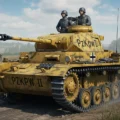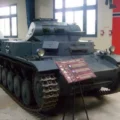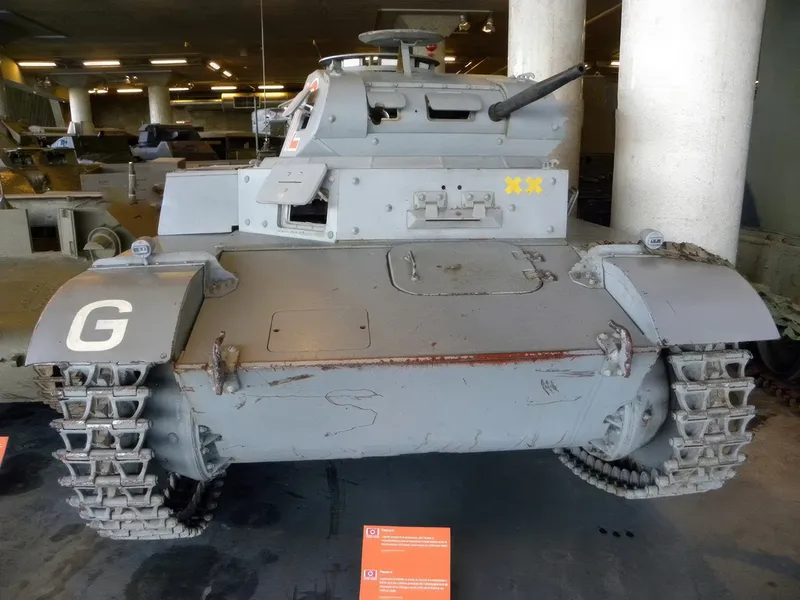
Panzer II Ausf.C | |
|---|---|
| Платить | Німеччина |
| Тип | Чар |
| На службі | 1936–1945 |
| Побудований | 1856 |
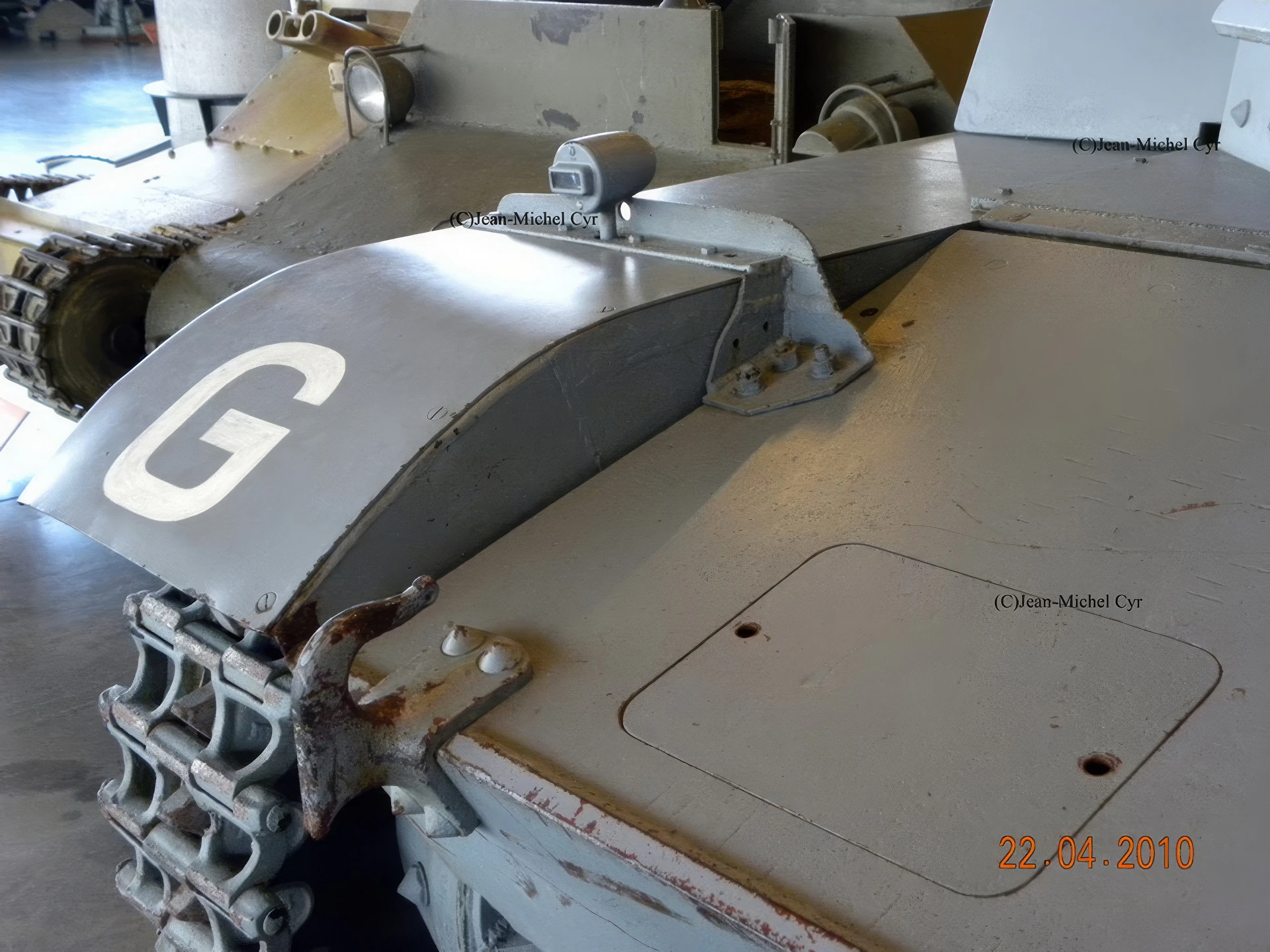
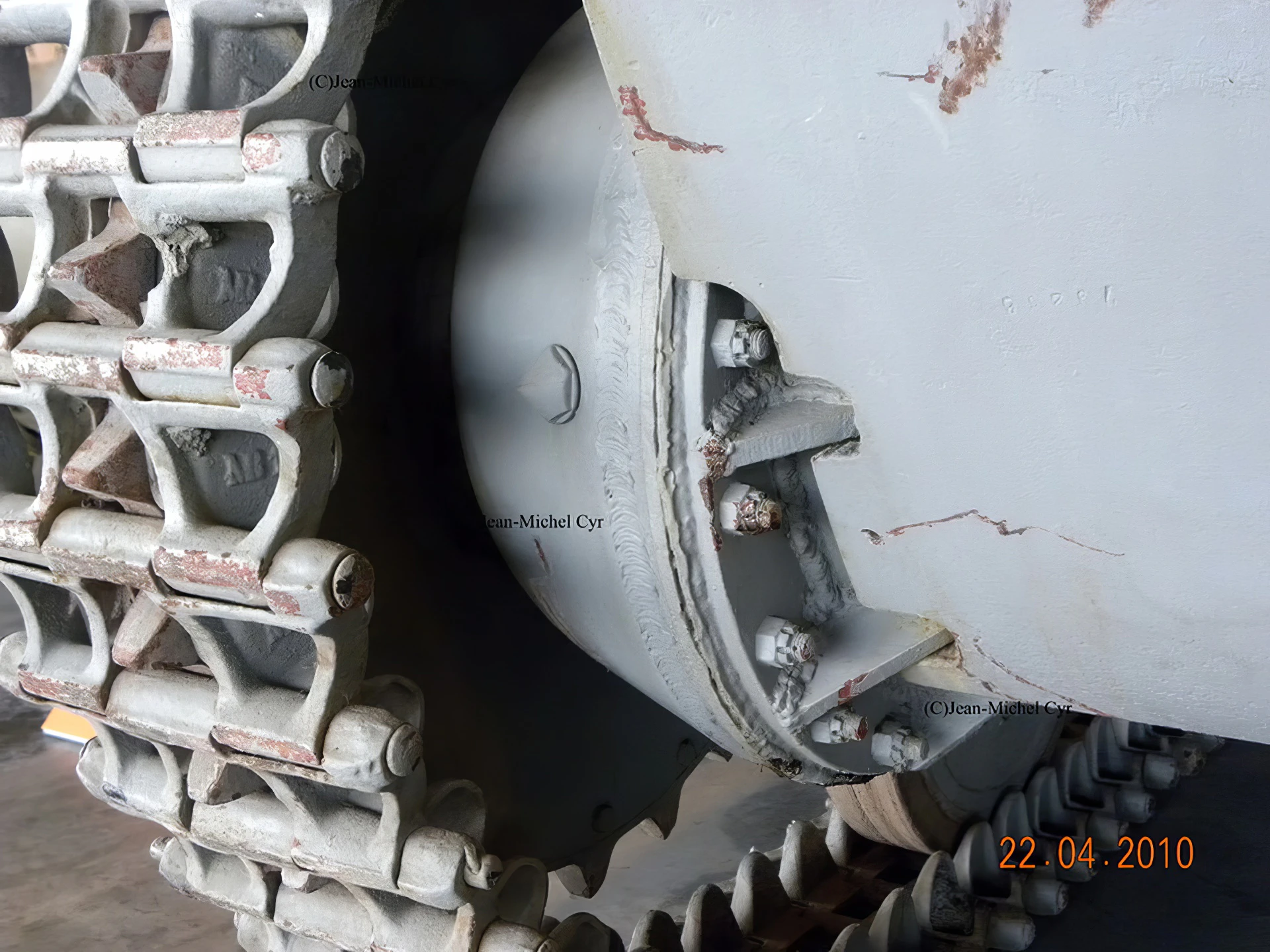
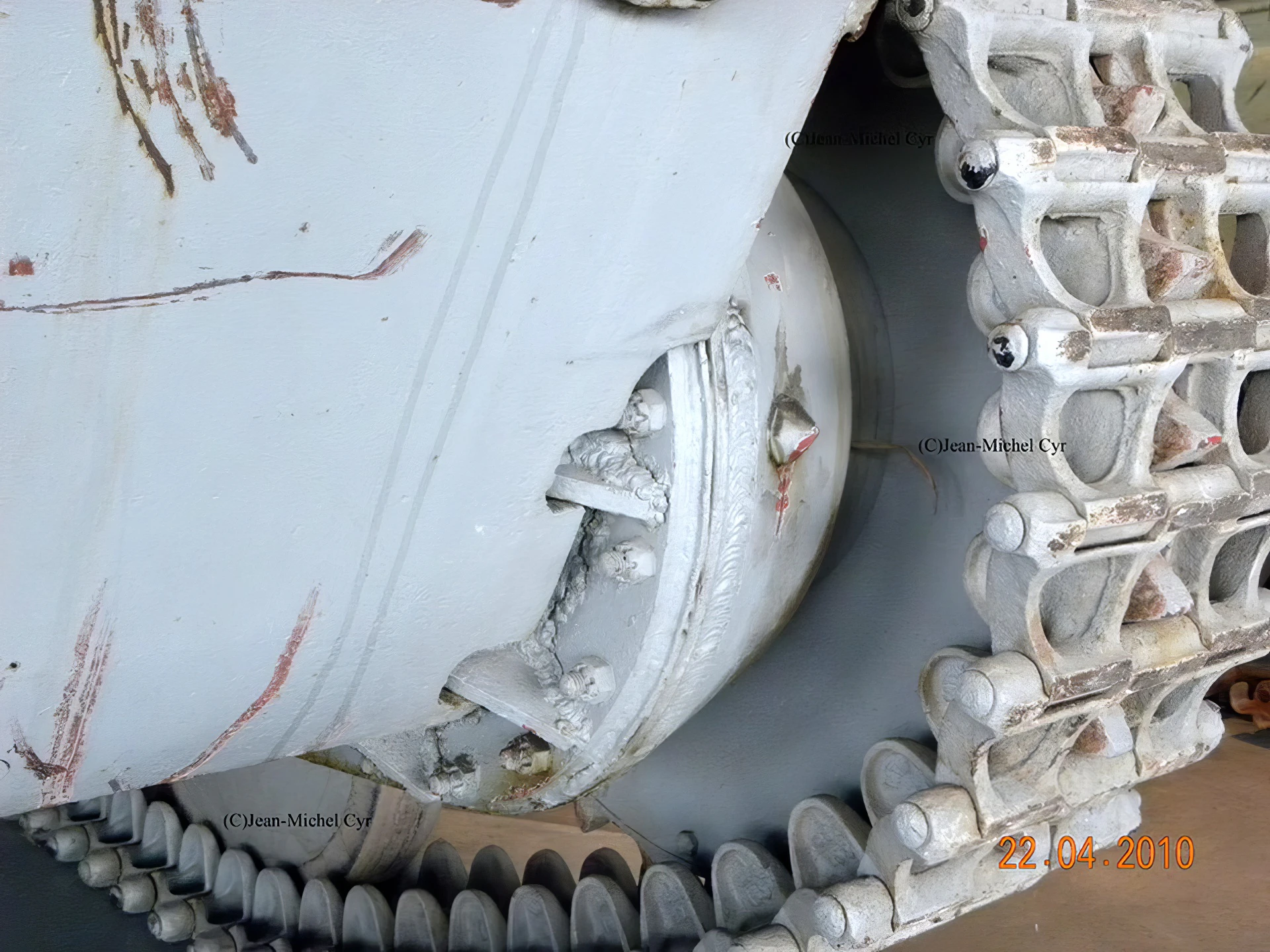
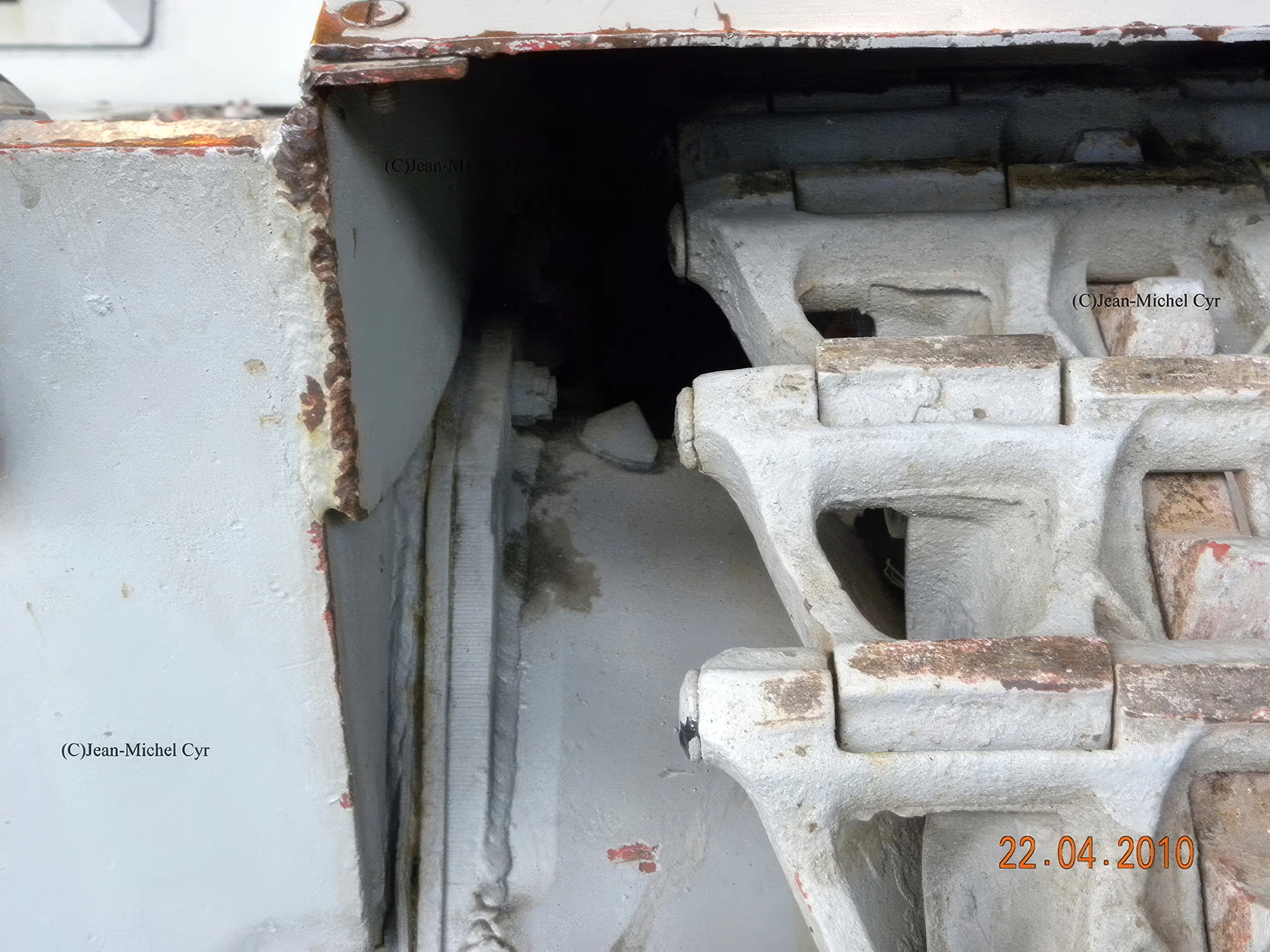
У 201 Панцеркампфваген II ( PzKpfw II ) ou Sd. Kfz. 121 était un char d’assaut de fabrication allemande. Comme le PzKpfw I, il fut conçu comme un modèle provisoire, en attendant des chars comme les PzKpfw III ou les PzKpfw IV. Ces deux types de véhicules étaient destinés à fournir des engins d’entraînement pour les équipages de la Panzerwaffe, afin de mettre au point les tactiques de la future Blitzkrieg. Cependant, le retard dans la production de véritables chars de combat obligea les Allemands à les utiliser massivement au début de la Seconde Guerre mondiale et ce n’est qu’à partir de 1941 qu’ils furent progressivement retirés des premières lignes. Le PzKpfw II однак довгий час залишався важливим транспортним засобом в арсеналі Вермахту, завдяки розвідувальним похідним і в якості шасі для самохідних гармат, таких як Marder II і Wespe. У ньому був ще один член екіпажу, ніж у Panzer I, радиста, також відповідального за перезарядку 20-мм автоматичної гармати.
Джерело: Панцер II у Вікіпедії
| Panzer II Ausf.C | |
|---|---|
| Фотограф | Незнай |
| Локалізацією | Незнай |
| Фото | 33 |

Читайте також:


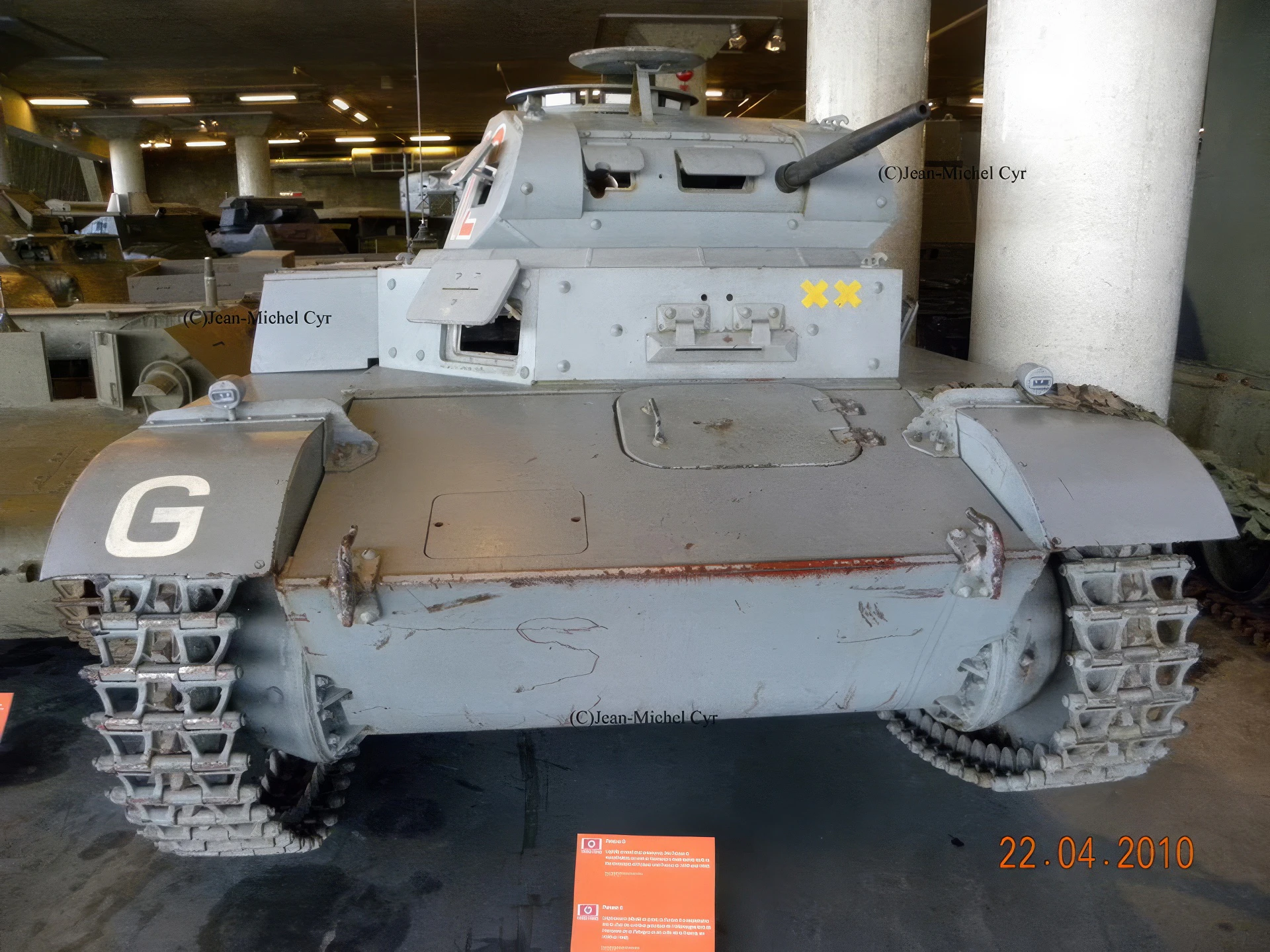
У 201 Panzer II Ausf. C was a key early-war German light tank. It was originally designed in the mid-1930s as a stopgap solution to give the newly forming Panzer divisions a combat vehicle while the more capable Panzer III and Panzer IV medium tanks were still under development and delayed in production.
Key Features and Specifications
- Роль: Light tank, primarily used for reconnaissance, screening, and anti-infantry support during the early stages of World War II.
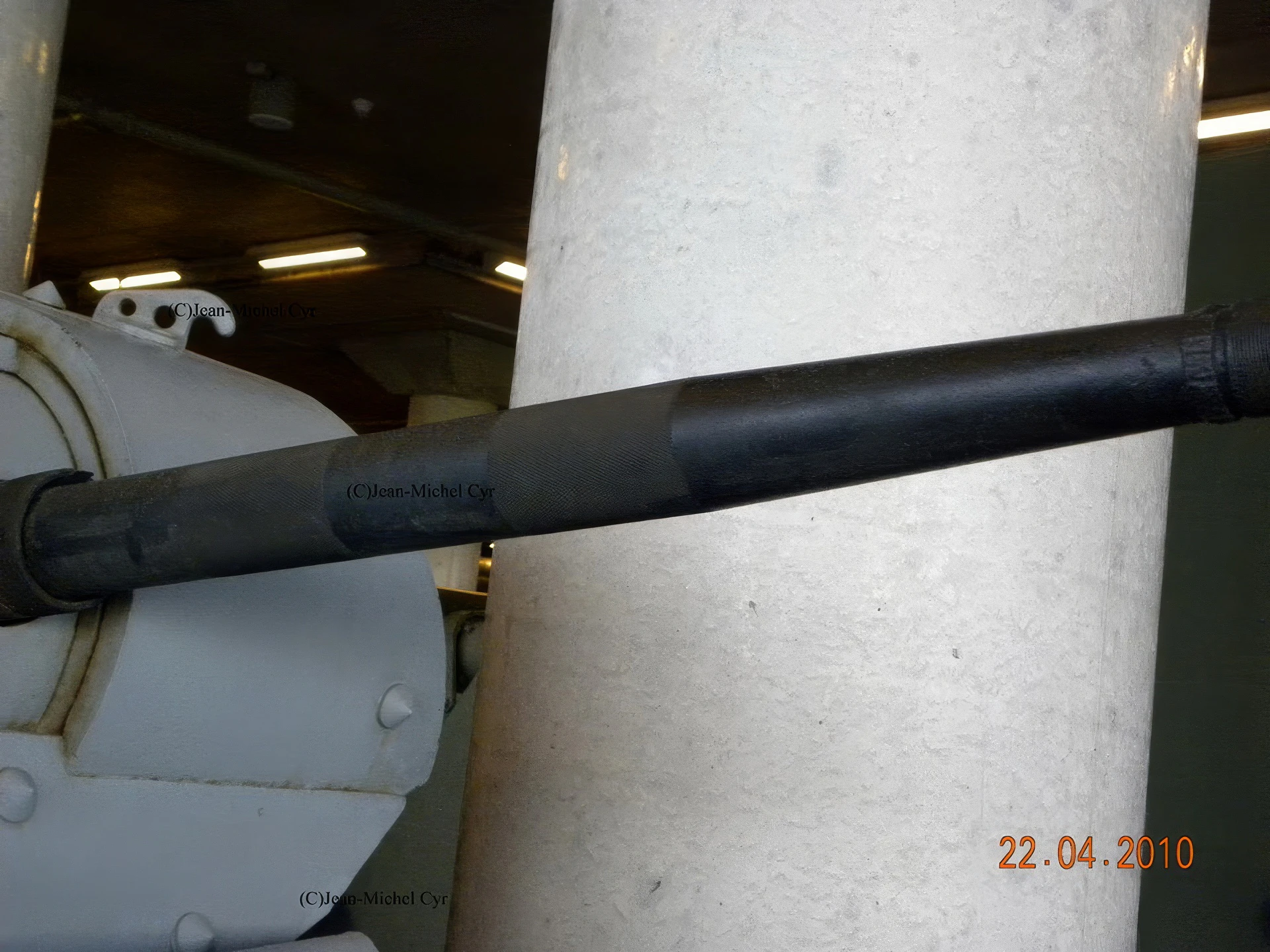
- Основне озброєння: A 2 cm KwK 30 L/55 (or KwK 38) auto-cannon, a rapid-firing gun intended for light anti-tank and anti-infantry use.
- Secondary Armament: One 7.92 mm MG 34 machine gun, coaxially mounted in the turret.
- Броню: Armor thickness ranged up to approximately 30 mm on the front and 15 mm on the sides, which was marginally improved over earlier variants. This armor was quickly found to be insufficient against contemporary enemy anti-tank weapons after the Polish and French campaigns.
- Команда: 3 (Commander/Gunner, Loader/Radio Operator, and Driver). The small crew size limited the commander’s ability to focus on both commanding the tank and operating the main gun.
- Мобільність: Powered by a Maybach engine, the Panzer II C was relatively fast for its time, with a top road speed of about 40 km/h (25 mph).
- Проект: It featured the traditional German tank layout with a rear engine, a central turret, and a forward transmission. The Ausf. C was one of the definitive early-war production models, differing from earlier versions primarily through minor changes to the suspension (six road wheels) and armor protection.
Combat Service and Legacy
The Panzer II Ausf. C served extensively as a frontline tank during the invasions of Poland (1939) and France (1940). Despite its main gun being generally ineffective against medium tanks like the French Somua S35 or the British Matilda, German tactical superiority allowed the Panzer II to play a vital role.
By the time of Operation Barbarossa (the invasion of the Soviet Union in 1941), the Panzer II was largely obsolete, unable to effectively engage new Soviet tanks like the T-34. It was quickly relegated from frontline combat to roles like reconnaissance and internal security, and its chassis was increasingly used as the basis for various self-propelled artillery and tank destroyer designs, such as the Мардер II І Веспе.
Views : 8129