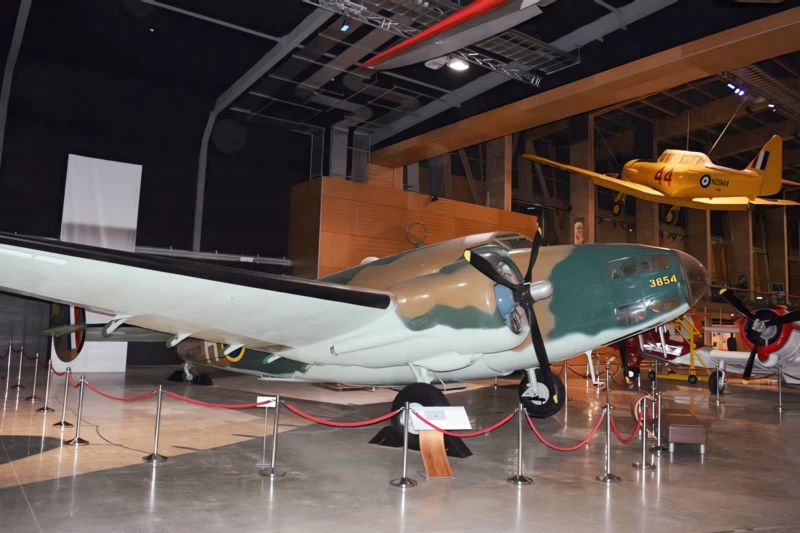
Lockheed Hudson Mk.III | |
|---|---|
| Країні | Сша |
| Тип | Легкий бомбардувальник |
| Період | 1938–1943 |
| Побудований | 2941 |
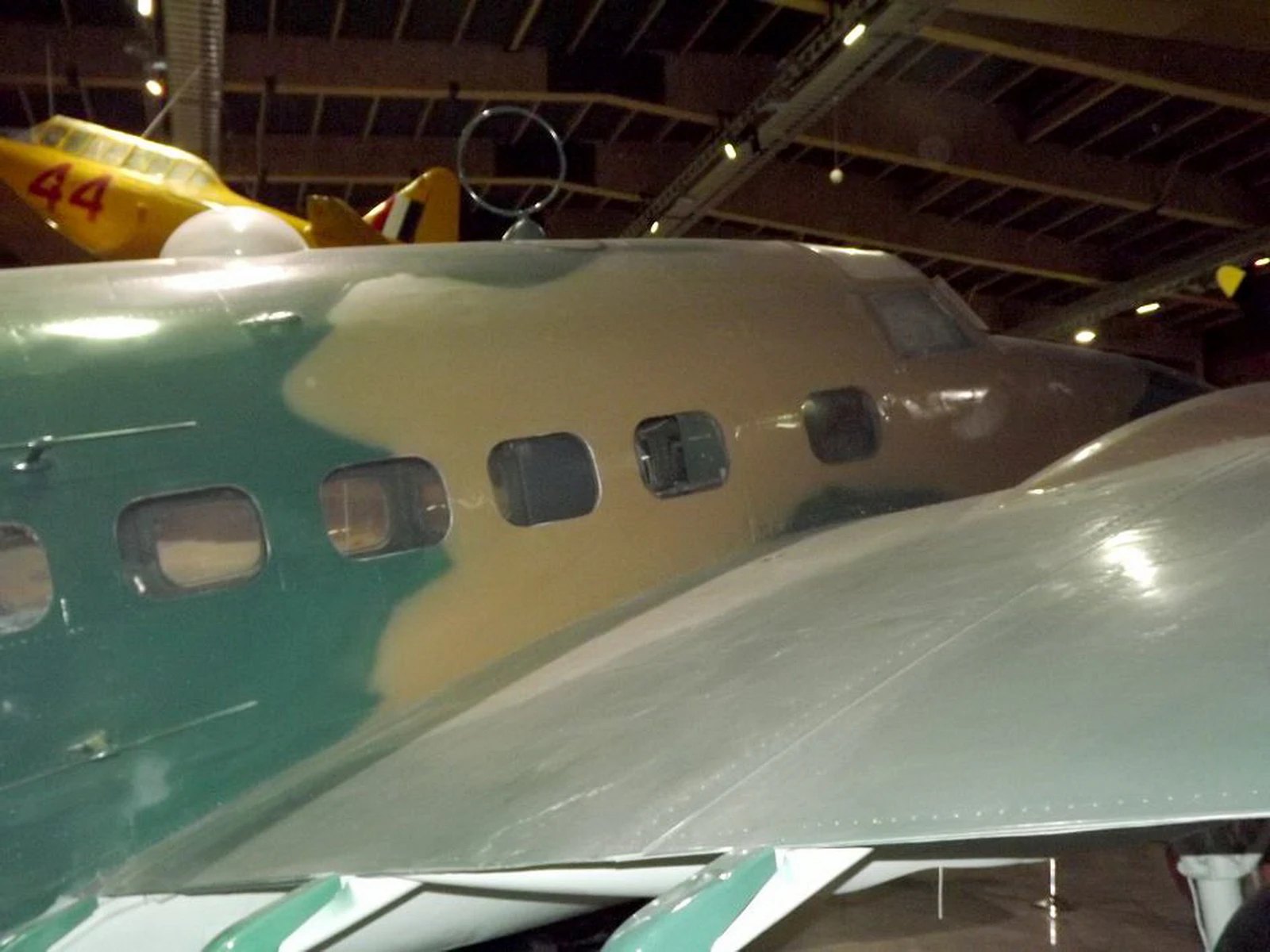
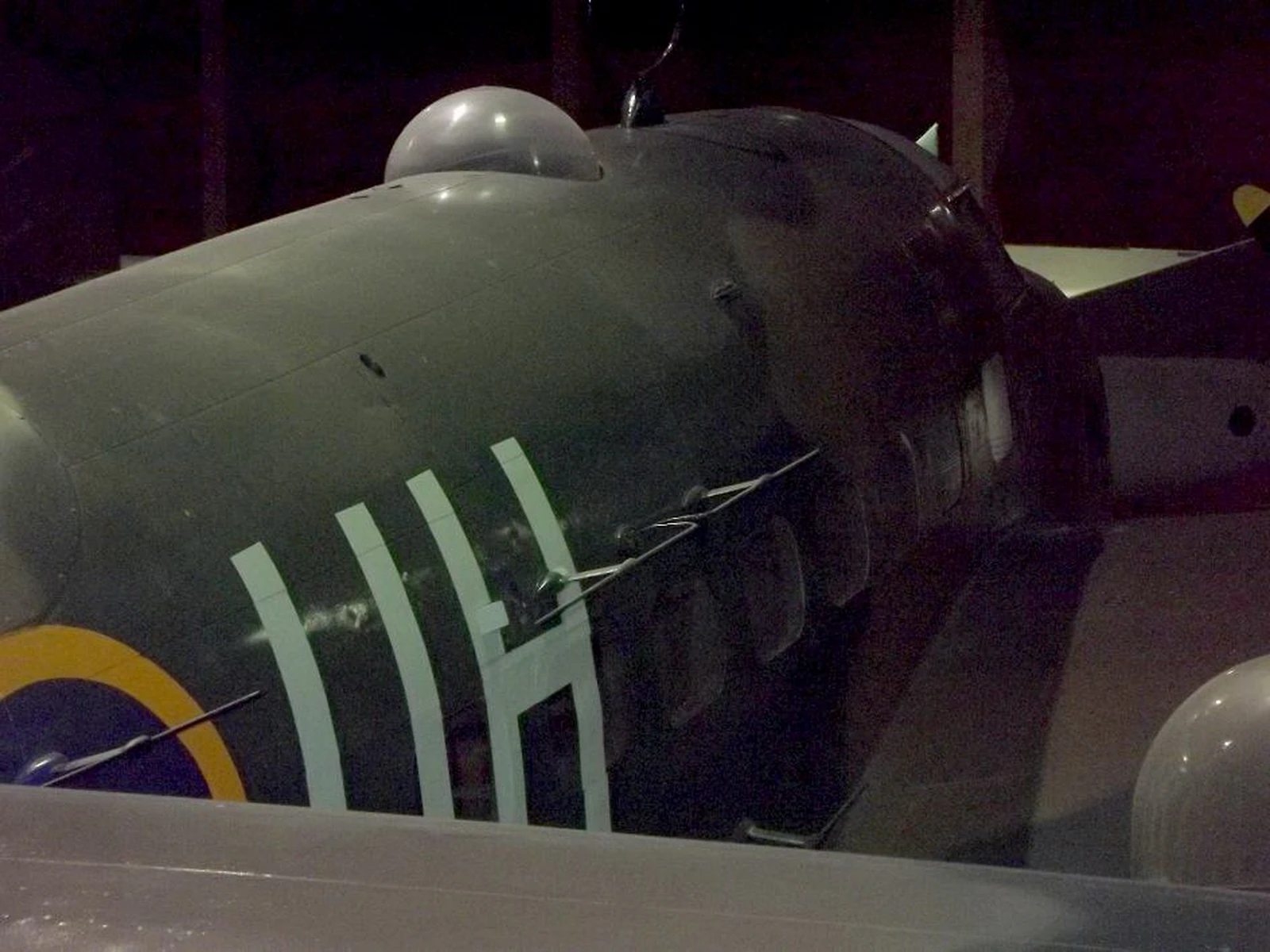
У 201 Локхід Хадсон — легкий бомбардувальник і береговий розвідувальний літак американського виробництва, побудований спочатку для Королівських ВПС незадовго до початку Другої світової війни і надалі в основному експлуатувався Королівськими ВПС. Hudson став першим значним контрактом на будівництво літаків для Lockheed Aircraft Corporation — початкове замовлення Королівських ВПС на 200 Hudsons набагато перевершило будь-яке попереднє замовлення, яке отримувала компанія. «Гудзон» служив протягом усієї війни, в основному в Береговому командуванні, а також у транспорті та навчанні, а також доставляв агентів до окупованої Франції. Вони також широко використовувалися в протичовнових ескадрильях Королівських ВПС Канади та Королівськими ВПС Австралії.
Джерело: Локхід Хадсон Мк.III на Вікі
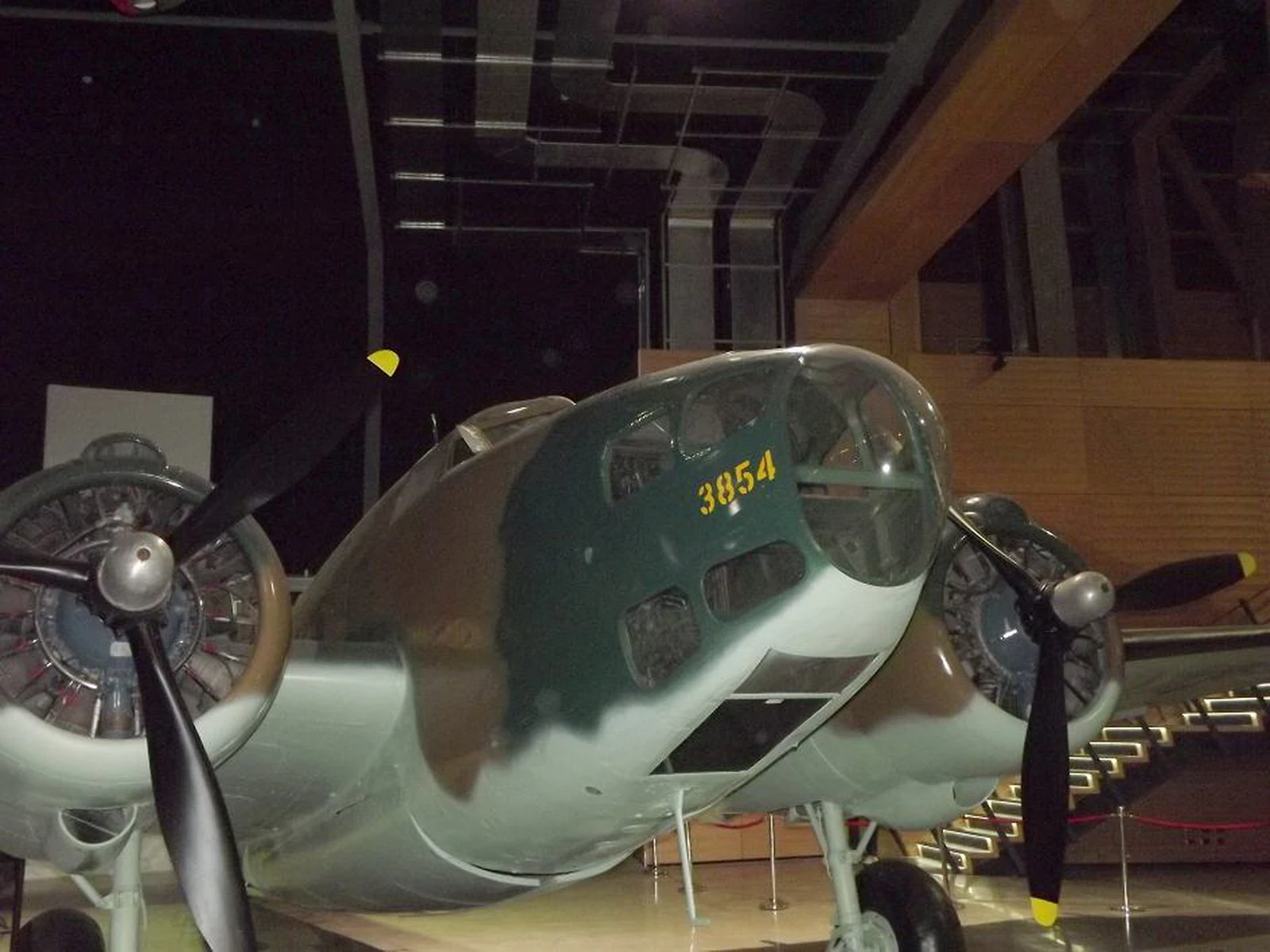
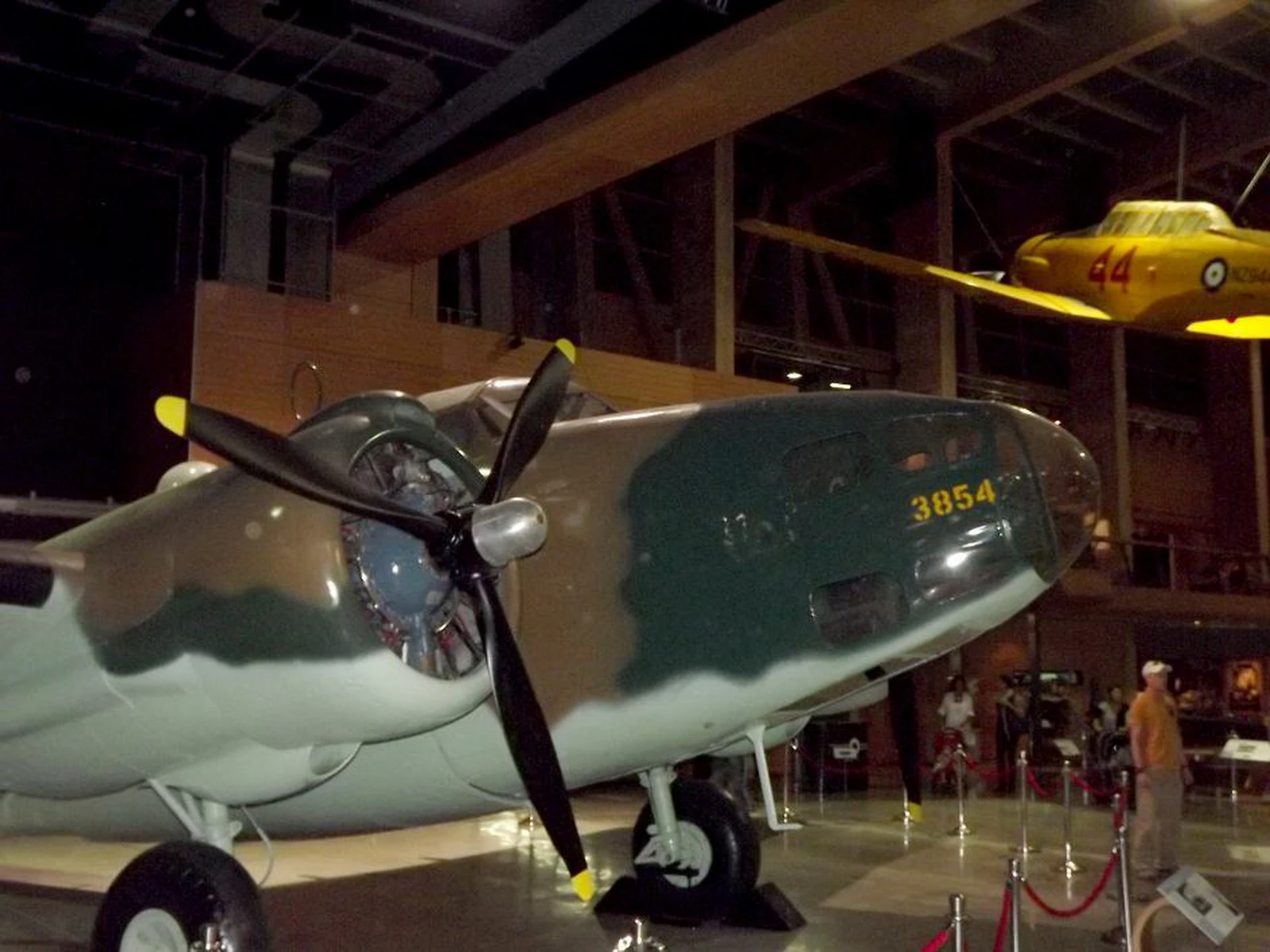
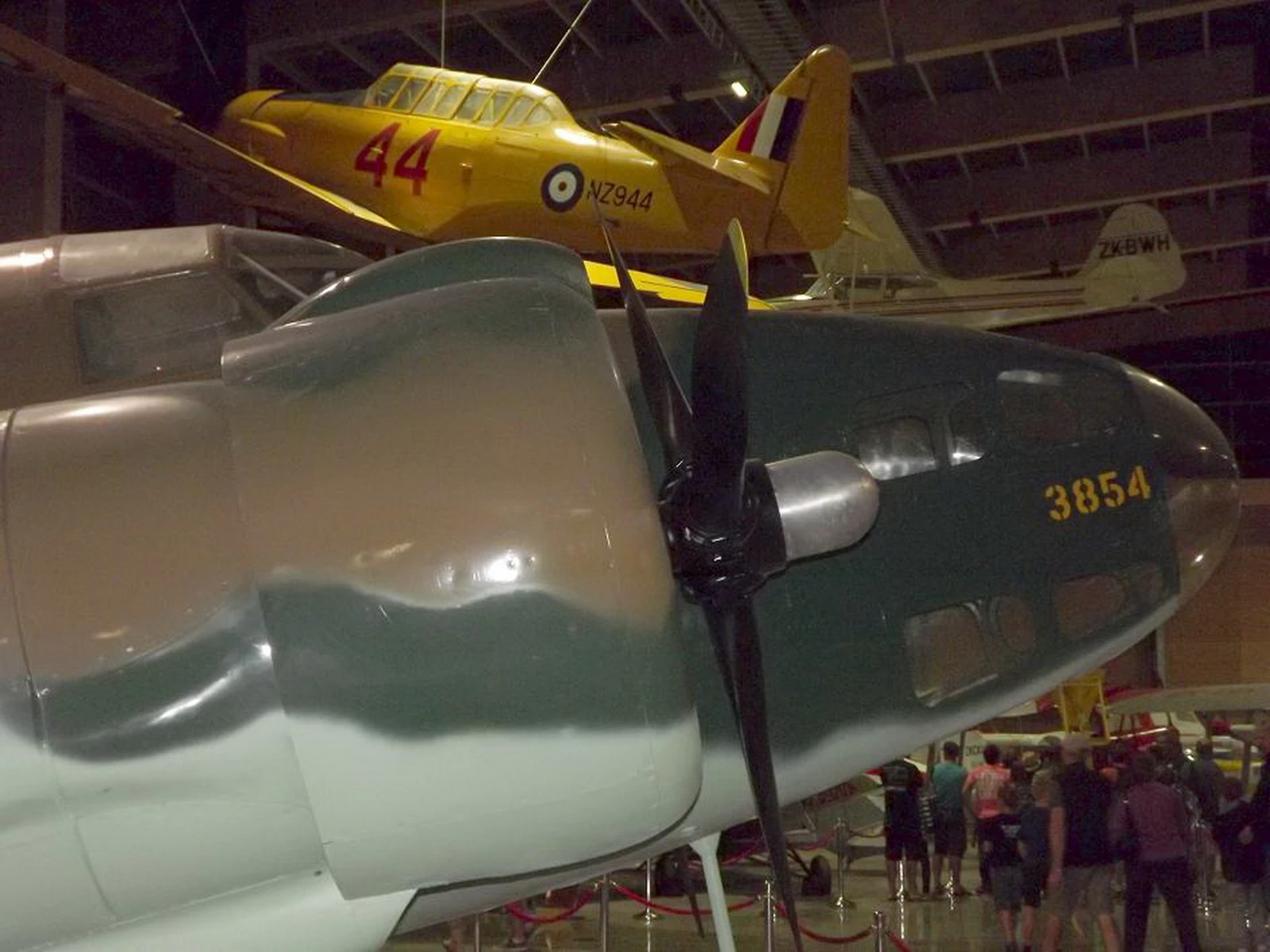
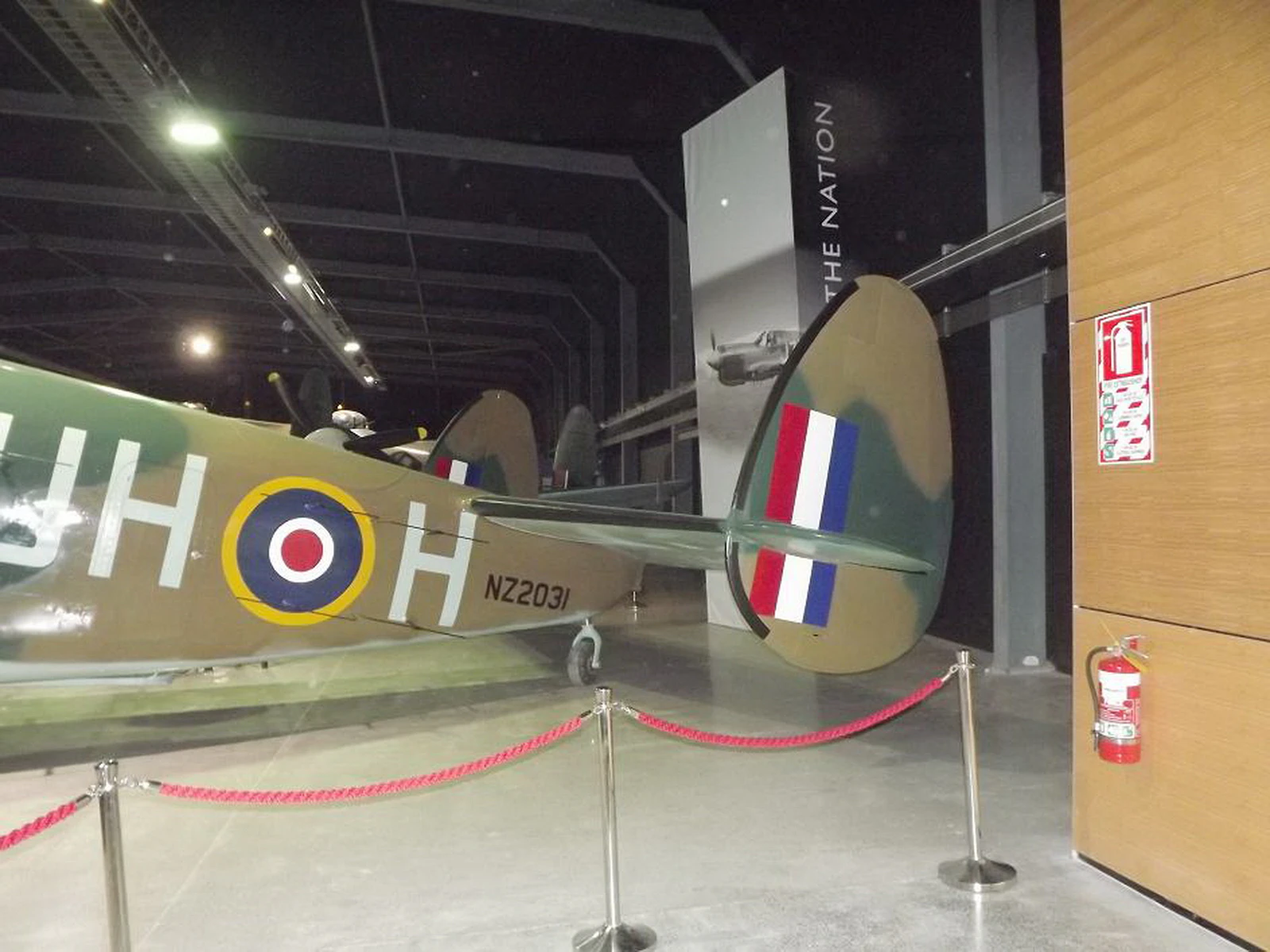
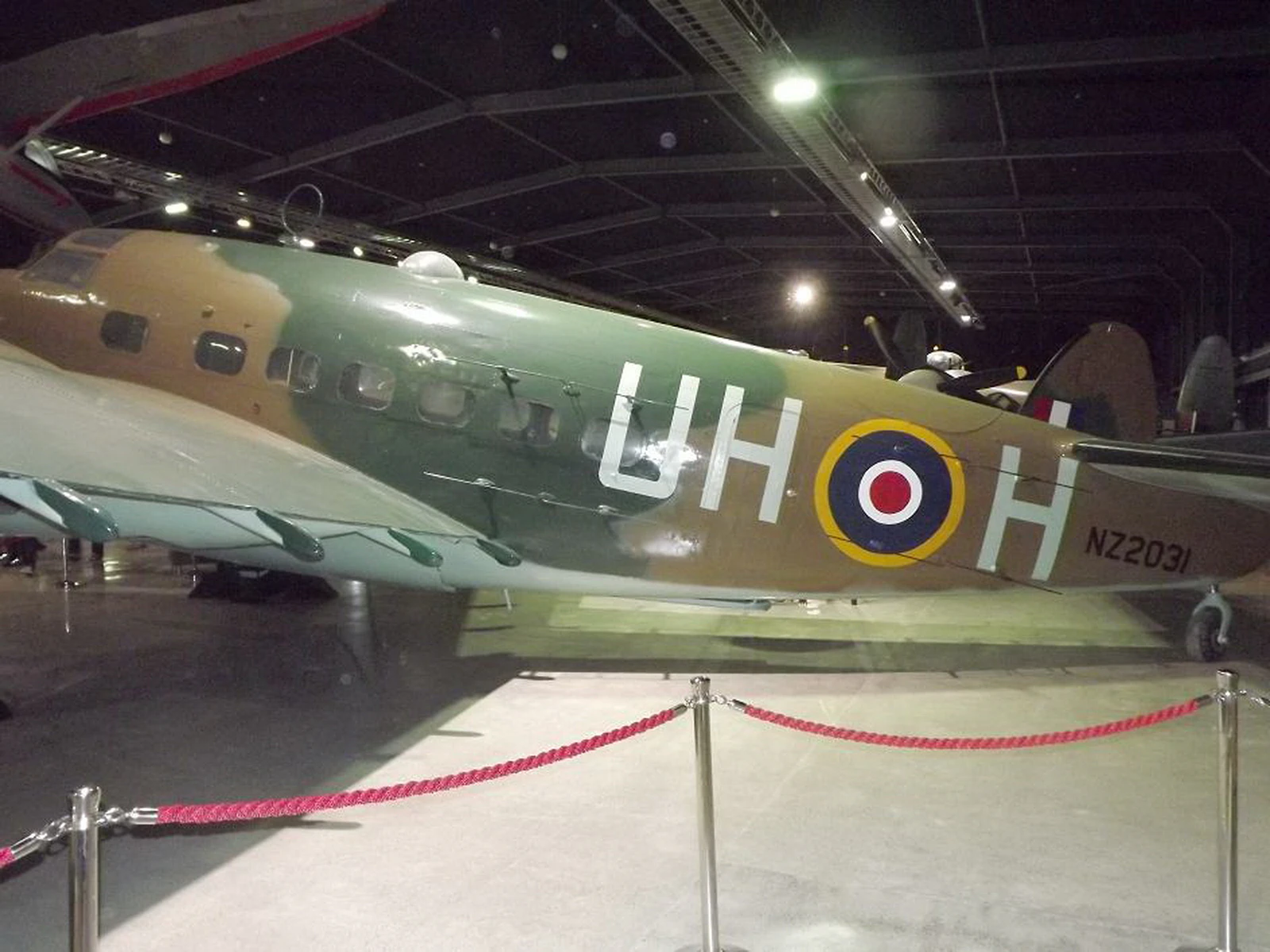
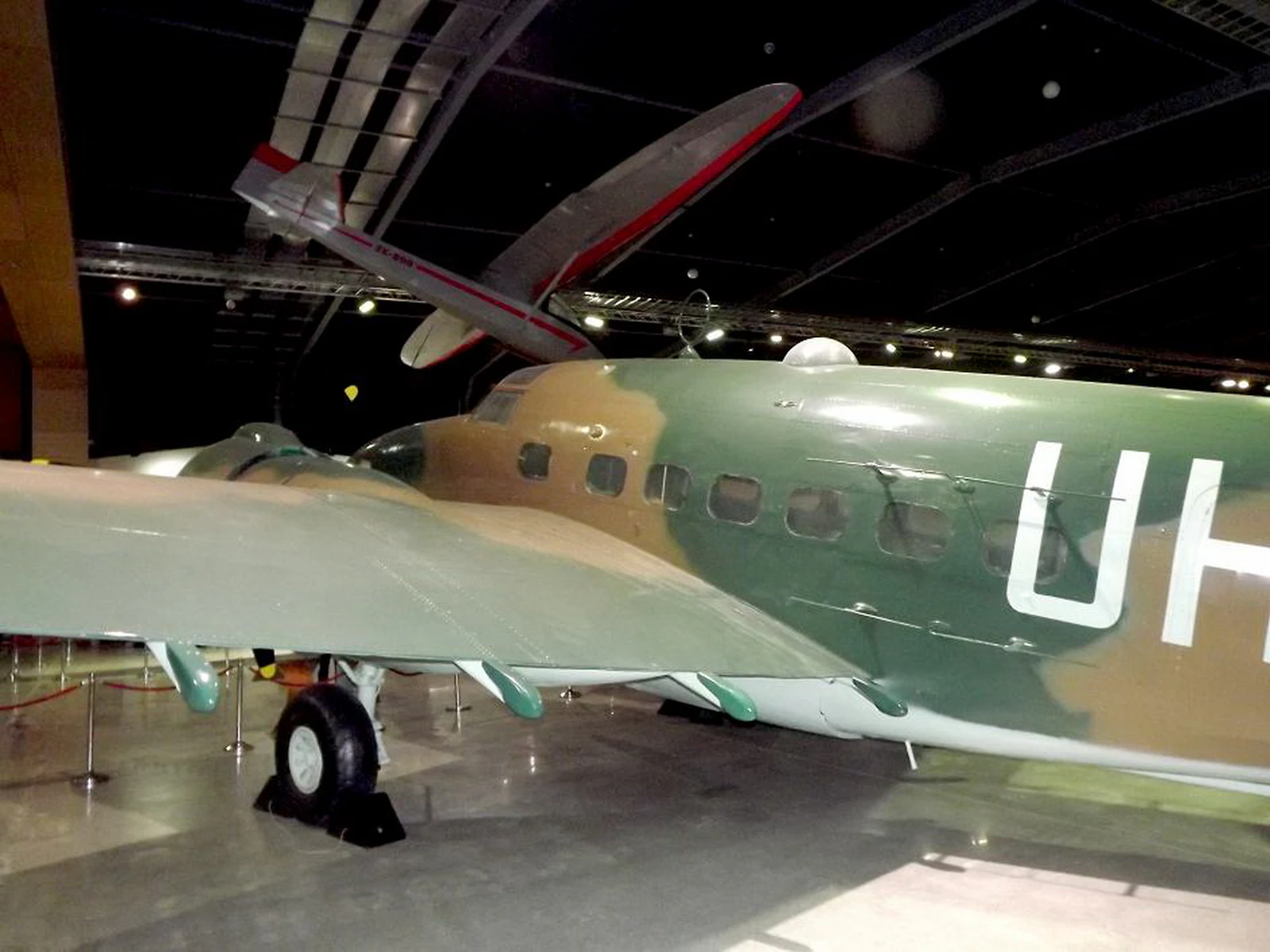
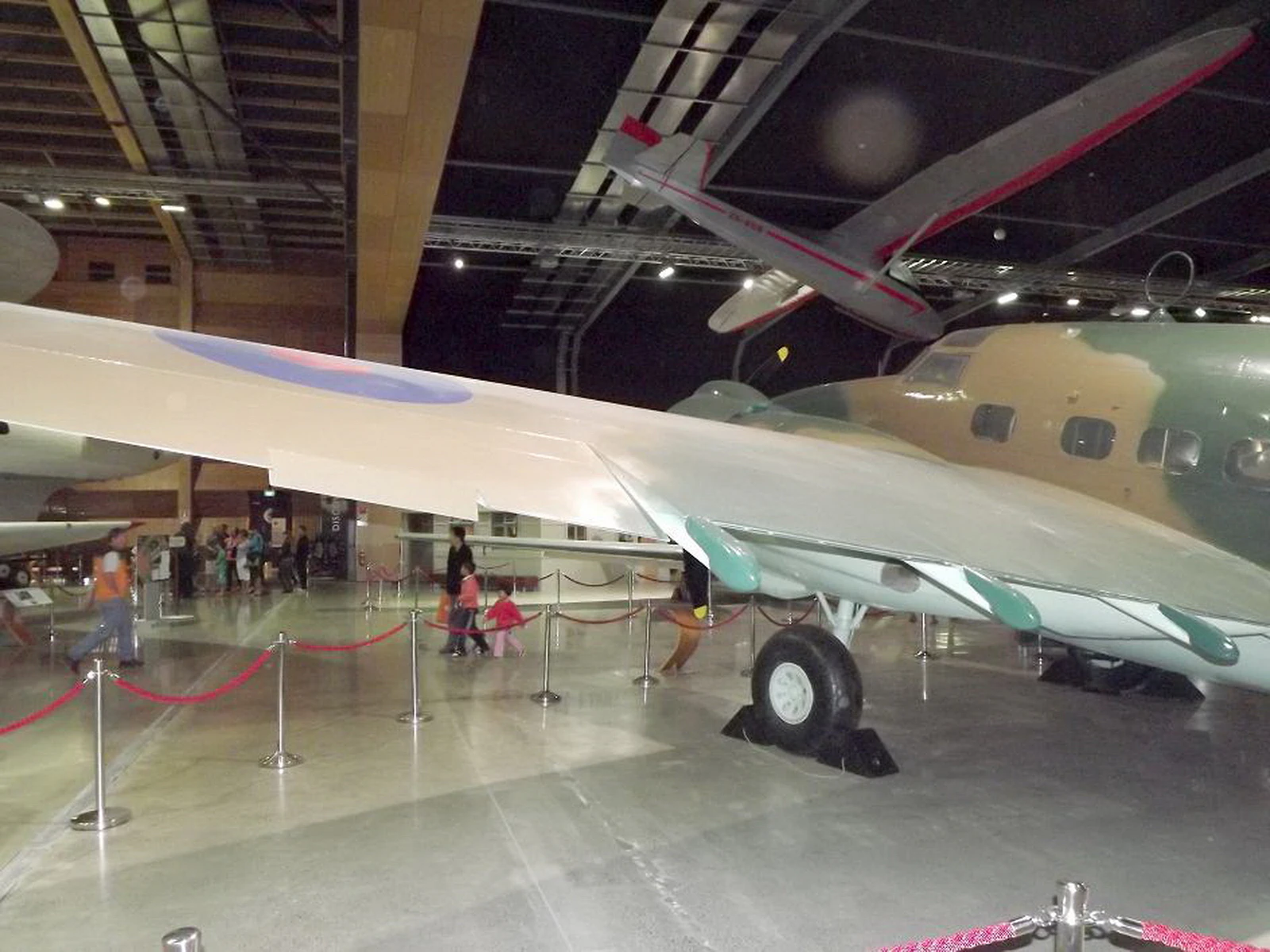
| Локхід Хадсон МК.III ходити | |
|---|---|
| Фотограф | Володимир Якубов |
| Локалізацією | Музей транспорту і технологій, Окленд |
| Фото | 90 |

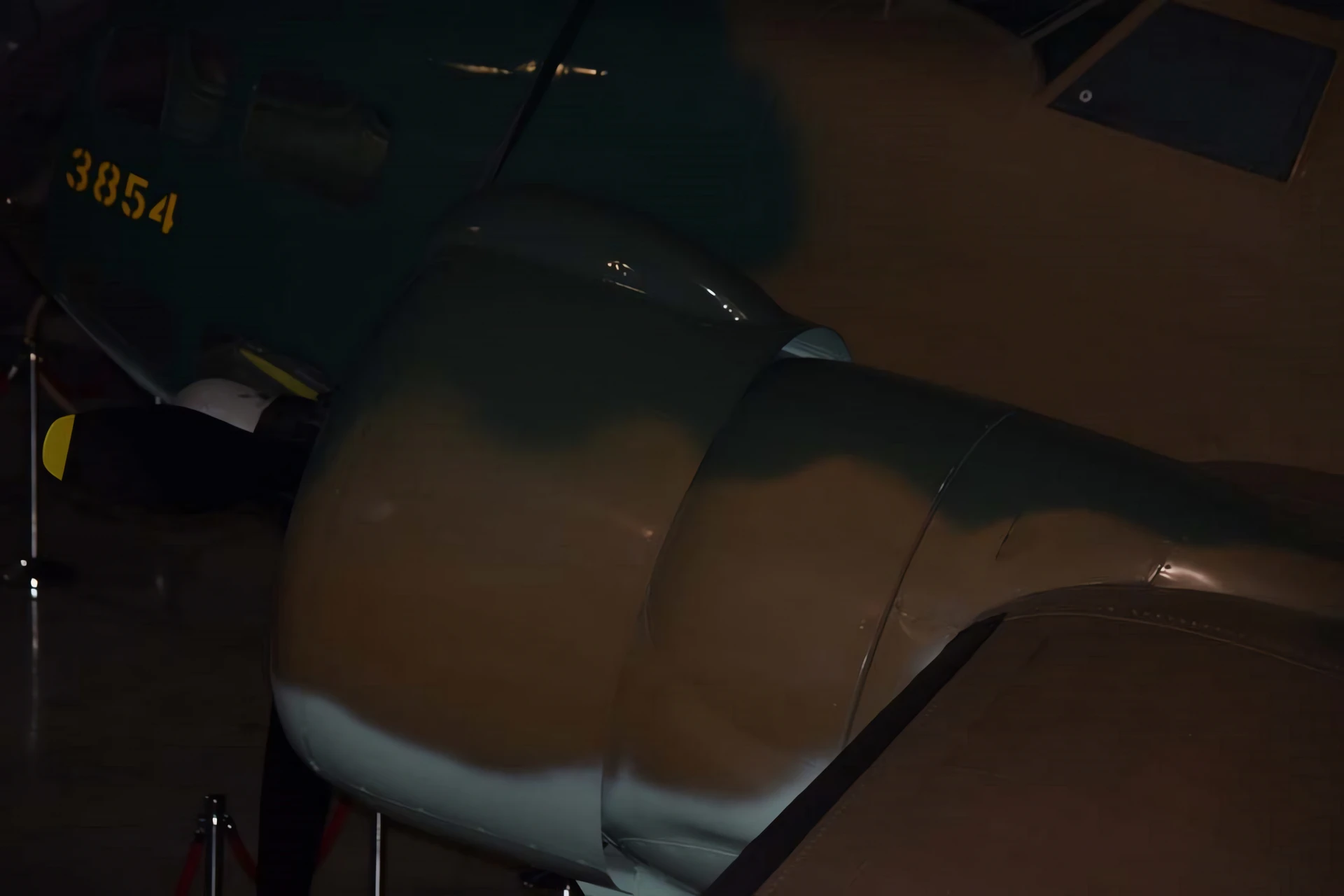
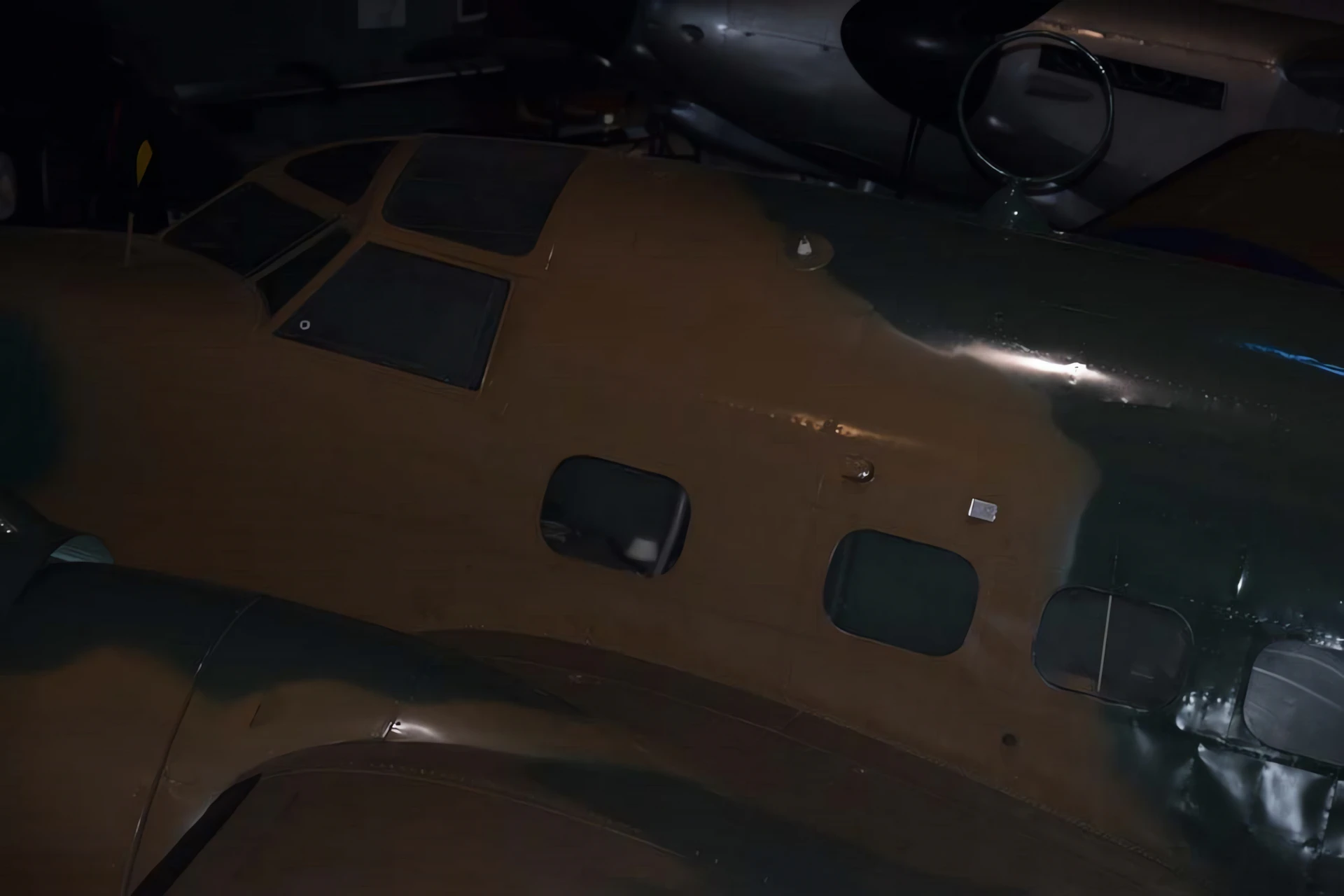


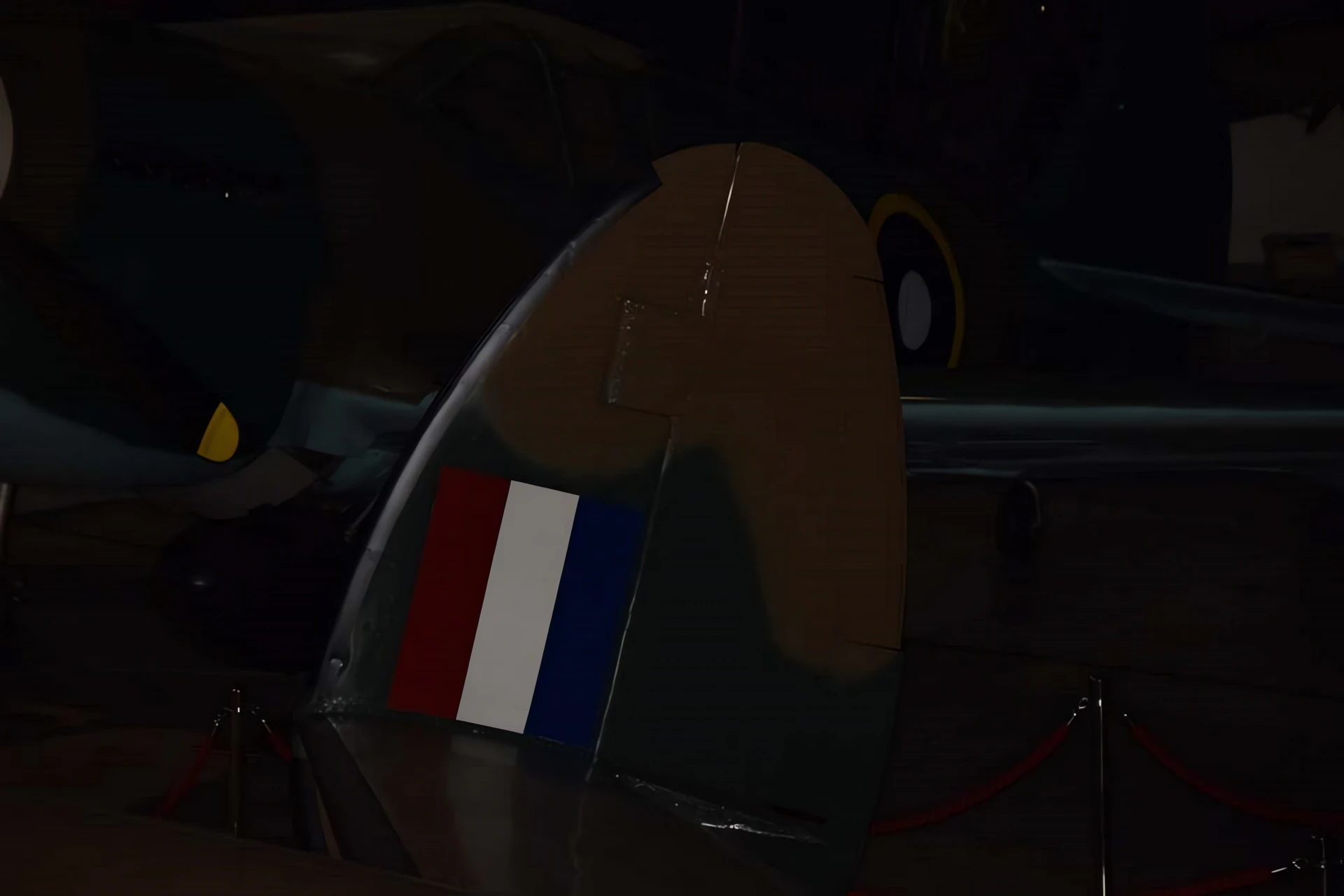

| Hudson Mk.IIIA Walk Around | |
|---|---|
| Фотограф | Михайло Бенолкін |
| Локалізацією | Незнай |
| Фото | 36 |
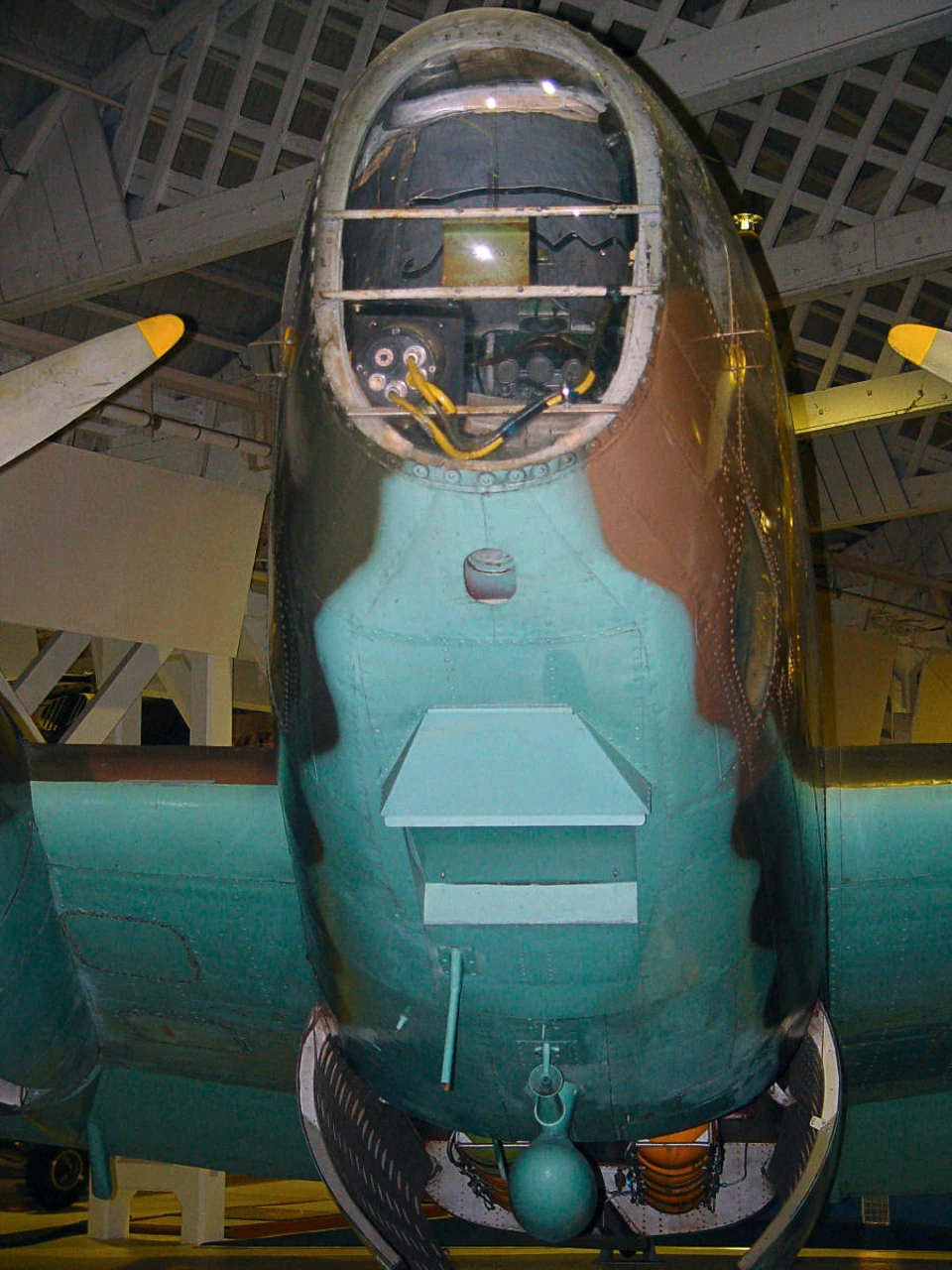
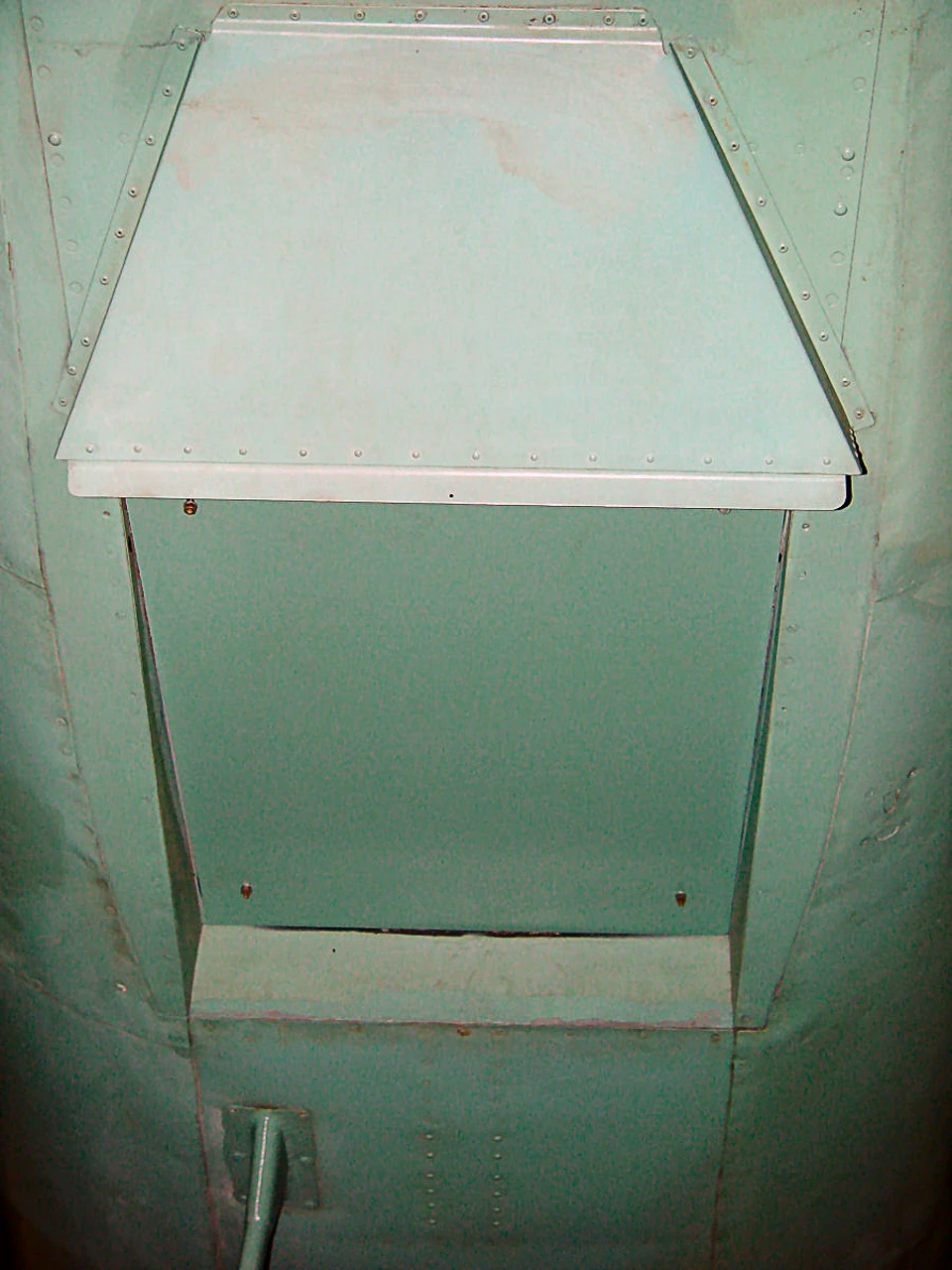
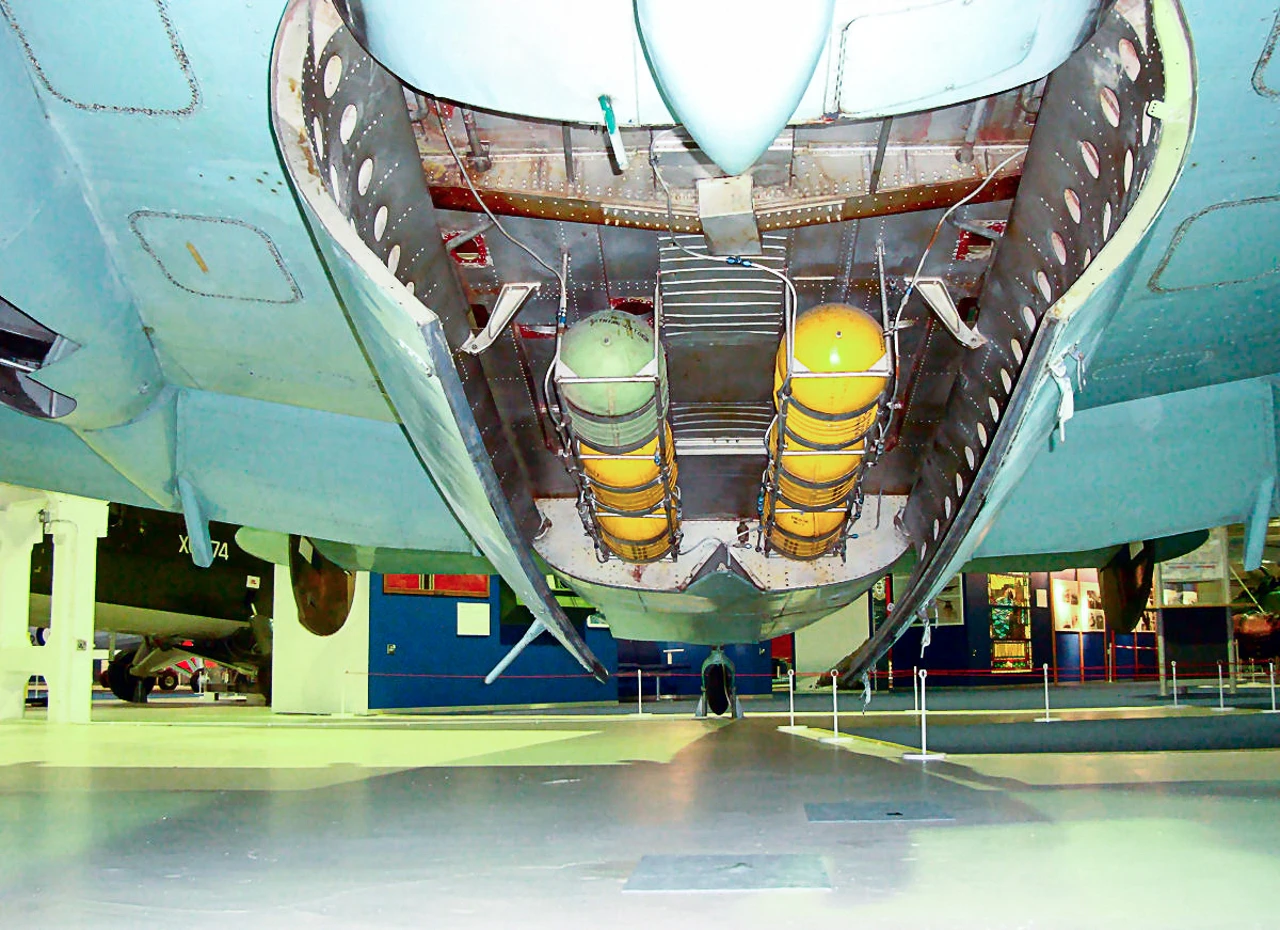
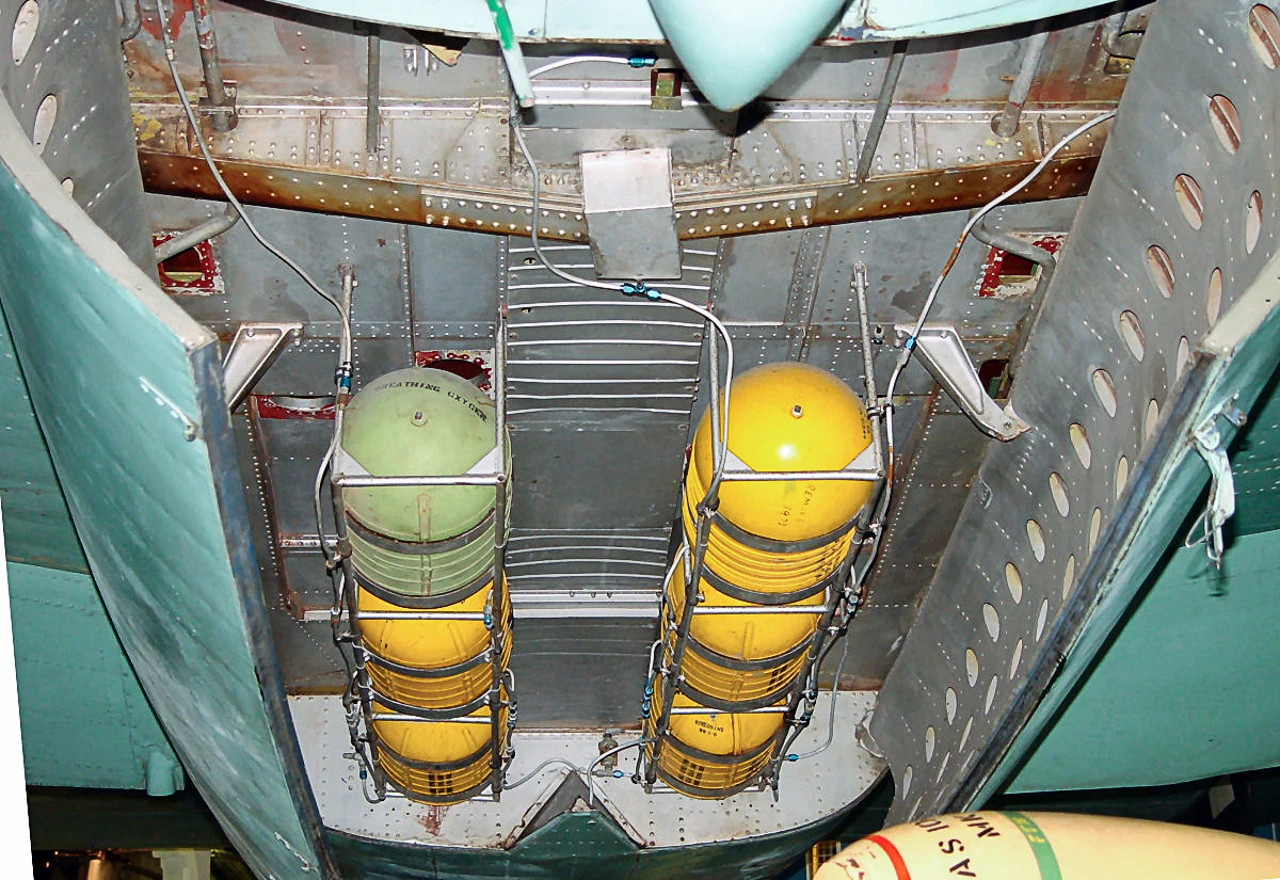
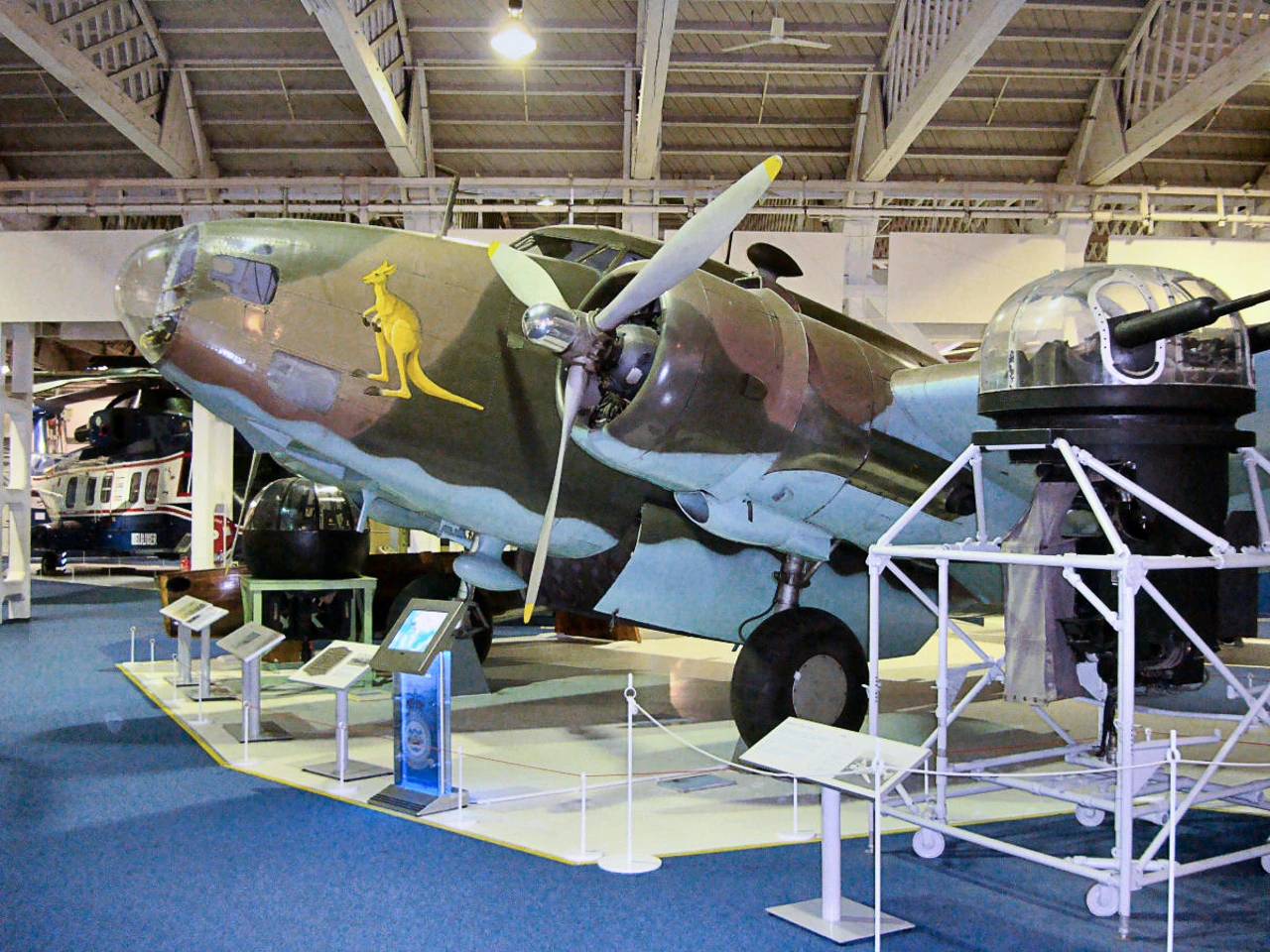
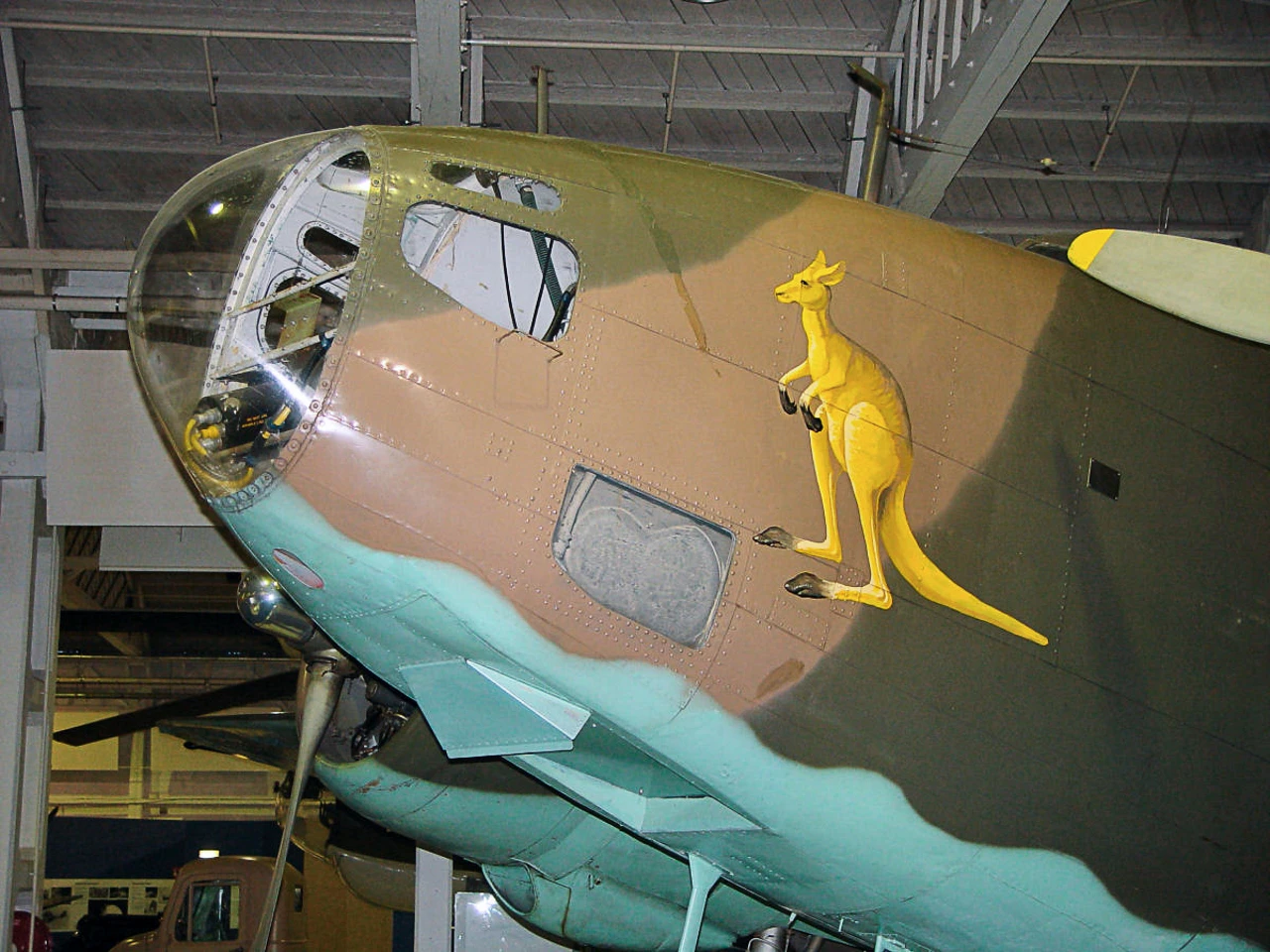
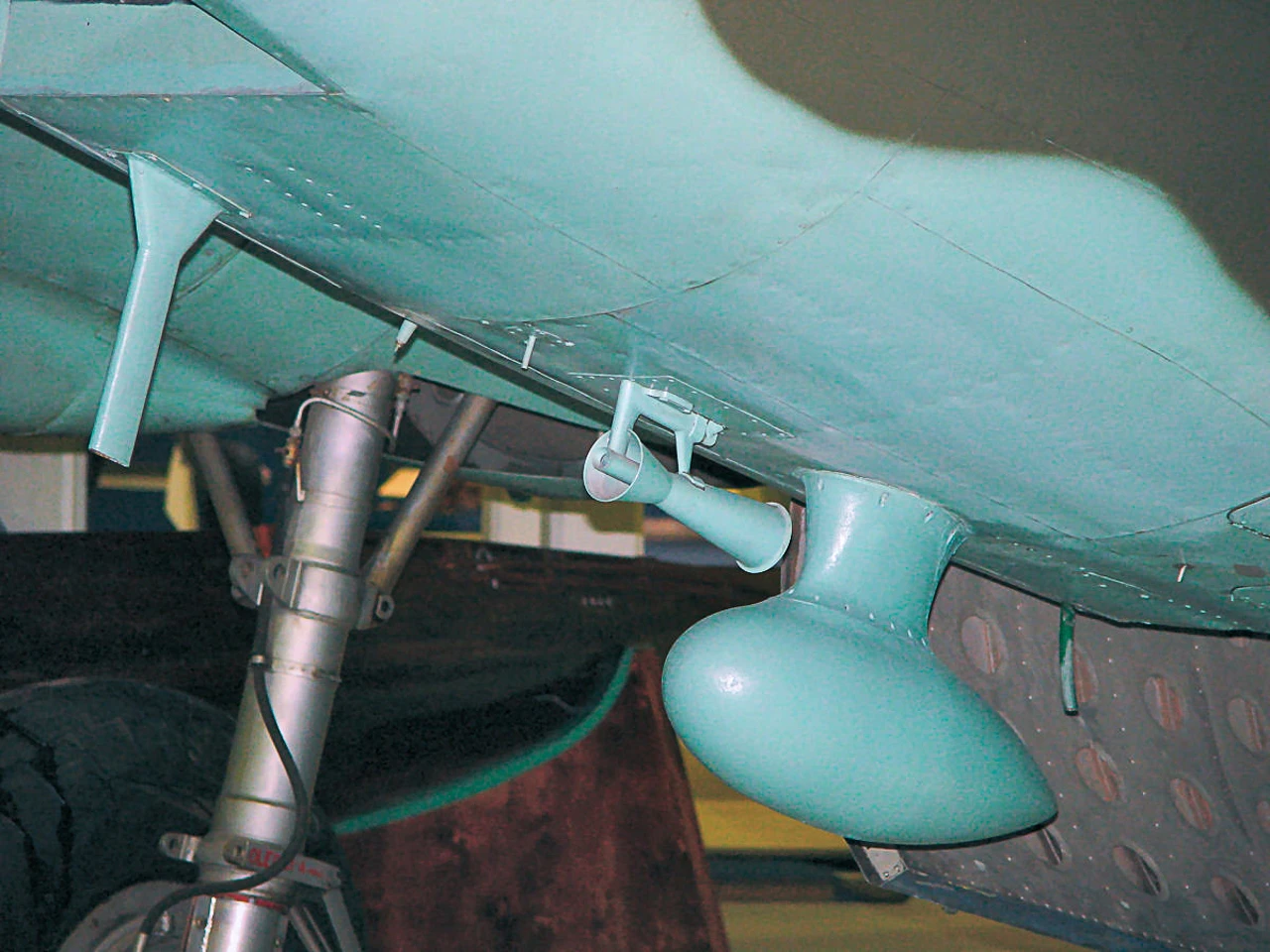
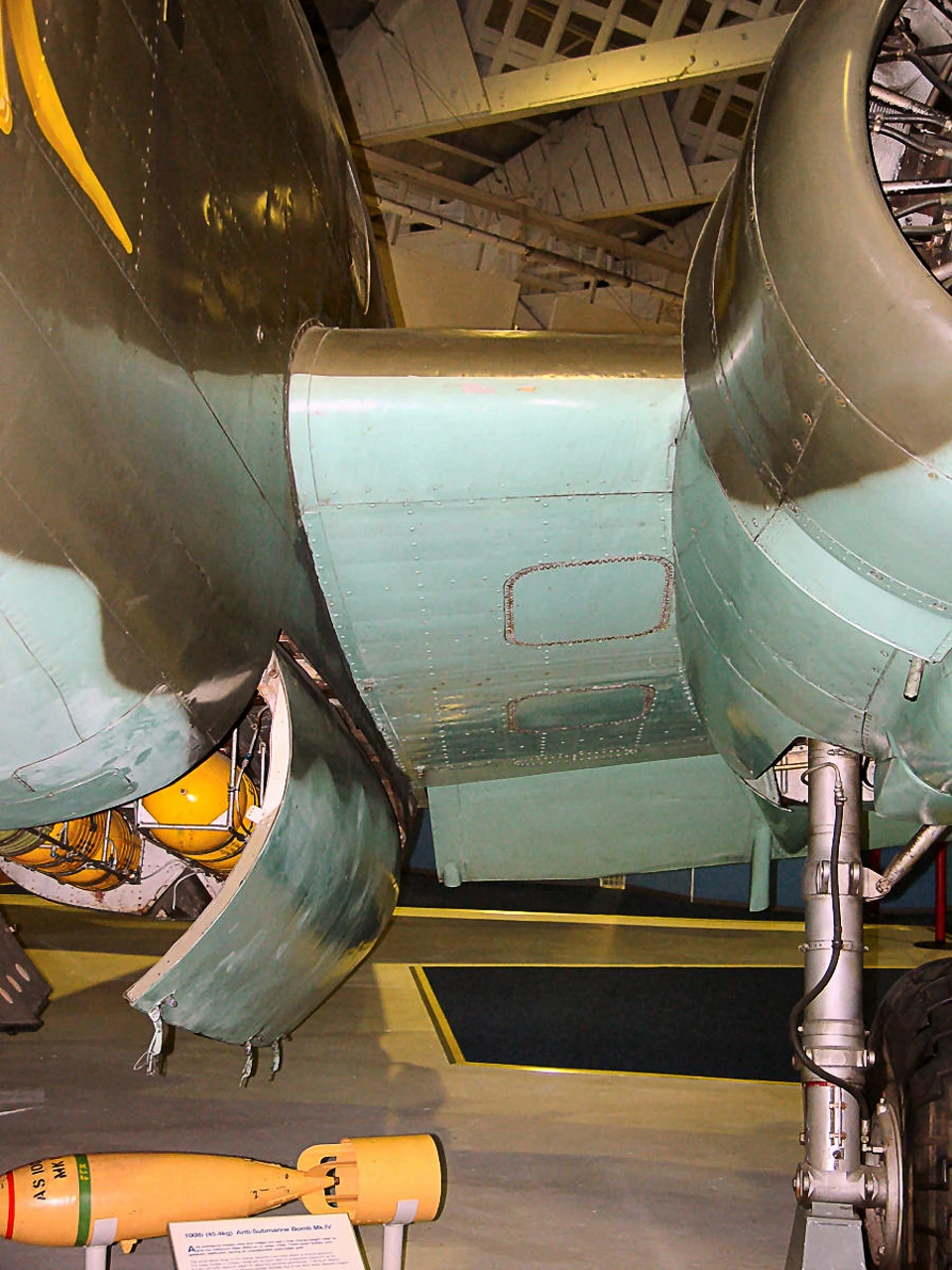
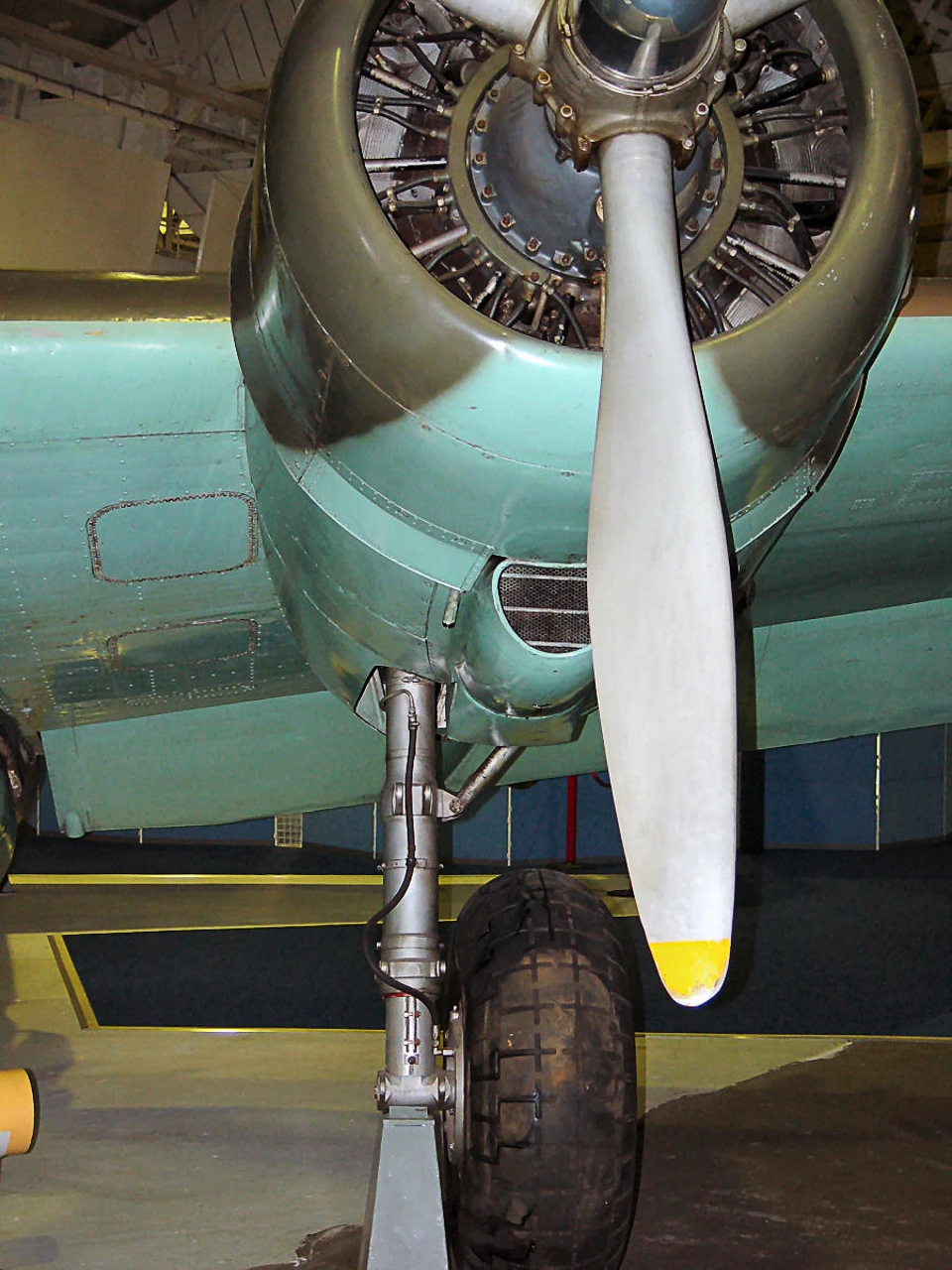
| Lockheed 414 Hudson GR.III Walk Around | |
|---|---|
| Фотограф | Дон Ален |
| Локалізацією | Незнай |
| Фото | 28 |
Читайте також:


The Accidental Warrior
У 201 Локхід Хадсон was a military conversion of the Lockheed Model 14 Super Electra airliner. When the British Royal Air Force realized they lacked a modern maritime patrol aircraft at the start of WWII, they turned to the United States. The Hudson became the first American-built aircraft to see significant service with the RAF. Though it retained its airliner roots—including its “pregnant” fuselage and comfortable cabin—it was a fast, capable, and rugged platform that scored the RAF’s first aerial victory of the war and became the scourge of the German U-boat fleet.
| Attribute | Technical Specification (Hudson Mk.III) |
|---|---|
| Роль | Maritime Patrol / Light Bomber / ASW |
| команда | 5 (Pilot, Navigator, Bomb Aimer, Radio Op, Gunner) |
| First Flight | December 10, 1938 |
| Силова установка | 2 × Wright R-1820-G205A Cyclone radials |
| Horsepower | 1,200 hp (895 kW) each |
| Максимальна швидкість | 246 mph (396 km/h) |
| Діапазон | 1,850 miles (2,977 km) |
| Зброя | 2 × fixed forward .303 guns; 2 × in dorsal turret; 1 × in belly; 750 lbs of bombs/depth charges |
Design Engineering: From Luxury to Lethality
- The Boulton Paul Turret: The most significant modification for British service was the addition of a Boulton Paul power-operated dorsal turret near the tail. This gave the Hudson a defensive “sting” that often surprised German interceptors.
- Fowler Flaps: Inherited from the Super Electra, the Hudson featured large-area “Fowler” flaps. These allowed the heavy, twin-engine aircraft to take off and land on relatively short, unimproved coastal airfields.
- The Bomb Aimer’s Nose: The luxury nose of the airliner was replaced with a heavily glazed “stepped” nose for the bomb aimer and navigator, providing excellent visibility for spotting submarine periscopes or navigating over featureless oceans.
- Internal Bomb Bay: Lockheed designers successfully integrated a bomb bay into the lower fuselage without compromising the aircraft’s structural integrity, allowing it to carry depth charges or standard 250 lb bombs.
Coastal Command Heroics
- First Kill: A Hudson of No. 224 Squadron RAF achieved the first British aerial victory of the war on September 8, 1939, when it downed a Dornier Do 18 flying boat over the North Sea.
- U-Boat Capture: In August 1941, a Hudson famously attacked the German submarine U-570. After being damaged by depth charges, the U-boat crew actually surrendered to the aircraft—the first time a submarine ever surrendered to a plane.
- “Old Faithful”: RAF crews nicknamed the plane “Old Faithful” due to its ability to take heavy punishment and return home on a single engine. Its Wright Cyclone engines were famously reliable over long trans-oceanic patrols.
- Special Duties: Because of its civilian airliner DNA, the Hudson was quiet and inconspicuous. It was frequently used by the RAF “Special Duties” squadrons to drop SOE agents and supplies into occupied France under the cover of night.
Views : 5020
Ви також можете побачити:
 Lockheed Model 10 Electra – фото та відео
 Lockheed C-5 Galaxy – Фото & Відео
 Lockheed L-049 Constellation – фото і відео
 Lockheed LC-130 – Фото & Відео
 Lockheed YO-3 – Фото & Відео
 Lockheed P-2 Neptune – фото &відео
 Lockheed EC-121 Warning Star – фото та відео
 Звіздар Lockheed C-141 – фото & відео
 Lockheed F-35 Lightning II – фото та відео
 Lockheed P-38 Lightning – фото та відео