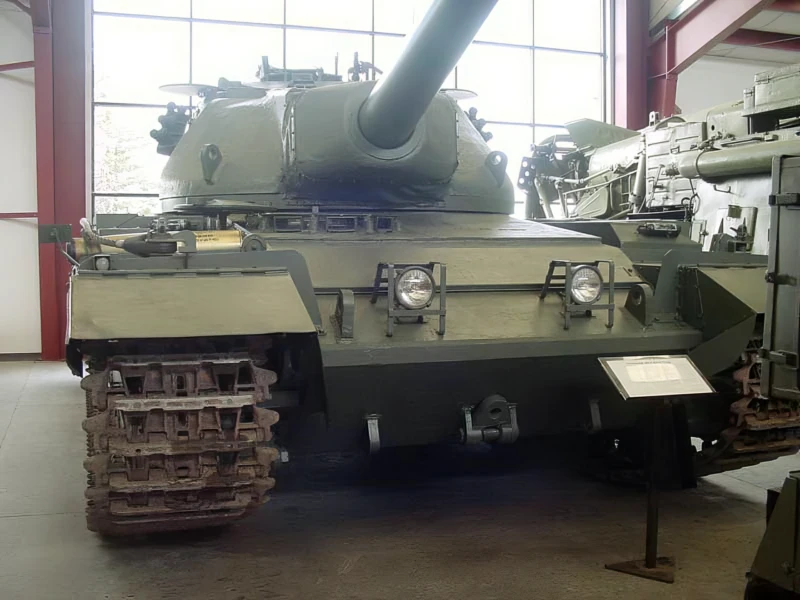
Conqueror Mk.1 | |
|---|---|
| Країні | Великобританії |
| Тип | Важкий танк |
| На службі | 1955-1966 |
| Побудований | 185 |
У 201 FV 214 Завойовник, також відомий як «Танк, важкий No 1, 120-мм гармата, завойовник» був британським важким танком післявоєнної епохи. Він був розроблений як відповідь на радянські важкі танки Йосипа Сталіна ІС-3; його 120-мм гармата була більшою, ніж 20-фунтова (83,4 мм) гармата, яку носив її одноліток, Centurion. Роль «Завойовника» полягала в забезпеченні протитанкової підтримки «Центуріона» на великій відстані. Завойовників видавали по дев'ять для кожного полку в Німеччині, зазвичай групувалися в три танкових війська. У британській армії і Завойовник, і Центуріон були замінені вождем.
Джерело: Завойовник Mk.1 у Вікіпедії
| Conqueror Mk.1 | |
|---|---|
| Фотограф | Незнай |
| Локалізацією | Незнай |
| Фото | 54 |
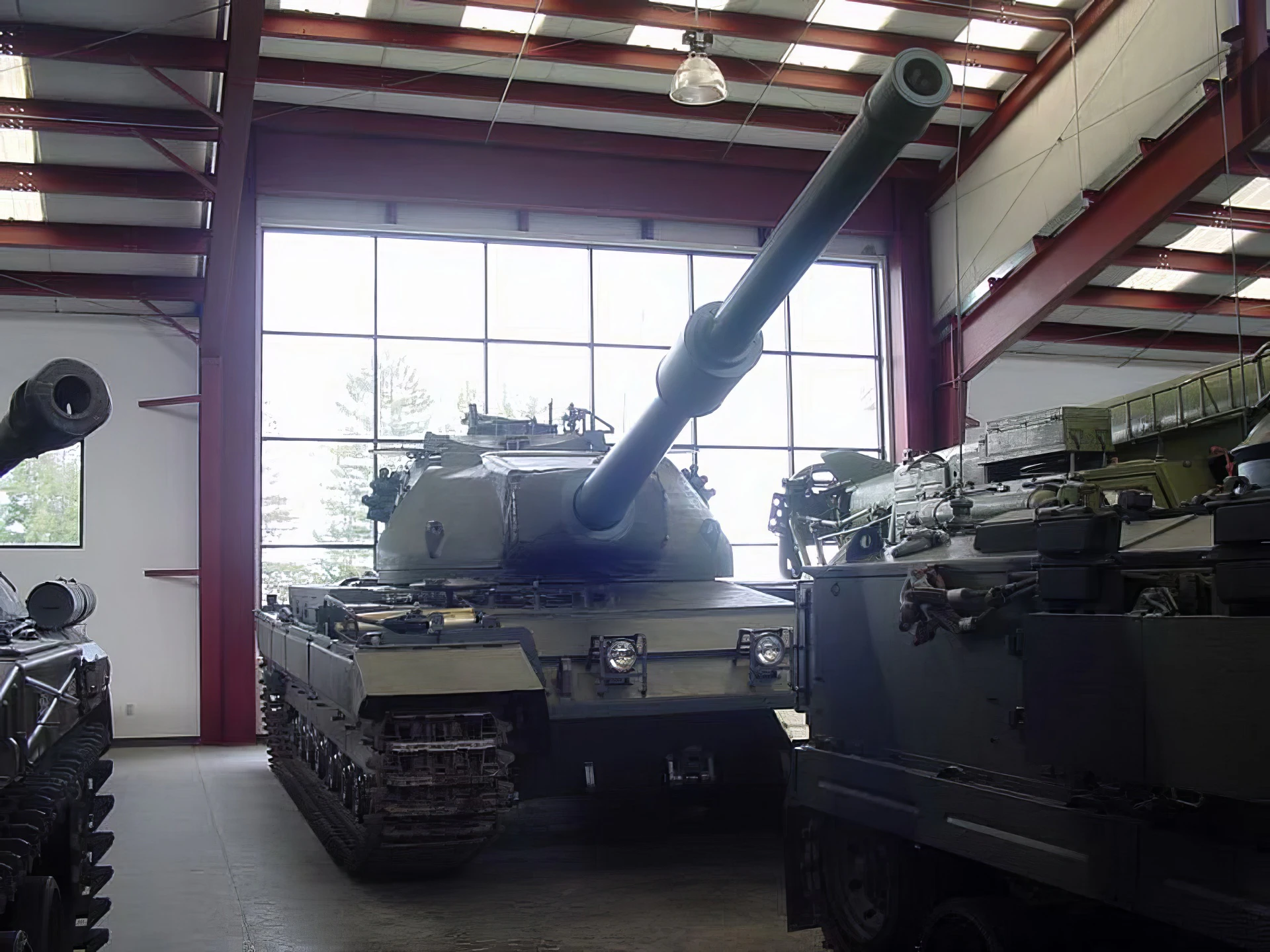
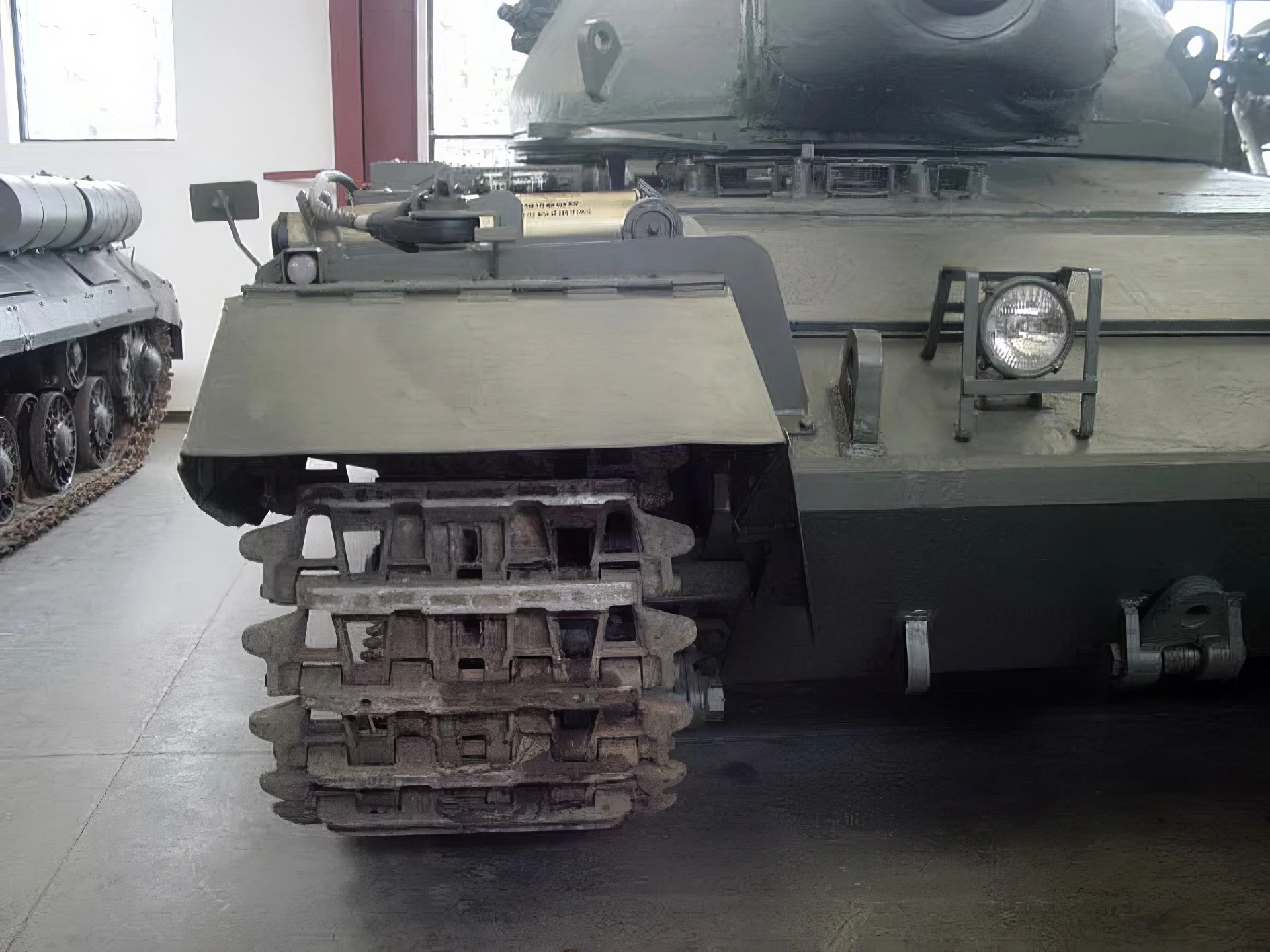
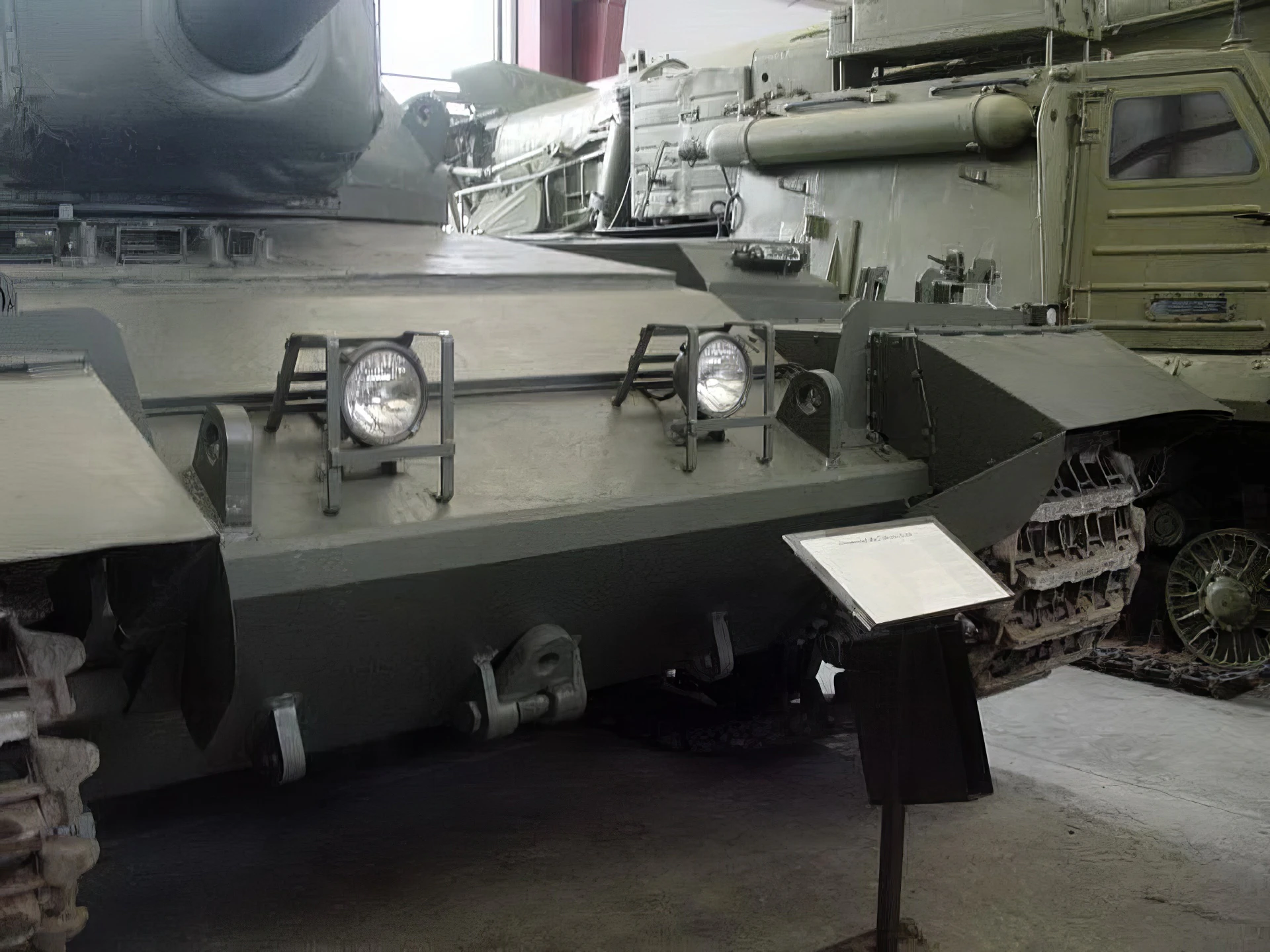
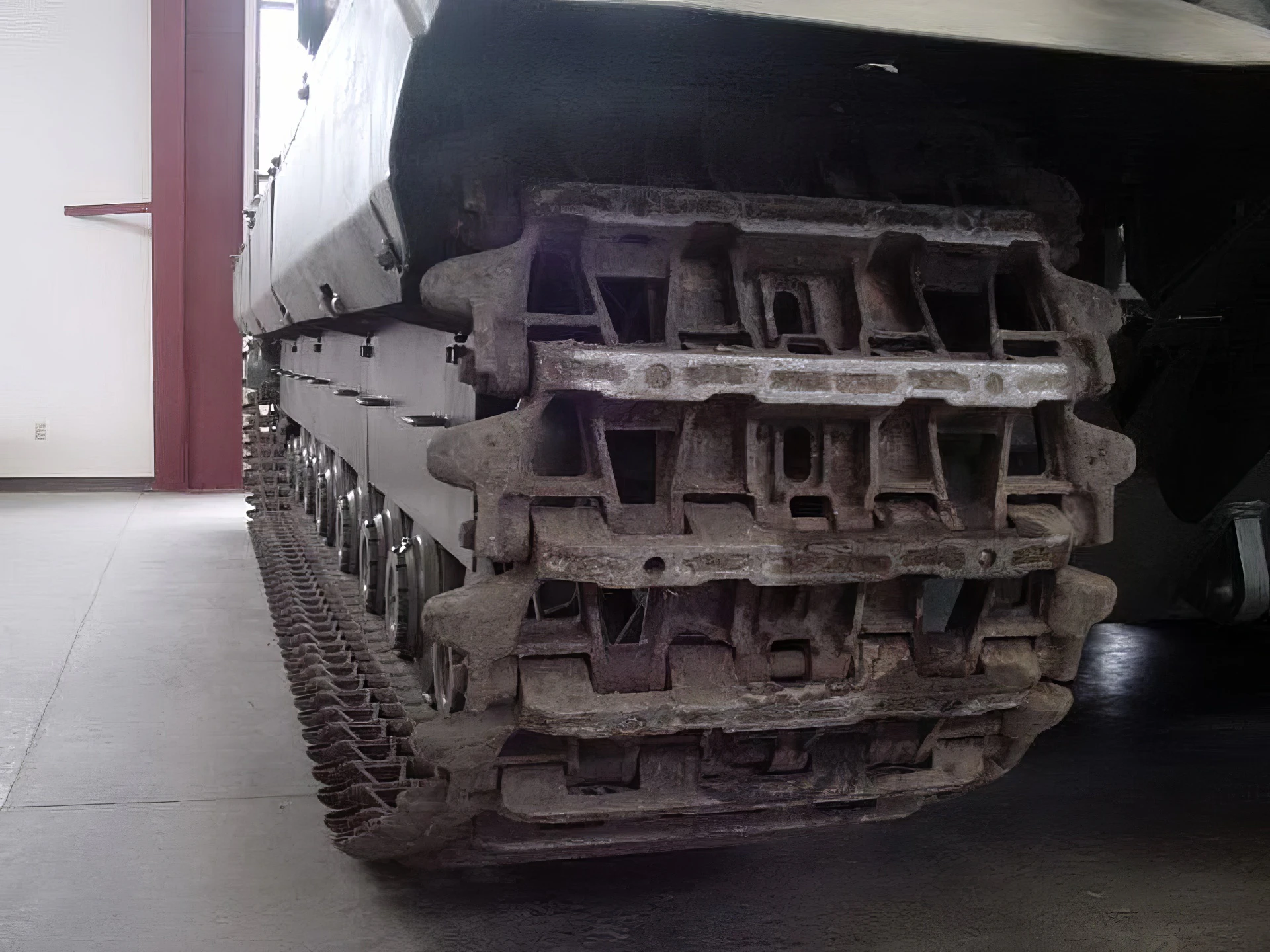
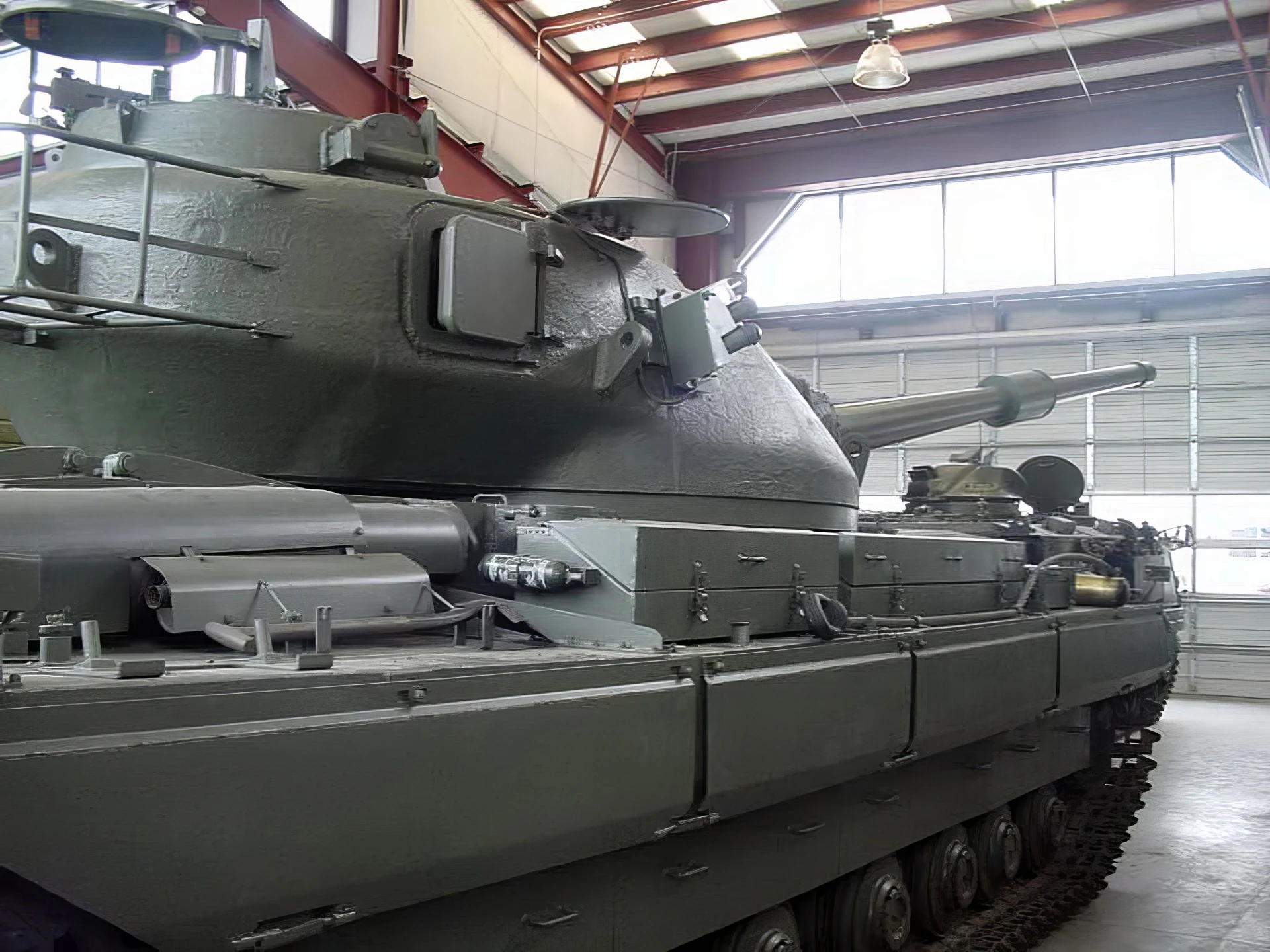

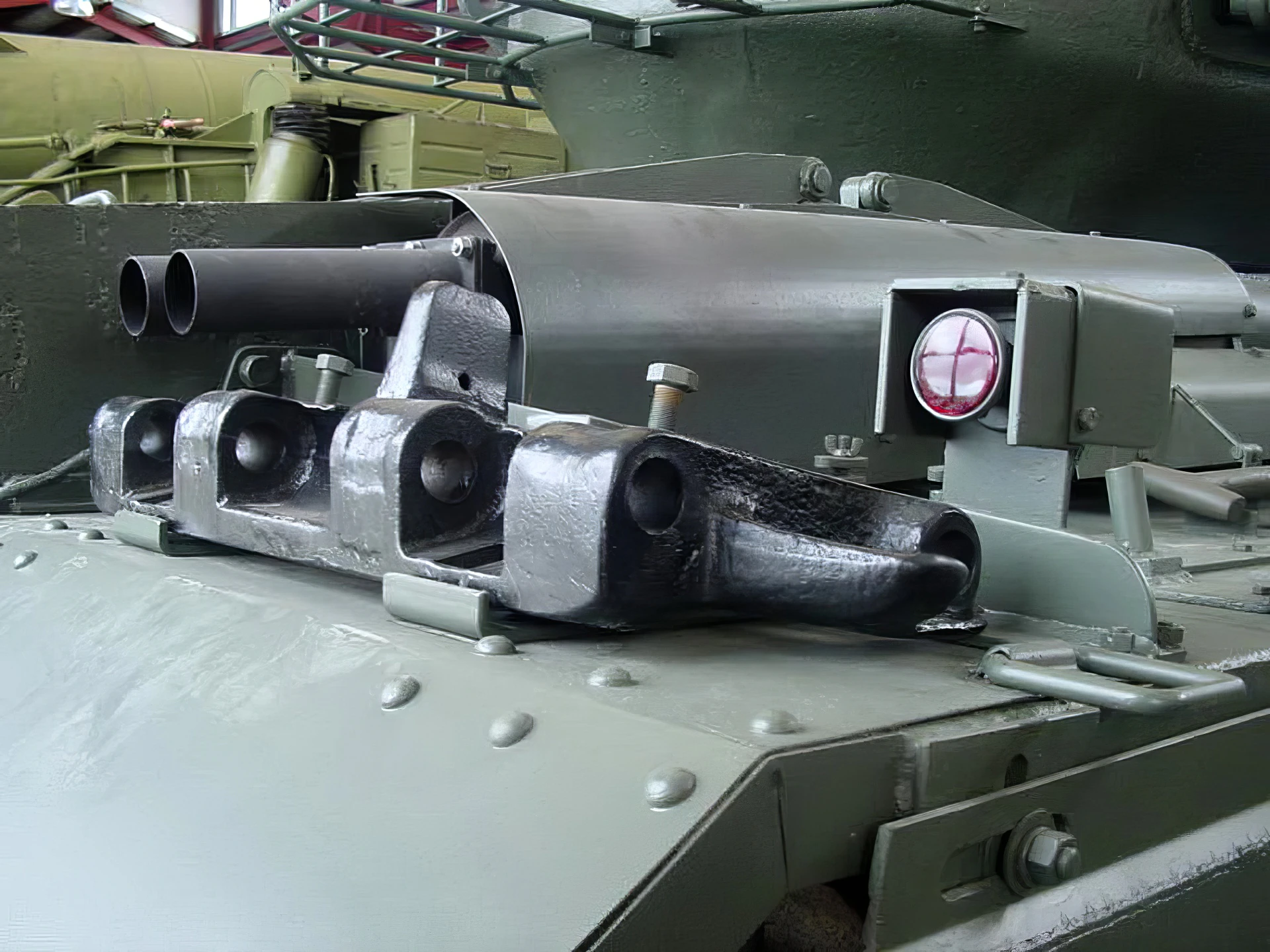
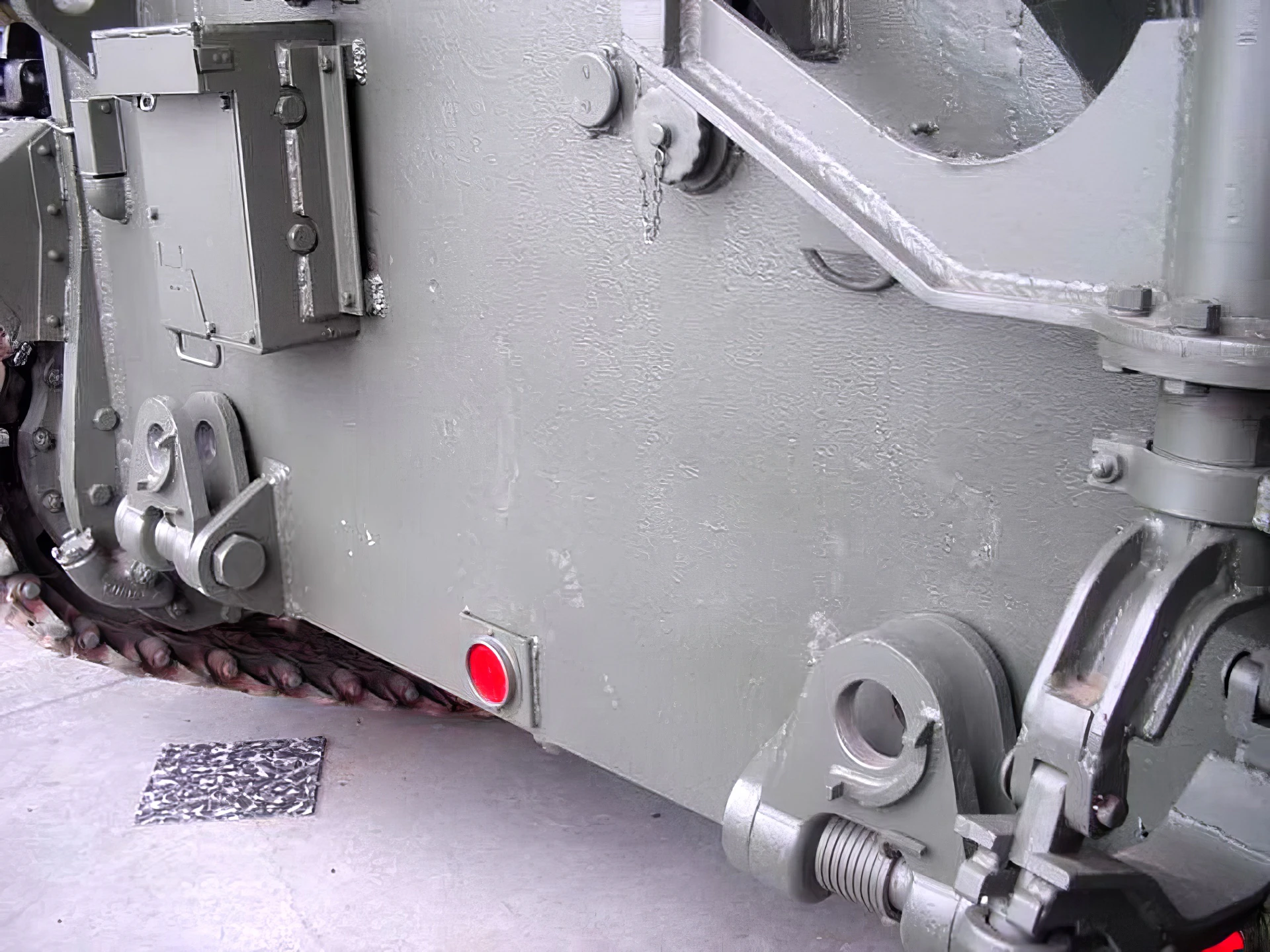
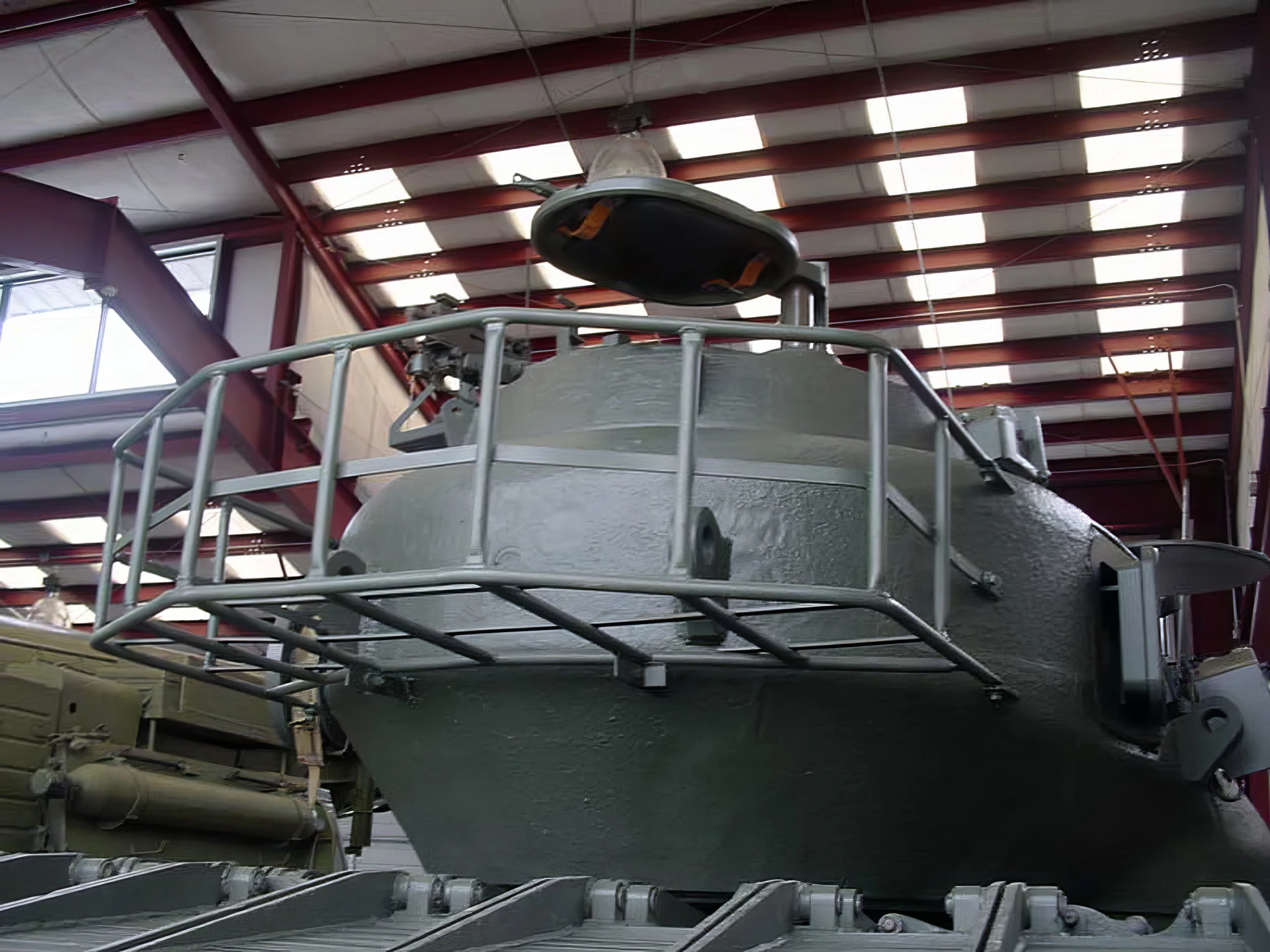

| Conqueror FV214 Mk.II Walk Around | |
|---|---|
| Фотограф | Незнай |
| Локалізацією | Незнай |
| Фото | 43 |
Читайте також:


The **FV 214 Conqueror**, also officially known as the “Tank, Heavy No. 1, 120 mm Gun, Conqueror,” was a British heavy tank of the post-World War II era. It represented Britain’s ultimate response to the threat posed by heavily armored Soviet tanks, such as the **IS-3** and later designs, during the early Cold War.
Primary Role and Development
The Conqueror was conceived not as a standard main battle tank, but specifically as a **long-range anti-tank support** vehicle. Its purpose was to engage and destroy enemy armor at distances superior to the capabilities of the contemporaneous Centurion tank. It served exclusively with British Army regiments stationed in West Germany between **1955 and 1966**, deployed in small groups (typically nine per regiment) alongside the Centurions.
Ключові особливості
1. Massive Main Armament
- **Gun:** The tank’s core strength was its powerful **L1 120 mm rifled gun**, a caliber significantly larger than the Centurion’s 20-pounder (83.4 mm) gun.
- **Ammunition:** It fired two-piece ammunition (separate projectile and charge in a brass cartridge), which contributed to a low shell capacity of only **35 rounds**. The primary anti-tank rounds were Armor-Piercing Discarding Sabot (**APDS**) and High Explosive Squash Head (**HESH**).
2. Heavy Armor Protection
The Conqueror was the largest and heaviest tank used by the British Army at the time of its introduction, with a combat mass of approximately **64 tonnes** (63 long tons). It featured very heavy armor, particularly on the frontal arc, with the massive turret being especially well-protected to face high-velocity Soviet shells.
3. Advanced Fire Control
A notable feature was the **independently rotating commander’s cupola**. This advanced system allowed the commander to:
- Search for targets and determine the range using a coincidence rangefinder while the gunner was engaging a previous target.
- Mechanically lay the gunner onto the new target, allowing for a quicker transition between engagements.
Specifications (FV 214 Conqueror Mk II)
| Characteristic | Detail |
|---|---|
| **Type** | Heavy Gun Tank |
| **Service Life** | 1955–1966 |
| **Mass** | approx 64 tonnes |
| **Crew** | 4 (Commander, Gunner, Loader, Driver) |
| **Main Armament** | 1 * 120 mm L1 Rifled Gun |
| **Engine** | Rolls-Royce Meteor M120 (810 hp) |
| **Top Speed** | approx 34 km/h (approx 21 mph) |
| **Total Units Built** | 185 (Mk I and Mk II variants) |
Views : 7915
Ви також можете побачити:
 Важкий танк М6 – фото та відео
 Об'єкт 770 – Фото & Відео
 Schneider CA1 – Фото & Відео
 ARL-44 - Фото та відео
 Pz.Kpfw VI Ausf B – мобільний
 Тигр танк в дії - WalkAround
 Центуріон Mk5 vol2 – Прогулянка Навколо
 IS-2 vol3 – Прогулянка Навколо
 PzKpfw VIH Тигр – Прогулянка Навколо
 Char lourd IS-3 – WalkAround