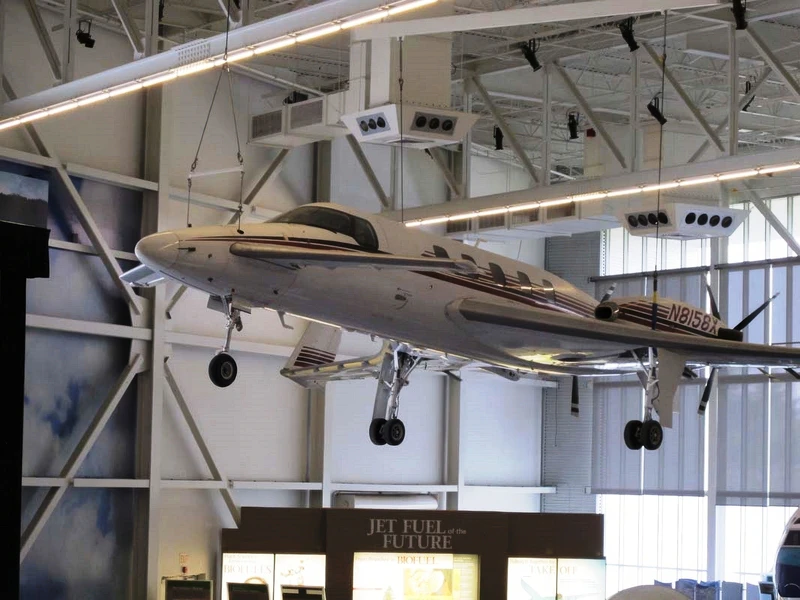
Beechcraft Starship | |
|---|---|
| Країні | Сша |
| Роль | Представницький транспорт |
| Виробництва | 1983–1995 |
| Побудований | 53 |
У 201 Буковий зореліт — бізнес-літак з подвійним турбогвинтовим тиском від шести до восьми пасажирів, що випускається компанією Beech Aircraft Corporation. Відомий своїм незвичайним дизайном і широким використанням композиту з вуглецевого волокна, він не продав багато одиниць, і виробництво припинилося в 1995 році, лише через шість років після першого польоту Starship.
Джерело: Beechcraft Starship у Вікіпедії
| Beechcraft Starship 2000A Walk Around | |
|---|---|
| Photographer | Vladimir Yakubov |
| Localisation | Future of Flight, Paine Field, Everett, WA |
| Photos | 62 |
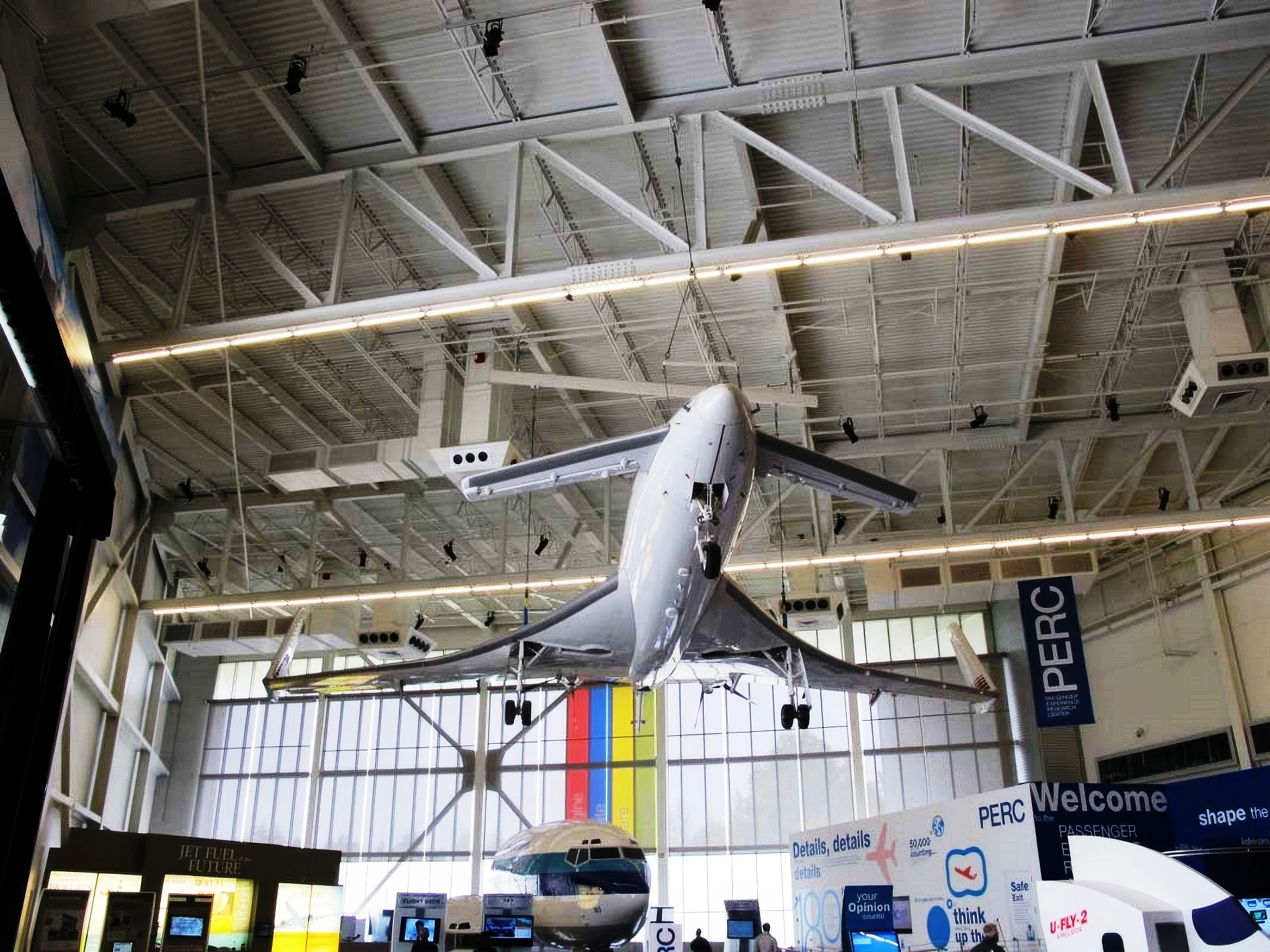
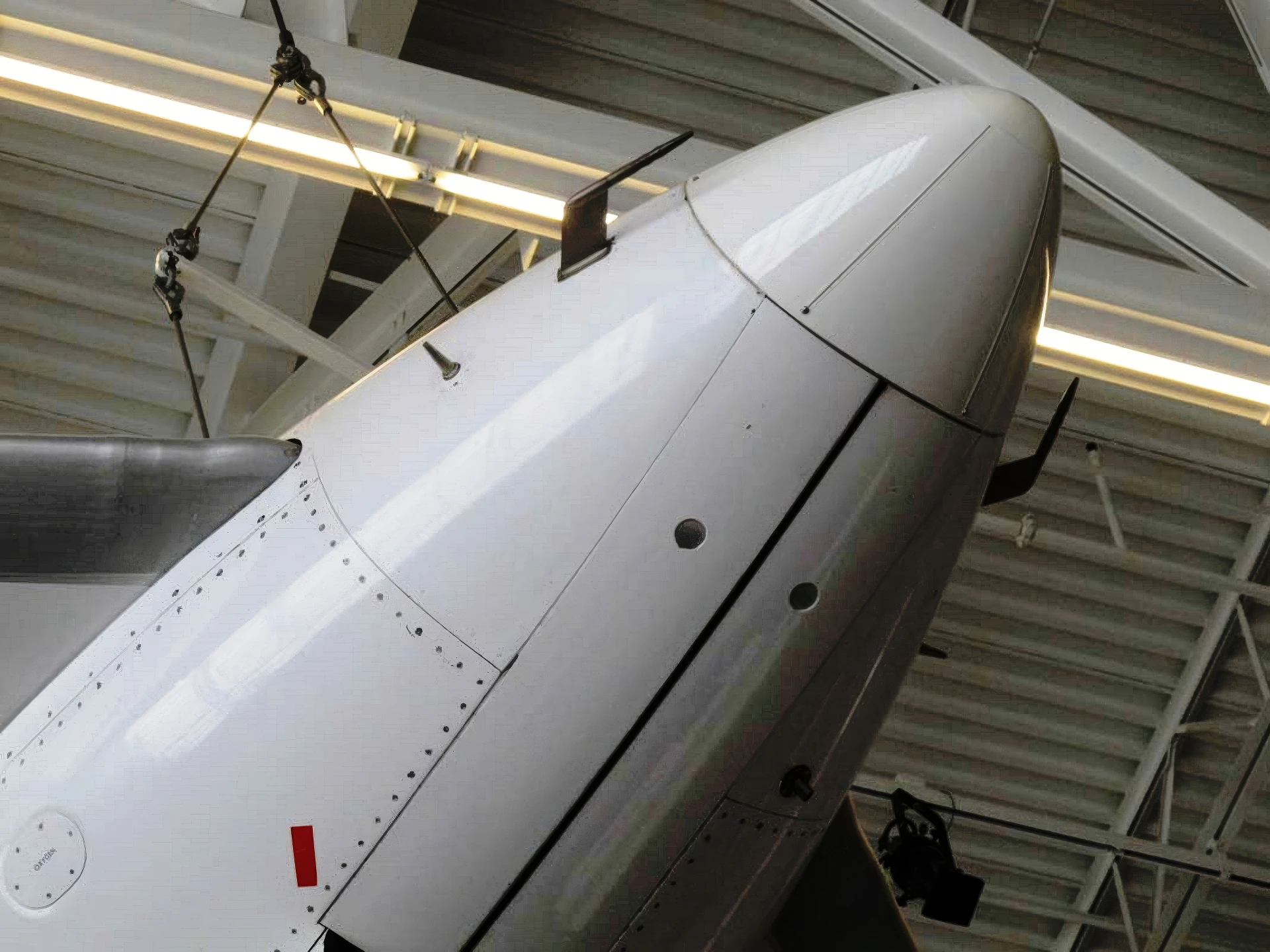
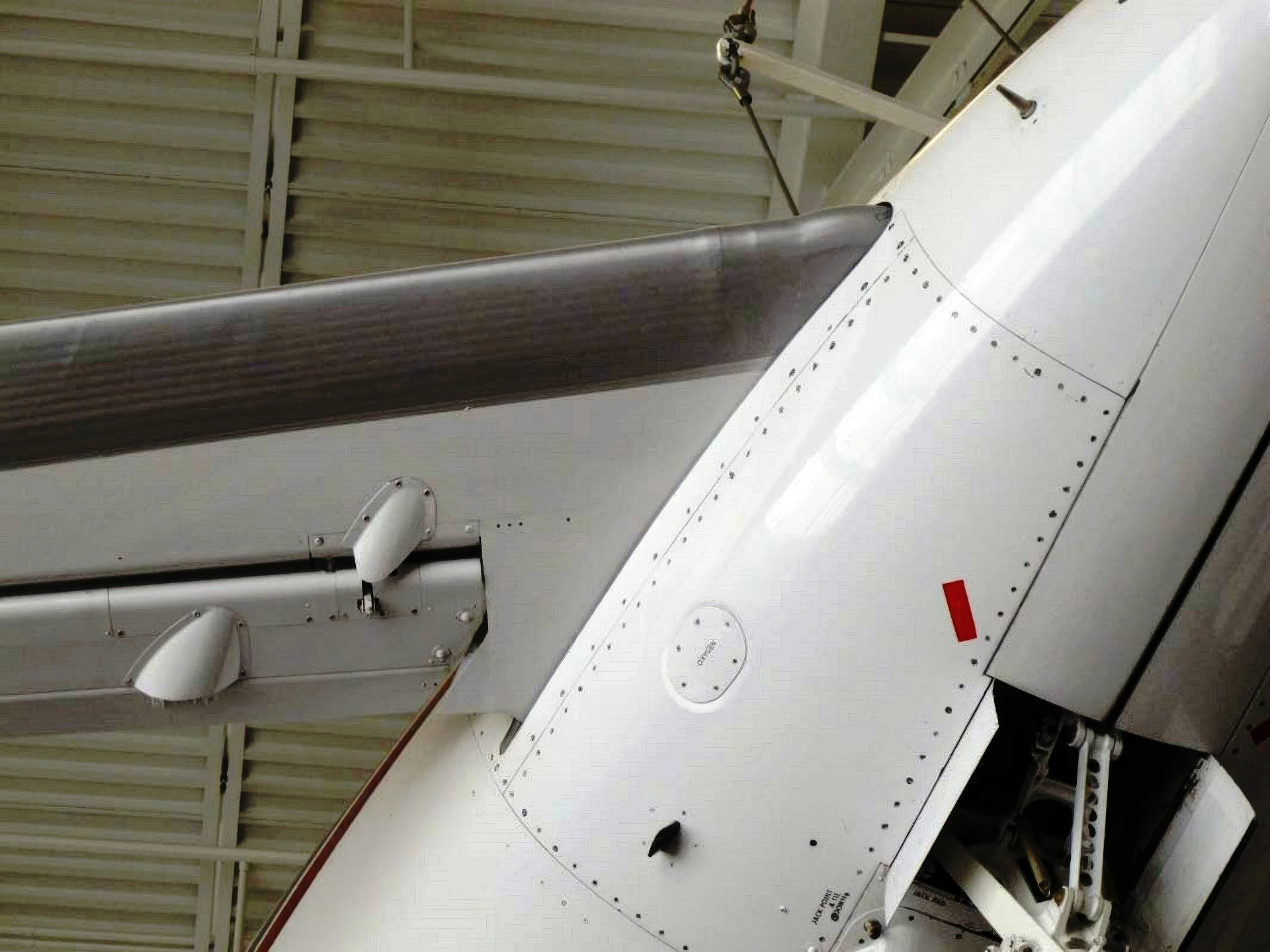
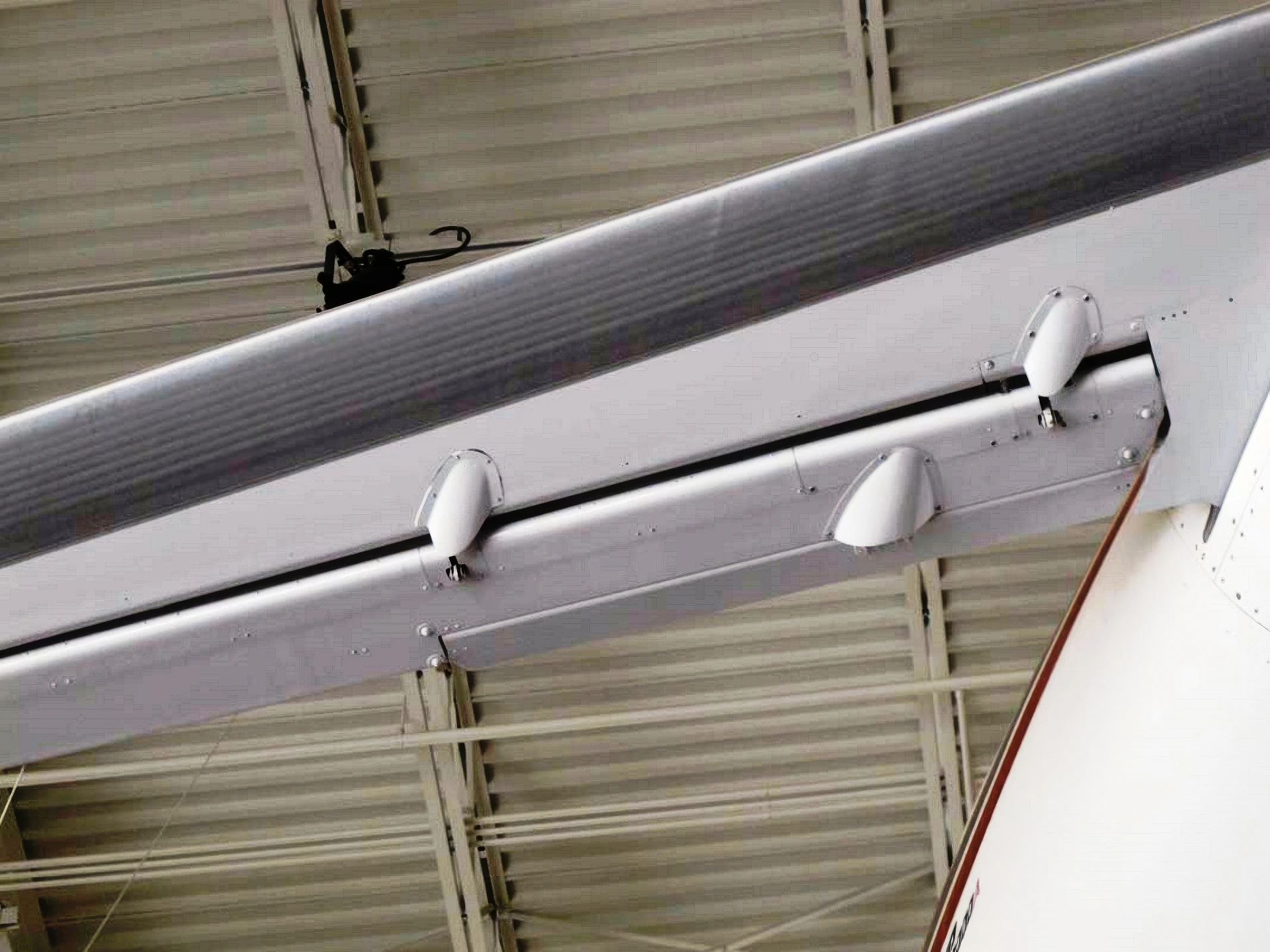
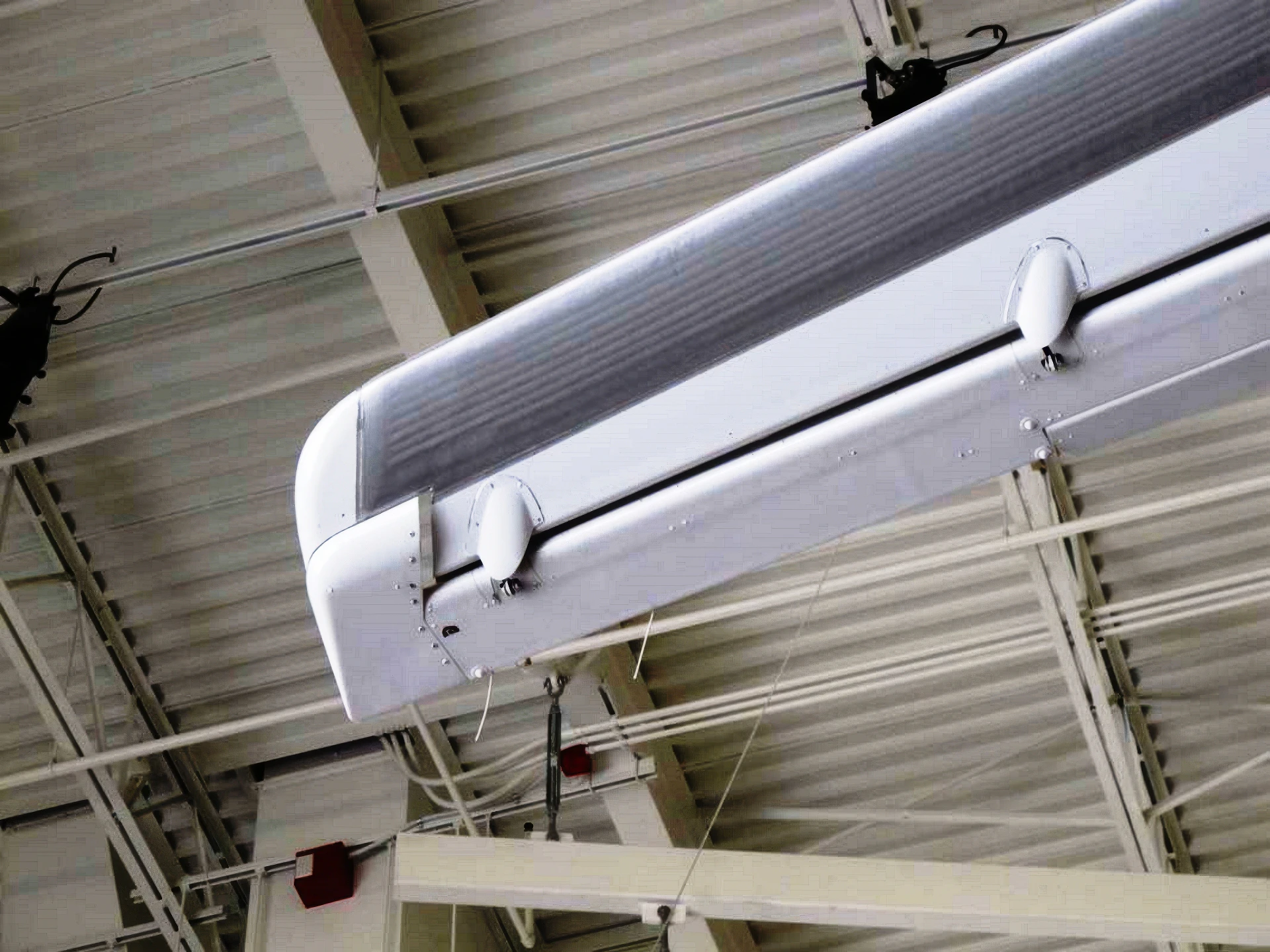
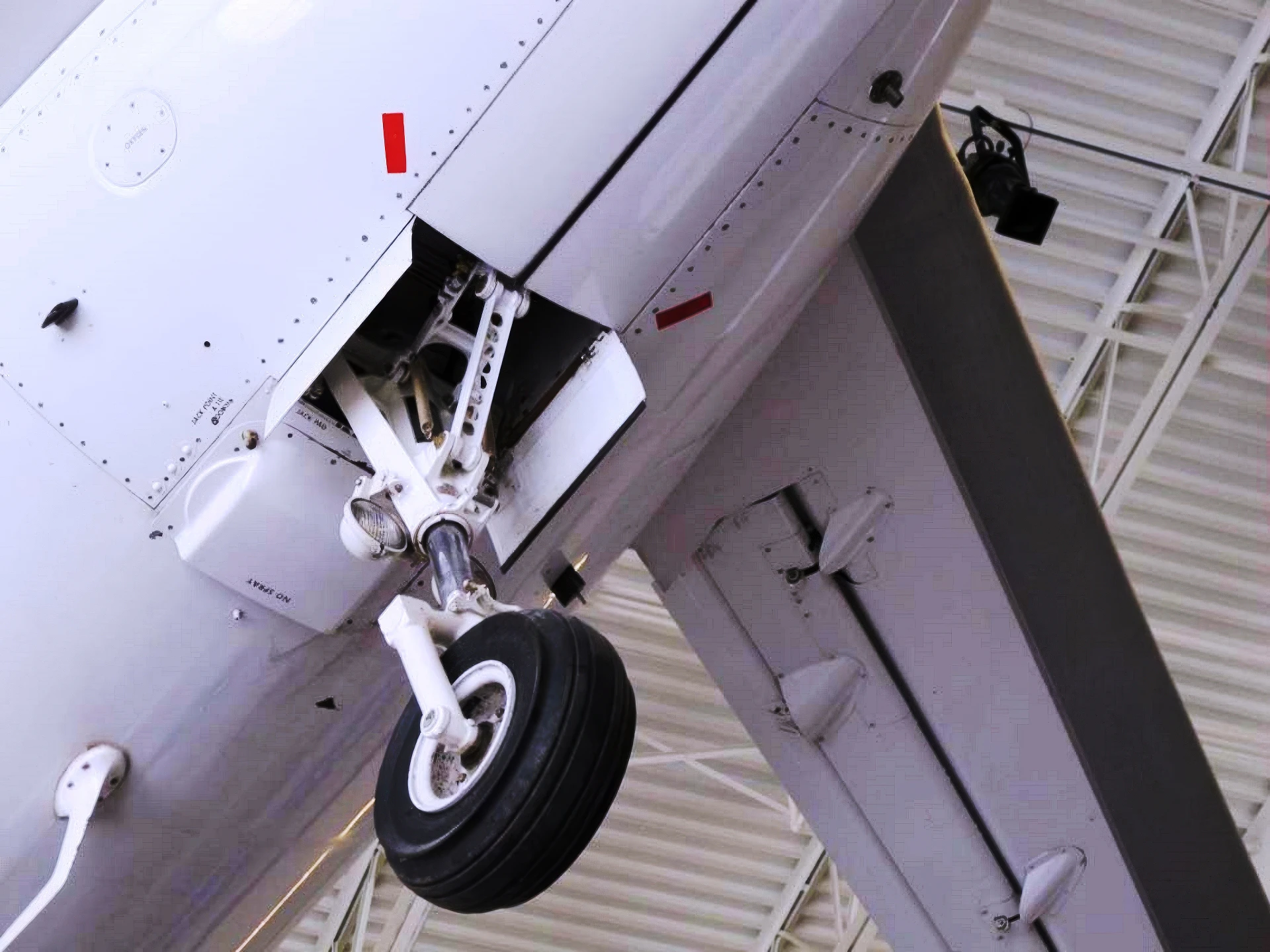
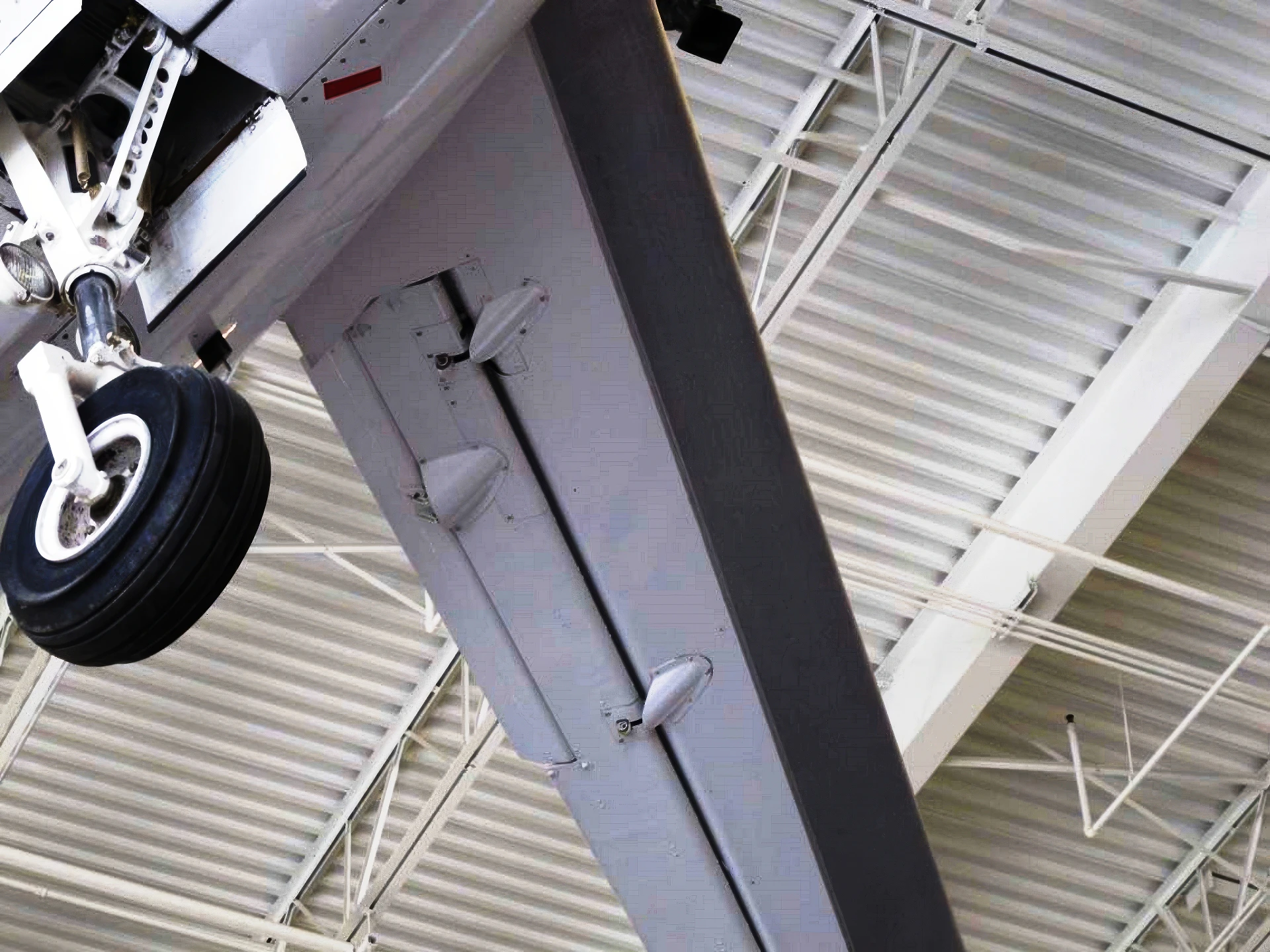
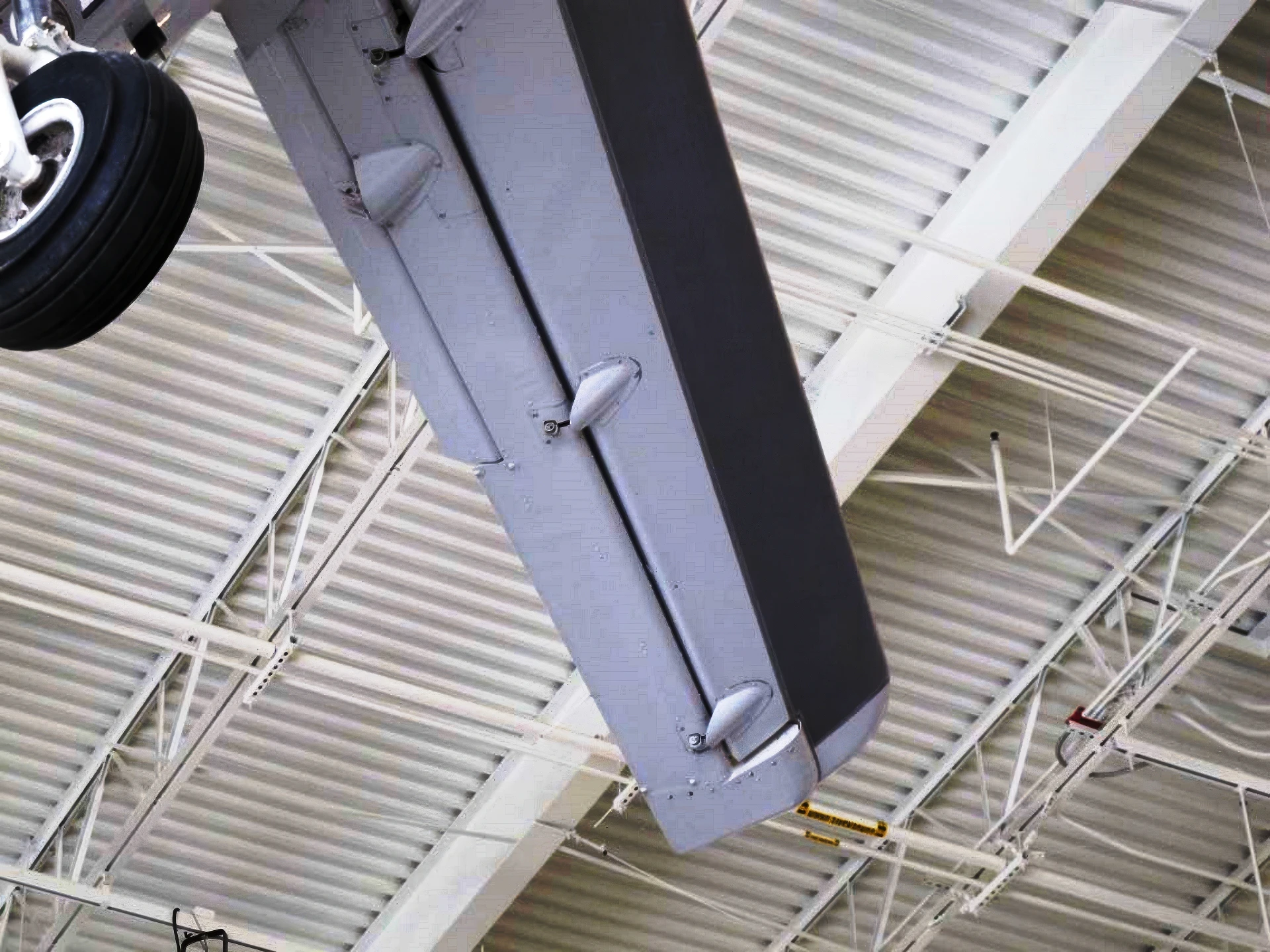
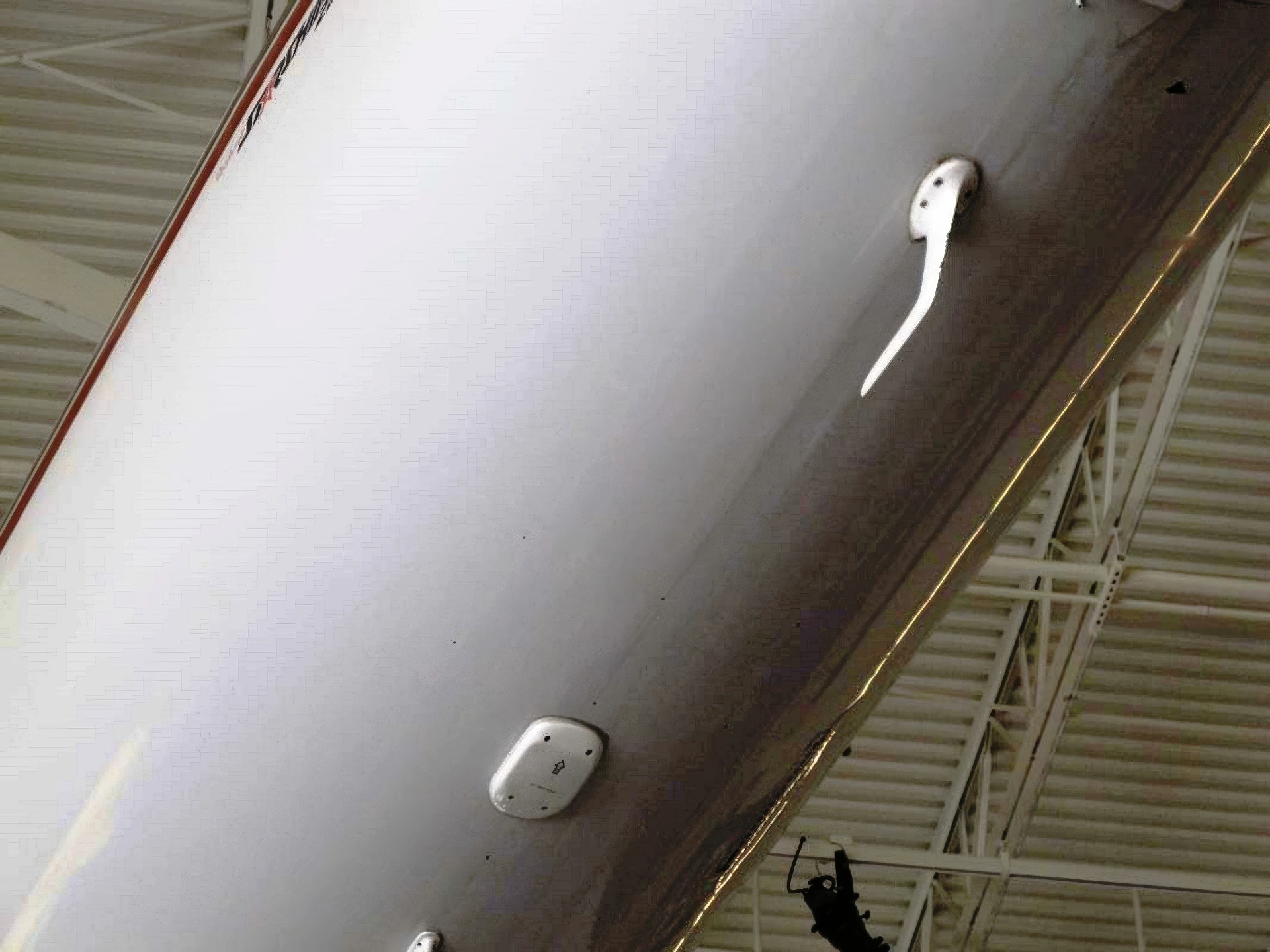
Стривайте, шукаючи зореліт Beechcraft...

| Beechcraft Model 2000 Starship Walk Around | |
|---|---|
| Photographer | Vladimir Yakubov |
| Localisation | Evergreen Air & Space Museum |
| Photos | 116 |

Читайте також:


General Characteristics
The Beechcraft Starship was a radical, twin-turboprop business aircraft developed in the 1980s. Designed by Burt Rutan’s Scaled Composites, it was groundbreaking for its all-composite airframe, rear-mounted pusher propellers, and forward canard wings, though it was a commercial failure.
| Property | Value (2000A Production Model) |
|---|---|
| Роль | Executive/Corporate Transport |
| Виробник | Beechcraft (Raytheon) |
| First Flight (Prototype) | August 1983 |
| команда | 1 or 2 pilots |
| Capacity | 6–8 passengers |
| Розмах крил | 16.6 m (54 ft 4 in) |
| Max Takeoff Weight | 6,580 kg (14,500 lb) |
Design and Powerplant
- Engines: Two Pratt & Whitney Canada PT6A-67 turboprop engines.
- Power Output: 932 kW (1,250 hp) each (flat rated to 1,000 hp for takeoff).
- Propellers: Five-bladed Hartzell pusher propellers located behind the wing.
- Fuselage/Structure: The airframe was almost entirely constructed of advanced carbon fiber composite materials—one of the largest civilian aircraft of its time to use this technology.
- Canard Design: Features a forward canard wing with winglets, making it a very stable and stall-resistant design. The main wing has a significant sweep.
- Key Difference (2000A): This variant incorporated several improvements over the initial 2000 model, including higher cruise speeds and increased gross weight.
Performance and History
- Maximum Cruise Speed: 620 km/h (385 mph, 335 knots) at 30,000 ft.
- Maximum Range: Approximately 2,800 km (1,740 miles).
- Service Ceiling: 12,500 m (41,000 ft).
- Cockpit: Featured a “glass cockpit,” using the Collins EFIS-86 system, which was very advanced for a business aircraft of the late 1980s.
- Commercial Status: Only 53 Starships were ever built, making it a major commercial disappointment for Beechcraft due to its high development cost, long gestation period, and complexity.
- End of Life: Most Starships were repurchased by the manufacturer in the early 2000s and scrapped to reduce liability and maintenance costs, though a small handful remain in private hands.
Views : 302
Ви також можете побачити:
 Буковий мушкетер – фото та відео
 Beechcraft Bonanza – Фото & Відео
 Beechcraft RC-12 Guardrail – фото & відео
 Canadair CP-107 Argus – Фото та відео
 Beechcraft Model 17 Staggerwing – Фото & Відео
 Boeing C-97 Stratofreighter – фото та відео
 Cessna 150 - Фото та відео
 Beechcraft Model 18 – фото та відео
 Beechcraft T-34 Mentor – фото та відео
 Фоке-Вульф FW-190 – Прогулянка Навколо