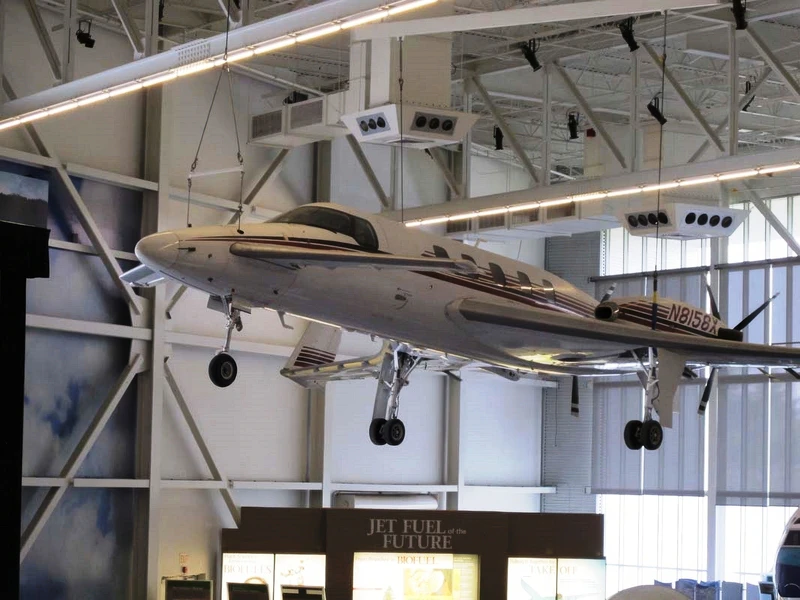
Beechcraft Starship | |
|---|---|
| Land | Usa |
| Role | Directievervoer |
| Geproduceerd | 1983–1995 |
| Gebouwd | 53 |
De Beechcraft Ruimteschip is een twin-turboprop zes- tot achtpersoons drukvliegtuig dat wordt geproduceerd door Beech Aircraft Corporation. Opmerkelijk vanwege het ongebruikelijke canard-ontwerp en het uitgebreide gebruik van koolstofvezelcomposiet, verkocht het niet veel eenheden en stopte de productie in 1995, slechts zes jaar na de eerste vlucht van het Starship.
Bron: Beechcraft Starship op Wikipedia
| Beechcraft Starship 2000A Walk Around | |
|---|---|
| Photographer | Vladimir Yakubov |
| Localisation | Future of Flight, Paine Field, Everett, WA |
| Photos | 62 |
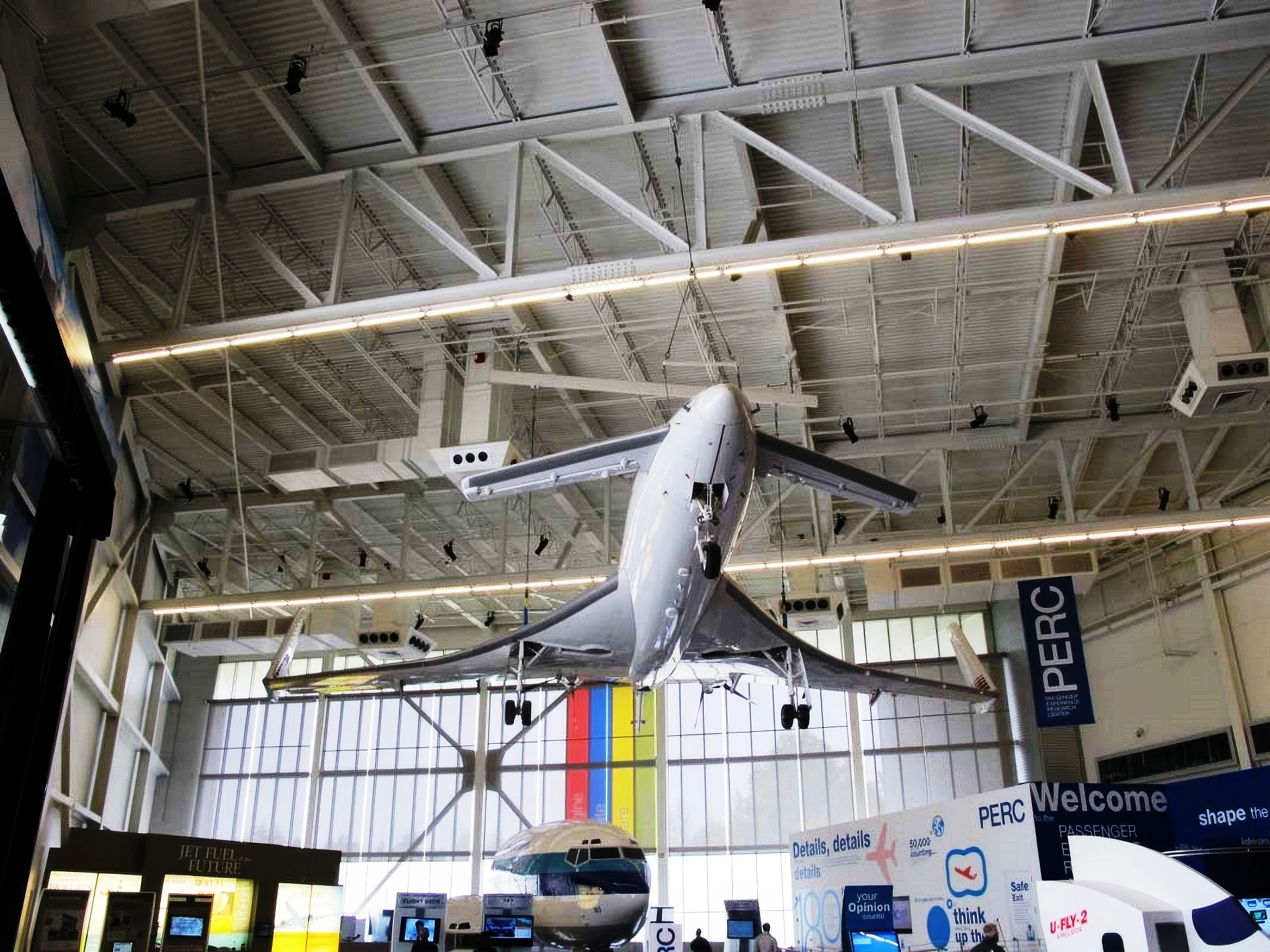
Beechcraft Starship 2000A 01
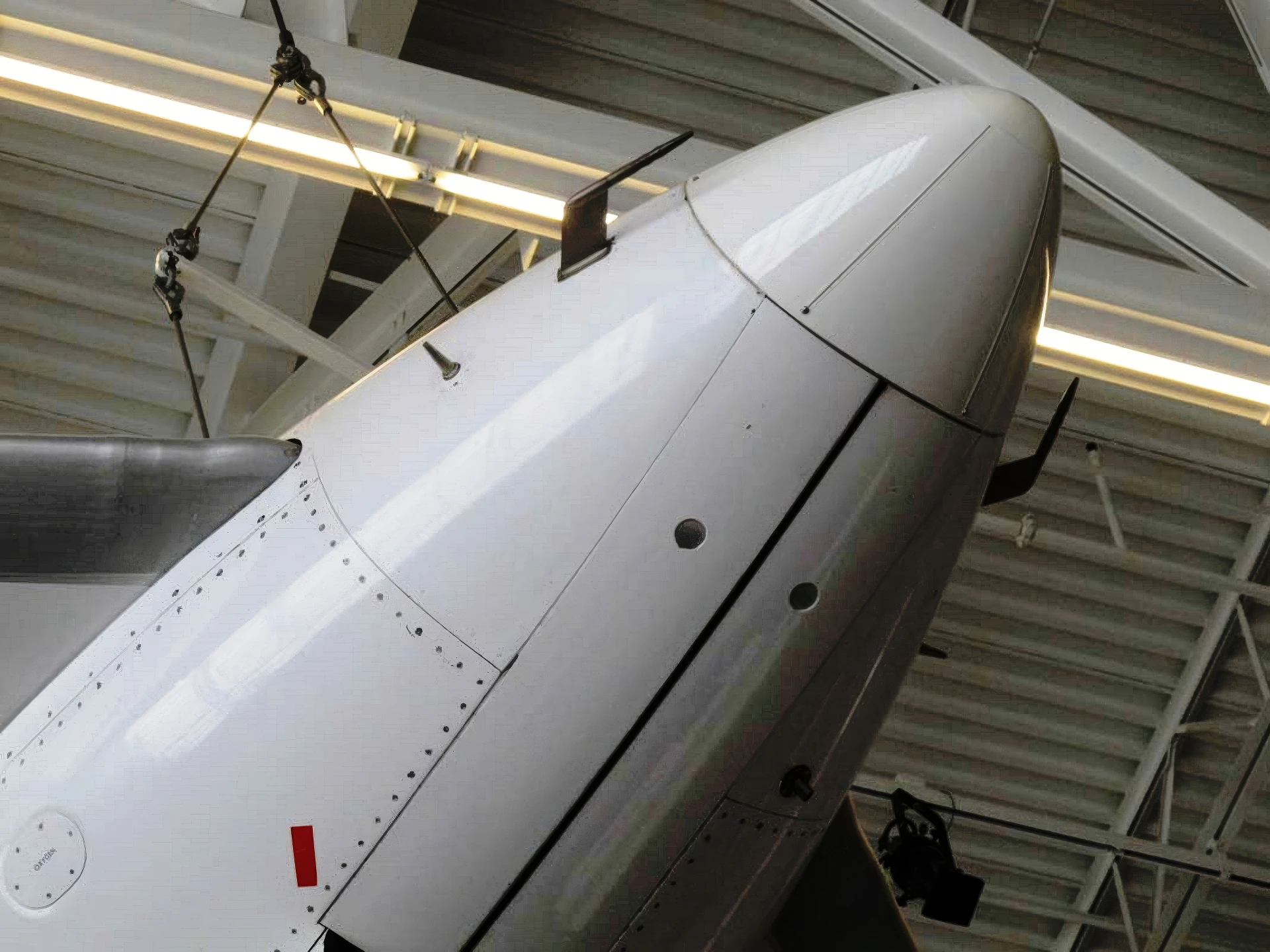
Beechcraft Starship 2000A 02
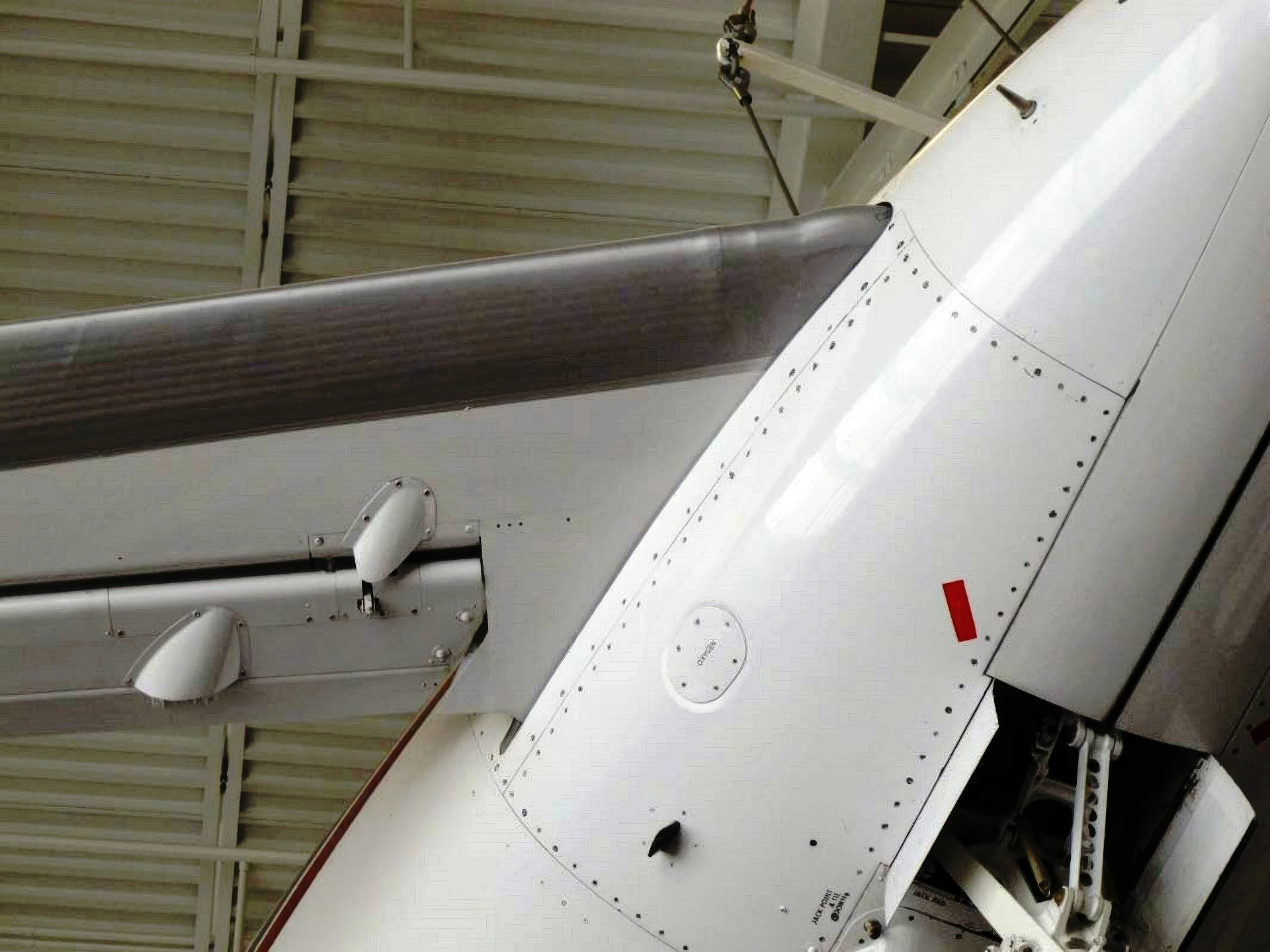
Beechcraft Starship 2000A 03
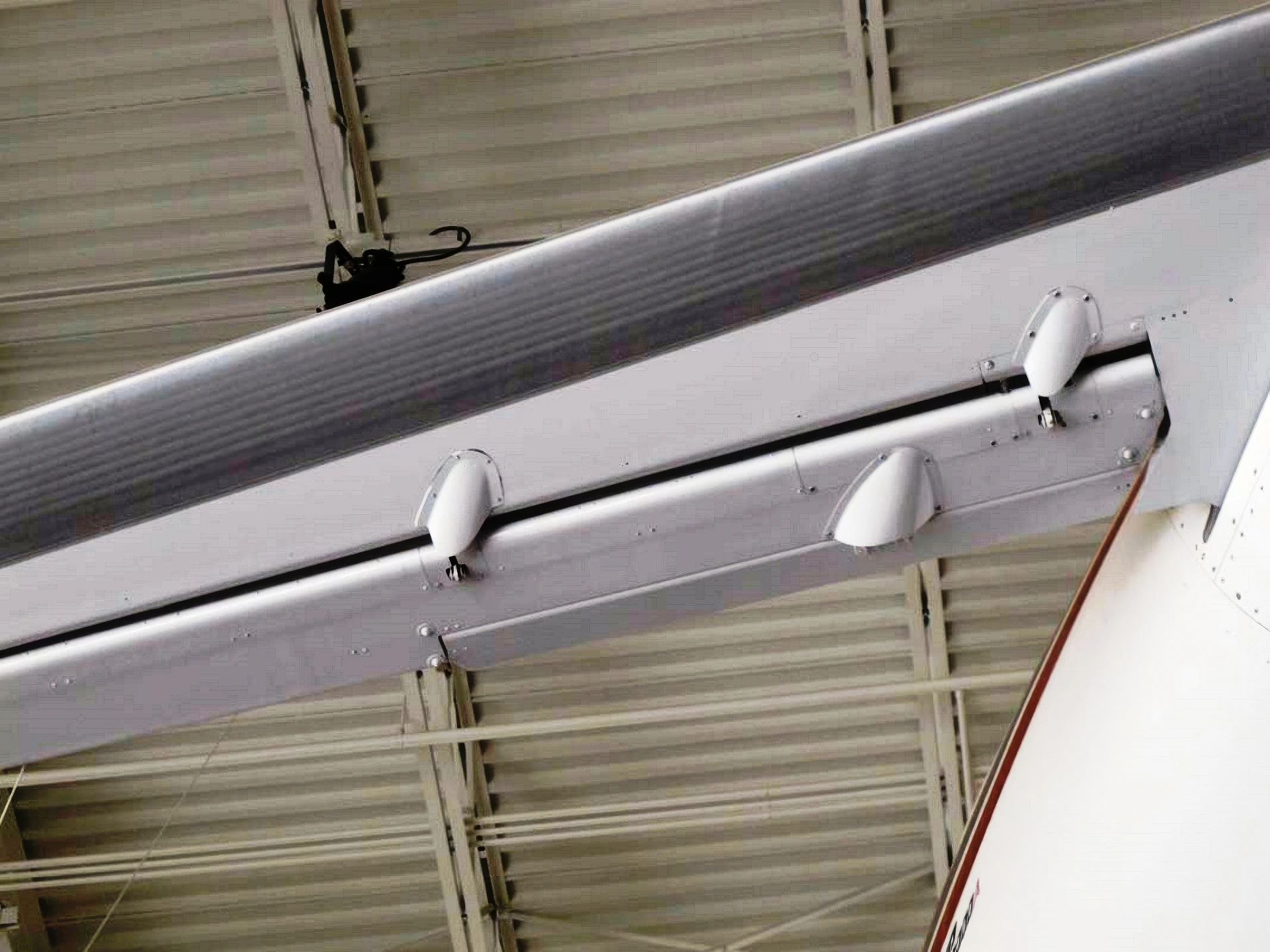
Beechcraft Starship 2000A 04
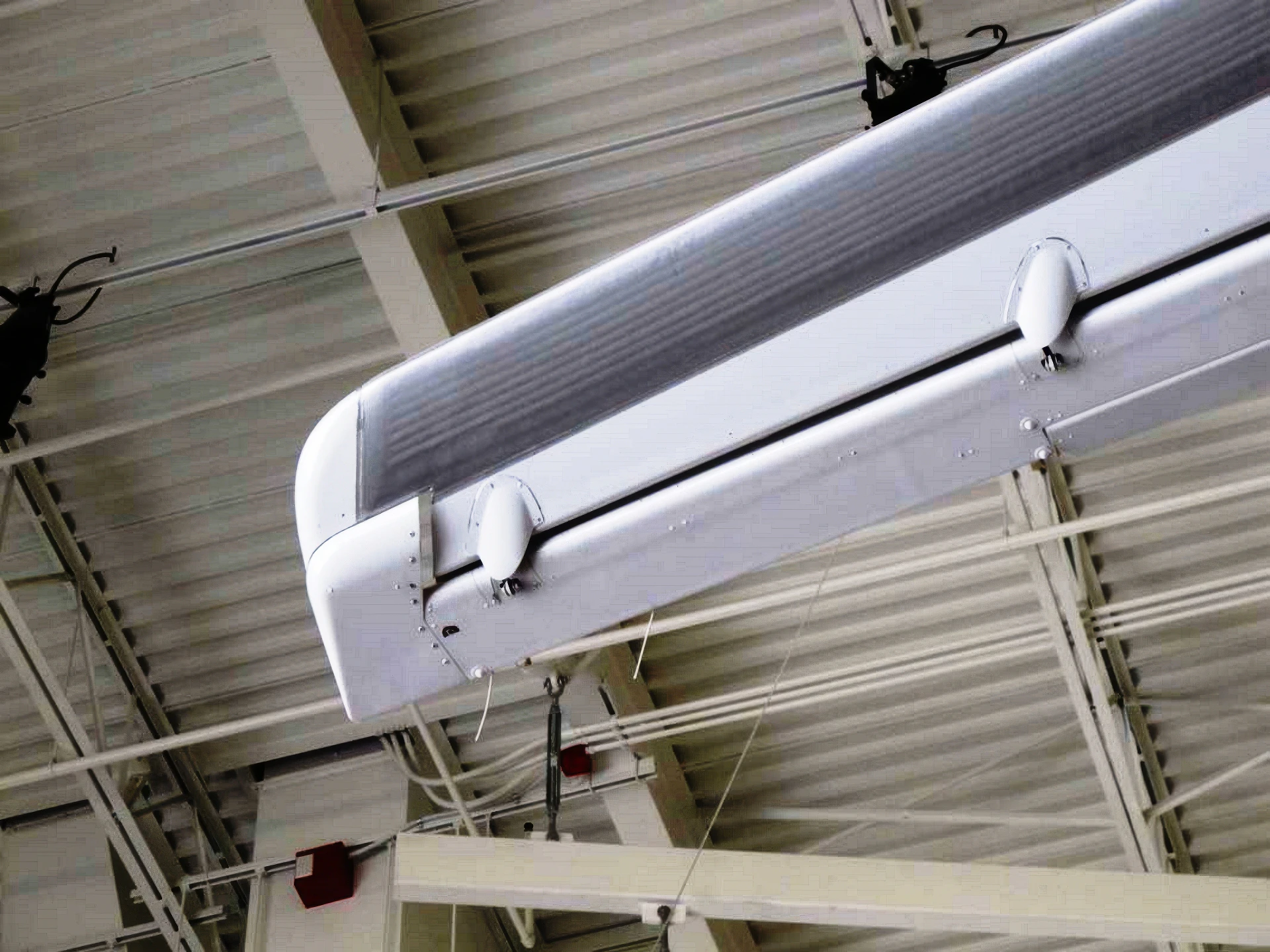
Beechcraft Starship 2000A 05
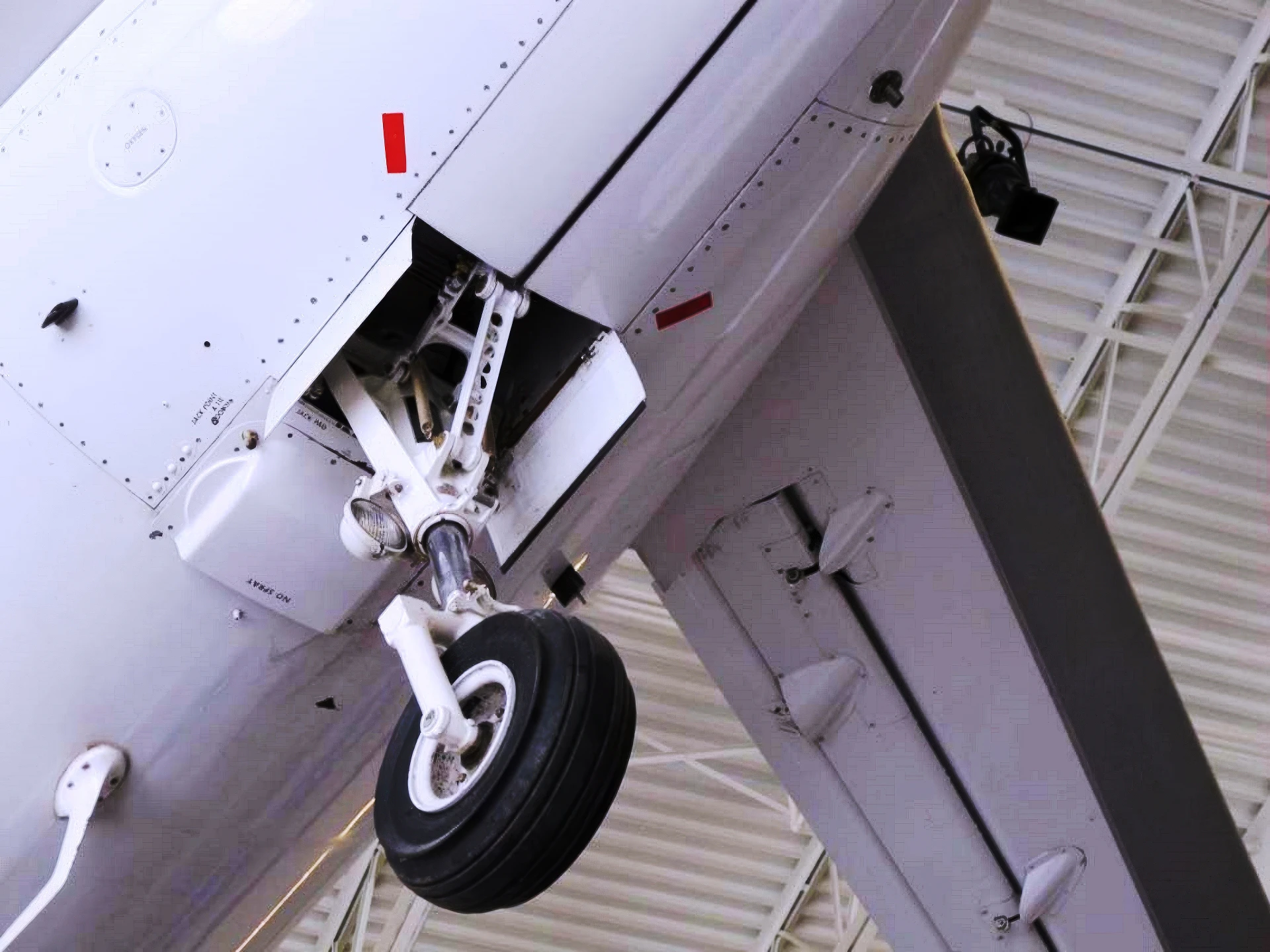
Beechcraft Starship 2000A 06
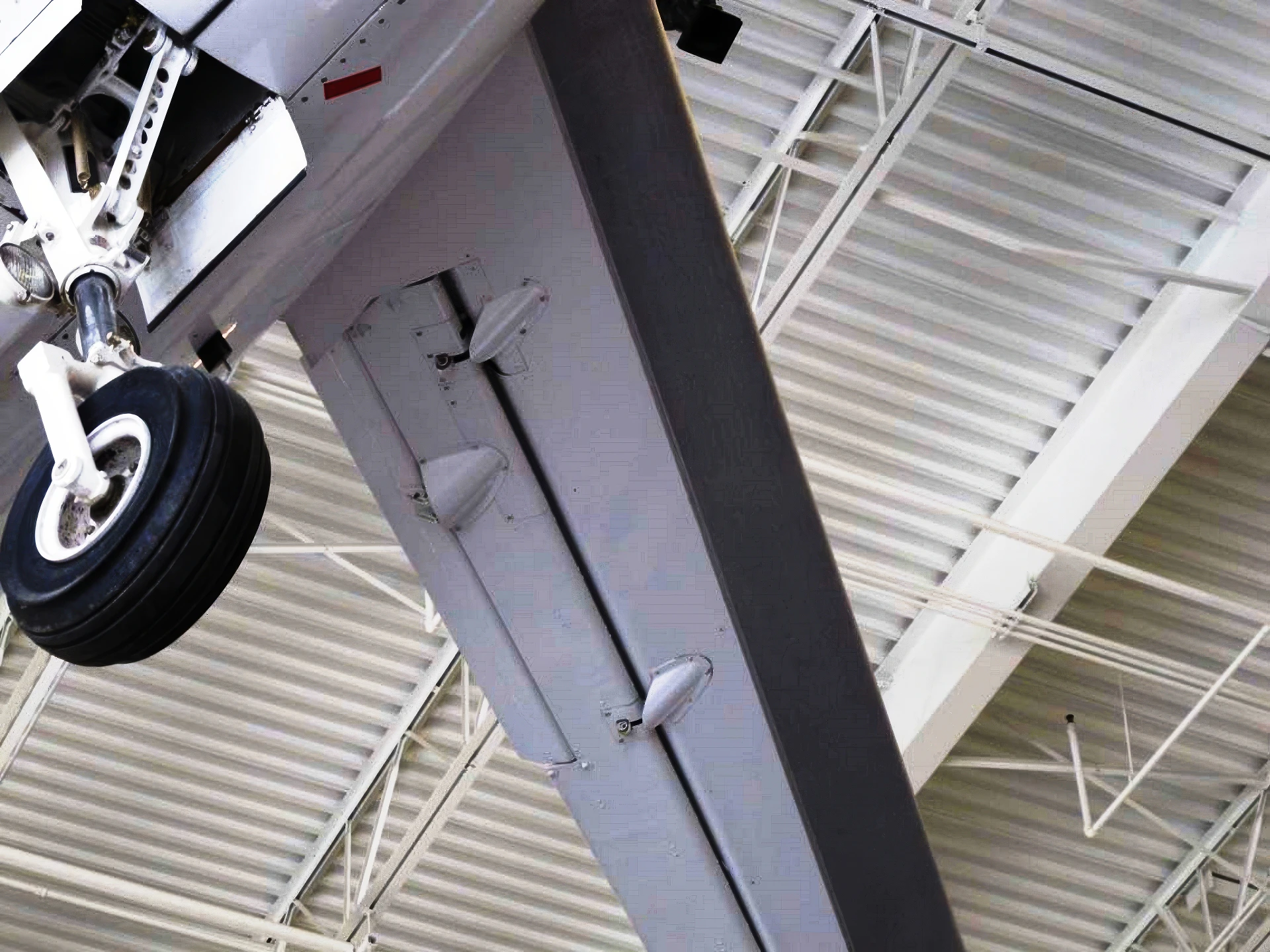
Beechcraft Starship 2000A 07
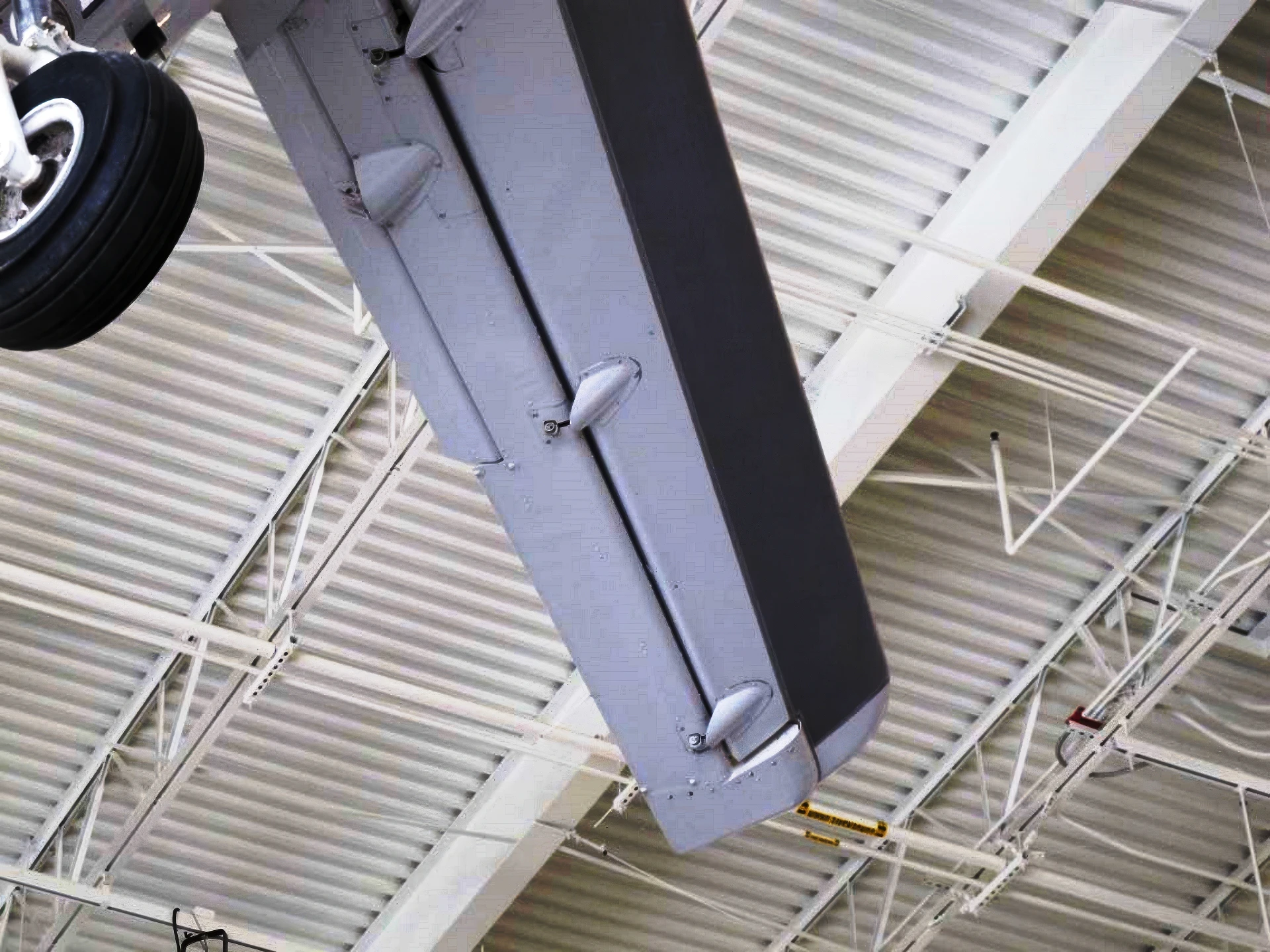
Beechcraft Starship 2000A 08
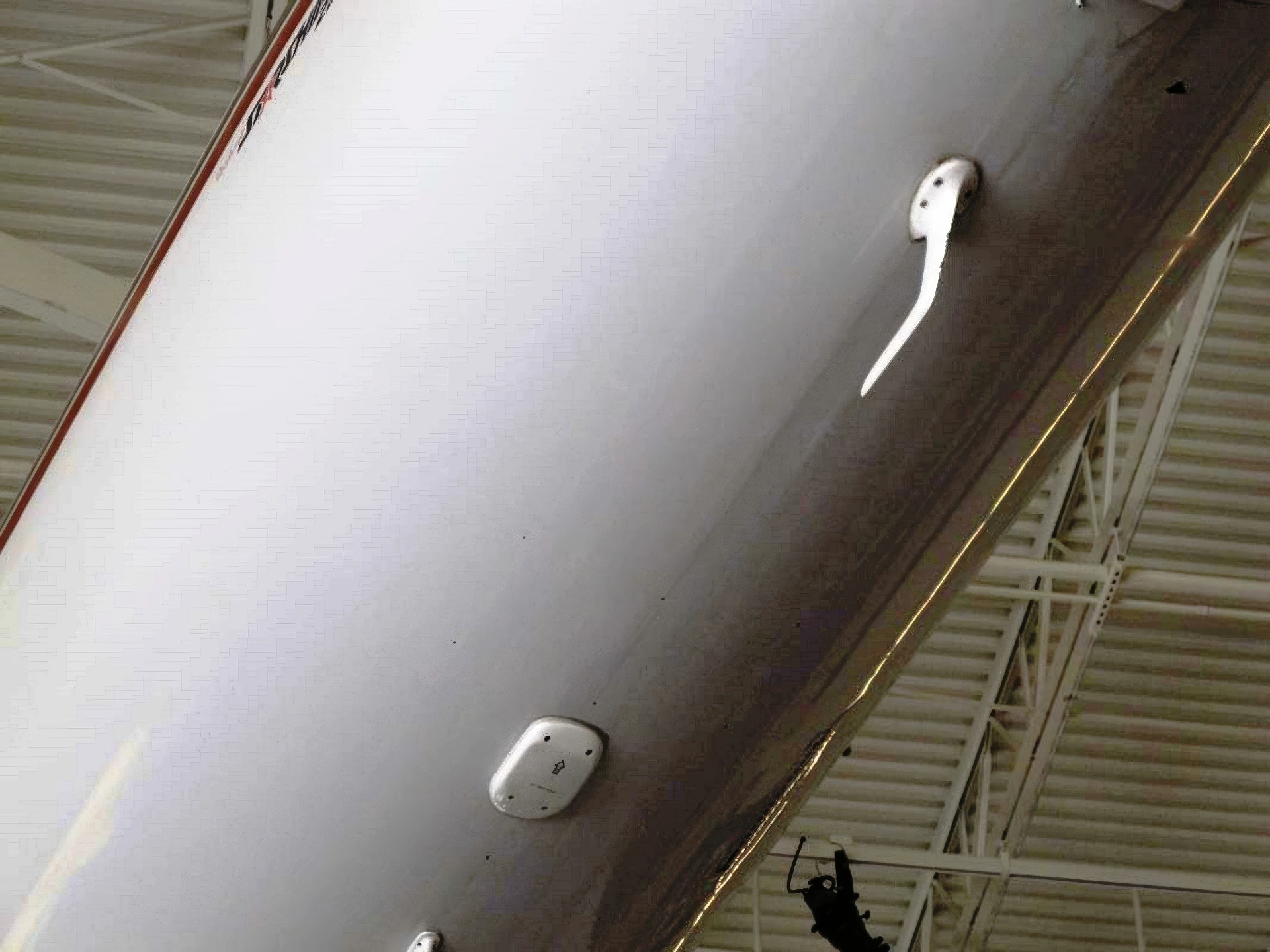
Beechcraft Starship 2000A 09
Wacht, zoekend Beechcraft ruimteschip...

| Beechcraft Model 2000 Starship Walk Around | |
|---|---|
| Photographer | Vladimir Yakubov |
| Localisation | Evergreen Air & Space Museum |
| Photos | 116 |
Beechcraft Starship 2000A 01
Beechcraft Starship 2000A 02
Beechcraft Starship 2000A 03
Beechcraft Starship 2000A 04
Beechcraft Starship 2000A 05
Beechcraft Starship 2000A 06
Beechcraft Starship 2000A 07
Beechcraft Starship 2000A 08
Beechcraft Starship 2000A 09

Zie ook:


General Characteristics
The Beechcraft Starship was a radical, twin-turboprop business aircraft developed in the 1980s. Designed by Burt Rutan’s Scaled Composites, it was groundbreaking for its all-composite airframe, rear-mounted pusher propellers, and forward canard wings, though it was a commercial failure.
| Property | Value (2000A Production Model) |
|---|---|
| Role | Executive/Corporate Transport |
| Fabrikant | Beechcraft (Raytheon) |
| First Flight (Prototype) | August 1983 |
| Bemanning | 1 or 2 pilots |
| Capaciteit | 6–8 passengers |
| Spanwijdte | 16.6 m (54 ft 4 in) |
| Max Takeoff Weight | 6,580 kg (14,500 lb) |
Design and Powerplant
- Engines: Two Pratt & Whitney Canada PT6A-67 turboprop engines.
- Power Output: 932 kW (1,250 hp) each (flat rated to 1,000 hp for takeoff).
- Propellers: Five-bladed Hartzell pusher propellers located behind the wing.
- Fuselage/Structure: The airframe was almost entirely constructed of advanced carbon fiber composite materials—one of the largest civilian aircraft of its time to use this technology.
- Canard Design: Features a forward canard wing with winglets, making it a very stable and stall-resistant design. The main wing has a significant sweep.
- Key Difference (2000A): This variant incorporated several improvements over the initial 2000 model, including higher cruise speeds and increased gross weight.
Performance and History
- Maximum Cruise Speed: 620 km/h (385 mph, 335 knots) at 30,000 ft.
- Maximum Range: Approximately 2,800 km (1,740 miles).
- Service Ceiling: 12,500 m (41,000 ft).
- Cockpit: Featured a “glass cockpit,” using the Collins EFIS-86 system, which was very advanced for a business aircraft of the late 1980s.
- Commercial Status: Only 53 Starships were ever built, making it a major commercial disappointment for Beechcraft due to its high development cost, long gestation period, and complexity.
- End of Life: Most Starships were repurchased by the manufacturer in the early 2000s and scrapped to reduce liability and maintenance costs, though a small handful remain in private hands.
Bekeken : 294
U ook zien :
 Beechcraft Musketier – Foto's en video's
 Beechcraft Bonanza – Foto's & Video's
 Beechcraft RC-12 Vangrail – Foto's & Video's
 Canadair CP-107 Argus – Foto's & Video's
 Beechcraft Model 17 Staggerwing – Foto's & Video's
 Boeing C-97 Stratofreighter – Foto's &Video's
 Cessna 150 – Foto's & Video's
 Beechcraft Model 18 – Foto's & Video
 Beechcraft T-34 Mentor - Foto's & Video
 Focke-Wulf FW-190 – Rond te Lopen