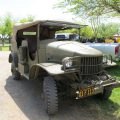
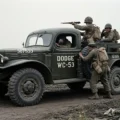
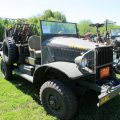
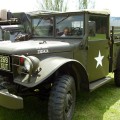
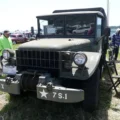
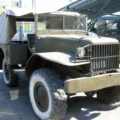
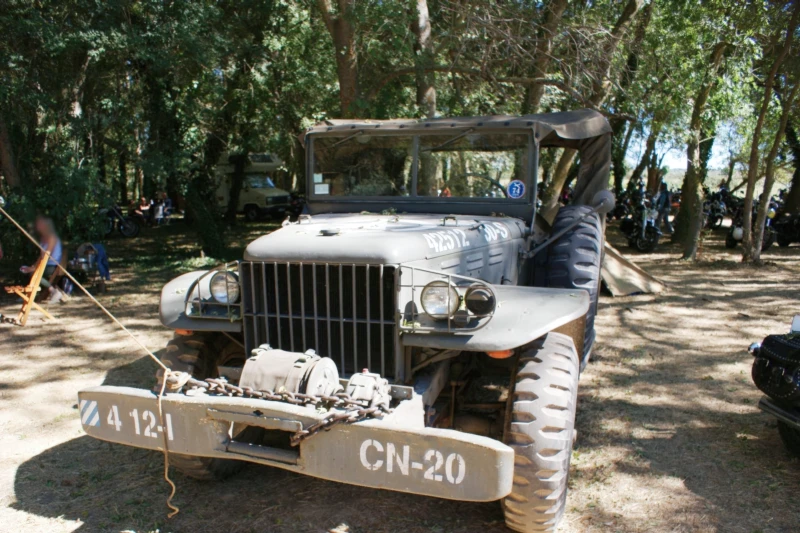
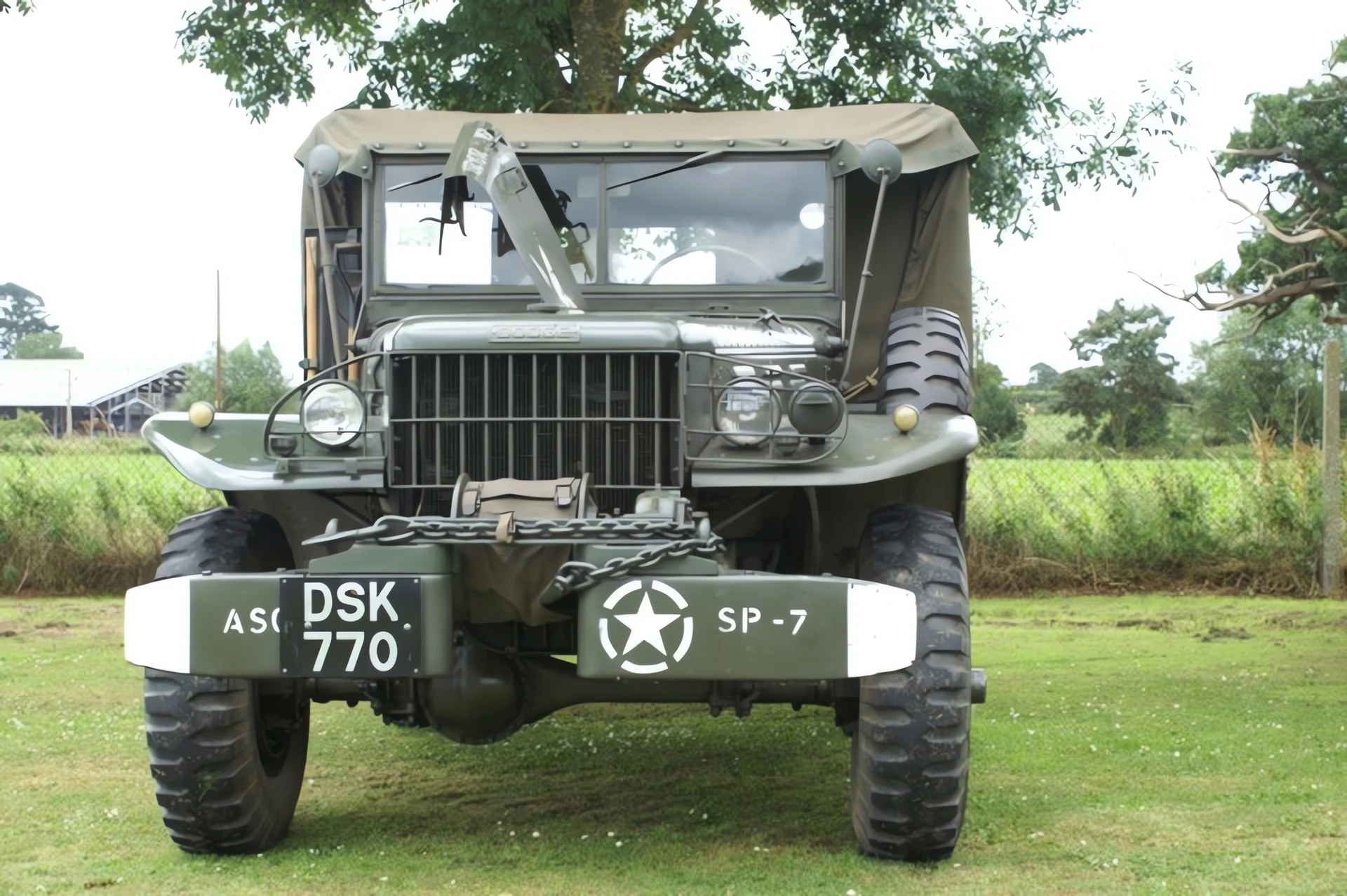
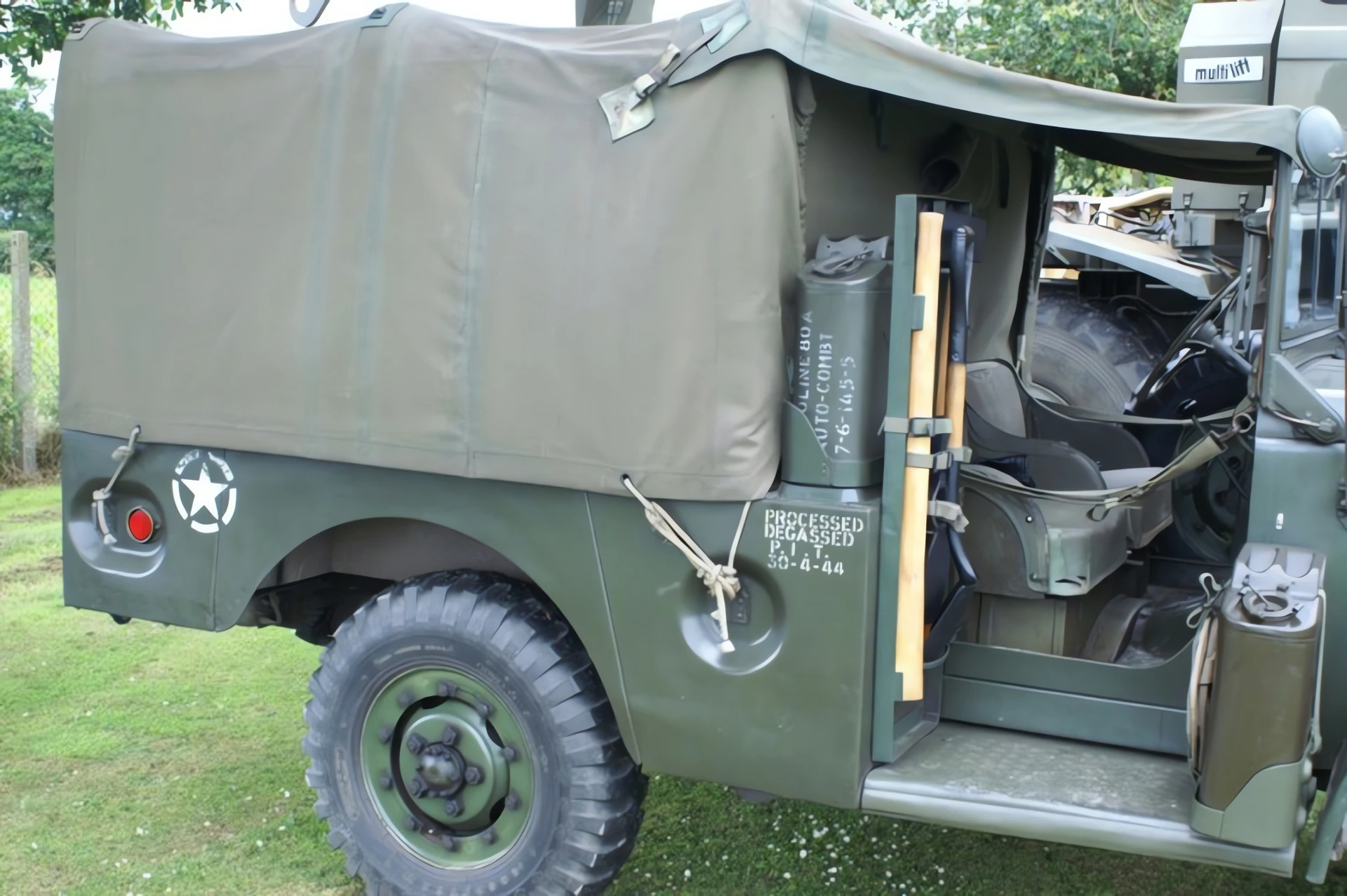
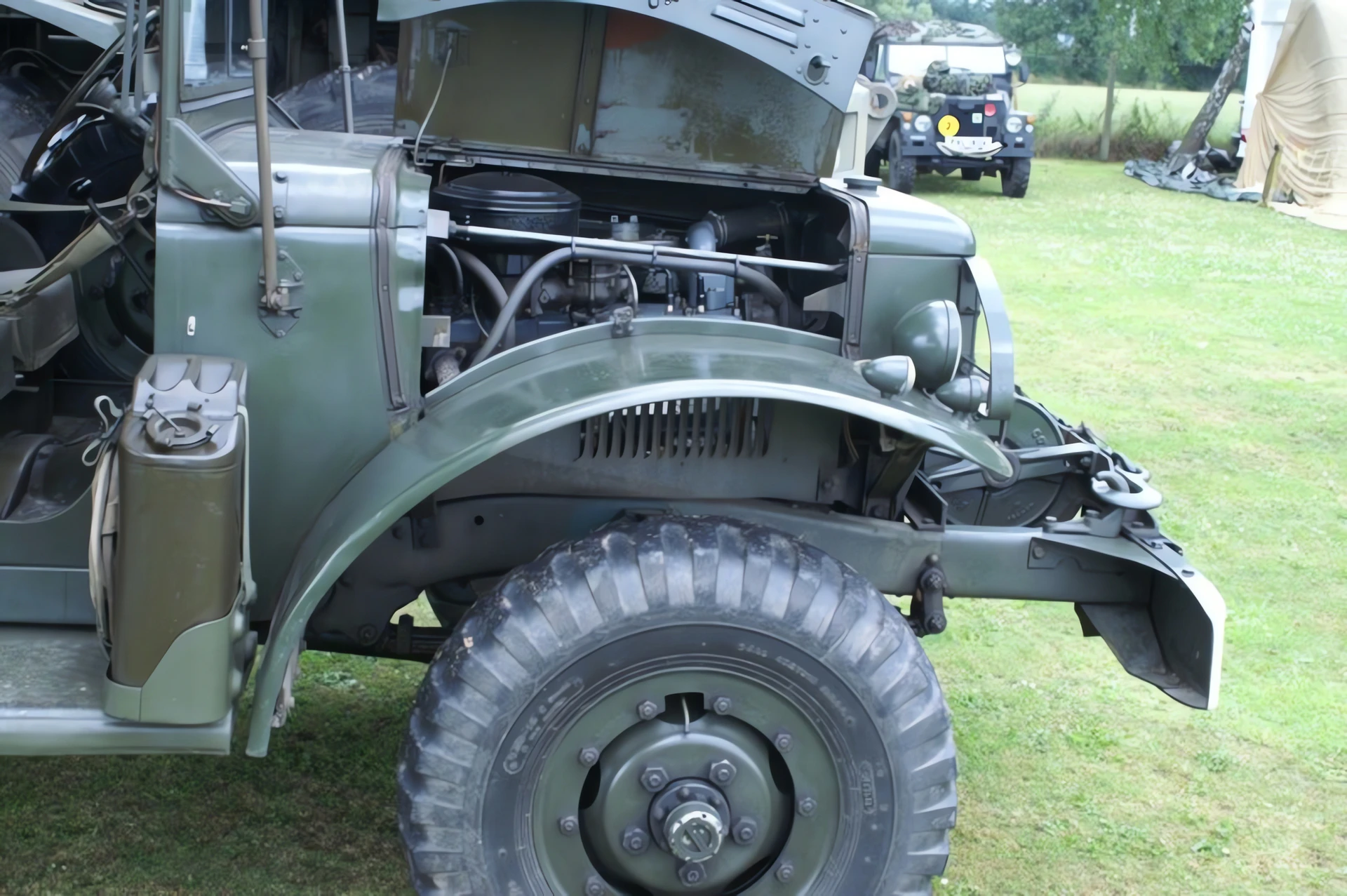
Fotogalleri av en WC52 (WC52),
The Dodge WC series was a range of light military trucks produced by Dodge and Fargo during World War II. The series included weapon carriers, telephone installation trucks, ambulances, reconnaissance vehicles, mobile workshops and command cars. They were replaced after the war by the Dodge M-series vehicles. WC was a Dodge model code: W for 1941 and C for half-ton rating. The C code was retained for the ¾ ton and 1½ ton 6×6 Dodges.
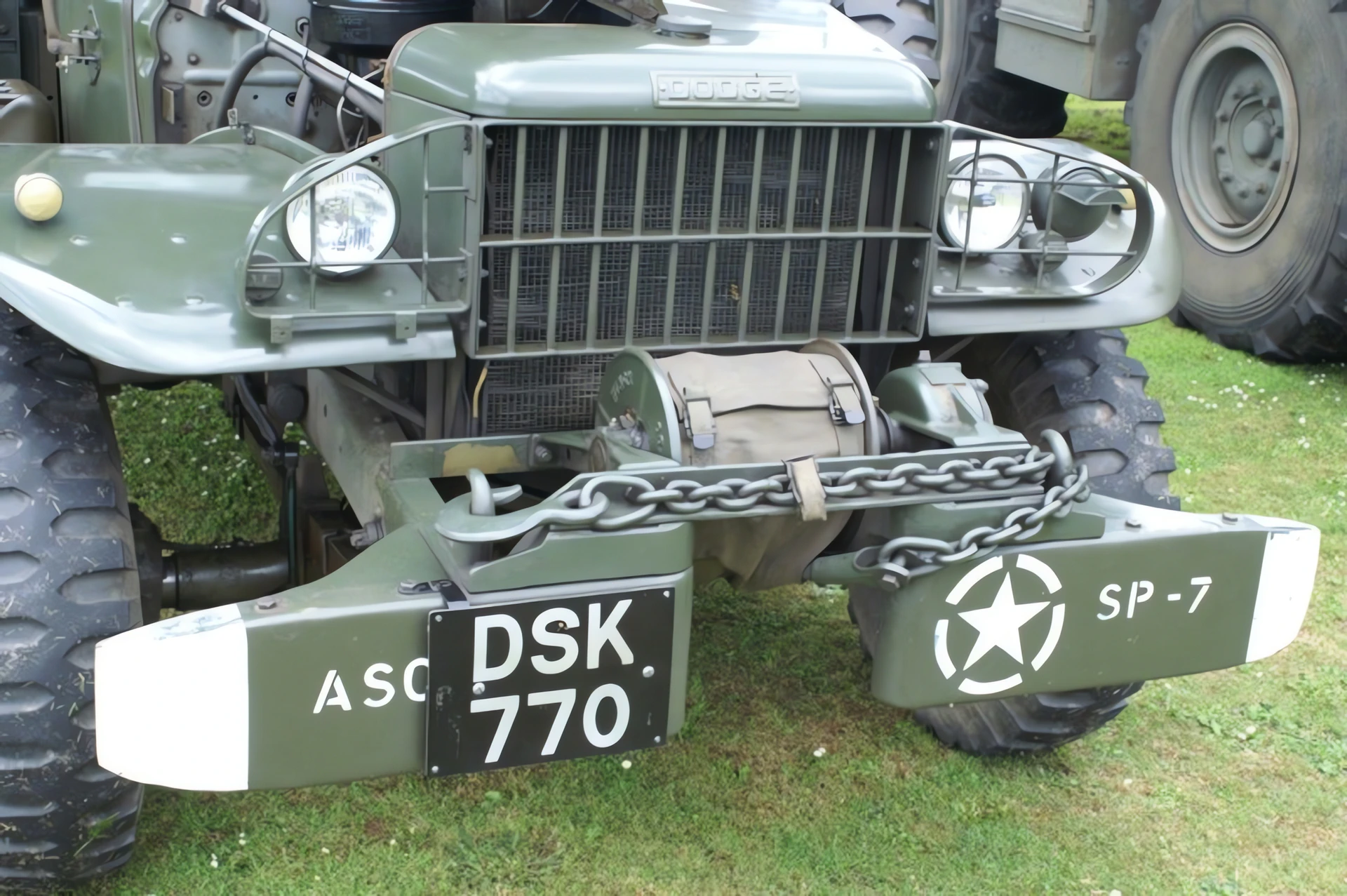
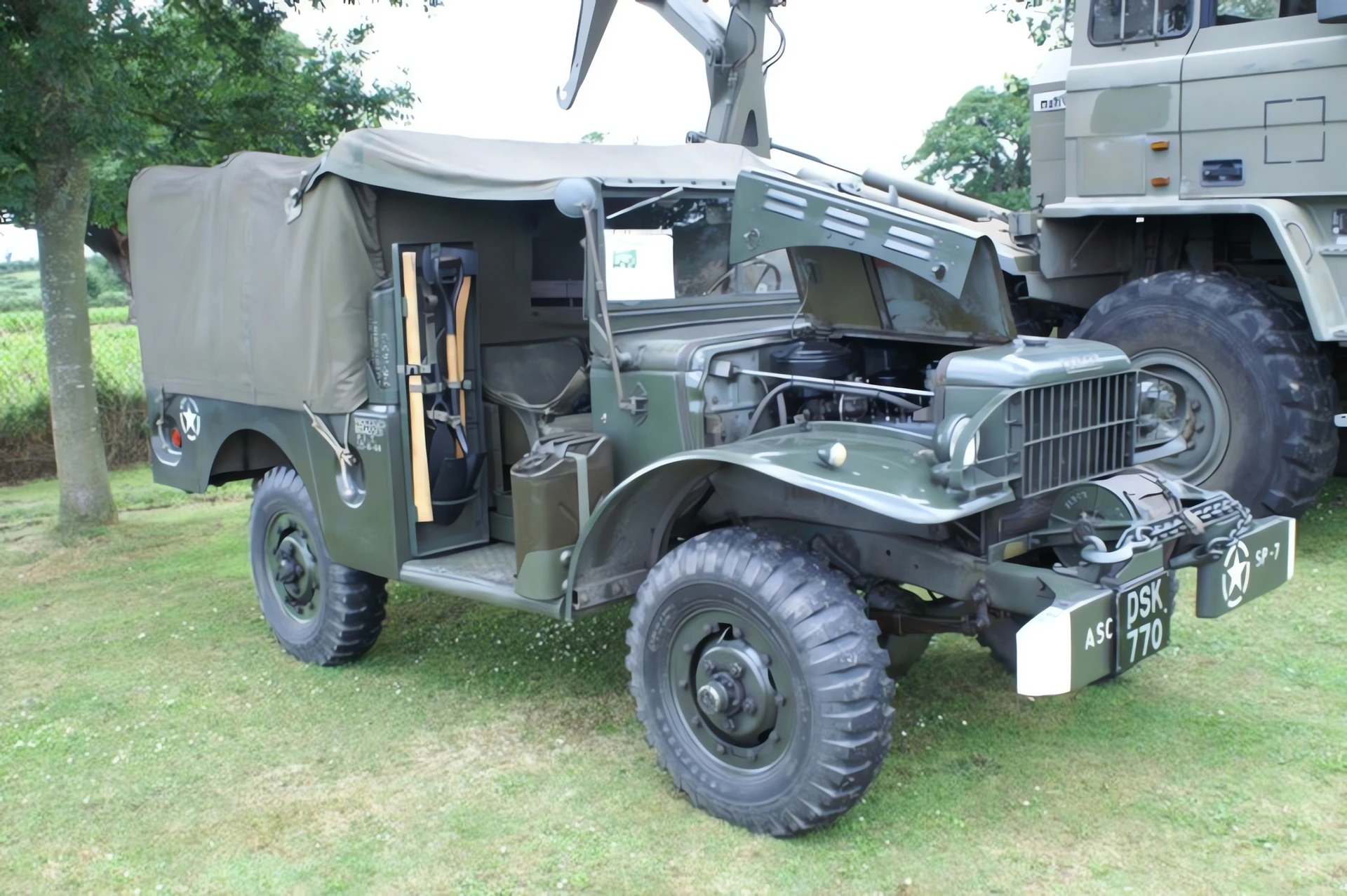
WC52 variant : WC52 Truck, Cargo, 3/4 ton, 4×4 w/Winch Dodge (G502) Weapons Carriers was identical to the WC51, but fitted with a Braden MU2 7,500 lb / 3 402 kg capacity winch at the front bumper. 59,114 built.
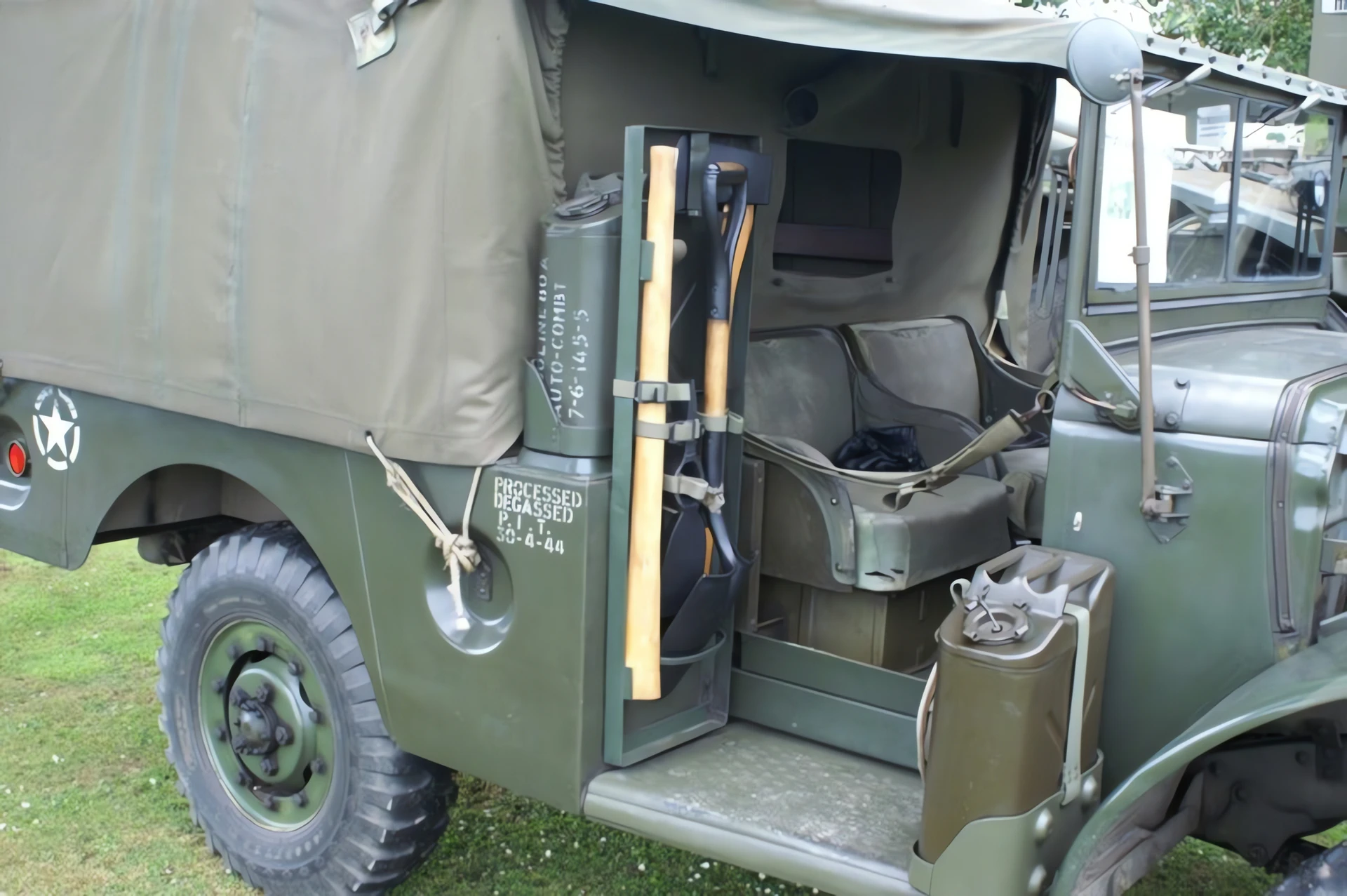
The Dodge WC52 was a prolific light military truck used by the United States and its Allies during World War II. Part of the broader Dodge WC series, the WC52 was a 3/4-ton 4×4 Weapons Carrier designed to transport personnel, light artillery, and supplies over rough terrain. It was nearly identical to the WC51, with the critical addition of a front-mounted Braden MU-2 winch, which made it invaluable for self-recovery and assisting other vehicles in mud or difficult terrain. Known for its ruggedness and reliability, the WC52 became one of the most recognizable tactical vehicles of the war, serving as the backbone of light transport for the U.S. Army.
Property
Typical Value (Dodge WC52)
Typ
Light Military Tactical Truck
National Origin
USA
Tillverkare
Dodge (Chrysler Corporation)
Entered Service
1942
besättning
1 (Driver) + up to 7 passengers
Payload Capacity
3/4 ton (approx. 680 kg / 1,500 lb)
Total Produced (WC51/52)
Approx. 180,000 units
Powerplant and Mobility
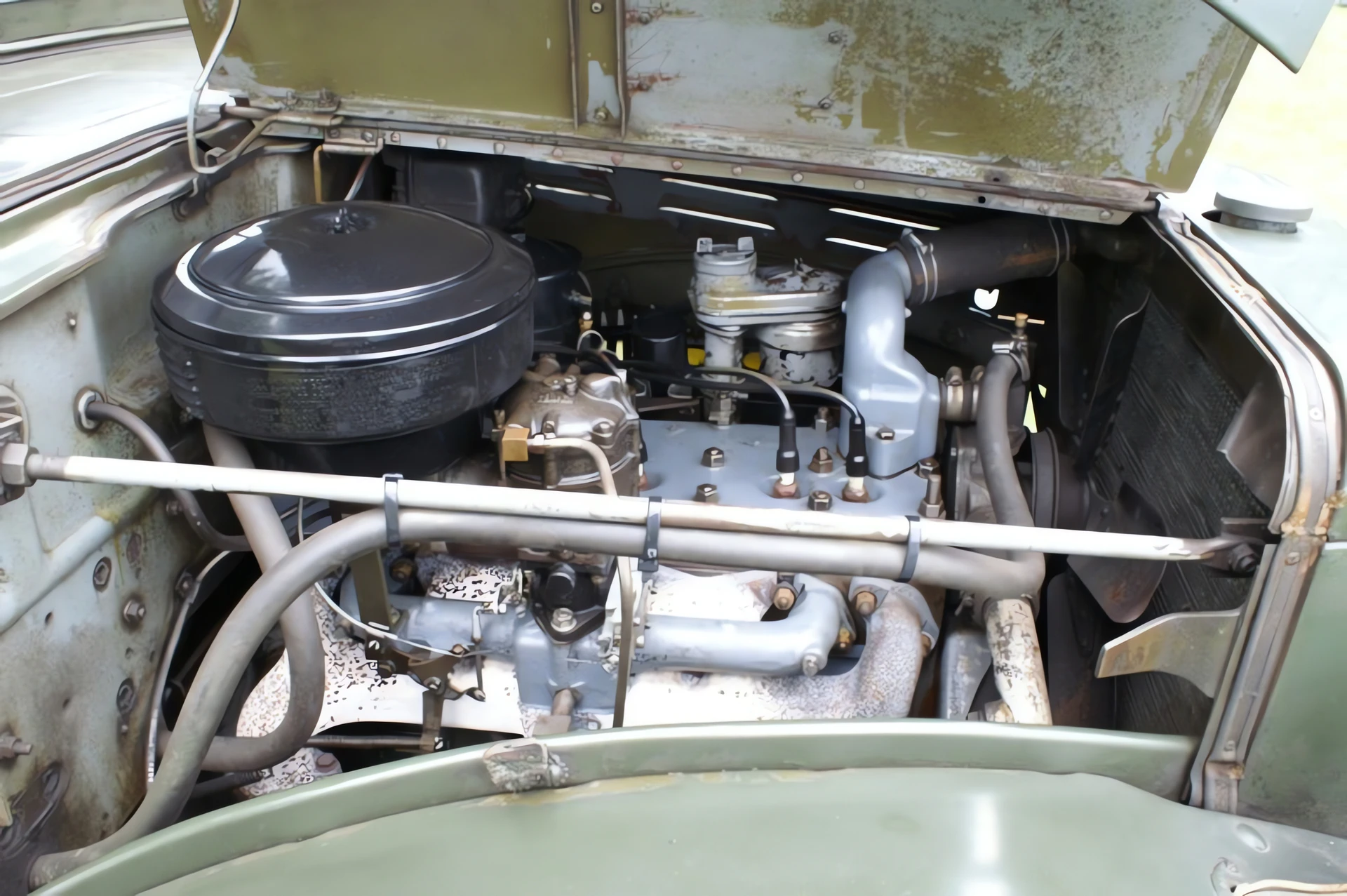
Engine: 1 x Dodge T214 side-valve, inline six-cylinder gasoline engine.
Engine Power: 92 hp (69 kW) at 3,200 rpm.
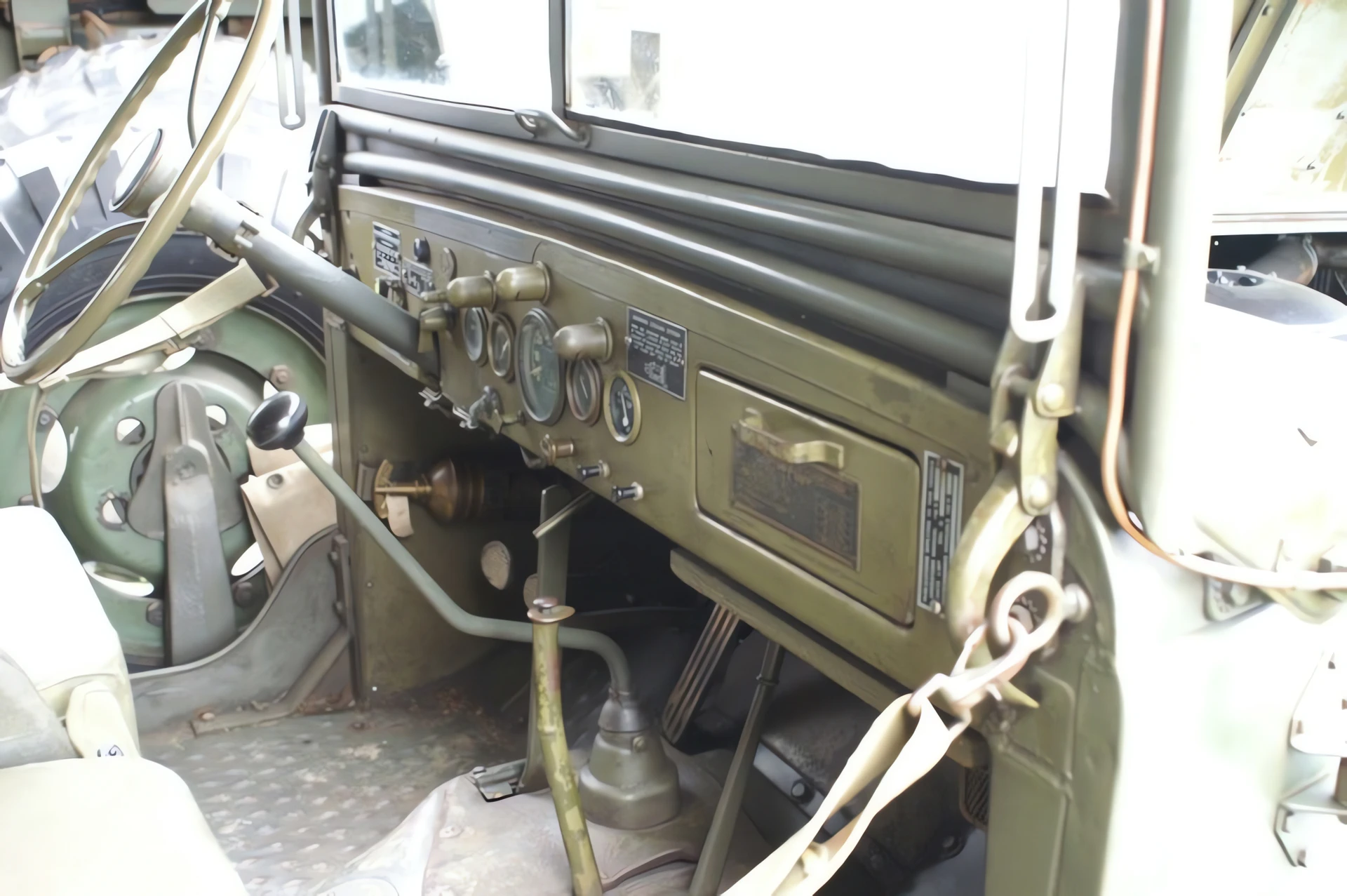
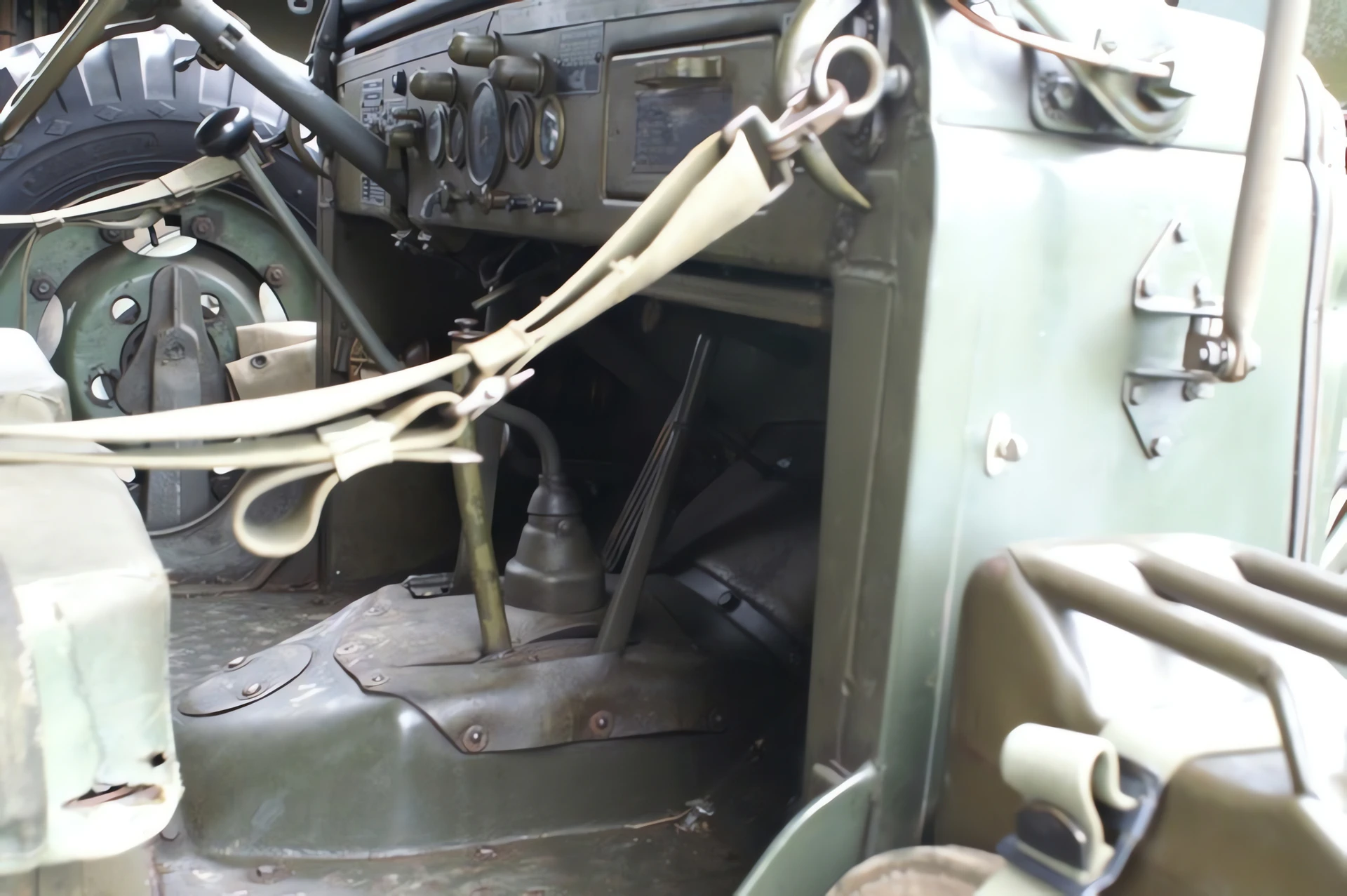
Drivetrain: 4×4 with a four-speed manual transmission and a single-speed transfer case.
Maximum Speed: Approx. 87 km/h (54 mph).
Distinguishing Feature: Front-mounted Braden MU-2 mechanical winch with a 7,500 lb (3,400 kg) capacity.
Suspension: Semi-elliptic leaf springs with hydraulic shock absorbers, designed for heavy off-road use.
Tires: 9.00 x 16 directional cross-country tires.
Service History and Legacy
Global Deployment: The WC52 served in every theater of World War II, from the hedgerows of Normandy to the islands of the Pacific.
Lend-Lease: Under the Lend-Lease program, thousands were sent to the Soviet Union, where they were highly prized for their off-road capability and became known as the “Dodzhik.”
Adaptability: While primarily a weapons carrier, the 3/4-ton chassis was used for numerous variants, including ambulances (WC54), command cars (WC56), and radio vehicles (WC58).
Post-War Service: Many WC52s continued to serve in European air forces and armies into the 1950s and 1960s, and they are now a staple of the vintage military vehicle hobby.
Comparison: The WC52 was wider and lower than the 1/2-ton models it replaced, providing much better stability and a lower silhouette on the battlefield.

 Köp mig en kaffe